
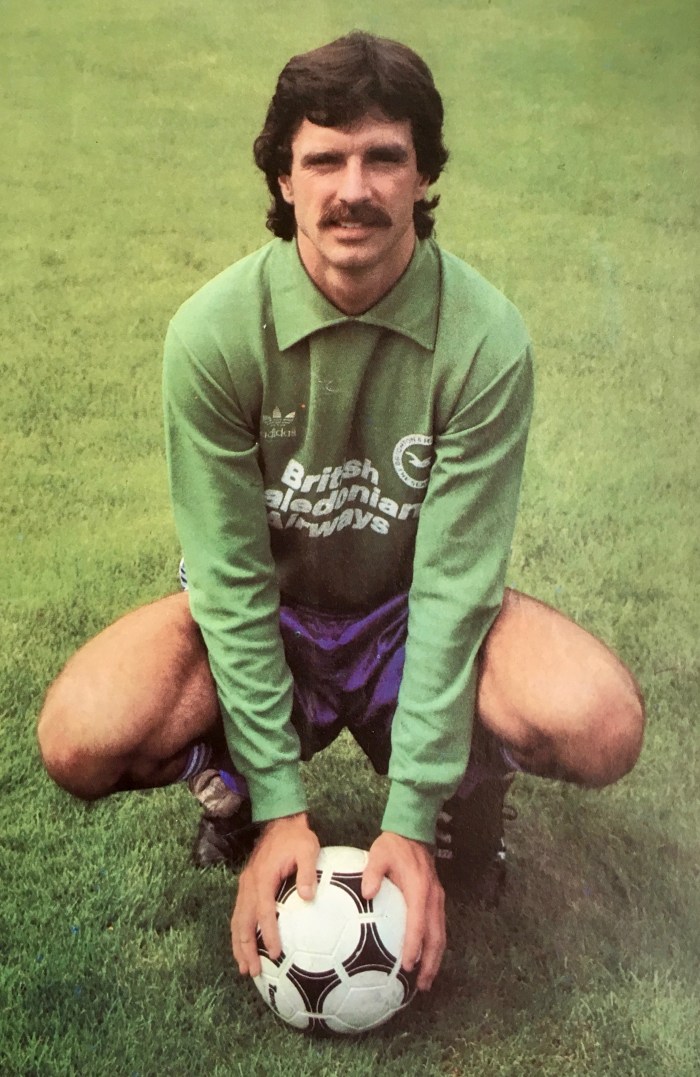
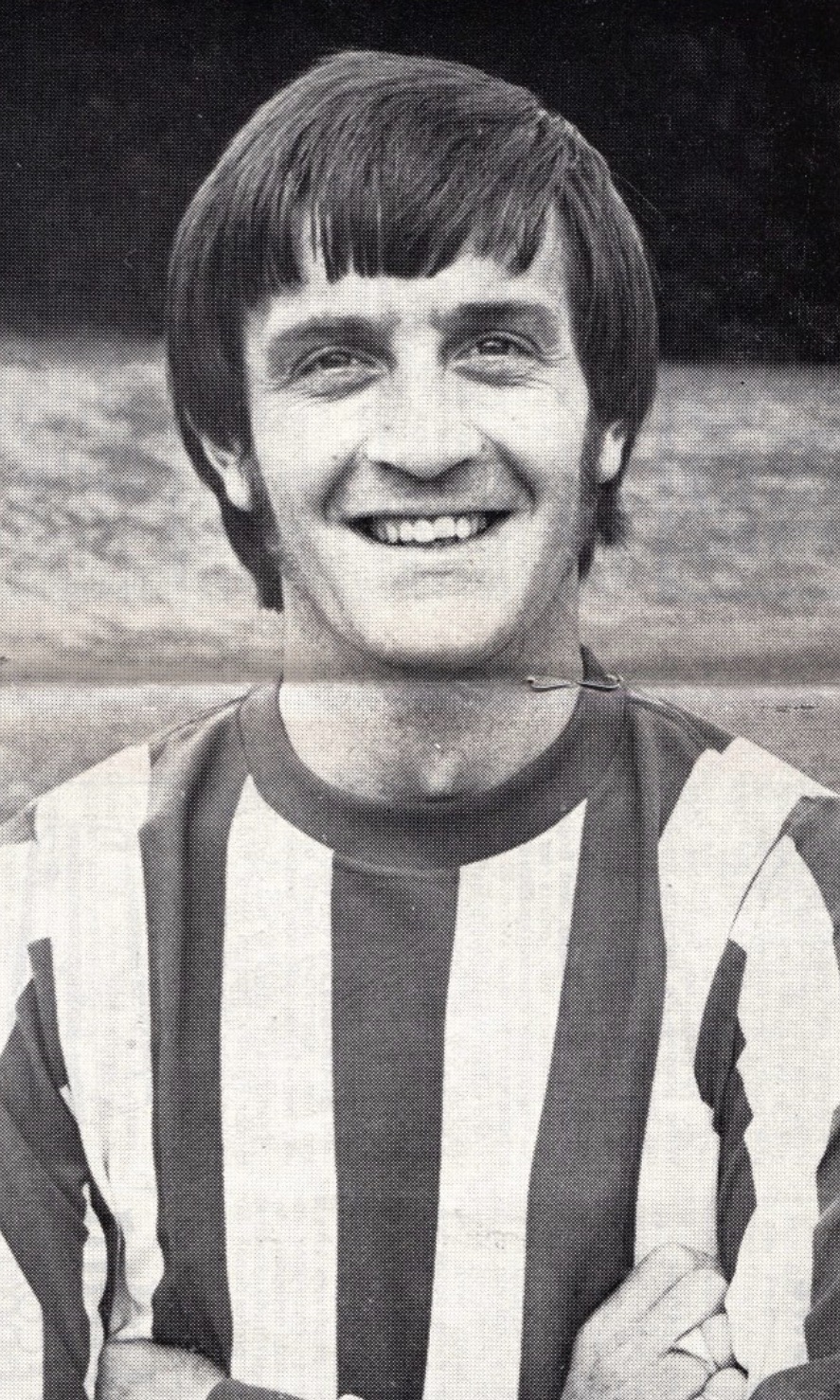
 GRAHAM MOSELEY once played in a FA Cup semi-final for Derby against Manchester United but went one better with Brighton and made it to the final.
Considering Derby’s pre-eminence in the mid ‘70s compared to Brighton’s more modest status, Moseley’s chances of making a Wembley final were fairly remote after leaving the Baseball Ground .

Even more so considering some turbulent times at the Goldstone during which he very publicly fell out with the manager who signed him. A detailed account of that disagreement, his time at Brighton and what followed can be found in A Few Good Men, the excellent Albion dream team book written by Spencer Vignes (Breedon Books, 2007).
Born in Stretford, Manchester, on 16 November 1953, Moseley started out as a centre-forward for his junior school side but because he was the tallest lad in a team that conceded more than it scored, he was put in goal. By the age of 15, he was playing for Stretford Boys and a selector for the Lancashire county side called Neil Diamond invited him to play in a match at the Ewood Park home of Blackburn Rovers.
He did enough in the match to be invited to sign on as an apprentice at Rovers and, although he played mainly in their B team, he was promoted to the reserves for a match against Derby County. Brian Clough’s loyal sidekick Jimmy Gordon liked what he saw of the opposition goalkeeper and before long Moseley was on his way to the Baseball Ground.
He was installed as the reserve team goalkeeper in a side which won the Central League title and his performances caught the eye of the England Youth selectors. He first played in a 4-1 friendly win over Spain on 15 March 1972 and manager Gordon Milne retained him in goal for all five of England’s games as they won the 25th UEFA Youth Tournament in Spain that May.
After an opening 0-0 draw against Belgium, Moseley kept clean sheets as England won the other four games, against the Republic of Ireland (4-0), Yugoslavia (1-0), Poland (1-0) and West Germany (2-0). Teammates in that side included Kevin Beattie, Phil Thompson and Trevor Francis who all went on to become full England internationals.
While Moseley had been unable to budge Clough’s first choice no.1, Colin Boulton, at Derby, when Clough departed (ironically to become manager of Brighton), his successor Dave Mackay decided to give Moseley his chance. He had a three-game loan spell with Aston Villa at the start of the 1974-75 season but he played 44 matches in four years for the Rams, including the 1976 FA Cup semi-final defeat to Manchester United.
When Mackay was replaced with ex-United boss Tommy Docherty in the summer of 1977, the ebullient Scot made it clear both Boulton and Moseley could look for other clubs. Moseley fancied the idea of joining Vancouver Whitecaps but his wife at the time didn’t want to uproot to Canada and they swapped the East Midlands for Sussex instead.
Alan Mullery paid Derby £20,000 for the England Under 23 ‘keeper in November 1977 but he had to wait until the following April before making his debut. In the 1978-79 season that saw Albion finally win promotion to the First Division, Moseley featured 20 times while goalkeeping rival Eric Steele played 27 games.
Vignes touched on the rivalry between the two in A Few Good Men and, by his own admission, Moseley acknowledged Steele was a lot more dedicated to improving himself. “He would train every day after everybody else had finished. He’d go through his routines whereas I was just relying on my natural ability. That’s my big regret. If I had worked much harder, I probably could have gone a lot further,” he said.
Once in the top division, Mullery lambasted some of Moseley’s performances in the press, understandably causing a rift which ended up with the ‘keeper being transfer-listed. However, it was the manager who would leave before him.

Moseley had a new lease of life under Mike Bailey following Mullery’s departure in 1981, although he often shared the goalkeeping duties with Perry Digweed.
Nevertheless, under Bailey’s successor Jimmy Melia, he was in possession – and in terrific form – for the memorable 1983 FA Cup semi-final at Highbury against Sheffield Wednesday and retained the jersey for the final.
That he was to be a loser to United both at that semi-final stage with Derby in 1976 and in the replayed final in 1983 was a supreme irony – because United were the team he had supported since a boy.
Competition for the green jersey at the Goldstone was a regular feature of Moseley’s years on the south coast and restricted his league appearance total to 189 in nine years.
Although he successfully saw off Steele as a rival for the shirt, the bulk of former England international Joe Corrigan was a bigger hurdle in the 1983-84 season.
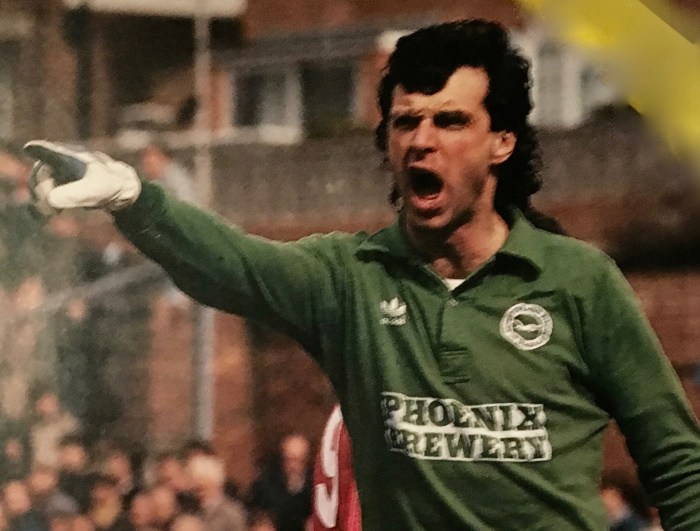 Nevertheless, when injury curtailed big Joe’s career, Moseley stepped back into the top spot and his heroics in the 1984-85 season earned him the player of the season accolade.
It was his misfortune that another managerial change saw the return of his nemesis Mullery and his Albion career came to a close. He moved on to Cardiff, where his career was cut short in 1987 when injured in a road accident, and he subsequently became a postman.
- Scrapbook photos from the Argus, Shoot! and the matchday programme
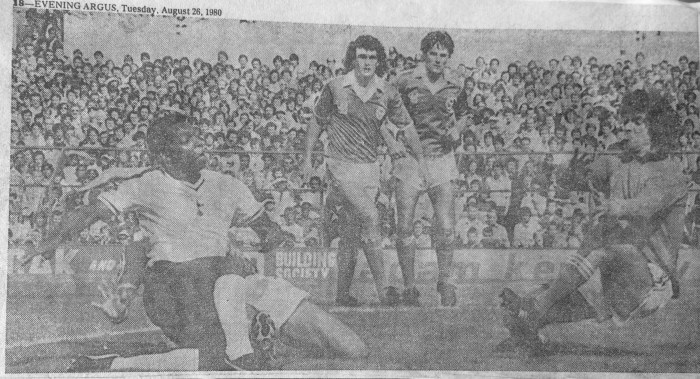 BBC TV football pundit Garth Crooks in his playing days scoring for Spurs past Moseley.


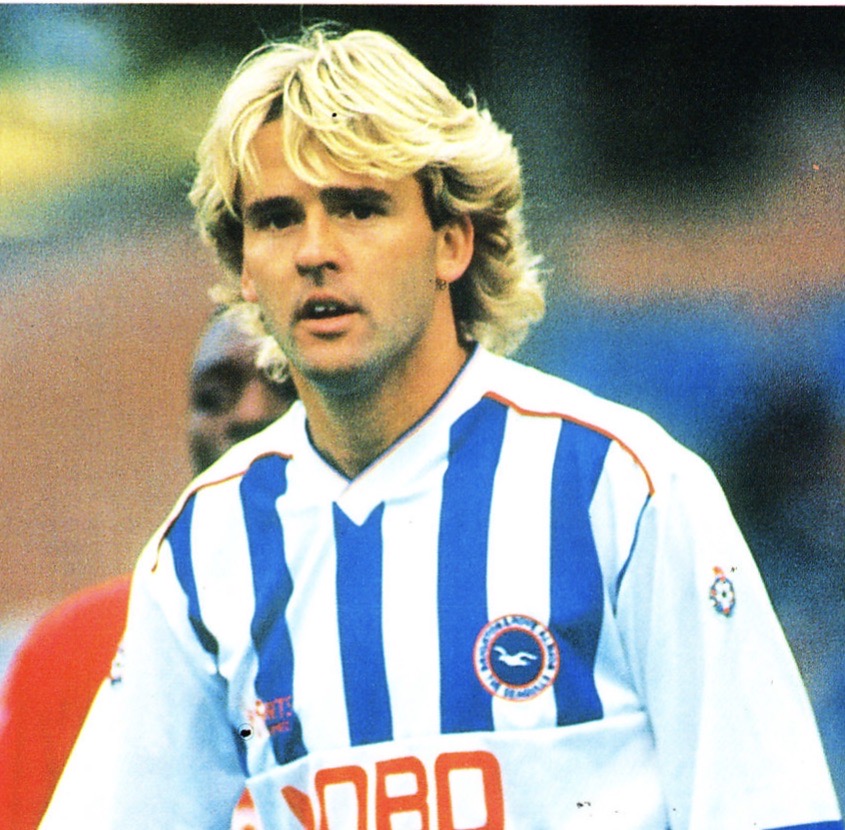 The climax to the season was a classic case of ‘if onlys’ where ‘Budgie’ was concerned: if only he hadn’t been injured in that final game against Ipswich, he would have been fit to play from the start in the final.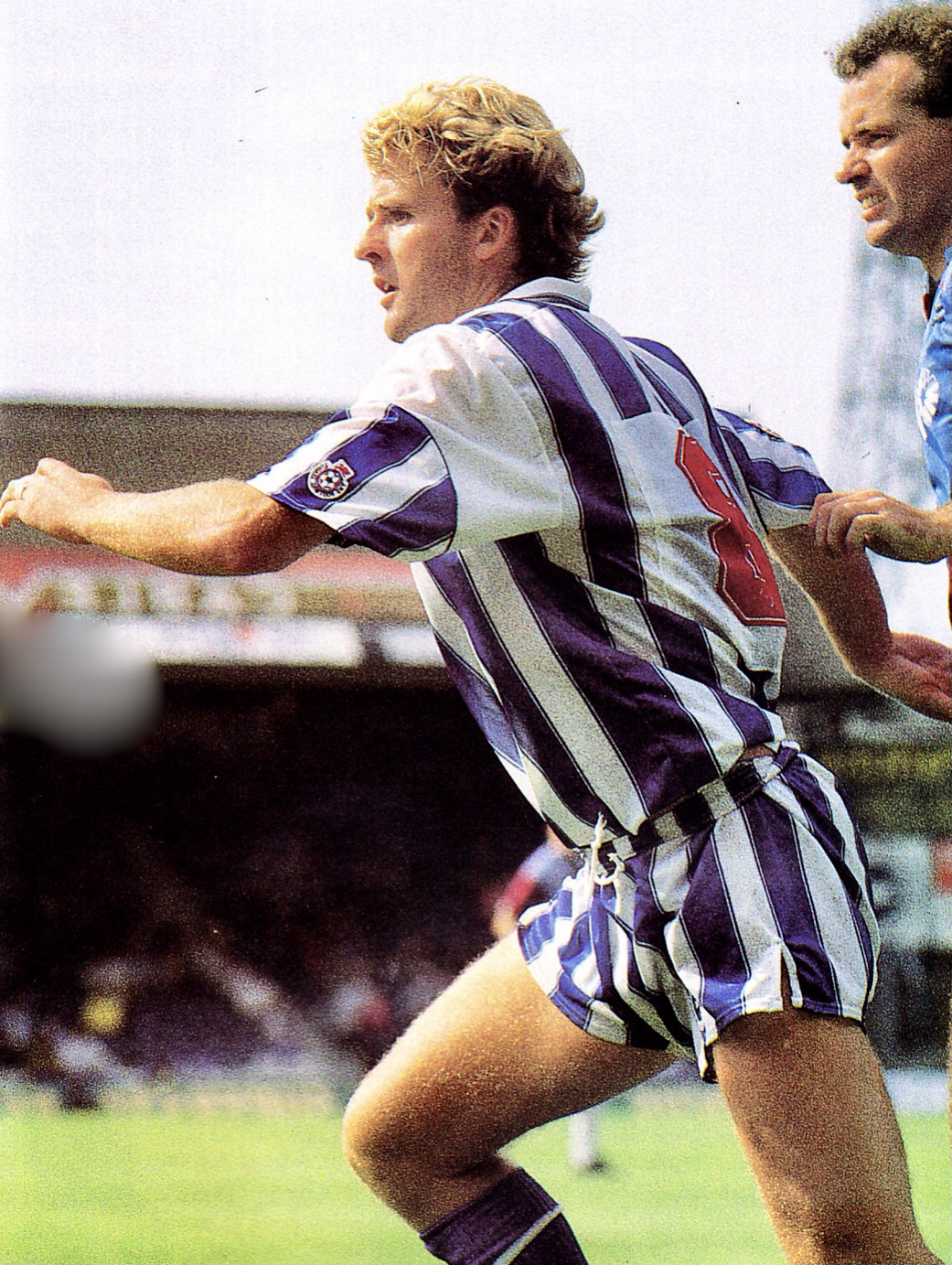
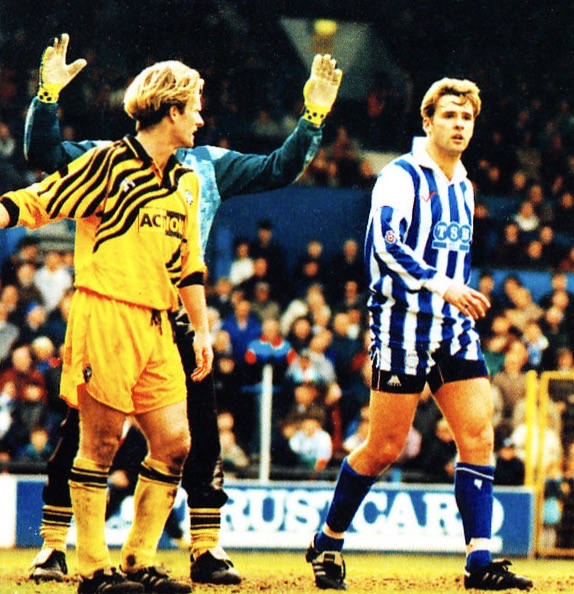


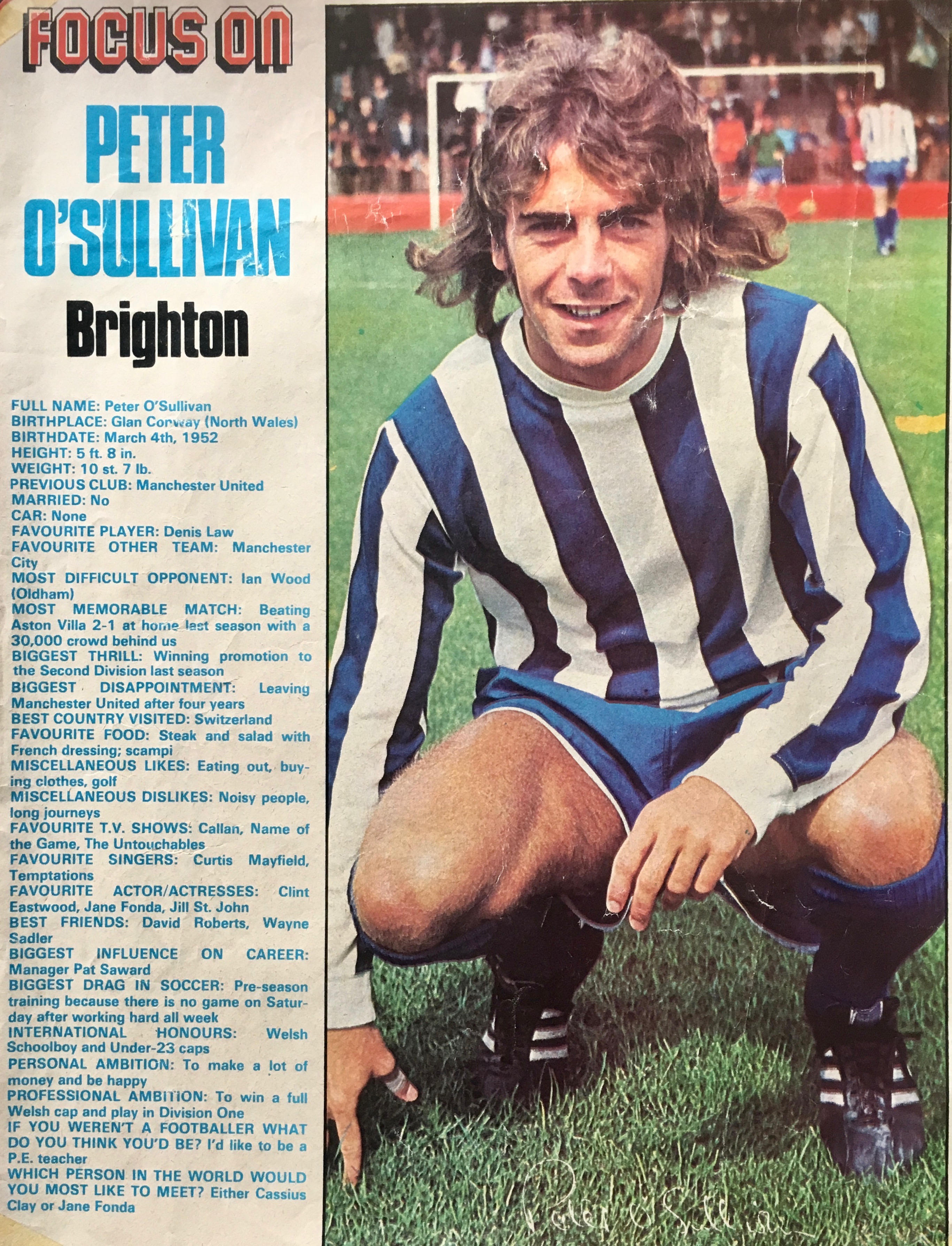


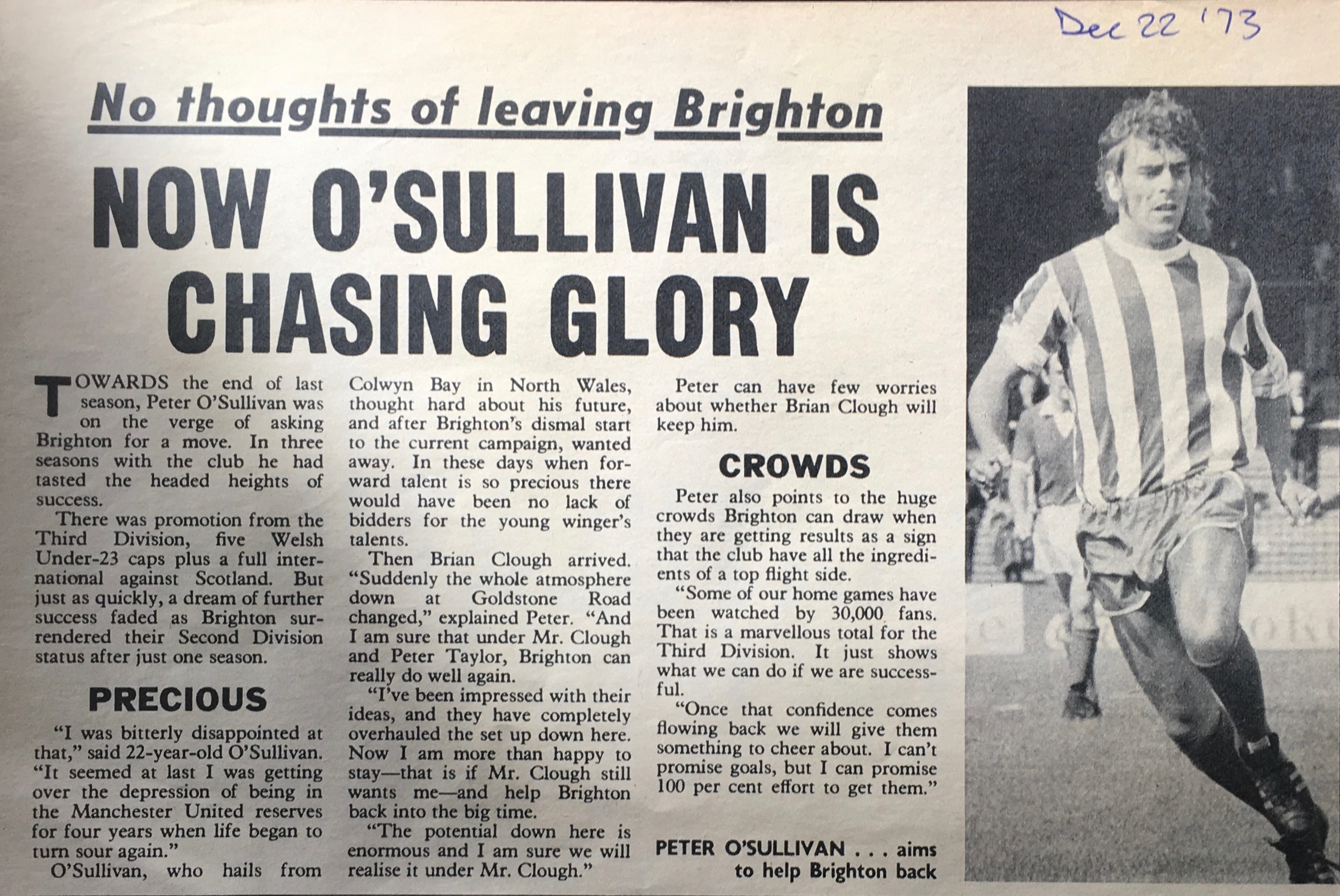
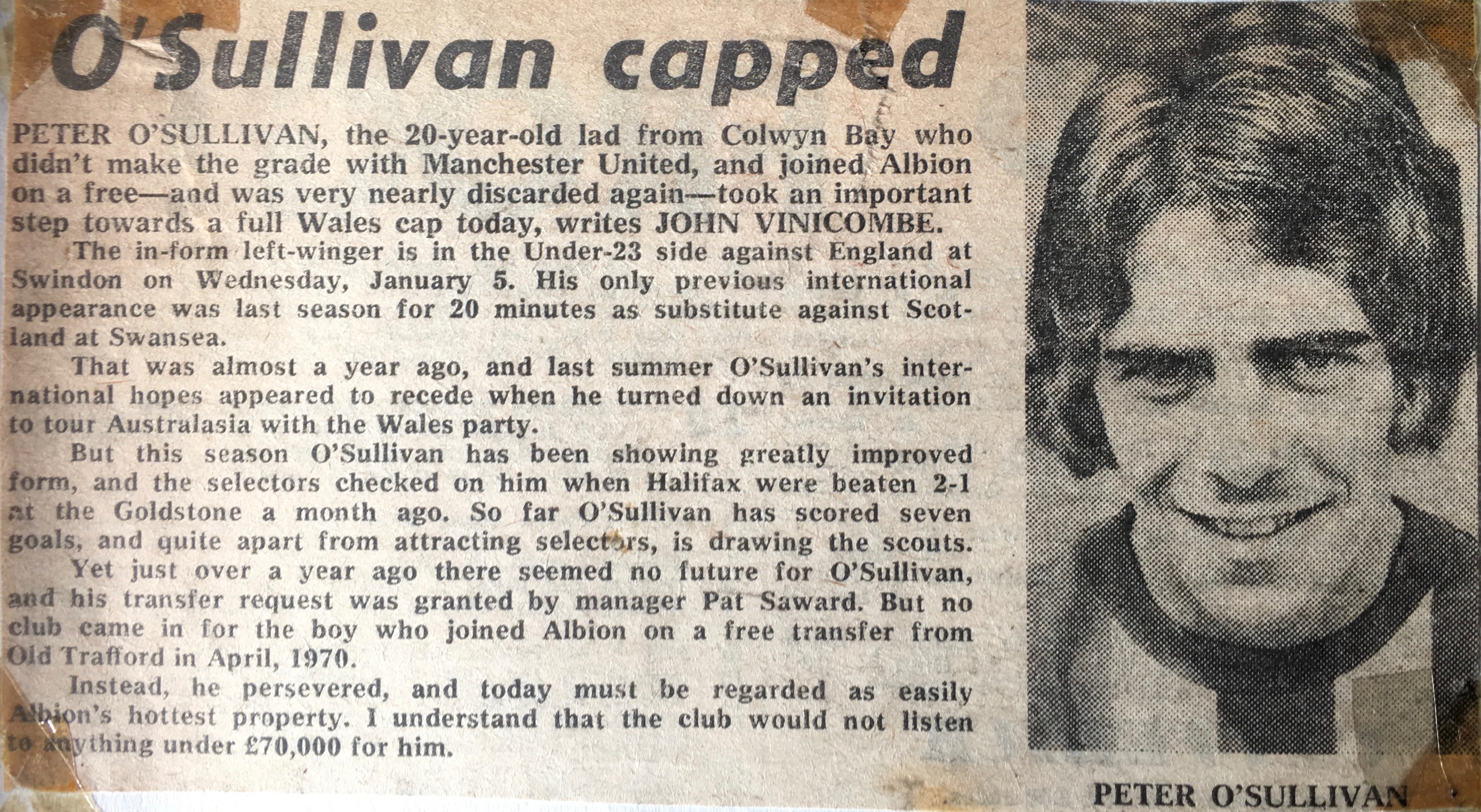 The performances of the lad from Colwyn Bay also saw him earn three international caps for Wales, two against Scotland and one in a rout against Malta when he also got on the scoresheet. Unfortunately for him, during the same period, a superb left-sided player called Leighton James was the first choice for the national side.
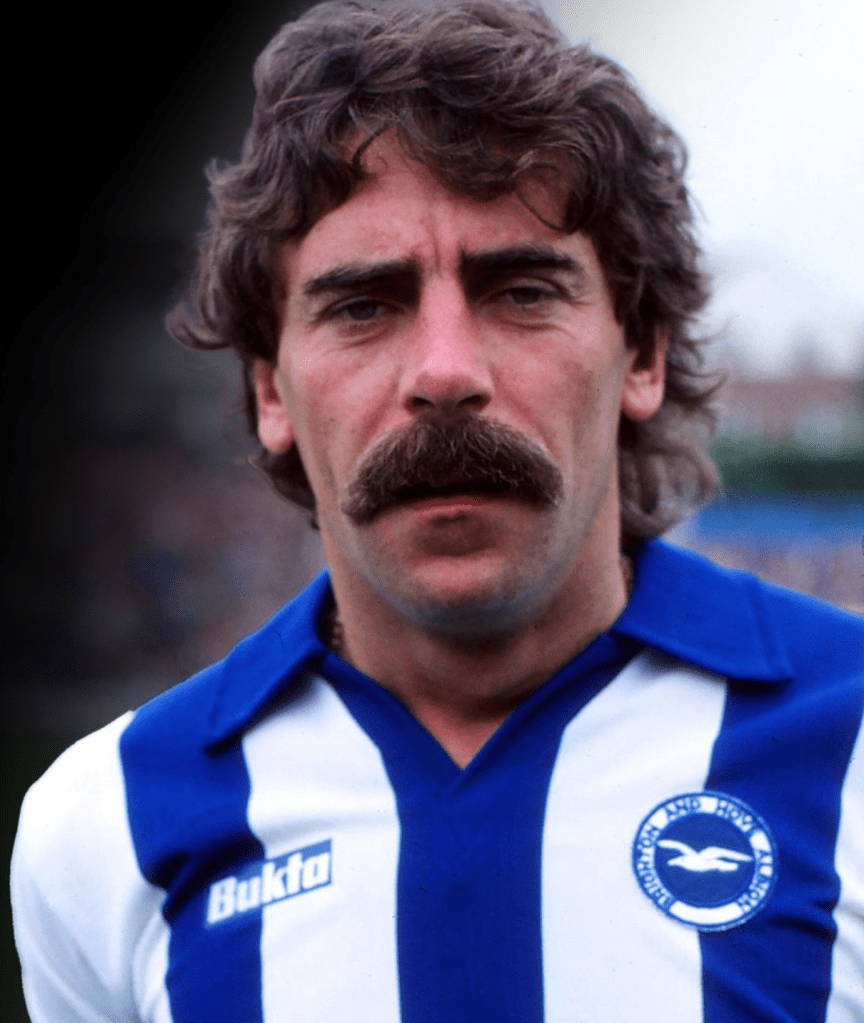
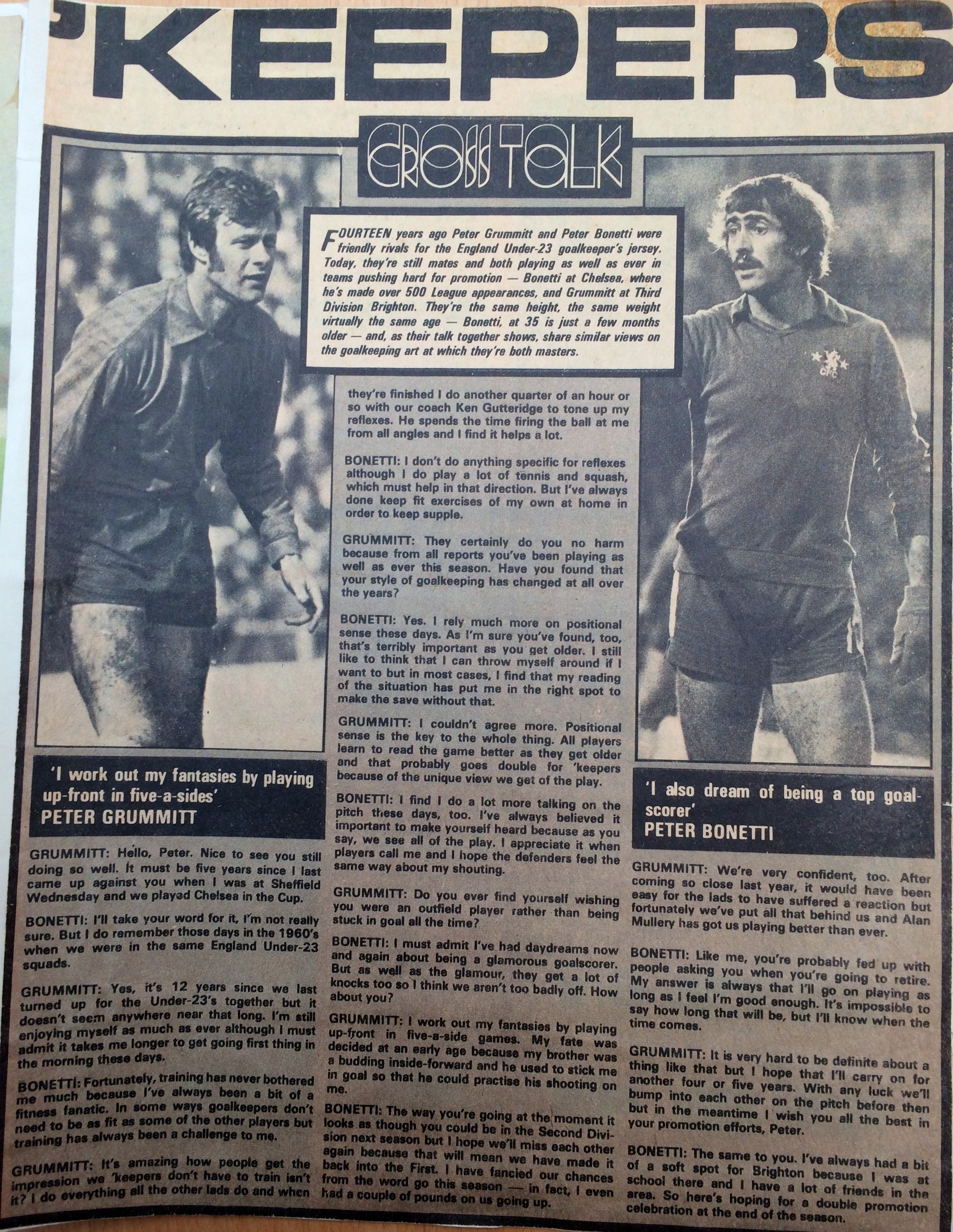
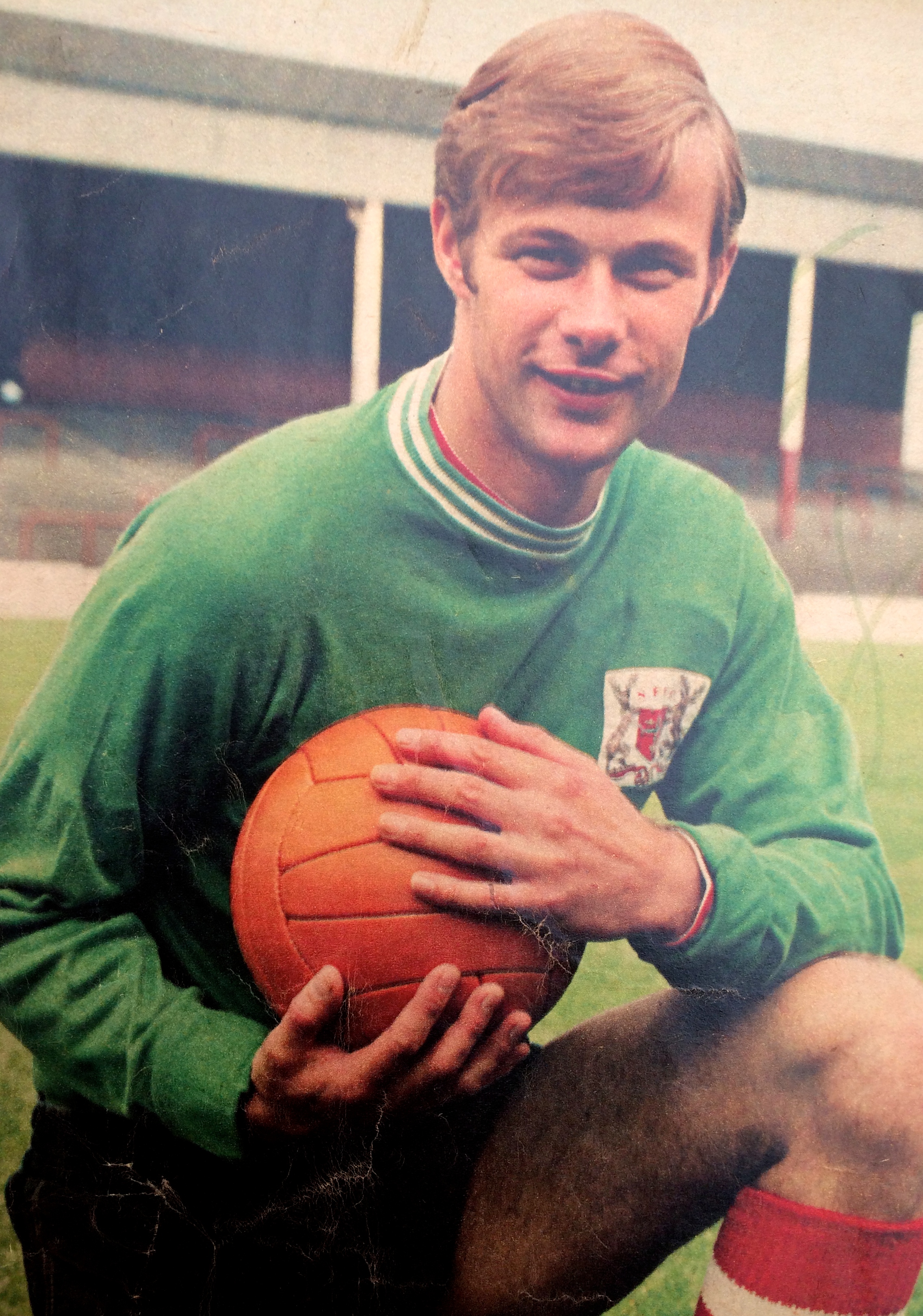 ONE OF the best goalkeepers I’ve ever seen play for Brighton and Hove Albion previously spent a decade with Nottingham Forest and was an England under 23 international.
 But he also made 158 appearances for the Albion between 1974 and 1977. Signed on loan initially from Sheffield Wednesday in the wake of the famous 8-2 defeat to Bristol Rovers, he went on to be a key part of the side that was on the up in the mid ‘70s until injury cut short his career, albeit that he was in his mid 30s by then.
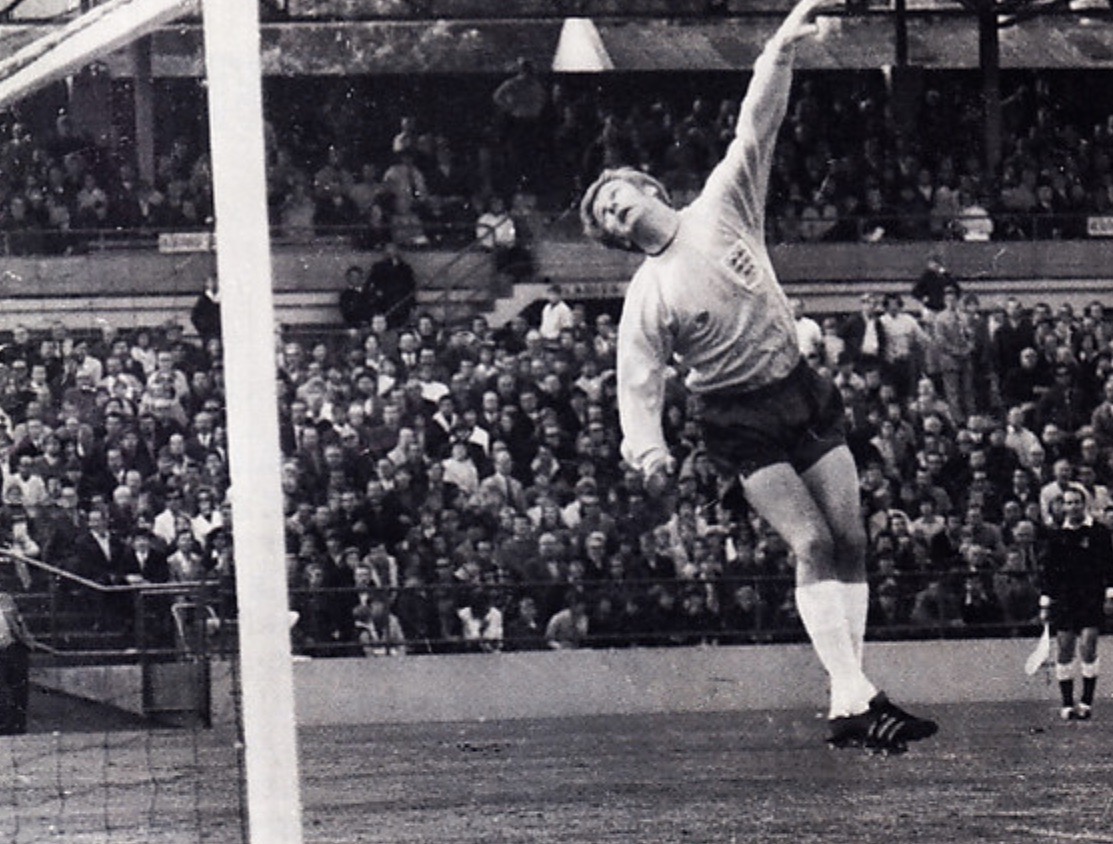 Grummitt made his debut in a 5-2 win over the Netherlands in Rotterdam on 29 November 1961 when his teammates included future England World Cup winning captain Bobby Moore and future Brighton manager Alan Mullery.


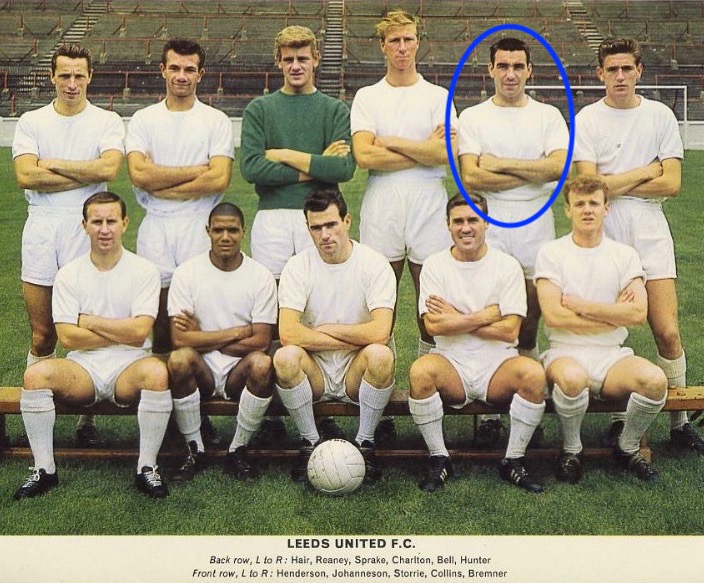 Goodwin (pictured below alongside Bell in a Leeds line-up) obviously knew the pedigree of the player and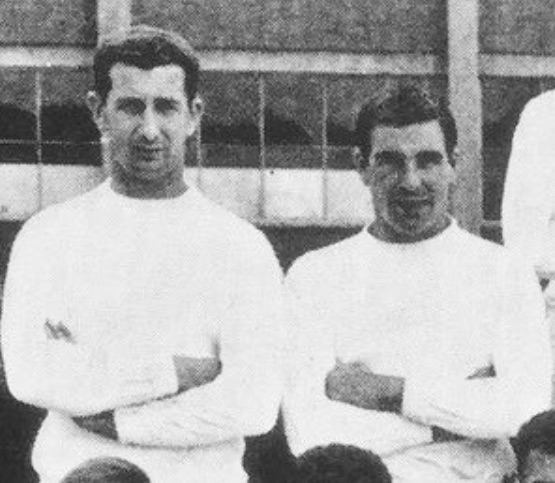
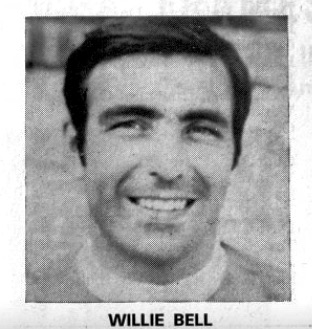 The matchday programme noted: “Willie is continuing his career as a player, but devotes a good deal of his time to the reserve side. He’s thoroughly enjoying this new phase to a fine career in the game.”




 In parallel lines