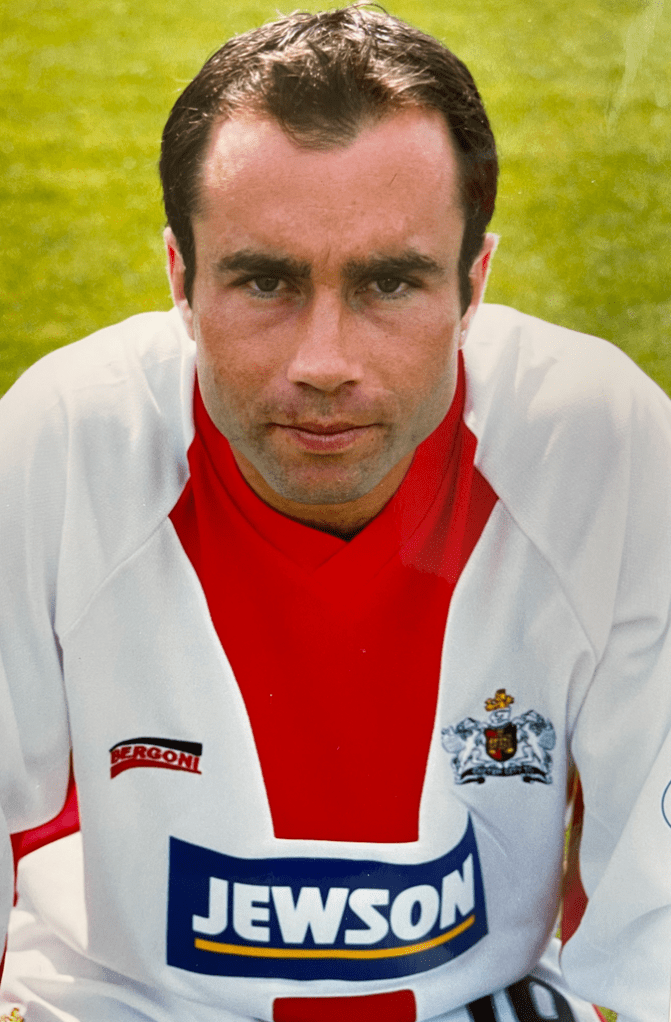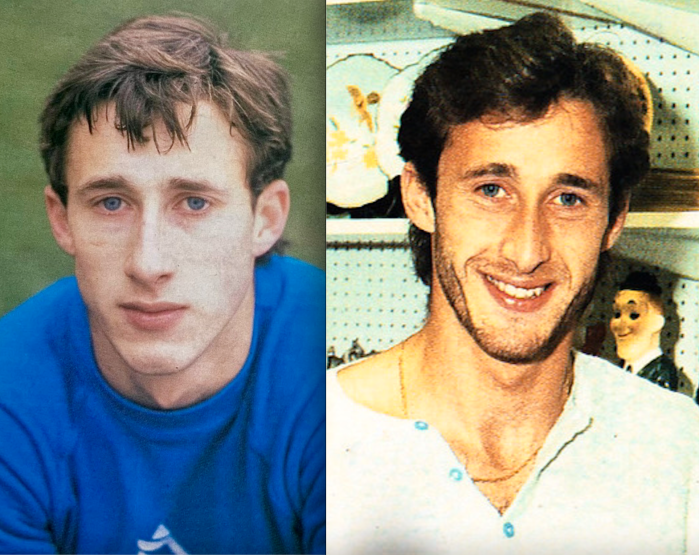
The FA Youth Cup winner with a sweet left foot

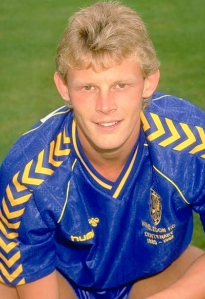
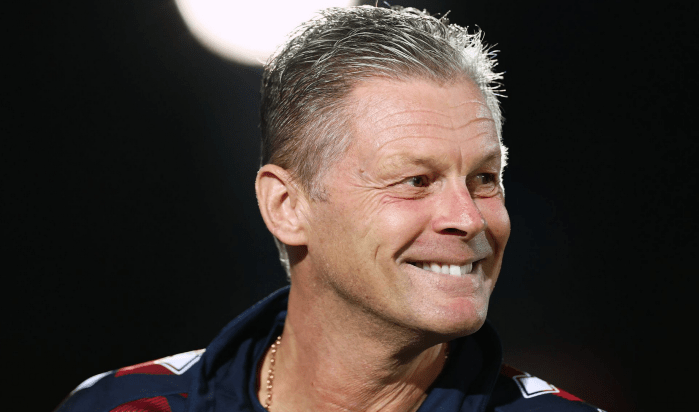
PACY DARREN HUGHES made his Everton first team debut two days after Christmas 1983 while still a member of the club’s youth team.

That game at Molineux ended in a 3-0 defeat for the young defender against bottom-of-the-table Wolves who had Tony Towner on the wing and John Humphrey at right-back.

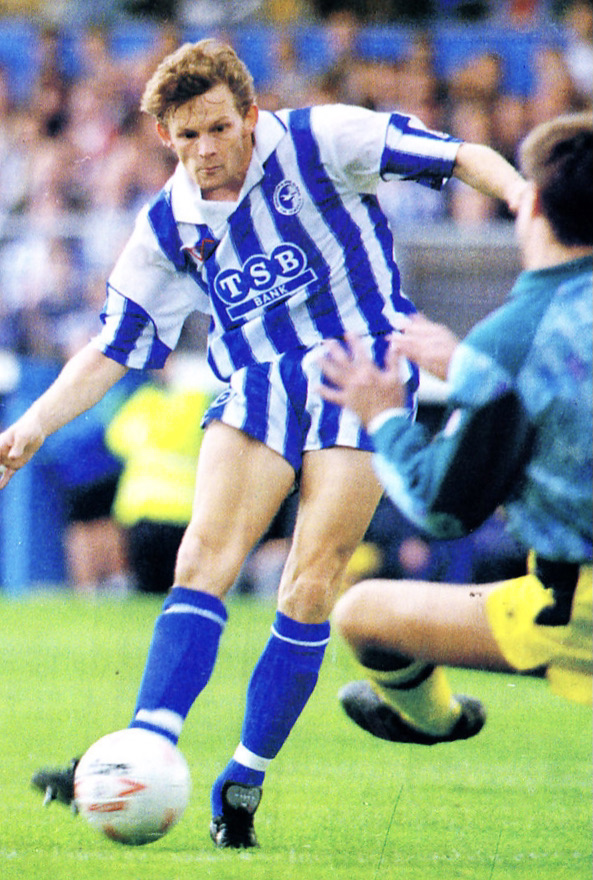
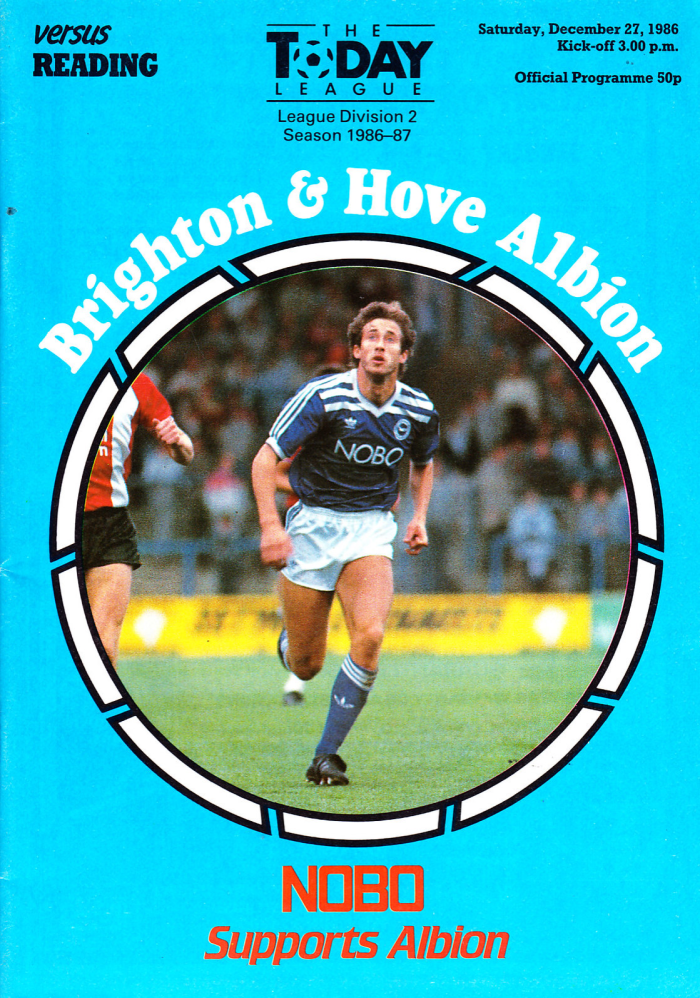
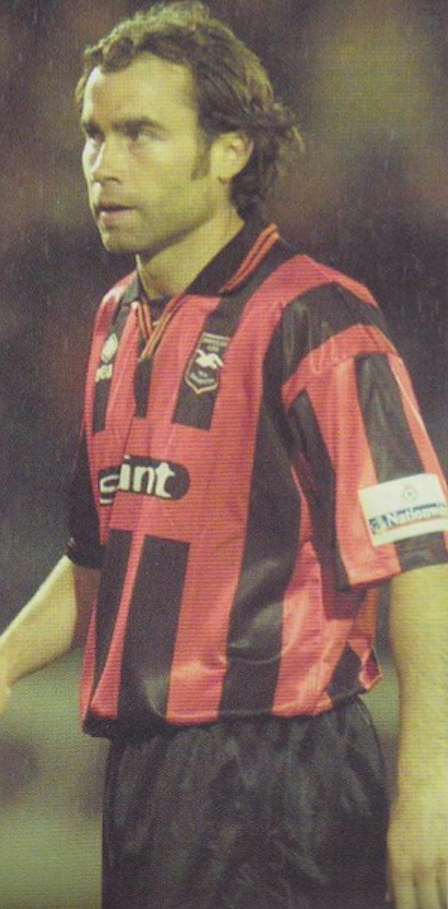
Exactly three years later, a picture of Hughes in full flight was on the front cover of Albion’s programme for their home festive fixture against Reading, the Scouser having signed for the second-tier Seagulls for £30,000.
The money to buy him came from the supporter-funded Lifeline scheme which also helped to buy goalkeeper John Keeley for £1,500 from non-league Chelmsford and striker Gary Rowell, from Middlesbrough.

Hughes had made only two more first team appearances for Everton before a free transfer move took him to second tier Shrewsbury Town, for whom he made 46 appearances.

It was while playing for the Shrews in a 1-0 win over Brighton that he had caught the eye of Alan Mullery, back in the Albion hotseat at the start of the 1986-87 season.

In his matchday programme notes, Mullery wrote: “Darren could become a really good player here. I was impressed with him when he played against us recently.

“He started at Everton and came through their youth scheme and had already played in their first team at 18. The grounding he received at Goodison should stand him in good stead.

“He has already shown he is the fastest player we have here, in training he even beat Dean Saunders in the sprints.”

Interviewed for the matchday programme, Hughes told interviewer Tony Norman: “I was quite happy at Shrewsbury. But when the manager told me Brighton were interested in signing me I thought it would be another step up the ladder. It’s a bigger club with better prospects and it’s a nice town as well.”
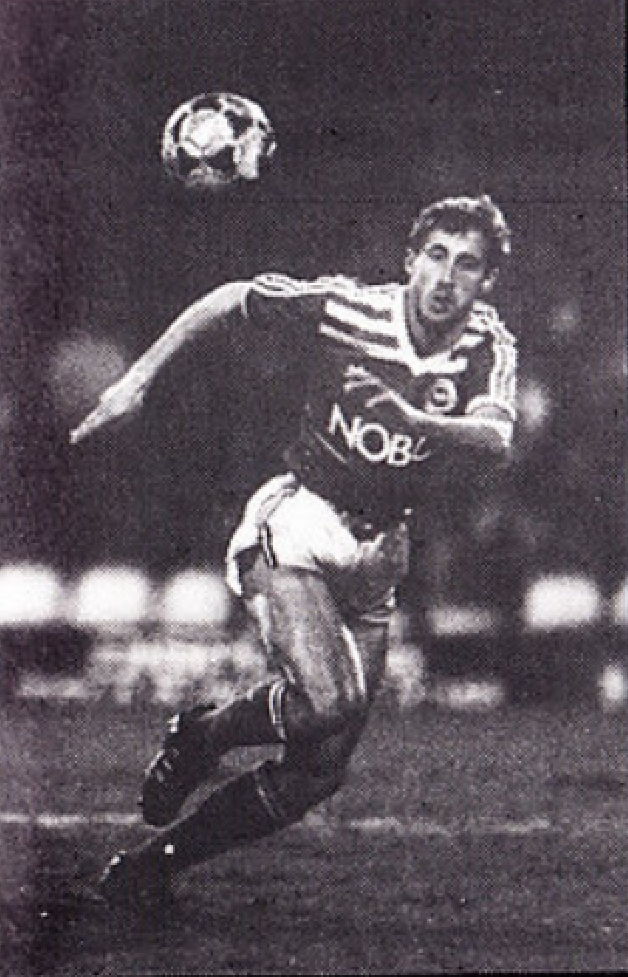
Hughes moved into digs in Hove run by Val and Dave Tillson where a few months later he was joined by Kevan Brown, another new signing, from Southampton.

Hughes meanwhile had made his Albion debut in a 3-0 defeat at home to Birmingham in the Full Members Cup on 1 October 1986 and his first league match came in a 1—0 home win over Stoke City three days later courtesy of a Danny Wilson penalty.

He scored his first goal for the Seagulls in a 2-2 Goldstone draw against Bradford City as Mullery continued to see points slip away. With financial issues continuing to cloud hoped-for progress, 1987 had barely begun before Mullery’s services were dispensed with.

Hughes played 16 games under his successor Barry Lloyd but those games yielded only two wins and the Albion finished the season rock bottom of the division, dropping the Albion back into the third tier for the first time in 10 years.
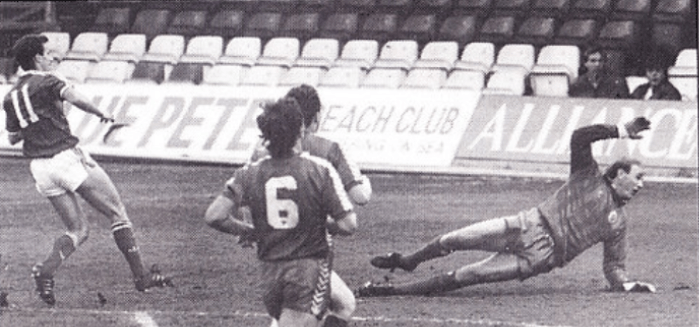
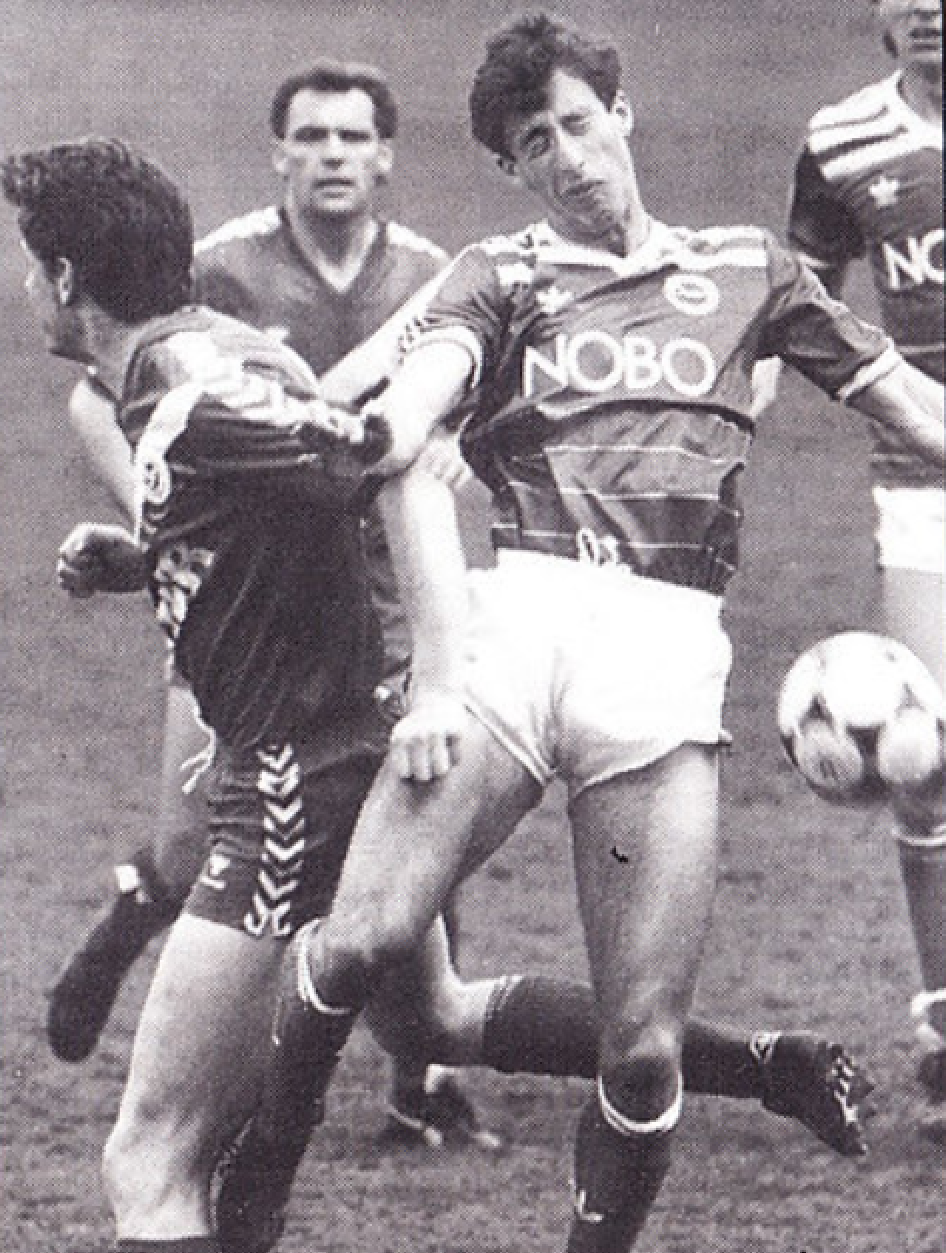
A rare happy moment during that spell was (pictured above) when Hughes slotted past George Wood in a 2-0 home win over Crystal Palace on Easter Monday although that game is remembered more for violent clashes between supporters outside the Goldstone Ground after fans left before the game had finished.

What turned out to be his 25th and final league appearance in a Seagulls shirt came in a 1-0 home defeat to Leeds when he was subbed off in favour of youngster David Gipp.
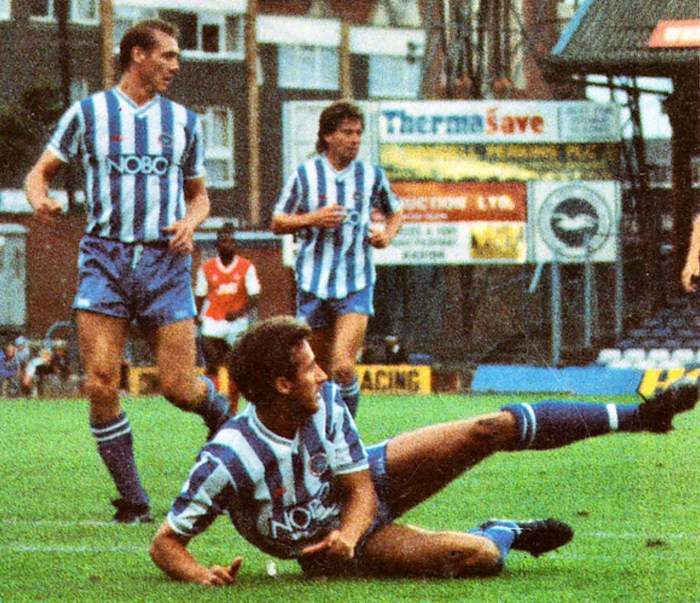
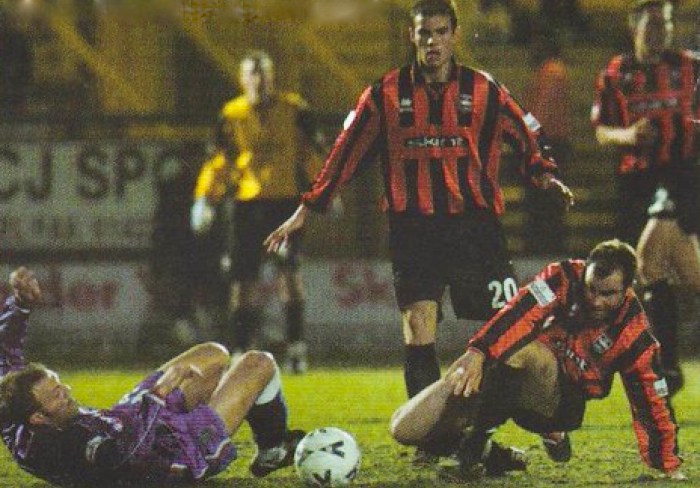
Going to ground in a pre-season friendly against Arsenal

Hughes did start at left-back in a pre-season friendly against Arsenal at the Goldstone in early August (when a Charlie Nicholas hat-trick helped the Gunners to a 7-2 win) but when league action began he was on the outside looking in.
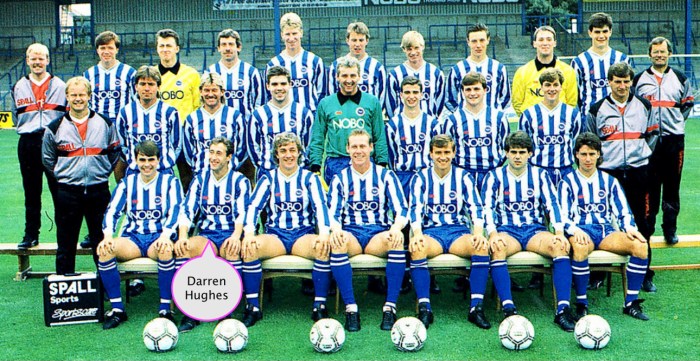
He was in the front row of the official team photo line-up for the start of the 1987-88 season, but Lloyd was building a new side with several new signings, such as Keith Dublin and Alan Curbishley, and young Ian Chapman was also beginning to stake a claim.

Hughes earned mentions in dispatches for his performances in the reserves’ defeats to Portsmouth and Spurs but come September he switched to fellow Third Division side Port Vale, initially on loan before making the move permanent.

Perhaps it was inevitable that when the Seagulls travelled to Vale Park on 28 September, Hughes was on the scoresheet, netting a second goal for the home side in the 84th minute to complete a 2-0 win.

Born less than 10 miles from Goodison Park, in Prescot, on 6 October 1965, Hughes went to Grange Comprehensive School in Runcorn and earned football representative honours playing for Runcorn and Cheshire Boys. He joined Everton as an apprentice in July 1982.
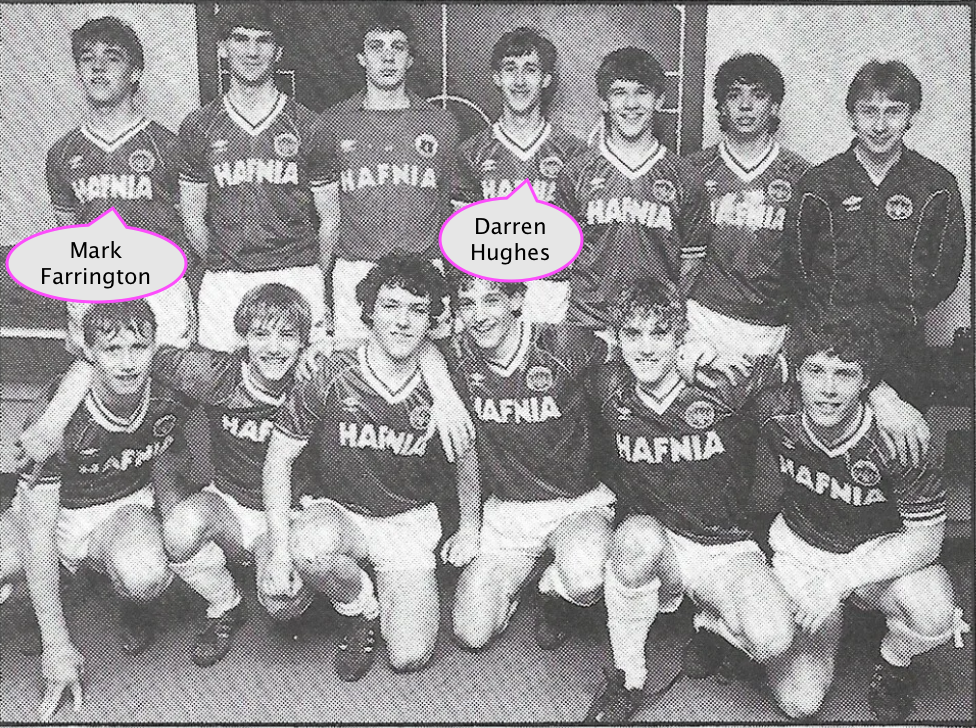
Originally a midfield player, he switched to left-back in the two-legged 1983 FA Youth Cup semi-final against Sheffield Wednesday (when Mark Farrington scored four in Everton’s 7-0 second leg win).

In the final against Norwich City, two-goal Farrington missed a late penalty in the first leg in front of an extraordinary 15,540 crowd at Goodison Park. The tie was drawn 5-5 but the Canaries edged it 1-0 in a replay to win the trophy for the first time.

If that was so near and yet so far, youth team coach Graham Smith saw his young charges make up for it the following year. Hughes was on the scoresheet as Everton won the FA Youth Cup for the first time in 19 years.
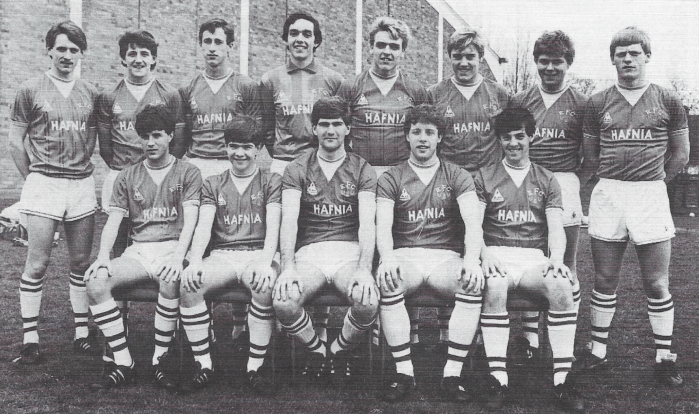
This is how the Liverpool Echo reported it: “Everton’s brave youngsters survived a terrific onslaught to take home the Youth Cup when beating Stoke City Youth 2-0 and winning by a 4-2 aggregate.

“And the man to set them on their way was 18-year old full-back Darren Hughes, who set the game alight in the 62nd minute with a brilliant goal.

“The Everton left-back picked the ball up on the halfway line and surged into the Stoke half before sending a wicked, bending drive past keeper Dawson.”

Eleven days later, there were even more Goodison celebrations when the first team won that season’s FA Cup, beating Watford 2-0 at Wembley.

Not long into the following season, Hughes learnt the hard way not to take anything for granted, as the website efcstatto.com revealed.

Manager Howard Kendall saw Everton Reserves, 2-0 up at half-time, concede six second half goals and lose 6-2 to Sheffield Wednesday Reserves.

He didn’t like the attitude he saw in several players and promptly put five of them, including Hughes, on the transfer list.

“It was important that we showed the players concerned how serious we were in our assessment of the game,” said Kendall. “Attitude in young players is so important. These lads would not be here if we did not think they have skill or we thought they would not have a chance of becoming First Division players.

“At some time, however, they must come to learn that football is not always a comfortable lifestyle. There are times when the only course of action is to roll up your sleeves and battle for yourself, your teammates and your club.”

Even though they were put on the transfer list, he said that they still had a future at the club as long as they behaved accordingly.

“What it does mean is that we shall be watching them very carefully over the next few months to see whether they have the right attitude in them – because it is a must,” said Kendall.

Hughes did knuckle down and at the end of what has come to be regarded as perhaps Everton’s greatest-ever season – they won the league (13 points clear of runners up Liverpool) and the European Cup Winners’ Cup (beating Rapid Vienna 3-1) and were runners up to Manchester United in the FA Cup (0-1) – he played two more first team games.

They were the penultimate and last matches of the season but were ‘dead rubbers’ because Everton had already won the league title and Kendall could afford to shuffle his pack to keep players fresh for the prestigious cup games that were played within four days of each other.

Hughes was in the Everton side humbled 4-1 at Coventry City, for whom Micky Adams opened the scoring (Cyrille Regis (2) and Terry Gibson also scored; Paul Wilkinson replying for Everton).

Two days later, he was again on the losing side when only two (Neville Southall and Pat Van Den Hauwe) of the team that faced Man Utd in the FA Cup Final were selected and the visitors succumbed 2-0 to a Luton Town who had Steve Foster at the back.

With the experienced John Bailey and Belgian-born Welsh international Van Den Hauwe in front of Hughes in the Everton pecking order, Kendall gave the youngster a free transfer at the end of the season.
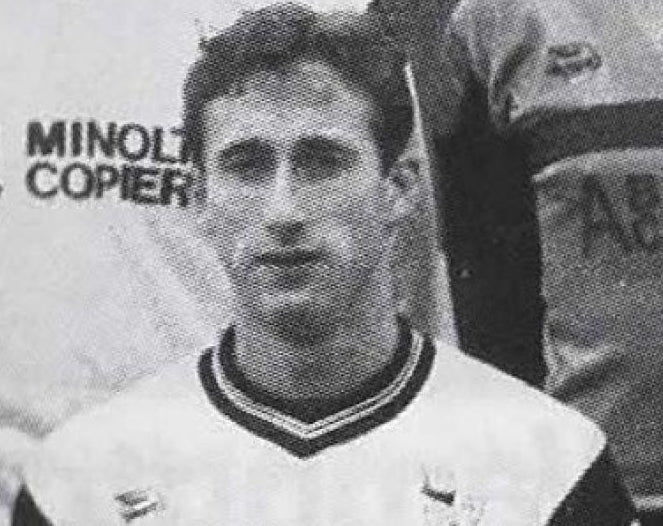
After he left Brighton, Hughes enjoyed some success at Vale, and according to onevalefan.co.uk formed one of the club’s best full-back partnerships together with right-back Simon Mills.

A highlight was being part of the side that earned promotion to the second tier in 1988-89, but his time with Vale was punctuated by two bad injuries – a hernia and a ruptured thigh muscle.

Vale released him in February 1994 but he initially took the club to a tribunal for unfair dismissal. He was subsequently given a six-week trial in August to prove his fitness and, upset with that treatment, he left the club in November 1994.

Between January and November 1995, he played 22 games for Third Division Northampton Town. He then moved to Exeter City, at the time managed by former goalkeeper Peter Fox, and made a total of 67 appearances before leaving the West Country club at the end of the 1996-97 season.
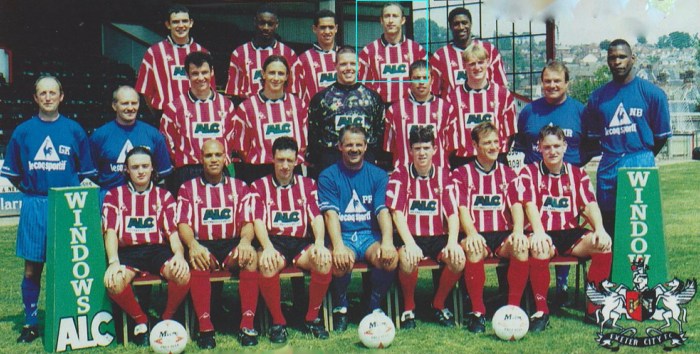
Hughes in an Exeter City line-up

He ended his career in non-league football with Morecambe and Newcastle Town. After his playing days were over, according to Where Are They Now? he set up a construction business.
Thomas swapped a relegation struggle for another promotion push

MARTIN THOMAS was a fourth-tier promotion winner with Fulham, Swansea and Brighton – twice under manager Micky Adams.

Thomas played 90 matches for the west London side between 1994 and 1998 and was part of the side promoted from the basement division in 1997 when runners up behind Wigan Athletic.

He was in the Swansea side that won promotion from the same division as champions three years later.

And following his March transfer deadline day switch to the Seagulls in 2001, Thomas was once again a promotion winner from that division when Adams’ Albion topped the table 10 points clear of second-placed Cardiff, who had tried to sign Thomas themselves.

The manager certainly knew what he was bringing to the squad that spring having known Thomas since he’d been a trainee on the books at Southampton, where Adams had spent five years as a player.

Having been a regular at Swansea for two years, he’d been in and out of the side as City struggled near the bottom of the Second Division. He’d made the last of his 24 appearances that season just before Christmas and had missed two months with a bruised ankle bone.

He was on the transfer list after falling out with boss John Hollins and Albion agreed to take over his contract for the rest of the season, although the paperwork was only completed 45 minutes before the transfer deadline.

The Argus noted that Thomas then caught a train to his parents’ home near Romsey and borrowed his mum’s car the following morning to drive to Sussex for his first training session with the Albion. There were plenty of familiar faces to greet him.

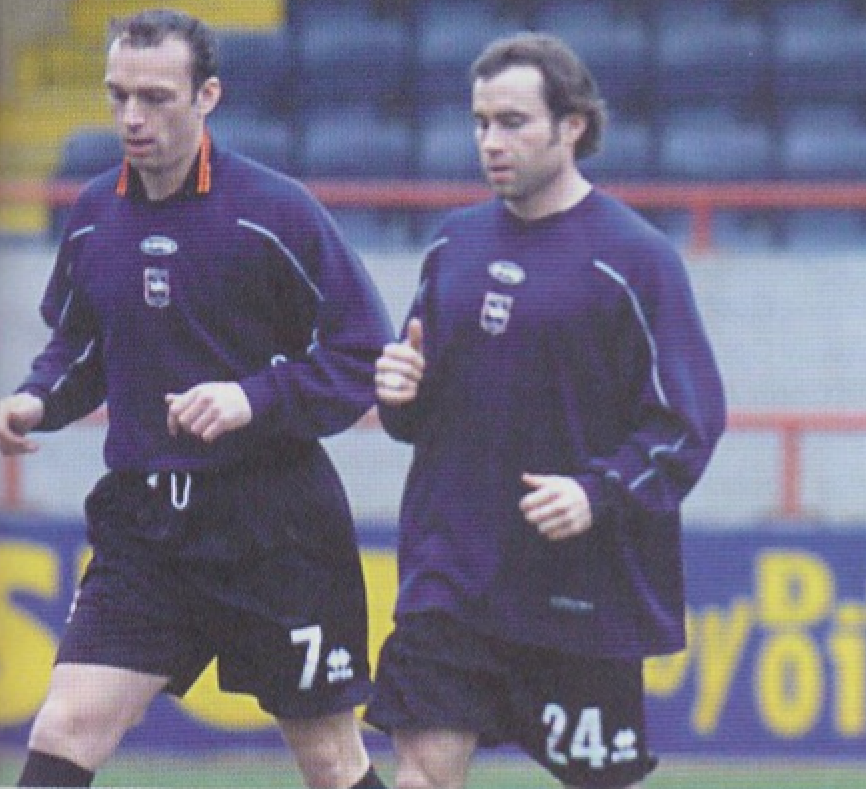
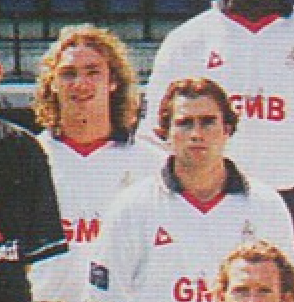
Apart from Adams, there was Richard Carpenter, Danny Cullip, Paul Watson, Paul Brooker, and Darren Freeman. (Thomas is pictured below with Freeman at Fulham and warming up as Brighton substitutes)

Carpenter told The Argus: “I played with Thomo at Fulham for just under two seasons. He is a hard-working player who puts his foot in and never gives less than 100 per cent.

“I would say he is much the same as Charlie (Oatway). Both are tough tacklers and very aggressive.”

There’s no love lost between Swansea and their south Wales rivals Cardiff City and Adams’ former no. 2, Alan Cork, who was boss at the Bluebirds at the time, admitted to The Argus that he’d hoped to sign Thomas for their own promotion push.

“I tried to take Martin until the end of the season two weeks before Micky got him, but Swansea wouldn’t deal with us,” said Cork. “Martin is a very aggressive, up and down midfielder,” he said. “He has a lot of pace, works his heart out for the team and is a good all-round player.”

The player himself told The Argus: “I wanted to get away because I need to be playing and I am excited about coming here. I made my mind up straight away.

Thomas in the heart of the goalmouth action for Brighton

“It looks like Brighton are going up and I just hope I can help them get there. The lads have done all the hard work so far this season. I just hope I can add that little bit more.”

It certainly looked like a smart move for a player who’d twice before played a part in winning promotion from the basement division, and Swansea supporters were sad to see him go.

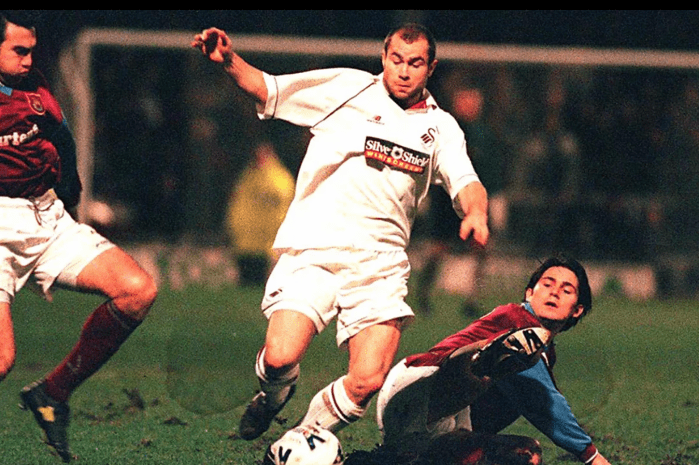
The previous season he’d been headline news after scoring the only goal when the Swans knocked Premier League West Ham out of the FA Cup in a third round replay at the Vetch Field.

Thomas, evading a Frank Lampard tackle, hit the headlines when scoring in Swansea’s FA Cup win over West Ham.

He’d already gone close to breaking the deadlock midway through the first half when he beat Hammers’ goalkeeper Shaka Hislop only to see his shot hit the crossbar. Eight minutes later he hit the target from 25 yards, firing into the bottom corner of the net. Swansea duly became the first Third Division side to knock a Premier League side out of the FA Cup.

Swansea supporters’ leader Keith Haynes reckoned: “Brighton have definitely got a bargain.

“All the Swansea fans I know are fed up that Martin has gone. Every side needs a grafter in midfield and we haven’t got one now.

“He is the sort of battling, hard-tackling player you will get 100 per cent from whoever he plays for. He has been one of the favourites at Swansea because he scores crucial goals as well.”

Haynes added: “He is a top man, the type you need either to get out of trouble or get out of the division you are in.”

Thomas made his debut as a substitute for skipper Paul Rogers in a 2-0 home win over Mansfield Town, the first of seven involvements off the bench.

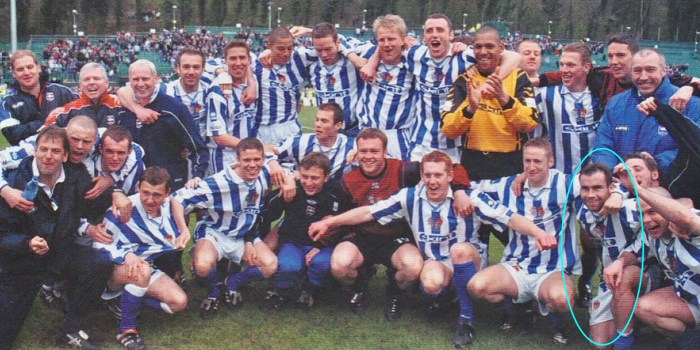
His only start came in the penultimate game, a 0-0 draw away to Halifax Town. Adams made numerous changes to the side that had clinched the championship at Withdean two days earlier when promotion rivals Chesterfield were beaten 1-0 by defender Cullip’s goal.

Thomas joins in promotion celebrations at the Withdean Stadium

Born in the New Forest town of Lymington on 12 October 1973, Thomas was a trainee with Southampton and signed professional terms for them in June 1992.

But he left without making a first-team appearance, moving to east London to join Leyton Orient in March 1994. He scored on his debut, ironically in a 2-2 draw with Fulham, a week after the Os had lost 2-0 at Brighton (Robert Codner and Andy Kennedy with the goals). He scored again in a 3-2 home defeat to Port Vale but only made five appearances in total.

Next stop was Craven Cottage which was to be his home for the next four seasons.

Thomas and Brooker were among the scorers when Third Division Fulham beat Second Division Swansea 7-0 at Craven Cottage in the first round of the 1995-96 FA Cup – the biggest victory over a team from a higher division in the history of the competition. Cusack, Jupp and Conroy (3) were the other scorers.

Thomas didn’t leave the Cottage quite as swiftly as the likes of Aidan Newhouse, Watson, Mark Walton and Cullip after Kevin Keegan and Ray Wilkins were installed in place of Adams, following Mohammed Al Fayed’s takeover of the club.

But in July 1998 he moved to south Wales where former Chelsea, Arsenal and QPR midfielder Hollins had just been appointed Swansea manager.

Thomas scored in first half stoppage time on his debut to give his new club the advantage in the new season opener at home to future employer Exeter City; they went on to win 2-0.

There was disappointment at the season’s end when they lost out to Scunthorpe United at the play-offs semi-final stage but that was all behind them when they topped the division the following campaign.

Thomas had played at the Withdean when Swansea suffered their fifth winless game on the trot on 1 April 2000 but their form eventually returned with four successive wins to carry off the title.

After his cameo in Brighton’s promotion, Thomas stayed in the basement division when he moved on to newly-relegated Oxford United under Mark Wright and then Ian Atkins. But having made only 14 league appearances for Oxford, he moved on again, to Exeter City, in August 2002. 

A Grecians turn for Martin Thomas: relegation at Exeter City

I’m indebted to The Grecian Archive to learn that Thomas made his debut as a substitute on the opening day of the season at Shrewsbury Town. He made 22 league starts, with another four appearances from the bench, but was not in the side towards the end of the season which ended in relegation from the Football League.

Thomas appeared in 10 games in the Conference for Exeter but, after reportedly turning down a reduced-terms two-year contract with the Grecians, he joined Isthmian Premier Eastleigh on a free transfer in July 2004.

He was still only 30 but Eastleigh manager Paul Doswell told the Daily Echo that Thomas decided to pack up full-time football to go into a plumbing job with his brother-in-law.

“It’s great news for us to get someone with that much experience on a free transfer,” Doswell told the Echo. “Nicky Banger (ex-Southampton) recommended him last season when we were talking about the need to get a midfielder who gets his head above the parapet when the going gets tough.

“Martin’s that kind of player and he’s very fit for a 30-year-old.”

Doswell added: “What impresses me about him is that he’s very motivated to finish his career on a high with us.”

That said, Thomas later played for AFC Totton and Winchester City before hanging up his boots.

Steve Cotterill hit the goal trail at Brighton and Bournemouth

STEVE COTTERILL, who made a lasting connection with Brighton fans after impressing during an all-too-brief spell in 1992, saw his injury-plagued playing career come to a juddering halt at Bournemouth.

Cotterill today is back where it all began managing his hometown club, Cheltenham Town, but back in the day he was an old school bustling centre forward who began to get his career back on track with Barry Lloyd’s cash-strapped Seagulls.

The West Country striker, affectionately nicknamed Wurzel (after TV character Wurzel Gummidge) by Albion veteran Steve Foster (back with the club he left in 1984) because of the distinctive Gloucestershire burr when he spoke, was desperate to get back playing regular league football after spending 14 months sidelined with an anterior cruciate ligament injury to his knee while playing for Wimbledon, who were just about to compete in the inaugural season of the Premier League.

“When Brighton asked for me on loan, I desperately wanted the chance to show what I could do,” he said. “I think that Martin Hinshelwood (Lloyd’s deputy) was impressed when he saw me a couple of years ago in a tournament at Arundel.”

Wimbledon didn’t tend to loan players out but manager Joe Kinnear, a former Brighton player himself back in the 1970s, agreed for Cotterill to make the move to try to regain his fitness.
Lloyd was managing on a shoestring after Albion had been relegated back to the third tier having missed out on leaving the second tier in the opposite direction the year before when losing the play-off final at Wembley to Neil Warnock’s Notts County.

He’d been forced to sell the prolific striking duo of Mike Small, to West Ham, and John Byrne, to Sunderland, and their replacements had been a huge disappointment.

Mark Gall, signed from Maidstone, offered a glimmer of hope, but one-time Arsenal striker Raphael Meade and former Everton trainee Mark Farrington failed to convince.

As the 1992-93 season got under way, Gall was unavailable due to a knee injury that eventually forced him to retire, Meade had departed and questions continued over Farrington, so Lloyd opened the season with loan signings Cotterill and Paul Moulden (who’d been at Bournemouth for seven months after leaving Manchester City) from Oldham Athletic (also in the Premier League that season), where he was surplus to requirements.

Each were on the scoresheet in Albion’s opening day 3-2 defeat at Leyton Orient and Cotterill scored again in a home 2-1 win over Bolton Wanderers and an away 3-2 win at Exeter City.

It looked like Lloyd had cracked it as the pair combined well and also enjoyed their partnership, as Moulden told Brian Owen in an interview with the Argus in October 2016. “One of the reasons I loved playing for Brighton was Mr Banter himself, Steve Cotterill. We met up like we had never been apart. I’d start the banter and he’d finish it or vice versa.

“We destroyed many a centre-half partnership during that three months. I was gutted to leave. I mean that very sincerely – absolutely gutted. I couldn’t believe nobody would have bought me and Steve as a pairing.

“We were both out of favour with our clubs and we hit it off so well. But it wasn’t to be – at Brighton or at any club.”

Cotterill had certainly hinted at making the move more permanent, saying in a programme interview: “I am glad to be playing again and scoring the odd goal. Who knows what may happen from here?”

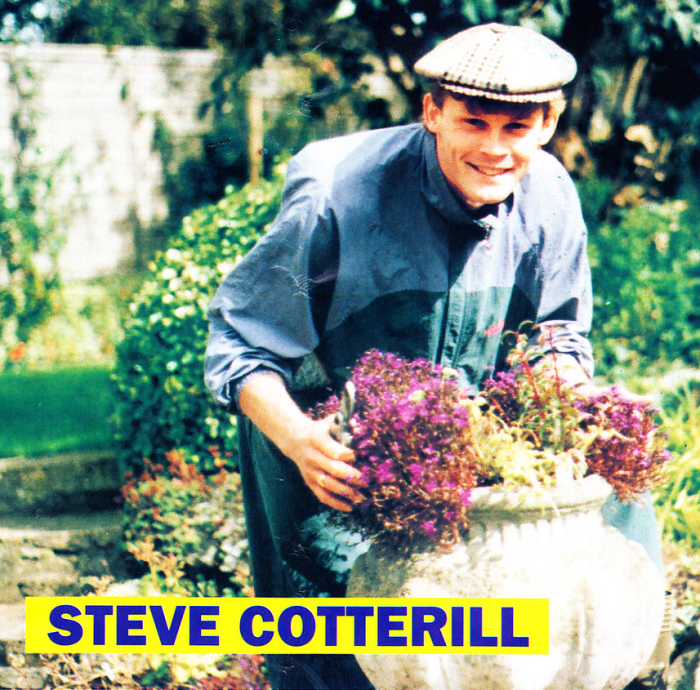
A somewhat unusual programme shot of Cotterill enjoying a spot of gardening

He signed off by scoring the only goal of the game that beat Wigan Athletic at the Goldstone.

Unfortunately, parent club Wimbledon, playing in the inaugural season of the Premier League, wanted the sort of fee for Cotterill that, at the time, Albion couldn’t afford.

He’d scored four times in 11 matches – and on his return to the Dons promptly scored both of their goals in a 2-2 draw away to Southampton. But with John Fashanu and Dean Holdsworth ahead of him, he managed just a handful of games for the Dons.

He did get a start ahead of Holdsworth at home to Liverpool in January 1993 and scored the Dons second goal (Fashanu scored a penalty in the first half) as the Reds were put to the sword 2-0 at Selhurst Park (where Wimbledon played home games at the time).

Cotterill added to his Dons goal tally the following month, in the second minute of added on time in a fifth round FA Cup tie at Spurs, but it was simply a consolation as the home side ran out 3-2 winners. Cotterill had replaced Roger Joseph for the second half.

In the summer of 1993, Bournemouth found the £80,000 that Wimbledon wanted for Cotterill and he signed for the Cherries under manager Tony Pulis.

Pulis paired Cotterill with Steve Fletcher, who eventually went on to become a Cherries legend after a slow start. Fletcher spoke highly of his former teammate when interviewed by Neil Perrett for the Bournemouth Echo in March 2010.

In their first season together, their fortunes were quite contrasting. Cotterill scored 14 goals and was crowned supporters’ Player of the Year while Fletcher endured a second barren year following a £30,000 move from Hartlepool.

Cotterill in action for Bournemouth against Burnley in 1993. Photo: Paul Collins.

“Steve took me under his wing,” recalled Fletcher. “My first couple of years were hard. I started playing alongside Efan Ekoku and was a lone striker after he had been sold.

“I was young and needed someone to come in and help me out. Steve had experience of playing at a higher level with Wimbledon and was happy to pass it on.

“He used to sit me down and we would talk through things. He would back me up in the paper and I remember him jumping to my defence when someone criticised me at a fans’ forum.

“Things like that stick in your mind. I had moved down from Hartlepool and it was tough. Steve really looked after me during those early years and it is something I’ve always appreciated. I’ve kept in touch ever since.”

It was during their second season together that their fortunes reversed. Cotterill’s career was prematurely cut short following a serious knee injury sustained against Chester City in September 1994, with only 10 games of the season played. Fletcher went on to be crowned Player of the Year.

Cotterill said: “I had a good time at Bournemouth, but unfortunately my lasting memory was my last game.

“Snapping my cruciate ligament was the thing I remember because it was the last thing I did and it’s the thing that lives with me. I still remember doing it and it’s a bad memory really, but I did have some good times there and it’s a great part of the world.”

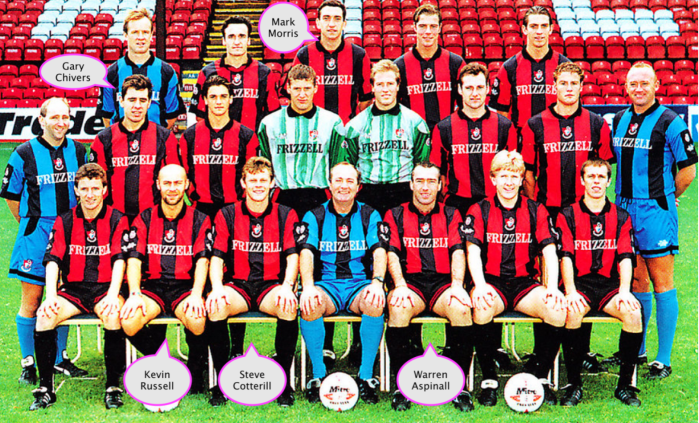
Pulis was succeeded by former player Mel Machin and in that campaign’s team photo there were two teammates who had played for Brighton in Gary Chivers and Kevin ‘Rooster’ Russell and two who would do so in the future: Mark Morris and Warren Aspinall.

Cotterill recalled in a 2023 interview with gloucestershirelive.co.uk: “I know Rooster very well. I played with him at Bournemouth and he’s a great guy and a good coach.

“I liked him when I played with him because he used to stick crosses on a sixpence for me. I remember scoring a few goals from his crosses.”

Born in Cheltenham on 20 July 1964, Cotterill’s first football was played at primary school but his secondary school years were spent at rugby-playing Arle Comprehensive so it was a relief to resume the game he loved for the then semi-professional Cheltenham Town youth team.

He progressed to the reserves and first team of what at the time was a Southern League Premier Division club before his friend Tim Harris, assistant manager at Alvechurch, persuaded him to switch clubs, while he was working full time for a builder’s merchant.

“I must have impressed there because they cashed in and sold me for £4,000 to Burton Albion,” he recalled in a matchday programme interview.

His progress for the side who a dozen years earlier had unearthed the talent of Peter Ward saw him net 44 goals in 74 games for the Brewers between 1987 and 1989

“I have a great affection for Burton Albion and for all those people that work there and I’ll never forget my time there,” he said in a 2018 interview after his Birmingham side played his old club in the FA Cup.

Such a prolific scoring rate caught the eye of Bobby Gould, whose Wimbledon side were punching way above their weight in the old First Division, and the previous season had achieved an historic FA Cup win over Liverpool.

Wimbledon reportedly paid more than £100,000 to take him to south London and he recalled: “I scored on my league debut on 29 April 1989 in a 4-0 win against Newcastle and I thought I was on my way.

“But I didn’t get much of a look-in in the following season and then, when Ray Harford took over, I played a few games before I suffered a horrendous knee injury.”

Cotterill was out for 14 months and only managed a couple of reserve games towards the end of the 1991-92 season, before making the temporary move to Brighton.

Interesting to note in an Albion programme interview with him during his loan spell that he ended it by saying: “I want to stay in the game and I’d like to become a coach or manager.”

He certainly did that and what he did in those capacities is a story in itself. His first assignment was in Ireland where he succeeded his former Wimbledon teammate Lawrie Sanchez at League of Ireland’s Sligo Rovers.

But his hometown club Cheltenham Town offered him a management opening back in England in 1997, and he steered them from Southern League football into the Conference and then into the bottom tier of the Football League. He twice won the Manager of the Year title and earned another promotion, to the third tier, via a play-off final victory over Rushden & Diamonds.

After management and coaching posts at 12 clubs in various parts of the country, he returned to Cheltenham after a 23-year absence in September 2025 and was subject of an extensive feature on Sky Sports hailing his messianic return at the age of 61.

In between, he managed Stoke, Burnley, Notts County, Portsmouth, Nottingham Forest, Bristol City, Birmingham, Shrewsbury Town and Forest Green Rovers.

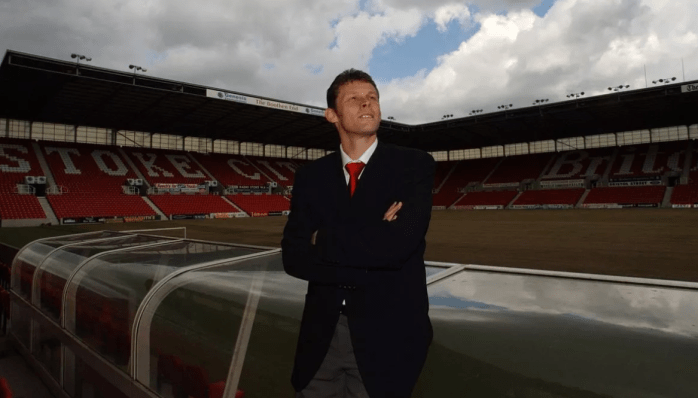
A brief stay in the Potteries

He cut short his tenure at Stoke in the autumn of 2002 after just 13 games to become assistant manager at Sunderland under Howard Wilkinson, but their stay on Wearside was also short lived, the pair being dismissed after only 27 games in March 2003.

Before taking up the Burnley post, Cotterill was briefly a coach under Micky Adams at Leicester and he was twice a coach under Harry Redknapp: at Birmingham, before taking over as manager, then again at QPR for the second half of the 2012-13 season.

Cotterill has certainly been on the wrong end of some trigger-happy club owners over the years but one of the toughest challenges he’s faced during his long career was during his time as boss of League One Shrewsbury during the Covid-19 pandemic. He was twice admitted to Bristol Royal Infirmary, spending time in intensive care, suffering badly from the virus and pneumonia.

Cotterill left the Shrews job in June 2023 and was out of work until January 2024, when he took charge of Forest Green Rovers.

He was unable to stave off relegation from the Football League, but he rebuilt the side during the summer of 2024 to push for promotion back to League Two. When Southend United visited The New Lawn in the National League on 15 March 2025, the 2-2 draw was Cotterill’s 1,000th game as a manager.

Now back at Whaddon Road, he’s steered the Robins clear of the bottom-of-the-league spot they occupied when he returned.

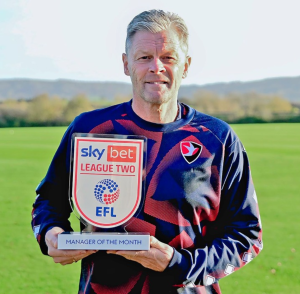
A manager of the month award shortly after his return to Cheltenham

At his first game back, a banner in the stands referenced the return of the king, and Cotterill declared: “I felt the whole of Cheltenham behind me that day. Not that I have not felt it since too, by the way, because they have been incredible ever since I have been back.

“Even when I was at other clubs, this club has always been important to me. It is my hometown.”

Nonetheless, the Albion has always occupied a soft spot, as he once wrote in his programme notes prior to a Cheltenham v Brighton fixture: “I thoroughly enjoyed my time at Brighton and, whenever we’ve gone there, I’ve always had a great reception from their supporters. They’ve been terrific.”

Pole in goal Tom experienced Cup highs and lows

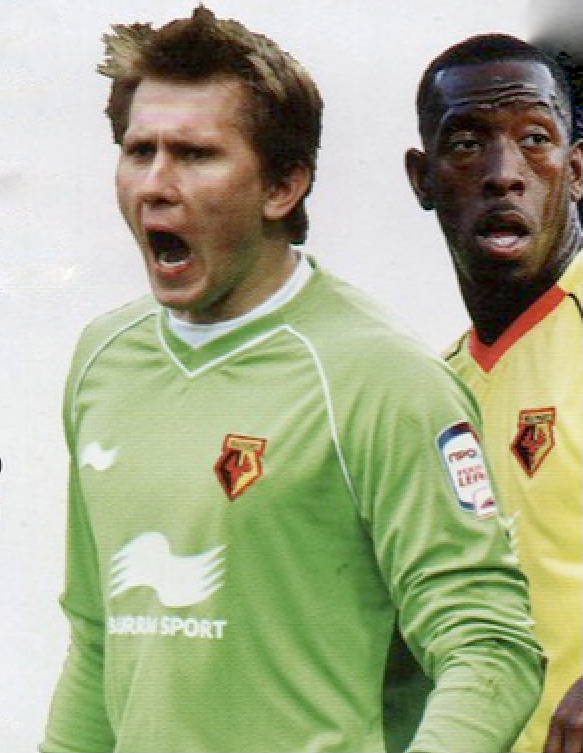
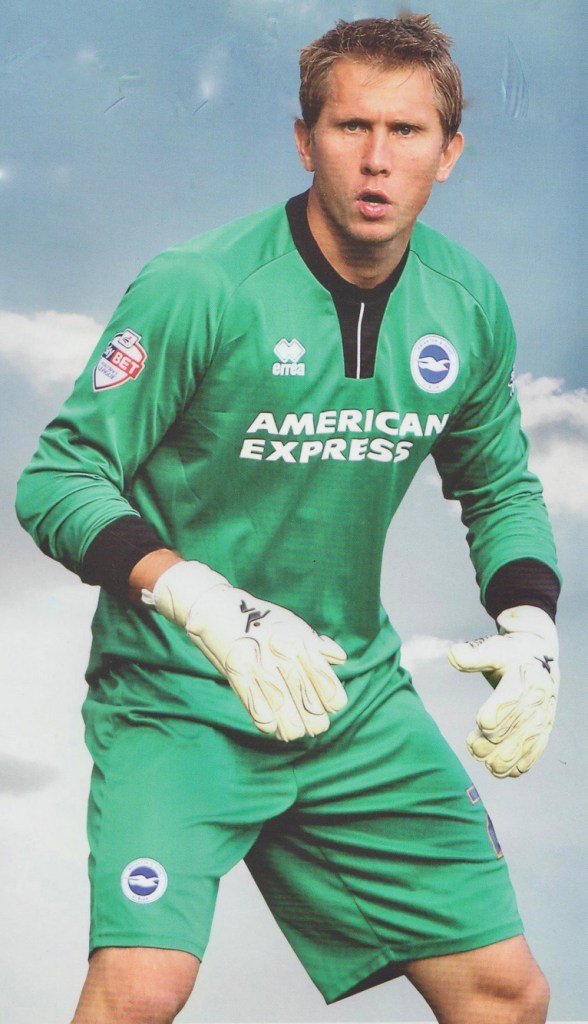
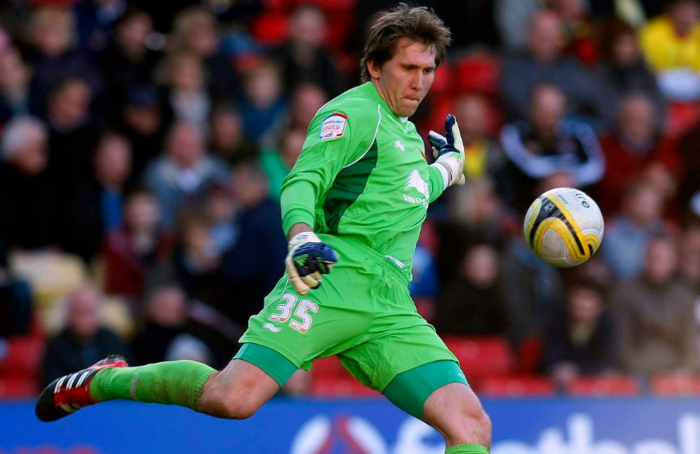
THERE’S plenty of FA Cup history between Brighton and Manchester United and a goalkeeper who played for both has his own memories of the competition – not all of them good!

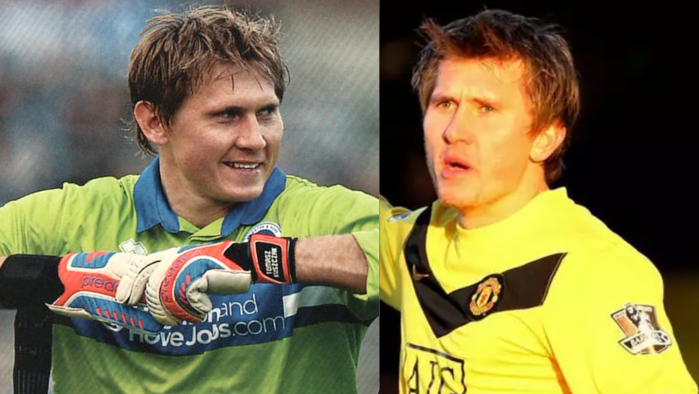
Although Tomasz Kuszczak played 32 league games for United, as a back-up at Old Trafford rather than first choice, he often found himself called upon in cup matches (eight FA Cup, 10 League Cup – including collecting a winners’ medal in 2010 – and 11 European games).

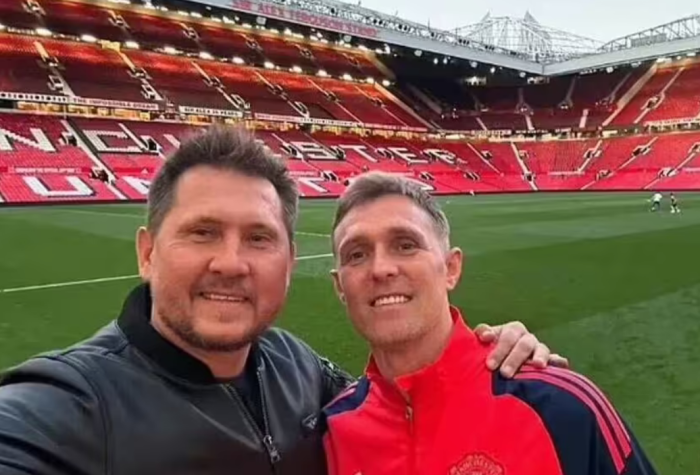
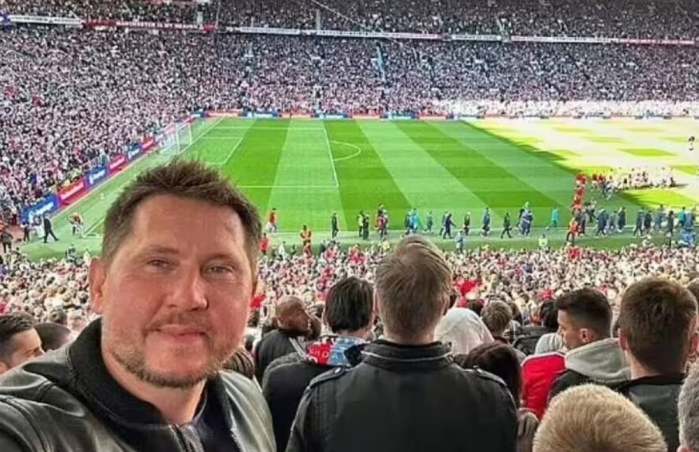
In April 2025, Kuszczak paid a return visit to Old Trafford to watch United’s 0-0 draw with Man City and snapped some selfies watching from the stands and (above) on the pitch with former teammate Darren Fletcher, now in temporary charge at United following the dismissal of Ruben Amorim.

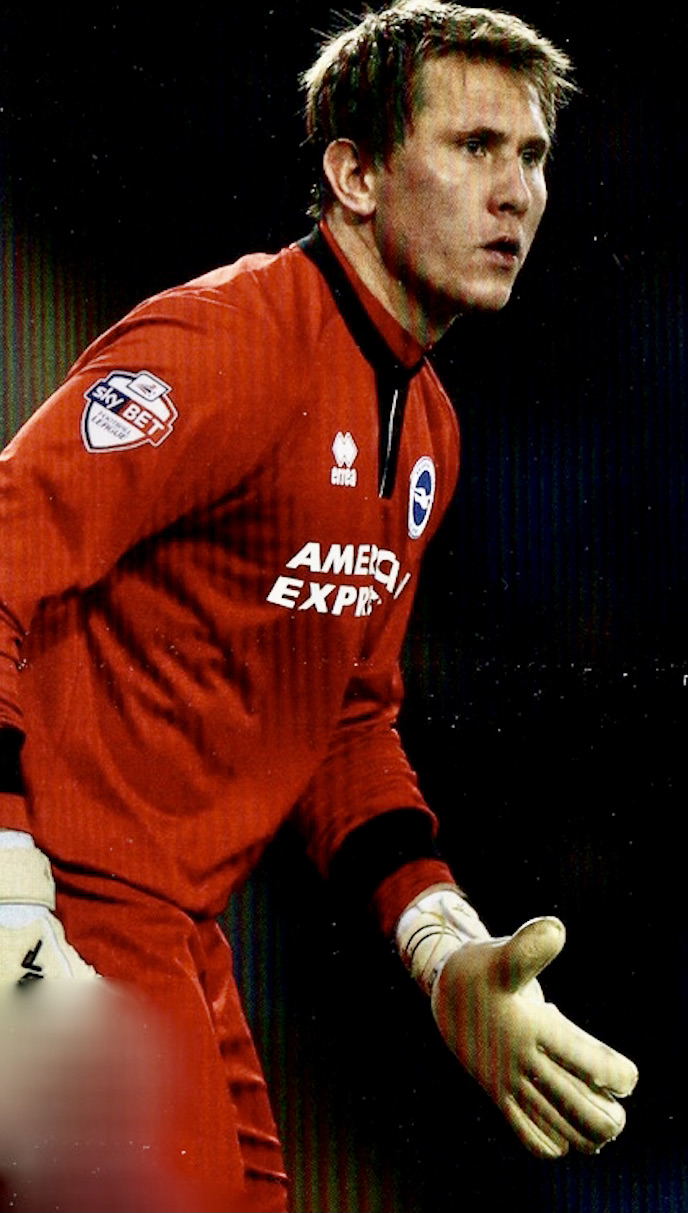
At Brighton, where Kuszczak was the first choice for two seasons, he found the goalkeeping duties reversed for FA Cup ties and he gave way to either Casper Ankergren or Peter Brezovan.

Signing the Polish international for Gus Poyet’s Championship Brighton side was something of a coup and the boss told the club website: “There were clubs in England and abroad interested in Tomasz, but it says a lot for the ambition of this club that he wanted to sign for Brighton.”

Poyet later told The Argus: “When we had the chance, we got him. You don’t have too many chances sometimes to sign this sort of player, so it was very important.”

Kuszczak said one of the reasons he chose to join the Seagulls was because of what he’d seen when playing against them the previous season, while on loan at Watford.

“I was very impressed with the way the team played – it was totally different to the rest of the Championship and more like what I was used to at Manchester United.

“This team likes to pass the ball, they like to create, they are attractive to watch. The way Brighton play is the future of football.

“I had other clubs who wanted to sign me but my heart told me that this was the right choice.”

Kuszczak continued: “I have played Premier League football for eight years, with West Bromwich Albion and Manchester United, and I believe the structure is in place here to join them.

“The manager and coaching staff, the team, stadium, crowds, through to the plans for the new training ground, everything is geared up for playing at the highest level and I could sense that ambition to be a top club straight away.

“The Premier League is where I want to be again and I believe I can get there with Brighton. This club is heading in only one direction, and I want to play my part in helping us get there.”

During his time at Manchester United, five of Kuszczak’s eight FA Cup appearances were in the 2007 competition when United reached the final – although first choice Edwin van der Sar took over between the sticks for that game, when Chelsea won it 1-0.

The 2008 competition certainly wasn’t one Kuszczak remembered fondly. In a quarter-final against Portsmouth at Old Trafford on 8 March 2008, he went on as a sub for the injured van der Sar at half-time, but 30 minutes later was handed a straight red card for fouling Milan Baros.

Rio Ferdinand took over in goal but failed to save Sulley Muntari’s penalty, the only goal of the game.

In 2010, Kuszczak was in goal when League One Leeds United, with Ankergren in goal, pulled off a shock third round win at Old Trafford – United’s first exit at that stage of the competition since 1984 (the year they went into it as holders after beating Brighton in a replay in 1983).

Jermaine Beckford’s 19th minute goal clinched it for the Yorkshire side against a United who had Danny Welbeck playing up front alongside Dimitar Berbatov and Wayne Rooney.

There was some consolation the following month when United won the League Cup at Wembley, beating Aston Villa 2-1. James Milner opened the scoring from the penalty spot for Villa, sending Kuszczak the wrong way. But goals from Michael Owen and substitute Rooney clinched it for United.

The following year, Kuszczak was again in goal for United’s FA Cup third round tie at home to arch rivals Liverpool which United edged with an early goal by Ryan Giggs. Liverpool captain Steve Gerrard was sent off just past the half-hour mark for a two-footed tackle on Michael Carrick.

But Anders Lindegaard was chosen ahead of Kuszczak as United marched to the semi-finals, where they were beaten 1-0 by Manchester City. In the fifth round, United only narrowly overcame Crawley Town, who had former Albion ‘keeper Michel Kuipers in goal.

By the time the 2011-12 season came round, Kuszczak had slipped down the list of United custodians, with David de Gea first choice, and Lindegaard and Ben Amos also ahead of him.

In February 2012, Kuszczak was loaned to Championship side Watford, where he made 13 appearances, including that third-to-last game of the season at the Amex, which finished 2-2. Former Seagulls promotion-winner Chris Iwelumo was in Sean Dyche’s Hornets side that day when goals from Troy Deeney and Sean Murray (penalty) put the visitors ahead at half-time and second half replies from Inigo Calderon and Will Buckley, against his former club, ensured a share of the points.

It was on Kuszczak’s release from United in June 2012 that he moved to Brighton.

Born in Krosno Odrzańskie in western Poland on 20 March 1982, the son of a Polish army colonel, Kuszczak grew up in Wroclaw, the city on the River Odra whose Tarczyński Arena was a host stadium for the 2012 Euros.

When he was 11, Kuszczak fancied himself as a striker but soon realised he wasn’t quick enough.

“I was always taller than everyone else, a bit like my father and brother, and I loved climbing, jumping from trees, taking a risk, so the position of goalkeeper seemed idea to me,” he said in a matchday programme interview.

“My father and brother would take shots at me, hard shots as well, and I enjoyed trying to stop them.”

He began his career with one of his country’s top teams, Śląsk Wrocław, and a year after earning his first pay packet at the age of 16 crossed over the border to Germany to play for KFC Uerdingen 05 and Hertha Berlin.

Although he made 87 appearances for the Berlin side’s reserves, he was unable to dislodge ex-Palace ‘keeper Gabor Kiraly and Christian Fiedler to claim a first team spot.

He was capped at under 16, under 18 and under 21 level (14 caps) by Poland and, while never first choice ‘keeper for the senior international side, he made his debut in 2003, in a 4-0 win over Malta, and played 11 times for his country, the last time in 2012. He initially took over from Liverpool keeper Jerzy Dudek but, invariably, Artur Boruc and Wojciech Szczesny were picked ahead of him.

He moved to the UK in 2004 when Gary Megson signed him for West Brom. He was reserve ‘keeper behind Russell Hoult in his first season at The Hawthorns but managed 28 league appearances when competing for the gloves with the often-injured Chris Kirkland in his second season.

In one of those appearances, against Wigan Athletic in January 2005, he pulled off a spectacular save to deny Jason Roberts which was subsequently voted Save of the Season by Match of the Day viewers.

Four months later he went on for an injured Hoult at Old Trafford after only 19 minutes and he recalled: “I had a fantastic game, saving everything that came my way and we ended up drawing 1-1. It was a game which ultimately got me my move to United.”

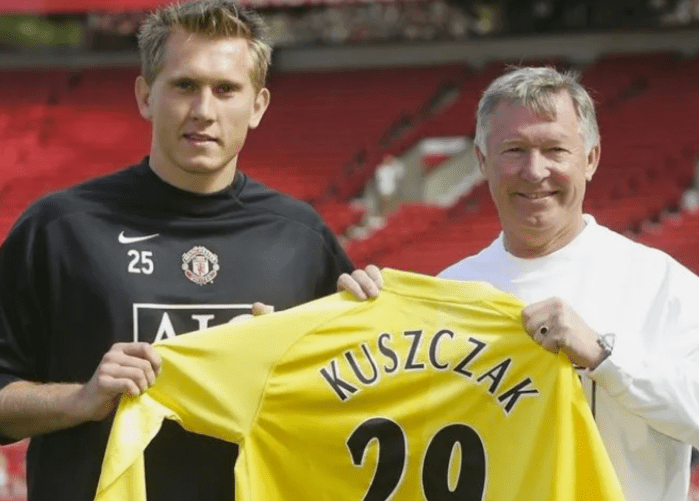
Sir Alex Ferguson captured Kuszczak from West Brom

In a somewhat complicated transfer deal, Man U signed Kuszczak in the summer of 2006 in exchange for United’s former Albion loanee, Paul McShane, and young goalkeeper Luke Steele, but the first year of the arrangement was on a loan basis. In five seasons at United, he played a total of 61 games.

After he retired from playing Kuszczak completed a degree in sports journalism and he had already shown his writing ability during his time with the Seagulls, compiling a piece for The Footballers’ Football Column in December 2013 which appeared in the Daily Mail.

Perhaps he also showed his true colours regarding dropping down into the Championship when he wrote: “I miss the Premier League a lot. The idea around moving to Brighton was to get more games and put myself on the market.”

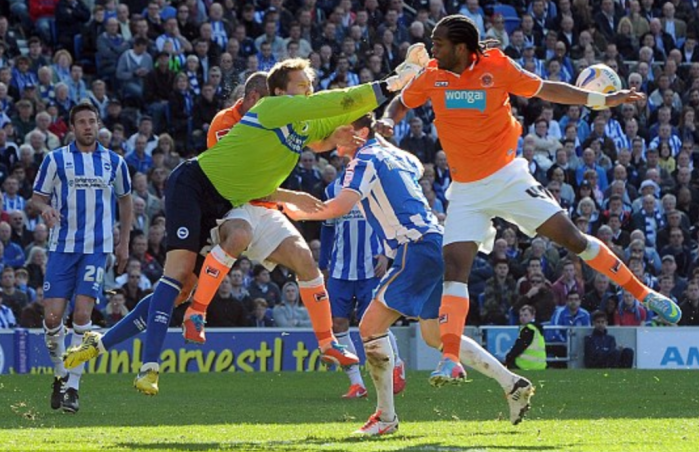
Kuszczak in the thick of it for Brighton against Blackpool

Although he added: “This move was all about giving me the opportunity of playing in the Premier League in the future. I would love to go with Brighton – that’s the aim. We’re ambitious and want promotion.

“It may sound arrogant but my place is in the Premier League. I came to England with West Bromwich Albion and enjoyed my time there, as I did at United. I want to be back in business in front of great crowds.

“I want my friends to be watching me on TV every week and have a chance of challenging the best in the world.”

Kuszczak certainly addressed the issue of more playing time during his two seasons with the Albion, completing 89 appearances across the two successive play-off promotion campaigns, initially under Poyet and then Oscar Garcia.

But within days of Garcia’s resignation after the play-off semi-final defeat to Derby, it was announced Kuszczak was being released.

There were a number of unsubstantiated and colourful reasons as to why he wasn’t retained by Brighton, but Andy Naylor in The Argus said neither Garcia nor his replacement, Sami Hyypia rated his ability with his feet or his distribution skills.

For around six months, Kuszczak was unable to find a new club but then Kenny Jackett took him to Wolverhampton Wanderers where he played 13 games deputising for the injured Carl Ikeme.

Midlands rivals Birmingham City swooped to sign him in the summer of 2015. Even though Harry Redknapp signed Brighton’s David Stockdale as first choice ‘keeper at St Andrew’s in 2017, Kuszczak found himself back in the first team after Steve Cotterill arrived as manager.

He spent four years at St Andrews, finally leaving in 2019 having made 89 appearances for the Blues.

After hanging up his gloves, he returned to Poland and started up his own construction company building houses and apartments.

He also completed his journalism studies and obtained his UEFA A coaching licence. He coached the Polish national team goalkeepers for six months between September 2023 and March 2024.

Kuszczak took a selfie as he watched from the Old Trafford stands in April 2025

Albion banking on Barclay to share experience with youngsters

BEN BARCLAY spent nine years in Manchester City’s youth set-up before joining Brighton in 2013.

He only made one first team appearance for the Seagulls but he played alongside several in the under 21 squad who went on to greater things, such as Ben White, Viktor Gyokeres and Robert Sanchez.

Now he’s back with the young Seagulls as an overage player helping to share his past experiences with those youngsters hoping to step up to the senior side.

Not for the first time, Barclay has followed in the footsteps of the likes of Andrew Crofts and Gary Dicker in returning to the club to work with the young professionals.

After leaving Brighton without building on his Carabao Cup first team debut in 2018, Barclay played lower league football in the north west for Accrington Stanley, Stockport County and Carlisle, as well as loan spells at Notts County and Yeovil Town.

“He knows exactly what it takes to progress from academy football into the senior game and will be a great role model for our young pros,” said Albion under-21s head coach Shannon Ruth of his appointment in July 2025.

“He has excellent EFL experience that he can share with the group. We believe he is a valuable addition to our development programme and we are excited to work with him.

“We will benefit from that not just in matches, but in training throughout the week, where having that experience out on the grass, alongside the players, is invaluable.”

Born in Altrincham on 7 October 1996, Barclay was at City from seven through to 16.

“In my squad there was Tosin Adarabioyo, who has gone on loan to West Brom (now at Chelsea), David Brooks who has signed for Bournemouth,” Barclay said in an interview with The Argus.

“I am good pals with him, he is doing really well. Everyone has left now and gone on loan and playing in the Championship.

“At the time, I saw it coming. The club moved on from me then.”

Barclay left City after he’d finished school at 16 and joined Brighton after a call from a scout.

“I didn’t know much about the city or the club, but the chance came along for me to go for a trial for a week,” he told carlisleunited.co.uk. “You could see that the club was going in a good direction and I enjoyed it.”

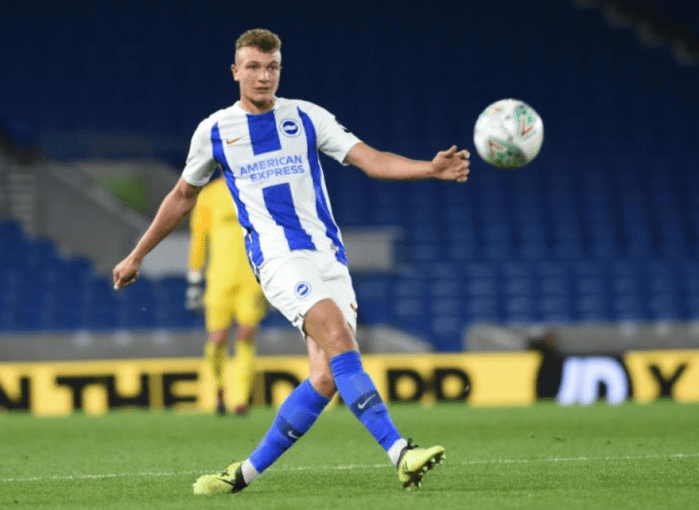
Barclay worked his way through the age groups at Albion to become a regular for the under-23s and he said: “By the end of my time there I’d made my debut, that was in the cup, and I’d been involved with the squad and training with the first team.”

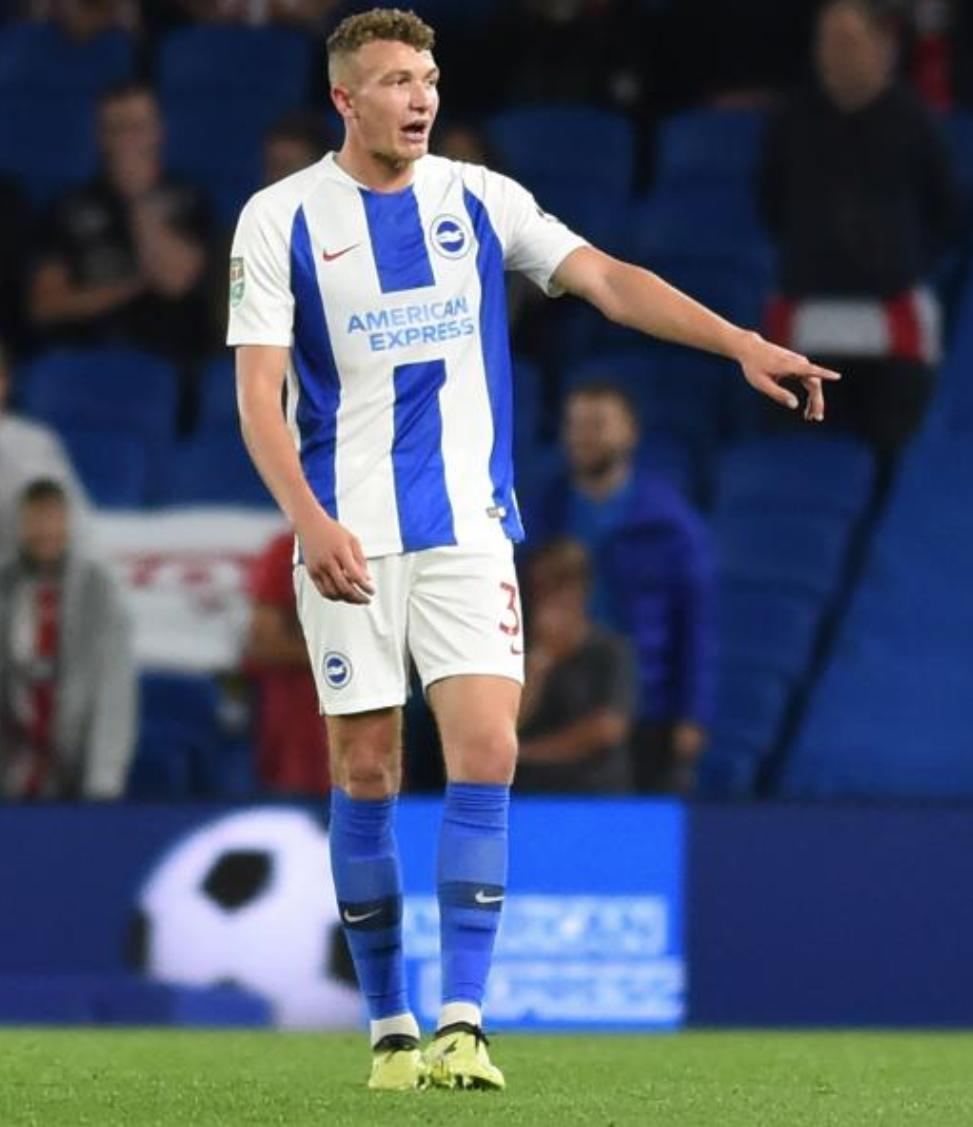
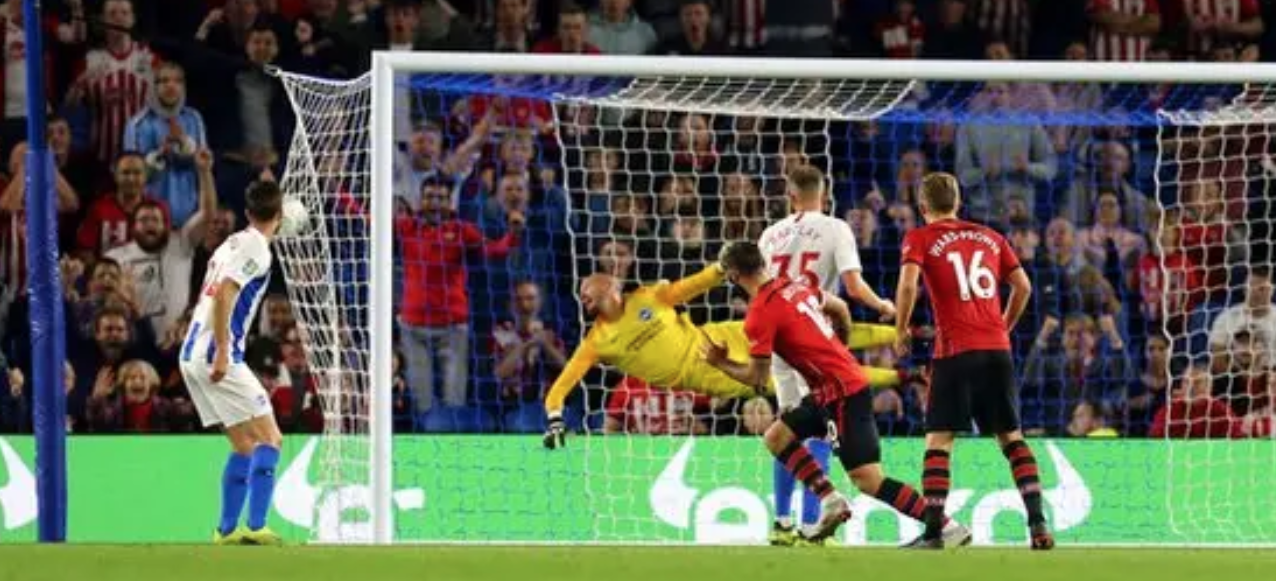
That solitary first team opportunity against Southampton in the Carabao Cup (above) was courtesy of injury absences for those above him in the pecking order.

His regular under-23s defensive partner White, who’d impressed on loan at Newport County the previous season, was ruled out by an injury, picked up against future employer Arsenal.

“I was playing with Ben last Monday at the Emirates when he came off,” Barclay told The Argus. Although the knee injury wasn’t as bad as first thought, it gave Barclay an opportunity, particularly with Lewis Dunk (ankle) and Bruno (hamstring) also on the treatment table.

Manager Chris Hughton didn’t want to risk first choice pairing Shane Duffy and Leon Balogun with a league match only a few days away so Barclay was thrown in alongside versatile Brazilian Bernardo. Fellow under-23s Will Collar and Gyokeres also made their debuts.

“The team was confirmed on Monday in training. I travelled up to Anfield at the weekend and just missed out on the bench, so I knew I was in and around it and there were going to be some changes, so I knew I might get on the bench or a few minutes,” he said.

Those few minutes turned into 90 from the start up against Southampton’s experienced Italian striker Manolo Gabbiadini, and Barclay said: “I remember watching him at Wembley against United in the (2017) League Cup final when he first signed and I thought he as a good player, would be tricky.

“When you play against him you realise his movement is even better than when you see him on TV.

“It was massive for me. I’ll take so much from the game, just staying with his runs in the box. They are much cleverer.”

Although he and Bernardo prevented Gabbiadini from scoring, Saints substitute Charlie Austin settled it for the visitors, nodding in Nathan Redmond’s cross with two minutes left, to give Barclay’s debut a disappointing ending.

“If it’s your debut, whether you have a good game or not, if you concede at the death it’s going to be frustrating.”

After the game, Barclay recognised the next stage in his development was quite likely to be a loan and that duly came in January 2019 when he made his league debut two days after joining relegation-bound League Two strugglers Notts County in a 3-3 draw away to Colchester United. With the relegation trapdoor yawning, his first senior goal at home to MK Dons in April was scant consolation in County’s 2-1 defeat.

He made 12 starts plus one appearance off the bench for Neal Ardley’s side which also included Albion’s former goalscorer Craig Mackail-Smith. In the third-to-last game of the season, Mackail-Smith opened the scoring for bottom-of-the-league County at Crawley in a must-win game – but the home side equalised before half-time.

According to the Press Association report: “The Magpies began the second half in purposeful fashion and defender Barclay headed over a Michael Doyle free kick after 50 minutes.”

Four minutes later the young defender was shown a straight red card for a two-footed foul on Crawley skipper Dannie Bulman.

He was suspended for the last two games (a 2-1 win over Grimsby Town and a 3-1 defeat at Swindon Town) and County finished a point ahead of last-placed Yeovil Town but lost their league status for the first time since being founder members of the league in 1888.

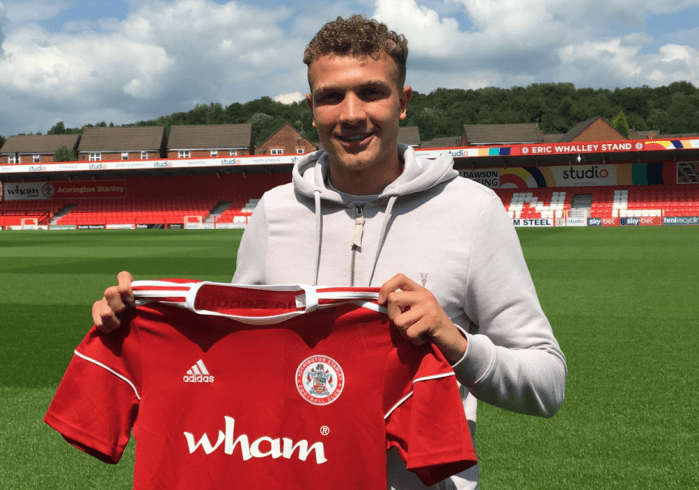
Released by Brighton at the end of that season, Barclay spent the next two seasons at Accrington Stanley, where, on signing him, manager John Coleman said: “He is a promising defender from Brighton, he came through at Manchester City so he is technically a very good footballer.

“He had an opportunity last season in League Two with Notts County and it’s a chance for him to kick on in League One and get more league experience under his belt.”

Although offered a new deal after making 43 appearances for the club, he chose to move on to National League side Stockport County, who gave him a three-year contract. However, having made only a handful of appearances for the Hatters, he had two loans away, at National League Yeovil and League Two Carlisle United (a season-long loan).

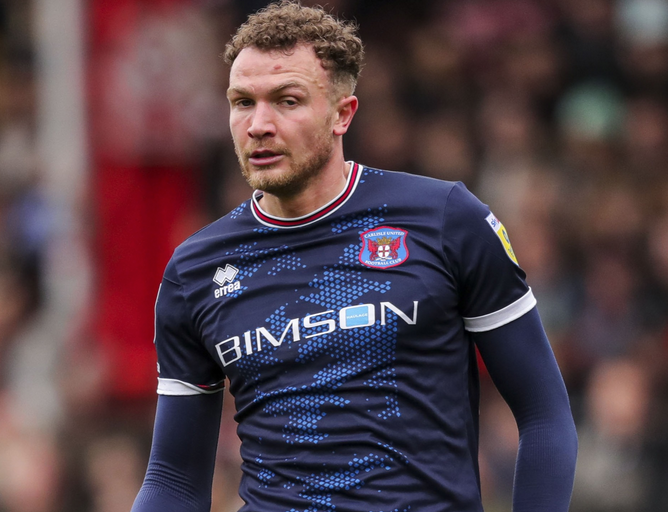
Somewhat ironically, in May 2023, he scored the winning goal for the Cumbrians in a 3-2 play-off semi-final win over Bradford City to set up a Wembley final against his parent club – but he couldn’t play because of the terms of the loan arrangement.

United boss Paul Simpson said: “Ben got the goal but unfortunately can’t play. It is one of those nightmare scenarios.

“When he has been fit this year, Ben has been brilliant for us. I am sure he will be coming along for the trip.

“Even though he can’t be involved in the game he will be a big part of our training programme.”

As it turned out, Carlisle earned promotion to League One courtesy of a 5-4 penalty shoot-out win after the game was drawn 1-1 and, a month later, Barclay severed ties with Stockport and signed a two-year contract with Carlisle.

He made 27 appearances for the Cumbrian side in League One and a further 26 on their demotion back to League Two in 2025. His return to the Seagulls followed the end of that campaign, and he penned a one-year deal.

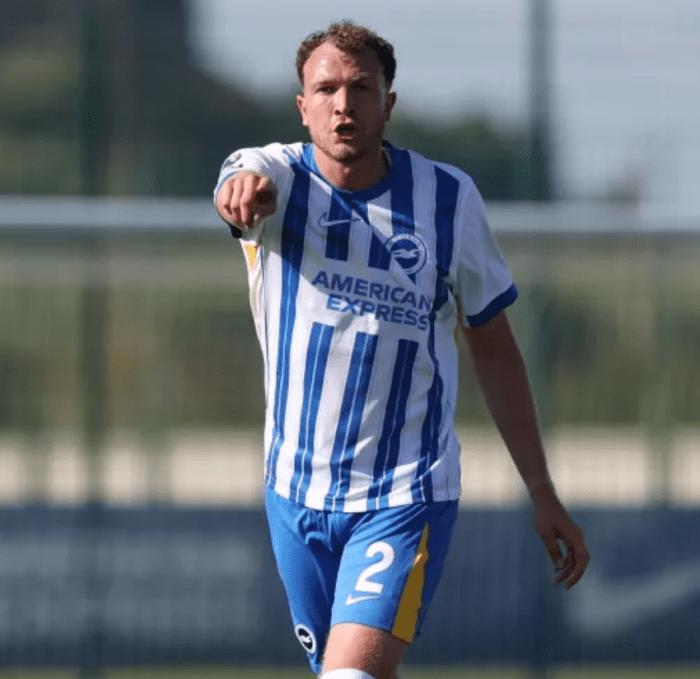
Back with Brighton in the summer of 2025