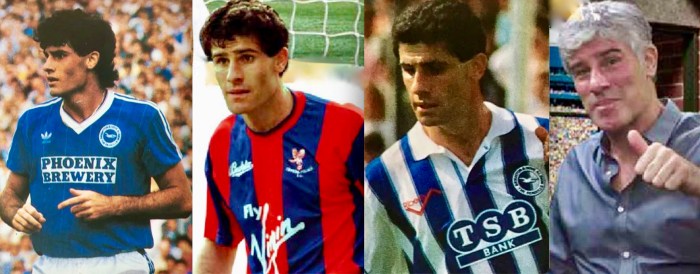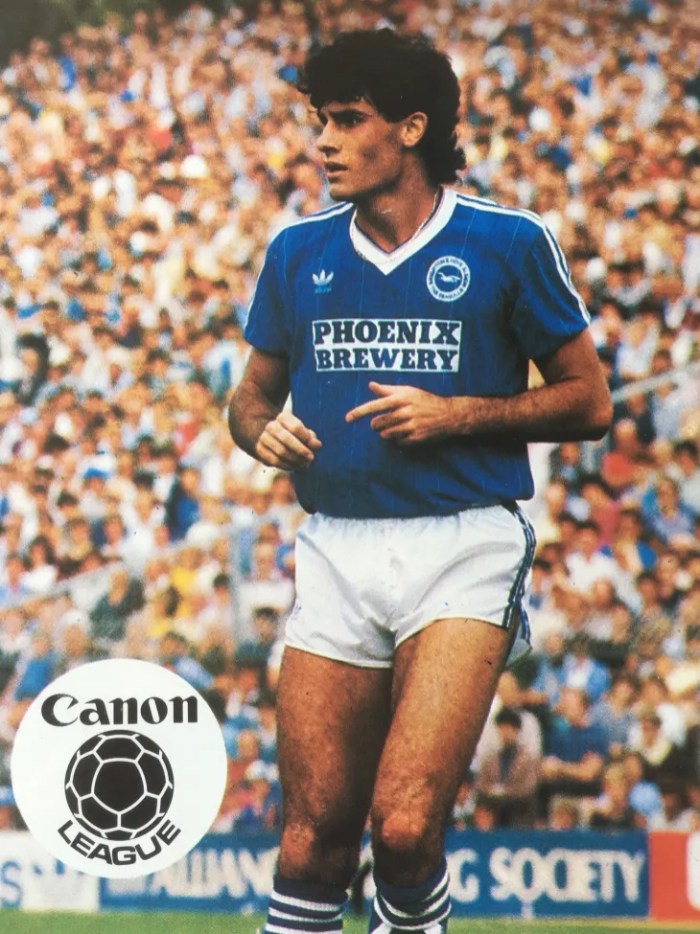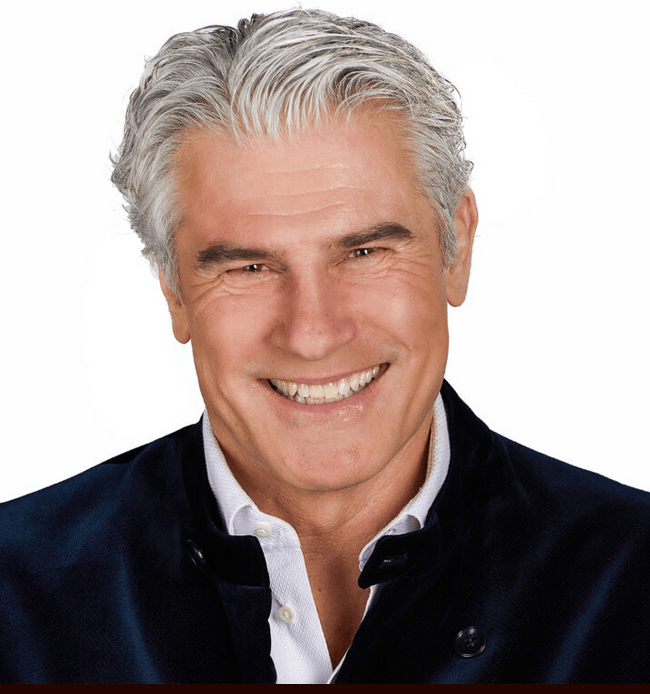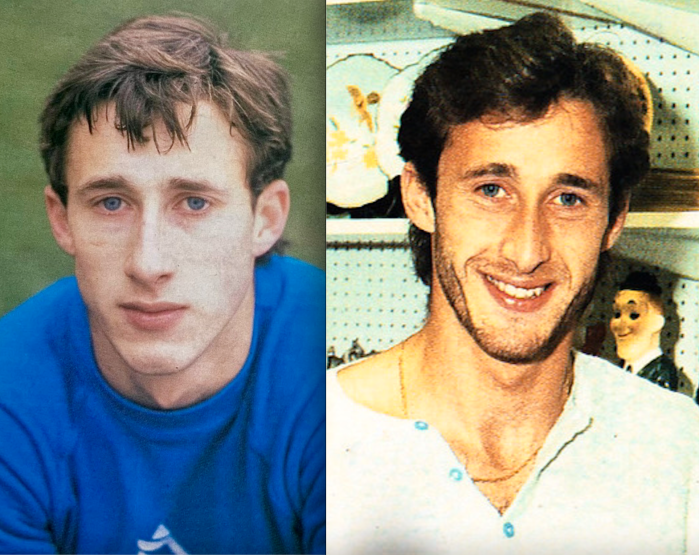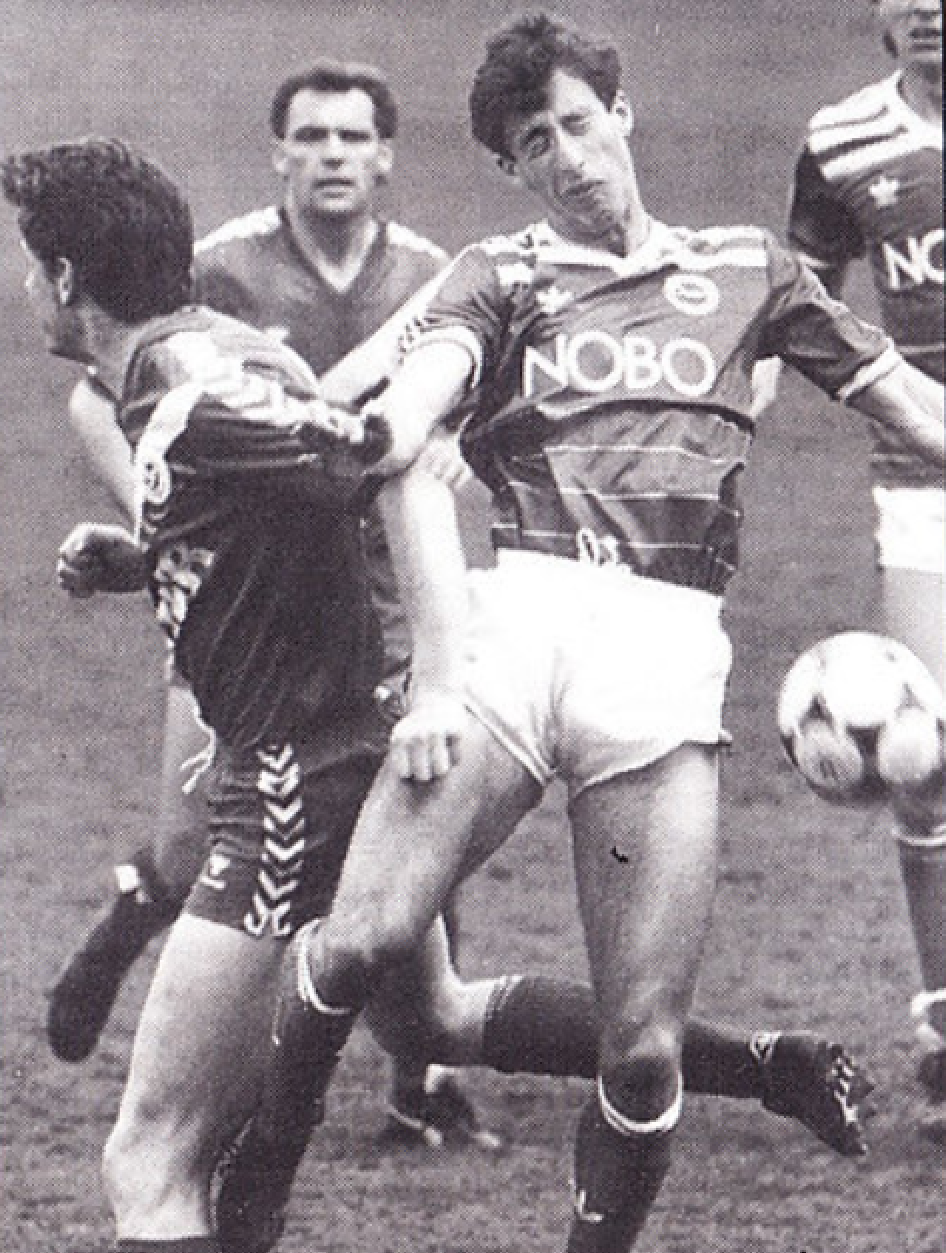
The goals that stood out for O’Reilly before a career in broadcasting

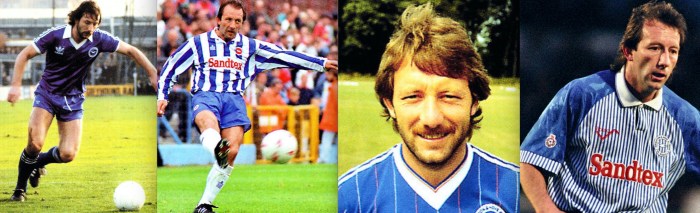
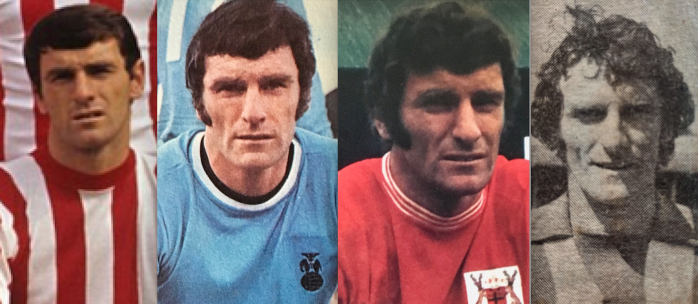
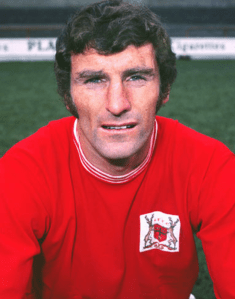
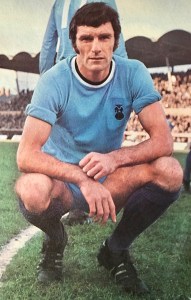
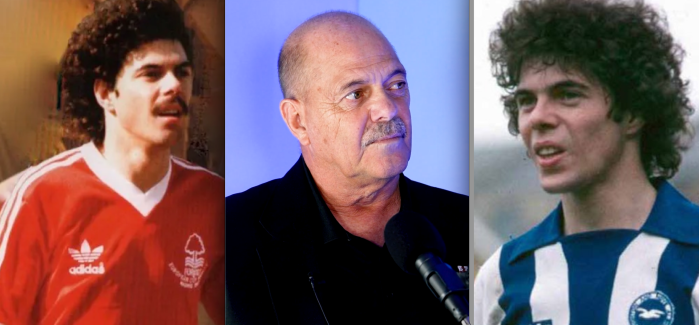
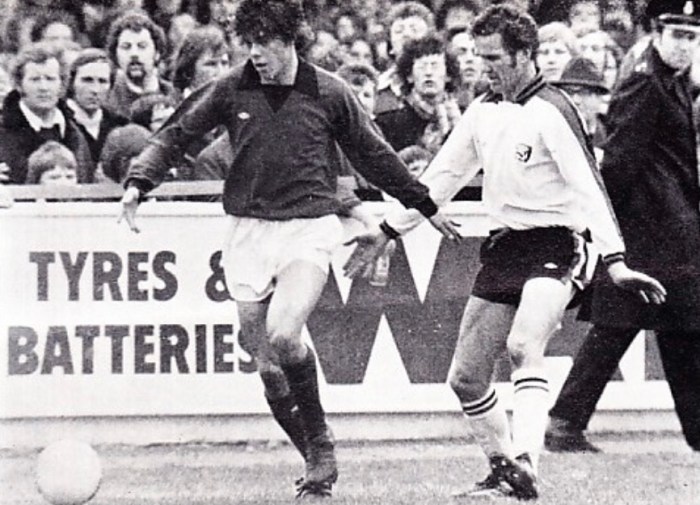
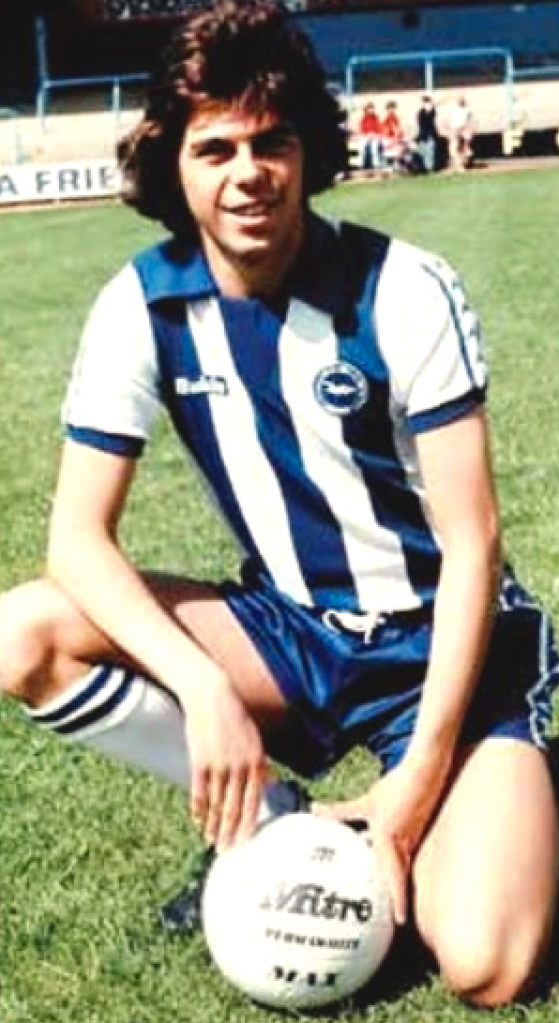
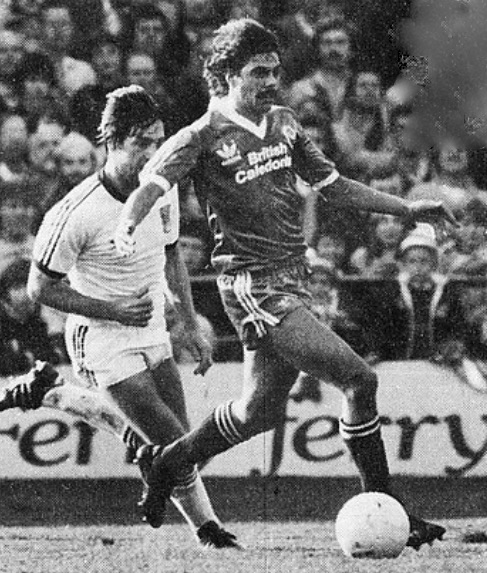
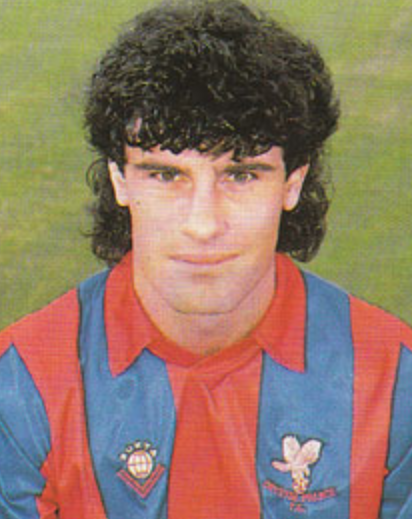
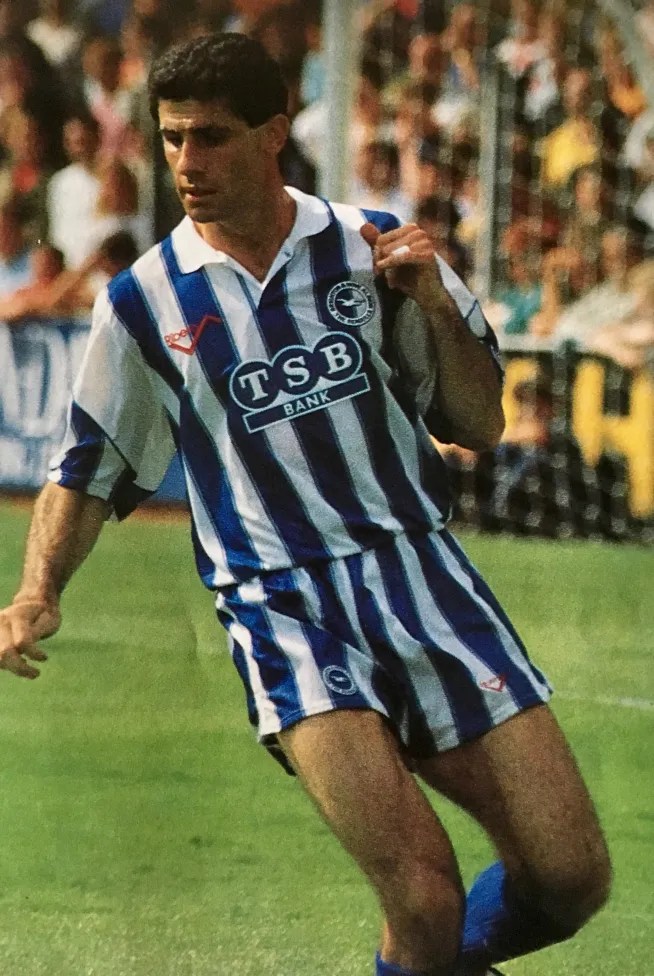
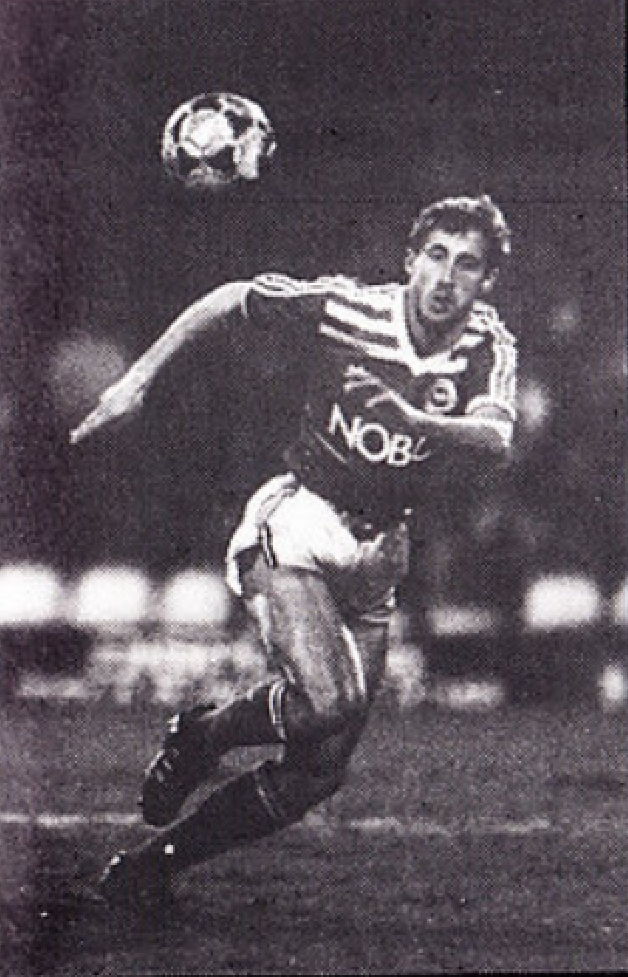
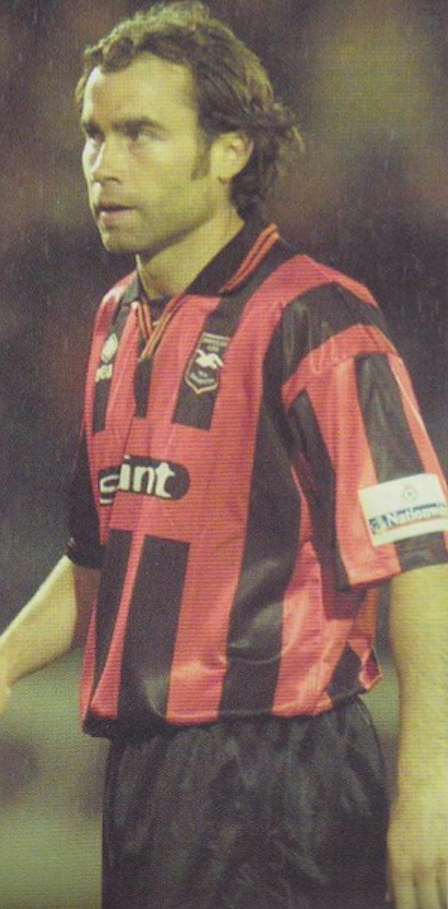
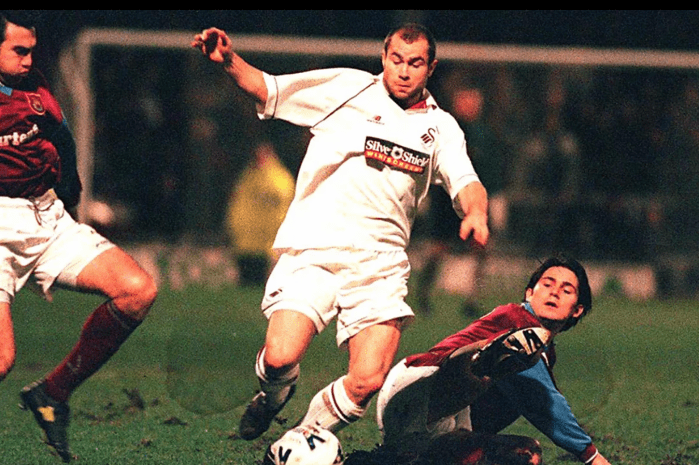
DEFENDER-turned-broadcaster Gary O’Reilly’s first ever league goal was scored for Brighton against Crystal Palace, a club he later scored for in a FA Cup final before rejoining the Seagulls.

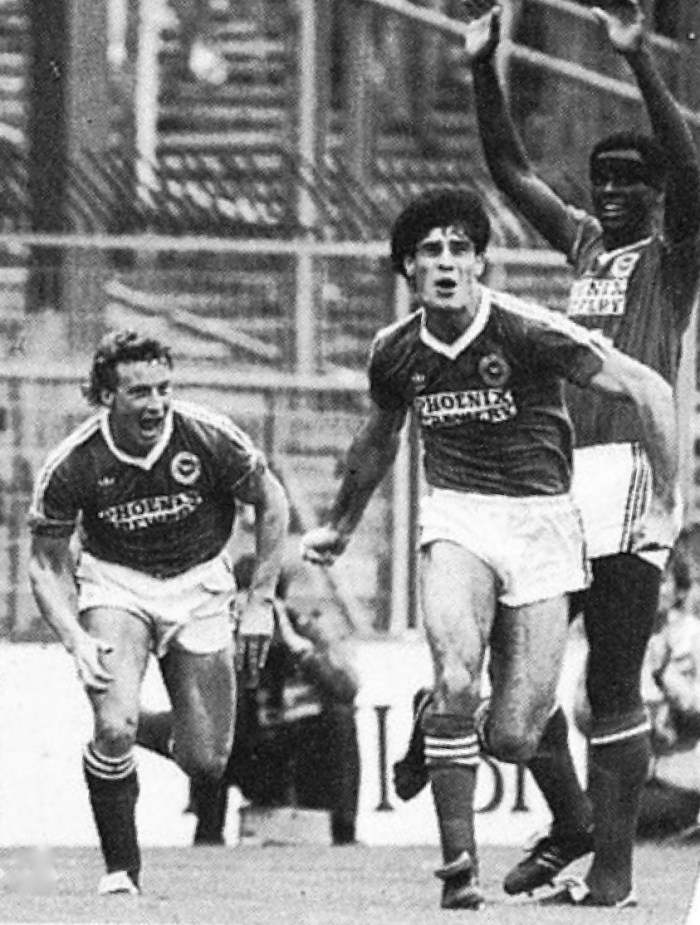
That goal came in only his fourth Albion game, on 15 September 1984, after a £45,000 move from Spurs and was enough to ensure a 1-0 win in front of a 15,044 Goldstone Ground crowd against an Eagles side who had just installed Steve Coppell as manager.

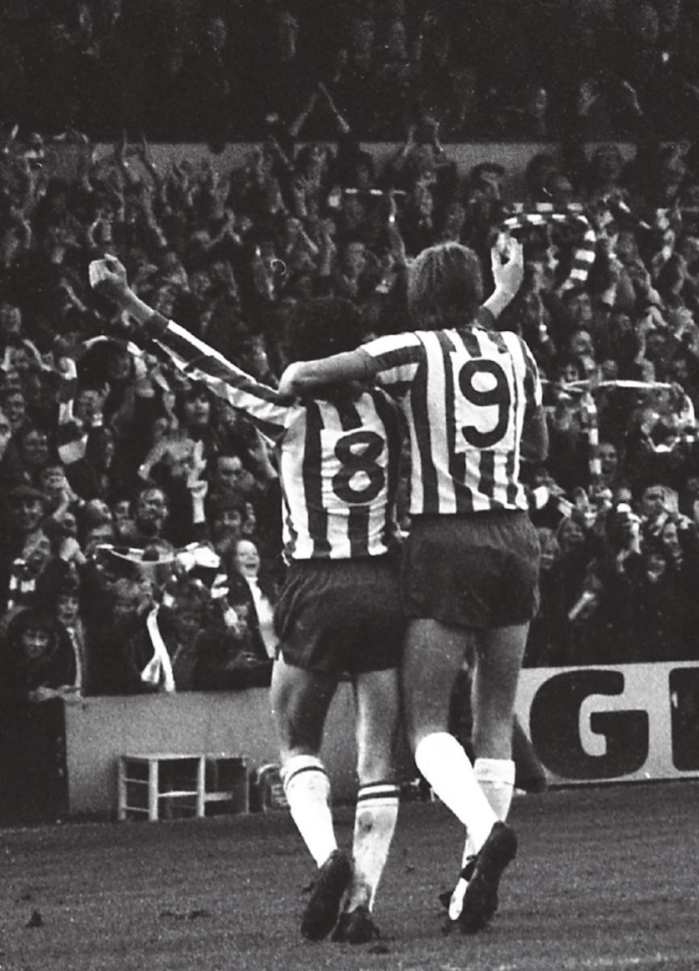
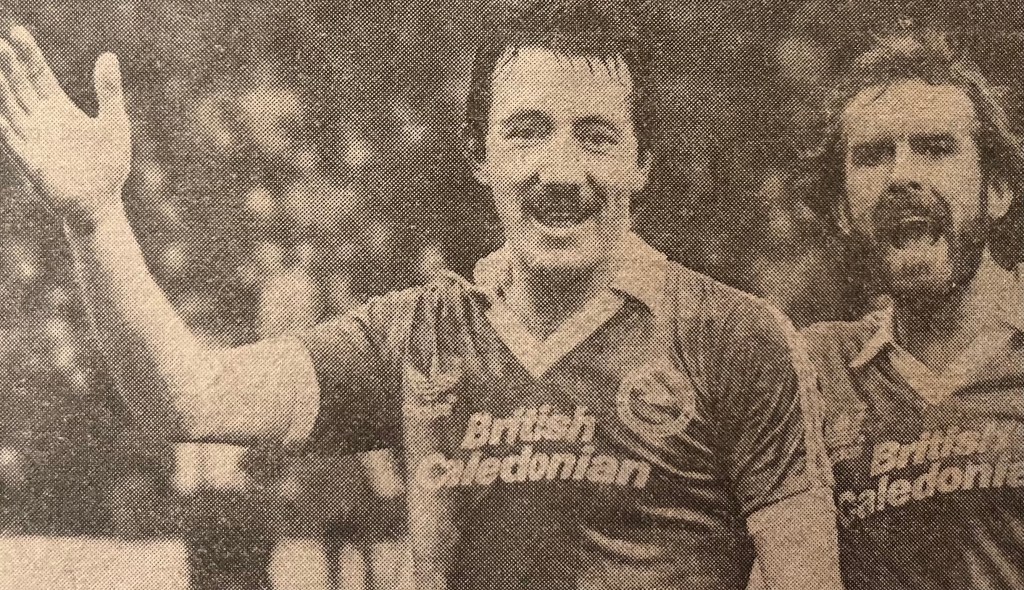
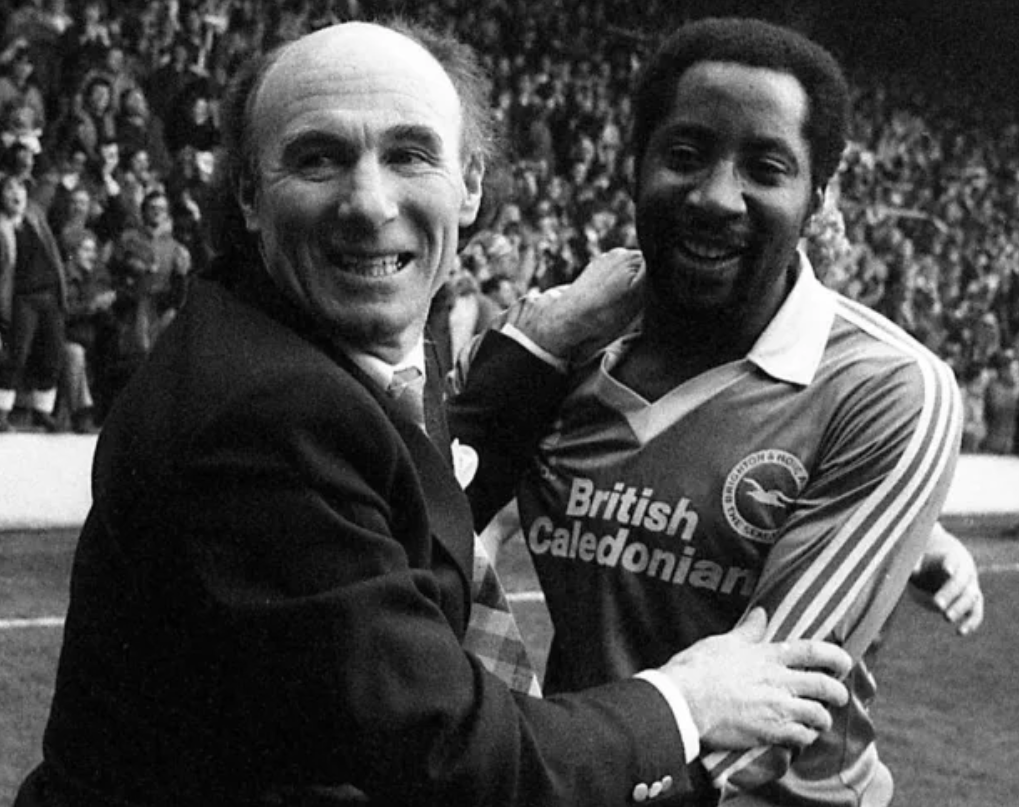
Danny Wilson and Eric Young celebrate O’Reilly’s first Albion goal, against Crystal Palace

Although O’Reilly had collected a UEFA Cup-winners’ medal that May as a non-playing squad member of the Tottenham side that beat Anderlecht 4-3 on penalties (after the two-legged final ended 2-2), opportunities were few and far between at White Hart Lane.

He still had two years of his contract remaining, but O’Reilly requested a transfer and Chris Cattlin snapped him up. Cattlin later admitted: “I watched him eight times before signing him, and six times with Tottenham Reserves he had stinkers. But I thought then he had great potential.”
In a 2001 interview with the Argus, O’Reilly said: “It was a gamble and I took a cut in pay. Spurs had an embarrassment of riches as far as talent was concerned. Spurs were only giving me about 15 games a season and at Brighton I played regularly in a strong side.

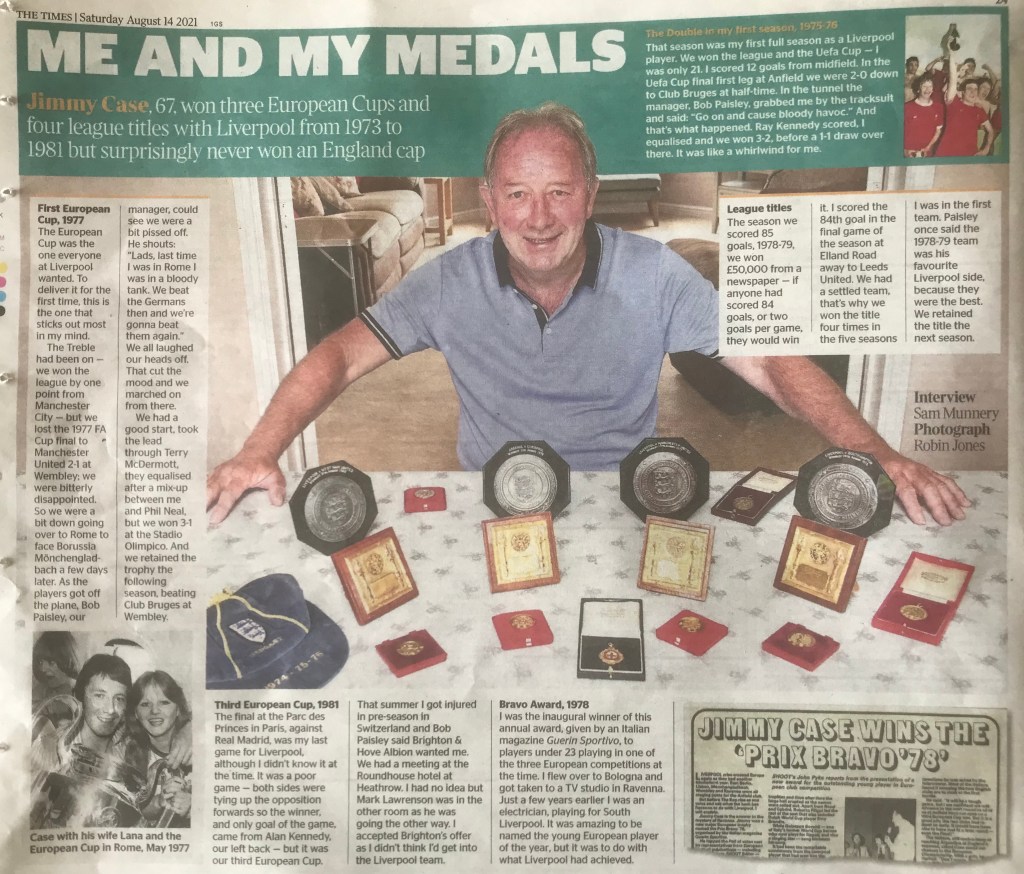
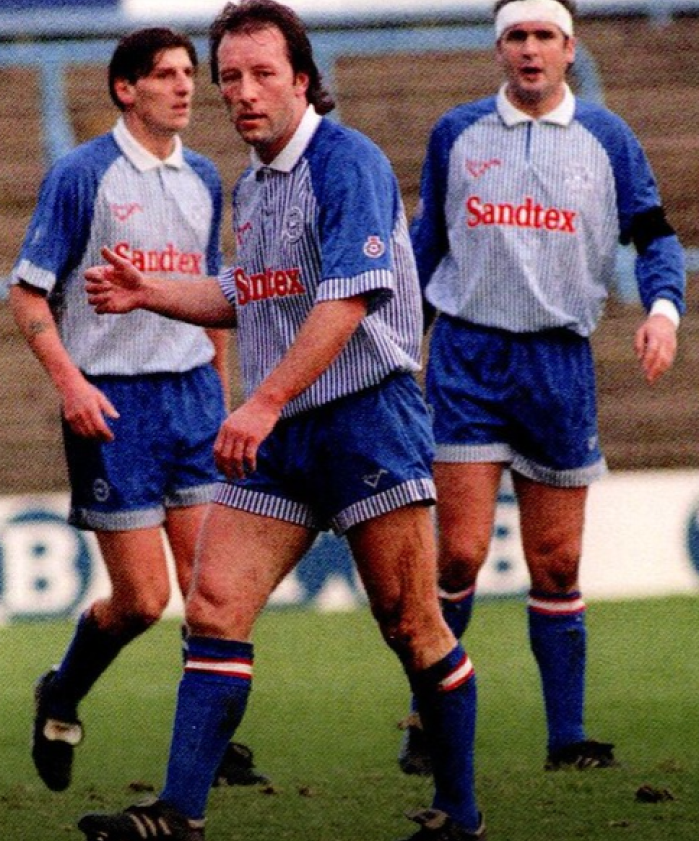
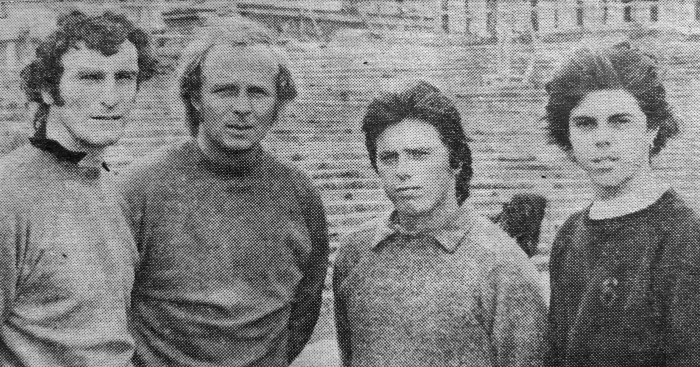
“Brighton included the likes of Chris Hutchings, Jimmy Case, Eric Young, Neil Smillie, Danny Wilson, Joe Corrigan, Steve Penney, Terry Connor, Steve Gatting and Frank Worthington and apologies to anyone I’ve forgotten.

“Jimmy had so much experience and Danny was such a driving force who led by example. Frank Worthington? I had this cliched image of him regarding his socialising but I had that vision shattered.

“He was 36 but was so professional, with a desire to win. He was open with his encouragement, free with his advice and a great rock ‘n’ roll fan! I used to make sure he gave me a lift home from training because we both liked loud rock music.”

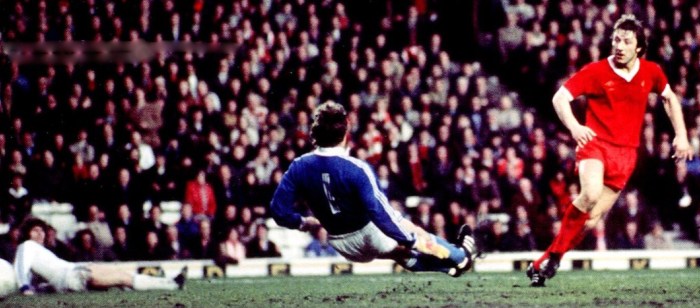
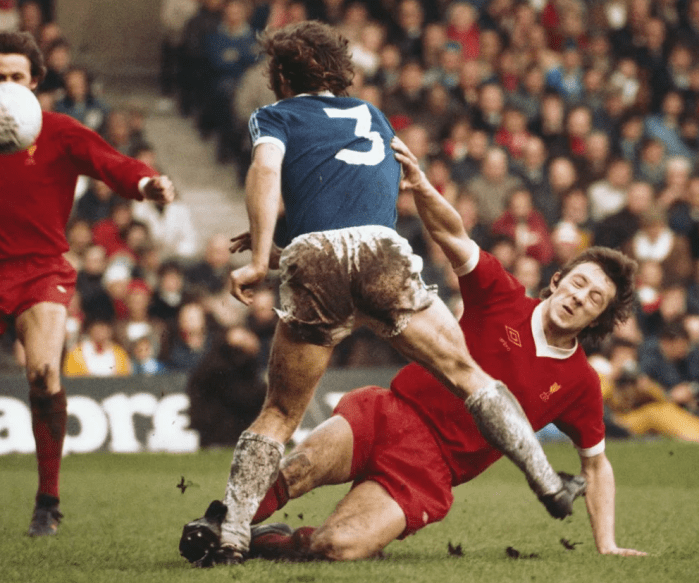
If O’Reilly was confident the blend between old-stagers and talented youngsters would be enough to win promotion back to the elite, his hopes were shattered when Case was sold to Southampton in March 1985.

“We sold Jimmy Case in the March and I nearly took the door off the hinges in Cattlin’s office,” he recalled in a matchday programme article. “I asked him what the hell he was doing selling Jimmy! Were we serious about getting promoted? Were we serious about getting into the play-offs?

“Jimmy went to Southampton and they had success with him in their team in the First Division. It was no surprise. How many European Cup medals does Jimmy have that say ‘wiinner’? That’s what Jimmy brought to the team here and he was a massive loss when he went.”

Indeed, Albion ended up just a couple of points shy of the promotion places.

O’Reilly and Young (who also later played for Palace) became an almost permanent centre-back pairing in that 1984-85 season, although, in its fledgling stages, Cattlin admitted he played Graham Pearce in between them “to allow the central defensive pair to learn their trade and settle down into a partnership”.

O’Reilly recalled: “We had a good defence (which equalled the fewest-goals-conceded record of 34) and when we clicked up front we would win 4-0, 5-0. We played good football, through midfield, with pace, power and discipline. I learned so much. It was a brilliant time.”

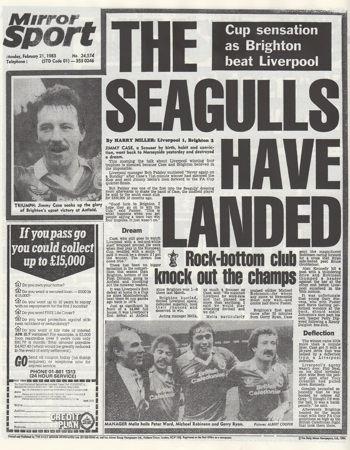
The following season saw Albion finish in mid-table and Cattlin was relieved of his duties before the final game. There had been a consolation of sorts that they reached the quarter-finals of the FA Cup when a Jimmy Case-led Southampton (with Peter Shilton in goal) saw off the Seagulls 2-0 in front of a bumper 25,069 crowd (most attendances that season struggled to reach 10,000).

Before that March match, O’Reilly thought he’d scored two more against Palace but his efforts in the New Year’s Day encounter at the Goldstone were ruled out. Nonetheless Dean Saunders and a Danny Wilson penalty secured a 2-0 win for the Seagulls.readcrystalpalace.com says that game is “mainly remembered by Palace fans for a scandalous dive by Terry Connor which earned Brighton a penalty”.

Nonetheless, maybe O’Reilly had caught Coppell’s eye because, in January 1987, Cattlin’s successor Alan Mullery said Palace were in for him and Albion needed the money – £40,000 – to pay the whole club’s wage bill for the next month.

Mullery had ridden on the crest of a wave during his previous five years with the club but on his return found it much-changed. Attendances at the Goldstone were often below 10,000 and, from the word go, Mullery had been instructed to offload high-earners to stem the outflow of cash.

“The playing squad was cut back to the minimum and I had no room to manoeuvre,” he wrote in his autobiography.

Although he’d played 92 games for the Seagulls, O’Reilly had missed several matches in the first half of the season with a troublesome hamstring strain and by Christmas the side were struggling near the bottom of the table.

He said: “Mullery, who was always very honest, said there was no pressure to leave but that if I didn’t go there wouldn’t be enough money to pay the wages.”

Within days of his move to Selhurst Park, O’Reilly was followed out of the exit by a shell-shocked Mullery, who said: “Of course the cuts had left the team struggling but I could have pulled things round if the board had trusted and believed in me. Instead, I’d been stitched up.”

For his part, O’Reilly said: “I went, not so the wages could be paid, but as a career move and it proved the right one.

“Palace got promotion (in 1989) and made it to the FA Cup final (1990) and I scored in the semis against Liverpool and the final against Manchester United.”

None of the much-hyped enmity between Brighton and Palace affected O’Reilly’s switch to Croydon. “I didn’t have any issues with anybody and neither did they with me,” he said in a matchday programme interview. “I didn’t feel any animosity. I was welcomed and we got on really well. The fans realised I didn’t go to Palace to hate, I went to Palace to win.

“I’d played against them a number of times and Steve (Coppell) wanted to develop the squad and make me part of it.”

O’Reilly told Spencer Vignes: “There were the beginnings of a seriously decent side there. Ian Wright and Mark Bright were just coming through, Andy Gray was already there and John Salako, Gareth Southgate in the youth team – a lot of good talent.”

And of Coppell, he said: “Steve had the hunger and drive that made you want to win. That attitude was reflected in the players he acquired.”

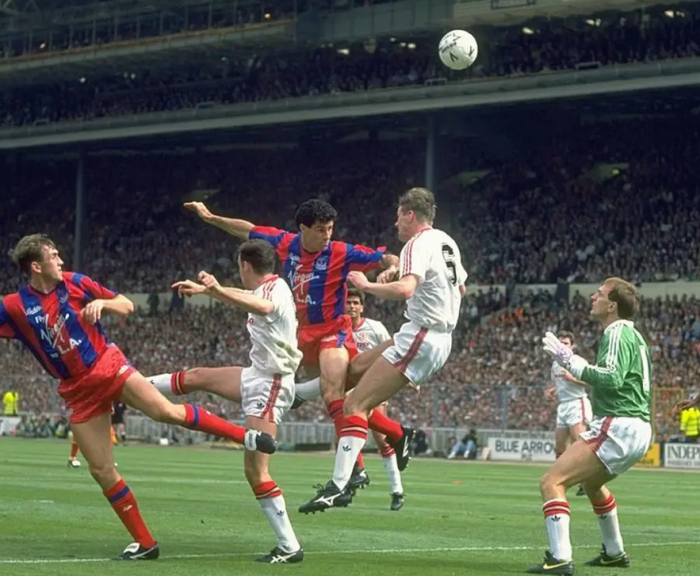
O’Reilly rises to head home for Palace against Manchester United in the FA Cup final

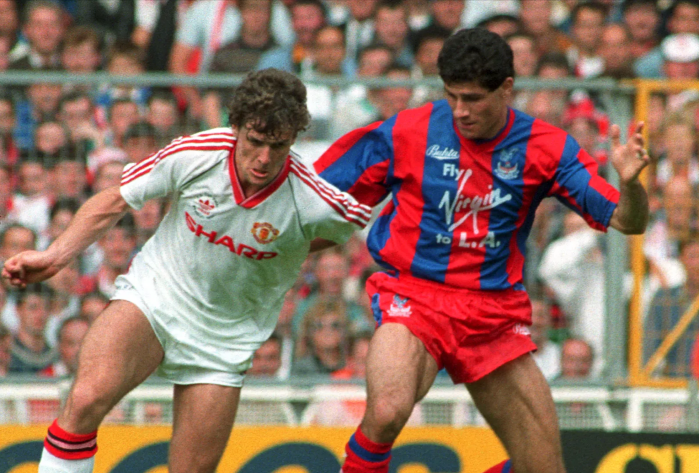
Scoring that goal against United in the 1990 FA Cup Final helped O’Reilly fulfil a childhood dream although ultimately there was the disappointment of United equalising (making it 3-3) through Mark Hughes in extra time and going on to win the replay.

“The FA Cup goal was a set play which was no surprise because we worked hard at set plays,” he recalled. It was from Phil Barber’s free-kick on the right that O’Reilly put Palace ahead after 18 minutes, his header looping over goalkeeper Jim Leighton.

United recovered to lead 2-1 before sub Ian Wright, only six weeks after breaking his leg, went on to score twice, in the 72nd minute and again at the start of extra-time before Hughes’ equaliser seven minutes from the end.

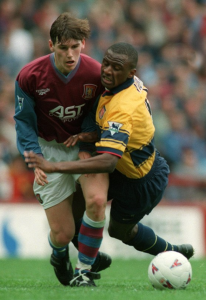
O’Reilly challenges Man United’s late-goal Wembley saviour Mark Hughes

O’Reilly played 79 times over three and a half seasons at Selhurst Park but the aforementioned Young and Andy Thorn were the regular centre-back pairing in 1990-91 when Palace finished third in the top division and also won the Full Members’ Cup. O’Reilly went out on loan to Birmingham City, although he only played once.
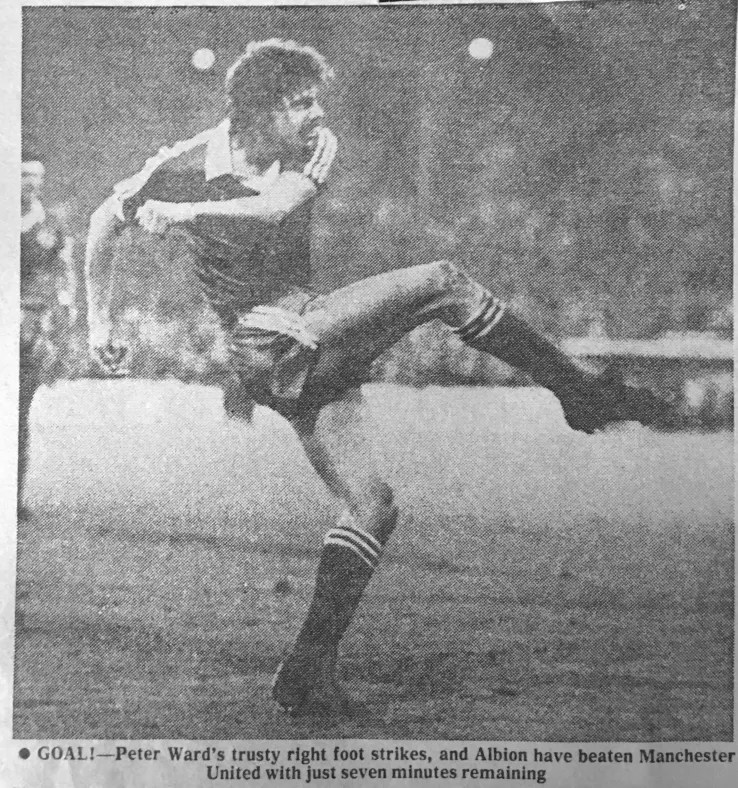
In the summer of 1991, aged 30, he returned to a Brighton side under Barry Lloyd who’d lost the second-tier play-off final to Notts County and once again had to sell players to balance the books. And in that Argus interview he recalled: “Again I took a pay cut, but I had no worries about coming back. I wasn’t concerned about any element of forgiveness although there were a few who would voice their opinion of my former club, which wasn’t very intelligent.”

He made 31 appearances in the 1991-92 season but played his last game on 29 February 1992 sustaining an injury to his right knee against Southend at the Goldstone which ended his career. Albion were subsequently relegated back to the third tier and after a series of unsuccessful knee operations, O’Reilly was forced to retire from the game in April 1993.

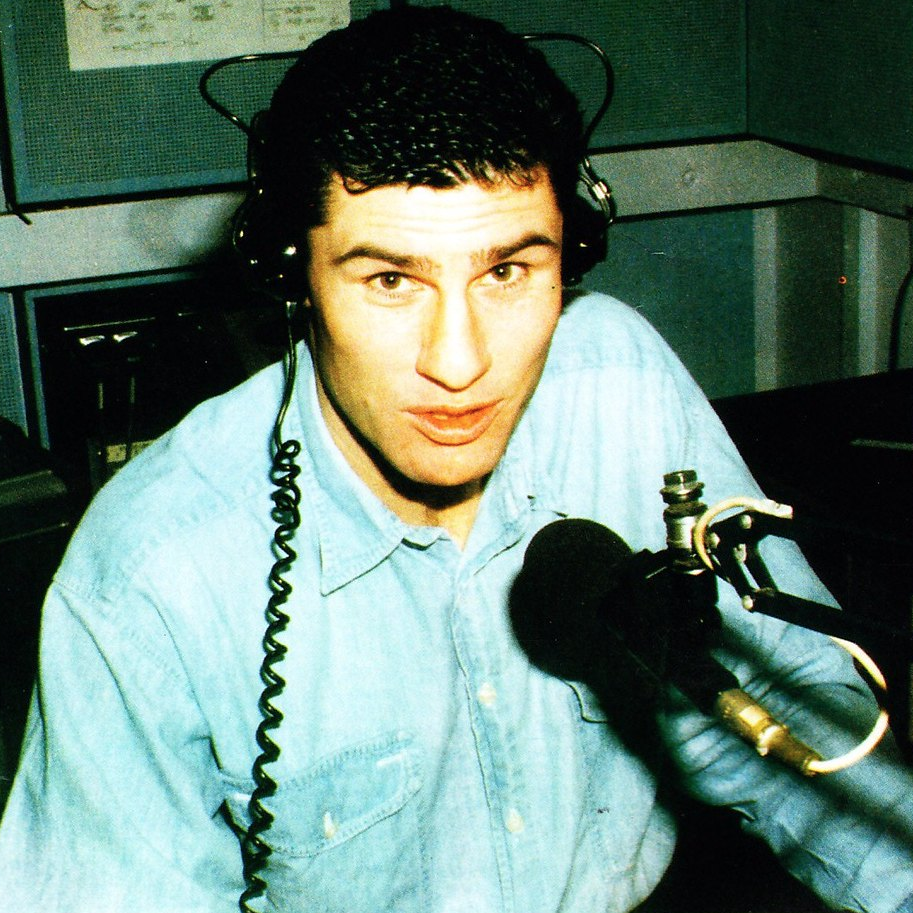
He didn’t let the grass grow under his feet, though. While he was still hopeful of regaining his fitness, he joined BBC Radio Sussex to do analysis on Albion games. It wasn’t his first experience at the mic either. When he was not playing at Palace, he sat alongside Jonathan Pearce and did summarising for Capital Radio.

“Doing this work has kept me involved with the game,” he said. “It is much better to concentrate when watching as a reporter. I find that when I just go along as a spectator my mind wanders and that really is frustrating. Broadcasting really must be the next best thing to playing.”

Born in Isleworth on 21 March 1961, O’Reilly grew up in Essex: his parents, Gerry and Mary, having moved to Harlow. His education began at Latton Green Primary School in Harlow and he moved on to Latton Bush Comprehensive, where he stayed on to take his A levels.

Throughout those schooldays he was a promising central defender and he started to make a name for himself with the Essex Boys team. As a schoolboy, he played for both England and the Republic of Ireland because his father was from Dublin and his mother English. He played for the England under-19 schoolboys’ side for two years.

Earlier in his teens, Arsenal wanted him on associate schoolboy forms, but it was Spurs who snapped him up at the age of 13 and during his last two years at school he played as an amateur at Tottenham. His youth team-mates at White Hart Lane included Kerry Dixon and Micky Hazard.

O’Reilly had the offer of a sports scholarship at Columbia University but he decided to sign for Spurs as a professional in the summer of 1979.

His debut aged 19 was on Boxing Day 1980 as a half-time substitute for Chris Hughton in a remarkable 4-4 draw with high-flying Southampton at White Hart Lane. Among a total of 45 first-team appearances in five seasons at Tottenham were games in the Charity Shield at Wembley in 1982 against Liverpool (Spurs lost 1-0) and a quarter-final victory in the UEFA Cup over German giants Bayern Munich.

It was the arrival of Gary Stevens from Albion shortly after the 1983 FA Cup Final that began to signal the end of his time at White Hart Lane, together with the emergence of Danny Thomas.

After hanging up his boots, O’Reilly scouted for Bruce Rioch when he was boss at Bolton Wanderers and spent nine years identifying talent for kit supplier Adidas.

Alongside that, he began a successful broadcasting career which saw him on screen for Meridian, Sky Sports, BBC, Premier League Productions, NBC, Fox Sports and ESPN.

His broadcasting work also extended to India, ART Prime in Dubai and Trans World International’s Premier League international feed.

After marrying in Arundel Cathedral, O’Reilly first lived in Crawley, from where he commuted to Croydon during the Palace years, and later moved to Hove. He subsequently moved to New York where, since 2017, he co-hosts a weekly podcast Playing With Science with Neil deGrasse Tyson for media company StarTalk, exploring fascinating topics linking sport and science.

Anyone unsure in which camp O’Reilly’s heart belongs, he answered diplomatically in a matchday programme interview: “Spurs. It’s always been them, ever since I was six. And I learned so much about the game just by being involved there, especially through (former Spurs captain) Steve Perryman.

“He was always such a believer in doing things the right way. He gave time to any young players. There was none of that “Do you know who I am son?’ None of it at all.”

The FA Youth Cup winner with a sweet left foot

PACY DARREN HUGHES made his Everton first team debut two days after Christmas 1983 while still a member of the club’s youth team.

That game at Molineux ended in a 3-0 defeat for the young defender against bottom-of-the-table Wolves who had Tony Towner on the wing and John Humphrey at right-back.

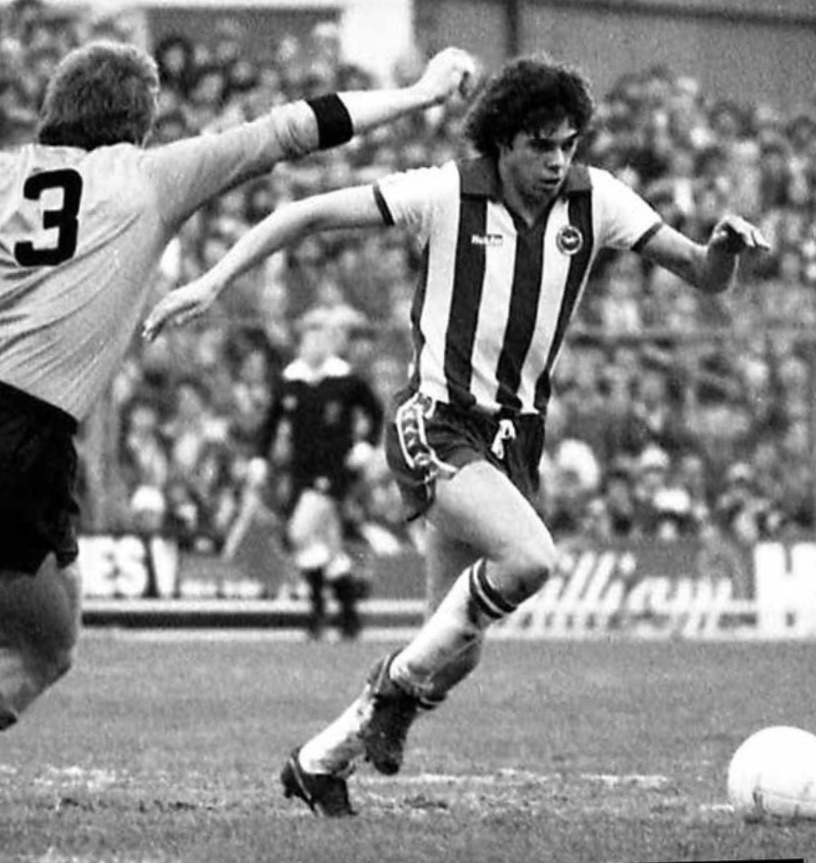
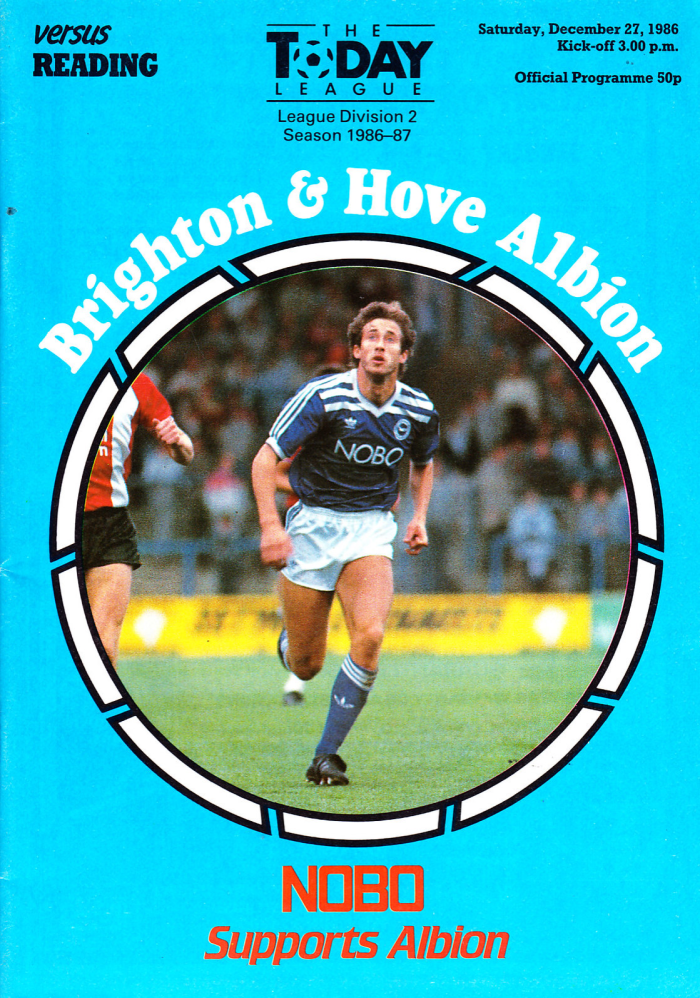
Exactly three years later, a picture of Hughes in full flight was on the front cover of Albion’s programme for their home festive fixture against Reading, the Scouser having signed for the second-tier Seagulls for £30,000.

The money to buy him came from the supporter-funded Lifeline scheme which also helped to buy goalkeeper John Keeley for £1,500 from non-league Chelmsford and striker Gary Rowell, from Middlesbrough.

Hughes had made only two more first team appearances for Everton before a free transfer move took him to second tier Shrewsbury Town, for whom he made 46 appearances.

It was while playing for the Shrews in a 1-0 win over Brighton that he had caught the eye of Alan Mullery, back in the Albion hotseat at the start of the 1986-87 season.

In his matchday programme notes, Mullery wrote: “Darren could become a really good player here. I was impressed with him when he played against us recently.

“He started at Everton and came through their youth scheme and had already played in their first team at 18. The grounding he received at Goodison should stand him in good stead.

“He has already shown he is the fastest player we have here, in training he even beat Dean Saunders in the sprints.”

Interviewed for the matchday programme, Hughes told interviewer Tony Norman: “I was quite happy at Shrewsbury. But when the manager told me Brighton were interested in signing me I thought it would be another step up the ladder. It’s a bigger club with better prospects and it’s a nice town as well.”

Hughes moved into digs in Hove run by Val and Dave Tillson where a few months later he was joined by Kevan Brown, another new signing, from Southampton.

Hughes meanwhile had made his Albion debut in a 3-0 defeat at home to Birmingham in the Full Members Cup on 1 October 1986 and his first league match came in a 1—0 home win over Stoke City three days later courtesy of a Danny Wilson penalty.

He scored his first goal for the Seagulls in a 2-2 Goldstone draw against Bradford City as Mullery continued to see points slip away. With financial issues continuing to cloud hoped-for progress, 1987 had barely begun before Mullery’s services were dispensed with.

Hughes played 16 games under his successor Barry Lloyd but those games yielded only two wins and the Albion finished the season rock bottom of the division, dropping the Albion back into the third tier for the first time in 10 years.

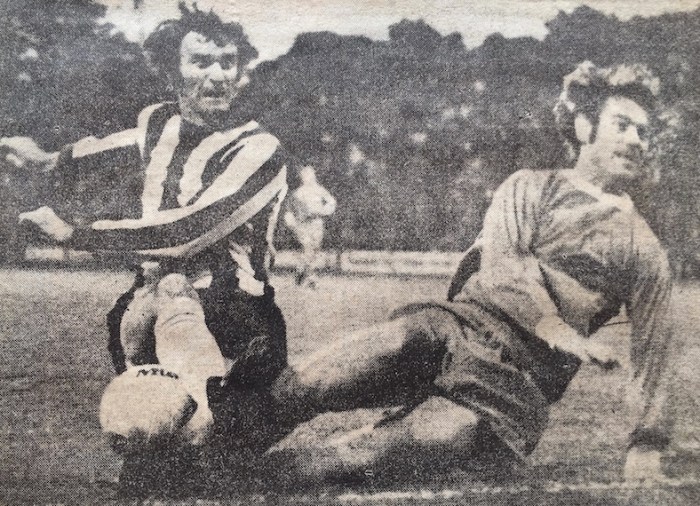
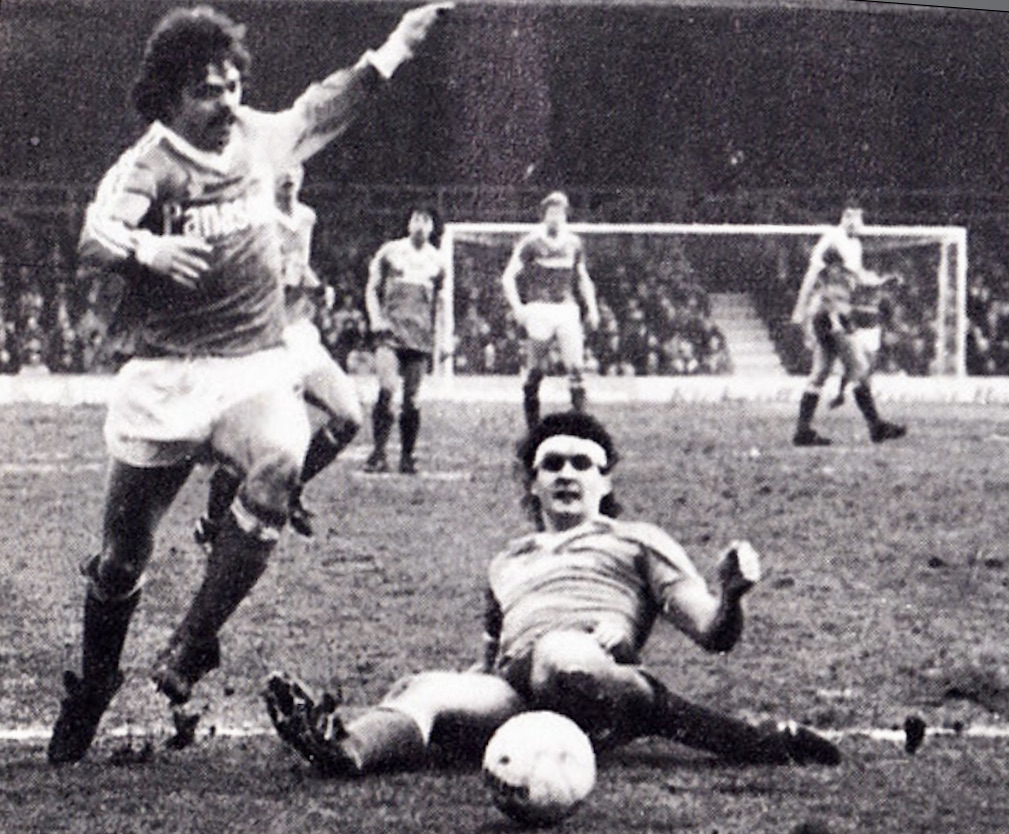
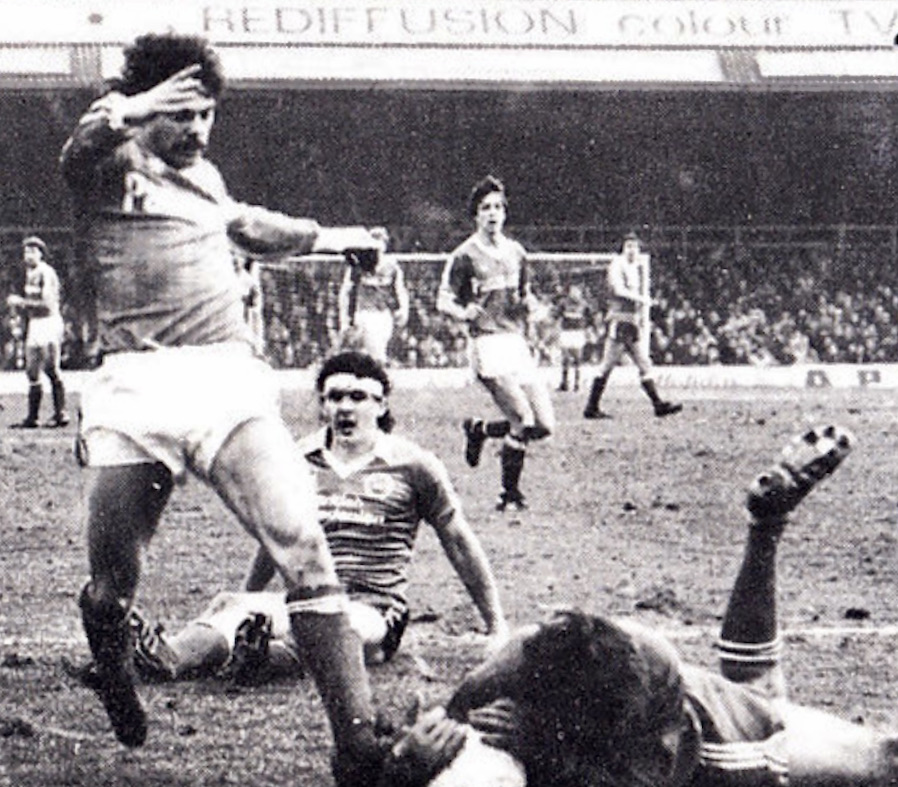
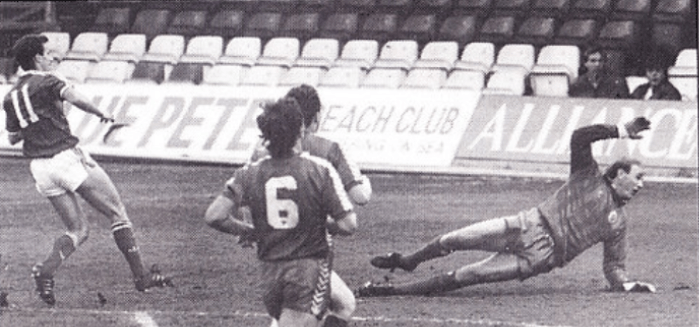
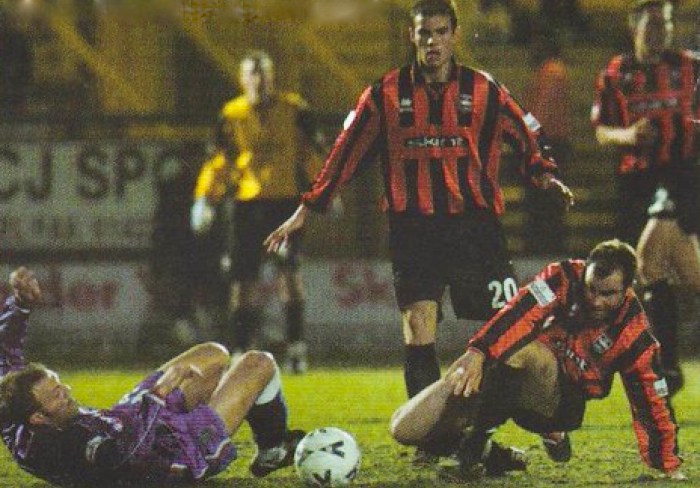
A rare happy moment during that spell was (pictured above) when Hughes slotted past George Wood in a 2-0 home win over Crystal Palace on Easter Monday although that game is remembered more for violent clashes between supporters outside the Goldstone Ground after fans left before the game had finished.

What turned out to be his 25th and final league appearance in a Seagulls shirt came in a 1-0 home defeat to Leeds when he was subbed off in favour of youngster David Gipp.
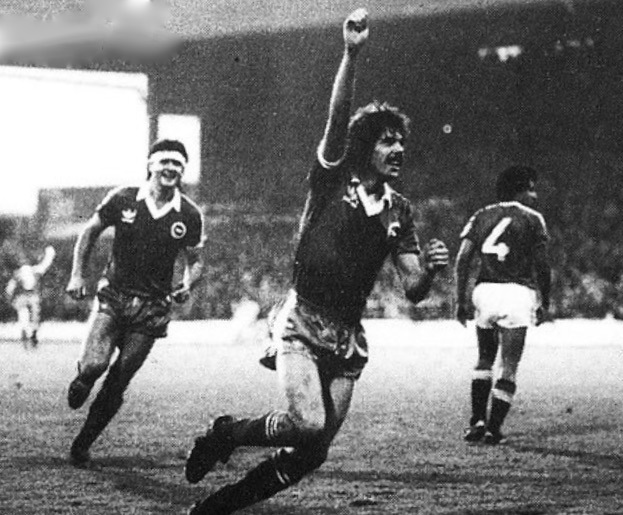
Going to ground in a pre-season friendly against Arsenal

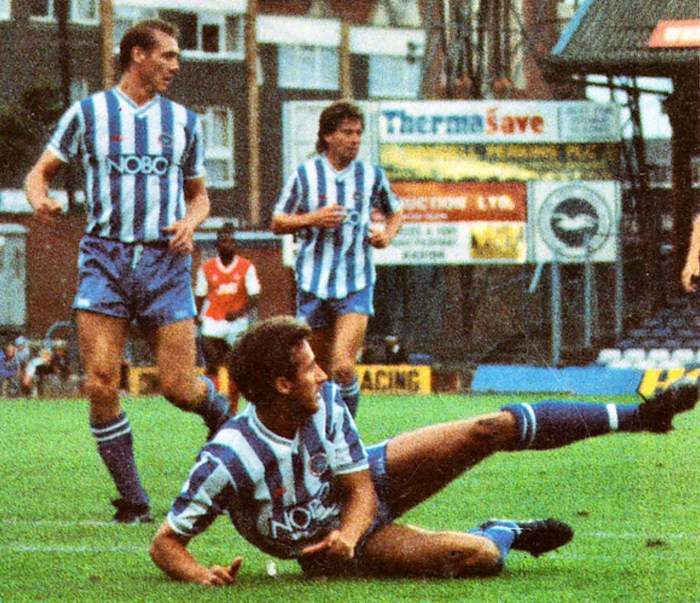
Hughes did start at left-back in a pre-season friendly against Arsenal at the Goldstone in early August (when a Charlie Nicholas hat-trick helped the Gunners to a 7-2 win) but when league action began he was on the outside looking in.
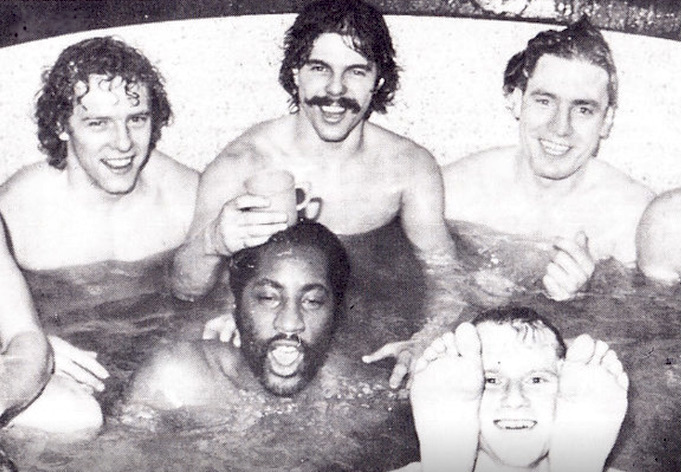
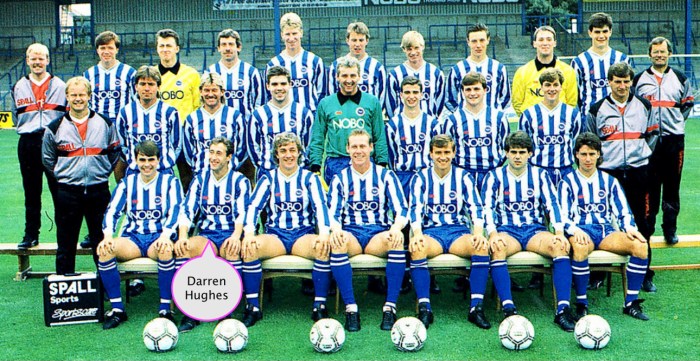
He was in the front row of the official team photo line-up for the start of the 1987-88 season, but Lloyd was building a new side with several new signings, such as Keith Dublin and Alan Curbishley, and young Ian Chapman was also beginning to stake a claim.

Hughes earned mentions in dispatches for his performances in the reserves’ defeats to Portsmouth and Spurs but come September he switched to fellow Third Division side Port Vale, initially on loan before making the move permanent.

Perhaps it was inevitable that when the Seagulls travelled to Vale Park on 28 September, Hughes was on the scoresheet, netting a second goal for the home side in the 84th minute to complete a 2-0 win.

Born less than 10 miles from Goodison Park, in Prescot, on 6 October 1965, Hughes went to Grange Comprehensive School in Runcorn and earned football representative honours playing for Runcorn and Cheshire Boys. He joined Everton as an apprentice in July 1982.

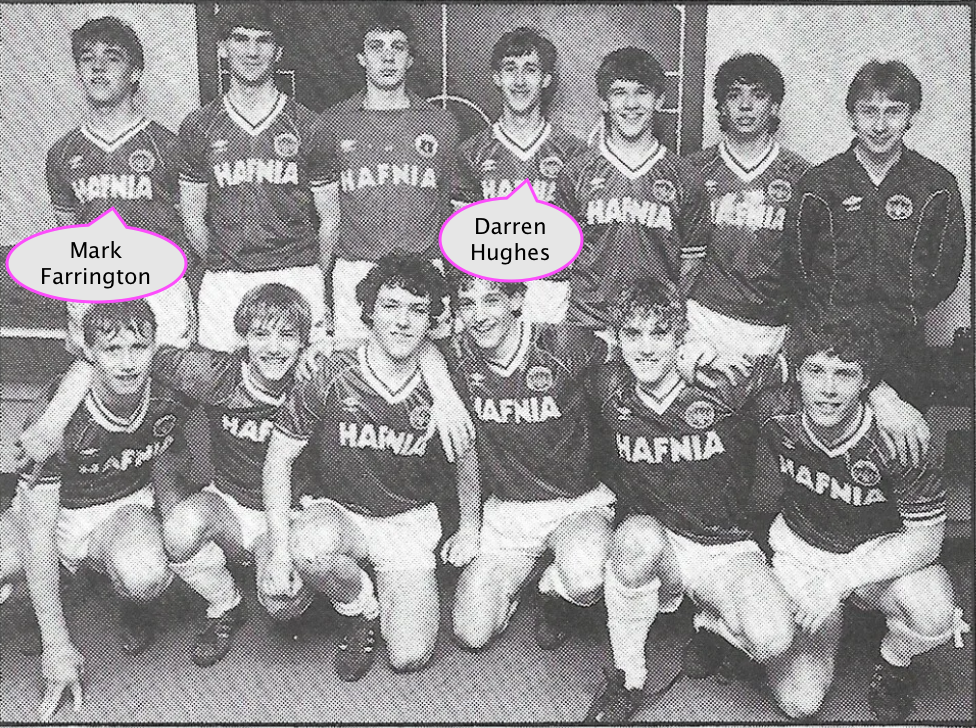
Originally a midfield player, he switched to left-back in the two-legged 1983 FA Youth Cup semi-final against Sheffield Wednesday (when Mark Farrington scored four in Everton’s 7-0 second leg win).

In the final against Norwich City, two-goal Farrington missed a late penalty in the first leg in front of an extraordinary 15,540 crowd at Goodison Park. The tie was drawn 5-5 but the Canaries edged it 1-0 in a replay to win the trophy for the first time.

If that was so near and yet so far, youth team coach Graham Smith saw his young charges make up for it the following year. Hughes was on the scoresheet as Everton won the FA Youth Cup for the first time in 19 years.

This is how the Liverpool Echo reported it: “Everton’s brave youngsters survived a terrific onslaught to take home the Youth Cup when beating Stoke City Youth 2-0 and winning by a 4-2 aggregate.

“And the man to set them on their way was 18-year old full-back Darren Hughes, who set the game alight in the 62nd minute with a brilliant goal.

“The Everton left-back picked the ball up on the halfway line and surged into the Stoke half before sending a wicked, bending drive past keeper Dawson.”

Eleven days later, there were even more Goodison celebrations when the first team won that season’s FA Cup, beating Watford 2-0 at Wembley.

Not long into the following season, Hughes learnt the hard way not to take anything for granted, as the website efcstatto.com revealed.

Manager Howard Kendall saw Everton Reserves, 2-0 up at half-time, concede six second half goals and lose 6-2 to Sheffield Wednesday Reserves.

He didn’t like the attitude he saw in several players and promptly put five of them, including Hughes, on the transfer list.

“It was important that we showed the players concerned how serious we were in our assessment of the game,” said Kendall. “Attitude in young players is so important. These lads would not be here if we did not think they have skill or we thought they would not have a chance of becoming First Division players.

“At some time, however, they must come to learn that football is not always a comfortable lifestyle. There are times when the only course of action is to roll up your sleeves and battle for yourself, your teammates and your club.”

Even though they were put on the transfer list, he said that they still had a future at the club as long as they behaved accordingly.

“What it does mean is that we shall be watching them very carefully over the next few months to see whether they have the right attitude in them – because it is a must,” said Kendall.

Hughes did knuckle down and at the end of what has come to be regarded as perhaps Everton’s greatest-ever season – they won the league (13 points clear of runners up Liverpool) and the European Cup Winners’ Cup (beating Rapid Vienna 3-1) and were runners up to Manchester United in the FA Cup (0-1) – he played two more first team games.

They were the penultimate and last matches of the season but were ‘dead rubbers’ because Everton had already won the league title and Kendall could afford to shuffle his pack to keep players fresh for the prestigious cup games that were played within four days of each other.

Hughes was in the Everton side humbled 4-1 at Coventry City, for whom Micky Adams opened the scoring (Cyrille Regis (2) and Terry Gibson also scored; Paul Wilkinson replying for Everton).

Two days later, he was again on the losing side when only two (Neville Southall and Pat Van Den Hauwe) of the team that faced Man Utd in the FA Cup Final were selected and the visitors succumbed 2-0 to a Luton Town who had Steve Foster at the back.

With the experienced John Bailey and Belgian-born Welsh international Van Den Hauwe in front of Hughes in the Everton pecking order, Kendall gave the youngster a free transfer at the end of the season.

After he left Brighton, Hughes enjoyed some success at Vale, and according to onevalefan.co.uk formed one of the club’s best full-back partnerships together with right-back Simon Mills.

A highlight was being part of the side that earned promotion to the second tier in 1988-89, but his time with Vale was punctuated by two bad injuries – a hernia and a ruptured thigh muscle.

Vale released him in February 1994 but he initially took the club to a tribunal for unfair dismissal. He was subsequently given a six-week trial in August to prove his fitness and, upset with that treatment, he left the club in November 1994.

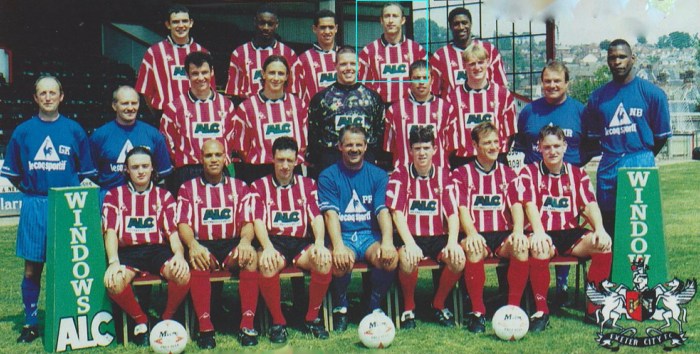
Between January and November 1995, he played 22 games for Third Division Northampton Town. He then moved to Exeter City, at the time managed by former goalkeeper Peter Fox, and made a total of 67 appearances before leaving the West Country club at the end of the 1996-97 season.

Hughes in an Exeter City line-up

He ended his career in non-league football with Morecambe and Newcastle Town. After his playing days were over, according to Where Are They Now? he set up a construction business.

Thomas swapped a relegation struggle for another promotion push

MARTIN THOMAS was a fourth-tier promotion winner with Fulham, Swansea and Brighton – twice under manager Micky Adams.

Thomas played 90 matches for the west London side between 1994 and 1998 and was part of the side promoted from the basement division in 1997 when runners up behind Wigan Athletic.

He was in the Swansea side that won promotion from the same division as champions three years later.

And following his March transfer deadline day switch to the Seagulls in 2001, Thomas was once again a promotion winner from that division when Adams’ Albion topped the table 10 points clear of second-placed Cardiff, who had tried to sign Thomas themselves.

The manager certainly knew what he was bringing to the squad that spring having known Thomas since he’d been a trainee on the books at Southampton, where Adams had spent five years as a player.

Having been a regular at Swansea for two years, he’d been in and out of the side as City struggled near the bottom of the Second Division. He’d made the last of his 24 appearances that season just before Christmas and had missed two months with a bruised ankle bone.

He was on the transfer list after falling out with boss John Hollins and Albion agreed to take over his contract for the rest of the season, although the paperwork was only completed 45 minutes before the transfer deadline.

The Argus noted that Thomas then caught a train to his parents’ home near Romsey and borrowed his mum’s car the following morning to drive to Sussex for his first training session with the Albion. There were plenty of familiar faces to greet him.

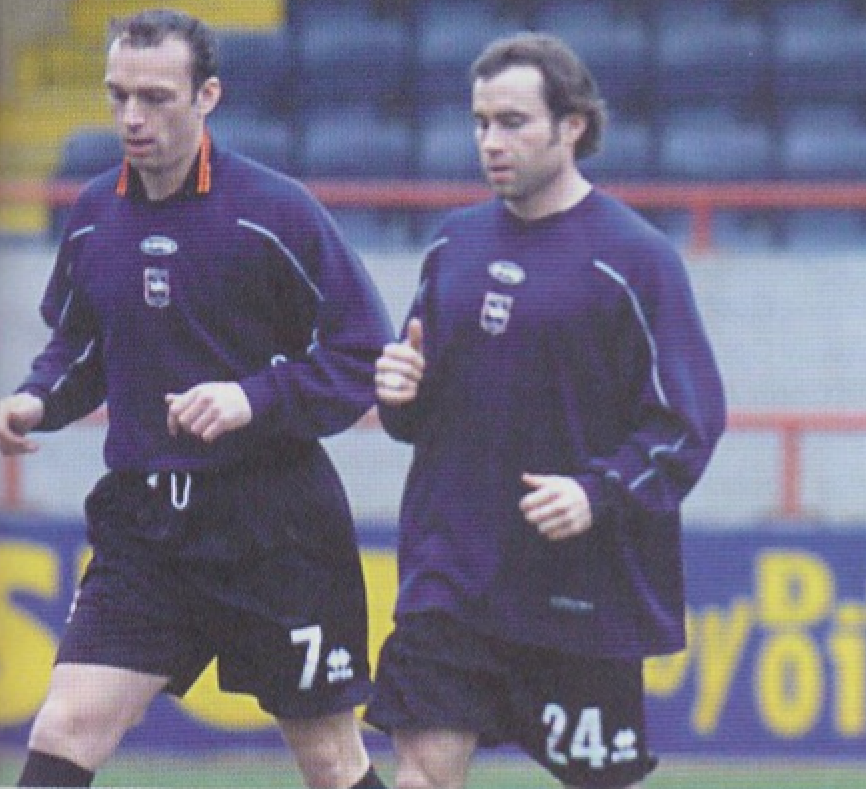
Apart from Adams, there was Richard Carpenter, Danny Cullip, Paul Watson, Paul Brooker, and Darren Freeman. (Thomas is pictured below with Freeman at Fulham and warming up as Brighton substitutes)

Carpenter told The Argus: “I played with Thomo at Fulham for just under two seasons. He is a hard-working player who puts his foot in and never gives less than 100 per cent.

“I would say he is much the same as Charlie (Oatway). Both are tough tacklers and very aggressive.”

There’s no love lost between Swansea and their south Wales rivals Cardiff City and Adams’ former no. 2, Alan Cork, who was boss at the Bluebirds at the time, admitted to The Argus that he’d hoped to sign Thomas for their own promotion push.

“I tried to take Martin until the end of the season two weeks before Micky got him, but Swansea wouldn’t deal with us,” said Cork. “Martin is a very aggressive, up and down midfielder,” he said. “He has a lot of pace, works his heart out for the team and is a good all-round player.”

The player himself told The Argus: “I wanted to get away because I need to be playing and I am excited about coming here. I made my mind up straight away.

Thomas in the heart of the goalmouth action for Brighton

“It looks like Brighton are going up and I just hope I can help them get there. The lads have done all the hard work so far this season. I just hope I can add that little bit more.”

It certainly looked like a smart move for a player who’d twice before played a part in winning promotion from the basement division, and Swansea supporters were sad to see him go.

The previous season he’d been headline news after scoring the only goal when the Swans knocked Premier League West Ham out of the FA Cup in a third round replay at the Vetch Field.

Thomas, evading a Frank Lampard tackle, hit the headlines when scoring in Swansea’s FA Cup win over West Ham.

He’d already gone close to breaking the deadlock midway through the first half when he beat Hammers’ goalkeeper Shaka Hislop only to see his shot hit the crossbar. Eight minutes later he hit the target from 25 yards, firing into the bottom corner of the net. Swansea duly became the first Third Division side to knock a Premier League side out of the FA Cup.

Swansea supporters’ leader Keith Haynes reckoned: “Brighton have definitely got a bargain.

“All the Swansea fans I know are fed up that Martin has gone. Every side needs a grafter in midfield and we haven’t got one now.

“He is the sort of battling, hard-tackling player you will get 100 per cent from whoever he plays for. He has been one of the favourites at Swansea because he scores crucial goals as well.”

Haynes added: “He is a top man, the type you need either to get out of trouble or get out of the division you are in.”

Thomas made his debut as a substitute for skipper Paul Rogers in a 2-0 home win over Mansfield Town, the first of seven involvements off the bench.

His only start came in the penultimate game, a 0-0 draw away to Halifax Town. Adams made numerous changes to the side that had clinched the championship at Withdean two days earlier when promotion rivals Chesterfield were beaten 1-0 by defender Cullip’s goal.

Thomas joins in promotion celebrations at the Withdean Stadium

Born in the New Forest town of Lymington on 12 October 1973, Thomas was a trainee with Southampton and signed professional terms for them in June 1992.

But he left without making a first-team appearance, moving to east London to join Leyton Orient in March 1994. He scored on his debut, ironically in a 2-2 draw with Fulham, a week after the Os had lost 2-0 at Brighton (Robert Codner and Andy Kennedy with the goals). He scored again in a 3-2 home defeat to Port Vale but only made five appearances in total.

Next stop was Craven Cottage which was to be his home for the next four seasons.

Thomas and Brooker were among the scorers when Third Division Fulham beat Second Division Swansea 7-0 at Craven Cottage in the first round of the 1995-96 FA Cup – the biggest victory over a team from a higher division in the history of the competition. Cusack, Jupp and Conroy (3) were the other scorers.

Thomas didn’t leave the Cottage quite as swiftly as the likes of Aidan Newhouse, Watson, Mark Walton and Cullip after Kevin Keegan and Ray Wilkins were installed in place of Adams, following Mohammed Al Fayed’s takeover of the club.

But in July 1998 he moved to south Wales where former Chelsea, Arsenal and QPR midfielder Hollins had just been appointed Swansea manager.

Thomas scored in first half stoppage time on his debut to give his new club the advantage in the new season opener at home to future employer Exeter City; they went on to win 2-0.

There was disappointment at the season’s end when they lost out to Scunthorpe United at the play-offs semi-final stage but that was all behind them when they topped the division the following campaign.

Thomas had played at the Withdean when Swansea suffered their fifth winless game on the trot on 1 April 2000 but their form eventually returned with four successive wins to carry off the title.

After his cameo in Brighton’s promotion, Thomas stayed in the basement division when he moved on to newly-relegated Oxford United under Mark Wright and then Ian Atkins. But having made only 14 league appearances for Oxford, he moved on again, to Exeter City, in August 2002. 

A Grecians turn for Martin Thomas: relegation at Exeter City

I’m indebted to The Grecian Archive to learn that Thomas made his debut as a substitute on the opening day of the season at Shrewsbury Town. He made 22 league starts, with another four appearances from the bench, but was not in the side towards the end of the season which ended in relegation from the Football League.

Thomas appeared in 10 games in the Conference for Exeter but, after reportedly turning down a reduced-terms two-year contract with the Grecians, he joined Isthmian Premier Eastleigh on a free transfer in July 2004.

He was still only 30 but Eastleigh manager Paul Doswell told the Daily Echo that Thomas decided to pack up full-time football to go into a plumbing job with his brother-in-law.

“It’s great news for us to get someone with that much experience on a free transfer,” Doswell told the Echo. “Nicky Banger (ex-Southampton) recommended him last season when we were talking about the need to get a midfielder who gets his head above the parapet when the going gets tough.

“Martin’s that kind of player and he’s very fit for a 30-year-old.”

Doswell added: “What impresses me about him is that he’s very motivated to finish his career on a high with us.”

That said, Thomas later played for AFC Totton and Winchester City before hanging up his boots.

Steve Cotterill hit the goal trail at Brighton and Bournemouth

STEVE COTTERILL, who made a lasting connection with Brighton fans after impressing during an all-too-brief spell in 1992, saw his injury-plagued playing career come to a juddering halt at Bournemouth.

Cotterill today is back where it all began managing his hometown club, Cheltenham Town, but back in the day he was an old school bustling centre forward who began to get his career back on track with Barry Lloyd’s cash-strapped Seagulls.

The West Country striker, affectionately nicknamed Wurzel (after TV character Wurzel Gummidge) by Albion veteran Steve Foster (back with the club he left in 1984) because of the distinctive Gloucestershire burr when he spoke, was desperate to get back playing regular league football after spending 14 months sidelined with an anterior cruciate ligament injury to his knee while playing for Wimbledon, who were just about to compete in the inaugural season of the Premier League.

“When Brighton asked for me on loan, I desperately wanted the chance to show what I could do,” he said. “I think that Martin Hinshelwood (Lloyd’s deputy) was impressed when he saw me a couple of years ago in a tournament at Arundel.”

Wimbledon didn’t tend to loan players out but manager Joe Kinnear, a former Brighton player himself back in the 1970s, agreed for Cotterill to make the move to try to regain his fitness.

Lloyd was managing on a shoestring after Albion had been relegated back to the third tier having missed out on leaving the second tier in the opposite direction the year before when losing the play-off final at Wembley to Neil Warnock’s Notts County.

He’d been forced to sell the prolific striking duo of Mike Small, to West Ham, and John Byrne, to Sunderland, and their replacements had been a huge disappointment.

Mark Gall, signed from Maidstone, offered a glimmer of hope, but one-time Arsenal striker Raphael Meade and former Everton trainee Mark Farrington failed to convince.

As the 1992-93 season got under way, Gall was unavailable due to a knee injury that eventually forced him to retire, Meade had departed and questions continued over Farrington, so Lloyd opened the season with loan signings Cotterill and Paul Moulden (who’d been at Bournemouth for seven months after leaving Manchester City) from Oldham Athletic (also in the Premier League that season), where he was surplus to requirements.

Each were on the scoresheet in Albion’s opening day 3-2 defeat at Leyton Orient and Cotterill scored again in a home 2-1 win over Bolton Wanderers and an away 3-2 win at Exeter City.

It looked like Lloyd had cracked it as the pair combined well and also enjoyed their partnership, as Moulden told Brian Owen in an interview with the Argus in October 2016. “One of the reasons I loved playing for Brighton was Mr Banter himself, Steve Cotterill. We met up like we had never been apart. I’d start the banter and he’d finish it or vice versa.

“We destroyed many a centre-half partnership during that three months. I was gutted to leave. I mean that very sincerely – absolutely gutted. I couldn’t believe nobody would have bought me and Steve as a pairing.

“We were both out of favour with our clubs and we hit it off so well. But it wasn’t to be – at Brighton or at any club.”

Cotterill had certainly hinted at making the move more permanent, saying in a programme interview: “I am glad to be playing again and scoring the odd goal. Who knows what may happen from here?”

A somewhat unusual programme shot of Cotterill enjoying a spot of gardening

He signed off by scoring the only goal of the game that beat Wigan Athletic at the Goldstone.

Unfortunately, parent club Wimbledon, playing in the inaugural season of the Premier League, wanted the sort of fee for Cotterill that, at the time, Albion couldn’t afford.

He’d scored four times in 11 matches – and on his return to the Dons promptly scored both of their goals in a 2-2 draw away to Southampton. But with John Fashanu and Dean Holdsworth ahead of him, he managed just a handful of games for the Dons.

He did get a start ahead of Holdsworth at home to Liverpool in January 1993 and scored the Dons second goal (Fashanu scored a penalty in the first half) as the Reds were put to the sword 2-0 at Selhurst Park (where Wimbledon played home games at the time).

Cotterill added to his Dons goal tally the following month, in the second minute of added on time in a fifth round FA Cup tie at Spurs, but it was simply a consolation as the home side ran out 3-2 winners. Cotterill had replaced Roger Joseph for the second half.

In the summer of 1993, Bournemouth found the £80,000 that Wimbledon wanted for Cotterill and he signed for the Cherries under manager Tony Pulis.

Pulis paired Cotterill with Steve Fletcher, who eventually went on to become a Cherries legend after a slow start. Fletcher spoke highly of his former teammate when interviewed by Neil Perrett for the Bournemouth Echo in March 2010.

In their first season together, their fortunes were quite contrasting. Cotterill scored 14 goals and was crowned supporters’ Player of the Year while Fletcher endured a second barren year following a £30,000 move from Hartlepool.

Cotterill in action for Bournemouth against Burnley in 1993. Photo: Paul Collins.

“Steve took me under his wing,” recalled Fletcher. “My first couple of years were hard. I started playing alongside Efan Ekoku and was a lone striker after he had been sold.

“I was young and needed someone to come in and help me out. Steve had experience of playing at a higher level with Wimbledon and was happy to pass it on.

“He used to sit me down and we would talk through things. He would back me up in the paper and I remember him jumping to my defence when someone criticised me at a fans’ forum.

“Things like that stick in your mind. I had moved down from Hartlepool and it was tough. Steve really looked after me during those early years and it is something I’ve always appreciated. I’ve kept in touch ever since.”

It was during their second season together that their fortunes reversed. Cotterill’s career was prematurely cut short following a serious knee injury sustained against Chester City in September 1994, with only 10 games of the season played. Fletcher went on to be crowned Player of the Year.

Cotterill said: “I had a good time at Bournemouth, but unfortunately my lasting memory was my last game.

“Snapping my cruciate ligament was the thing I remember because it was the last thing I did and it’s the thing that lives with me. I still remember doing it and it’s a bad memory really, but I did have some good times there and it’s a great part of the world.”

Pulis was succeeded by former player Mel Machin and in that campaign’s team photo there were two teammates who had played for Brighton in Gary Chivers and Kevin ‘Rooster’ Russell and two who would do so in the future: Mark Morris and Warren Aspinall.

Cotterill recalled in a 2023 interview with gloucestershirelive.co.uk: “I know Rooster very well. I played with him at Bournemouth and he’s a great guy and a good coach.

“I liked him when I played with him because he used to stick crosses on a sixpence for me. I remember scoring a few goals from his crosses.”

Born in Cheltenham on 20 July 1964, Cotterill’s first football was played at primary school but his secondary school years were spent at rugby-playing Arle Comprehensive so it was a relief to resume the game he loved for the then semi-professional Cheltenham Town youth team.

He progressed to the reserves and first team of what at the time was a Southern League Premier Division club before his friend Tim Harris, assistant manager at Alvechurch, persuaded him to switch clubs, while he was working full time for a builder’s merchant.

“I must have impressed there because they cashed in and sold me for £4,000 to Burton Albion,” he recalled in a matchday programme interview.

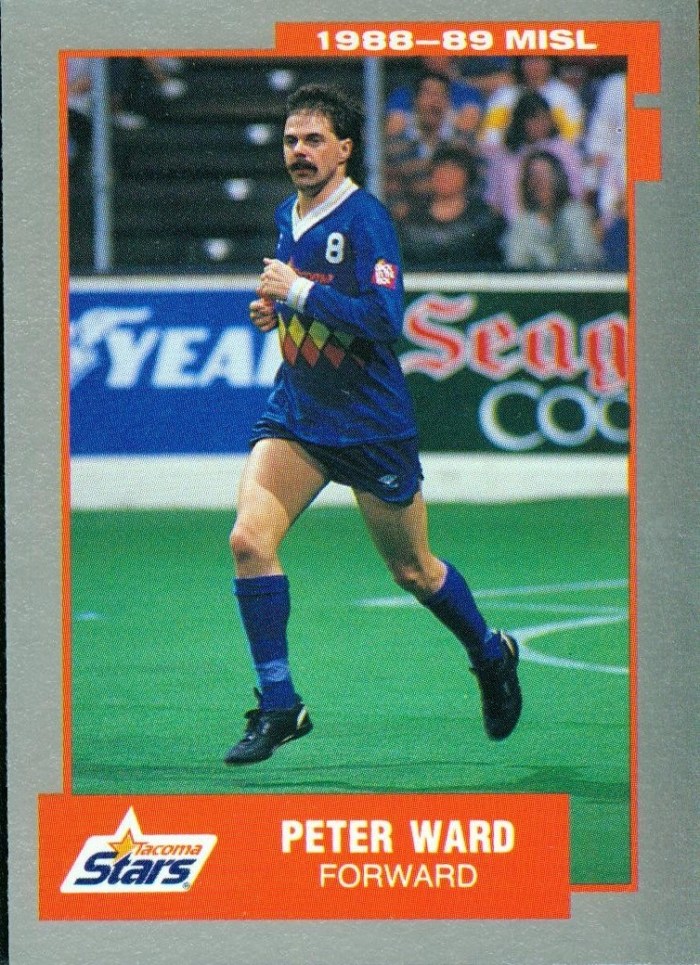
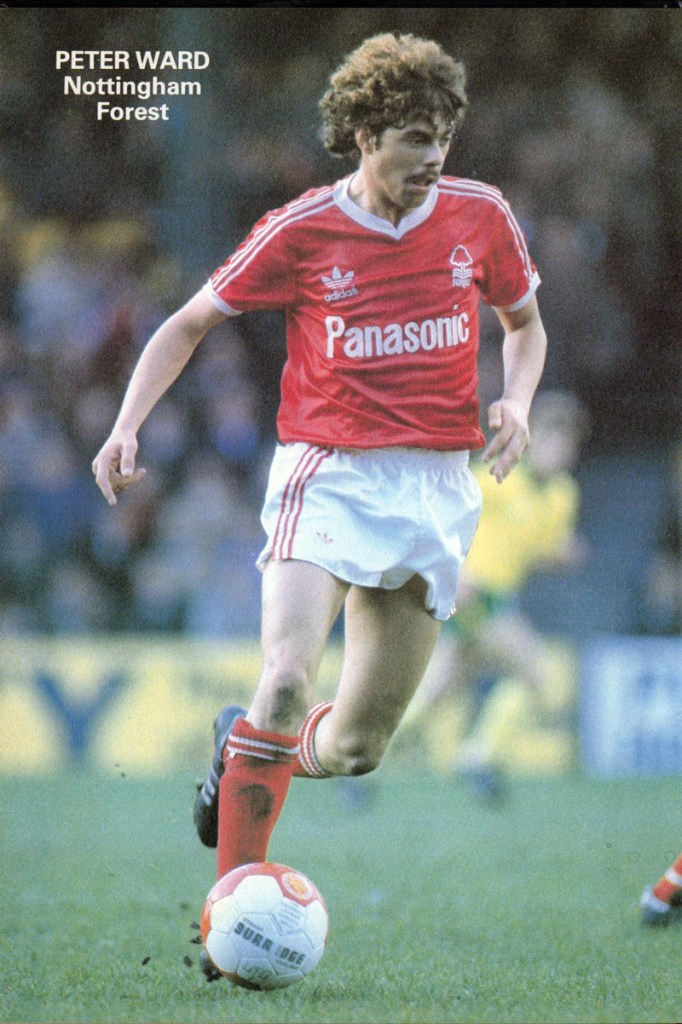
His progress for the side who a dozen years earlier had unearthed the talent of Peter Ward saw him net 44 goals in 74 games for the Brewers between 1987 and 1989

“I have a great affection for Burton Albion and for all those people that work there and I’ll never forget my time there,” he said in a 2018 interview after his Birmingham side played his old club in the FA Cup.

Such a prolific scoring rate caught the eye of Bobby Gould, whose Wimbledon side were punching way above their weight in the old First Division, and the previous season had achieved an historic FA Cup win over Liverpool.

Wimbledon reportedly paid more than £100,000 to take him to south London and he recalled: “I scored on my league debut on 29 April 1989 in a 4-0 win against Newcastle and I thought I was on my way.

“But I didn’t get much of a look-in in the following season and then, when Ray Harford took over, I played a few games before I suffered a horrendous knee injury.”

Cotterill was out for 14 months and only managed a couple of reserve games towards the end of the 1991-92 season, before making the temporary move to Brighton.

Interesting to note in an Albion programme interview with him during his loan spell that he ended it by saying: “I want to stay in the game and I’d like to become a coach or manager.”

He certainly did that and what he did in those capacities is a story in itself. His first assignment was in Ireland where he succeeded his former Wimbledon teammate Lawrie Sanchez at League of Ireland’s Sligo Rovers.

But his hometown club Cheltenham Town offered him a management opening back in England in 1997, and he steered them from Southern League football into the Conference and then into the bottom tier of the Football League. He twice won the Manager of the Year title and earned another promotion, to the third tier, via a play-off final victory over Rushden & Diamonds.

After management and coaching posts at 12 clubs in various parts of the country, he returned to Cheltenham after a 23-year absence in September 2025 and was subject of an extensive feature on Sky Sports hailing his messianic return at the age of 61.

In between, he managed Stoke, Burnley, Notts County, Portsmouth, Nottingham Forest, Bristol City, Birmingham, Shrewsbury Town and Forest Green Rovers.

A brief stay in the Potteries

He cut short his tenure at Stoke in the autumn of 2002 after just 13 games to become assistant manager at Sunderland under Howard Wilkinson, but their stay on Wearside was also short lived, the pair being dismissed after only 27 games in March 2003.

Before taking up the Burnley post, Cotterill was briefly a coach under Micky Adams at Leicester and he was twice a coach under Harry Redknapp: at Birmingham, before taking over as manager, then again at QPR for the second half of the 2012-13 season.

Cotterill has certainly been on the wrong end of some trigger-happy club owners over the years but one of the toughest challenges he’s faced during his long career was during his time as boss of League One Shrewsbury during the Covid-19 pandemic. He was twice admitted to Bristol Royal Infirmary, spending time in intensive care, suffering badly from the virus and pneumonia.

Cotterill left the Shrews job in June 2023 and was out of work until January 2024, when he took charge of Forest Green Rovers.

He was unable to stave off relegation from the Football League, but he rebuilt the side during the summer of 2024 to push for promotion back to League Two. When Southend United visited The New Lawn in the National League on 15 March 2025, the 2-2 draw was Cotterill’s 1,000th game as a manager.

Now back at Whaddon Road, he’s steered the Robins clear of the bottom-of-the-league spot they occupied when he returned.

A manager of the month award shortly after his return to Cheltenham

At his first game back, a banner in the stands referenced the return of the king, and Cotterill declared: “I felt the whole of Cheltenham behind me that day. Not that I have not felt it since too, by the way, because they have been incredible ever since I have been back.

“Even when I was at other clubs, this club has always been important to me. It is my hometown.”

Nonetheless, the Albion has always occupied a soft spot, as he once wrote in his programme notes prior to a Cheltenham v Brighton fixture: “I thoroughly enjoyed my time at Brighton and, whenever we’ve gone there, I’ve always had a great reception from their supporters. They’ve been terrific.”

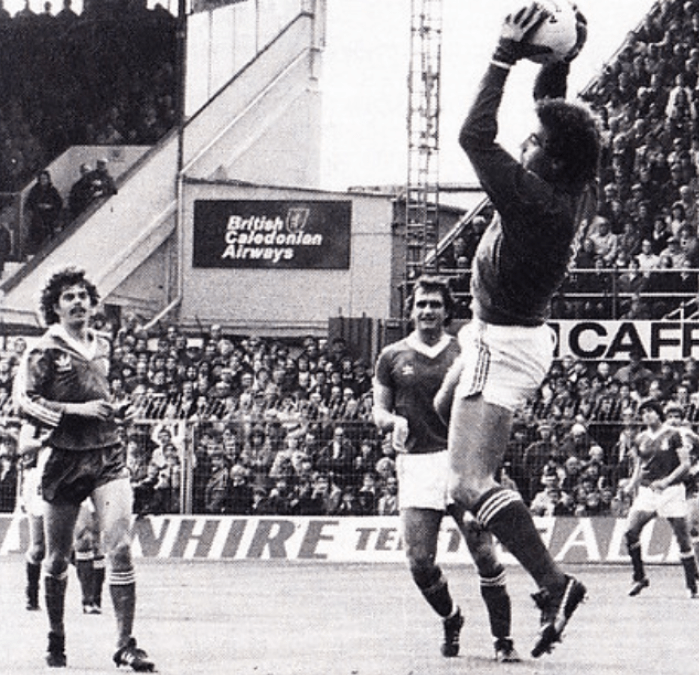
Pole in goal Tom experienced Cup highs and lows

THERE’S plenty of FA Cup history between Brighton and Manchester United and a goalkeeper who played for both has his own memories of the competition – not all of them good!

Although Tomasz Kuszczak played 32 league games for United, as a back-up at Old Trafford rather than first choice, he often found himself called upon in cup matches (eight FA Cup, 10 League Cup – including collecting a winners’ medal in 2010 – and 11 European games).

In April 2025, Kuszczak paid a return visit to Old Trafford to watch United’s 0-0 draw with Man City and snapped some selfies watching from the stands and (above) on the pitch with former teammate Darren Fletcher, now in temporary charge at United following the dismissal of Ruben Amorim.

At Brighton, where Kuszczak was the first choice for two seasons, he found the goalkeeping duties reversed for FA Cup ties and he gave way to either Casper Ankergren or Peter Brezovan.

Signing the Polish international for Gus Poyet’s Championship Brighton side was something of a coup and the boss told the club website: “There were clubs in England and abroad interested in Tomasz, but it says a lot for the ambition of this club that he wanted to sign for Brighton.”

Poyet later told The Argus: “When we had the chance, we got him. You don’t have too many chances sometimes to sign this sort of player, so it was very important.”

Kuszczak said one of the reasons he chose to join the Seagulls was because of what he’d seen when playing against them the previous season, while on loan at Watford.

“I was very impressed with the way the team played – it was totally different to the rest of the Championship and more like what I was used to at Manchester United.

“This team likes to pass the ball, they like to create, they are attractive to watch. The way Brighton play is the future of football.

“I had other clubs who wanted to sign me but my heart told me that this was the right choice.”

Kuszczak continued: “I have played Premier League football for eight years, with West Bromwich Albion and Manchester United, and I believe the structure is in place here to join them.

“The manager and coaching staff, the team, stadium, crowds, through to the plans for the new training ground, everything is geared up for playing at the highest level and I could sense that ambition to be a top club straight away.

“The Premier League is where I want to be again and I believe I can get there with Brighton. This club is heading in only one direction, and I want to play my part in helping us get there.”

During his time at Manchester United, five of Kuszczak’s eight FA Cup appearances were in the 2007 competition when United reached the final – although first choice Edwin van der Sar took over between the sticks for that game, when Chelsea won it 1-0.

The 2008 competition certainly wasn’t one Kuszczak remembered fondly. In a quarter-final against Portsmouth at Old Trafford on 8 March 2008, he went on as a sub for the injured van der Sar at half-time, but 30 minutes later was handed a straight red card for fouling Milan Baros.

Rio Ferdinand took over in goal but failed to save Sulley Muntari’s penalty, the only goal of the game.

In 2010, Kuszczak was in goal when League One Leeds United, with Ankergren in goal, pulled off a shock third round win at Old Trafford – United’s first exit at that stage of the competition since 1984 (the year they went into it as holders after beating Brighton in a replay in 1983).

Jermaine Beckford’s 19th minute goal clinched it for the Yorkshire side against a United who had Danny Welbeck playing up front alongside Dimitar Berbatov and Wayne Rooney.

There was some consolation the following month when United won the League Cup at Wembley, beating Aston Villa 2-1. James Milner opened the scoring from the penalty spot for Villa, sending Kuszczak the wrong way. But goals from Michael Owen and substitute Rooney clinched it for United.

The following year, Kuszczak was again in goal for United’s FA Cup third round tie at home to arch rivals Liverpool which United edged with an early goal by Ryan Giggs. Liverpool captain Steve Gerrard was sent off just past the half-hour mark for a two-footed tackle on Michael Carrick.

But Anders Lindegaard was chosen ahead of Kuszczak as United marched to the semi-finals, where they were beaten 1-0 by Manchester City. In the fifth round, United only narrowly overcame Crawley Town, who had former Albion ‘keeper Michel Kuipers in goal.

By the time the 2011-12 season came round, Kuszczak had slipped down the list of United custodians, with David de Gea first choice, and Lindegaard and Ben Amos also ahead of him.

In February 2012, Kuszczak was loaned to Championship side Watford, where he made 13 appearances, including that third-to-last game of the season at the Amex, which finished 2-2. Former Seagulls promotion-winner Chris Iwelumo was in Sean Dyche’s Hornets side that day when goals from Troy Deeney and Sean Murray (penalty) put the visitors ahead at half-time and second half replies from Inigo Calderon and Will Buckley, against his former club, ensured a share of the points.

It was on Kuszczak’s release from United in June 2012 that he moved to Brighton.

Born in Krosno Odrzańskie in western Poland on 20 March 1982, the son of a Polish army colonel, Kuszczak grew up in Wroclaw, the city on the River Odra whose Tarczyński Arena was a host stadium for the 2012 Euros.

When he was 11, Kuszczak fancied himself as a striker but soon realised he wasn’t quick enough.

“I was always taller than everyone else, a bit like my father and brother, and I loved climbing, jumping from trees, taking a risk, so the position of goalkeeper seemed idea to me,” he said in a matchday programme interview.

“My father and brother would take shots at me, hard shots as well, and I enjoyed trying to stop them.”

He began his career with one of his country’s top teams, Śląsk Wrocław, and a year after earning his first pay packet at the age of 16 crossed over the border to Germany to play for KFC Uerdingen 05 and Hertha Berlin.

Although he made 87 appearances for the Berlin side’s reserves, he was unable to dislodge ex-Palace ‘keeper Gabor Kiraly and Christian Fiedler to claim a first team spot.

He was capped at under 16, under 18 and under 21 level (14 caps) by Poland and, while never first choice ‘keeper for the senior international side, he made his debut in 2003, in a 4-0 win over Malta, and played 11 times for his country, the last time in 2012. He initially took over from Liverpool keeper Jerzy Dudek but, invariably, Artur Boruc and Wojciech Szczesny were picked ahead of him.

He moved to the UK in 2004 when Gary Megson signed him for West Brom. He was reserve ‘keeper behind Russell Hoult in his first season at The Hawthorns but managed 28 league appearances when competing for the gloves with the often-injured Chris Kirkland in his second season.

In one of those appearances, against Wigan Athletic in January 2005, he pulled off a spectacular save to deny Jason Roberts which was subsequently voted Save of the Season by Match of the Day viewers.

Four months later he went on for an injured Hoult at Old Trafford after only 19 minutes and he recalled: “I had a fantastic game, saving everything that came my way and we ended up drawing 1-1. It was a game which ultimately got me my move to United.”

Sir Alex Ferguson captured Kuszczak from West Brom

In a somewhat complicated transfer deal, Man U signed Kuszczak in the summer of 2006 in exchange for United’s former Albion loanee, Paul McShane, and young goalkeeper Luke Steele, but the first year of the arrangement was on a loan basis. In five seasons at United, he played a total of 61 games.

After he retired from playing Kuszczak completed a degree in sports journalism and he had already shown his writing ability during his time with the Seagulls, compiling a piece for The Footballers’ Football Column in December 2013 which appeared in the Daily Mail.

Perhaps he also showed his true colours regarding dropping down into the Championship when he wrote: “I miss the Premier League a lot. The idea around moving to Brighton was to get more games and put myself on the market.”

Kuszczak in the thick of it for Brighton against Blackpool

Although he added: “This move was all about giving me the opportunity of playing in the Premier League in the future. I would love to go with Brighton – that’s the aim. We’re ambitious and want promotion.

“It may sound arrogant but my place is in the Premier League. I came to England with West Bromwich Albion and enjoyed my time there, as I did at United. I want to be back in business in front of great crowds.

“I want my friends to be watching me on TV every week and have a chance of challenging the best in the world.”

Kuszczak certainly addressed the issue of more playing time during his two seasons with the Albion, completing 89 appearances across the two successive play-off promotion campaigns, initially under Poyet and then Oscar Garcia.

But within days of Garcia’s resignation after the play-off semi-final defeat to Derby, it was announced Kuszczak was being released.

There were a number of unsubstantiated and colourful reasons as to why he wasn’t retained by Brighton, but Andy Naylor in The Argus said neither Garcia nor his replacement, Sami Hyypia rated his ability with his feet or his distribution skills.

For around six months, Kuszczak was unable to find a new club but then Kenny Jackett took him to Wolverhampton Wanderers where he played 13 games deputising for the injured Carl Ikeme.

Midlands rivals Birmingham City swooped to sign him in the summer of 2015. Even though Harry Redknapp signed Brighton’s David Stockdale as first choice ‘keeper at St Andrew’s in 2017, Kuszczak found himself back in the first team after Steve Cotterill arrived as manager.

He spent four years at St Andrews, finally leaving in 2019 having made 89 appearances for the Blues.

After hanging up his gloves, he returned to Poland and started up his own construction company building houses and apartments.

He also completed his journalism studies and obtained his UEFA A coaching licence. He coached the Polish national team goalkeepers for six months between September 2023 and March 2024.

Kuszczak took a selfie as he watched from the Old Trafford stands in April 2025

Albion banking on Barclay to share experience with youngsters

BEN BARCLAY spent nine years in Manchester City’s youth set-up before joining Brighton in 2013.

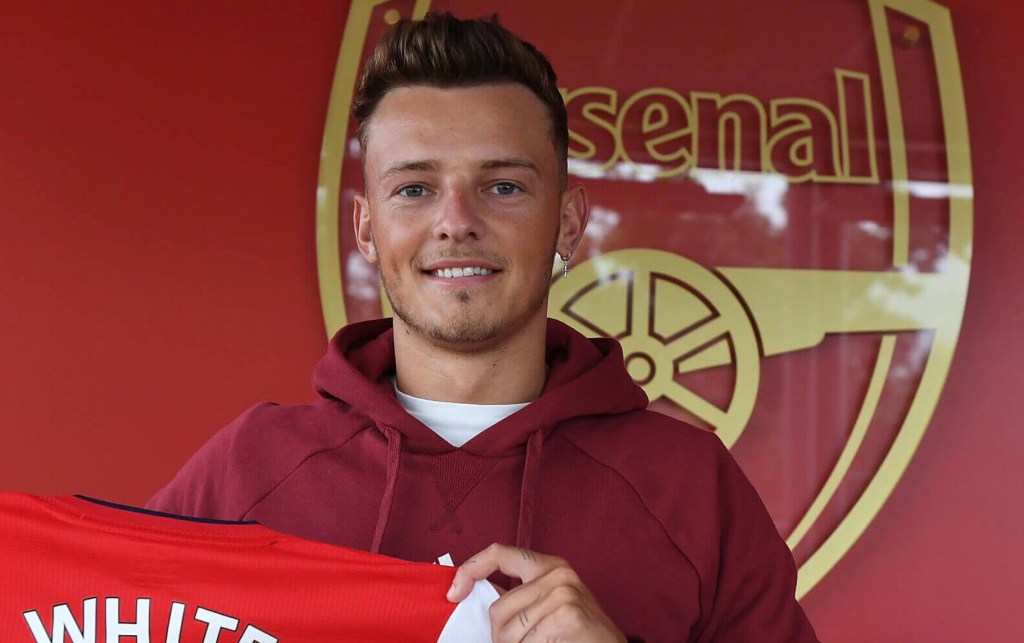
He only made one first team appearance for the Seagulls but he played alongside several in the under 21 squad who went on to greater things, such as Ben White, Viktor Gyokeres and Robert Sanchez.

Now he’s back with the young Seagulls as an overage player helping to share his past experiences with those youngsters hoping to step up to the senior side.

Not for the first time, Barclay has followed in the footsteps of the likes of Andrew Crofts and Gary Dicker in returning to the club to work with the young professionals.

After leaving Brighton without building on his Carabao Cup first team debut in 2018, Barclay played lower league football in the north west for Accrington Stanley, Stockport County and Carlisle, as well as loan spells at Notts County and Yeovil Town.

“He knows exactly what it takes to progress from academy football into the senior game and will be a great role model for our young pros,” said Albion under-21s head coach Shannon Ruth of his appointment in July 2025.

“He has excellent EFL experience that he can share with the group. We believe he is a valuable addition to our development programme and we are excited to work with him.

“We will benefit from that not just in matches, but in training throughout the week, where having that experience out on the grass, alongside the players, is invaluable.”

Born in Altrincham on 7 October 1996, Barclay was at City from seven through to 16.

“In my squad there was Tosin Adarabioyo, who has gone on loan to West Brom (now at Chelsea), David Brooks who has signed for Bournemouth,” Barclay said in an interview with The Argus.

“I am good pals with him, he is doing really well. Everyone has left now and gone on loan and playing in the Championship.

“At the time, I saw it coming. The club moved on from me then.”

Barclay left City after he’d finished school at 16 and joined Brighton after a call from a scout.

“I didn’t know much about the city or the club, but the chance came along for me to go for a trial for a week,” he told carlisleunited.co.uk. “You could see that the club was going in a good direction and I enjoyed it.”

Barclay worked his way through the age groups at Albion to become a regular for the under-23s and he said: “By the end of my time there I’d made my debut, that was in the cup, and I’d been involved with the squad and training with the first team.”

That solitary first team opportunity against Southampton in the Carabao Cup (above) was courtesy of injury absences for those above him in the pecking order.

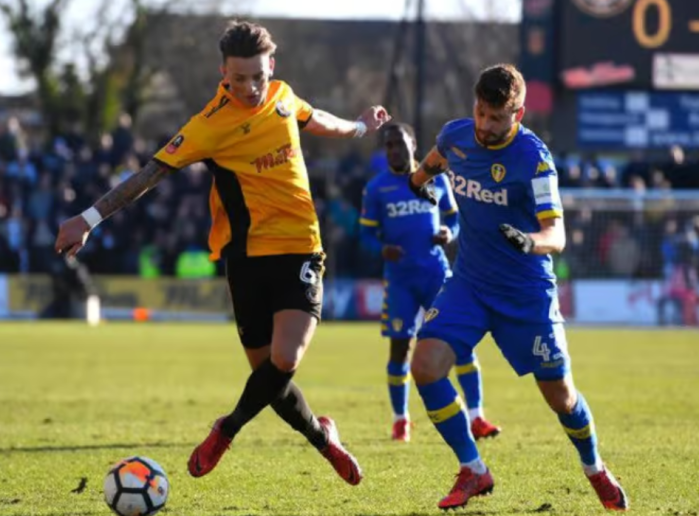
His regular under-23s defensive partner White, who’d impressed on loan at Newport County the previous season, was ruled out by an injury, picked up against future employer Arsenal.

“I was playing with Ben last Monday at the Emirates when he came off,” Barclay told The Argus. Although the knee injury wasn’t as bad as first thought, it gave Barclay an opportunity, particularly with Lewis Dunk (ankle) and Bruno (hamstring) also on the treatment table.

Manager Chris Hughton didn’t want to risk first choice pairing Shane Duffy and Leon Balogun with a league match only a few days away so Barclay was thrown in alongside versatile Brazilian Bernardo. Fellow under-23s Will Collar and Gyokeres also made their debuts.

“The team was confirmed on Monday in training. I travelled up to Anfield at the weekend and just missed out on the bench, so I knew I was in and around it and there were going to be some changes, so I knew I might get on the bench or a few minutes,” he said.

Those few minutes turned into 90 from the start up against Southampton’s experienced Italian striker Manolo Gabbiadini, and Barclay said: “I remember watching him at Wembley against United in the (2017) League Cup final when he first signed and I thought he as a good player, would be tricky.

“When you play against him you realise his movement is even better than when you see him on TV.

“It was massive for me. I’ll take so much from the game, just staying with his runs in the box. They are much cleverer.”

Although he and Bernardo prevented Gabbiadini from scoring, Saints substitute Charlie Austin settled it for the visitors, nodding in Nathan Redmond’s cross with two minutes left, to give Barclay’s debut a disappointing ending.

“If it’s your debut, whether you have a good game or not, if you concede at the death it’s going to be frustrating.”

After the game, Barclay recognised the next stage in his development was quite likely to be a loan and that duly came in January 2019 when he made his league debut two days after joining relegation-bound League Two strugglers Notts County in a 3-3 draw away to Colchester United. With the relegation trapdoor yawning, his first senior goal at home to MK Dons in April was scant consolation in County’s 2-1 defeat.

He made 12 starts plus one appearance off the bench for Neal Ardley’s side which also included Albion’s former goalscorer Craig Mackail-Smith. In the third-to-last game of the season, Mackail-Smith opened the scoring for bottom-of-the-league County at Crawley in a must-win game – but the home side equalised before half-time.

According to the Press Association report: “The Magpies began the second half in purposeful fashion and defender Barclay headed over a Michael Doyle free kick after 50 minutes.”

Four minutes later the young defender was shown a straight red card for a two-footed foul on Crawley skipper Dannie Bulman.

He was suspended for the last two games (a 2-1 win over Grimsby Town and a 3-1 defeat at Swindon Town) and County finished a point ahead of last-placed Yeovil Town but lost their league status for the first time since being founder members of the league in 1888.

Released by Brighton at the end of that season, Barclay spent the next two seasons at Accrington Stanley, where, on signing him, manager John Coleman said: “He is a promising defender from Brighton, he came through at Manchester City so he is technically a very good footballer.

“He had an opportunity last season in League Two with Notts County and it’s a chance for him to kick on in League One and get more league experience under his belt.”

Although offered a new deal after making 43 appearances for the club, he chose to move on to National League side Stockport County, who gave him a three-year contract. However, having made only a handful of appearances for the Hatters, he had two loans away, at National League Yeovil and League Two Carlisle United (a season-long loan).

Somewhat ironically, in May 2023, he scored the winning goal for the Cumbrians in a 3-2 play-off semi-final win over Bradford City to set up a Wembley final against his parent club – but he couldn’t play because of the terms of the loan arrangement.

United boss Paul Simpson said: “Ben got the goal but unfortunately can’t play. It is one of those nightmare scenarios.

“When he has been fit this year, Ben has been brilliant for us. I am sure he will be coming along for the trip.

“Even though he can’t be involved in the game he will be a big part of our training programme.”

As it turned out, Carlisle earned promotion to League One courtesy of a 5-4 penalty shoot-out win after the game was drawn 1-1 and, a month later, Barclay severed ties with Stockport and signed a two-year contract with Carlisle.

He made 27 appearances for the Cumbrian side in League One and a further 26 on their demotion back to League Two in 2025. His return to the Seagulls followed the end of that campaign, and he penned a one-year deal.

Back with Brighton in the summer of 2025

Lack of starts plagues Championship promotion winner Jeremy Sarmiento

ECUADORIAN international Jeremy Sarmiento probably has splinters in his backside the number of times he’s sat on benches waiting for involvement in games.

He might also be excused for forgetting which language he should be speaking. Born in Spain of Ecuadorian parents (Lionel and Katty), raised in London, three years in Portugal, back to the UK – south coast, Midlands, East Anglia and north west – and now Italy.

Impressive enough in his first season with the Seagulls to be voted the club’s Young Player of the Year, injuries, managerial change and increased competition for a starting spot appear to have shunted him out of the Brighton picture, possibly permanently.

He’s twice helped clubs win promotion from the Championship while out on loan and he’s now on his fourth long temporary move away from the club with the first two Albion head coaches he worked under, who both spoke highly of him, having gone on to pastures new.

Graham Potter, who gave him his first team debut in 2021, said of him: “He’s got a real quality to receive the ball and play forwards; play in tight areas; the courage to take it pretty much anywhere and he can affect the goal with runs behind and finishes, so he’s a really exciting talent.”

In June 2023, after a season in which Sarmiento’s involvement was cut short when he fractured a metatarsal bone in his right foot during a 3-1 friendly defeat for Ecuador in Australia, Roberto De Zerbi said: “Jeremy is a great guy and a very good player. Unfortunately, he couldn’t play in the last part of the season because of his injury, but we expect him to be a very important player for us in the coming years.”

That proved, initially at least, to be a somewhat hollow assessment because he spent the whole of the 2023-24 season on loan in the Championship, initially with West Brom and in the second half of the campaign as part of Ipswich Town’s promotion-winning squad, where he made seven starts and 15 sub appearances under Kieran McKenna.

On joining the Tractor Boys, Sarmiento declared: “I’m excited to try and show him (McKenna)  what I can do and earn minutes in a team which plays a style I think will suit me. 

“I am a direct player and like to get the fans on their feet with a bit of flair, which is a big side to my game, and I can’t wait to get started.” 

In May 2024, De Zerbi was a little more cautious with his words. “I followed him. I watched many games,” said the Italian. “He didn’t play so many games in the first XI but he was important for Ipswich. In West Bromwich the same, I think.

“He needs to play in a different context. He can play no.10, he can play winger but he has to play a particular type of football. Ipswich and West Bromwich played in a good style. He can be important next season, but we have to analyse the squad.”

In action for Ecuador

As we know now, it was De Zerbi who left the club first and that summer Sarmiento helped Ecuador reach the quarter-finals of the Copa America. He eschewed a break on his return so he could go on Albion’s pre-season tour of Japan to try to impress new head coach Fabian Hurzeler.

He scored in a 5-1 win over Kashima Antlers and told the club website: “After the Copa America finished, I spoke to the gaffer and he gave me an option of whether I wanted to go on tour with the lads or come back after that.

“Obviously, I was so keen to come back and show people what I have been doing in the past year for Ipswich and at the Copa America.

“I am full of confidence right now and I just want to bring all here now and show the boss.

Japan tour happiness

“I think I have matured as a player throughout the year. More game time, which is what I was looking for. I was involved in goals and assists, which is part of my game I wanted to improve.

“Now I have scored again and it feels good to be back with a goal.”

He was an 82nd minute sub in Albion’s opening day 3-0 win over Everton at Goodison Park, and he scored in the home Carabao Cup second round 4-0 win over Crawley Town. 

But he was off on his travels again a few days later, joining Scott Parker’s Burnley on a season-long loan.

Hurzeler said: “Jeremy has worked hard across pre-season and done very well in the games he’s played for us, including at Everton and against Crawley.

“His attitude has been first class and this will benefit him for the season ahead with Burnley, which we will be watching with great interest.”

On making the move, Sarmiento said: “I’m really excited, it was a big decision, as the next step was really important for me.

“I felt that the project Burnley are building at the moment suited me and I spoke with the manager, and I just wanted to be a part of it.

“Once we had the conversations, it was a no brainer for me to come here and come and achieve the objectives we have set.”

The tale of his season followed a somewhat familiar pattern; most of his appearances – 24 – were from the bench and he only started 13 matches as Burnley earned promotion in second place.

Sarmiento celebrates at Loftus Road

The Clarets’ final away game of the season was a personal highlight for him when he went on as a second half sub and scored twice in a 5-0 victory over QPR at Loftus Road.

“It was an amazing way to close our second to last game of the season,” he said. “It’s all down to the guys; without them I wouldn’t be in the situation to score the goals. But I’m really delighted. It’s been a tough season on a personal note but I’m very happy for the guys.

“I’m always trying my best to push the guys on harder, then training. So, it’s all a nice thing, I’ll always remember this game. The guys made it very special for me today.”

Born in Madrid on 16 June 2002, Sarmiento has never really settled anywhere for any great length of time. His footballing career began as a right-back while still in Spain but when the family moved to England, when he was seven, he was converted into an attacking player by Sunday League junior side Peckham All-Stars.

Charlton Athletic spotted him and he spent nine years with the south east London side’s academy, during which time he earned various England youth call-ups, before moving to Benfica aged 16 in 2018.

Described by Charlton Academy boss Steve Avory as “an exciting player, a wide forward rather than a winger”, Sarmiento played for Ecuador’s under-15s before representing England’s under-16s and under-17s.

Sarmiento with Young England

He was part of England’s squad alongside Cole Palmer, Noni Madueke and James Trafford, as well as Albion’s Haydon Roberts and Teddy Jenks, at the 2019 men’s under-17 European Championships in Ireland. Jensen Weir, who later joined Brighton, and Morgan Rogers were also in the 20-man squad.

Substitute Sarmiento scored England’s third in their 3-1 Group B win over Sweden (Jenks and Arsenal’s Sam Greenwood got the others). Georginio Rutter was in the French side that drew 1-1 with England (but England didn’t get past the group stage) and scored as France beat Sweden 4-2. The Netherlands won the tournament beating Italy 4-2 in the final in Dublin.

In October 2019, Sarmiento had stepped up to England’s under-18s and scored (along with Wigan’s Joe Gelhardt and Valencia’s Yunus Musah) – once again after going on as a substitute – as Ian Foster’s Young Lions, who had previously turned over the U19 sides of Poland and Slovakia, beat Austria 3-2.

Sarmiento chose to revert to Ecuador at full international level and has won more than 20 caps.

Although he shone for Benfica’s under-17s and under-19s, there was a sour end to his time in Portugal when there was a dispute about signing a new contract.

Andy Naylor spoke to the player’s father, Lionel, for The Athletic in March 2022 and learned: “The negotiations between us and Benfica were not 100 per cent good. We’d have had to sign for five years. What about if it hadn’t worked out? And what they offered wasn’t enough even to survive. That’s why we said, ‘Sorry, no’.

“It’s a good academy but I feel like they have a bad philosophy. If you don’t do whatever they say — ‘bye bye’.

“It was a bad time. From then, we started to train privately, every day, in parks, on Astroturf.”

Brighton already had Sarmiento on their radar when he was at Charlton and wanted to sign him in the January 2021 transfer window but Benfica refused. He had to wait until his deal expired that summer.

Sarmiento Senior told Naylor there was interest in his son from the likes of Barcelona, Bayern Munich, Paris Saint-Germain and Valencia but he wanted to return to England because it was where he grew up, and he missed it.

Initially introduced by Brighton as an under-23s signing, he was quickly elevated to the first team squad and made his debut in September 2021 as a second-half substitute in a 2-0 win over Championship side Swansea in the Carabao Cup. His first start was a month later, in the same competition, when Albion went out on penalties after a 2-2 draw at Leicester.

Although a mistake he made led to a Foxes goal, and he was withdrawn on 69 minutes, Potter was full of praise for Sarmiento’s baptism at the King Power Stadium, telling reporters: “I thought his performance was really positive. Some of his actions were at an incredibly high level.”

Unfortunately, just 12 minutes into his Premier League debut against West Ham in December 2021, he pulled up with a hamstring issue. Surgery sidelined him from Potter’s side for almost four months.

His father told The Athletic: “It was nothing compared to other kinds of injuries. It was a terrible night because we were expecting him to shine. He was ready. He’s come back again, slowly, slowly.

 “Psychologically, he’s very strong. After Benfica, I don’t know if another player could be like this. Jeremy is ready to continue his career — humble, disciplined and with respect to everyone.”

He signed a new four-year contract with the Albion in January 2022 and saw action as a sub against Norwich, Manchester City and Southampton as the 2021-22 season came to a close.

During the 2022 World Cup in Qatar, Sarmiento was one of three Albion players in the Ecuador squad (Moises Caicedo and Pervis Estupinan were the others) and he went on as a sub in all three of his side’s games. 

He was still only 20 when De Zerbi took charge of the Albion and after twice going on as a sub in the Premier League and then starting in the November 2022 3-1 Carabao Cup victory over Arsenal, he said: “It’s great playing under him. He’s giving opportunities to the younger guys and at the same time he is very demanding.

A delighted Sarmiento at Arsenal with goalscorer Karou Mitoma

“It’s clear what he wants us to do on the pitch, but he gives the young guys the confidence to keep pushing for a place in the starting 11 in the Premier League.”

Having set up Kaoru Mitoma for Albion’s second goal at the Emirates, Sarmiento added: “I can play on the left and right, it’s not a problem for me – I got on the ball and got an assist. Since I was young, I’ve played in a few positions, as long as Roberto is happy, I am happy.”

Sarmiento was in the starting line-up for Brighton’s first Premier League game of 2023, on 3 January, when he helped set up Evan Ferguson’s goal in the 4–1 away win at Everton.

At Bournemouth a month later, he went on as a sub and helped set up Mitoma’s 87th-minute winner, the only goal of the game.

Arguably Sarmiento’s main problem at Brighton has been competition for the position he’s best suited to, whether wide right or left or as a no.10.

In the summer of 2025, there were reports that Albion had done a deal to sell him to Brazilian side Cruzeiro but the player wanted to remain in Europe and although it appears the club were happy to part ways, even though he has a contract until June 2027, his departure to Serie A club Cremonese turned out to be another season-long loan.

Even so, if a November 2025 interview the player gave to a local TV programme that covers Cremonese is anything to go by, it sounds like the move could well be converted into a one-way ticket.

“If you look at the places I’ve been, I’ve already travelled a lot,” he told CR1’s ‘Il Grigio e il Rosso’ show. “This is my current challenge. I have to face it, and I hope to become a better player here and show people what I’m capable of. This can become my home.”

Playing in the same side as goalscoring veteran Jamie Vardy, Sarmiento spoke about how he’s enjoying playing under coach Davide Nicola and likened it to his Albion experience under De Zerbi.

“I worked with him for a season at Brighton. He’s a great man on and off the pitch, very similar to coach Nicola, especially in character. I like their passion for success and their desire to win.

“They work day after day to bring out the best in their players. It’s a great opportunity for me to have coaches like that and work under their guidance.”

Indicating he has settled into life in Cremona, he also spoke about enjoying learning the ropes of a new position in the team.

“It’s very different for me, because last season and the season before that I played as a winger, so it’s different playing as a central midfielder or a second striker. 

“But I’m working day after day to improve in this position, gaining confidence with the staff and my teammates.”

Igor’s ongoing struggles for a starting spot

RATHER LIKE Evan Ferguson’s loan move from Brighton to West Ham earlier in 2025, Igor Julio’s temporary summer transfer deadline day loan move to the Hammers proved frustrating.

The sturdily-built Brazilian defender — full name Igor Julio dos Santos de Paulo — who sought a move away from the Albion because of the arrival of competitors in the shape of Diego Coppola and Olivier Boscagli had limited involvement in the claret and blue with only occasional appearances from the bench.

Indeed, it took 12 matches before Igor was given a start for the Hammers — and he was promptly dropped back to the bench after it was felt he should have done better to prevent a late equaliser by Turk Enes Unal in West Ham’s 2-2 draw at Bournemouth.

West Ham watcher Samuel Fabre said Igor, playing in the middle of a back three, was “very easily spun” by Unal who netted Bournemouth’s second goal in the 82nd minute of the November clash after Callum Wilson had put the visitors two up, and Marcus Tavernier reduced the arrears from a penalty.

“However, he showed great signs of promise when dealing with balls into the box, making 11 clearances and three recoveries,” wrote Fabre on westhamzone.com. “The 27-year-old was part of a defence that had to endure heavy spells of pressure from Bournemouth, and it was certainly a baptism of fire for his starting appearance.”

As at Brighton, Igor found others preferred ahead of him: at West Ham, Dinos Mavropanos, Max Kilman and Jean-Clair Todibo. But according to Fabre: “Kilman’s worrying performances have left fans questioning if Igor can do a better job at the back, and it’s clear the Brazilian had a better game against the Cherries.

“Based on evidence from the Bournemouth clash, Igor has a lot of room to improve, however, it feels as if he could slowly become a nailed-on starter for the Hammers.”

That never materialised and he returned to the Albion for the second half of the season after Coppola, frustrated at a lack of games, went out on loan to Paris FC.

Just as Igor experienced at Brighton, a change in head coach at West Hamm didn’t help his cause. Ex-Albion boss Graham Potter was in charge when he made the rather last-minute move to the Hammers; Igor was originally about to sign for Crystal Palace to replace Liverpool-bound Marc Guehi. But while he was on his way to Selhurst for a medical, the Guehi move collapsed.

According to The Athletic, in the week leading up to deadline day, Hammers’ then head of recruitment Kyle Macaulay (previously with Brighton, now head of senior scouting at Manchester United) phoned the Brazilian’s representatives to see if he would be interested in joining on loan.

Apparently, he had been a long-standing target, writer Roshane Thomas saying that scout Maximilian Hahn had held talks with Igor’s camp previously because they needed a replacement for outgoing Moroccan defender Nayef Aguerd.

There had been speculation about Igor’s imminent departure from Brighton throughout the summer but he played left-back alongside Boscagli and Coppola in Albion’s 6-0 win away to Championship Oxford United in the second round of the Carabao Cup before making the move.

“With the competition we have at centre-back, and Igor’s desire to play, this gives him that chance,” said head coach Fabian Hurzeler. “He’s a great professional, and we fully appreciate his appetite to play.

“We will be closely monitoring his progress and we wish him well for the season.”

He left the Amex having never really being able to nail down a starting spot since signing from Fiorentina in July 2023 during Roberto De Zerbi’s reign, in a deal reported to be worth £17million.

Even then he wasn’t a first choice. De Zerbi turned to him after Albion were rebuffed in their attempts to sign Chelsea’s England Under-21 international Levi Colwill on a permanent basis following his season-long loan.

Wanting a left-footed player able to play at left-centre-back and left-back, De Zerbi had recommendations from two Fiorentina players he knew well — Ghanaian midfielder Alfred Duncan played for De Zerbi at Sassuolo for two years and right-back Dodo played for him at Shakhtar Donetsk in Ukraine.

“Igor is another important player who can help us in a crucial position within the team: where the play starts,” said De Zerbi at the time.

With Albion about to embark on their first-ever European football campaign, Igor certainly had relevant experience having made 110 appearances for Fiorentina in three years with the Serie A club who he joined from fellow Italian team SPAL. He had previously played top tier football in Austria for Red Bull Salzburg, Wolfsberger and Austria Vienna, having started out in the second tier with Liefering.

He didn’t cover himself in glory in his last appearance for Fiorentina though, when they lost in the 2023 Europa Conference League final to West Ham.

Sent on as a sub for cramp-hit starter Luca Ranieri, his lack of pace was exploited when Jarrod Bowen outran him and went on to bury the game’s deciding goal past Pietro Terracciano to win the trophy.

His manager was none too happy. Vincenzo Italiano said: “Igor had just come on, he was fresh, he could’ve run much, much faster than Ranieri, who was exhausted when he came off. I explained to him that he could’ve done much, much better in that situation.”

Born on 7 February 1998 in Bom Sucesso (“Good Success”), a small city 170 miles north of Rio de Janeiro, in the Brazilian state of Minas Gerais, Igor started out with Atlético Mineiro in Belo Horizonte, the capital city of Minas Gerais. He moved to Portuguesa Santista in Santos and he joined Red Bull Brazil after playing against them (although he briefly threatened to quit the game when they changed him from a midfielder into a defender!).

Red Bull Brazil (now Red Bull Bragantino) played youth tournaments in Austria as part of the Red Bull family of clubs and Igor was picked up by Red Bull Salzburg at the age of 18. His introduction to European football came during the 2016-17 season with the Salzburg’s side’s B team, FC Liefering.

In an Albion matchday programme interview, he said he always dreamt of playing in the Premier League having watched it on TV at home. “But I never thought it was anything more than just a dream,” he said. “That’s why, when I got the opportunity to sign for Brighton, I knew just how big the opportunity was.”

He made his Premier League debut on 8 October 2023 in a 2-2 home draw against Liverpool. “I didn’t have a chance to think about the game or get nervous because I was just so elated in that moment. I can’t describe the feeling,” he said.

“I had worked so hard to get here, leaving a small town and now playing at the top level with players like this. It was a unique feeling.”

When he was playing in Italy, he was told he would be suited to the Premier League. “They told me I should play here because of how physical I am,” he said. “I chose Brighton as well because I like possession-based football, the amount of time spent on the ball.

“That was something that really caught my attention and it’s the way I have always wanted to play so it’s perfect for me.”

De Zerbi applauded Igor’s determination and adaptability, telling The Argus: “He is not a surprise but he is playing very well. Not only with the ball or without the ball, but in personality and attitude.”

By the end of that first season, he’d made 24 starts plus two appearances off the bench. But with De Zerbi gone, successor Hurzeler only selected Igor when his first choices were unavailable, although he was generous enough to commend the Brazilian’s attitude and contribution.

He made a total of 12 starts plus three sub appearances in 2024-25 but a good example of what he could do came in the October 2024 comeback 3-2 win over Tottenham Hotspur.

Replacing the injured Adam Webster after only nine minutes, and the Albion going down 2-0 by half-time, Igor put his stamp on the turnround by setting up Pervis Estupinan for Brighton’s second goal.

“It was a very difficult situation for Igor,” said Hurzeler. “But then to show personality, not hiding, that’s something special.

“He was not hiding to get the ball. He was not hiding to go in duels, and then he played a great second half against Tottenham. I wasn’t surprised by this because I see him every training session and he is an amazing professional.

“He always wants to give the best. He always wants to be the best version of himself.”

At the start of the 2025-26 season, that version didn’t want to spend time on the outside looking in at Brighton. On joining West Ham, head coach Potter told the club website: “He is an experienced defender with a good pedigree, who knows the Premier League well and has impressed during his time with Brighton.

“He has strengths and qualities that we believe will help us and add to what we already have here, and I know he is really excited about the challenge and wearing the West Ham United shirt.”

Indeed, Igor said: “It is a big club, a historic club, with fantastic support and a special identity. I saw this in Prague during the Europa Conference League final two years ago, and I feel very proud to now be representing the colours.

“The project here is very exciting — there are many good players at the club and I know that there is a very positive environment in the dressing room that it will be great to be a part of.

“I am ready for the challenge and looking forward to giving everything I can to help the team and the club.” 

Ho, ho, ho – oh what fun to see a Brighton-Arsenal side

IT’S THE SEASON of giving and with the days coming in twelves this In Parallel Lines ‘special’ gives you a dozen players who’ve played for the Albion and post-Christmas opponents Arsenal.

A bit like an advent calendar, and with the slightest hint of Dickens’ A Christmas Carol, you’ll need to click on the link to see if the player has featured in a blog post of the past or is a blog post still to come!

Across several decades, there have been numerous connections between the clubs but with my own Brighton-watching journey beginning in 1969, I’m not looking at the likes of Irish international defender Jimmy Magill or manager Archie Macaulay because they were before my time.

Let’s start with goalkeepers. Over the years, there have been several who’ve worn the gloves at both clubs – Tony Burns, Nicky Rust or Mat Ryan for example. Younger readers will be more familiar with Ryan and, as an Australian international, he gets the nod as no.1.

If international status gives a player the edge, it would be tempting to suggest Ben White at right-back but ahead of him I’d have to pick Martin Keown. More familiar to today’s football watchers as a TV pundit, those of us with a few more miles on the clock will remember him as a youngster spending two spells on loan with the Seagulls before he got his break with the Gunners, Aston Villa and Everton and won 43 caps for England.

Another TV and radio pundit who wore Albion’s stripes with aplomb having once been a £2m signing by Arsenal is Matthew Upson. He was Brighton’s player of the season in 2013-14.

The late Willie Young, one of that rare breed who played for Arsenal and north London rivals Spurs, comes into contention alongside him but he didn’t cover himself in glory at Brighton so I am plumping for Colin Pates. Pates first made a name for himself as Chelsea’s youngest-ever captain before becoming a reliable back-up defender during George Graham’s reign at Arsenal.

Brighton manager Barry Lloyd had been a teammate of Graham’s at Chelsea in the mid-1960s and the connection served Albion well when he agreed for Pates to join the Seagulls on loan to become part of the side that reached the 1991 play-off final at Wembley. He later rejoined the club on a permanent basis before injury forced him to retire.

Mike Everitt might have merited inclusion at left-back but there’s really only one candidate for that position and that’s the seasoned Northern Irish international Sammy Nelson. He took over that spot at Arsenal from Bob McNab and made 339 league and cup appearances for the Gunners before losing his place to Kenny Sansom. He stayed in the top-flight, though, by joining Brighton under Mike Bailey. He had a spell as coach under Chris Cattlin before pursuing a career in the City.

Although he played most of his career in defence, for the purposes of this piece I’m selecting Steve Gatting in midfield – a position he was equally adept at filling. Another Bailey signing from Arsenal, Gatting remained at Brighton for 10 years and after his playing days were over returned to his first club as an academy and under-23s coach.

It is tempting to bend my own rules and select Liam Brady alongside him but, of course, while the mercurial Irishman was such a fine player for Arsenal, it was only from the dugout that Brighton enjoyed his influence.

Instead, I’ll plump for Steve Sidwell who, although never making a senior appearance for Arsenal, grew up in their academy and bookended his career playing for Brighton.

Barrett? Not even close!

It’s out wide and in the middle of attack that the choices overwhelm although, to be honest, it is difficult to make a case for the lesser talents of Chuba Akpom, Graham Barrett or Raphael Meade over two of Mikel Arteta’s current picks – Viktor Gyökeres and Leandro Trossard (although Paul Dickov was in my thoughts).

Centre forward could have been Frank Stapleton who did his old Arsenal teammate Brady a favour by turning out twice for the Seagulls in 1994, but I’d have to settle for Danny Welbeck to lead the line. Let’s give Stapleton the no.12 shirt.

One old school indulgence would be out wide where, although Mark Flatts briefly impressed, and one day we might come to admire the talents of Amario Cozier-Duberry, perhaps there’s room for nippy winger Brian Tawse, who’d have had a field day supplying players of the quality of Gyökeres and Welbeck.

So, there you have it, the In Parallel Lines Arsenal-Brighton line-up is

Mat Ryan

Martin Keown   Colin Pates   Matt Upson   Sammy Nelson

Steve Sidwell     Steve Gatting

Brian Tawse    Leandro Trossard     Viktor Gyökeres

Danny Welbeck

Sub: Frank Stapleton

Thanks for reading. Enjoy the festive season and all the best for the new year. UTA!

Alexis Mac Allister: the history-making World Cup winner

IF WINNING the World Cup is the pinnacle of any footballer’s career, there can be no question that Alexis Mac Allister has no equal as the greatest ever Brighton and Hove Albion player.

Several players have achieved the honour of representing their country on the back of their performances for Brighton, but never before December 2022 had the club boasted a World Cup winner, an international teammate of world-renowned Lionel Messi.

Argentinian Mac Allister has got the lot in his locker: equally adept as a holding or attacking midfielder, a great eye for pinpoint passes, deadly from the penalty spot, and with thunderbolt shots from distance to boot.

Indeed, one of the most memorable long-range strikes he scored for Brighton – against Leicester in Graham Potter’s last game in charge – would have been a goal of the season contender had it not been ruled out by the narrowest of VAR calls. It took the video assistant referee more than four minutes to chalk it off for offside which Potter conceded was “probably a millimetre or two the right decision”.

Thankfully, Mac Allister managed two that did count in that 5-2 win, converting a penalty for Albion’s fourth and then curling in an excellent 25-yard free-kick in injury time.

Potter’s input to making Mac Allister a more complete player was acknowledged in an interview with SunSport, not long after the coach departed forChelsea.

“He was very helpful — improving my versatility and physicality. I’m a much better player today because of it so I can thank him a lot,” said Mac Allister, who admitted how at first he found it difficult to transition from a more advanced player to a deeper-lying midfielder.

“The first year wasn’t easy for me. I found it very hard coming from Argentina with a different language and different way to play football. I physically wasn’t as strong as I am today,” he said.

In fact, he came close to jacking it all in at Brighton in December 2020, as he revealed in an in-depth interview with theplayerstribune.com, but was talked round in a FaceTime call with his mum in Buenos Aires.

“By that Christmas, with no fans in the stadiums, I had my bags packed. Literally, they were packed. I had two offers to leave — one from Russia and another from Spain, and my mind was made up.
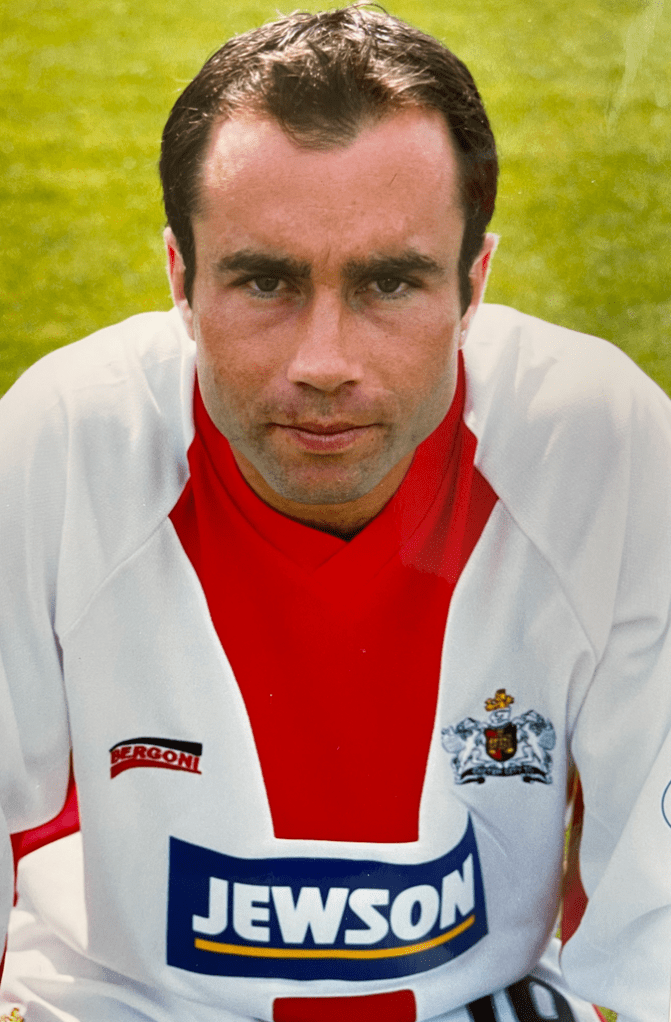
“At the time, I was barely playing for Brighton. It was embarrassing, because I had the no. 10 shirt for a Premier League club, which is the dream of so many kids in Argentina, but I was a nobody. My name was nothing. I thought that I was cursed,” he said.

He got on FaceTime with his mum and he admitted: “I was sobbing. I was at my flat in Brighton, and she was back home in Buenos Aires. I had lost my head. I said, ‘Mum, I can’t do it anymore. I’m coming home. I need to get out of here’.” 

He continued: “I wanted to go home so bad. But my mum made me see the light. ‘Ale, remember how much you always wanted this?’ she said. ‘You have to be brave. You can’t quit now’.” 

In the new year, Mac Allister started many more games and eventually cemented his place in the heart of Albion’s midfield.

No longer a nobody; Mac Allister now has a staggering 8.6 million followers of his Instagram account!

“I like to play as a no. 10, I like to play as a no. 6,” he said. “The most important thing for me is to help my teammates win football games and try to be as central as I can so I can be as close to the ball to get on it as much as possible.”

Potter himself spoke highly about the way Mac Allister handled the transition, saying in January 2021: “Sometimes when players make the move there can be an assumption that it will all happen for them straight away.

“He’s moved from South America and was adapting to a new country before COVID and then picked up a couple of injuries.

“But he’s a determined individual and he’s a really good guy to work with. He reads the game really well and has a good footballing brain.”

Born in the Argentine lowland city of Santa Rosa on Christmas Eve 1998, Mac Allister started his career with Club Social y Deportivo Parque before joining the youth team of Argentinos Juniors in Buenos Aires.

He made his senior team debut there in October 2016 and a year later he and his older brothers Kevin and Francis all played in the same side. Their father Carlos, a left back known as El Colorado — “the Redhead”—  had also played for Argentinos Juniors and Boca Juniors (and won three caps for Argentina).

Alexis signed for Brighton in January 2019 on a four-and-a-half-year contract and said at the time: “The main reason I signed was because the club came to Argentina looking for me and they seemed very convinced about me.

Mac Allister liked the direction Albion saw for him before signing

“They made a big effort, told me about their project and their ideas to keep growing in this league, and I liked their ideas. I liked what they said.”

He was loaned back to Argentinos Juniors until the end of the 2018-19 season and then moved on loan again to Boca Juniors, where brother Kevin was playing, for the first half of the 2019-20 season. This was a Boca side that had one of the players he used to admire from afar – former Man Utd and West Ham striker Carlos Tevez – up front.

Mac Allister told GQ magazine in September 2025: “When I was younger, there weren’t many Argentinians in the Premier League but I used to wake up very early in the mornings to watch players like Carlos Tevez and Maxi Rodriguez.

“I was a big fan of the Premier League, so I hope the next generations are doing the same with us, not just with me but with Argentinian players in general.”

Albion recalled Mac Allister in January 2020 a couple of months before the Covid pandemic began to bite. “My time at Boca helped me mature and I learned a lot of things,” he told the Albion website.

Mac Allister made his debut as a substitute at Molineux in the last fixture before matches were halted for three months. I was at that Wolves match and even in a few short minutes on the pitch there were glimpses of what the young Argentinian was going to add to Potter’s side.

But the break hit Mac Allister hard. “Everything shut down. No football. No friends. And the worst part was that I was stuck in a country where I didn’t speak the language, he told theplayerstribune.com.

“When I first came here, I thought ‘I’ve played for Boca Juniors, one of the best teams in South America, I am ready’,” Mac Allister said in an interview on the Albion website in February 2022. “We had the Covid situation and I didn’t train for two or three months with my teammates. When we returned, I realised I wasn’t at the level I needed to be. I had to work.”

The year which would end with Mac Allister as a World Cup winner began well too when he scored twice at Goodison Park in Albion’s first ever win at Everton on 2 January. The player himself saw it as pivotal moment.

Mac Allister reckoned everything clicked for him when he scored twice at Goodison Park

The game was only three minutes old when Mac Allister latched on to Neal Maupay’s knockdown to score in the third minute before Dan Burn put Albion 2-0 up on 21 minutes.

Anthony Gordon pulled one back but Mac Allister found the top-right corner with a superb strike to make it 3-1 on 71 minutes. Gordon struck again 14 minutes from the end, but Brighton held on to win.

“When I scored two against Everton in January 2022, it felt like everything clicked for me,” he said. “That day at Goodison, I became something different.”

Admitting he had been hoping to improve on the goalscoring front, Mac Allister told the club website: “When I played in Argentina I would score and assist a lot more. I have scored a few times for Brighton now, it’s nice to get the confidence from that.

“I had a few games where I was on the bench and that’s not what I want, so I knew I had to keep working because I knew I would get my chance and when I did, I wanted to be ready. When that chance came along, I thought I took it well.

“The message from the gaffer and my teammates was to keep my head down and work hard. It’s not just the 11 who start, the people on the bench are important too.”

Always deadly from the penalty spot

The next step change in his career came with the appointment of Roberto De Zerbi as Potter’s successor. “A few months before the World Cup, it changed everything for me,” he said.

“The main thing that he helped me improve was my scanning of the field — my “profiling” of the situation. Taking little mental pictures of the chess board every two seconds. We looked at Ødegaard as an example of this. For me, he’s one of the best in the world at scanning. His head never stops moving. De Zerbi gave me this gift, and it really elevated my game.”

Mac Allister told theplayerstribune.com: “Playing every week, with the manager’s trust, the idea of the World Cup started to seem not so distant.

“I will never forget, we were away at Wolverhampton, and I was in the hotel whenI received the call of my dreams. I was in the squad. I was actually going to Qatar.”

He called his parents and they cried together. He reflected: “Two years earlier, I couldn’t get off the bench at Brighton. Now I was going to the World Cup with Argentina, trying to make history.”

When he helped his country to lift the World Cup on 18 December 2022 (beating France 4-2 on penalties after the game finished 3-3), Mac Allister’s stock had already been rising. He was man of the match after scoring for his country for the first time in a 2-0 win over Poland that took Argentina through to the last 16. In the final, he delivered an inch-perfect cross for Angel di Maria to give Argentina a 2-0 lead in the first half and De Zerbi observed how well he played alongside maestro Messi.

“Messi and Mac Allister speak the same (football) language and Messi understands very well the quality of Alexis,” De Zerbi told The Athletic. “If you watch the game, Messi was looking for Alexis lots of times and they made a lot of passes to each other. Alexis was always giving back to Messi a clean pass.”

With Mac Allister playing further forward for his country than with the Albion, it had De Zerbi pondering. “I’d like to speak to him when he comes back,” the Italian told The Athletic. “I like him a lot in the other position (deeper).

“I spoke with his father the other day and he told me he prefers the Argentina position, but in that position we have (Adam) Lallana and Lallana is a teacher.

“If a team wants to become big, the quality needs to be further back. For me the midfielder can play on the defensive line, because he’s bringing more quality.”

But he added: “Alexis can play anywhere on the pitch. I don’t know if he’s better as a playmaker or 20 metres further forward.”

Established as a kingpin in Albion’s midfield alongside Moises Caicedo — almost certainly, Albion have never had a better pairing in that area of the team — it was inevitable that they would move on.

In May 2023, De Zerbi was phlegmatic about losing them both. “I think it’s right they can leave, can change teams and play in a level higher,” he said. “If you ask me about Caicedo and Mac Allister, I love them and they are two big, big players and can be in a big, big European team.

“They can play in every competition and are ready to compete for a big team and I hope for them they can play in the best team in the world.”

The manner of their departures differed, of course, and after Mac Allister had moved to Liverpool, De Zerbi admitted: “With me and with my staff he was super correct. Before we could read it in the newspapers, in the press, the possibility he could go to Liverpool, he went into my office to communicate it in front of me and to explain the reason.

“I understood logically and I appreciated a lot because he was clear and he was honest. Not all other players were the same. Of course, he was happy to go to Liverpool and we can understand it. But, in the same way, he was sad to leave his teammates and this club.”

Mac Allister revealed how he had a secret rendezvous with Jürgen Klopp ahead of the £35m deal being done. “He flew down and we met in secret somewhere halfway to Brighton,” he said. “I was a bit shocked that he did that for me.

“I had won a World Cup, but I was not a star at all. We had a coffee, and he explained to me that he really wanted me to come to Liverpool, because I reminded him a bit of Gündogan, who he developed at Dortmund into one of the best box-to-box midfielders in the world.”

After observing how well Mac Allister had settled in with the Reds, De Zerbi maintained: “He became a great, great player. I’m happy and I’m proud for him because I worked with him and he deserves to be an important player in a big team.”

The Argentinian’s first goal for the club, in a 4-3 Premier League win over Fulham at Anfield in December 2023, turned out to be Liverpool’s goal of the 2023-24 season.

It was a perfect half-volley that dipped and swerved into the top right corner of the net from around 30 yards.

He collected his first domestic honour that season, too, when Liverpool beat Chelsea 1-0 to win the Carabao Cup (right).

Under Klopp’s successor Arne Slot, Mac Allister made 35 appearances (30 starts + five as sub) when Liverpool won the Premier League title (left) in May 2025.