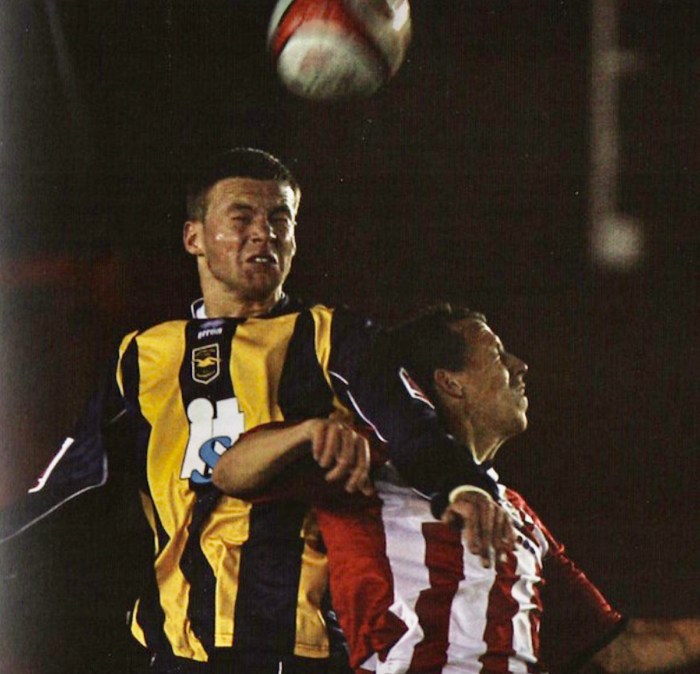
Tall Tunnicliffe’s tilt at the top fell short and he quit at 24

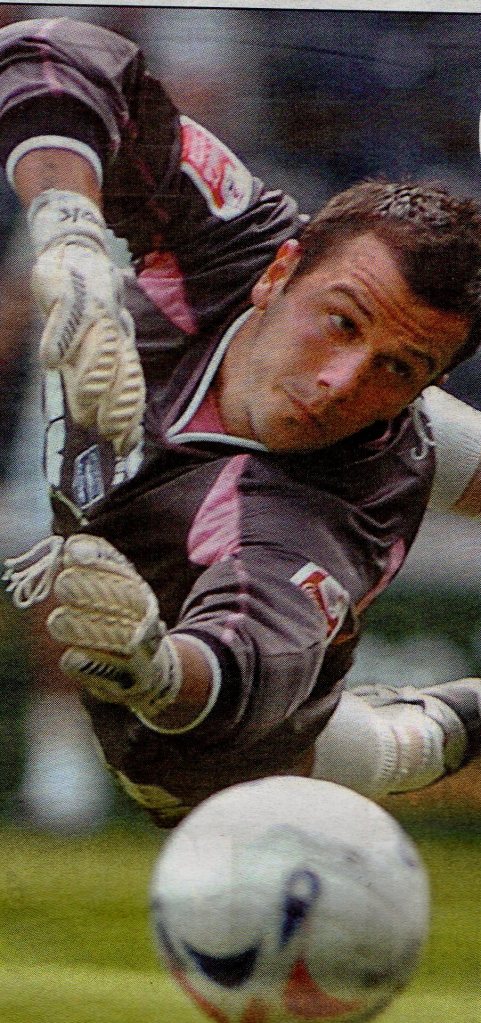
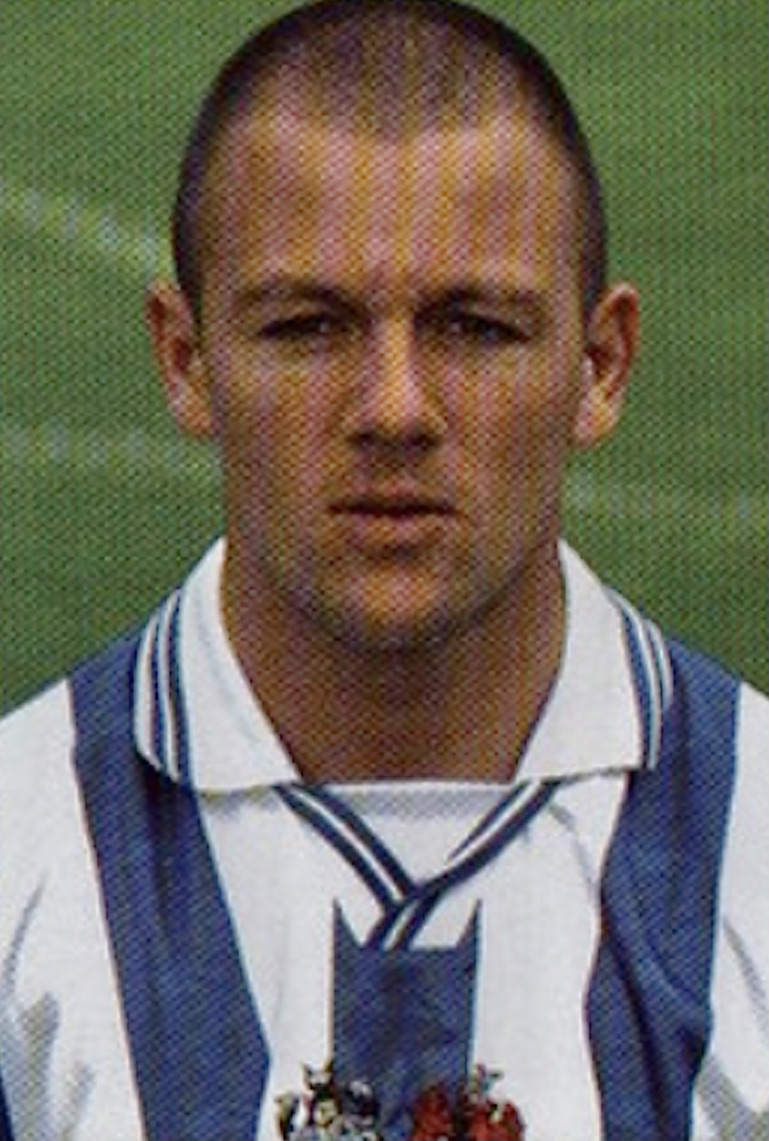
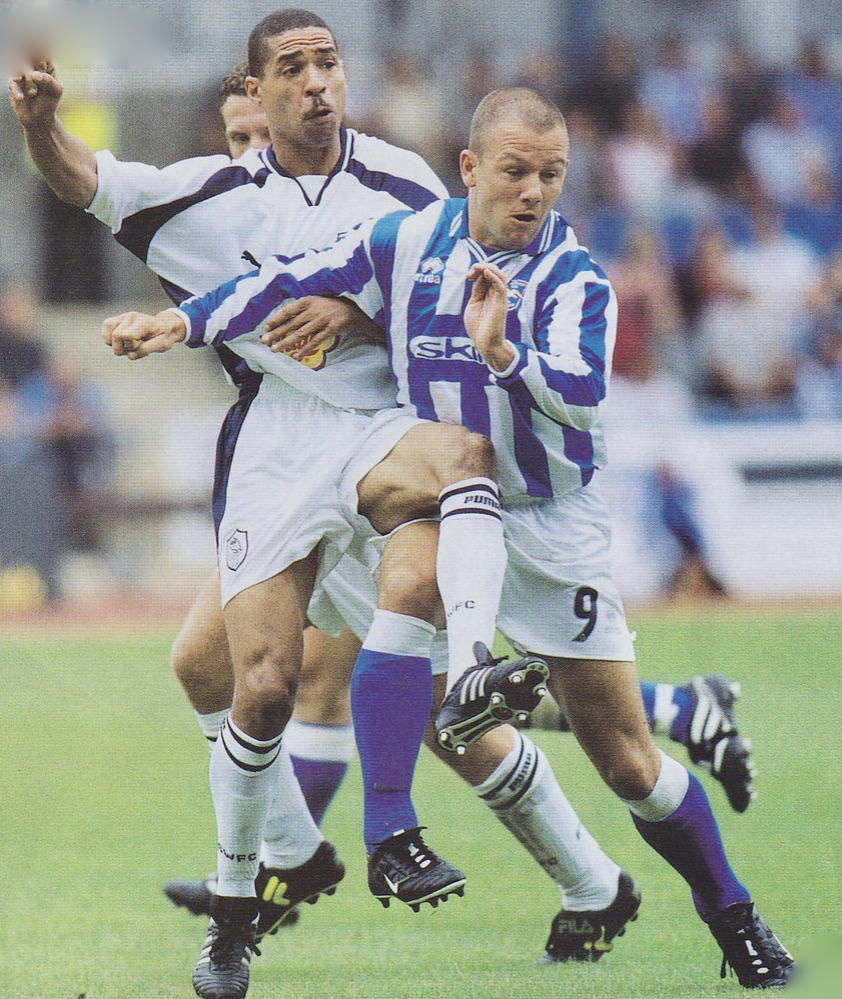
ONE-TIME Liverpool triallist James Tunnicliffe quit playing football at 24.

When he was only 16, a £750,000 move from Stockport County to the ‘mighty’ Reds was on the cards.

But Liverpool’s then boss, Rafa Benitez, gave the young hopeful the thumbs down and his subsequent short playing career petered out in the lower leagues.

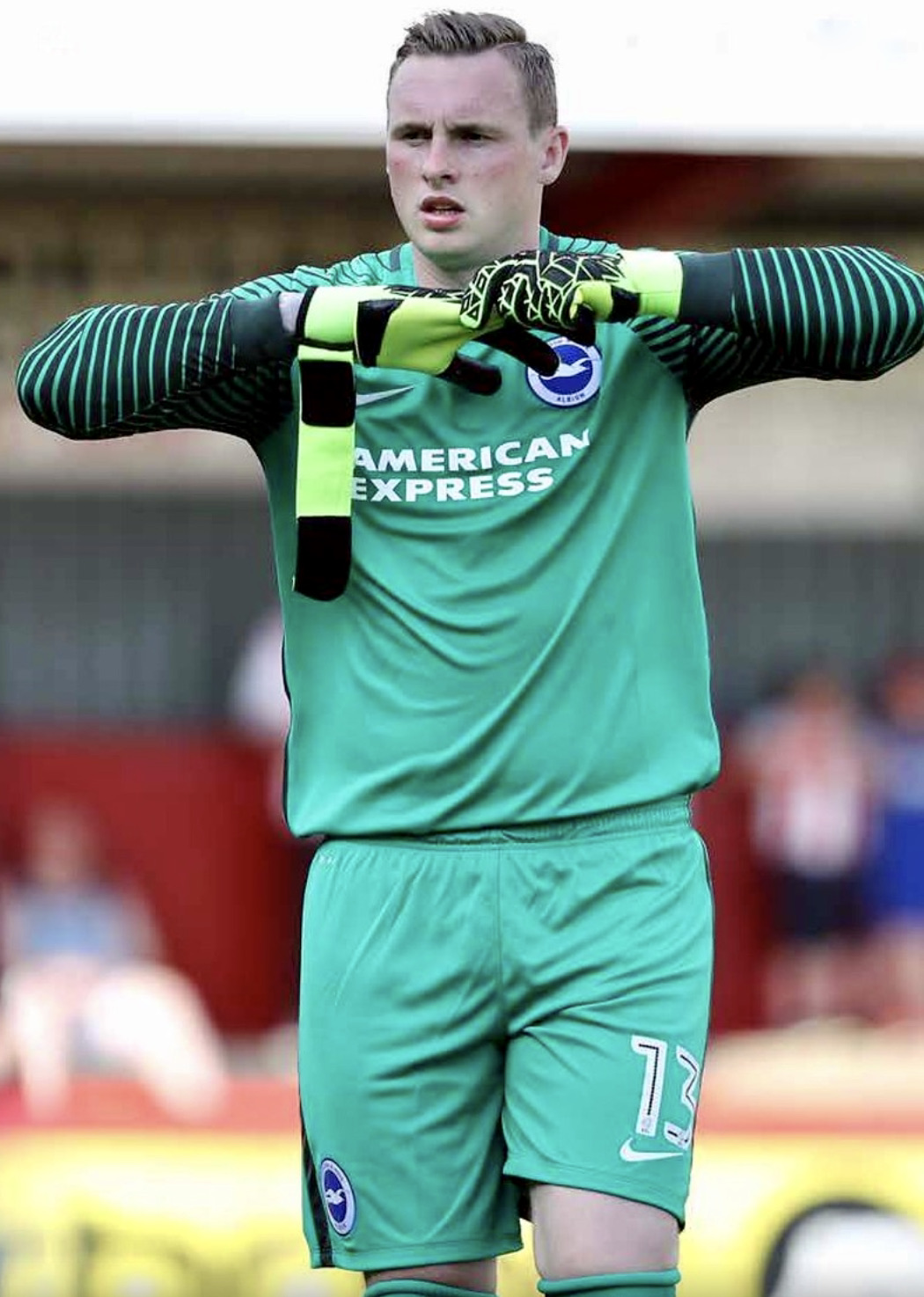
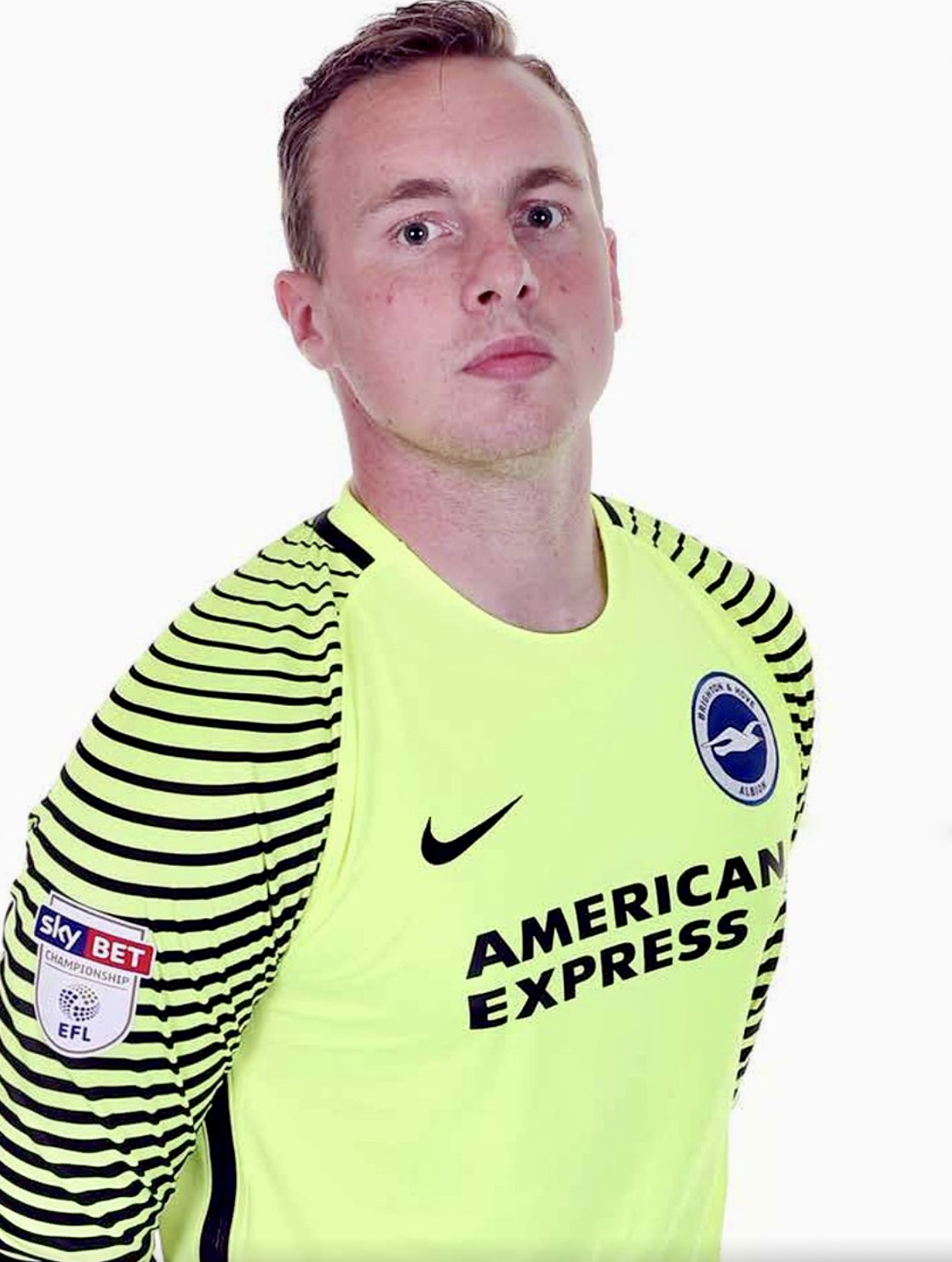
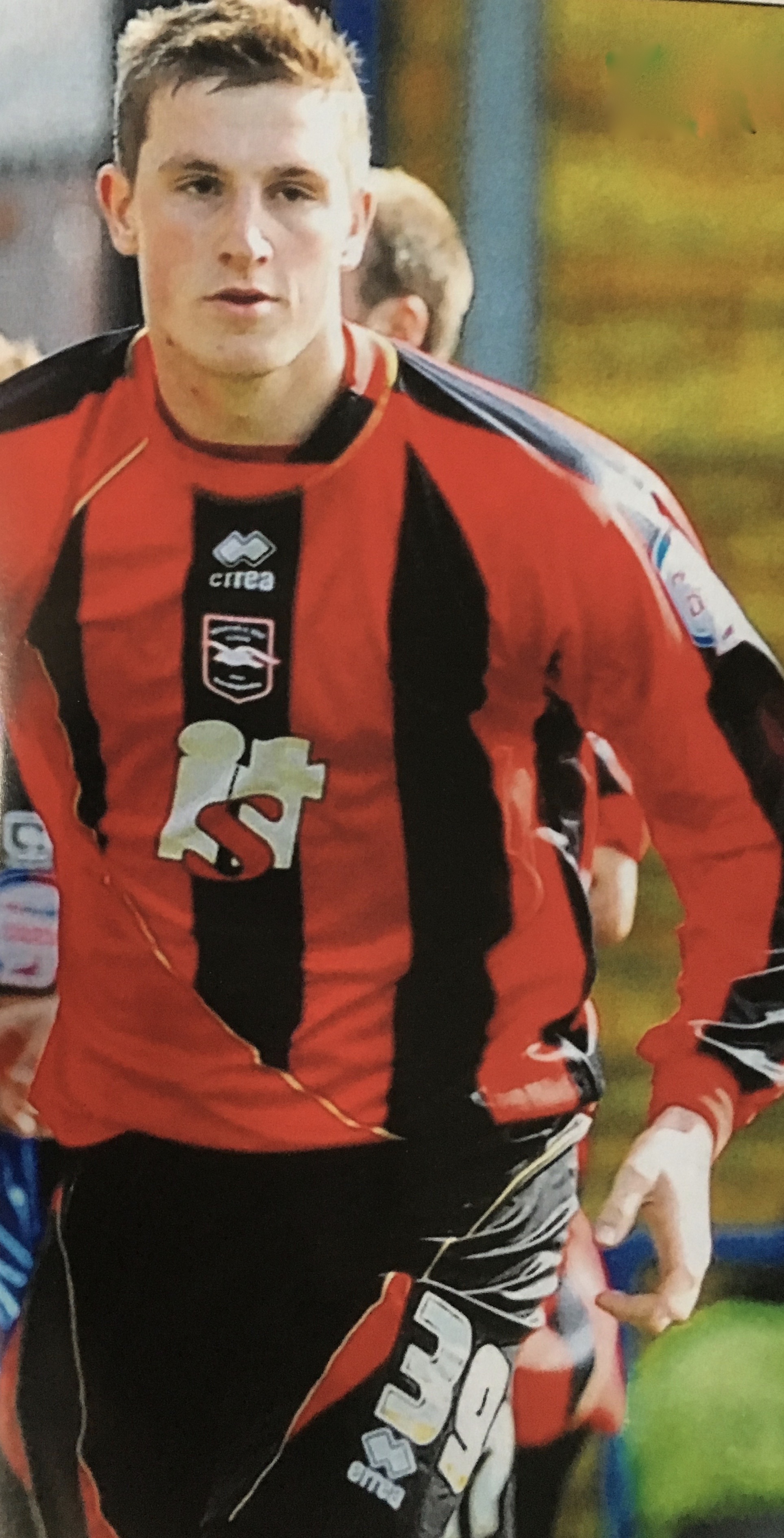
Tunnicliffe – a Russell Slade signing for Brighton in June 2009 – was at the heart of League One Albion’s defence for Gus Poyet’s first game as Seagulls manager.

But there was plenty of competition in that area of the team and, before long, the 6ft 4in centre half struggled to hold down a place. Initially Adam Virgo, Tommy Elphick, Jake Wright and Adam El-Abd were all competing in that position and, although Wright moved on, Gordon Greer – instantly appointed captain – and homegrown Lewis Dunk steamed ahead of him in the pecking order.

Slade had signed him on a three-year deal, declaring at the time: “He’s 20 and one or two other clubs were looking at the situation higher up, Championship clubs.

“We’ve kept everything quiet and gone about the business in the right manner and we’ve got our man.”

Slade told the Argus: “He has got huge potential. He’s a decent athlete for his size, handles the ball very well and hopefully will be a threat for us in the box. There’s lots more to come from him. He’s a really good, positive signing.”

Midfielder Gary Dicker, a former Stockport teammate who made the same move, added: “He’s a good tall, strong athlete and a good player.”

The player himself admitted it was a good word put in by another former Stockport teammate, Jim McNulty, that influenced his move.

“We’re good friends and used to live a couple of doors apart in Manchester and travelled into training together at Stockport,” he told the matchday programme. “He absolutely loves it here and that helped sway my decision to come.”

Albion watcher Andy Naylor had a mainly favourable first impression although he was less sure about the tactic of using the central defender to launch long throws. In an Argus comment piece, Naylor wrote: “He looks composed, comfortable in possession and has good pace for one so tall. The jury is out, though, on just how much Albion should try to exploit Tunnicliffe’s long throw.

“It has more of a loop than Rory Delap’s torpedo-like delivery and has caused opposing defences few problems so far. Albion would arguably be better served exploiting Tunnicliffe’s 6ft 4ins frame in the goalmouth for set pieces.

“His throw remains a potentially useful weapon, for example during the closing stages of the game if the Seagulls are chasing an equaliser, but it should perhaps be used more sparingly.”

Somewhat ironically, while not starting the first four games of the season, he made his first league start at home to his old club Stockport – when Albion were on the wrong end of a 4-2 scoreline.

Tunnicliffe scored the first goal of his career in a 1-1 draw at Bristol Rovers in September 2009 after captain Adam Virgo had been sent off. He said: “I am doing everything I can to keep my shirt. I don’t want to lose that and hopefully I can contribute a few more goals this season as well.”

His performance alongside Elphick drew the admiration of Richie Morris, who wrote in the matchday programme: “Tunnicliffe not only bulleted his first goal for the club with a well taken header, but diverted a Carl Rogan shot over and cleared what looked like a late winner off the line.”

Tunnicliffe scored again – this time just a consolation goal – in a 4-1 defeat at Norwich that was Poyet’s fourth game in charge. But he was cast aside after playing in the FA Cup against Torquay at the turn of the new year and, before long, was sent out on loan to MK Dons.

Any hoped-for restoration to the first team on his return was dashed when at the start of the following season he was shipped out on a season-long loan to Bristol Rovers. Eventually, with a year still left on his contract, he agreed an early end to his Seagulls deal and joined Wycombe Wanderers in the summer of 2011.

Despite it all, he told seagulls.co.uk: “It’s been frustrating for me over the last 18 months but I loved being here and I haven’t got a bad word to say about the club. I made a lot of good friends and I’m sure the team will have a very good season in the Championship.

“I’m a bit disappointed with how it worked out but I’m now focusing on working hard over the summer to try and secure first-team football with Wycombe.

“I’ve watched Wycombe a lot and I know plenty about the manager, Gary Waddock, who looks to play good football, so it’s an attractive club for me to move to.

“I’ve done a lot of thinking about what is going to be best for me and Wycombe is a good club, recently promoted to League One and on the up, so it’s hopefully going to be a good move for me.

“I’m now excited about a new challenge and I feel like I’ve got a lot of things to prove to myself and the other clubs. I want to show that I am a good player.”

Waddock pointed out: “James is a talented young centre-back with experience of playing at this level.

“He’s a footballing defender who can play out from the back. A lot of clubs were interested in him.”

And Tunnicliffe told the Bucks Free Press: “I’m more than just a defender who kicks it, I like to pass it at the right time. I’m looking forward to being in the team next year and doing well in League One.”

Born in Denton, Manchester, on 17 January 1989, Tunnicliffe went to a particularly sporty school, Audenshaw High in Manchester, and, as well as playing a lot of football, he was also good at golf and cricket as well as being a decent 100-metres hurdler.

It was at Stockport’s school of excellence that he honed his football skills: his grandad, John Bishop, was the club’s kitman at the time, and later a masseuse.

In October 2005 the young Tunnicliffe was sent on a two-week trial to European Champions Liverpool and the pound signs were already beginning to form in the eyes of his parent club: a £750,000 deal was said to have been agreed for the youngster.

Unfortunately, Benitez was unable to watch the 16-year-old because he was away with the first team for a Champions League match with Anderlecht.

Tunnicliffe was handed an extra week with the Reds to give Benitez the chance to cast his eye over the youngster, but he but did not do enough to convince the Spaniard and the proposed deal collapsed.

He returned to the League Two Hatters where manager Chris Turner reckoned the youngster’s time at Anfield had helped to develop their promising player.

“It has been a fantastic experience for him and I’m sure it’ll benefit both the player and Stockport County,” he said. “He trains with our first team at the moment and doesn’t look out of place at the age of 16 so you can imagine how highly we regard him.”

As predicted by Turner, Tunnicliffe made his first team debut as a substitute in a 2-0 defeat at Notts County and he went on to make 50 appearances for them. He also had a brief loan spell with Northwich Victoria in 2007 and, perhaps bitten by his Liverpool experience, turned down the offer of a move to Southampton because he felt he would be better served staying put.

If the move from Brighton to Wycombe was an opportunity for a fresh start, he couldn’t have wished for a better start, scoring on his debut in a 1-1 draw against Scunthorpe.

But after beginning as a regular, he was dropped after a 3-1 Johnstone’s Paint Trophy defeat at home to Cheltenham Town in October and only made a handful of appearances after that.

His final Wanderers game was in a 6-0 tonking by Huddersfield at Adams Park in January 2012, after which he was dropped in favour of youngster Anthony Stewart.

The following month he joined League Two side Crewe Alexandra on a 30-day loan, citing homesickness as a reason for wanting away from Wycombe.

Injury curtailed his spell at Gresty Road and in the summer of 2012 he rejoined Stockport, who by then were playing in the Conference National. The following year he made eleven appearances on loan for Stalybridge Celtic before returning to County.

He took the decision to retire from football aged just 24 and, on his LinkedIn profile, says: “The experiences I endured in my eight-year professional career, filled with some highs and many lows, were a catalyst that inspired me to step into the football intermediary world.”

Indeed, he cropped up as a ‘representative’ for former teammate Glenn Murray when he was involved in negotiations with Brighton over a new contract.

Tunnicliffe says of himself: “I am a people’s person and my current role enables me to advise, support, empower and challenge clients, whilst providing opportunities where they can excel and get the best out of their abilities.

“In addition, the role has provided a platform to grow a worldwide network and converse with people from various organisations and backgrounds.”

He says that in September 2022 he enrolled onto the Masters In Sports Directorship programme at Manchester Metropolitan University.

“This course has presented me with an opportunity to enhance my self-awareness and existing knowledge, whilst developing areas of deficiency.

“I am embracing this academic challenge and look forward to learning more about the commercial and business functions of a sporting organisation over the remaining duration of the course.”

Marseille midfield man Racon shone for Brighton

ALBION had something of a love-hate relationship with Alan Pardew over the years – mainly the latter – but occasionally there was cause to be grateful to him.

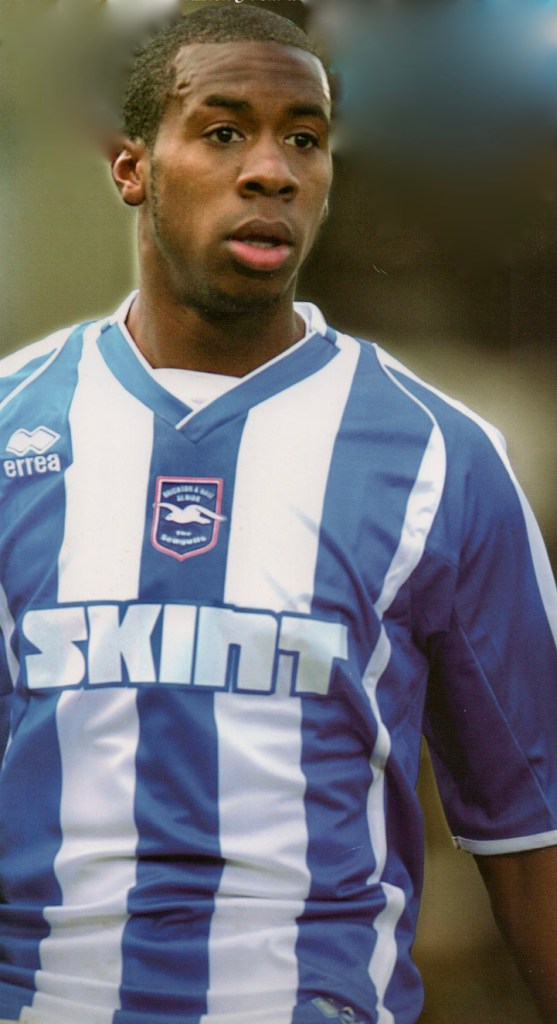
One such instance involved former Olympic Marseille midfield player Therry Racon, who Pardew loaned to Brighton for three months in 2008.

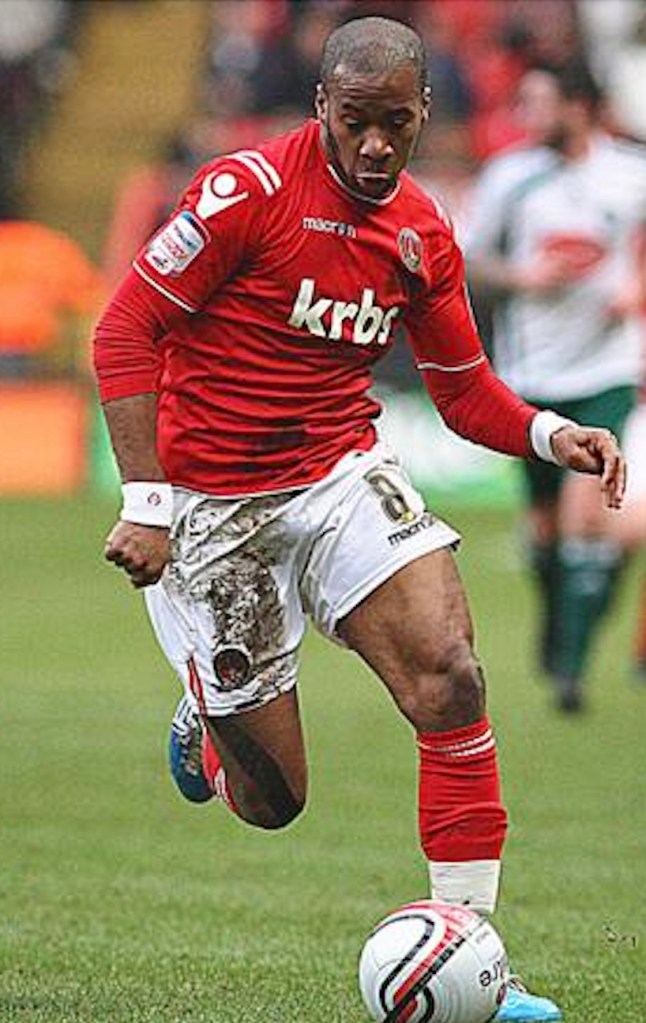
Pardew had signed the young Frenchman for £400,000 when he was manager of Championship side Charlton Athletic. He was only in the first year of a four-year contract and struggling to get games for the Addicks.

Racon told the Argus: “It’s been a big disappointment. When I signed for Charlton it was to play and help the club to promotion.

“I haven’t really had a chance but when I’ve played I think I’ve played well. I hope I will be playing next season.”

The midfielder told the matchday programme: “Before I came to Brighton Alan Pardew said to me I needed to get some games under my belt and after the loan I could get my chance at Charlton.

“My ambition is to play in the Premiership. When I signed for Charlton I signed for four years and I felt they were capable of reaching the Premiership – but I am happy to play in the Championship and League One to learn my trade.”

Albion had an outside chance of making the League One play-offs under Dean Wilkins and Racon made an impressive start at the base of Wilkins’ midfield diamond supplementing the higher level nous provided by Leeds loanee Ian Westlake and the experienced Steve Thomson.

In a 2-1 home win over Swindon Town, when Albion came back from going a goal down in three minutes, Racon was denied a goal by the outstretched foot of visiting ‘keeper Peter Brezovan.

“I wasn’t surprised by the football,” he told Brian Owen, of the Argus. “I had been told it was a very good level.

“The intensity is good. You have to be switched on all the time. Communication was fine. I’ve been in England for six-and-a-half months and I speak English quite well.

“I understand football language. There are no worries about that.”

By the end of his second game (a creditable 0-0 draw at Nottingham Forest), Owen reported: “Albion fans were exploiting the great acoustics in the Bridgford End at Forest to sing, among other things, the name of their team’s latest Frenchman.

“They used the same tune as Arsenal fans when they used to hail Thierry, rather than Therry, Henry.”

Racon declared: “So far League One has been good for me. I came thinking about the end of the season and the only thing I am focused on is ending the season strongly with Brighton – then I will worry about what to do next.”

When reporter Andy Naylor asked about the possibility of joining Albion for good, Racon said: “Why not? I’m 23, almost 24, so I have to play. I cannot stay on the bench or play for the reserves.

“I did not come to England to play in League One but I have to play, so it doesn’t matter now if it is League One. It’s good here. I’ve played a lot of games quickly and when you play you are always happy.”

A 3-2 home defeat to Port Vale and a 2-0 loss at Southend scuppered Albion’s faint play-off ambitions and, after featuring in his eighth game, a 2-0 win at Bristol Rovers in the penultimate game of the season, Racon was recalled by Charlton just ahead of the last game of the season.

Born on 1 May 1984 in Villeneuve-Saint-George, a suburb south-east of Paris, Racon made his Olympique Marseille debut on his 20th birthday against RC Lens.

After a single appearance for Marseille, he spent the 2004-05 season on loan at Lorient and then decided to join Brittany-based tier two side En Avant Guincamp where he made 29 appearances over two years. The move to Charlton came in the summer of 2007.

In spite of Racon’s Premiership ambitions, he actually found himself back in League One with the Addicks and towards the end of the 2009-10 season was joined by Nicky Forster, on loan from the Albion, after he had fallen out with new manager Gus Poyet.

Earlier that season, there had been speculation linking Racon to a possible move to the Premiership or Championship. Blackburn, Fulham, Portsmouth and Leicester were rumoured to be interested in him.

But Addicks boss Phil Parkinson, who’d taken over from Pardew, told the News Shopper the midfielder was still a big part of his plans.

“I can only say we haven’t had any calls at all, so I don’t know where that came from,” he said. “Therry is a good player and it wouldn’t surprise me if there were a few clubs interested in him because he is a very good player.”

However, at the end of his four-year deal with Charlton, and having played 115 matches, he joined south London neighbours Millwall on a two-year contract in August 2011.

Sadly, he badly injured his ankle during the second half of his debut, a Carling Cup win over Plymouth Argyle, and missed the whole of the rest of the season.

Racon went on as a substitute for the Lions in an early season 3-2 defeat at Sheffield Wednesday in August 2012 but he failed to gain a starting berth under Kenny Jackett and in January 2013 joined League One Portsmouth on loan, featuring in 16 matches.

Pompey boss Guy Whittingham said: “I think Therry was getting better and better with every game.

“The only proper thing missing was a goal and we kept badgering him, trying to get him one, but he wouldn’t take it on.

“He added some individual class to the midfield and the way he was able to keep the ball was very good.”

Released by Millwall in the summer of 2013, there was some speculation he might link up once again with his old Charlton boss Phil Parkinson at Bradford City.

Bradford Telegraph & Argus reporter Simon Parker described him thus: “A ball-playing central midfielder, Guadeloupe international Racon is known for his guile and ability to keep possession.”

Although born in France, Racon also qualified to play for Guadeloupe, the French island group in the southern Caribbean. He made his debut for them in 2009 and made two other appearances.

When nothing came of the potential move to Yorkshire, Racon rejoined Portsmouth in October 2013.

“I feel happy to be back and I’m hungry to get out onto the pitch as soon as possible,” he said. “I’ve been training by myself over the summer, but I feel fit and can’t wait to get started.

“I know what to expect from the fans. They do a fantastic job.”

After a further 16 appearances for Pompey, his time at Fratton Park brought an end to his time in English football.

On his return to France, he played for three different clubs making just a single appearance for Sedan, playing 49 times for Drouais between 2016 and 2018 and ended his playing days with Racing Columbes.

According to his LinkedIn profile, Racon is now a “young entrepreneur” and football agent.

‘Radio’ Poyet talked himself out of Brighton and Athens jobs

GUS POYET’S penchant for speaking out cost him his job at Brighton and AEK Athens.

“There is a reason they nicknamed Poyet ‘Radio’: always on, always talking, especially when it comes to football,” wrote Sid Lowe, in The Guardian.

While the exact reasons for his departure from the Albion in 2013 were never made public, there was speculation that it revolved around him talking openly about his desire to move on moments after the Seagulls had lost a Championship play-off match against arch rivals Crystal Palace.

“I’ve not been in this situation before but I don’t like it,” Poyet said after the game. “It’s changed my view completely about everything I was prepared for, so we’ll see now. I have always said that all the time we keep improving I am going to be at this club and the day we hit the roof, I’m not. Is there something more?

“Right now I don’t know, so I need to make sure I know there is, because if not I am not going to stay forever.”

Poyet was suspended by the club three days later, along with the assistant manager Mauricio Taricco and first-team coach Charlie Oatway, with them only saying they were launching an internal inquiry.

Andy Naylor in the Argus of 17 May 2013 reckoned the suspensions related to “numerous alleged breaches of contracts” pointing out: “Poyet refused to deal with the retained list, announced by the club earlier in the day.

“He told the squad at a meeting at The Amex on Tuesday he would not be involving himself with players’ contracts, because they were not his decisions and he might not be the manager next season.

“Players leaving and staying at the end of their contracts were dealt with instead by chairman Tony Bloom and head of football David Burke.”

At the time, Poyet’s name was being mentioned as a potential successor to David Moyes at Everton, and Martin Jol’s position at Fulham was not thought to be secure.

In the Argus, Naylor wrote: “During his post-match press conference he demanded assurances from Bloom he would have enough money to continue improving the team after their promotion near-miss.

“Those remarks are not, however, thought to be instrumental in the action taken by the club. Poyet’s relationship with Bloom and other senior figures has deteriorated in recent weeks.

“The Uruguayan almost joined Reading in March and his decision to stay only papered over the cracks.”

Naylor observed that Poyet’s previously “wide-ranging powers” had been reined in since the appointment the previous year of chief executive Paul Barber, who was on the board at Spurs when Poyet lost his job as assistant to Juande Ramos.

“It became an open secret within the Amex that Poyet would leave at the end of the season, irrespective of how Albion fared in the play-offs,” he said.

The following month Poyet claimed he was sacked while live on air doing punditry for the BBC although the club maintained he knew full well that he wouldn’t be returning to the job he had been doing for three and a half years.

Announcing his sacking on the club website, a statement read: “This followed his suspension, an investigation, and a subsequent formal disciplinary process. In line with the club’s own procedures, and UK employment law.”

Wind on the clock three years to April 2016 and, after only five months in charge of AEK Athens, Poyet was labelled “immoral” by the Greek club’s owner, Dimitris Melissanidis for telling the Greek media he would be leaving the club at the end of the season. Sounds familiar?

A Reuters report of 20 April 2016 maintained: “Speaking to the media on Tuesday, a day ahead of AEK’s Greek Cup semi-final second leg match against Atromitos, Poyet further angered the club by revealing details of a private meeting he had held with Melissanidis.

“What he did was unacceptable, it was not the appropriate time to unsettle the team just hours before the semi-final,” Melissanidis told reporters.

“AEK has never leaked any information from any of our meetings with him and for him to talk to the press about the contents of our meeting is immoral.”

Local media reported Poyet had been fired and would not be in the dugout for the match against Atromitos.

“AEK was informed of Gus Poyet’s decision that he will not stay with the club after the summer on Tuesday evening,” the club said.

“The important thing for AEK at the moment is the crucial semi-final with Atromitos, all of the other issues will be seen to after the match.”

After losing his job at Sunderland seven months previously, Poyet took over from Traianos Dellas in Athens in October 2015 on a deal until the end of the season, with the option to renew for another two years. Taricco and Oatway joined with him.

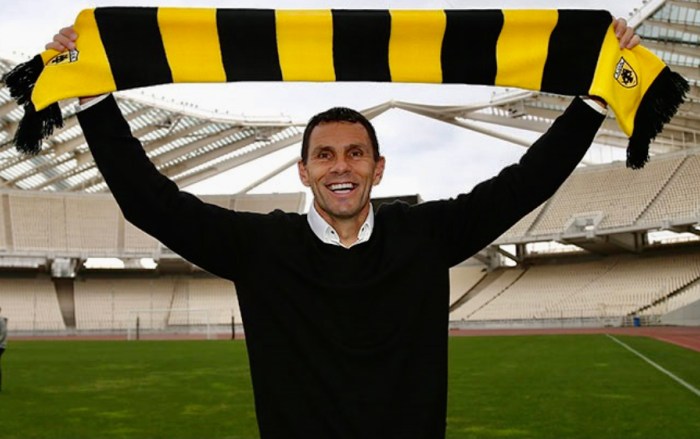
All smiles as Poyet arrives at AEK as manager

At the time of his appointment Poyet said: “I know that I have come to a huge club and I’ve been astonished by the reception that I have received.

“Our goal is to play to win every game, starting with the derby against Panathinaikos on Sunday (it finished 0-0), and maintain contact with the top positions.”

The ‘Yellows’ picked up a string of impressive results under Poyet but speculation about his future was never far away. In December 2015 he was linked to the managerial vacancy at Swansea City (following the departure of Garry Monk), prompting AEK to make a public declaration.

“We have not been approached by Swansea, there is no need for us to be approached and no propositions have been made from Swansea,” said a club spokesman. “Mr Poyet is happy at the club and will be our manager at least until the end of the season.”

AEK ended the regular season in second behind champions Olympiakos, although points were deducted for crowd trouble and they eventually finished third.

On his personal website, Poyet records that he led AEK Athens to the semi-finals of the Greek Cup and they won the three biggest derbies in the country against Panathinaikos, PAOK and Olympiakos over a month and a half. After he left, they went on to win the Greek Cup.

A month after his departure from Athens, Poyet was installed as head coach at Spanish La Liga side Real Betis, from Seville, on a two-year contract.

He subsequently managed in China, France and Chile but returned to Greece in February 2022 as the head coach of the country’s national team.

At one point it looked like he might return to Greece before then. It seemed all had been forgiven when, in September 2019, word had it that Poyet was lined up to return to AEK as the successor to the departed Miguel Cardoso.

However, agonasport.com said: “All of the signs seemed to be pointing towards Poyet returning to AEK as manager, but reports have now revealed that negotiations have reached a dead end. AEK are not willing to match the Uruguayan’s financial demands.”

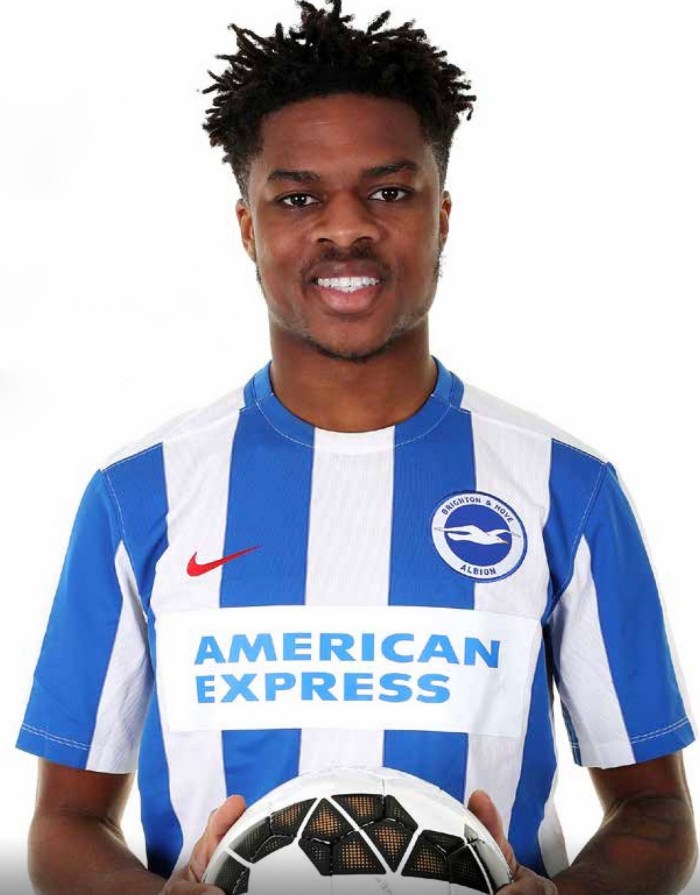
Chuba Akpom’s watching brief in Albion’s promotion

AFTER Chuba Akpom finally made his mark on England’s Championship, he earned a €14m move to Ajax where he initially struggled to make an impact.

But three goals in two wins after new manager John van’t Schip sent him on as a substitute made life look a lot better.

The forward got 28 goals in helping Middlesbrough to the Championship play-offs in 2022-23 but the move to Ajax began badly and he had few chances as the side struggled under former coach Maurice Steijn.

“It was a terrible first two months here if I am being honest,” Akpom told AFC Ajax. “The new manager has made me feel more at home than I have ever felt since arriving. We are footballers, we are human beings first.

“He spoke to me as a human being, not as a footballer. Ever since the new manager arrived, I feel much lighter, back to myself.”

The early season form sounded a lot like the unhappy spell when he was on loan to Brighton from Arsenal in 2017.

Akpom spent 16 years at Arsenal and one of his major inspirations was Tottenham Hotspur’s Chris Hughton, who took him on loan at Brighton. Hughton had been to the same inner city school, St Bonaventure’s in Newham, as the young striker from Canning Town and in an Andy Naylor exclusive for the Argus, Akpom revealed: “When I was in school there used to be pictures of the gaffer there.

“The kids used him like an inspiration and motivation. I did as well. Seeing someone come from the same area and the same school as me to become such a big and successful person.”

But the alma mater link did little to help the Arsenal loanee – in spite of high hopes when he signed in early 2017, Hughton gave him only one start and the rest of his involvement was as a substitute.

“He is a young talent who gained valuable experience with Hull in the Championship last season, will give us really good pace in the forward areas and complement the other strikers at the club,” said Hughton.

“We fought off competition from other clubs to sign Chuba and we would like to thank Arsenal for the opportunity of working with him for the rest of the season.”

Akpom was in effect a replacement for Dutch flop Elvis Manu, who left the building on loan to Huddersfield after a disappointing five months on the south coast.

It was to his disadvantage, though, that he joined the club at a time when Glenn Murray, Tomer Hemed and Sam Baldock were the preferred forward options, and, from the outset,he was aware of the challenge they posed.

“All three are experienced players; they know the Championship and they’ve shown what they can do with the goals they’ve scored, so it’s going to be good to learn from them,” he told the matchday programme.

“I’m going to be an addition to what we’ve already got here. We’ve all got something different to offer and I like to play at a fast intensity, try to get at defenders and get some shots off – basically be as much of a threat as I can. I’m also a team player, which is important.”

As it turned out, the young loanee’s only start was against Blackburn Rovers, on April Fool’s Day, and he was hooked on 58 minutes, with Hemed going on his place. Murray won it for the Seagulls with the only goal of the game nine minutes later netting past Jason Steele in the Rovers goal.

Akpom made nine appearances off the bench but he didn’t manage to get on the scoresheet. He made his debut as a 63rd minute sub for Hemed in the 3-1 defeat at Huddersfield on 2 February and replaced Jamie Murphy in the next match, when fellow substitute Hemed netted a last-gasp equaliser in a 3-3 draw at Brentford.  

“I know the Championship is a tough, tough league to play in,” he told the programme. “It’s really competitive and unpredictable, so you’ve got to get your head down and take each game as it comes.

“The team’s been flying high at the top of the league this season so you can see they’ve got the winning mentality in this league, and they’re playing the right kind of football, so I just want to be a positive addition to the team and help boost the bid for promotion.”

Akpom’s arrival at the Amex promised so much more, because he had already scored four goals at the stadium in previous matches: he scored a hat-trick for Arsenal’s under-21 side there and scored for England under 21 in a win over Switzerland in October 2015.

“I like playing here,” he told the programme. “The stadium’s nice, the pitch is great as well, so you can’t complain.

“It’s always good to score goals, no matter who it’s against, but hopefully I can now score a few goals here for Brighton.”

Even though his involvement in Albion’s promotion was peripheral, the club’s automatic elevation to the Premier League as runners up behind Newcastle meant he’d gone one better than the previous season when he’d been part of Hull City’s promotion via the play-offs.

That had been his fourth loan experience having previously gone on temporary moves to Brentford, Coventry City and Nottingham Forest.

Born in Canning Town on 9 October 1995, Akpom was playing football on local streets from the age of five but soon moved on to the Wanstead Flats, where he played for Rippleway United. An Arsenal scout spotted him at the tender age of six.

“I had a few training sessions for Arsenal and then signed for the club. I’ve been there ever since,” he told the programme. His best friend, who was developing alongside him, was Alex Iwobi, who also made it through to the Arsenal first team before moving on to Everton.

Akpom made his senior debut for the Gunners as a late substitute in a 3-1 win away to Sunderland in September 2013 (the match when Mezut Ozil made his debut).

The young striker went on to make a further nine first team appearances (mostly in the FA Cup and League Cup) but couldn’t claim a regular starting place under Arsene Wenger.

Akpom returned to Arsenal as Albion prepared for life in the Premier League and the following January made another loan move, linking up with Belgian First Division side Sint-Truiden on transfer deadline day in January 2018. He scored six goals in 16 games.

His association with Arsenal finally came to an end that summer when he signed a three-year contract with Greek Super League club PAOK Salonika.

Akpom told the BBC he consulted former Arsenal teammate Lucas Perez before moving to the club, based in Greece’s second largest city of Thessaloniki, and by the season’s end he had helped them win their first league title in 34 years.

“Perez said that I wouldn’t want to leave PAOK if I signed,” he said. “Thessaloniki is a beautiful city by the sea, the people are friendly, the climate is nice and, when I’m not training, I’m sometimes able to go to nearby beaches.

“I’m living in an apartment about 10 minutes from the ground and I drive along the coast to training.”

In May 2019, Akpom was the delighted but emotional scorer of the winning goal for PAOK in the Greek Cup as they beat AEK Athens.

After scoring 18 goals in two years for the Greek side, Akpom returned to the UK to sign for Neil Warnock at Middlesbrough, the effervescent Warnock declaring: “I’m delighted to finally have got him. He’s been my number one choice. I’ve wanted him for a long time.”

The deal gave Arsenal an unexpected £1m windfall because they had inserted a clause into the contract when the striker was sold to PAOK Salonika stipulating they would be entitled to 40 per cent of any fee if he was sold back to an English club.

Such an arrangement was frowned on by the football authorities and earned a fine and censure from FIFA, but Arsenal challenged that decision and got it overturned on an appeal to the Court of Arbitration for Sport.

Although Akpom scored on his Boro debut to secure a 1-1 draw at QPR and followed it up with a goal in his second game, a 2-1 home win over Barnsley, he went on to score just five in 40 appearances and in August 2021 returned to PAOK on loan.

The manager castigated the club’s recruitment team for having signed the player on the strength of watching videos, saying: “We really have to go into everything a bit more when we’re looking to sign players. I don’t think we’ll be signing another player on the recruitment (team’s) say after just watching a video, we need to watch players live.”

Warnock was typically forthright when asked why it didn’t work out for Akpom on Teesside, telling BBC Tees: “I think it’s a mixture of things. I think at the end of the day he didn’t show enough during the games to warrant him getting a place and you have to play games to get yourself fit.

“I never really thought he deserved a run of games because whenever I used him he didn’t perform and it’s one of those things.

“When I spoke to him we all agreed it’s best to go and I think he’s quite happy to go back there.”

Akpom had been expected to leave Boro in the summer of 2022 after returning from his loan in Greece, as Warnock’s successor Chris Wilder looked for other forward options.

But he impressed the boss in pre-season and started in their first game against West Brom, and again when coming off the bench in a defeat at QPR.

“It’s no secret that people would probably have thought I’d be gone by now, and maybe me too,” Akpom told BBC Tees. “It has been a rocky few months for me, which is no secret.

“I don’t know what the future holds. I just have the mentality of staying professional and enjoying it. Who knows what tomorrow brings?”

After Akpom scored both Boro goals in a 2-2 home draw with Sheffield United, Wilder said he was keen for Akpom to remain part of his squad.

“He’ll rightly get the plaudits. For him to come back into the group and show a great attitude… He’s just done an interview and said it’s one day at a time but for me it isn’t that unless he wants it to be, and I don’t think he does,” Wilder said.

“It’s his job to convince me that he wants to stay at this brilliant football club and he’s done enough. He has to keep going of course but we’ve all seen enough that he sees his medium to long-term future here. We’re delighted to have him here.”

In a quite extraordinary turnround in fortune for the player, he scored 28 goals in 38 games for Boro in the 2022-23 season, ending a 33-year wait for a striker who could score more than 20 goals in a season.

gazettelive.co.uk said of him: “He has gone from also-ran to one of the most feared strikers in the league.”

Comparing his goalscoring prowess to the likes of former Boro heroes like Brian Clough, John Hickton and John O’Rourke, the newspaper said: “Akpom has shown what any decent player can achieve if they stay fully focused.

“He already looked a different player before the arrival of Michael Carrick but has since climbed another few rungs up the ladder.”

Reporter Eric Paylor wrote: “The marvellous thing about Akpom’s goal sprint is that we didn’t see it coming. Two years ago he looked a very ordinary striker indeed.

“He managed to sneak into the side this season only as an afterthought, because Chris Wilder was short of strikers. So it’s to his eternal credit that Akpom has grabbed the nettle and shown what a massive threat he is in the box.”

When Carrick succeeded Wilder, he selected Akpom in a no.10 role rather than as an out and out centre forward, and it paid off.

Carrick told gazettelive.co.uk: “You go on your eye, your instincts, how well he takes the ball, how fluid he is moving with the ball in a bit of space. Technically coming through the ranks at Arsenal he’s had that foundation. I just wanted to free him up a little bit and play to his strengths. Thankfully he’s been able to do that. I think it suits him.

“It’s difficult for me to speak about the turnaround because I don’t know how he was playing before that before I came through the door.

“Certainly, from my first training session and the games leading up to me taking over, I saw encouraging signs from him. I said it from the start, we have tried to play to the strengths of our players and put them in positions that benefit them and the team. Chuba is definitely one of them. He’s found his role and he’s suited it; he’s doing great.”

Akpom himself said: “I wish I’d been playing in a deeper role throughout the whole of my career! I’m enjoying it.

“Playing in a nine previously helps me with my movement up top and with my back to goal, but I feel like coming to feet is when you can see the real me – getting on the half turn, playing one-twos, connecting the play and dribbling – this is what my game is all about.”

Over in Holland, Akpom struggled to get a starting place as Ajax found themselves at the wrong end of the Eredivisie.

After the departure of Steijn as Ajax coach, Akpom made a brief appearance as a sub when the Amsterdam side lost 2-0 to Albion in the first leg of their Europa League tie in October 2023 under caretaker boss Hedwiges Maduro.

But in Schip’s first Eredivisie game against Volendam, Akpom was sent on and scored in a 2-0 win.

He went one better against Heerenveen, joining the action off the bench again and this time scoring twice in a 4-1 win for Ajax.

In January 2025, Akpom secured a loan move to French side Lille, who secured a place in the last 16 of the Champions League after thumping Feyenoord 6-1.

Boo boys saw off international ‘keeper Wayne Henderson

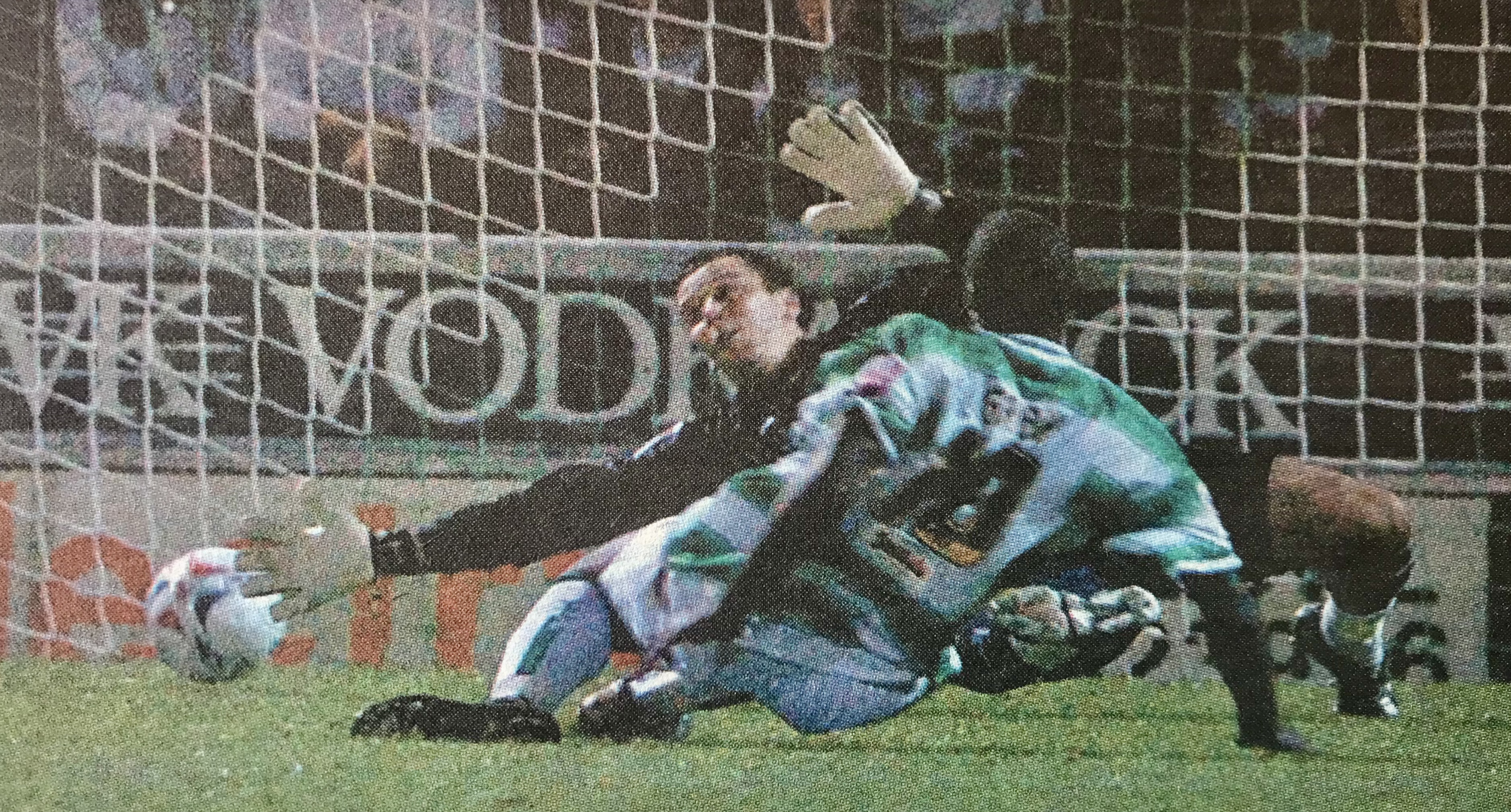
DISGRUNTLED former Albion goalkeeper Wayne Henderson helped Grimsby Town keep their place in the Football League.

The Republic of Ireland international stopper, forced away from Brighton by a section of voluble supporters, was on loan to the Mariners in 2009 as they desperately tried to avoid the drop.

Although there were Grimsby grumbles on his debut, Henderson’s mission was a success, Town avoiding the drop by four points. But it was only a stay of execution because they finally fell out of the league for the first time in 100 years in 2010.

By then, Henderson was back at parent club Preston North End, who had bought him from the Seagulls for £150,000 on deadline day in January 2007.

He managed only 10 appearances for the Lancashire club – his last game coming in the final match of the 2009-10 season – and in March 2011, when only 27, he was forced to quit the game after two years plagued with spinal injuries.

Much had been expected of the young Irishman at Brighton after an initial loan spell from Aston Villa, where he had been coached by former Seagulls ‘keeper Eric Steele. He made his Albion debut away to Derby County, together with fellow countryman Paul McShane (on loan from Manchester United), in the opening game of the 2004-05 season.

Manager Mark McGhee said the youngster hadn’t put a foot wrong. “His kicking really took the pressure off us,” he said. “He was composed and took a couple of crosses towards the end which also helped relieve the pressure.”

McGhee had first hoped to sign Henderson in January 2005 to help solve a goalkeeping crisis created by a serious shoulder muscle injury to Michel Kuipers in a home match against Nottingham Forest.

Youngster Chris May, son of former Albion defender Larry May, had come off the bench to replace Kuipers in the match but McGhee didn’t see him as experienced enough in the battle to stay in the Championship. The previous season’s first choice ‘keeper, Ben Roberts, was a long-term absentee with a back injury, so McGhee had few options.

The Seagulls hoped a contractual hitch relating to Henderson’s previous loan spell at Notts County could be resolved in time to enable him to make his debut for the Albion at Elland Road. But it couldn’t and Brighton turned to Blackburn’s David Yelldell instead. That was the game where the loan goalkeeper famously wore a bright pink goalkeeper jersey and predictably suffered abuse from the Leeds crowd.

Although Clarke Carlisle put Leeds ahead just before half time, Yelldell had the last laugh when defender Guy Butters prodded home an equaliser in the 81st minute.

When McGhee didn’t see Yelldell as a long-term option, he turned to one-time Arsenal ‘keeper Rami Shabaan, who hadn’t played a competitive game for two years, but he let in 13 goals in six games. The manager brought in Southampton’s Alan Blayney, and he was between the posts for the last seven games of the season when Albion just managed to cling on to their tier two status.

McGhee finally managed to bring in Henderson ahead of the new season and, perhaps mindful of the goalkeeping headache he’d had the previous season, found he suddenly had an embarrassment of riches in that department.

Promising youngster Richard Martin appeared as a back-up on the bench, as did season-long French loanee Florent Chaigneau. In September, Southampton’s Blayney also returned for another loan spell and eventually took over the gloves when Henderson’s three-month loan from Villa came to an end.

Intriguingly, Henderson’s penultimate game on loan was a 1-1 draw with Ipswich at the Withdean when another Villa loanee, Stefan Postma was in goal for the visitors.

It had been Henderson’s understanding that a permanent move would follow soon after he’d featured in a 1-1 draw at home to Wolves on 1 November. But a two-month on-off saga began which, according to McGhee and chairman Dick Knight, was largely down to demands made by Henderson’s agent.

Albion agreed a fee with Villa of £20,000, plus £15,000 if he helped avoid relegation from the Championship. He didn’t.

The Argus sought the opinion of former Albion no. 1 Steele who felt Henderson had a chance to make a name for himself with the Seagulls.

“With Thomas Sorensen as the no. 1 and Stuart Taylor bought in from Arsenal, Wayne’s route in terms of playing first team football was always going to be limited,” Steele told the paper. “Our problem is that we only need one goalkeeper to play in one position and it’s just been a question of what level he would make his mark.

“He’s 22 now and he really had to be looking to move on and I wish him all the best. I’ve worked with him now for four and a half years and always thought he would make a good living from the game.

“I think that’s summed up by the fact that Brighton are going to pay a small fee and we’ll also get sell-ons. He’s the same height, he’s got the same build and he has got the same attributes as Shay Given (Newcastle and Republic of Ireland). And he just needs the chance to go and play.

“He’s been away at Wycombe and been away at Notts County, who would have signed him had they had the money. He’s done it in the Second Division and the First, now he’s got the chance to do it in the Championship.”

Even if supporters of the club he’d just joined had doubts about his merits, the Republic of Ireland selectors were confident enough to give him a first senior call up in February 2006, and he made his full international debut on 1 March 2006, as a second half substitute in a 3–0 win over Sweden.

After the Albion had forfeited their tier two status that season, and the omitted Kuipers had been transfer-listed after falling out with McGhee, Henderson opened his heart to the Argus.

“Michel is liked by the fans and hopefully one day I will get the respect of the fans I feel I deserve,” he told Andy Naylor. “Michel has that because he has been at the club for a long time. I have mixed feelings about him being on the transfer list because it’s good to have someone with his reputation at the club pushing me, but sadly he fell out with the manager.

“Hopefully, I can prove the fans who are criticising me wrong but if they are set in their ways there is nothing I can do about that. It’s a shame if that is the way they feel but I couldn’t care less. I am not going to worry about it.

“I know myself how well I have done, and I am an international player because of that.”

Although he started the new season as first choice ‘keeper, three defeats on the spin saw McGhee sacked and Kuipers back in the starting line-up.

New boss Dean Wilkins restored the Irishman to the team in October which was enough to convince Eire manager Steve Staunton, a former Aston Villa colleague, to put him into a Euro 2008 qualifier against the Czech Republic, when first choice Shay Given and back-up Paddy Kenny were unavailable.

“I knew Stan from Villa, yes, but I like to think I’m being picked on merit not just because he knows what I’m capable of,” said Henderson. “I’ve got a long way to go in all aspects but being at Brighton and playing first-team football means I’m developing under pressure and getting a chance to show Stan (Staunton) what I can do.”

The Irish drew 1-1 and, having been to Dublin to watch the match, Albion goalkeeping coach John Keeley believed Henderson could be Albion’s ‘keeper for 10 years.

“I’m so pleased for Wayne. It proves what a good goalkeeper he is,” said Keeley. “He has taken some stick but people should appreciate him.”

The coach praised his handling at Lansdowne Road, the way he had made himself available for back-passes from his full-backs, and his composure. Highlighting a fine one-handed save he made to deny Milan Baros, Keeley said: “The save that he made just before half-time was world class.”

He added:“I honestly believe that Wayne is a better ‘keeper than Paddy Kenny. His all-round game is more suited to international football.”

Henderson makes his Eire debut, replacing Shay Given

Keeley reckoned: “He’s 22 and we’ve got a world-class player. With Wayne being so young we’ve got a goalkeeper now for the next ten years. That’s the way I look at it.”

The following month, Henderson even made the headlines when he wasn’t playing! Injury ruled him out of Albion’s side to face Bradford City at Valley Parade on 4 November and he decided to watch from the seats behind the goal.

When Dean Bowditch scored an 89th-minute winner for the Seagulls, the exuberant ‘keeper jumped over the hoardings – and was promptly escorted out of the ground by a steward!

“It was over-zealous stewarding,” he said afterwards. “Alex Revell made the goal and he was celebrating right in front of where I was sitting in the front row of the stand.

“The natural thing was to go and celebrate within him but one of the Bradford stewards – who knew I was one of the non-playing squad members – took exception to my celebration.

“I think he was a Bradford supporter and perhaps he thought I was trying to rub his nose in it – but I wasn’t. I was just pumped up to see the lads score a last-minute winner.

“The next thing I was being grabbed by a steward and then I was marched out of the ground where the police took my name and address, but I think they saw the funny side of it.”

Henderson wasn’t laughing a few weeks later. He’d returned from injury but the side was on a losing streak in December. Away to Bournemouth on New Year’s Day, it looked like Albion might come away with a point but in stoppage time the ‘keeper lost his footing and gifted the Cherries a win, and a section of Brighton supporters booed him off the pitch.

After a 3-0 defeat to West Ham in the FA Cup third round, the Seagulls entertained Millwall at Withdean and a mix-up between Henderson and Joel Lynch led to the visitors winning by the only goal of the game.

Manager Dean Wilkins dropped him and it was the last time he played for the club. The barracking had got to him to the extent he had submitted a second transfer request of the season and, referring to the fans who’d got on his back, he told the Argus: “They love their football as much as anyone else but the way they reacted was pathetic really.”

After securing a deadline day move to Preston, he said: “It was disappointing the way it finished. I was devastated at being left out of the team. The mistake I made against Bournemouth could have happened to anybody and the Millwall game was a mistake by someone else that caught me out.”

Now free to air his feelings about the series of events, he said: “A lot of fans have certain opinions of players. For me the whole experience at Brighton was more like the X Factor.

“It just seemed to be a personality contest and I couldn’t enjoy my football.”

He continued: “I’ve never felt welcome at the club, except by the coaching staff and the players. The coaching staff have been magnificent, and I wish them all the best, because, if anyone is going to get anything out of the kids, it is Dean (Wilkins) and Dean (White), so I hope they are given a fair crack of the whip.

“Outside of them and the lads, a handful of fans have backed me lately and I really respect that but there were an awful lot of fans who didn’t and other people at the club who, for some reason, made it more difficult than it should have been.”

Within the tight confines of the small capacity Withdean Stadium, perhaps it was always going to be a tall order for Henderson to supplant crowd favourite Kuipers.

The ‘former Dutch marine – chef’ Kuipers, as he was serenaded by the singing section, had endeared himself to the Albion crowd after Micky Adams brought the previously unknown shot-stopper to the club in 2000. Subsequent managers brought in their own alternatives but Kuipers, always a reliable shot-stopper, had a habit of bouncing back.

If Henderson was perturbed by unfavourable crowd opinion at Brighton, it seems there was similar mood music when he made his debut for Grimsby.

Manager Mike Newell brought him in along with three other loan players (Joe Widdowson, Peter Sweeney and Barry Conlon) and, in 14 games he played through to the end of the season, five wins and three draws were enough to give them a finish four points above the relegation trapdoor (Chester City and Luton Town went out of the league).

The excellent Cod Almighty fans website observed some fans booed and jeered Henderson on his home debut because the gale force wind kept blowing his goal kicks into touch.

Pete Green, on the same website, later wrote: “These temporary Mariners have played an enormous part in preserving the club’s status in the Football League – even as repeated mistakes by experienced, longer-term Town players such as Phil Barnes and Tom Newey continued to jeopardise it. Henderson has already gone back to Preston, and we stand no chance of signing him permanently.”

While the other three loan players did sign permanently, Newell brought in another Irish international goalkeeper in Nick Colgan the following season.

Born in Dublin on 16 September 1983, Henderson followed in the goalkeeping footsteps of his father and brothers. Dad Paddy played for Shamrock Rovers; brothers Dave and Stephen played in the League of Ireland. Even his nephew, Stephen, was a goalkeeper – most notably for Portsmouth, Charlton and Nottingham Forest after also going through the youth ranks at Villa.

Wayne played for the same Cherry Orchard club in his home city that also spawned the likes of Mark Yeates, Dave Langan, Andy Reid and Stephen Quinn.

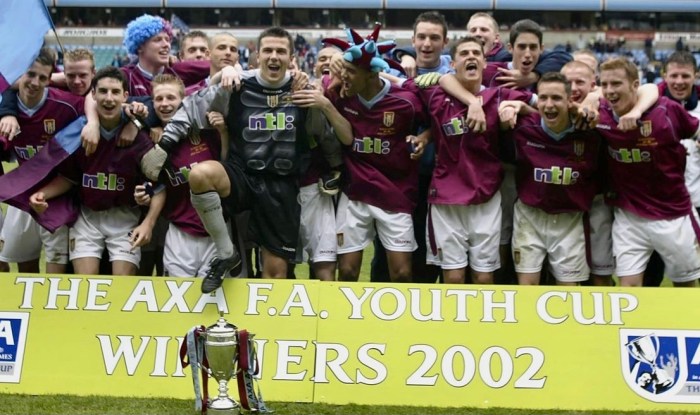
John Gregory was in charge at Villa Park when Henderson joined Aston Villa in July 2001. A year later, he was in goal when Villa won the FA Youth Cup (below), beating Everton – with Wayne Rooney playing up front – 4-2 on aggregate over two legs. Also in the Villa side that day was Liam Ridgewell, who later had a brief loan spell at Brighton, and Peter Whittingham, who went on to play more than 500 professional games and died in tragic circumstances aged just 35.

Joy for Henderson as Aston Villa win the 2002 FA Youth Cup

Although Henderson was chosen on Villa’s first team bench occasionally, he didn’t play any competitive fixtures for the first team. Those opportunities came via loans.

After a month at non-league Tamworth in the spring of 2004, he spent a month on loan at Second Division Wycombe Wanderers under Tony Adams towards the end of the 2003-04 season, when their last place finish meant they were relegated to the newly formed League Two.

The following season he joined Notts County, another of the clubs who’d been relegated with Wycombe, and had two loan spells, three months under Gary Mills and then a month under his successor, caretaker boss Ian Richardson.

Paul Simpson signed Henderson for Preston but when injuries forced him to retire at just 27, he told skysports.com: “I’ve decided to actually step out of football and give my body time to heal for once.

“It is exciting for me though because I’m looking to go into a completely different environment from playing but stay within football at the same time.

“I’ve been trying to get back fit for a few years now with injections and operations, but I’ve decided that rest is the way forward for it now.

“I’ve not signed anything yet, but there are a good few options for me to choose from, which I am really excited about.”

Henderson, who married 2010 Apprentice winner Liz Locke, now works as a licensed intermediary for agency YMU, who, among plenty of other elite footballers, represent Albion’s Evan Ferguson and Andrew Moran.

Mixed fortunes at Brighton for Liverpudlian Lee Steele

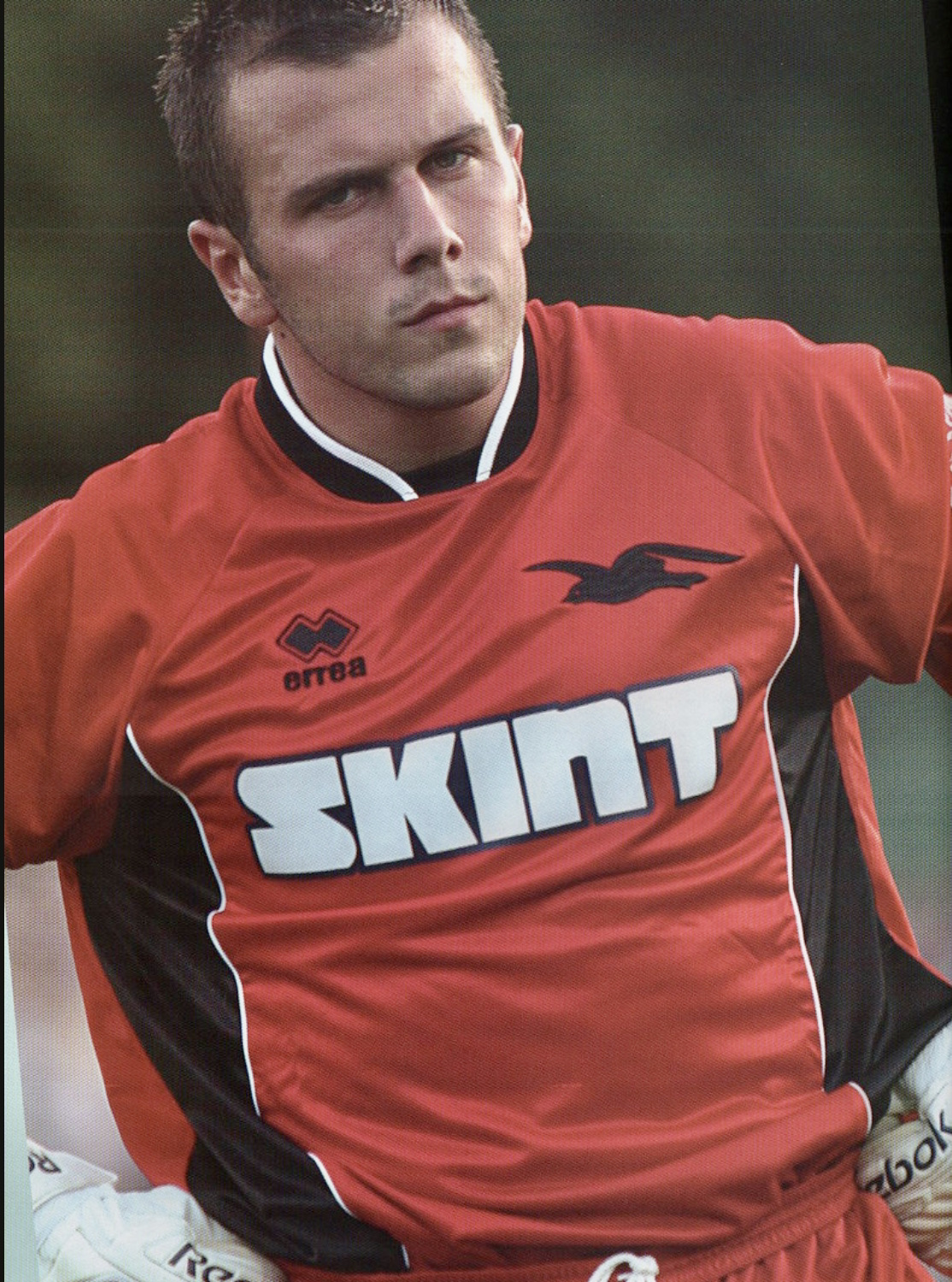
ONE-TIME Liverpool triallist Lee Steele was part of the Albion squad which won back-to-back promotions from the fourth and third tiers.

Unfortunately for him, a certain Bobby Zamora was almost always ahead of him in the pecking order, along with Gary Hart, so the diminutive striker often had to be content with involvement off the subs bench.

Nonetheless, he contributed important goals as the Seagulls under Micky Adams went up from League Two in 2001 and from League One in 2002 under Peter Taylor.

His first season at Brighton was marred by a drink-driving incident which, in hindsight, he believed tainted the rest of his time at the club. Indeed, as the season drew to a close, he was put on the transfer list and was at loggerheads with Adams.

“I told him I’d prove him wrong, and he said that only one player had said that to him before and gone ahead and done it,” Steele told Spencer Vignes in a matchday programme article. After shedding a few pounds and improving his fitness, he said: “I scored loads of goals in pre-season and worked my way into the side.

“I got a few more as the season began, and then he left and I was back to square one with Peter Taylor.” Steele said Taylor was easier to get on with than the “totally demanding and driven Adams” although he reckoned: “The intensity went from our game a fair bit.”

Nevertheless, in the 2001-02 season, he made 25 starts plus 19 appearances off the bench and the most important of his 10 goals was the 91st-minute winner in an Easter Monday 2-1 win over Bristol City at the Withdean after he’d gone on as a 30th-minute sub for Paul Brooker, who’d turned an ankle.

Argus reporter Andy Naylor pointed out how Steele had gone from villain to hero after getting himself sent off in a reserve game just as Zamora was ruled out for three games with a shoulder injury. As it turned out, that goal against City was his last in an Albion shirt.

In its end of season play-by-player analysis, the Argus said of Steele: “An enigma. More to offer than he has showed, although he would argue a regular run in the side would help. Still managed to finish with ten goals and has the pace and power to trouble defenders.”

However, there was no more to offer Brighton because Taylor’s departure that summer coincided with Steele’s Albion exit too.

Reflecting on his time at the Albion in another Vignes interview for the matchday programme, Steele said: “I wasn’t used to playing substitute all the time, which I found hard to adjust to. Then when I did come on, I used to put myself under so much pressure that I wouldn’t deliver the goods. It still haunts me actually. OK I was in Bobby’s shadow, but I was at a massive club and should have done better.”

He moved to Oxford United on a two-year deal, but didn’t enjoy a happy time under Ian Atkins, and then joined Leyton Orient where some vital goals – including one that earned the Os promotion while simultaneously relegating his old club out of the league – helped earn him a ‘fans favourite’ tag.

After the Os, he had a season with Chester City, then dropped out of the league to return to Northwich Victoria.

He moved on to semi-pro side Oxford City but was sacked for a homophobic tweet about Gareth Thomas, which he said was tongue-in-cheek. Northern Premier League side Nantwich took him on, although he only played one game for them.

Born in the Garston district of Liverpool on 2 December 1973, Steele was a ‘Red’ from an early age, first being taken to watch them aged six and idolising Ian Rush. He was educated at St Austin’s Catholic Primary School, Liverpool, Holmwood School and then St Mary’s College.

The young Steele harboured ambitions of becoming a professional golfer rather than a footballer but, when that didn’t work out, he started playing football with non-league Bootle while working for his uncle as a bricklayer.

“I managed to get a trial for Liverpool,” he told Andy Heryet in the Albion matchday programme. “I hoped they would ask me back, but I didn’t hear anything from them, which was disappointing as they promised me that I’d hear either way, but they never got back to me.”

It was Northwich Victoria who propelled him towards a career as a professional, signing him as cover ahead of a FA Trophy final against Macclesfield.

Steele scored five goals in three end of season games, earned a place on the bench at Wembley and got on for the last 20 minutes, although Victoria lost.

In his second season at Northwich, his reputation was growing as a prolific striker and Third Division Shrewsbury Town snapped him up for £40,000 – a decent-sized fee for a non-league player.

“I wanted to go. I’d always wanted to be a professional footballer, ever since it became clear I wasn’t going to make it as a golfer,” Steele told Heryet.

He spent the next three seasons with the Shrews although the club’s struggles at the wrong end of the league prompted him to look for a move.

While he was keen to go to Tranmere Rovers, who’d shown an interest, no deal was forthcoming, but Brighton went in for him and, having played against them the season before, he liked what he saw.

Steele has had several strings to his bow since finishing his playing career: he’s a qualified licensed UEFA B coach, a personal trainer and a nutrition advisor. Clients have included pro footballers, elite junior tennis players, 16-times PDC World Darts Champion Phil ‘The Power’ Taylor and Team GB age group triathletes.

He also spent a year as a fitness coach with Oldham Athletic during Lee Johnson’s reign as manager and two years as a scout for his old club, Leyton Orient.

Since 2008 he has been operations manager for Kickback Tax (a tax advisor agency for footballers) and, since December 2021, has been senior scout for Northampton Town.

Lowe and behold, the centre back who couldn’t get a game

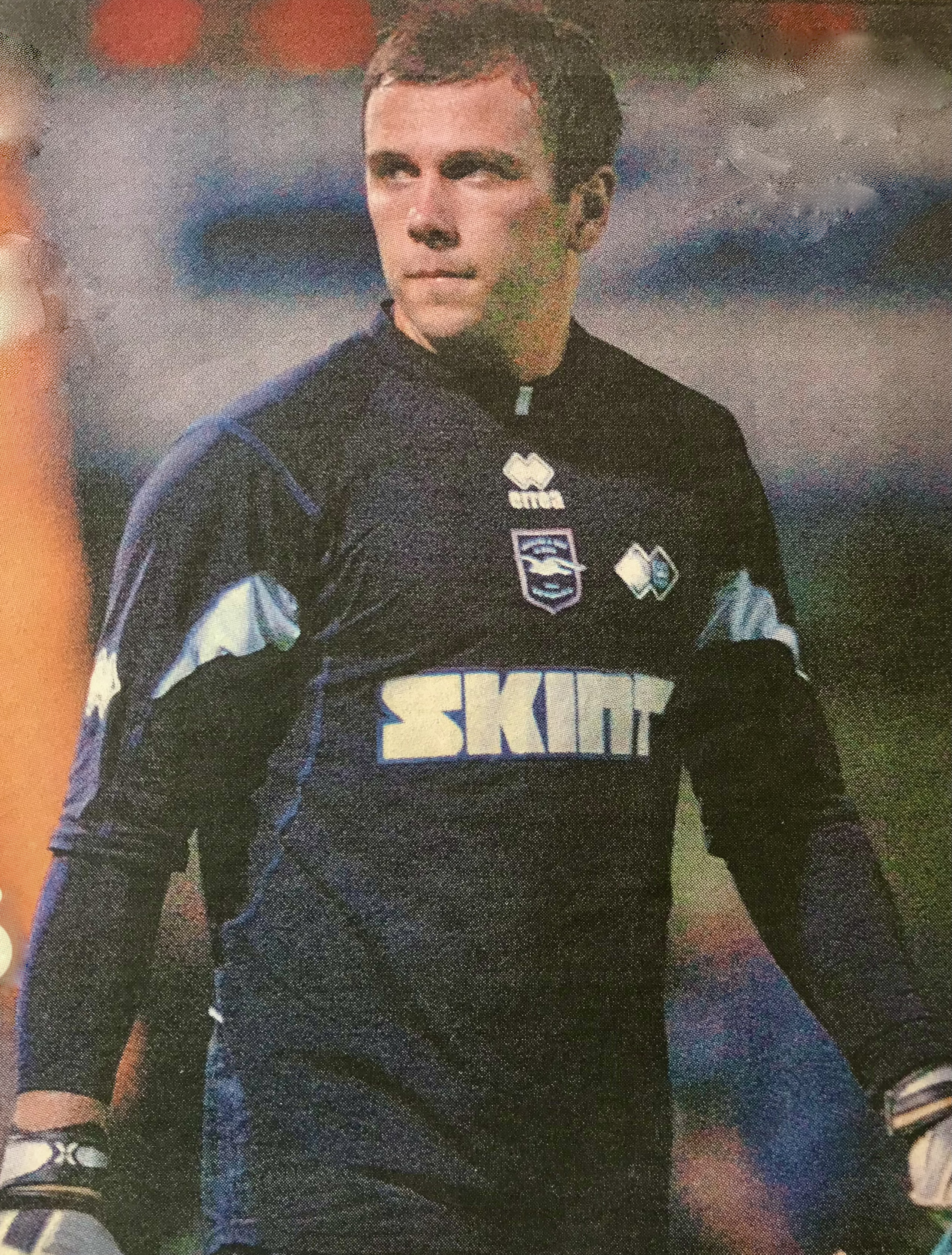
KEITH LOWE is one of those curious cases of a player who joined the Albion on loan but didn’t kick a ball in anger!

He played one game for the reserves and sat on the first team bench for five matches without getting on.

Lowe was just 20 and well down the centre half pecking order at Wolves when Mick McCarthy had just taken charge.

At the beginning of the 2006-07 season, Albion’s first choice centre backs, Adam Hinshelwood and Guy Butters, were both out injured, and Joel Lynch was a doubt after picking up a niggle in a pre-season game. So, manager Mark McGhee took the opportunity to get Lowe on loan for a month.

Candid former Wolves manager McGhee told the Albion matchday programme how the club had done its homework on the youngster, who he described as a “no frills central defender who gets in where it hurts to head it and boot it. Obviously, that’s something we need – a big lad in our box to head it away. With the absence of Guy Butters, we’ve missed that sort of height in pre-season so I hope he will do well for us.

“Obviously I know people well at Wolves, so we don’t think for a minute that we are signing Rio Ferdinand, but we’ve signed a steady young player who’s determined to make a career for himself and wants to do well.”

For his part, Lowe told the Argus: “I’ve found out that there are a few injuries in the defence here so hopefully I’ll get into the team as soon as possible and play as much football as I can.”

Born in Wolverhampton on 13 September 1985, Lowe had progressed through the Wolves academy and was given a first team debut by Dave Jones in the League Cup at the beginning of the 2004-05 season, three weeks before his 19th birthday. Two months later Lowe was awarded a three-and-a-half-year contract and he said:“My family are all Wolves supporters so it’s a bit of a dream come true.”

Although he made 13 appearances at either right-back or centre-back that season, he only played three matches for them under Glenn Hoddle the following season although he gained experience out on loan, at Burnley (under Steve Cotterill), and QPR in the Championship, and Swansea in League One.

“A lot of people have left Wolves but the one thing they have got is a lot of defenders and they have scrapped their reserve team now so it was best to go and play somewhere else,” Lowe told Andy Naylor of the Argus. “I’m looking to play as many games as I can. I wasn’t getting the opportunity I would have liked at Wolves so I jumped at the chance to come and play some football.”

Lowe said that even though McCarthy had not long been in charge, he had already got his starting eleven in mind. “I hadn’t asked to go out on loan yet, but from what I can gather the manager here ‘phoned up our manager and it seemed like the ideal place to come,” he said. “I’ve not been down to Brighton before but my first impressions, even from the drive in, were it seems really nice and I’m really looking forward to it.”

He added: “My aim is to get noticed at Wolves but I’m open to anything that happens. If it’s not going to happen for me at Wolves then I’ll stay here as long as the management staff want me.”

Unfortunately for Lowe, Lynch recovered from a pre-season thigh injury in time to make the starting line-up for the season opener at Rotherham, and he never did manage to force his way into the side.

By mid-August, he confessed in another Argus interview: “I’m very disappointed. I came down here to play football but it hasn’t happened. You’ve got to be professional about it, keep working hard and hopefully it will come.

“We kept clean sheets in our first two games and, when things like that happen, you can’t really go knocking on the gaffer’s door and say: ‘Why am I not in the team?’ The lads have done really well but I’ll just keep working hard in training and hopefully he’ll take note.”

Lowe pressed his claims for a place by scoring on his debut for the Reserves, heading an equaliser from a Tommy Fraser corner on 54 minutes, in front of McGhee, in a 2-1 win away to QPR. He said: “It was nice to get 90 minutes under my belt and it was a good performance and result, so I was pretty pleased.

“Hopefully I’ve caught the gaffer’s attention. I thought I did well enough and I’m just trying to push to get into the team.”

It didn’t happen, though, and McGhee was at pains to point out the circumstances. “We brought him here to play but then Joel got fit and suddenly looked absolutely fine.

“By the time we got Keith down here we weren’t sure he had trained with us enough and done enough work with us. Joel was there and we decided not to gamble with Keith but to play Joel, who has then played so well, so things have conspired against him a wee bit.”

McGhee added: “He did fine at QPR. In the second half, particularly, when we pushed them up the park and asked them to defend in behind, he did it well.”

Lowe might have got a chance in the Carling Cup against Boston United but Wolves were only prepared to allow him to be cup-tied if Albion intended keeping him longer – and McGhee had decided to add to his defensive options by signing veteran Georges Santos.

Lowe headed back to the Black Country, but the following month he went on loan to Cheltenham Town, where he finally saw some league action, playing in 18 matches. It sowed the seed for a later period in his career: he played 133 games for League Two Cheltenham between 2010 and 2014 in a career that ultimately embraced 617 appearances for 13 different clubs.

Lowe spent the final season of his Wolves contract on loan at League One Port Vale. Signed by Martin Foyle, Lowe also featured under his successors Dean Glover and Lee Sinnott, playing in 31 matches. But Vale were relegated in 23rd spot and the defender finally bade farewell to his boyhood club in May 2008.

He dropped out of the league for the 2008-09 season, appearing in 52 games for Conference Premier League side Kidderminster Harriers.

Budget issues meant he was released at the end of the season and the following campaign he was back in the league with Hereford United, playing 26 games for the League Two Bulls under John Trewick and former Wolves boss Graham Turner. That spell at Cheltenham came next.

During two years at York City, Lowe collected no fewer than four Player of the Year awards in 2014-15 – three from supporters’ groups and one from local newspaper The Press.“Keith deserves the awards for his consistency,” City boss Russ Wilcox told the newspaper. “To play every league game is always an achievement. It shows you are doing things right on and off the pitch. It means you look after yourself, train properly and are a good professional.”

Released by new York boss Jackie McNamara, Lowe returned to Kidderminster, by then in the National League, where he spent another 18 months, much of it as club captain.

National League Macclesfield Town was his next port of call and he played in all of their matches as they won promotion back into the league in 2017. However, it ended on a sour note in 2019 when he was one of six players to issue the club with a winding up order for unpaid wages.

The 2019-20 season saw him turn out for three different clubs: Southern League Nuneaton Borough, National League North side Bradford Park Avenue and latterly (until the Covid pandemic called a halt to the league) Kidderminster for a third spell.

At the end of the 2021-22 season, he announced his intention to concentrate on developing a career as a teaching assistant. He told the Kidderminster club website: “I’m not ready to stop yet and am very much planning to play part-time next year, but it feels like now is the time to move away from the full-time game and think about the future and the career I’ve been building in schools.”

Oh brother: Seagulls spell revives van La Parra

ON-LOAN Dutchman Rajiv van La Parra scored twice in six games for Brighton, spurring parent club Wolverhampton Wanderers to recall him.

Georginio Wijnaldum’s half-brother was only on the winning side once during his time with the Seagulls, but Wolves boss Kenny Jackett was happy to give him another chance at Molyneux after he’d mysteriously been frozen out.

But the thaw didn’t last long. While Albion had moved on by signing Anthony Knockaert on a three-year deal from Standard Liege, van La Parra was soon on the move again, this time to Huddersfield.

It was in November 2015 that Chris Hughton seized on an opportunity to shake up Albion’s attacking options in the last few hours of the loan transfer window by offering the unsettled van La Parra a chance to replicate the form he’d shown the previous season for Wolves.

“Rajiv will give us pace and creativity in the forward areas, and supplements our existing wide options,” Hughton said. “He is something different to the players we already have here, and I am delighted to have him on board.

“With Sam Baldock currently injured and Kazenga LuaLua having missed the amount of games he has, we have been very keen to bring in offensive options.

“In Rajiv we have a player who regularly featured in Wolves’ promotion chase last season.”

Albion were top of the table at the time and, having watched from the bench as Albion saw off Birmingham 2-1 at the Amex, van La Parra went on in the 27th minute of the away game at Derby County after Solly March was clattered by a challenge that ultimately ruled him out for the rest of the season.

The substitute certainly made a positive impact, edging Albion 2-1 ahead with a goal in the 75th minute before Chris Martin equalised for County with a last-ditch penalty after Gordon Greer was harshly adjudged to have fouled Johnny Russell.

Van La Parra was also on target at Loftus Road on 15 December when he beat former England goalkeeper Rob Green with a 30-yard shot in the 55th minute to put Albion 2-0 up. QPR hit back with two Charlie Austin goals to share the points.

It emerged when he signed that van La Parra had been a Brighton target for some while, with the Wolverhampton Express and Star reporting he’d spoken to the club about a possible permanent move before that August’s transfer deadline day.

Leeds United were also keen, and he might later have ended up at rock bottom Bolton Wanderers, but he stayed on at Molyneux, where he found James Henry and Nathan Byrne ahead of him in the pecking order.

Ironically, his one and only league goal for Wolves was scored against the Seagulls at the Amex in a 1-1 draw the previous season.

The winger admitted in an interview with Andy Naylor for The Argus that he was baffled why he’d fallen out of favour at the Black Country club.

“It’s a mystery,” he said. “I didn’t understand what happened but sometimes these things happen in football.

“The manager maybe wanted to try some different players but I cannot explain what happened. It’s unreal. I played last season and I then went onto the bench not playing as many games.

“I’m the type of person who goes to the manager and asked for an explanation why I wasn’t playing. He (Jackett) couldn’t really give a reason but he motivated me by saying that I was close to the team and training well.

“That was keeping me positive about the manager and his opinion of me. At the end of the day, they were just words and not actions and I can just focus on playing now.”

His arrival at the Amex was somewhat overshadowed by the signing at the same time of striker James Wilson on loan from Manchester United but he discovered a couple of familiar faces in the Albion dressing room: Elvis Manu – a fellow product of Feyenoord – and Danny Holla.

“It’s nice to have them,” he said. “They can help me. I know Manu very well because we played at Feyenoord. He was in a younger team than me. I’ve played against Danny a few times and we’ve had a number of conversations.”

Although van La Parra made a mark with the Seagulls, it was apparent in December that a permanent move to the south coast looked unlikely. Wolves boss Jackett had noted his form and said: “He’s been keen to get the opportunity and so far at Brighton he’s taken it. He’s still a Wolves player and we’ll assess the situation. He’s got a couple of goals and assists which is very good.”

Van La Parra hoped an impressive performance in his last game on loan might persuade Hughton to view him as a long term prospect but Albion went down 1-0 at home to Ipswich Town, their fifth winless game on the trot, and he returned to Molineux.

Born in Rotterdam on 4 June 1991, of parents from Suriname, he was named by his mum after Rajiv Gandhi, the son of Indira Gandhi, the former Indian prime minister who was assassinated in 1984.

Van La Parra went through the youth ranks at Dutch giants Feyenoord between 1999 and 2008 and earned selection for the national side’s under 17s and under 19s.

It was only while playing in Dutch youth football that former Liverpool midfielder Georginio Wijnaldum, then playing for Sparta Rotterdam, met his half-brother van la Parra.

“I knew I had another brother, but I never saw him until that moment,” Gini explained. “I never saw pictures because at that time you didn’t have the internet or social media. There was no Instagram or Facebook or anything.

“I went to play a game, but I found my brother.”

Wijnaldum eventually moved to Feyenoord, and van La Parra said: “When he came to play for Feyenoord, we saw each other more often and we were closer.”

In 2008, van La Parra had moved to French Ligue 1 club Caen where he thought he stood a better chance of first team football. He was there for three years and, although he managed 16 outings in their first team, he mainly played for the B side.

At the end of his contract, he returned to the Netherlands and joined Eredivisie outfit SC Heerenveen where in three years he scored 16 goals in 94 appearances and got to play Europa League football. In the 2012-13 season, he also played six times for the Dutch under 21s, when he got the chance to play alongside Wijnaldum.

“I played on the wing and Gini in midfield. He didn’t give me the ball. He always passed to the other side,” joked van La Parra. 

In the summer of 2014, the winger moved to then Championship side Wolves and quickly established himself as a regular.

La Parra’s form for Brighton only revived his Wolves career temporarily, Jackett recalling him to their side in an FA Cup tie against West Ham and a 3-2 win over Fulham, in which he provided an assist and combined well with Michal Zyro.

Jackett said: “I felt that we’ve lost some pace along our front line and Rajiv has that and it’s a reason for bringing him back in to the group.

“He did well at Brighton, and I knew that against Fulham, tactically, I could play either system – 4-4-2 or 4-3-3 – with Rajiv on the pitch and be able to switch from one to the other. That was the advantage.

“He showed how much he wanted to play for Wolves. And the crowd responded to him, and if he keeps showing that work rate and desire, everyone will follow up on him.”

However, two months later he joined fellow Championship side Huddersfield on loan until the end of the season, and the move was made permanent that summer. He was a regular in the Town side that won promotion to the Premier League in 2017.

He made 38 appearances during the 2017-18 season amongst the elite, but incurred Sean Dyche’s wrath when he went to ground rather too easily in the penalty area during a Premier League game against Burnley. The referee didn’t buy it and the player was booked and subsequently fined by his own manager, David Wagner. “It’s unacceptable in my book. I can’t abide it,” said Dyche.

The following season, van La Parra struggled for game time and went on loan to Middlesbrough.

He eventually left the Terriers in 2020 having made a total of 102 appearances and signed for Serbian club Red Star Belgrade. He only played 11 games for them and then moved to Spanish second division club Logroñés for the 2020-21 season but, after only four appearances for them, he was released from his contract in January.

He then switched to Germany and signed for Bundesliga second division club Würzburger Kickers but, after they were relegated, he was on the move again.

Next stop was in Greece, for Apollon Smyrnis, but footballleagueworld.co.uk reported in November 2021: “It’s been a tough start for the player, who is featuring regularly, as he has failed to score or register an assist as his new side are third from bottom.”

Kiwi Chris Wood took off with the Seagulls

TWO former Chelsea teammates were instrumental in enabling fledgling Kiwi international striker Chris Wood to develop his goalscoring craft with the Seagulls.

Roberto di Matteo allowed Wood to leave West Brom on loan in the 2010-11 season to add attacking options to Gus Poyet’s promotion-seeking Seagulls.

It was a temporary move that not only bolstered Division 1 Brighton’s goalscoring threat that season but also sowed the seeds of a partnership with Ashley Barnes that Burnley have profited from in the Premier League.

The pair dovetailed well with Glenn Murray (during his first spell at the Albion) and it is testimony to just how good the third-tier trio were that they all went on to score goals at the highest level.

Wood, who only scored three times in 27 games for the Baggies, scored nine in 24 matches (plus seven as sub) for the Albion, who he joined after an expected 93-day loan stint with Barnsley had been cut short.

Described by The Argus as “a fresh-faced teenager in a man’s body”, towards the end of the season, Wood told Andy Naylor: “It has been a big experience. I have been playing week in and week out. That is something I needed to do at my age.

“You don’t know if you really want to drop down that many levels, but I thought I could start scoring some goals, kick on my season and hopefully push my career up. It’s worked out very well.”

He somewhat presciently added: “I want to play in the Premier League one day, hopefully consistently.”

While that time would still be a little way off, Wood’s role in Brighton’s promotion squad earned him a League One winners’ medal and Poyet reckoned he left the south coast a much better player than the one who arrived six months previously.

“We helped him a lot,” Poyet told The Argus. “When he was here, he was one type of player and, when he went back, he was in shape, he was quicker, more mature, he scored ten (sic) goals, he did well.”

Wood went on to become something of a nemesis for Brighton, often scoring against the club for various other sides he played for on loan or on a permanent basis.

After he scored twice against the Seagulls in December 2012 while on loan at Millwall, Poyet sang his praises to the media, declaring: “He is the kind of player we would like to bring in. He’s only 21 and I feel he will be a top, top player.

“When he was with us on loan, he was a baby but now he is maturing. He’s a man now.

“He’s clinical and brave and we have played a part in helping him on his way.”

Di Matteo’s successor at West Brom, Roy Hodgson, had also sent the young striker out on loan, the shorter distance to Midlands neighbours Birmingham City, during Chris Hughton’s tenure as manager. He scored 11 in 15 games (+ 14 as a sub) for the Blues before spending the second half of the 2011-12 season at Bristol City.

Next up was Millwall for the first half of the 2012-13 season but WBA curtailed that stay because they wanted to sell him, and he joined Leicester in a permanent deal.

At Leicester, Wood was mainly involved off the substitutes’ bench as Nigel Pearson’s Foxes won the Championship in 2014, but one of his most memorable goals was a stunning long-range volley against his future employers, Burnley, in a 2-0 win at Turf Moor. “That was a nice one,” he said. “It kind of clinched Leicester’s championship. It was a ‘make or break’ game for who was going to win the league that year.”

Wood found his chances of Premier League football stymied by the arrival of Leonardo Ulloa from Brighton and after only seven substitute appearances ended the season on loan at Ipswich Town. Before Leicester’s famous title-winning season was under way, Wood had moved on to Leeds for £3m.

Wood felt he wasn’t given a fair crack of the whip at the King Power Stadium, telling the Leicester Mercury: “I was disappointed that I didn’t get more of a chance.

“I did well and felt I deserved at least an opportunity with the way I had played. That’s football at the end of the day, managers make the decisions, you have to live by them and move on.

“I think that experience has made me into a better player. It helped me to adapt and do things in a different way. It helps you prepare mentally, to understand and control.
“Not everything is going to be rosy along the way in your career. You’ll always have your ups and downs and it’s about how you deal with the downs which helps you become so much better.

“I don’t like sitting in the stands. I just wanted to get out, play football and progress my career.”

Wood scored 27 goals in Leeds’ 2016-17 Championship season under Garry Monk but, after beating Brighton 2-0 on 18 March, they fluffed their lines in the run-in, winning only one of the remaining eight matches and missing out on the top six as Brighton went up with Newcastle. To rub salt in the Yorkshire wounds, Huddersfield were promoted via the play-offs.

Wood, though, had the chance finally to make it to the elite when Burnley dangled a £15m fee to take him to Turf Moor, where he was to be reunited with Barnes.

Explaining his decision to make the move, Wood told The Times: “It had been my dream since I was a kid to play in the Premier League.

“I had spent seven years in the Championship waiting to get that break and I couldn’t guarantee that I would get another chance.”

The success of the Wood-Barnes partnership was analysed in a 2019 article by Benedict O’Neill for planetfootball.com in which Murray harked back to the 2010-11 season.

“I was the older head when they came in as two young lads,” he said. “We forged quite a formidable trio. It was good because they were just young and learning their trade – they got valuable game time and scored plenty of goals in that season.

“They’ve both gone on to have fantastic careers.”

Wood ended the 2020-21 season as Burnley’s top goalscorer with 12 goals (his fourth consecutive season in double figures) and he also collected their Player of the Season and Players’ Player of the Season accolades.

After netting a hat-trick against Wolves in April 2021, Andy Jones, for The Athletic, purred: “Unstoppable, unplayable. This was Wood at his best.

“Burnley’s big No 9 epitomised all the key components of the display, setting the tempo, pressing with energy, intensity and importantly, intent. No ball was a lost cause, no pass was going to be easy for Wolves.”

Burnley boss Sean Dyche told the Burnley Express: “His hold up play is improving all the time, his physicality is improving – he can be a real handful as well as being a talented player.

“I’ve been very impressed with him over the season for sure.”

In January 2022, Wood made a £25m move to Newcastle United but after finding his first team starts limited moved on to Nottingham Forest a year later, initially on loan until the end of the season. The move was made permanent in the summer of 2023.

He was Forest’s top scorer with 15 goals in 35 appearances in the 2023-24 season and when he scored the winner in Forest’s 3-2 win over Manchester United at Old Trafford in December 2024, his header meant he became Forest’s record Premier League scorer, overtaking Bryan Roy, by moving to 25 in the competition.

Born in Auckland, New Zealand, on 7 December 1991, Wood swiftly showed great promise in his homeland before his coach over there, Roger Wilkinson, switched to West Brom and recommended the youngster be taken on at Albion’s academy.

Wood’s English mother, Julie, had been instrumental in him taking up football rather than the oval-shaped ball game Kiwis are more accustomed to.

“I came over and they liked what they saw and offered me a scholarship,” he told the Birmingham Mail.
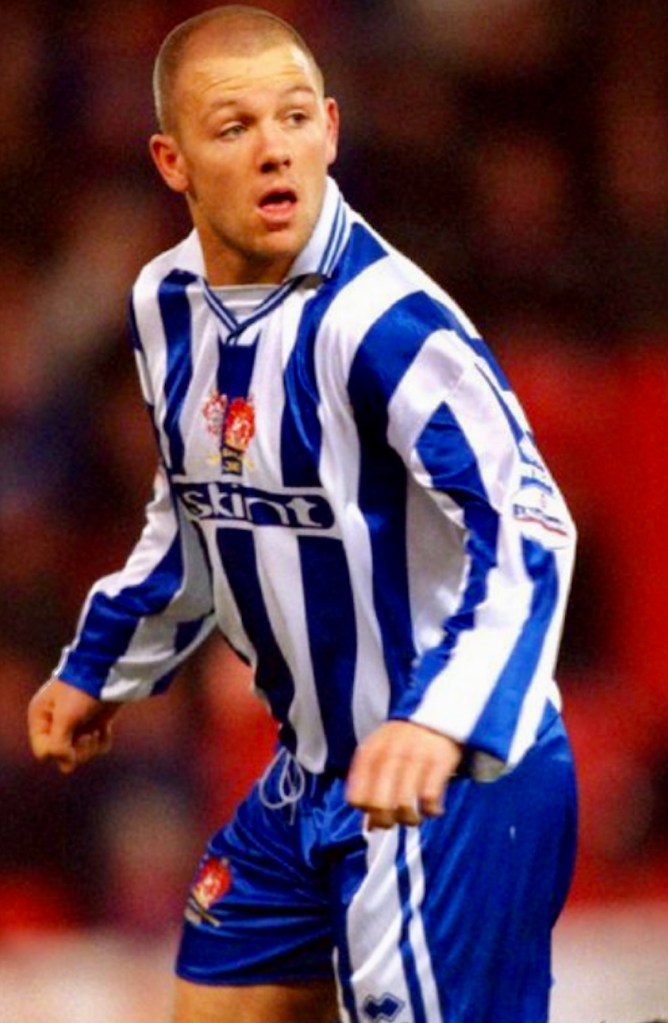
After he proved successful at youth team and reserve level, Wood made his West Brom first-team debut in 2009 away to Portsmouth.
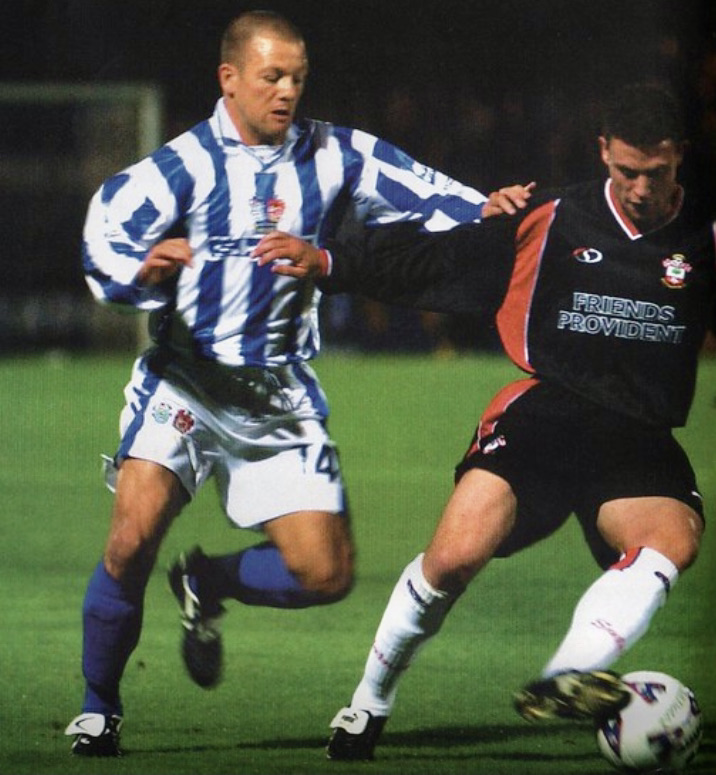
In the same year, he made his international debut and, aged just 18, was in the New Zealand squad at the 2010 World Cup in South Africa. He has gone on to play nearly 60 times for his country. He also became the youngest captain of New Zealand when he led the side for the first time in November 2014.

A goal by over-age Wood against South Korea helped New Zealand secure their first ever men’s football win at an Olympic Games in Tokyo but the host nation beat them in a penalty shoot-out to deny the striker the chance of a medal.

Ridgy rides in to shore up injury-ravaged defence

FORMER WEST BROM defender Liam Ridgewell played six games on loan for Brighton in the early part of 2016.

Ridgewell helped out when first choice left-back Gaetan Bong and deputy Liam Rosenior were both out injured.

He made six starts, starting in the FA Cup away to his old boss Steve Bruce’s Hull City, who won the tie with a single goal. His next game was also away, at Rotherham United, where Albion went down 2-0.

After that, he was on the winning side four times, as Albion beat Blackburn Rovers away and Huddersfield, Brentford and Bolton at home.

Albion’s matchday programme devoted a double-page spread to the loanee

Brighton wanted to extend the experienced defender’s loan but his parent club – MLS (Major League Soccer) outfit Portland Timbers – wouldn’t allow it and he returned to the States.

Albion manager Chris Hughton told The Argus: “He has certainly brought us a wealth of experience. We have to abide by the situation. In any way we could extend it for whatever, a further week or so, we’d be delighted to be able to do that, but I certainly can’t speak out of turn when he’s not our player.

Ridgewell returned to Portland Timbers after his brief loan with the Seagulls

“We have to respect everything his parent club want. He has certainly fitted in very well.”

Ridgewell explained the background to joining the Seagulls in an Argus interview with Andy Naylor, and on clinching the deal, Hughton said: “I know Liam very well from my time as manager at Birmingham City, and he is an excellent and important addition for us.

“He will bring extra experience to our defence at a crucial time and will give me an option both in the centre of defence and at left-back.

“Liam has played the vast majority of his career in the Premier League with more than 350 senior appearances and he’s also got experience of the Europa League and Championship from his time at Birmingham.”

Born in Bexleyheath on 21 July 1984, Ridgewell went to Bexleyheath School and was on West Ham’s books for two years between 1999 and 2001.

After looking at the quality of players breaking through there, he took the bold decision to quit the Hammers and join Aston Villa’s youth set-up instead, which he spoke about in an interview with the Birmingham Mail.

“I had looked at what was already in the team – you had Michael Carrick coming through, Joe Cole, Rio Ferdinand, Richard Garcia – and I thought it might be time for a change.

“I was a south London boy, grew up around there and had all my friends there. But I thought if I got away it might focus me a bit more. It was a tough decision.

A youthful-looking Ridgewell made his breakthrough with Aston Villa

“I used to leave school early on a Friday afternoon to travel up to Villa for the weekends.

“I used to get the bus from my house to the train station, get a tube from Charing Cross to Euston and a train from London up to Birmingham all on my own.”

After joining Villa in February 2001, he was part of their 2002 FA Youth Cup winning side. They beat an Everton team featuring Wayne Rooney 4-2 over two legs. Villa’s goalkeeper was another Wayne – Henderson – who would later move to Brighton. The side also included Steven Davis, who went on to play for Southampton.

In the same year, Ridgewell was selected for the England under-19s and was sent out on loan to AFC Bournemouth, then in Division 3, where he made his league debut as part of a five-game loan spell.

Back at Villa Park, former England boss Graham Taylor gave him his first-team debut in a FA Cup tie against Blackburn in January 2003 when he came on as a substitute in a 4-1 defeat. He had to wait until December that year before getting his Premier League bow, again as a substitute, but this time in a 3-0 win over Fulham. He went on to make 11 appearances by the season’s end.

Under David O’Leary and, for a season, Martin O’Neill, Ridgewell made a total of 93 appearances for Villa before making what some fans would consider a controversial move.

In August 2007, Ridgewell became the first Villa player in 23 years to be transferred to bitter city rivals Birmingham. Des Bremner, brother of one-time Brighton striker Kevin, had been the last one, in 1984.

Steve Bruce’s £2m signing then found himself wearing the captain’s armband on his debut. “It’s one of the greatest achievements in my career,” Ridgewell told the Birmingham Mail. “It’s a real honour. I thank the gaffer for that. Hopefully I can continue as captain for a few more games before a few of the others come back in.

“It was fantastic to do it. I only found out before the game when we were on the pitch. The gaffer came up to me and asked would I have any problems doing it? I said none at all. It’s what I’m made for, it’s what I want to do. I want to captain sides and have a responsibility on me.”

Ridgewell subsequently played under Alex McLeish and Hughton for the Blues, winning promotion back to the Premier League in 2009 and the League Cup in 2011.

After a total of 175 appearances in four years, and on the back of a 6-0 win for Birmingham at Millwall, Ridgewell joined West Brom on deadline day in January 2012.

Ridgewell settled in quickly at West Brom

He couldn’t have wished for a better debut, as Albion recorded a memorable 5-1 win over Black Country rivals Wolverhampton Wanderers.

The Baggies were managed by Roy Hodgson at the time and, having initially been flirting with relegation from the Premier League, stayed up with results like a 4-0 victory over Sunderland and a 1-0 win over Chelsea that cost Andre Villas-Boas his job.

“Roy Hodgson was brilliant,” Ridgewell told The Athletic, in an interview in 2020.  “Roy knew how to make players feel and perform better than they were,” he said. “Everything was positional based. He let you do your own thing but he gave you the tools and the words to make sure you did it to the best of your ability in your own position. It was a clear message for me of how a manager gets the best out of players.”

When Hodgson left to manage England, Ridgewell continued as a Baggies regular for the next two seasons under Steve Clarke. Baggies escaped the drop by just three points in 2014, after Pepe Mel had taken over the managerial hotseat in January.

That summer, Ridgewell wanted to try something different and headed for the States to join Major League Soccer’s Portland Timbers.

In his five years with the Timbers, one of his highlights was captaining the side to a 2-1 MLS Cup win over Columbus Crew, a few weeks before his loan spell with Brighton during the American season’s winter break.

The previous season he’d returned to the UK in a similar arrangement to play six games on loan for Wigan Athletic in the Championship.

Ridgewell spoke about his time in the States on his return to the UK in January 2019, when he joined Hull City until the end of the season.

Back in the UK, Ridgewell spent half a season at Hull City

“I wanted to try something different and go out there with an open mind,” he told the Hull Daily Mail. “The league is completely different to what a lot of people expect. It’s grown bigger and stronger. I feel as fresh and as fit as when I first went there.”

To illustrate the point, he mentioned how he’d been up against the likes of Miguel Almiron, who subsequently joined Newcastle United for £20m.

“I loved it, it was great, really refreshing for me. It gave me another lease of life. It was something I needed to do, and I really loved it.”

In the summer of 2019, Ridgewell joined League One Southend United, but, having made only one appearance by December, quit playing to take up coaching.

He took to Instagram to reflect on his career, writing: “Football has given me the best life any little boy could wish for. There have been some massive highs and lows but now it’s time to hang up my boots and move on to the next chapter of my career.

“I’d like to say a massive thank you to all the coaches and managers who moulded me into the player I was. A special thank you to the late, great Graham Taylor for giving me my debut and the reason I was able to pursue my dream.”

In April 2020, Ridgewell spoke at length to Gregg Evans for an article on The Athletic, describing how lockdown had interrupted his plans to drop in on some of his old managers to gain knowledge and information in pursuit of his goal of becoming a manager.

“Moving into management has always been my aim,” he said. “I’ve always had a speaking role at every club I’ve been at. Whether it’s on the training pitch or during a game, I’ve always tried to help people out, too. With me being so vocal, I try to marshal teams in a certain way.”

He did some work with Aston Villa’s youngsters towards the end of 2020 but took on his first official coaching post in December 2020, as first team coach at Dover Athletic under former Gillingham boss Andy Hessenthaler.

It’s no surprise to discover Ridgewell (or Ridgy 6 as he’s known) has a veritable army of followers on Twitter – more than 42,000. Away from football, Ridgewell co-owns luxury swimwear business Thomas Royall, with fellow footballers John Terry and Sam Saunders.

Pictures from various online sources, and the Albion matchday programme.