Not many of them, but Sidwell’s goals were memorable

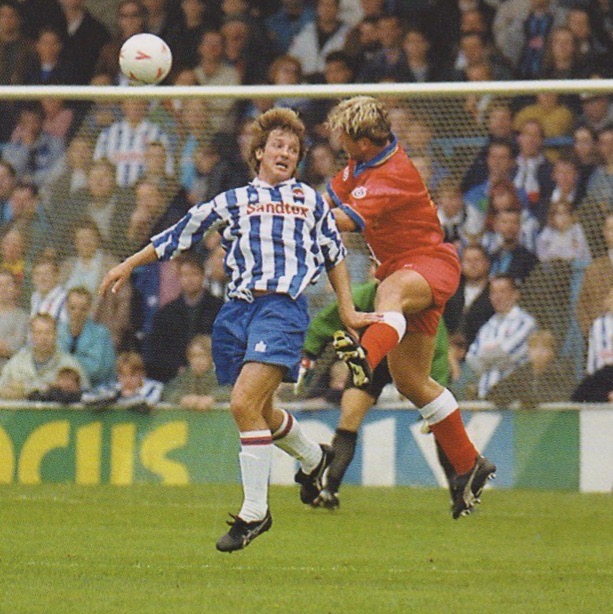
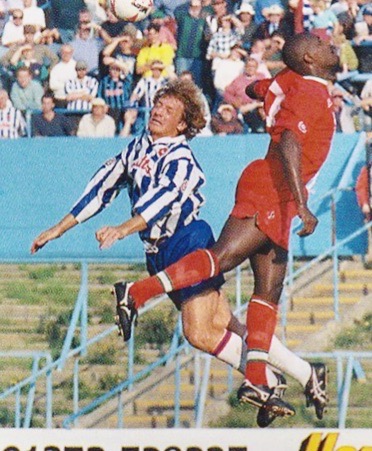
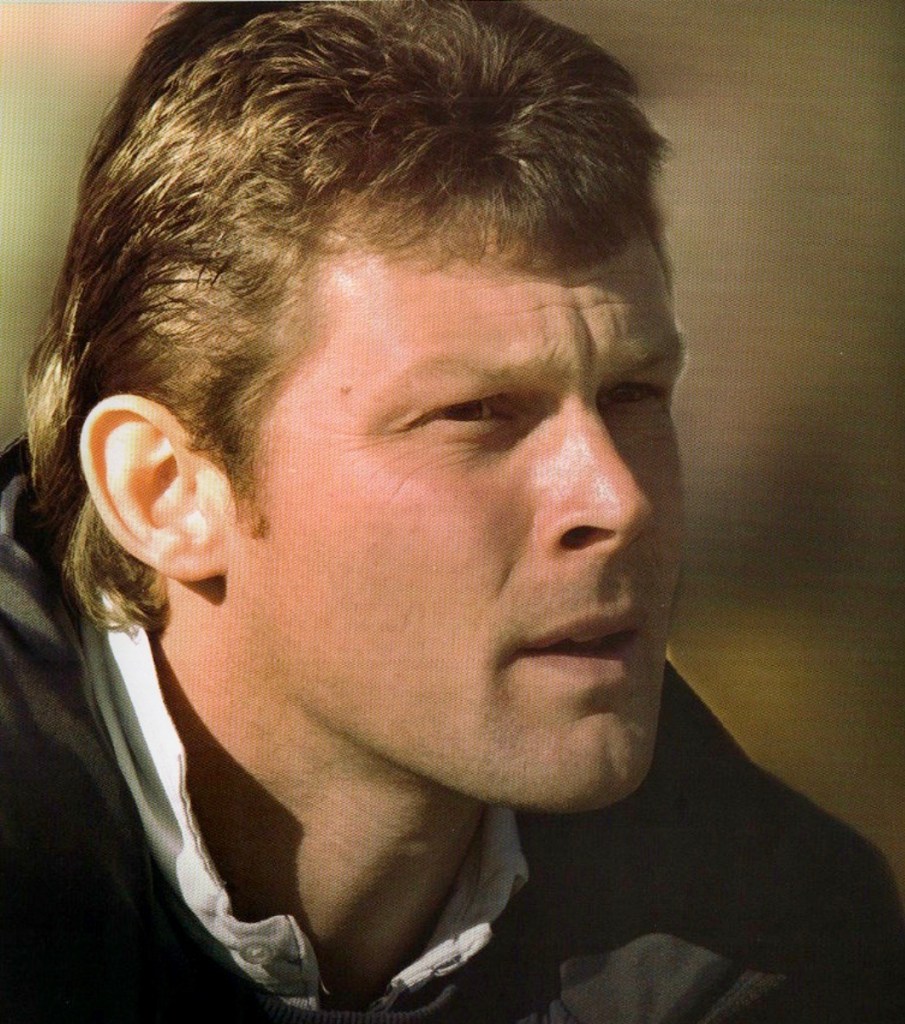
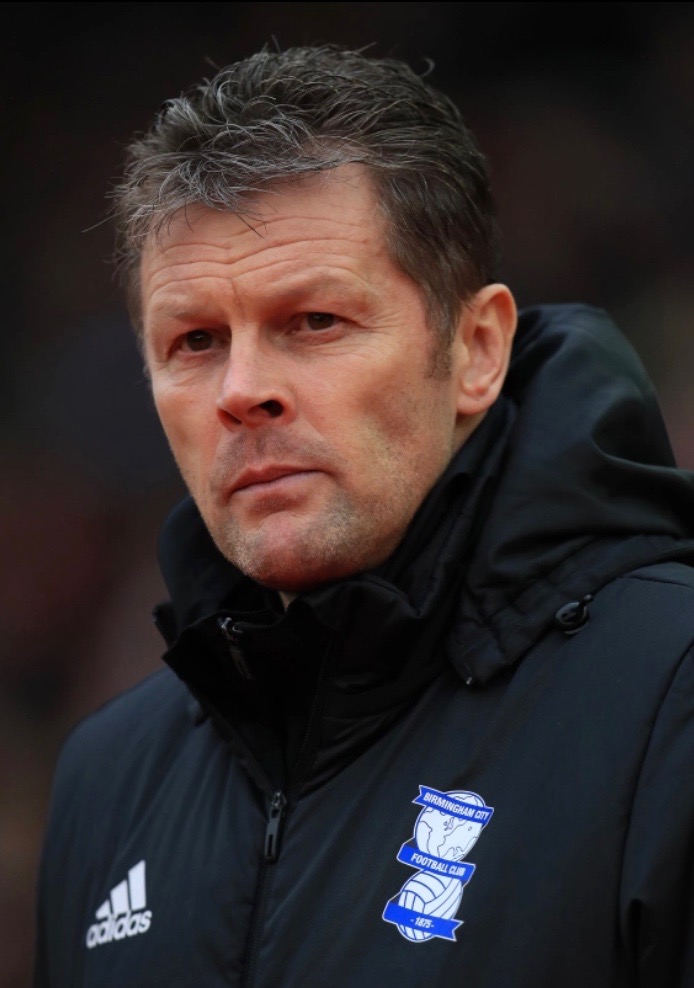
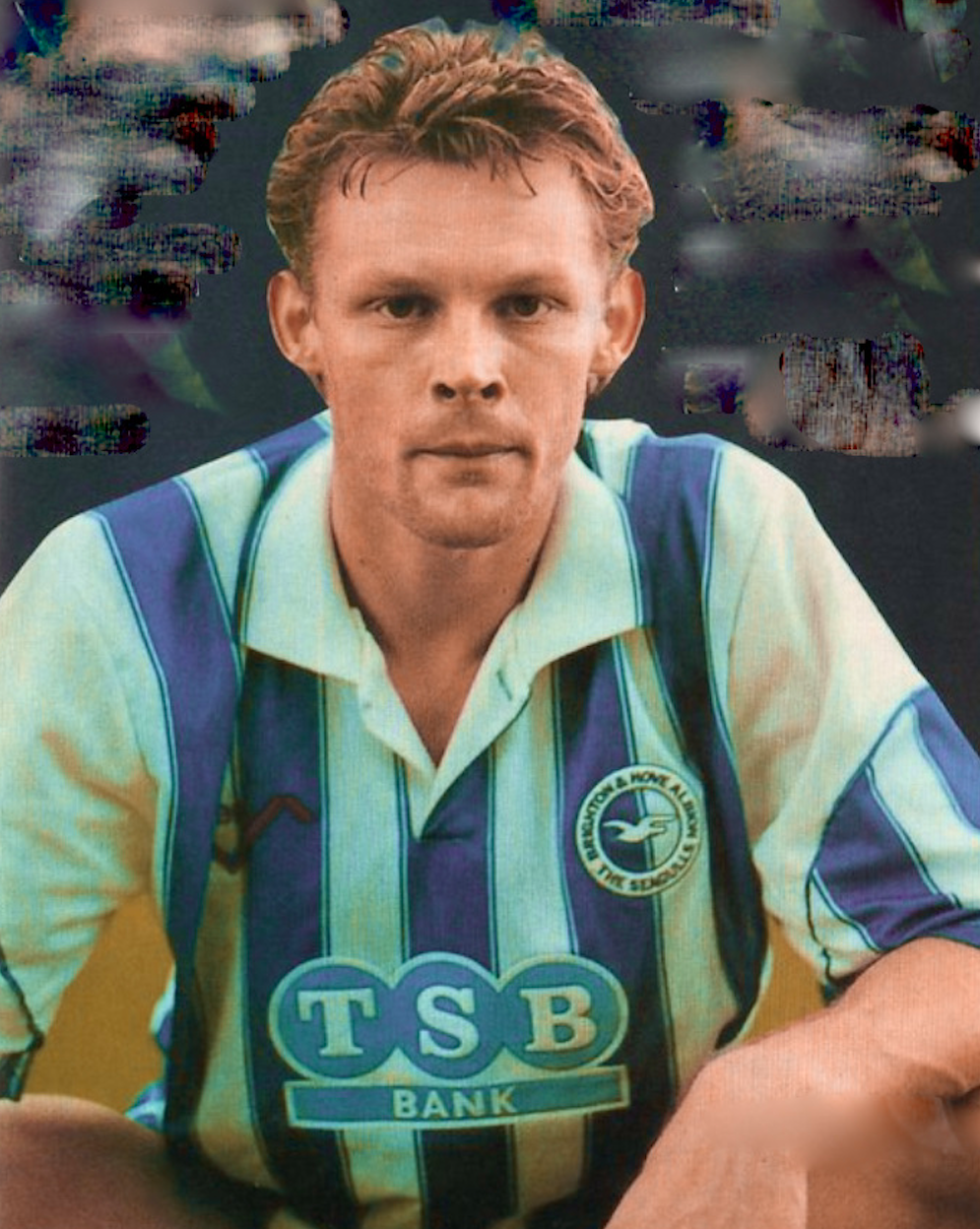
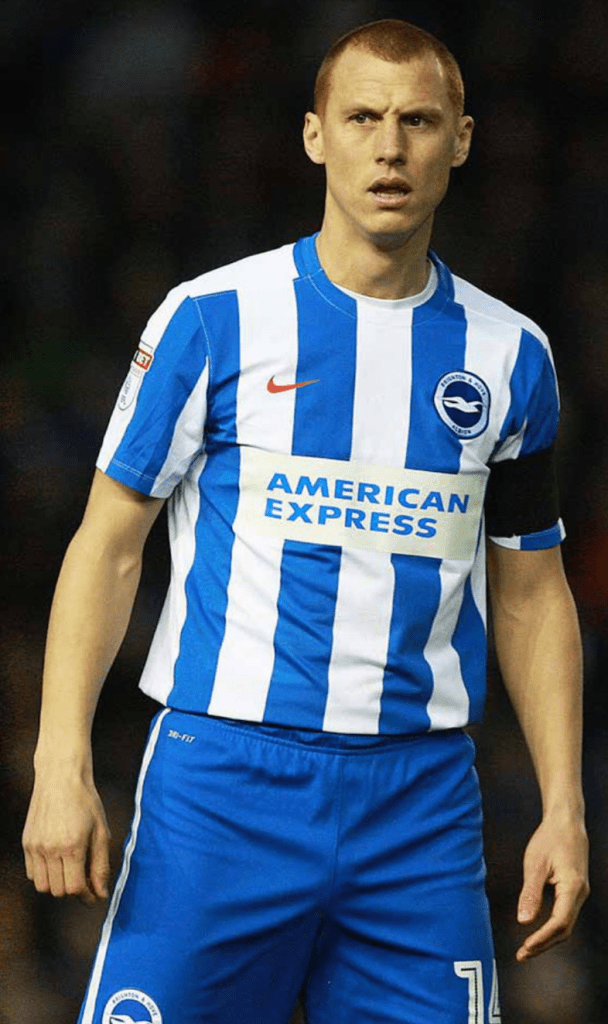
STEVE SIDWELL was not a recognised goalscorer but when he did find the back of the net it was often memorable and headline-making.

Such was his most talked about goal for Brighton – hit from the centre circle away to Bristol City in a Championship match on Bonfire Night in 2016. 

Eight years earlier, he stunned Goodison Park by rifling home from 25 yards after only 31 seconds of Aston Villa’s 7 December Premier League visit to Everton.

I was at Ashton Gate to see Sidwell’s amazing 50-yard lob over stranded Robins’ ‘keeper Richard O’Donnell (Jamie Murphy added a second in promotion-chasing Albion’s 2-0 win).

Manager Chris Hughton said: “It was a wonderful strike by Sidwell on his left foot when I would have expected it more from his right. It caught everyone by surprise, including their goalkeeper.”

I was also at the City Ground, Nottingham, seven months earlier when Sidwell went on as an 85th-minute sub and scored the winner (below) in the 91st minute to earn a 2-1 victory over Forest.

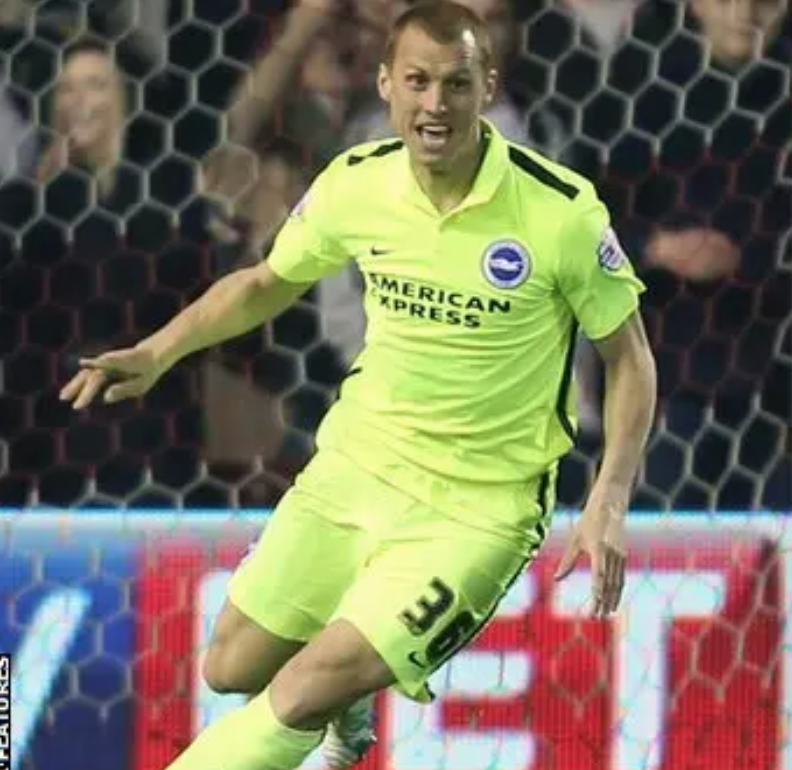
With his right foot this time, he drilled the ball in from 12 yards giving Albion a fourth win in five games which extended their unbeaten run to nine games.

“We felt that the game was becoming open and we felt we could bring players off the bench who could influence the game,” said Hughton. “One thing about Steve Sidwell is that he can break forward from midfield. I did not bring him on for that, but I am very glad he did it.”

Back to that game for Villa in 2008; moments after kick-off, Everton’s Mikel Arteta lost possession to Ashley Young. He fed James Milner who in turn found Sidwell. Finding himself with a sight at goal from 25 yards, he buried a stunning shot past Tim Howard. In an extraordinary end to the game, Young, who had scored Villa’s second, got a 94th-minute winner for the visitors after Joleon Lescott thought he’d salvaged a point in the 93rd minute, netting his second of the game. 
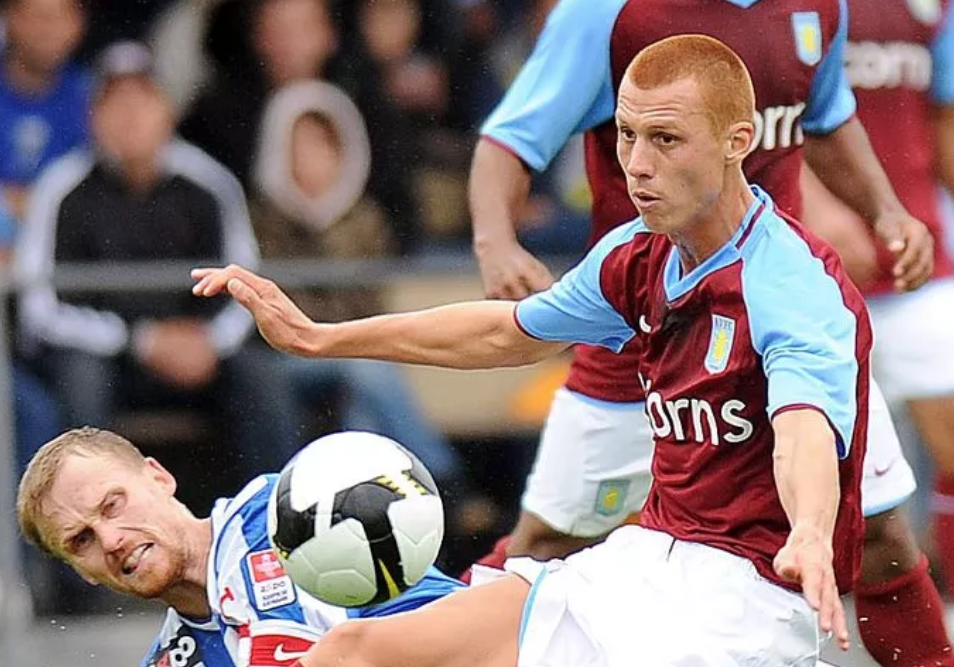
That opener at Goodison was a rare highlight for Sidwell in what overall was an unhappy two and a half years at Villa.

Sidwell had first caught Villa boss Martin O’Neill’s eye when he scored twice for Reading in a 2-0 home victory over Villa in February 2007.

O’Neill tried to land him before he opted to join Chelsea (the team he’d supported as a boy) and, by all accounts, predecessor David O’Leary had also tried to sign him.

So, it appeared to be a case of third time lucky when in July 2008 O’Neill took him for a reported £5million fee from being a Chelsea benchwarmer and gave him a three-year contract.

Sidwell during his first Albion spell

After success at Reading, where he had been reunited with Steve Coppell (who’d had him on loan at Brentford and Brighton as a young Arsenal player, as covered in my 2017 blog post), Sidwell had a disappointing season at Stamford Bridge, where he made just seven Premier League starts. 

Managerial change didn’t help his cause: he’d been signed by Jose Mourinho who left early in the season to be replaced by Avram Grant.

Sidwell later admitted: “I left for Aston Villa in search of regular football. In hindsight, I wished I’d stayed another six months because Luiz Felipe Scolari came in and you never know what might have happened then.”

At the time, Sidwell told Villa’s official website: “For me personally, it’s about getting back and playing. I have had a year of not playing as much as I would have liked so to get out on the pitch is the first aim.” 

Although he played in both legs of the InterToto Cup tie against Odense in July, knee and calf problems delayed his league debut until the end of October which he marked with a goal after going on as a late substitute in a 4-0 win at Wigan Athletic. That and the strike at Everton were two of four league and cup goals he scored for Villa that season when his 25 appearances (20 starts + five as sub) would ultimately amount to nearly half the total he made for the club: 37 starts + 27 as sub.

He didn’t add any more goals in the claret and blue and in the remainder of his time at Villa Park he was never really a regular, eg in 2009-10 only 14 of 33 appearances were as a starter and in 2010-11, three of six under Gérard Houllier.

Although he and O’Neill clashed on occasion, the Northern Irishman did say: “I’ve been very happy with him. It’s just that other players playing in positions all over the place have been playing brilliantly. Some people are playing out of their skin at this minute in our team. But I’ve been very pleased since he’s arrived at the football club.”

Sidwell’s former Reading teammate Nicky Shorey, who’d joined him at Villa Park, had high expectations of him ahead of his second season, telling the Birmingham Mail: “I don’t think Villa have seen the best of him yet. It’s been a strange season for Siddy. He’s been out injured for long periods and he’s picked up niggles here and there. I don’t think he’s ever had that before.

“For as long as I’ve known him, he’s never really been injured, so I think that’s something new for Siddy to try and learn from.”

Shorey said Sidwell had remained positive and upbeat around Bodymoor Heath and Villa Park and reckoned: “When he comes back for pre-season and hopefully has a good pre-season you’ll see the best of him and I think everyone will be impressed with how well he can do.

“When you know Siddy, that’s all he ever does – trains and plays with a smile. You haven’t got any worries with him on that count. He just keeps going and he’ll be fine. He’s just an all-round good midfielder and I’m sure he’ll show that before too long.”

Sidwell found himself competing for a midfield place with the likes of Milner (before his move to Manchester City), Gareth Barry, Stiliyan Petrov, Nigel Reo-Coker and Craig Gardner. He revealed later that he’d fallen out with O’Neill and at one point he went on the transfer list.

After O’Neill quit in protest at the sale of Milner to City, and ahead of Houllier’s appointment, Sidwell hoped to be given a new lease of life in claret and blue.

He overcame an Achilles’ problem and declared himself raring to go after playing 90 minutes in a 4-0 reserve team win over Blackpool at Bodymoor Heath.

“I feel I’ve shown glimpses,” he told the Birmingham Mail. “In the previous years, there have been good games and some poor games.

“If I get a run of games, I am sure I can perform to the best of my ability. Hopefully, now, whoever takes charge I will just get an opportunity and I will take it.

“It is going to be tough but it is down to individuals to perform in training, perform in reserve games and show the manager you are worthy of a start.

“Once you get that, you have to take it with both hands. Fitness wise, I’ve been training really well and looking sharp. It is just games that I need. I wasn’t unfit before the injury took place.”

When the Mail spoke to him ahead of a second city derby at the end of October 2010, Sidwell sought to exploit a two-month injury absence for Petrov saying: “It is all about opinions.

You don’t play under certain managers. Under certain managers you do get a chance.

“Once you get a chance it is about taking it and staying in the team.”

Sidwell started the game but was replaced by young Barry Bannan in the 58th minute of the dour goalless draw – and it turned out to be his last game for Villa (he was an unused sub away to Fulham the following week).

It was in a 2018 interview with Donald McRae of The Guardian that Sidwell revealed the extent of his disillusionment at Villa, telling the journalist: “When I was at Aston Villa I was on the most money in my career. But that was when I was at my unhappiest. I was living in Birmingham away from my wife and family.

“My middle son caught meningitis and was in hospital. The football never really took off and me and Martin O’Neill clashed. So, it was a combination of things.”

Released on a free transfer in January 2011, after being deemed surplus to requirements by Houllier, Sidwell joined Fulham – which is a story for another blog post.

After three years with the Cottagers, he followed ex-Fulham boss Mark Hughes to Stoke City and it was from there that he made his initial return to Brighton, on a half-season loan. 
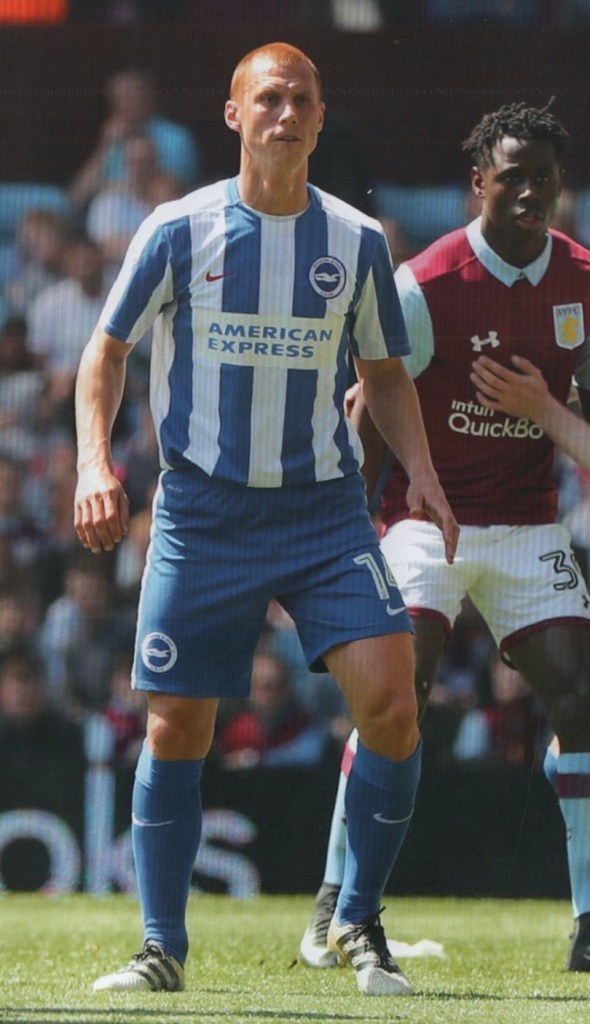
Sidwell in action for Albion against Villa

In clinching his signing in January 2016, Hughton told the Albion website: “Steve is an experienced player who has played virtually his entire career in the Premier League. He knows this club, as well as a few of the squad and will supplement our existing midfield options.

“Beram Kayal, Dale Stephens, Andrew Crofts and others have been excellent in midfield for us this season, but we also need to make sure we have good options in every position of the team, and options which will be enough for us through until the end of the season.

“Steve brings that, and in addition, he is another experienced head; he is a player who’s proven at the very top level of English football. Brighton fans will know Steve is also a great athlete and top professional.”

Although he only made six starts, Sidwell went on as a sub 13 times in that half-season. When Albion had to endure the end-of-season play-offs after missing out on automatic promotion by only drawing (1-1) the last game of the season at Middlesbrough, it was Sidwell who stepped in to fill the boots of Stephens, who was suspended after his controversial sending off by Mike Dean at the Riverside Stadium.

Unfortunately, Sidwell was one of four Albion players who had to go off injured in the 2-0 play-off first leg defeat at Sheffield Wednesday. He suffered ligament damage but was taped up and given medication to enable him to play in the home tie, although he later admitted: “I should never have played really.”

He reckoned the Amex atmosphere for that game was the best he’d ever been involved in. In spite of a valiant effort, it ended in a disappointing 1-1 draw although Sidwell said: “I ended up playing one of my better games in a Brighton shirt, which maybe cemented a contract for the following season.”

Released on a free transfer by Stoke, Sidwell signed on a permanent basis for the Seagulls and was a key component in the side that won promotion from the Championship in May 2017. He made 29 starts plus eight substitute appearances that campaign.

“The whole reason behind my return was to help the club into the Premier League,” he said.

Sidwell was on the bench as Albion began life amongst the elite but after that “a slipped disc, surgery, and then before you know it your career’s gone.”

Sidwell later admitted: “It was really hard. I came here to do a job, to get the football club into the Premier League, and then it was time to go and enjoy it. I thought I had two or three years left, but that was cut very short.”

Recognising he was blessed to have enjoyed a 20-year career, he nonetheless said: “To not really say goodbye to football, something I’d done since I left school, and also to Brighton, was really disappointing.”

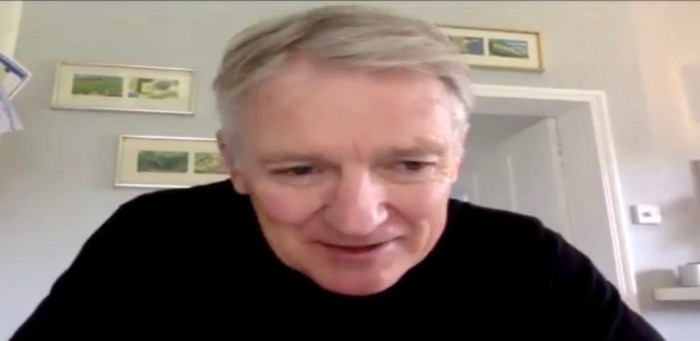
He stayed on at Albion as under-16s coach (right) for a while but increasingly his work as a pitchside pundit for live TV coverage of matches took up more of his time. He is also now a regular co-host of the popular That Peter Crouch Podcast.

Sidwell is also business development director of Box3 Projects, a company that constructs and designs office spaces to be rented out or sold.

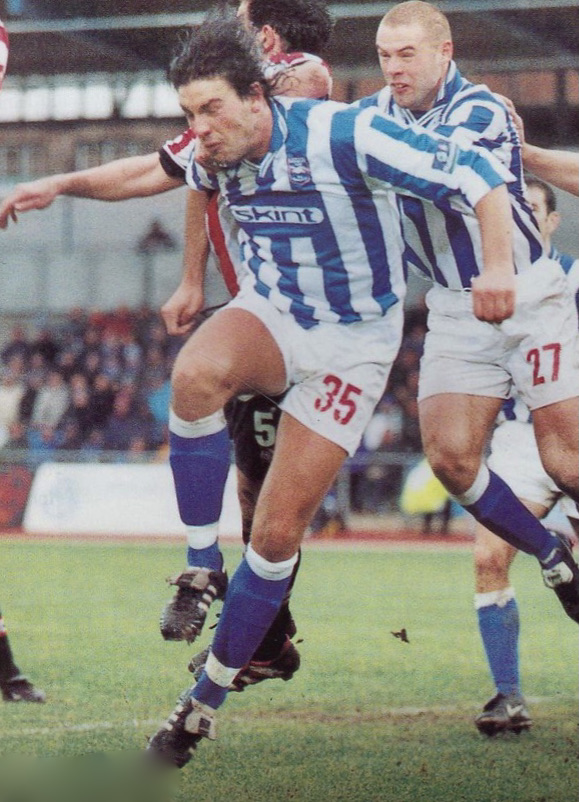
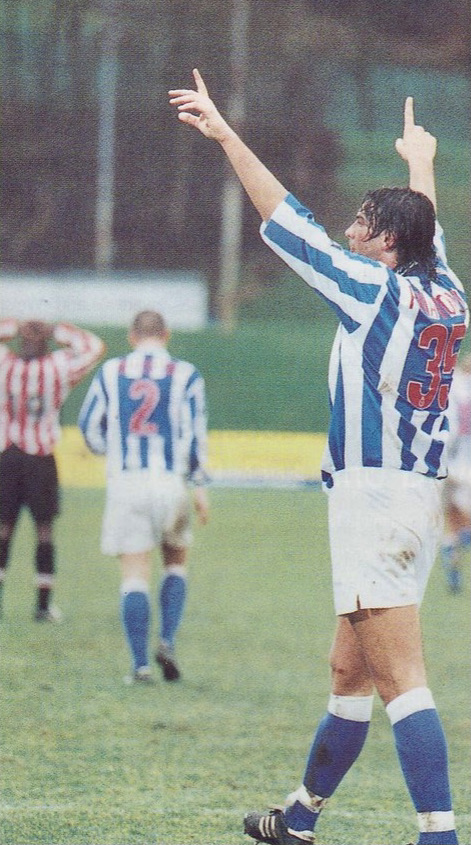
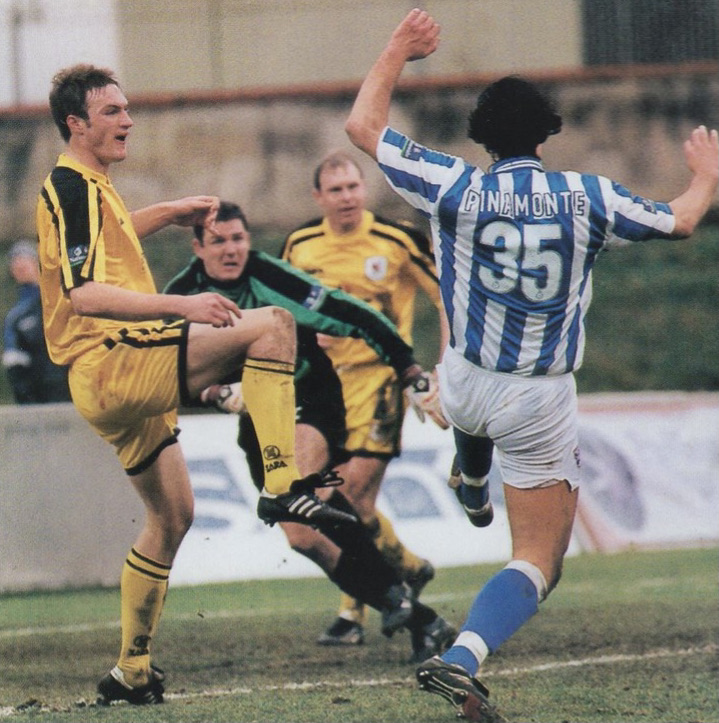
The strange tale of Lorenzo Pinamonte, a gentleman of Verona

IF CASH-STRAPPED Brighton hadn’t been outbid by Brentford for a little-known Italian striker in the opening months of the 21st century, a teenage forward who went on to earn a place in the club’s history might never have appeared in an Albion shirt.

‘If only’, ‘but’ and ‘maybe’ preface many a football fan’s dashed hopes but in the case of Lorenzo Pinamonte, it seems the Gods were smiling on the Seagulls.

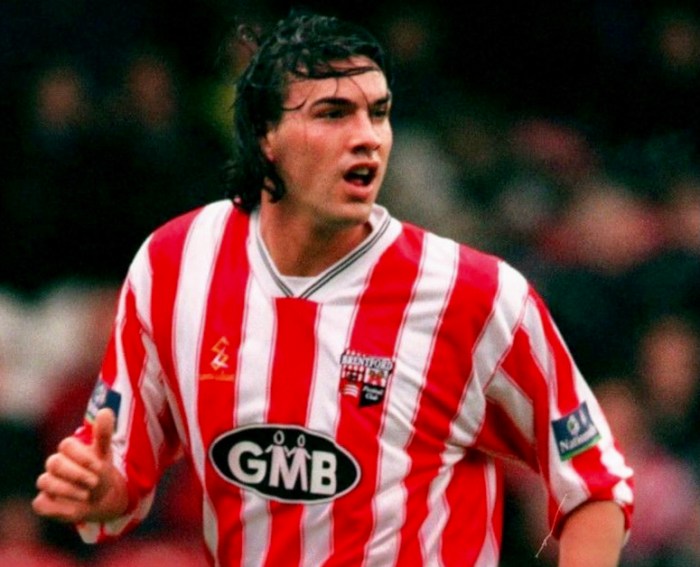
The imposing Italian scored only three goals in 26 appearances for the Bees after their £75,000 gazumped Albion’s bid to take him permanently from Bristol City.

Thankfully Brighton’s fortunes were vastly improved by the chap they signed instead: a raw reserve at City’s neighbours Rovers called Bobby Zamora!

Let’s go back to the last month of the 20th century. After a spectacular start to life back in Brighton following the two-year exile playing home games at Gillingham – including an opening day 6-0 crushing of Mansfield Town – mid-table Albion were struggling to find the back of the net with any consistency.

Twice-red-carded striker Darren Freeman missed multiple games through suspension, former soldier David Cameron struggled to cut it at leading the line, and former England Youth international Aidan Newhouse didn’t live up to Micky Adams’ expectations either.

That’s when Adams turned to the first Italian to represent the Albion, 22-year-old 6’3” Pinamonte, who was struggling to get a game under Tony Pulis, then boss of the relegated Robins (they’d dropped down to the third tier the season before).

He made his debut for ‘flu-hit Albion away to Swansea City on a rainy night at the Vetch Field, only meeting his teammates for the first time when being picked up en route to Wales for the game.

“Pinamonte led the line as a lone striker,” recalled wearebrighton.com. “A thankless task was made even harder when the Albion were reduced to 10 men following a red card for Jamie Campbell with only 25 minutes played.”

While makeshift Albion lost 2-0 to the Swans, their run of defeats was halted courtesy of a 1-1 Boxing Day draw at home to Barnet and a last game of the century 3-1 win at Rotherham. The 3 January match at home to Exeter City not only famously saw Freeman score the first football league goal of the 21st century, it also featured a brace from the lanky loan signing as Albion won 4-2.

It seems Adams had seen enough to want to make Pinamonte’s move permanent, but matters became complicated when Pulis decided to quit the Robins and take over at Portsmouth.

Because the departing manager’s successor may have had a different view of the striker, he signed on loan for a second month, rather than permanently, Adams telling the Argus: “We are pleased to keep Lorenzo for another month. The situation at Bristol won’t be resolved for a few weeks, so a permanent deal is up in the air.”

The same article declared that Pinamonte wanted to join Albion permanently but the bid put in by chairman Dick Knight was below the asking price, and Brentford, a division above Albion at the time, had also made an offer.

Pinamonte unsurprisingly felt in limbo and confessed to being distracted when he played in a 1-0 defeat against Leyton Orient.

“In your mind you wonder what is happening, whether you are going to stay or go, so there was a little bit of confusion.

“That probably affected me. I was thinking about it, and perhaps not concentrating,” he said. “I think I have done well so far, but not in that game.”

Cover boy Lorenzo

The turn round in form took the Seagulls to within five points of a play-off place but Pinamonte’s head was turned by the chance to play at a higher level and Brentford eventually got their man.

Offered a lucrative three-and-a-half-year contract at Griffin Park, Pinamonte admitted to the Argus: “I am a little bit upset to be leaving and I would love to come back in the future. I wanted to stay but for my future it is better to leave. Money talks and I will be playing in a higher division.”

A disappointed Adams admitted he would have to look elsewhere for a big, hold-up striker. “We thought Dave Cameron would come in and be that big centre forward and Aidan Newhouse also. Unfortunately Dave prefers the ball into his body and feet so he can jink and turn.

“Big Lorenzo came in and gave us that other option. Gary Hart and Darren Freeman gambled off him. Now that he has gone, to get the best out of them and the other forwards at the club, we may need to bring another big man in.”

Adams later told Greville Waterman, one of the voices of authority on all things Brentford: “We were going through an indifferent spell and struggling for a big centre forward. David Cameron wasn’t up to it and we had been outbid by Brentford for Lorenzo Pinamonte, so I called Ian Holloway at Bristol Rovers who told me: ‘I have got a young lad who’s been on loan at Bath City. He’s only 19 and as raw as anything, but he has scored a few goals for them.’

“I was not totally convinced but we were desperate and the clincher was when Ian told me he was only earning £140 per week, so I said ‘send him down,’ and the rest is history!”

For his part, Pinamonte reflected some years later that his time at Brighton probably just came too early in his life. “Maybe if I had gone when I was 25 or 26 it would have been different for me,” he told Brian Owen of the Argus in 2016. “I enjoyed England but it probably came too early for me. I was there alone and I was very young.”

Pinamonte’s time at Brentford certainly divided opinion. ‘Smilely’ on griffinpark.org described him as “Lorenzo Pinthetailonthedonkey” but ‘Saffrey’ on the same platform said: “I think he’s been unlucky with (Ron) Noades as he was never really given a chance, as Uncle Ron brought in that donkey Steve ‘Murray’ Jones, when he should have given Pinamonte, who had recently joined the club, a decent run out.”

The Bees lured Pinamonte from Albion’s grasp – thankfully

‘Chalfont Bees’ reckoned: “All I’ve seen of Lorenzo is him getting booked or worse. He just doesn’t seem to be good enough at the moment and I can’t see him improving. I say cut our losses and get rid of him so as to give other strikers a chance.”

And ‘Holysmith’ opined: “Although Pinamonte hasn’t done much, he has a good strike rate for the amount of time he has played for Brentford. The problem is he doesn’t move about much.”

In the 2000-01 season, Pinamonte went out on a mid-season loan to Leyton Orient and at the season’s end he was released by Steve Coppell.

As he explained in that 2016 interview with Brian Owen, he then returned to Italy and spent eight years playing in the Italian third division until retiring as a pro at the age of 31.

Born on 9 May 1978, a gentleman of Verona (Caprino Veronese to be precise), the young Pinamonte was with southern Italy side Foggia before trying his luck in England. He joined Bristol City on a free transfer in the 1997-98 season.

In City’s disastrous 1998-99 season, when they were relegated from Division One (now the Championship) in bottom place, Pinamonte celebrated his 21st birthday by scoring the only goal of the game on his debut as Norwich City were beaten at Ashton Gate in the last fixture of the campaign.

With their fate already sealed and with an eye to the following season, Swedish manager Benny Lennartsson, who had won only five of the 30 games he’d taken charge of, chose to blood a few youngsters and handed Pinamonte his debut up front alongside £1.2m signing Ade Akinbiyi.

Five minutes before half time, the City faithful finally had a moment to cheer, as Bristol Evening Post reporter Richard Latham recorded. “Akinbiyi, made captain for the day against the club who launched his career, headed down a Micky Bell corner and Pinamonte stuck out a long right leg to find the top corner of the net from close range.”

Lennartsson was relieved of his duties at the end of the season and two months later he was replaced by former Gillingham boss Pulis, who sent the young Italian striker on a fruitless loan at Carlisle United (he didn’t play a game) before answering Brighton’s call for reinforcements.

Off the field, Albion’s matchday programme informed us how Pinamonte was staying at the Courtlands Hotel in Hove during his temporary stay where the manager was Italian Jo Guiseppe-Messina, and he had also enjoyed the hospitality of Angelo Cavalli, the owner of Topolino Duo restaurant in Hove.

Apart from scrapbook memories of his time with the Albion, Pinamonte continued his friendship with Cavalli; the restaurateur had been to visit him at the hotel at Lake Garda that he ran after his professional playing days were over.

‘Film star’ defender Osman’s cameo role for the Seagulls

RUSSELL OSMAN achieved lifelong fame for his appearance in the much-shown 1981 prisoner of war football film Escape to Victory but 17 appearances for Brighton in the latter stages of his career have largely been forgotten.

A cultured central defender who played in the same side as Jimmy Case at Southampton won 11 England caps at the peak of his game when a key part of Bobby Robson’s Ipswich Town side of the early 1980s.

He was 36 by the time he arrived on a monthly contract at third-tier Albion in September 1995 and what was happening on the pitch at that time was largely overshadowed by events off it.

News was emerging that the Goldstone Ground had been sold, leading to manager Liam Brady quitting in disgust in November 1995, passing on the reins to Case, who very reluctantly took on the job.

With Steve Foster and Stuart Munday struggling with injury, Brady brought in the experienced Osman to play alongside Paul McCarthy. His debut came in a 4-1 Auto Windscreens Shields game away to Cambridge United, the first of 12 successive games before Munday returned towards the end of November when Osman picked up a hamstring injury.

Meanwhile, Case pointed out in his first programme notes as manager, for the FA Cup game at home to Fulham on 14 December: “There is no secret he would still like to get back into management and we are happy to leave his position as it is on a month-to-month basis.”

Osman was back in the side for the 1-0 Boxing Day win away to Brentford and kept his place for the next two matches. But with Ross Johnson taking on the no.5 shirt, Osman got only one more start: in a 0-0 draw away to Hull City. He made one appearance as a sub in place of McCarthy and was twice a non-playing sub. As he turned 37, he took the opportunity to switch to Cardiff City, which, as the match day programme noted, was a lot closer to his Bristol home.

Born on 14 February 1959 in Repton, Derbyshire, Osman eventually followed in his dad Rex’s footsteps in becoming a professional footballer (Osman senior played for Derby County in the ‘50s), but it was rugby at which Russell excelled during schooldays at Burton on Trent Grammar. So much so that he played for England at under 15 level and captained his country as an under 16.

However, the sports-mad youngster also played football for his village team and when they reached the final of the Derby & District Cup, he was watched by Bobby Robson’s brother Tom, who lived in the area. “He came down and watched the game, we won the final and the next thing I knew I had a call from Ipswich to go on trial,” Osman said in an interview with the East Anglian Daily Times. “The rest is history. They were very good at getting kids to go on trial and they went that extra mile to make sure we were looked after and treated well.”

Osman recalls many aspects and anecdotes of his career on a blog, Golf, Football and Life, and he said he would be forever grateful for the dedication shown by Ipswich’s youth team coach, Charlie Woods, who became Robson’s right-hand man throughout his career.

“Charlie used to drive from Ipswich to my dad’s pub in Repton on a Friday to pick me up and take me back down to Ipswich, putting me up for the night in his and Pat’s house, just so that I could make the game on a Saturday morning,” he wrote. “I doubt that you would get many coaches who would make an eight-hour round trip just to get a schoolboy to a game.”

Osman became an apprentice at Portman Road in July 1975 and signed on as a professional in March 1976. Eventually, he and Terry Butcher took over the centre back roles previously filled by Northern Ireland international Allan Hunter and England international Kevin Beattie.

Osman in action for Ipswich against Arsenal’s Liam Brady, later to become his boss at Brighton

The 1980-1981 season was certainly momentous in Osman’s life. He played in 66 matches (including four for England) over the course of the season as Ipswich won the UEFA Cup, finished runners-up in the old First Division and reached the semi-finals of the FA Cup.

For a large part of the season, Town looked like they would win the First Division title for the first time since 1962 under Alf Ramsey but only three wins from the last 10 matches meant they had to settle for second place, four points behind Aston Villa.

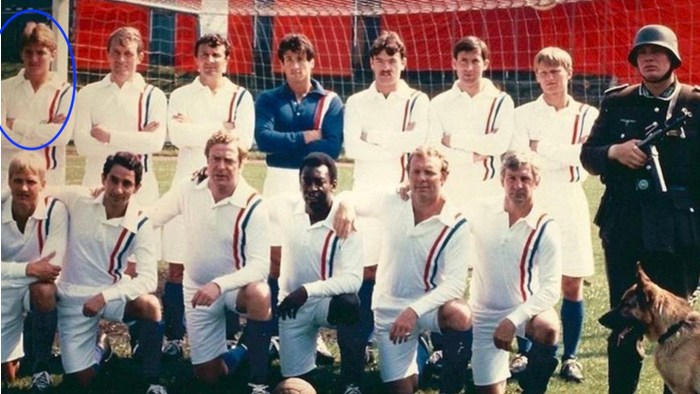
At the end of the season, Robson asked the squad if any of them fancied spending the summer playing more football to help make a feature film. Osman and teammates John Wark, Kevin O’Callaghan, Robin Turner, Laurie Sivell, Paul Cooper and Beattie jumped at the chance and spent five weeks in Budapest making Escape to Victory, directed by the legendary John Huston.

The Escape to Victory football team which featured Osman (back, left)

Osman played the part of prison camp inmate Doug Clure and he has since talked and written about the experience, in July 2021 remembering the experience in an interview with a BBC reporter. Osman recounts how the Ipswich lads and other professionals such as Bobby Moore, Pelé, Mike Summerbee and Ossie Ardiles played football scenes alongside established actors Michael Caine and Sylvester Stallone.

Beattie was Caine’s ‘double’ in the football scenes and Cooper helped Stallone with goalkeeping skills. Turner and Sivell played for the German team and Osman, Wark and O’Callaghan had speaking roles.

“Michael was brilliant, he made all the lads feel at home on set by telling a few funny stories and taking all the tension out of the situation,” said Osman. “I managed to deliver my lines and we were off and running, literally.”

Osman’s first international football recognition came for England under 21s in February 1979 as a substitute for Billy Gilbert in a 1-0 win over Wales at Swansea. In September the same year, he got his first start at that level alongside his Ipswich teammate Butcher (in a 1-0 win over Denmark at Vicarage Road).

The first of Osman’s 11 full England caps came on 31 May 1980, in a 2-1 win v Australia in Sydney which was the game in which Peter Ward made his one and only appearance for the full England side, appearing as an 82nd minute substitute for Alan Sunderland.

Osman was 21 at the time and he went on to play in five competitive matches and five more friendlies, rather curiously only playing for his country on home soil three times, and only being on the winning side twice, both times against Australia.

Osman did make a couple of appearances for the England B side: on 26 March 1980 he played in a 1-0 win over Spain at Roker Park, Sunderland (Joe Corrigan was in goal) and later the same year, on 14 October, he was in the B team that beat the USA 1-0 at Old Trafford.

He had been in Ron Greenwood’s provisional squad of 40 for the 1982 World Cup but was not included in the final 22, Albion’s Foster getting the nod instead as reserve centre back.

Osman’s last international was on 21 September 1983, when England lost 1-0 to Denmark in a Euro 1984 qualifier, by which time his former club manager Robson had taken over from Greenwood, who’d given Osman his first six caps.

Although Ipswich challenged at the top of the First Division in 1981-82, they once again finished four points behind the champions, this time Liverpool, and after Robson left to take on the England manager’s job, the side was gradually broken up. Osman and Eric Gates both left in 1985.

After making 385 appearances for Town, Osman signed for Leicester City for £240,000 where he played 120 games under three different managers: Gordon Milne, Bryan Hamilton and David Pleat.

When the Foxes dropped down to the second tier, it was Southampton, and manager Chris Nicholl, who gave Osman – at 29 – the chance to play at the top level again.

A tribunal-determined fee of £325,000 took him to The Dell where he made his debut in the opening match of 1988-89, a 4-0 win over West Ham. He initially partnered Kevin Moore at the heart of their defence, then later Neil Ruddock.

“At Southampton I played just behind the great Jimmy Case, and what an experience that was,” Osman recalled. “Every day there would be something that made you smile about playing with Jimmy; well, it did if he was on your side anyway. Hard as a rock, cute and clever as a footballer, better than people gave him credit for, a wonderful passer of the ball. Sometimes his playing ability was overshadowed by his extravagances off the pitch!”

The Southampton FC player archive enthusiastically records Osman’s time with the Saints, which was largely successful at first. With Alan Shearer, Rod Wallace and Matt Le Tissier scoring the goals, the side finished seventh in the table. But they couldn’t sustain that success the following season and Nicholl was sacked. Writer Duncan Holley on sporting-heroes.net recalled: “One of the manager’s last actions had been to sanction the signing of Jon Gittens from Swindon and Russell had been displaced for the final run in.”

Nicholl’s successor, Ian Branfoot, picked Osman at left-back for the opening four games of the 1991-92 season but, as Osman told Ian Carnaby in a 2007 interview: “The day Ian Branfoot walked through the door, my Southampton career was over. All those years I’d been a centre-half, but he thought I’d make a good left-back.”

Osman joined Bristol City on loan initially before making the move permanent for a £60,000 fee, and he put down roots in the city. After about a year as a player, manager Jimmy Lumsden was sacked and Osman, as a senior player, was asked to take temporary charge.

However, Denis Smith, sacked as Sunderland boss in December 1991, took over at City in March 1992, with Osman named player-assistant manager. In a 2020 Facebook interview, Osman somewhat sharply said: “Denis Smith didn’t last too long because he wasn’t a very good manager, so they offered me the job.”

That happened in January 1993 and he remained in the manager’s chair at Ashton Gate just short of two years. He steered City to mid-table finishes in 1993 and 1994.

A look through City fans’ forum One Team In Bristol (otib.co.uk) reveals mixed opinions about Osman’s time in charge although some believed he was dealt a raw hand by the Ashton Gate hierarchy. It was said he was dismissed after the directors called him in and said they wanted European football within 10 years. Under Osman’s successor, Joe Jordan (appointed in November 1994), the Robins were relegated.

One significant highlight from Osman’s City reign was leading them to a shock 1-0 win at Anfield in a FA Cup third round replay in January 1994, a result which brought an end to Graeme Souness’ time as Liverpool manager.

Hailed as “the class of ‘94 etching their names into the club’s roll of honour” the achievement was apparently masterminded in the club’s canteen a few days earlier when Osman and his assistant Tony Fawthrop decided to deploy Brian Tinnion just behind the strikers instead of out wide, and he ended up scoring the only goal of the game.

After Osman’s departure from Ashton Gate, his next stop was Plymouth Argyle, where his old Ipswich teammate Steve McCall was a key player in Peter Shilton’s side.

When Shilton left, McCall took charge of the Pilgrims for two months as temporary player-manager, then Osman took over the running of the side for the last few weeks of the season. However, because of an ongoing legal case with Bristol City, Osman couldn’t be given the title manager or receive payment. He was known as ‘adviser of team affairs’. The arrangement didn’t last, though, because Argyle appointed Neil Warnock as manager that summer.

It was three months later that Osman took up Brady’s offer of a return to playing with Brighton. After moving on from the Goldstone in February 1996, Osman signed for Cardiff City as a player.

Team manager Phil Neal left to become Steve Coppell’s assistant at Manchester City in October 1996, director of football Kenny Hibbitt took charge for a month, then Osman ran the side for a month. He took the managerial reins in time for a first-round FA Cup clash with non-league Hendon. The Bluebirds made hard work of a 2-0 win, but earned a second-round tie against Gillingham, which they lost 2-0.

Osman remained working under Hibbitt until January 1998 when, according to one observer, he “departed due to draw fatigue” (over the season, City drew an astonishing 23 matches out of 46, only winning nine times) and was replaced by the returning Frank Burrows.

Direct involvement in the game has since been sporadic. He and Kevan Broadhurst were appointed as caretaker managers of Bristol Rovers until the end of the season on 22 March 2004 but they were only in charge for just over a month as former Oxford United boss Ian Atkins was appointed manager on 26 April.

Three years later, former Southampton teammate Paul Tisdale recruited Osman as interim assistant manager and, between February 2011 and August 2013 he was assistant academy coach back at Ipswich when ex-Albion striker Sammy Morgan was the academy manager.

Osman had a hand in Ipswich taking on Tyrone Mings. Mings was playing for the same non-league Chippenham team as Osman’s son Toby and Osman senior recommended him to Town boss Mick McCarthy, as he explained to the East Anglian Daily Times.

After he left Ipswich, Osman embarked on a co-commentator / pundit career covering Indian football, initially working alongside the veteran commentator John Helm. It involved travelling extensively in India although he was latterly based in a Mumbai studio – until Covid-19 restrictions intervened.

One brief hiatus to that career came in the summer of 2015 when he was invited by his old Ipswich defensive partner, Butcher, to be his assistant at Newport County. Unfortunately, the partnership was short-lived. They were sacked just a few months into the new season after a string of poor results.

Pundit Osman meets up with ex-Albion boss Steve Coppell, boss of Kerala Blasters

Aside from sharing his views on Indian football, ever the all-round sportsman Osman is a keen golfer, cyclist and runner, and espouses the energy and recovery powers of a juicing diet, having fresh vegetable juice and fruit juice smoothies every day.

Osman uses his blog to cover a variety of topics, he has 5,100 followers on Twitter, and, during lockdown in 2020, took part in an interesting online interview with India-based The View and Reviews Show.

Osman shares thoughts about his career and the wider game in an online interview

“I have worked in the media for 20 years now,” Osman said in an interview for Kings of Anglia magazine. “I worked for Eurosport, starting prior to the Euro 2000 championships and I go a long way back with them and the BBC. I also started working in India through a contact I made at Eurosport about 15 years ago.”

Pictures from a variety of online sources, and matchday programmes.

Ex-Clarets boss Steve Cotterill not always ‘Mr Popular’

FORMER Burnley manager Steve Cotterill hasn’t always been popular during a nomadic football career that’s taken him the length and breadth of the country.

But he made a lasting connection with Brighton fans after impressing during an all-too-brief playing spell in 1992.

“I thoroughly enjoyed my time at Brighton and, whenever we’ve gone there, I’ve always had a great reception from their supporters. They’ve been terrific,” he wrote in his programme notes prior to a Cheltenham v Brighton fixture.

Injury curtailed Cotterill’s playing career – he endured 18 knee operations – but he made up for it by taking charge of nine different clubs over a period spanning more than 20 years.

His three years and seven months keeping Burnley in the second tier while seeing key players sold or injured was largely recognised as a decent achievement in the circumstances. Many of his other appointments were a lot shorter, and at times acrimonious.

Starting out as a player on the non-league circuit, it was Cotterill’s prolific scoring for Burton Albion (44 goals in 74 games) that prompted Wimbledon to snap him up in 1989.

Unfortunately, he sustained a serious cruciate ligament knee injury that halted his progress with the Dons and Albion boss Barry Lloyd gave him a lifeline to try to resurrect his career with the Seagulls.

Against a backdrop of financial instability, Lloyd had struggled to find adequate replacements for the prolific Mike Small and John Byrne in the 1991-92 season. Mark Gall, signed from Maidstone, offered a glimmer of hope, but Raphael Meade and Mark Farrington were disappointing to say the least, and Albion had been relegated back to the third tier a year after being one game from winning their place back amongst the elite in a play-off final against Notts County.

As the 1992-93 season got under way, Gall was unavailable due to a knee injury that eventually forced him to retire, Meade had departed and questions continued over Farrington, so Lloyd turned to loan signings Cotterill and Paul Moulden from Oldham Athletic.

It looked like he’d cracked it as the pair combined well and started scoring goals. Indeed, Cotterill scored four in 11 games, which was a promising start. Unfortunately, parent club Wimbledon wanted the sort of fee for him that cash-strapped Albion couldn’t afford, so he returned to south west London and eventually moved on to Bournemouth the following summer for £80,000.

In an interview with the Argus in October 2016, Moulden told Brian Owen: “One of the reasons I loved playing for Brighton was Mr Banter himself, Steve Cotterill. We met up like we had never been apart. I’d start the banter and he’d finish it or vice versa.

“We destroyed many a centre-half partnership during that three months. I was gutted to leave. I mean that very sincerely – absolutely gutted. I couldn’t believe nobody would have bought me and Steve as a pairing.

“We were both out of favour with our clubs and we hit it off so well. But it wasn’t to be – at Brighton or at any club.”

Born in Cheltenham on 20 July 1964, Cotterill’s injury-ravaged playing career came to a close at Dean Court. He’d won the player of the year title three times and scored 18 goals in 55 starts for the Cherries, but another knee injury finally put paid to his playing career, and he turned his attention to managing.

His first assignment was in Ireland where he succeeded his former Wimbledon teammate Lawrie Sanchez at League of Ireland’s Sligo Rovers. But his hometown club Cheltenham Town offered him a management opening back in England in 1997, and he steered them from Southern League football into the Conference and then into the bottom tier of the Football League. He twice won the Manager of the Year title and earned another promotion, to the third tier, via a play-off final victory over Rushden & Diamonds.

After leaving Cheltenham, Cotterill had a controversial five-month, 13 game stay as Stoke City boss at the start of the 2002-03 season before quitting to join Sunderland as Howard Wilkinson’s no.2. In May 2020, Cotterill endeavoured to explain to the Stoke Sentinel the circumstances surrounding his tenure, and the board interference regarding players.

The stay on Wearside was also short lived, with the pair being dismissed after only 27 games in March 2003.

The collapse of ITV Digital coincided with Cotterill taking over from Stan Ternent as Burnley manager in the summer of 2004. When he joined, they had only eight players on the books and, despite reassurances to the contrary, within six months Robbie Blake and Richard Chaplow, who he’d hoped to build a team around, had been sold.

When Blake’s replacement Ade Akinbiyi started scoring on a regular basis, he too was sold, and when he returned to the club later, he wasn’t the same player in front of goal.

Even after Cotterill had left, Burnley directors acknowledged the platform he’d provided for their eventual elevation to the Premier League under Owen Coyle.

The excellent uptheclarets.com, summed up his time at Turf Moor, thus: “He kept us in the second tier of English football for three years and that, looking back, was some achievement in, at times, difficult financial circumstances.”

It probably said something about the Championship that when Cotterill finally departed Turf Moor in the autumn of 2007, he’d been its longest serving manager at three years and seven months.

The following year, Cotterill was offered the opportunity to try his hand in America with Minnesota Thunder but work permit issues meant it never materialised. He didn’t resurface in the English game until 2010, when he enjoyed a short but successful reign – five months in charge of Notts County. He took charge on 23 February 2010 and they were crowned League Two champions on 27 April. A month later Cotterill was on his way, appointed in June 2010 as the manager of Portsmouth.

He helped to stabilise the then Championship club against a background of financial troubles and other clubs began to cast eyes on his achievements. The persistence of Nottingham Forest finally paid off and he moved there in October 2011, but a change of ownership of the club spelled the end of his time by the Trent.

In July 2012, he was only nine months into a three-and-a-half-year contract at Nottingham Forest when the owning Al-Hasawi family decided to relieve him of his duties and go in a different direction.

He was out of the game for six months but in January 2013 accepted Harry Redknapp’s offer to join the coaching team at Queens Park Rangers until the end of the season.

He turned down the chance to stay in post the following season and in December 2013 took charge of League One Bristol City, signing another three-and-a-half-year contract.

In his second season at Ashton Gate, he steered City to promotion from League One as champions and they won the Football League Trophy. It earned Cotterill the League One Manager of the Year award.

As with other times in his career, Cotterill found his club’s better players were sold, ultimately weakening the squads he was in charge of. For example, when Sam Baldock moved from Bristol City to Brighton. Cotterill told bcfc.com: “He was a very good captain and very good goalscorer; we were sorry to see him go…that happens in football.”

Ultimately, as City struggled to attain the same level of success in the Championship as they’d experienced in the division below, Cotterill was sacked in January 2016.

Perhaps to prove the point about Cotterill not always being everybody’s cup of tea, former Albion defender Adam El-Abd vented his feelings in September 2020, explaining why he fell out of love with football following a bust-up with the manager only a short time after he moved to Bristol City.

With only three matches of the 2016-17 season left to play, Cotterill once again was grateful to Redknapp, by now manager at Birmingham City, and he joined him there as first team coach.

He subsequently left in the close season in the hope of landing a manager’s role in his own right. Ironically, that opportunity arose back at St Andrews when Redknapp was sacked in October 2017.

Cotterill told The Sun’s Graham Hill how he felt he had mellowed after 20 years in the hotseat at various clubs, although, at the time, he probably didn’t expect to be out of work again five months later.

After leaving Birmingham in March 2018, Cotterill ruptured a disc in his neck while trying to keep fit but in an interview with gloucestershirelive.co.uk declared himself fit and ready for the next challenge.

That challenge emerged in November 2020 when Cotterill took charge of League One Shrewsbury Town but he faced a bigger fight – to his health – after contracting Covid-19 and he was twice admitted to Bristol Royal Infirmary, spending some time in intensive care, suffering badly from the virus and pneumonia. He was released from hospital in March 2021 to recover at home.

He left the Shrews job in June 2023 and was out of work until January 2024, when he took charge of Forest Green Rovers.

He was unable to stave off relegation from the Football League, but he rebuilt the side during the summer of 2024 to push for promotion back to League Two. When Southend United visited The New Lawn on 15 March 2025, the 2-2 draw was Cotterill’s 1,000th game as a manager. At the time, Rovers were joint-second in the National League.

Did Chris Ramsey’s injury alter outcome of 1983 FA Cup Final?

2-near-post-guardBRIGHTON & HOVE Albion’s May 1983 FA Cup Final clash with Manchester United was historic for the club and for their 21-year-old right back it was even more eventful.
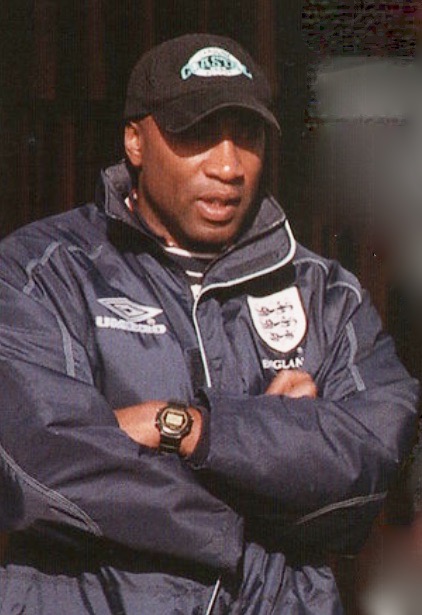
Who would have known that former Bristol City apprentice Chris Ramsey’s ignominious departure from the field in a firemen’s lift on Glen Wilson’s shoulder would more or less be the end of an all-too-brief playing spell in the top echelons of the English game?

Might the match – and Ramsey’s career – have panned out differently if it hadn’t been for that diabolical tackle by Norman Whiteside?

Trouble had been brewing in the weeks leading up to the final and the national media, looking for every possible angle to pick at, had singled out Ramsey for criticism. Did that stoke the fire?

Let’s rewind a little and explore what happened.

Born in Birmingham on 28 April 1962 , Ramsey, whose father came to the UK from St Lucia, was one of two boys and five girls. Rejected by Charlton Athletic as a schoolboy, he became an apprentice at Ashton Gate but was then released and, after a successful trial, Brighton took him on.

The 1980-81 season was Albion’s second in the top division and, as it drew towards its close, it was looking increasingly likely they were heading for relegation.

Manager Alan Mullery was openly criticising his players for their efforts and his big ally off the field, vice-chairman Harry Bloom (current chairman Tony Bloom’s granddad) had died of a heart attack on the team coach on an away trip to Stoke.

Something had to change and, at the tender age of 19, Ramsey was called up from the reserves and plunged in at the deep end.

In three of the last four games, he took over the no.2 shirt after Mullery switched John Gregory from right back into midfield. Ramsey’s debut came in a crucial Easter Saturday clash away to rivals Crystal Palace when, released from the shackles of defending, Gregory scored twice in a 3-0 win. Ramsey also played in the wins over Sunderland away and Leeds at home.

The Seagulls stayed up by the skin of their teeth and Evening Argus reporter John Vinicombe said in his end of season analysis that Ramsey had been “a revelation” in those three games.

Within a matter of weeks, Mullery quit as manager in the furore over chairman Mike Bamber selling Mark Lawrenson to Liverpool (after Mullery had already agreed a deal to sell him to Manchester United).

Gregory was sold to QPR for £300,000 but, far from that move opening up an opportunity for Ramsey, Mullery’s replacement Mike Bailey brought in on a free transfer from Loftus Road the experienced Don Shanks, who was immediately installed as the first choice right back.

Indeed Bailey froze out Ramsey for the following 19 months! At one point he was transfer listed but it was Bailey who departed the Goldstone first – his sacking working to the advantage of the young defender.

When George Aitken and Jimmy Melia took over in December 1982, Ramsey was instantly promoted from the reserves and seized his opportunity.

In a profile in an Albion matchday programme in February 1983, Ramsey told Tony Norman: “Like any other young apprentice, my dream was to play in the First Division. I must admit that even after coming to Brighton, I had times when I wondered if I’d make it. But now I’ve got my chance and I’m keen to make the most of it.”

In one of the most comprehensive profiles on Ramsey, former Brighton teammate, Andy Ritchie, told Adam Ellis of The Football League Paper: “He was quite a shy lad back then but he had everything you want in a full back. Aggression, pace, agility – and he could tackle like a demon.”

These were the attributes that Melia appreciated too. In a Daily Mail preview of the Norwich quarter final, Melia told reporter Brian Scovell: “The other players love playing with him. He’s a great competitor, tackles well and uses the ball with a bit of style.

“I’m pleased he’s taken his chance. He deserves to play at Wembley if we manage to get there.”ramsey + mel

As it turned out, Ramsey’s place was in jeopardy because of two sendings off in the league in April which led to him being banned for the semi-final against Sheffield Wednesday at Highbury.

After being sent off in a 2-1 home win over Spurs, Terry McNeill reported in the News of the World: “Ramsey was lucky to stay on earlier after bringing down Mark Falco in a probable scoring position. When he took the striker again from behind, there was no escape.”

The 20-year-old Ramsey was fairly phlegmatic about the situation and told Alex Montgomery of The Sun: “Whatever I did, I did for the club. You can’t think about Cup games when you are struggling for points at the bottom of the First Division.”

His second dismissal, along with Coventry’s Steve Jacobs (who later played for the Albion under Chris Cattlin) after a scuffle in a 1-0 win at the Goldstone, was lambasted by one of the pre-eminent football writers of the day, Frank McGhee of the Daily Mirror.

“Can Brighton afford to field at Wembley a man who by then won’t have been able to play for 19 days?” he intoned. “And can they trust Ramsey not to sully soccer’s great state occasion by a moment of blind madness?”

Nevertheless, after Wednesday were beaten, Melia was happy to restore his first-choice right back to the starting line-up but one wonders now whether Ramsey had a sense of foreboding about how the big occasion would unfold.

Reflecting on those dismissals in the build-up to the final, he told The Sun’s Montgomery: “I just hope people aren’t looking for me. I’ll certainly be careful. I honestly don’t think I deserve the reputation which I’ve been saddled with in the last few weeks.

“The dismissals were just coincidences – nothing more than that. I know I am an aggressive type of player but that is my game. I always want to give 100 per cent for the club. The last thing I want is trouble at Wembley.”

After Albion had taken a shock lead through Gordon Smith’s header, United piled on the pressure and Ramsey headed a goalbound Gordon McQueen effort off the line.

But then came a pivotal moment early in the second half. Tim Carder and Roger Harris record it thus in their excellent Seagulls! The Story of Brighton & Hove Albion FC: “Whiteside went in high on Ramsey’s shin as the Albion full back cleared, and then trod on his ankle. The referee had a strong word with the United forward but did not signal a foul.”

The tackle had rendered Ramsey lame and while he tried in vain to carry on, two minutes later he wasn’t able to challenge for a ball to the far post which Frank Stapleton duly dispatched to equalise.

Those of us watching in the stadium, together with millions glued to TV screens around the world, saw Ramsey carried from the Wembley turf and, in those days of only one substitute, wondered how Albion would cope with a makeshift defender in the shape of Gerry Ryan.

After United took the lead through Ray Wilkins, Ramsey’s friend – and fellow England under-20 teammate – Gary Stevens’ equalised to send the game into extra time and ultimately a replay. Stevens was adamant about the impact Whiteside’s challenge had on the game.

In Match of My Life, edited by Paul Camillin, he said: “It was a bad tackle and perhaps cost us the game. In those days we only had one substitute and Gerry Ryan came on and did a great job at right back, even though he was a midfield player, but we did miss Chris because he had been having a great game.”

Whiteside was unapologetic about the challenge but Ramsey fumed to The Sun’s Montgomery: “It could have broken my leg. If I’d done it, I’d have been off. I just can’t understand how Whiteside got away with it.”

The injury deprived Ramsey of the chance to play in the replay five days later and, after that sad exit, his playing career never reached similar heights again.

Indeed he actually only played 37 games for the Albion, most of those coming in that 1982-83 season. He played only a handful of games in the following season and in August 1984 went on loan to Swindon Town before joining them permanently four months later.

There, he played alongside the likes of Sky Sports reporter Chris Kamara and one-time Albion assistant manager Colin Calderwood and clocked up over 120 appearances, including being part of Lou Macari’s Fourth Division champions in 1986 and Third Division play-off winners in 1987.

In August 1987, he joined Southend United but played just 13 games for them before persistent back injuries forced his early retirement at the age of just 26.

Some business ventures he embarked on didn’t work out and former Albion right back rival Shanks set him up with a trial for a team in Malta, Naxxar Lions, where he made a playing comeback.

Eventually the ongoing injury problems made him look to other ways of making a living. He coached in the United States but also started studying like crazy.

Amongst lots of qualifications, he got a Master’s degree at the University of North London in Health, Physical Education and Recreation (a qualification which enabled him to become a primary school teacher) and simultaneously obtained his UEFA coaching badges.

That Football League Paper piece records: “With an MSc, ten diplomas and myriad other qualifications, Ramsey is so highly educated that he actually sets the test for pro licence candidates.”

ramsey EngA stint in charge of youth development at Leyton Orient and coaching Newham Ladies was followed by an FA appointment as coach to the England under-20 side in the 1999 FIFA World Youth Championship when among the players under his direction were Ashley Cole, Peter Crouch, Matthew Etherington and John Piercy, who later played for the Albion. At the FA he learned from the likes of Les Reed and one-time Albion winger Howard Wilkinson.

He had a short and unsuccessful three-month spell as assistant to Ricky Hill at Luton Town, and he said: “Ricky Hill was a massive inspiration to me.”

Just when it appeared new offers had dried up, Ramsey got the chance to manage Charleston Battery in the USA, where he stayed for three years.

Winning the USL A-League (second division) with Battery in 2003 brought him to the attention of Spurs, and, as head of player development, many of the young players he coached in tandem with Les Ferdinand and Tim Sherwood were Harry Kane, Ryan Mason, Danny Rose, Nabil Bentaleb, Andros Townsend, Steven Caulker and Jake Livermore.

“He was massive for all of us,” French midfielder Bentaleb told The Football League Paper. “He believed in us, he encouraged us. He told the manager we were ready when everyone else believed we were not. He was not shy or scared of anybody and he knew exactly what he wanted.”

chris ramsey (spurs)In the Evening Standard in 2012, Spurs and England centre back, Ledley King, said: “He is one of the best coaches in the country. The youngsters love the way he works and they have really bought into his methods.”

Ramsey left Spurs in 2014 to take up a coaching role at QPR, and when Harry Redknapp left the floundering Hoops in February 2015, Ramsey stepped up to become a fully-fledged Premier League manager.

He was not able to halt Rangers’ relegation from the elite, though, and lasted only until November in charge of the side as they struggled to come to terms with life back in the Championship.

However, in January 2016, he was appointed technical director at QPR to oversee the club’s academy coaching and player development.

The club’s director of football, Ferdinand, told The Guardian: “While we were disappointed things didn’t work out with Chris at first team level, we were determined to retain his services. As such, we actually put a clause in his contract which allowed us to retain Chris’s services in a player-development role should things not work out for him as head coach.”

Ramsey finally left QPR in January 2024. By then 61, the head of coaching and technical director told the club website: “I have had a fantastic nine years at QPR and the club will always have a special place in my heart.”

The club’s chairman Lee Hoos said: “Chris has been a great servant to the club. I cannot thank him enough for his incredible hard work, dedication and guidance.

“However, as we thoroughly rationalise everything we do, and following very amicable discussions with Chris, it is felt this move is in the best interests of all parties. He will always remain a friend of the club.”

  • Shootthedefence.com did a face-to-face interview with Ramsey on 23 September 2016 which is well worth a listen as he talks in detail about his whole career.
  • In pictures from my scrapbook, Ramsey graces the cover of an Albion matchday programme; (top) he defends the near post during the 1983 FA Cup Final with Gordon McQueen in attendance; he is photographed by Tony Norman outside the Goldstone and criticised in the Daily Mirror by Frank McGhee.