Man City legend Joe Corrigan played the clown in Brighton

1 Joe punchingBRIGHTON fans often enter into a debate about the best goalkeeper ever to play for the club.

Although he was past his best when he joined the Seagulls, former England international Joe Corrigan would certainly be a contender.

Corrigan was, quite literally, at 6’4” a giant among goalkeepers and a colossus for Manchester City at the highest level before a second tier spell with Brighton towards the end of his playing career.

He subsequently became a top goalkeeping coach and amongst the ‘keepers he worked with was another former Seagulls favourite, Tomasz Kuszczak, when at West Brom.

After taking over from Harry Dowd, Corrigan was a near permanent fixture in goal for Manchester City between 1970 and 1983, winning a European Cup Winners’ Cup medal at the end of his debut season.

But for his career coinciding with Peter Shilton and Ray Clemence, he would surely have won more than the nine England caps he accumulated.

In total Corrigan made 592 appearances for City, a club record for a goalkeeper, and he was City’s Player of the Year three times.

In 1983, at the age of 34, Corrigan was sold to American club Seattle Sounders for £30,000, but he stayed in the US only a few months, and, in September that year, returned to England with Brighton.

Unfortunately for Joe it was at that turbulent time when, although Jimmy Melia was still the manager, chairman Mike Bamber had installed Chris Cattlin as first team coach behind Melia’s back.

Within a matter of weeks of the 1983-84 season starting, Melia was fired and Cattlin took over.

Corrigan was not impressed. In his 2008 autobiography (Big Joe, The Joe Corrigan Story) he declared Cattlin “the worst manager I’d ever played under” although he described his teammates as “a terrific bunch of lads” and he seemed to enjoy a decent social life on the south coast (pictured below for the matchday programme by Tony Norman, tucking into candy floss on the pier).
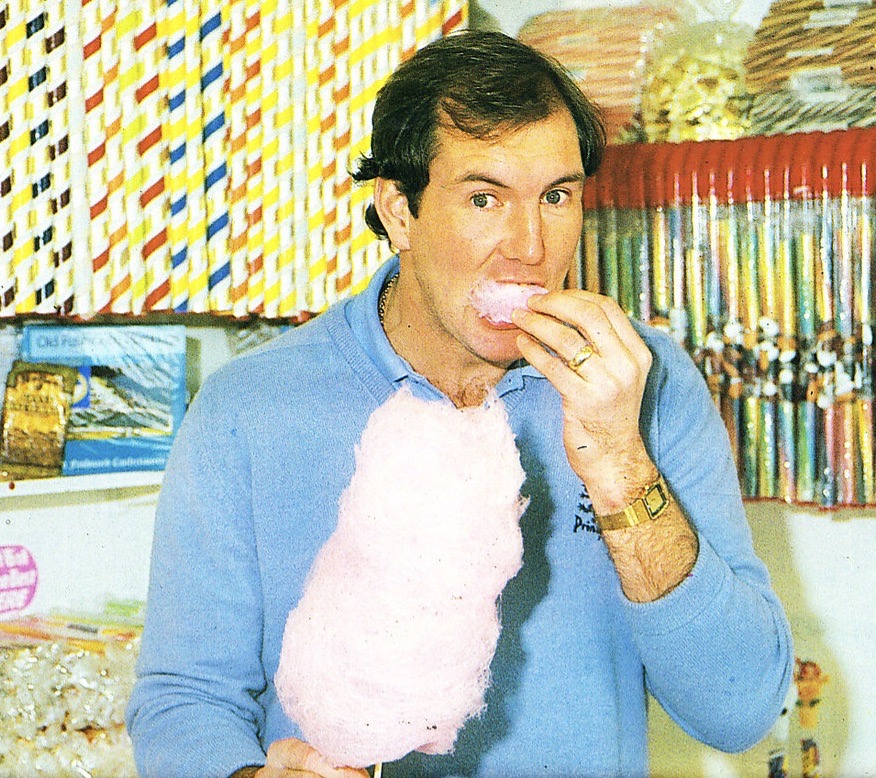
corrigan candyFor instance, at the annual players Christmas ‘do’ – if the account in Jimmy Case’s autobiography is anything to go by.

Corrigan became big pals with Case during his time at Brighton and the Scouse midfield favourite recounts in Hard Case (John Blake Publishing), a time the players went out on their Christmas ‘bash’ in Brighton wearing fancy dress.

Corrigan wore white tights and a tutu and at one point stood in the middle of the road directing traffic while his teammates crossed –  beckoning cars facing a red light to go and stopping cars that were on a green light. “I am still not sure how he survived that incident without having his collar felt,” said Case.

“Joe is a big, soft lad with a heart of gold but he has a painful way of showing it.”

One of his party pieces was to catch people off guard with a short jab in the ribs or arm. One playful punch landed on physio Mike Yaxley broke two of his ribs!

Case described Joe as “a star performer on the pitch and a bloody clown off it”.

Corrigan played 36 times for the Seagulls, including performing heroics in the famous 2-0 1984 FA Cup win over Liverpool, when goals by Terry Connor and Gerry Ryan meant the Seagulls dumped the mighty reds out of the cup two years in succession (following the 2-1 win at Anfield during the 1983 run to the cup final).

IMG_5197Sadly, as revealed in Big Joe, The Joe Corrigan Story, his time with Brighton ended on a sour note and when Cattlin opted for Perry Digweed as his first choice ‘keeper for the 1984-85 season, it all turned publicly ugly.

The club fined Corrigan for speaking out of turn to the press but Corrigan successfully got the fine overturned thanks to help from the PFA.

Under a heading ‘Truth’ Cattlin wrote in his matchday programme notes: “Our club made the papers this week for the wrong reasons, when a Football League tribunal upheld an appeal by Joe Corrigan against a club fine imposed upon him recently.

“Obviously I must accept the decision of the tribunal, just as I expect my players to accept a referee’s decision on the field. However, my dispute with Joe was not about his right to say anything to the press, but simply about what he said.

“At this club I don’t mind players speaking to the press in a responsible manner. I must though reiterate that I don’t want them slagging the staff, fellow players, fellow managers or the club.”

As it became clear he would never play for Brighton again, he went out on loan to Stoke City and Norwich but then back in Brighton Reserves sustained an injury to his neck that ended his career.

Corrigan retired from playing and initially helped to run a haulage business back in Manchester. But the lure of goalkeeping drew him into coaching at a number of clubs: City, Barnsley, Bradford, Tranmere and Stoke all on a part-time basis. Most notably, though, he spent 10 years at Liverpool, until the arrival of Rafa Benitez, then had spells at Celtic, Middlesbrough and West Brom.

The seeds for that part of his career were sown at Brighton, courtesy of John Jackson, the former Crystal Palace goalkeeper, who used to coach the Albion ‘keepers once a week.

Corrigan told the Manchester City matchday programme on 29 September 2018: “I got talking to him and it inspired me to look into doing something similar. So it was down to Brighton indirectly that I moved into the next phase of my career.”

When at 60 in 2009 he brought down the curtain on a 42-year career in the game, Tony Mowbray, manager of West Brom at the time, told the Birmingham Mail’s Chris Lepkowski: “Joe has been a pleasure to work with. His knowledge and experience have been a big help to me and I’ll be sorry to see him go.

“He’s a great character, a true gentleman and everyone at the club wishes him a long and happy retirement.”

Corrigan told the Mail: “Everyone says you know when the time is right to retire – and I feel this is mine.

“I’ve had just over four great years at this club and want to say a massive thank you to the Albion fans, who have always been very supportive of me and made me feel really welcome.

“The staff and players – particularly the keepers – have also been a pleasure to work with.

“Ironically, my final home game here will be against Liverpool, a club where I spent ten happy years, and we went to City two weeks ago, which obviously is always a special occasion for me.”

In the 2025 New Year’s honours list, Corrigan received an MBE for services to charitable fundraising.
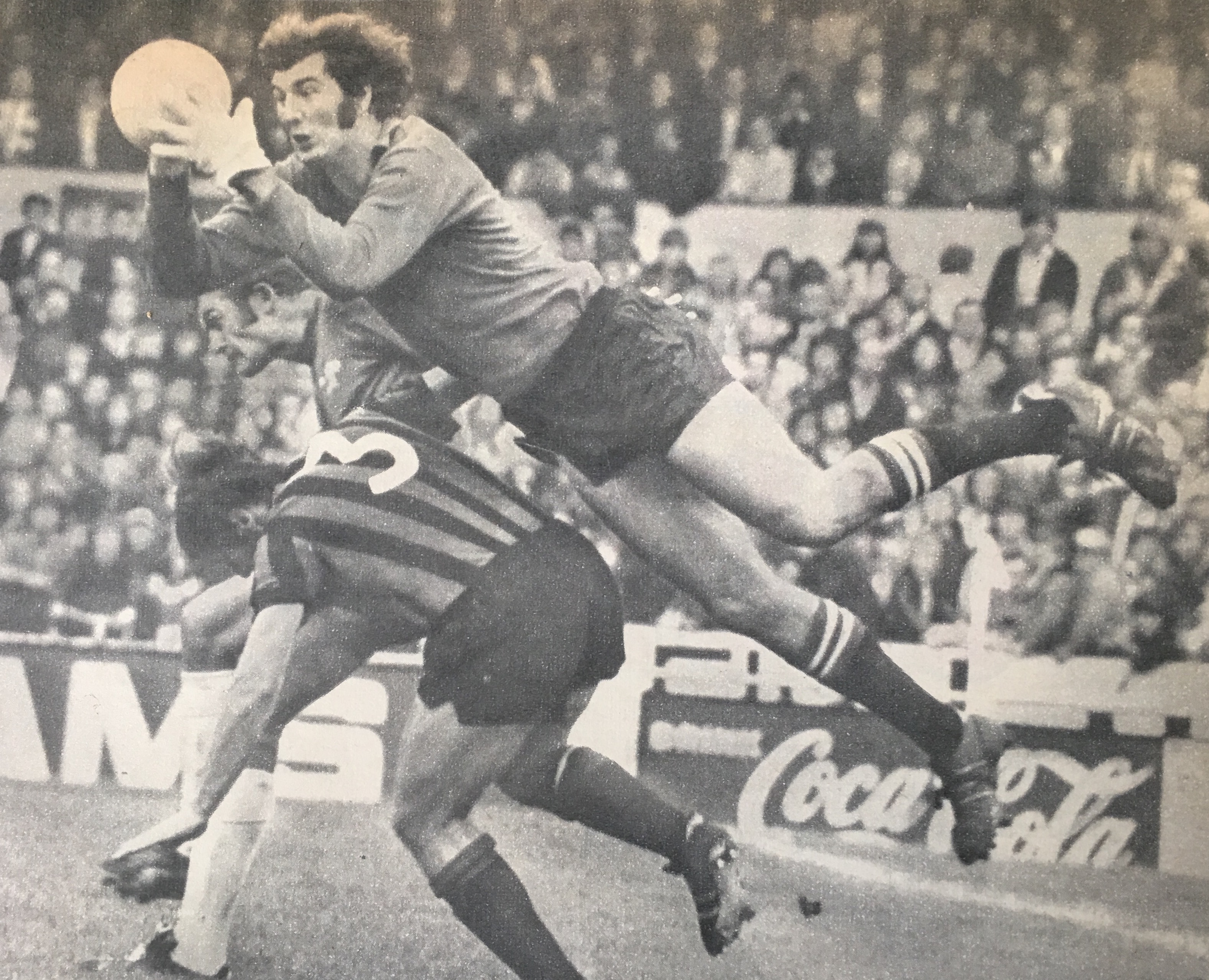
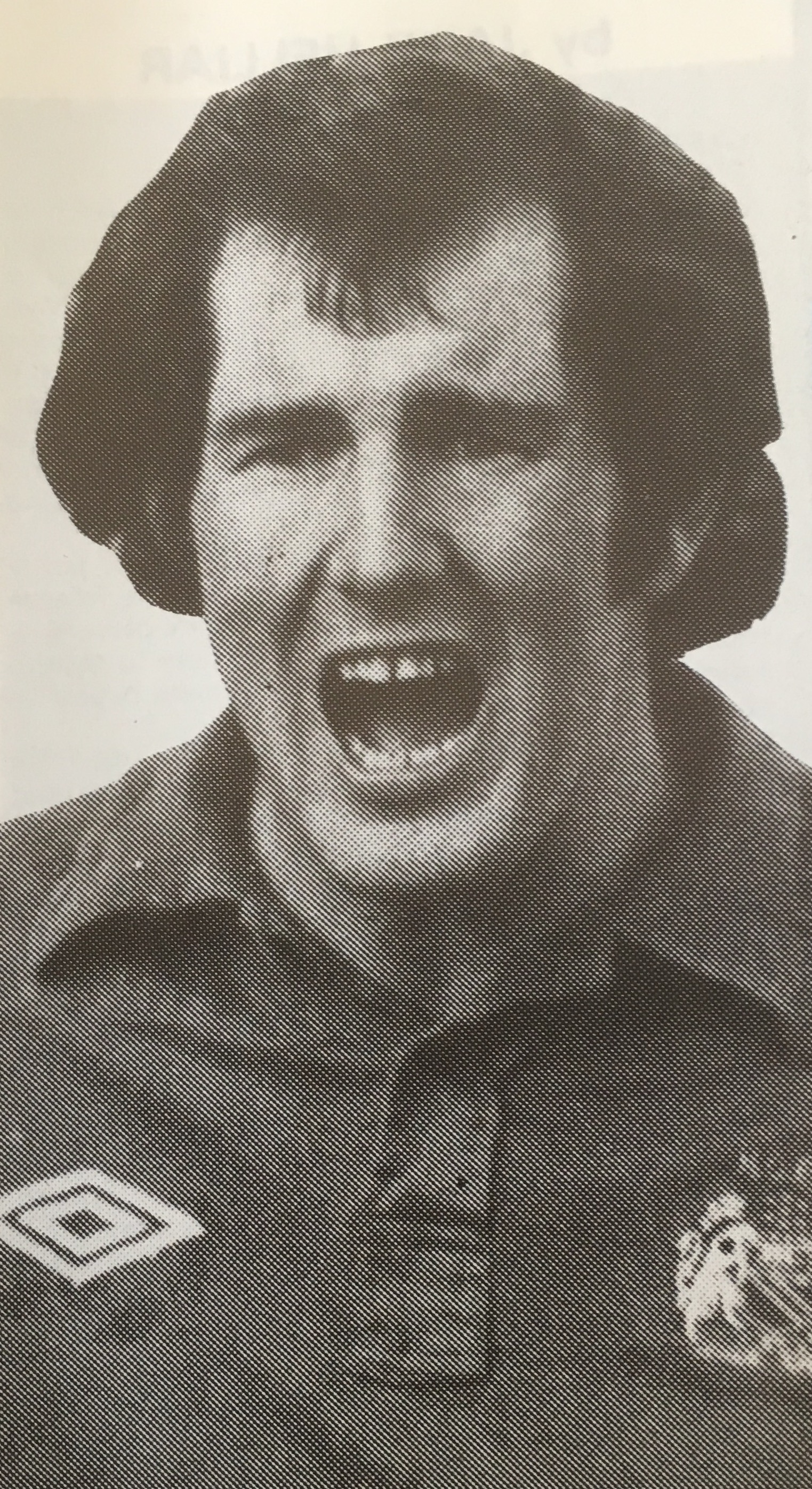
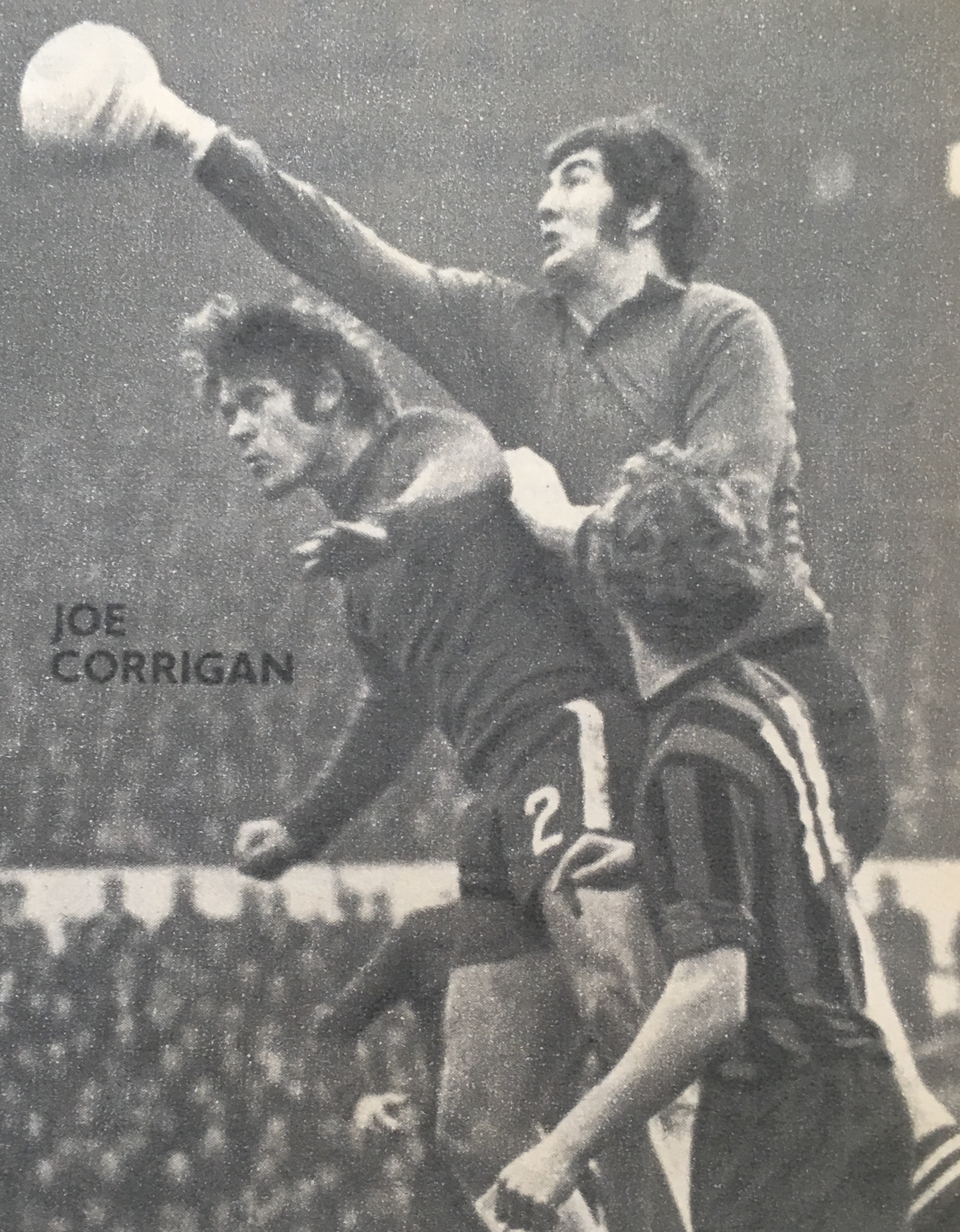
2 Joe diving3 Joe shouting4 JC w GR SG EY

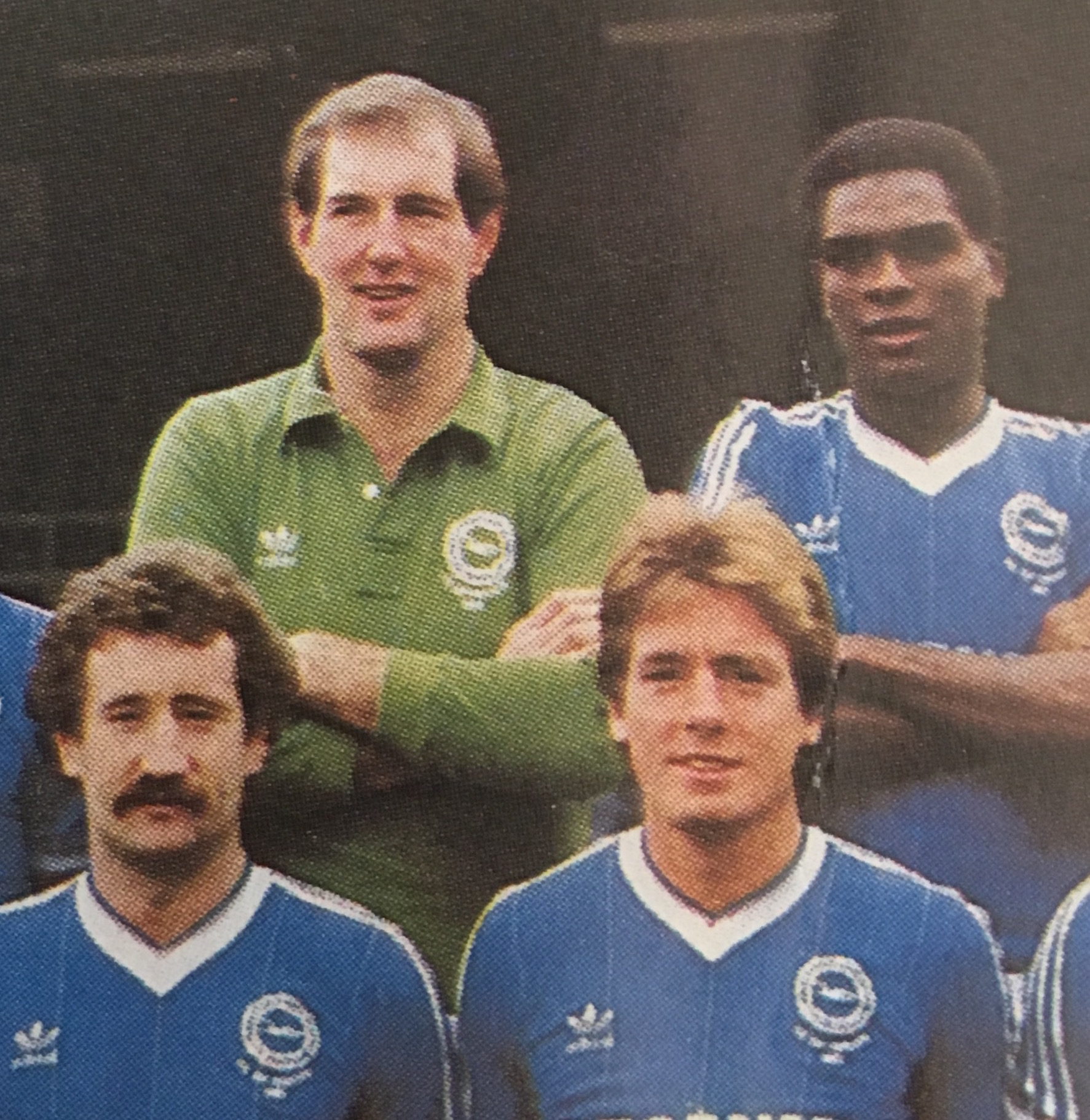
  • Pictures from my scrapbook show Corrigan punching clear of Chelsea’s David Webb, diving headlong to deny Chelsea’s Keith Weller, letting his teammates know his thoughts, and in an Albion squad line-up alongside Eric Young and behind Gerry Ryan and Steve Gatting.

J Cor sept 18

  • Joe pictured in the Man City matchday programme in September 2018.
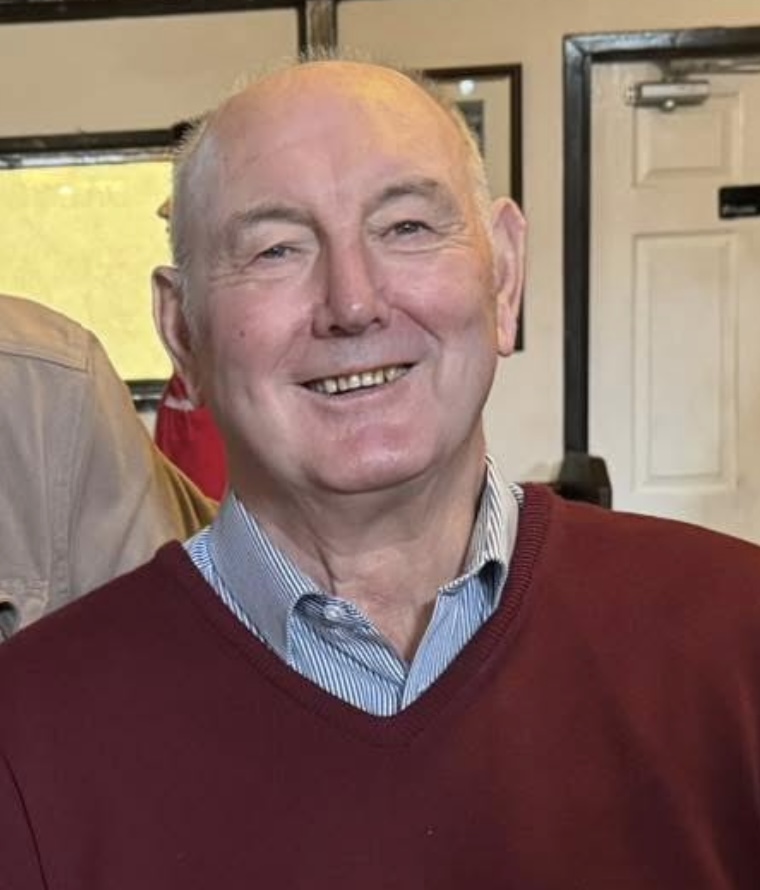
 

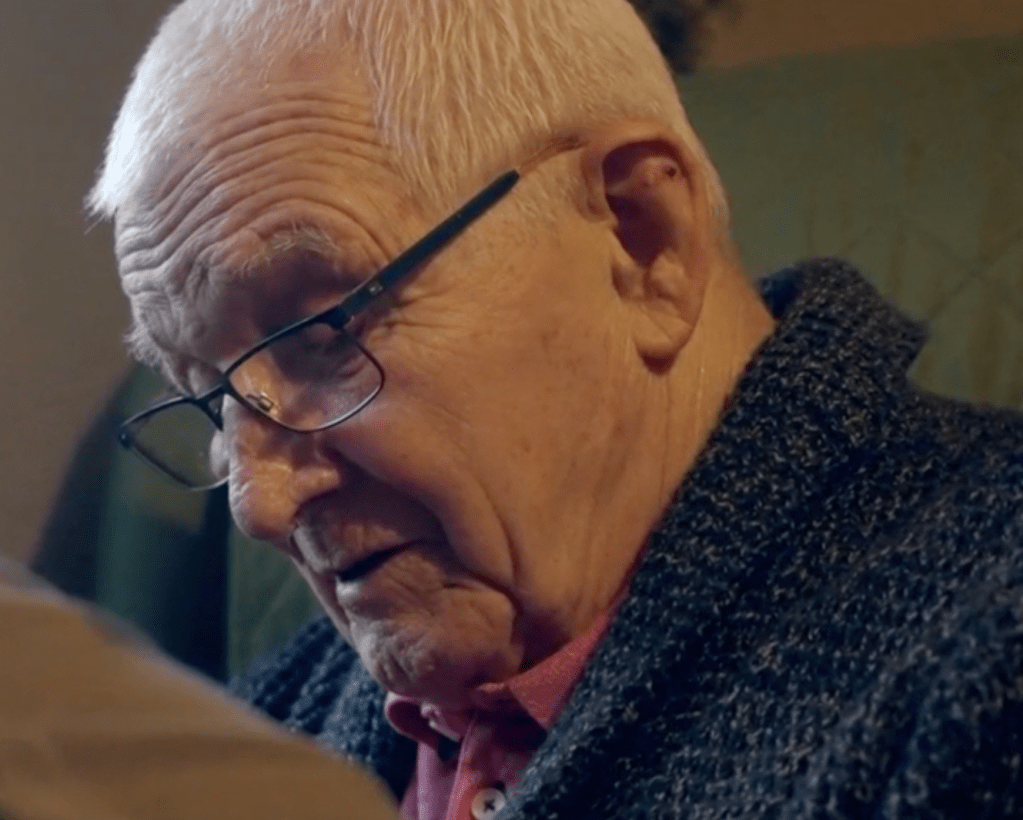
Corrigan in 2025

Goalscorer Gilliver was heading for trouble in the days of heavier footballs

MOST football fans of a certain age will be familiar with the story of former West Brom and England centre forward Jeff Astle’s death in 2002 from early on-set dementia caused by heading footballs during his career.

The same condition has befallen Allan Gilliver, who played up front for Brighton and Lincoln City.

In September 2015, the Bradford Telegraph and Argus carried a report in which they said: “In 2013 Allan discovered he had dementia and that the likely cause is heading the ball – something he did throughout his football career.”

‘I scored a lot of goals heading the ball, we had heading practice every day,’ Allan told the newspaper. ‘It hurt like hell; footballs were much heavier back then and retained moisture.’

The story was being told in the run-up to a charity event to raise funds and awareness of dementia and Gilly was something of a legend in Bradford having worked behind the scenes at Bradford City for many years after his playing career had ended.

He had originally moved to City from Lincoln in 1972, where he teamed up with former Brighton captain and centre half John Napier (pictured below in a Bradford team photo).

Gilliver arrived at the Goldstone in the summer of 1969 on a free transfer from his hometown club, Rotherham United. He’d been born in the village of Swallownest (in the borough of Rotherham) on 3 August 1944. He was a keen all-round sportsman and when he was 14 was invited for net practice with the Yorkshire county side.

But he opted to pursue a career in football and joined Huddersfield Town in 1961. He scored on his debut in a 4-1 win at home to Swansea and he went on to score 22 goals in 45 appearances for Town. But in June 1966 a £12,000 fee saw him switch to Blackburn Rovers where he netted nine goals in 34 matches.Gilli Rovers

Two years later, Tommy Docherty signed him for Rotherham to partner Jim Storrie up front and he scored four goals in 29 matches for the Millers. His signing for Brighton proved to be a shrewd bit of business by manager Freddie Goodwin because Gilliver ended the 1969-70 season top scorer with 16 league and cup goals.

He made an encouraging start by netting on his debut in the pre-season 6-0 win over a Gibraltar XI. It wasn’t long before he was off the mark in the league too, scoring the only goal in a 1-0 win at Plymouth on 16 August.

Gilliver also scored in two of the Albion’s memorable League Cup ties in the autumn of 1969, netting in the 2-0 defeat of Birmingham, who were then in the division above Brighton, and also in the closely-fought epic against First Division Wolves when Albion narrowly lost 3-2.

Later that same season he scored a hat-trick in a 4-0 home win over Halifax. Even when Goodwin departed for Birmingham during the summer of 1970, Gilliver retained his place under new manager Pat Saward, and scored eight times.

But, presumably in the knowledge he’d got the loan signings of Bert Murray and Willie Irvine lined up, Saward surprisingly sold Gilliver and former captain Nobby Lawton to Lincoln in February 1971. The pair’s appearance in a 2-1 defeat away to Shrewsbury that month turned out to be their farewell.

As a youngster, I used to watch games from behind the manager’s dugout beneath the West Stand at the Goldstone.

I remember vividly how during one game, as the players trooped off down the tunnel for the half-time break, someone in the crowd behind me, clearly not impressed by the striker’s performance, shouted: “Gilly, why don’t you come off?” The forward looked into the crowd for the source of the comment and retorted: “And why don’t you p*ss off!”

The forward’s spell with Lincoln was ultimately a brief one but his switch to Valley Parade for a £4,000 fee began a lifetime association with the Bantams.

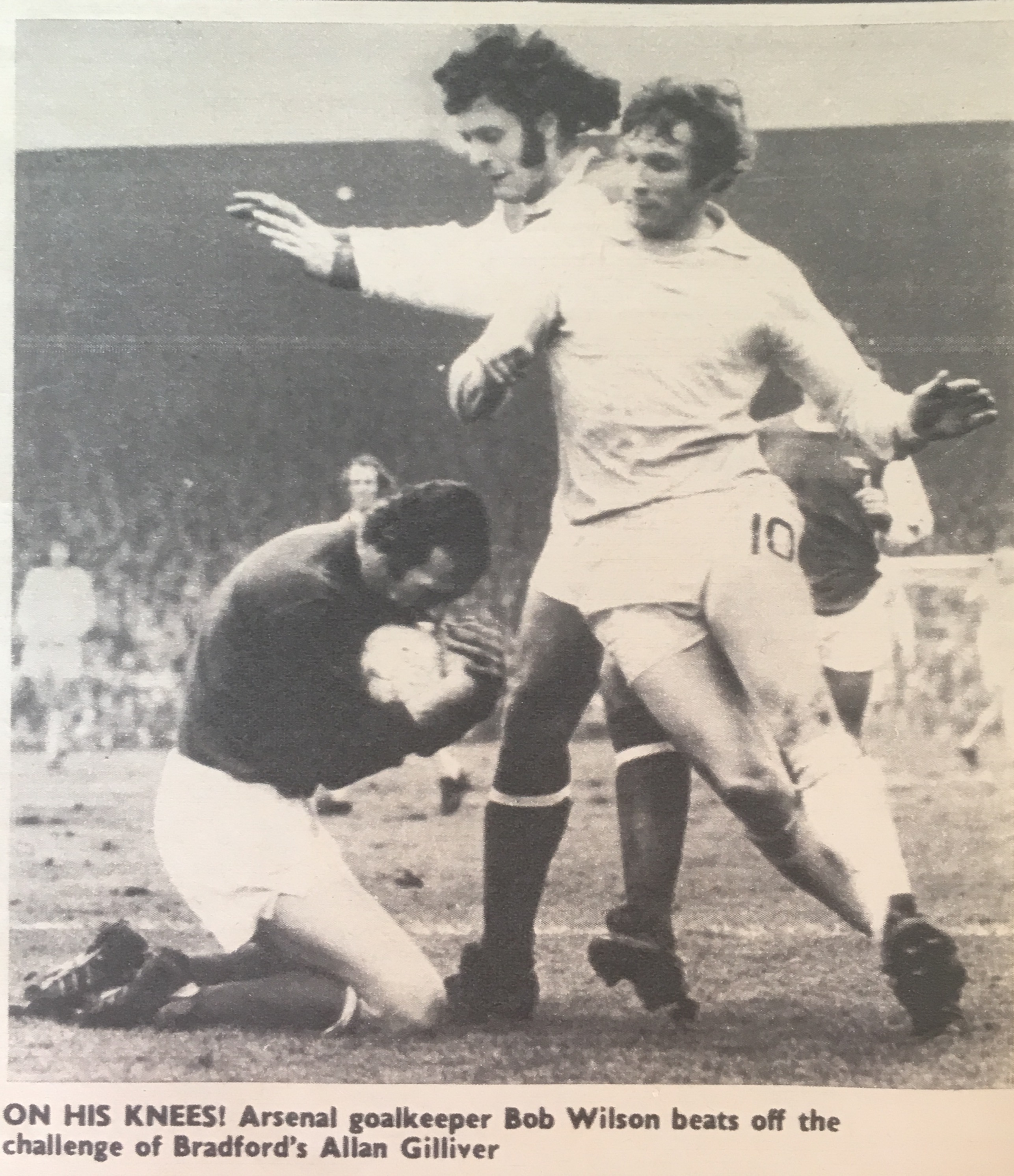
In researching this piece, I came across a picture of Gilliver in action for Bradford against Arsenal at Highbury in 1973.

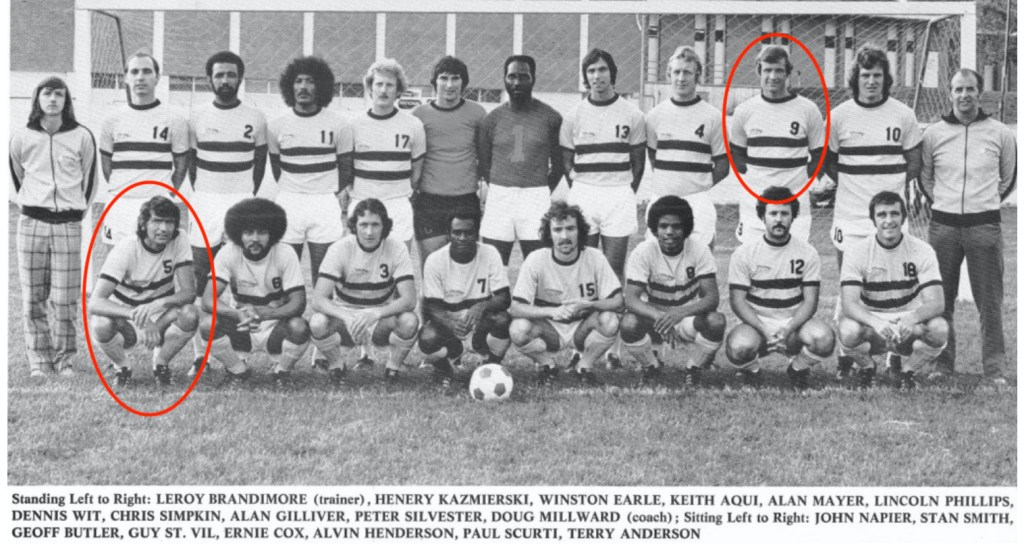
He moved on to Stockport County in 1974 and had a brief spell with the Baltimore Comets in America, playing alongside the aforementioned Napier, before returning to England.

Back at Bradford in 1978-79, he played twice before his playing days came to an end but he stayed with the club and his subsequent roles included groundsman, safety officer, bar supervisor, stadium manager and commercial manager. He retired in 2007.

In May 2023, Gilliver’s wife Chris opened up to the Telegraph & Argus about the sad impact of the former footballer’s condition, which had necessitated putting him in a care home.  

“The grandchildren miss grandad as he was,” she said. “He doesn’t recognise them. He smiles but he would smile at anyone.

“He has got no incentive. He would just sit in one place all day unless someone does something with him.”

She told reporter Rowan Newman: “They are not suffering in many ways because they don’t know, but we are – the families who love and care for them.

“Every day you lose a little bit more. He could speak last week, he can’t speak now. He could use a knife and fork, he can’t cut his food up any more. He has lost so much.”

Gilliver appeaed  briefly in a news bulletin on BBC One News on 25 March 2025 about professional footballers and dementia. He died aged 81 on 23 December 2025.

napier-gilliver-73-74-bradfordag-v-arsenal

  • Pictures from my scrapbook show Gilliver in aerial action for the Albion; alongside John Napier in a Bradford team photo (and below with Baltimore Comets); in Goal magazine playing for Bradford City, challenging goalkeeper Bob Wilson in a 1973 FA Cup tie against Arsenal, a portrait in the stripes of City, and various shots that first appeared in Albion matchday programmes.
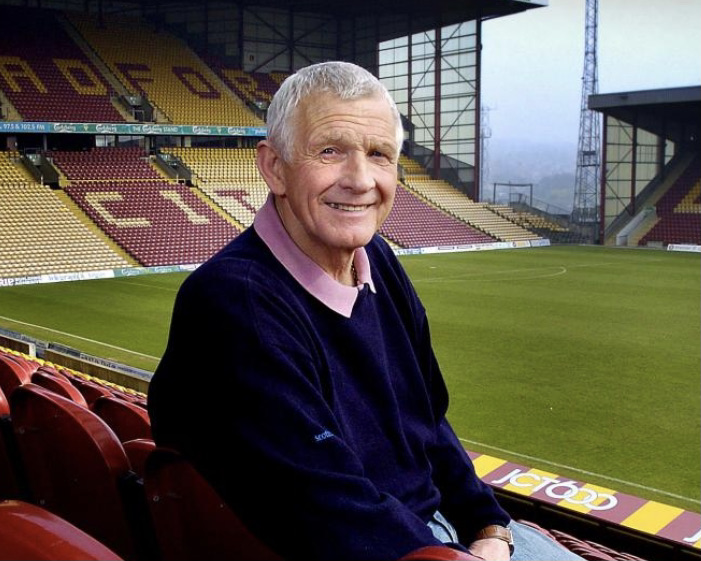
Allan Gilliver living with dementia in a care home, as featured on BBC One news in March 2025

Ken Beamish dumped by Clough without a word

1-k-beamish-btn-goalSWASHBUCKLING Ken Beamish was a good old fashioned centre forward who crowds appreciated for his never-say-die attitude in pursuit of goals.

He mostly played in the third tier but had three seasons at the next level up (one was Brighton’s disastrous 1972-73 season and he had two with Blackburn).

He twice won promotion from the old Third Division – with Brighton in 1972 and Blackburn in 1975 – and scored 198 goals in 642 league and cup games between 1965 and 1982.

Born in Bebington on 25 August 1947, Beamish started his career with nearby Fourth Division Tranmere Rovers in the 1965-66 season and was top scorer in two of his six seasons with the club, helping them to promotion to the Third Division in 1966-67.KB Tran

He joined Brighton on transfer deadline day on 9 March 1972; manager Pat Saward having set off for the north west from Sussex at 5am to ensure he captured his man before the 5pm deadline that existed at the time.

When Beamish signed for £23,000 (plus the surplus-to-requirements Alan Duffy), Albion had just scored 13 goals in three games so supporters were baffled as to why he was needed.

After two substitute appearances, Beamish made his full debut in the oft-talked about televised game v Aston Villa and then got off the mark in the 3-1 Good Friday win over Torquay United (see picture).

He contributed six goals in 14 games, including last minute winners in two games in the same week, against Rotherham and Rochdale.

In an interview in Goal magazine after promotion was clinched,  Saward explained why he had signed him when the team was already riding high and looking a good bet for promotion.

Aiming a bit of a sideswipe at the incumbents Willie Irvine and Kit Napier, Saward said: “We had plenty of skilful players up front but none had the devil in him. We wanted more thrust. Beamish gave us it.”

Reporter David Wright wrote: “He added the final spark to an ever-improving Brighton side that, after promising a great deal for two-thirds of the season, finally showed their true force in the last two months of the season when they enjoyed a marvellous run of 12 games without defeat.”

Saward was delighted with his signing and said: “Ken shows great courage and has an insatiable appetite for scoring goals. He would die in the box for you. He goes in where angels fear to tread. The whole side never know when they’re beaten – something they proved over and over again – and Beamish epitomises this. He battles away from the first whistle to the last.”

There was clearly mutual admiration because Beamish reflected in an Albion matchday programme how Saward had helped him to become a better player. “He really put in the work with me on the training pitch,” he said. “My ball control was never the best but he worked hard with me to make sure it improved. He was a good man.”

In Brighton & Hove Albion Supporters’ Club’s official souvenir handbook, produced to celebrate the promotion, coach Ray Crawford, the former England international striker who was part of Saward’s backroom team, said: “I don’t like to single out players because football is a team game, but I must on this occasion. Ken Beamish added the final bite up front, and those vital goals that he scored helped us into Division II. What a player this boy is – he never gives up!”

Unfortunately for Beamish, the goals were harder to come by in the division above, particularly in a struggling side and with a new strike partner in the shape of experienced Barry Bridges. Beamish’s scoring ratio dropped to one in four during 1972-73 and, back in the third tier the following season, it didn’t get much better.

He kept his place in the side after Brian Clough’s arrival in October 1973 but 12 goals in 45 games didn’t impress a manager used to better things and he found himself part of the former Derby manager’s huge clear-out of players – and he was none too happy at the manner of it.

A contributor to Jonathan Wilson’s biography about Clough, Nobody Ever Says Thank You, Beamish spoke about how most of the players failed to get any rapport going with the manager because he was seldom around. “I played most of the games but we never saw much of Clough,” he said. “We saw him on matchday and Friday.”

Clough didn’t help matters when he missed a game altogether so he could go to America to watch a Muhammad Ali-Joe Frazier fight. That left him open to criticism but Clough was not remotely bothered. Instead he went on the front foot and openly criticised the players for lacking moral courage and declared: “There is a gale blowing through this club and the players concerned are about to feel the draught.”

That one of them was Beamish appeared harsh at the time and the manner of his departure clearly left a nasty taste in the mouth.

Beamish told Simon Levenson in his interview for Match of My Life (Know The Score Books Ltd): “I knew my time was up when I wasn’t included in the end of season tour to Torremolinos. We’re all grown men and there are ways of telling people that you’re not part of their future plans. He could have told me face to face, but instead I discovered I’d been transfer listed when my neighbour told me he’d heard it on the radio.”

A subsequent Albion matchday programme interview revealed his dismay at the circumstances, which understandably made it easy for him to leave.

“I never spoke to anyone at Brighton between the end of the season and signing for Blackburn,” he said. “That was the disappointing thing because I’d enjoyed my time at Brighton and made some good friends there.

“It was a sad ending to a happy period in my life.”

Clough’s loss was Gordon Lee’s gain. Lee, who would go on to manage Everton, paid £26,000 to take Beamish to Blackburn Rovers – the start of an association which continues to this day.

After scoring 19 goals for Blackburn in 86 appearances between 1974 and 1976, including promotion in 1975, he then had two years at Port Vale – where he was the player of the year in 1977-78 – a year at Bury and a second spell at Tranmere. He ended his playing days at Swindon Town, where he originally went to become assistant manager to long-serving John Trollope – father of former Albion assistant manager, Paul.

When Trollope senior left Swindon, Beamish ended up taking over as boss for 15 months (as pictured below), from March 1983 to June 1984, but 1983-84 proved to be a nightmare season in Swindon’s history with them finishing 17th in the old Fourth Division, the lowest finishing position in their history.Beam Swin mgr

Beamish subsequently became commercial manager at Blackburn from 1986 until his retirement in 2012. He then became vice chairman of the Blackburn Rovers Former Players Association.

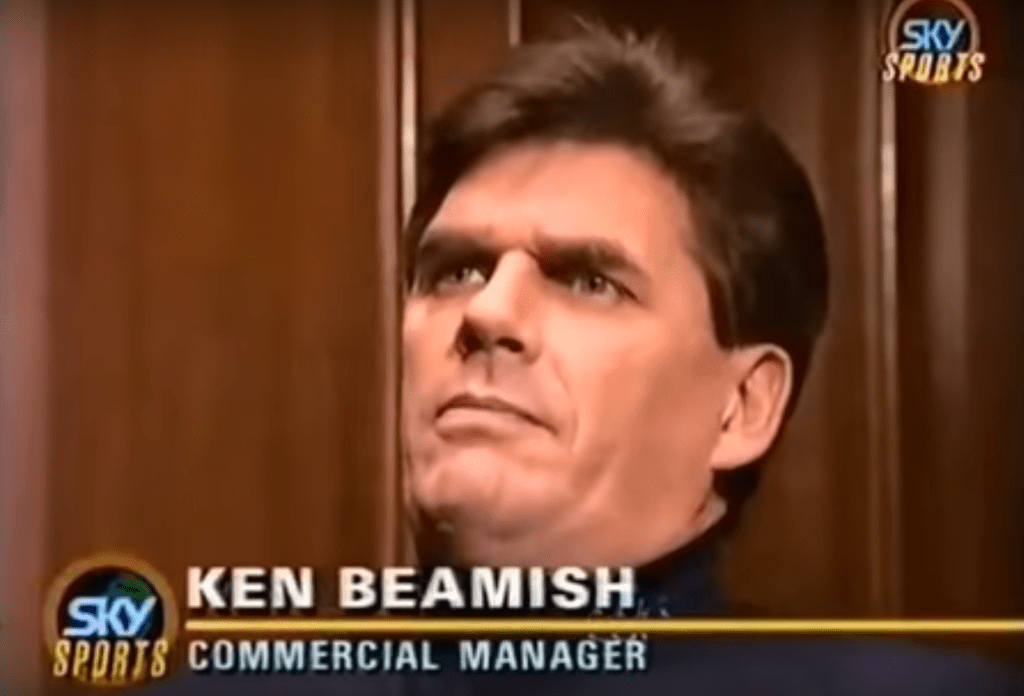
  • Pictures from my scrapbook show a great action shot of Beamish scoring against Torquay, as featured in a Brighton & Hove Gazette end of season publication, a portrait of him in Goal magazine. Dig the hairstyle, pear drop collar shirt and tank top in this Goal picture of him with his son. The Argus captured Ken’s elation as he celebrated Willie Irvine’s goal against Aston Villa. And the man himself signed the photo of him being interviewed. Below, interviewed in 1992 by Sky Sports.