
 STEVE Coppell was not the first former Manchester United player I saw become manager of Brighton. More than 30 years previously Busby Babe Freddie Goodwin had been at the helm when my Albion-watching passion began.
Unfortunately, there was a parallel in their outcomes: both were wooed by better opportunities elsewhere (Goodwin to Birmingham; Coppell to Reading). One other parallel to record, though, is that each of their successors (Pat Saward and Mark McGhee) got Albion promoted.
Hindsight is a wonderful thing, but, if Coppell hadn’t been jet lagged the first time chairman Dick Knight interviewed him for the Brighton job, the 2002-03 season may have panned out differently…and Kolo Touré, a future Premier League winner with Arsenal and Manchester City, might have spent a season helping the Seagulls to retain their recently-won second tier status. Let me explain.
Coppell had been out of the country in Thailand during the summer of 2002 and, although Knight wanted to interview him with a view to appointing him as Peter Taylor’s successor, when the meeting in London eventually came about, Coppell began to nod off with the effects of his long-distance travel.
A frustrated Knight, under pressure on several fronts that summer (as told in his autobiography Mad Man: From the Gutter to the Stars, the Ad Man who saved Brighton) left him to it and took the decision to appoint third choice Martin Hinshelwood instead. (Knight had also considered German Winfried Schäfer, who had just managed Cameroon at the World Cup, but his poor command of English went against him).
As the opening to the season drew closer, Knight went with Hinshelwood to watch an Arsenal under 23 side in a friendly at Barnet. He was running the rule over Steve Sidwell with a view to taking him on a season-long loan but the stand-out player who caught his eye was Touré, and Albion’s cheeky chairman said he’d take the pair of them.
To his delight, Arsène Wenger and Liam Brady agreed…but astonishingly Hinshelwood said they weren’t needed because, in his opinion, they weren’t any better than Albion’s own youngsters, who he had been coaching, and who he was now intending to blood in the first team. An incredulous Knight kept schtum, believing he needed to support his new manager.
When they started the season with a 3-1 win at Burnley, it seemed maybe Hinshelwood had a point. But, after a disastrous run of 12 defeats, leading to the inevitable sacking of Hinshelwood, Knight reverted to Plan A and succeeded in attracting Coppell to manage the side.
He then swiftly went back to Arsenal to secure the loan services of Sidwell (who’d played for Coppell at Brentford the previous season). But he was too late as far as Touré was concerned. He’d already played his way into first team contention for the Gunners and was no longer available.

With Albion at the foot of the table, Coppell had a rocky start at the helm of the Seagulls, including an embarrassing 5-0 defeat to Palace, but he quickly brought in some quality players such as Dean Blackwell and Simon Rodger, and, together with Bobby Zamora up front and the busy Sidwell in midfield, they put together some decent results that dared to suggest a great escape was possible.
Albion notched up some surprise results, including a 1-0 Boxing Day win at Norwich and a 4-1 home win over Wolves, who ended up in the play-offs. There was also a memorable 2-2 draw at Ipswich, a 4-0 home win over Watford and a 2-1 win at Reading, most notable for a rare appearance and goal from former Premiership striker Paul Kitson, who had been injured for much of the season.
Sadly, it wasn’t quite enough to keep the Seagulls in the division and they went down second from bottom, five points adrift of 21st placed Stoke City.
The following season was in its infancy when West Ham decided to sack Glenn Roeder as their boss. The Hammers were determined to replace him with Reading’s Alan Pardew; and Reading, once they realised their fight to keep Pardew was fruitless, turned to third tier Albion’s Coppell as his replacement.
Chairman Knight knew Reading could offer Coppell the opportunities that were still some way in the distance if he’d stayed at the Albion, so he did the next best thing which was to get a healthy sum in compensation which went a long way to funding that season’s wage bill.
Knight was a big fan of Coppell and admired his meticulous preparation for games through in-depth viewing of opponents.
In an interview with The Guardian, Knight said: “He is probably the most analytical mind brought to football management for many a year. His preparations are detailed to the point of fastidious. His briefings are second to none. He spent hours with the video in the afternoons breaking down moves in slow-mo to work out how the opposition operate. He is very perceptive.”
Knight added: “People say he’s cold and uncaring, but he came to one of our marches on the seafront to campaign about the new stadium at Falmer long after he left for Reading. That’s Steve. He left a big impression on us.”
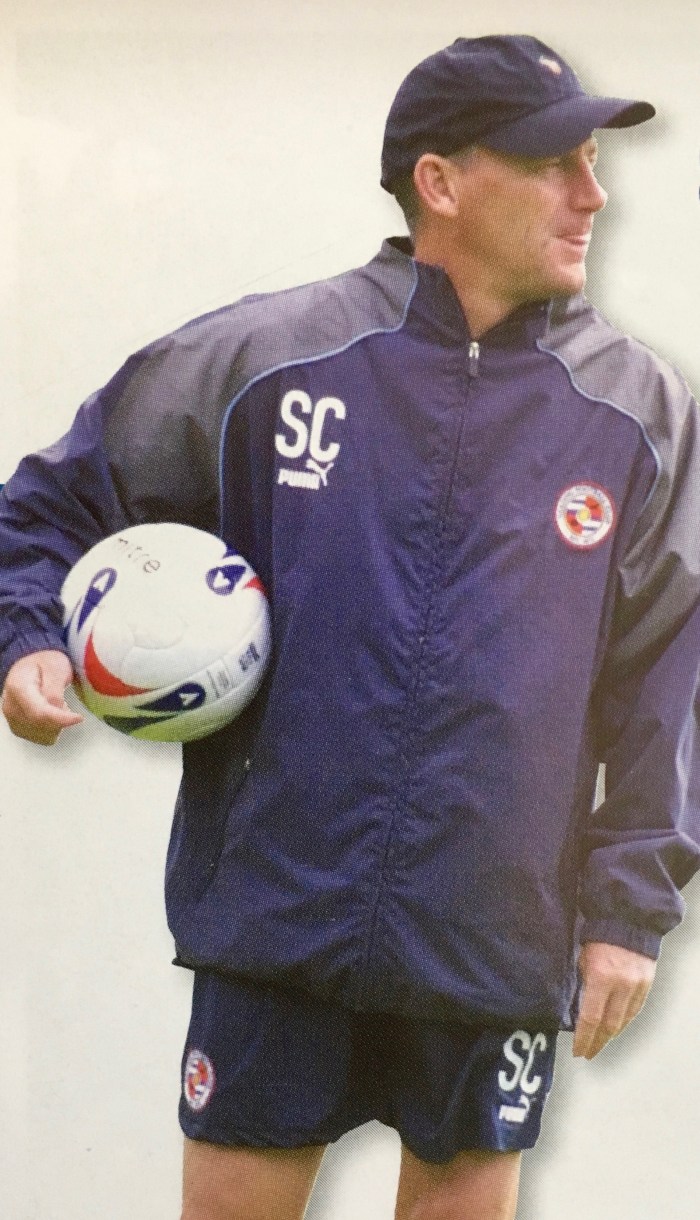
Coppell left the Albion with a 36.7 per cent win ratio over his 49 games in charge, just over three percentage points behind his first spell as Palace manager, but higher than his other three spells at Selhurst.
To avoid this blog post turning into War and Peace, I’m not going to cover the whole of Coppell’s career but, in the circumstances, it is worth touching on how he came to be a star on the wing for Manchester United and England.
The Liverpool lad went to the same Quarry Bank Grammar School that produced Joe Royle and Beatle John Lennon, but head teacher William Pobjoy ensured football mad Coppell stuck to his studies.
It didn’t deter Coppell from having a trial with Liverpool and playing for an Everton junior side a couple of nights a week. But both rejected him as too small and his dad Jim told playupliverpool.com: “He lost faith in ever becoming a footballer and took up golf and became quite good.” He still played football for a local side but that was just for pleasure.
A Tranmere Rovers scout made several approaches but Steve wasn’t interested, and decided he was going to go to Liverpool University to take a degree in economics and social history.
Ron Yeats, the famous colossus around who Bill Shankly built his Liverpool team in the 1960s, became Tranmere manager in the early 1970s. He remembered of Coppell: “We signed him so he could combine it with university.”
Around the same time, Coppell shot up from 4ft 11in to 5ft 7in in a year, and went on to play 38 times for Tranmere, scoring 10 goals.
Word reached Manchester United boss Tommy Docherty who paid a £35,000 fee to take him to Old Trafford. He was playing for United in the old second division while still completing the third year of his degree course. United’s deal with Tranmere had it built in that they’d pay an extra £20,000 if Coppell made it to 50 appearances. They paid it after only two games, such was the impact Docherty knew he was going to have.
Indeed, he went on to make 373 appearances for United and scored 70 goals; and the 207 games he played between 1977 and 1981 broke the record for the most consecutive appearances for an outfield Manchester United player, and still stands to this day.

He played in three FA Cup Finals for United, in 1976, 1977 and 1979, only ending up with a winners’ medal when Liverpool were beaten 2-1 in 1977.
Coppell was still at United in 1983, and had been United’s top scorer on the way to the Milk Cup Final that season, but he was recovering from a cartilage operation on his damaged left knee so was unable to play in the FA Cup Final against Brighton.
He told Match magazine: “I was always fighting a losing battle against time to get fit for the final. In my heart of hearts, I knew when I had the cartilage operation that five weeks wasn’t enough time to get fit for a match of this importance. I was struggling to make it from the off.”
Coppell told Amy Lawrence of The Guardian: “’I had nine wonderful years there and I still remember running on at Old Trafford for the first time. It was a real heart-in-the-mouth moment, an incredible experience for a 19-year-old whose biggest crowd before then was probably about 5,000.”
He also won 42 caps for England and Sir Trevor Booking, one of his contemporaries in the England team, spoke in glowing terms about Coppell the player in his book My Life in Football (Simon & Schuster, 2014).

“He was a winger at a time when wingers were unfashionable,” he said. “He had the pace to reach a 30-yard pass, the skill to wriggle past a defender and send over the perfect cross. But he also had the energy to run back and provide cover for his defensive team-mates down the right flank that set him apart from so many other wingers at that time.
“When his team lost possession, Steve didn’t hang about on the flank waiting for someone to win it back. He wanted to win it back himself. He was involved all the time – a quality that is a prerequisite for today’s wide players.”
Coppell made his England debut under Ron Greenwood against Italy at Wembley in 1977 in a very exciting line-up that saw him play on the right, Peter Barnes on the left, and Bob Latchford and Kevin Keegan as a twin strikeforce. It was a favoured foursome for Greenwood and when they all played together against Scotland in 1979, Coppell, Keegan and Barnes all scored in a 3-1 win.
It was while on England duty that Coppell picked up the injury that would eventually lead to a premature end to his career. Brooking recalled: “A tackle by the Hungarian József Tóth at Wembley in November 1981 damaged his knee and although he played on for a year or so more, the knee condition worsened.
“He was able to play in the first four games of the 1982 World Cup but the problem flared up after the goalless draw with West Germany and he had to miss the decisive match against Spain.”
From 2016, Coppell spent three years as a manager in India. Amongst the players he worked with at Kerala Blasters (owned by cricketing great Sachin Tendulkar) in 2016-17 was Aaron Hughes, who had a season with Albion.
The following season Coppell became the first head coach of newly-formed Jamshedpur, owned by Tata Steel, and for the 2018-19 season he took charge of Indian Super League club ATK, once part-owned by Atletico Madrid. Among its owners were former Indian cricket captain Sourav Ganguly.
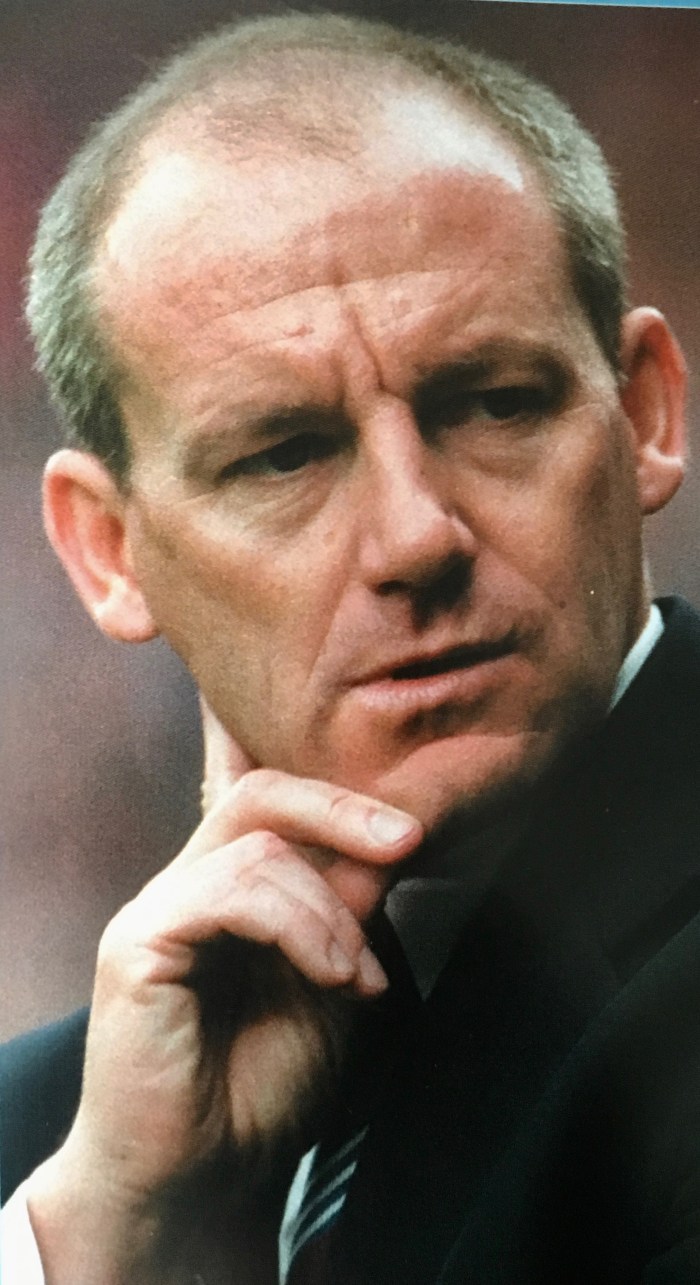
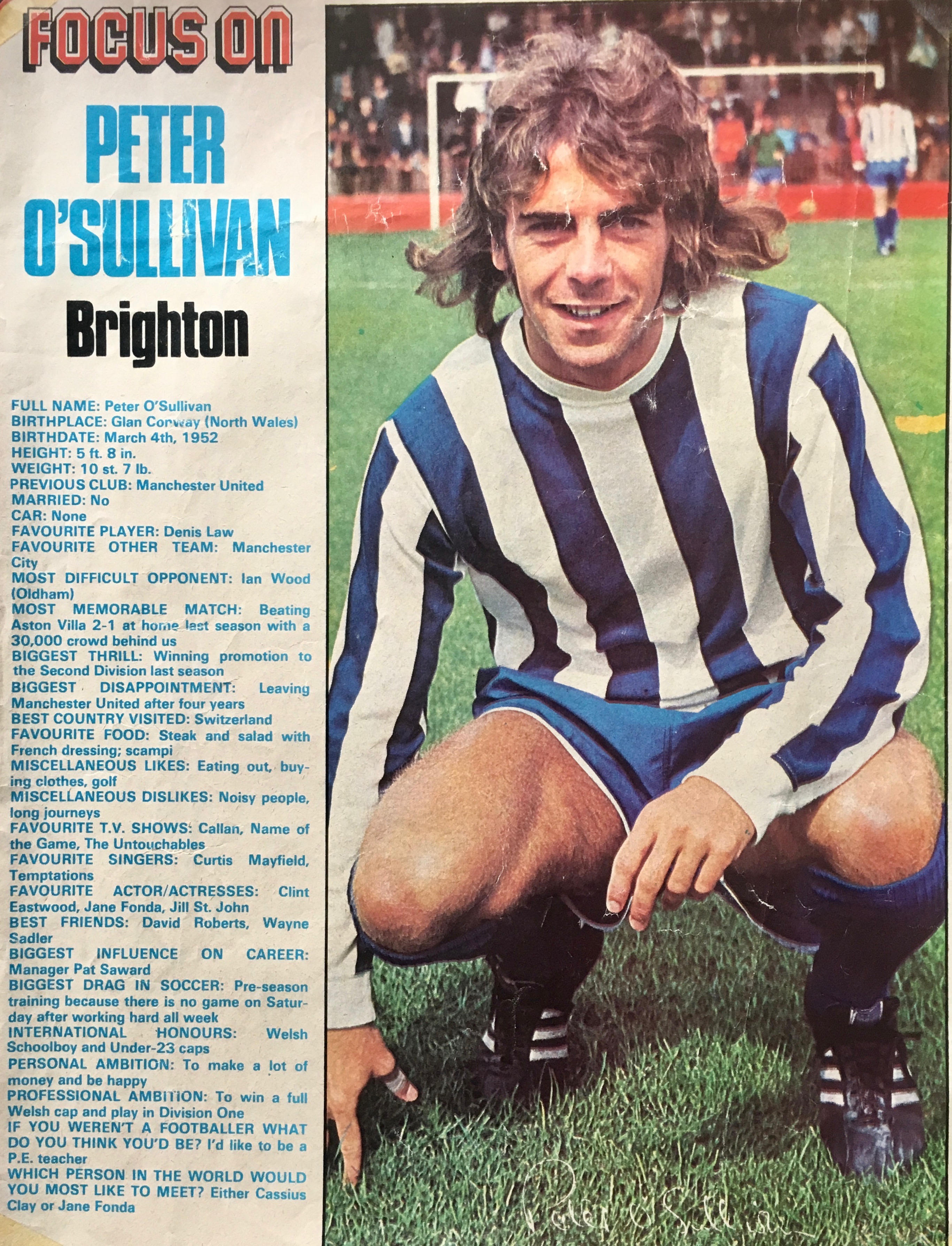


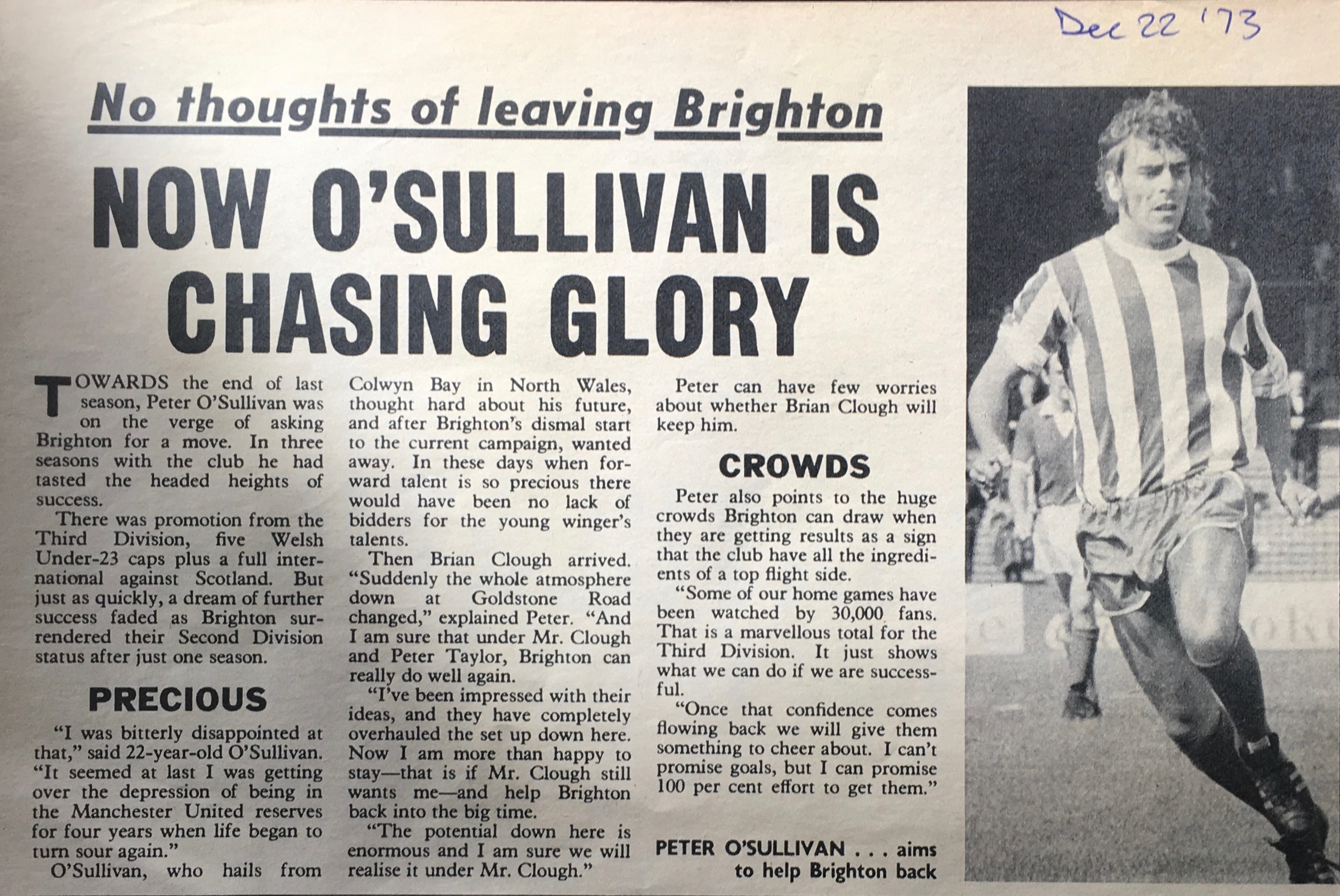
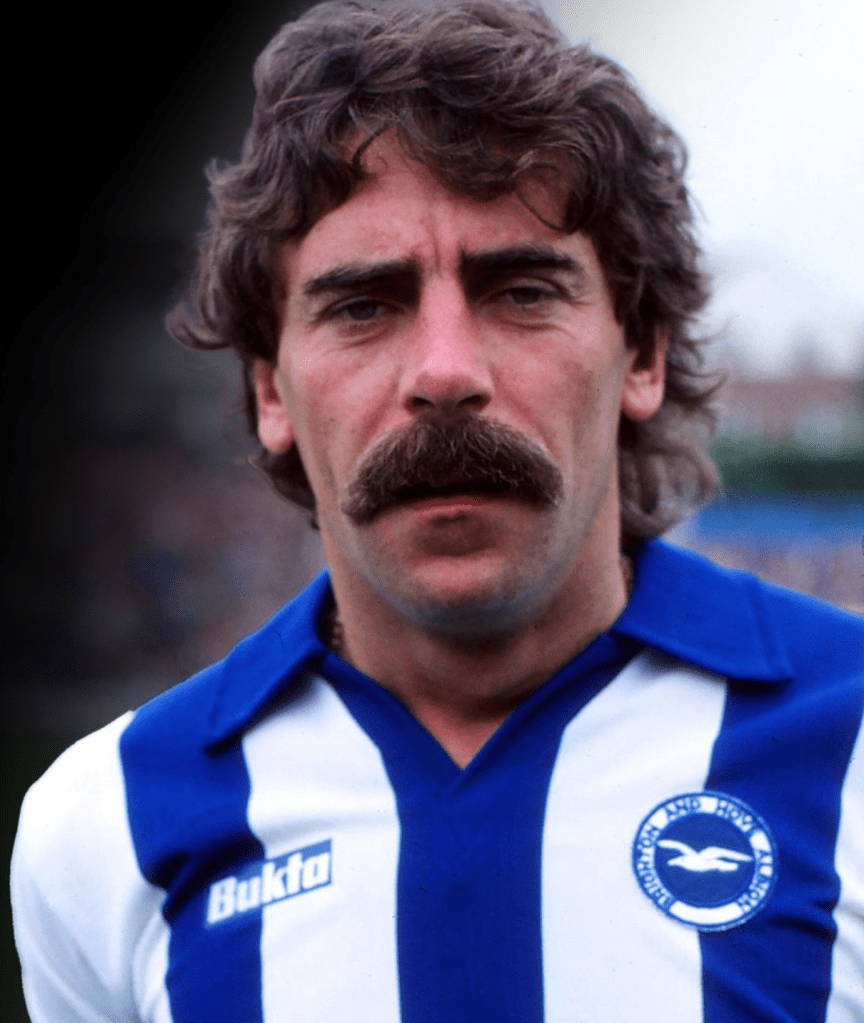
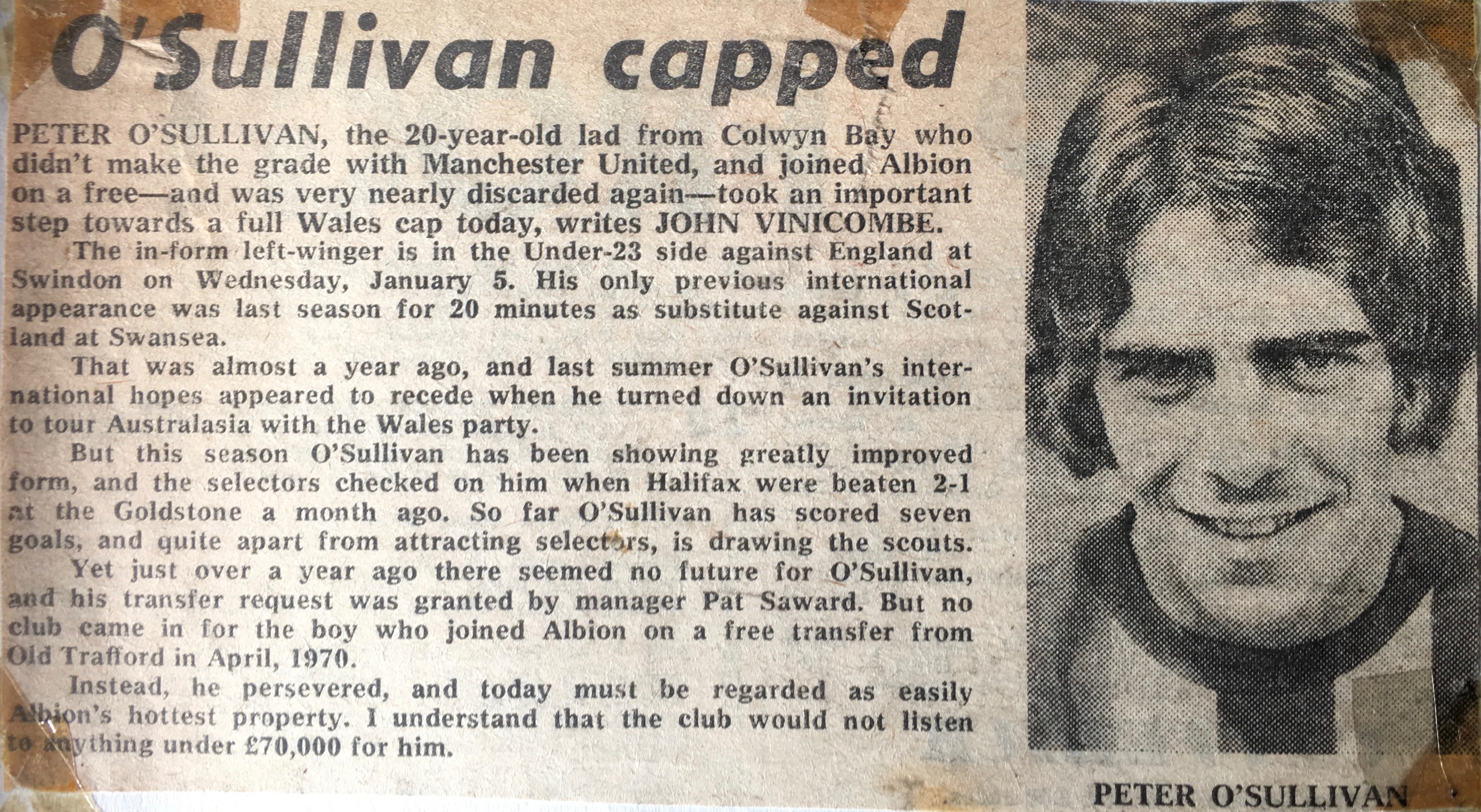 The performances of the lad from Colwyn Bay also saw him earn three international caps for Wales, two against Scotland and one in a rout against Malta when he also got on the scoresheet. Unfortunately for him, during the same period, a superb left-sided player called Leighton James was the first choice for the national side.
 In parallel lines