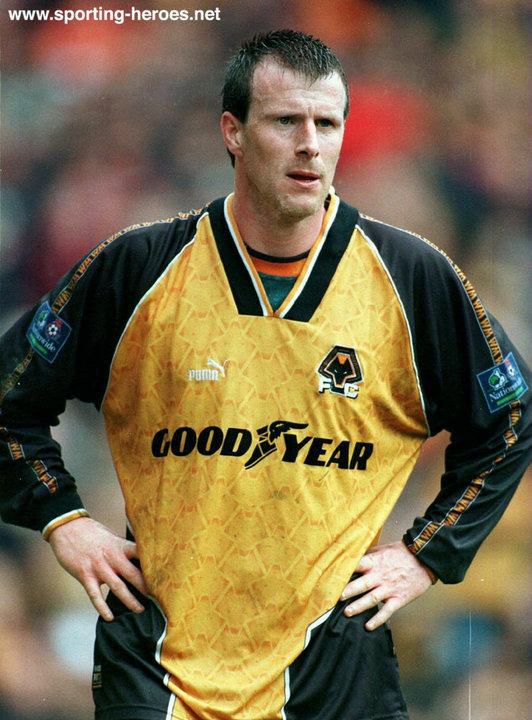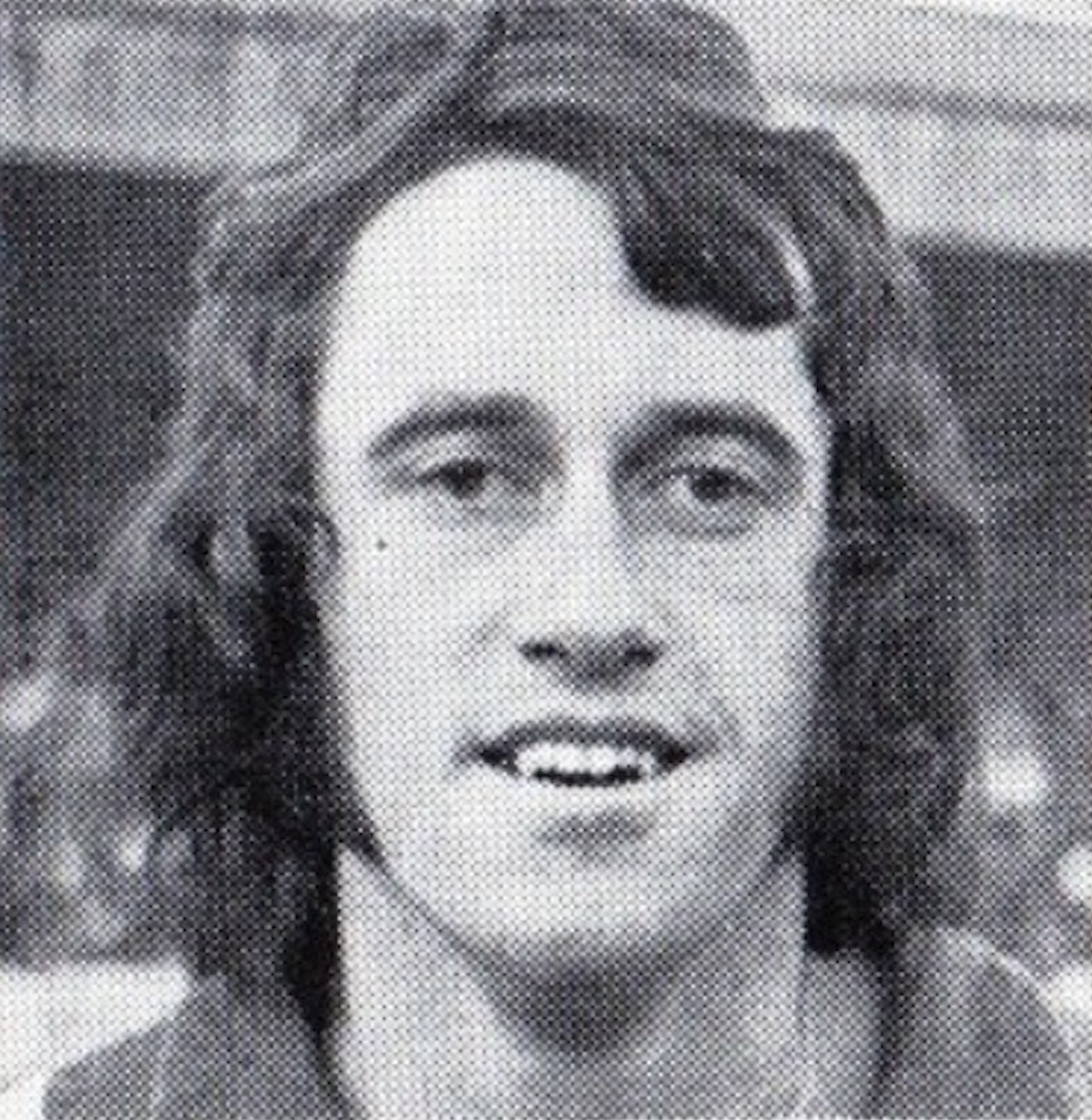
City reject Graham Howell a victim of the ‘Clough clear-out’

FULL-BACK Graham Howell spent two and a half years as a professional at Manchester City but was released without making the first team.

Eighteen months after leaving Maine Road, he was one of several new signings made by manager Pat Saward in an effort to strengthen his newly-promoted Brighton side.

Recent players-of-the-season Stewart Henderson (1969-70) and Bert Murray (1971-72) had previously occupied the right-back berth but Saward believed a change was needed at the higher level.

At only 21, Howell was certainly a younger model who’d been trying to make his way at City when they won the league in 1968 and the FA Cup in 1969. After his release, he had played 43 games for Bradford City in the Third Division, which Albion had triumphantly left in runners-up spot in the spring of 1972.

Howell unveiled to the press by Pat Saward

A fee of £18,000 – the equivalent of just over £200,000 in today’s money – prised him from Valley Parade.

“Only 18 months ago, I was released by Manchester City. I thought the bottom had fallen out of my world,” Howell told the matchday programme shortly after signing that August. “I had no hesitation in deciding to join Brighton. It meant Second Division football and was just the chance I wanted.”

He said he’d thought Brighton were “a very useful outfit” in the two games he’d played against them for Bradford (he made his debut for the Bantams in the opening day fixture at the Goldstone when Albion won 3-1 and played in the Valley Parade match on 18 March 1972 when Bradford won 2-1) and said he was determined to prove City had been wrong to let him go.

“I am looking forward to helping Brighton move forward to the First Division. It has always been my ambition to play First Division football.

“I had hoped to achieve this with Manchester City, but it was not to be.”

He pointed out: “I could see that my way forward was limited because of Tony Book, Arthur Mann and several other youngsters like Willie Donachie.

“It was a tremendous blow when I had to leave Manchester City. But I can look back on that all now believing that it was all a blessing in disguise.

“I know that it made me try much harder at Bradford City. And I intend to go on playing it hard for Brighton.

“I am very ambitious, and I want to do really well in football.”

Unfortunately for Howell, Saward struggled to find the right formula for success in the higher division, chopping and changing the line-up and bringing in too many players on short-term loans.

Howell made his debut in a 2-2 home draw against Sunderland on 26 August but, after 15 games at right-back, Saward moved him into midfield and, according to my scrapbook of the time, he became “a destroyer in the Peter Storey mould”.

John Templeman, who’d started the season in the no.2 shirt, reverted to that position as Saward shuffled his pack trying to end a losing streak that eventually extended to 13 matches.

Howell was dropped to the subs bench for the home game against Luton Town on 10 February – and Albion promptly won 2-0, their first win since 14 October the previous year!

He continued as no.12 in the following two matches (both defeats) and was restored to the side at home to Huddersfield, a game which ended in a 2-1 win for the Albion.

In the final game of the season, by which time relegation was confirmed, Howell was once again selected at right-back as Brighton drew 2-2 with Nottingham Forest.

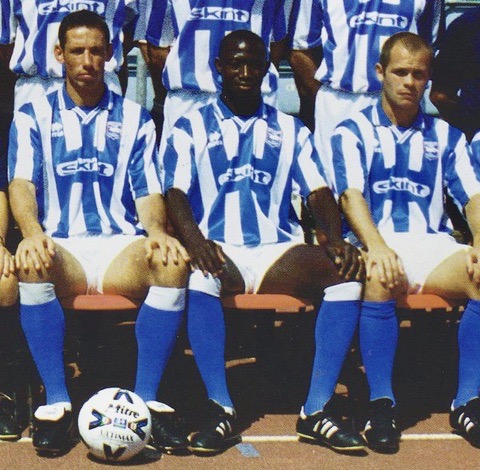
Stern-faced Howell in the pre-season line-up photo

He retained the shirt at the start of the following season back in the third tier but as Saward’s tenure of the hotseat moved into its final days, so did Howell’s game time.

He was out of the side when Brian Clough and Peter Taylor arrived at the Goldstone at the start of November although he has a somewhat unwitting claim to fame by appearing in an oft-used photo of Clough sitting on a park bench at the Stompond Lane ground of non-league Walton & Hersham.

Howell looks rather awkward next to the centre of attention!

Albion had been drawn away to them in the FA Cup first round and the park bench was the somewhat primitive and squashed pitchside seating arrangement for the visiting manager, trainer and substitute – who that day was Howell.

In the picture, he looks rather awkward to be sharing the perch next to the man who only a few months earlier had led Derby County to the top division title. The park bench image was ideal ‘fodder’ for the newspapers, depicting as it did how far from previous glory Clough had descended.

Howell didn’t get on in that game (Albion drew it 0-0 and ignominiously lost the replay at the Goldstone 4-0) and his first action under the dynamic duo came in the infamous 8-2 defeat to Bristol Rovers.

He was sent on as a substitute for left-back George Ley and got his first start under the pair when he took over from John Templeman at right-back in the following game, a 4-1 defeat at Tranmere Rovers.

That match proved to be Ley’s last game in an Albion shirt – and when Howell replaced the former Portsmouth player away to Watford (a 1-0 defeat), it would be his own last outing for Brighton.

By Boxing Day, Clough and Taylor had brought in young midfielder Ronnie Welch and left-back Harry Wilson from Burnley, and they both made their debuts against Aldershot. Howell was an unused sub that day and he didn’t feature for the first team again.

More new faces arrived at the Goldstone as Clough and Taylor brandished chairman Mike Bamber’s chequebook with abandon: the likes of Paul Fuschillo and Billy McEwan increasing the competition for places.

Come the end of the season, Clough made no apologies for clearing out a number of players signed by his predecessor along with long-servers like Brian Powney and Norman Gall. Howell was one of twelve players released.

Howell had made 40 appearances (plus four as sub) for Brighton and he moved on to Cambridge United where he played 71 matches between 1974 and 1976.

Born in Salford on 18 February 1951, Howell grew up a fan of Manchester United and hoped to play for them. “But when City showed interest in me while I was playing for Altrincham and Sale Boys I was happy enough to go on the Maine Road apprentice staff,” he said.

After signing as a professional, Howell spent two and a half seasons playing in City’s Central League side

There were certainly plenty of positive signs for Howell to think he might make it at City.
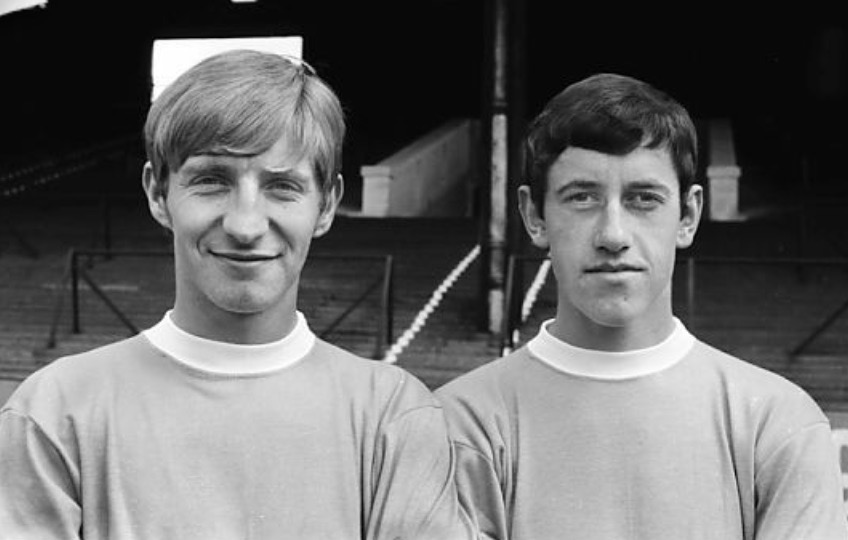
In January 1969, their matchday programme reported how he’d been for trials for the England Youth side with Tony Towers and Ian Bowyer but was unluckily left out when the squad was selected.

Elsewhere in the programme, a mid-season report on the progress of Dave Ewing’s reserve side declared: “Players like Graham Howell, Tony Towers and Derek Jeffries made great strides.”

It explained that because of injuries to more experienced reserves, several youth team players had been promoted to turn out for the Central League side.

Although they lost eight of their opening 11 matches, they’d turned things round and the report said: “By the end of September, the policy of putting faith and responsibility on the younger players began to pay off.”

While they were bolstered by the return of experienced goalkeeper Ken Mulhearn and George Heslop, youngsters like Bowyer and Stan Bowles were contributing to a turnround in fortunes.

There’s a photo to be found on the internet (above, left) of a young Howell with Paul Hince who played a handful of games for City in 1967-68 and later reported on the side for the Manchester Evening News.

After leaving Cambridge, Howell quit the UK and continued his career in Sweden. He spent six seasons with Swedish club Västerås SK and also played for Irsta IF. He remained in Sweden after his playing career finished.

Pictures from my scrapbook and online sources.

Admirable Crichton on standby for the Seagulls at 39

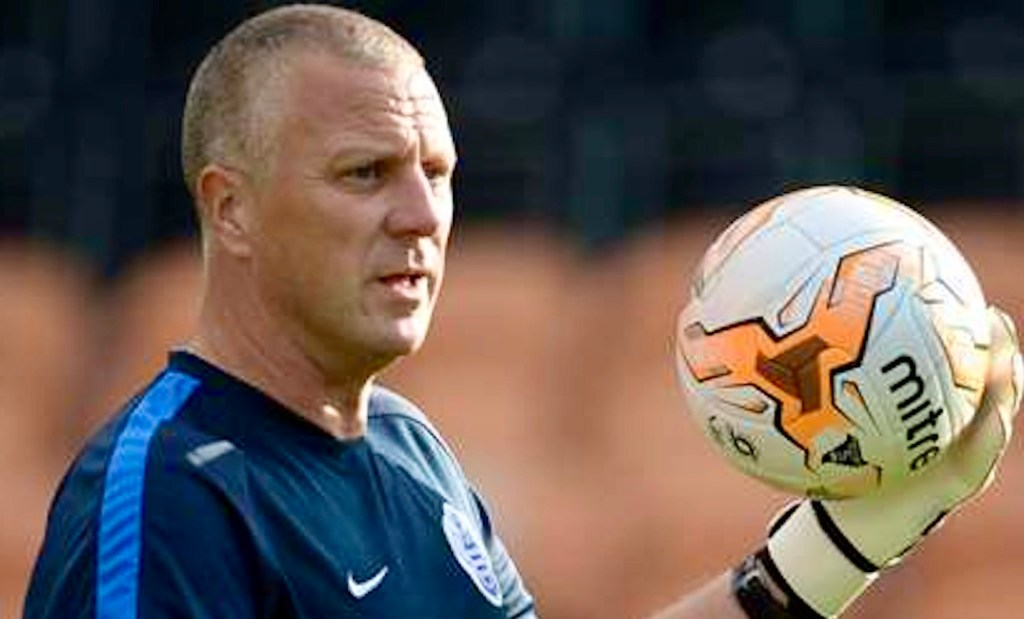
JOURNEYMAN goalkeeper Paul Crichton played 540 games in a 22-year career and, even at the age of 39, found himself on the Brighton subs bench ready to be called on in an emergency.

As things turned out, the former Burnley custodian’s time with the Seagulls remained in a coaching capacity, helping to develop youngster John Sullivan and improve no.1 Michel Kuipers.

However, he was registered as a player and when either Kuipers or Sullivan were unavailable, Crichton answered the call as stand-by ‘keeper, as well as making an appearance as a sub in a pre-season friendly.

Much of Crichton’s career was as a back-up no.1 but he stepped up as a coach, working with the likes of Rob Green and Fraser Forster, and obtained a UEFA A licence in outfield and goalkeeper coaching.

Crichton arrived at Withdean in July 2007 after previous goalkeeping coach John Keeley moved along the coast to take up a similar role with Portsmouth.

Manager Dean Wilkins told the club website: “Paul has impressive coaching qualifications and we have already seen him in action on the training ground.

“He also has a huge amount of experience from over 20 years playing professional football.”

No. 1 Kuipers certainly appreciated the influence the coach had on his game. He told an Albion matchday programme: “Paul approaches things from a different angle. He has given me extra information and a different opinion on how I can get the best out of myself.

“His input has improved me as a goalkeeper and my performances on the pitch have improved. We’ve worked on me playing more as a kind of sweeper, letting the defence sit a little higher up the pitch. It helps the defenders out as they don’t have to worry as much about the space behind them and allows them to go tighter on the strikers and gives them a better opportunity to win the ball or defend against strikers.”

Kuipers said he also felt more confident leaving his goal to claim crosses, and with his kicking. “It’s an aspect I feel has improved,” he said. “Paul and I have practised it on an almost daily basis in training, and the more I am doing it, the better I am getting at it.”

Sullivan was also grateful for Crichton’s input, telling the matchday programme: “Paul’s brought some great new ideas into the club – he’sa very, very good coach. Paul is not long retired so he’s well aware of how the modern game has changed so much for ‘keepers.”

Crichton remained in post until February 2009 when the lure of returning to Norwich City, one of his former clubs, four and a half years after leaving the club as a player, was too great and he went back to East Anglia, even though he had started to put down roots in Sussex.

“We’d just started to get settled in Eastbourne,” he told pinkun.com. “The manager, Micky Adams, and the backroom staff have been fantastic and I’m sad to leave. But I had three great years here, ending in the Championship winning season.

“I didn’t play many games, but I just wanted to return – it’s a great place.”

Adams told the Argus: “I am very disappointed to lose Paul. He was a hard-working and highly-valued member of the backroom staff and he has done a fantastic job with all the goalkeepers at the club.

“I have no doubt he is going to be one of the top goalkeeping coaches in years to come but, after he expressed a desire to go back to Norwich for both footballing and family reasons, it was not right for us to stand in his way.”

Crichton had been understudy to the aforementioned Green during his time as a player at Carrow Road, and boss Bryan Gunn (a former City goalkeeper himself) told the pinkun.com: “We want someone to continue to develop not only the first team goalkeepers but those in the academy and I know he’s looking forward to putting a development programme in place, which is important as we’ve had a good record in this position in recent years.”

Crichton had first moved to City on a two-year contract in June 2001, signed for £150,000 by former Burnley coach Nigel Worthington, who’d taken charge of the Canaries.

At Turf Moor, Crichton had been one of Stan Ternent’s first signings after he took over as manager from Chris Waddle in 1998. He made his debut on 8 August 1998 in a 2-1 win at home to Bristol Rovers and was a regular in their third-tier side, helping them to promotion in 2000.

Clarets fans have mixed opinions of his attributes, if a 2019 discussion on uptheclarets.com is anything to go by. For example, ‘jdrobbo’ said: “Used to be a big fan of his. Thought his kicking was excellent for a keeper at that level. Occasionally left stranded off his line. A key player in our 2000 promotion side, but not good enough for the next level up.”

‘ClaretTony’ reckoned: “A master of a goalkeeper at not being where he should be. Never known a goalkeeper out of position so much.”

Although ‘Lord Beamish’ said: “A key part of the last Burnley team to play in the third tier. He’ll always be fondly remembered by this Claret fan.”

Born in Pontefract, Yorkshire, on 3 October 1968, Crichton began his career with Nottingham Forest, turning professional in 1986. But with Hans Segers and Steve Sutton ahead of him, he didn’t break into the first team at the City Ground and went out on loan to six different league clubs to get games, making his debut across the Trent at Notts County.

Eventually he moved on permanently, in 1988, initially spending two years with Peterborough United, then three years with Doncaster Rovers.

Alan Buckley signed him on a free transfer for Grimsby Town, where he played the most games (133) for any of the clubs he represented. Mariners Memories on Facebook, noted: “Crichton was a good shot stopper…..he was made the Supporters Player of the Season in 1994”.

In September 1996, he followed Buckley to West Bromwich Albion for £250,000.

It was during his time at West Brom that he had two loan spells with Burnley in 1998 before joining them permanently for £100,000 in November that year.

His playing career following his departure from Carrow Road took him to eight different clubs, Gillingham and Cambridge United among them, together with some non-league outfits. During a brief and controversial spell at York City, when he was alleged to have clashed with supporters, he coached a young David Stockdale. He moved to the Albion from King’s Lynn.

His subsequent return to Carrow Road was briefer than expected when Paul Lambert took over from Gunn and brought in his own goalkeeping coach.

In March 2010, Crichton became goalkeeping coach at Northampton Town but, in the summer of 2010, he linked up with Danny Wilson at Sheffield United, where he was also registered as a player to provide emergency cover. He spent two seasons at Bramall Lane before becoming part of Simon Grayson’s management team at Huddersfield Town.

After two years with the Terriers, he switched to Blackpool and spent just over a year working as goalkeeper coach and interim assistant manager alongside Jose Riga.

Next up was a brief spell in London, at QPR, where he was appointed by former Albion full-back Chris Ramsey to succeed Kevin Hitchcock.

After leaving the Hoops in early 2016, his next port of call was Swindon Town, to work under Luke Williams, Brighton’s former under-21s manager, but he left after only a couple of months to move to America.

He had several short spells coaching with different clubs in Florida before becoming assistant head coach at The Miami FC in January 2020, when head coach was Kenny Dalglish’s son, Paul.

He became goalkeeper and interim assistant coach for North American professional women’s team the Washington Spirit during the 2021 and 2022 seasons, helping lead goalkeeper Aubrey Kingsbury to the 2021 NWSL Goalkeeper of the Year award and guiding the club to the 2021 NWSL Championship.

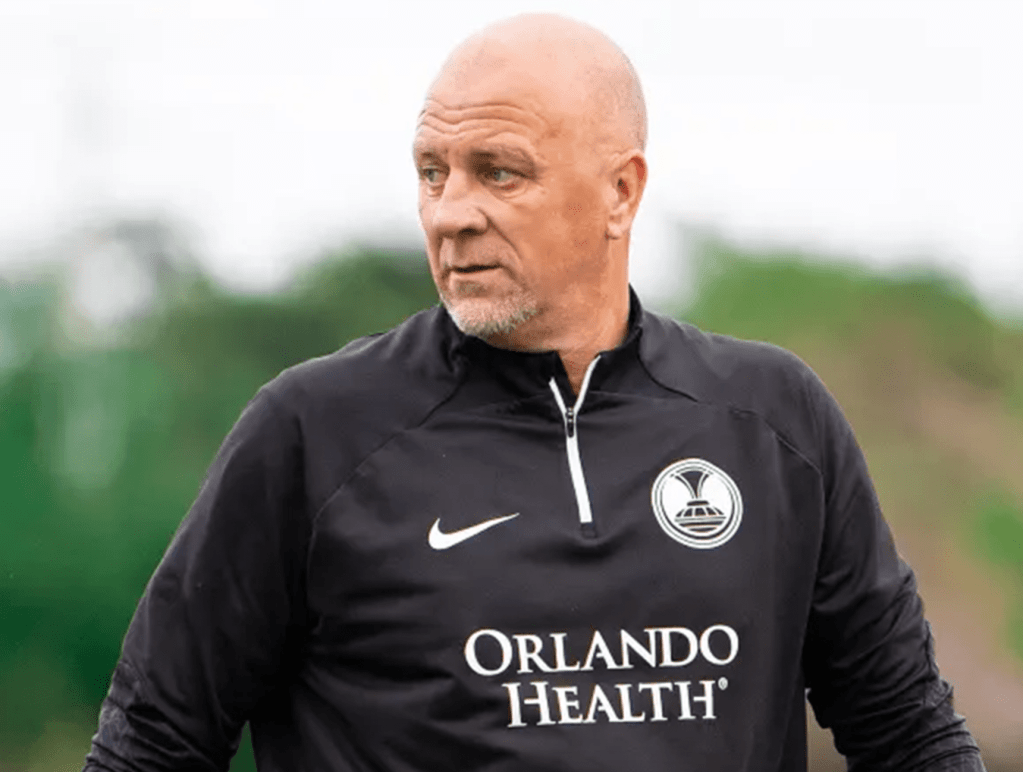
Then in April 2023 he switched in a similar role to Florida based women’s team Orlando Pride.

Spurs’ Junior acted the Dream after scoring for the Seagulls

JUNIOR MCDOUGALD played professional football for 23 years and managed to combine it with acting, featuring in Sky 1’s Dream Team series.

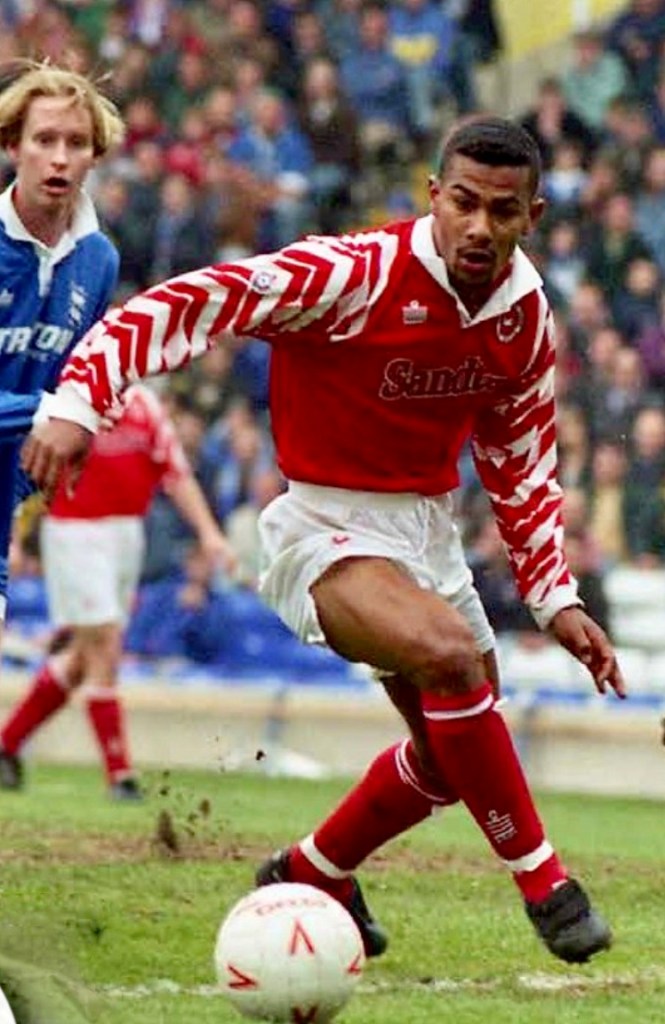
Brighton fans of a certain vintage will remember him as a nippy, diminutive forward who scored 22 goals in 88 matches (+ seven as sub) during a difficult period for the club.

By his own admission (in an interview with the Argus), he left too soon, and a move to Rotherham United didn’t work out.

Born in Big Spring, Texas, on 12 January 1975, McDougald grew up in the UK and his early potential saw him associated with Tottenham Hotspur from the age of nine.

He was subsequently chosen as part of a group of the country’s top 25 14-year-old footballing prospects to be nurtured at the FA’s National School at Lilleshall.

On his graduation from Lilleshall in 1991, he joined Spurs as a trainee. Alongside McDougald both at Lilleshall and Tottenham was Sol Campbell, the defender who went on to star for Spurs and Arsenal, as well as England. Campbell told tottenhamhotspur.com: “I’ve some fond memories of Junior. We used to play against each other when we were 13, then we were at Tottenham and Lilleshall when we were 14.

“He’s a smashing lad and I can’t speak highly enough of him. He’s a good bloke, a good man and a fabulous footballer.”

McDougald joined the full professional ranks at White Hart Lane in the summer of 1993, but when he didn’t make the breakthrough to their first team, he made the switch to Brighton.

He described his time at Spurs as “a dream come true” and, in an article on tottenhamhotspur.com, said: “I know it’s an old cliché but I’d always supported Spurs.

“I think it’s well documented now that I even wrote to Jim’ll Fix It to ask to go training with them!”

He added: “It was a great experience, a positive experience and it was always my dream to play for the club.”

Spurs fanzine My Eyes Have Seen The Glory (mehstg.com), recalled him as “a young striker who scored a large number of goals for the Tottenham junior sides, but progressed no further than the reserves at White Hart Lane. Blessed with good pace, but a little on the short and light side.”

Unfortunately, while his contemporary Campbell went on to superstardom, McDougald was released at the age of 19.

“It was very disappointing to leave,” he said. “But at the same time, I was ambitious and, when Liam Brady at Brighton called me, I saw it as a great opportunity. I wanted first team football.

“Any disappointment was hidden by excitement. It was a new start.”

I can remember seeing McDougald make his debut in the opening game of the 1994-95 season, away to Swansea City at their old Vetch Field ground; Albion resplendent in the turquoise and black striped shirts in the style of the kit once worn by boss Brady at Inter Milan.

McDougald’s subsequent one-in-four scoring ratio with the Seagulls was set against the backdrop of financial turmoil at the club and he was there when the club was relegated to the fourth tier.

“There was no stability off the field and that could transfer itself on to it,” he told the Argus. “I was very young and Liam Brady was a great help. I was pleased to have played with legends like Steve Foster, although he was coming to the end of his career.

“The supporters were fantastic and really good to me as a young player. Overall, I had two enjoyable years there and I’m delighted to see them doing so well now. They’ve always had the potential and the fans deserve the success.”

Towards the end of his second season with the club, he was loaned to Chesterfield, where he scored once in nine games, and he then chose to move to Rotherham United for £50,000 in August 1996.

“It is only when you leave somewhere sometimes that you realise how good a club it was,” he told the Argus. “I have fantastic memories of Brighton. The support was so good and they have such potential.

“I thought I was doing the best thing for my career when I left. I wasn’t to know I would go to Rotherham, score on my debut, get injured in the same game and not play for three months.”

He had a relatively successful six-month spell at Toulon in France but efforts to re-establish himself back in the UK with Cambridge, Millwall and Orient didn’t work out.

“With the gift of hindsight maybe I would have stayed at Brighton for another season or two and established myself,” McDougald said in the Argus interview.

It was only when he signed for Dagenham & Redbridge in 1999 that he got back in the headlines, in particular when, in January 2001, he scored in the FA Cup 3rd round as the non-league Essex side held Alan Curbishley’s then Premier League Charlton Athletic to a 1-1 draw.

The 4th round draw paired the winners of the tie with Spurs, so it looked like it would be a perfect match for the former Spurs youngster, but the Addicks edged the replay 1-0 in extra time to spoil his dream.

Nevertheless, his form for Dagenham saw him selected for the England semi-professional side at a Four Nations Trophy tournament in 2002, where he was up against his clubmate Tony Roberts, the former Spurs goalkeeper.

Alongside the serious business of earning a living from playing football, McDougald also appeared for the fictional Harchester United side in Sky’s Dream Team, together with former Albion players Peter Smith and Andy Ansah.

“It was through Andy who actually recruits the players,” he said. “Pete Smith told me it was fun and it is. We just do what footballers do and are filmed playing, in changing rooms and night clubs. It is a good little avenue.”

By the time Dagenham made it into the Football League, McDougald had moved on to St Albans and, in the 2003-04 season, he was part of a Canvey Island squad that also included former Brighton players Mickey Bennett, the aforementioned Peter Smith, and Jeff Minton.

He later played for Kettering Town, Histon, and Cambridgeshire side St. Ives.

McDougald, a Born-again Christian, has since become the co-founder and director of children’s charity Sports Connections Foundation which uses sport to help and inspire children.

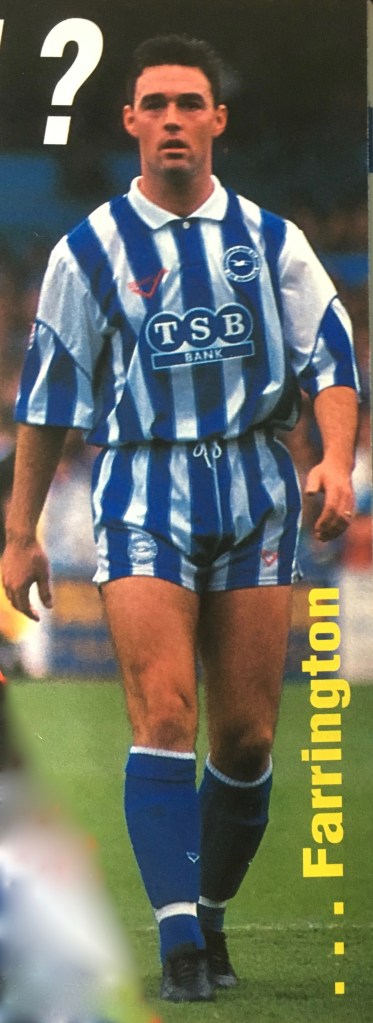
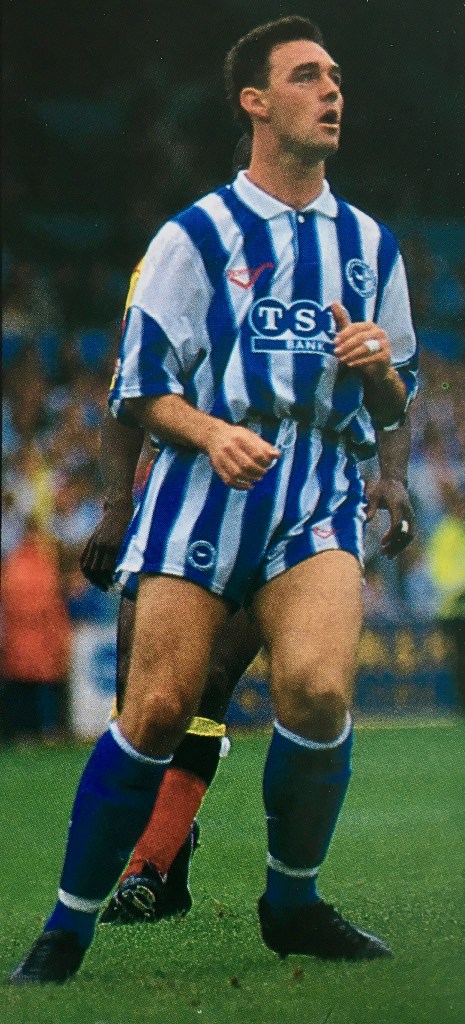
Everton reject Mark Farrington earned rebuke at the Albion

BARRY LLOYD made a number of astute signings during some turbulent years in charge of the Seagulls; Mark Farrington wasn’t one of them!

Although Lloyd struck gold when he picked up Mike Small after seven years playing in Europe, his luck evaporated when he brought former Everton youth player Farrington back to the UK after a five-clubs-in-five-years spell in Holland, Belgium and Germany.

Lloyd agreed a £100,000 fee to sign him from respected Dutch outfit Feyenoord in 1991 – as a replacement for Small, who’d been sold to West Ham for £400,000. But in three years on the Albion’s books, Farrington mustered just four goals in 28 appearances. Subsequently, apart from a single league appearance for Hereford, he ended up at non-league Runcorn.

It’s no secret he’s gone down in Albion folklore as one of the club’s biggest flops, as evidenced by comments on the popular fans forum, North Stand Chat.

In 2004, in one of those discussions about all-time-worst player, ‘Metal Micky’ gave his vote to Farrington, adding: “The only one who came close to his utter shiteness was Ashley Neal.”

On another occasion, noting that Farrington managed to get on the scoresheet in a 3-1 win away to Burnley, ‘Pinkie Brown’ declared: “Mark Farrington scoring a goal rates alongside stepping in rocking horse crap, spotting Lord Lucan and going for a ride on Shergar. The last three are more realistic.”

On the same forum, ‘Withdean and I’ described him as: “The most expensive player ever to make so little impact at the Albion.”

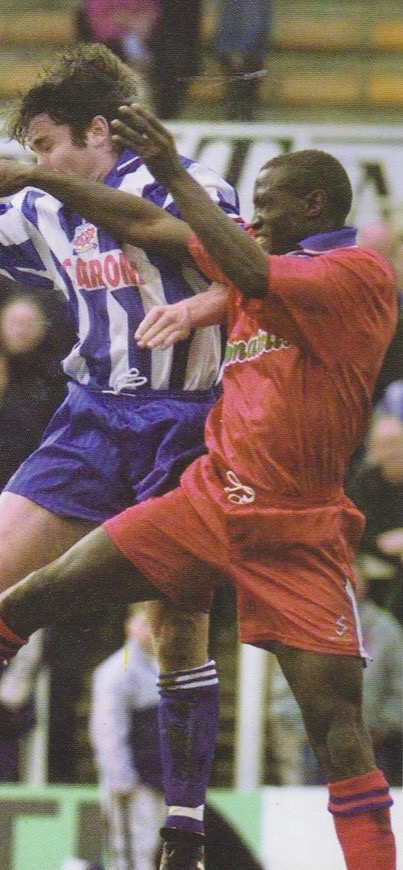
It seems only right and fair, though, to try to balance the picture and I’m grateful to a November 2018 look-back article in the Sussex Express which recalled an occasion on 26 February 1994 when Farrington scored a goal in a 3-1 win at Huddersfield, and earned a plaudit from Lloyd’s replacement as manager, Liam Brady.

The newspaper reported: “For Farrington in particular, it had been a difficult season. He had made only sporadic appearances under Lloyd, but Brady was committed to give everyone a chance. ‘I brought Mark Farrington back into the side,’ said Brady. ‘As far as I am concerned, the slate is clean with everyone at the club and I am prepared to look at each and every player and Mark has done particularly well (in the reserves) and shown a good attitude’.”

It was good of Brady to give him the opportunity but at the start of the following season he brought in Junior McDougald to play alongside Kurt Nogan, and, in October 1994 Farrington left the club.

Born in the Allerton district of Liverpool on 15 June 1965, Farrington’s dad was a long distance lorry driver and his mum a shoe shop manageress. He attended Springwood Primary School and moved on to Hillfoot High School, where his footballing ability began to be recognised.

He also played for the local Allerton side and an Everton scout, Ray Marshall, spotted him. He was taken on as an associate schoolboy and then progressed to an apprenticeship. Unfortunately, his hopes of making it at Everton were dashed within weeks of him ending up on the losing side in the 1983 FA Youth Cup Final.

Farrington scoring features on the front cover of the Everton programme

Ironically, Farrington scored four times against Norwich City (see picture of one of them on front of programme) over two legs but City won a play-off and collected the trophy 6-5 on aggregate.

Everton decided not to offer Farrington a professional contract, but the opposition’s manager, Ken Brown, liked what he saw and took him on at Carrow Road.

A year later, he was blooded in an end-of-season top tier game away to Coventry City which the Canaries lost 2-1.

City history site Flown From The Nest notes he made a total of 18 appearances and scored twice before he was loaned to Cambridge United, where he scored once in 10 matches, and was then transferred to Cardiff City in July 1985.

City were newly relegated from the second tier. Farrington scored in the first game of the new season, a 4-1 win at Notts County, but Cardiff had a disastrous season and finished up relegated to the bottom tier. According to mauveandyellowarmy.net, Farrington scored only three more times in a total of 36 appearances for the Bluebirds before being sacked for a breach of club discipline by manager Alan Durban, who was sacked himself following relegation.

After an unsuccessful trial with Portsmouth, Farrington tried his luck on the continent.

At Dutch side Willem II Tillburg, he got into his goalscoring stride and bagged 26 in 61 appearances – by far his best scoring ratio for any club.

At RC Genk he scored five in 17 matches, and 10 in 30 games for Fortuna Sittard, including a hat-trick against PSV Eindhoven and four against Volendam. Next up on his European travels was Hertha Berlin for eight months, but he struggled to settle in Berlin and didn’t register a goal in nine games.

Dutch giants Feyenoord came to his rescue and, after he’d scored twice in a friendly, they bought out the rest of his Hertha Berlin contract. He scored once in five matches but when Gunther Bensson, the coach who’d bought him left, he failed to see eye to eye with his successor and began to seek a move. Lloyd took him on trial at Brighton and he scored in a reserves match against Ipswich.

“In May 1991 I had the chance to go to Spain to play for Seville but that fell flat and in August Barry called me again and I came to the Goldstone,” he told the matchday programme. “I had missed the pre-season training and all the other players had a head start and I suffered. I injured an ankle early on and one thing led to another. It soon became a nightmare, one injury followed another,” he said.

Farrington saw various specialists to try to get to the bottom of several niggles that were keeping him sidelined and months went by before he finally got the all-clear.

Burnley graduate Ronnie Welch briefly captained the Albion

welch and wilsonTHE FOOTBALLING fortunes of two graduates from Burnley’s famous talent academy of the 1970s took quite different paths after the legendary Brian Clough signed them for Brighton.

While left-back Harry Wilson stayed for four years and enjoyed promotion success under Alan Mullery, midfielder Ronnie Welch left the club less than a year after he’d joined, ‘used’ (together with fellow midfielder Billy McEwan) as a makeweight in the transfer of Ken Tiler to the Albion.

The early signs following Welch’s arrival on the south coast had been positive. Although he and Wilson’s debuts at home to Aldershot on Boxing Day 1973 ended in a 1-0 defeat, results gradually picked up and, at the tender age of 21, Welch even found himself captaining the Albion in the absence of skipper Norman Gall.

Clough had turned to them as he tried to sort out a side who’d experienced a series of heavy defeats (the now-infamous 8-2 home loss to Bristol Rovers; a 4-0 reverse v non-league Walton & Hersham in the FA Cup, and a 4-1 loss away to Tranmere Rovers).

The tale of how Clough turned up at Turf Moor to sign them one lunchtime, only to find the place deserted apart from groundsman Roy Oldfield, has been recounted in said groundsman’s memoirs.

A fee of £70,000 for virtually untried youngsters was quite a lot of money in those days.

Midfielder Welch took over the no.4 shirt previously worn by Eddie Spearritt, who’d started the season as the club captain, and Wilson replaced George Ley, a big-money signing from Portsmouth the season before.

wilson and R WelchWelch stood just 5’6½” tall and weighed 10st 7lb, but Evening Argus football writer John Vinicombe was suitably impressed. His match report of the 1-0 home defeat to Aldershot was unearthed by thegoldstonewrap.com, and we learned: “After a subdued first-half, Welch had a storming second half against the Shots, impressing with his energy.”
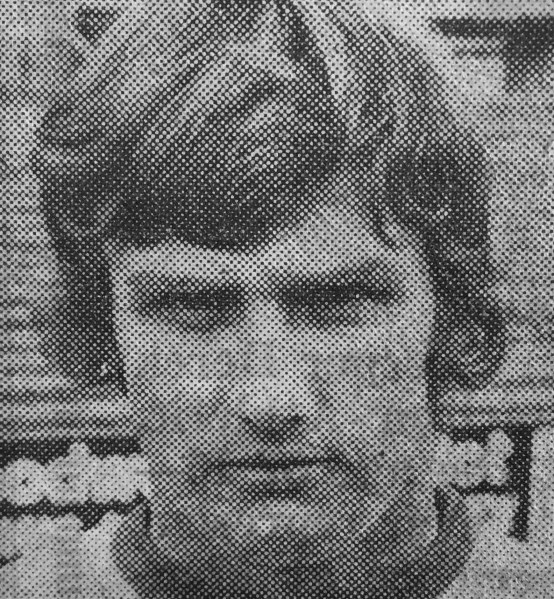
Vinicombe reckoned Welch wasn’t as extrovert as Wilson “but is no less involved in midfield and has a fine turn of speed. He made one mistake through trying to play the ball instead of hoofing it away, but this can only be described as a ‘good’ fault.”

For a while, the Albion midfield featured the two Ronnies — Welch and Ronnie Howell became Clough’s preferred pairing — although Spearritt replaced the former Swindon player for a short spell, and competition for those spots hotted up at the end of February with the arrival of fiery Scot McEwan from Blackpool.

In his 10th match in Albion’s colours, Welch scored his first goal as Brighton beat Blackburn Rovers 3-0 in front of a 12,102 Goldstone crowd on 23 February 1974 (Barry Bridges scored twice), and he was on the scoresheet again in the 3 April 1974 midweek evening home game v Cambridge United, as the visitors were dispatched 4-1 (Bridges, McEwan and Howell the other scorers).

Clough was happy to give Welch the responsibility of captaining the side in Gall’s absence, although thegoldstonewrap.com reported: “Unfortunately, the burden of being skipper at such a young age affected his form for the side.”

Nevertheless, after Clough quit the Albion in July 1974, leaving his old sidekick in sole charge, Welch was in the starting line-up for the new season.

Ronnie W 74 pre-seasonAlbion got off to a cracking start with a 1-0 win over Crystal Palace, and Welch played in the opening eight matches. But results didn’t go Taylor’s way and he shook up the midfield by introducing the experienced Ernie Machin, the former Coventry City captain, and also brought in Coventry’s Wilf Smith on loan.
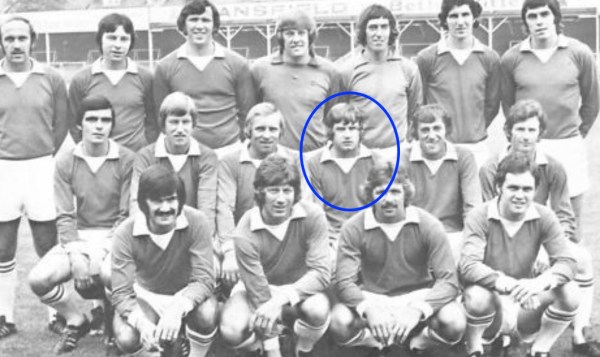
Welch filled in at right-back for three matches and his last involvement in an Albion shirt was as a non-playing substitute away to Gillingham on 26 October.

Ever one for wheeler-dealing, Taylor had his eye on right-back Tiler at Chesterfield, but he had to exchange Welch and McEwan to land his man.

Welch had been born in Chesterfield on 26 September 1952, so it no doubt suited him down to the ground to move back home.

RW ChesterfieldHe was at Chesterfield for three years during the managerial tenure of the former Sheffield United legend Joe Shaw, but only played 24 games.
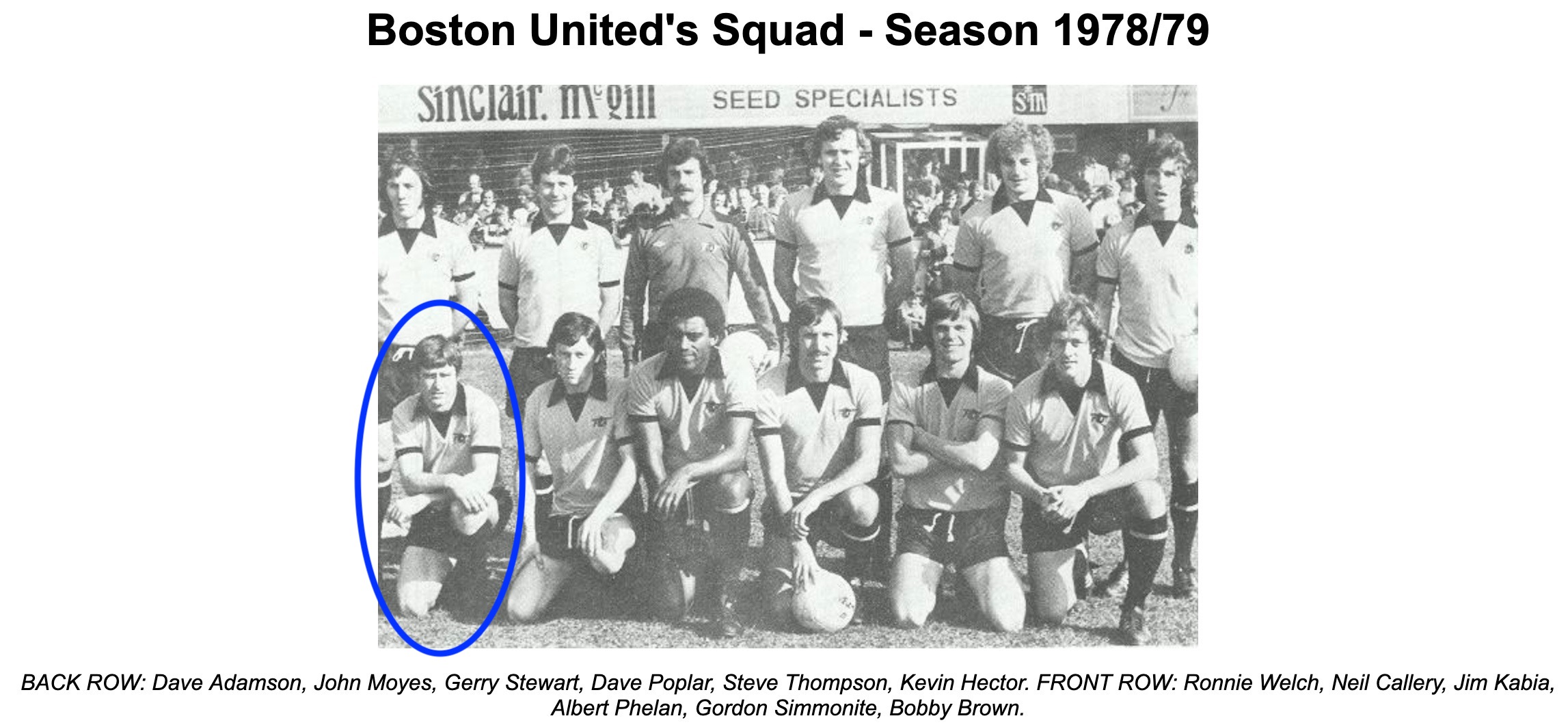
Welch at BostonIn the 1978-79 season he popped up at non-league Boston United where he played 39 matches plus four as a sub and scored four times.
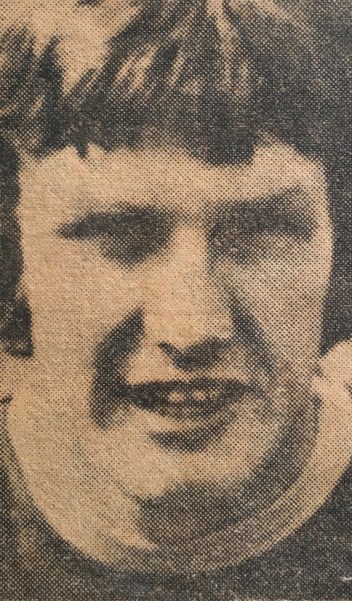
It must have all seemed a long way from the heady days when he graduated from apprentice through to the Burnley first team. He featured three times for the England Youth team in February and March 1969 and Burnley awarded him a professional contract in September that year.

At the time, Burnley had a reputation for bringing through a succession of talented young players.

RW BurnleyHis breakthrough came on 30 January 1971, in a home 1-1 draw against Newcastle United, but it was to be his only appearance in the first team. There were a number of established midfield players ahead of him: the likes of Doug Collins, Mick Docherty and Martin Dobson, and later Geoff Nulty and Billy Ingham

While Welch may have ‘disappeared’ in a footballing sense, when in June 2019 a picture of him was posted by someone on a Chesterfield FC history Facebook page – the excellent Sky is Blue – a flurry of followers came forward to identify him, including his daughter and sister! It was said he now lives in the New Whittington area of Chesterfield.

Great strike rate at Brighton but journeyman Benjamin had 29 clubs!

T Benj BTNSELDOM in his remarkable 29-club career did Trevor Benjamin enjoy such a successful spell as the 10 games he spent on loan at Brighton.

The bustling striker who had thrived under Micky Adams at Leicester City the season before scored five times for Mark McGhee’s promotion-chasing side in 2004.

McGhee was keen to keep him through to the end of the season but because of the timing of the three-month deal he wouldn’t have been eligible to play in the play-offs.

As a result, he went back to Leicester and McGhee brought in Chris Iwelumo instead, and, with a goalscoring debut in an away win at Chesterfield, there was no looking back.

Born on 8 February 1979 in Kettering, Benjamin was brought up in Wellingborough, Northants, and, having done well for Wellingborough Colts, was picked up by Kettering Town, playing for their youth team and reserves.

Cambridge United took him on as a trainee and he made his first team debut aged only 16 against Gillingham and went on to score 46 goals in 146 appearances.

Such a scoring record caught the eye of Leicester boss Peter Taylor and, on 12 July 2000, Benjamin joined the Foxes for a fee of £1.3 million.

However, he managed only a single goal in the 2000-01 season and the following season was sent out on loan to Crystal Palace, Norwich City and West Bromwich Albion.

He returned to Leicester for the whole of the 2002-03 season, including playing against the Albion at Withdean.

He said in a matchday programme article for that season’s return match against Brighton on 19 April 2003: “Brighton are a very similar team to ourselves. They have got a good work ethic and never give up.

“I came on as a substitute for the last 10 minutes when we played against them at the Withdean Stadium just before Christmas and that was a tough night.

TBenj Lei action“The conditions were terrible and both sides had to work hard to beat the elements. But I think our quality shone through on the night.” (Leicester won 1-0).

The following season, Benjamin was back on his travels, initially to Gillingham, then Rushden & Diamonds and, in January 2004, to Brighton.

Benjamin’s first Brighton goal came after just 12 minutes of Albion’s home game against Plymouth Argyle, who were then top of the league table. Leon Knight added a second goal before a jubilant celebration in front of the Sky cameras and Albion prevailed 2-1.

He followed that up by netting Albion’s goal in a 1-1 draw away to Wycombe Wanderers, and was again on the scoresheet in the 2-1 away defeat to Grimsby Town.

A 3-0 home win over AFC Bournemouth saw Benjamin score the second of Albion’s three goals at Withdean. When Tranmere Rovers were dispatched by the same score, he once again scored the second goal.

Back at Leicester, when Craig Levein was installed as boss, he cancelled Benjamin’s contract in January 2005. Benjamin initially dropped down a couple of divisions to play for Northampton but, three months later, his old Leicester boss, Adams, took him to Championship side Coventry City. He helped to set up both goals on his debut for the Sky Blues as they beat Reading 2-1.

In Coventry’s matchday programme for their home game against Brighton on 2 April 2005, he talked about how he had been settling in and the efforts he’d been making to try to improve his game.

“I’ve been training quite hard with Alan Cork on my finishing since I got here and he’s great to work with. He’s trying to get me to focus on what I am best at and hopefully when the games start again the practice will pay off.”

Benjamin’s arrival at Coventry may have seen him make a leap of two divisions but he was by no means unfamiliar with football at that level having played with Leicester for five years in both the Premiership and the Championship.

David Antill wrote: ‘During his time with the Foxes he was loaned out to no fewer than seven clubs before eventually signing permanently with Northampton Town but he is delighted to be back in a league he enjoys playing, for a manager he believes can get the best out of him.

“I’ve always believed in my own ability and thought I could play at this level and it was great to be given the chance to return to this league with Coventry,” said Benjamin. “My confidence never really slipped – I never had a doubt about coming here and being able to deliver the goods.

“I know what Micky Adams is all about and he knows what I’m all about so I enjoy working with him. What he’s brought here is exactly what he brought to Leicester and that’s what brought him success there. He’s a hard-working manager and he wants exactly the same thing from all of his players and I think he’s getting that.”

After scoring only once for the Sky Blues, in the summer of 2005 the burly forward linked up with Peterborough United, where he signed a three-year deal. However, he was loaned out several times, appearing for Watford, Swindon Town, Boston United and Walsall.

There was some stability and a return to goalscoring when he moved to Hereford United. He scored 10 in 34 games for the Bulls but was released in May 2008 and ended up drifting across the non-league scene for the next four years, popping up at no fewer than 13 different clubs.

It was all a far cry from the heady days of 2001 and 2002 when he briefly reached the international arena.

He went on as a substitute for Howard Wilkinson’s England under 21s as they beat Mexico 3-0 in a friendly at Filbert Street on 24 May 2001. Because he hadn’t played in a competitive fixture, he was then able to swap allegiances and played two matches for the full Jamaica international side in 2002.

FA Youth Cup winner McPherson shored up leaky Seagulls defence

CENTRAL defender Keith McPherson made just one top division appearance for West Ham’s first team but went on to have a lengthy professional career, with a swansong at Brighton & Hove Albion.

Born of Jamaican parents in Greenwich on 11 September 1963, McPherson signed as an apprentice for the Hammers in 1980 and was a member of the FA Youth Cup winning side in 1981 (they beat Spurs 2-1 over two legs).

It was only the second time in the club’s history they had won the trophy and the excellent theyflysohigh.co.uk faithfully records the details on its website; headlined by the fact young Paul Allen had played in the Hammers FA Cup winning side the year before but was still eligible to play for the youth team.

WHU K McPMcPherson’s single first team appearance came at home to Liverpool on 20 May 1985, the last game of the season, which finished 3-0 to the visitors.

Unable to break through again, he had an 11-game loan spell with Cambridge United before a fee of £15,000 took him to Northampton Town in January 1986. He went on to play 216 times for the Cobblers over the next four and a half years.

In the summer of 1990, he joined then First Division Reading where he played for nine years.

Royals’ manager Ian Porterfield signed him having been impressed when the defender scored twice against Reading in previous visits to Elm Park.

McPherson ReadMcPherson was a regular at the heart of the Royals defence at Elm Park and the Madejski Stadium, and was a key part of the Mark McGhee side that won the Division 2 Championship in 1994.

After spending nine years at Reading, many as captain, and making 317 league and cup appearances, he joined the Albion at the age of 35 shortly before the March transfer deadline in 1999 as beleaguered manager Jeff Wood tried to shore up the centre of a defence which had been leaking goals at an alarming rate.

He made his debut in a hard-fought 0-0 draw away to relegation-threatened Hartlepool which registered Albion’s first point for seven games and first clean sheet since the start of November.

King, McPherson, Doherty and trainee Duncan McArthur all made debuts at Hartlepool

The game also saw Wood give debuts to another experienced defender in former Swindon full-back Phil King together with young Charlton loanee Lee Doherty.

With Albion up against it in the league, McPherson even played with a broken nose, manager Wood telling the Argus: “He is happy to play. It doesn’t affect his breathing and his nose is not the prettiest anyway.

“He is very important to us. I brought him in for his experience and if he didn’t play it would weaken us considerably.”

Before the season was out, the experienced defender had played 10 games under three managers and ended up as captain!

Caretaker manager Martin Hinshelwood handed him the armband for his one match in charge, at Plymouth, and McPherson carried on as captain when Micky Adams took over as manager for the final five fixtures.

One of Adams’ first moves once the season had ended was to secure McPherson’s signature for the following season. Adams told the Argus: “Keith is an older and experienced professional who has still got a bit of life in him.”

For the veteran defender, it was all something of a whirlwind. He said: “It has been very eventful. Jeff brought me down and when the chairman decided he had to go that made my position precarious. When something like that happens, all you can do is play well.”

He continued: “I’m delighted. Micky Adams must have liked what he has seen.”

Having helped Reading to promotion from the old Fourth Division in 1987, McPherson pointed out: “I know all about the hustle and bustle at this level. It’s a matter of being organised. The gaffer has made it clear he wants promotion, which is good for the club and the fans.

“We are going to be playing back in Brighton next season and he wants winners.”

McPherson in the 1999-00 squad photo with Gary Hobson and Charlie Oatway

McPherson went on to play 25 times that season but, having turned 36, it was his last season in a professional career that saw him play more than 500 games.

The emergence of Danny Cullip curtailed his appearances but, when released on a free transfer at the end of the season, together with Warren Aspinall, Adams said: “The door is not closed on them. They have been good lads, model pros.

“They have done well for us this season, but their appearances have been restricted because of other people’s good form.”

When McPherson decided to move to non-league Slough Town to wind down his playing days, Adams told the Argus: “We are sorry to see him go. He is a good pro who always works hard and tries his best.”

After 75 appearances for Slough, McPherson went back to Reading as a coach.

According to getreading.co.uk, he now lives in Surrey and does computing at a private school.

McP in 2017

Pictures: various online sources, and Albion matchday programmes.

Two goals that etched Sammy Morgan’s place in Albion history

HAVING A cheekbone broken in four places during a pre-season friendly summed up the bad luck of never-say-die Northern Irish international striker Sammy Morgan.

His cause wasn’t helped when the manager who signed him six months earlier quit. And, to top it off, while he was recovering from that horrific injury, an Albion footballing legend in the shape of Peter Ward burst onto the scene.

When a £30,000 fee brought him to Brighton from Aston Villa just before Christmas 1975, it looked like the side had found the perfect strike partner for Fred Binney as they pushed for promotion from the third tier.

Unfortunately, the man with the swashbuckling, fearless approach went eight games without registering a goal. However, in his ninth game he made amends in memorable fashion.

Morgan scored both goals in a 2-0 win over Crystal Palace in front of an all-ticket Goldstone Ground crowd of 33,300 – with another 4,000 locked out.

It was 24 February 1976 and the Daily Mail’s Brian Scovell reported the goals thus: “In the 12th minute, Ernie Machin struck an early ball into the middle from the right and Ian Mellor headed on intelligently behind the defence for Morgan to steer the ball into the corner of the net.

“The second goal, in the 55th minute, came when Tony Towner took the ball off Jeffries and set off on a 40-yard run which ended with his shot rebounding off goalkeeper Paul Hammond. Morgan tapped in the rebound.”

Gritty, angular and awkward, Morgan scored five more before the end of the season, including another brace at home to Swindon.

However, Albion narrowly missed out on promotion and Peter Taylor, the manager who bought Morgan, quit the club in the close season. The new season under Alan Mullery hadn’t even begun when, in a pre-season friendly against Luton Town, Morgan fractured his cheekbone in four places.

“I know I’m probably more prone to injuries than other players because of my style of play, but there’s no way I can change it, even if I wanted to,” Morgan told Shoot! magazine. “I made up my mind as soon as I got back in the team that I’d have a real go and that’s what I’ve done. People say I’m a brave player but I don’t really know if that’s true. I just like to give 100 per cent and that way no-one can ever come back at you.”

In the season before he joined Brighton, a groin injury had restricted him to just three top-flight appearances for Villa and, when he was fit to return, Villa had signed Andy Gray, whose form kept him out of the side.

Initially reluctant to move on, he admitted in that Shoot! interview: “I was sad at the time because I had a lot of happy times at Villa but now I think they may have done me a favour. Brighton are a very good ambitious club and I’ve just bought a house in Peacehaven. Really, I couldn’t be happier.”

Born in Belfast on 3 December 1946, Morgan’s family moved to England to settle in Great Yarmouth and, with an eye to a teaching career, he combined studies with playing part-time football for non-league Gorleston Town.

“Deep down I knew I could make the grade, but the opportunity just wasn’t there,” he told Goal magazine in a 1974 interview. “The local league club was Norwich City and in those days they didn’t seem that keen on local talent.”

Morgan enrolled at teacher training college in Nottingham and just when he thought a professional football career might elude him, Port Vale made an approach.

“I jumped at the chance,” he said. “They let me stay at Nottingham to complete my studies and I would travel up to train and play with them. Deep down I thought that the Third Division was as high as I could get, unless, of course, Vale were promoted.”

In his three years with Vale, where his teammates included Albion legend Brian Horton, he scored 24 goals in 113 appearances, and he caught the eye of the Northern Ireland international selectors. He scored on his debut in a European Championship qualifier with Spain on 16 February 1972 when he took over at centre-forward from the legendary Derek Dougan.

Amongst his illustrious teammates that day were Pat Jennings in goal and the mercurial George Best. Future Brighton left-back, Sammy Nelson (then with Arsenal) was also in the side. The game was played at Boothferry Park, Hull, because of the ‘troubles’ in Northern Ireland at that time and it finished 1-1.

Morgan won 18 caps in total over the next six years, scoring twice more, in 3-0 home wins over Cyprus on 8 May 1973 and Norway on 29 October 1975.

The Goal article noted Morgan “earned a reputation of being a hard, no-nonsense striker who could unsettle defences and goalkeepers with his aggression”.

Aston Villa boss Vic Crowe liked what he saw and reckoned he’d be an ideal replacement for that tough Scottish centre-forward Andy Lochhead, who was coming to the end of his career.

Morgan was by now 27 but, in the summer of 1973, Villa paid a £20,000 fee for his services.

“The offer came right out of the blue and I had no second thoughts about the move at all,” he said. “Being part of such a famous club naturally brings pressures, but I wouldn’t have it any other way.

There was a famous incident in a televised game between Arsenal and Aston Villa when the normally calm, cool and collected Arsenal goalkeeper Bob Wilson went ballistic because of the way Morgan tried to stop him clearing his lines.

Swindon goal celeb“The bigger the atmosphere, the more I like it. For instance, my best two games this season were against Arsenal, and in the replay there was a crowd of 47,000.”

At Brighton, new manager Mullery quickly decided he preferred Ward to Binney and, with Morgan sidelined by that pre-season injury, opted to put former midfielder Ian Mellor up front to partner him.

Wardy MorgBetween them, they literally couldn’t stop scoring goals, and the success of their striking partnership restricted Morgan to only two starts in 1976-77. He was on the sub’s bench throughout that first promotion season under Alan Mullery, and he scored just once in 16 appearances as the no.12.

He subsequently moved on to Cambridge United before a spell in Holland, where he played for Sparta Rotterdam and FC Groningen.

When his playing days were over, he became a teacher back in Gorleston. He also became involved in the Norwich youth team in 1990, signing full time as the youth development officer in 1998 and becoming the club’s first football academy director (he holds a UEFA Class A coaching licence). He resigned in 2004 and moved to Ipswich as education officer.

In 2014, Morgan was diagnosed with stomach cancer and underwent chemo to tackle it. Through that association, in September 2017 he gave his backing to Norfolk and Suffolk Youth Football League’s choice of the oesophago-gastric cancer department at the Norfolk and Norwich University Hospital (NNUH) as its charity of the year.

Even when he could have had his feet up, he was helping to coach youngsters at independent Langley School in Norwich.

  • Pictures from various sources: Goal, Shoot! and the Evening Argus.

‘Have boots, will travel’ striker Steve Claridge mixed it with Lions, Wolves, Foxes – and Seagulls

VETERAN striker Steve Claridge, who saw service with 22 professional and semi-professional clubs, helped Brighton to one of the most amazing smash-and-grab raid wins I’ve ever seen as an Albion fan.

The former Millwall forward answered a plea from his old Lions boss Mark McGhee in November 2004 which paid off big time when the Seagulls snatched a 1-0 win away to West Ham United.

It was the first of only five games Claridge played for second-tier Brighton after McGhee turned to a player who had delivered for him during his spell in charge of Millwall.

Albion went into the game at the Boleyn Ground on 13 November 2004 on the back of three defeats and McGhee was desperate to stem a tide which had seen eight goals conceded and no points on the board.

A trip to West Ham (who ended up being promoted via the play-offs that season) was a daunting prospect if the bad run was to be halted.

However, as McGhee pointed out: “We approached the game differently. Whereas before we thought we could win, today we did not, and played to make sure we didn’t get beaten.

“We kept the ball up front more which is important. Steve Claridge was key to that.

“He is one of the fittest players I’ve worked with and I had no doubt that after 18 months away from this level he would be able to perform.”

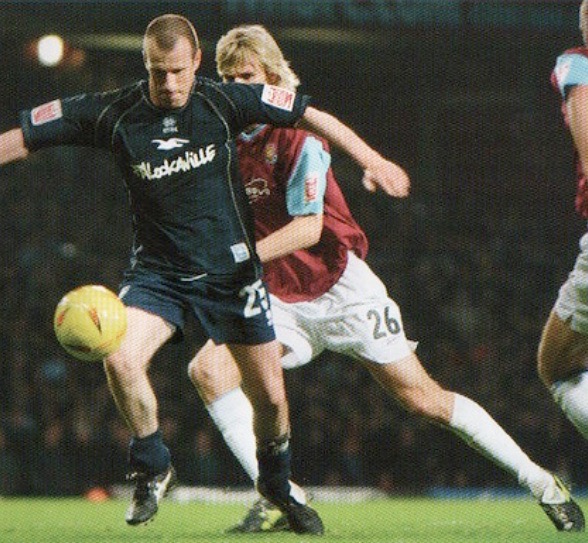
Claridge in action at Upton Park

Centre back Guy Butters headed the only goal of the game on 68 minutes from Richard Carpenter’s pinpoint pass and the Seagulls held out for an unlikely three points. Hammers boss Alan Pardew had to admit: “Technically they were perfect and obviously came here to play deep and try and nick it on a set piece, which is what they did.”

Claridge’s professional career looked to have run its course after he left Millwall in 2003 and became player-manager of Southern League side Weymouth.

But the disappointment of missing out on promotion had seen him and chairman Ian Ridley leave the club and Claridge, at the age of 38, was keen to give league football another go.

McGhee knew the qualities Claridge could bring to his ailing side having been a popular figure as Millwall came close to promotion from the second tier.

The West Ham success didn’t spark a great revival in Albion’s fortunes, however, and there was only one more win (1-0 at home to Rotherham) during Claridge’s month with the club.

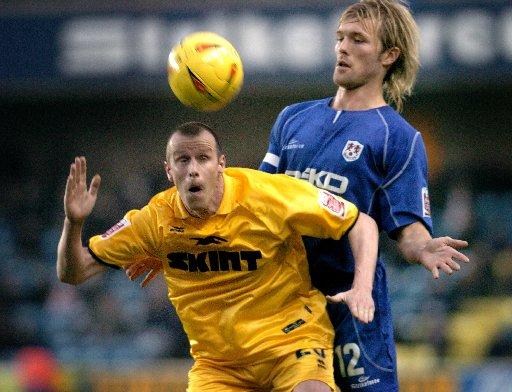
In one of those strange footballing quirks of fate, his fifth and final game for the Seagulls came away to Millwall (see Argus picture at top of article) on 11 December 2004, when Albion lost 2-0.

Claridge said all the right things in a programme feature about him that day, included likening the circumstances of both clubs. “The club has no money and it is tough just to survive, but everyone is in it together,” he said. “At Millwall we had a great team spirit and togetherness, and that is very much the case here.”

Unfortunately, it seemed money was the obstacle that precluded Claridge’s stay at Albion being extended and, after his deal was over, rather than it being one last hurrah, he went on to continue his league playing days at Brentford, Wycombe Wanderers, Gillingham, Bradford City and Walsall.

Then, at the age of 40, and with him needing just one more game to fulfil the landmark of 1,000 professional games, his old club Bournemouth gave him a match against Port Vale on 9 December 2006. No fairy tale, though, as they lost 4-0.

Born in Portsmouth on 10 April 1966, there aren’t many clubs in Hampshire and Dorset that Claridge has not had some kind of association with! Having been brought up in Titchfield, he started out with nearby Fareham Town in 1983. AFC Bournemouth took him on and gave him his debut in 1984 but he only played seven games before moving to Weymouth for three years.

Crystal Palace offered him a route back to the full professional game in 1988 but he didn’t make their league side, instead moving on to fourth tier Aldershot Town.

In two spells with Cambridge United, he scored 46 goals in 132 games. A falling out with manager John Beck saw him sold to Luton Town, and then bought back after Beck’s departure!

Nearly two years later, Birmingham City paid £350,000 to take Claridge to St Andrews and he became one of the club’s most prolific goalscorers, netting 35 in 88 games.

Such form eventually saw him switch to Leicester City and Claridge wrote himself into Foxes’ folklore, scoring winning goals in a play-off final to earn promotion to the elite level, and in the 1997 League Cup Final over Middlesbrough, the last time the competition staged a final replay. That, though, came after an ignominious beginning with Leicester.

McGhee’s successor as manager, Martin O’Neill, signed him for £1.2m in March 1996 and his early form was dreadful. Astonishingly, it seemed his poor start might well have been related to the wrong medication he had been taking for a heart defect for EIGHTEEN years, according to this official Leicester City website report.

In 1998, Leicester sent Claridge on loan to his hometown club, Portsmouth, but, in March 1998, McGhee, then boss at Wolves and seemingly at odds with more established strikers at the club, took Claridge to Molineux for a £350,000 fee. Only five months later he was sold to Portsmouth for £250,000.

Writer Dan Levelle said on an amusing Wolves’ fan website: “He was that amazing food blender you saw at your mate’s house, but you can’t get it to work at all for love nor money.”

claridge Wolves1

Claridge’s time at Molineux was clearly not appreciated by the Molineux faithful, as Levelle revealed in this 2012 piece.

Even more galling for Wolves followers was that no sooner had Claridge made the switch to Portsmouth, he was scoring a hat-trick against them in a 3-1 win at Fratton Park!

The goals and games came thick and fast for Claridge back on home turf – 34 in 104 – but his reign as player-manager at Fratton Park in 2000 was curtailed after just 25 games.

Remembering the player he’d seen only briefly a couple of years earlier, McGhee, by now in charge at Millwall, offered the striker a lifeline with the Lions, initially on loan and then as a permanent signing.

He joined on a temporary basis to cover a period when current boss Neil Harris was banned following a sending off, but, after he hit the ground running, was then tied to a permanent deal, as this Millwall blog post described in 2016.

Writer Mark Litchfield summed him up brilliantly when he said: “His style was unconventional, to say the least: shirt untucked, one sock down and no shin pads, any naïve defender probably thought they could eat him for breakfast. But hard work was a pre-requisite for Claridge – he wouldn’t give any opposition player a moment’s rest and would more often than not always get the better of them, too.”

Few could doubt Claridge’s enthusiasm for the game, as he told the Bradford Telegraph & Argus during his time in Yorkshire.

Even after achieving the 1,000-game landmark courtesy of Bournemouth, Claridge couldn’t resist the lure of another game, turning out for Worthing, Harrow Borough, Weymouth, Gosport Borough and Salisbury.

Many younger readers will know Claridge as a pundit who worked extensively for the BBC on TV and radio and he now coaches youngsters in Salisbury and Warsash through his own scheme, the Steve Claridge Football Foundation.

Claridge

Goals dried up at Brighton for Pompey favourite Alan Biley

1 150th goal v Leeds (1-1)ALAN BILEY was a fans favourite at all six English league clubs he played for but the prolific goalscoring that made his name at Cambridge United and Portsmouth wasn’t replicated at Everton or Brighton.

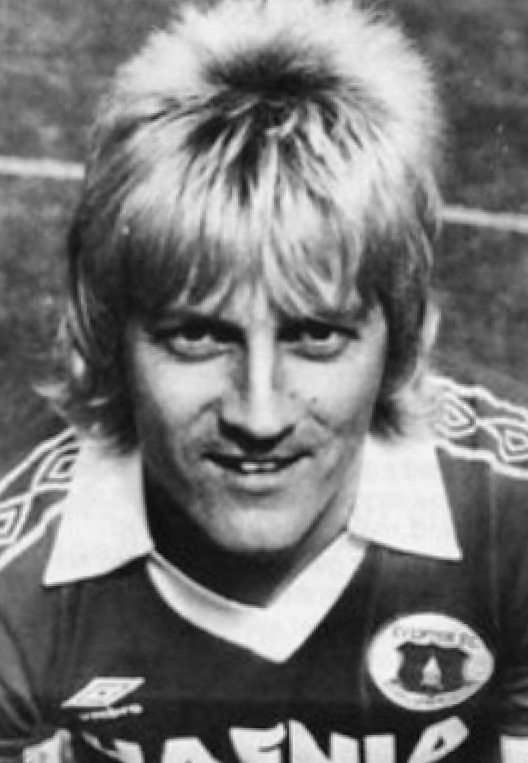
His spiky, long blond hair reflected his devotion to singer Rod Stewart and, on the pitch, the way he wore his football shirt outside his shorts, clutched the cuffs, and saluted a goal with a raised forefinger was a tribute to Scottish footballing legend Denis Law, another of his heroes, .

Biley was quite the hero at Portsmouth, with a goalscoring record of more than a goal every other game, having been signed by Bobby Campbell in 1982.

But when he fell out of favour with Campbell’s successor, Alan Ball, Brighton’s Chris Cattlin stepped in and paid £50,000 to take the striker along the coast in March 1985.

Within a month of the move, he was back at Fratton Park in Albion’s colours for an Easter Saturday south coast derby when honours were even in a 1-1 draw.

Biley had made his Seagulls debut as a substitute for Frank Worthington in a 0-0 draw away to Barnsley, then got his first start the following game (another goalless draw, at home to Oxford) and kept his place to the end of the season.

The first of four goals during that spell came in a 2-0 win at home to Oldham, and the goal he scored in a 1-1 home draw with Leeds on 20 April was his 150th in league football (top picture).  Although Albion finished with three wins, it wasn’t enough to reach the promotion places, and they finished sixth.

Biley made a great start to the 1985-86 campaign, scoring against First Division Nottingham Forest in a remarkable 5-1 pre-season friendly win, and then in the opening league fixture, a 2-2 home draw with Grimsby Town.

However, competition for places in Albion’s forward line had intensified. In addition to Terry Connor, £1m man Justin Fashanu arrived together with Dean Saunders, on a free transfer from Swansea, (Saunders went on to be named player of the season).

With the much-derided Mick Ferguson also managing a brief purple patch of scoring, it meant Biley struggled to hold down a regular spot, making 24 starts plus three appearances as a sub, and only managing to add three more goals to that season’s opener.

Cattlin’s dismissal as boss, to be replaced by the returning Alan Mullery, also spelled the end of Biley’s time at the club. He initially went back to Cambridge on loan, then tried his luck with New York Express in the States, had a spell in Greece before ending up in Ireland, playing for Waterford who were managed by his old Everton teammate, Andy King. He ended up back at Cambridge on a non-contract basis in November 1988 and made three more appearances for United before hanging up his boots.

But let’s go back to the beginning. Born in Leighton Buzzard on 26 February 1957, Biley was spotted by nearby Luton Town at the tender age of 10 and signed schoolboy forms aged 12. He was then offered an apprenticeship and professional forms as he worked his way through the different levels. But financial issues hit the club and when their chief scout left to link up with Cambridge, he recommended Biley to manager Ron Atkinson, and in 1975 he made the move to Fourth Division United.

Biley netted a total of 82 in 185 games as United rose from the Fourth Division to the Second between 1975 and 1979, when his eye for goal caught the attention of First Division Derby County, who paid £450,000 for his services.

Biley continued to find the net regularly in the top flight, scoring nine in 18 games for the Rams, but he couldn’t prevent them from being relegated. He stuck with them in the 1980-81 season and scored 10 playing in the second tier but was sidelined through injury for several months.

He recounted recently how he fell out with manager Colin Addison and there was talk of him being sold to West Brom, where his old boss Atkinson had moved, but instead, in July 1981, he became new Everton manager Howard Kendall’s first signing for a £300,000 fee. Everton fans who go back that far refer to the Magnificent Seven – because that’s how many players Kendall signed in a short space of time.

Biley EVEBiley was an instant hit, scoring on his Everton debut as Birmingham City were beaten 3-1. He scored again in his next game away to Leeds, but things quickly started to go wrong for him, as he explained in great detail to Everton fan website bluekipper.com.

“I was always appreciative of the Evertonians’ footballing knowledge and the support and gusto, particularly through the tough times,” said Biley. “They were very loyal through the tough times, and they are a different class.

“I would like to think they took to me but my only big regret was that I wasn’t there long enough to enjoy them.”

By October, Kendall had dropped his new signing and Biley was mystified.

“Years later, as I look back at it, I wasn’t Howard Kendall’s cup of tea. Whatever that was, I can’t put my finger on it because history tells you what I was and what I did and where I played, and he had a different opinion of that.

“I would have loved him to have had the faith in me he had in lots of other players.”

Eventually his lack of involvement in first team action saw him go out on loan to struggling Stoke City and in eight games he helped them to retain their status in the top division, but hopes of a permanent move fell through.

Instead he departed Goodison Park with just 18 appearances (plus three as sub) and three goals to his name and dropped down to the Third Division with Portsmouth.

The Pompey faithful had already had a taste of what they could expect when, at Christmas 1977, as a 20-year-old playing for Cambridge, Biley had scored twice for table-topping Cambridge at Fratton Park.

And, sure enough, when paired up front with Billy Rafferty, he became an instant hit and the duo scored 40 between them as Pompey won promotion. Biley’s performances earned him a place in the PFA select XI that included Gillingham’s Steve Bruce and Micky Adams, Portsmouth colleague Neil Webb and Kerry Dixon, then of Reading.

The following season saw Biley gain a new strike partner in the shape of Mark Hateley, who would go on to earn England international recognition. However, a series of 10 home defeats put paid to their promotion hopes and Campbell was sacked on the coach on the way back from the season’s penultimate game at Derby. In the final game of the season, with Alan Ball in temporary charge, Biley hit a hat-trick in a 5-0 demolition of Swansea.

Ball was installed as manager and Biley was very much a part of the side that began the 1984-85 season. He played in 22 games and came off the bench twice, scoring a total of 13 goals before Ball mysteriously sold him to Brighton in March.

Biley’s heart never left Fratton Park, though, and in 2015 he told Neil Allen, the author of a book Played Up Pompey: “Pompey was – and still is – my club.

“Pompey was a three-year box in time and if I could possibly open that box again and recover moments, a day even, then I would die happy. I fell in love with the club and it has never gone away.”

Biley has revelled in many opportunities to reminisce about his playing days, attending numerous reunions and enjoying all the memories.

In June 2017, he got together with other former players to talk about his goalscoring days at Cambridge and in October 2017, broadcaster and Albion fan Peter Brackley helped a number of former Pompey players, including Biley, recall a famous occasion when a fan ran on the pitch dressed as Santa Claus and, after the disruption, Biley scored two late goals to win a dramatic cup tie against Oxford.

But in all my research for this piece, I could find no loving references to his time with the Albion, although five years ago the excellent thegoldstonewrap.com brought together some footage of some of his best moments.

After his playing days were over, he moved back to his Bedfordshire roots and got involved in non-league football with various sides in and around the Home Counties, alongside running his own gym in Biggleswade.

  • Pictures from the Albion programme / Evening Argus and various online sources.