Chirpy as a Canary but Mark Walton squawked as a Seagull

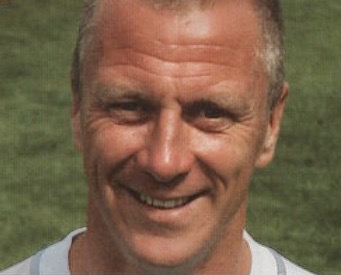
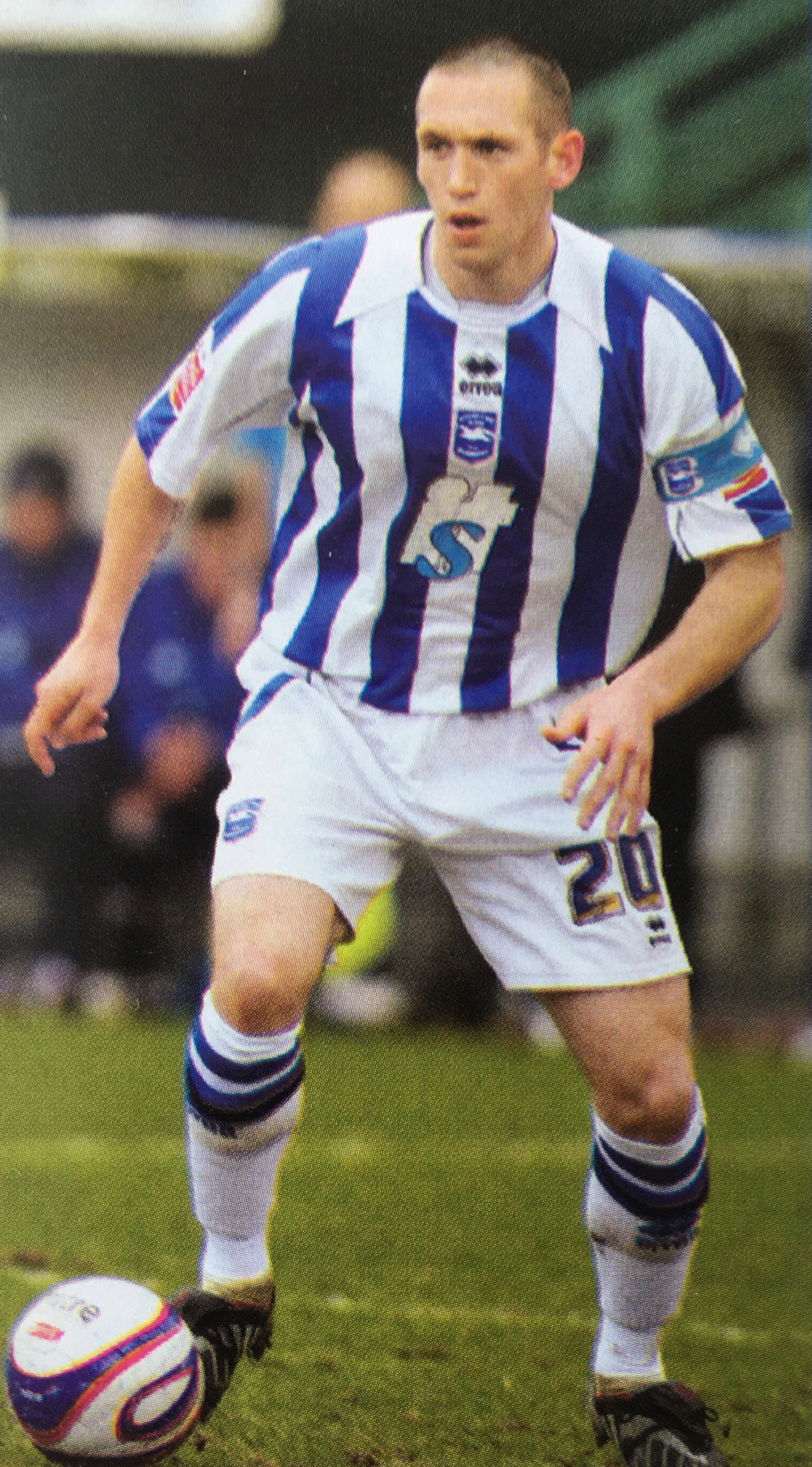
A CAREER highlight saw Welshman Mark Walton keep goal for Norwich City in a FA Cup semi-final in front of 40,000 at Hillsborough but his time with the Seagulls was marred by Brighton’s boo boys.

Walton’s first action in an Albion shirt was in front of only a few Albion followers because Brian Horton signed him in the summer of 1998 when the side was playing in exile at Gillingham’s Priestfield Stadium.

Walton, who’d been part of Micky Adams’ fourth tier Fulham promotion side in 1996-97, found himself out of favour at Craven Cottage once Kevin Keegan had been installed as manager following the club’s takeover by Mohamed Al-Fayed.

Not wishing to play second fiddle to Northern Ireland international Maik Taylor, Walton moved for £20,000 to Brighton, who were a ‘keeper light after Nicky Rust’s departure to Barnet. Walton was Horton’s first choice between the sticks in the opening 16 games of the season.

“When Maik arrived, it was a matter of when I went rather than anything else,” he told fulhamfocus.com.  “I was at a stage in my career that I just wanted to play, so moving was a necessity. In retrospect, I probably should have thought harder about my decision to join Brighton.”
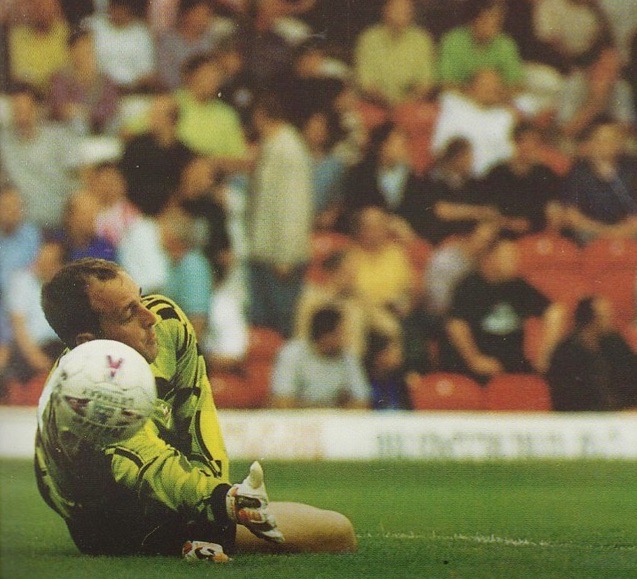
After he’d shipped six goals in two successive 3-1 defeats in October, young Mark Ormerod took over and kept the ‘keeper’s jersey until Horton quit to take over at Port Vale shortly into the new year.

Caretaker boss, Jeff Wood, who’d been a goalkeeper himself, reinstated Walton to the starting line-up for five matches, but he damaged a hamstring in a 3-0 defeat at Southend on 20 February and didn’t play again that season.

Walton must have been encouraged when his old boss Adams took over from Wood, and he shed a stone and a half during the summer to get back into shape. Although Ormerod started the first five games of the new season back in Brighton, Walton was then reinstated as first choice ‘keeper.

But a gaffe — wearebrighton.com recounted how Walton’s attempted clearance from a back pass cannoned into the back of Paul Watson and into the net for an own goal — as Albion succumbed 3-2 to previously winless Chester City on 18 September (despite a goalscoring debut for Danny Cullip) saw feelings running high.

Adams had the players in for an extra training session the following day and Walton was dropped for the next match. Before the month was over, he submitted a transfer request citing the stick he was receiving as his reason for wanting to go.

“It’s one of those things you cannot really do too much about,” he told The Argus. “I am not the first and I won’t be the last. Everybody hears it. It’s just general abuse from boo boys and it’s the same home and away.

“It is obviously not the best feeling in the world, but you are paid to do a job and you go out and give your best.”

The manager was clearly upset that Walton felt he had to leave because of criticism from supporters.

“I’m immensely disappointed that a boy has come in to see me and wants to leave the club because he feels he is not being given a fair crack of the whip by the fans,” Adams told The Argus. “I am disappointed it has come to this and that he feels he has got to bow to fan pressure.

“Mark is a great lad. Whichever eleven lads I put out on the pitch in the blue and white stripes, they are representing Albion and the fans have got to get behind them. They are going out to give their best for the supporters and the club.”
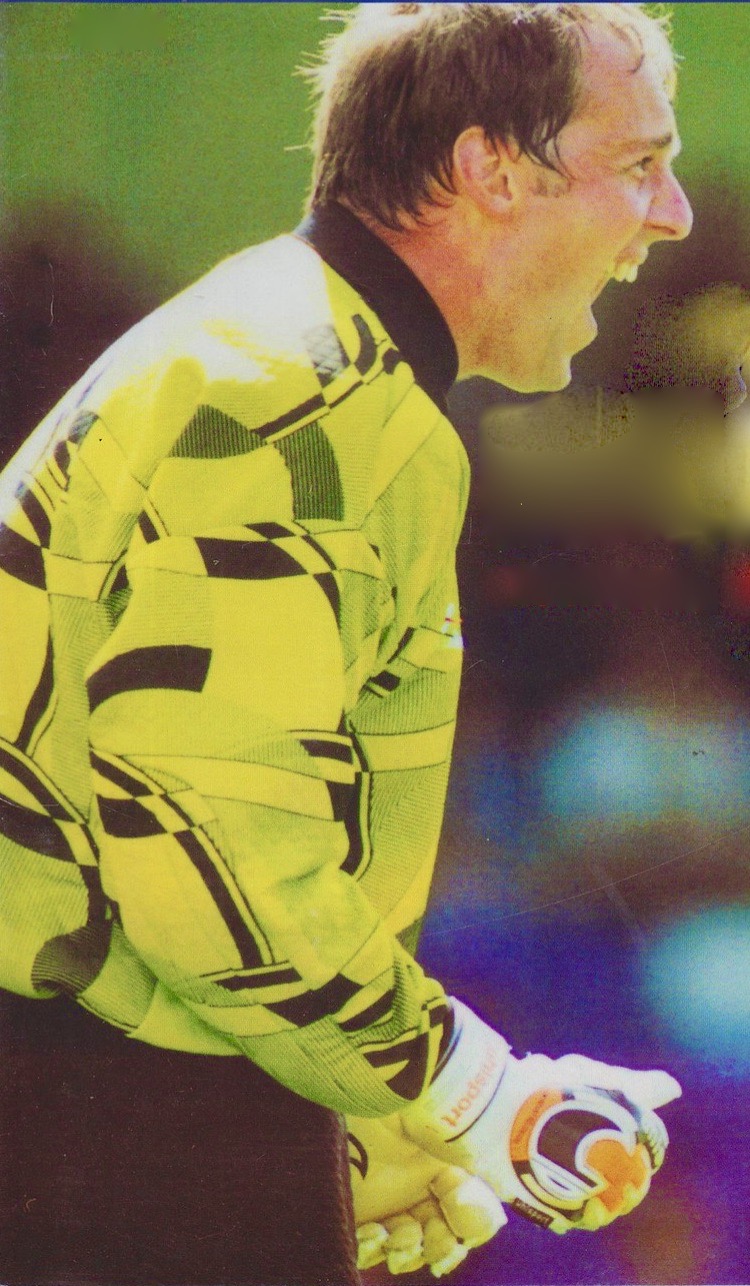
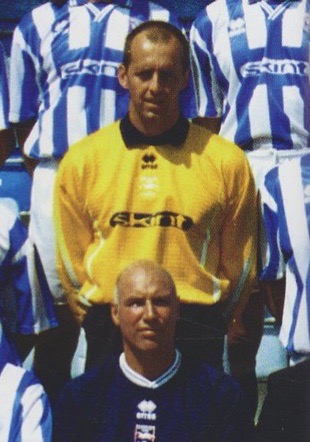
Support came too from part-time goalkeeping coach John Keeley, who said: “Mark looks ever so fit now and the way he has trained and looked after himself in the summer shows he wants to prove to people he is a good goalie.

“As a goalkeeper you want the crowd on your side because it gives you a certain amount of confidence, especially when you are playing at home.”

Adams showed his faith in Walton by restoring him to the starting line-up and he was rewarded for his loyalty by two shut-outs on the road as Albion drew 0-0 at Peterborough and beat Carlisle United 1-0.

The matchday programme noted of the big ‘keeper’s performance at London Road: “Walton didn’t put a foot, or should that be hand, wrong during the 90 minutes, prompting praise from supporters, who chanted his name at the final whistle.”

Adams added: “Mark was terrific. I cannot speak highly enough of him. He is a good, honest pro and he answered his critics.”

Walton collected a player of the month award for conceding only one goal in five matches during October. He kept the shirt for the rest of the season, only missing two games towards the end, and playing a total of 45 games.

But the last-day 1-0 home win over Carlisle United turned out to be his last for the Seagulls. It was reported he’d verbally agreed a new contract but just before the start of the new season he chose to move on to Cardiff, along the road from where he was born in Merthyr Tydfil on 1 June 1969.
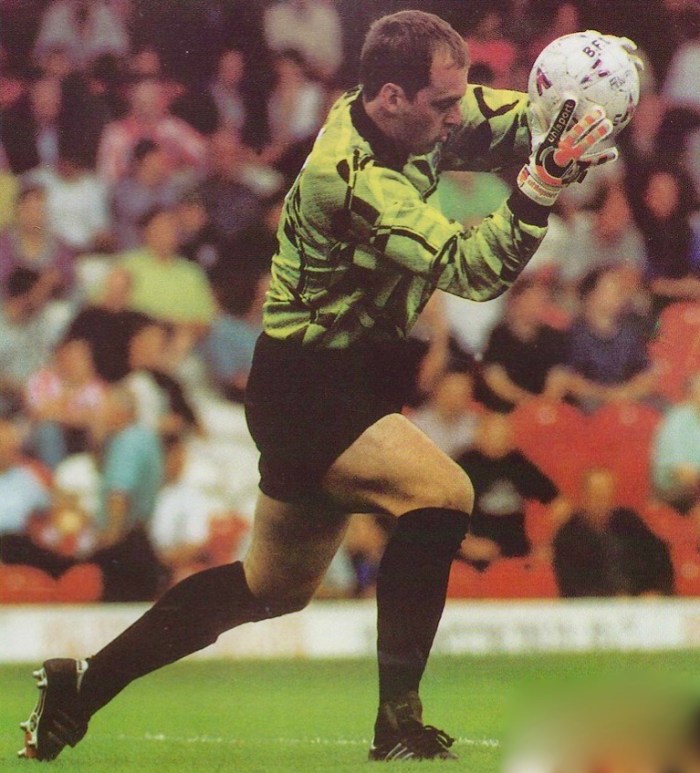
As it turned out, the move worked out well all round because Walton helped the Bluebirds win promotion from Division Three as runners up behind the Seagulls in top spot, Adams having unearthed a more than capable replacement in Michel Kuipers.

In an interview with Dan Smith in 2018 for fulhamfocus.com, Walton explained how his footballing life began at South Wales valleys village side Georgetown Boys Club and, because he suffered from severe asthma when he was 12, he decided it would be better to play in goal than in an outfield position. He was inspired by Phil Parkes of West Ham, Jimmy Rimmer of Aston Villa and Everton’s Neville Southall.

Walton played youth team football for Swansea City but his first senior professional club was Luton Town, where he spent six months. With the experienced Les Sealey and Andy Dibble ahead of him, he wasn’t able to break through to the first team. He moved initially on loan to Colchester United, managed by Mike Walker, who’d previously kept goal for the Us after a distinguished career at Watford.

Walker gave him his debut at Layer Road as an 18-year-old in August 1987 and he went on to make a total of 56 appearances for United, having moved permanently for £17,500 in December 1987, by which time Roger Brown was in charge.

Walker, meanwhile, had moved on to take charge of Norwich’s reserve side and, on his recommendation, City signed the Welsh goalkeeper for £75,000 in 1989.

“I owe Mike Walker a debt of gratitude to this day, as he basically taught me from scratch and helped develop me into a solid keeper with a sound technique,” Walton told Ed Couzens-Lake in a 2013 article for myfootballwriter.com.

Walton spent most of his three years at Carrow Road as understudy to first choice Bryan Gunn. It was because of a serious back injury to Gunn that Walton found himself facing Sunderland in the 1992 FA Cup semi-final, when a single goal from John Byrne settled the tie.

Looking back on his time with the Canaries, Walton told Couzens-Lake: “I loved my football and I loved Norwich, and, for me, it is still ‘my club’. The camaraderie of the dressing room was fantastic – indeed, whilst I don’t miss playing one bit, I do miss the changing room banter, all the characters, bad and good, and those shared triumphs, disasters and the shared sense of humour.”

The admirable Flown From The Nest website notes Walton made 28 appearances for the first team and 114 for their reserves. He had loan spells with Wrexham and Dundee United, trials with St Johnstone and West Ham, but it was Bolton Wanderers during Bruce Rioch’s reign that he next saw first team action, playing three games for the Trotters.

After his release from Norwich, a bizarre series of circumstances which he explained to fulhamfocus.com saw him spend two years out of the game before a Fulham fan, who was a member of the Norfolk cricket club he’d been playing for, wrote to Adams and suggested he give Walton another crack at league football.

“Micky telephoned and invited me for a trial. After three weeks, I was offered a year’s contract,” he said.

When ousted by the upheaval at the Cottage, Walton went on loan to Gillingham in March 1998 but couldn’t agree terms for a permanent move and on transfer deadline day ended up back at Norwich on loan as cover for Andy Marshall.

After his stint with the Albion and initial success at Cardiff, Walton slipped down the pecking order and briefly tried his luck with a semi-professional side in Melbourne, Australia.

He returned to South Wales after retiring from playing and went on to gain a first-class sports psychology degree at Cardiff Metropolitan University, a Masters degreeand a Postgraduate Certificate in Education (PGCE) which led him to become a teacher for 10 years.

He also worked for Cricket Wales as a researcher and community coach and in January 2021 joined the cricket staff of Glamorgan.

“Cricket has always been a passion of mine,” he told his new employers’ website. “I’ve always played but that became more sporadic when I focused on football, but I always tried to sneak in the odd game here and there which was often in midweek.

“I played some league cricket in Norfolk, Essex and Wales and was able to represent Wales Minor Counties. Then about 20 years ago I fell into coaching and it’s prospered from there and I’ve coached every age group within Cricket Wales.”

• Pictures from the Albion matchday programme and online sources.

Admirable Crichton on standby for the Seagulls at 39

JOURNEYMAN goalkeeper Paul Crichton played 540 games in a 22-year career and, even at the age of 39, found himself on the Brighton subs bench ready to be called on in an emergency.

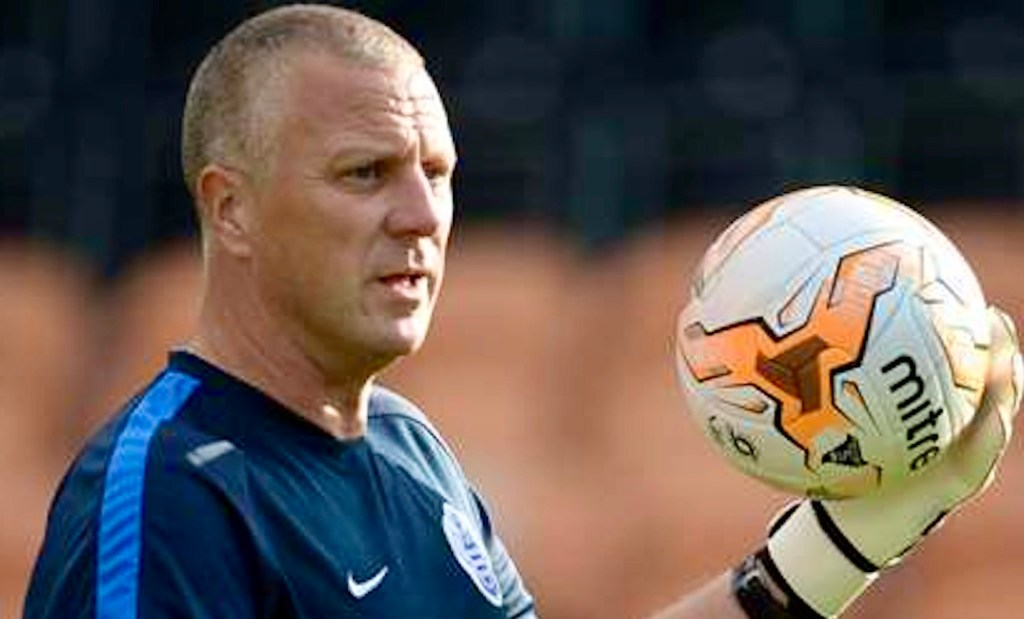
As things turned out, the former Burnley custodian’s time with the Seagulls remained in a coaching capacity, helping to develop youngster John Sullivan and improve no.1 Michel Kuipers.

However, he was registered as a player and when either Kuipers or Sullivan were unavailable, Crichton answered the call as stand-by ‘keeper, as well as making an appearance as a sub in a pre-season friendly.

Much of Crichton’s career was as a back-up no.1 but he stepped up as a coach, working with the likes of Rob Green and Fraser Forster, and obtained a UEFA A licence in outfield and goalkeeper coaching.

Crichton arrived at Withdean in July 2007 after previous goalkeeping coach John Keeley moved along the coast to take up a similar role with Portsmouth.

Manager Dean Wilkins told the club website: “Paul has impressive coaching qualifications and we have already seen him in action on the training ground.

“He also has a huge amount of experience from over 20 years playing professional football.”

No. 1 Kuipers certainly appreciated the influence the coach had on his game. He told an Albion matchday programme: “Paul approaches things from a different angle. He has given me extra information and a different opinion on how I can get the best out of myself.

“His input has improved me as a goalkeeper and my performances on the pitch have improved. We’ve worked on me playing more as a kind of sweeper, letting the defence sit a little higher up the pitch. It helps the defenders out as they don’t have to worry as much about the space behind them and allows them to go tighter on the strikers and gives them a better opportunity to win the ball or defend against strikers.”

Kuipers said he also felt more confident leaving his goal to claim crosses, and with his kicking. “It’s an aspect I feel has improved,” he said. “Paul and I have practised it on an almost daily basis in training, and the more I am doing it, the better I am getting at it.”

Sullivan was also grateful for Crichton’s input, telling the matchday programme: “Paul’s brought some great new ideas into the club – he’sa very, very good coach. Paul is not long retired so he’s well aware of how the modern game has changed so much for ‘keepers.”

Crichton remained in post until February 2009 when the lure of returning to Norwich City, one of his former clubs, four and a half years after leaving the club as a player, was too great and he went back to East Anglia, even though he had started to put down roots in Sussex.

“We’d just started to get settled in Eastbourne,” he told pinkun.com. “The manager, Micky Adams, and the backroom staff have been fantastic and I’m sad to leave. But I had three great years here, ending in the Championship winning season.

“I didn’t play many games, but I just wanted to return – it’s a great place.”

Adams told the Argus: “I am very disappointed to lose Paul. He was a hard-working and highly-valued member of the backroom staff and he has done a fantastic job with all the goalkeepers at the club.

“I have no doubt he is going to be one of the top goalkeeping coaches in years to come but, after he expressed a desire to go back to Norwich for both footballing and family reasons, it was not right for us to stand in his way.”

Crichton had been understudy to the aforementioned Green during his time as a player at Carrow Road, and boss Bryan Gunn (a former City goalkeeper himself) told the pinkun.com: “We want someone to continue to develop not only the first team goalkeepers but those in the academy and I know he’s looking forward to putting a development programme in place, which is important as we’ve had a good record in this position in recent years.”

Crichton had first moved to City on a two-year contract in June 2001, signed for £150,000 by former Burnley coach Nigel Worthington, who’d taken charge of the Canaries.

At Turf Moor, Crichton had been one of Stan Ternent’s first signings after he took over as manager from Chris Waddle in 1998. He made his debut on 8 August 1998 in a 2-1 win at home to Bristol Rovers and was a regular in their third-tier side, helping them to promotion in 2000.

Clarets fans have mixed opinions of his attributes, if a 2019 discussion on uptheclarets.com is anything to go by. For example, ‘jdrobbo’ said: “Used to be a big fan of his. Thought his kicking was excellent for a keeper at that level. Occasionally left stranded off his line. A key player in our 2000 promotion side, but not good enough for the next level up.”

‘ClaretTony’ reckoned: “A master of a goalkeeper at not being where he should be. Never known a goalkeeper out of position so much.”

Although ‘Lord Beamish’ said: “A key part of the last Burnley team to play in the third tier. He’ll always be fondly remembered by this Claret fan.”

Born in Pontefract, Yorkshire, on 3 October 1968, Crichton began his career with Nottingham Forest, turning professional in 1986. But with Hans Segers and Steve Sutton ahead of him, he didn’t break into the first team at the City Ground and went out on loan to six different league clubs to get games, making his debut across the Trent at Notts County.

Eventually he moved on permanently, in 1988, initially spending two years with Peterborough United, then three years with Doncaster Rovers.

Alan Buckley signed him on a free transfer for Grimsby Town, where he played the most games (133) for any of the clubs he represented. Mariners Memories on Facebook, noted: “Crichton was a good shot stopper…..he was made the Supporters Player of the Season in 1994”.

In September 1996, he followed Buckley to West Bromwich Albion for £250,000.

It was during his time at West Brom that he had two loan spells with Burnley in 1998 before joining them permanently for £100,000 in November that year.

His playing career following his departure from Carrow Road took him to eight different clubs, Gillingham and Cambridge United among them, together with some non-league outfits. During a brief and controversial spell at York City, when he was alleged to have clashed with supporters, he coached a young David Stockdale. He moved to the Albion from King’s Lynn.

His subsequent return to Carrow Road was briefer than expected when Paul Lambert took over from Gunn and brought in his own goalkeeping coach.

In March 2010, Crichton became goalkeeping coach at Northampton Town but, in the summer of 2010, he linked up with Danny Wilson at Sheffield United, where he was also registered as a player to provide emergency cover. He spent two seasons at Bramall Lane before becoming part of Simon Grayson’s management team at Huddersfield Town.

After two years with the Terriers, he switched to Blackpool and spent just over a year working as goalkeeper coach and interim assistant manager alongside Jose Riga.

Next up was a brief spell in London, at QPR, where he was appointed by former Albion full-back Chris Ramsey to succeed Kevin Hitchcock.

After leaving the Hoops in early 2016, his next port of call was Swindon Town, to work under Luke Williams, Brighton’s former under-21s manager, but he left after only a couple of months to move to America.

He had several short spells coaching with different clubs in Florida before becoming assistant head coach at The Miami FC in January 2020, when head coach was Kenny Dalglish’s son, Paul.

He became goalkeeper and interim assistant coach for North American professional women’s team the Washington Spirit during the 2021 and 2022 seasons, helping lead goalkeeper Aubrey Kingsbury to the 2021 NWSL Goalkeeper of the Year award and guiding the club to the 2021 NWSL Championship.

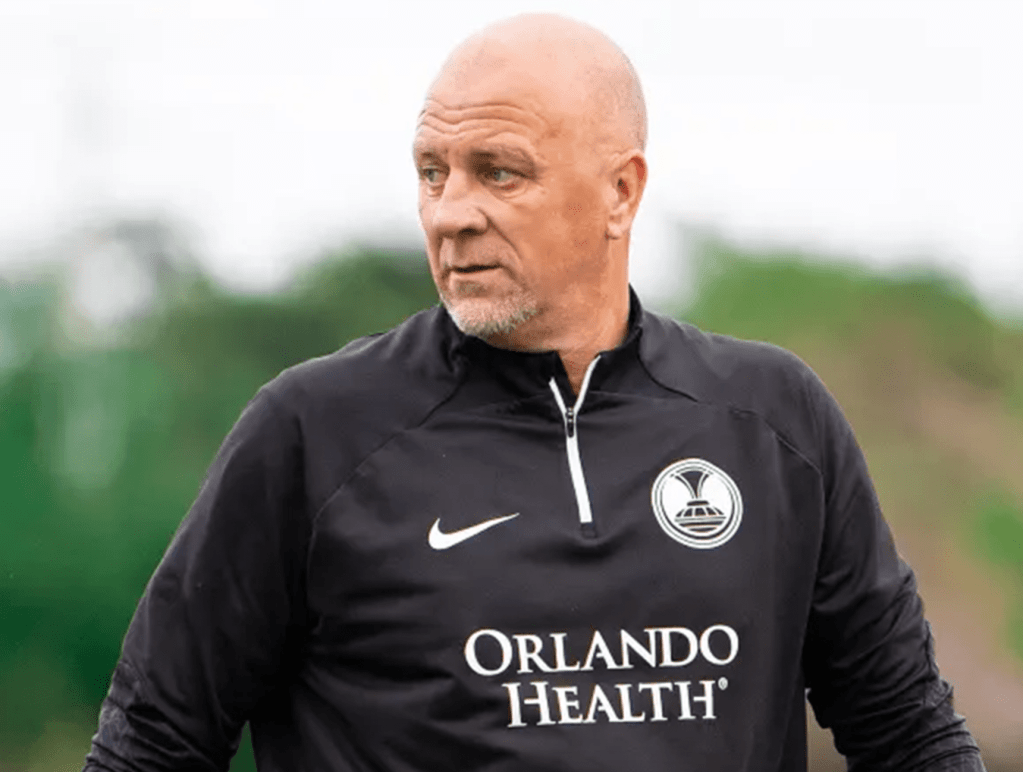
Then in April 2023 he switched in a similar role to Florida based women’s team Orlando Pride.

Andrew Crofts just couldn’t stay away from the Seagulls

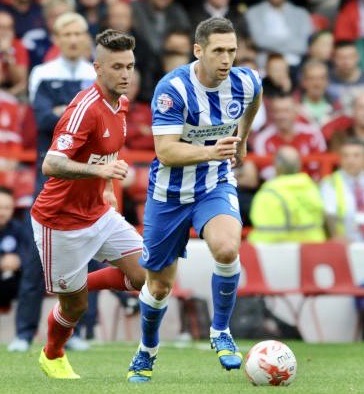
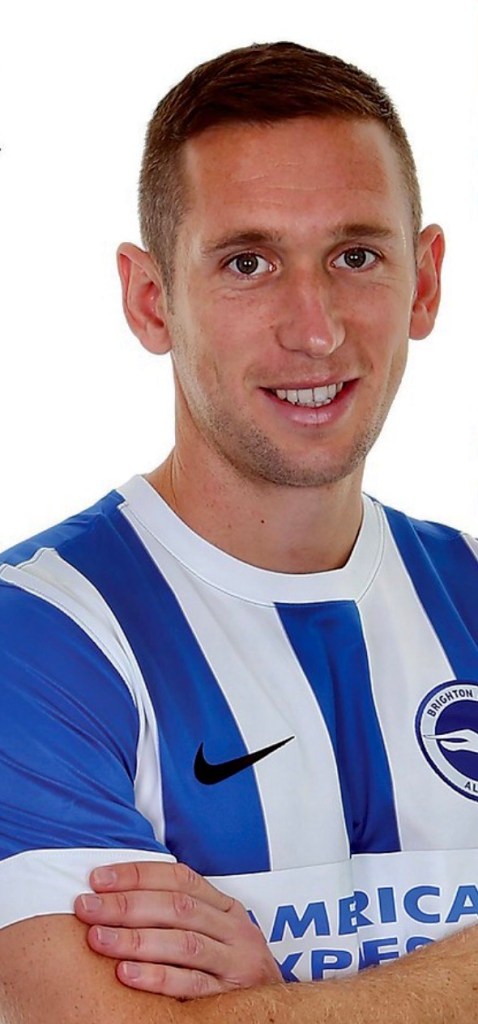
ANDREW Crofts is one of that rare breed of player who had three separate spells at Brighton, although the latter time was only as player-coach with the under-23s.

The Welsh international midfielder returned to the Seagulls after only a month as player-coach at Yeovil Town when Liam Rosenior left the Albion to move to Derby County.

His signing as an over-age player as well as a coach was explained by technical director Dan Ashworth, who hailed the “innovative step” and told the club website: “The thinking behind the playing role is to have someone of his experience out there on the pitch alongside our younger players, and to impart that crucial knowledge he has gained from his time in the game.

“To have that experience out on the field, in the pressure situation of a game, will be of enormous benefit to our young players and have a positive impact on their collective and individual development.”

Crofts first joined the club in the summer of 2009 during Russell Slade’s managerial reign and, when Gus Poyet took over the managerial chair, he appointed Crofts as captain for his first game in charge.

The midfielder repaid the faith in that televised away game at St Mary’s on 15 November by scoring in Albion’s memorable 3-1 win. Crofts retained the armband through to the end of the season and his form had caught the attention of Championship side Norwich City.

Crofts made the switch to Carrow Road and played 44 games as Paul Lambert’s outfit won promotion to the Premier League in runners up spot.

In the top-flight, though, Crofts was no longer a mainstay of the midfield, starting just 15 matches in 2011-12, and coming off the bench on 10 occasions.

“Towards the end of the season I was in and out,” he told the Albion matchday programme in 2019. “Paul then went to Aston Villa and when the chance came up to return to the Albion I jumped at it.”

“It felt like coming home and I wanted to replicate what we had done with Norwich. It was a completely different club compared to the one I’d left, with the Amex Stadium and plans for the new training ground.”

Poyet wasted no time in seizing the chance to re-sign him, telling the club website: “When we knew about the possibility to bring him back we worked very hard to do that.

“I am delighted to have him back. He is going to be a very important player.

“He is coming back to a club that he knows and he was happy to come back – that shows his commitment,” said Poyet. “He leads by example and we want players like that on the pitch.”

Unfortunately, that season his playing time was limited by two long-term spells out injured, and the following season it got worse. After sustaining a serious cruciate knee ligament injury in January 2014, he was sidelined by an almost identical injury again in October 2014.

When the player suffered the first injury in an away game at Birmingham, Poyet’s successor, Oscar Garcia, said: “He will be a big loss and I feel sorry for Crofty. He has been excellent and has been a key player.”

Crofts battled over many months to regain fitness only to suffer a partial tear of his anterior cruciate ligament and a tear to the meniscus in a match against Watford in October 2014, putting paid to any involvement in the rest of the 2014-15 season.

Head coach Sami Hyypia told the club website: “We are all devastated for Crofty. He is an important member of our squad and worked incredibly hard to get back to full fitness after last season’s knee injury.

“Crofty is a very strong character and he will continue to receive the best possible care and treatment from our medical staff throughout his rehabilitation.”

Unfortunately for him, by the time he was fit again, another new manager was in place and Dale Stephens and Beram Kayal were firmly established as Chris Hughton’s preferred midfield pairing. So, in March 2016, Albion loaned him back to his first club, Gillingham, until the end of the season.

On leaving the Seagulls that summer, he moved to Charlton Athletic under his former Albion boss Slade, on a one-year contract, and made a total of 54 appearances for the Addicks.

Although born in Chatham, Kent, Crofts qualified to play for Wales because his grandfather hailed from the principality. He earned a total of 29 caps, spread over 13 seasons, initially under John Toshack, most coming under Gary Speed, before making his final appearance against Panama in November 2017, in Chris Coleman’s last game as Wales manager.

Crofts v Rooney in a Wales v England match
Welsh international

Crofts was on Chelsea’s books from the age of 10 to 15, going through the ranks with John Terry, with whom he shared digs. One of his coaches was ex-Albion and Chelsea defender Gary Chivers. After being released by Chelsea, he linked up with Gillingham as a trainee and worked his way through the youth and reserve sides, making a surprise first team debut against Watford in May 2001 when only 16.

It wasn’t until 2004 and 2005 that he became a first team regular. His first Gills goal was scored in the Championship clash at the Withdean Stadium on Boxing Day 2004 when the Seagulls won 2-1.

Crofts eventually took over the captaincy at Gillingham but, after the side were relegated to League One, manager Mark Stimson believed the role was too much of a burden on the player. After more than 200 appearances for the Gills, he was made available for transfer and, in 2008-09, went out on loan to Peterborough United and then Conference side Wrexham under former Albion striker Dean Saunders.

When he joined Albion on a free transfer in June 2009, boss Slade said: “He’s an international player so that’s not bad for a start. He’s got good pedigree and was an important player for a good Gillingham team at the time.

“He can sit in for you defensively or he can get forward. He has got a good work ethic and I’m pleased to get him.”

Towards the end of his league playing days, Crofts had spells at Scunthorpe United in 2017-18 then Newport County for the 2018-19 season, playing under his former Gillingham teammate Michael Flynn, who he played alongside at Priestfield between 2005 and 2007,

Flynn made his old pal captain and said: “He’s a gentleman and he’s somebody I trust a lot. So signing him was really a no-brainer.

“Andrew coming in is a massive signing for the club. He’s the ultimate professional and he’s in fantastic condition.”

Crofts himself said: “I played with Michael Flynn at Gillingham and he was a winner. I loved playing with him and I can’t wait to play for him now with him being my gaffer.”

Unfortunately, injury issues restricted Crofts to just 12 appearances for Newport and he was released at the end of the season.

On leaving County, Crofts moved to Yeovil Town as player-coach with manager Darren Sarll saying: “To bring a player of Andrew’s experience into the club at this time is a great coup.

“He still has a thirst and hunger for playing and winning promotions and it’s refreshing to be part of the very early stages of his coaching career.

“He’ll be a valuable asset to the squad both as a player and in terms of passing on his experience and knowledge to the younger members of the squad.”

But then the opening arose with the Albion and he didn’t hesitate to return. When Graham Potter left the Albion, Crofts temporarily took on the head coach position and was retained as a first team coach under Roberto De Zerbi and his successor, Fabian Hurzeler.

• In an interview with Andy Naylor of The Athletic in December 2020, Crofts talked at length about his career, his coaching ambitions and some of the big names he played alongside.

Wearside hero Gary Rowell blighted by injury after leaving Sunderland

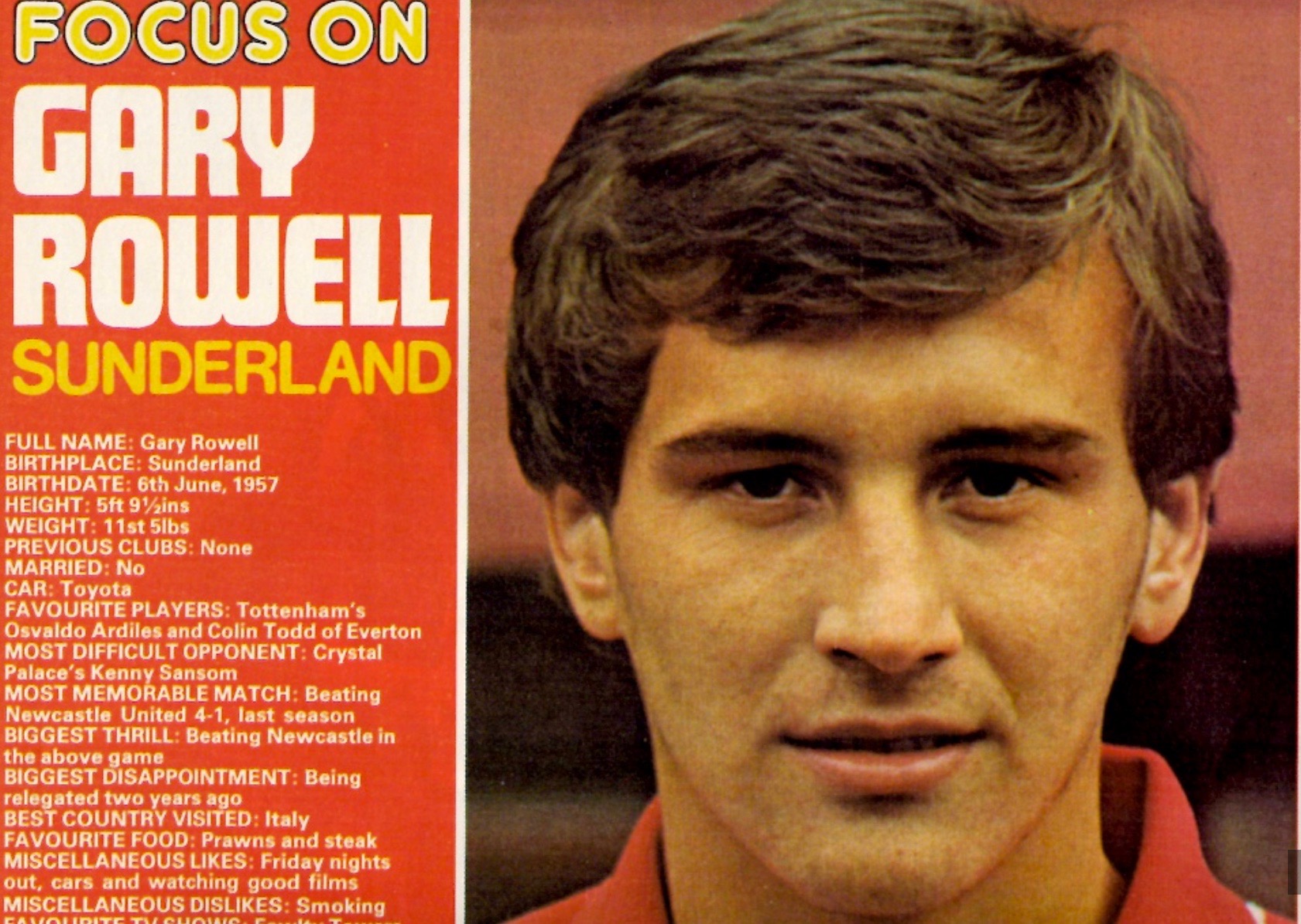
gary rowell tony normanBRIGHTON fans never got to witness the best of prolific goalscorer Gary Rowell who, to this day, Sunderland fans eulogise in the same way Albion fans still sing about Peter Ward.

He died aged 68 on 13 December 2025, exactly 50 years to the day of his first appearance for the Black Cats following a long battle with leukaemia.

Rowell has a place in Sunderland’s best all time XI selection, in 2005 he topped a Football Focus poll as Sunderland’s all-time cult hero and, in 2020, was inducted into the SAFC Hall of Fame, which he described as ‘the best night of my life’.

There is a website that details every one of the 103 goals the Seaham-born footballer scored for the Wearsiders in 297 games after making his debut as a 71st minute substitute for Mel Holden in a 1-0 Sunderland win over Oxford United at Roker Park.

Unfortunately, the free-scoring striker-turned-midfielder was struck by a knee injury which hampered the latter part of his career, including his spells with Norwich City and the Seagulls.

Having left Sunderland on a free transfer after 12 years at the club, Rowell tore ligaments in his right knee on a pre-season tour of Scandinavia with Norwich before he even managed to kick a ball in anger.

In a year at Carrow Road, he made only six appearances – four as a substitute – and scored just the once, coming off the bench to net against Aston Villa. Typical of this spell between August 1984 and July 1985, he was substituted after only 16 minutes of his reserve team debut.

The following season, a £35,000 fee took him back to the North East to play for Middlesbrough, but, at the time, they were in the middle of a financial crisis and lost their second-tier status. Rowell top-scored with 10 goals in 27 appearances – two of them against the Albion at the Goldstone in January 1986 – but Boro were relegated in second-to-last spot (Brighton finished in 11th place that season).

Brighton were not exactly flush with cash themselves in the summer of 1986 when Alan Mullery, the manager who’d previously led them from third tier to the elite, returned to the club to replace Chris Cattlin.

Mullery found a very different set-up to the one he’d left acrimoniously in the summer of 1981. With little money available to be spent on new arrivals, hard-up Albion, not for the first time, had turned to the supporters in an effort to raise transfer funds.

Money from a scheme called the Lifeline fund went towards buying goalkeeper John Keeley for £1,500 from non-league Chelmsford, Darren Hughes for £30,000 from Shrewsbury Town, and Rowell from Middlesbrough on a free transfer (the Lifeline funds being used to help with his relocation to the South Coast).

Mullery explained the Rowell signing thus in his programme notes: “I see his role with us as coming forward from midfield and adding to our power in the box.

“We know he can get goals and he is a versatile player. When we further improve the squad, we may use him a little differently.”

Rowell , who discovered Mullery had tried to sign him back in 1979 (but Sunderland hadn’t informed him), joined just after the start of the season, in time to be given a place on the bench for the away 1-1 draw with his former club Sunderland. He went on for Kieran O’Regan with 18 minutes left.

He kept the bench warm for two more matches before getting his first start in place of Northern Irish centre-forward Gerry Armstrong in a 2-2 draw away to Plymouth Argyle on 13 September.

Unfortunately, it wasn’t long before Mullery was reporting his absence from the side because of an ankle injury sustained in training.

Nevertheless, interviewed by Tony Norman in the matchday programme, Rowell, who was 29 and married with two small children, said: “I’m delighted with the move. I’ve found it to be a very friendly club and people have gone out of their way to make us feel at home. Now I want to repay the club by playing well for the team.”

The longest run of games he got in an Albion shirt came in November and December 1986 when he took over from winger Steve Penney for six matches (two wins, two draws, two defeats).

rowell BW HS

A broken toe and a troublesome hamstring made him feel injury-jinxed but, during his run back in the side, he had what Mullery described as “his best game since joining us” in a 3-0 win over Shrewsbury Town on 21 December. Six days later, the toe went again, and he didn’t play for the rest of the season.

Mullery was then controversially dismissed the following month and Rowell had to wait until the start of the following season for successor Barry Lloyd to select him.

He featured in three pre-season friendlies, all of which ended in defeats and wore the no.4 shirt in the opening two fixtures of the 1987-88 season, but those were his only first-team starts that campaign. His midfield berth was taken over by the experienced Alan Curbishley.

By October, the matchday programme reported Rowell and fellow midfielder Dale Jasper had been placed on the transfer list following long discussions with Lloyd. Curiously, it added: “However, both players are keen to stay with the club, regardless of any offers made, and will be battling hard for first team places.”

Rowell subsequently appeared seven times as a substitute for the first team, but he was largely confined to the Reserves for whom he made 20 appearances and scored once. In February 1988, he moved to Dundee on trial, but, when not taken on, moved the following month to Carlisle United.

After just seven games for the Cumbrians, he finished his professional career at Burnley, where he scored once in 19 appearances.

Born in Sunderland on 6 June 1957, Rowell grew up in the mining village of Seaham, became an apprentice at Sunderland in 1972 and two years later turned professional.

In 1976, when Sunderland were struggling in the First Division, manager Jimmy Adamson gambled on the introduction of the 19-year-old Rowell: it paid off in spades as he scored 44 goals in two and a half seasons.

During that prolific spell, Rowell was in the squad for two end of season England Under 21 Championship preliminary matches; he went on for Laurie Cunningham in a 1-0 win over Finland in Helsinki on 26 May 1977 but wasn’t involved in a 2-1 win over Norway in Bergen six days later. This was an England side including future full internationals Peter Barnes and Peter Reid.

He was also a non-playing member of Dave Sexton’s squad that assembled at the Goldstone Ground three months later, but he had to watch as an over-age Peter Ward (22), playing on home turf, of course, scored a hat-trick in a 6-0 win over Norway. The aforementioned Curbishley was also a non-playing onlooker in that squad.

footballinprint.comUndoubtedly, the stand-out moment of Rowell’s Sunderland career came when he scored a hat-trick in a 4-1 win over arch rivals Newcastle United at St James’ Park, which he referred to in a profile article (see above).

In a vote for Sunderland’s best players of the 1970s, Rowell was described as “a lovely footballer. Though not blessed with blistering pace, he would ghost into goal-scoring positions and his finishing was deadly.” Rowell was an expert penalty taker, scoring 25 of 26 he took for Sunderland.

Some observers reckon but for injury he would surely have gone on to gain full England international honours. However, his career was severely disrupted by a serious knee injury sustained in a March 1979 game against Leyton Orient.

After a lengthy recovery, he resumed scoring goals regularly but there were doubts over his being able to maintain fitness for the duration of a whole season.

As part of a big team rebuilding exercise carried out by manager Len Ashurst in 1984, Rowell was allowed to move to Norwich.

After his playing days ended, Rowell became a financial consultant in Burnley and those loyal Sunderland supporters still got to hear their hero because, for a number of years, he was a commentator on Sunderland games for Metro Radio.

  • Pictures mainly from matchday programmes. Sunderland profile article: footballinprint.com.

Ian Mellor – the postman who delivered for Peter Ward

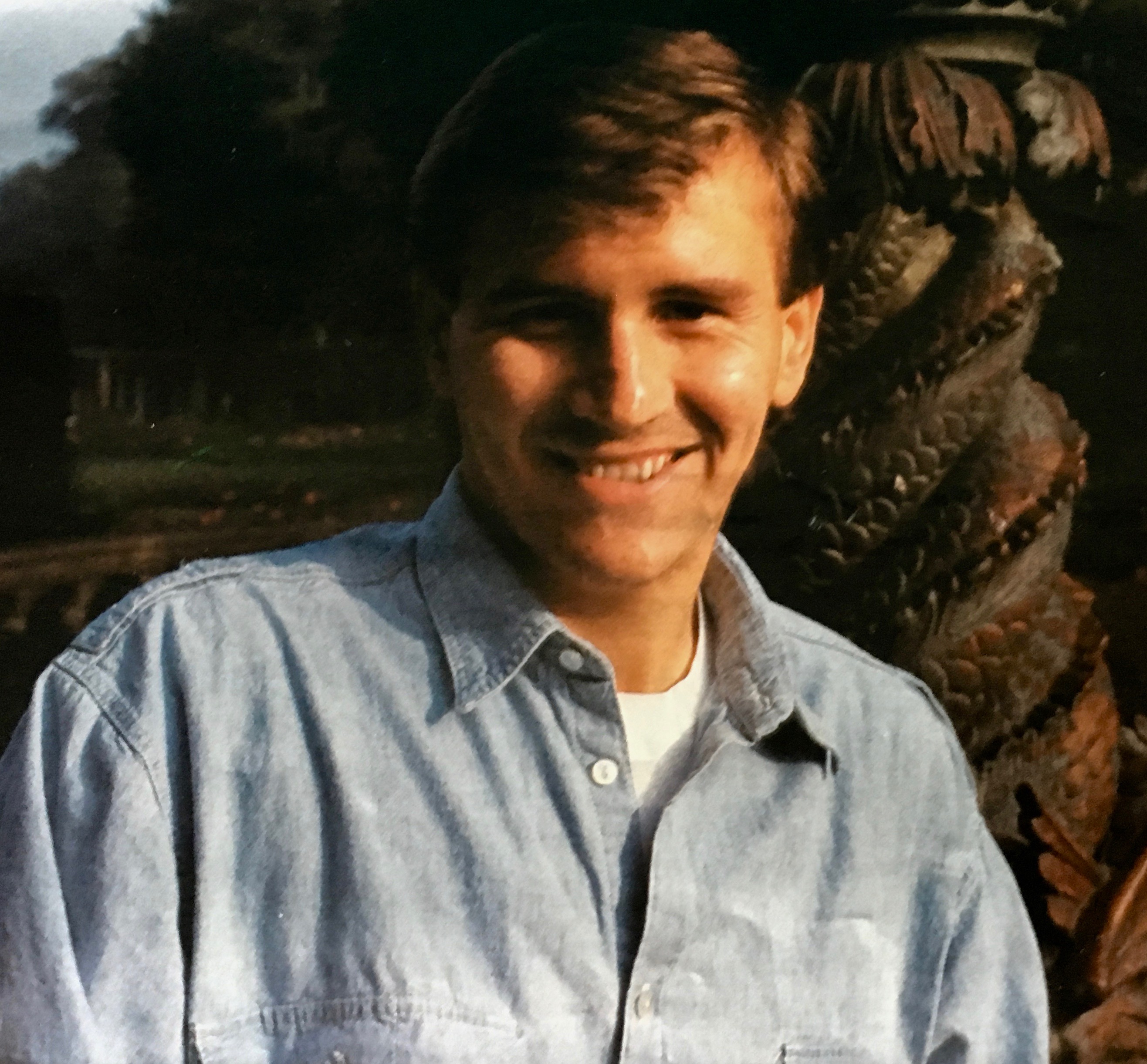
Mellor BHATHE SONGS still sung today that immortalise Peter Ward sadly fail to recognise the man who laid on so many of the nimble striker’s goals.

But fans of a certain vintage will never forget the contribution of former postman Ian ‘Spider’ Mellor.

Nicknamed because of his long-legged build, the beanpole midfielder-turned-striker, scored 31 goals in 122 appearances for Albion between 1974 and 1978.

Born in Wythenshawe on 19 February 1950, Mellor grew up supporting Manchester City and dreamt of playing for them. He went to Sale Moor Secondary School in the city and, aged 15, he was offered a trial at Maine Road but he didn’t get taken on. Undeterred, two years later he got a second chance after bombarding the club with cuttings of his exploits playing Sunday league football in the area.

He lapped up the experience of being coached by Malcolm Allison. It was towards the end of the Bell, Summerbee, Lee era and Mellor managed 40 appearances for City. In March 1973, however, while Allison was ill, chairman Peter Swales sold him to Norwich City for £60,000.

“Malcolm said he left Maine Road because I’d been sold without his permission when he was ill in hospital,” Mellor told the Manchester Evening News.

“I didn’t really stop to think what I was letting myself in for,” he said. “I should have stayed at City and then, to make it even worse, soon after I’d left, Denis Law rejoined the club. I could have been playing in the same team as my idol.”

After Mellor scored the only goal of the game in Albion’s 1-0 win over Allison’s Crystal Palace at the start of the 1974-75 season, Allison said: “I remember Spider when I was at Manchester City.

“I didn’t want to see him leave for Norwich. Directors force you to do that sort of thing, then they sack you. Spider was a late developer, but his timing is so good now.”

Norwich were struggling at the wrong end of the old First Division when Mellor moved to Norfolk and although he agreed to the deal, he reflected years later that he regretted it.

Perhaps, therefore, it was no surprise when Brian Clough arrived at Carrow Road in the spring of 1974 with the promise of making him Brighton’s record signing for a fee of £40,000, he jumped at the chance to play for the league title-winning manager.

Mellor was part of a triple signing from Norwich as Clough persuaded him and centre backs Andy Rollings and Steve Govier to drop down a division to play for Brighton.

Ironically, he never played competitively under Clough because of ol’ Big Ed’s move to Leeds that summer but under Peter Taylor he played mainly in a left-sided midfield role.

It was Taylor’s successor, Alan Mullery, who changed him from a wide midfield player to a centre forward, a position from which he contributed so many ‘assists’ for Ward. Those in the know certainly recognised his contribution.

In Matthew Horner’s excellent biography of Ward, He shot, he scored, Mullery is quoted as saying: “Ian Mellor had the ability: he was a big tall lad and he had super pace and a great left foot. I thought that they would form a terrific partnership.

“In my opinion, Mellor was wasted in midfield. He could hold on to the ball and he’d learnt his skills from Malcolm Allison and Joe Mercer at Manchester City, who were both great coaches. He shouldn’t really have been playing at the level we were at – he was too good – but he was and that was great for us.

“Spider would get the ball to him and Peter would go on these mazy runs and, nine times out of 10, would knock the ball into the back of the net.

“The partnership is history now but they were absolutely fantastic together.”

Former Albion colleague, now BBC pundit, Mark Lawrenson said of him: “Playing Ian Mellor alongside Ward was the masterstroke really – Mellor was an out-and-out footballer and a perfect partner for Wardy.”

Club skipper at the time, Brian Horton, added: “In the first year Ward and Spider were unbelievable. We didn’t have a big target man but the movement with those two was fantastic. They got about 50 goals between them and I chipped in with about a dozen more.”

Ironically one of the stand-out games of his Albion career, on 3rd May 1977, came against Albion’s play-off opponents, Sheffield Wednesday, in front of 30,756 fans at the Goldstone.

Argus reporter John Vinicombe named him his Albion man-of-the-match as Wednesday were beaten 3-2 to earn promotion.

Not long into the following season, Mullery splashed £238,000 on centre forward Teddy Maybank from Fulham and he went straight into the team alongside Ward, which unsurprisingly didn’t go down well with Mellor.

“I knew I was better than him, but they had to justify his price and that’s why I got dropped,” Mellor maintained in a an Albion matchday programme interview with Spencer Vignes. Mellor requested a transfer in spite of chairman Mike Bamber urging him to stay.

“In hindsight, of course, I should have stayed,” said Mellor. “I was still good enough. I was 29, with two good seasons left in me.”

Instead, in February 1978, he moved back to his native north west from Brighton to play for Chester for two years but then had three years at Sheffield Wednesday where he managed 11 goals in 70 games and, like his spell alongside Ward, provided a perfect foil for Terry Curran to bang in the goals.

He ended his career at Bradford City and later worked as a commercial executive for the PFA. He also worked for football boot supplier Puma and was a representative for football kit supplier Pelada.

Younger readers will be more familiar with the former Liverpool striker Neil Mellor, who now works in the media, who was one of Ian’s sons.

Ian Mellor died aged 74 in Cheadle on 1 May 2024 after a long battle with amyloidosis.

  • Pictures from my scrapbook and Albion matchday programmes show headlines Mellor made and the player in action.

scrapbok mellor

A little less hirsuit than in his playing days…