Paynter left a blank canvas at Seagulls and Blades

A JOURNEYMAN striker who fired blanks for Brighton and Sheffield United only found very occasional purple patches of goalscoring in a 12-club, 17-year career.

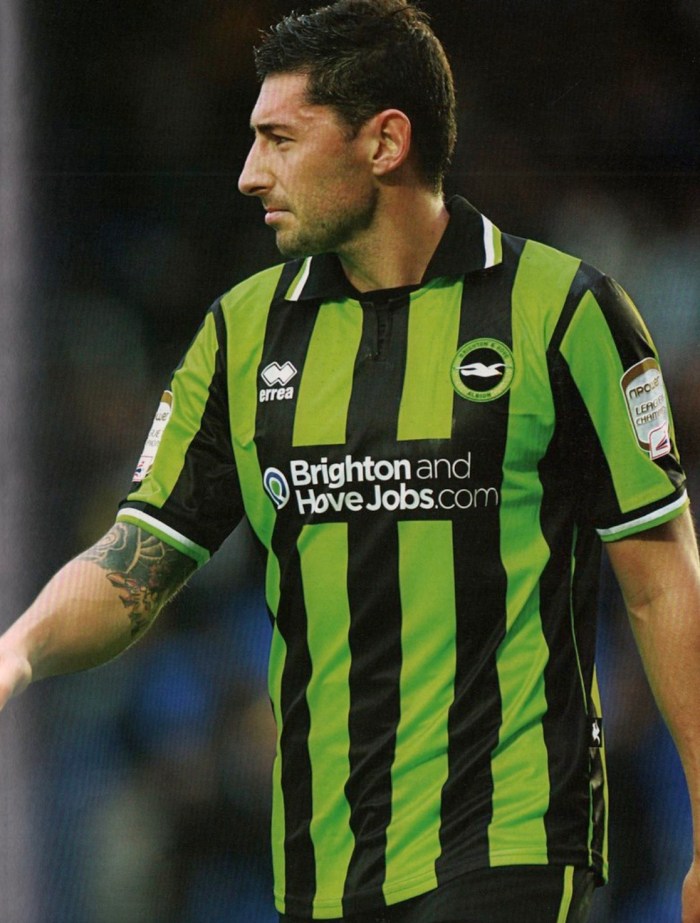
Billy Paynter didn’t manage a single goal in 10 games on loan for Gus Poyet’s Seagulls and carried with him from parent club Leeds United the somewhat unkind epithet ‘Barn door Billy’ for his proverbial inability to hit one with a banjo.

A subsequent half-season loan spell at Sheffield United under Nigel Clough yielded a similar zero in the goals scored column.

A journey around the message boards on supporter websites uncovers some brutal and unflattering comments about Paynter’s contribution for their team and yet it was a career that yielded 131 goals in 529 games – one in four.

And it all began promisingly under the guidance of former Albion captain and manager, Brian Horton.

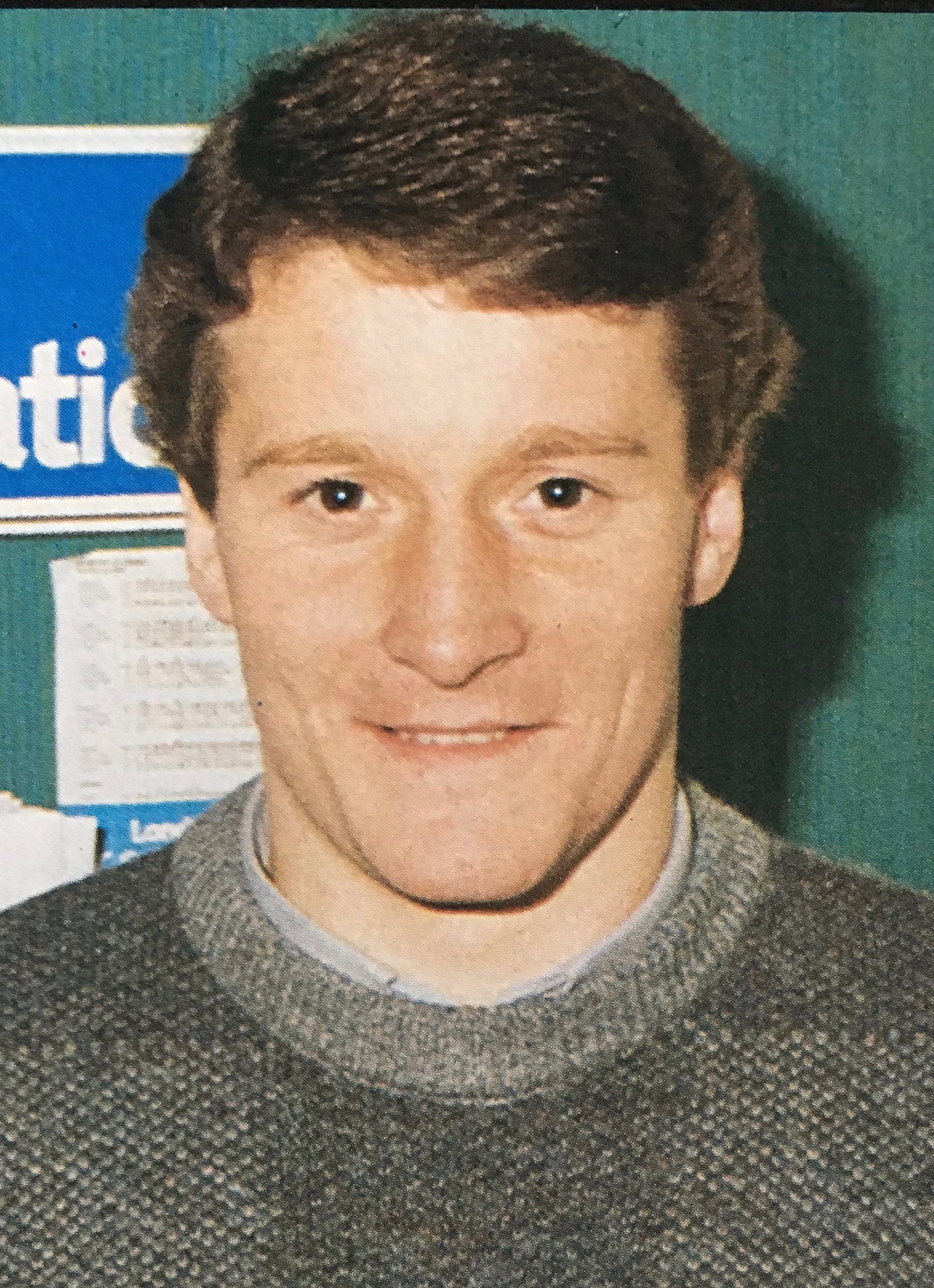
Born in the Norris Green area of Liverpool on 13 July 1984, Paynter joined Port Vale’s academy at the tender age of 10 and turned professional soon after his 16th birthday.

Horton gave Paynter his first team debut when he was only 16 years and 294 days old on 3 May 2001 as a 61st-minute substitute at home to Walsall.

It was 10 months before he made a start, although he got a few more sub appearances, and Vale supporters had to wait until the start of the 2002-03 season for his first goal, after he’d replaced injured crowd favourite Steve McPhee in a home game against Wrexham.

Eventually, Paynter got into his stride and his popularity with the fans saw him voted Player of the Year in 2004-05.

His 34 goals in 158 games for Vale caught the eye of another former Albion manager, Peter Taylor, at then-Championship side Hull City.

Signed initially on loan, a fee of £150,000 took him on a permanent two-and-a-half-year contract to the KC Stadium in January 2006.

The following month Paynter turned out as a right-sided midfield player for a Football League Under-21 team (selected and managed by Taylor) in a game against an Italian Serie B side at the KC Stadium.

Taylor also experimented with him in the same position for Hull but, having scored only three times in 23 matches, Paynter was on the move again after only eight months.

He switched to Southend United, also in the Championship, for £200,000 in August 2006 and somewhat ironically, his only goal for the Shrimpers was scored against Brighton in a 3-2 League Cup win at Roots Hall in September 2006.

A lack of goals and a hamstring injury meant his stay in Essex was cut short and for the second half of the 2006-07 season he went on loan to League One Bradford City, where he managed four goals in 15 matches, including one on his debut.

On August deadline day in 2007, Paynter’s next move saw Paul Sturrock sign him for Swindon Town. Within a month he had netted a hat-trick against Bournemouth and added two more in a 5-0 win over Gillingham the following month.

It wasn’t all plain sailing for him, though, and after a two-month goal drought which had seen him lose his place, he told BBC Radio Swindon: “You can try and do too much and get caught up with it, but if you relax and get on with your game, I think it will come naturally.”

Paired with Simon Cox initially, Paynter got amongst the goals in support of the main man. But he stepped up a gear after Cox was sold to West Brom in the summer of 2009. His new strike partner was a young Charlie Austin and the pair enjoyed a rich seam of goalscoring form in the 2009-10 season under former Albion captain Danny Wilson.

Paynter had a spell where he scored 15 goals in 17 games and ended the season with 29 goals in 52 matches, his best goals-to-games ratio in a season. Swindon’s captain that season was none other than Gordon Greer, who remains a close friend of Paynter.

Four of Paynter’s goals had been scored against Leeds and, in the summer of 2010, he moved to Elland Road on a Bosman free transfer, with Wilson admitting to BBC Radio Wiltshire: “Anybody who scores nearly 30 goals in a season will be wanted by bigger clubs than us.”

Leeds boss Simon Grayson said: “He has matured as a player over the last couple of years and he had a fantastic season last season. He works ever so hard, holds the ball up well and he has proved he knows where the back of the net is.

“When we knew he was available we were desperate to get him. We feel he will be a good acquisition for the club, and I am delighted to have got him.”

Unfortunately, his time at Leeds didn’t start well when he picked up a shin stress fracture in a pre-season match in Slovakia, leading to him missing the start of the season.

It wasn’t until the second week of October that he was able to make his Leeds debut and starts were rare as Luciano Becchio and Davide Somma were Grayson’s preferred selection up front. Paynter didn’t register his first goal for Leeds until the following March, in a 2-1 win at Preston. It was his only goal in 23 matches that season.

As the 2011-12 season got under way, Grayson had added Mikael Forssell to his striking options and the manager encouraged Paynter to talk to other clubs, with Sheffield United and Brighton discussed as possible destinations.

Paynter preferred to stay and try to stake a claim for a place but, having only played once as a sub in the opening game of the season, he decided to make a three-month loan switch to Brighton at the end of October 2011.

On 29th October 2011, he made his Brighton debut as a 67th-minute substitute for Matt Sparrow in a 0-0 draw away to Birmingham City.

The first of his six starts came on 1 November in a 0-1 defeat at Watford. He came off the bench a further three times and, without troubling the scorers, returned to Elland Road in January.

Back at Leeds he had to wait until April before he was selected by new manager Neil Warnock for a home game against Peterborough United. Paynter scored twice in a 4-1 win and, when replaced by substitute Becchio in the final minute, left the field to a standing ovation. But he picked up an Achilles injury in the following game away to Blackpool and was made available for transfer at the end of the season.

Paynter earned a place in a planetfootball.com poll listing 13 of Leeds’ “worst and weirdest signings under Ken Bates” although he was good-humoured enough to acknowledge it in a 2018 Under the Cosh podcast.

“I’ve always said there’s some players that will be remembered for being good, there’s some players that will be remembered for being sh*te,” he said. “No one remembers the OK players. Take the positives out of a bad situation, in that way I will be remembered!”

It was former Brighton striker Dean Saunders who was responsible for Paynter’s next move, picking him up on a free transfer for League One Doncaster Rovers on 13 August 2012.

While Saunders left the Keep Moat Stadium in January 2013 to join Wolves, Paynter played his part in Rovers winning promotion back to the Championship under Brian Flynn, top-scoring with 15 goals as Rovers returned to the second tier as champions.

An anonymous Donny fan recalled: “He had some good games for us and made the pass from the missed penalty at Brentford that enabled (James) Coppinger to score and win us promotion. He is best played in the box. He causes all sorts of problems. He is a tough guy and takes no prisoners. I liked him but I would say League One is his limit.”

A familiar face in the shape of Brian Horton arrived as assistant manager to new Donny manager Paul Dickov (Flynn had been promoted to director of football) in the summer of 2013.

It must have given Paynter some satisfaction on 27 August 2013 when he scored in a League Cup tie at home to Leeds, although the visitors ran out 3-1 winners. However, that was his only goal and, after managing only one start and 11 appearances off the bench, up to Christmas, he was sent on loan to League One Sheffield United for the second half of the 2013-14 season.

An exiled Blades fan living in Leeds, ‘Blader’ said: “I am uninspired and don’t see this is a great signing. I’ve seen him play many a time and never seen him perform notably and he is a laughing stock in Leeds for how badly he performed.”

A blunt Blade

He made his debut as a sub against Notts County on 11 January 2014 but spent much of the time on the sub’s bench as manager Nigel Clough preferred to play with ‘a false 9’. Paynter made just six starts and came off the bench seven times but no goals were forthcoming. United finished seventh, one place off the play-off places, seven points adrift of sixth-placed Peterborough United.

Paynter was only a spectator as United remarkably reached the semi-final of the FA Cup, losing 5-3 at Wembley to Hull City, Jamie Murphy, later to play for Brighton, among the Blades scorers. A young Harry Maguire at the back for the Blades was named the League One player of the year.

The last three seasons of his playing career saw Paynter drop into League Two and he joined Carlisle United on the same day as former Albion midfielder Gary Dicker.

However, the season wasn’t even a month old when Graham Kavanagh lost his job as manager. His successor Keith Curle steered them to a fifth from bottom finish.

Paynter’s involvement was limited to 12 starts plus eight appearances off the bench and he and Dicker clashed with Curle when they sought PFA guidance after they were fined for allegedly failing to attend training sessions.

In the close season, Paynter headed 90 miles east to Hartlepool United, who’d just avoided dropping out of the league after finishing four points above Cheltenham Town.

The goal touch returned as Paynter top scored with 15 goals in 35 appearances as Hartlepool finished in 16th place courtesy of a decent run of wins in the spring under new boss Craig Hignett.

The managerial door revolved once more at Victoria Park the following season but Hignett’s successor Dave Jones (the former Southampton and Sheffield Wednesday boss) couldn’t prevent Hartlepool from heading out of the league, controversially parting company with the club with two games to go following an on-screen rant by United’s best known fan, Jeff Stelling.

Club captain Paynter, who had openly questioned Jones’ tactics in the local press, joined forces with fitness coach Stuart Parnaby to assist caretaker Matthew Bates for the final two fixtures.

It was one of those footballing fates moments that they needed a miracle against Paynter’s old club Doncaster in the final match and it was given a big build-up in the Mirror.

“Although we lost at Cheltenham last weekend, the lads had a lot more fight in them. I can understand it when players lose confidence or belief, but you can’t drop out of the Football League after 100 years without a fight,” he said.

“It’s one of those strange coincidences that we need to beat my old club to stand a chance of survival. I really enjoyed my time at Doncaster, and I’ll never forget that day we were promoted to the Championship, but I hope the supporters understand my loyalty is with Hartlepool now.”

Hartlepool hitman

Although Hartlepool won 2-1, they had been relying on other results going their way and Newport’s 2-1 win over Notts County 2-1 meant they stayed up and the North East side lost their league status. Having contributed just four goals in 26 matches, Paynter left the club.

While he attempted a brief extension to his playing career, training at non-league AFC Fylde, Southport and Warrington Town, he retired from playing in November 2017 and turned to coaching. He joined Everton’s academy in February 2018 before returning to his first club, Port Vale as professional development phase lead coach in October 2020.

On rejoining, he said: “It’s a joy to be back where it all started. Coming through PVFC’s Centre of Excellence from the age of 10, I know what the DNA of Port Vale is and what sort of players we should be producing.”

Pictures from various online sources and the Albion matchday programme.

Brighton briefly on the trail of the ‘loansome’ Sam Vokes

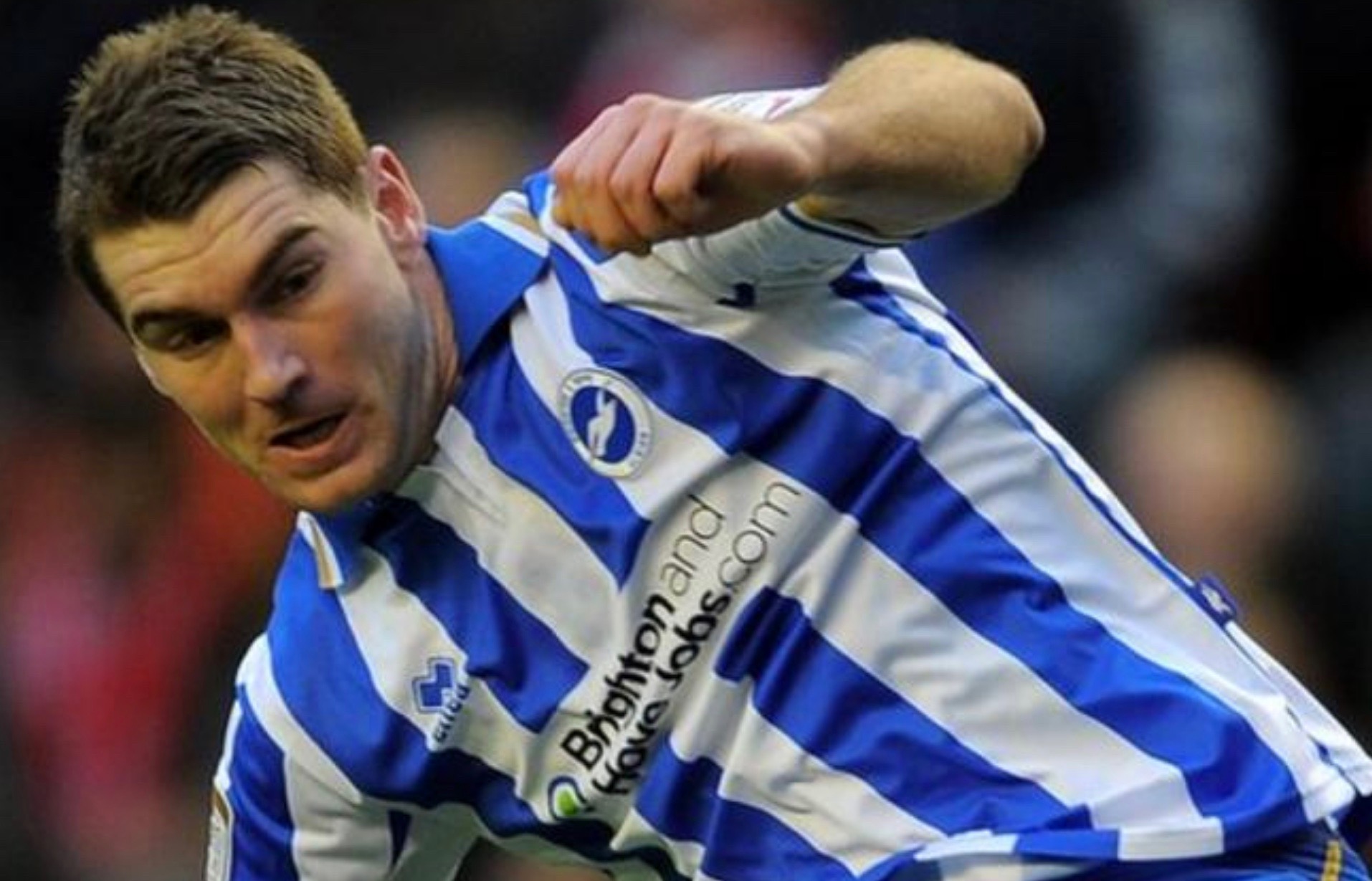
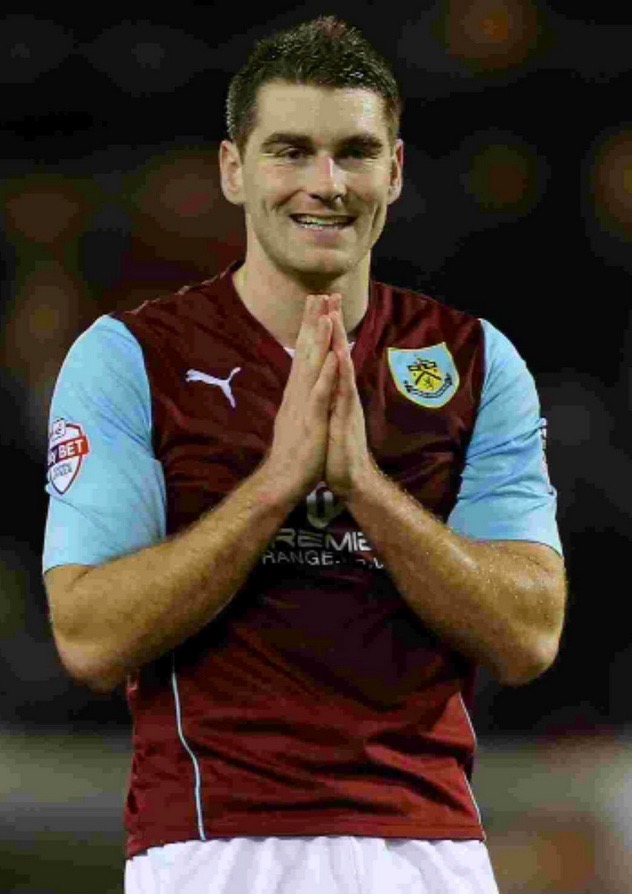
‘LOANSOME’ Sam Vokes joined Brighton temporarily on the eve of transfer deadline day in January 2012.

He was 22 at the time and had already had five loan spells away from Molineux since joining Wolverhampton Wanderers in the summer of 2008. Vokes told BBC Sussex: “I need to settle down in my career and it’s a fantastic chance for me to come here and play some football.

“It’s a matter of playing games and, as a striker, scoring goals.”

Vokes had been troubled by injury and had found it difficult to establish himself in the Wolves side. The season before, he had been out on loan at Bristol City, Sheffield United and Norwich, and earlier in the 2011-12 season had scored two goals in nine appearances on loan at Burnley.

Eddie Howe, who’d managed Vokes during his first spell at Bournemouth, had taken him to Turf Moor to partner Jay Rodriguez. But when his deal with Burnley expired in mid-January, Albion boss Gus Poyet stepped in and persuaded him to join the Seagulls.

Vokes was invited to the Amex to watch the side’s FA Cup fourth round tie against Newcastle and, two days after the 1-0 win, put pen to the loan deal.

7188430“I don’t want to sit around – I love playing,” said Vokes. “Brighton have a great way of playing football that is different to a lot of teams in the Championship.”
The young striker told the Albion matchday programme: “I’m a southern boy. I know the area well, and I know what football means to people down here.

“It’s been difficult for me to settle anywhere, moving from place to place on loan, but now I just want to play football. I love the game. I need to play, it’s all I want to do.

“I would like to stay and if all goes well we will see what happens in the summer, but my main aim at the moment is to start playing football again and scoring goals.”

Poyet told the media: “Sam was one of the players we’ve been following for a long time but it’s been difficult to get him.

“The idea was to bring someone who will give us that presence and strength in the air that we don’t have.

“We’ve got the time to explain how we play, and what he needs to do for us. The quicker he adapts, the easier for us. I’m delighted to have him and I hope it works for him.

“He’s been trying to find that place that he can stay for a few years.”

As it turned out, Vokes struggled to dislodge incumbent strikers Ashley Barnes and Craig Mackail-Smith, and he made just seven starts plus five substitute appearances.

SV- BHA stripes

Although he scored on his full home debut in a 2-2 draw v Millwall, he only got two more goals, a last-minute equaliser in another 2-2 draw, at home to Cardiff City, and Albion’s lone strike in a 1-1 draw away to Nottingham Forest.

In July 2012, it was reported Wolves were demanding £500,000 for the player’s signature on a permanent basis, and that Brighton and Burnley were both keen to sign him.

Vokes burnley

Howe had always been keen to get the player back to Burnley and, although officially undisclosed, it’s believed a £350,000 fee took him to Turf Moor where he finally settled down and, over the next seven years, scored 62 goals in 258 appearances.

Born in Southampton on 21 October 1989, Vokes was brought up in Lymington and was a Southampton fan at an early age. He even had a trial with them when he was just 10 but wasn’t taken on.

It was when he was playing football for local sides in the New Forest that he was spotted by Bournemouth and joined them in 2005. He was only 17 when he made his first team debut in December 2006 (in a 2-0 win over Nottingham Forest) and although he scored 12 goals in the 2007-08 season, the Cherries were relegated from League One.

Vokes WolvesWolves stepped in to sign him that May and he came off the bench in the opening game of the following season to score an equaliser in a 2-2 draw at Plymouth Argyle. However, Chris Iwelumo and Sylvan Ebanks-Blake were the main men scoring goals as Wolves won the Championship that year, and Vokes’ involvement was mainly off the bench.

With his parent club in the Premier League, Vokes was loaned out to League One Leeds United on a three-month deal, although he only scored once in eight games. One of those matches was against the Albion at Withdean and Vokes recalled picking up his first footballing scar when an Adam El-Abd elbow caught him in the face.

Once Vokes finally settled down at Burnley after his various loan moves, it can’t have helped his cause when the man who signed him quit Turf Moor to return to Bournemouth.

Indeed, when Sean Dyche replaced Howe, his go-to centre forward at first was Charlie Austin, but when Austin was sold Vokes got more of a chance to show his worth alongside Danny Ings.

The partnership that began to evolve surprised Burnley fans who’d wondered whether Vokes was only ever destined to be a bit-part player.

“Everyone was concerned to be honest,” said Tony Scholes on uptheclarets.com. “We’d seen some potential in Ings but there wasn’t much confidence that Vokes could become a regular, goalscoring striker at Championship level.

Burnley Football Club_1st Team head Shots_30/7/15He went on: “Our shortage of strikers was highlighted by the fact that he played the full 90 minutes in all of the first 26 league games that season, but he wasn’t just filling in. He was turning in some outstanding performances, linking up really well with Ings and both were scoring goals aplenty.”
Unfortunately, a cruciate knee injury sidelined him for a lengthy spell and Burnley bought Ashley Barnes from Brighton as they sought to bolster their forward options.

A fit Vokes eventually reclaimed his place and formed a useful partnership with big money signing Andre Gray when Barnes himself was also hit by a cruciate injury.

In the early part of last season, Vokes often found himself on the bench, with Barnes and Chris Wood starting ahead of him, and, in January, he decided to drop back down to the Championship, joining Nathan Jones’ new regime at Stoke City, with former England international Peter Crouch going in the opposite direction.

As is often the way these days, the fee was ‘undisclosed’ but was rumoured to be in the order of £7m, and Stoke offered Vokes a three-and-a-half-year contract.

His popularity at Burnley was reflected in a thoughtful parting message thanking the club and the Clarets fans, in which he said: “You made the club a ‘home’ for myself and all my family and for that I’m eternally grateful.”

He added: “It’s been an incredible journey that we’ve been on over the past seven years, with promotions, relegation, survival and even European football through the Europa League.

“There have been so many highlights and every step along the way has been a joy, but now I am looking forward to a new challenge.”

Dyche, meanwhile, told the Stoke Sentinel: “Sam has been an absolutely fantastic servant, not just as a player but as a person.

“There was a bit of frustration that he hasn’t played as much as he’d like and this presents a fresh challenge, so, with all that factored in, it became a win-win deal.

“We feel we’ve got a good deal financially for the business and Sam has got a fresh chance somewhere different.”

Since July 2021, Vokes has been leading the line for League One Wycombe Wanderers.

Vokes Wales

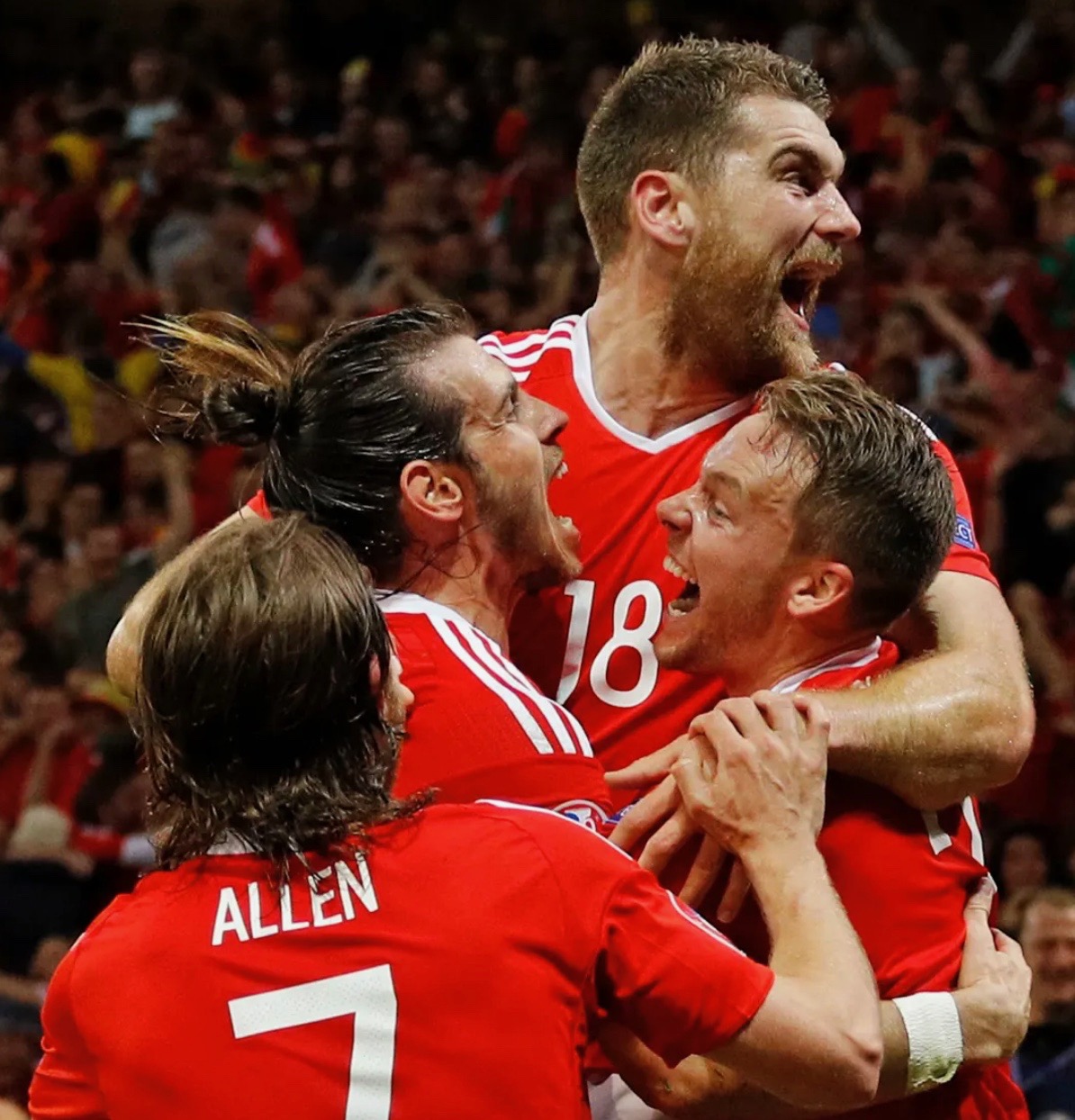
Vokes may have been born and brought up in England but, thanks to having a grandfather born in Colwyn Bay, he became eligible to play for Wales and has earned more than 60 caps since making his debut in 2008, including their most recent game against Belarus.

A stand-out moment for his adopted country came during the Euro 2016 tournament when he came on as a substitute and (pictured above) sealed Wales’ 3-1 win over Belgium with an 85th-minute goal to reach the semi-finals.

  • Pictures from various online sources.

Well-travelled Wilson’s highs and lows as player and manager

IMG_5140DANNY WILSON, a Brian Clough signing for Nottingham Forest who struggled for games at the City Ground, hit the ground running when he joined the Albion, initially on loan, in November 1983.

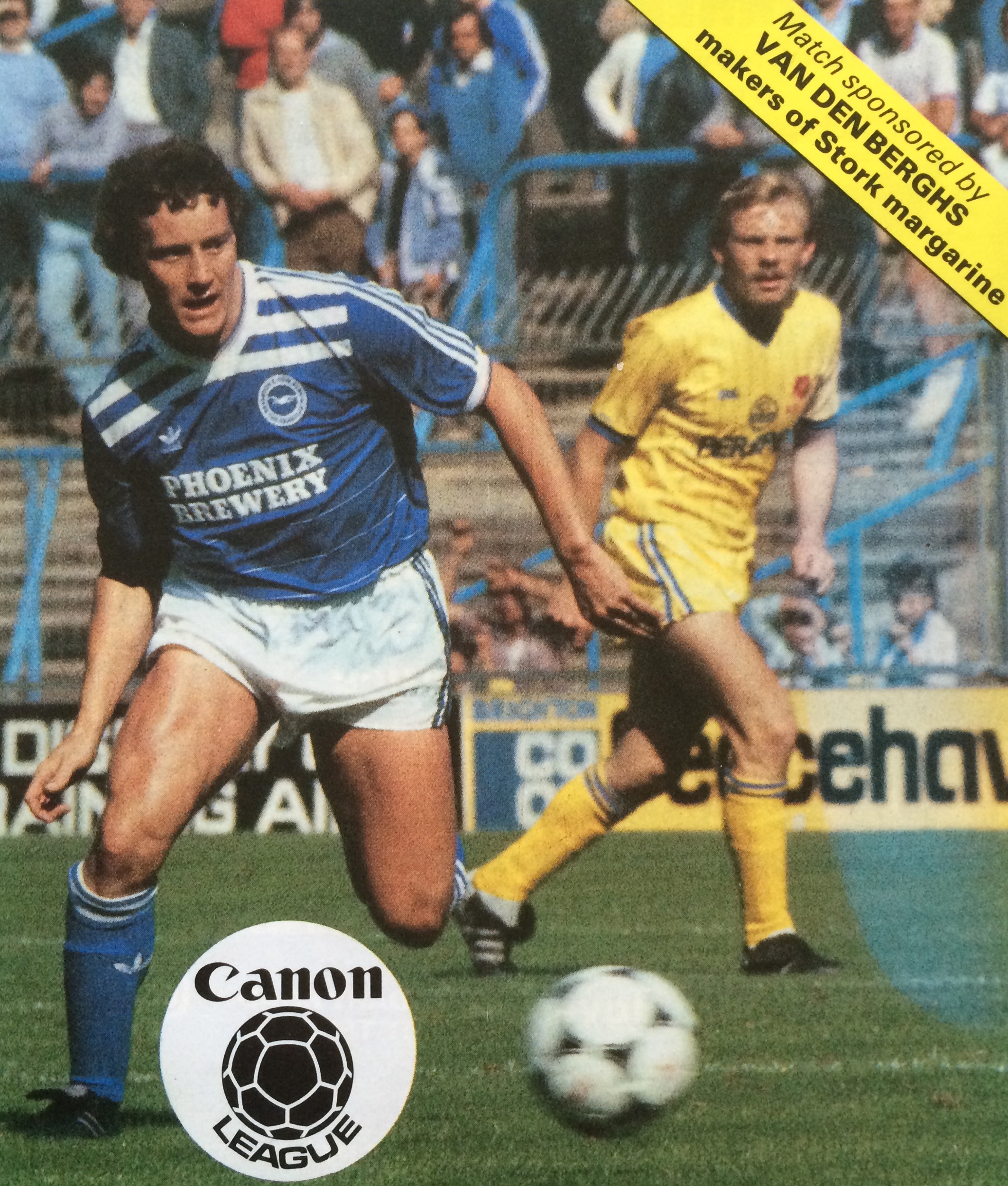
He scored twice on his debut – one a cheeky back-heel (below) – when Cardiff City were beaten 3-1 at the Goldstone, and manager Chris Cattlin was swift to praise the newcomer, writing in his matchday programme notes: “I think that this lad, in the right setting, will be a great asset to this club.” Prophetic words. By the end of the season, he’d scored 10 times, four of them penalties, in 26 appearances.

backheel“It was a fantastic move for me,” Wilson said in a retrospective matchday programme article. “I’d gone from being a regular at Chesterfield to being a bit part at the City Ground, surrounded by all these players who had won European Cups, people like Garry Birtles and Viv Anderson. But with the likes of Ian Bowyer ahead of me, I was never going to get first team football.

“That all changed at Brighton. There was a great feeling about the place, and with players like Jimmy Case and Joe Corrigan, no shortage of talent. Fortunately, I got off to a good start, and things went from there.”

Not long after Wilson made the temporary move permanent, in exchange for a fee of £45,000, he played in a memorable 2-0 FA Cup fourth round victory over Joe Fagan’s Liverpool at the Goldstone.

Liverpool went on to win the league, the League Cup and the European Cup that season but goals from Gerry Ryan and Terry Connor denied the Reds achieving the quadruple.

“That has to be my favourite memory from all my time at the Goldstone,” he said. “Back then, Liverpool were just awesome, and to beat them like we did was virtually unheard of. It was the first-ever FA Cup tie to be screened live on television which made it even more special.”

Born in Wigan on New Year’s Day 1960, Wilson hoped to begin his career with Sunderland, but he was released as a boy and instead started out with his hometown club, who were then non-league. He stepped into league football with Bury before moving on to Chesterfield (right).Wils -Chest

His performances for the Spireites earned him a step up to Brian Clough’s Nottingham Forest but he struggled to make it as a regular.

It was after a brief spell on loan to Scunthorpe that he joined the Albion.

Towards the end of his spell with Brighton, Wilson earned his first cap for Northern Ireland (courtesy of his mother having been born in Londonderry) and over the next five years he collected 24 caps for them .

Wilson scored 39 times in 155 games for the Albion before the cash-strapped Seagulls, relegated to Division Three in 1987, cashed in on someone who had become a valuable asset and captain of the side.


The midfielder was sold to Luton Town for £150,000 where, alongside former Albion teammate Steve Foster in 1988, he won the League Cup, scoring a late equaliser (below left) as the Hatters beat Arsenal 3-2 at Wembley.

It was from Luton that he moved on to then recently-relegated Sheffield Wednesday – a £200,000 signing by Ron Atkinson –  in the summer of 1990. He continued to contribute his fair share of goals, netting 11 in 98 appearances for the Owls, as well as being a League Cup winner again in 1991.

Wednesday were the penultimate and eighth club of his playing career, before he embarked on what would become a multiple-club managerial career of varying success. Over the course of 25 years, Wilson’s teams won trophies, promotions, and narrowly escaped relegation, and he managed more than a thousand games.

His first post in the hotseat was as a player-manager at Barnsley, who he steered into the Premiership and earned the Managers’ Manager of the Year award. Unfortunately he could not deliver the same degree of success when he returned to Oakwell between 2013 and 2015, although that spell did mark his 1,000th game as a manager.

His second managerial job had also involved a return to scenes of past glory when he returned to Hillsborough in the top tier between 1998 and 2000. The spell ended ignominiously in the sack, though, after pressure was applied by local MPs for his removal, shortly before Wednesday’s relegation from the Premier League.

After what he felt was an unjust sacking by Wednesday, he was given a four-year contract to take charge of Bristol City. That spell came to an end after Mark McGhee’s Brighton beat the Robins to win the Third Division play-off final in Cardiff.

Six months later, he was back in the game for MK Dons’ inaugural campaign in League One, but he couldn’t save them from relegation to League Two at the end of the 2005-06 season and was once again looking for a new employer.

Within a month, he took over the reins of Hartlepool United, who’d been relegated with MK Dons, and in 2007 led them to promotion back to League One.

After leaving Hartlepool in December 2008, he began a three-year spell as manager of Swindon Town. Amongst his many signings were Gordon Greer, who went on to become Albion captain, and prolific striker Charlie Austin, who had a knack of scoring for Southampton against Brighton.

In May 2011, Wilson controversially crossed the great Sheffield city divide to take charge of United – which didn’t go down too well with Blades followers. During his reign, he helped to turn a young Harry Maguire from a midfielder into a defender. Wilson led United to the League One play-off final in 2012 where they agonisingly lost on penalties to Huddersfield Town.

His era at Bramall Lane came to an end in April 2013 after a string of poor results but by the end of that year he was back in the game for that second spell at Barnsley.

When Wilson left Oakwell in February 2015, he was out of work for 10 months but had an early Christmas present that year, once again returning to one of his old clubs in a managerial capacity. It was on Christmas Eve that he was appointed manager of Chesterfield, then in League One, where he took over from his old Brighton teammate Dean Saunders.

He managed to keep the Spireites in the division but a final parting of the ways came in January 2017, and that was his last managerial post.

Wilson tells his footballing life story in I Get Knocked Down (Morgan Lawrence Publishing Services, 2022).

IMG_6054

Wilson close

IMG_6052

Wilson cover

Wilson prowled many a touchline as a manager

Pictures from Albion matchday programmes.