Forest hopes felled for injury-stricken Matt Thornhill

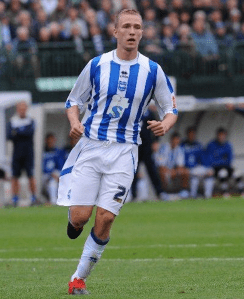
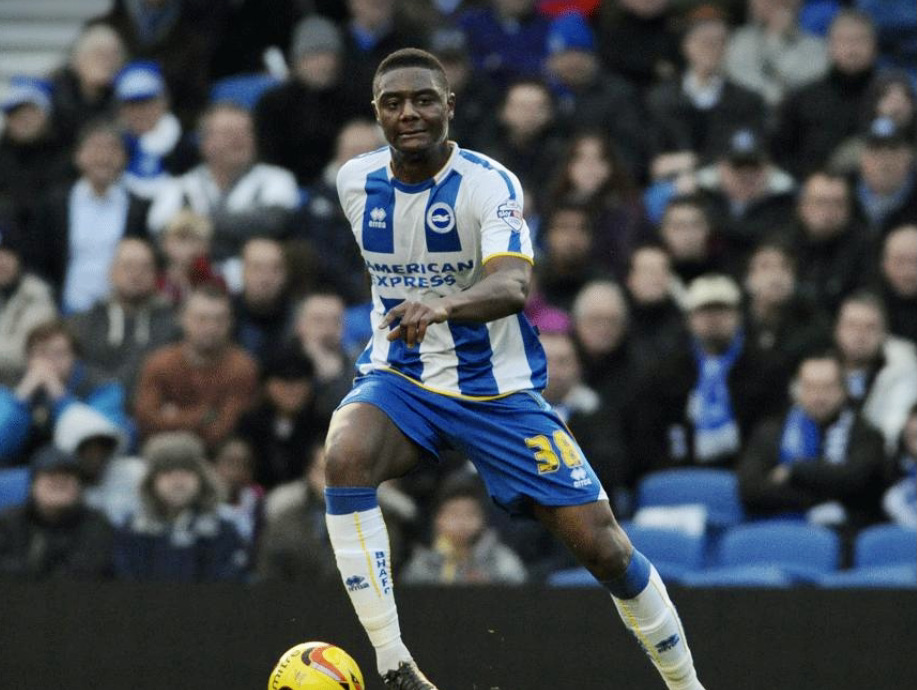
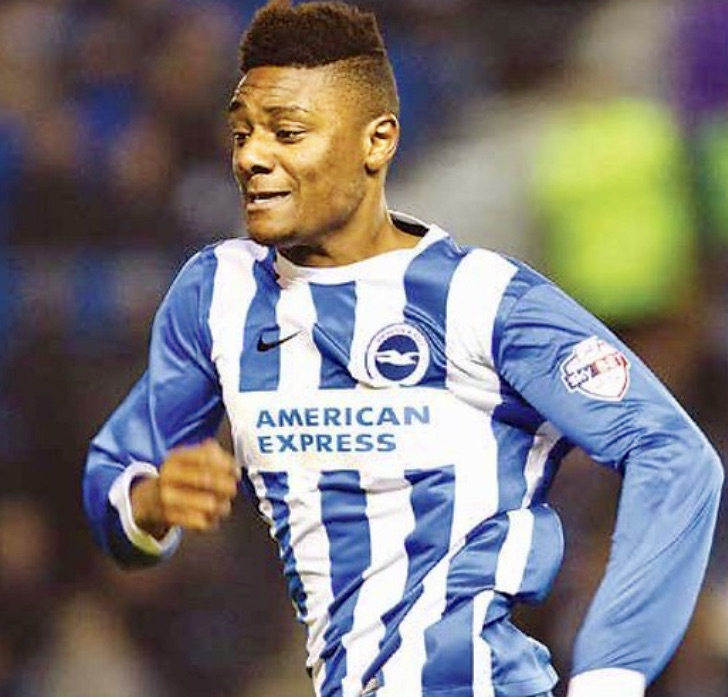
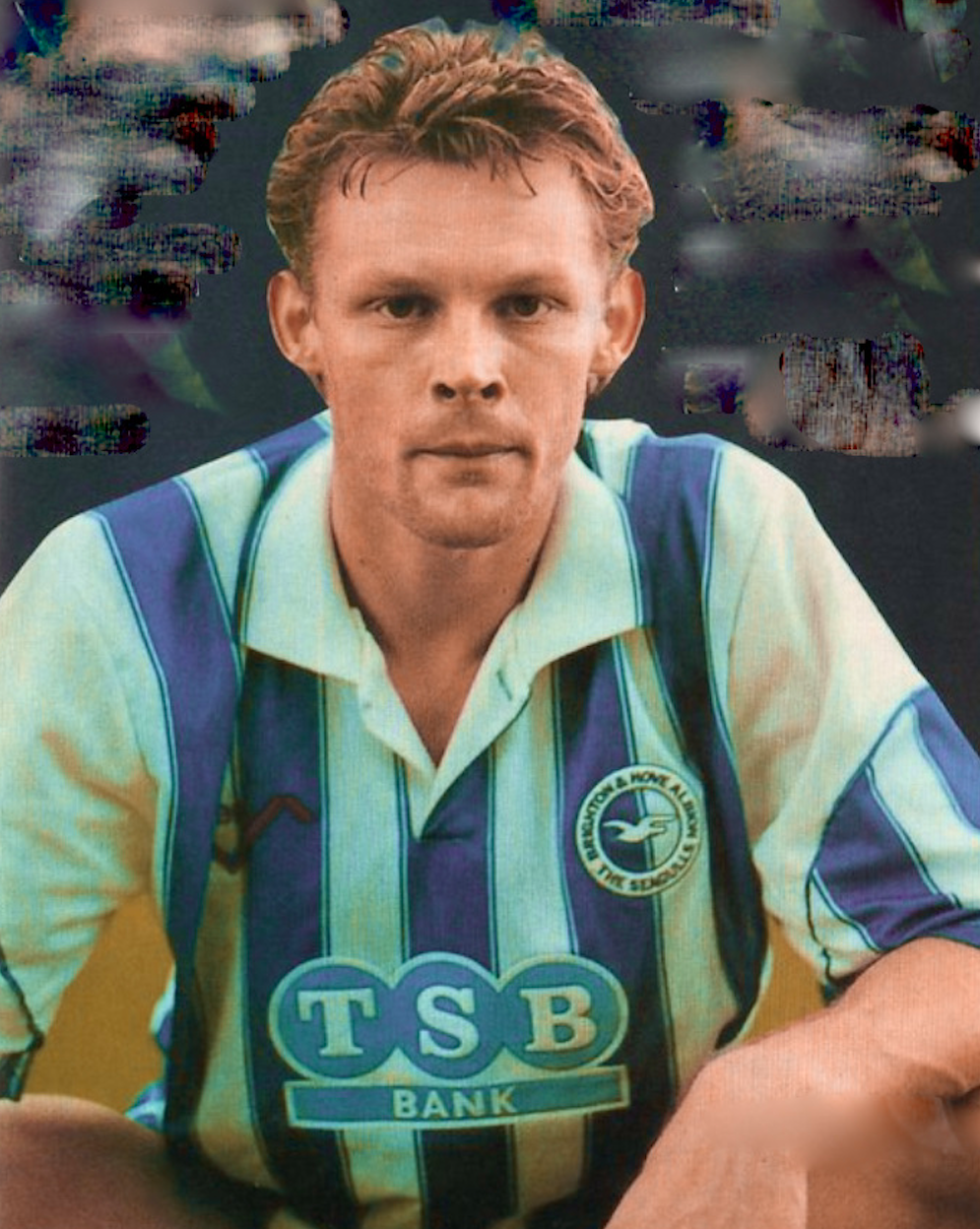
TRANSFER makeweight Matt Thornhill fell foul of managerial changes and debilitating injury which together brought a promising professional playing career to an early end.

Brighton’s former assistant manager Colin Calderwood believed in the midfielder but his successor as Nottingham Forest manager, Billy Davies, didn’t.

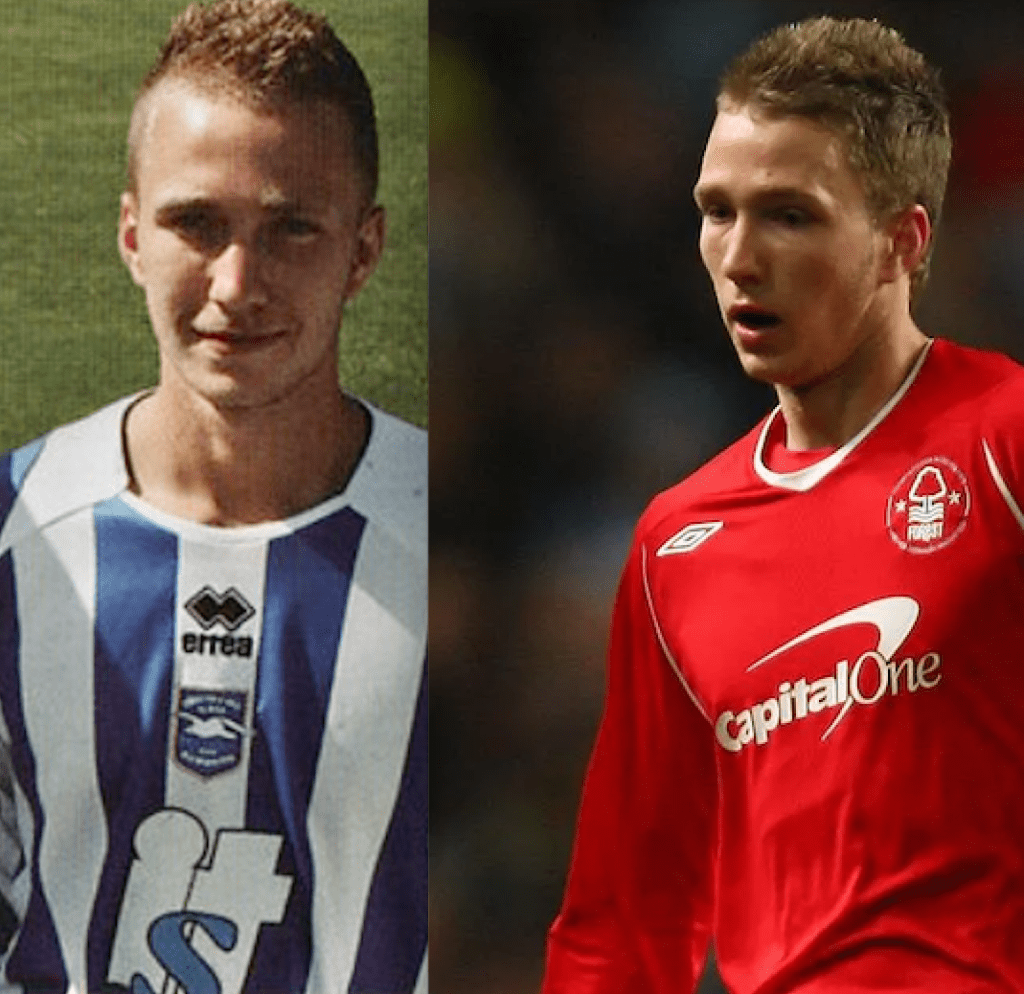
Surplus to requirements at the City Ground, Thornhill was Russell Slade’s seventh signing of the summer in 2009, heading to Sussex as part of the deal that saw Albion academy graduate Joel Lynch move to Forest for £200,000 (having spent the previous season on loan there).

Thornhill initially joined on a six-month loan and he was full of optimism, telling the Argus: “They (Brighton) are looking to go for it this season and hopefully I can be a part of that team and help them strive for the top five of the table and the play-offs.

“My target is to play as many games as I can for Brighton and see what happens. If everything goes well then I could extend it to a year, but we’ll just see.”

Although he started the first game of the season at home to Walsall, he was subbed off at half-time as the Seagulls lost 1-0. Three days later, he was in the side beaten 3-0 by Swansea City in the League Cup (Andrea Orlandi was playing for the Swans and Stephen Dobbie scored his first two goals for City in the Liberty Stadium clash).

But it was another two months before he started another game. Other new arrivals at Withdean (like big money signing Elliott Bennett) at the start of that 2009-10 season and niggling injuries limited Thornhill’s involvement, and, at the end of October, Slade was sacked and replaced by Gus Poyet.

Thornhill, who turned 21 during his time with the Seagulls, only started five games, made four appearances off the bench, and was an unused sub for eight matches.

Poyet had his own ideas about the squad he wanted and swiftly Thornhill and fellow Forest loanee midfielder Arron Davies, who’d played under Slade at Yeovil, were sent back to the City Ground.

Born in Nottingham on 11 October 1988, Thornhill was only eight when he was first offered the chance to sign for Forest, but his father said he was too young.

They went back in for him when he was 14, and, despite other interest from Derby County and Notts County, as a Forest fan it was an easy decision to make.

He was initially coached by former Forest defender Chris Fairclough. When he left school at 16, he became a scholar under John Pemberton, and signed a pro contract a year later.

Calderwood gave him his first team debut at Chester City in the Carling Cup in August 2007, a game Forest won on penalties.

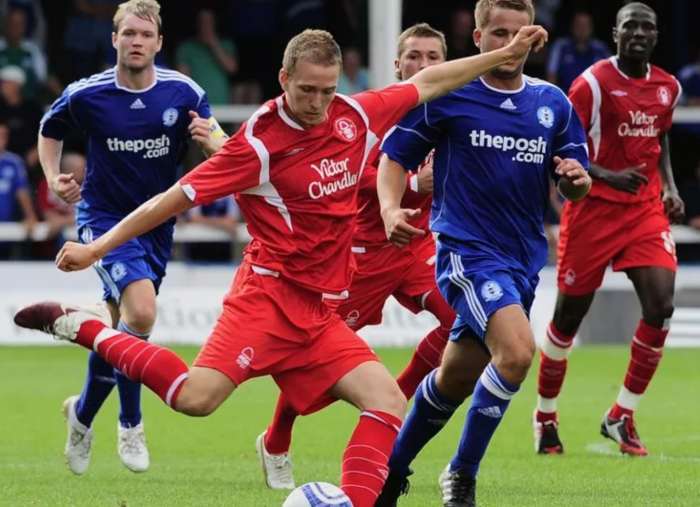
Thornhill made five starts and 11 sub appearances across that 2007-08 season as Forest went up from League One and he scored his first goal for the club in a 4-0 win over Leyton Orient. He featured in 28 league and cup games (16 starts, 12 from the bench) on their return to the Championship.

“Calderwood was really good,” said Thornhill in an extended interview with the Nottingham Evening Post in 2018. “He came and watched the young lads and gave us confidence,” he told reporter Matt Davies.

“He said that if you were good enough, he’d give you a chance with the first team. Some managers don’t go with the academy players.

“They bring players they know in. I saw Lewis McGugan get his chance though and that spurred me on.

“When I got in the team I never thought far ahead. I took every week as it came. I knew the manager believed in me.

“I tried to make the most of it. Playing for Forest meant a lot to me and my family.

“It was massive. I knew growing up how big the club was.”

Thornhill was still only 19 when he played in the biggest game of his career, a 3-0 FA Cup third round win at Manchester City in January 2009.

Forest were floundering at the wrong end of the Championship and had just sacked Calderwood. Pemberton took caretaker charge and it was the biggest cup upset of the round when Forest beat the newly-enriched City so convincingly.

“City were spending loads of money,” said Thornhill. “We had nothing to lose, but wanted to impress the new manager (Billy Davies was watching from the stands).

“I should have scored. I shanked it to Robert Earnshaw and he scored in the end.”

Two days later, Davies took over as manager and Thornhill said he made it quite clear he was going to send out on loan all the young lads who did well under Calderwood.

After his foreshortened Albion loan spell came to an end, he then joined League Two Cheltenham Town on a similar basis, helping them to narrowly avoid dropping out of the league.

Back at Forest for the new season, Thornhill thought he had changed Davies’ opinion, telling the Nottingham Evening Post: “I had a really good pre-season. He told me I’d done well and that I’d be in his plans for the season.

“I was buzzing. The first league game he named me on the bench.”

In the second game of the season, he was a starter in a 2-1 Carling Cup defeat at Bradford City

“I scored and felt I did really well,” said Thornhill. It turned out to be his last game for the club.

“I’d have loved to have got the opportunities Billy said he would give me but there was nothing I could do about it,” he said.

“It annoyed me that he told me I was in his plans and never got the chance when I was at my fittest.”

By Christmas 2010, he was told he had no future at Forest. And he never played in the Football League again.

Former boss Calderwood took him to Scottish Premier League Hibernian in January 2011, but after only nine matches for the Edinburgh side he damaged medial knee ligaments and missed the rest of the season.

Thornhill told Davies of the Post: “I believed in myself still when Forest let me go and Colin Calderwood gave me another chance at Hibs.”

As well as the knee issue, Thornhill contracted a stomach condition which kept him out for eight months. By the time he was fit again, Calderwood had been sacked.

New boss Pat Fenlon did not see a role for him; he was sent to train with the youth team, and was eventually released after making only 15 appearances for Hibs.

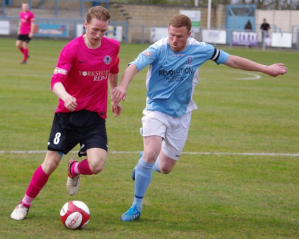
Still only 23, he joined Northern Premier League side Buxton (‘The Bucks’) while hoping he would get the chance to resurrect his league career. It never came and instead, after two years at Buxton, he moved on (left) to Barnsley-based Shaw Lane Aquaforce ‘The Ducks’), whose head coach Craig Elliott said: “It is a massive coup for the club.”

Elliott told Non League Yorkshire: “He’s one I didn’t think we would get as a couple of other clubs were after him, but I convinced him to be part of our project.
“He has a fantastic CV and he did well at Buxton last season. Everyone at the club is pleased to have him.”

He helped the club to win promotion to the Northern Premier League Division One South in 2014-15 and was club captain the following season when they reached the divisional play-off final, only to lose 3-1 to Coalville Town.

He then moved up two levels in the football pyramid and spent a season with National League North side Gainsborough Trinity, where he was appointed captain.

The player told Non League Yorkshire: “I am really pleased to be a part of what (Gainsborough manager) Dominic (Roma) is building at Trinity this season and am glad to be signed early, so I can get a good pre-season under my belt. I really feel I can help the team and channel my experience in a positive way.”

In 2017, Thornhill switched to his local club Basford United and he is still playing for the Northern Premier League Premier Division outfit.

A key figure for Basford United

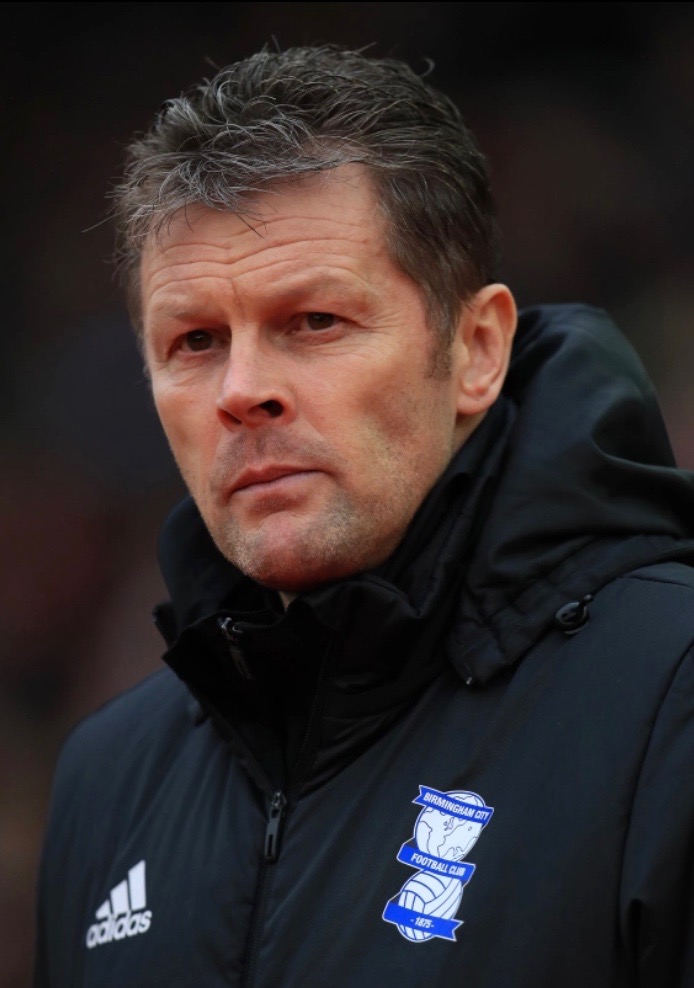
When he signed a new two-year deal with Basford in 2021, then manager Steve Chettle (himself a former Forest player) told the Hucknall Dispatch: “It is vitally important that we set out to continue where we have been for the last two [incomplete] seasons and Matt has been a massive part of that, and he has a been a key figure in the success of this club in the last five years.

“His attitude to all parts of the games and training is an example to all and his contribution in assists and goals over the years has been fantastic. He is a fans favourite and for the captain to re-sign really shows our intentions.”

Chairman Chris Munroe added: “Matt has shown the club, Steve and myself a great deal of loyalty over the years and my dream is that he finishes his playing career with us at Basford, which is now a real possibility.

“There is nothing better for our fans than to see Matt scoring goals or contributing numerous assists and we hope that continues in good supply moving forward as we enter an exciting phase for the football club.”

In that 2018 interview with the Nottingham Evening Post, Thornhill said: “I never really got back where I wanted. I started so well and since Billy let me go I’ve been hampered by injuries.

“I do think I’d have kicked on but for injuries. I might still have been a pro now. It’s football though. It’s what can happen.”

The article said Thornhill was working for a company supplying paint to the car repairs industry and he said philosophically: “My job now is different to football obviously. You’ve got to do what you’ve got to do to get by in life.

“Anyone that knows me knows I get on with things. I see it that I was lucky to play for Forest.

“I was lucky to play for a club that big. There’s no point having regrets and always looking back.”

‘Rooster’ became pivotal to developing young players

FORMER BRIGHTON apprentice Kevin Russell enjoyed a 20-year playing career in which he scored 105 goals in 552 games but he had forgettable spells at three South Coast clubs.

As we learned in my previous blog post, England Youth international Russell scored goals for Albion’s youth team and reserves but moved on before making the first team after a falling out with manager Chris Cattlin.

He got on better with Alan Ball at Portsmouth but only played eight games in three years at Pompey.

In March 1994, he was back in the south after a £125,000 move from Burnley to AFC Bournemouth. Unfortunately, his time at Dean Court coincided with dismal form on the pitch and financial pressures off it.

Russell was signed by Tony Pulis, who, it turned out, was in the final throes of his first spell as a manager, having succeeded Harry Redknapp at Dean Court.

The side had a dreadful run of form the month after Russell joined, suffering five defeats and three draws in eight matches. It was in the last of these that Russell finally got on the scoresheet for the Cherries as they picked up a point in a 1-1 draw at Hull City (his only goal in 17 matches).

While Mark McGhee won the Division Two title with Reading and Russell’s former club Burnley won promotion via a play-off final win over Stockport County, the Cherries finished a disappointing 17th in the table.

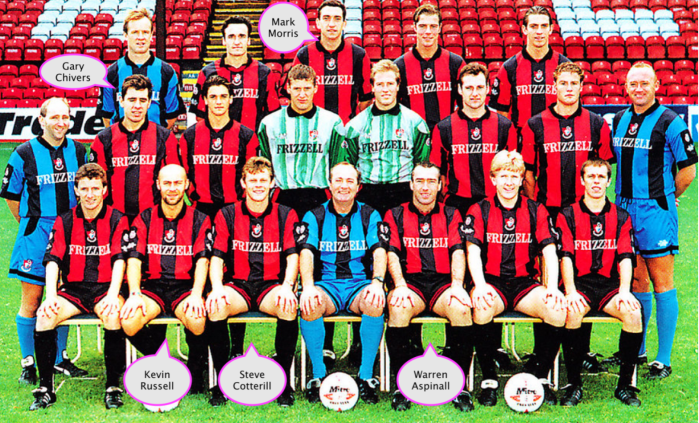
Portsmouth-born Russell had joined a squad (above) that included a number of players with past or future Brighton connections: Gary Chivers, Mark Morris, Paul Wood, Steve Cotterill and Warren Aspinall.

Cotterill recalled in a 2023 interview with gloucestershirelive.co.uk: “I know Rooster very well. I played with him at Bournemouth and he’s a great guy and a good coach.

“I liked him when I played with him because he used to stick crosses on a sixpence for me. I remember scoring a few goals from his crosses.”

Back in 1994, Pulis was sacked early on in the new season and former player Mel Machin took over, but the Cherries had managed only one win and a draw in their first 14 matches by the time they met the Albion at the Goldstone on 2 November 1994.

The game ended in a 0-0 draw and, although they won their next game, by Christmas they’d only got nine points from 21 games. Staring down the barrel of relegation, a last ditch revival in fortunes saw the season go down in memory as ‘The Great Escape’ because Bournemouth managed to avoided the drop by two points.

Russell, who had scored twice in 18 matches, had moved on by then and according to Aspinall, in a September 2011 interview with the Bournemouth Daily Echo: “Mel wanted rid of myself and Kevin Russell.”

Russell, who later had a habit of scoring against the Cherries – he hit four in 10 games against them – said after a 2001 encounter between Wrexham and Bournemouth: “The club was in a bad state when I was there, but Mel Machin and Sean O’Driscoll have turned things round and you know you’re always going to have a hard game against them.

“I don’t try any harder than normal when I play against them, but because I am playing up front and not in midfield or out wide, I get more chances to score.”

Aspinall had a couple of trial matches for the Albion before being packed off to Carlisle, while in February 1995 Russell joined First Division strugglers Notts County where he was reunited with former Leicester teammates Gary Mills and Phil Turner.

Howard Kendall was in charge at the time but County, who got through four managers that season (including Russell Slade for four months), finished bottom of the table having won only nine matches all season.

Russell then returned to his spiritual home in north Wales and, over the next seven years, played a further 240 matches for Wrexham, scoring 23 goals along the way.

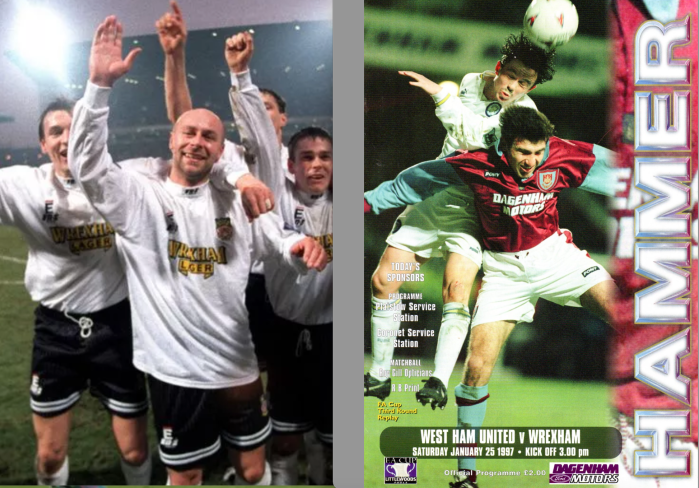
One of the most memorable was a last-minute winner at the Boleyn Ground in January 1997 as Wrexham pulled off a FA Cup giant-killing against West Ham. Having held the Hammers to a 1-1 draw at the Racecourse Ground, Russell went on as a 75th minute sub in the replay and scored a screamer in the dying seconds against a side that included Rio Ferdinand and Frank Lampard.

While the Dragons fans were elated, protesting home supporters spilled onto the pitch in anger at Harry Redknapp’s side’s performance and lowly Premier League position.

Slaven Bilic, later West Ham’s manager, was playing alongside Ferdinand and remembered the game thus: “We were struggling. We weren’t conceding a lot of goals but we couldn’t score and then Wrexham came and they scored at the end of the game, a great goal from 25 yards. After that we signed Johnny Hartson and Paul Kitson and we stayed up.”

When Russell’s playing days were over, he stayed on as a coach and worked as assistant manager under Denis Smith, taking Wrexham to promotion from the Third Division in 2002-03 and winning the LDV (English Football League) trophy in 2005.

That same year his loyalty and service to the club were rewarded with a pre-season testimonial against Manchester United – managed by his former teammate and captain Darren Ferguson’s dad!

Russell played the first 14 minutes of the match against a largely youthful United before being replaced by Ferguson. United won the game 3-1 with goals from Giuseppe Rossi, Liam Miller and Frazier Campbell and one of their subs that day was Paul McShane.

“I can’t speak highly enough of Alex for bringing his side here for me,” said Russell. “I’ve been treated to a special team with a lot of quality. I know there were a lot of young players out there, but you could see the potential they’ve got is immense.”

A crowd of nearly 6,000 watched the match and Wrexham secretary Geraint Parry said: “It just shows how well respected Kevin Russell is after his many years in the game.”

Smith and Russell were sacked in January 2007 but he went straight to Peterborough with Ferguson, who had been appointed Posh player-manager.

“We had an unbelievable time at Peterborough,” Russell told John Hutchinson. “We took them from the bottom league to the Championship in successive seasons in 2008 and 2009.”

There was a brief and unsuccessful spell for the managerial duo at Preston North End in 2010 – they were sacked four days after Christmas with Preston bottom of the Championship – but they weren’t out of work for long because they were re-appointed at Peterborough the following month.

They lost their first game back in charge though – to Brighton. Albion, on course to be league one champions under Gus Poyet that season, beat Posh 3-1: Chris Wood two and Elliott Bennett the scorers while Craig Noone made his home debut for the Seagulls.

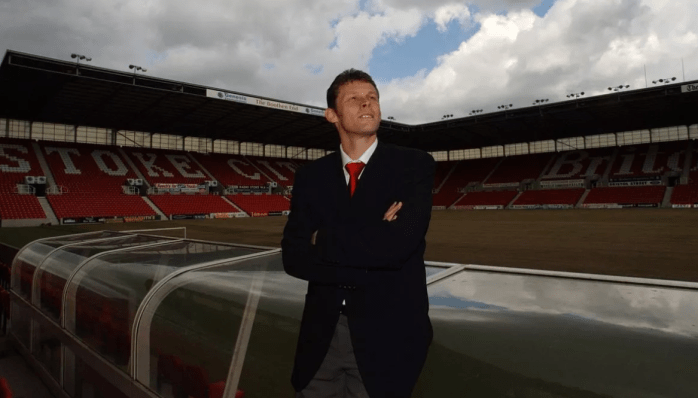
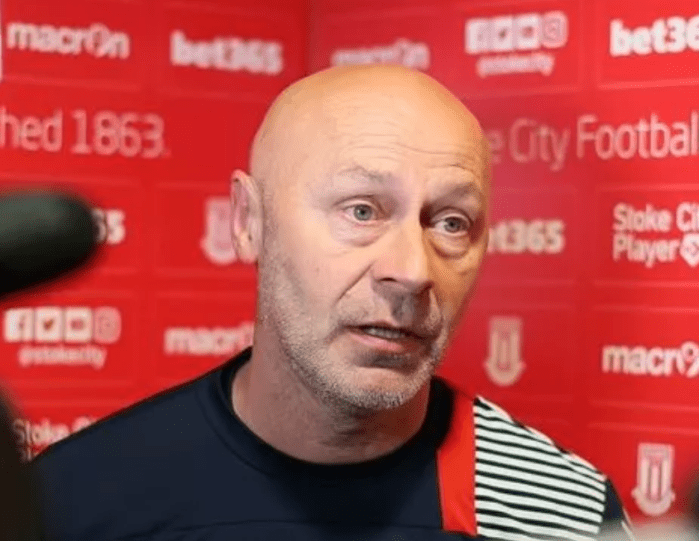
After three years at Peterborough, Russell moved back to the Potteries to join the coaching staff at Stoke (below) and stayed for nine years! He mainly worked with the under 18s and under 21s but also helped with the first team in between managerial changes in 2018 and 2019.

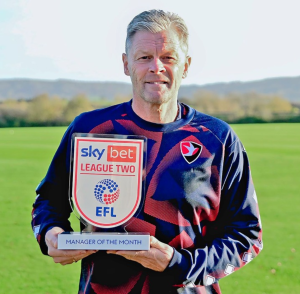
In May 2023, Russell joined Cheltenham Town as assistant manager to Wade Elliott. He was in caretaker charge for two matches when Elliott was sacked four months later but didn’t want the job on a permanent basis and left the club in October 2023 when Darrell Clarke was appointed.

Robins chairman David Bloxham said: “I am extremely grateful to Kevin for all his hard work and dedication and for his willingness to step in to manage the side in an extremely difficult period between Wade leaving and Darrell’s appointment.”

Once again, Russell wasn’t out of work for long. In January 2024, he was reunited with former Stoke technical director Mark Cartwright, a former goalkeeper who played 15 matches in Brighton’s 2000-01 promotion winning side, at Huddersfield Town.

Back in the game at Huddersfield Town

He was appointed as B team manager with a glowing endorsement from Cartwright, now Town’s sporting director, who said: “Not only is Kevin a great coach, but he also has a brilliant ability to develop relationships with young players.

“He’s a lively character and he knows how to relate to individuals to get the best out of them. Whilst at Stoke City, he played the pivotal role in developing players such as Nathan Collins, Harry Souttar, Tyrese Campbell, and Josh Tymon, alongside many others.

“He’s been so successful in doing that because he has a great understanding of the qualities that senior coaching staff want to see in young players.”

Youth Cup winner Rohan Ince faded after a bright start

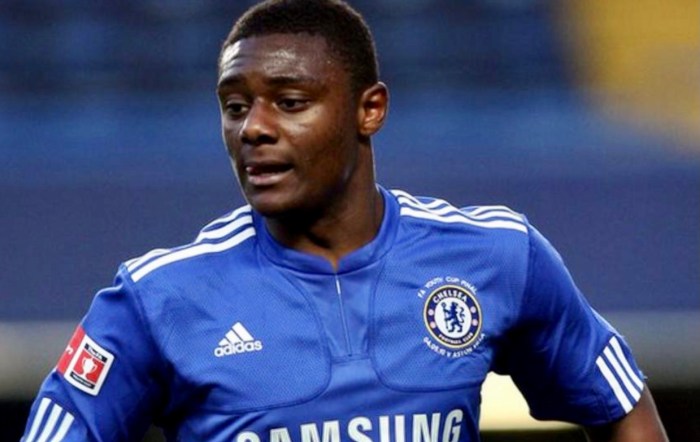
THERE WAS a time it looked like Brighton had rescued a gem of a player in Rohan Ince.

After 13 years on Chelsea’s books, he was picked up at 20 by the Seagulls and quickly earned a place in the first team.

He progressed from a development squad triallist to first-team midfielder in little over six months, getting his chance because of an injury to Liam Bridcutt, another former Chelsea youngster who had been an inspiration for his move to the Albion.

“Liam is older than me but I knew he was a good lad who was always having a laugh,” Ince told the matchday programme. “It was only later when we were training with the reserves that I played with him.

“He is doing well at Brighton and I have great respect for him because it is not easy to find that success after leaving a club like Chelsea.

“He is a great example for young Chelsea boys that have been released, and to all young footballers who don’t get offered contracts.

“Liam has shown it is not the end of the world and if you keep fighting you can get there.”

Ince knew about Brighton from his uncle, Eric Young, a centre-half who played for Brighton in the 1980s.

“When I told him I was signing for the club, he was really happy for me,” he said. “He told me it was a good club and good area to live in. He’s an accountant these days, doing really well for himself.”

Ince arrived at the club towards the end of Gus Poyet’s reign but it was under successor Oscar Garcia’s direction that he thrived. Garcia switched him from a central defender into a defensive midfield player.

“For me he is a player who will have a better professional career as a midfielder than as a defender,” said the head coach. “He positions himself well, he is very alert to second balls, he doesn’t lose possession, he can move the ball quickly.

“I think these are all physical and technical characteristics that are better suited to the midfield role.”

And Garcia demonstrated that it wasn’t always a case of either/or between Bridcutt and Ince when the pair combined successfully in a 3-1 home win over Leicester City at the Amex in early December 2013.

He told The Argus: “All good players can play together. It’s up to the manager to try to find the best position for them.

“Rohan is young but when we are watching him he seems an experienced player. He has to improve a lot of things but he wants to do it and this for me is the most important thing.”

Such was Ince’s progress that in January 2014, a year after he joined the club, he was offered a new two-and-a-half-year contract and was being touted as the natural successor to Bridcutt, who, at the end of that month, made a much-predicted move to follow Poyet to Sunderland.

“He has earned this contract with the way he has trained and played ever since I came to the club,” said Garcia. “He has an excellent attitude every day, he looks after himself and works hard in training; and we are all seeing the benefit of that with his performances on the pitch.

“It is nice for the club to reward that hard work and professionalism with this new contract and I am very pleased for him.”

Ince topped off the first of his two seasons playing in the Championship by being crowned Brighton’s Young Player of the Year. He was probably sadder than most to see Garcia depart immediately after the play-off semi-final defeat to Derby County.

He told The Argus: “I started off as a midfielder at Chelsea up until I was 16, then I was changed to a centre-back because of my height and physical attributes.

“I went back and forwards between midfield and defence in my Chelsea career but I came here as a centre-back because that’s where I thought my career would be best.

“Oscar didn’t believe that and I am happy he didn’t believe it either, because midfield is my preferred position.

“He has given me the opportunity to play first team football, in my preferred role as well, so I couldn’t be more grateful.”

After winning the Young Player of the Year award, Ince said: “The gaffer is a really calm character who doesn’t go about shouting, so is my type of person. The senior pros have also been a massive help, talking to me on the pitch and in training. I couldn’t have won this award without them all.”

Sadly, Ince’s progress seemed to peter away after Garcia left. He made only 11 starts in 26 games for Sami Hyypia, and the player told The Argus: “It was quite hard for me, quite a setback, coming off the back of a good season I had previously.

“I had to keep my head up, keep training well, not get too down or depressed about it. I felt I did that and when the opportunity came I felt I did well.”

It looked like his fortunes had changed after Chris Hughton had taken charge. He was a frequent starter under Hughton initially and the player himself felt bold enough to tell The Argus: “I feel I’ve been playing quite well recently, bringing good competition for the gaffer in the midfield area. I’m giving him quite a tough decision to drop me, in my opinion.”

Hughton clearly felt differently, though. He had already signed Beram Kayal and, in the summer of 2015, added Dale Stephens. They became Hughton’s go-to central midfield pairing.

Another promising young midfielder, Jake Forster-Caskey, found himself sent on loan to MK Dons and, on the last day of the transfer window in early 2016, after Hughton acquired the services of the experienced Steve Sidwell, Ince joined Fulham on loan until the end of the season.

At least it was still Championship level, although Ince didn’t get into Slavisa Jokanovic’s struggling side straight away. It wasn’t until 19 March he was handed a start away to Birmingham City when he obliged with a goal in a 1-1 draw.

“It was a frustrating and a confusing period,” admitted Ince in Fulham’s official matchday programme. “I could have easily given up, but I continued to train hard and kept knocking on the gaffer’s door to make sure he didn’t forget about me. It’s starting to pay off.

“He just said it was tactical why I wasn’t playing but then he decided he wanted to try something different at Birmingham. I think he wanted a more solid midfield with me and Scott Parker in there and I’ve been back in ever since. Long may it continue.”

Ince made eight starts and two sub appearances as Fulham narrowly avoided the drop.

Back at the Albion, Ince only got three first-team starts in the League Cup and was an unused sub for a handful of league games. It was no surprise, therefore, that in January 2017 he was once again sent out on loan, this time to Swindon Town, whose head coach was Luke Williams, who had been in charge of Albion’s development squad when Ince first joined the Seagulls.

Robins fans would have remembered Ince for a wonder strike for Brighton at the County Ground during a Capital One Cup tie in August 2014. It opened the scoring in a 4-2 Albion win, that went to extra-time.

Ince scored twice in 14 games in a squad with some familiar faces: Bradley Barry, Yaser Kasim, Anton Rodgers and Jonathan Obika.

As Albion began life in the Premier League, Ince once again found his only outlet for first-team football was in the League Cup and his display in a 1-0 win over Barnet proved to be a shop window.

Within days, League One Bury signed him on a season-long loan, their manager Lee Clark, saying: “Rohan is a player that has been on the radar for a while. The chairman, Alan Thompson and I went down to Brighton on Tuesday to watch him play for Brighton and he was very impressive for them.

“He will bring a presence to the team and is a very good footballer. He plays it simple and plays it effectively and I believe he will be a big player for us in every sense of the word, both in his physicality and in his play.

“He is an established Championship player and unfortunately for him, Brighton have gone to the next level. Once we found out he was available, we went for him. I am more than delighted to get him in.”

Ince made 22 appearances for Bury in what turned out to be a disastrous season for them because they finished bottom of the table and were relegated. Clark only lasted as manager until the end of October, Chris Lucketti was in charge for two months and caretaker Ryan Lowe was in the hotseat for the remainder of the season.

The loanee played his last match for Bury in April 2018 and was released by the Albion in June that year.

Let’s rewind for a moment, though. Born in Whitechapel, London, on 8 November 1992, Ince was picked up by Chelsea as a promising young player when he was only eight years old.

Football was clearly in the Ince family genes; as well as Uncle Eric, a less close relation is former England international Paul Ince, his dad’s second cousin.

Rohan progressed through Chelsea’s academy and joined the club after completing his formal education at Thamesmead School in Shepperton.

In a detailed pen picture on cfcnet.co.uk in July 2009, Philip Rolfe said: “Look at Rohan from a distance and you could mistake him for a younger John Obi Mikel. His tall, gangly stature and his head of spiky black hair brings about the comparison, and although he’s a centre-back by trade, his laid-back and composed style is very much in the mould of the Nigerian international.

“Ince has most often played in the heart of the under 16s defence alongside Danny Mills, especially in 2007-08. Previously he could also have been found in defensive midfield when Jack Saville was a regular in the under 16s team, and it’s in that position where he might be at his best.

“Much taller and stronger than most opponents his age, he can bring the ball out in the style of the much sought after footballing centre-back. At centre back his somewhat lethargic style can result in a loss of possession, and he is often found to hit a long pass rather than pick out a shorter option.

“In midfield he has more options and more freedom, but as a regular in the under-18s already, he’s honing his craft.”

In 2010, Ince was a member of Dermot Drummy’s FA Youth Cup-winning side that beat Aston Villa 3-2 on aggregate (Ben Sampayo and Anton Rodgers, who also later joined Brighton, were Chelsea subs). Ince signed professional for Chelsea in July 2010 and went on to play regularly for the reserves but didn’t make it to the first-team.

In July 2012, he signed a six-month deal to go on loan to Yeovil. But he made only one start and three substitute appearances for Gary Johnson’s side before returning to Stamford Bridge with a recurring ankle injury.

After finally leaving Chelsea in January 2013, he said: “Chelsea said they couldn’t see me breaking into the first team, which is probably true.

“It is very difficult to get into their first team because they can go out and buy the best players in the world.

“When I was told I wouldn’t get a new deal, I decided to go on a series of trials and Brighton was the club I identified as the best place to go to.

“I travelled to Bournemouth for a friendly on the second day of my trial and felt I had performed well, but then the weather had a dramatic impact on my hopes. There was loads of snow so I was limited to what I could show as we were training indoors, but from what I did show, Luke Williams liked it and extended my trial.”

On being released by Brighton, Ince played a couple of pre-season friendly matches for Charlton Athletic but he didn’t get taken on because of a knee injury. Caretaker boss Lee Bowyer told londonnewsonline: “He’s got something wrong with his knee. He came with it. How he’s been training and playing in the games I don’t know, because he’s injured.”

It led to Ince spending the whole of 2018-19 without a club trying to heal and recover his fitness. Eventually, he was taken on by League Two Cheltenham Town in July 2019, with manager Michael Duff telling the club website: “He’s had a good schooling where he’s come from at Chelsea and had 80 or 90 games for Brighton in the Championship. “When I played against him, he was the next big thing coming through. He’s been a bit unfortunate with his injury last year. We’ve done all the due diligence with regards to testing, seeing specialists, scanning — we think we’ve found a very good player.

Michael Duff greets Rohan Ince

“He’s 6’4”, powerful, but he can play as well. We’re hoping he can add physicality and quality into our midfield.”

Unfortunately, it wasn’t a great start for Ince, when the Robins travelled to east London to take on Leyton Orient on the opening day of the season. In a mad five minutes midway through the second half, Josh Wright scored past Scott Flinders to put Orient ahead, Town striker Luke Varney saw a second yellow for alleged simulation in what the visitors contended was a clear penalty shout.

Frustrated by the decision, Ince, who’d taken a drink of water during the halt in proceedings, threw the empty plastic bottle to the sidelines, but it hit the fourth official. Referee Michael Salisbury deemed it to be violent conduct and showed him a straight red card.

“He seems to think he did it intentionally,” manager Duff explained to gloucestershirelive.co.uk afterwards. “I am not sure Rohan’s aim is that good that he can hit someone five or six yards away, walking the other way. There is not a lot I can do about that one, but I think it’s very soft, particularly after what’s gone on in the 60 minutes before that.”

To make matters worse, the FA charged Ince with breaching an FA rule and, instead of the statutory three-match ban, he was banned for five matches.

Then, just when it looked like he would return to the side in a game at Crawley, he injured his hamstring in a pre-match warm-up and had to pull-out of Cheltenham’s starting line-up.

He ended up making only nine League Two appearances and was released at the end of his one-year deal.

It was only when he linked up with fifth-tier Maidenhead United for the 2020-21 season that he finally got a decent run of games, featuring 31 times for the National League side, and helping the club finish 13th, the second-best finish in the club’s history.

In 2021 he was called up for the first time to play for the national football team of Montserrat, which is coached by Willie Donachie, the former Manchester City, Oldham and Scotland defender, who had been Joe Royle’s managerial no.2 at various clubs.

The tiny Caribbean nation, a British overseas territory of less than 5,000 inhabitants, is trying to rebuild after half the island was destroyed by a volcanic eruption in 1995, forcing thousands to flee to Britain. Most of the British-born semi-professionals who play for Montserrat are related to those island residents who came to the UK.

Ince featured in qualifying matches for the 2022 FIFA World Cup and scored his first goal in a 4-0 win over the U.S. Virgin Islands.

Although they did not advance from their World Cup qualifying preliminary group, the ‘Emerald Boys’ finished unbeaten with eight points and earned draws against El Salvador and Antigua and Barbuda.

On his return, for the 2021-22 season, Ince switched to another National League side, Woking, and is described on the club website as “an integral player at the base of the Woking midfield”.

Adding that he had “quickly became a firm fan favourite”, it says of him: “A tough-tackling defensive midfielder also capable of pushing further forward, he made 37 appearances during his debut season with the Cards, whilst chipping in with two goals and four assists.”

Lowe and behold, the centre back who couldn’t get a game

KEITH LOWE is one of those curious cases of a player who joined the Albion on loan but didn’t kick a ball in anger!

He played one game for the reserves and sat on the first team bench for five matches without getting on.

Lowe was just 20 and well down the centre half pecking order at Wolves when Mick McCarthy had just taken charge.

At the beginning of the 2006-07 season, Albion’s first choice centre backs, Adam Hinshelwood and Guy Butters, were both out injured, and Joel Lynch was a doubt after picking up a niggle in a pre-season game. So, manager Mark McGhee took the opportunity to get Lowe on loan for a month.

Candid former Wolves manager McGhee told the Albion matchday programme how the club had done its homework on the youngster, who he described as a “no frills central defender who gets in where it hurts to head it and boot it. Obviously, that’s something we need – a big lad in our box to head it away. With the absence of Guy Butters, we’ve missed that sort of height in pre-season so I hope he will do well for us.

“Obviously I know people well at Wolves, so we don’t think for a minute that we are signing Rio Ferdinand, but we’ve signed a steady young player who’s determined to make a career for himself and wants to do well.”

For his part, Lowe told the Argus: “I’ve found out that there are a few injuries in the defence here so hopefully I’ll get into the team as soon as possible and play as much football as I can.”

Born in Wolverhampton on 13 September 1985, Lowe had progressed through the Wolves academy and was given a first team debut by Dave Jones in the League Cup at the beginning of the 2004-05 season, three weeks before his 19th birthday. Two months later Lowe was awarded a three-and-a-half-year contract and he said:“My family are all Wolves supporters so it’s a bit of a dream come true.”

Although he made 13 appearances at either right-back or centre-back that season, he only played three matches for them under Glenn Hoddle the following season although he gained experience out on loan, at Burnley (under Steve Cotterill), and QPR in the Championship, and Swansea in League One.

“A lot of people have left Wolves but the one thing they have got is a lot of defenders and they have scrapped their reserve team now so it was best to go and play somewhere else,” Lowe told Andy Naylor of the Argus. “I’m looking to play as many games as I can. I wasn’t getting the opportunity I would have liked at Wolves so I jumped at the chance to come and play some football.”

Lowe said that even though McCarthy had not long been in charge, he had already got his starting eleven in mind. “I hadn’t asked to go out on loan yet, but from what I can gather the manager here ‘phoned up our manager and it seemed like the ideal place to come,” he said. “I’ve not been down to Brighton before but my first impressions, even from the drive in, were it seems really nice and I’m really looking forward to it.”

He added: “My aim is to get noticed at Wolves but I’m open to anything that happens. If it’s not going to happen for me at Wolves then I’ll stay here as long as the management staff want me.”

Unfortunately for Lowe, Lynch recovered from a pre-season thigh injury in time to make the starting line-up for the season opener at Rotherham, and he never did manage to force his way into the side.

By mid-August, he confessed in another Argus interview: “I’m very disappointed. I came down here to play football but it hasn’t happened. You’ve got to be professional about it, keep working hard and hopefully it will come.

“We kept clean sheets in our first two games and, when things like that happen, you can’t really go knocking on the gaffer’s door and say: ‘Why am I not in the team?’ The lads have done really well but I’ll just keep working hard in training and hopefully he’ll take note.”

Lowe pressed his claims for a place by scoring on his debut for the Reserves, heading an equaliser from a Tommy Fraser corner on 54 minutes, in front of McGhee, in a 2-1 win away to QPR. He said: “It was nice to get 90 minutes under my belt and it was a good performance and result, so I was pretty pleased.

“Hopefully I’ve caught the gaffer’s attention. I thought I did well enough and I’m just trying to push to get into the team.”

It didn’t happen, though, and McGhee was at pains to point out the circumstances. “We brought him here to play but then Joel got fit and suddenly looked absolutely fine.

“By the time we got Keith down here we weren’t sure he had trained with us enough and done enough work with us. Joel was there and we decided not to gamble with Keith but to play Joel, who has then played so well, so things have conspired against him a wee bit.”

McGhee added: “He did fine at QPR. In the second half, particularly, when we pushed them up the park and asked them to defend in behind, he did it well.”

Lowe might have got a chance in the Carling Cup against Boston United but Wolves were only prepared to allow him to be cup-tied if Albion intended keeping him longer – and McGhee had decided to add to his defensive options by signing veteran Georges Santos.

Lowe headed back to the Black Country, but the following month he went on loan to Cheltenham Town, where he finally saw some league action, playing in 18 matches. It sowed the seed for a later period in his career: he played 133 games for League Two Cheltenham between 2010 and 2014 in a career that ultimately embraced 617 appearances for 13 different clubs.

Lowe spent the final season of his Wolves contract on loan at League One Port Vale. Signed by Martin Foyle, Lowe also featured under his successors Dean Glover and Lee Sinnott, playing in 31 matches. But Vale were relegated in 23rd spot and the defender finally bade farewell to his boyhood club in May 2008.

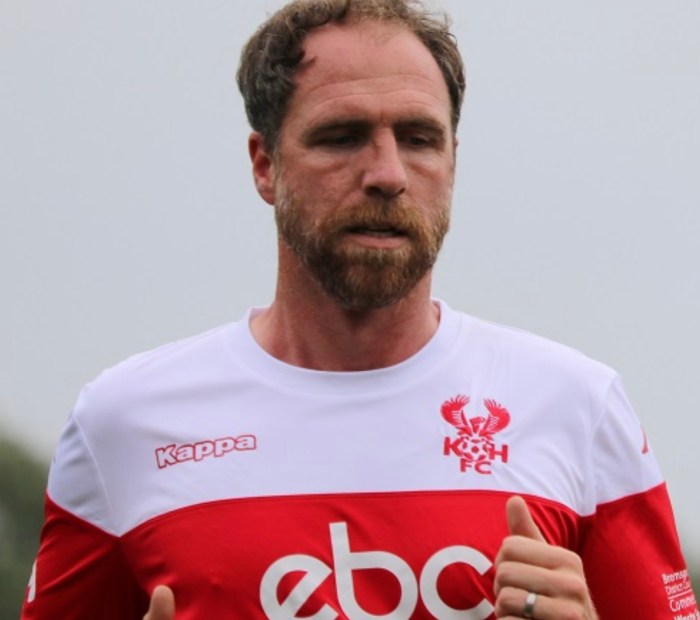
He dropped out of the league for the 2008-09 season, appearing in 52 games for Conference Premier League side Kidderminster Harriers.

Budget issues meant he was released at the end of the season and the following campaign he was back in the league with Hereford United, playing 26 games for the League Two Bulls under John Trewick and former Wolves boss Graham Turner. That spell at Cheltenham came next.

During two years at York City, Lowe collected no fewer than four Player of the Year awards in 2014-15 – three from supporters’ groups and one from local newspaper The Press.“Keith deserves the awards for his consistency,” City boss Russ Wilcox told the newspaper. “To play every league game is always an achievement. It shows you are doing things right on and off the pitch. It means you look after yourself, train properly and are a good professional.”

Released by new York boss Jackie McNamara, Lowe returned to Kidderminster, by then in the National League, where he spent another 18 months, much of it as club captain.

National League Macclesfield Town was his next port of call and he played in all of their matches as they won promotion back into the league in 2017. However, it ended on a sour note in 2019 when he was one of six players to issue the club with a winding up order for unpaid wages.

The 2019-20 season saw him turn out for three different clubs: Southern League Nuneaton Borough, National League North side Bradford Park Avenue and latterly (until the Covid pandemic called a halt to the league) Kidderminster for a third spell.

At the end of the 2021-22 season, he announced his intention to concentrate on developing a career as a teaching assistant. He told the Kidderminster club website: “I’m not ready to stop yet and am very much planning to play part-time next year, but it feels like now is the time to move away from the full-time game and think about the future and the career I’ve been building in schools.”

Ex-Clarets boss Steve Cotterill not always ‘Mr Popular’

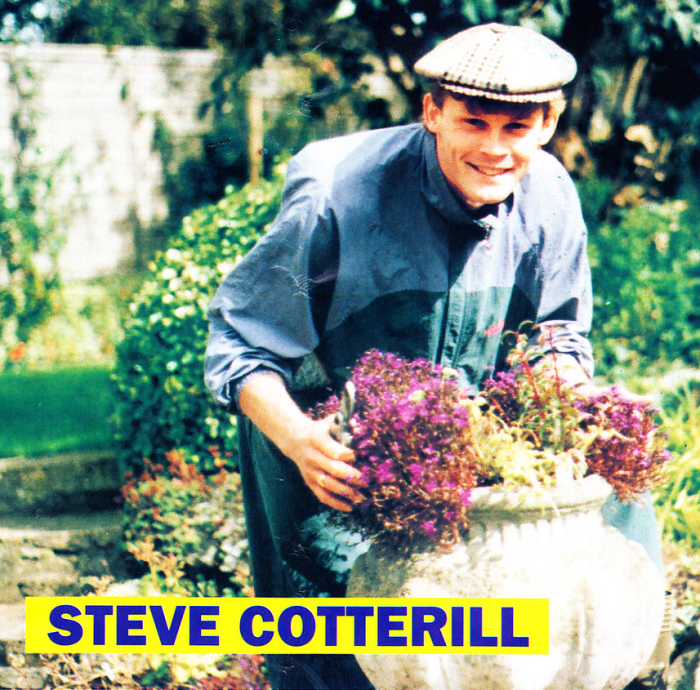
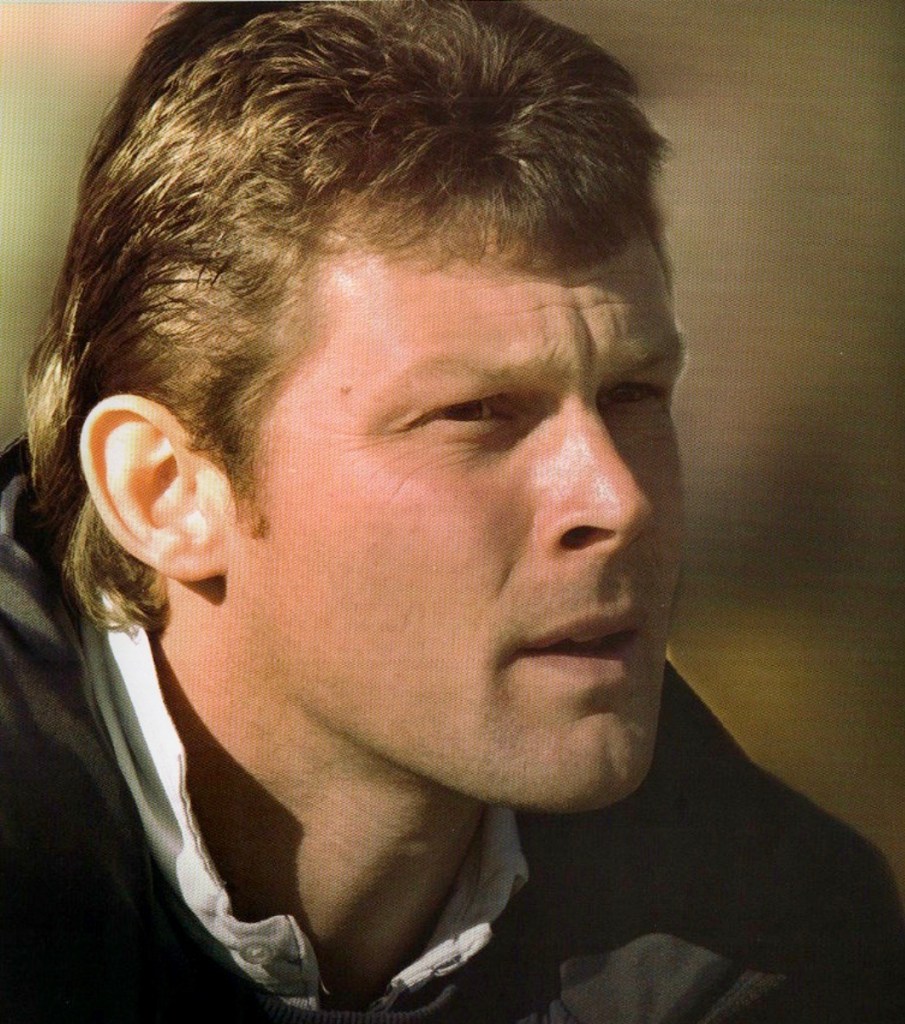
FORMER Burnley manager Steve Cotterill hasn’t always been popular during a nomadic football career that’s taken him the length and breadth of the country.

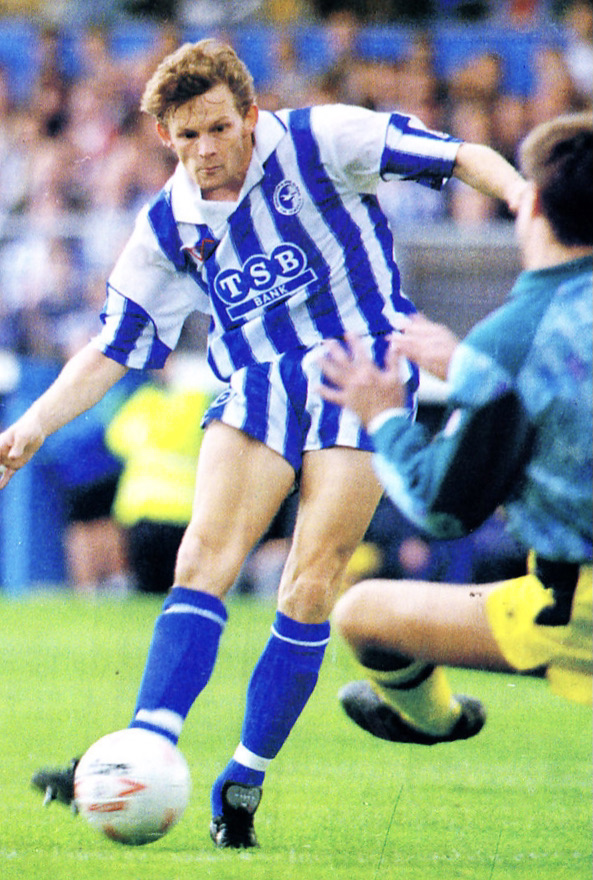
But he made a lasting connection with Brighton fans after impressing during an all-too-brief playing spell in 1992.

“I thoroughly enjoyed my time at Brighton and, whenever we’ve gone there, I’ve always had a great reception from their supporters. They’ve been terrific,” he wrote in his programme notes prior to a Cheltenham v Brighton fixture.

Injury curtailed Cotterill’s playing career – he endured 18 knee operations – but he made up for it by taking charge of nine different clubs over a period spanning more than 20 years.

His three years and seven months keeping Burnley in the second tier while seeing key players sold or injured was largely recognised as a decent achievement in the circumstances. Many of his other appointments were a lot shorter, and at times acrimonious.

Starting out as a player on the non-league circuit, it was Cotterill’s prolific scoring for Burton Albion (44 goals in 74 games) that prompted Wimbledon to snap him up in 1989.

Unfortunately, he sustained a serious cruciate ligament knee injury that halted his progress with the Dons and Albion boss Barry Lloyd gave him a lifeline to try to resurrect his career with the Seagulls.

Against a backdrop of financial instability, Lloyd had struggled to find adequate replacements for the prolific Mike Small and John Byrne in the 1991-92 season. Mark Gall, signed from Maidstone, offered a glimmer of hope, but Raphael Meade and Mark Farrington were disappointing to say the least, and Albion had been relegated back to the third tier a year after being one game from winning their place back amongst the elite in a play-off final against Notts County.

As the 1992-93 season got under way, Gall was unavailable due to a knee injury that eventually forced him to retire, Meade had departed and questions continued over Farrington, so Lloyd turned to loan signings Cotterill and Paul Moulden from Oldham Athletic.

It looked like he’d cracked it as the pair combined well and started scoring goals. Indeed, Cotterill scored four in 11 games, which was a promising start. Unfortunately, parent club Wimbledon wanted the sort of fee for him that cash-strapped Albion couldn’t afford, so he returned to south west London and eventually moved on to Bournemouth the following summer for £80,000.

In an interview with the Argus in October 2016, Moulden told Brian Owen: “One of the reasons I loved playing for Brighton was Mr Banter himself, Steve Cotterill. We met up like we had never been apart. I’d start the banter and he’d finish it or vice versa.
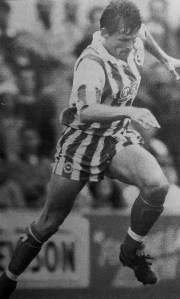
“We destroyed many a centre-half partnership during that three months. I was gutted to leave. I mean that very sincerely – absolutely gutted. I couldn’t believe nobody would have bought me and Steve as a pairing.

“We were both out of favour with our clubs and we hit it off so well. But it wasn’t to be – at Brighton or at any club.”

Born in Cheltenham on 20 July 1964, Cotterill’s injury-ravaged playing career came to a close at Dean Court. He’d won the player of the year title three times and scored 18 goals in 55 starts for the Cherries, but another knee injury finally put paid to his playing career, and he turned his attention to managing.

His first assignment was in Ireland where he succeeded his former Wimbledon teammate Lawrie Sanchez at League of Ireland’s Sligo Rovers. But his hometown club Cheltenham Town offered him a management opening back in England in 1997, and he steered them from Southern League football into the Conference and then into the bottom tier of the Football League. He twice won the Manager of the Year title and earned another promotion, to the third tier, via a play-off final victory over Rushden & Diamonds.

After leaving Cheltenham, Cotterill had a controversial five-month, 13 game stay as Stoke City boss at the start of the 2002-03 season before quitting to join Sunderland as Howard Wilkinson’s no.2. In May 2020, Cotterill endeavoured to explain to the Stoke Sentinel the circumstances surrounding his tenure, and the board interference regarding players.

The stay on Wearside was also short lived, with the pair being dismissed after only 27 games in March 2003.

The collapse of ITV Digital coincided with Cotterill taking over from Stan Ternent as Burnley manager in the summer of 2004. When he joined, they had only eight players on the books and, despite reassurances to the contrary, within six months Robbie Blake and Richard Chaplow, who he’d hoped to build a team around, had been sold.

When Blake’s replacement Ade Akinbiyi started scoring on a regular basis, he too was sold, and when he returned to the club later, he wasn’t the same player in front of goal.

Even after Cotterill had left, Burnley directors acknowledged the platform he’d provided for their eventual elevation to the Premier League under Owen Coyle.

The excellent uptheclarets.com, summed up his time at Turf Moor, thus: “He kept us in the second tier of English football for three years and that, looking back, was some achievement in, at times, difficult financial circumstances.”

It probably said something about the Championship that when Cotterill finally departed Turf Moor in the autumn of 2007, he’d been its longest serving manager at three years and seven months.

The following year, Cotterill was offered the opportunity to try his hand in America with Minnesota Thunder but work permit issues meant it never materialised. He didn’t resurface in the English game until 2010, when he enjoyed a short but successful reign – five months in charge of Notts County. He took charge on 23 February 2010 and they were crowned League Two champions on 27 April. A month later Cotterill was on his way, appointed in June 2010 as the manager of Portsmouth.

He helped to stabilise the then Championship club against a background of financial troubles and other clubs began to cast eyes on his achievements. The persistence of Nottingham Forest finally paid off and he moved there in October 2011, but a change of ownership of the club spelled the end of his time by the Trent.

In July 2012, he was only nine months into a three-and-a-half-year contract at Nottingham Forest when the owning Al-Hasawi family decided to relieve him of his duties and go in a different direction.

He was out of the game for six months but in January 2013 accepted Harry Redknapp’s offer to join the coaching team at Queens Park Rangers until the end of the season.

He turned down the chance to stay in post the following season and in December 2013 took charge of League One Bristol City, signing another three-and-a-half-year contract.

In his second season at Ashton Gate, he steered City to promotion from League One as champions and they won the Football League Trophy. It earned Cotterill the League One Manager of the Year award.

As with other times in his career, Cotterill found his club’s better players were sold, ultimately weakening the squads he was in charge of. For example, when Sam Baldock moved from Bristol City to Brighton. Cotterill told bcfc.com: “He was a very good captain and very good goalscorer; we were sorry to see him go…that happens in football.”

Ultimately, as City struggled to attain the same level of success in the Championship as they’d experienced in the division below, Cotterill was sacked in January 2016.

Perhaps to prove the point about Cotterill not always being everybody’s cup of tea, former Albion defender Adam El-Abd vented his feelings in September 2020, explaining why he fell out of love with football following a bust-up with the manager only a short time after he moved to Bristol City.

With only three matches of the 2016-17 season left to play, Cotterill once again was grateful to Redknapp, by now manager at Birmingham City, and he joined him there as first team coach.

He subsequently left in the close season in the hope of landing a manager’s role in his own right. Ironically, that opportunity arose back at St Andrews when Redknapp was sacked in October 2017.

Cotterill told The Sun’s Graham Hill how he felt he had mellowed after 20 years in the hotseat at various clubs, although, at the time, he probably didn’t expect to be out of work again five months later.

After leaving Birmingham in March 2018, Cotterill ruptured a disc in his neck while trying to keep fit but in an interview with gloucestershirelive.co.uk declared himself fit and ready for the next challenge.

That challenge emerged in November 2020 when Cotterill took charge of League One Shrewsbury Town but he faced a bigger fight – to his health – after contracting Covid-19 and he was twice admitted to Bristol Royal Infirmary, spending some time in intensive care, suffering badly from the virus and pneumonia. He was released from hospital in March 2021 to recover at home.

He left the Shrews job in June 2023 and was out of work until January 2024, when he took charge of Forest Green Rovers.

He was unable to stave off relegation from the Football League, but he rebuilt the side during the summer of 2024 to push for promotion back to League Two. When Southend United visited The New Lawn on 15 March 2025, the 2-2 draw was Cotterill’s 1,000th game as a manager. At the time, Rovers were joint-second in the National League.

Owusu raised the roof as Albion escaped the drop

Owusu stripes

FEW Brighton players have made such an impact in such a short time as Lloyd Owusu, a Ghana international who in 2009 struck seven goals in 14 appearances to help Russell Slade’s Albion retain their League One status.

The popular Slough-born goalscorer also earned legendary status amongst Sheffield Wednesday fans even though his playing time for the Owls was similarly fairly limited. His most prolific time as a striker came in two spells at Brentford, but he was happy to travel and ended up playing in Australia.

Born in Slough on 12 December 1976, Owusu started his career with local GM Vauxhall Conference club Slough Town, managed at the time by future Reading boss Brian McDermott.

Owusu rose through the ranks at youth and reserve team level before breaking into the first team in September 1996. Owusu marked his full league debut for Slough with four goals in a 6-0 win over Telford United.

In 1998, after netting 18 goals in 59 appearances for Slough, Brentford, then managed by former Palace chairman Ron Noades, took him to Griffin Park for a fee of £25,000, but it was under future Albion boss Steve Coppell that saw the majority of his best playing days.

Owusu BrentOwusu scored 76 goals in two spells with the Bees, and, in the 1998-99 season, his 24 goals in 53 games in all competitions saw him lead the scoring charts in Nationwide Division Three (now Football League Two) with Brentford crowned champions.

While two below par seasons followed, in 2001-02 he was back on top form, scoring 22 goals to help Brentford reach the Division Two play-off final at the Millennium Stadium. However, the Bees lost 2-0 to Stoke City and Owusu’s contract was not renewed.

Sheffield Wednesday, then in the Championship, signed him on a free transfer and he became an instant Wednesday legend. Coming on as a substitute in a typical fierce Steel City derby match against Sheffield United, he headed a goal with his first touch.

“Scoring with my first touch for Wednesday was a dream come true. I actually dreamt that I was going to score on my debut with my first touch,” Owusu told beatsandrhymesfc.com. “All I remember was the ball coming off the cross bar from a (Shefki) Kuqi header and me being there to put it in the net past Paddy Kenny.”

Although the Owls went on to win the match 2-0, Owusu subsequently had limited game time, starting only 13 games out of a possible 34 in all competitions in that 2002-03 season.

“I missed pre-season due to a knee operation so I was always on the backburner and could never reproduce my best performances,” Owusu explained.

When a similar story followed in 2003-04, he went on loan to Reading, and then moved permanently to the Royals in the summer of 2004. In the 2004-05 season, Owusu scored six goals in 14 league starts.

The striker rejoined Brentford on a free transfer in the summer of 2005, the same year he won his first cap for Ghana. Unfortunately, he tore a groin muscle in a friendly match playing for Ghana in April 2006 and was sidelined for nearly a year.

He finally made his comeback in March 2007, but he was released by Brentford two months later and signed on a free transfer for Russell Slade’s Yeovil Town in July 2007.

In September that year, he was a scorer at the Withdean Stadium as the Glovers left with all three points courtesy of a 2-1 win. But on transfer deadline day, 1 September 2008, Owusu joined Coca-Cola League 1 side Cheltenham Town on a one-year deal.

It was in March 2009, with Cheltenham looking to cut costs, that Owusu linked up with the Seagulls on loan until the end of the season. “Going to Brighton was one of my best memories of my career,” Owusu told gloucestershirelive.co.uk.

Owusu grabbed the headlines as he scored seven goals in 14 League appearances for Brighton, helping Russell Slade’s side to avoid relegation from League One. He was even named Powerade League One player of the month for April 2009.

On the strength of his performances, Owusu was offered an extended contract by the Seagulls but he chose to try his luck in Australia, where he has since returned to work.

He initially joined A-League side Adelaide United on a two-year deal but was struck by swine flu and pneumonia, and struggled to make an impact on the pitch. He had a short spell at Chinese Super League club Guangzhou Evergrande, but his contract was terminated by mutual consent at the end of December 2010.

Back in the UK, he linked up with Luton Town, at the time trying to get back into the Football League. He scored seven in 13 games but the team missed out on promotion after losing on penalties to AFC Wimbledon in the play-off final at the City of Manchester Stadium (as it was then).

After spending pre-season with Cypriot side AEP Paphos in the summer of 2011, Owusu returned to the UK to make a handful of appearances for Barnet and Hayes & Yeading United (on loan), but picked up an injury and left Barnet after his contract expired.

In February 2012, he re-signed for Slough to help manager, and former teammate, Steve Bateman achieve promotion, before returning to Adelaide with White City. He has since developed a coaching and acting career Down Under.

Owusu took his coaching badges in Australia and, as well as coaching at some of the top private schools in Sydney, has launched his own coaching company, XL Soccer.

“There has also been a bit of modelling, TV commercials and the odd appearances in a documentaries and movies,” he told gloucestershirelive.co.uk. “I was in Gods of Egypt with Gerard Butler and also appeared in the TV shows Danger5 and Deadly Women along with ads for OPSM (opticians) and HomeAway (holiday rentals).”

His LinkedIn profile says his current role is general duties master at Cranbrook School in Sydney.

Flu-hit Flinders came to the rescue in a goalkeeping crisis

AN UNDERSTUDY to eccentric Crystal Palace goalkeeper Gabor Kiraly played a dozen games in goal for Brighton in the spring of 2007.

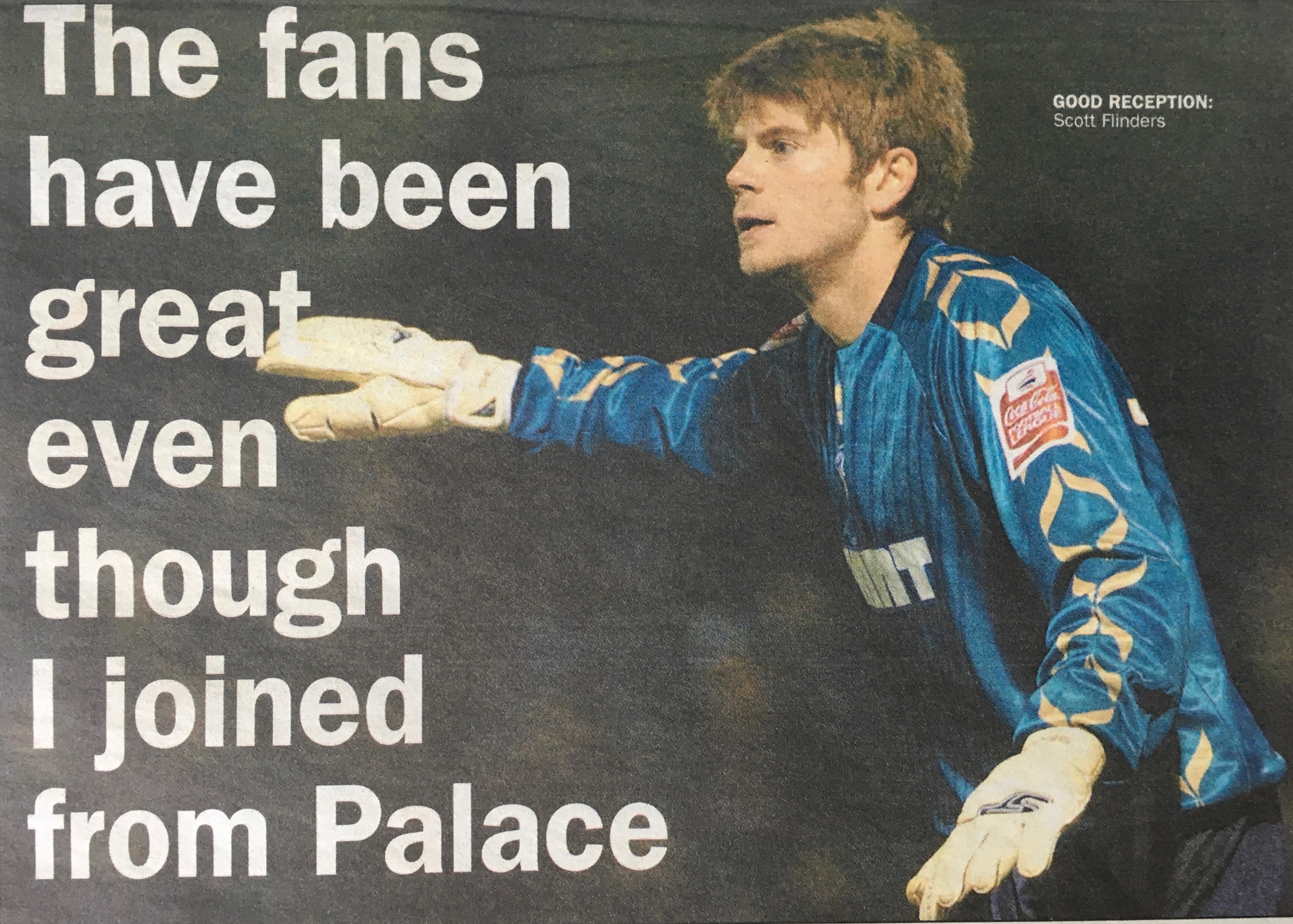
Scott Flinders was just 20, and suffering from the effects of a bout of ‘flu, when he answered a call from fledgling manager Dean Wilkins to help solve a goalkeeper crisis.

With first choice Michel Kuipers injured, Wilkins considered it too early to risk rookie ‘keepers Richard Martin and John Sullivan, so he turned to Albion’s arch rivals to borrow 6’ 4” Flinders.

“I always thought Millwall were Palace’s biggest rivals but then I got told, I think it was by Dougie Freedman or Clinton Morrison, that it is Brighton,” Flinders told The Argus. “It didn’t put me off signing. It is just about playing games.”

IMG_6009Flinders made a slightly shaky start in a win away to Gillingham, and in a defeat to Bristol City on his first appearance at Withdean, but he made some important stops to help earn points in consecutive away draws at Crewe and Blackpool.

Manager Wilkins told The Argus: “We knew we were bringing in somebody who was not 100 per cent for the first couple of matches. Scott has recovered from that and he has done very well for us.

“We are still in a position where we need another ‘keeper with a bit more experience than the young lads we’ve got.”

Flinders seemed happy to extend his loan from one month to two and said: “The fans have been absolutely excellent towards me, even though I am coming from a rival club.

“John Keeley, the goalkeeping coach, has been different class and I am delighted to be here.”

Unfortunately, Albion lost all five of their matches in April and finished 18th, six points clear of relegation.

Born in Rotherham on 12 June 1986, Flinders joined nearby Barnsley as a youth trainee in 2003 and made it through to the first team in 2005 when former Albion striker Andy Ritchie was the manager.

He took over from Ross Turnbull and featured in 11 games over three months before losing his place and subsequently having to settle for being understudy to Republic of Ireland international Nick Colgan.

However, Flinders earned his own international recognition in the shape of five caps for the England under 20 side, three of them in the 2005 Toulon tournament. He made his debut in a 3-0 win against the Korean Republic in a side which also featured Liam Ridgewell, Liam Rosenior and Greg Halford.

He kept his place three days later in a 0-0 draw with France, then came on as a sub three days later in a 1-1 draw with Mexico.

In August the same year, he started against Russia but was substituted as the side went down 4-0. A teammate in that one was Will Hoskins. His final match was at Turf Moor when England drew 2-2 with Holland, although he was subbed off again. In that England team was future England centre-back Gary Cahill while the left-back was Gary Borrowdale, who played on loan at Brighton under Russell Slade in 2009.

Frustrated playing second fiddle at Barnsley, Flinders had trials at Chelsea and Wigan Athletic but he ended up at Crystal Palace in 2006 as part of an exchange deal involving midfield player Sam Togwell.

It’s believed Palace paid an initial fee of £250,000 with additional instalments to be paid according to appearances.

However, Flinders only made one league cup appearance before being sent on loan to Gillingham. It was the first of five loans away from Selhurst Park, the lengthiest being his time at Brighton.

Other loan spells saw him spend time with Yeovil Town, Blackpool and Falkirk and he was released by Palace in May 2009 after playing just 13 games for them in three years.

His years of understudying finally came to an end when he headed to the north east in the summer of 2009 and joined Hartlepool United, where he established himself as first-choice ‘keeper.

Flinders even got on the scoresheet while at Hartlepool, scoring with a 94th minute header against Bournemouth on 30 April 2011 to earn his side a point in the last home game of the season.

The 2012-13 season was a particular triumph for him when he earned the accolades of Player’s Player, Supporter’s Player, Away Player of the Year and Hartlepool Mail SportsMail Player of the Year.

In six years at Hartlepool, he made more appearances – 276 – than any other ‘keeper in the club’s history, eventually moving on in June 2015 to League Two York City.

Flinders received a five-match ban from the Football Association in August 2016 following an incident in a League Two game between York and AFC Wimbledon on 19 March that year.

It was alleged Dons striker Lyle Taylor grabbed Flinders by the testicles and, as he retaliated, the goalkeeper was alleged to have used racist abuse.

Flinders denied the charge but was found guilty by the FA following an independent regulatory commission. Fined £1,250, Flinders was also warned about his future conduct and ordered to complete an education course.

York initially suspended Flinders but then loaned him out to National League rivals Macclesfield Town, who he subsequently joined on a contract from January to June 2017.

On deadline day in August 2017, he joined League Two Cheltenham Town, with boss Gary Johnson telling the club’s website: “Scott has played over 400 league and cup games in his career and there is no substitute for experience.”

In January 2020, Flinders suffered a broken leg in a game against Oldham which put him out of the game for nine months.

  • Pictures and headlines from The Argus.

Winger Walker a genuine crowd-pleasing entertainer

CW Nobo 91 progIN MY OPINION, one of the best wingers ever to pull on the famous blue and white stripes was Clive Walker, an evergreen player who remarkably played more than 1,000 games for eight clubs.

Although well into his 30s when he arrived at the Goldstone Ground, the balding former Chelsea and Fulham wideman was an effervescent talent with the ball at his feet.

Asked by the Argus to preview the squad ahead of the 1991 Division Two play-off final at Wembley, Brighton coach Martin Hinshelwood said of him: “Alias Phil Collins. A great character. The dressing room buzzes when he is around. He is good on the ball, a great crosser and has scored some great goals this season.”

Both Albion’s wingers for that game had Wembley experience behind them having been on opposing sides in in the 1985 League Cup Final.

Walker had missed a penalty for Sunderland as Mark Barham’s Norwich City won 1-0 and six years later, against Neil Warnock’s Notts County, Walker’s bad luck continued when a Wembley post denied him as Brighton’s dream of promotion ended in a 3-1 defeat.

Both had played big parts in Albion reaching Wembley, though: Barham levelled for the Seagulls in the first leg of the semi-final at home to Millwall and Walker got the third when the Seagulls upturned the form book and beat Bruce Rioch’s side 4-1.

Born on 26 May 1957 in Oxford, Walker joined Chelsea in 1973, made his league debut in a 1-0 defeat away to Burnley on 23 April 1977 and was a first team squad regular between December 1977 and the summer of 1984, although, in 1979, Chelsea loaned Walker to Fort Lauderdale Strikers (as pictured below) where he scored nine goals in 22 appearances.

CW Fort Laud

“Those were exciting, lively times and we loved our football. We were a bunch of young lads growing up together and, in my last couple of years there, I played with the likes of Kerry Dixon for the side who brought good times back on the pitch,” Walker told Mike Walters of the Mirror. “We were a close-knit bunch with a great sense of camaraderie, and a lot of teams these days would probably envy us in that regard.”

A fast winger with the knack of scoring stunning goals, Walker netted 17 in 1981-1982 and the next season, with Chelsea looking set to be relegated to Division Three, fans still remember how he scored the winner at Bolton Wanderers to maintain their status.

Details of many of his memorable moments at Chelsea are highlighted by the Sporting Heroes website.

And a Chelsea fans’ blog, Game of the People emphasised the impact he had at Stamford Bridge, pointing out: “He was left-footed, as quick as a sprinter and awkward to knock off the ball. And he could shoot! Those that liked wingers were excited by his willingness to run between players and take a pot shot at goal. Put simply, he was exciting to watch.”

In what is an otherwise interesting and informative piece about Walker in 2014, they unfortunately failed to mention his successful stint with the Seagulls.

Although he began the 1983-84 season well, he sustained a broken jaw which put him out for several weeks and, during his absence, another nippy winger – Pat Nevin – seized the opportunity to claim a first-team spot and Walker’s Stamford Bridge days were numbered.

3-2 N v Sun CWalker

Come the end of the season, he was allowed to join Sunderland (above in action v Newcastle) for a fee of £70,000. “He returned to torment Chelsea in the Football League Cup semi-final second leg, scoring twice in what was a dreadful night for the club,” Game of the People observed. “Walker was abused from the stands, too, which was especially heartbreaking for those that appreciated his efforts at the Bridge.”

After two years in the north-east, Walker returned to London in September 1985, initially via a £75,000 move to Jim Smith’s First Division (Premier League equivalent) QPR, where he played 28 games in the 1986-87 season, alongside the likes of David Seaman, Michael Robinson and John Byrne. Just 20 months later, he left on a free transfer to Third Division Fulham for whom he made 127 appearances in three years, scoring 32 goals.

His debut was certainly memorable as he scored twice in a 3-1 home win over York City. Writer Ian McCulloch remembered the occasion in an article on fulhamfc.com.

“Fulham were in the doldrums, on the brink of extinction, owned by property developers, and going nowhere fast. And then, in the midst of all the doom and gloom, appeared one of football’s all-time, genuine crowd-pleasing entertainers. Walker ran the show that night, scored twice, and generally lifted both the fans and the team.”

Walker recalled: “That game really does stand out. And in the pouring rain as well! To score two goals on your debut is very special, and I just look back at it as a fabulous memory. Very, very enjoyable.”

Walker explained that it was Ray Lewington who took him to Craven Cottage, adding: “I had a great rapport with him – of course we were both apprentices at Chelsea – and we’re still good friends today. But then other managers came in, and you couldn’t escape the feeling that the club was going backwards and that was very, very sad because I had a lovely time at Fulham and I’ve got some very fond memories of those years. I loved playing at the Cottage and on the Cottage pitch.”

Walker picked up Fulham’s 1989-90 Player of the Year award before former Fulham captain Barry Lloyd went back to his old club to secure Walker’s services for the Seagulls in the summer of 1990. Even though he was the wrong side of 30, he pulled on the no.11 shirt on his debut away to Barnsley (in a side containing his old Chelsea teammate Gary Chivers in defence) and missed only one game all season as Albion nearly made it back to the elite level.

After that Wembley disappointment and only three games into the new season, Walker suffered another blow when he sustained a serious knee ligament injury away to Barnsley which sidelined him for several weeks.

With the previous season’s goalscoring duo Mike Small and John Byrne having been sold for big money, the side struggled, and eventually ended up being relegated.

Emerging young winger John Robinson had slotted into Walker’s place in the side during his absence although it was Barham who was the odd man out when Walker was fit to return to the line-up.

Back in the third tier the following season, although the return of Steve Foster in defence was a plus point, off the field the rumblings of financial meltdown grew louder and louder. Young Robinson was sold to Charlton Athletic and only the proceeds of the sale of goalkeeper Mark Beeney to Leeds United kept the taxman at bay when there was a winding-up order threat hanging over the club.

Three cup games against Manchester United were rare highlights in that precarious season and one of my favourite Walker moments came at Old Trafford in a League Cup replay on 7 October 1992.

Having managed a 1-1 draw against United in the first game, Albion gave United quite a scare in the replay, largely through Walker giving England full-back Paul Parker a torrid time. I watched the game sat amongst United supporters and they were full of praise for the veteran winger, albeit that United edged it 1-0.

Walker’s final appearance in an Albion shirt came on 24 April 1993 when he came on as a substitute for Matthew Edwards in a 2-1 home defeat to Rotherham United. Alas, as he recounted in an interview with Spencer Vignes for the matchday programme, his time with the Albion came to a sour end.

Together with Chivers and Perry Digweed he was let go by Lloyd apparently because he said as the highest earners the club could no longer afford them. He was unceremoniously ushered out of the door with his boots in a bin bag. “That was the thank-you we got from Brighton,” he said.

When most players would be considering hanging up their boots, at the age of 36, Walker left Brighton and moved into non-league with Woking where he scored 91 goals in 210 games.

A poster called NewAdventuresinWiFi, on Sunderland’s readytogo.net fans website, recalled watching Walker play for Woking, and said: “Walker was an absolute class act when he fancied it. He was instrumental in the cup run of 96-97 when Millwall and Cambridge were dispatched and Premiership Coventry given an almighty fright.

“Also remember a Conference game against Altrincham when we put seven past them and Walker was unplayable that day…to the point the opposition full back ended up getting a straight red for a frustrated desperate two footed ‘challenge’ he attempted on Clive after yet another glorious attacking run.”

Another poster, JumpingAnaconda, remembered: “I saw him playing for Woking in a minor cup final at Vicarage Road, in the season where he won a few big games for them in their FA Cup run. He was 40 years old and he was absolutely quality, up and down the line all night. That season there was some talk of Premiership sides looking at him to come in to do a job for them. His level of fitness was incredible. He ran around like a 20-year-old. He was probably the closest we would get to another Stanley Matthews in the Premiership era in terms of a winger that kept his pace, creativity, ability to beat a man and make crosses into his 40s.”

From Woking, he had a spell as the assistant manager at Brentford under Eddie May but then went back to playing, at Cheltenham Town. Finally, after winning the FA Trophy and the League, he retired at the grand old age of 43, although he continued to turn out for Chelsea Veterans teams.
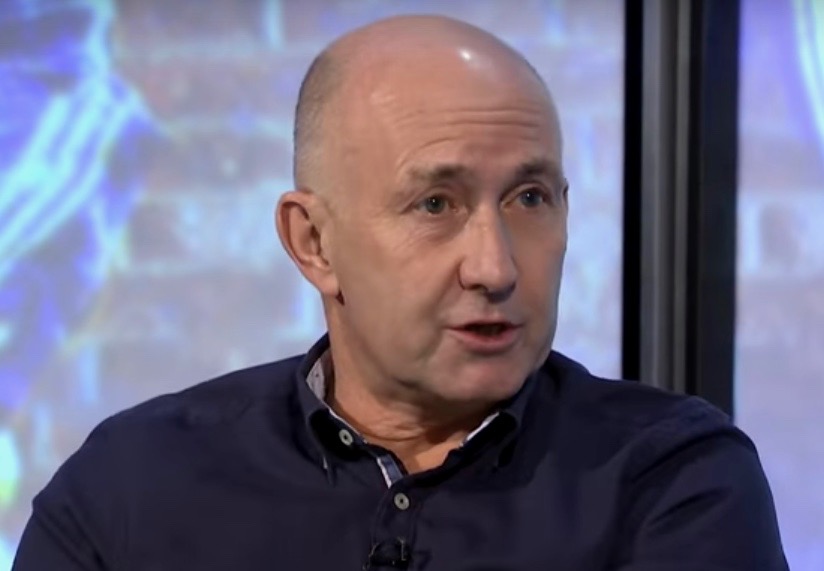
He had a brief excursion into management with Molesey but a career in the media took off and he became a regular and well-known voice with BBC London, and for Sky TV’s coverage of Conference football.

CW on Chels TVWalker has also worked for Talksport and appears regularly with former Chelsea and Spurs player Jason Cundy on Chelsea TV and radio (as above).

Pictures from a variety of sources but mainly the Albion matchday programme.