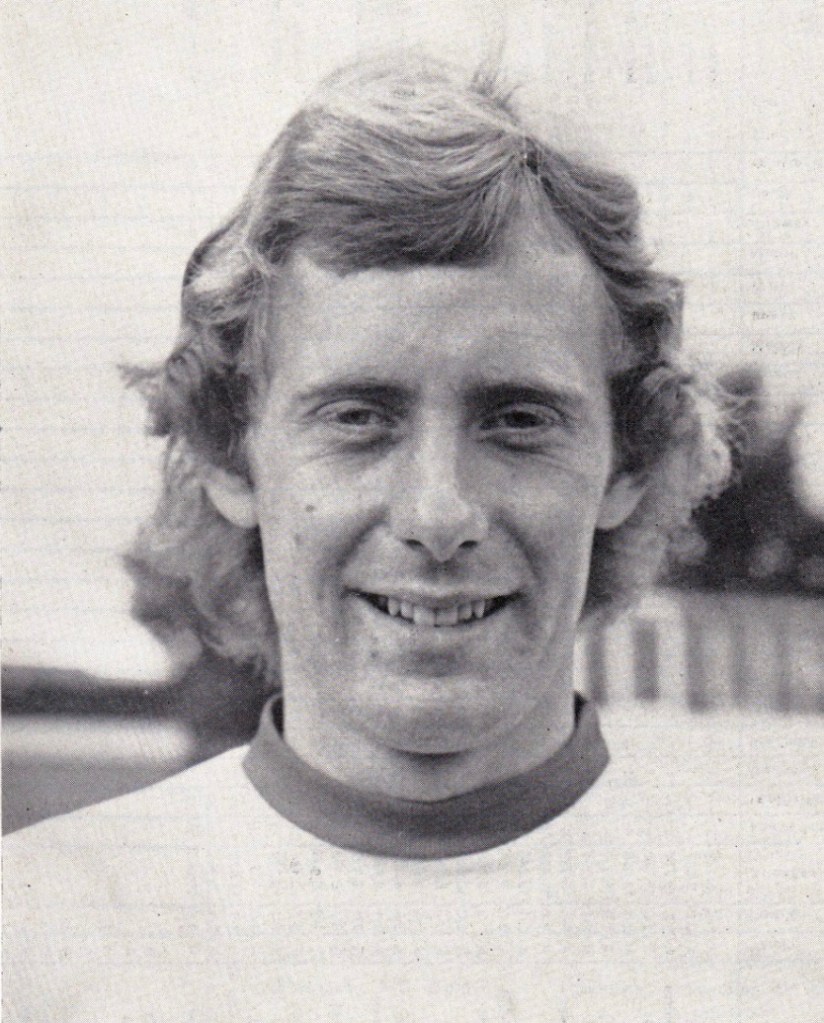
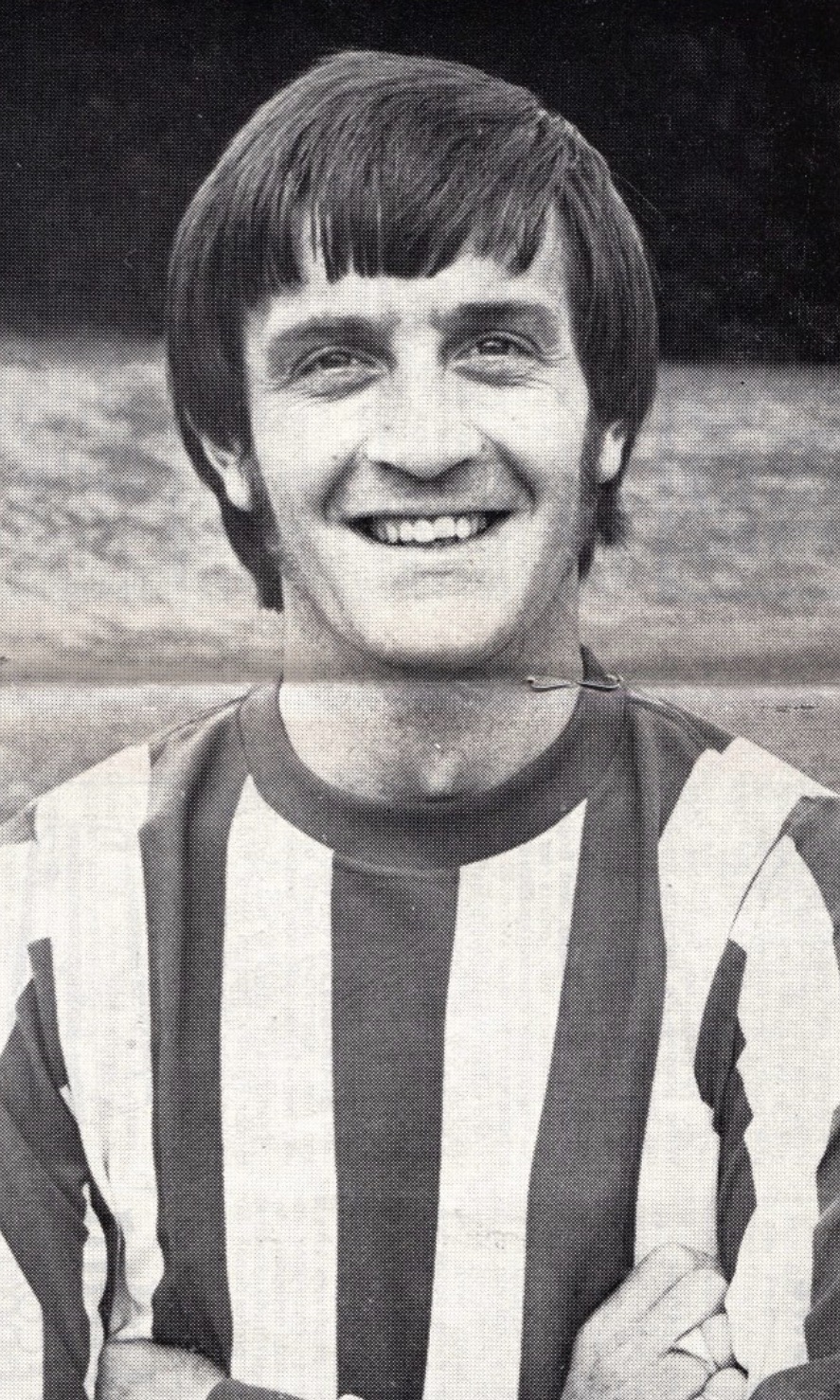
Much-travelled Ade Akinbiyi a big hit in brief Seagulls spell

A STRIKER with wildly differing fortunes in a varied and much-travelled career made a good early impression when joining Albion on loan from Norwich City back in the autumn of 1994.

Ade Akinbiyi had not long since broken through to the City team as a teenager and he scored four times in seven games on loan to the Seagulls.

Just turned 20, Akinbiyi arrived at a time when Liam Brady’s Albion hadn’t registered a win for 11 games and, although Albion lost the first game he played in, the remaining six produced three wins and three draws.
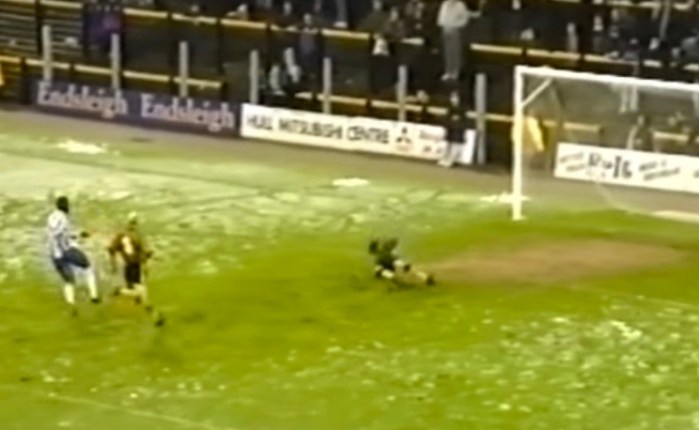
AA scores

There is some YouTube footage of him scoring Albion’s second goal on a snowy pitch at Hull City’s old Boothferry Park ground in a game that finished 2-2.

“He is powerful and big and he can take knocks and we have missed having somebody in that mould,” Brady wrote in his matchday programme notes.

Later in his career Akinbiyi would prove to be a real handful for the Seagulls – I recall him shrugging off a powder-puff challenge from a young Dan Harding at Withdean and muscling his way to a winning goal for Stoke City. Manager Mark McGhee subbed Harding off and publicly lambasted him afterwards.

Born in Hackney on 10 October 1974, Akinbiyi was more interested in athletics at an early age, as he told the Lancashire Telegraph.

“I was interested in football but not massive on playing it,” he said. His school PE teacher persuaded him otherwise. “I went to play for my district team, Hackney, and it all started from there.”

From Hackney, Akinbiyi joined nearby Senrab, the team that blooded the likes of Bobby Zamora, Leon Knight, John Terry and Jermain Defoe.

His age group earned a place in a children’s tournament in Great Yarmouth called the ‘Canary Cup’ where he was spotted by a scout for nearby Norwich, who signed him as a schoolboy.

“The schoolboy and youth team system was second to none, as it still is now,” said Akinbiyi. But he found it hard living away from home, missing his mum’s native Nigerian cooking.

But after finding new digs with a few of his team-mates, he stuck at it and earned a dream debut as a substitute against Bayern Munich in the return leg of their UEFA Cup second round game, less than a month after his 19th birthday.

“I thought my debut would come in a cup game, perhaps against lower league opposition, not against Bayern Munich,” he said. “Not many people make their debut in a European cup competition.”

Although Akinbiyi made 51 league appearances for Norwich, his Canaries career never really took off, hence the Brighton loan spell and a similar move to Hereford United.

Eventually, though, a manager who believed in him, Tony Pulis, made him a record £250,000 buy for Gillingham in January 1997. Akinbiyi repaid Pulis’ faith in him with 29 goals in 67 starts, leading to Bristol City paying £1.2million for the striker following their promotion to the old Division One (now the Championship).
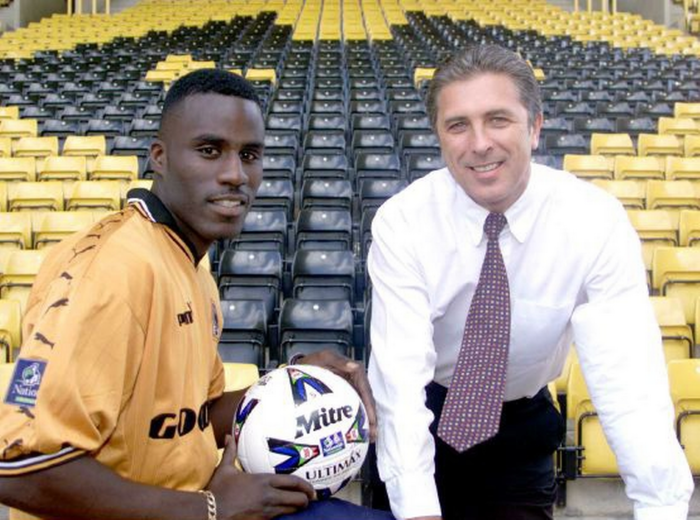
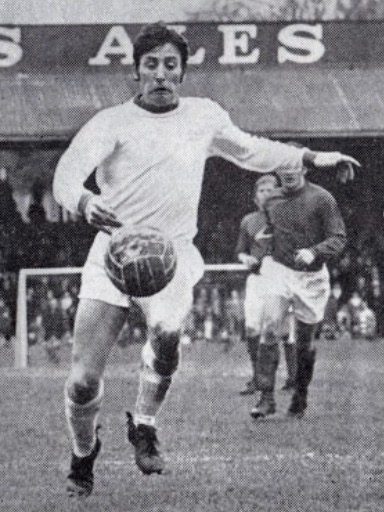
akinbiyi + colin lee

After scoring 21 goals in 47 league appearances for the Robins, in 1999 he completed a £3.5m move to Wolverhampton Wanderers. In the same year, he played his one and only game for Nigeria, in a friendly against Greece in Athens.

He made a great start at Wolves, scoring eight times in his first 12 games for Colin Lee’s side, but a year later, switched to Premier League Leicester City, after the Foxes’ boss Peter Taylor (later to replace Micky Adams at Brighton) paid out a £5m fee for the striker.

Ade A LeicesterAkinbiyi was brought in to replace Emile Heskey, a real Filbert Street hero who had been sold to Liverpool for £11m. However, his goal touch eluded him and he managed to score only 11 goals in 58 league appearances for the club – some Leicester fans dubbing him Ade Akin-Bad-Buy!

Akinbiyi looked back on it in an interview with Four Four Two magazine and said: “I came in as Emile Heskey’s replacement, but he is a different breed of footballer.

“He’s big, strong and scores goals, but, back then, if Heskey wasn’t scoring a lot he could get away with it. He was the local hero. I was a different player – I’d be running in behind and trying to cause people problems. But Leicester looked at my record in the Championship and thought I’d come and do the same thing.”

Eventually they cut their losses and sold him to Division One Crystal Palace for £2.2m. At Selhurst, he was rather ignominiously given the number 55 shirt! Having scored just one goal in 14 league and cup appearances, in 2003 he was loaned to Stoke City, under his old boss Pulis.

He scored twice – the second goal coming in the last game of the 2002-03 season, when the Potters won 1-0 against Reading to seal their Division One (now the Championship) status (the season Albion were relegated).

Akinibiyi discussed the events in an interview with another ex-Stoke, Burnley and Brighton striker, Chris Iwelumo, for Stoke City FC TV.

AA chat with CIIt led to Akinbiyi joining on a permanent basis, on a free transfer, and he became a cult hero with the Stoke City crowd.

In March 2005, Burnley signed him for £600,000 – and he was promptly sent off on his debut! The game was only two minutes old when he head-butted George McCartney of Sunderland, and was shown a straight red.

Less than a year later, he was on the move again, switching to Sheffield United in January 2006 for what was then a club record £1.75m fee.

He scored on his Blades debut against Derby County but by October that year he was in the news for his alleged involvement in a training ground bust-up with team-mate Claude Davis.

In all, Akinbiyi made only five appearances for the Blades in the Premiership in 2006 and, on New Year’s Day 2007 he returned to Burnley for a £650,000 fee, with add-ons.

He scored in his first game back, against Reading, but only notched three by the season’s end. Burnley fans have some good memories of him, particularly in a brief spell when he played alongside loan signing Andrew Cole, but on 2 April 2009, Burnley offloaded him to Houston Dynamo.

Dave Thomas, a prolific writer on all things Burnley, talked about Akinbiyi’s cult hero status among Burnley fans, telling thelongside.co.uk: “Ade certainly had a talent and that talent was scoring goals. The story that he was utterly bad at this is totally inaccurate, but that is the legend that developed, at one club in particular, Leicester City.

“In truth, at Burnley too, he missed sitters that Harry Redknapp might say his wife could have scored. But then so do all other players and, in many games, he displayed all the things that he was good at, and the attributes that he had in abundance.”

After he was released by Houston, back in the UK he played 10 games for Notts County, as they won the League Two title In 2009-10, and the following season pitched up in south Wales to play for then non-league Newport County.

In July 2013, Akinbiyi became a player-coach for Colwyn Bay, managed by his former Burnley teammate Frank Sinclair, but both resigned in January 2015 after a 5-0 defeat at Boston.

Akinbiyi now lives in Manchester and in 2015 was interviewed about work he has done as an ambassador for Prostate Cancer UK after his father died from the disease.

Left back Harry Wilson “something of a fire-eater”

BRIGHTON boss Brian Clough turned up at Burnley to capture the signings of two of their fringe first team players – and ended up having pie and chips with the groundsman!

When Clough arrived at Turf Moor, he found manager Jimmy Adamson, chairman Bob Lord and secretary Albert Maddox were nowhere in sight, it being lunchtime.

In their absence, as recounted to respected writer Dave Thomas, groundsman Roy Oldfield made the famous visitor a cup of tea, popped to a nearby chippy to get them both pie and chips and chatted all things football until the office re-opened after lunch.

Although Clough hadn’t got quite what he expected on arrival, his journey did bear fruit. In exchange for £70,000, he secured the services of left-back Harry Wilson, a 20-year-old who had made 12 appearances for the Clarets, and midfielder Ronnie Welch, 21, who had played one game.

At the time, Clough was desperately trying to bring in new recruits to a beleaguered Brighton side that he and sidekick Peter Taylor had taken on in October 1973, a period covered in detail in a recent book, Bloody Southerners, by author and journalist Spencer Vignes.

The man who only the season before had led unfashionable Derby County to the First Division Championship, couldn’t quite believe what he had inherited at Third Division Albion.

The players seemed bewildered by what the new celebrity boss expected of them.

Heavy defeats – 4-0 to non-league Walton and Hersham in the FA Cup; 8-2 at home to Bristol Rovers and 4-1 away to Tranmere Rovers in the league – reflected the disarray.

Clough and Taylor weren’t slow in pointing the finger. Their only solution was to find replacements – and quickly.

Former Manchester United reserve Ken Goodeve was first to arrive, from Luton Town, although he failed to impress and made only a handful of appearances before joining Watford at the end of the season.

Goalkeeper Brian Powney was axed in favour of former England under 23 international, Peter Grummitt, initially on loan from Sheffield Wednesday.

Experienced left-back George Ley never played for the Albion again after the defeat at Tranmere, while utility man and former captain, Eddie Spearritt, also lost his place (although he eventually forced his way back into the side briefly).

Lammie Robertson, who knew the pair from his early days at Burnley, was asked to introduce them to their new teammates in the dressing room before an away game at Watford (they’d not been signed in time to play).

Robertson told Spencer Vignes in a matchday programme interview how Wilson was sporting a rather loud checked suit at the time and, in his own inimitable style, Clough boomed out: “Flipping hell, I never want to see that suit again.”

Needless to say the players laughed out loud, only for Clough to say: “What the hell are you all laughing at? They’ll be in the team next week.” And sure enough, they were.

Wilson and Welch made their debuts against Aldershot in a home game on Boxing Day when a crowd of 14,769 saw Albion slump to their fifth successive defeat, although at least the deficit this time was only 1-0.

A win finally came in the next game, a 1-0 success at home to Plymouth Argyle – Ken Beamish scoring the solitary goal.

In a 2010 matchday programme article, Wilson said: “I really didn’t want to go to Brighton. No disrespect but I loved it up at Burnley.

“The people there had been so friendly and helpful when I arrived from the North East so it broke my heart to leave. That said, I thoroughly enjoyed my time at Brighton and met some fantastic people, so, looking back now, I’m glad that Jimmy Adamson let me go.”

In the Evening Argus, reporter John Vinicombe purred about the impact of the new recruits from Burnley, saying Wilson “is looking something of a fire-eater. He has a rare zest for the game and relishes the close, physical contact that is synonymous with his position.

“He knows how to destroy and create, and does both in a manner befitting a five-year background at the academy of fine footballing arts (editor’s note: at the time, Burnley had a reputation for producing highly-talented young players).

“His colleague from Turf Moor, Ronnie Welch, is not so completely extrovert, but is no less involved in midfield, and has a fine turn of speed. He made one mistake through trying to play the ball instead of hoofing it away, but this can only be described as a ‘good’ fault.”

Further signings followed and the ship was steadied. Wilson kept the no.3 shirt through to the end of the season. But Welch made only 36 appearances for Albion before Taylor, by then under his own steam, traded in him and fellow midfielder Billy McEwan as a makeweight in the transfer that brought full-back Ken Tiler to the Goldstone from Chesterfield.

Wilson, meanwhile, became a mainstay in Albion’s left-back spot for three years, including being ever-present in the 1975-76 season.

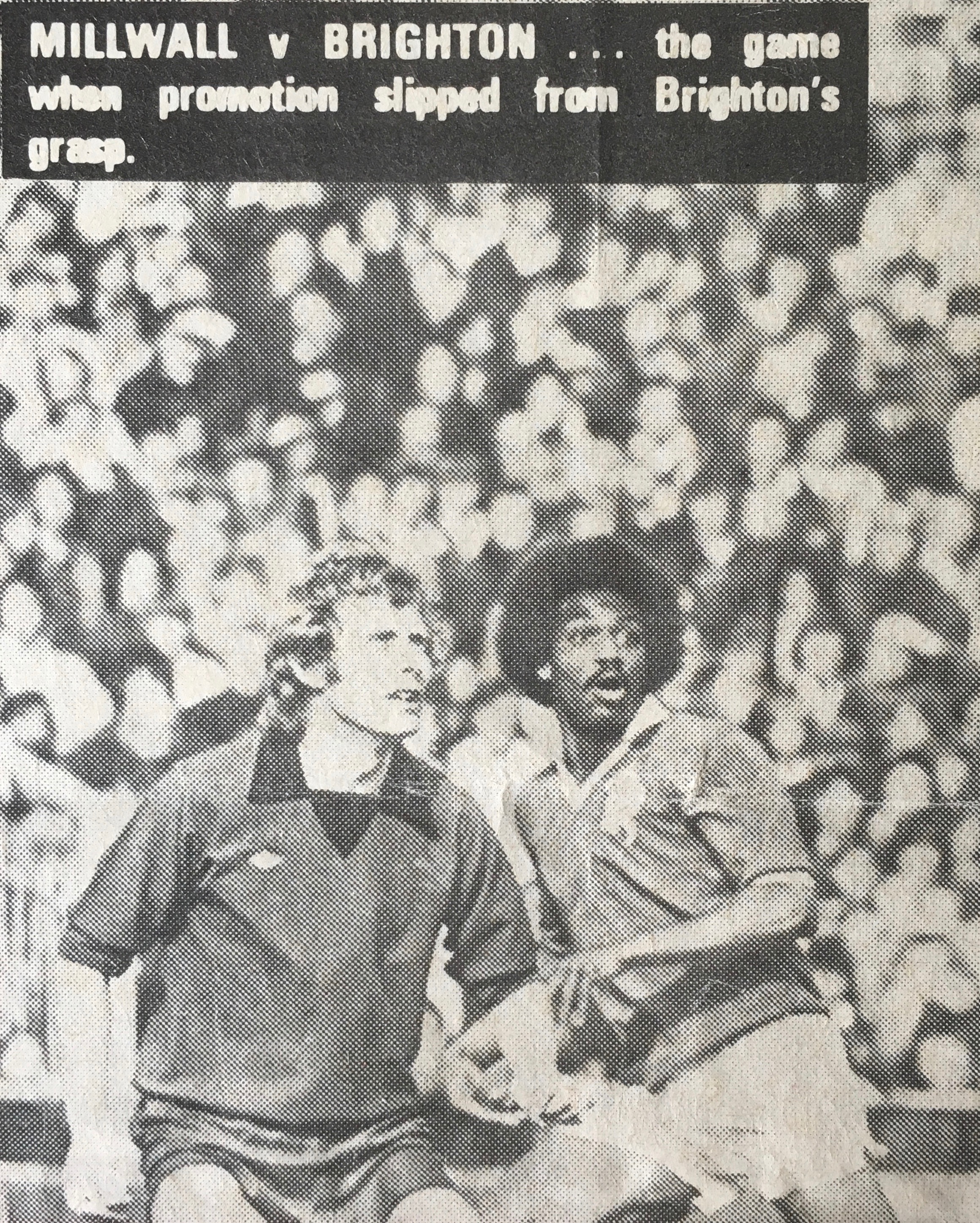
5 HW action v MillwallEver-present Wilson in action against Millwall at The Den

Suited for England!

Born in Hetton-le-Hole, near Durham, on 29 November 1953, Wilson played for Durham County Schools and made four appearances for England schoolboys (under 15s) in the 1968-69 season. He was taken on as an apprentice at Burnley before signing professional forms in December 1970.

In 1971, he earned an England Youth cap going on as a sub for Coventry’s Alan Dugdale in a 3-2 defeat against Spain in Pamplona. Don Shanks also played in that game.

He made his first-team debut at home to Chelsea on 26 April 1971 and the last of his 12 appearances for the Clarets was on 3 April 1972: away to Sunderland.

Young apprentice Wilson with experienced pros John Angus and Colin Waldron

He was part of Alan Mullery’s Third Division promotion-winning squad in 1976-77, although he was restricted to 22 appearances. The arrival of the experienced Chris Cattlin meant he was no longer first choice left-back, although in several games they both played – the versatile Cattlin being equally at home as right-back.

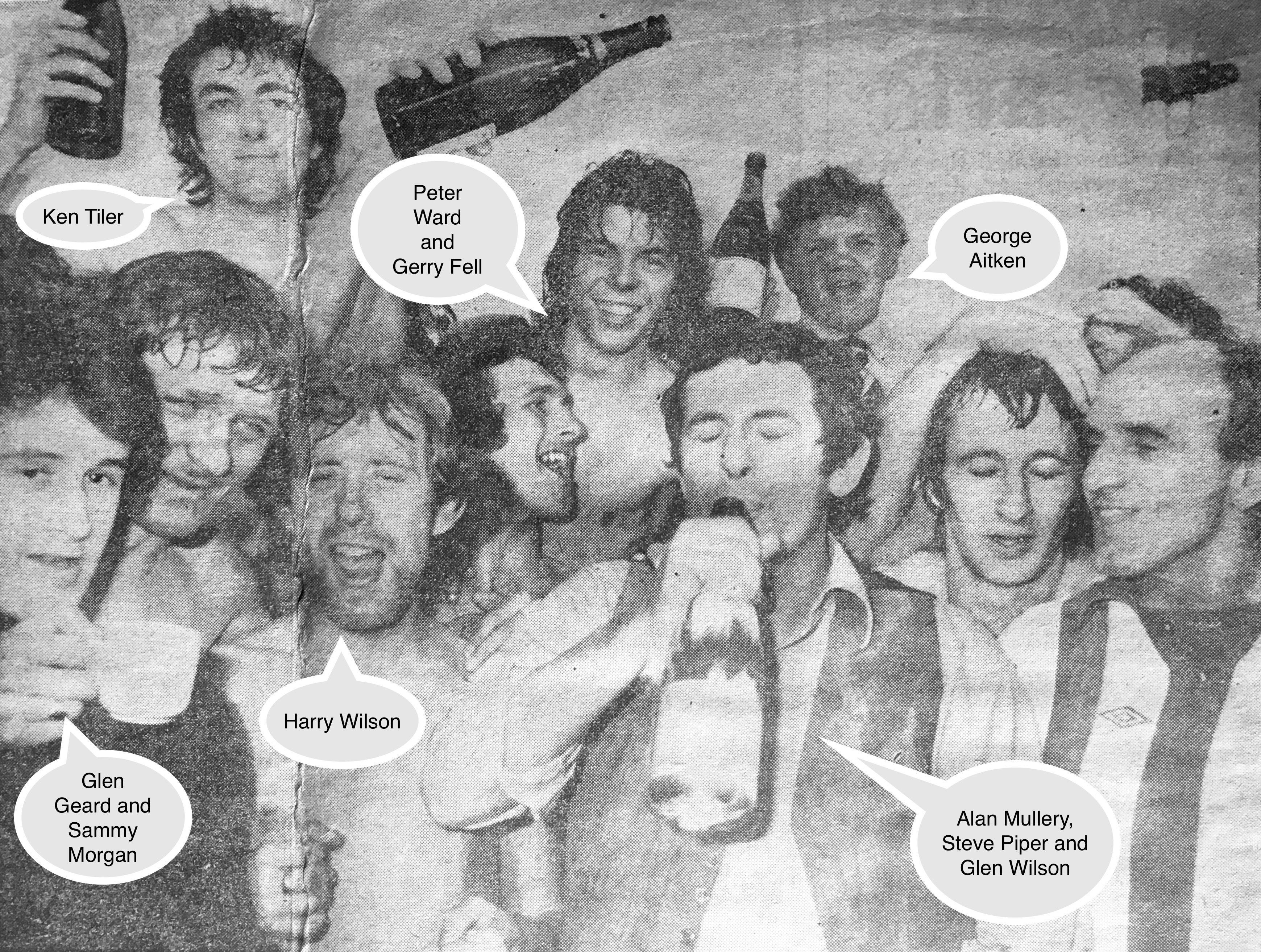
6 HW promotionA bare-chested Wilson was pictured (above) in the Albion dressing room alongside Mullery enjoying the celebratory champagne after promotion was clinched courtesy of a 3-2 win over Sheffield Wednesday on 3 May 1977. But that game was his Goldstone swansong.

He’d made a total of 146 appearances for the Albion – as well as chipping in with four goals – but when Mullery signed Mark Lawrenson and Gary Williams from Preston that summer, Wilson went in the opposite direction along with Graham Cross.

Only six months after arriving at Preston, Wilson was badly injured in a road accident after his car skidded on black ice and collided with a transit van. He suffered a punctured lung and damage to his knees. Doctors told him he wouldn’t play again, but he proved them wrong and ended up spending three years at Preston, playing 42 games.

“I suppose I was lucky to be alive,” he said in an Albion matchday programme article. “I lost a couple of yards of pace, but then again I ws never exactly the quickest of players.”

With his best days behind him, he moved back to his native north-east in 1980 to play for Darlington, making 85 appearances in three years.

He stayed in the north east in 1983, switching to Hartlepool for a season, but only played 16 times for them before dropping out of the league to play for Crook Town.

According to The Football League Paper, Wilson stayed in the game as manager of Seaham Red Star and, in 1988-89, Whitby Town.

He then worked as a community officer for Sunderland before joining the coaching staff at Burnley in the 1990s.

When Chris Waddle took over as manager, Wilson was sacked but he took the club to an industrial tribunal, which found in his favour.

He later worked for his long-term friend, Stan Ternent, at Bury, and as a monitor for the Football League, a job that saw him checking that the right procedures were being followed by the youth development set-ups of clubs in the north-west.

Wilson was in the news in 2007 when Ternent appeared at Lancaster Crown Court accused of assaulting Wilson’s son, Greg, on the steps of Burnley Cricket Club (a venue familiar to visiting supporters as a popular watering hole before games at the neighbouring football ground).

Greg Wilson required hospital treatment for a deep cut above his left eyebrow and needed nine stitches in his forehead.

Ternent said he had accidentally clashed heads, denied causing actually bodily harm, and was cleared by a jury.

4 HW colour laugh w WardWilson in an Albion line-up alongside Peter Ward
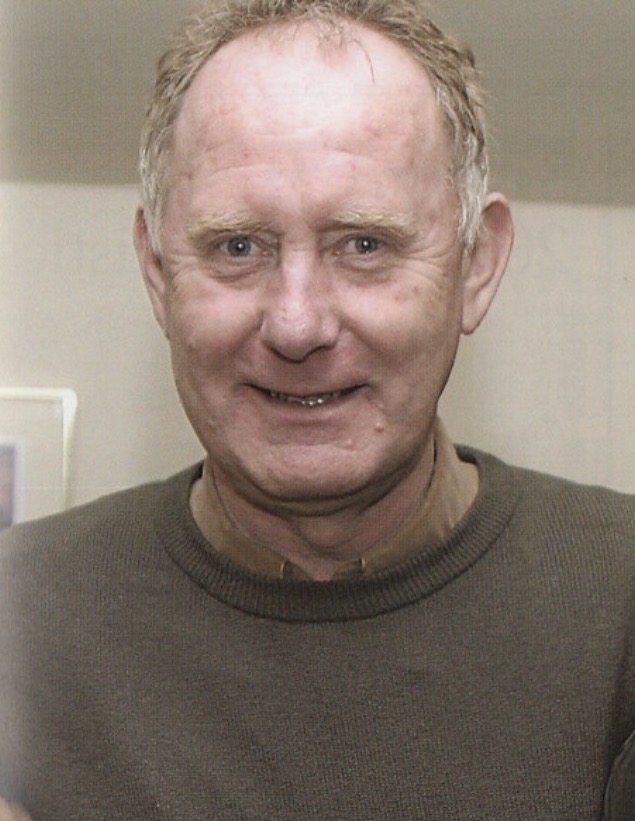
Wilson pictured in 2010

Cup winner Bert Murray: Brighton’s People’s Player

5-bert-v-villaON HOLIDAY in Jersey in 2016 my eyes were drawn to a picture on a display in St Helier’s Fort Regent entertainment complex.
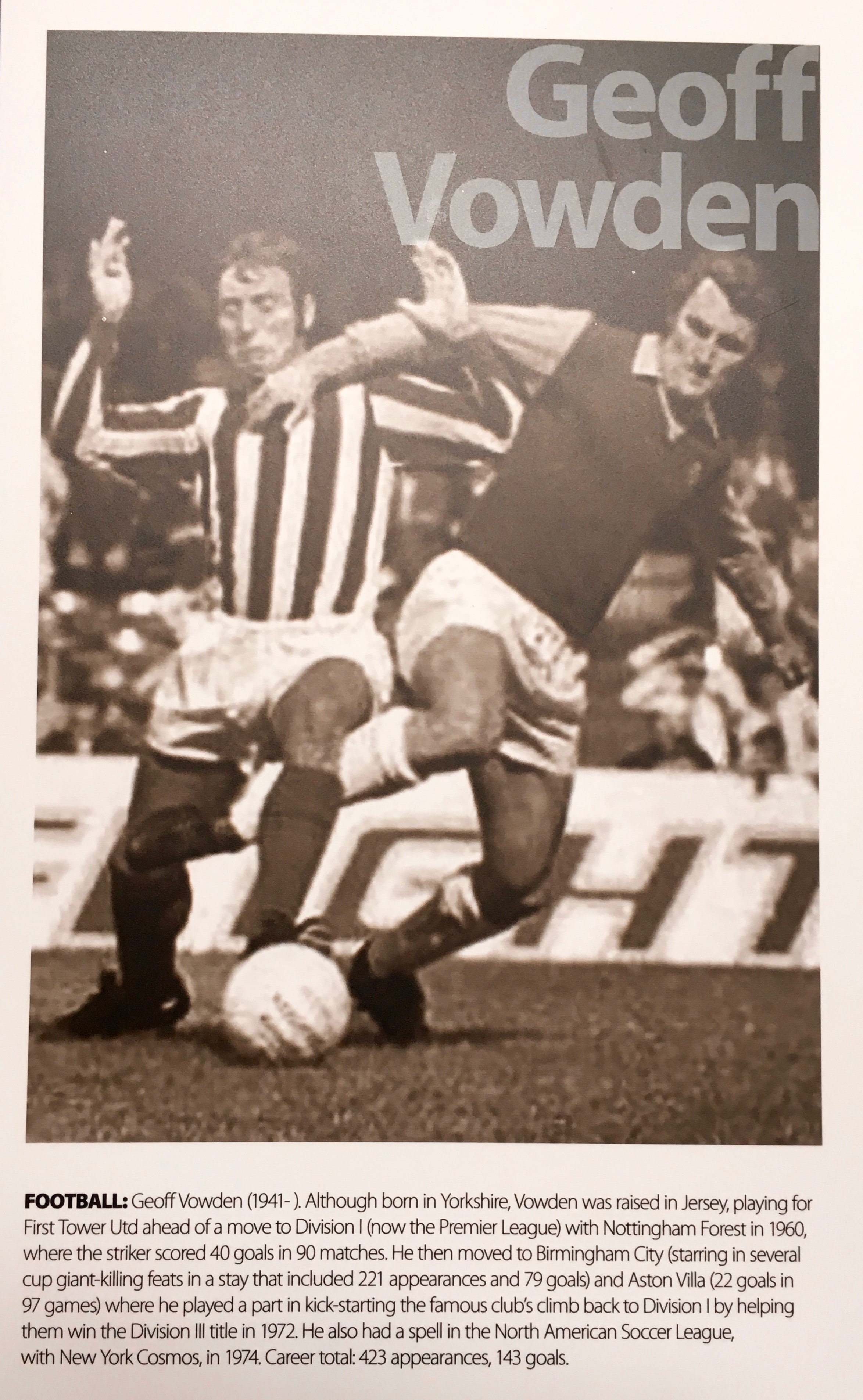
“That’s Bert Murray,” I declared to my bemused wife, and, let’s face it, who would have thought Brighton & Hove Albion’s combative former Chelsea and Birmingham City winger would still be on a public display 45 years after the picture was taken?

The display featured sports stars from Jersey who had gone on to make a name for themselves – and, ironically, the picture in which Bert appeared (below) was about Geoff Vowden (born in Barnsley but raised in Jersey), then with Aston Villa, but a player who had been a teammate during Murray’s five years at St Andrew’s.

1-jersey-posterVersatile Murray – mainly a winger but equally adept at right back – wrote himself into the Albion’s history books when he was bought from Birmingham with funds raised by fans.

But let’s go back to the beginning. Born in Hoxton, London, on 22 September 1942 Murray started his football career with Chelsea in 1958 and scored in the first leg of their 1960 FA Youth Cup Final win against Preston as part of a team which spawned many future star players, such as Peter Bonetti, Terry Venables and Bobby Tambling.

Bert made his Chelsea first team debut in 1961 and in 1963 was part of the squad that won promotion from Division 2. His form for Chelsea attracted the England selectors and in the 1964-65 season he played in six of England under 23s’ seven games, scoring on his debut.

That was on 25 November 1964 in a 5-0 romp over Romania at Coventry’s old Highfield Road ground when Alan Ball, Mick Jones, Alan Hinton and Martin Chivers also scored.

Sadly for Bert, that was the only win he experienced as an England player: in the remaining games there were four 0-0 draws and a 1-0 defeat to West Germany. Other big name players who were part of the same team included Nobby Stiles, Norman Hunter and George Armstrong

Murray’s final international was in front of 70,000 fans in Austria on 2 June 1965 when his Chelsea colleague Bonetti had taken over in goal from Gordon West and Ball, who, like Stiles would become part of the following year’s England World Cup winning team, was sent off.

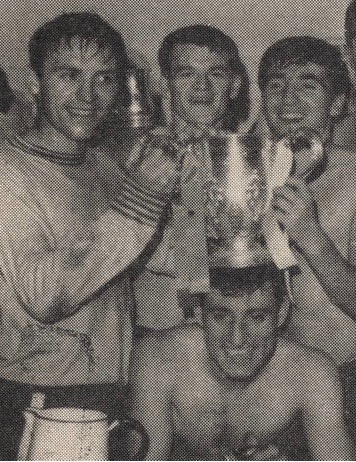
2-1965-lge-cup-winnersAt least at club level in 1965 Murray won some silverware (above image discovered on The Shed End Chelsea fans website), playing alongside Bonetti, Venables, Eddie McCreadie, Barry Bridges and John Boyle as Tommy Docherty’s Chelsea won the League Cup in April via a narrow 3-2 aggregate win over Leicester.
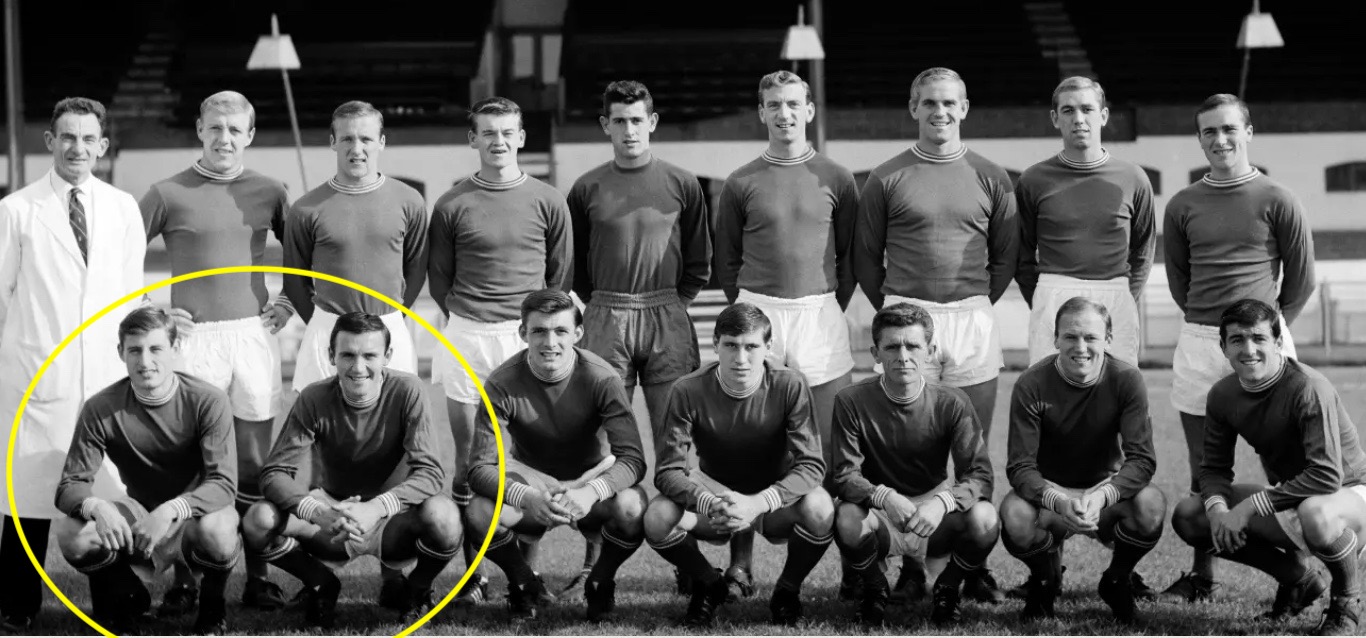
Murray + Bridges ChelseaMurray and Bridges alongside each other in a 1963-64 Chelsea team picture.
In the same season, Chelsea were top of Division One for nearly the whole season, and were looking good for the domestic treble but lost 2-0 to Liverpool in the FA Cup semi-final.

The young team started to show signs of strain and slipped to third in the league. Murray and Bridges were amongst a group of eight players who defied a curfew when the team were staying in Blackpool prior to a game against Burnley and the manager sent them home. The team Docherty put out capitulated 6-2.

According to ‘Bluebeard’ on theshedend.com the following nearly-but-not-quite season – fifth in the league, beaten FA Cup semi-finalists again and Fairs Cup semi-finalists – led to Docherty breaking up the team and selling Murray, Venables, Bridges and George Graham.

So, in 1966, having scored 44 goals in 183 games, Murray was transferred to Birmingham for £25,000 and Bridges went too, as Birmingham’s new wealthy owner, Clifford Coombs, splashed the cash for manager Stan Cullis.

3-brumbertThe pair were part of the side which in successive seasons got to the semi-final of the League Cup (in 1967) and FA Cup (in 1968) only to lose on both occasions. Because these things are important in the Midlands, joysandsorrows.co.uk remembers Murray as part of the 1968 Blues side who beat rivals Villa home and away. In five years, he played 132 games scoring 22 goals.

murray brum

It was the Blues former Brighton manager Freddie Goodwin who loaned him to his old club in early 1971. The loan became a permanent move thanks to £10,000 raised through innovative manager Pat Saward’s famous Buy-a-Player scheme which saw fans respond to the club’s lack of cash to bring in new players by coming up with sponsored walks and suchlike to raise the necessary money to enable Saward to bring in new faces. Thus Murray was swiftly dubbed the People’s Player.

4-bertwillie1971Saward brought in Willie Irvine on loan from Preston at the same time and the pair combined well on 10 March 1971 (pictured above by the Evening Argus before the game) as high-flying Fulham were beaten 3-2. In Irvine’s 2005 book with Dave Thomas, Together Again, he recalls how the pair hit it off and began a friendship that endures.

Murray was an influential right winger who made and scored goals and he became a reliable penalty taker too, notably keeping a cool head from 12 yards in the 12-game unbeaten run in 1972 which culminated in promotion as runners up behind Aston Villa.

In the famous game televised by BBC’s Match of the Day at home to Villa in April 1972, Saward moved Murray to right back to replace previously ever-present Stewart Henderson. It wasn’t completely alien to him, though, because he’d slotted into that role on occasion at Birmingham.

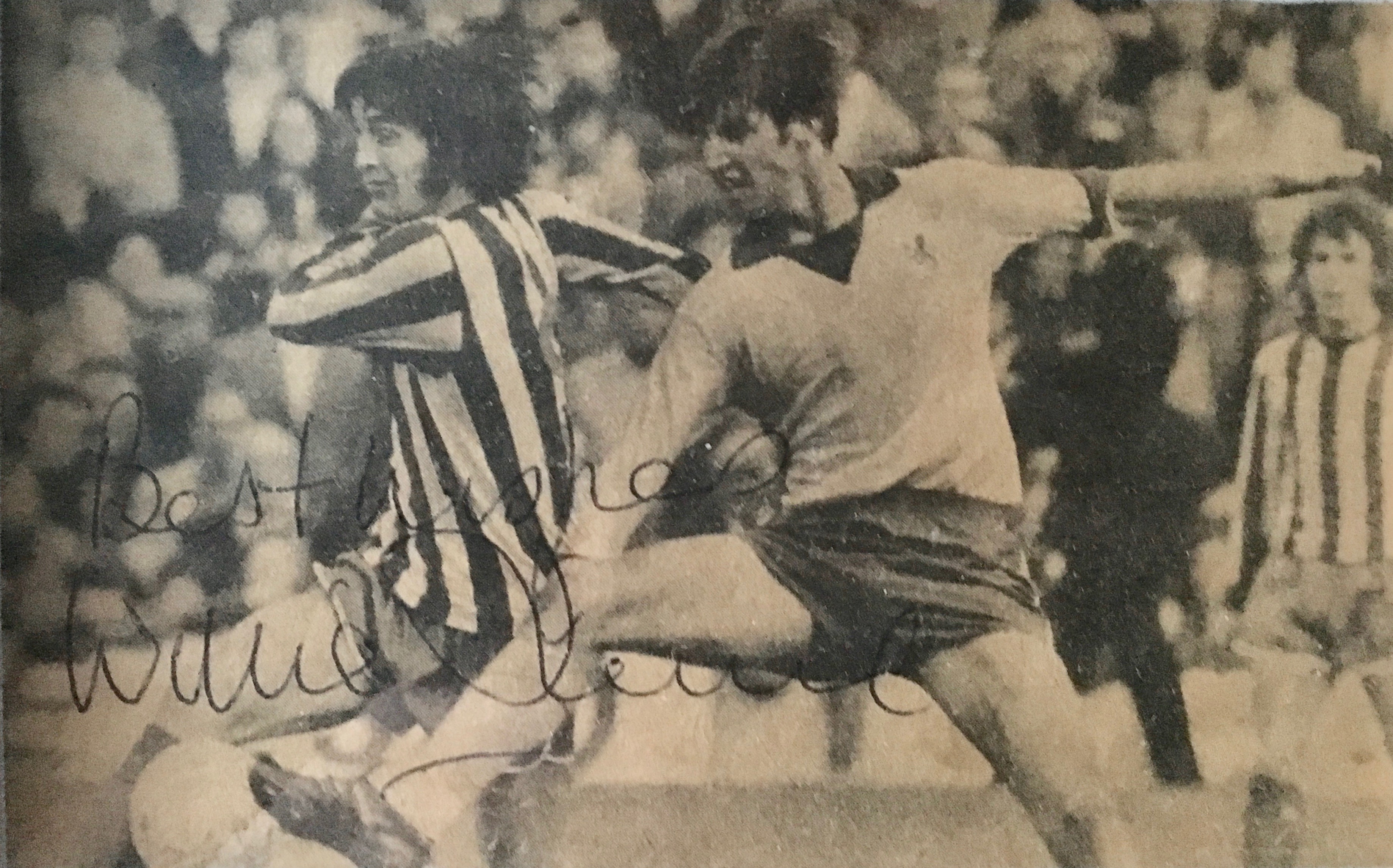
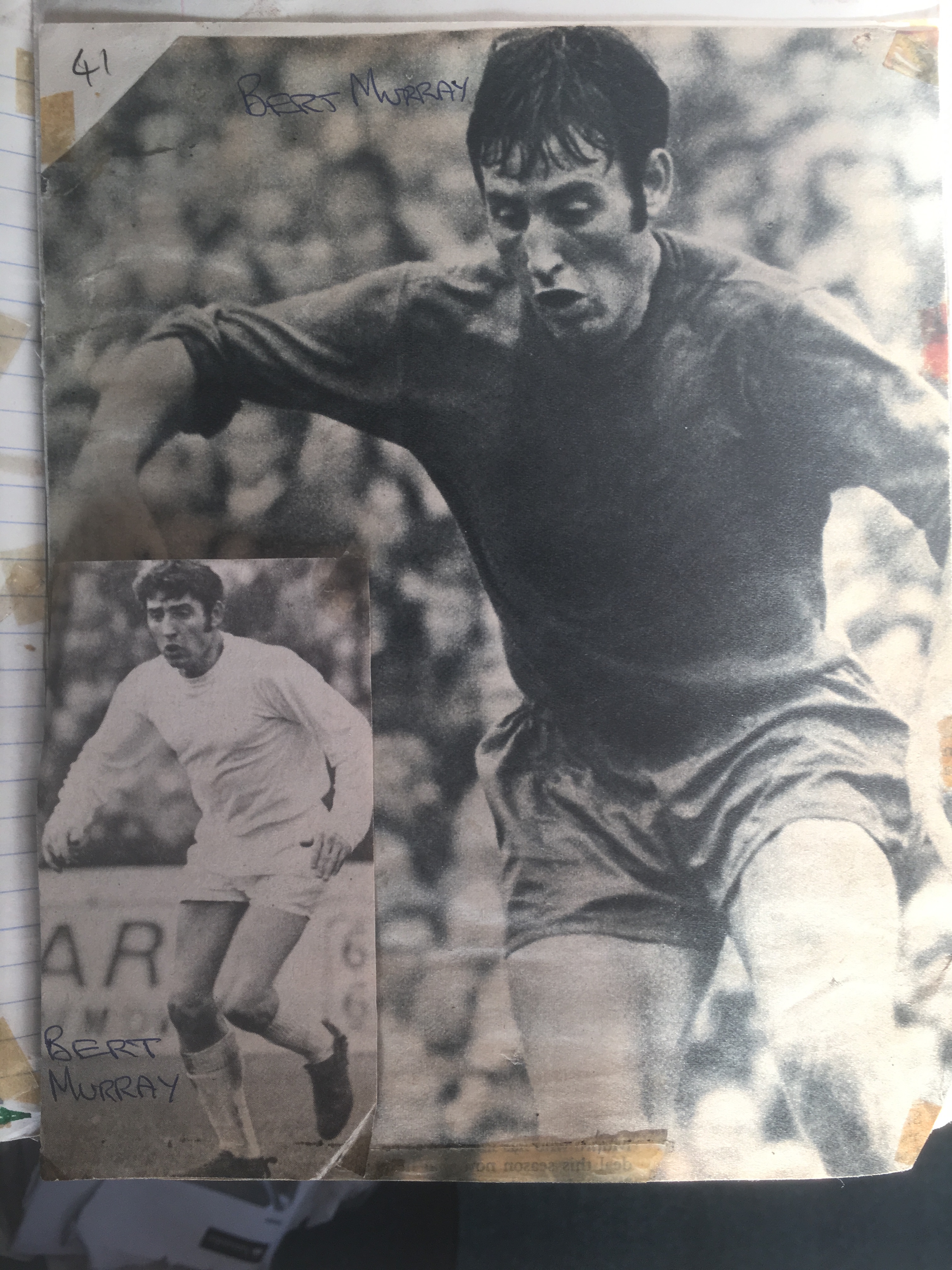
The photographers were busy during that tightly-fought 2-1 win against Villa and several different shots of Bert’s tussle with Villa’s talented winger Willie Anderson appeared in the newspapers and magazines following the game (see pic at top of article).

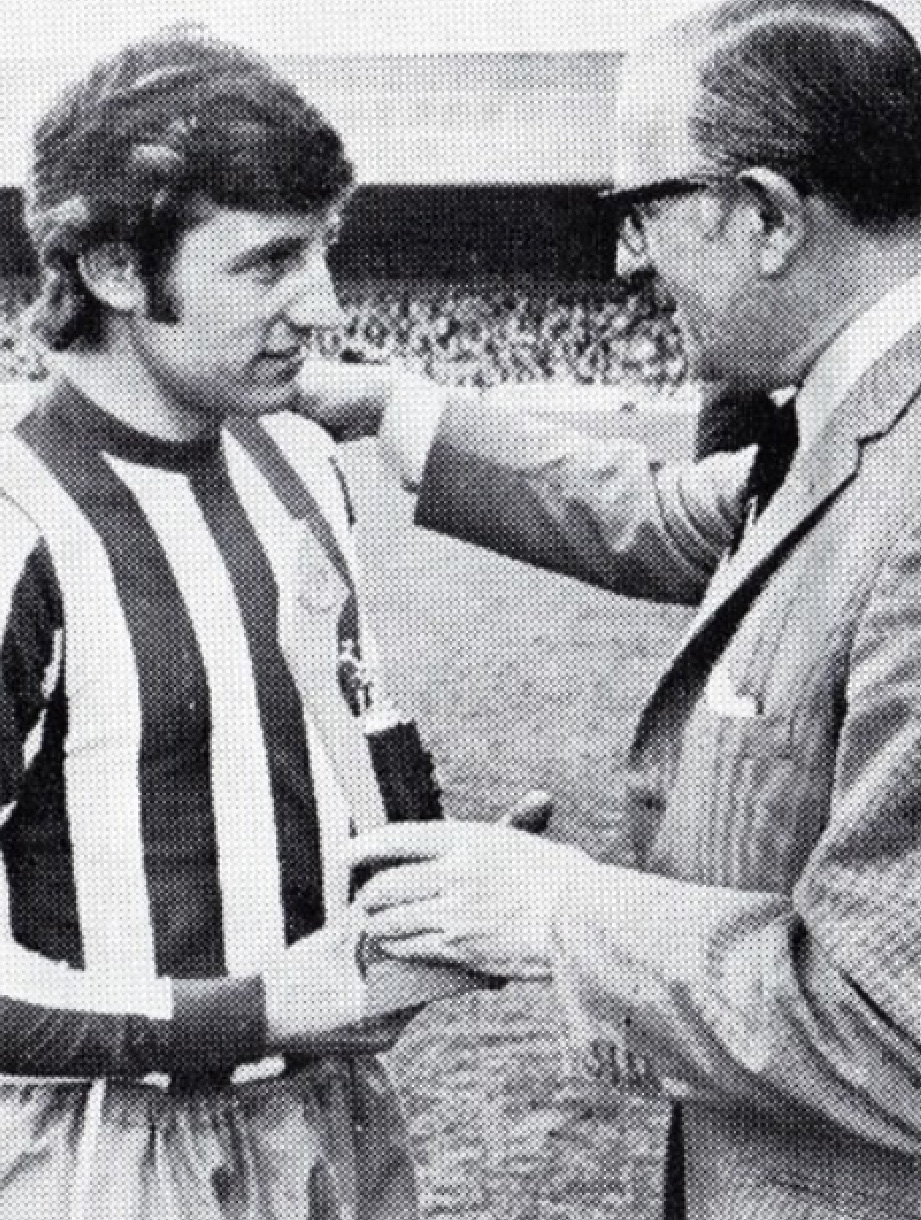
While others might have been grabbing the bulk of the goals and the headlines, Murray’s consistent performances earned him the player of the season award (below, receiving the award from chairman Tom Whiting).

murray poy

The newly-promoted side struggled badly and Saward chopped and changed the line-up, bringing in a host of new faces – including Bert’s old Chelsea colleague Bridges – as he tried in vain to find the right formula to keep the Albion up. But Murray was one of the few who kept his place at the higher level, mainly back in midfield. He took over the captaincy from Ian Goodwin and contributed nine goals in 39 appearances.

Although eventually the side clicked in the final third of the season, the damage had been done early on and the recovery wasn’t enough to avoid an immediate return to Division 3.

Murray wrote in the matchday programme: “The last two months have been amazing and although I say it myself I beleive that we have played some really good football recently. I also believe we deserve a better fate.”

He added: “We must hope we have learned our lessons well for next season.” Murray appeared in the front row of the 1973-74 team line-up but his time on the south coast was drawing to a close – along with manager Saward. Murray was involved in only two games as a substitute in October and after a total of 102 games and 25 goals he moved on to Peterborough United, initially on loan and then signing permanently.

It was Noel Cantwell, the man Saward had served as assistant manager at Coventry City, who signed Murray for Posh. “He needed a right midfielder,” Murray said in a 2012 interview with the Argus. “I went up there and had four wonderful years. I still see some of the lads now.”

Saward, with his own days at the Goldstone numbered and, without naming any names, wrote some cryptic programme notes for the 13 October home game against Halifax. “In deciding that a player can leave a club, the manager must consider the player’s contribution to the club and decide whether he fits into his plans for the future,” he wrote.

“When a manager decides it is time for the player and club to part he is not necessarily governed solely by the ability of the player but he has to look at his squad as a whole and assess whether there are younger players with longer futures waiting their chance to come through.

“A governing factor must be that the strongest possible team should be fielded at all times and the manager must decide when other players should take over from established favourites.”

In the programme for the 24 October game with Southport – by which time Saward himself had been sacked – there was a brief paragraph under the headline ‘Bert Murray Leaves’.

At 31, Bert still had plenty of football left in him and he went on to make 123 appearances for Posh, scoring another 10 goals, before retiring and going into the pub trade, in Market Deeping, nine miles north of Peterborough.

Many have been the occasions Albion fans following the team at London Road have taken a detour to pop in to see Bert and chat over old times over a pint.

In 2013, when he had his 70th birthday, The Society of Independent Brewers did an article about his 20 years running Everards pub The Bull in Market Deeping with his wife Eileen. They had also spent 17 years at two other pubs in the town, The Winning Post and The White Horse.

“Everards have been good and seem happy with what we are doing here. So if they are happy, Eileen and I plan to keep on going for a few more years yet as we really enjoy running the pub,” he said.

In September 2013, Bert returned to Stamford Bridge for a 50th anniversary reunion with the Chelsea ‘class of ‘63’ – chatting over old times over dinner with Terry Venables, John Hollins, Peter Bonetti, Barry Bridges, Ken Shellito and Bobby Tambling.

Pictures from my scrapbook , the internet and the Albion matchday programme.

Below, the Goal magazine feature ‘The Girl Behind The Man’

Willie Irvine restored Irish international career at Brighton

willie + chris

NORTHERN Ireland international Willie Irvine has encountered the highs and lows in life and I would urge anyone who hasn’t yet read his autobiography, Together Again (written by Dave Thomas) to add it to their book collection.

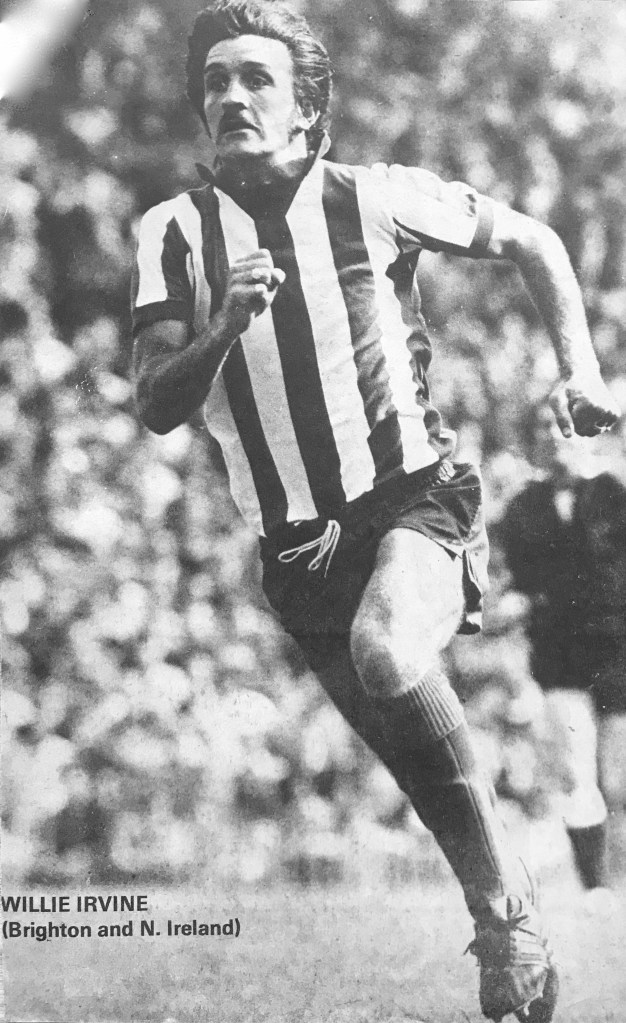
The Albion provided a platform for a brief resurgence in Willie’s career in the early 1970s but in the mid Sixties he was a big star scoring goals for fun as Burnley strutted their stuff amongst English football’s elite.

He scored 97 goals in 144 games (plus four as a sub) for the Lancashire side between 1962 and 1968 and in the 1965-66 season notched 29 league goals (37 including cup games) in what was the equivalent of today’s Premiership.

On the excellent Clarets Mad website, Tony Scholes wrote: “In my time watching the Clarets, none have been quite able to match the goalscoring exploits of Willie Irvine who, for two and a half years, was as good as anyone in English football when it came to putting the ball in the net.”

Sadly his highly-promising career at Burnley was never the same after he suffered a broken leg in a tackle with Johnny Morrissey in a FA Cup third round match at Everton in 1967.

A year later, the Turf Moor club turfed him out, transferring him to nearby Preston North End. By 1971, he was surplus to requirements there, and Pat Saward brought him to Third Division Albion on loan.

His first game, on the evening of 10 March 1971 at home to Fulham, couldn’t have gone much better because he marked his debut by scoring two in a 3-2 win.

He also scored in 1-0 wins over Shrewsbury and Bury, in a 3-0 win at Reading and in the last game of the season, a 1-1 draw with Plymouth Argyle. Not surprisingly, those goals led to him signing on a permanent basis that summer and the following season saw him play a key role as Brighton secured promotion to the second tier as runners-up to champions Aston Villa.

Irvine described warmly how Saward attracted him to up sticks from the North West and move to Sussex. “Pat sold me the place with his charm and persuasive ways,” he said, describing the former male model as “extrovert, infectious and bubbly”.

He added: “Pat Saward was a gem of a manager and a pleasure to play for. He said what he thought, but never offensively; in a matter-of-fact, plain-speaking kind of way, rather than aggressively.”

Irvine continued: “Saward had the knack of making people feel important. He instilled pride and a sense of identity…..Pat loved attacking, entertaining football and worked tirelessly for the club. I would have run through that proverbial brick wall for him.”

As Brighton neared promotion, Irvine said: “Saward, with a joke or a smile, an arm around the shoulder or a bit of geeing up, knew just how to keep a dressing room happy or dispel any tension or nerves.”

Fans of a certain vintage will recall a memorable goalscoring season for Irvine was capped off (literally!) by a most magical strike against Aston Villa in front of the Match of the Day cameras.

Willie’s goal was judged by the legendary manager Jock Stein as the third best goal of the season shown on Match of the Day and Brighton went on to win promotion. It was undoubtedly the best of the 17 he scored in 40 matches that season.

It was the first time I had experienced the excitement of going up, but there was one further thrill in store for me before the season came to a complete close.

In those days, there was an end-of-season tournament played between the “home” nations (England, Scotland, Wales and Northern Ireland). I had already been to a couple of England internationals at Wembley but the England international on May 23 1972 was extra special because lining up for Northern Ireland was Albion’s very own Irvine.

Now, I had not been a football supporter for very long, but even I knew that it was virtually unheard of for Third Division teams to have current international players playing for them.

Born at Eden in County Antrim on 18 June 1943, Irvine was the youngest of 18 children, and was brought up with seven siblings in the seaside town of Carrickfergus by his mother, Agnes, after his father Alec died during a wartime blitz in Belfast.

He had played five times for Northern Ireland’s under 23 side before stepping up to the full international team and winning 21 caps at the height of his career. But I never dreamt – and, on reading the autobiography many years later, neither had he – that he would re-appear for his country after dropping down to the third tier of English football.

My allegiances were split that day and I have to say it didn’t really upset me that Northern Ireland ended up 1-0 winners thanks to player-manager Terry Neill’s solitary goal – laid on by Irvine!

Here is how The Official FA Year Book (1972-73) described the goal: “From Hegan’s corner, Irvine beat Shilton to the ball and headed it down to Neill, the Irish player-manager, playing in his 50th international, to shoot into an empty net from two yards range.”

The game saw England give international debuts to Colin Todd and Tony Currie, and Colin Bell was England captain in the absence of Bobby Moore. Two players who would later join the Albion – Martin Chivers, as a substitute for Malcolm Macdonald, and Sammy Nelson, the Arsenal left-back – were also on show.

“I was delighted to have won my place back in my national team and I thought I did reasonably well,” Irvine told the Albion matchday programme. “When I reported back for international duty Derek Dougan welcomed me like a long lost uncle. He is a little older than I am. But I feel that at 29 I still have something to offer to the Irish side.

“It’s a wonderful experience playing for one’s country. I always get a great thrill when I hear I have been selected. My last three appearances, I believe, were solely due to that much publicised and televised goal against Aston Villa.”

Irvine also said he hoped to earn more caps, especially as he opened the new season with four goals in three games. But he wasn’t selected again, and his days as an Albion player came to an end before Christmas that year.

It’s no surprise that Irvine played alongside George Best in some matches for their country and in a 2010 interview with Suzanne Geldard in the Lancashire Telegraph, he recalled how they became roommates in 1964.

“I was 18, George was only 16, so because we were the babies in the team they put us together,” said Irvine. “He was the kindest, nicest lad you could ever meet in your life.

“People adored him. I’ve even seen people cutting pieces of his hair off for keepsakes, but he would just shrug his shoulders.

“George Best was without doubt an amazing footballer. You had to get on his wavelength, but that was difficult because he was way above everyone else. He picked me out two or three times and helped me score.”

Life has been rather unkind to Irvine since his glory days but, as the title of the book implies, he has got it back together after reaching a very low ebb.

Together Again reveals how it all turned sour for him at the Albion when his relationship with Saward deteriorated badly. Despite scoring five in 13 league and cup appearances in the opening months of the new season, in December 1973, against his wishes, he was transferred to Halifax Town in part exchange for Lammie Robertson.

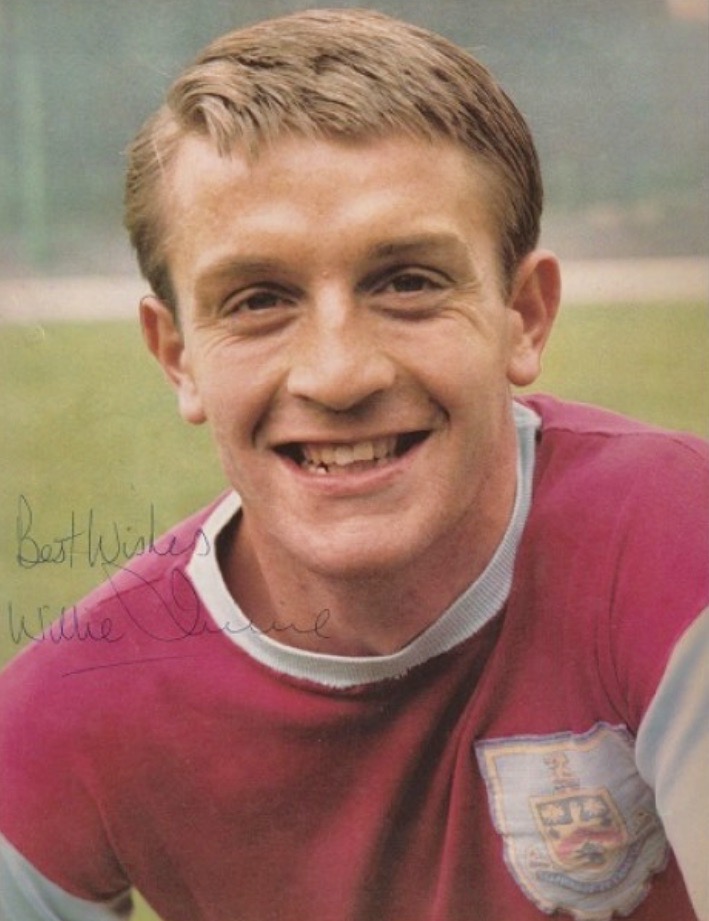
On reading that he had no memorabilia of his time at the Goldstone, 35 years after he left the Albion, I sent him my copy of the Albion programme for that famous win over Villa and he kindly returned an autographed photo showing him in action with Chris Nicholl, which I had sent with the programme.

Irvine died aged 82 in July 2025.