Goals dried up at Brighton for Pompey favourite Alan Biley

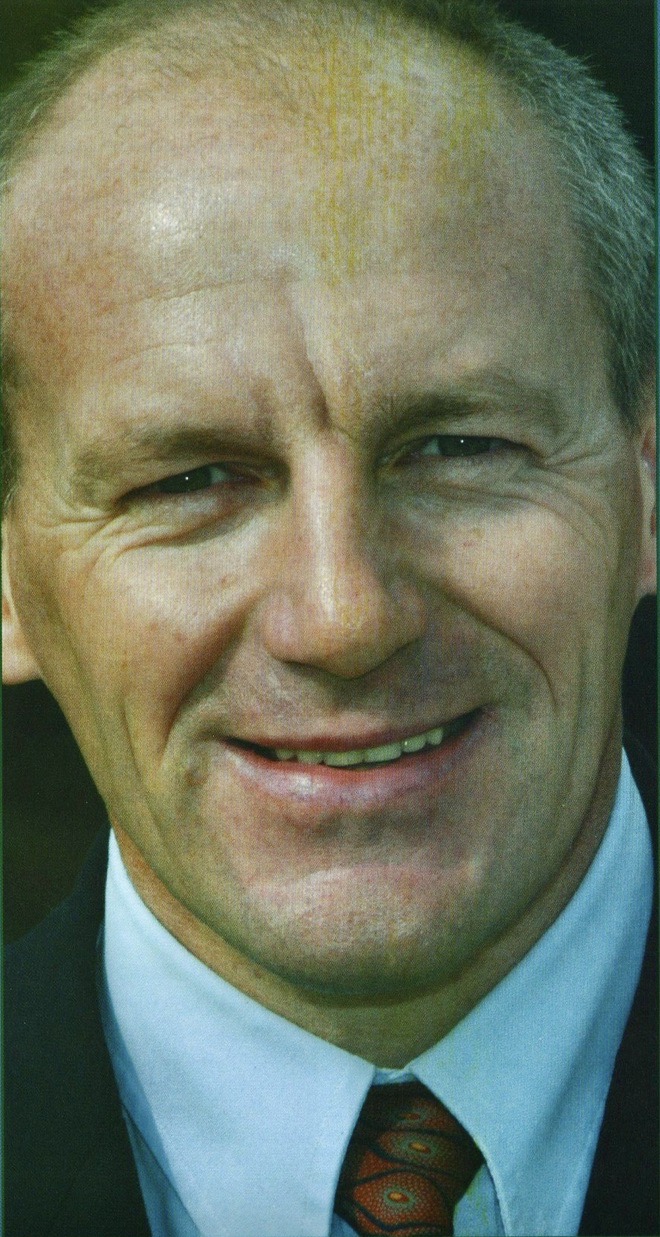
1 150th goal v Leeds (1-1)ALAN BILEY was a fans favourite at all six English league clubs he played for but the prolific goalscoring that made his name at Cambridge United and Portsmouth wasn’t replicated at Everton or Brighton.

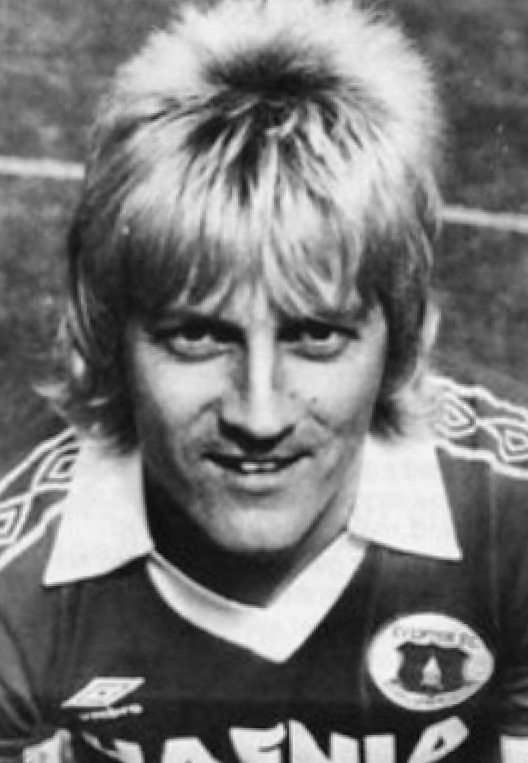
His spiky, long blond hair reflected his devotion to singer Rod Stewart and, on the pitch, the way he wore his football shirt outside his shorts, clutched the cuffs, and saluted a goal with a raised forefinger was a tribute to Scottish footballing legend Denis Law, another of his heroes, .

Biley was quite the hero at Portsmouth, with a goalscoring record of more than a goal every other game, having been signed by Bobby Campbell in 1982.

But when he fell out of favour with Campbell’s successor, Alan Ball, Brighton’s Chris Cattlin stepped in and paid £50,000 to take the striker along the coast in March 1985.

Within a month of the move, he was back at Fratton Park in Albion’s colours for an Easter Saturday south coast derby when honours were even in a 1-1 draw.

Biley had made his Seagulls debut as a substitute for Frank Worthington in a 0-0 draw away to Barnsley, then got his first start the following game (another goalless draw, at home to Oxford) and kept his place to the end of the season.

The first of four goals during that spell came in a 2-0 win at home to Oldham, and the goal he scored in a 1-1 home draw with Leeds on 20 April was his 150th in league football (top picture).  Although Albion finished with three wins, it wasn’t enough to reach the promotion places, and they finished sixth.

Biley made a great start to the 1985-86 campaign, scoring against First Division Nottingham Forest in a remarkable 5-1 pre-season friendly win, and then in the opening league fixture, a 2-2 home draw with Grimsby Town.

However, competition for places in Albion’s forward line had intensified. In addition to Terry Connor, £1m man Justin Fashanu arrived together with Dean Saunders, on a free transfer from Swansea, (Saunders went on to be named player of the season).

With the much-derided Mick Ferguson also managing a brief purple patch of scoring, it meant Biley struggled to hold down a regular spot, making 24 starts plus three appearances as a sub, and only managing to add three more goals to that season’s opener.

Cattlin’s dismissal as boss, to be replaced by the returning Alan Mullery, also spelled the end of Biley’s time at the club. He initially went back to Cambridge on loan, then tried his luck with New York Express in the States, had a spell in Greece before ending up in Ireland, playing for Waterford who were managed by his old Everton teammate, Andy King. He ended up back at Cambridge on a non-contract basis in November 1988 and made three more appearances for United before hanging up his boots.

But let’s go back to the beginning. Born in Leighton Buzzard on 26 February 1957, Biley was spotted by nearby Luton Town at the tender age of 10 and signed schoolboy forms aged 12. He was then offered an apprenticeship and professional forms as he worked his way through the different levels. But financial issues hit the club and when their chief scout left to link up with Cambridge, he recommended Biley to manager Ron Atkinson, and in 1975 he made the move to Fourth Division United.

Biley netted a total of 82 in 185 games as United rose from the Fourth Division to the Second between 1975 and 1979, when his eye for goal caught the attention of First Division Derby County, who paid £450,000 for his services.

Biley continued to find the net regularly in the top flight, scoring nine in 18 games for the Rams, but he couldn’t prevent them from being relegated. He stuck with them in the 1980-81 season and scored 10 playing in the second tier but was sidelined through injury for several months.

He recounted recently how he fell out with manager Colin Addison and there was talk of him being sold to West Brom, where his old boss Atkinson had moved, but instead, in July 1981, he became new Everton manager Howard Kendall’s first signing for a £300,000 fee. Everton fans who go back that far refer to the Magnificent Seven – because that’s how many players Kendall signed in a short space of time.

Biley EVEBiley was an instant hit, scoring on his Everton debut as Birmingham City were beaten 3-1. He scored again in his next game away to Leeds, but things quickly started to go wrong for him, as he explained in great detail to Everton fan website bluekipper.com.

“I was always appreciative of the Evertonians’ footballing knowledge and the support and gusto, particularly through the tough times,” said Biley. “They were very loyal through the tough times, and they are a different class.

“I would like to think they took to me but my only big regret was that I wasn’t there long enough to enjoy them.”

By October, Kendall had dropped his new signing and Biley was mystified.

“Years later, as I look back at it, I wasn’t Howard Kendall’s cup of tea. Whatever that was, I can’t put my finger on it because history tells you what I was and what I did and where I played, and he had a different opinion of that.

“I would have loved him to have had the faith in me he had in lots of other players.”

Eventually his lack of involvement in first team action saw him go out on loan to struggling Stoke City and in eight games he helped them to retain their status in the top division, but hopes of a permanent move fell through.

Instead he departed Goodison Park with just 18 appearances (plus three as sub) and three goals to his name and dropped down to the Third Division with Portsmouth.

The Pompey faithful had already had a taste of what they could expect when, at Christmas 1977, as a 20-year-old playing for Cambridge, Biley had scored twice for table-topping Cambridge at Fratton Park.

And, sure enough, when paired up front with Billy Rafferty, he became an instant hit and the duo scored 40 between them as Pompey won promotion. Biley’s performances earned him a place in the PFA select XI that included Gillingham’s Steve Bruce and Micky Adams, Portsmouth colleague Neil Webb and Kerry Dixon, then of Reading.

The following season saw Biley gain a new strike partner in the shape of Mark Hateley, who would go on to earn England international recognition. However, a series of 10 home defeats put paid to their promotion hopes and Campbell was sacked on the coach on the way back from the season’s penultimate game at Derby. In the final game of the season, with Alan Ball in temporary charge, Biley hit a hat-trick in a 5-0 demolition of Swansea.

Ball was installed as manager and Biley was very much a part of the side that began the 1984-85 season. He played in 22 games and came off the bench twice, scoring a total of 13 goals before Ball mysteriously sold him to Brighton in March.

Biley’s heart never left Fratton Park, though, and in 2015 he told Neil Allen, the author of a book Played Up Pompey: “Pompey was – and still is – my club.

“Pompey was a three-year box in time and if I could possibly open that box again and recover moments, a day even, then I would die happy. I fell in love with the club and it has never gone away.”

Biley has revelled in many opportunities to reminisce about his playing days, attending numerous reunions and enjoying all the memories.

In June 2017, he got together with other former players to talk about his goalscoring days at Cambridge and in October 2017, broadcaster and Albion fan Peter Brackley helped a number of former Pompey players, including Biley, recall a famous occasion when a fan ran on the pitch dressed as Santa Claus and, after the disruption, Biley scored two late goals to win a dramatic cup tie against Oxford.

But in all my research for this piece, I could find no loving references to his time with the Albion, although five years ago the excellent thegoldstonewrap.com brought together some footage of some of his best moments.

After his playing days were over, he moved back to his Bedfordshire roots and got involved in non-league football with various sides in and around the Home Counties, alongside running his own gym in Biggleswade.

  • Pictures from the Albion programme / Evening Argus and various online sources.

Ken Beamish dumped by Clough without a word

1-k-beamish-btn-goalSWASHBUCKLING Ken Beamish was a good old fashioned centre forward who crowds appreciated for his never-say-die attitude in pursuit of goals.

He mostly played in the third tier but had three seasons at the next level up (one was Brighton’s disastrous 1972-73 season and he had two with Blackburn).

He twice won promotion from the old Third Division – with Brighton in 1972 and Blackburn in 1975 – and scored 198 goals in 642 league and cup games between 1965 and 1982.

Born in Bebington on 25 August 1947, Beamish started his career with nearby Fourth Division Tranmere Rovers in the 1965-66 season and was top scorer in two of his six seasons with the club, helping them to promotion to the Third Division in 1966-67.KB Tran

He joined Brighton on transfer deadline day on 9 March 1972; manager Pat Saward having set off for the north west from Sussex at 5am to ensure he captured his man before the 5pm deadline that existed at the time.

When Beamish signed for £23,000 (plus the surplus-to-requirements Alan Duffy), Albion had just scored 13 goals in three games so supporters were baffled as to why he was needed.

After two substitute appearances, Beamish made his full debut in the oft-talked about televised game v Aston Villa and then got off the mark in the 3-1 Good Friday win over Torquay United (see picture).

He contributed six goals in 14 games, including last minute winners in two games in the same week, against Rotherham and Rochdale.

In an interview in Goal magazine after promotion was clinched,  Saward explained why he had signed him when the team was already riding high and looking a good bet for promotion.

Aiming a bit of a sideswipe at the incumbents Willie Irvine and Kit Napier, Saward said: “We had plenty of skilful players up front but none had the devil in him. We wanted more thrust. Beamish gave us it.”

Reporter David Wright wrote: “He added the final spark to an ever-improving Brighton side that, after promising a great deal for two-thirds of the season, finally showed their true force in the last two months of the season when they enjoyed a marvellous run of 12 games without defeat.”

Saward was delighted with his signing and said: “Ken shows great courage and has an insatiable appetite for scoring goals. He would die in the box for you. He goes in where angels fear to tread. The whole side never know when they’re beaten – something they proved over and over again – and Beamish epitomises this. He battles away from the first whistle to the last.”

There was clearly mutual admiration because Beamish reflected in an Albion matchday programme how Saward had helped him to become a better player. “He really put in the work with me on the training pitch,” he said. “My ball control was never the best but he worked hard with me to make sure it improved. He was a good man.”

In Brighton & Hove Albion Supporters’ Club’s official souvenir handbook, produced to celebrate the promotion, coach Ray Crawford, the former England international striker who was part of Saward’s backroom team, said: “I don’t like to single out players because football is a team game, but I must on this occasion. Ken Beamish added the final bite up front, and those vital goals that he scored helped us into Division II. What a player this boy is – he never gives up!”

Unfortunately for Beamish, the goals were harder to come by in the division above, particularly in a struggling side and with a new strike partner in the shape of experienced Barry Bridges. Beamish’s scoring ratio dropped to one in four during 1972-73 and, back in the third tier the following season, it didn’t get much better.

He kept his place in the side after Brian Clough’s arrival in October 1973 but 12 goals in 45 games didn’t impress a manager used to better things and he found himself part of the former Derby manager’s huge clear-out of players – and he was none too happy at the manner of it.

A contributor to Jonathan Wilson’s biography about Clough, Nobody Ever Says Thank You, Beamish spoke about how most of the players failed to get any rapport going with the manager because he was seldom around. “I played most of the games but we never saw much of Clough,” he said. “We saw him on matchday and Friday.”

Clough didn’t help matters when he missed a game altogether so he could go to America to watch a Muhammad Ali-Joe Frazier fight. That left him open to criticism but Clough was not remotely bothered. Instead he went on the front foot and openly criticised the players for lacking moral courage and declared: “There is a gale blowing through this club and the players concerned are about to feel the draught.”

That one of them was Beamish appeared harsh at the time and the manner of his departure clearly left a nasty taste in the mouth.

Beamish told Simon Levenson in his interview for Match of My Life (Know The Score Books Ltd): “I knew my time was up when I wasn’t included in the end of season tour to Torremolinos. We’re all grown men and there are ways of telling people that you’re not part of their future plans. He could have told me face to face, but instead I discovered I’d been transfer listed when my neighbour told me he’d heard it on the radio.”

A subsequent Albion matchday programme interview revealed his dismay at the circumstances, which understandably made it easy for him to leave.

“I never spoke to anyone at Brighton between the end of the season and signing for Blackburn,” he said. “That was the disappointing thing because I’d enjoyed my time at Brighton and made some good friends there.

“It was a sad ending to a happy period in my life.”

Clough’s loss was Gordon Lee’s gain. Lee, who would go on to manage Everton, paid £26,000 to take Beamish to Blackburn Rovers – the start of an association which continues to this day.

After scoring 19 goals for Blackburn in 86 appearances between 1974 and 1976, including promotion in 1975, he then had two years at Port Vale – where he was the player of the year in 1977-78 – a year at Bury and a second spell at Tranmere. He ended his playing days at Swindon Town, where he originally went to become assistant manager to long-serving John Trollope – father of former Albion assistant manager, Paul.

When Trollope senior left Swindon, Beamish ended up taking over as boss for 15 months (as pictured below), from March 1983 to June 1984, but 1983-84 proved to be a nightmare season in Swindon’s history with them finishing 17th in the old Fourth Division, the lowest finishing position in their history.Beam Swin mgr

Beamish subsequently became commercial manager at Blackburn from 1986 until his retirement in 2012. He then became vice chairman of the Blackburn Rovers Former Players Association.

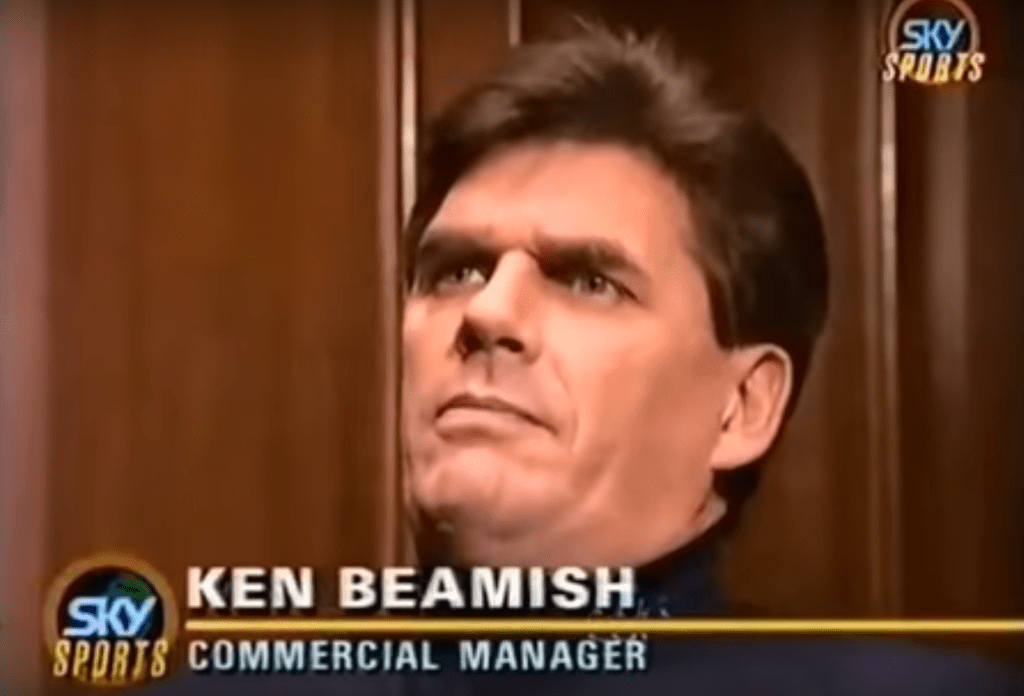
  • Pictures from my scrapbook show a great action shot of Beamish scoring against Torquay, as featured in a Brighton & Hove Gazette end of season publication, a portrait of him in Goal magazine. Dig the hairstyle, pear drop collar shirt and tank top in this Goal picture of him with his son. The Argus captured Ken’s elation as he celebrated Willie Irvine’s goal against Aston Villa. And the man himself signed the photo of him being interviewed. Below, interviewed in 1992 by Sky Sports.

When Chris Cattlin rocked up to play for and manage Brighton

1-cat-in-goalIT MUST BE difficult for today’s reader to imagine a player with the opportunity to sign for either Coventry City or Chelsea choosing the Sky Blues over the London giants.

But in 1968, when the choice faced Huddersfield Town’s Cattlin, he moved to Highfield Road because the following day they were playing a star-studded Manchester United side and, as the full-back who’d be marking the legendary George Best, he couldn’t resist pitting his ability against the Irish wizard.

It was one of several career insights Cattlin revealed in an excellent interview by Doug Thomson in the Huddersfield Examiner in June 2013.

Huddersfield were happy to collect a £70,000 transfer fee when Coventry bid for Cattlin, but he told the Examiner: “Chelsea also came in for me and I was due to speak to them in the afternoon after talking to Coventry in the morning.

“City were playing Manchester United the next day and the manager, Noel Cantwell, told me I would definitely be in the team.

“I knew that if I could say I’d played against George Best, Denis Law and Bobby Charlton, I could die a happy man, so I never got as far as Stamford Bridge!

“I signed for £65 a week when the man in the street was probably getting £20, so to be paid like that for playing football made me more than happy!”

As it turned out, Cattlin marked Best out of the game and his new team won 2-0 with goals from Ernie Machin (who later left the Albion at the same time Cattlin arrived at the Goldstone) and Maurice Setters, against his old team.

Cattlin went on to play more than 250 league and cup games for Coventry, (then in the equivalent of today’s Premier League), before moving to Brighton in 1976, where his playing career finished, but he returned as manager between 1983 and 1986.

Going back to the beginning, though, Cattlin was born in Milnrow, Lancashire, on 25 June 1946, the son of a rugby league player, Bob, and his early school days were spent at Milnrow Parish School. He moved on to Ashton-under-Lyne Technical College (Geoff Hurst was three years his senior there) and then took a job in textile engineering.

In the meantime, he trained and played for Burnley’s youth team but he struggled with the 40-mile round trip travelling from his home. A Huddersfield Town scout, Harry Hooper, had spotted his potential and he was offered a professional contract with the Terriers in the summer of 1964 which allowed him to carry on working two days a week at the textiles factory.

“I went across to Leeds Road, and just fell in love with the place. It was far from luxurious, but there was just a feel about the ground and the people there,” he recalled.

Maybe it was also a feeling that Huddersfield knew a thing or two about decent left backs. Cattlin took over from Bob McNab, who later made a name for himself at Arsenal, and played four games for England, and McNab had replaced England World Cup winner Ray Wilson, who Town transferred to Everton.

Cattlin was signed by Eddie Boot only for the manager to resign the day after, following a 2-1 home defeat by Plymouth. Boot’s successor was Tom Johnston and he insisted on Cattlin becoming a full-time pro, which caused a degree of angst with Cattlin’s concerned parents, but he went for it and didn’t look back.

It was emerging coach Ian Greaves, a former Manchester United player (who later took Town to the top flight as manager), who was to have a lasting effect on Cattlin. “Ian lived in Shaw, the next village to Milnrow, and he’d give me a lift to Leeds Road each day, in the days before the M62, on that winding old road over the moors,” he explained.

“He was a great coach and later manager, and a superb motivator, just a football man through and through.”

Cattlin made his debut in a 3-1 home win over Derby on the final day of the 1964-65 Division 2 (now Championship) campaign but didn’t fully establish himself in the side until the 1966-67 campaign.

In total, he played 70 times for Huddersfield and, for a while, he was playing for the town’s football team while dad Bob was playing for its rugby league side. “My dad played for Huddersfield at rugby league, I played for Huddersfield Town at football. I think we’re the only father and son to have done that,” he said.

After that 1968 transfer to Coventry, Cattlin became a firm favourite at Highfield Road and although he didn’t quite emulate Wilson and McNab, he did play twice for England Under 23s. He made his debut on 2 October 1968 in a 3-1 win over Wales at Wrexham in a side that also included Peter Shilton in goal, West Ham’s Billy Bonds and John Sissons and Everton’s Howard Kendall and John Hurst.

Six weeks later he won his other cap in a 2-2 draw with the Netherlands at Birmingham’s St Andrews ground, when Arsenal’s John Radford and Hurst were the scorers. Cattlin also represented the Football League v the Scottish Football League.

Cattlin was part of the only Coventry side ever to qualify for Europe (in 1970-71) and remembered relative success, only eventually getting knocked out by a Bayern Munich side that included the likes of Franz Beckenbauer and Gerd Muller.

On another occasion, in a tour match, he played in a 2-2 daw against Santos of Brazil, with Pele in their team, in front of an 80,000 crowd. “Pitting your wits against those kinds of players was a fantastic education,” he said.

When manager Gordon Milne decided to give Cattlin a free transfer after nine years and 239 matches for Coventry, fans organised a petition to keep him at Highfield Road.

But there was no turning back and Peter Taylor signed him for Brighton – along with another experienced defender, Graham Cross (from Leicester City) – a short time before quitting the club to rejoin Brian Clough at Nottingham Forest.

CC76

It was Alan Mullery’s good fortune to inherit a squad that would take Division 3 by storm to earn promotion and Cattlin was able to contribute in both full back positions although mainly at left back, having the edge on Harry Wilson.

With the arrival of Gary Williams from Preston, Cattlin switched to the right and vied with Ken Tiler for the shirt, regaining the upper hand for the final two thirds of the season which ended with promotion from the old Division 2 in 1978.

“That Brighton promotion team – what a fantastic set of lads, with no little ability,” he said. “They could all play and were great characters. I was a very lucky lad to come along at the end of my career and join a dressing room like that.”

Although he made just one appearance (in the disastrous 4-0 League Cup defeat at Arsenal) during the 1979-80 season, he notched up a total of 114 games for Brighton.

And he obviously liked the place so much that once his playing days were over he opened a rock shop on Brighton seafront, as well as investing in property. However, three years after quitting as a player, he returned to the Goldstone as a coach, appointed in the summer of 1983 by chairman Mike Bamber to assist manager Jimmy Melia – without Melia’s knowledge!

It all got rather messy with Melia and Cattlin clearly not getting on and talk of a takeover rumbling on in the background.

By the middle of October, Melia quit and Cattlin took over as manager, with another well known former left back, Sammy Nelson, elevated from reserve team manager to assistant manager.

Cattlin then began to shape his own squad and among notable signings who served Albion well were Steve Penney, Danny Wilson and Dean Saunders while there were some memorable cup games, including beating Liverpool in what I believe was the first FA Cup tie – other than finals – to be shown live on TV.

One of TV’s pundits of today, Martin Keown, was another Cattlin signing, joining on loan from Arsenal and beginning with Brighton what was a memorable career with the Gunners, Aston Villa, Everton and England.

Cattlin admitted in 2010: “I had to sell a lot of the popular, best players for financial reasons and bring other ones in to keep the show on the road and make it interesting for the crowd. That was my job.” The likes of Steve Foster (to Aston Villa), Jimmy Case (to Southampton), Tony Grealish (to West Brom) and Gordon Smith (to Manchester City) were all sold by Cattlin.

In 1984, Cattlin certainly found an entertainer when he brought to the Albion a former teammate from his days at Leeds Road, the mercurial Frank Worthington, who moved along the south coast from Southampton.

By that time, Worthington wasn’t too mobile but he’d lost none of his skill and flamboyance and Cattlin told his 2013 interviewer: “He did a good job for me.

“Frank wasn’t only a great player, but a great bloke as well, a dedicated trainer and a great bloke to have around a club.”

Catt dog
Barking up the wrong tree? Cattlin couldn’t quite restore Albion to the elite when he returned as manager

Cattlin stayed in the manager’s chair until April 1986, overseeing finishes of ninth, sixth and 11th in the second tier, although he clearly felt the writing was on the wall as far as his job was concerned when the Albion board wouldn’t give him £6,500 to sign the experienced defender Jeff Clarke from Newcastle, as Cattlin explained at the Albion Roar live show in December 2018 (skip to 28 minutes in).

Distractions and changes in the boardroom were an uncomfortable backdrop to much of his time in charge and it was evident that the fans didn’t perceive Cattlin to be to blame for the failure to finish higher.

When he was sacked, there were protests from supporters, a 2,000-signature petition calling for his reinstatement and Cattlin himself addressed a 200-strong rally in Hove.

But it was all to no avail. His former boss, Mullery, returned and Cattlin went back to his non-football business interests.

In a 2010 interview in the matchday programme, Cattlin said: “I think I deserved another season at least to get them back into what is now the Premiership.

“If it had gone wonky then they wouldn’t have had to fire me – I’d have gone myself. Nevertheless, to play, coach and manage Brighton and Hove Albion made me a very proud man. But I wish I could have put them back where I felt they belonged.”

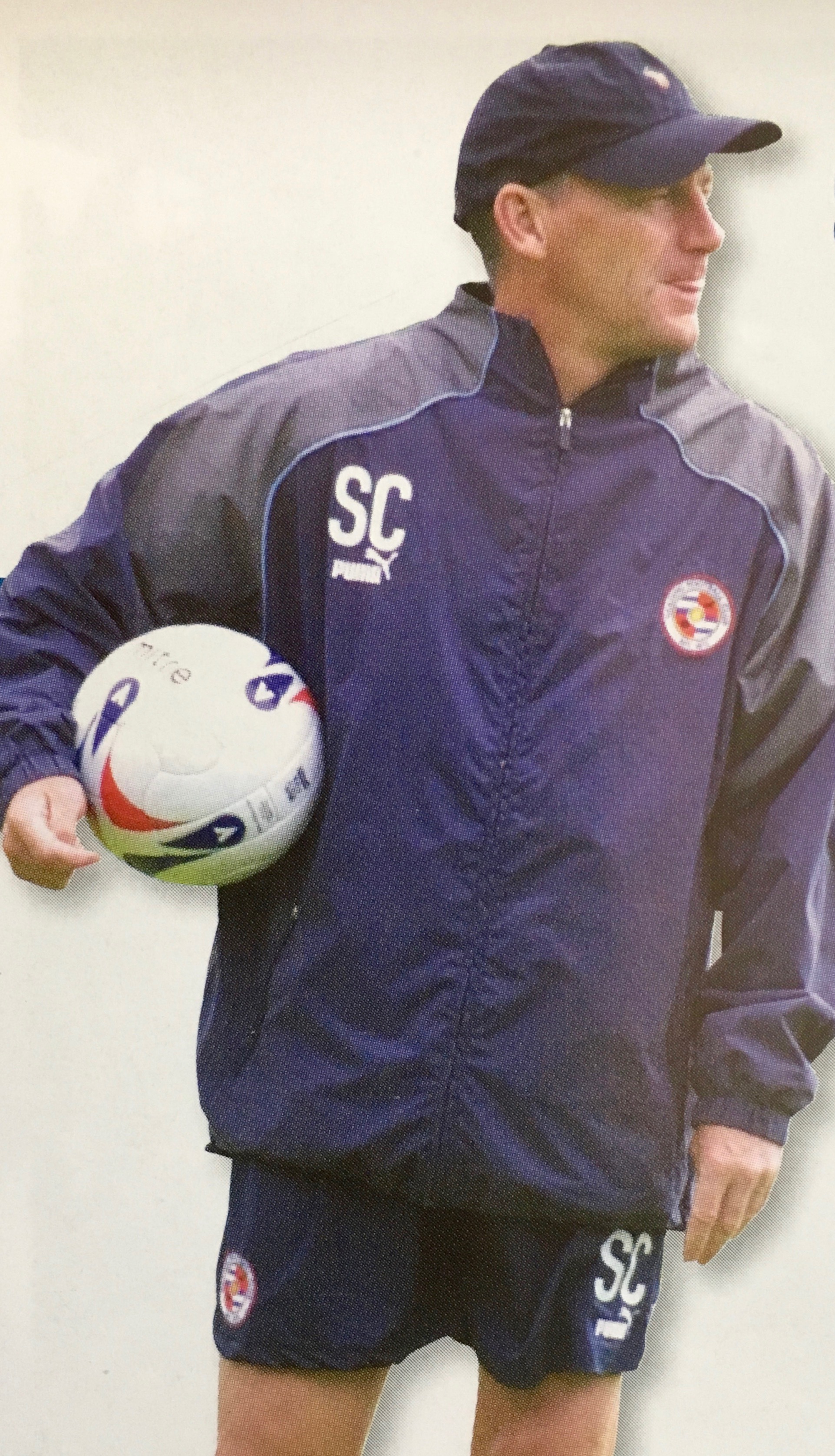
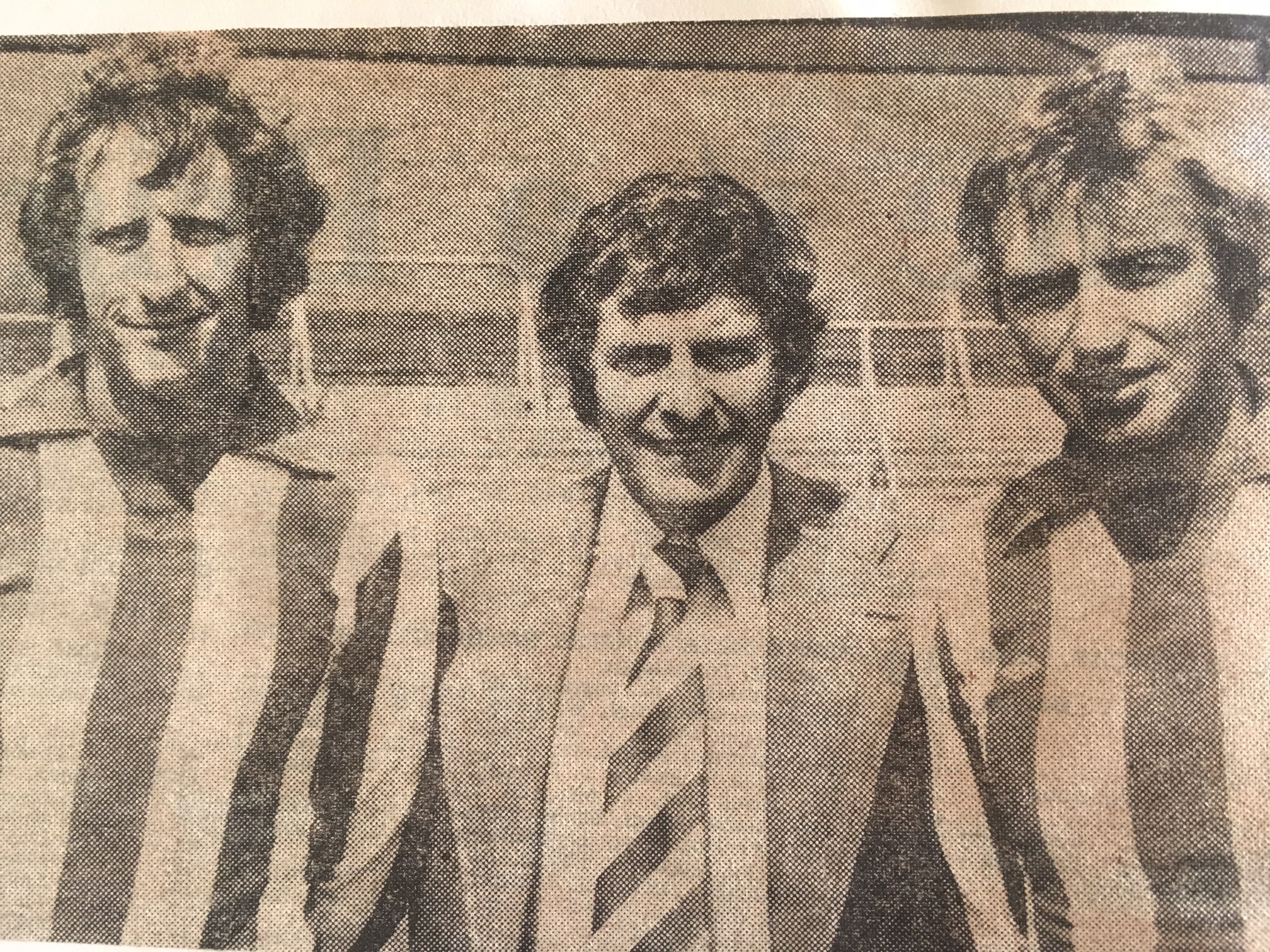
  • Pictures show (top) Chris Cattlin pictured in Goal magazine in Coventry’s sky blue; in an Evening Argus shot alongside new manager Alan Mullery and fellow close season signing Graham Cross; how the Albion programme headed his managerial notes.

Cattlin pictured in 2010