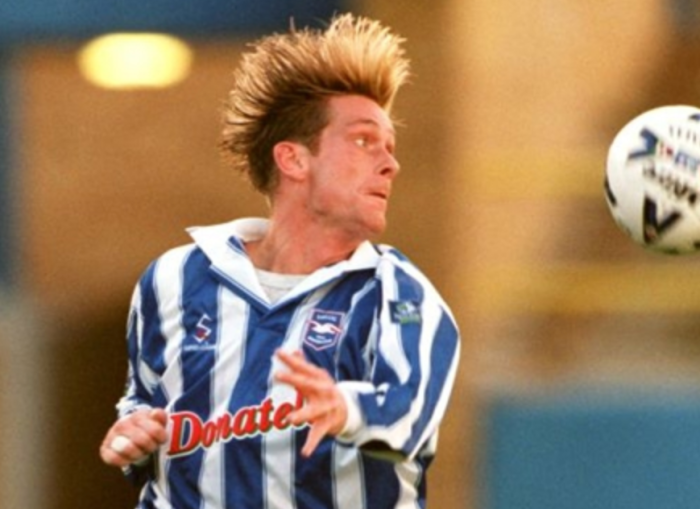
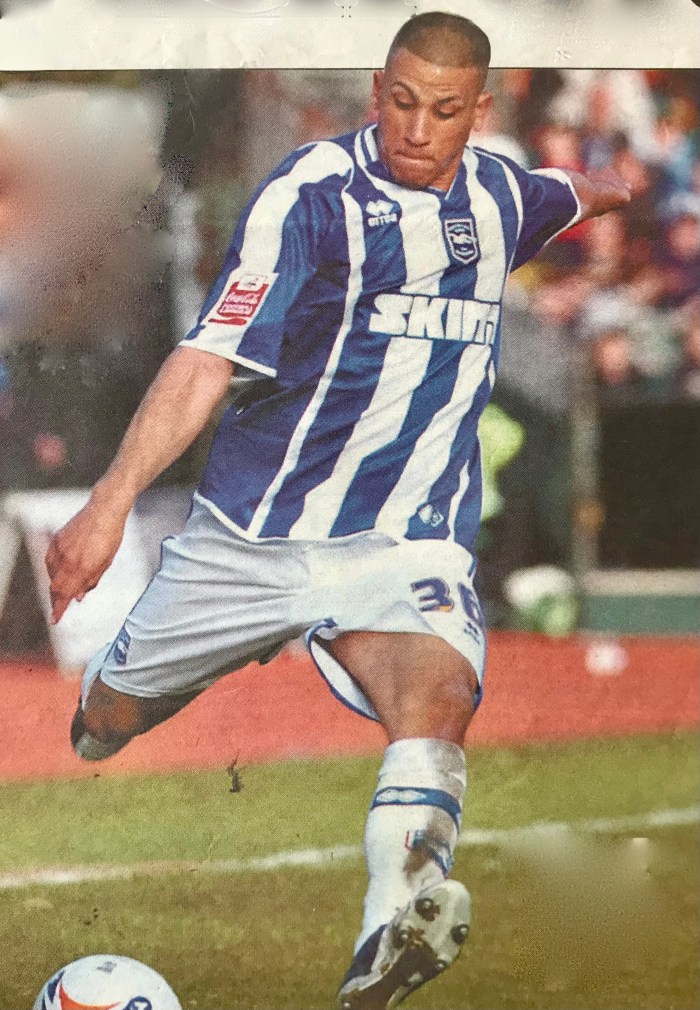
Steve Cotterill hit the goal trail at Brighton and Bournemouth

STEVE COTTERILL, who made a lasting connection with Brighton fans after impressing during an all-too-brief spell in 1992, saw his injury-plagued playing career come to a juddering halt at Bournemouth.

Cotterill today is back where it all began managing his hometown club, Cheltenham Town, but back in the day he was an old school bustling centre forward who began to get his career back on track with Barry Lloyd’s cash-strapped Seagulls.

The West Country striker, affectionately nicknamed Wurzel (after TV character Wurzel Gummidge) by Albion veteran Steve Foster (back with the club he left in 1984) because of the distinctive Gloucestershire burr when he spoke, was desperate to get back playing regular league football after spending 14 months sidelined with an anterior cruciate ligament injury to his knee while playing for Wimbledon, who were just about to compete in the inaugural season of the Premier League.

“When Brighton asked for me on loan, I desperately wanted the chance to show what I could do,” he said. “I think that Martin Hinshelwood (Lloyd’s deputy) was impressed when he saw me a couple of years ago in a tournament at Arundel.”

Wimbledon didn’t tend to loan players out but manager Joe Kinnear, a former Brighton player himself back in the 1970s, agreed for Cotterill to make the move to try to regain his fitness.

Lloyd was managing on a shoestring after Albion had been relegated back to the third tier having missed out on leaving the second tier in the opposite direction the year before when losing the play-off final at Wembley to Neil Warnock’s Notts County.

He’d been forced to sell the prolific striking duo of Mike Small, to West Ham, and John Byrne, to Sunderland, and their replacements had been a huge disappointment.

Mark Gall, signed from Maidstone, offered a glimmer of hope, but one-time Arsenal striker Raphael Meade and former Everton trainee Mark Farrington failed to convince.
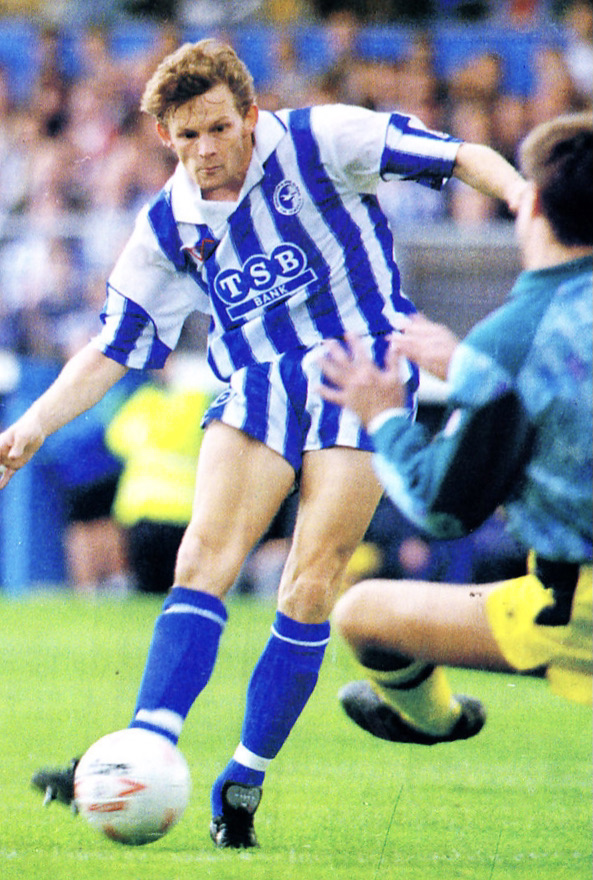
As the 1992-93 season got under way, Gall was unavailable due to a knee injury that eventually forced him to retire, Meade had departed and questions continued over Farrington, so Lloyd opened the season with loan signings Cotterill and Paul Moulden (who’d been at Bournemouth for seven months after leaving Manchester City) from Oldham Athletic (also in the Premier League that season), where he was surplus to requirements.

Each were on the scoresheet in Albion’s opening day 3-2 defeat at Leyton Orient and Cotterill scored again in a home 2-1 win over Bolton Wanderers and an away 3-2 win at Exeter City.

It looked like Lloyd had cracked it as the pair combined well and also enjoyed their partnership, as Moulden told Brian Owen in an interview with the Argus in October 2016. “One of the reasons I loved playing for Brighton was Mr Banter himself, Steve Cotterill. We met up like we had never been apart. I’d start the banter and he’d finish it or vice versa.
“We destroyed many a centre-half partnership during that three months. I was gutted to leave. I mean that very sincerely – absolutely gutted. I couldn’t believe nobody would have bought me and Steve as a pairing.

“We were both out of favour with our clubs and we hit it off so well. But it wasn’t to be – at Brighton or at any club.”

Cotterill had certainly hinted at making the move more permanent, saying in a programme interview: “I am glad to be playing again and scoring the odd goal. Who knows what may happen from here?”
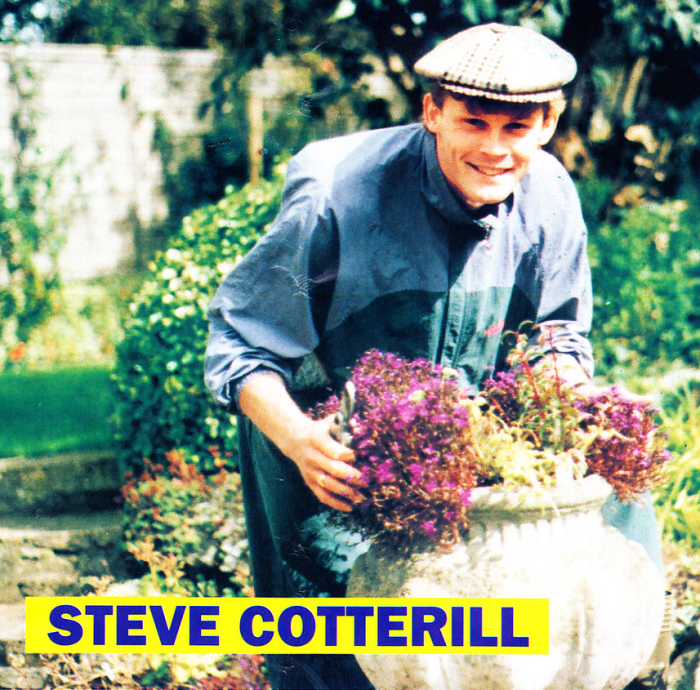
A somewhat unusual programme shot of Cotterill enjoying a spot of gardening

He signed off by scoring the only goal of the game that beat Wigan Athletic at the Goldstone.

Unfortunately, parent club Wimbledon, playing in the inaugural season of the Premier League, wanted the sort of fee for Cotterill that, at the time, Albion couldn’t afford.

He’d scored four times in 11 matches – and on his return to the Dons promptly scored both of their goals in a 2-2 draw away to Southampton. But with John Fashanu and Dean Holdsworth ahead of him, he managed just a handful of games for the Dons.

He did get a start ahead of Holdsworth at home to Liverpool in January 1993 and scored the Dons second goal (Fashanu scored a penalty in the first half) as the Reds were put to the sword 2-0 at Selhurst Park (where Wimbledon played home games at the time).

Cotterill added to his Dons goal tally the following month, in the second minute of added on time in a fifth round FA Cup tie at Spurs, but it was simply a consolation as the home side ran out 3-2 winners. Cotterill had replaced Roger Joseph for the second half.

In the summer of 1993, Bournemouth found the £80,000 that Wimbledon wanted for Cotterill and he signed for the Cherries under manager Tony Pulis.

Pulis paired Cotterill with Steve Fletcher, who eventually went on to become a Cherries legend after a slow start. Fletcher spoke highly of his former teammate when interviewed by Neil Perrett for the Bournemouth Echo in March 2010.

In their first season together, their fortunes were quite contrasting. Cotterill scored 14 goals and was crowned supporters’ Player of the Year while Fletcher endured a second barren year following a £30,000 move from Hartlepool.

Cotterill in action for Bournemouth against Burnley in 1993. Photo: Paul Collins.

“Steve took me under his wing,” recalled Fletcher. “My first couple of years were hard. I started playing alongside Efan Ekoku and was a lone striker after he had been sold.

“I was young and needed someone to come in and help me out. Steve had experience of playing at a higher level with Wimbledon and was happy to pass it on.

“He used to sit me down and we would talk through things. He would back me up in the paper and I remember him jumping to my defence when someone criticised me at a fans’ forum.

“Things like that stick in your mind. I had moved down from Hartlepool and it was tough. Steve really looked after me during those early years and it is something I’ve always appreciated. I’ve kept in touch ever since.”

It was during their second season together that their fortunes reversed. Cotterill’s career was prematurely cut short following a serious knee injury sustained against Chester City in September 1994, with only 10 games of the season played. Fletcher went on to be crowned Player of the Year.

Cotterill said: “I had a good time at Bournemouth, but unfortunately my lasting memory was my last game.

“Snapping my cruciate ligament was the thing I remember because it was the last thing I did and it’s the thing that lives with me. I still remember doing it and it’s a bad memory really, but I did have some good times there and it’s a great part of the world.”
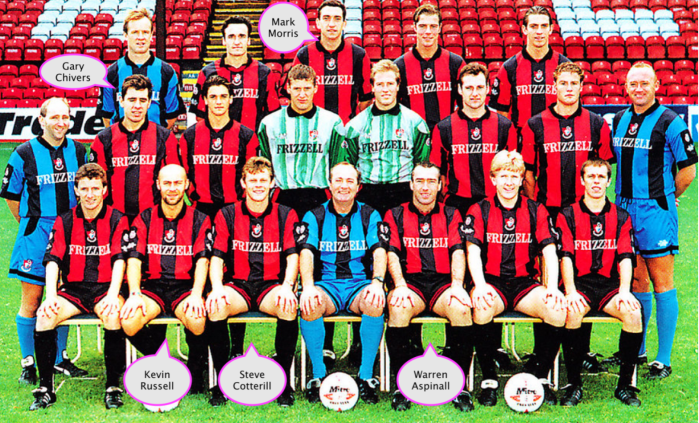
Pulis was succeeded by former player Mel Machin and in that campaign’s team photo there were two teammates who had played for Brighton in Gary Chivers and Kevin ‘Rooster’ Russell and two who would do so in the future: Mark Morris and Warren Aspinall.

Cotterill recalled in a 2023 interview with gloucestershirelive.co.uk: “I know Rooster very well. I played with him at Bournemouth and he’s a great guy and a good coach.

“I liked him when I played with him because he used to stick crosses on a sixpence for me. I remember scoring a few goals from his crosses.”

Born in Cheltenham on 20 July 1964, Cotterill’s first football was played at primary school but his secondary school years were spent at rugby-playing Arle Comprehensive so it was a relief to resume the game he loved for the then semi-professional Cheltenham Town youth team.

He progressed to the reserves and first team of what at the time was a Southern League Premier Division club before his friend Tim Harris, assistant manager at Alvechurch, persuaded him to switch clubs, while he was working full time for a builder’s merchant.

“I must have impressed there because they cashed in and sold me for £4,000 to Burton Albion,” he recalled in a matchday programme interview.

His progress for the side who a dozen years earlier had unearthed the talent of Peter Ward saw him net 44 goals in 74 games for the Brewers between 1987 and 1989

“I have a great affection for Burton Albion and for all those people that work there and I’ll never forget my time there,” he said in a 2018 interview after his Birmingham side played his old club in the FA Cup.

Such a prolific scoring rate caught the eye of Bobby Gould, whose Wimbledon side were punching way above their weight in the old First Division, and the previous season had achieved an historic FA Cup win over Liverpool.

Wimbledon reportedly paid more than £100,000 to take him to south London and he recalled: “I scored on my league debut on 29 April 1989 in a 4-0 win against Newcastle and I thought I was on my way.
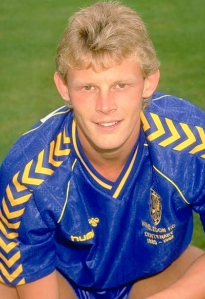
“But I didn’t get much of a look-in in the following season and then, when Ray Harford took over, I played a few games before I suffered a horrendous knee injury.”

Cotterill was out for 14 months and only managed a couple of reserve games towards the end of the 1991-92 season, before making the temporary move to Brighton.

Interesting to note in an Albion programme interview with him during his loan spell that he ended it by saying: “I want to stay in the game and I’d like to become a coach or manager.”

He certainly did that and what he did in those capacities is a story in itself. His first assignment was in Ireland where he succeeded his former Wimbledon teammate Lawrie Sanchez at League of Ireland’s Sligo Rovers.

But his hometown club Cheltenham Town offered him a management opening back in England in 1997, and he steered them from Southern League football into the Conference and then into the bottom tier of the Football League. He twice won the Manager of the Year title and earned another promotion, to the third tier, via a play-off final victory over Rushden & Diamonds.

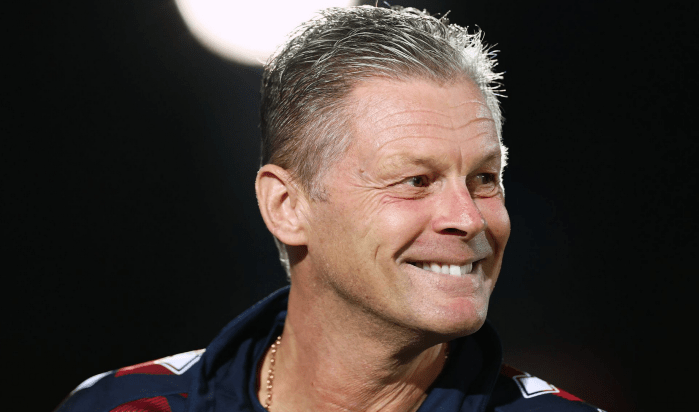
After management and coaching posts at 12 clubs in various parts of the country, he returned to Cheltenham after a 23-year absence in September 2025 and was subject of an extensive feature on Sky Sports hailing his messianic return at the age of 61.

In between, he managed Stoke, Burnley, Notts County, Portsmouth, Nottingham Forest, Bristol City, Birmingham, Shrewsbury Town and Forest Green Rovers.
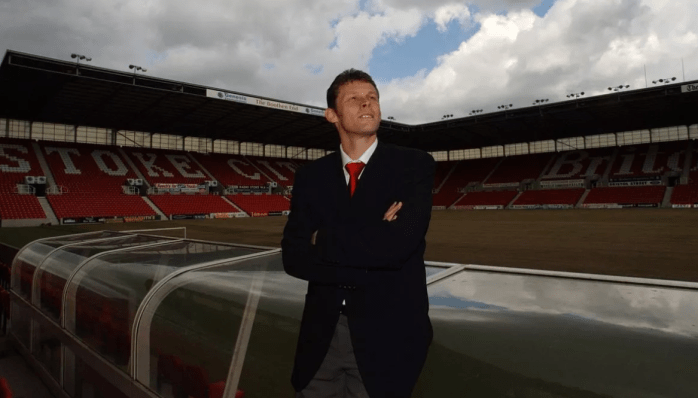
A brief stay in the Potteries

He cut short his tenure at Stoke in the autumn of 2002 after just 13 games to become assistant manager at Sunderland under Howard Wilkinson, but their stay on Wearside was also short lived, the pair being dismissed after only 27 games in March 2003.

Before taking up the Burnley post, Cotterill was briefly a coach under Micky Adams at Leicester and he was twice a coach under Harry Redknapp: at Birmingham, before taking over as manager, then again at QPR for the second half of the 2012-13 season.

Cotterill has certainly been on the wrong end of some trigger-happy club owners over the years but one of the toughest challenges he’s faced during his long career was during his time as boss of League One Shrewsbury during the Covid-19 pandemic. He was twice admitted to Bristol Royal Infirmary, spending time in intensive care, suffering badly from the virus and pneumonia.

Cotterill left the Shrews job in June 2023 and was out of work until January 2024, when he took charge of Forest Green Rovers.

He was unable to stave off relegation from the Football League, but he rebuilt the side during the summer of 2024 to push for promotion back to League Two. When Southend United visited The New Lawn in the National League on 15 March 2025, the 2-2 draw was Cotterill’s 1,000th game as a manager.

Now back at Whaddon Road, he’s steered the Robins clear of the bottom-of-the-league spot they occupied when he returned.
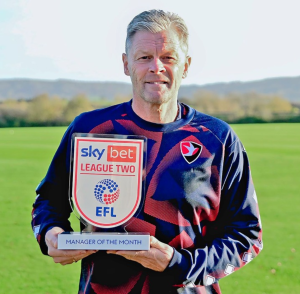
A manager of the month award shortly after his return to Cheltenham

At his first game back, a banner in the stands referenced the return of the king, and Cotterill declared: “I felt the whole of Cheltenham behind me that day. Not that I have not felt it since too, by the way, because they have been incredible ever since I have been back.

“Even when I was at other clubs, this club has always been important to me. It is my hometown.”

Nonetheless, the Albion has always occupied a soft spot, as he once wrote in his programme notes prior to a Cheltenham v Brighton fixture: “I thoroughly enjoyed my time at Brighton and, whenever we’ve gone there, I’ve always had a great reception from their supporters. They’ve been terrific.”
Jamie Moralee’s pitfalls a valuable lesson for future prosperity

IT WOULD BE an understatement to say striker Jamie Moralee had mixed fortunes during his time with Brighton.

A one-time £450,000 signing, the former Crystal Palace player joined the lowly Seagulls on a free transfer when they were playing home games in exile at Gillingham in 1998-99.

His lack of goals earned a certain amount of derision from the handful of Albion followers who supported the club in those dark days.

And on one infamous occasion, in March 1999, he managed to get himself sent off within a minute of going on as a late substitute, without touching the ball.

Moralee sees red at Scunthorpe

To make matters worse, the punch he threw didn’t even catch the opponent, John Eyre, who promptly added to Albion’s woes by completing his hat-trick in a 3-1 home win for Scunthorpe United.

The Argus put Moralee’s “moment of madness” down to frustration at so regularly being on the subs bench (16 times – and only sent on in eight of them).

“He did not actually connect, but the intent was obvious and the resulting red card inevitable,” the newspaper reported.

Signed at the start of the season on a month-to-month contract, Moralee had a run of 14 starts under Brian Horton but after scoring just the one goal (in a 3-1 defeat against Mansfield), he was dropped to the bench.

Just before Horton quit to move to Port Vale, he gave Moralee a contract until the end of the season and in January, after Jeff Wood briefly took charge, the player hoped his impact as a sub when laying on a winning goal for Paul Armstrong against Scarborough would help change supporters’ views of his contribution.

“It was nice to be a bit of a hero for a change,” he told The Argus. “I was a bit unlucky with a goal which was disallowed at Chester in the game before and I just want to get on with Brighton and do my best.

“I’ll take the credit because I’ve not had much this season. Hopefully the corner has turned for me.”

Moralee said he had been asked to play several different roles and reckoned much of the criticism aimed his way was unjustified.

Moralee gets stuck in

“I feel I have done all right,” he maintained. “I don’t think the supporters really appreciate me and they let me know that when I came on, but I will just keep doing my job.

“The players give me all the support I need and I am confident enough to go out and do the business. I certainly won’t hide.”

Having missed several matches after the red mist descended at Scunthorpe, a third manager arrived in the shape of Micky Adams, and Moralee started the last seven matches of the season under the new boss, scoring once.

Moralee slides in

But it wasn’t enough to earn a new deal and Moralee was one of eight players released at the end of the season. Having played under three managers in one season for the Albion, there was swift change in the dugout at his next port of call too.

He began the next season up a division with Colchester United, whose manager Mick Wadsworth said: “I remember him as a very outstanding young player with Millwall. We watched him several times during last season.

“He is very sharp in and around the penalty box and his hold-up play is exceptional – a quality we were sadly lacking in the season just gone.

“Jamie was an outstanding prospect as a young player with Millwall and was sold on to Watford for £450,000 around five years ago before his career became blighted by injuries.

“Last season was his first full season for some time as he battled to shrug off a string of injuries and has probably used Brighton to get back to full fitness and match sharpness.”

The season was only three games old when Wadsworth resigned and was replaced by Steve Whitton who saw his United side beat Reading 3-2 in his first match (Warren Aspinall scored twice and Nicky Forster scored one for the visitors). Moralee, making his league debut for Colchester, was subbed off on 76 minutes.

After that, Colchester went on an 11-game winless run and other than a positive spell in January, had a forgettable season and finished third from bottom. Moralee made 21 starts plus eight as a sub.

Born in Wandsworth, London, on 2 December 1971, Moralee joined Palace as a YTS trainee, working his way through the levels alongside Gareth Southgate. He was a regular in the Palace reserves playing up front with Stan Collymore.

But after just two first team starts and four sub appearances under Steve Coppell, he was traded as a makeweight in exchange for Millwall’s Chris Armstrong.

Happy days in the Lions’ Den

When unveiled to Lions fans in a matchday programme article, Moralee boldly declared: “Having broken though into first team football with Palace last season and learned from strikers like Mark Bright and Garry Thompson, I feel I’m ready to come to a club like Millwall and score twenty goals a season.”

Amongst the goals for Millwall

Of the player he swapped places with, he even went as far as to say: “Chris was quick and by all accounts did very well here in the opening games this season, but I’ll score more goals than him.”

Continuing in a similar vein, he added: “I’m most effective in the box, I like the ball into my feet and, at the risk of sounding over confident, if I get the chances I’ll score goals for you.”

True to his word, Moralee did get amongst the goals for Mick McCarthy’s side and 20 goals in 63 appearances (plus 13 as a sub) over two seasons earned him a £450,000 move to Watford.

Moralee made a big money move from Millwall to Watford

But the Glenn Roeder signing had a tough time with the Hornets, only seeing his fortunes change after Graham Taylor returned to the club as manager. He explained the circumstances in a full-page piece in the Wolves v Watford matchday programme of 30 March 1996.

“Glenn bought me to play up front with a big target man, which I was used to at Millwall. But the partners I had were all smaller than me and I was now the big target man, a role that did not suit me and one that I do not enjoy.

“I had always been used to scoring, something that wasn’t happening, and this resulted in a loss of confidence.

“The intentions were there, but I needed a big target man to feed me the ball. It just did not work out.”

When Taylor took over from Roeder, Moralee got back the starting place he’d lost and learned how to play as a lone striker. “It is a lot of work but I believe I have developed into a better all-round player,” he said. “It is nice to have a manager with a little faith in me.”

After Watford were relegated to Division Two, in the summer of 1996 he moved on a free transfer to Crewe Alexandra where he didn’t register any goals and made just 13 starts and six sub appearances.

He ended the 1997-98 season with Royal Antwerp in Belgium and spent pre-season with Fulham before Horton took him on at the Albion, initially on a monthly contract basis, at the start of the 1998-99 season.

After his season at Layer Road, he linked up with former Crystal Palace colleague Peter Nicholas at Welsh Premier League side Barry Town. He spent three seasons with Barry, winning the Welsh Premier-Welsh Cup double each season. He was also involved in three Champions League campaigns with the club and netted 59 goals in 96 appearances.

Financial problems at Barry led to Moralee moving on and he had spells with Forest Green Rovers, Newport County and Chelmsford City before ending his playing career in 2006.

After retiring from playing, Moralee set up his own football agency, New Era, in conjunction with former Albion teammate Peter Smith, with Rio Ferdinand as its highest profile client.

In an interview for a webinar, Moralee said the agency aims to teach up and coming talented footballers how to avoid the pitfalls that affected his own playing career.

Describing his own “very up and down career with a couple of highs and many, many lows”, he explained to The Player, The Coach, The Person webinar: “When I got a few quid, I was spending it on all the wrong things. Buying cars and watches and going out too much; drinking too much. I wasn’t investing it.”

Hard work, application and a ruthlessness to succeed in life are aspects he’s now passing on having realised they were attributes that would have made a difference to his own career as a player.

“I needed to stay in football in some capacity,” he said. “I didn’t want to be a coach or manager.I knew that young players, if they got to the edge of the pitfalls I fell down, I could help them.”

He is particularly pleased to have helped players who had rejection in their early days who went on to have successful careers, such as Welsh internationals Chris Gunter, Neil Taylor and Ashley Williams.

Moralee spoke openly about his 20-year friendship with Rio Ferdinand in a 2018 film for the ‘Best Man Project’ of The Campaign Against Living Miserably (Calm): an initiative to celebrate the power of friendships which supports men in looking out for their mates.

Opening up on the power of friendships in football

O’Cearuill treated cruel on strange football odyssey

O’Cearuill given a run of games at Brighton

TEENAGE Arsenal defender Joe O’Cearuill certainly had a baptism of fire when he moved to the Albion on loan in early 2007.

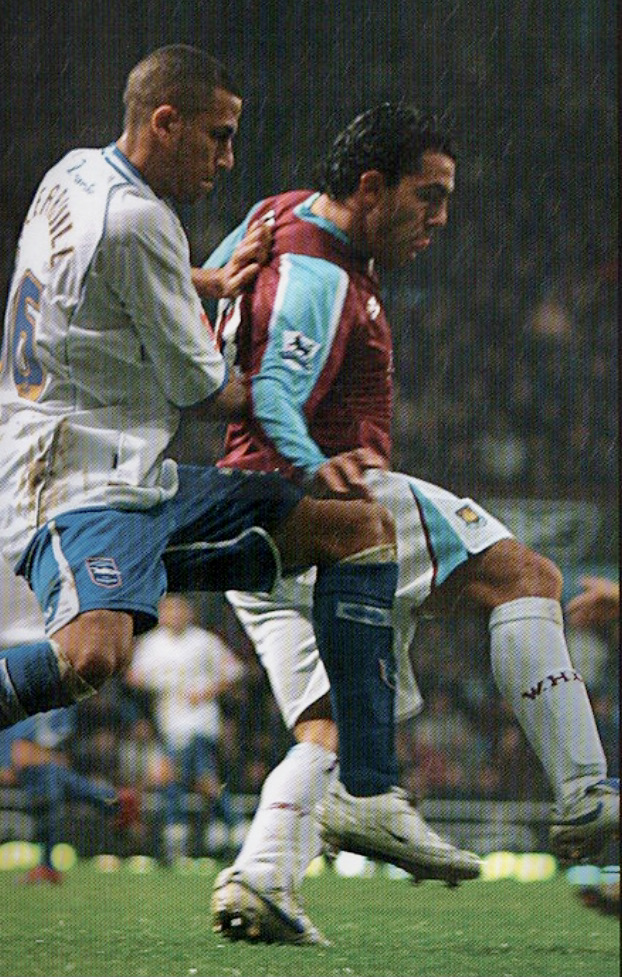
The youngster was played out of position at right-back in a third round FA Cup tie away to West Ham.

The match at the old Boleyn Ground on 6 January 2007 pitched the Premier League Hammers under Alan Curbishley up against his old Seagulls teammate Dean Wilkins, who had taken over the reigns at League One Brighton just four months previously.

West Ham, FA Cup finalists the previous season, were just too good for the mainly young lower league side on the day and, with big-money Argentine striker Carlos Tevez up front, comfortably won the tie 3-0 (Mark Noble, Carlton Cole and Haydn Mullins the scorers).

Albion put up a reasonable fight in a goalless first half although O’Cearuill was fortunate not to concede a penalty when he put in a clumsy challenge on debutant Luis Boa Morte which referee Mark Halsey chose not to penalise.

The second half was only four minutes old when Noble scored his first ever West Ham goal, Cole added a second nine minutes later before being replaced by former Albion favourite Bobby Zamora, and Mullins struck in injury time to round off the win.

Wilkins had turned to the Arsenal youngster when Jack Hinshelwood’s dad Adam suffered a cruciate ligament injury in a Boxing Day match against Yeovil that ruled him out for nine months.

O’Cearuill’s stay on the south coast lasted three months during which he made seven starts and three sub appearances. His final Seagulls match came in a 1-1 home draw against Scunthorpe United.

The Argus reckoned his form was “patchy” and at one point he was dropped to the bench “after a below-par performance” in defeat at Brentford.

Only on a couple of occasions did he get the chance to play in his favoured centre back position; those positions were occupied most of the time by Joel Lynch and Guy Butters.

But after he’d gone on for the injured Lynch in the centre away to Gillingham, he helped the visitors to a 1-0 win and Wilkins said: “I thought he fitted in well. He went into the game at a difficult period. There were a lot of high balls to deal with, which he coped with well.”

That first half of 2007 was pretty much the highlight of his career because on an end of season tour of America he won two full caps for the Republic of Ireland.

Although born in Edmonton on 9 February 1987, he elected to represent the Republic of Ireland and having played for them at under-17, under-19 and under-21 level,

A senior cap for the Republic of Ireland

His first senior cap came when he was one of six substitutes made by manager Steve Staunton in a 1-1 draw against Ecuador at the Giants Stadium, New Jersey, on 23 May 2007.

He replaced Stephen O’Halloran in the 73rd minute and managed to pick up a yellow card in his short time on the pitch. Kevin Doyle headed the Irish equaliser a minute before half time.

O’Cearuill then started at right-back three days later in the Republic’s 1-1 draw with Bolivia in Boston. Shane Long scored his first goal for his country and in the second half former Albion goalkeeper Wayne Henderson took over in goal from Barnsley’s Nick Colgan. The side was captained by Kevin Kilbane.

Curiously, O’Cearuill had been let go by both Leyton Orient and Watford before he was given a chance by Arsenal. He played 27 youth team games for the Os in 2004-05 but was released in August 2005.

Watford picked him up and he played for their youth and reserve teams for a season, but again found himself released. Then, in the summer of 2006, after impressing Arsenal’s reserve team coach Neil Banfield in a trial game against Watford, he joined the Gunners.

He made his debut in a goalless pre-season friendly at Barnet on 15 July and a week later played in half of Dennis Bergkamp’s testimonial against Ajax of Amsterdam.

On a tour of Austria, he played another half as Arsenal beat Mattersburg 2-1 and got 30 minutes as a sub when the Gunners trounced Schwadorf 8-1.

The closest he came to competitive first team action was when he was on the bench for Arsenal’s Carling Cup match away to West Bromwich Albion on October 24, 2006, although he did not get on in the 2-0 win in which Jeremie Aliadiere scored both the goals.

Released by Arsenal, O’Cearuill’s career then drifted from one non-league club to another: Barnet, St Patrick’s Athletic (Dublin), Harlow Town, Borehamwood, Forest Green Rovers (pictured left), Bishop’s Stortford, Tooting & Mitcham United, Haringey Borough, Enfield and Heybridge Swifts.

When he sought to resurrect his career with Conference Premier side Dover Athletic in 2015, he was suitably phlegmatic in an interview with Kent Online.

“It’s certainly been a journey,” he said. “From getting everything on a plate at Arsenal and then for Ireland, to then be washing your own kit and boots.

“I took being a professional for granted and I wasn’t really ready for it – I was too young to take it all in.

“When Arsenal released me, I discovered there was a lot more to life than playing football and I lost the motivation to play at a decent level. I even gave the game up for a while.

“I was then happy to play wherever and go with the flow. I had a couple of great years playing with my mates at Haringey Borough. But that’s all in the past now. The days for playing for fun are behind me.

“I am ready for the next chapter in my life because I’ve got the hunger and desire back to play the game at a level I know I am capable of.”

Released by Dover at the end of the season, former Albion striker Nicky Forster, by then manager of Staines Town, took him on for the Isthmian League Premier Division team.

“We are delighted to have secured the services of Joe this season, he has a great attitude for success and will sit well alongside Darren Purse at the back,” he told the club website.

His last port of call was back at Haringey in the summer of 2016 and he retired from playing in October that year.

In his LinkedIn profile, O’Cearuill describes himself as a senior manager for The Elms Sport in Schools programme.

Relegation scrap was chicken feed for troubled Bangura

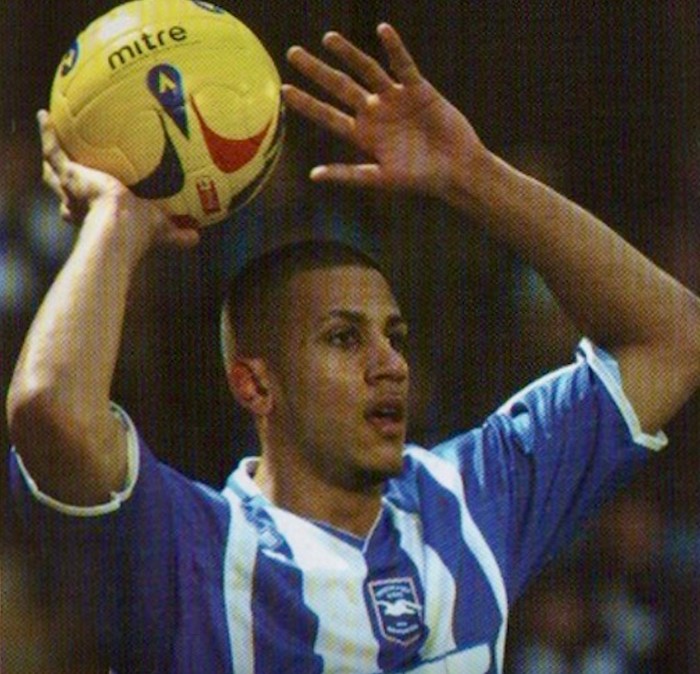
IN THE TUMULTUOUS days after Albion dispensed with the services of Micky Adams in early 2009, virtually half the side was made up of loan players.

Away to Leyton Orient on 7 March 2009, five loanees were involved, including Al Bangura, a 21-year-old midfielder from Watford.

Goalkeeper Mikkel Andersen was on loan from Reading, QPR’s Gary Borrowdale was left-back and Lloyd Owusu, released by Cheltenham, was up front.

Colchester United’s Matt Heath scored Albion’s only goal in a 2-1 defeat, as well as conceding a penalty, while Bangura was considered fortunate to escape with just a yellow card for a high challenge on Charlie Daniels.

The game saw new boss Russell Slade take charge for the first time, inheriting signings authorised by caretaker manager Dean White, who said of Bangura: “Al is someone we have been aware of for some time. He is a lively, energetic and tenacious midfielder.”

Bangura was just grateful to be playing in the UK having come close to being deported back to his native Sierra Leone the previous year.

Six years later, he revealed to the BBC that he was originally brought to Europe from Guinea by a human trafficker in order to be used as a male prostitute.

He had a lucky escape but the experience prompted him to take action to work with the Premier League to prevent other vulnerable young people being similarly caught up.

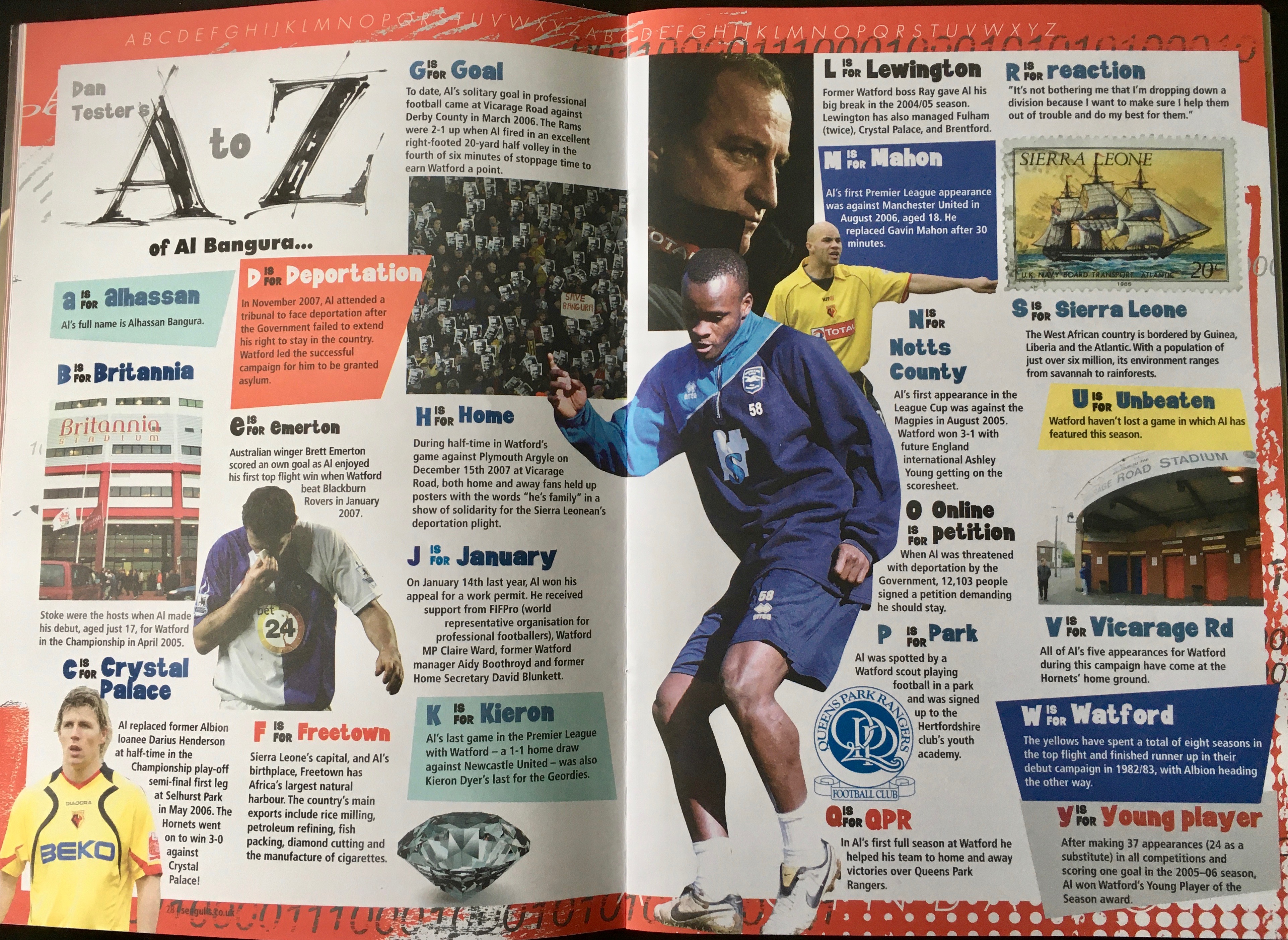
prog spreadBangura was profiled in the matchday programme

Bangura started six games for the Albion, and he said: “It’s not bothering me that I’m dropping down a division because I want to make sure I help them out of trouble and do my best for them.”

In his third game, he was alongside Jason Jarrett in the centre of midfield when Albion thrashed Yeovil Town 5-0 at Withdean, threading through a pass for Nicky Forster to score.

However, at the expiry of his loan, he returned to Watford but was released at the end of the season and joined Blackpool who were in the Championship at the time.

Limited to just 10 games for the Tangerines, Bangura headed for Turkey to play for Mersin Idmanyurdu and then played five games for Azerbaijani team Gabala, managed by the former Arsenal captain Tony Adams.

Hockaday w Al BHis former youth coach at Watford, Dave Hockaday (left, who briefly managed Leeds United) signed him for Conference Premier outfit Forest Green Rovers in 2011, and he completed 91 appearances for them before getting a chance to return to league action with Coventry City.
The aforementioned Hockaday had become under 21 manager at the Sky Blues and Bangura won a short-term contract after a successful trial, although he didn’t feature in Tony Mowbray’s league side.

After spending time working with the Premier League on the issue of the growing number of African boys being tricked into leaving their home for the promise of a football career in Europe, he returned to playing in the National League, initially with St Albans City and then Nuneaton Town.

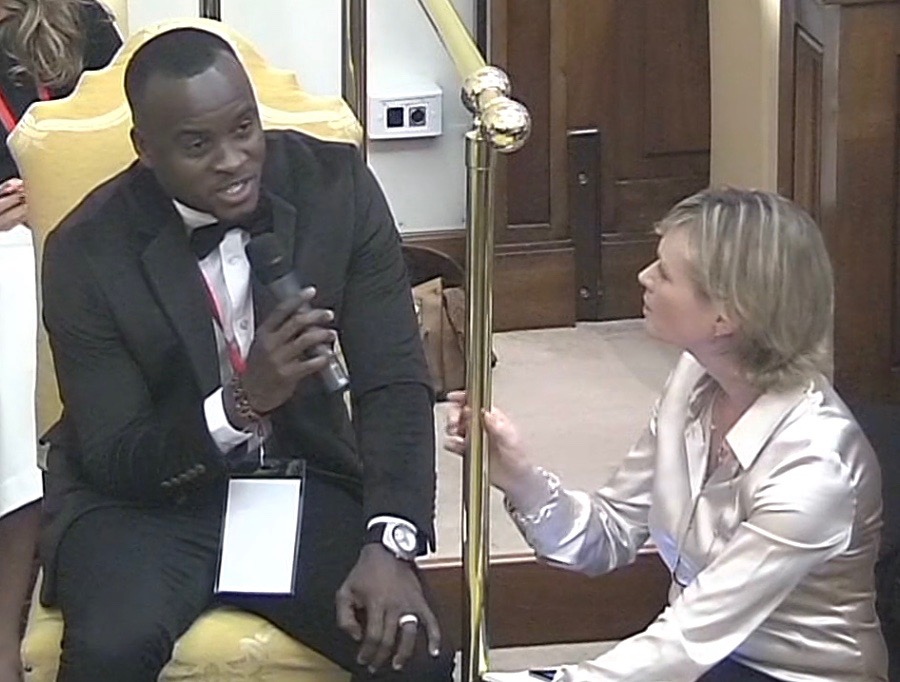
Bangura talksIn October 2016, Bangura spoke to the Santa Marta Group – an alliance of international police chiefs, bishops, religious communities and NGOs – at an international conference in Rome to tackle human trafficking and modern slavery.

Born in Freetown, Sierra Leone, on 24 January 1988, Alhassan Bangura sensed trouble when his family expected him to get involved in some kind of secret society at the age of 14 so he ran away to Guinea where he met a Frenchman who promised to help him realise his dream of pursuing a football career in the UK.

That dream very nearly turned into a nightmare when he realised on arrival in England aged only 15 that he was being lined up as a male prostitute. Luckily, he screamed out, escaped the room where he was being held, and pleaded for help from a Nigerian passer-by who directed him towards the Home Office to get official assistance.

Bangura WatThe ’system’ thankfully came to his aid and before long a Watford scout spotted him playing football in a park and signed him up to the Hertfordshire club’s youth academy, where he was nurtured by assistant academy director Chris Cummins, who was also recognised for helping Hameur Bouazza, Adrian Mariappa and Lloyd Doyley to make it through to the first team.

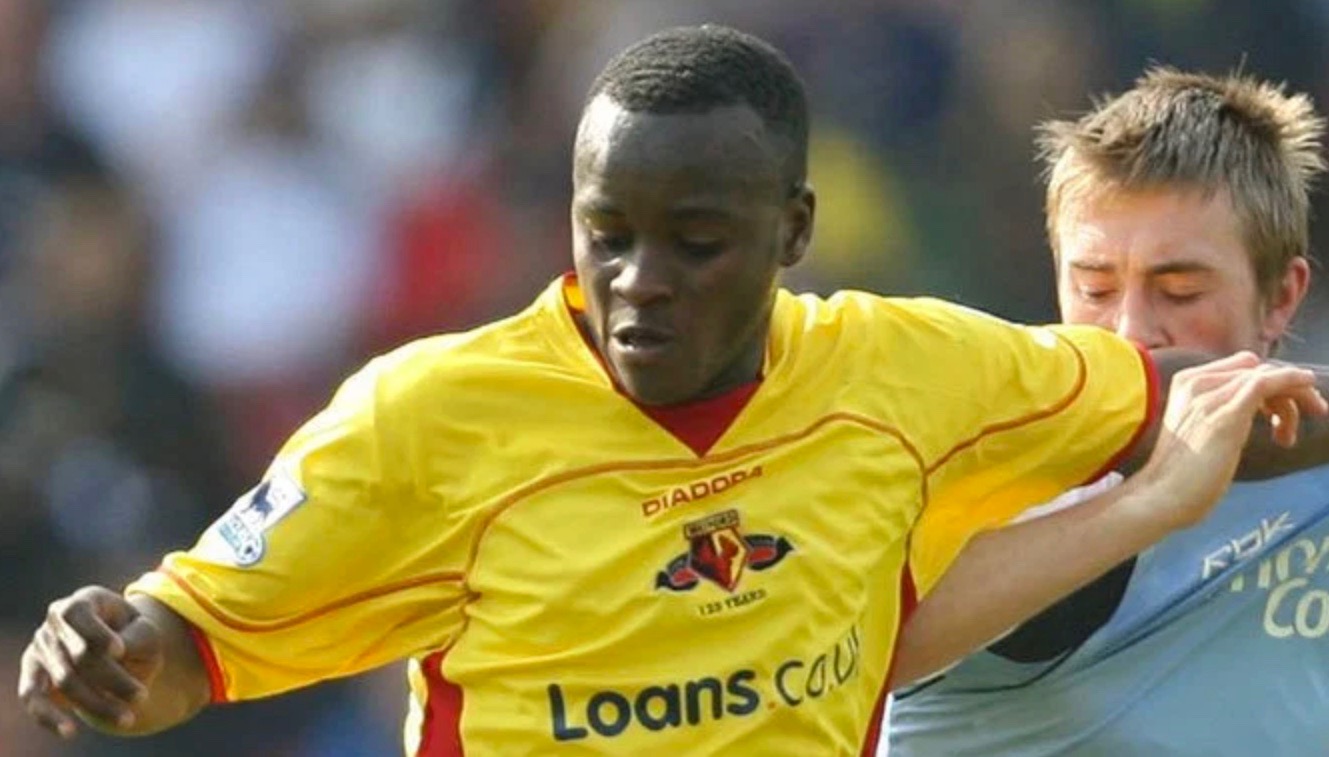
Bangura was just 17 when then Watford boss Ray Lewington, better known as Roy Hodgson’s loyal assistant, gave Bangura his first team debut in April 2005, away to Stoke City at the Britannia Stadium.

Eleven months later he scored his first goal. It came at Vicarage Road v Derby County – a right-footed 20-yard half-volley in the fourth of six minutes of stoppage time to earn Watford a point in a 2-2 draw.

Bangura was voted Watford’s Young Player of the Season in 2005-06, a year in which he made 37 appearances (24 of them as substitute).

After Watford won promotion in May 2006, Bangura made his first Premier League appearance against Man Utd in August 2006. He was still only 18, and came on as a sub for Gavin Mahon on 30 minutes.

While everything seemed to be going well, Bangura faced a bombshell in November 2007 when a deportation tribunal failed to extend his right to stay in the country.

Al B on TV

Watford led a successful campaign for him to be granted asylum and, on 14 January 2008, Bangura won his appeal for a work permit, receiving support from FIFPro (world representative organisation for pro footballers), Watford MP Claire Ward, Sir Elton John, former Watford manager Aidy Boothroyd and former Home Secretary David Blunkett.