‘Spider’ Mellor’s first Albion goal was painful for his old boss

IAN MELLOR became a hero strike partner to the mercurial Peter Ward at Brighton after beginning his professional career at Manchester City.

Mellor, who I first featured in this blog in 2016, died in 2024 aged 74 from amyloidosis, a rare disease which also afflicted City legend Colin Bell.

Affectionately known as Spider because of his thin, long legs, it was a nickname given to him by City goalkeeper Ken Mulhearn who playfully likened him to the Spiderman character players would watch on TV if away in a hotel on a Saturday morning before a game.
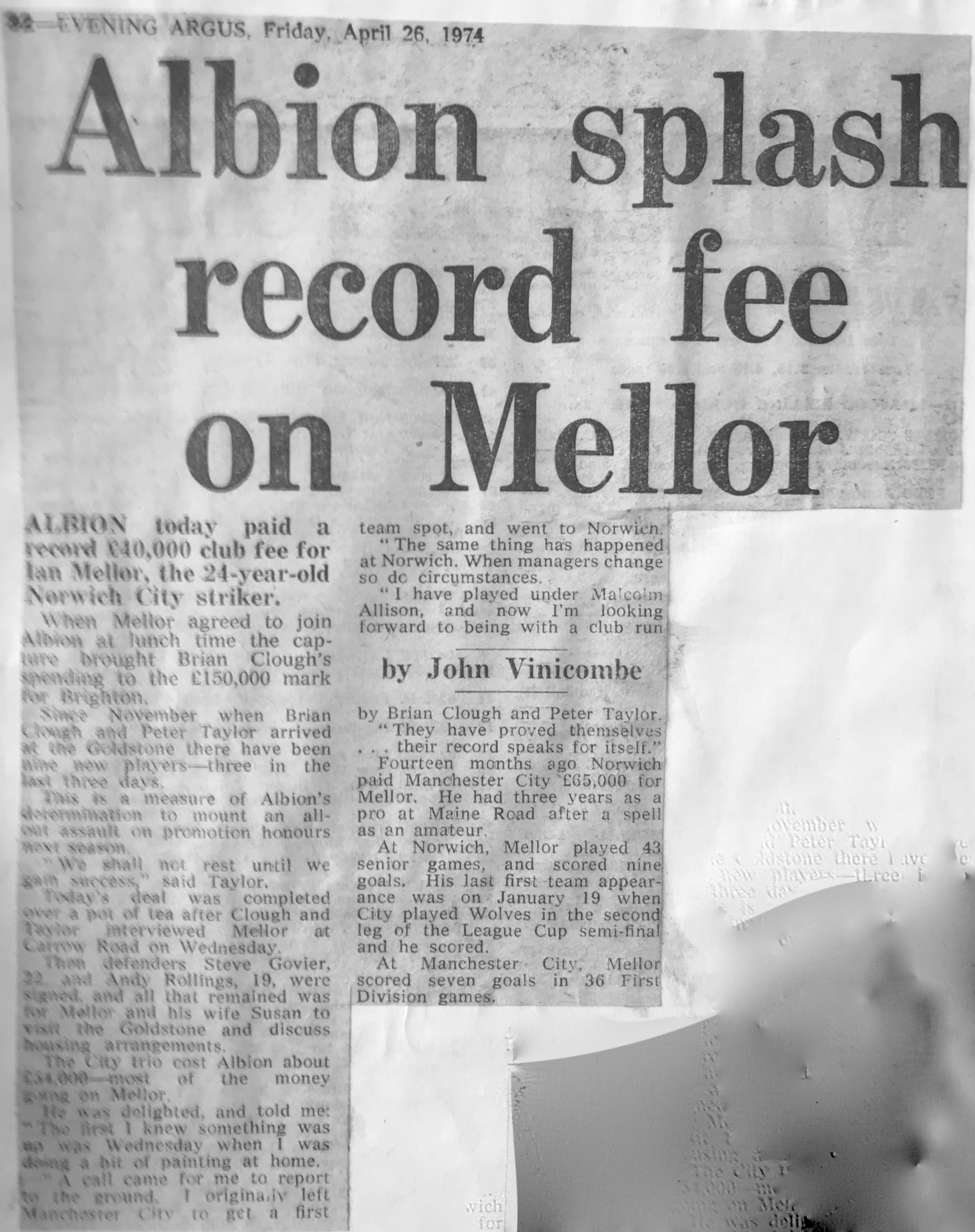
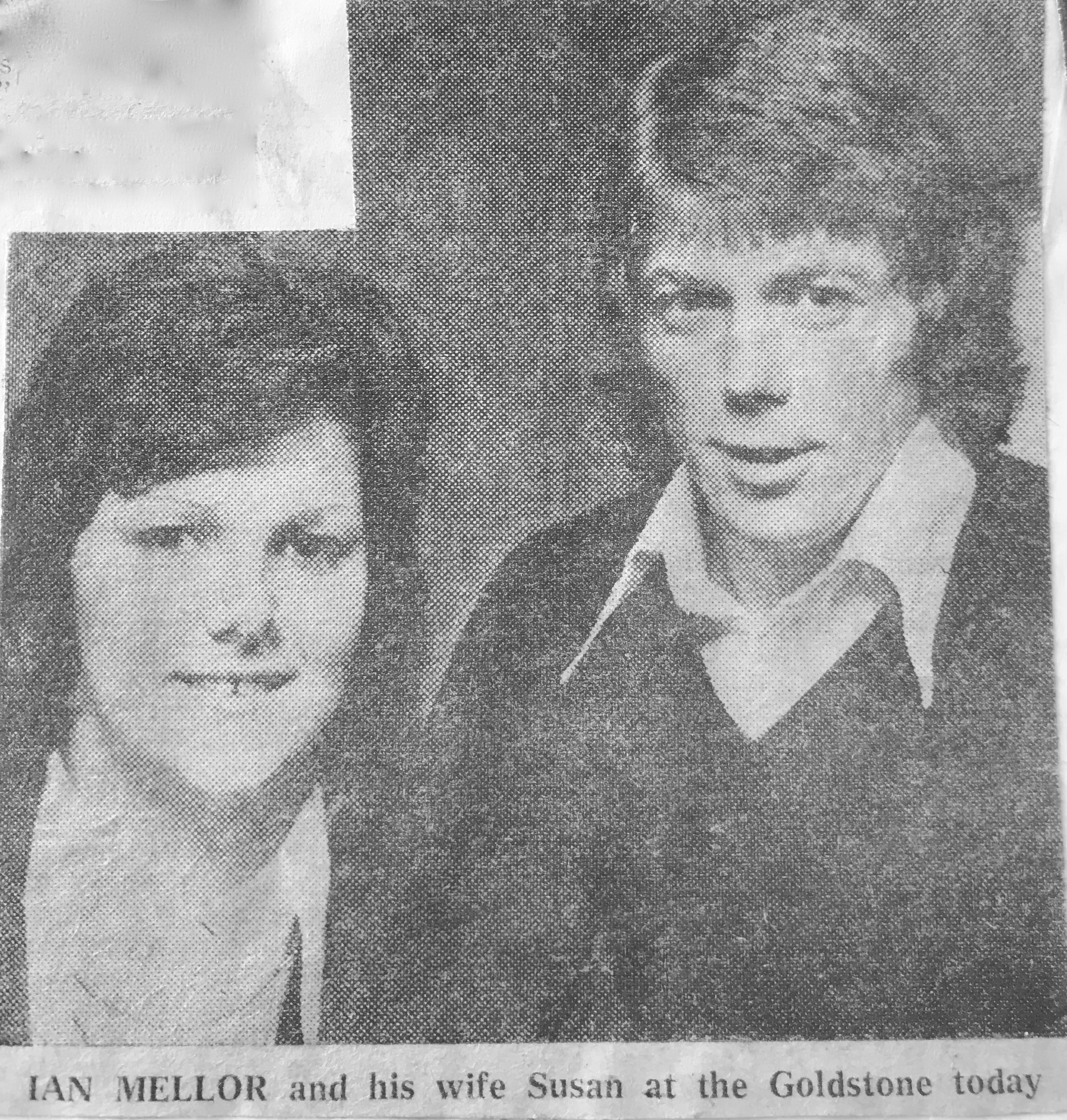
Signed for Brighton by Brian Clough for what at the time was a record £40,000 fee for the club (fellow Norwich youngsters Andy Rollings and Steve Govier joined at the same time), the opinionated manager had quit for Leeds before Mellor had kicked a ball in anger for the Albion.

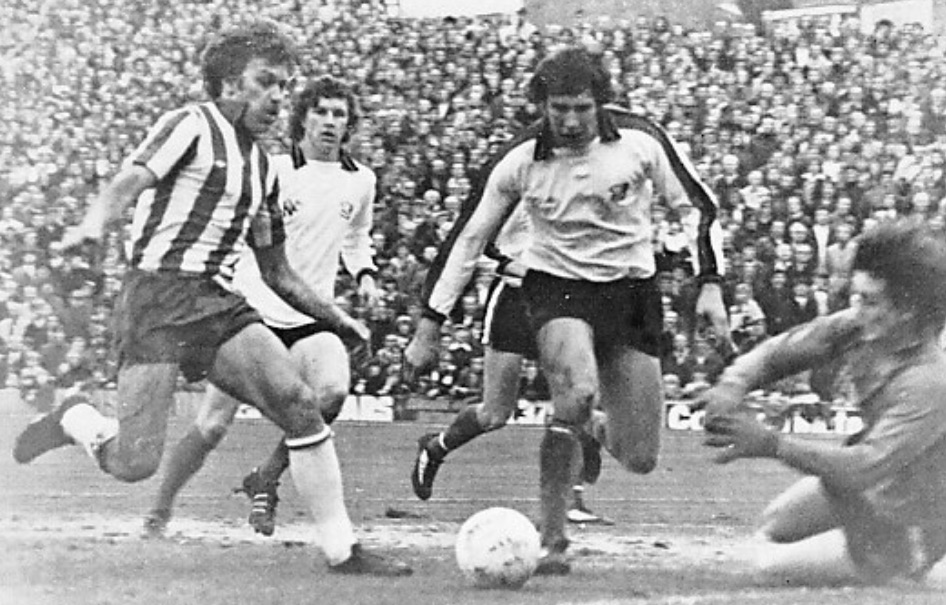
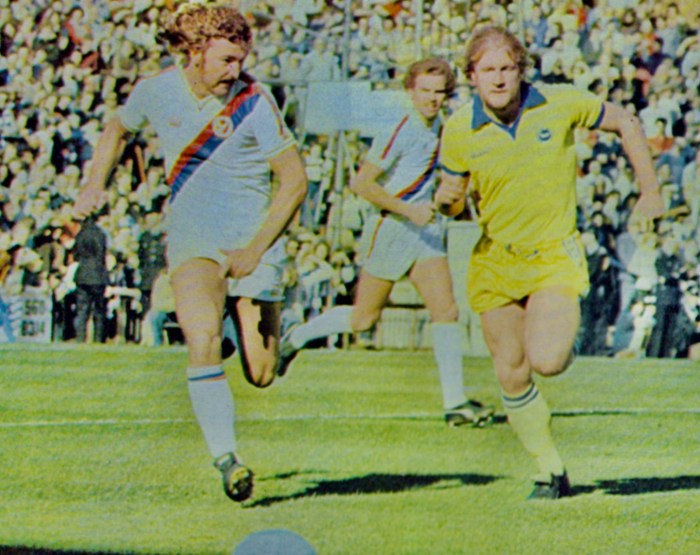
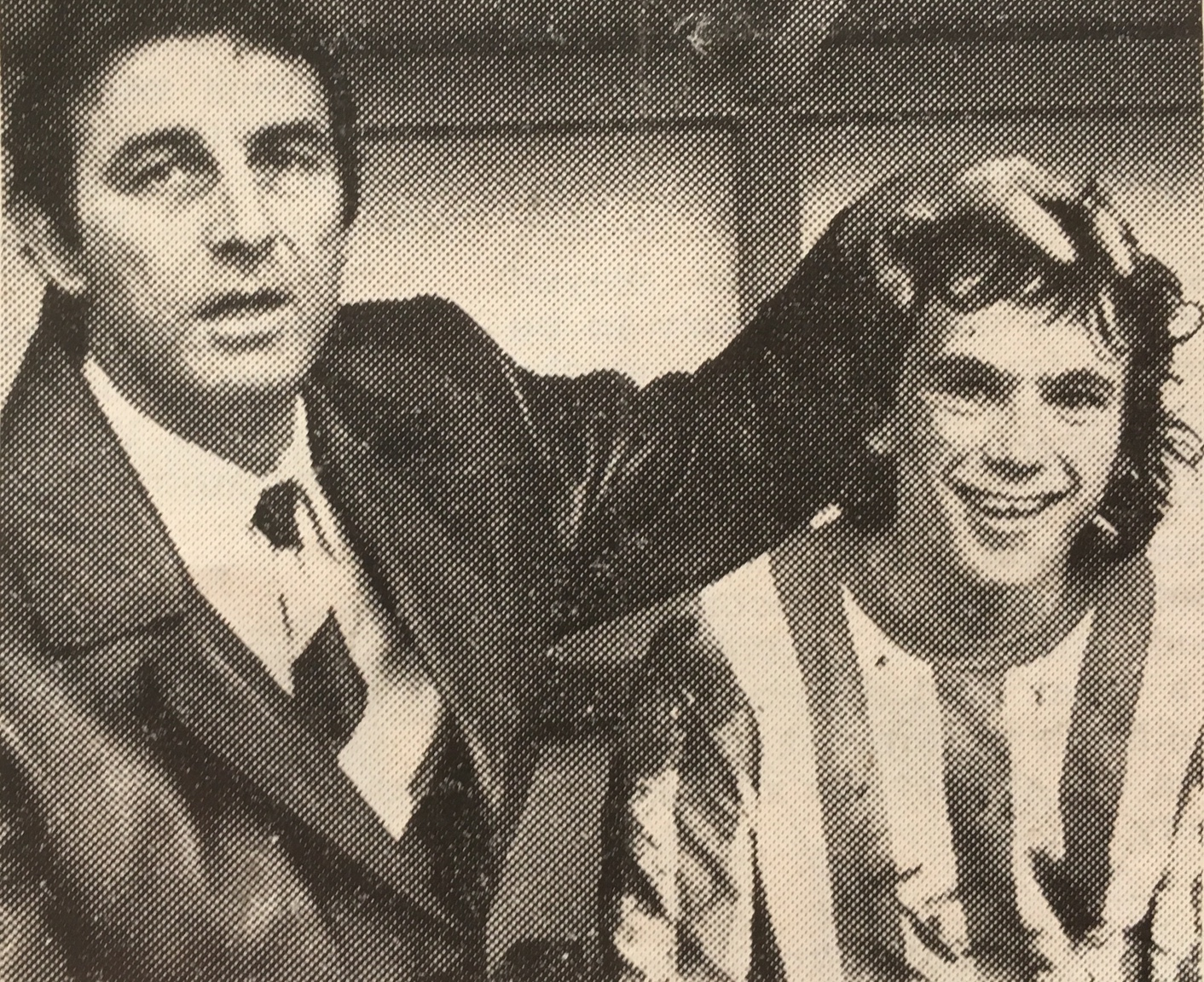
Clough’s sidekick Peter Taylor stuck around for two seasons and Mellor made a goalscoring start for him, netting against his old boss Malcolm Allison’s newly-relegated Crystal Palace side in the season’s opening game.

Mellor’s left-foot volley (above) in the 69th minute proved to be the only goal of the game in front of a 26,123 Goldstone Ground crowd. It was the first time in ten seasons that Albion had started with a win.

Mellor later admitted: “Palace were running all over us. It was remarkable that they weren’t about three goals up. Then in the second-half I got the ball some 35 yards out, went on a run, beat a couple of players and scored probably the most memorable goal of my life.”

A frustrated Allison said: “I remember Spider when I was at Manchester City.

“I didn’t want to see him leave for Norwich. Directors force you to do that sort of thing, then they sack you. Spider was a late developer, but his timing is so good now.”
Allison had played a big part in Mellor’s early development and when City chairman Peter Swales’ sold the youngster for £65,000 to Norwich City to bring in some money, he did it behind the manager’s back (he was ill in hospital at the time) and Allison quit Maine Road in protest.

Interviewed in Goal! magazine in June 1973, Mellor said: “It was a wrench leaving the Manchester area. After all, I’d lived all my life within a few miles of City’s ground, and I would never have left Maine Road if things had been left to me, even though I hadn’t nailed down a regular first team place.

“But when I was asked if I would have a chat with Ron Saunders about moving to Norwich, I was ready to go anywhere. After all, if someone tells you that they are prepared to let you go, you know that you are expendable.”

Thirty years later, in an interview with football writer Gary James, Mellor admitted: “I should never have gone to Norwich.  I went from a top five side to a bottom five side overnight and it was such an alien environment. 

In action for Norwich City

“Norwich is a nice place, and a good club, but at that time the move was totally the wrong move to make.  Because they were struggling there was no confidence.  The contrast with City was unbelievable.”

And he said of Allison: “He was the best as a coach and motivator and I learnt so much from him. He could be tough, but you listened because he had already delivered so much by the time I got into the first team.”

Before Allison, Mellor had come under the wing of a trio of notable coaches in City’s backroom: Johnny Hart, Ken Barnes and Dave Ewing. “They were very knowledgeable and men of real quality,” he told James. “They knew what they were talking about and they also cared passionately about the game and the club.  They’d all had great careers and as a young player you listened and learned.”

Mellor was certainly dedicated to the cause having been given a second chance by City after being shown the door following a trial when he was 15. City’s chief scout Harry Godwin told Goal! magazine: “You could see something there, a useful left peg for instance, and other things, but there wasn’t much of him and, frankly we felt it best to leave it a while.

“We suggested he went away, found himself a local club but kept in touch with us. He did, with a letter asking for another trial. We open all letters we receive, of course, but you could say this is one we are particularly glad about looking into.”

Mellor explained to the magazine: “After that first City trial I had about four games with the Blackpool B side and about a season with Bury as an amateur. Nothing came of it, though I was playing in a local Manchester Sunday league.

“Then I had a particularly good game and got a few good write-ups in a local paper near Manchester. So, I cut them out and sent them to City asking ‘What about another trial?’ They gave me one.”

He first signed as an amateur (in July 1968) and shortly before signing on as a professional at the relatively late age of 19 in December 1969, City loaned him (and goalkeeper Ron Healey) to Altrincham and he played in a 2-1 win at Buxton in the North West Floodlit League on 15 October 1969.

Back at City, he made his reserve team debut in October 1970 away at Aston Villa and six months later stepped up to the first team. It was 20 March 1971 when a nervous Mellor made his City first team debut in a 1-1 draw at home to Coventry City. Ironically, Wilf Smith, the full-back he was up against in the first half of that match, was temporarily a teammate during his first season at Brighton – he had five games on loan to the Albion.

Three years earlier, though, Mellor admitted: “I became a nervous wreck, and in the first half I think that was obvious.  I just wasn’t right.  Malcolm Allison had a real go at me at half time and warned: ‘If you don’t pull your finger out, you’ll be off!’  So that got me playing!  The second half I really worked hard and played my normal game.”

Incidentally, that Coventry side also had Mellor’s future Albion teammate Ernie Machin in midfield alongside Dennis Mortimer, who spent the 1985-86 season with the Seagulls.

Four days after Mellor’s debut, he scored in a European Cup Winners’ Cup quarter-final against Gornik Zabrze, as City won 2-0 (Mike Doyle the other scorer). He was also on target in an end-of-season Manchester derby match when City lost 4-3 to United. “As a City fan, the derby meant an awful lot and scoring your first league goal in a derby is something special, especially for a local lad,” Mellor told Gary James.

It was in the 1971-72 season that Mellor got more of a look-in at first team level, the majority of his 23 starts (plus one as a sub) coming in the first part of the season, before Tony Towers got the nod ahead of him.

In a departure from the pre-season Charity Shield (now Community Shield) norm of League champions playing FA Cup winners at Wembley – Derby and Leeds chose not to be involved – fourth-placed City played Third Division champions Aston Villa 1-0 at Villa Park in August 1972. Mellor might have missed out on a chance to play at Wembley but he was part of history as two subs were allowed for the first time and he went on for Wyn Davies (other sub Derek Jeffries replaced Willie Donachie).

In the season that followed, cut short by his March 1973 sale to the Canaries, he started 13 games and went on as a sub six times. In both seasons he scored four goals.

In all competitions, Mellor made 42 starts for City, plus eight appearances as a sub and scored a total of 10 goals.

In spite of his goalscoring start at Brighton, Mellor was one of several players who didn’t hit it off with Taylor and he was suspended for a fortnight after missing training and returning to Manchester without the manager’s permission.

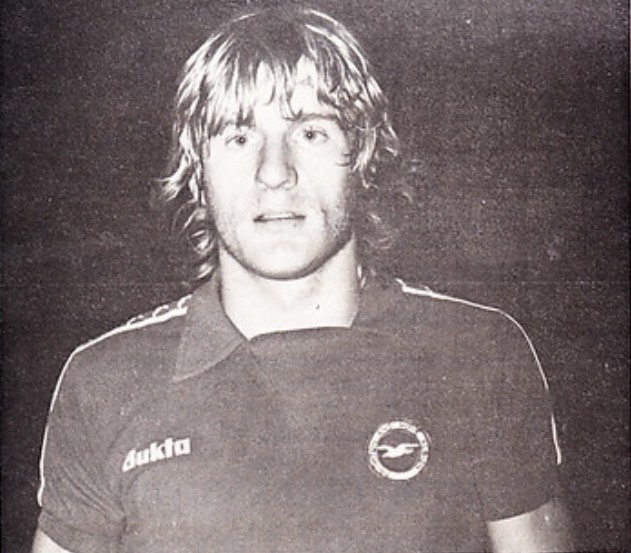
Photo call ahead of his debut for the Albion

Perhaps the almost wholesale change in the make-up of the squad was the cause of an indifferent season which saw the side finish uncomfortably close to the relegation places.

Mellor scored six more goals but between the second week of January and the end of the season he only made one start and two sub appearances.

In his end of season summary, John Vinicombe, the Albion reporter for the Evening Argus, said: “Most puzzling aspect of the season was Ian Mellor’s decline.”

The scribe maintained: “There is no satisfactory explanation for what went wrong with Mellor, and his role passed to Gerry Fell, who turned out quite a find considering that he cost only £250 from Long Eaton and had not kicked a ball in the League until the age of 23.”

It wasn’t until the end of November of the 1975-76 season that Mellor resumed a regular starting spot in the side but from then on he was almost ever present and notched nine goals in 33 games playing wide on the left as Albion just missed out on promotion.

The story of what happened next has been told many times: Alan Mullery saw Mellor as a central striker to play in tandem with the nippy newcomer, Peter Ward, and they swiftly developed a partnership which saw Albion win promotion from the Third Division as runners up behind Mansfield Town.
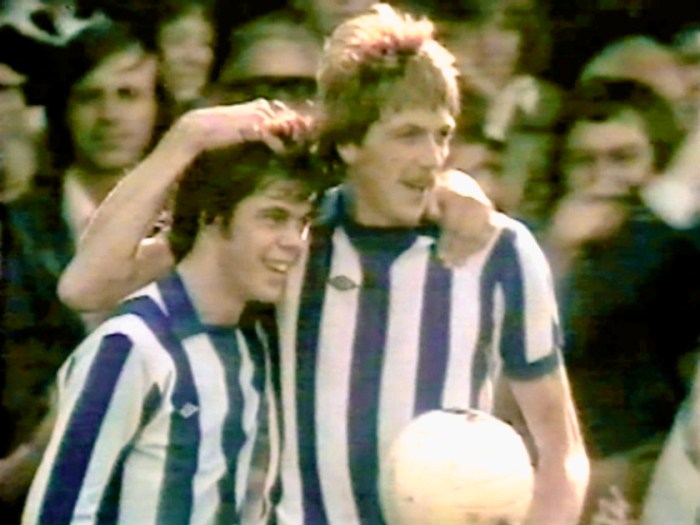
Prolific goalscoing partnership with Peter Ward

The aforementioned Vinicombe gave Mellor man-of-the-match as Albion beat Mellor’s future employer Sheffield Wednesday 3-2 to clinch promotion on 3 May 1977 in front of 30,756 fans at the Goldstone.

“The Goldstone fans were so good to us,’ Mellor remembered, “and that year was the happiest in my playing career.”

In a similar vein to his retrospective view of regretting leaving City, Mellor also said in hindsight he should have stayed longer with the Seagulls, where he had lost his place to big money signing Teddy Maybank.

“I knew I was better than him, but they had to justify his price and that’s why I got dropped,” Mellor told Spencer Vignes in an Albion matchday programme. “In hindsight, of course, I should have stayed. I was still good enough. I was 29, with two good seasons left in me.”

He moved back to his native north west in February 1978 to play for Chester for two years. Their player-manager was former City legend Alan Oakes and his teammates included the aforementioned fellow Charity Shield sub Derek Jeffries and former Albion teammate Jim Walker. Chester FC Memories said of him on Facebook: “His time at the club included scoring in the memorable derby win at Wrexham (2-1) and in the League Cup victory over First Division side Coventry (2-1) early the following season.”
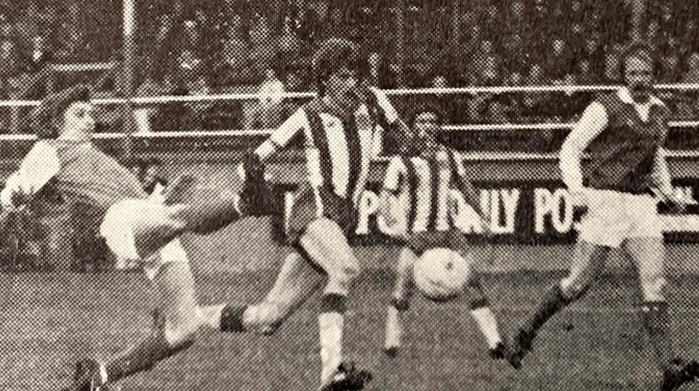
Leading the line for Chester

His last Chester goal came in a 2-2 home draw with Sheffield Wednesday who he went on to join under Jack Charlton the following season. Mellor spent three years and scored 11 goals in 79 matches for Wednesday. One of the most memorable was recalled by The Yorkshire Post who reported in 2021: “Mellor made himself a lifelong hero with Wednesdayites midway through his debut season at Hillsborough, when he opened the scoring in the 1979 ‘Boxing Day massacre’ 4-0 home win over neighbours United with a goal from 25 yards. He also hit the woodwork in that game.

Boxing Day glory in Sheffield

“Despite being played in Division Three, the match was watched by over 49,000 fans – a record for third-tier football. The goal is still occasionally sung about to this day.”

Mellor himself told The Sheffield Star: “It’s stange to me, considering it’s 40-plus years ago but it remains such a strong feeling among Wednesday supporters. It’s flattering but crazy!

“You’re only remembered so many years on if you’re a good player and luckily for me I scored a good goal in such an important game.”

Mellor’s final two seasons in league football were spent at Bradford City, managed by former Leeds and England defender Trevor Cherry, and he ended his playing days with Hong Kong club Tsun Wan, Worksop Town, Matlock Town and Gainsborough.

After he had stopped playing, he worked for Puma and Gola, encouraging players to wear their brands of football boots, and he was also a commercial executive for the Professional Footballers Association.
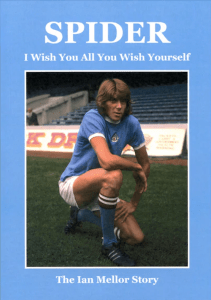
Following his death at St Anne’s Hospice in May 2024, it was announced that his family were to donate proceeds from his autobiography Spider to get a bedroom named in his honour at the charity’s new hospice in Heald Green, Stockport.

His widow Sue said: “It was Ian’s wish that we raise funds for St Ann’s Hospice as a thank you for the wonderful care he received. Ian was proud of his football career and all proceeds from his book will go to charity.”

Top goalscorer Fred Binney ousted by one of the best

DEVONIAN FRED BINNEY was a prolific goalscorer for Brighton but the emergence of one of the club’s all-time great players brought a premature end to his stay in Sussex.

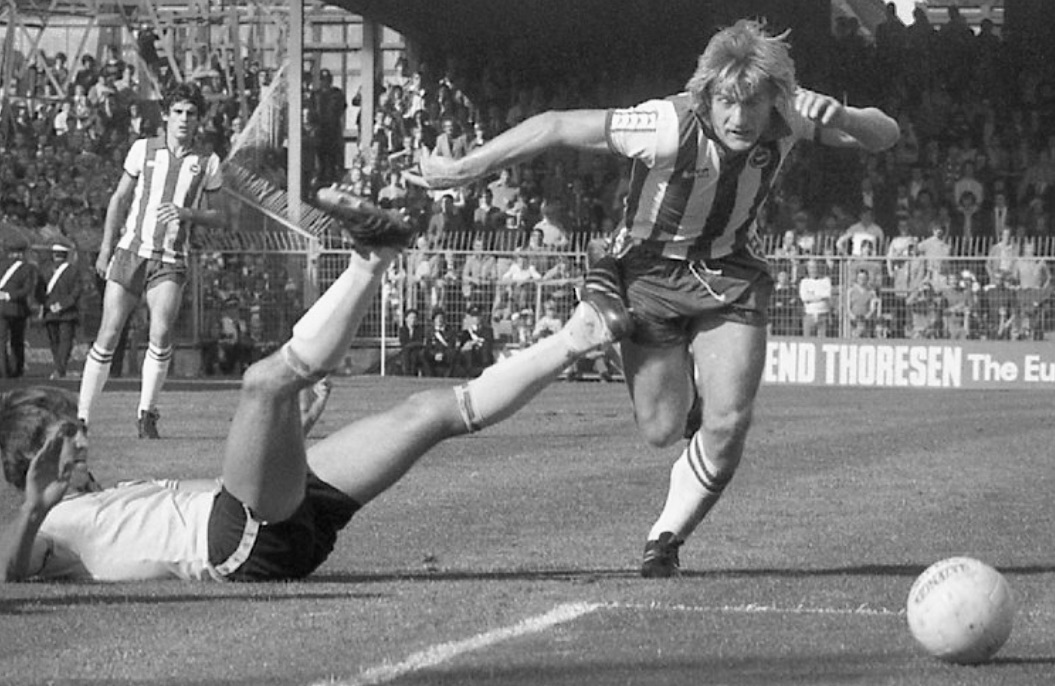
Binney was not afraid to put a head or boot in where it hurt and black and white action photographs in matchday programmes from the 1974-75 and 1975-76 seasons and in the Evening Argus invariably featured goalmouth action involving the moustachioed or bearded Binney.

I particularly remember a shot of him continuing to play wearing a bloodied head bandage after he’d cut himself but played on in a home game against Hereford United, a club he later played for and coached.

The ‘old school’ centre forward was signed by Brian Clough and Peter Taylor from Exeter City at the end of the 1973-74 season in exchange for Lammie Robertson and John Templeman plus £25,000.

Taylor had sought the opinion of David Pleat, later a manager of Luton, Tottenham and Leicester, who had played alongside Binney for the Grecians.

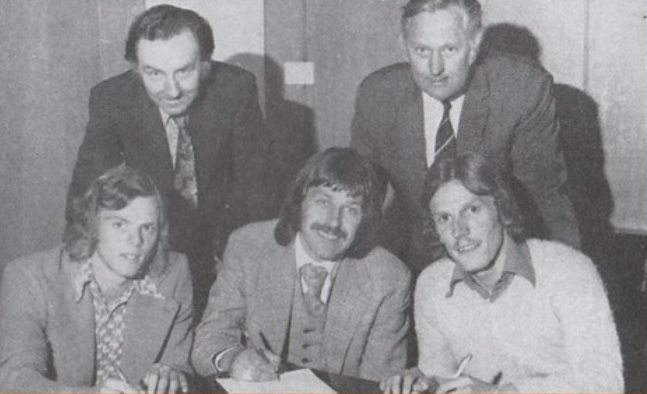
Mike Bamber and Peter Taylor capture Fred Binney’s signature with John Templeman and Lammie Robertson going to Exeter in exchange

Pleat recalls in the Summer 2025 edition of Backpass magazine: “I told him that he was a clinical finisher, very sharp, had an eye for goal but tended to be caught offside too often.”

Incidentally, Templeman, a Sussex lad who had been an Albion player for eight years, didn’t want to leave but, as he told Spencer Vignes in his book Bloody Southerners (Biteback Publishing 2018), Taylor told him he’d never play league football again if he didn’t agree to the move.

Binney’s arrival came as the former league title-winning duo set about clearing out most of the squad they inherited from Pat Saward as they sought to rebuild. Around the same time, a triple signing from Norwich City saw Ian Mellor, Andy Rollings and Steve Govier arrive.

Clough clearly didn’t fancy the forwards Saward had signed and, as well as using Robertson as a makeweight also let go two previous record signings in Ken Beamish and Barry Bridges.

Binney hadn’t managed to kick a ball in anger for Clough before the outspoken boss left to manage Leeds, but sidekick Taylor felt he owed it to chairman Mike Bamber to stay, and took on the job alone (bringing in ex-Long Eaton manager Brian Daykin as his no.2).

Binney making a splash at the Goldstone

Taylor also recruited Ricky Marlowe, a youngster who’d been a reserve at their old club, Derby County, to play up front with Binney, along with several other new arrivals with past Rams connections, such as Jim Walker and Tommy Mason.

It was not really surprising they thought Binney could do a job for Brighton because in 1972-73 he had scored 28 league goals for Exeter, making him the season’s joint-top goal scorer in the entire Football League (along with West Ham’s Bryan Robson). And in 1973-74, he was voted the PFA Division Four Player of the Year and Exeter City Player of the Year after he’d scored another 30 league and cup goals.

It was said the Grecians had already turned down an offer from Swindon Town before he made the move to Sussex.

With so many new arrivals at the Goldstone, perhaps, not surprisingly, consistency was hard to find in the 1974-75 campaign and Binney didn’t come close to repeating that scoring form with only 13 goals to his name as Albion finished a disappointing 19th in the table.

That all changed in 1975-76 – Albion’s 75th anniversary season – and Binney was on fire, netting 23 goals as Albion narrowly missed out on promotion. Taylor still couldn’t resist chopping and changing Binney’s strike partners. He started out with new arrival Neil Martin, an experienced Scottish international, then had Nottingham Forest loanee Barry Butlin.

When craggy Northern Irish international Sammy Morgan arrived from Aston Villa, it looked like Taylor had finally found his ideal pair, although it took Morgan six matches before he struck a rich vein of form.

Meanwhile a young reserve who’d been blooded in a friendly against First Division Ipswich Town on Friday 13th February 1976 began to find himself included in the first team picture.

He’d been a non-playing substitute three times before a big top-of-the-table clash away to leaders Hereford on 27 March, which BBC’s Match of the Day had chosen to cover.

In the pre-match team meeting, manager Taylor announced that Binney wouldn’t be playing and that Peter Ward would take his place.

“Fred Binney was nice, a great fella; there was no friction between us and I didn’t really have time to think about how he was feeling,” Ward said in Matthew Horner’s 2009 book about him (He Shot, He Scored, Sea View Media).

Just 50 seconds into the game, Ward scored, the game finished 1-1 – but Ward didn’t look back and went on to become one of the club’s greatest ever players.

Binney wasn’t quite finished but it was the beginning of the end. Ward scored again in his second match as Binney’s replacement (another 1-1 draw, at Rotherham) but after a 2-1 defeat at Chesterfield, Binney was restored to the starting line-up in place of Morgan and opened the scoring in a 3-0 home win over Port Vale (Ward and Mellor also scored).

Sadly, it was Albion’s last win of the season. They lost 3-1 away to promotion rivals Millwall and drew the last three games resulting in them finishing fourth, three points off the promotion spots.

Binney gets a shot away at The Den – and later had to make his own way home!

Binney scored a consolation goal in that game at The Den but ended up having to make his own way home when fuming Taylor ordered the team coach driver to leave without him!

Ward recounted the story in Horner’s book: “Pete Taylor had just had a real go at us in the changing rooms and we were all sitting in silence on the coach, wanting to get home as soon as we could.

“Fred was the only one still not on the bus because he was standing around talking to someone. Pete wouldn’t wait and said to the bus driver, ‘F••• him. Leave him. Let’s go’. It wasn’t the sort of place at which you’d want to be left but, luckily for Fred, he got a lift from some fans and managed to get back to Brighton before the coach.”

In his review of the season for the Argus, John Vinicombe wrote: “Few forwards in the division could match Fred Binney for converting half chances into goals,” although he observed that only eight of his goals were scored away from the Goldstone. “Away from home, Binney did not fit into the tactical plan. He looked lost,” wrote Vinicombe.

While the team missed out on promotion because of those draws, young Ward enhanced his credentials by scoring the equaliser in each of them, taking his tally to six goals in eight games.

Taylor decided to team up with Clough once again, at Nottingham Forest, and disappointed chairman Mike Bamber turned to former Spurs captain Alan Mullery who had thought he was going to take charge of Fulham after retiring from playing but was spurned in favour of Bobby Campbell.

As he assessed the strengths and weaknesses of his squad in pre-season training, Mullery quickly took a liking to Ward and gave Binney short shrift when he tried to persuade him that picking the youngster instead of him would get him the sack.

Even so Binney started the first ten games of the 1976-77 season, and scored four goals, but he was subbed off in favour of Gerry Fell on 50 minutes of the September home game v York City when the score was 2-2 and suddenly the floodgates opened with Albion scoring five without reply in front of the Match of the Day cameras. Binney didn’t play another game for the first team.

In the days of only one substitute, invariably it was his old strike partner Morgan who got the seat on the bench. In his autobiography, Mullery wrongly recollects that he sold Binney to Exeter within two months. While there were plenty of rumours of Binney moving on, with Torquay, Reading, Crystal Palace and Gillingham all keen to sign him, he spent the rest of the season turning out for Albion reserves.

“One of the best goalscorers in the lower divisions and popular with the Albion supporters, Binney was perhaps the biggest victim of Ward’s stunning introduction to league football,” Horner observed, noting that in 15 games in which they played together, that Vale game was the only match when they both scored.

Binney left Brighton having scored an impressive 35 goals in 70 matches and, as was often the case at that time, a chance to play in America would prove to be a blessing for him.

Binney up against Welsh international Mike England, left for Albion v Cardiff, right for St Louis Stars

He joined Missouri-based St. Louis Stars in the North American Soccer League, who had John Jackson in goal and former Spurs player Ray Evans in defence along with ex-Albion defender Dennis Burnett and ex-Palace and Liverpool full-back Peter Wall.

In a side managed by ex-Palace and Orient player John Sewell, Binney kept up his impressive scoring record by bagging nine goals in 18 appearances. Fellow striker Barry Salvage, who’d played for the likes of Fulham, QPR, Brentford and Millwall, only scored once in 25 games.

Born in Plymouth on 12 August 1946, it was to his hometown club that he moved on his return to the UK from America.

Binney had been raised in the Barbican area of Plymouth and I am grateful to Ian De-Lar of Vital Argyle for filling in details of his early playing career.

He was a prolific goalscorer in junior football whilst playing for CM Department juniors and was signed by South Western League side Launceston.

While starting work as an apprentice at Devonport Dockyard, he also played for John Conway in the Devon Wednesday League, where he was spotted by Torquay United scout Don Mills.

Torquay took him on as an amateur before he signed a professional contract in October 1966. Although he made his first team debut in September 1967, he was mainly a reserve team player and went on loan to Exeter City in February 1969 before joining them on a permanent basis in March 1970 for £4,000.

He’d scored 11 goals in 24 starts for the Gulls but in view of his future success Torbay Weekly reporter Dave Thomas declared: “If there was a ‘One That Got Away’ story from that era, it was surely Fred Binney.

“The bustling, irrepressible Plymothian was snapped up by United as a teenager, but despite hitting the net at will in the reserves, he could never convince (manager Frank) O’Farrell that he was the real deal.”

It was during the brief managerial reign of former goalkeeper Mike Kelly that Binney joined Argyle in October 1977 and although he scored nine in 18 matches, he wasn’t able to hold down a regular starting spot.

But when the wily former Crystal Palace and Manchester City manager Malcolm Allison returned to Home Park as manager, Binney’s fortunes turned round and, in the 1978-79 season, he scored a total of 28 goals, was the team’s leading goalscorer and ‘Player of the Year’.

In Allison’s first away match, on 21 March 1978, he was rewarded for giving Binney his first senior game for 10 weeks when the predatory striker scored twice in a 5-1 win at Fratton Park. Also on the scoresheet was 18-year-old substitute Mike Trusson, who replaced the injured Steve Perrin. Pompey’s consolation was scored by Binney’s former Albion teammate Steve Piper, on as a sub for the home side.

Binney’s goal-every-other-game ratio at Argyle saw him net a total of 42 goals in 81 games – 40 while Allison was his manager. That Argyle squad had Tony Burns as back-up goalkeeper to Martin Hodge.

Great Pilgrim

Those goals helped to earn Binney 20th place in a list of the top 25 ‘Greatest Pilgrims’ voted for in July 2019.
But Allison’s successor, the former Argyle player Bobby Saxton, had different ideas and sold Binney to Hereford United for £37,000 in October 1979.

He scored six times in 27 appearances for the Bulls before moving into coaching, at first becoming assistant manager to Hereford boss Frank Lord. When Lord left in 1982 to manage the Malaysia national team, Binney went too.

He returned to England in 1985 to become assistant manager to Colin Appleton at his old club Exeter. When Appleton was sacked in December 1987, Binney went with him, taking up a role as recreation officer at Plymouth University. He subsequently became president and coach of its football club, and retired in 2013.

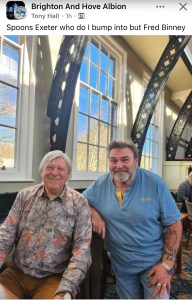
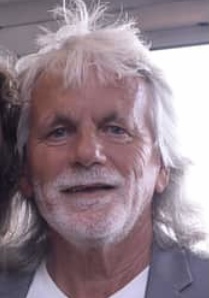
Albion fan Tony Hall posted this picture on Facebook of a chance pub encounter with Binney in 2025

That year, Binney’s son Adam was in touch with the excellent The Goldstone Wrap blog, saying of his dad: “He is not really interested in being lauded and doesn’t look for any kind of adoration. He doesn’t really like the attention, but he does love Brighton & Hove Albion and remembers his time there fondly.”

• In the Backpass article (left), Pleat recalls how, during his time as Leicester manager, Binney was his West Country talent scout. He also tells how Binney and his wife Lesley ran a cream tea shop in Modbury, Devon, for many years and how the former striker enjoyed travelling the length and breadth of the country’s canals on his own longboat, Escargot.

Crunching tackler ‘Tank’ Clark: a legend at two seaside clubs

VIKING lookalike Paul Clark made a lasting impression on plenty of players with robust tackling which earned him ‘legend’ status among fans of Brighton and Southend United.

Described in one programme article as “the big bustling blond with the biting tackle”, Clark was given the nickname ‘Tank’ for his no-nonsense approach. A Southend fan lauded “his crunching tackles and never say die attitude”.

Clark himself reflected: “Wherever you go the supporters tend to like someone who is wholehearted and when it came to 50-50 challenges, or even sometimes 60-40, I didn’t shy away from too many, and the supporters just took to it.”

In Albion yellow against Palace

Giving further insight to his approach, he said: “You can go right up to the line – as long as you don’t step over it, then you’re OK.

“I used to pick up a booking during the first five or 10 minutes, then I knew I had to behave myself for the rest of the game. Despite the reputation I had, I was never sent off in over 500 games.”

A trademark strike at home to West Ham

Former teammate Mark Lawrenson said of him: “You would hate to have to play against him because quite often he would cut you in two. With him and ‘Nobby’ (Brian Horton) in the side, we definitely didn’t take any prisoners. One to rely on.”

A former England schoolboy international, it was said of the player in a matchday programme:

“Paul is the first to admit that skill is not his prime asset but there is no doubt as to the strength of his tackle. He is a real competitor and is also deceptively fast, being one of the best sprinters on the Goldstone staff.”

Born in south Benfleet, Essex, on 14 September 1958, Clark went to Wickford Junior School where he played for the school football team and the district primary schools’ side. When he moved on to Beauchamp Comprehensive, selection for his school team led to him playing for the Basildon Schools’ FA XI.

Clark as an England schoolboy

This in turn led to him being selected to play for England Schools at under 15 level, featuring against Scotland, Ireland, Wales, West Germany and France before going on a tour of Australia with the same age group. Contemporaries included future full time professionals Mark Higgins, Ray Deakin, Kevin Mabbutt and Kenny Sansom.

Clark left school at 16 before taking his O levels when Fourth Division Southend offered him an apprenticeship. He made his first team debut shortly before his 18th birthday in a 2-1 win over Watford.

Two months later, he won the first of six England Youth caps. He made his debut in the November 1976 mini ‘World Cup’ tournament in Monaco against Spain and West Germany alongside future full England internationals Chris Woods, Ricky Hill and Sammy Lee.

The following March, he played in England’s UEFA Youth tournament preliminary match against Wales when they won 1-0 at The Hawthorns. Sansom was also in that side. And he featured in all three group matches at the tournament that May (England beat Belgium 1-0, drew 0-0 with Iceland and 1-1 with Greece). Teammates included Russell Osman and Vince Hilaire.

Clark was only a third of the way into his second season at Southend when Alan Mullery sought to beef up his newly-promoted Brighton side in the autumn of 1977, and, in a part exchange deal involving Gerry Fell moving to Roots Hall, Clark arrived at the Goldstone. He made his debut for the Seagulls in a goalless draw at White Hart Lane on 19 November 1977 in front of a crowd of 48,613. And he came close to crowning it with a goal but for an outstanding save by Spurs ‘keeper Barry Daines.

In full flight, as captured by photographer George Erringshaw

When Spurs visited the Goldstone later that season, Clark put in a man of the match performance and scored a memorable opener, following a solo run. A subsequent matchday programme article was suitably poetic about it.

“It showed all the qualities looked for in a player: determination, speed, skill and most of all the ability to finish….if any goal was singled out, Paul’s was certainly one to treasure.”

Albion went on to beat Spurs 3-1, although the game was remembered more because it was interrupted twice when the crowd spilled onto the pitch.

After only 12 minutes, referee Alan Turvey took the players off for 13 minutes while the pitch was cleared of Albion fans who’d sought safety on the pitch from fighting Spurs’ hooligan fans.

In the 74th minute, with Spurs 3-1 down and defender Don McAllister sent-off, their fans rushed the pitch to try to get the game abandoned. But police stopped the invasion getting out of hand and the game continued after another four-minute delay.

Clark’s goal on 16 minutes had been cancelled out six minutes later when Chris Jones seized on a bad goal kick by Eric Steele but defender Graham Winstanley made it 2-1 just before half-time.

Albion’s third goal was surrounded in controversy. Sub Eric Potts claimed the final touch but Spurs argued bitterly that Malcolm Poskett was offside.

Clark remembered the game vividly when interviewed many years later by Spencer Vignes for the matchday programme. The tenacious midfielder put in an early crunching tackle on Glenn Hoddle and after the game the watching ex-Spurs’ manager Bill Nicholson told him: “Well done. You won that game in the first five minutes when you nailed Hoddle.”

Said Clark: “I was 19 at the time so to get a pat on the back from him was much appreciated.”

It was one of three goals Clark scored in his 26 appearances that season (nine in 93 overall for Albion) but he wasn’t always guaranteed a starting berth and in five years at the club had a number of long spells stuck in the reserves.

Midfield enforcer or emergency defender were his primary roles but Clark was capable of unleashing unstoppable shots from distance and among those nine goals he scored were some memorable strikes.

For instance, as Albion closed in on promotion in the spring of 1979, at home to Charlton Athletic, Clark opened the scoring with a scorching 25-yard left foot volley in the 11th minute. Albion went on to win 2-0.

The following month, Clark demonstrated his versatility at St James’ Park on 3 May 1979 when Albion beat Newcastle 3-1 to win promotion to football’s elite level for the first time. Clark played in the back four alongside Andy Rollings because Mark Lawrenson was out injured with a broken arm.

Celebrating promotion with Peter O’Sullivan and Malcolm Poskett

“Not many people can say they played in a side that got Brighton up to the top flight,” said Clark. “It’s something I’m still immensely proud of.”

Once they were there, Clark missed the opening two matches (defeats at home to Arsenal and away to Aston Villa) and had an ignominious start to life at the higher level when he conceded a penalty within three minutes of going on as a sub for Rollings away to Manchester City on 25 August 1979.

Some observers thought Clark had played the ball rather than foul Ray Ranson but referee Pat Partridge thought otherwise and Michael Robinson stepped up to score his first goal for City from the resultant penalty. It put the home side 3-1 up: Teddy Maybank had equalised Paul Power’s opener but Mike Channon added a second before half-time.

Partridge subsequently evened up the penalty awards but Brian Horton blazed his spot kick wide of the post with Joe Corrigan not needing to make a save. Peter Ward did net a second for the Seagulls but they left Maine Road pointless.

Ahead of Albion’s fourth attempt to get league points on the board, Clark played his part in beating his future employer Cambridge United 2-0 in a second round League Cup match.

Three days later, he was on the scoresheet together with Ward and Horton as Albion celebrated their first win at the higher level, beating Bolton Wanderers 3-1 at the Goldstone.

It was Clark’s neat one-two with Ward that produced the opening goal and on 22 minutes, Maybank teed the ball up for Clark, who “belting in from the edge of the box, gave it everything and his shot kept low and sped very fast past (‘Jim’) McDonagh’s right hand,” said Evening Argus reporter John Vinicombe.

Gerry Ryan replaced Clark late in the game and after 12 starts, when he was subbed off three times, and four appearances off the bench, his season was over, and it wasn’t even Christmas.

A colour photo of a typical Clark tackle (on QPR’s Dave Clement) adorned the front cover of that season’s matchday programmes throughout but he didn’t start another game after a 4-0 League Cup defeat at Arsenal on 13 November.

Programme cover shot

He was sub for the following two games; the memorable 1-0 win at Nottingham Forest and a 1-1 draw at Middlesbrough, but Mullery had signed the experienced Peter Suddaby to play alongside Steve Foster, releasing Lawrenson to demonstrate his considerable repertoire of skills in midfield alongside skipper Horton and Peter O’Sullivan.

Young Giles Stille also began to press for a place and later in the season, Neil McNab was added to the midfield options, leaving Clark well down the pecking order in the reserves. Portsmouth wanted him but he rejected a move along the coast, although he had a brief loan spell at Reading, where he played a couple of games.

But Clark wasn’t finished yet in Albion’s colours and, remarkably, just over a year after his last first team appearance, with the Seagulls struggling in 20th spot in the division, he made a comeback in a 1-0 home win over Aston Villa on 20 December 1980.

Albion had succumbed 4-3 to Everton at Goodison Park in the previous match and Mullery told the Argus: “We badly needed some steel in the side and I think Clark can do that sort of job.”

Under the headline ‘The forgotten man returns’ Argus reporter Vinicombe said Mullery hadn’t changed his opinion that Clark was not a First Division class player, but nevertheless reckoned: “Paul’s attitude is right and I know he’ll go out and do a good job for me.”

For his part, Vinicombe opined: “The strength of Clark’s game is a daunting physical presence. His tackling is second to none in the club and Mullery believes he will respond to the challenge.”

Clark kept the shirt for another nine matches (plus one as a sub), deputising for Horton towards the end of his run, but his last first team game was in a 3-1 defeat at Norwich at the end of February.

Clark remained on the books throughout Mike Bailey’s first season in charge (1981-82) but, with Jimmy Case, Tony Grealish and McNab ahead of him, didn’t make a first team appearance and left on a free transfer at the end of it.

Back to Southend

He returned to Southend where he stayed for nine years and was player-manager on two occasions. Fans website shrimperzone.com moderator ‘Yorkshire Blue’ summed up his contribution to their cause thus: “In the top five all-time list for appearances, an inspiration in four promotions, one of the toughest tacklers of all-time and a man whose commitment for his home-town club could never be doubted.”

Clark was still only 27 when he had his first spell as manager, in caretaker charge after Dave Webb had quit following a bust-up with the club chairman, and he managed to steer United to promotion back to the third tier.

When Webb’s successor Dick Bate lasted only eight games of the new season, Clark was back at the helm, in turn becoming the youngest manager in the league.

His first hurdle ended in a League Cup giant killing over top flight Derby County (who included his old teammate John Gregory) when the Us had another former Albion teammate, Eric Steele, in goal.

A Roy McDonough penalty past England goalkeeper Peter Shilton at Roots Hall settled the two-legged tie (the second leg was goalless at the Baseball Ground) which the writer described as “arguably their biggest ever cup shock”.

In the league, player-manager Clark guided Southend to a safe 17th place but it went pear-shaped the following season. Clark only played 16 games, Southend were relegated, and Webb returning midway through the season as general manager.

Back-to-back promotions in 1989-90 and 1990-91 proved to be a more than satisfactory swansong to his Southend career, and in the first of those he found himself forming an effective defensive partnership with on-loan Guy Butters in the second half of the season.

In 1990-91, he missed only six games all season as the Shrimpers earned promotion to the second tier for the first time in their history, and he had a testimonial game against Arsenal.

But, after a total of 358 games for Southend, he left Roots Hall to join Gillingham on a free transfer.

Over three seasons, he played 90 league games, and was caretaker manager in 1992, before retiring at the end of the 1993-94 season. Gillingham’s top goalscorer with 18 that season was a young Nicky Forster and other Albion connections in that squad included Mike Trusson, Paul Watson, Neil Smillie, Andy Arnott and Richard Carpenter.

After Gillingham, Clark played non-league for Chelmsford City but left to become assistant manager to Tommy Taylor at Cambridge United. In 1996 he followed Taylor in a similar role to Leyton Orient.

Southend fans hadn’t heard the last of him, though – quite literally. He became a co-commentator on Southend games for BBC Radio Essex.

In the 2009-10 season, Clark was temporarily assistant manager to Joe Dunne at Colchester United.

Flying winger Tony ‘Tiger’ Towner immortalised in children’s TV programme

2-towner-takes-on-argusIF ART is the sincerest form of flattery, Tony Towner can count himself amongst the privileged few to be forever remembered on film.

That it was done by two of Rotherham United’s most ardent celebrity fans is neither here nor there – it’s not everyone who can say their prowess has been portrayed in an episode of Chucklevision.

Towner and fellow Millers hero Ronnie Moore were at the centre of a classic knockabout episode of the children’s TV series in which Rotherham supporters Paul and Barry Chuckle constantly get involved in slapstick scrapes.

In Football Heroes, made in 1996, the Chuckle Brothers meet Towner and Moore (actors playing them rather than the footballers themselves!) on their way to a game and accidentally end up with their invitation cards to play in a veterans match, leading to them ending up on the pitch.

Towner earned plaudits for his Rotherham performances in this Shoot magazine feature – pipping one Danny Wilson!

It was Towner and Moore’s starring performances in the Rotherham side that won promotion from the old Division 3 as champions in 1980-81 that earned them cult status.

Over three seasons, Towner appeared over 100 times for the Millers and even all these years later is still remembered with affection.

Take, for example, comments made on the Millers Mad website a couple of years ago. Ivor Hardy said: “Tony (Tiger) Towner was one of the best and most talented footballers ever to play for us.

“He was instrumental in us winning the league in 80/81, along with doing the double over our near neighbours Sheffield United in the same season.

“We were lucky to get the services of Towner and Seasman from Millwall, and only did so because the Lions were in financial turmoil that season and had to get some money in fast. He will always be a legend with the older fans, along with team mates Seasman, Moore, Fern, Breckin, Mountford etc.

“Tiger gave us some great memories.”

Meanwhile, kevthemaltbymiller said: “Great player for us, very tricky winger with lightning pace. Happy memories.” And sawmiller added: “Tiger was a super player – good winger who created a real buzz in the crowd when he got the ball and ran at players.”

Towner himself considered his time at Rotherham to have been his best playing days. In an Albion matchday programme article, he told Roy Chuter: “They were probably my best years, my most consistent, anyway. I was 26, 27 years old – at my peak. I had three tremendous years.”

Initially playing under Sunderland’s 1973 FA Cup Final hero Ian Porterfield, he also enjoyed working with the former Liverpool legend Emlyn Hughes, when he took over as manager.

Brighton fans also have good memories of the local boy made good. Sussex youngsters making the grade with the Albion have been pretty few and far between over the years, but Towner and defender/midfielder Steve Piper were two who did it in the 1970s.

In Albion’s 1972-73 season in the second tier, Piper had already been blooded in the first team in the November. Towner signed professional on 29 December 1972 and, with Albion having been knocked out of the FA Cup by Chelsea in the third round, manager Pat Saward arranged a friendly against Stoke City on fourth round day, 3 February 1973 (Stoke had been beaten 3-2 by Man City) and gave Towner his first team debut in a 2-0 defeat at the Goldstone.

The following Saturday he made his league debut aged just 17 at home to Luton Town. Albion went into the game having suffered 14 defeats on the trot (12 in the league plus the games against Chelsea and Stoke) and, rooted to the bottom of the table, relegation was inevitable.

Saward gave the side a shake-up, dropping three established players – goalkeeper Brian Powney in favour of loan signing Tommy Hughes from Aston Villa, right back Graham Howell (to the bench), and experienced striker Barry Bridges.

Piper made only his sixth first team appearance and he was joined by winger Towner and forward Pat Hilton. It was Towner’s brilliant display on the wing that really caught the eye as Albion finally mustered a win, beating the Hatters 2-0.

Towner kept the shirt until the end of the season and it was the launchpad for a 15-year professional career in which he made over 400 appearances. After that Luton debut, he scored his first goal in a 2-1 home win against Huddersfield on 10 March.

“I was an Albion fan as a kid, in Bevendean, and I joined them straight from school at 15, as an apprentice,” he said. “I already had the ‘Tiger’ nickname when I got into the team in 1973 – I think it was one of Alan Duffy‘s. I must have tackled him a bit too hard in training, or something. Tiger was a great nickname, and I loved it.”

One of the few survivors of the great Brian Clough cull of the playing staff in 1974, Towner was a speedy, skilful winger who could put in terrific crosses for his teammates. The fact he was a local lad endeared him greatly to the crowd.

In five years, he had plenty of challengers for his place. In the early days, Gerry Fell competed for the wide berth and later Eric Potts, but Towner still managed 171 games (+ 12 as sub) for the Albion and scored 25 goals.

“Gerry was the opposite of me, though still a winger – he had loads of pace, though not too much skill,” Towner recalled. “He’d knock the ball ahead of him and run past the defender to get it, a bit like Stuart Storer. I’d try to trick my way past.”

In John Vinicombe’s end of season assessment of Peter Taylor’s first season in sole charge (1974-75), he said: “It is with no disrespect to Taylor that I suggest that the three most consistent players were those he inherited – O’Sullivan, Towner and Piper.

“Towards the end, Towner tailed off a little but he struck up an intuitive partnership with Fred Binney.”

In fact Towner was third highest in the squad for appearances that season, playing 47 games in total plus four as sub and with 10 goals was second highest goalscorer behind Binney.

It was the arrival of Gerry Ryan from Derby in September 1978, which finally prompted his departure. George Petchey, who later joined Chris Cattlin’s backroom team at the Goldstone, took him to Millwall for £65,000.

Unfortunately, while Brighton won promotion to Division 1 in 1979, Millwall went the opposite way out of Division 2, and Towner found himself back in the third tier.

After 68 appearances for the Lions, in 1980 he was sold to Rotherham along with teammate John Seasman for a combined fee of £165,000.

Towner scored once for Rotherham’s near neighbours Sheffield United in a 10-game loan spell in 1983 and although he had missed out on Brighton’s eventual elevation to the top tier, he managed it with Wolves in 1983-84 having been signed by the Black Country side for £80,000.

He then joined Charlton Athletic but in the 1985-86 season was loaned to Rochdale where he once again linked up with his former Rotherham teammates, Moore and Seasman. He made five appearances for Rochdale and MikeMCSG on clarkechroniclersfootballers.blogspot.co.uk recalls: “He came on as sub in a home game and made an instantly good impression by beating the full back with his first touch.

“He went on to play a blinder in the draw at Halifax on Boxing Day. Unfortunately Tony didn’t want to uproot to the North and couldn’t be persuaded to make his stay permanent. When Cambridge came in with an offer he signed for them instead although he only made eight appearances for them in total.”

Towner’s final Albion appearance had been in a 4-1 defeat away to Leicester in September 1978 but his final appearance at the Goldstone came in a memorable FA Cup 3rd round tie on 4 January 1992.

Albion beat then Southern League Crawley 5-0 and Towner earned a rousing reception from the 18,031 packed into the Goldstone when, at the age of 36, he came on as a substitute for the visitors.

Crawley were one of several non-league clubs he played for: he also turned out for Gravesend, Fisher Athletic, Lewes, Newhaven and Saltdean.

Interestingly, Towner reflected: “I could definitely have played for a few more years at league level, and perhaps I should’ve done. I’d got a bit disillusioned with it though.”

After his playing days ended, Towner ran his own Brighton-based removals business and watched the Albion as a fan. In October 2015, Brian Owen interviewed him for an Argus piece ahead of a game against Cardiff when former Albion winger Craig Noone was in opposition.

Towner reckoned Albion made a mistake letting him go but added: “It’s good to see Brighton making good use of wingers.

“That’s the way I was brought up, using the wide men.

“It’s all right having midfield men or attack-minded full-backs. But what gets the crowd on its feet is a winger going past the full-back and crossing.

“You can have all the formations you like but, if you see a winger getting past his full-back, it excites people.”

Tony Towner certainly came into that category.

1-sawar-towner
3-towner-crosses-argus-prog
4-argus-shot-towner-on-wing

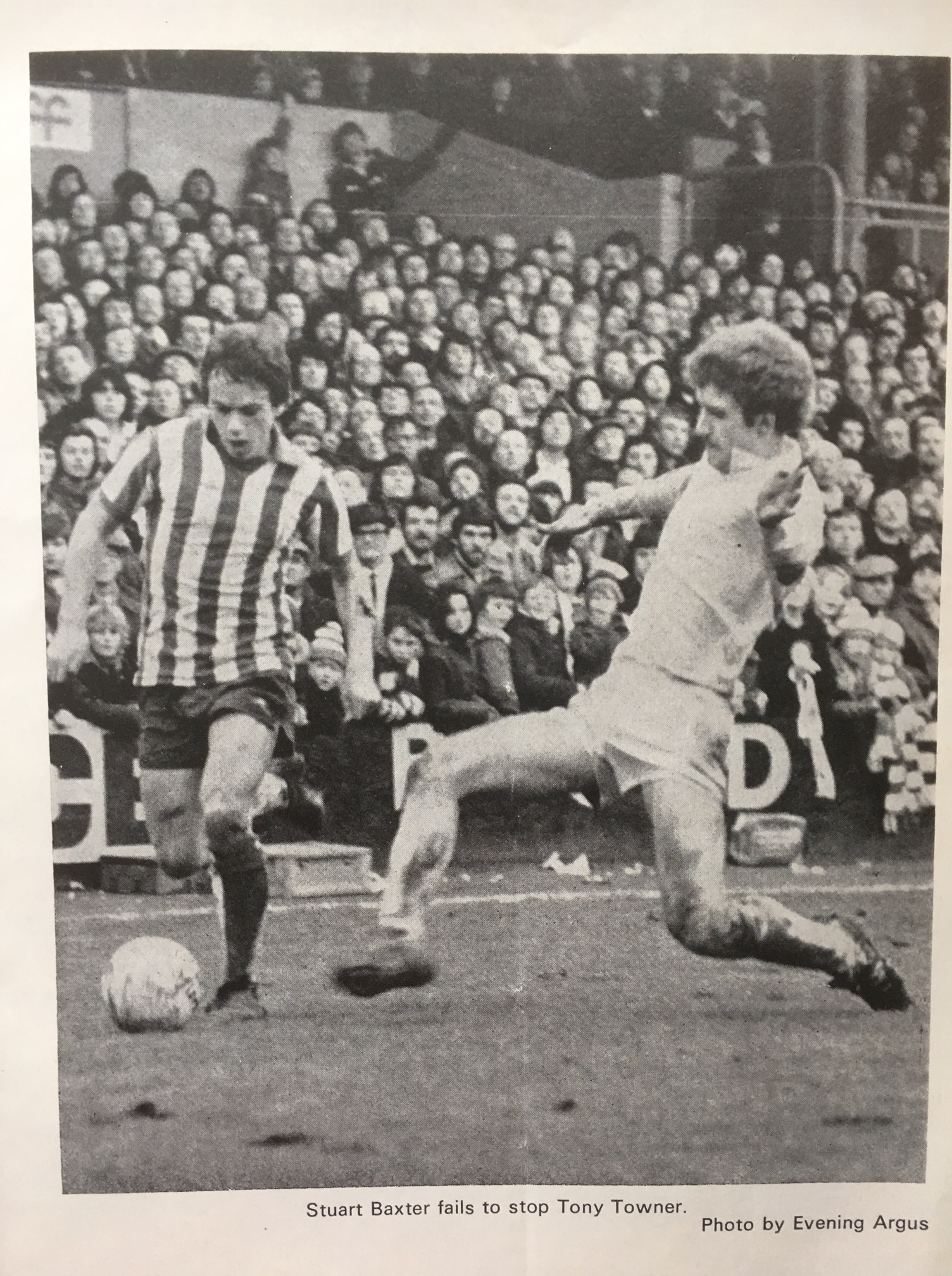
Pictures mainly shot by Evening Argus photographers and then reproduced in the Albion matchday programmes show a happy Towner congratulated by manager Pat Saward after his league debut, in familiar pose taking on a full back, getting in a trademark cross, in full flight on the wing, and finally on a Wolves album sticker.

100 goals in Scotland and England for Neil Martin

2 MartinSCOTTISH international Neil Martin remains a legend at one of his homeland clubs but his brief time at Brighton was more like a bad dream after a goalscoring start.
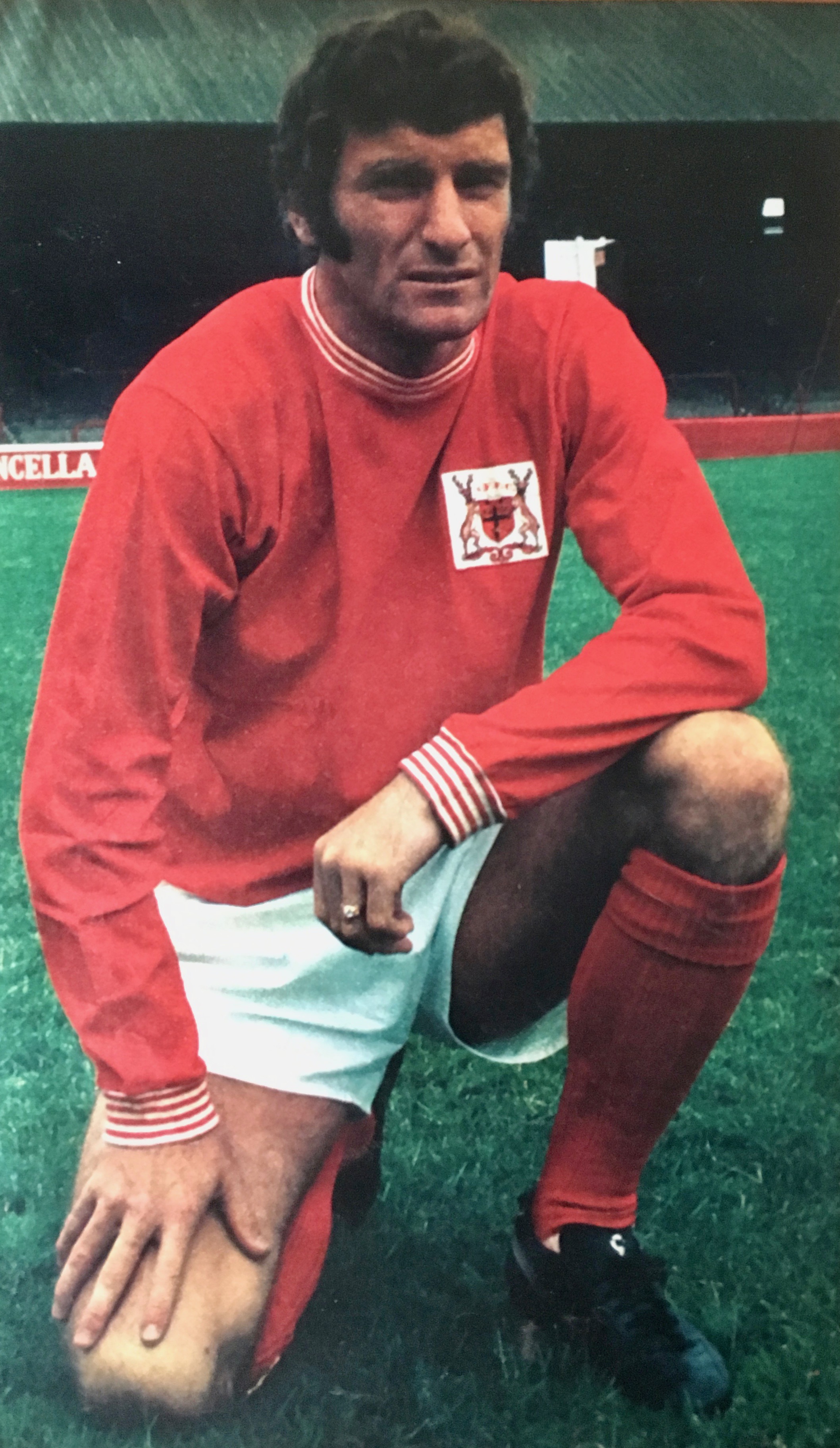
QoS Martin

The striker’s youthful picture can still be found on the legends section of Queen of the South FC’s website where it notes he was among the first players to score 100 league goals in both Scotland and England.

It was while playing for the Wearsiders that he gained three Scotland international caps, all in 1965.

IMG_5147Martin scored 28 goals in 119 games for Nottingham Forest having moved down from Scotland in the 1960s and begun his English league career with Sunderland.

Martin partnered the legendary Denis Law up front in World Cup qualifiers against Poland and Finland and his third and final cap was earned in a 1-0 win over Italy playing alongside Tottenham’s Alan Gilzean.

IMG_5146One of his most prolific spells was at Coventry City (above) where, in three years, between 1968 and 1971, he scored 40 goals in 106 appearances.

He was slightly less prolific for Forest (although he was on the scoresheet in Clough’s first game in charge) before Peter Taylor brought him to the Albion on 26 June 1975.

Four new players were presented to the assembled press that pre-season and standing alongside Martin was one Peter Ward.

Martin scored on his league debut for Brighton as Rotherham United were dispatched 3-0 but he didn’t stay in the side long because Taylor brought in loan signing Barry Butlin, also from Forest, for five games to play up front alongside Fred Binney and Gerry Fell.

Martin did get a run back in the side during the autumn, when he added to his goals tally. But Taylor obviously felt the attack needed something extra and the £30,000 arrival of Northern Ireland international Sammy Morgan from Aston Villa spelt the beginning of the end of Martin’s short spell at the club.

He scored eight league goals and one in the FA Cup in 18 starts (plus four substitute appearances) but it all ended somewhat acrimoniously.

The Argus reported on February 13 1976 that the 32-year-old former Scotland international had been transfer listed and banned from the Goldstone.

Words had evidently been exchanged after Martin had been subbed off in a reserves game and, try though he did, reporter John Vinicombe couldn’t find out exactly what had gone on.

Taylor was renowned for his tough stance with players. He suspended six players in the September that season and he had fallings out with Ian Mellor, Joe Kinnear and reserve ‘keeper Derek Forster.

Martin didn’t play for the club again, instead being moved on to Crystal Palace where he scored just the once in nine appearances.

At the end of the season, he joined what was a familiar exodus for ageing English league players at the time and played alongside England’s World Cup winning captain Bobby Moore, and ex-Arsenal full back Bob McNab, for San Antonio Thunder in America.

It wasn’t unfamiliar territory for Martin because, in the summer of 1967, he was part of the Sunderland contingent who played in the NASL as Vancouver Royal Canadians. The 16-man squad also included the above-mentioned Forster.

After Martin’s 1976 stint at San Antonio, he didn’t play in England again. His final playing days were in the Republic of Ireland, interestingly being given a lifeline by another former international striker who’d played for Brighton – Barry Bridges.

The former Chelsea, Birmingham, QPR and Millwall striker had a couple of seasons managing Dublin side St Patrick’s Athletic, where Martin joined him.

The Scot had a brief managerial foray with Walsall, mainly in tandem with Alan Buckley, but it didn’t end well and he left the club in 1982.

Born in Tranent, just east of Edinburgh, on 20 October 1940, Martin’s break into the professional game came at Alloa Athletic. His 25 league and cup goals in the 1960-61 season brought about a move to Queen of the South where he continued to score plenty of goals – 33 in 61 appearances.

A £7,500 transfer fee took him to Hibernian in 1963. He’d supported them as a boy and after Jock Stein took over as manager in 1964, Martin netted 29 league and cup goals in the 1964-65 season. He said later that Stein was the biggest influence on his career.

It was top-tier Sunderland who paid £45,000 to take Martin south of the border. His goalscoring in his first taste of English football wasn’t quite as prolific as it had been in Scotland, mainly due to the Wearsiders not being able to decide on the best strike partner for the Scot.

Eventually, in 1968, he moved on to Coventry City, newly-promoted to the old First Division. He spent three years at Highfield Road, developing good partnerships with Ernie Hunt and John O’Rourke, with the emerging talents of Willie Carr and Dennis Mortimer providing good service from midfield.

His switch to Nottingham Forest towards the end of the 1970-71 season helped them survive the drop, but they went down the following season and that was the last Martin saw of top-flight football.

1 Martin
3 Martin