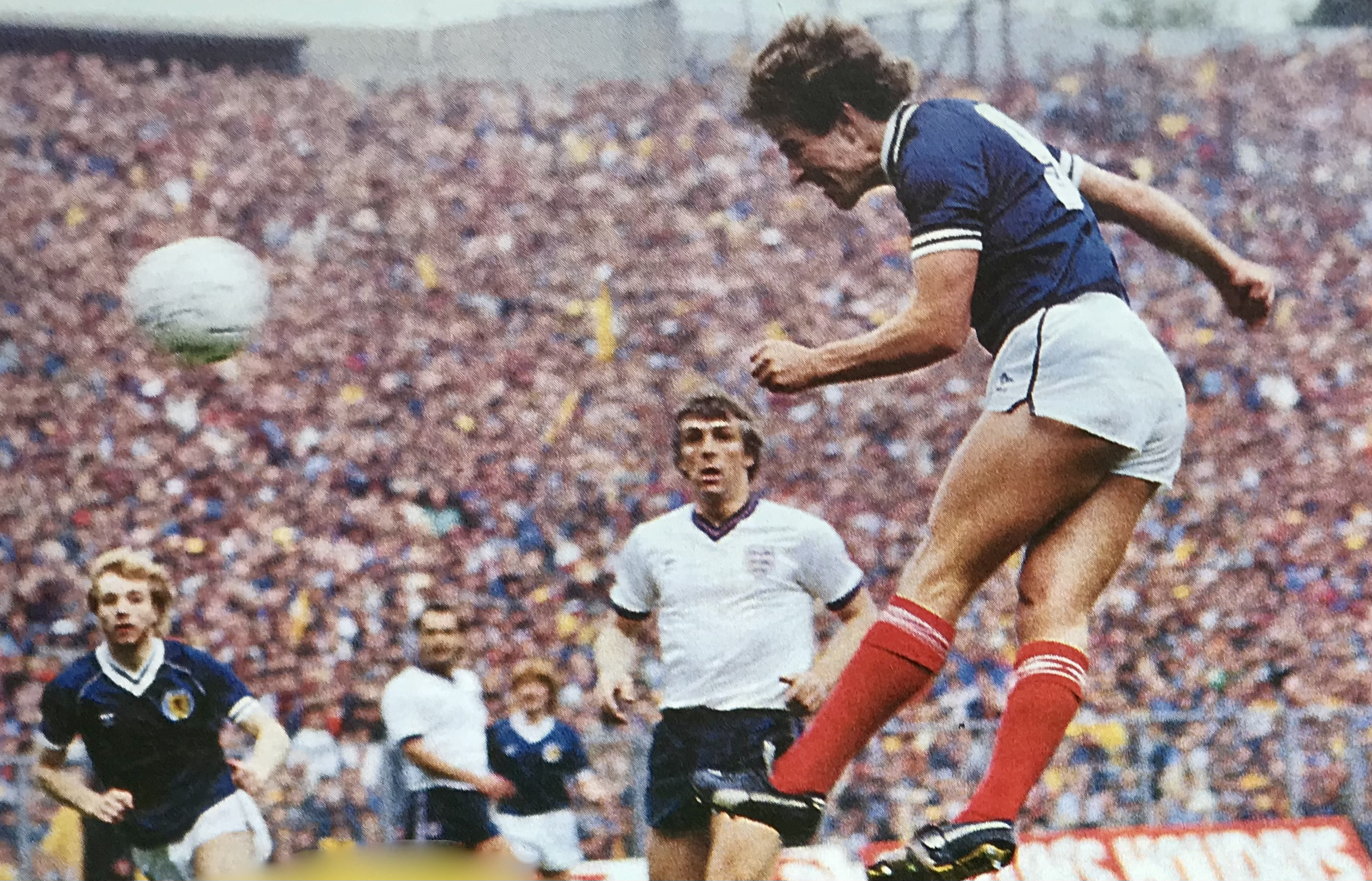
Jamie Moralee’s pitfalls a valuable lesson for future prosperity

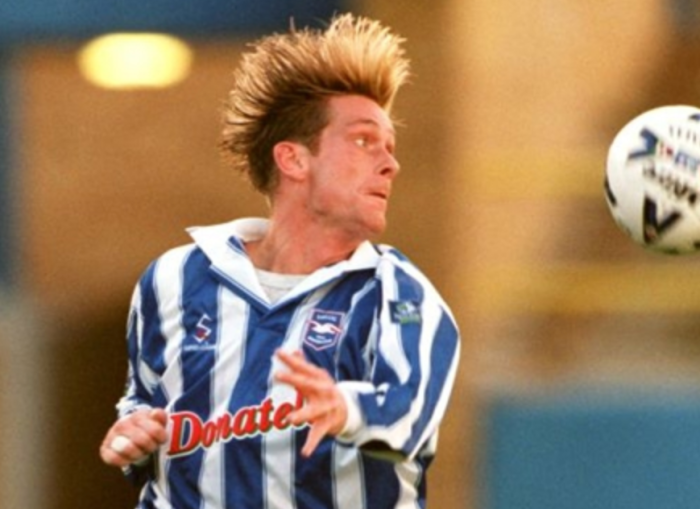
IT WOULD BE an understatement to say striker Jamie Moralee had mixed fortunes during his time with Brighton.

A one-time £450,000 signing, the former Crystal Palace player joined the lowly Seagulls on a free transfer when they were playing home games in exile at Gillingham in 1998-99.

His lack of goals earned a certain amount of derision from the handful of Albion followers who supported the club in those dark days.

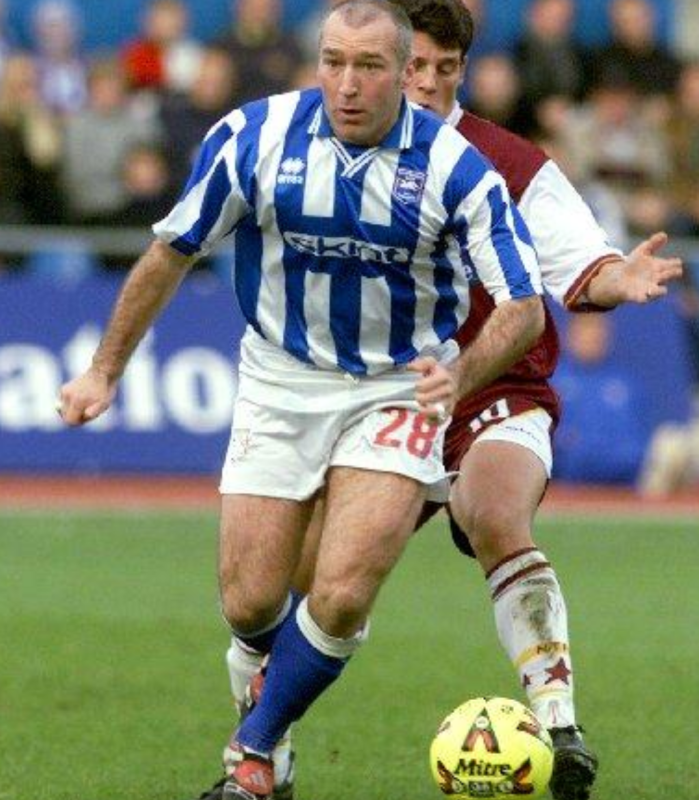
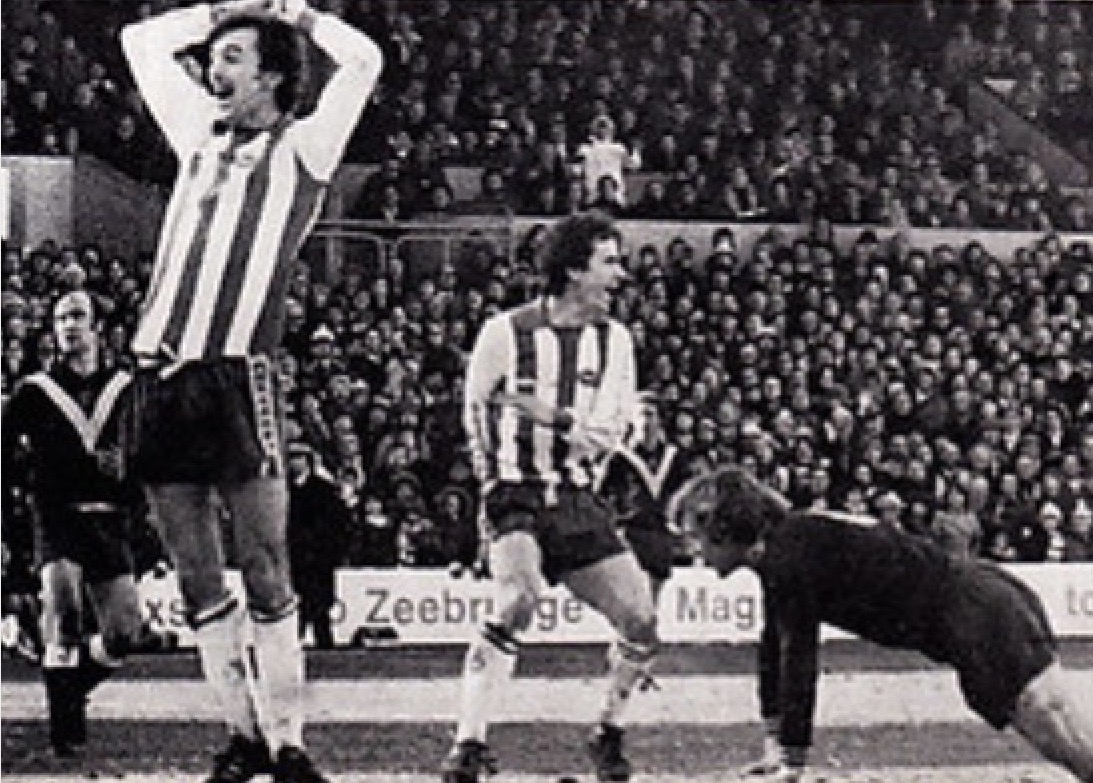
And on one infamous occasion, in March 1999, he managed to get himself sent off within a minute of going on as a late substitute, without touching the ball.

Moralee sees red at Scunthorpe

To make matters worse, the punch he threw didn’t even catch the opponent, John Eyre, who promptly added to Albion’s woes by completing his hat-trick in a 3-1 home win for Scunthorpe United.

The Argus put Moralee’s “moment of madness” down to frustration at so regularly being on the subs bench (16 times – and only sent on in eight of them).

“He did not actually connect, but the intent was obvious and the resulting red card inevitable,” the newspaper reported.

Signed at the start of the season on a month-to-month contract, Moralee had a run of 14 starts under Brian Horton but after scoring just the one goal (in a 3-1 defeat against Mansfield), he was dropped to the bench.

Just before Horton quit to move to Port Vale, he gave Moralee a contract until the end of the season and in January, after Jeff Wood briefly took charge, the player hoped his impact as a sub when laying on a winning goal for Paul Armstrong against Scarborough would help change supporters’ views of his contribution.

“It was nice to be a bit of a hero for a change,” he told The Argus. “I was a bit unlucky with a goal which was disallowed at Chester in the game before and I just want to get on with Brighton and do my best.

“I’ll take the credit because I’ve not had much this season. Hopefully the corner has turned for me.”

Moralee said he had been asked to play several different roles and reckoned much of the criticism aimed his way was unjustified.

Moralee gets stuck in

“I feel I have done all right,” he maintained. “I don’t think the supporters really appreciate me and they let me know that when I came on, but I will just keep doing my job.

“The players give me all the support I need and I am confident enough to go out and do the business. I certainly won’t hide.”

Having missed several matches after the red mist descended at Scunthorpe, a third manager arrived in the shape of Micky Adams, and Moralee started the last seven matches of the season under the new boss, scoring once.

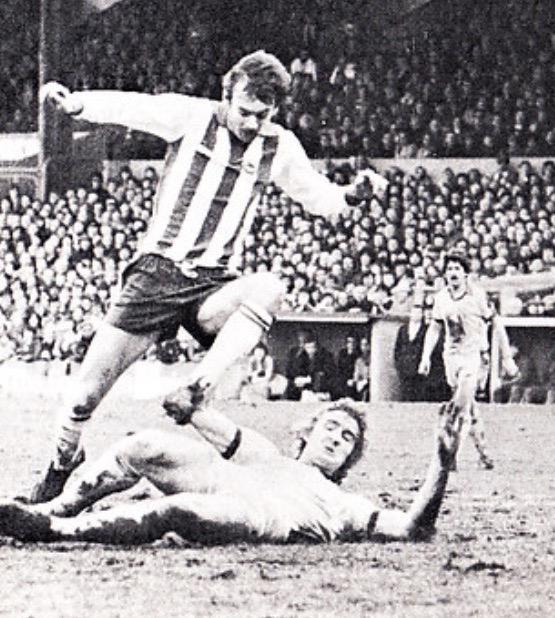
Moralee slides in

But it wasn’t enough to earn a new deal and Moralee was one of eight players released at the end of the season. Having played under three managers in one season for the Albion, there was swift change in the dugout at his next port of call too.

He began the next season up a division with Colchester United, whose manager Mick Wadsworth said: “I remember him as a very outstanding young player with Millwall. We watched him several times during last season.

“He is very sharp in and around the penalty box and his hold-up play is exceptional – a quality we were sadly lacking in the season just gone.

“Jamie was an outstanding prospect as a young player with Millwall and was sold on to Watford for £450,000 around five years ago before his career became blighted by injuries.

“Last season was his first full season for some time as he battled to shrug off a string of injuries and has probably used Brighton to get back to full fitness and match sharpness.”

The season was only three games old when Wadsworth resigned and was replaced by Steve Whitton who saw his United side beat Reading 3-2 in his first match (Warren Aspinall scored twice and Nicky Forster scored one for the visitors). Moralee, making his league debut for Colchester, was subbed off on 76 minutes.

After that, Colchester went on an 11-game winless run and other than a positive spell in January, had a forgettable season and finished third from bottom. Moralee made 21 starts plus eight as a sub.

Born in Wandsworth, London, on 2 December 1971, Moralee joined Palace as a YTS trainee, working his way through the levels alongside Gareth Southgate. He was a regular in the Palace reserves playing up front with Stan Collymore.

But after just two first team starts and four sub appearances under Steve Coppell, he was traded as a makeweight in exchange for Millwall’s Chris Armstrong.

Happy days in the Lions’ Den

When unveiled to Lions fans in a matchday programme article, Moralee boldly declared: “Having broken though into first team football with Palace last season and learned from strikers like Mark Bright and Garry Thompson, I feel I’m ready to come to a club like Millwall and score twenty goals a season.”

Amongst the goals for Millwall

Of the player he swapped places with, he even went as far as to say: “Chris was quick and by all accounts did very well here in the opening games this season, but I’ll score more goals than him.”

Continuing in a similar vein, he added: “I’m most effective in the box, I like the ball into my feet and, at the risk of sounding over confident, if I get the chances I’ll score goals for you.”

True to his word, Moralee did get amongst the goals for Mick McCarthy’s side and 20 goals in 63 appearances (plus 13 as a sub) over two seasons earned him a £450,000 move to Watford.

Moralee made a big money move from Millwall to Watford

But the Glenn Roeder signing had a tough time with the Hornets, only seeing his fortunes change after Graham Taylor returned to the club as manager. He explained the circumstances in a full-page piece in the Wolves v Watford matchday programme of 30 March 1996.

“Glenn bought me to play up front with a big target man, which I was used to at Millwall. But the partners I had were all smaller than me and I was now the big target man, a role that did not suit me and one that I do not enjoy.

“I had always been used to scoring, something that wasn’t happening, and this resulted in a loss of confidence.

“The intentions were there, but I needed a big target man to feed me the ball. It just did not work out.”

When Taylor took over from Roeder, Moralee got back the starting place he’d lost and learned how to play as a lone striker. “It is a lot of work but I believe I have developed into a better all-round player,” he said. “It is nice to have a manager with a little faith in me.”

After Watford were relegated to Division Two, in the summer of 1996 he moved on a free transfer to Crewe Alexandra where he didn’t register any goals and made just 13 starts and six sub appearances.

He ended the 1997-98 season with Royal Antwerp in Belgium and spent pre-season with Fulham before Horton took him on at the Albion, initially on a monthly contract basis, at the start of the 1998-99 season.

After his season at Layer Road, he linked up with former Crystal Palace colleague Peter Nicholas at Welsh Premier League side Barry Town. He spent three seasons with Barry, winning the Welsh Premier-Welsh Cup double each season. He was also involved in three Champions League campaigns with the club and netted 59 goals in 96 appearances.

Financial problems at Barry led to Moralee moving on and he had spells with Forest Green Rovers, Newport County and Chelmsford City before ending his playing career in 2006.

After retiring from playing, Moralee set up his own football agency, New Era, in conjunction with former Albion teammate Peter Smith, with Rio Ferdinand as its highest profile client.

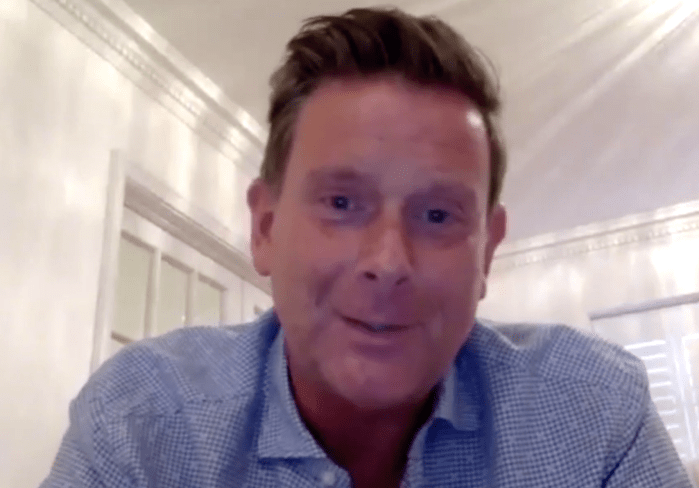
In an interview for a webinar, Moralee said the agency aims to teach up and coming talented footballers how to avoid the pitfalls that affected his own playing career.

Describing his own “very up and down career with a couple of highs and many, many lows”, he explained to The Player, The Coach, The Person webinar: “When I got a few quid, I was spending it on all the wrong things. Buying cars and watches and going out too much; drinking too much. I wasn’t investing it.”

Hard work, application and a ruthlessness to succeed in life are aspects he’s now passing on having realised they were attributes that would have made a difference to his own career as a player.

“I needed to stay in football in some capacity,” he said. “I didn’t want to be a coach or manager.I knew that young players, if they got to the edge of the pitfalls I fell down, I could help them.”

He is particularly pleased to have helped players who had rejection in their early days who went on to have successful careers, such as Welsh internationals Chris Gunter, Neil Taylor and Ashley Williams.

Moralee spoke openly about his 20-year friendship with Rio Ferdinand in a 2018 film for the ‘Best Man Project’ of The Campaign Against Living Miserably (Calm): an initiative to celebrate the power of friendships which supports men in looking out for their mates.

Opening up on the power of friendships in football

Champion medal surprise for man on the mic Aspinall

THE starry-eyed teenager who made half a dozen top level appearances for eventual league champions Everton had to wait a long time for his share of that distant glory.

But Warren Aspinall was nonetheless delighted when his contribution to the Toffees achievement in 1986-87 was finally recognised with a medal more than 30 years later.

That’s happened since I last featured Aspinall in this blog, which recalled his early days at hometown club Wigan Athletic and darker days after he had ended his playing days in the blue and white stripes of the Albion (three goals in 24 starts plus 13 as sub) in the 1999-2000 season.

Aspinall is now more often heard rather than seen by Brighton supporters who listen to match commentaries on Radio Sussex, and it was commentator Johnny Cantor, who the summariser sits alongside for the regional BBC radio station’s coverage of all Albion’s games, who instigated a presentation of the belated honour.

“It was JC who pushed it forward and he kept it to himself before surprising me with the news that Everton would be making a presentation,” Aspinall told the matchday programme. “I was shocked but absolutely over the moon.”

The number of games to qualify for a winners’ medal used to be 14, or a third of the season, but the EFL in 2021 decided retrospectively to fall in line with the Premier League which awards medals to players who’ve made a minimum of five appearances.

Aspinall had been unaware of the rule change but Cantor had words in the right places and when Albion played at Goodison Park on 3 January 2023, the former player was finally presented with his medal by Graeme Sharp, one of his fellow Everton forwards back in the day who subsequently became an Everton director.

It’s probably a good job the presentation was made before the game because Albion romped to a 4-1 win that day with goals from Karou Mitoma, full debut-making Evan Ferguson, Solly March and Pascal Gross.

“The medal means the world to me and my family and it now sits proudly on my mantelpiece along with my England under 20 caps,” said Aspinall.

He earned the first of those two caps in the same month that Everton paid £125,000 to sign the 18-year-old from Wigan Athletic, although he saw out the season on loan with the Latics.

He featured in Young England’s 2-0 win over the Republic of Ireland at Elland Road, Leeds, and the following month was in the side that suffered a 4-1 defeat to Scotland at Aberdeen’s Pittodrie ground. Tottenham’s David Howells and Neil Ruddock, then of Millwall, also played in both matches, as did Millwall goalkeeper Brian Horne.

Teenager Aspinall signs for Everton’s Howard Kendall watched by Wigan boss Bryan Hamilton

On his return to Goodison Park at the end of the 1985-86 season, Aspinall was on the bench for the last league game (Kendall rested several players because it was five days before the FA Cup Final, which Everton lost 3-1 to Liverpool) and he made his debut in the 3-1 home win over West Ham when going on for two-goal Gary Lineker, who was playing his last league game for Everton before joining Barcelona.

Everton finished as league runners up that season but they went one better the following season, when competition for forward places saw manager Howard Kendall able to pick Sharp and Adrian Heath as his preferred pair, with Paul Wilkinson and Ian Marshall as alternatives. It meant Aspinall’s playing contributions came in the form of nine league and cup appearances as a substitute (he was also a non-playing sub on four occasions). Although first team chances were limited, he bagged plenty of goals for the club’s reserve side, netting 21 in 23 games.

That was enough to convince former Celtic stalwart Billy McNeill, in charge of relegation-bound Aston Villa, to splash £300,000 to take him to Villa Park – where competition for a starting spot was again daunting, with Andy Gray, Gary Shaw, Simon Stainrod and Garry Thompson all striker options.

Aspinall made his Villa debut on 21 February 1987 in a 2-2 draw at home to Liverpool and by the season’s end, while his former Everton teammates were lifting the league trophy, he was part of a Villa side that was bottom of the pile.

McNeill was duly sacked and the picture changed the following season when Aspinall was joint top-scorer as Graham Taylor’s Villa bounced straight back to the top tier as runners up behind Millwall.

“Garry Thompson and I hit it off up front and we had such a good understanding that we kept Alan McInally out of the team for a long time,” he told Villa supporter Colin Abbott. “Garry was good to play alongside because he was like a battering ram and I fed off him.”

Aspinall made his 50th and final appearance for Villa on 7 May 1988 in a 0-0 draw away to Swindon (playing left back for Villa was Bernie Gallacher and in the opposition line-up was Colin Calderwood and Kieran O’Regan).

Already warned by Taylor that he needed to improve ill discipline that had resulted in too many cautions, Aspinall got himself sent off for stamping in a pre-season friendly against St Mirren and Taylor transfer-listed him.

Happy at Pompey

England World Cup winner Alan Ball, in charge at recently relegated Portsmouth, seized the moment and took him to Fratton Park for a fee of £315,000 in August 1988, where his teammates included Mark Chamberlain and Terry Connor. In six years with Pompey, Aspinall also played under John Gregory, Frank Burrows, caretaker Tony Barton and Jim Smith.

Briefer stays followed along the coast at Bournemouth (loan and permanent), Swansea City (loan) and two seasons at Carlisle United.

Aspinall at Colchester

Keen to return to the south, Micky Adams first signed him when he had taken over as manager at Brentford and he made 48 appearances (plus three as sub) for the Bees but Aspinall then went on loan and then permanently to Colchester United for nine months before Adams brought him on loan and then permanently to the Albion in the autumn of 1999. It was a part exchange for midfielder Andy Arnott.

In only his third game, Aspinall was a delighted scorer of the only goal on his old stomping ground of Brunton Park as Albion returned to Sussex with all the points. The News of the World said: “Former Carlisle favourite Warren Aspinall seized on Billy Barr’s poor back pass to chip keeper Andy Dibble.”

In the Argus, Andy Naylor wrote: “The colourful midfielder then dashed towards the Albion supporters huddled in the seats on a drizzly day in Cumbria before sliding full-length on the greasy turf.”

Aspinall continued his celebration with a finger-on-lip gesture and an ear cupped towards the home support. He told the matchday programme: “I heard the keeper shout for the ball and anticipated the defender’s pass. I think I showed a great turn of pace for a veteran.”

In fact, Aspinall was 32 when he joined the Seagulls and he added experience to a side that went on to finish its first season back in Brighton in 11th place in the fourth tier

At the start of the following season, when he went on as a sub for Gary Hart in Brighton’s home 2-1 win over Rochdale (Bobby Zamora scored both Albion goals), it was to be his last ever appearance.

Suffering from the niggle of a piece of floating bone in his right ankle, he followed physio advice to have it removed in what was expected to be a routine operation. But while in hospital, he caught the MSRA superbug which ate away tendons and ligaments in his ankle.

“They eventually said I would never play football again as a result. I was finished,” he told The News, Portsmouth, in a graphic account of the trauma. “Yet now I needed an operation to get rid of this infection, which involved me scheduled to stay on a hospital ward for 14 days, attached to an intravenous drip while antibiotics were fed into my body.

“After 13 days, my body broke out in a rash from head to toe. It had rejected the drug. So, I had the operation once more – and it happened again. After 13 days, my body rejected it.

“For 28 days I’d been on that hospital ward, so I was then offered the chance to return home if I underwent an operation to insert two tubes into my heart, one for the intravenous drip to enter and the other to take blood out.

“That sounded good to me – apart from my heart subsequently stopping during the procedure. I died. I’m told it was for a few seconds, but I died on that operating table,’ Aspinall told The News. “But they brought me back, and I was allowed to go home to Hedge End, with a district nurse checking on me every day, even Christmas Day.

“There were two six-inch tubes hanging out of my chest, with the nurse taking blood out of one and putting the drugs into the other.

“I lived. The antibiotics killed the superbug, but my career ended there and then. I was aged 33, with nothing planned, no coaching badges. I had to go into the real world.”

The story of what happened in his post-playing days – battles against gambling and alcohol addictions – have been well documented in various media interviews, including a detailed one with the Birmingham Mail in October 2012, when he spoke openly about a near-miss suicide attempt.

He has been Cantor’s co-commentator on Albion matches for Radio Sussex since 2015.

Outspoken Scot whose words and tactics divided opinion

MENTION Mark McGhee to supporters of Wolverhampton Wanderers and most are less than complimentary about the Scot who won third tier promotion with Brighton in 2004.

Steering the Seagulls to that 1-0 play-off final win over Bristol City at the Millennium Stadium, Cardiff, (as I covered in my previous blog post about McGhee) emulated his feat of taking Millwall out of the same division three years previously, and certainly helped to repair a reputation sullied by his experience at Wolves.

A play-off winners’ medal at last for Mark McGhee

It also delivered much relief for a manager who’d previously only experienced play-off heartache, seeing Wolves’ hopes of returning to the Premier League dashed by a play-off semi-final defeat to Crystal Palace in 1997 and losing to Birmingham with the Lions at the same stage in 2002.

After cutting his managerial teeth at Reading and Leicester, McGhee succeeded former England boss Graham Taylor at Wolves, appointed by chairman Jonathan Hayward, the son of owner Sir Jack Hayward (the pair subsequently had a big falling out and McGhee was caught in the crossfire).

McGhee’s three years at Molineux weren’t all bad – many supporters said he certainly rated higher than the hated Glenn Hoddle – and he couldn’t be faulted for spotting genuine talent having given Irish striker Robbie Keane his Wolves debut as a 17-year-old away to Norwich. “I always believed he could be special,” he said. “Even at that age he was sensational.”

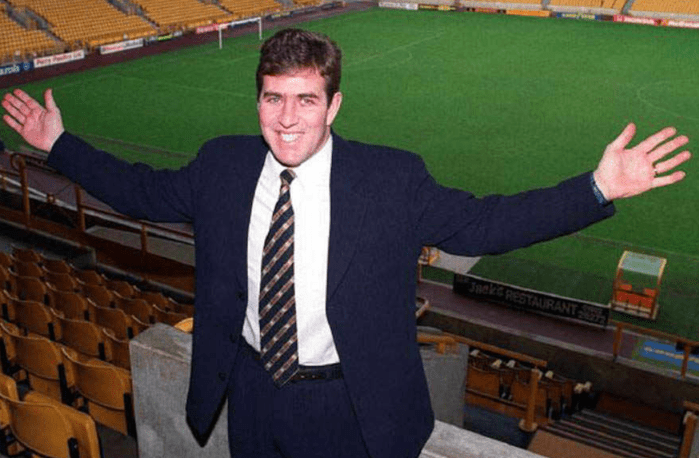
Young Mark McGhee on his arrival at Molineux

But fans of the boys in old gold disliked his managerial style of winding up forthcoming opponents with disparaging remarks. They also felt some of his signings weren’t up to it – a feeling echoed in the spat that emerged between Sir Jack and Jonathan.

“Nice man, Mark, and he had done well enough at Reading and Leicester. But he didn’t buy very well, did he? You have to ask questions about the quality of the players he brought to this club,” Sir Jack told reporter Paul Weaver in January 1999.

“We should never have let Graham Taylor go. Graham is an outstanding football manager. I’m afraid we bowed to pressure from the fans. We didn’t give him enough time. Then we gave McGhee plenty.”

For many, the final straw in the McGhee reign was when he left club legend Steve Bull on the subs bench in favour of much-derided Steve Claridge when Wolves lost the 1998 FA Cup semi-final to Arsenal.

“No turning back after that really, he’d lost it,” said ‘Bend It Like Dennison’ on molineuxmix.co.uk. “A very negative manager, prone to making stupid comments which wound opposition teams up and made us one of the most hated teams in the division,” opined ‘Nashie’ on the same platform.

“I had high hopes for McGhee and sometimes I quite liked the way he wound up the opposition with his arrogance, however, while he could talk the talk, he couldn’t quite walk the walk!” said ‘Bill McCai’.

The Scot was never afraid to speak his mind and even his former Newcastle boss, Bill McGarry (a figure well known to Wolves fans from his days as manager between 1968 and 1976) told him:  ‘Mark, you talk too much. Tone it down a bit.’

“I tried to take his advice, give nothing away in media briefings. Then, somebody would say something interesting and I wasn’t able to stop myself,” McGhee admitted in an interview with theleaguepaper.com.

On molineuxmix.co.uk, ‘stuj4z’ reckoned: “McGhee started to believe his own hype and became a parody of himself. Stupid signings were his downfall because overall I thought his tactics were ok. McGhee wasn’t the devil incarnate and did do some good things for the club.”

‘Florida Wolfey’ maintained: “McGhee was a decent manager and he certainly cared about this football club. He was unfortunate not to get us up in his first season and we never really recovered from that failure. Like all managers he made some good decisions and some decisions he’d rather have made again.”

When the axe fell, McGhee admitted to Nick Townsend of The Independent: “For that first month after I was sacked by Wolves, until I got over the initial shock, I never really opened the door. I became a recluse. I was feeling angry and frustrated.”

Townsend observed that having previously walked out on Reading and Leicester to take the Wolves’ job, “many supporters among his former clubs relished the spectacle of the assured and articulate McGhee being thrown from the steed of his own galloping ambition, his features ground in the dirt”.

“I was 100 per cent justified in leaving Reading after John Madejski gave me permission to talk to Leicester” McGhee told Townsend. “Leaving Filbert Street, a year later, was different. I knew when I walked out of there that it was, in a sense, wrong.

“I knew I’d let their chairman, Martin George, down badly, and the players I’d brought in. People thought, when Wolves dangled the bait, that was me, off and out, no hesitation, no qualms, and that’s where I got my reputation. But it wasn’t like that. It was torture.

“Two minutes before I made the decision to go, I was staying. There was pressure from all kinds of people I respected to go. Against my own conscience, I took the job.”

He added: “I read the papers and I don’t recognise myself. But, obviously, people are thinking that a guy who can up and leave Leicester after a year like that must be one kind of arrogant, callous bastard. All I can do to fix that impression is to go on from here and prove to people that’s not the way I am.”

As it turned out, he feared the football community had turned its back on him when no further managerial opportunity surfaced for nearly two years. It was only a regular punditry slot on Sky Sports that reminded people he was still around.

When he eventually got back in the game as manager of Millwall in September 2000, McGhee garnered a sympathetic ear from The Guardian football writer Roy Collins.

“I don’t think I got a bad deal,” McGhee told Collins. “I think I got exactly what I deserved. The biggest mistake I made was in underestimating the reaction of people when I walked out on Leicester. That is not to say that I regret leaving Leicester but it tarnished my reputation in such a way that Wolves’ fans never really accepted me.

“I was only fulfilling my ambition but I’ve learned that sometimes you have to think twice and maybe it would have been right for me to have said, no matter how much I want to take what I see as a bigger job, I can’t have it.”

McGhee admitted to the reporter he’d had sleepless nights and restless days wondering whether any club would forgive him, so he was grateful for the chance Millwall gave him, admitting: “This is a second chance for me and if I mess it up, I won’t get a third.”

A relieved McGhee told the Evening Standard: “To say I am very pleased to get back into the game is an understatement. I am absolutely ecstatic, but I would not have come back for any job.

“I haven’t been applying for everything that has been going because I felt the opportunity had to be one I was motivated by.

“It did not have to be the biggest club, or in the top league, but I had to really want to do it. I got a gut feeling about some jobs and I had that for Millwall.

“You get a feel for the place and I had an idea what they were about because I am a good pal of their old manager Mick McCarthy.

“In my playing career I was at Newcastle and Celtic. They have demanding, but passionate fans and I know that is the same at Millwall. It is very exciting.”

Millwall chairman Theo Paphitis admitted: “Mark was not always the front runner for the job, but got himself into the position at the interview.

“He said the right things. I believe he was sincere and I am very pleased we have him on board. He is the right person for the job.”

When there was a mutual parting of the ways in October 2003, Paphitis said: “He took over in September 2000 with the brief to get the club into the First Division that season which he duly achieved.

“We then enjoyed a very successful first season at this level, reaching the play-offs the following year. Last season was a frustrating one for the club and whilst expectations were high at the start of the current campaign, we have struggled to live up to them.”

Interestingly, when he was shown the door at Brighton, likewise there was appreciation rather than dismay at what he had brought to the club.

Powering up

“No matter where you stand on the club’s decision to part company with the former Scottish international, you can’t say he didn’t leave us without one or two golden memories, especially during his first season in charge,” the matchday programme reminded readers.

“There are more than a few supporters out there who rate what happened inside the Millennium Stadium that May day in 2004 as their top Albion moment, above Wembley 1991 and – whisper it – even 1983. Why? Well, for once, we actually won on a big stage. But there was more to it than that: thirty thousand fans invading Wales and laying siege to what is generally regarded as one of the finest stadiums in the world.”

The piece reminded supporters that in the higher division, against clubs with hugely superior resources, Albion beat the likes of Leeds United and Sunderland at humble Withdean as well as nicking unlikely wins at Leicester City, West Ham and Sheffield United.

Even in the season (2005-06) when they weren’t able to retain that hard-earned status, they managed a first win in 22 years at Selhurst Park, toppling the old rivals on their own patch with the only goal of the game scored by loanee Paul McShane.

After a fascinating 3-3 draw at Elland Road, home boss Kevin Blackwell observed that McGhee had “the hardest job in football”.

The programme pondered: “One can’t help but wonder what McGhee’s record would have been had the club been playing inside a stadium worthy of the upper echelons of the English game, with some finance to burn and facilities good enough to tempt Championship and Premier League calibre players to Sussex.” Indeed.

The moment Lee Hendrie felt ten feet tall at Brighton

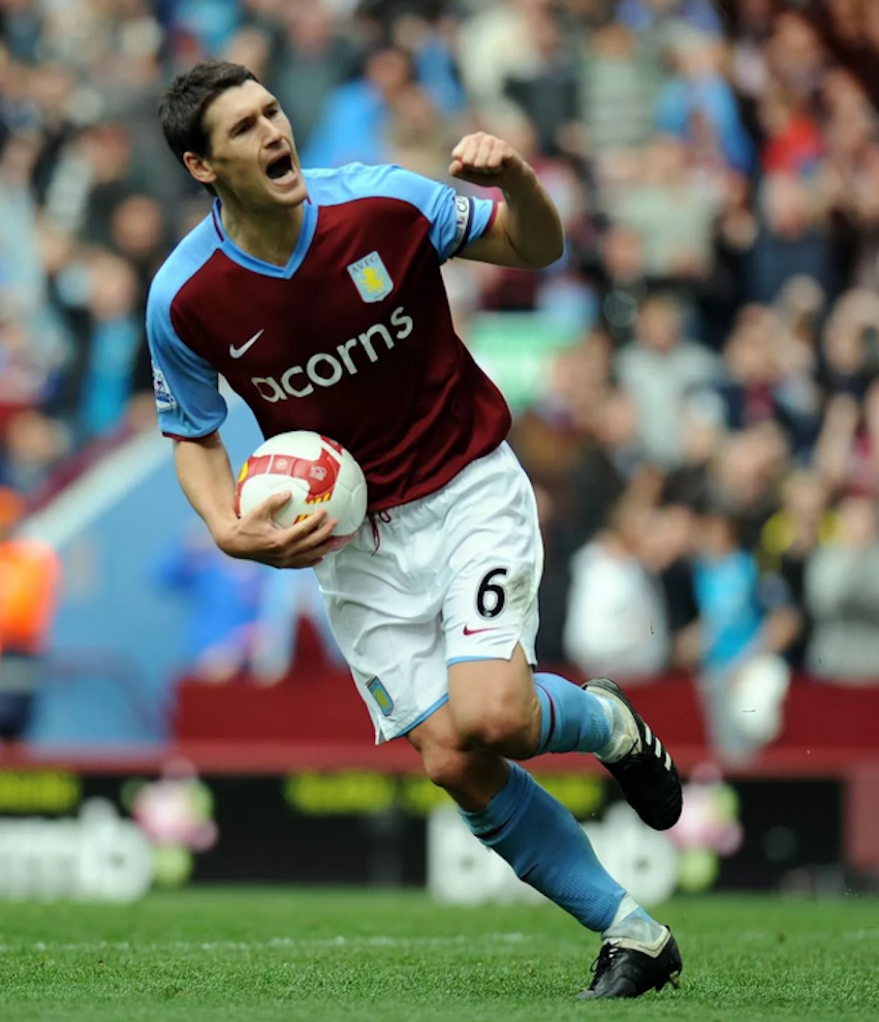
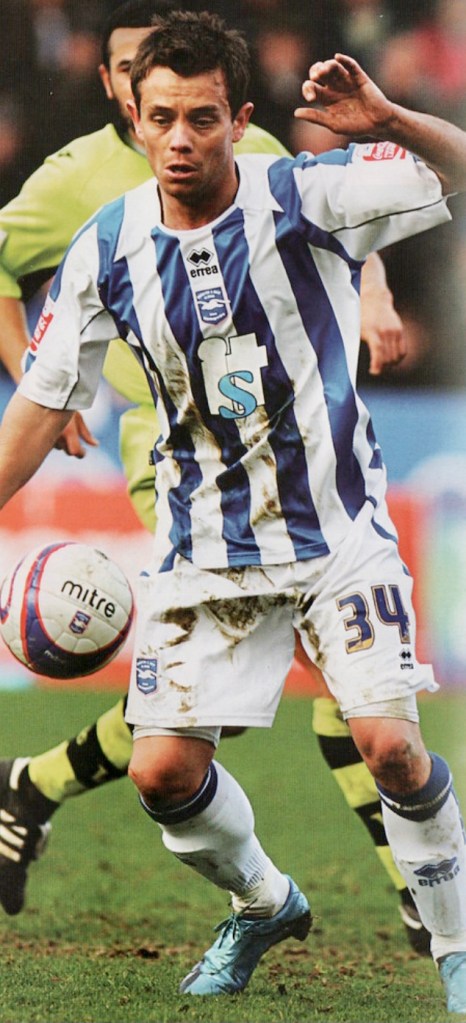
SKY SPORTS pundit Lee Hendrie has reached heights and plumbed depths in a life that saw him stop off at third-tier Brighton in 2010 after 17 years with Aston Villa.

Hendrie was something of a forgotten man of football when Gus Poyet snapped him up for the Seagulls on loan from Derby County in March 2010.

Hendrie featured in eight Albion games in the last six weeks of the season: four wins, two draws and two defeats.

Turning out in League One was quite a fall for a player Glenn Hoddle selected for England, but he told the matchday programme: “The main thing is to play football. If you’re not playing then you tend to get forgotten but hopefully I can get some game time between now and the end of the season.”

And he later said to football.co.uk: “I went to Brighton to get my face back out there. Gus Poyet was brilliant. He got the lads together in a circle and said, ‘******* hell, we’ve got Lee Hendrie here’. Let me tell you, after feeling so unwanted I suddenly felt 10 feet tall.”
Hendrie made his debut as a 75th minute substitute for Sebastien Carole in a 3-0 home win over Tranmere Rovers, and he told the matchday programme: “We could have had more than three goals and I should have scored.”

But Hendrie was bubbling after his involvement and said: “Listening to the gaffer in the changing room, you can see why the lads are playing with a lot of confidence and have improved so much.

“I’ve played under a few managers, but not many, can I say, are like Gus, who is so enthusiastic and tells the players to go and enjoy themselves. There is nothing a player wants more than a gaffer telling you to enjoy your game.”

Of Albion’s midfield triumvirate of Gary Dicker, Alan Navarro and Andrew Crofts, it tended to be Dicker who was edged out by Hendrie’s arrival.

However it was in Crofts’ place that the loanee got his first start, in a 2-0 Easter Monday defeat at Hartlepool in which former Albion loanee ‘keeper Scott Flinders prevented the visitors from leaving with a point. Hendrie was subbed off on 58 minutes when Kazenga LuaLua took over.

Hendrie went on as a sub for Dicker in the following home game against Carlisle United and it was his cross that set up what looked like a late equaliser by Tommy Elphick, only for Gary Madine to nick all three points with a second for United two minutes from the end.

Hendrie started in place of Dicker away to Gillingham but gave way to the Irishman in the 79th minute and the game ended 1-1. Hendrie started once again in the 1-0 win away to Southend, but Dicker replaced him on 65 minutes.

Hendrie’s third successive start in place of Dicker came at home to Bristol Rovers, when Albion won 2-1, but once again he didn’t last the 90 minutes as Dicker took over on 74 minutes.

In the penultimate game of the season, away to MK Dons, the game finished goalless although Alex Rae and Diego Arismendi were red carded for brawling. Hendrie started and Dicker replaced him on 58 minutes.

The on-loan midfielder’s only full 90-minute appearance came in the last game of the season when Yeovil were beaten 1-0 at the Withdean Stadium; Elliott Bennett scoring the only goal of the game a minute before half-time.

The chances of a permanent deal for Hendrie looked unlikely with Poyet admitting: “We were very pleased with him and he was pleased to be here. We will wait to see if, when we start putting the squad together, there is a possibility of it happening. It’s not an easy one, because of the wages.”

Born in Solihull on 18 May 1977, football was in Hendrie’s blood: Scottish dad Paul had played for Villa’s arch rivals Birmingham City and he was playing professionally for Portland Timbers at the time his son was born. He later played for Bristol Rovers, Halifax Town and Stockport County.

For someone who became Villa through and through, Hendrie admitted to the Birmingham Mail that he had actually been at city rivals Birmingham’s school of excellence before ‘Big’ Ron Atkinson snapped him up as a teenager.

As well as his dad having played for them, his nan was a City season ticket holder and his uncle also supported them. “Villa didn’t come and scout me at the time and Blues were the first club that did. It was an opportunity for me to get myself into the pro ranks and see what it was all about. Dad said it would be good to go and have a feel for it, which I did.”
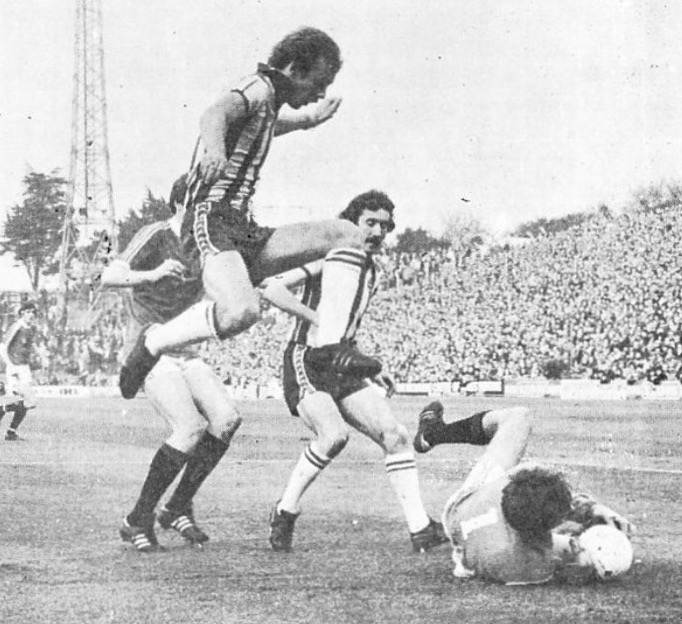
But ever since he’d scored two goals in a schools’ cup final victory for his school, Washwood Heath, against Hodge Heath at Villa Park, he had dreamed of playing for Villa.

The dream came closer when Hendrie signed on the dotted line as a 14-year-old at Villa’s Bodymoor Heath training ground, although he remembers his dad tempering his excitement.

“When we came out after I’d signed, I’d got given a load of training clobber and I thought this was it, I’d made it,” he said. “My dad said: ‘Take a step back, you, you ain’t got anywhere yet, this is the start of a long road. Just because you’ve got all the kit it doesn’t mean you’re a professional footballer and an Aston Villa player – relax yourself’.”

Hendrie and his best mate Darren Byfield, who had been strike partners in Erdington Star and Erdington & Saltley district team as kids, developed a reputation as a dynamic duo on and off the pitch, and soon became Atkinson’s ‘teacher’s pets’.

Atkinson converted Hendrie from a centre forward to left winger (even predicting he’s one day play for England in that position) and the duo continued to do well for the Villa youth team.

As it turned out, it was Atkinson’s successor, Brian Little, who ended up giving Hendrie his first team debut – although it was memorable for all the wrong reasons!

It came two days before Christmas in 1995 when he went on as a 33rd minute substitute for Mark Draper away to Queens Park Rangers. He collected a yellow card for kicking the ball away and was red carded in stoppage time; a second booking for an innocuous foul on Rufus Brevett. Into the bargain, Villa lost 1-0.

A devastated Hendrie revealed it was the opposition player-manager, Ray Wilkins, rather than Little, who put a comforting arm round him. “Someone who I’ve seen play football, a legend of the game, to come and console me and say: ‘This is football, welcome to football, these are the ups and downs you’re going to have in your career’.

“He said there’s lot of people who are talking highly of you, you’ve got a big future in the game, kid. As he got up, he tapped my shoulder and said: ‘Keep that up’.”
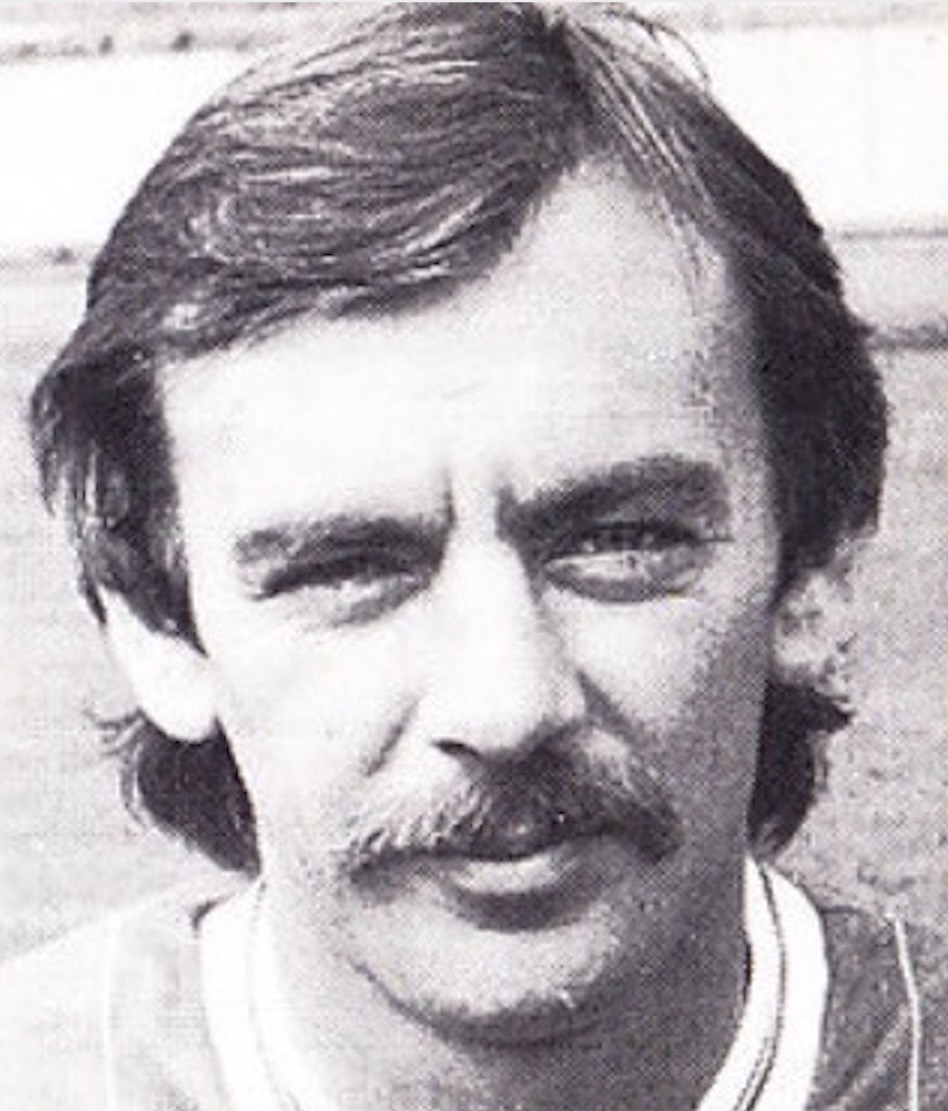
Few subsequent chances were given to him under Little but, when John Gregory took over, he became more established.

He would go on to make a total of 308 appearances for Villa (243 league and cup starts), scoring 32 goals, with his best performances coming in Gregory’s tenure. He wasn’t quite the same player under Graham Taylor or David O’Leary.

It was on November 18 1998 that he won his one and only England cap, sent on by Glenn Hoddle as a 77th minute substitute for Villa team-mate Paul Merson in a 2-0 win over the Czech Republic at Wembley. Two other Villa teammates, Dion Dublin and Gareth Southgate, were also part of Hoddle’s squad.

Unfortunately for Hendrie, Hoddle was sacked two months later and no subsequent England bosses called on him. “It’s a regret that I didn’t go on and make more of my England career,” he said. “It’s great that I’ve got a cap and it’s something you can’t take away from me, but I hate being classed as a one-cap wonder.”

Hendrie’s days at Villa came to an end in August 2006, his last involvement being from the bench in Martin O’Neill’s first match in charge, a 1-1 Premier League draw at Arsenal on the opening day of the 2006-07 campaign.

While Hendrie, by then 30, was excited about playing for O’Neill, the new boss had other plans and told him he was not part of them.

Initially he joined Stoke City under Tony Pulis on a season-long loan but Bryan Robson at Sheffield United outbid the Potters for his services on a permanent basis, and he signed a three-year deal at Bramall Lane at the start of the 2007-08 season.

Unfortunately, when Robson swiftly parted company with the Blades, Hendrie didn’t see eye to eye with his successor, Kevin Blackwell, who accused the player of being a money-grabber.

“Sheffield United was just the worst thing I could have done,” he told the Claret & Blue podcast.

“Kevin Blackwell was one of the worst managers I have ever, ever been under. He put the nail in the coffin for (my career).”

Blackwell sent him on loan to Leicester City, where he played nine games, and he later went to Blackpool too. United moved him on to Derby County but when he struggled for games there, he joined Brighton.

If the spell at Brighton was a temporary relief from his mounting problems, he revealed in a Guardian interview with Donald McRae that 2010 turned out to be one of the worst years of his life, and he attempted suicide on several occasions.

A property empire he had built up amassed insurmountable debts which even saw his mother’s home repossessed. He lost his own house as well, and it sent him into depression. Divorce and bankruptcy made the situation even worse.

“The football was almost over and my head was gone. I’d been trying to sell property, but the housing market crashed,” he said. “I got to the stage where I just wanted to end it all. I’d hit rock bottom.”

The ups and downs of Hendrie’s colourful life have featured in various media interviews.

The rise and fall tale was charted by the sporting.blog and Hendrie’s spoken about his troubles on Sky Sports, where he later became a pundit.

He was in tears on Harry’s Heroes: Euro Having A Laugh discussing his depression struggles with Vinnie Jones. The BBC radio programme You and Yours highlighted his plight in a March 2013 episode.

On the footballing front, a brief spell at Bradford City was followed by a host of short stopovers at Bandung (2011), Daventry Town (2011), Kidderminster Harriers (2011-12), Chasetown (2012), Redditch United (2012) and Tamworth (2012-13) before he retired as a professional.

He then played for Corby Town (2013), Highgate United (2013), Basford United (2013 – 2015), Montpellier (2016-17), Redditch United (2016), Nuneaton Griff (2019) and Highgate United (2019) on a non-professional basis.

As he tried to find a new purpose in life, alongside his media work, Hendrie set up FootieBugs, a football academy for kids aged from three to 12.

Hendrie chats on TV with Dion Dublin, a former Villa teammate

Malcolm in the middle was moustachioed marksman Poskett

MALCOLM POSKETT’s goals helped Brighton to win promotion from the second tier after he’d made a terrific start to his Albion career.

Only two days after putting pen to paper in Hove, Poskett netted the equaliser in a 1-1 draw away to Hull City on 4 February 1978 and a week later he marked his home debut with a goal in Albion’s 2-1 win over Burnley.

The game at Boothferry Park was only six minutes old when the home side went ahead but Poskett levelled it up just before half-time after a Tony Towner corner was headed goalwards by Andy Rollings and the new arrival diverted it into the net.

A £60,000 signing from fourth tier Hartlepool United, Poskett had taken over the no.9 shirt from Ian Mellor, who had only been in the side for one game in the injury absence of Teddy Maybank.

Maybank’s big money signing from Fulham four months earlier had broken up the highly successful Mellor-Peter Ward partnership that earned Albion promotion from the old Third Division, and Poskett’s arrival only served to illuminate the Goldstone exit door even brighter for Mellor, who swiftly departed for Chester.

A crowd of 22,694 saw the new man’s Division Two debut on an icy Goldstone Ground pitch. Poskett once again profited from a Towner pass to score. Skipper Brian Horton scored Albion’s other goal.

It all must have felt very showbiz to the lad from Teesside, used to playing in front of 5,000 crowds in the Fourth Division, especially when prior to kick off against the Clarets, Slade, a famous chart-topping pop group of the time, recorded a single on the pitch in front of the North Stand.

While Maybank reclaimed his starting berth from Poskett for six matches, he was troubled by a knee injury and Poskett got the nod for the remaining seven games of the season as Albion chased automatic promotion, which at that time was earned by the top three sides in the division. There were no play-offs.

Poskett repaid Mullery’s faith in him with a hat-trick in a 4-0 win away to Bristol Rovers and by netting the only goal of the game in the penultimate fixture at home to Charlton Athletic in front of 31,203 fans.

What happened next has been well documented: Albion missed out on promotion when Southampton (in second) and Spurs (third) conveniently drew 0-0 in the final match of the season; Spurs edging out the Seagulls on goal difference.

Maybank had a successful cartilage operation during the summer break and was initially the preferred partner for Ward as the new season got under way.

Poskett banged in a transfer request as a mark of his frustration but, after Mullery persuaded him to withdraw it, he got his chance back in the side and made the most of opportunities that came his way.

Mullery admitted in Matthew Horner’s biography of Ward (He Shot, He Scored, Sea View Media) that he wasn’t always fair on Poskett when reverting to the Ward-Maybank partnership.

He pointed out: “Malcolm Poskett did a terrific job when we signed him. He was one of the most under-rated goalscorers – absolutely brilliant.

“He was really similar to Wardy, very sharp and very quick but a bit taller and a bit stronger.”

By the end of the season that ended in promotion to the top tier of English football for the first time, Poskett had contributed 10 goals in 24 games (plus eight sub appearances). He was the substitute in the famous 3-1 win back in his native north-east when Newcastle were beaten by the Seagulls on 5 May 1979.

Brighton struggled to find their feet in more exalted company and Poskett barely got a look-in, coming on as a sub twice and only starting three matches, the last of which was in the resounding 4-0 defeat to Arsenal in the League Cup on 13 November 1979.

He scored twice, though: netting the only goal in an away League Cup win over Northampton Town, and four days later scoring along with Peter O’Sullivan as Albion pulled back a 2-0 deficit to draw 2-2 at West Brom.

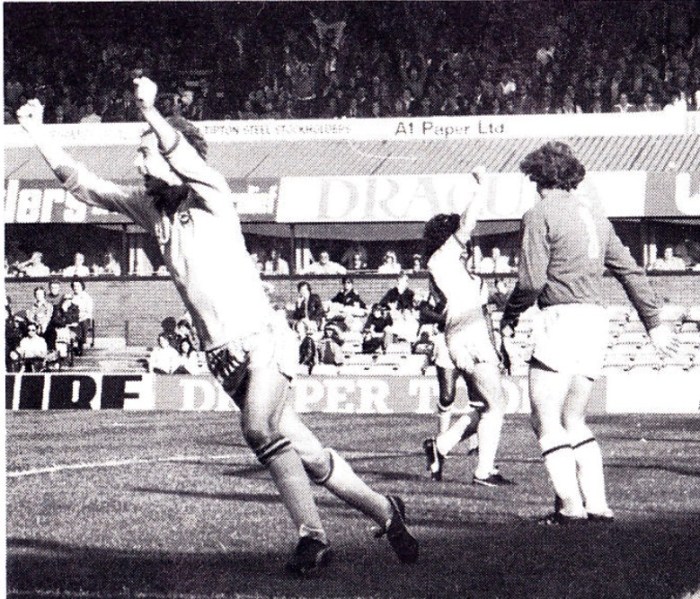
Poskett wheels away to celebrate his only top flight goal, away to West Brom

However, with the arrival of Ray Clarke from Ajax, it was clear Poskett’s chances at the Albion were going to remain limited, so he dropped back down a level to join promotion-seeking Watford under Graham Taylor. Albion goalkeeper Eric Steele had already made a similar switch in the autumn of that season shortly after a famous spat with Gary Williams at Old Trafford. Mullery also secured a £120,000 fee for Poskett, so Albion did very nicely out of the deal.

“I would have loved to stay at Brighton for the rest of my career, but it wasn’t to be,” Poskett told Spencer Vignes in a retrospective matchday programme article. “One week I was partnering Peter Ward, the next it would be Teddy with Peter. I never got a run in the team, even though I scored a couple of goals when I did play.

“At least with Watford I got the chance to start games. People called us kick and run, a long ball side, but we had a lot of talented players like Ross Jenkins, John Barnes and Nigel Callaghan.”

Poskett struck up a friendship with fellow new boy Martin Patching and both were on the scoresheet (Poskett scored twice) in a memorable 7-1 League Cup thrashing of Southampton on 2 September 1980.

Although being Watford’s top scorer with 21 goals in the 1980-81season, when the Hornets finished ninth, the following season he found himself in the reserves after a three-game barren spell.

In a Watford matchday programme article, he mused: “It’s a strange profession – one minute you’re up and the next down.

“I played in the first three league games of the season without scoring and was dropped. But I’m scoring fairly regularly in the reserve side and my chance will come if I keep on hitting the net. I’m a battler and not the type of player to give less than 100 per cent, no matter what grade of football I’m playing in.”

Watford won promotion as runners up behind close rivals Luton Town but Poskett couldn’t shift Luther Blissett or Jenkins, who were the preferred strike pairing, and Gerry Armstrong, later to join Brighton, was invariably the back-up option.

Born in Middlesbrough on 19 July 1953, Poskett went to Beechwood Junior School and then on to Brackenhoe Secondary Technical. His footballing ability in school sides eventually led to him being selected for North Riding Schools.

He was a decent all-round sportsman – a useful cricketer who played for Middlesbrough Schools, he also featured in local leagues at table tennis, and enjoyed tennis and badminton too.

But at 16 the budding sportsman started out as an apprenticeship plater at Cargofleet Steelworks, only playing football for the local Beechwood Youth Club and then South Bank in the Northern League.

His performances for South Bank caught the eye of Middlesbrough and he was taken on as a professional. But after 18 months in their reserves, manager Jack Charlton gave him a free transfer and he opted to become a plater on North Sea oil rigs to earn a wage.

He didn’t turn his back on football altogether, turning out part-time for Whitby Town in the Northern League. Scoring an incredible 98 goals over two seasons was bound to attract attention.

George Aitken, later a Watford coach and then a coach under Mullery at Brighton, was Workington manager at the time and tried to sign Poskett, but, disillusioned by his Boro experience he chose to stick with Whitby until Hartlepool manager Billy Horner convinced him he could still make it in the professional game.

For a £25 transfer fee, Horner took him on and devoted hours of extra time working on the youngster’s skills and sharpness. It paid off.

“My work rate was non-existent, but Billy Horner really worked on me and got me going,” Poskett told Shoot! magazine. “If it wasn’t for him, I don’t think I would have got anywhere – I’d still be in non-League soccer. It was so hard at first, I felt like packing it in, but he kept me at it and I’m very grateful now.”

His goalscoring at Hartlepool caught the eye of Ken Craggs when he was a coach at Fulham and when Craggs switched to become Mullery’s no.2 at the Goldstone, Poskett followed soon after, the £60,000 fee representing a tidy profit for the struggling North East minnows.

In an interview with The Argus in 2017, Poskett recalled: “Brighton was one of the best times of my life.

“I came in during the season when we just missed out on promotion and the lads were fantastic. It was a fabulous place to live as well.

“I had to come from one end of the country to the other but, once I got there, there were lads from up north, the Midlands, so it was a good mixed bunch and I felt right at home.”

After helping Watford to promotion in 1982, Poskett headed back north and played for Carlisle United for three seasons, thriving under the managership of Bob Stokoe, who’d led Sunderland to FA Cup glory in 1973.

In the penultimate game of the 1983-84 season, Poskett scored his 100th career goal – and his 101st – as Carlisle  drew 2-2 at home to Crystal Palace in front of a paltry crowd at Brunton Park of just 3,038.

Poskett subsequently had six months at Darlington, before switching to Stockport County in January 1986.

Appearances were few and far between and he went on loan to his old club Hartlepool in March the same year before moving back to Carlisle in August 1986. He finally hung up his boots at the end of the 1987-88 season.

He remained in the town and in 2017 was working as an examiner at Pirelli, the tyre manufacturer.

Pictures from Albion matchday programmes and online sources.

Ridgy rides in to shore up injury-ravaged defence

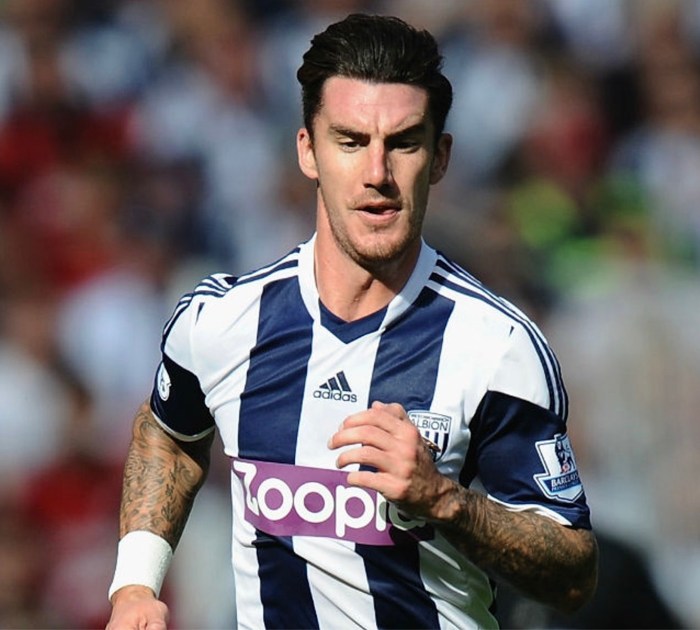
FORMER WEST BROM defender Liam Ridgewell played six games on loan for Brighton in the early part of 2016.

Ridgewell helped out when first choice left-back Gaetan Bong and deputy Liam Rosenior were both out injured.

He made six starts, starting in the FA Cup away to his old boss Steve Bruce’s Hull City, who won the tie with a single goal. His next game was also away, at Rotherham United, where Albion went down 2-0.

After that, he was on the winning side four times, as Albion beat Blackburn Rovers away and Huddersfield, Brentford and Bolton at home.

Albion’s matchday programme devoted a double-page spread to the loanee

Brighton wanted to extend the experienced defender’s loan but his parent club – MLS (Major League Soccer) outfit Portland Timbers – wouldn’t allow it and he returned to the States.

Albion manager Chris Hughton told The Argus: “He has certainly brought us a wealth of experience. We have to abide by the situation. In any way we could extend it for whatever, a further week or so, we’d be delighted to be able to do that, but I certainly can’t speak out of turn when he’s not our player.

Ridgewell returned to Portland Timbers after his brief loan with the Seagulls

“We have to respect everything his parent club want. He has certainly fitted in very well.”

Ridgewell explained the background to joining the Seagulls in an Argus interview with Andy Naylor, and on clinching the deal, Hughton said: “I know Liam very well from my time as manager at Birmingham City, and he is an excellent and important addition for us.

“He will bring extra experience to our defence at a crucial time and will give me an option both in the centre of defence and at left-back.

“Liam has played the vast majority of his career in the Premier League with more than 350 senior appearances and he’s also got experience of the Europa League and Championship from his time at Birmingham.”

Born in Bexleyheath on 21 July 1984, Ridgewell went to Bexleyheath School and was on West Ham’s books for two years between 1999 and 2001.

After looking at the quality of players breaking through there, he took the bold decision to quit the Hammers and join Aston Villa’s youth set-up instead, which he spoke about in an interview with the Birmingham Mail.

“I had looked at what was already in the team – you had Michael Carrick coming through, Joe Cole, Rio Ferdinand, Richard Garcia – and I thought it might be time for a change.

“I was a south London boy, grew up around there and had all my friends there. But I thought if I got away it might focus me a bit more. It was a tough decision.

A youthful-looking Ridgewell made his breakthrough with Aston Villa

“I used to leave school early on a Friday afternoon to travel up to Villa for the weekends.

“I used to get the bus from my house to the train station, get a tube from Charing Cross to Euston and a train from London up to Birmingham all on my own.”

After joining Villa in February 2001, he was part of their 2002 FA Youth Cup winning side. They beat an Everton team featuring Wayne Rooney 4-2 over two legs. Villa’s goalkeeper was another Wayne – Henderson – who would later move to Brighton. The side also included Steven Davis, who went on to play for Southampton.

In the same year, Ridgewell was selected for the England under-19s and was sent out on loan to AFC Bournemouth, then in Division 3, where he made his league debut as part of a five-game loan spell.

Back at Villa Park, former England boss Graham Taylor gave him his first-team debut in a FA Cup tie against Blackburn in January 2003 when he came on as a substitute in a 4-1 defeat. He had to wait until December that year before getting his Premier League bow, again as a substitute, but this time in a 3-0 win over Fulham. He went on to make 11 appearances by the season’s end.

Under David O’Leary and, for a season, Martin O’Neill, Ridgewell made a total of 93 appearances for Villa before making what some fans would consider a controversial move.

In August 2007, Ridgewell became the first Villa player in 23 years to be transferred to bitter city rivals Birmingham. Des Bremner, brother of one-time Brighton striker Kevin, had been the last one, in 1984.

Steve Bruce’s £2m signing then found himself wearing the captain’s armband on his debut. “It’s one of the greatest achievements in my career,” Ridgewell told the Birmingham Mail. “It’s a real honour. I thank the gaffer for that. Hopefully I can continue as captain for a few more games before a few of the others come back in.

“It was fantastic to do it. I only found out before the game when we were on the pitch. The gaffer came up to me and asked would I have any problems doing it? I said none at all. It’s what I’m made for, it’s what I want to do. I want to captain sides and have a responsibility on me.”

Ridgewell subsequently played under Alex McLeish and Hughton for the Blues, winning promotion back to the Premier League in 2009 and the League Cup in 2011.

After a total of 175 appearances in four years, and on the back of a 6-0 win for Birmingham at Millwall, Ridgewell joined West Brom on deadline day in January 2012.

Ridgewell settled in quickly at West Brom

He couldn’t have wished for a better debut, as Albion recorded a memorable 5-1 win over Black Country rivals Wolverhampton Wanderers.

The Baggies were managed by Roy Hodgson at the time and, having initially been flirting with relegation from the Premier League, stayed up with results like a 4-0 victory over Sunderland and a 1-0 win over Chelsea that cost Andre Villas-Boas his job.

“Roy Hodgson was brilliant,” Ridgewell told The Athletic, in an interview in 2020.  “Roy knew how to make players feel and perform better than they were,” he said. “Everything was positional based. He let you do your own thing but he gave you the tools and the words to make sure you did it to the best of your ability in your own position. It was a clear message for me of how a manager gets the best out of players.”

When Hodgson left to manage England, Ridgewell continued as a Baggies regular for the next two seasons under Steve Clarke. Baggies escaped the drop by just three points in 2014, after Pepe Mel had taken over the managerial hotseat in January.

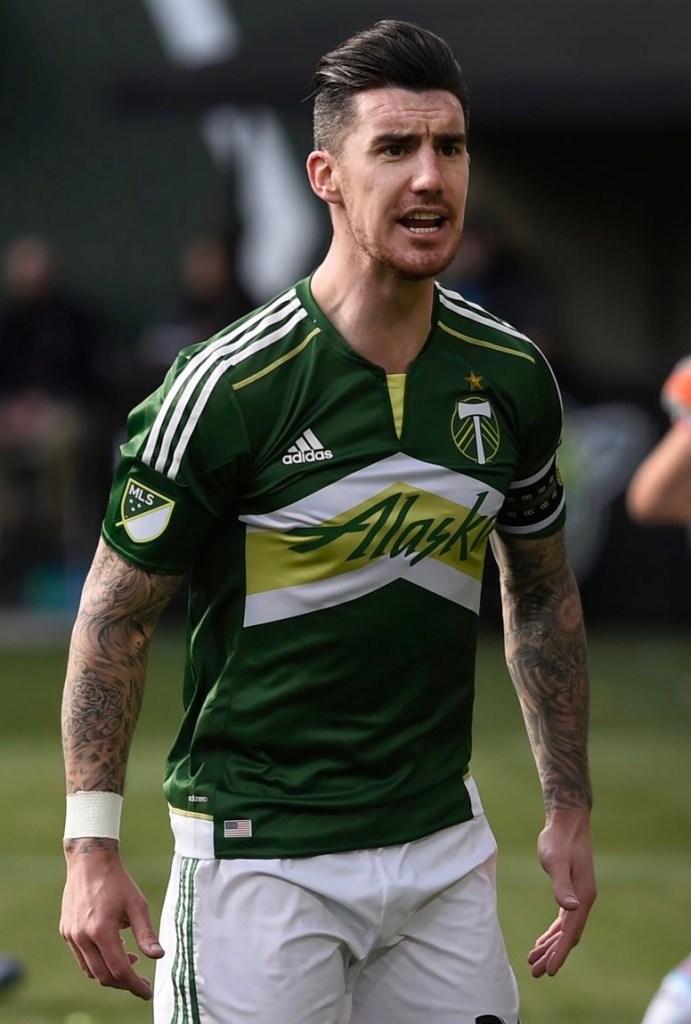
That summer, Ridgewell wanted to try something different and headed for the States to join Major League Soccer’s Portland Timbers.

In his five years with the Timbers, one of his highlights was captaining the side to a 2-1 MLS Cup win over Columbus Crew, a few weeks before his loan spell with Brighton during the American season’s winter break.

The previous season he’d returned to the UK in a similar arrangement to play six games on loan for Wigan Athletic in the Championship.

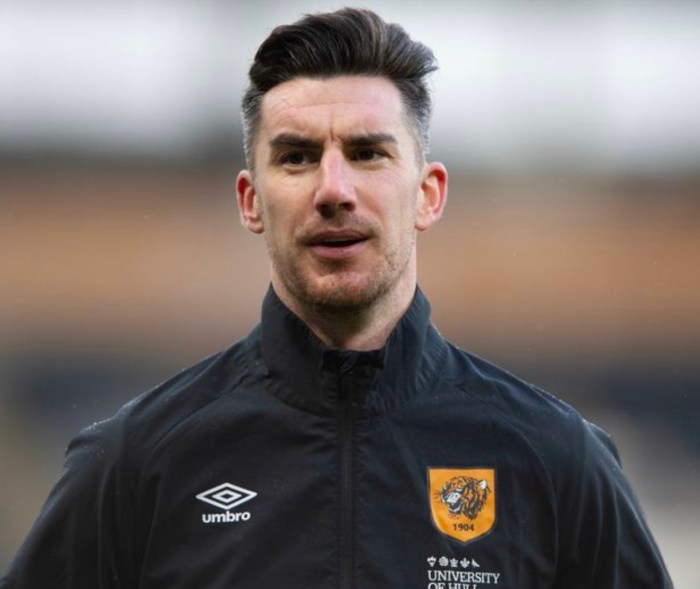
Ridgewell spoke about his time in the States on his return to the UK in January 2019, when he joined Hull City until the end of the season.

Back in the UK, Ridgewell spent half a season at Hull City

“I wanted to try something different and go out there with an open mind,” he told the Hull Daily Mail. “The league is completely different to what a lot of people expect. It’s grown bigger and stronger. I feel as fresh and as fit as when I first went there.”

To illustrate the point, he mentioned how he’d been up against the likes of Miguel Almiron, who subsequently joined Newcastle United for £20m.

“I loved it, it was great, really refreshing for me. It gave me another lease of life. It was something I needed to do, and I really loved it.”

In the summer of 2019, Ridgewell joined League One Southend United, but, having made only one appearance by December, quit playing to take up coaching.

He took to Instagram to reflect on his career, writing: “Football has given me the best life any little boy could wish for. There have been some massive highs and lows but now it’s time to hang up my boots and move on to the next chapter of my career.

“I’d like to say a massive thank you to all the coaches and managers who moulded me into the player I was. A special thank you to the late, great Graham Taylor for giving me my debut and the reason I was able to pursue my dream.”

In April 2020, Ridgewell spoke at length to Gregg Evans for an article on The Athletic, describing how lockdown had interrupted his plans to drop in on some of his old managers to gain knowledge and information in pursuit of his goal of becoming a manager.

“Moving into management has always been my aim,” he said. “I’ve always had a speaking role at every club I’ve been at. Whether it’s on the training pitch or during a game, I’ve always tried to help people out, too. With me being so vocal, I try to marshal teams in a certain way.”

He did some work with Aston Villa’s youngsters towards the end of 2020 but took on his first official coaching post in December 2020, as first team coach at Dover Athletic under former Gillingham boss Andy Hessenthaler.

It’s no surprise to discover Ridgewell (or Ridgy 6 as he’s known) has a veritable army of followers on Twitter – more than 42,000. Away from football, Ridgewell co-owns luxury swimwear business Thomas Royall, with fellow footballers John Terry and Sam Saunders.

Pictures from various online sources, and the Albion matchday programme.

Ups and downs of medal-laden Mark McGhee’s career

MARK McGHEE saw highs and lows as Brighton & Hove Albion manager after a medal-laden playing career that took him from his native Scotland to England and also to Germany.

McGhee was in charge when the Seagulls memorably won the 2004 play-off final to gain promotion from the third tier, beating Bristol City at the Millennium Stadium, Cardiff.

Play off final boss

Keeping the Seagulls up the following season was arguably an even greater achievement considering at the time playing home games at the crowd-restricted Withdean Stadium meant the club was at a huge disadvantage compared to most clubs in the division.

With the Amex still a distant dream, relegation came at the end of the 2005-06 season, and it wasn’t long into the following season that Dick Knight wielded the axe on the Glaswegian’s time in charge.

“It was hard to sack Mark, but we had to have a change,” Knight wrote in his autobiography, Mad Man: From the Gutter to the Stars. “Everyone recognised what he had done in taking up and keeping up a team that was not that great, to be honest. Hats off to him, he had done a terrific job. And he is a very intelligent, personable guy.”

Knight took decisive action when part of the crowd became vociferous in wanting McGhee out, and the chairman also felt some of the young players drafted into the team weren’t responding to him.

He was finally toppled over lunch at Topolino’s, and Knight admitted: “It was a difficult decision. There was strong vocal opposition to McGhee, but also a large, less noisy element who were behind him.”

McGhee liked Brighton so much he made it his home despite subsequently taking on a series of other roles the length and breadth of the country.

It’s probably fair to say the Scot has never been afraid to speak his mind, which his former Newcastle boss Bill McGarry mentioned to him. McGhee recounted in an interview with theleaguepaper.com: “I was managing Wolves at the time. He said ‘Mark, you talk too much. Tone it down a bit’. I tried to take his advice, give nothing away in media briefings. Then, somebody would say something interesting and I wasn’t able to stop myself.”

It’s probably what helped him gain a place on the Sky Sports Soccer Saturday panel when he was in between management jobs.

McGhee would most likely look back on some jobs he’d perhaps have been wiser to stay away from, for example taking temporary charge of Eastbourne Borough in 2018, although his enthusiasm was undimmed as he revealed in an interview with thenonleaguefootballpaper.com.

Born in Glasgow on 20 May 1957, his father was an electrical engineer and his mother a fertility consultant at Glasgow Royal Infirmary. McGhee was on the books of Bristol City at the start of his long career but he returned to Scotland and became a part-timer with Greenock Morton while also training to be an architect.

Aforementioned manager McGarry signed him for Newcastle for a £150,000 fee on 30 December 1977 and he made his debut on 2 January 1978.

His face didn’t fit after Arthur Cox took over as boss, but Alex Ferguson took a punt on him in March 1979 and signed him for Aberdeen, and it proved to be one of many shrewd decisions the esteemed Scot would make in his career.

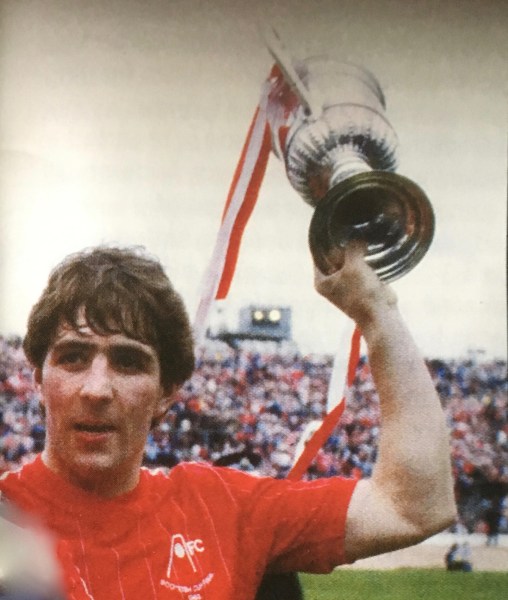
McGhee was named Scottish PFA Players’ Player of the Year in 1982, and the following year was part of the Aberdeen side who beat Real Madrid 2–1 to lift the 1983 European Cup Winners’ Cup in Gothenburg.

mcg cup

He also scored the second goal as Aberdeen defeated Hamburg 2-0 to win the UEFA Super Cup in the same year.

Asked about the best goal he scored, he said: “Probably the winning goal in my last game for Aberdeen.”

McGhee reckoned his best moment in football came on 26 May 1984 when he scored against England at Hampden Park. He headed in a cross (as pictured) from his great pal Gordon Strachan past Peter Shilton.

McG v Eng

“It put us 1-0 up but Tony Woodcock equalised to make the final score 1-1.”

It was one of four caps he won for his country. Nearly two decades later, in January 2013, Strachan appointed him as his no.2 with the Scottish national side.

M McGhee Old Football PhotosBut back to those playing days, and with two Scottish league titles and three Cup wins behind him, McGhee tried his hand at European football and spent 16 months at Hamburg. The spell was probably more of an education than a success, with injuries limiting his game time.

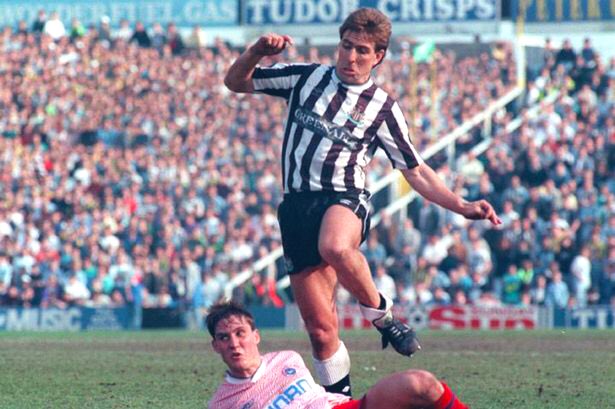
A £170,000 fee took him back to Scotland, to Celtic, where he had mixed fortunes during four years with the Glasgow giants. He was, though, part of the squad that won a League and Cup double in their centenary season.

After winning another Scottish Cup winners’ medal in 1989, he was on the move again, back to Newcastle.

Now with Jim Smith in charge, Newcastle paid £200,000 to take McGhee back to St James’ Park, where he formed an impressive strike partnership with the legendary Micky Quinn as Toon finished third in the old Division Two.

“We were good friends, but we didn’t blend on the pitch like Toshack and Keegan, Quinn told theleaguepaper.com. “Mark was a free spirit. He’d get the ball and drift left or right and drop deep.

“He’d turn defenders and drag them out of position. He would hold the ball up well for me to get into the box and score goals. He went where he wanted, but it worked.”

football back then McGhee

This Football Back Then picture shows McGhee in action for Newcastle against Albion’s Nicky Bissett.

His farewell performance came on 6 April 1991, not long after Ossie Ardiles had taken over as manager, and McGhee departed having scored a total of 36 goals in 115 appearances for the Magpies.

Next stop was Sweden, where he played briefly for IK Brage, but he seized the opportunity to try his hand at management by taking up the role of player-manager at Reading in the summer of 1991.

He’d been recommended for the role by his old boss Ferguson, and, after quitting playing through injury in 1993, he led the Royals to promotion from the third tier the following year.

A struggling Leicester City gave him a chance to manage in the Premier League but he was unable to keep them up and, less than a year after joining, decided to switch to Wolverhampton Wanderers, to succeed Graham Taylor.

Wolves just failed to gain promotion in 1996-97 (they lost in the play-off semi-finals) and were ninth the following campaign. Four months into the 1998-99 season, following a string of poor results, McGhee was fired.

It would be 20 months before he gained his next opportunity, this time at Millwall where he enjoyed initial success, leading them to promotion from the third tier, and then narrowly missing out on another promotion when they lost in the play-off semi-finals to Birmingham City.

McGhee apptWhen he parted company from Millwall in October 2003, he wasn’t out of work long because Brighton needed a replacement for Steve Coppell, who’d been wooed to take over at Reading (pictured above, with chairman Dick Knight, at his unveiling as Albion manager).

Those Albion fans who stuck by the team in the humble surroundings of the Withdean Stadium enjoyed some good moments during McGhee’s time as manager, in particular promotion via the play-off final in 2004.

He certainly found a formula to get the best out of certain players, as Adam Virgo, converted from defender to goalscorer, observed in that theleaguepaper.com article. “Mark is a very good communicator and very experienced,” he said. “He can make you feel ten feet tall. He’s very good at being honest, at analysing your game and telling you what you’re good at.”

After his departure from the Albion, McGhee was out of the game for nine months but got back in at Motherwell, turning them from near relegation candidates to qualifiers for European competition.

The lure of his old club, Aberdeen, proved too strong in the summer of 2009, but his tenure proved to be disastrous – and brief.

He spent the majority of 2012 as manager of Bristol Rovers, where one of the squad he inherited was former Brighton defender-turned-striker, Virgo. The following year, his old pal, Strachan, appointed him as assistant coach to the Scottish national side.

He later combined the role part-time when he returned to Motherwell but there were mixed fortunes second time round, and he left them again in early 2017. Towards the end of that year, he popped up at League Two Barnet, but the arrangement lasted only two months before he was moved to a ‘head of technical’ role, and then dismissed in March 2018.

McGhee was ‘slaughtered’ on Twitter when he took over as interim manager of National South side Eastbourne Borough in the spring of 2019, after being beaten 3-0 by Wealdstone in his first match in charge, his new side reduced to nine men after two players were sent off. Borough won just once in 11 matches.

When Albion under 23s coach Simon Rusk was appointed manager of Vanarama National League side Stockport County in January 2021, McGhee was appointed as one of his assistants.

His final managerial post was at Dundee in February 2022 when he took temporary charge of the Scottish Premiership side until the end of the season (with Rusk as his assistant), but they couldn’t avoid them being relegated, overseeing just one win in 13 matches.

McGhee finally announced his retirement from the game in September 2022 at the age of 65, telling the Sunday Post: “I won’t be pursuing any other managerial vacancies, and nor would I want to be a director of football or a head of recruitment. That’s not what I am – I’m a manager.

“I feel that players now deserve a young manager who can give them the energy I was able to when I started out. They don’t need a 65-year-old with a dodgy ankle.”

Seagulls gave Martin Keown first team football opportunity

MARTIN KEOWN, who was born in Oxford six days before England won the World Cup in 1966, made his breakthrough into what became an illustrious playing career with Brighton.

The TV pundit football fans see today was famously a stalwart defender for Arsenal, Everton and Aston Villa, not to mention England.

But as an emerging player yet to break through at the Gunners, he got the chance of first team football courtesy of Brighton boss Chris Cattlin, who negotiated with Arsenal boss Don Howe to secure his services on loan.

“He is a young player with plenty of potential,” Cattlin wrote in his Albion matchday programme notes. “He is still learning and will make the odd mistake, but these are all part of learning and I feel he will be a very good player in the very near future.”

MK BWHe made his debut away to Manchester City in February 1985 and, in two spells, stayed a total of six months with the Seagulls, making 23 appearances. It wasn’t long before he earned the divisional young player of the month award and Cattlin said: “Martin has done very well and done himself great credit in coming into the heat and tension of a promotion battle and coping well.”

He made such a great impression, it wasn’t long before the Albion matchday programme went to town with a somewhat gushing feature about the young man.

“Fans and Albion players alike have been impressed by the character and maturity displayed by the 18-year-old English Youth International,” said Tony Norman. “No less a judge than former England manager Ron Greenwood was instrumental in Martin’s recent Robinson Young Player of the Month award.

Keown prog front“So, the young man from Oxford must have something special going for him. On the field he is a sharp, decisive player, but away from the game he is quietly spoken and unassuming.”

Some things obviously changed!

“His progress in football has not gone to his head and he is quick to thank the special people who have helped him find success,” Norman continued.

Keown told him: “Going back to the early days in Oxford, I think my parents were the greatest help of all. I played for several different teams, so there was never a particular coach who helped me. But my family were always there giving me their full encouragement and support.”

At Highbury, he credited the scout who took him to Arsenal, Terry Murphy, as his greatest help in his early years, helping him to settle into the professional game.

“He was very good to me,” said Keown. “I was only 15 when I joined Arsenal as an apprentice. I was in digs in North London and it was all quite a change from life in Oxford. It took a bit of getting used to.”

The former Chelsea midfield player John Hollins, who played for Arsenal between 1979 and 1983, was also an influence.

“He always had a word of encouragement for the youngsters,” said Keown. “He is the kind of man who can make a club happier just by being there. I liked and respected him a great deal. He was a model professional.”

During his time with Brighton, young Keown lived with physiotherapist Malcom Stuart and his family. “They have made me feel very much at home,” he said. “It has been a happy time for me.”

M Keown ArseUnfortunately for Brighton, Keown returned to Highbury and it wasn’t long before Howe, the former coach who’d become Arsenal manager, gave him his first team debut on 23 November 1985 in a 0-0 draw away to West Brom.

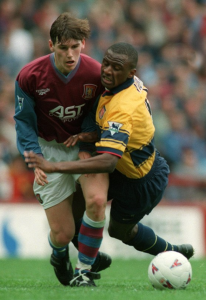
In much the same way he has become something of a Marmite pundit on the TV, Keown wasn’t every manager’s flavour. When George Graham was appointed Arsenal boss in 1986, Keown didn’t figure in his plans and he sold him to Aston Villa (see picture below) for £200,000.

M Keown villaThree years later, he became what Colin Harvey described as his best signing during his time as boss of Everton. A fee of £750,000 took him to Goodison.

In an interview with the Liverpool Echo back in 2013, Keown declared: “I thoroughly enjoyed my time at Everton. The only disappointment was that I couldn’t contribute to the club winning anything tangible in my four years there.

“I played under Colin Harvey and Howard Kendall and I was eternally grateful to them for the opportunity to play at a club like Everton.

“Looking back, in hindsight it was probably a bit much to ask a young lad, which I was then, to step into the boots of a club legend like Kevin Ratcliffe. But I always gave absolutely everything.”

Keown added: “The atmosphere was always superb at Goodison. Even though I played a lot of my career at Highbury, I loved Goodison.”

It was during his time at Everton that he won the first of his 43 England caps, getting the call-up from Graham Taylor to join the squad in 1992 to replace Mark Wright. When Terry Venables took over, he didn’t get a look-in.

But Glenn Hoddle restored him to the squad in 1997 and, although he was part of the 1998 World Cup squad, he didn’t get a game. He was a regular under Kevin Keegan and, in a game against Finland, had the honour of captaining the side. Age began to count against him by the time Sven-Goran Eriksson took charge of England and, although he was part of the 2002 World Cup squad, he wasn’t selected for any games.

His return to Arsenal in February 1993 meant he was the first player since the days of the Second World War to rejoin the Gunners, and it went on to become a 10-year spell in which he helped the club to win three Premier League titles and the FA Cup three times.

Arsenal paid a £2m fee to bring back their former apprentice and he and Andy Linighan were more than able deputies who kept established first choices Steve Bould and Tony Adams on their toes.

“Martin was deployed most frequently at centre-half where his formidable pace and thunderous tackling combined to thwart both target men and strikers running in behind,” declared an article on arsenal.com, lauding the merits of the ‘50 greatest Arsenal players’. “It meant, too, that he was vastly capable in an anchoring midfield role; something utilised by his manager.”

While not always a regular, Keown became an integral part of Arsene Wenger’s double-winning sides of 1998 and 2002 and remained a part of the set-up through to the winning of the FA Cup against Southampton in Cardiff in 2003.

The following season included the much-repeated TV moment when Keown mocked Ruud van Nistelrooy for missing a late penalty in a 0-0 draw at Old Trafford, an incident still being discussed only last summer.

Although Arsenal went on to win the title, Keown played only 10 league games and was given a free transfer at the end of the season.

He joined Leicester City, where he played 17 games but moved on to Reading six months later, ending his league career with five games at the Madejski.

Since calling time on his playing career, Keown has, of course, become known for his TV punditry with both the BBC and BT Sport, as well as being a newspaper columnist and contributor to many different media.

On Twitter, @martinkeown5 has 278,000 followers! He has also coached back at Arsenal and been a regular on the football speaker circuit.

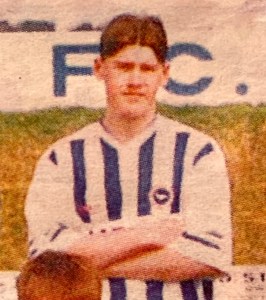
An all-too-fleeting, injury-dogged career for the late Bernie Gallacher

WELL-known names from the football world paid their respects at the funeral of tenacious left-back Bernie Gallacher.

Gallacher, who played for Aston Villa and Brighton, died in Sutton Coldfield in August 2011, aged 44, after a short illness.

Ginger-haired Gallacher was born in Johnstone, near Paisley, in Scotland, on 22 March 1967 and he played football for his school teams, St Peter’s Primary and St Aelred’s High.

His brother John played for Scotland schoolboys but Bernie missed out because he broke a leg just before a big game. Nevertheless, scouts from Leicester City and Villa had been tracking him and, at 16, he chose to join Villa, who’d won the European Cup the year before.

“Football was his life and he often played two or three games a day when we were growing up in Johnstone,” his other brother Charlie told the Paisley Daily Express. “I’ll never forget his debut for Villa because it was against Manchester United at Old Trafford and I remember thinking it didn’t get any better than that.”

It was the final game of the 1986-87 season and Villa were already heading back down to the old Division Two (now Championship). In an Albion matchday programme article, Gallacher said: “The Old Trafford match was a great occasion, but a bit unnerving in front of a cpacity crowd.

“The crowd seemed to be breathing down my neck – at that time I was used to only a couple of hundred watching the reserve side.”

The opportunity came under Graham Taylor after Gallacher successfully made it through the apprentice ranks. Taylor told the Birmingham Mail: “Bernie was reliable, wanted to do well and was never going to cause any trouble. He was a manager’s dream.

“He wanted to do his best and he wasn’t going to cause me any problems on or off the pitch.

“There are a number of players who don’t get recognised in football and Bernie was one of those. He would come out and give us a seven out of ten performance every week.

“If he’d had more confidence and belief in himself we might have seen some nine out of ten performances.”

Gallacher made a total of 72 appearances for Villa between 1985 and 1990, but former Villa teammate, Pat Heard, recalled: “Bernie became a cult hero during the 1987-88 promotion season and never gave less than 100 per cent every game.”

That season he played in all but one of Villa’s league games as they earned automatic promotion back to the top tier. But he only played 13 more top-flight games for Villa, seven of which came in the 1989-90 season when the Midlands club were runners up behind Liverpool, seven points ahead of third-placed Tottenham Hotspur. His final appearance in a Villa shirt came against Chelsea at Stamford Bridge in November 1990.

He had a brief loan spell at Blackburn Rovers and also played a couple of games for Doncaster Rovers before heading south to join Barry Lloyd’s second tier Brighton in the autumn of 1991, having been released by Villa.

Gallacher took over the left-back slot when Sussex lad Ian Chapman was injured and made his debut in a 1-0 defeat away to Blackburn on 2 November.He kept his place through to the end of what proved to be a disastrous season with Albion relegated in 23rd spot. While defending was his no.1 priority, Gallacher got on the scoresheet in a 2-1 Boxing Day defeat at Leicester.

North Stand Chat contributor, Blue Seagull, recalled: “The ball was played to him on the left touchline right in front of me; he cut inside one, went past another, and unleashed a shot from the edge of the area. Great goal!”

Gallacher took over the captain’s armband when normal skipper Gary Chivers and club captain Dean Wilkins were both unavailable, but it wasn’t the first time he had led a side. At Villa he’d captained the youth and reserve sides.

“Captaining a side is a privilege and I’ll be happy to do it until either Deano or Chivs is back,” he said.

He played 45 games for Brighton in total but his career was cut short by a bad injury. “Unfortunately, he suffered a horrendous cruciate ligament injury which all but ended a fantastic career,” his brother recalled in 2011. “We were all extremely proud of Bernie, as he really did make a name for himself at Villa Park and is still remembered fondly for his time with the club.”

He made a couple of appearances for Northampton Town after he left Brighton, but he was forced to retire from the game aged just 27. He later worked in the probation service.

Gordon Cowans, Brian Little and Steve Staunton were among the former Villa heroes who paid tribute to him at his funeral.

Shankly ‘disciple’ George Aitken coached Mariners and Seagulls

MEDIA-friendly Jimmy Melia stole all the limelight as Brighton stormed to the final of the 1983 FA Cup but a quiet, wavy-haired Scot alongside him played a big part in the achievement.

George Aitken was joint caretaker manager with Melia for three months after Mike Bailey’s dismissal in December 1982, and he’d previously been in the dugout alongside Alan Mullery and Ken Craggs during Albion’s rise through the divisions having originally been brought to the club by Peter Taylor.

.When he died aged 78 in August 2006, Jimmy Case told the Cumbrian Times & Star: “George was a great character, a great friend and coach right the way through my time at the club. “Jimmy Melia was in the front line with his white shoes but George was right there in terms of the workings of the club and picking the team. He was well respected for his knowledge of the game.”

Mark Lawrenson also paid tribute in an interview with Argus reporter Paul Holden, telling him: “George never got carried away. He had seen it all before. He was a very wily old fox. He was from the old school, a good, honest, true, loyal man.

“He knew his football, knew his players and liked a laugh. He had one of those infectious laughs.”

Micky Adams said: “He was a great football man, George. When I first joined Brighton as manager, he was one of my biggest allies. He always popped into the office to chew the cud and talk football. He loved Brighton and was a well-respected man who loved the game.”

Holden also reported that at Aitken’s testimonial dinner in 1988, former Albion secretary, Stephen Rooke, said: “He may never have reached the dizzy heights attained by many of his friends and acquaintances over the years but he represents a rare breed, in fact the very lifeblood of our national game.

Aitken tiler sully 78

Aitken puts Ken Tiler and Peter O’Sullivan through their paces in pre-season training in 1978

“Deep down George is a very private person but his reliability and honest, down-to-earth approach has, quite rightly, earned him enormous respect throughout the football world.”

Aitken had been a manager in his own right at Workington, and he and Melia had both been players under one of the game’s legends – Bill Shankly.

Shankly managed Workington between 6 January 1954 and 15 November 1955, when Aitken was a strong and commanding centre back for the Cumbrian side, and five of Melia’s 10 years playing for Liverpool were under Shankly’s managership.

Born in Dalkeith, Scotland, on 13 August 1928, Aitken was educated at Dalkeith High School and played football for Midlothian Schools.

His step up to senior football came at Edinburgh Thistle, which was essentially a feeder side for Hibernian.

David Jack, remembered as the first player ever to score at Wembley, had become manager of Middlesbrough in 1944, and took Aitken to Ayresome Park after the war.

“I was 20 at the time and it took me two seasons to reach the first team,” Aitken recalled in an Albion matchday programme article.

“Middlesbrough had a great team at the time and I played alongside the likes of (England internationals) Wilf Mannion and George Hardwick.”

Aitken made his debut against Fulham in 1951-52, but only made 18 top division appearances and, in July 1953, was sold to nearby Workington for £5,000.

It was the beginning of a long-standing relationship with a club who in those days played in the basement division of the Football League and is now in the Northern Premier League – the seventh tier of English football.

Aitken amassed 262 league appearances for Workington and, in the 1957-58 season, played against the famous Busby Babes at home in the 3rd round of the FA Cup in front of a record 21,000 crowd – just a month before the Munich air crash. Dennis Viollet scored a hat-trick for United in a 3-1 win.

“The game was an experience that I’ll never forget,” said Aitken, who kept on the wall of his house a picture of him with United’s skipper that day, Roger Byrne, who not long after that match perished in the Munich air crash.

Aitken retired as a player in 1960 but he stayed on at Borough Park as a coach, initially under Joe Harvey, who later enjoyed success at Newcastle United, and then Ken Furphy, who went on to manage Watford, Blackburn and Sheffield United before moving to the USA and taking charge of four different clubs.

Aitken had a brief spell as Workington manager between March and June 1965 (stepping in after Keith Burkinshaw – later famously boss of Spurs – had left) but then followed Furphy to Watford in 1965 as his coach. During that time, Watford, then in Division Two, famously beat Shankly’s Liverpool 1-0 in the quarter-finals of the FA Cup before losing to eventual winners Chelsea in the semi-finals.

The lure of Workington was to draw him back to the north west, though. When the manager’s job became vacant in 1971, Aitken took over and stayed for three seasons, eventually leaving in October 1974.

grimsby 75

In the 1975-76 season, he was trainer-coach during Tommy Casey’s spell managing Grimsby Town (where, as in picture, one of the players was former Albion defender Steve Govier), but left the Lincolnshire outfit to join Peter Taylor’s coaching set-up at Brighton in 1976. The Scot ended up staying for 10 years.

Aitken and wife Celia had three children and I well remember one of them, Bruce, appearing for Worthing FC.Aitken 2

George was clearly football daft, and in a matchday programme feature of September 1985, Celia told Tony Norman: “Football has always been his hobby, as well as his way of earning a living. He really loves the game. It’s not unusual for us to be driving somewhere and to stop because George has seen a game going on in a park by the road. He can’t resist watching for a while.”

During Chris Cattlin’s reign as manager, Aitken was the reserve team manager and chief scout, and in the programme article he said: “I can look back on some very happy memories. I was assistant manager when we took the club to Wembley and that experience is something I’ll never forget. But that is all in the past and what really matters to me is the future for Brighton Football Club. So, I enjoy going out to look for youngsters who could do a good job for us in years to come.”

After being sacked by Brighton, Aitken did scouting work for Graham Taylor during his spells at Watford and Aston Villa and then had three years working for the FA during Taylor’s reign as England manager. His last football role  was at Bolton Wanderers when Colin Todd was the manager.

end shot aitken armchair

Pictures from a variety of sources including the matchday programme, online sites and the Argus.