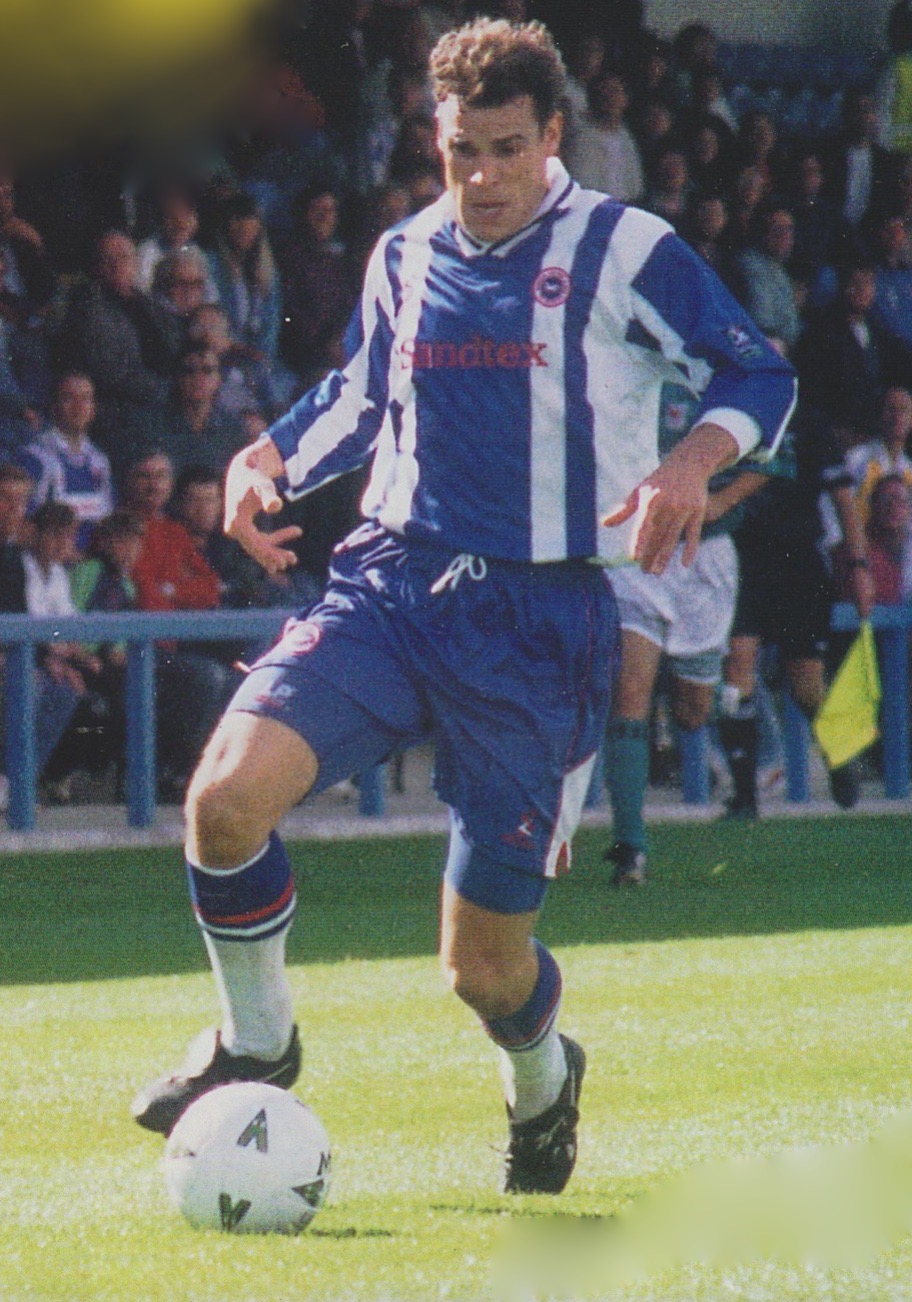
Lift engineer Hughton took Seagulls to a different level!

TOTTENHAM HOTSPUR was a key part of Chris Hughton’s life for more years than any of the other clubs he went on to serve.

While Brighton fans will always appreciate his four-year tenure taking the Seagulls from the Championship into the Premier League, he spent the first 19 years of his playing career at Spurs as well as 14 and a half years as a coach (and occasional caretaker manager) at White Hart Lane.

Hughton joined Tottenham’s youth set-up at the tender age of 13 in 1971, as he recounted in an In The Spotlight feature in the Spurs matchday programme for their September 2024 game v Brentford. It was the year the club won the League Cup captained by Alan Mullery with a side that included Phil Beal, Joe Kinnear and Martin Chivers, who scored both goals in the 2-0 victory over Aston Villa.

Hughton attended inner city school St Bonaventure’s in Newham, many years later attended by loanee striker Chuba Akpom who told Andy Naylor in an exclusive for the Argus: “When I was in school there used to be pictures of the gaffer there. The kids used him like an inspiration and motivation. I did as well: seeing someone come from the same area and the same school as me to become such a big and successful person.”

Other footballing St Bon’s alumni included Hughton’s brother Henry, John Chiedozie, Jermaine Defoe and Martin Ling (briefly an Albion player under Micky Adams).

Hughton’s progress as a youngster took a slightly unconventional turn when, at 16, Spurs told him he hadn’t done quite enough to be taken on as an apprentice.

“There was still that chance, though – a small window of opportunity,” he recounted to coachesvoice.com. “So, while I started a four-year apprenticeship as a lift engineer, I stayed on at Tottenham as an amateur.

“That meant working all day, then on two nights a week getting the bus or train to the training ground – apart from those days when I ended up working late and just couldn’t get there in time. Then, on Saturdays, I’d play for the youth team. I lived that life for two years.”

Football-wise, by the age of 18 Hughton had done enough to persuade Spurs to offer him a professional contract – but he didn’t want to cut short his lift engineer apprenticeship, so he turned them down but continued playing for the club as an amateur.

“I was fortunate,” he said. “My window of opportunity stayed open, and at 20 I finally became a professional footballer for Tottenham… as well as a qualified lift engineer.”

It was during Keith Burkinshaw’s eight-year reign as manager that Hughton enjoyed most of his success as a Spurs player, usually filling the left-back spot of a side that won the FA Cup in 1981 and 1982 and the 1984 UEFA Cup.

“It was a period that had a big impact on me, and on who I became,” said Hughton, who played alongside the likes of World Cup winners Ossie Ardiles and Ricky Villa, the gifted Glenn Hoddle and goalkeeper Ray Clemence, and Steve Perryman, “the best captain I played under”.

Born in Forest Gate, east London, on 11 December 1958, it might have been West Ham territory but it was Spurs that took on trial a group of five lads who had been playing in the district of Newham side.

“I ended up staying there,” he told the Argus in a November 2017 interview. “My upbringing was different. I was always playing. Although my dad is very much now a football fan, I didn’t have a family background of football.

“I think I went to West Ham once, a family friend took me. I was a football fanatic but always playing. I never really had an allegiance to any team. But I’m very much a West Ham lad.”

Hughton qualified to play for the Republic of Ireland – home of his mother Christine. His father Willie was Ghanaian (Hughton later became that country’s coach).

He made his debut for Eire in 1979 and won 53 caps over the next 12 years, including playing in three matches at the 1988 Euros. Although he was in the 1990 World Cup squad, he didn’t play any matches. He was the Republic’s assistant manager to Brian Kerr between 2003 and 2005.

Being of mixed race, Hughton suffered plenty of racial abuse both from the terraces and from opposition players, as he revealed in an interview with broadcaster Ian ‘Moose’ Abrahams for whufc.com in November 2023.

“You suffered it by yourself because you were the only one who was receiving that type of abuse, you were the only one that almost understood it, and being the only black player in the team you took all of that on your own shoulders,” he said.

“Sometimes it’s hard to think back now and comprehend how you coped with that, and the coping mechanism is because firstly you are used to it, and secondly your mentality had to be that you’re better than that. You generally suffered by yourself.”

Hughton continued: “There were numerous times over that period, especially in the reserve team, and yes, even in the first team that I suffered racial abuse [from opposing players].

“I reacted to it, but I knew the boundaries, because you knew if you went too far you were going to get sent off.”

A knee injury at the age of 28 was a signal for Hughton to begin to consider what he might do once his playing days were over, and he did some coaching sessions at soccer schools. “I started to think this was what I wanted to do,” he said.
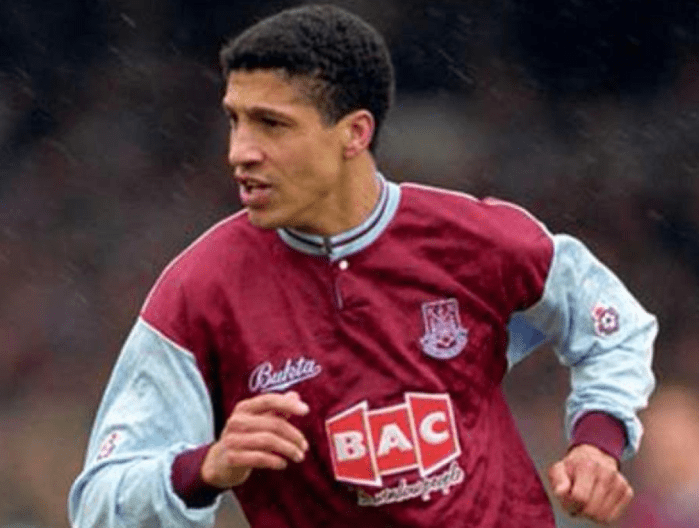
When he was no longer guaranteed a starting berth at Spurs, Hughton moved across London to the club closest to where he grew up: West Ham. Hughton signed for the Hammers initially on loan in November 1990 to cover for the injured Julian Dicks, and then permanently on a free transfer.

“My parents still live in Upton Park, so I was born and brought up very close to the stadium,” Hughton recalled in a November 2017 Argus interview.

Signed by Billy Bonds, he was with the Hammers for just over a year, helped them win promotion from the old Division Two in 1990-91and played a total of 43 matches (plus one as a sub).

“It was a really enjoyable period of time,” he said. “Billy Bonds was the manager. He was not only a great manager but a great individual.”

In February 1992, he moved on a free transfer to then Third Division Brentford, whose squad included Neil Smillie and Bob Booker. Graham Pearce was a coach. They won the divisional title but the following season Hughton’s troublesome knee forced him to retire at the age of 34.

“By the time I signed for Brentford at the age of 33 I was certain that I wanted to coach,” Hughton told coachesvoice.com. “I was taking far more interest in things like tactics and the thinking behind training sessions. Brentford’s manager at the time, Phil Holder, even allowed me to take a few sessions.”
Hughton added: “It actually set me up for my coaching career as I learned a lot in that time.”

After he’d called time on his playing days, he didn’t have to wait long for an opportunity to open up for him as a coach because his former teammate Ardiles, who’d not long since taken over as Spurs manager, invited him to help out back at White Hart Lane.

“We’d been good friends since our days playing for the club, so he knew all about my coaching aspirations and brought me in as the under-21s’ and reserve team coach,” Hughton explained. “I’ve always been very grateful to him for giving me that first opportunity.”

For the first year or so, he worked alongside the former West Ham player Pat Holland, who he described as “an excellent tactical and technical coach”.

Hughton explained it was a period in which he discovered how to transition from being a player to a coach. “As much as you’ve been part of a changing room thousands of times as a player, taken part in countless training sessions and listened to more team talks than you can remember, none of those things have ever been your responsibility before.

“In that respect, football is no different to any other aspect of life. If someone has spent years working on a shop floor, then moves up to management and has to govern a group of people, they have to make that same transition. It’s not easy.”

As managers came and went, Hughton remained on the coaching staff. After Ardiles came Gerry Francis and Christian Gross. Hughton was in caretaker charge for six matches before George Graham took over from Gross. Next in the hot seat was Glenn Hoddle, followed by Jacques Santini and then Martin Jol.

“Such a long apprenticeship might not be for everyone and some can go straight from player to manager at a young age, but I wouldn’t have been ready,” said Hughton.

“There was always something new to learn and experience. It was exciting to see what each new manager would be like, how he would involve me and what I would learn.

“The club could easily have said, ‘Now that the manager has left we won’t be keeping you on’, but they showed faith in my abilities and, in return, I provided some continuity.”

Hughton was assistant manager to Jol and said: “We had three years together, and in terms of league positions they were successful ones.”

By the time he was shown the door at Spurs, along with Jol, after a difficult start to the 2007-08 season, he felt ready to become a manager in his own right.

But before that happened, a different proposition emerged when Kevin Keegan asked him to become first team coach at Newcastle United.

“I’d spent my entire playing and coaching career in London, but any apprehension I felt at relocating to another part of the country was outweighed by the excitement,” he told leadersinperformance.com.

“I was going to a legendary club with an incredible tradition, rich history and great fan base and I was going to assist Kevin Keegan. I learned a lot from him during our time together, especially from his strengths in man-management.”

• What happened next in Hughton’s career is the subject of my next blog post. Thanks for reading!

The Barking boy who became a Hammers play-off final hero

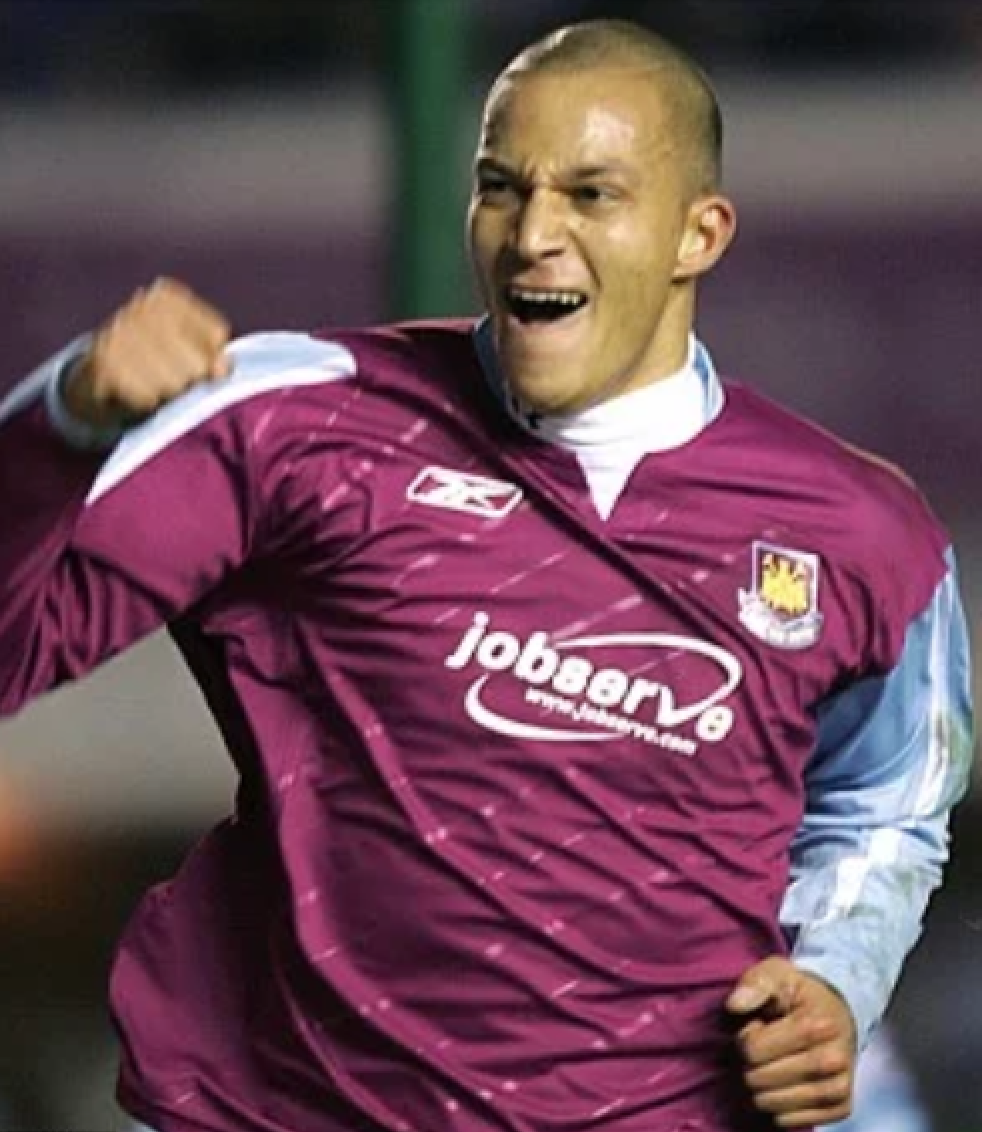
IT WAS A DREAM come true for Bobby Zamora to play for West Ham, the team he supported as a boy.

Born in Barking on 16 January 1981, he explained: “They were my local team and having been spotted by the club playing for my Sunday side, Senrab, I signed schoolboy forms and we’d be given tickets to watch the team on a Saturday afternoon at the Boleyn.”

Zamora’s favourite player was Tony Cottee and the side at that time included the likes of George Parris and Julian Dicks. “It was always a great atmosphere down there, singing ‘Bubbles’, and I count myself honoured and privileged to have played for the club that I grew up supporting,” he said.

Fellow Senrab players John Terry, Paul Konchesky, Ledley King and JLloyd Samuel were all snapped up by the Hammers at the same time but when the club decided to merge two centres of excellence they found themselves playing fewer games which prompted them all to leave.

Zamora joined Terry at Chelsea but suffered Osgood-Schlatter disease (which causes pain and swelling below the knee joint)and had to stop playing for six months. He described in the Undr The Cosh podcast how Norwich kept in touch with him to see how the injury was progressing so, when he was fit again he joined them and spent a season in Norfolk.

“They had a lot of London lads in their side but it was like playing in the Land of the Giants,” he explained in a matchday programme article. “They were all 15 going on 18, much bigger physically and taller than me, and I was released for being too small.”

His friend Luke Williams was also released but the pair of them were offered a trial by Bristol Rovers and, after only playing half a match, both were offered apprenticeships.

As described in my previous post, it was from Rovers that Zamora joined Brighton, while Williams played non-league before moving into coaching, which included a spell as development coach at Brighton.

When Spurs decided to swap Zamora for Jermain Defoe, a move to the Boleyn was a bit of a no-brainer for the former fan, although Premier League Leeds United were also keen to take him.

“The pull of West Ham was too great and although it was a drop into the Championship, the squad they had under Alan Pardew was more than good enough to go up,” he said.

Zamora got off to a good start with the Hammers, scoring on his debut and again on his home debut. That first goal came after he had gone on as a sub in a 2-1 win at Bradford City on 7 February 2004. He followed it up with the only goal of the game in a home win over Cardiff on 28 February.

Three more goals followed before the end of the 2003-04 campaign, but the season ended in disappointment when the Hammers lost in the Championship play-off final at the Millennium Stadium, Cardiff, against Crystal Palace the day before Brighton’s famous League One play-off win against Bristol City in the same stadium.

Zamora had a first half effort saved at point blank range by Palace keeper Nico Vaesen and a second half ‘goal’ ruled out for offside before being subbed off on 68 minutes as Palace won promotion courtesy of a Neil Shipperley goal.

All was put right a year later, though, when at the same ground Zamora was the Hammers hero. It was his turn to score the only goal of the game, against Preston North End, getting on the end of a Matthew Etherington cross to slot home from six yards in the 57th minute.

Play-off final scorer

Across the season, Zamora made 20 starts and 19 sub appearances, scoring 13 goals. His first double for the club came in a 3-2 League Cup second round win over Notts County at Upton Park on 21 September 2004.

Competition for forward places was fierce with Marlon Harewood, Teddy Sheringham and Sergei Rebrov also pushing for a place up front.

As well as scoring in that play-off final, Zamora had emphasised his claim to a starting berth by scoring in the 2-2 semi-final first leg home draw with Ipswich then twice in a 2-0 win at Portman Road in the second leg.

Pete Ellis on claretandhugh.info reckoned Zamora “played a key role for the Hammers at a pivotal point in our recent history” and he added: “The promotion season in 2005, where he and Etherington played like men possessed in the play-offs, still fills me with great pride.”

Back in the Premiership, Zamora scored 10 goals in 20 starts and 22 appearances off the bench and Ellis remembered “some great displays showing his ability to hold the ball up and have the craft and guile to bag a few tasty goals in the process.

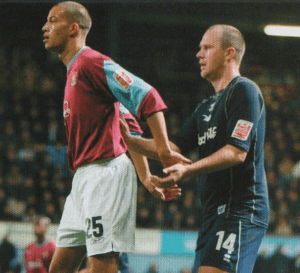
Zamora marked by former Brighton teammate Guy Butters who scored Albion’s goal in a 1-0 win for the Seagulls at the Boleyn Ground

“A proper character around the club, I enjoyed watching Bobby play and thought he never really got the plaudits that his talents and performances deserved.”

Amongst memorable goals in 2005-06 were a stunning solo effort in a 2-1 win at Birmingham and a goal in a 3-2 win at Highbury. Unfortunately, he’s also remembered for having his penalty saved by Pepe Reina in the FA Cup Final shoot-out with Liverpool.

The 2006-07 season saw Zamora make 30 starts and seven sub appearances, scoring 11 goals and named runner-up to Carlos Tevez in the Hammer of the Year contest.

A terrific start to the season saw him score five goals in his first four matches, including two against Charlton in a 3-1 opening day win.

A four-month barren spell came as the Irons struggled but he scored crucial goals against Blackburn, Everton, Middlesbrough and Arsenal (the last time West Ham played at Highbury).

Fans remember too his goal the following season – a chip over Jens Lehmann – that sealed a vital win for the Hammers at Arsenal’s new Emirates Stadium, with a heroic performance from ‘keeper Rob Green keeping out the Gunners at the other end.

The arrival of Craig Bellamy and return from injury of Dean Ashton added competition for Zamora, who missed seven months of the 2007-08 season with tendinitis.

His last Hammers goal was in a 2-1 win at the Boleyn against Derby on 19 April 2008, and his last game for the club was in a 2-2 draw at home to Aston Villa the following month. He had scored a total of 40 goals in 152 appearances for West Ham.

Even though he had missed a lot of games, and only scored once in 12 starts plus two off the bench across the whole season, he had no inkling he wouldn’t be offered a new contract.

“I went in at the start of the next season expecting to be talking about a new contract and they told me they’d agreed a deal to sell me to Fulham,” he told the Fulham website in a 2019 interview.

“It was obvious I wasn’t wanted and I made my way down to Motspur Park,” he said.

Zamora and team-mate John Paintsil moved to Fulham for a joint fee of £6.3m (Zamora was valued at £4.8m).

• I’ll explore how Zamora got on at Fulham ahead of Brighton’s game with them in March. His form with the Cottagers hit sufficient heights as to earn him two England caps.

Transfer makeweight Storer became all-time Seagulls hero

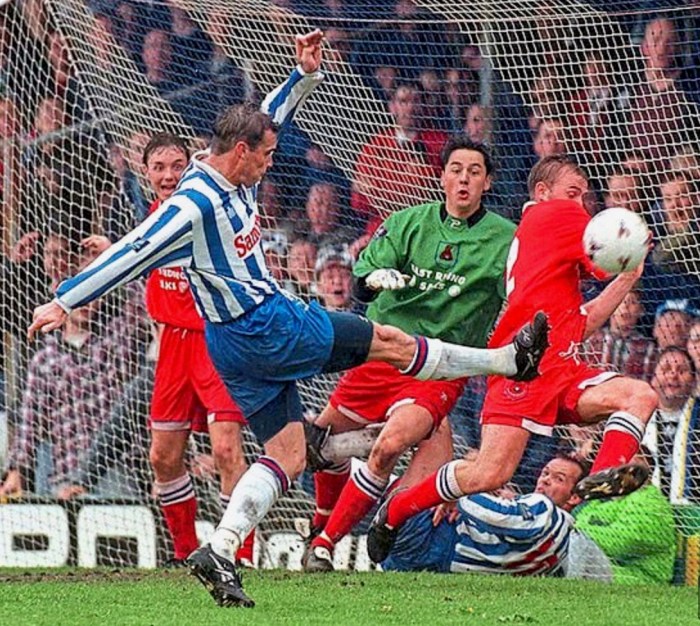
STUART Storer cemented his place in Brighton’s history when he scrambled home a last-gasp winner in the final ever home game at the Goldstone Ground.

When a seemingly goal-bound header from Mark Morris bounced off the south stand end’s crossbar, fortunately it fell into the path of the onrushing Storer who managed to scramble it over the line among a sea of flailing Doncaster Rovers legs.

That moment on 26 April 1997 is often brought up with Storer via media interviews or simply when bumping into Brighton fans while on his travels. The goal is featured in the pre-match video montage shown on the TV screens at the Amex, so it has been seen by various generations of fans.

“I’m proud that people hold me in so much esteem and I’m very fortunate to be part of the club’s history,” Storer told Brighton & Hove Independent in an April 2017 interview. “Younger people that I teach watch the video and take the Mickey but they’ll never kill my pride. I’m very proud of that moment.”

The goal ensured a vital three points were secured in the fight to avoid relegation from the lowest tier in the Football League. In the one remaining game the following week, Albion managed to get the point needed to stay up while simultaneously relegating Hereford United.

Those crucial matches were just two of more than 150 games Storer played for the Albion under six different managers during an extraordinarily turbulent time for the club.

It was, though, a rather curious playing career all round that saw some of the game’s biggest names – Liam Brady, Alan Ball, Howard Kendall and Ron Saunders – sign him for their clubs. And he carried on playing until he was 42.

In 2006 and 2007, he was part of Everton’s Masters’ six-a-side team in the televised tournament featuring veteran players. Storer’s teammates included the likes of Neville Southall, Adrian Heath and Alan Harper.

Storer had been at Goodison Park the last time the Toffees were the English league champions. However, he didn’t make a first team appearance, invariably being the 13th man in the days when there was only one substitute.

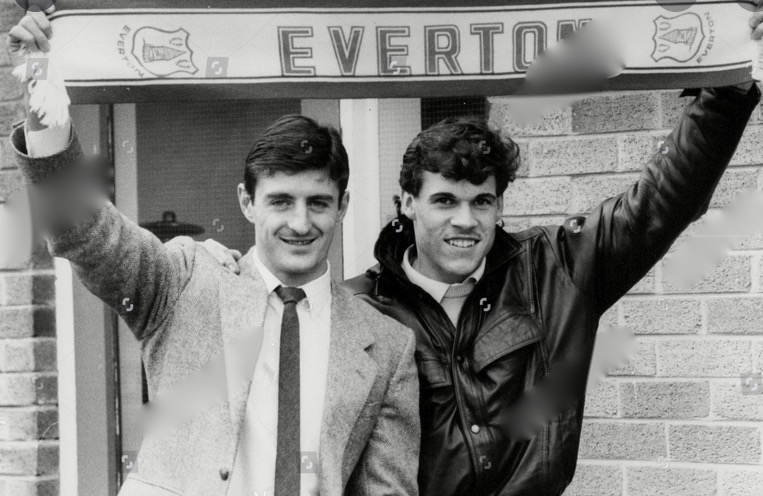
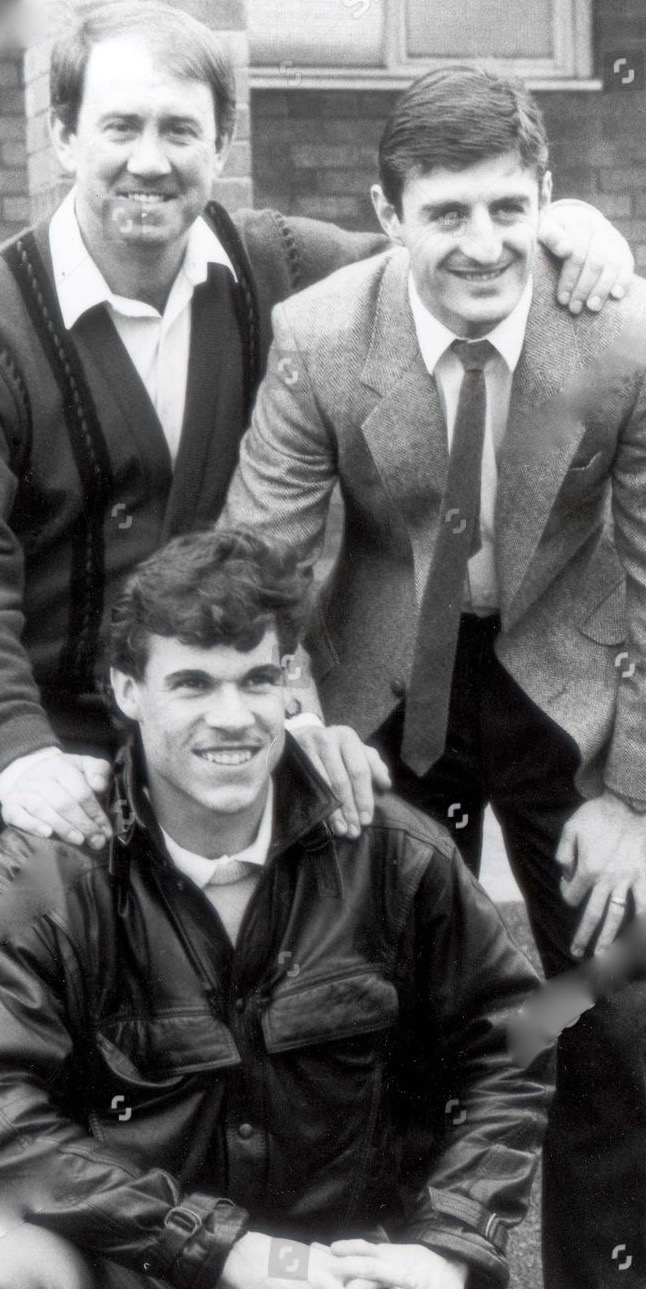
He’d arrived on Merseyside as a transfer makeweight in a £300,000 deal Kendall struck with Birmingham City to sign Wolverhampton-born striker Wayne Clarke – the youngest of five brothers who played league football.

Clarke’s former club, Wolves, were convinced Storer had been included in the deal simply to lower the sell-on amount they were due as part of a previous agreement.

Clarke scored five goals in 10 games – including a hat-trick in a 3-0 win over Newcastle United on Easter Monday – to help Everton win the League Championship. Storer had made only 12 appearances for City in three years so his chances of making an impact with the title-chasers were slim.

Although Storer was on Everton’s books for nine months, he never crossed the white line for the first team and went on loan to Wigan Athletic, making his debut on the opening day of the 1987-88 season in a 4-4 draw away to Notts County (Garry Birtles scored two of County’s goals).

Storer was no stranger to a 4-4 draw. He played in two for Albion in 1997 – on 8 March at home to Orient and on Boxing Day later the same year when they drew at Priestfield against Colchester United (Paul Emblen got a hat-trick for the Seagulls).

Storer started nine games for the Latics and came on as a sub three times under Ray Matthias but they didn’t have the funds for a permanent transfer. Instead, the loan was cut short and, on Christmas Eve 1987, Everton sold him to then Fourth Division Bolton Wanderers for £25,000. He scored his first goal for the Trotters four days later in a 2-1 home win over Stockport County.

He enjoyed seven seasons at Burnden Park as they progressed from the basement division to the third tier under former Liverpool and England full-back Phil Neal.

His time with the Trotters included two trips to Wembley. He was a late substitute in the Wanderers side captained by Phil Brown who beat Torquay United 4-1 in to win the Sherpa van Trophy in 1989. And he was a starter in the Wanderers side who lost the 1991 Third Division play-off final to Tranmere Rovers.

Having broken an ankle and seen Neal switch to become Steve Coppell’s assistant manager at Manchester City, Storer was sold to Exeter City in March 1993 by Neal’s successor Bruce Rioch. Storer made 177 appearances for Bolton, but Rioch’s signing of David Lee had signalled the beginning of the end of his time there.

It was former World Cup winner Ball, then boss of Exeter City, who paid £25,000 for Storer’s services. He made 75 appearances (plus two as a sub) for the Grecians, initially under Ball and then his successor, former Leeds and England left-back Terry Cooper in the 1994-95 season.

Financial problems at the Devon club led to his departure. Early negotiations with a view to a transfer to Brighton initially broke down but Brady finally managed to secure his services for £15,000 in March 1995.

Ironically, he then suffered an injury during his first day’s training with the Seagulls, delaying his first appearance until 29 April. But it was memorable as he scored in a 3-3 draw away to his former club, Birmingham.

He recalled in a March 2019 interview with Michael Walker for the Daily Mail: “I was in an untenable situation at Exeter because they were going into administration. I had to get out. It was from the frying pan into the fire.”

However, Storer said, at the time he signed, he was unaware of the tensions going on around the Albion, although he knew he was the first player signed after a transfer embargo had been lifted. Not for the first time in the club’s history, fans dipped into their pockets to help buy the player.

“I think the fans just wanted to buy a player, any player, and they chipped in,” said Storer.

Born in the village of Harborough Magna, just north of Rugby, on 16 January 1967, he was raised in the village of Dunchurch, just south of Rugby, attending its local junior school before moving on to Bilton High School, where his footballing ability was recognised with selection in the Rugby Boys and Warwickshire Boys representative sides.

Wolverhampton Wanderers scout John Jarman spotted him and he went along to Molineux during the Ian Greaves managerial reign. When a takeover at Wolves saw Jarman and Greaves depart for Mansfield Town, they took the young Storer on as a trainee at Field Mill.

He began playing for their youth side but he was given his Mansfield first team debut aged only 16 in a 4-0 win over Hartlepool.

Storer and Julian Dicks at Birmingham City

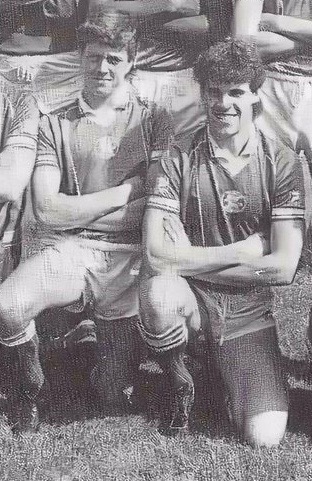
Released after only a year with the Stags, he was offered another chance to build a league career by Birmingham who he joined in July 1984, initially signing as a trainee and then becoming a professional. But after limited first team opportunities at St Andrews, Saunders’ successor, John Bond, sold him to Everton as part of the Clarke transfer.

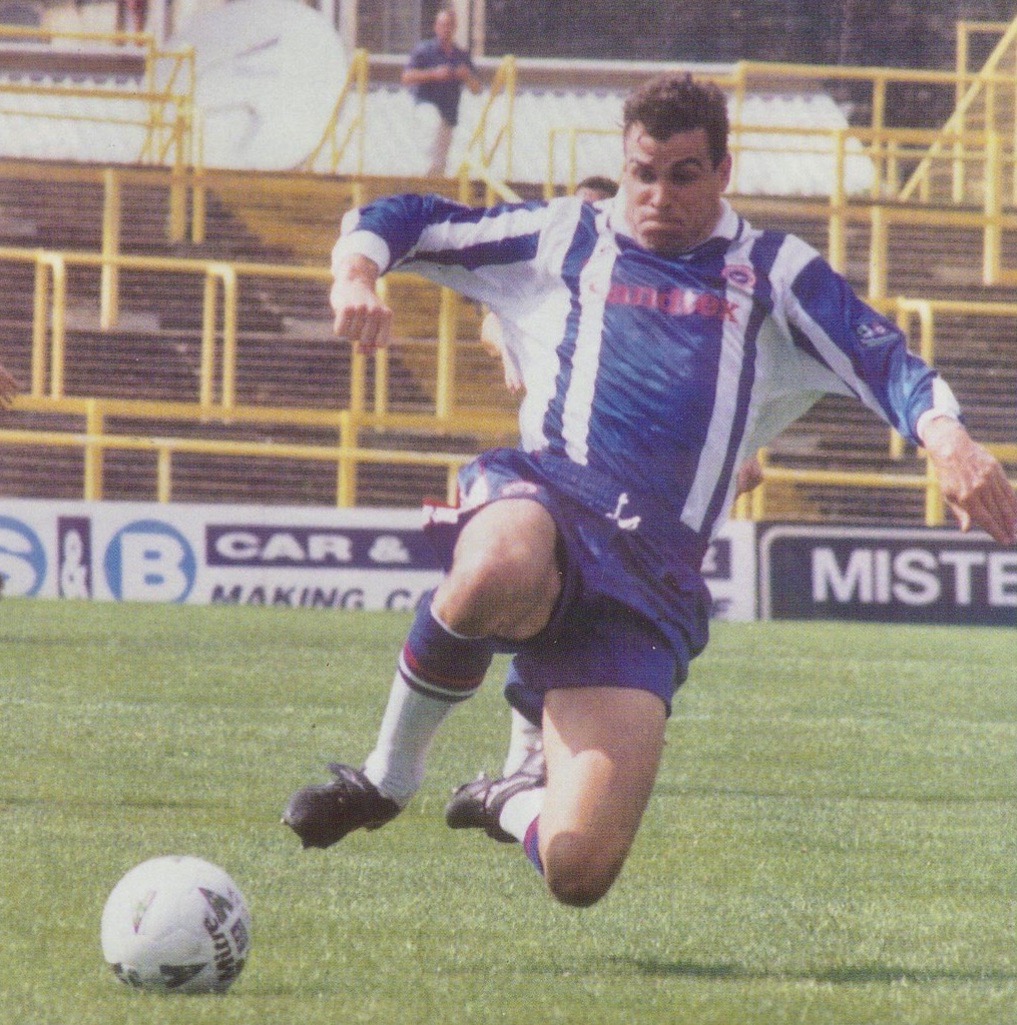
After Storer’s crucial part in keeping Albion in the League, he remained at the club until 1999, playing a total of 152 games and being part of the side who had to spend two years playing home games at Gillingham.

He moved back to Warwickshire on the day the Seagulls played their first friendly at Withdean on 24 July 1999,signing for Southern League Premier Division side Atherstone United, but he was only there for two months before moving to Kettering Town, who were playing in the Football Conference, the tier just below the Football League.

In May 2000, Storer signed for Isthmian League Premier Division side Chesham United and spent a season with them, before moving nearer to his Midlands base and signing for Hinckley United in March 2001.

Storer was made club captain, and as he approached his late 30s, he got more involved with coaching. At the age of 40, Storer was a member of the Hinckley team that achieved their highest ever league position of fourth in the Conference North, losing in the play-off final to deny them promotion.

After eight seasons, he had made more than 300 appearances for the part-timers of Hinckley while working as a PE teacher at various colleges in Coventry.

Storer continued to play until he was 42 and since 2013 has managed Bedworth United, where he is still in charge and also runs academies for boys and girls and A Level courses. He said: “I played until I was 42 at Hinckley in the Conference and then my legs gave way and I had to do something else in football.”

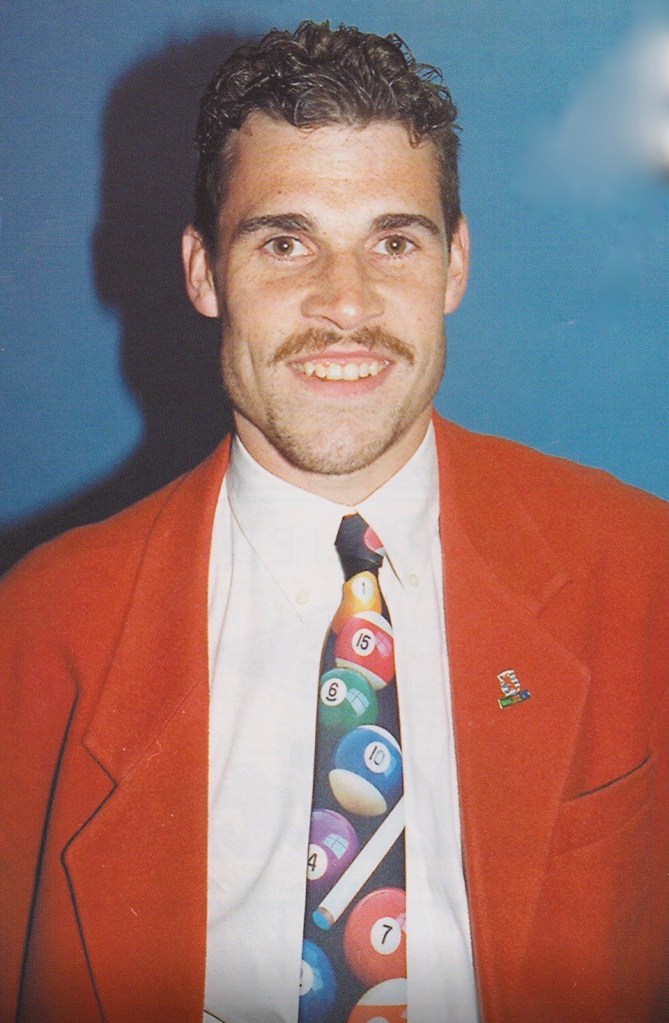
There’s a Michael Portillo style to Storer’s attire here and he admitted in a matchday programme article to having a penchant for “having a bizarre choice in clothing” as well as being an avid collector of hats.