Gary Lineker cleaned defender Larry May’s boots

larry may wednesINJURY cut short Larry May’s playing career at Brighton but, during a purple patch of his four-year spell at Barnsley, he impressed his peers to the extent he was in the 1986-87 PFA team of the year.

Alongside him in that selection were Lee Dixon, the ITV football pundit who in those days played for Stoke City prior to his move to Arsenal, and former Albion full back John Gregory, who was playing in midfield for Derby County at the time.

Centre back Larry began his career with Leicester City and played over 200 games for them between 1977 and 1983. When given a run in the first team by former Rangers manager Jock Wallace, Larry’s boots were looked after by none other than Gary Lineker: the Match of the Day host being a Filbert Street apprentice at the time.

Leicester’s club historian John Hutchinson – who said of May: “He was very strong in the air, a powerful tackler and had pace” – drove down to Brighton in 2015 to interview Larry about his time with the Foxes and published the story on foxestalk.co.uk.

Leicester had spotted him playing for a local youth team in Birmingham and invited him for a trial. Aged 17, he made his debut in the top division against Bristol City when one of his teammates was Frank Worthington, another who later played for the Albion.

In the following season, Jimmy Bloomfield, the manager who gave him his debut, departed and was replaced by Frank McLintock, who didn’t give May much of a look-in.
Screenshot
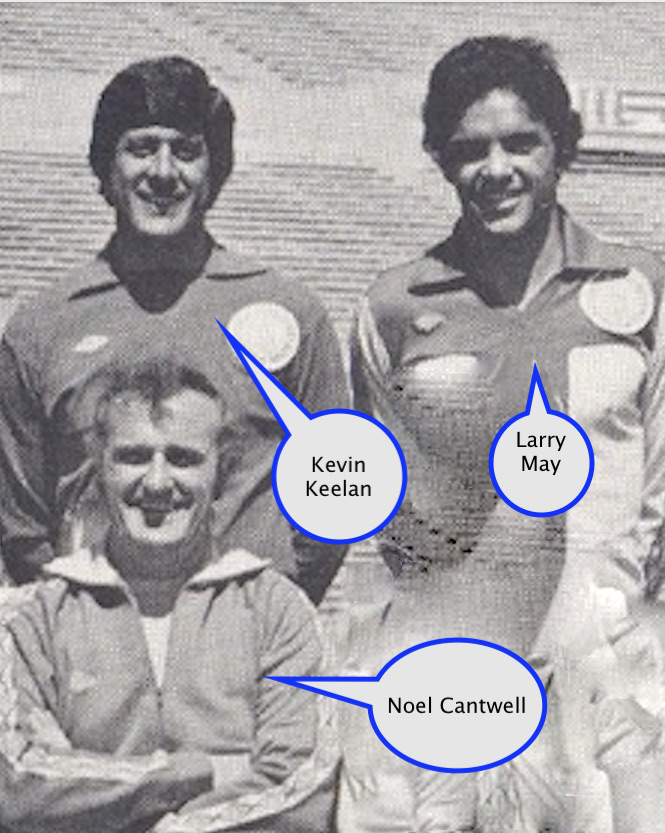
May played in front of ex-Norwich goalkeeper Kevin Keelan for the Tea Men

He went to play for New England Tea Men (a franchise owned by the Lipton tea company) in America under ex-Coventry manager Noel Cantwell to get some games but ruptured a cruciate ligament which some thought might end his career before it had even got off the ground.

Back at Leicester, McLintock was succeeded by Wallace and he paired May at the back with John O’Neill – a partnership that endured for the best part of five years.

In those early times, though, May admitted he had to play through pain and regularly ice his knee.

Not only was May ever-present in the 1979-80 side that won promotion from Division 2, he headed the only goal of the game at Leyton Orient on the last day of the season to clinch the title. Striker Alan Young, who played for Albion in the 1983-84 season, was another ever-present.

Leicester only survived a season in the top flight and following relegation Gordon Milne replaced Wallace as manager, guiding them to promotion in his first season. May, though, didn’t see eye to eye with the former Liverpool midfielder and ended up handing in a transfer request.

In an Albion matchday programme, May said: “”We fell out over something and nothing really but at 24 you think you know it all and there was no future for me once I’d asked for a transfer. “Thinking back, I realise that I should have got on with it.”

As it was, in August 1983 he dropped a division and joined Barnsley for a fee of £110,000, signed by the legendary former Leeds hard man, Norman Hunter.

larry may bw“For a man with a reputation of being one of the fiercest characters in football it was unbelievable – I’d say he was definitely the nicest fellow I’ve ever played for,” said May.

While on the books at Oakwell, with a nod towards a longer future in the game, May took his full FA coaching badge.

He told foxestalk.co.uk: “I was happy at Barnsley but, in retrospect, I should have bided my time and stayed at Leicester really. But I was a bit young and naïve. I loved it at Leicester. Leicester were the best club I ever played at. It was my best time in football and I loved it there.”

After three years with Barnsley, former Albion winger Howard Wilkinson took May to Sheffield Wednesday. He had just turned 28 and the move represented a step back up in standard.

“It was an important move at that stage in my career but looking back it was never brilliant for me at Hillsborough,” he said.

Amongst the competitors for his place was Nigel Pearson, later to be better known for some eccentricities in management with various clubs.

At the start of the 1988-89 season, a move south to Brighton was mooted but Wilkinson held onto him because of some early season injury problems. However, Barry Lloyd got his man towards the end of September 1988 and May joined Brighton for £200,000.

His debut in a 2-1 Goldstone win over Leeds brought to an end a run of eight defeats at the beginning of the season but it was back to losing ways – both 1-0 – in the following two games which, ironically, were against his former clubs, Barnsley, at home, and Leicester, away.

monoMay

The return fixture with Leicester was a happier outcome for May, though, because he was the sponsors’ man of the match in a 1-1 draw.

In his programme notes for the Barnsley game, manager Lloyd said: “I know he’ll have a big impact on the way we play….at 29, we know he has a lot of football left in him.”

Captain Steve Gatting had a programme column that season and he also welcomed the central defender, adding: “His experience in the top two divisions is bound to rub off onto some of younger players. When we’ve played against Larry in the past he’s tended to be the man of the match and I’m sure everyone at the Goldstone wishes him and his family every success.”

Understandable sentiments, of course, and such a shame that before the season’s end, after only 25 games, the cruciate ligament in his right knee was shattered in an accidental collision with teammate Paul Wood during a magnificent 2-1 home win over Man City.

“I knew straight away, having had knee trouble before, how serious it was,” he said. “It wasn’t Paul’s fault. It was just one of those things.” He was carried off on a stretcher and it was his last game for the club.

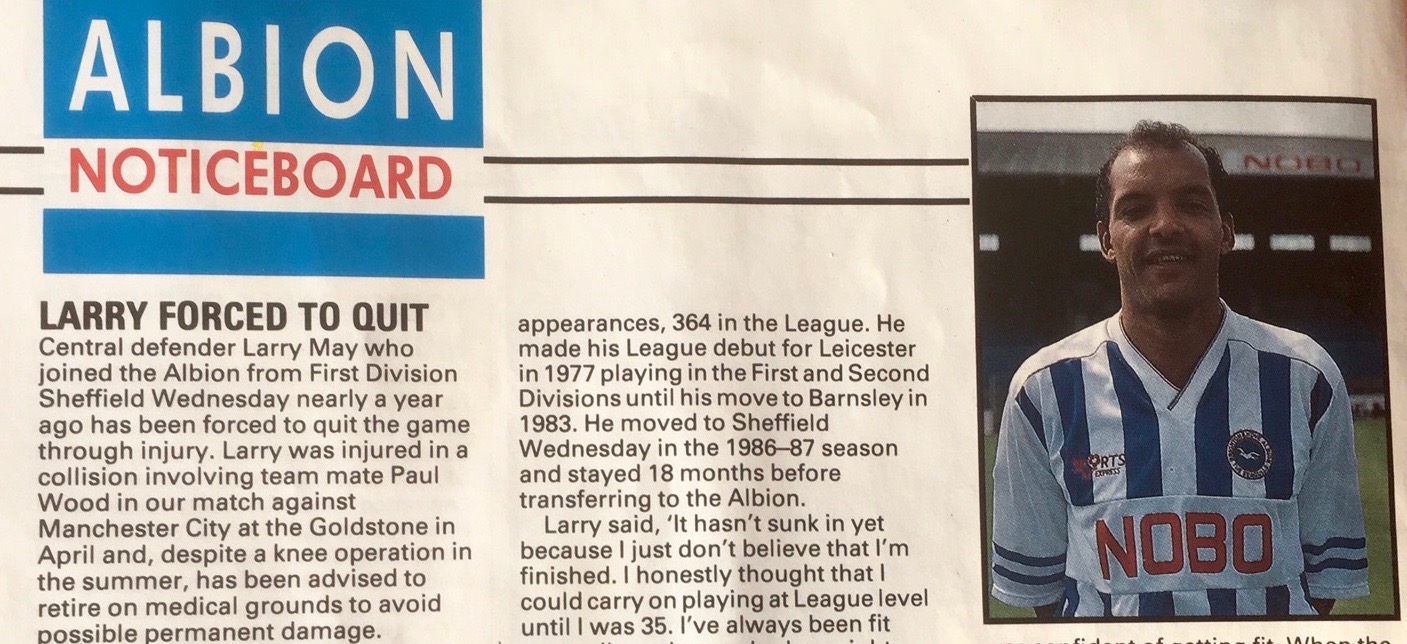
It was in the matchday programme for Albion’s game v Ipswich Town on 27 September 1989 that news of his forced retirement was announced.

“The sudden decision has stunned 30-year-old Larry and his family who were beginning to settle in the Brighton area after moving from Wakefield last year,” the announcement read. “In a 12-year career in the game, Larry has made more than 400 senior appearances, 364 in the league.”

A dejected May told the programme: “It hasn’t sunk in yet because I just don’t believe that I’m finished. I honestly thought that I could carry on playing at league level until I was 35. I’ve always been fit generally and never had a weight problem and this has really hit me.

“When the specialist told me that I shouldn’t play again my first reaction was that it had to be wrong. Now I’ve got to rethink and I’m not really sure about my future.”

Manager Lloyd added: “The announcement that Larry May had been forced to retire from playing was a particularly sad one. He performed very well for us last season and put heart and soul into everything around the club.”

Thankfully Larry was able to put that coaching badge to good use when Lloyd made him reserve team coach and, after a time working for the Surrey FA, he later returned to the club as Head of Sports Participation for Albion in the Community.

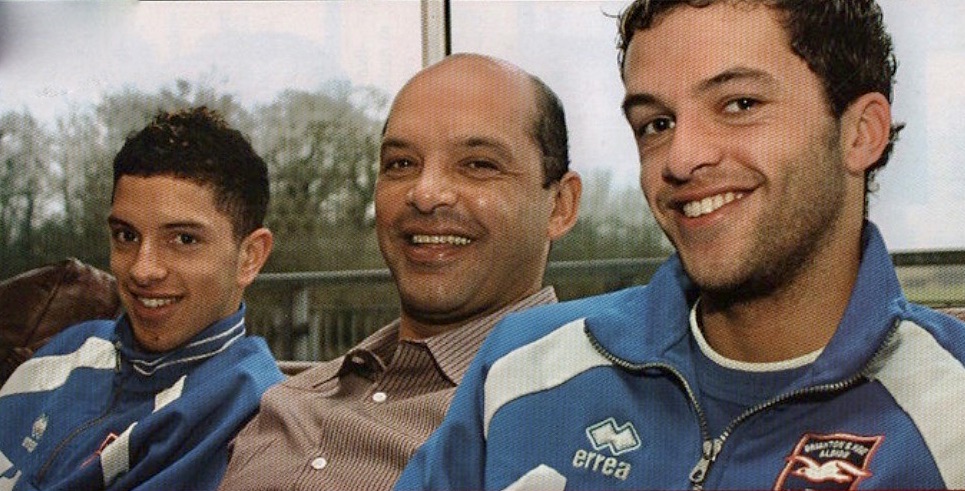
His links to the club also extended to his sons: Chris was a young goalkeeper who once had to replace the injured Michel Kuipers during a game and Steve was a centre-back who was in the youth set-up.
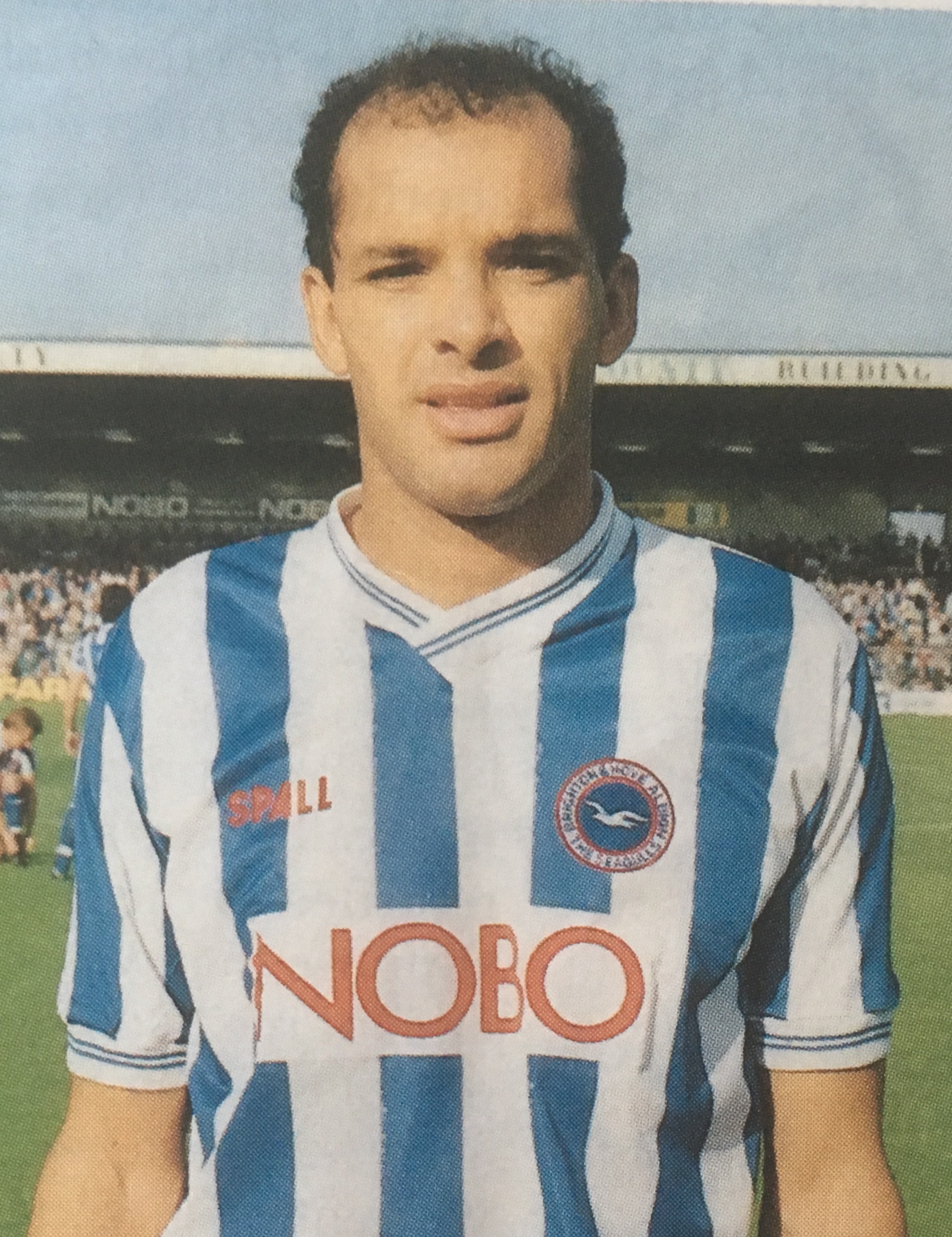
1-larrymaystripes2-argusmayintheface3-may-quits4-coach-may

Larry and his sons Steve (left) and Chris

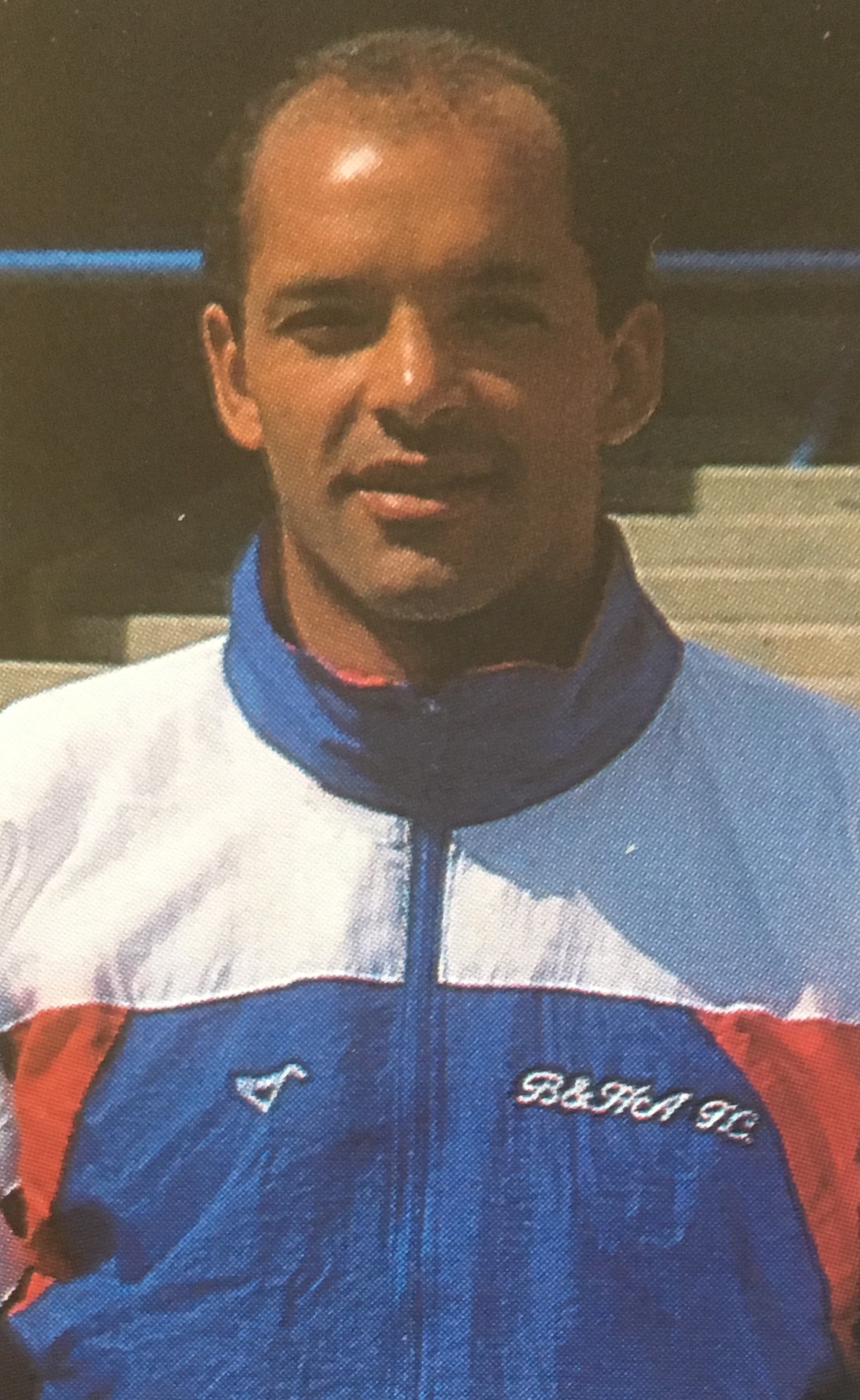
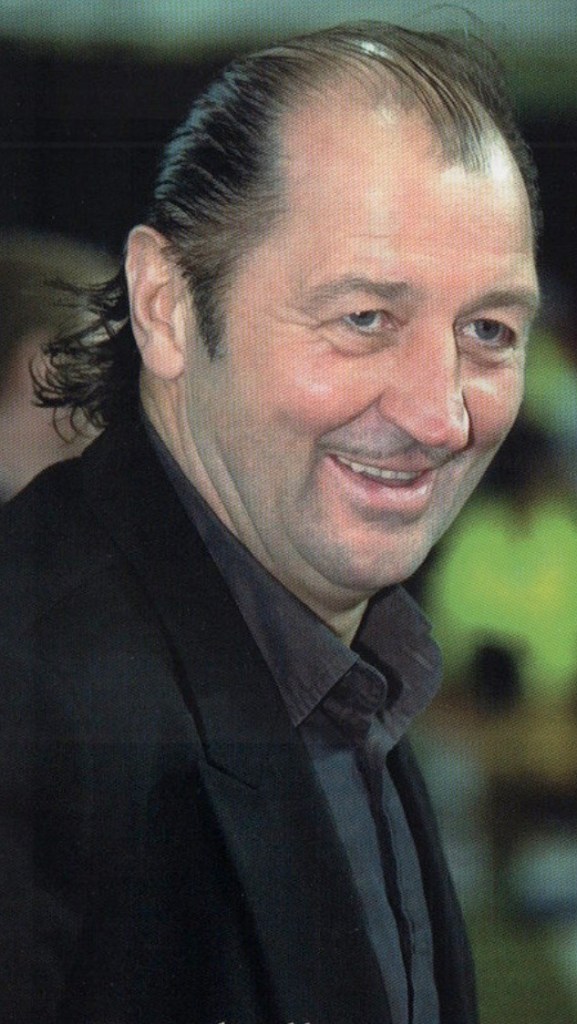
Pictures include Larry May in matchday programmes; captured by an Evening Argus cameraman getting a hand in the face; the programme announcement of his retirement; in an Albion team line-up as a coach, and with his sons.

Flamboyant Frank Worthington’s career included a brief Brighton stopover

3-fw-albionFRANK Worthington was one of football’s genuine entertainers and it was a privilege to witness his season at The Goldstone between 1984 and 1985.
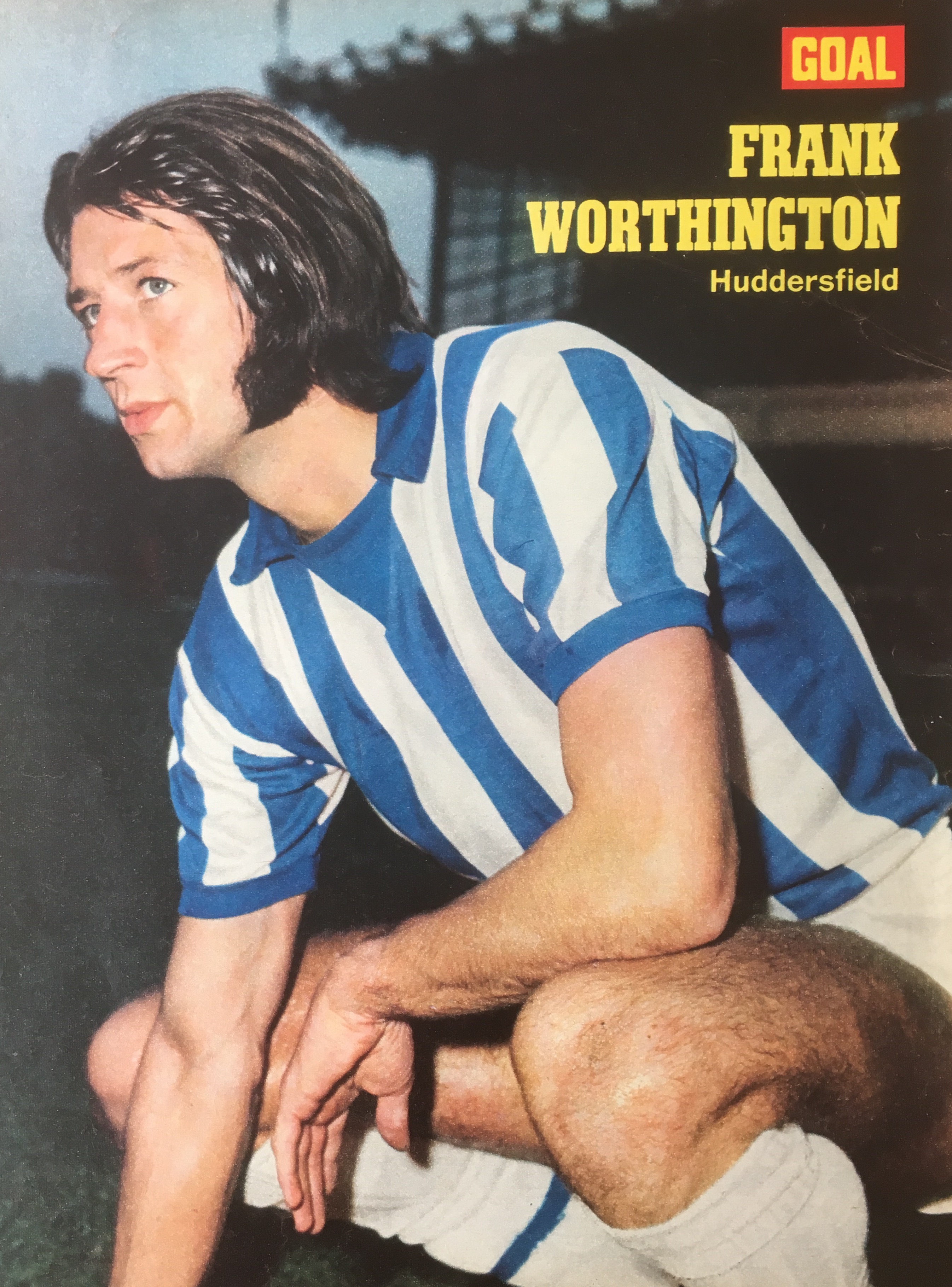
An all-too-brief England career which saw him win eight caps in 1974 was a long way behind him by the time his former Huddersfield Town teammate Chris Cattlin secured his signature for Brighton, but what the legs could no longer do, the brain more than made up for.

He was on the scoresheet in only his second game, a bruising encounter when Notts County were beaten 2-1, even though Albion played the second half with only 10 men – centre backs Eric Young and Jeff Clarke having been hospitalised by clashes with Justin Fashanu.

Worthington went on to make 30 appearances (plus five as sub) scoring eight times in total. Two of the goals came in his penultimate match against Wolverhampton Wanderers, one being a penalty struck so hard that it broke the hand of their ‘keeper Tim Flowers.

In June 2013, in the Huddersfield Examiner, Cattlin told interviewer Doug Thomson: “He did a good job for me. Frank wasn’t only a great player, but a great bloke as well, a dedicated trainer and a great bloke to have around a club.”

Worthington reflected on his time at the club in a matchday programme interview with Spencer Vignes in 2003. “I’d known Chris since my early days at Huddersfield,” he said. “I’d liked him so when he asked whether or not I’d be prepared to come to Brighton, I didn’t really have to think too long about it. They were a good side that hadn’t long been out of the First Division, so it sounded attractive.”

He continued: “We had some good players and certainly had no problems finding the net. I felt as though I was playing OK and the fans seemed to like me. But Chris did have this thing where he would chop and change the team around quite a bit, even if we were winning. He never really seemed sure what his best side was, and I think our form began to suffer because of it.”

Worthington reckoned it led to disharmony in the dressing room, and, for his own part, while he was good friends with Jimmy Case and Hans Kraay, he couldn’t say the same for Chris Hutchings or Kieran O’Regan. Albion finished sixth in the table, three points off automatic promotion and, although he was offered a new one-year contract, he decided to move on to try his hand at management.

So Brighton was only a brief stop-off in a 20-year career which saw Worthington score 236 goals in 757 league games. Add in games he also played in the United States with Philadelphia Fury and Tampa Bay Rowdies, in South Africa, Sweden and in English non-league, and the games total amounts to an amazing 828.

Halifax-born Worthington’s father was a pre-war professional and his two brothers, David and Bob, were also professionals. Unlike his brothers, the hometown club dithered over signing Frank and Huddersfield jumped in and secured his signature.

After manager Ian Greaves selected him for the opening fixture of the 1969-70 season, he clocked up 100 consecutive appearances for the Terriers.

The flamboyant Worthington famously almost joined Liverpool in 1972 but the deal was called off when he failed a medical due to a reported high blood pressure reading.

Liverpool signed John Toshack instead while Worthington went to Leicester City for £85,000.

Having made nearly a quarter of a million pounds from the sale of David Nish to Derby County, Leicester boss Jimmy Bloomfield had a useful kitty which he splashed on Worthington, Dennis Rofe, Keith Weller, Jon Sammels and Alan Birchenall.

Worthington scored on his Leicester debut at Old Trafford and in an article with Goal magazine on 21 October 1972, he said: “It’s different playing for Leicester City compared with Huddersfield. At Huddersfield the emphasis was on hard running and effort – here it is on skill, and there is a hell of a lot of skill in this side.”

In the same publication two years later, he had finished the 1973-74 season with 25 goals to his name and he was full of compliments for Bloomfield.

“Basically I am a player who relies on skill and that fits perfectly into Jim’s plans,” he said. “I always think that teams reflect the style and outlook of their managers. That’s why Leicester’s philosophy is that there is no substitute for skill.”

His time at Leicester lasted five years and spanned more than 200 appearances before he switched to Bolton Wanderers – where one audacious goal he scored against Ipswich remains a YouTube favourite – and then Birmingham City, helping both sides to promotions.

In 1982 he played for Leeds, the following season Sunderland and the next, Southampton, before pitching up at The Goldstone.

Worthington’s first go at management, while continuing to play, came with two years at Tranmere – and his first signing was Albion’s Ian Muir. He told Vignes: “Ian Muir was a fantastic forward with great touch. He did things in training you just wouldn’t believe, yet he wasn’t even making the side at Brighton under Chris.”

Muir became a hero on Wirral, scoring 141 goals as Rovers won promotion twice and won the Associate Members Cup at Wembley in 1991. By then, Worthington was long gone, having moved on to Preston, then Stockport County, and, after a succession of brief stays with various non-league clubs, ended up with hometown club Halifax Town, where he was briefly joined by Case.

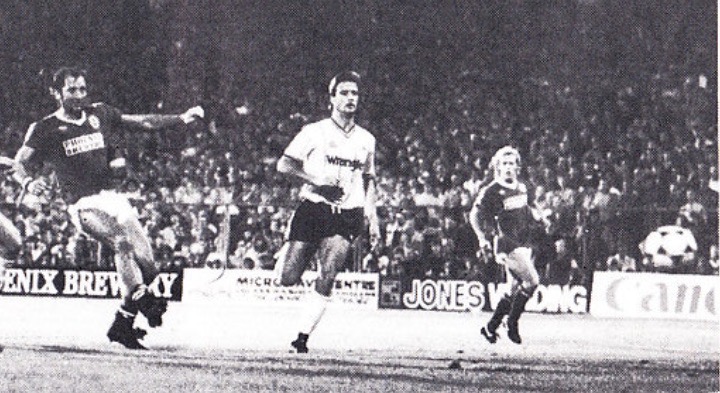
Albion’s shirt sponsor during his season with the club was Phoenix Brewery. Quite apt for a player who was famously quoted as saying: “I’ve squandered fortunes on booze, birds and gambling – it’s better than wasting it!”

Tellingly, his autobiography, published in 1995, entitled One Hump or Two, was a classic tell-all romp of a colourful career on and off the pitch.

Worthington died aged 72 on 22 March 2021 and, in a statement, his wife Carol said: “Frank brought joy to so many people throughout his career and in his private life. He will be greatly missed by everyone who loved him so much.”

The great man’s lifestyle spawned many eye-catching headlines over the years and there is no shortage of stories about him to be found on the internet.

Follow the links for just three examples.

https://www.theguardian.com/football/2016/may/06/frank-worthington-denies-being-diagnosed-with-alzheimers-disease

http://www.90min.com/posts/26691-england-s-wasted-talent-1-frank-worthington

http://www-users.york.ac.uk/~sph2/lufc/mag/worthing.htm

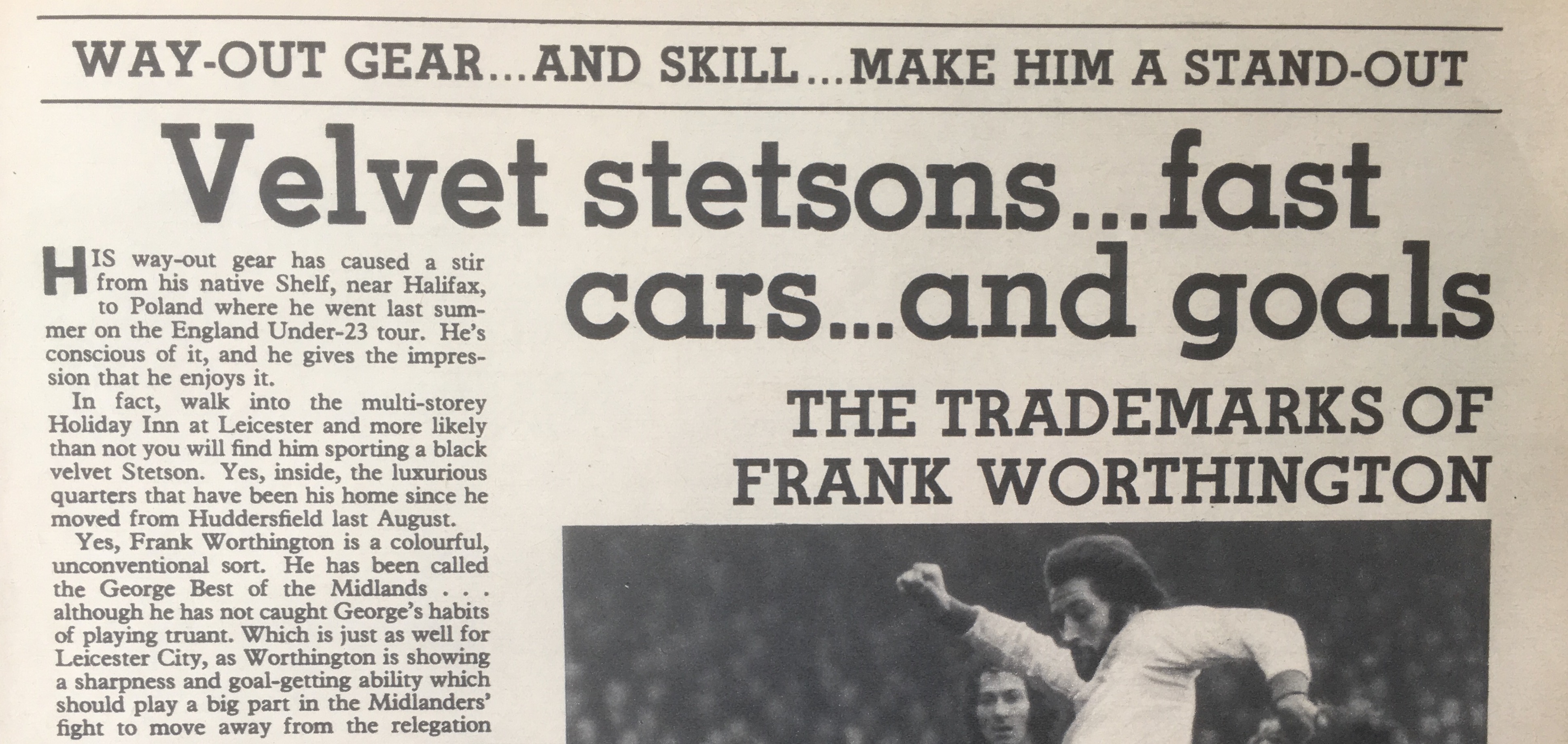
1-fw-hudd2-fw-leic4-fw-headline

Pictures from my scrapbook show Worthington in Goal magazine in Huddersfield and Leicester’s colours, in Albion’s Phoenix Brewery-sponsored shirt and a classic headline. Pictures also from the Albion matchday programme.

Cross the colossus majestic in promotion-winning season

1-cross-clincherGRAHAM Cross won promotion from the third tier in successive seasons – one with Brighton & Hove Albion, the next with Preston North End.

They came after a record-breaking 15-year spell with his hometown club Leicester City.

Cross was a tower of strength and ever-present in Alan Mullery’s 1976-77 promotion-winning team. He was so consistent that his fellow professionals named him and fellow Seagulls Brian Horton and Peter Ward in the division’s PFA team of the year.

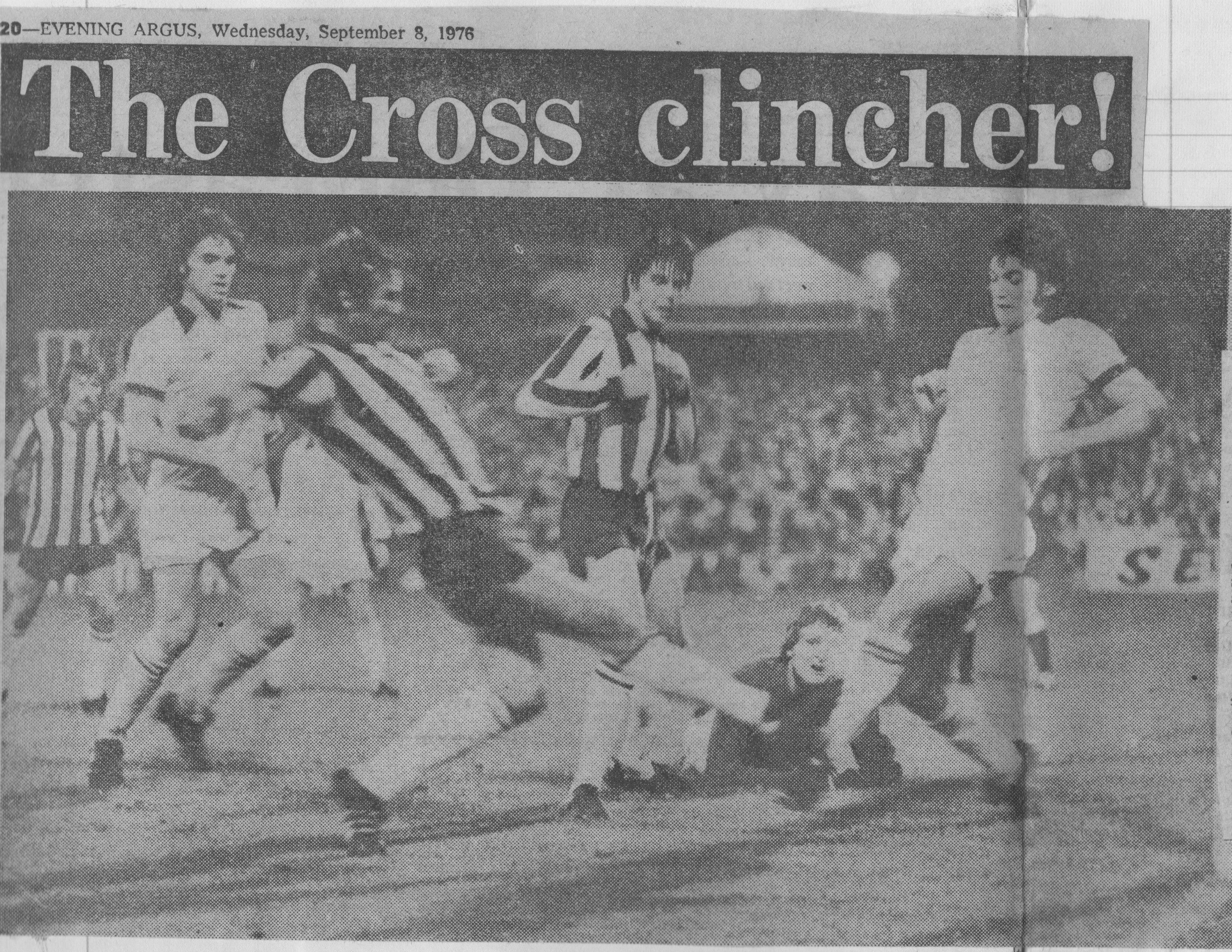
One standout performance I recall was in a cracking League Cup replay at the Goldstone against Division 1 side Ipswich Town on 7 September 1976 (see picture above).

Despite the Albion being down to 10 men, having had Phil Beal carried off injured after sub Ian Mellor had already come on, Cross scored the winning goal two minutes from time to give Albion their first competitive victory against a first division team for 43 years!

“Graham had an absolutely tremendous 1976-77 season for us and I can’t speak too highly of him,” Mullery told Shoot! “When I first started planning for the new term I reckoned on having him in the side for our step up into the Second Division.”

G Cross BW HSHowever, when he realised he could land the highly promising 20-year-old Mark Lawrenson from Preston for £112,000, those plans changed.

Lawrenson had played brilliantly against the Albion during the promotion season and was eager to take the step up so he headed south together with full back Gary Williams and Cross and left back Harry Wilson went in the opposite direction.

“I wish him well at Preston and can assure their supporters they are getting one of the most honest lads in the game in Graham,” said Mullery.

Cross certainly played his part as Preston earned promotion from the third tier – one of his teammates was centre forward Michael Robinson, who joined Albion in 1980 – but in the following season the magic touch eluded him when he played 19 times for Lincoln City but didn’t manage to stop them being relegated to the Fourth Division.

3-gc-leicesterCross had been part of the furniture at Leicester and the meashamfox blog recalls how he scored on his debut on 29 April 1961 against Birmingham City in a 3-2 win at Filbert Street.

He was a real ‘Mr Versatility’ who played in eight different positions, although mostly  in midfield – the history books describe him as an inside forward or wing half – and at centre back.

During all the hullabaloo surrounding Leicester’s remarkable Premiership title win in 2016, there were flashbacks to the last time a Leicester side went that close to clinching the league title – in 1962-63 – with Cross a member of that side.

In an interview with the Leicester Mercury, his former Scottish international teammate Frank McLintock spoke about a so-called signature move called ‘the switch’ Leicester employed whereby Cross dropped back and McLintock bombed past him.

“It was a load of rubbish, really,” McLintock told the paper. “It was just that I was really fit and Graham, who was a great player, would be a bit puffed out when he got back. We just swapped positions for a bit.

“The opposition would get confused with who was picking up who. Even Bill Shankly copied it later on at Liverpool.”

Unlike the 2016 vintage, the 1963 side blew their title chances by losing their last four league games. However, they did reach the FA Cup Final that year. Cross was in the side that lost 3-1 to Manchester United. He was also in the Leicester side that lost the 1969 final 1-0 to Manchester City.

His performances in 1963 were good enough to earn him a call up to the England under 23 team, making his debut in a 0-0 draw with Yugoslavia at Old Trafford. In the return fixture two months later, he scored a penalty to supplement an Alan Hinton hat-trick as England won 4-2.

He was a permanent fixture in the side for 10 matches (including a 4-1 win over West Germany, when future Albion colleague Peter Grummitt was in goal). But in November 1964, Leeds’ Norman Hunter took over the no.6 shirt.

Cross was recalled for one more game, in April 1966, when the under 23s beat Turkey 2-0 at Ewood Park. Two of the side that day – Martin Peters and Roger Hunt – would go on to be part of the England World Cup winning team three months later, but Cross never progressed to the senior England team.

Nevertheless he did pick up a  League Cup winner’s medal when Leicester beat Stoke City in 1964 but was a loser the following year when they were beaten narrowly by a Chelsea side containing Barry Bridges and Bert Murray.

Three years before joining Brighton, Cross received a long service clock to mark 500 first class appearances.

Throughout this period, he was also one of that rare breed who played county cricket too.

A right-arm medium-fast bowler, he played 83 first class matches for Leicestershire between 1962 and 1976 and took 92 wickets at an average of 29.95. His top batting performance was a knock of 78.

I am indebted once more to the meashamfox blog to learn that it was Cross’ dual sporting prowess that eventually brought his Leicester career to an end.

In the summer of 1975, he was part of the Leicestershire side captained by Ray Illingworth that won the county championship and the Benson and Hedges Cup, making him the only man to have played in cup finals at Wembley and Lord’s.

But the Leicester board took a dim view of him carrying on playing cricket instead of reporting back for pre-season training and he was suspended.

He was sent out on loan to Chesterfield and played 12 times for them in the 1975-76 season, before being released.

He arrived at the Goldstone on May 25 1976 at the same time as full back (and future manager) Chris Cattlin.

Manager Peter Taylor had impeccable contacts in the Midlands and in Cattlin, from Coventry, and Cross, from Leicester, he acquired two experienced campaigners who had played at the top level in the game for many years.

Taylor’s intention was that Cross would have the sort of impact at Brighton that the ageing Dave Mackay had on Derby when Taylor and Brian Clough signed him from Spurs.G Cross LEic

Taylor had tried to sign Cross before, in the pair’s early days at Derby. Leicester even accepted an £80,000 bid but Cross prevaricated over the move and they turned their attentions elsewhere. He admitted his regret at missing out on the £4,000 cut of the deal but told Goal magazine: “I’m happy in Leicester and I’m pleased that I decided to stay.”

That decision would ultimately lead him to become the all-time appearance record holder for Leicester, having played 599 games; a feat still not surpassed.

Clough and Taylor were renowned for building their sides on solid defences and, having already captured Grummitt, Graham Winstanley, Andy Rollings and Wilson, Taylor added Ken Tiler, Dennis Burnett, Cattlin and Cross.

Taylor, of course, didn’t hang around to see how Cattlin and Cross would contribute. With only four weeks to go to the start of the season, he decided to quit and renew his partnership with Clough, this time at Nottingham Forest.

One of the first images fans saw of his replacement, Alan Mullery, showed him embracing Cross and Cattlin at the pre-season press photocall.

Cross mostly played alongside Rollings, with Burnett and Winstanley filling in when Rollings was sidelined.

Interestingly, Cross never actually moved to Brighton during his spell with the Seagulls: the deal he agreed allowed him to continue to train with Leicester because he and his wife had business interests in the Leicester area.

The meashamfox blog declared “Graham Cross was Leicester City’s finest ever player” although the author was also sad to report how in February 1993 “he had been jailed for using post office funds to pay off his gambling debts”.

The blog concluded: “Despite this blip in his life, for me ‘The Tank’ Graham Cross is a true Leicester legend.”

Pictures from my scrapbook show:

  • A cracking Argus picture and headline record the winner Graham Cross scored against Ipswich in the League Cup.
  • A full page colour photo in Goal magazine when at Leicester.
  • Celebrating his inclusion in the PFA division 3 team of the year with Brian Horton and Peter Ward at the annual awards dinner.
  • Another Goal article, from 1973, marking a clock presentation to Cross in recognition of 500 senior appearances for Leicester.
  • Cross in the Preston team line-up alongside Michael Robinson, who would eventually join the Seagulls via Manchester City.
Cross aged 77 was interviewed and photographed by The Times ahead of Leicester’s 2021 FA Cup Final win over Chelsea

Kurt Nogan’s phenomenal goalscoring record for Brighton

Screen Shot 2023-03-06 at 08.26.32KURT NOGAN is right up there as one of my favourite all time Brighton & Hove Albion players. The ‘No, no; No, no, no, no; No, no, no Nogan’ fans’ chant still rings around my head when I think about his goalscoring exploits in the stripes.
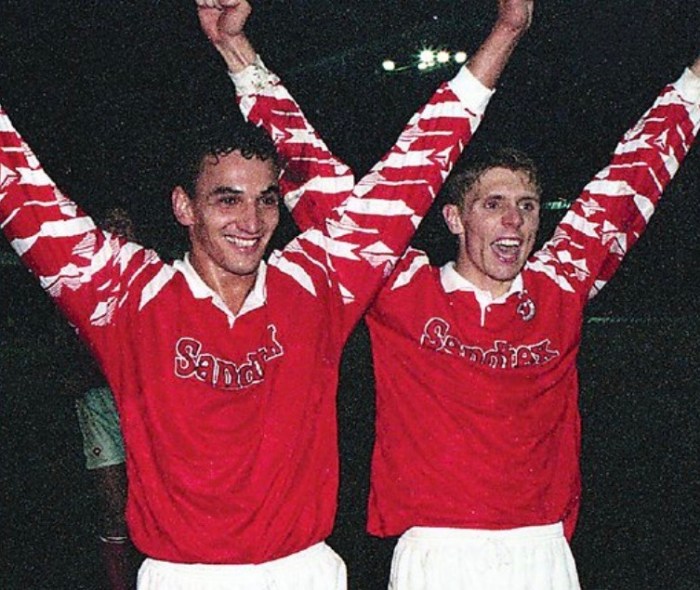
One of my favourite Albion memories involved Kurt scoring at Filbert Street when he rounded off one of Albion’s best ever performances to give Division 2 Albion a 2-0 League Cup victory over Premiership Leicester.

It was the autumn of 1994 and I had travelled halfway across the country to Cheltenham to meet up with my then exiled Albion-supporting friend Colin Snowball to travel up to Leicester together to watch the game.

Before the match, we parked in a side street near the university and found a tiny back-street boozer where they served a magnificent pint of Everard’s Tiger, the local ale.

In those days, League Cup games were played over two legs and Albion, with Liam Brady as manager, went into the away game leading 1-0, courtesy of another Nogan goal, which had given us optimism rather than confidence that Albion could progress.

Leicester got their Nogans in a twist in the match programme, mistakenly identifying the first leg scorer as Kurt’s older brother Lee who played for Watford at the time: they knew which one it was by the end of the game!

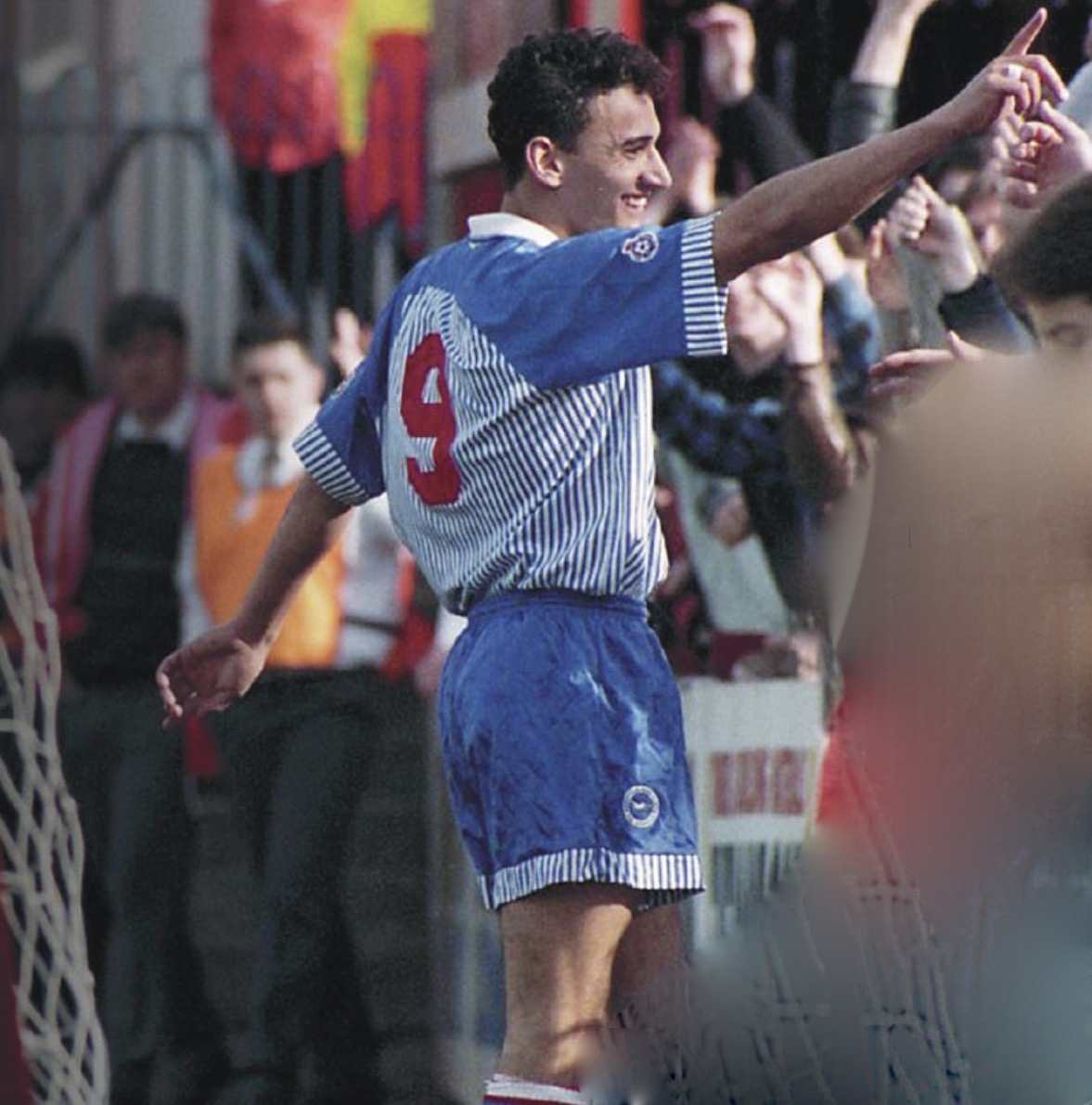
With one of the best away displays I have seen, Brighton took the game to their supposedly more illustrious opponents and caused a major shock when a stunning long range strike from young defender Stuart Munday (celebrating above with Nogan) sailed past Kevin Poole in Leicester’s goal.

There was a curious cameo towards the end of the game when Jimmy Case, who was hard of hearing, trotted over to take a corner and seemed to be wasting time. The ref also thought so and promptly sent him off but Case later claimed he had been waiting for the whistle but hadn’t heard it above the din of the crowd!

With Leicester pushing up for a goal to get themselves back in it, Nogan was left unmarked to seal the win and stun the majority of the crowd into silence.

None of the faithful knew at the time, of course, but it was the last goal Nogan would score for the club.

He subsequently went on a 20-game barren run and, at the end of February 1995, with Albion desperately needing funds, they persuaded Burnley to part with £250,000 for his services.

He might have finished on a downer, but Nogan’s Albion record was 60 goals in 120 games, making him one of the club’s great all-time goalscorers.

Born in Cardiff on 9 September 1970, Nogan arrived at the Goldstone having been released at the end of the 1991-92 season by David Pleat during his second spell as manager of Luton Town. At Luton, Nogan celebrated  his top flight debut in 1990 with a goal in a 2-2 draw against Liverpool at Anfield.

The young Welshman was quickly called up for his country’s under-21s for whom he also scored on his debut. However, competing for a place alongside the likes of established forwards Mick Harford and Brian Stein, he struggled to gain a starting berth in the Luton first team, mainly being used as a substitute.

He had just turned 22 when he signed for the Seagulls, and he told the matchday programme in 2020: “I’d been at Luton since I was 16 – cleaned Steve Foster‘s boots as an apprentice, so I did.”

On reflection, he realised it was a crossroads moment in his life. “You can either drop out of the professional game altogether, or something comes along and you get lucky. For me, Brighton came along and I got lucky.”

If Albion had been able to retain the services of the on-loan strike pair Steve Cotterill and Paul Moulden, who started the 1992-93 season up front, Nogan’s chances of making the breakthrough might have been limited.

But finances dictated otherwise and Nogan eventually made his debut in October 1992, taking over up from another free transfer signing, Matthew Edwards, although much of the season he played alongside Edwards, who moved out to the wing, and Andy Kennedy.

nogan saluteAfter a slow start Nogan scored his first goal in one of those lower league meaningless cup matches and then started finding the net regularly in the league, ending the season with 22 goals in all competitions.
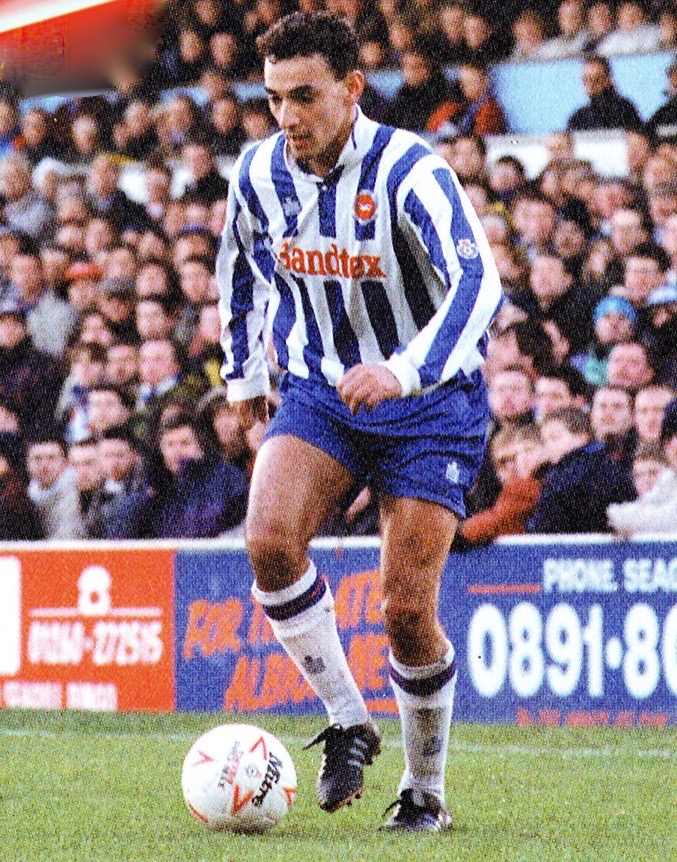
For part of the 1993-94 season he enjoyed a particularly fruitful partnership with a young Paul Dickov, the diminuitive Scottish striker on loan from Arsenal for eight matches.

Nogan ended the campaign with 26 goals to his name, and was voted player of the season, even though the team finished in a disappointing 14th place.

Nogan continued to have a variety of strike partners – often it was Junior McDougald but twice in late 1994 he was alongside the legendary Frank Stapleton who was doing his old Arsenal teammate Brady a favour by turning out for the Seagulls.

nogan ballIn fact, one of Stapleton’s two games in a Brighton shirt was away to Cardiff on 5 November 1994. In the Bluebirds line-up that day were future Seagulls Charlie Oatway and Phil Stant, the latter scoring twice in a 3-0 win.

Nogan’s career was detailed brilliantly in a profile by Tony Scholes on clarets-mad.co.uk and he noted that Burnley boss Jimmy Mullen’s gamble on Nogan wasn’t enough to prevent them being relegated. The Welshman scored just three times and got involved in an altercation with the manager after being substituted at Bristol City.

However his goal touch returned in the 1995-96 season when he racked up 26 goals, 20 of them in the league, and got on well with Mullen’s successor Adrian Heath – until halfway through the following season when he was suddenly out of favour.

A move was inevitable after Nogan aired his differences with the manager on local radio. “All of a sudden the crowd hero had become public enemy number one,” said Scholes.

That he moved to near neighbours Preston in February 1997 was somewhat galling and Burnley fans of a certain age recall the inevitability of him scoring against them for his new club.

Three years later he moved to home town club Cardiff but, after only four full games and a few substitute appearances, a ruptured hamstring ended his league career prematurely at the age of 32. He did subsequently turn out for some Welsh League clubs but he wasn’t able to return to the previous level.

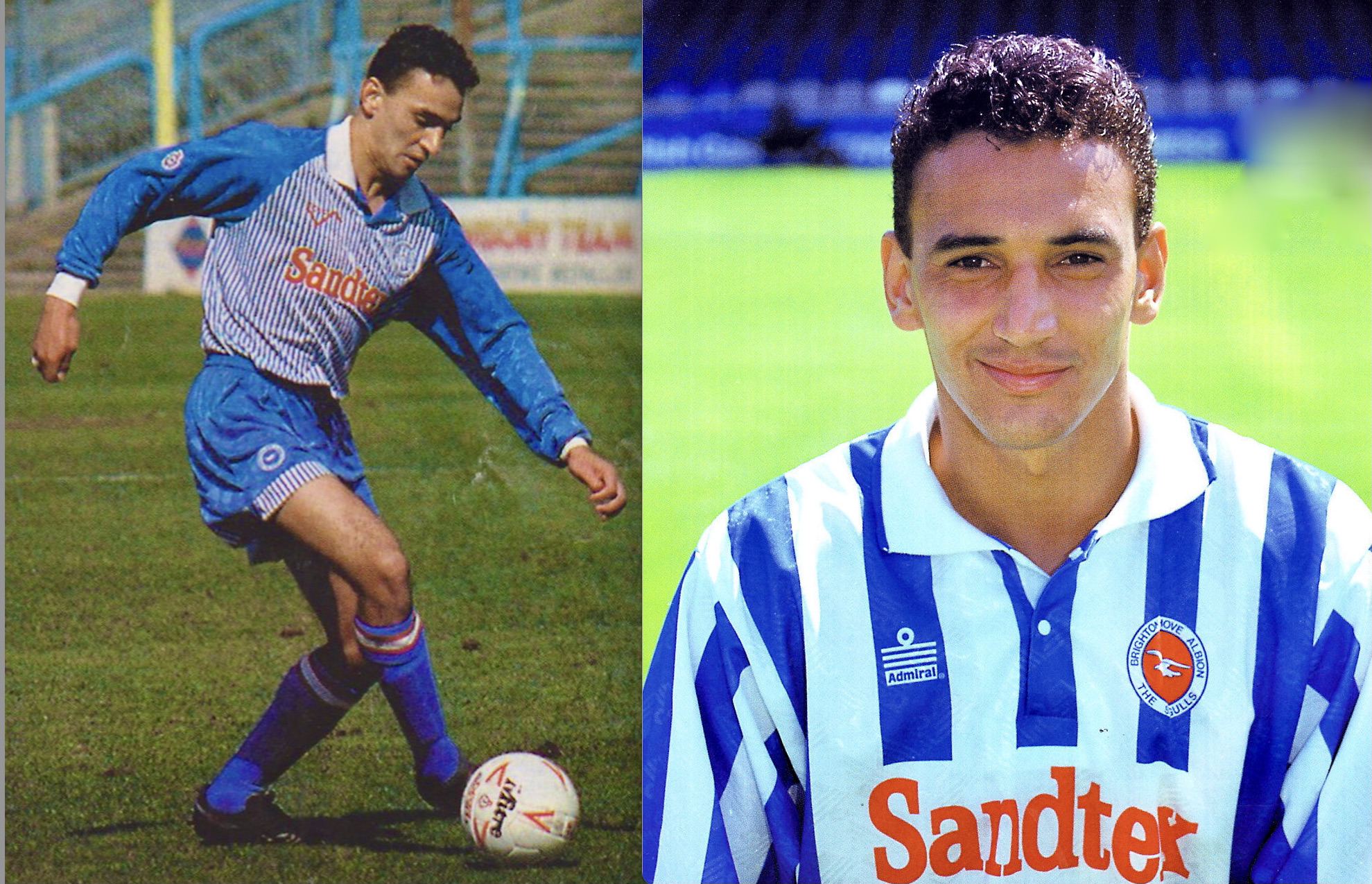
  • Matchday programme pictures include various shots of Nogan in action and, from the Leicester programme for that cup tie, he is wrongly captioned with his brother’s name.

Willie Bell rang last orders on his playing career at Brighton

High-flying Willie Bell in night game action versus Rotherham at the Goldstone Ground

LEFT-BACK Willie Bell was a key part of the first successful Leeds United side built by Don Revie. A Scottish international, his illustrious playing career ended with the then Division Three Brighton.

Bell missed only two games during Albion’s 1969-70 season having been signed as a player-coach by his former Leeds United teammate, Freddie Goodwin, from the 1969 FA Cup Finalists Leicester City.

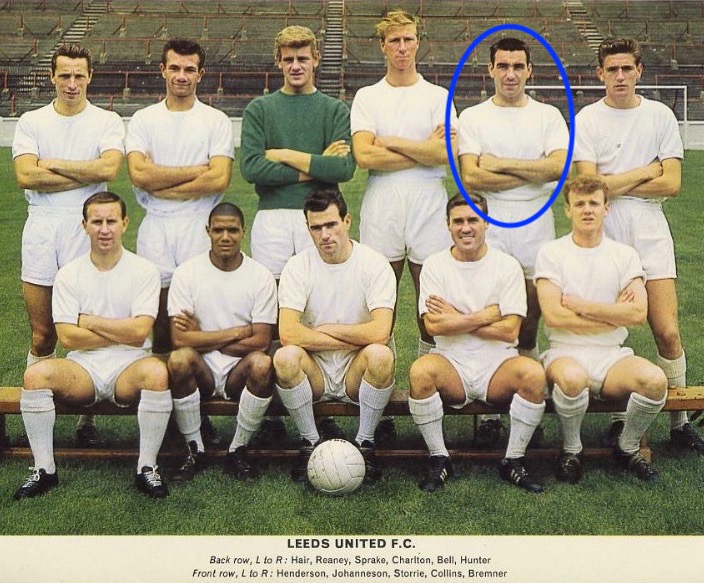
Screen Shot 2019-03-03 at 08.51.01Goodwin (pictured below alongside Bell in a Leeds line-up) obviously knew the pedigree of the player and mightyleeds.co.uk covers in depth how Bell was an unsung hero of that famous Don Revie side as it rose to prominence between 1962 and 1967.
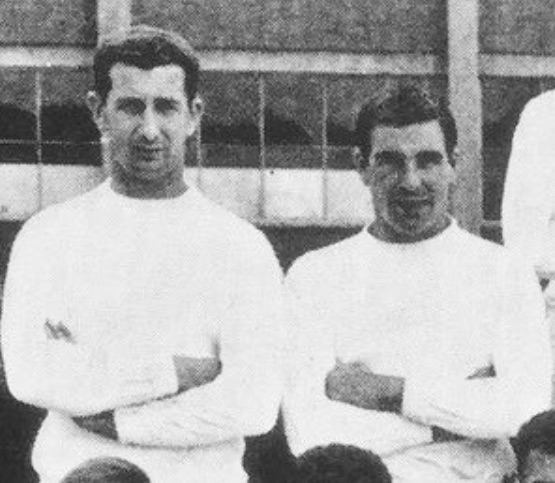
Legendary Leeds hardman Norman Hunter is quoted as saying: “Willie Bell was one of the bravest men I have seen in my life. He never blinked, he never flinched, he just went for it.”

And Scottish international winger Eddie Gray remembered something similar. “Willie was a natural defender; a big, strong player who epitomised the old school of British full-backs in his discipline in sticking rigidly to the basic defensive requirements of his job.”

Good+Willie

However, he stands accused of contributing to what Welsh Evertonian Roy Vernon labelled one of the most “savage confrontations” on a football pitch: an Everton v Leeds match in November 1964.

Everton full-back Sandy Brown had been sent off in only the fourth minute when he decked Johnny Giles for a tackle that left stud marks in the defender’s chest.

“Things came to a head in the 35th minute when full-back Willie Bell launched a two-footed tackle at Derek Temple near the touchline,” it was said in Blue Dragon: The Roy Vernon Story. “It was around neck high and one of the worst seen outside a wrestling ring.” The Everton winger had to be stretchered off by St John Ambulance attendants.

Born in Johnstone, Renfrewshire, on 3 September 1937, Bell began his career as a wing-half and in 1957 transferred from Neilston Juniors to Scottish amateur side Queens Park. While he was there, he won two Scottish amateur caps which attracted the attention of Leeds manager Jack Taylor.

Bell, aged 22, joined Leeds in the summer of 1960 after they had been relegated to the old Second Division. The Scot struggled to adapt to the English game initially and only featured sporadically in the Leeds first team. It was Taylor’s successor Revie who switched him to left-back to replace the long estanlished Grenville Hair and he only became a regular in the 1963-64 season.

He developed a great understanding with left winger Albert Johanesson as Leeds won the Second Division title and, by the end of the following season, he was part of the Leeds side that reached the  1965 FA Cup Final, only to lose to Liverpool after extra time.

England international Terry Cooper eventually replaced him at Leeds, but his performances for the Elland Road outfit earned him two full caps for Scotland in 1966, against Portugal and Brazil.

Leeds transferred Bell to Leicester in 1967 for £40,000 and he was their captain for a while but the emerging, future England international David Nish became their first choice left back and, in the summer of 1969, Bell linked up with Goodwin at Brighton.

It was halfway through the season when Bell was put in charge of Albion’s reserve side and they couldn’t have made a better start for him because they hammered Southend United 6-1 with goals from Andy Marchant, Brian Tawse, Paul Flood, Ken Blackburn, Barrie Wright and Dave Armstrong.

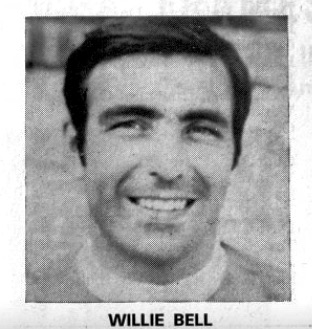
Bell headshotThe matchday programme noted: “Willie is continuing his career as a player, but devotes a good deal of his time to the reserve side. He’s thoroughly enjoying this new phase to a fine career in the game.”
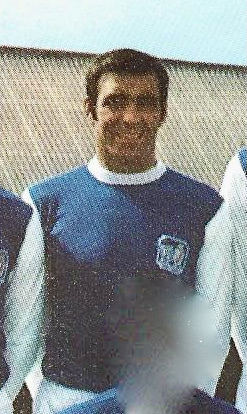
When Goodwin left Brighton for Birmingham, he took Bell and youth coach George Dalton with him, but Goodwin was so eager to hire his old pal that he made an illegal approach to him while he was still under contract at Brighton and Birmingham were later fined £5,000 for the offence.

Goodwin and Bell launched the career of Trevor Francis, the first £1m footballer, as a teenage starlet at Birmingham. In 1972, Francis, Bob Latchford and Bob Hatton spearheaded promotion for the Blues and a place in the FA Cup semi finals.

When Goodwin was sacked at the end of the 1974-75 season, Bell became caretaker manager and, after a successful spell in temporary charge, got the position on a permanent basis.

Screenshot
Birmingham City manager

Bell brought in Syd Owen, the former Leeds United trainer, as a coach, but the team struggled, finishing one place above the relegation zone at the end of their 1975-76 centenary season.

He led them to an improved 13th in the following season but after losing the opening five matches of the 1977-78 season, Bell’s managerial career at St Andrews came to an end. His successor was none other than former England boss Sir Alf Ramsey, who was by then a Birmingham director.

Bell meanwhile went on to manage Third Division Lincoln City, following the unsuccessful George Kerr in trying to emulate the heights enjoyed by the Imps under Graham Taylor, who had gone on to manage Watford. It wasn’t to be, though, and on leaving Lincoln in October 1978, Bell emigrated to the USA and coached at Liberty University in Virginia.

After suffering a heart attack in 1993, he turned to religion and became active in the church. In 2001 he and his wife Mary retired to Yorkshire and in 2014 published an autobiography called The Light At The End of the Tunnel.

Bell died aged 85 on 21 March 2023 after suffering a stroke.