‘Super’ Mark – ‘The Fridge’– didn’t always stay cool

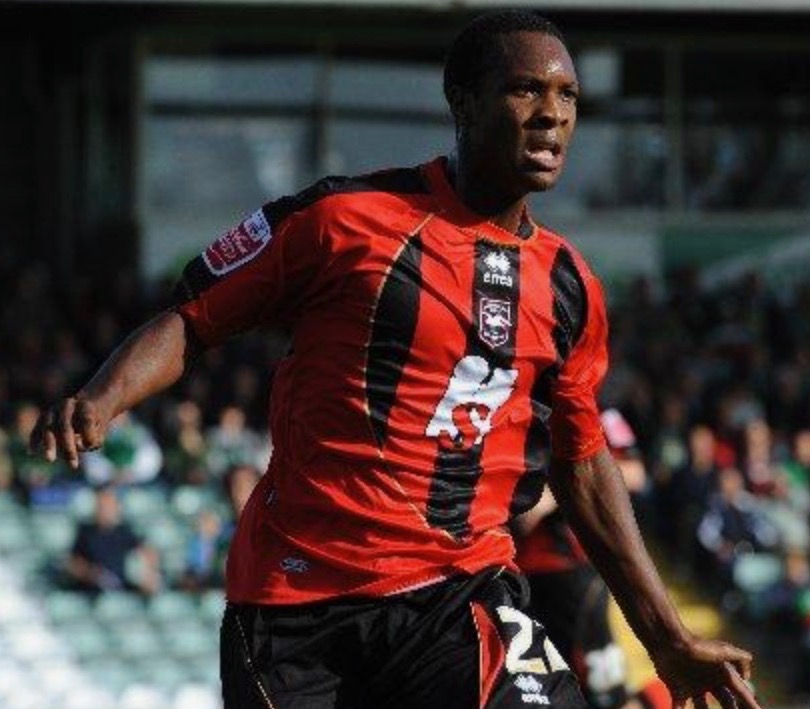
MUCH-MALIGNED Mark McCammon was not afraid to stand his ground, answer his critics directly and to challenge injustice when he felt aggrieved.

Fans of Brentford, Brighton and Millwall voiced some strident – nay, downright offensive – opinions of his ability as a footballer.

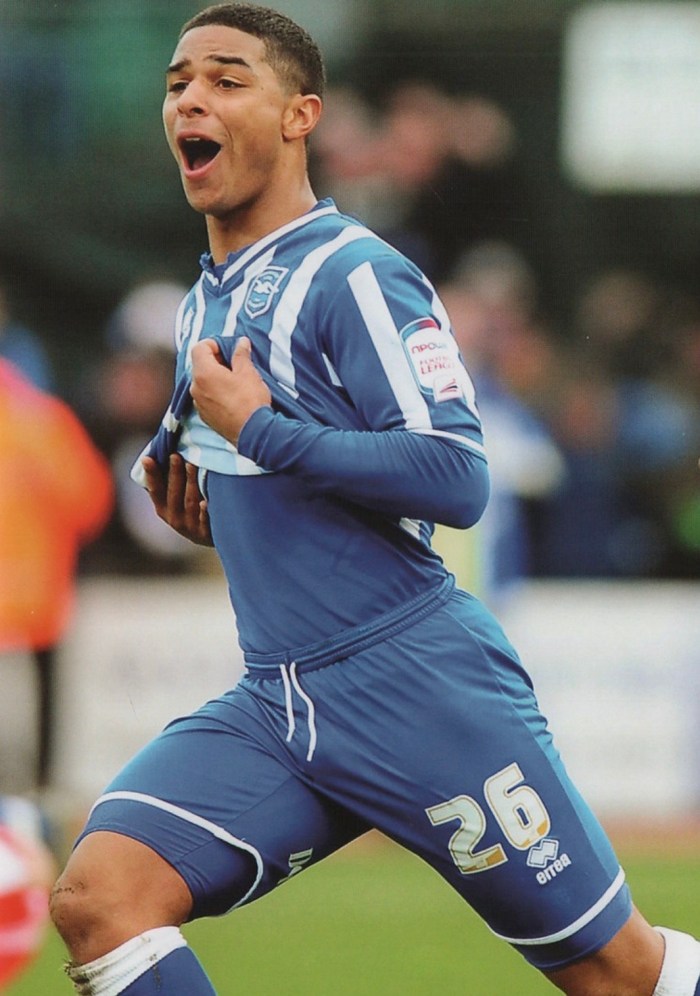
Remarkably, the Barnet-born striker played in a FA Cup final and Europe for the Lions before Mark McGhee signed him a second time – for Brighton – having previously taken him to Millwall from the Bees on transfer deadline day in 2003.
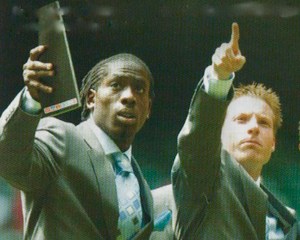
McCammon and Neil Harris at the 2004 FA Cup Final in Cardiff

When his suitability to contribute to the Seagulls’ flagging cause in the Championship was called into question in a post-match radio phone-in, McCammon took umbrage and called the show himself to argue the toss with presenter Ian Hart.

Also, in what was something of a landmark case, McCammon took a subsequent employer, Gillingham FC, to courtand won a claim that he had been racially victimised.

It certainly wasn’t uncommon for McCammon to be at odds with the people running whichever club he was playing for.

He first joined the Seagulls on loan when he was out of favour and on the transfer list at Millwall.

He made his debut in a 1-0 home defeat to Stoke City in December 2004 and said: “I just want to get back playing and enjoying my football again.

“I have been in and out at Millwall and my fitness has dipped a little bit because I haven’t played. I’m happy to be playing under Mark again and I want to show what I can do.”

Although he didn’t get on the scoresheet in five matches, when McGhee made it a permanent move in February 2005 he told BBC Southern Counties Radio: “Not everyone understands the contribution Mark makes. We have become a much more effective team with him in the squad.”

McGhee was a great believer in the ‘one big one, one little one’ striking line-up, and was sure McCammon’s presence would help pint-sized Leon Knight to score goals.

Because of what followed, it is easy to forget McCammon scored three goals in his first two home games after signing on a permanent basis.

He scored a brace and won the man of the match award in a 3-2 defeat to Derby County and he got 10-man Albion’s second in a surprise 2-1 win over promotion-chasing Sunderland (Richard Carpenter scored the other, and Rami Shabaan made his debut in goal).

The Argus enjoyed building up the visit of McCammon’s old side Millwall to the Withdean, interviewing the player and the manager, who we learned called his new signing ‘The Fridge’.

McGhee urged McCammon to stay cool if he managed to score against his old club, but it was fellow striker Gary Hart who got the only goal of the game, in the 89th minute.

Ahead of the game, McCammon told the newspaper: “It would mean a lot to me to score the winning goal against them. I wasn’t given a chance there, but I’ve got a fresh start here. I’ve got a lot to prove.”

In the following game, he was subbed off at half-time in a 2-0 defeat at Stoke when he gave away a penalty. He underwent blood tests and McGhee said: “Mark is seeing a specialist to find out why he was feeling lethargic. It wasn’t the back injury he suffered against Millwall, he was just feeling ill and weak.”

That game was the first of a run of six defeats and Albion only won once in 11 matches – form which saw them avoid relegation by a single point.

One of several infamous McCammon incidents occurred following the Seagulls’ 1-1 draw at Turf Moor on 16 April.

After a lucklustre first half display when Albion went in 1-0 down, McGhee ripped into the team at half-time and McCammon and fellow striker Chris McPhee were told they weren’t holding the ball up well enough.

According to an account in the Daily Telegraph, McCammon argued back in a fiery exchange with the boss, claiming a lack of service from midfield was the issue. He didn’t reappear for the second half, being replaced by fired-up teenager Jake Robinson and Albion managed to salvage a point courtesy of an equaliser from Dean Hammond.

A delighted McGhee said of Robinson: “We say when people get their chance they have to take it and I thought he took it absolutely brilliantly. He was different class.”

But McGhee’s ire with McCammon hadn’t cooled at the final whistle – he ordered him off the team bus and told him to return south in the kit-carrying vehicle instead.

Not fancying a tight squeeze alongside sweaty shirts, shorts and socks, McCammon chose to return by train.

“After the match I told him I didn’t want him travelling back on the team bus with the rest of us and that he was to return home with two other members of staff in another club vehicle,” McGhee told Sky Sports News.

McCammon apologised to McGhee afterwards but any subsequent first team opportunities were few and far between after that.

At the start of the 2005-06 season, he managed a recall for a Carling Cup match away to Shrewsbury Town and pleased his manager by scoring a goal and laying one on for Robinson, even though the Albion went down 3-2.

“I thought Mark was much better. That type of performance is what we expect of him and it’s what he can do,” said McGhee. “Now he’s got to reproduce that in the Championship.

“He set his standard tonight in terms of his effort and the simple way he played the game. He didn’t complicate things; he laid it off, held it up, laid it off, then got in the box; he won a lot of headers; took a lot of stick and kept going. He got a goal, made a goal and I thought he was terrific.”

But McGhee, with other forward options in the shape of Colin Kazim-Richards, Robinson, Knight and Gary Hart only called on McCammon for three starts and five sub appearances.

“He (McGhee) asked me to go out on loan to a lower league team and I think I’m better than that,” said McCammon when, incensed by criticism of him on the BBC Southern Counties Radio post-match phone-in after a game in February, called in and took issue with show host Hart.

“I went on trial at Watford and I got called back to train for no apparent reason. I think I was hard done by there, a bit unlucky. I’m back but I’m not in the squad but I don’t think I’ve been given a long enough chance.”

Once again suggesting the team’s issue was service through to the front players, he responded to Hart’s personal criticism of him saying: “When you kick a ball in professional football you can tell me whether I’m good enough for this standard.

“You don’t know anything about me. What you said is very disrespectful.

“I’ve been out since the beginning of the season with ankle and knee injuries. I had surgery on both. I came back and made three first-team starts but it takes about seven or eight games to get your rhythm back. I think it’s a bad comment you have made.”

The striker also took aim at the Withdean faithful, claiming: “All we hear is supporters whingeing.

“If they get behind the team it will give the players an extra boost. All the first team players at Brighton listen to the radio and they hear the supporters being 100 per cent negative.
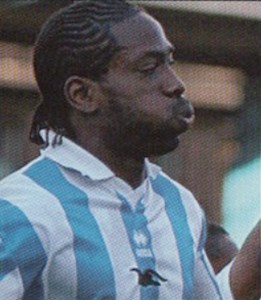
“It’s a team game, it’s not about individuals. The supporters need to get behind the team a bit more.”

If the player didn’t think much of the fans, it would be an understatement to say they were none too impressed by the player.

Amongst a veritable litany of abuse from Albion supporters, this from ‘The Full Harris’ on North Stand Chat encapsulated the opinions of many.

“Mark McCammon is the worst player to have played for us in this division … he just simply doesn’t have a clue. He is unfit, he doesn’t know where he is meant to be running, he can’t shoot. For a man of his size, he is pathetic in the air.

“He is clumsy, he has the touch and control of a Sunday league centre half, he is about as prolific as an impotent monk, he is an embarrassment, he is a disgrace, he is lazy and, personally, I object in the extreme to my paying his wages when I believe many of the crowd around me could do a better job and they would do it for free.”

Long before Dominic Cummings referred to his erstwhile boss, Boris Johnson as “a shopping trolley smashing from one side of the aisle to the other”, supporters voiced something similar of McCammon. The song went like this:

Super, super Mark
Super, super Mark
Super, super Mark
Supermarket Trolley.

Perhaps it was no surprise that McCammon was allowed to leave Albion on loan, linking up with League One Bristol City, where he scored four goals in 11 appearances.

He didn’t play another game for the Albion and, in the summer of 2006, joined Doncaster Rovers after impressing boss Dave Penney on trial.

Although born in Barnet on 7 August 1978, McCammon qualified to play for Barbados through his mother and he won five caps for the Caribbean country. He scored on his debut against Antigua and Barbuda in a 3-1 win in September 2006 and two days later hit a hat-trick when Barbados beat Anguilla 7-1.

Two years later he returned to international action for two World Cup qualifiers against the United States. Barbados lost 8-0 in California and 1-0 in Bridgetown.

McCammon was with QPR as a teenager but it was Cambridge United who took him on as a YTS and he joined Cambridge City on loan at 19 to gain experience.

He played just six games for United between 1997 and March 1999 but was signed by Premier League Charlton, managed by Alan Curbishley.

After relegation to the old First Division, McCammon played five times for the Addicks as they won the title with a squad that included John Robinson, Steve Brown and Paul Kitson on loan from West Ham. McCammon also spent time on loan at Swindon Town in January 2000.

That summer, McCammon left The Valley to sign for Second Division Brentford for a fee said to be £100,000. He scored six times in 33 appearances in his first season at Griffin Park. He scored 10 in a total of 75 appearances for the Bees but it seems their supporters were also unconvinced about his merits.

Stan Webb, on the excellent BFCTalk website, said: “Mark McCammon was yet another misfit who cost a significant fee. Despite looking every inch a footballer, he signally failed to deliver.

“He is best remembered for his cataclysmic miss from a free header at Loftus Road which might have changed our recent history had he scored, as he surely should have done.

“And yet for all the criticism he faced, he eventually became a sort of anti-hero as fans recognised that he was always giving everything he had and appreciated his efforts even though he was just not up to scratch.”

By contrast, McCammon’s time in south Yorkshire was relatively successful, although if he felt he was dogged by bad luck, in November 2006 he had a headed goal away to Brentford chalked off after the ref didn’t notice the ball went through a hole in the back of the net. Thankfully Donny still won 1‑0.

Across two seasons, he scored 13 goals in 70 matches for the south Yorkshire side and went on as a 71st minute sub for Richie Wellens in the 2008 League One play-off final at Wembley when Donny beat Leeds United 1-0. Leeds had Casper Ankergren in goal and Bradley Johnson in their line-up.

However, McCammon chose to head south that summer and signed a three-year contract with recently relegated League Two Gillingham.

He scored five goals in 35 matches in his first season at Priestfield but 2009-10, when the Gills were back in League One, was a different story.

By February 2010, a lack of starts saw him seek a loan to get some match fitness. Gills boss Mark Stimson told BBC Radio Kent: “Going out on loan will be good for him and the club. He needs games and if he comes back fit in four weeks that would be great.”

He added: “We want him sharp and scoring goals then he could come back because we might need someone like him. Last season he stepped in and put in a good shift.

“At the moment he’s frustrated, like all the other boys who are not playing. He didn’t want to drop down to League Two. Now he’s seriously thinking about it because it might get his career back on track.”

McCammon joined Bradford City for a month, playing four games, before returning to the Gills. But the following season, when Andy Hessenthaler had returned as manager, saw the final dismantling of McCammon’s league playing career.

The club dismissed him in 2011 for alleged misconduct but he didn’t go quietly and took them to an employment tribunal claiming he had been unfairly sacked and ‘racially victimised’. He won £68,000 in compensation and Gillingham and chairman Paul Scally were subsequently each fined £75,000 by the FA “for failing to act in the best interests of the game and bringing the game into disrepute”.

Furious Scally appealed the fines, which were set by an independent regulatory commission, saying they were “manifestly excessive, totally disproportionate and completely unjust” and, although the board reduced the club’s fine to £50,000, the sanction against Scally was upheld.

McCammon told the original hearing in Ashford, Kent, that he and other black players at the club were treated differently from white players. For example, he said, he was ordered to attend the ground amid ‘treacherous’ snowy driving conditions or be fined, while some white players were told they were not required.

The club tried to “frustrate him out” by refusing to pay private medical bills for injury treatment, while a white teammate had been flown to Dubai for treatment at the club’s expense, he claimed.

McCammon, who, on £2,500 a week, was the club’s highest-paid player, was also told not to blog while others were permitted to, he said. During an injury spell, he had to stay behind at the club for four hours longer than other injured and non-injured players, he claimed.

The tribunal heard he was dismissed after a disciplinary hearing following a confrontation in which he accused club officials of being “racially intolerant” regarding the decision to order him in during the heavy snow.

The tribunal found in McCammon’s favour and his solicitor, Sim Owalabi, said it was believed to be the first time a footballer had successfully brought before an employment tribunal a case of race victimisation against a professional football club.

After all the legal to-ing and fro-ing, the player himself, by then aged 35, said: “It was traumatising and it sort of sabotaged my career in the football world, my progress.

“I had football clubs after me and that just deteriorated. It’s very, very unfortunate.”

He dropped down to Conference level with Braintree Town in October 2011 and later played for Lincoln City, on loan and then on a permanent basis, when they were in the same division.

The only way was up after Tomori’s awkward Albion debut

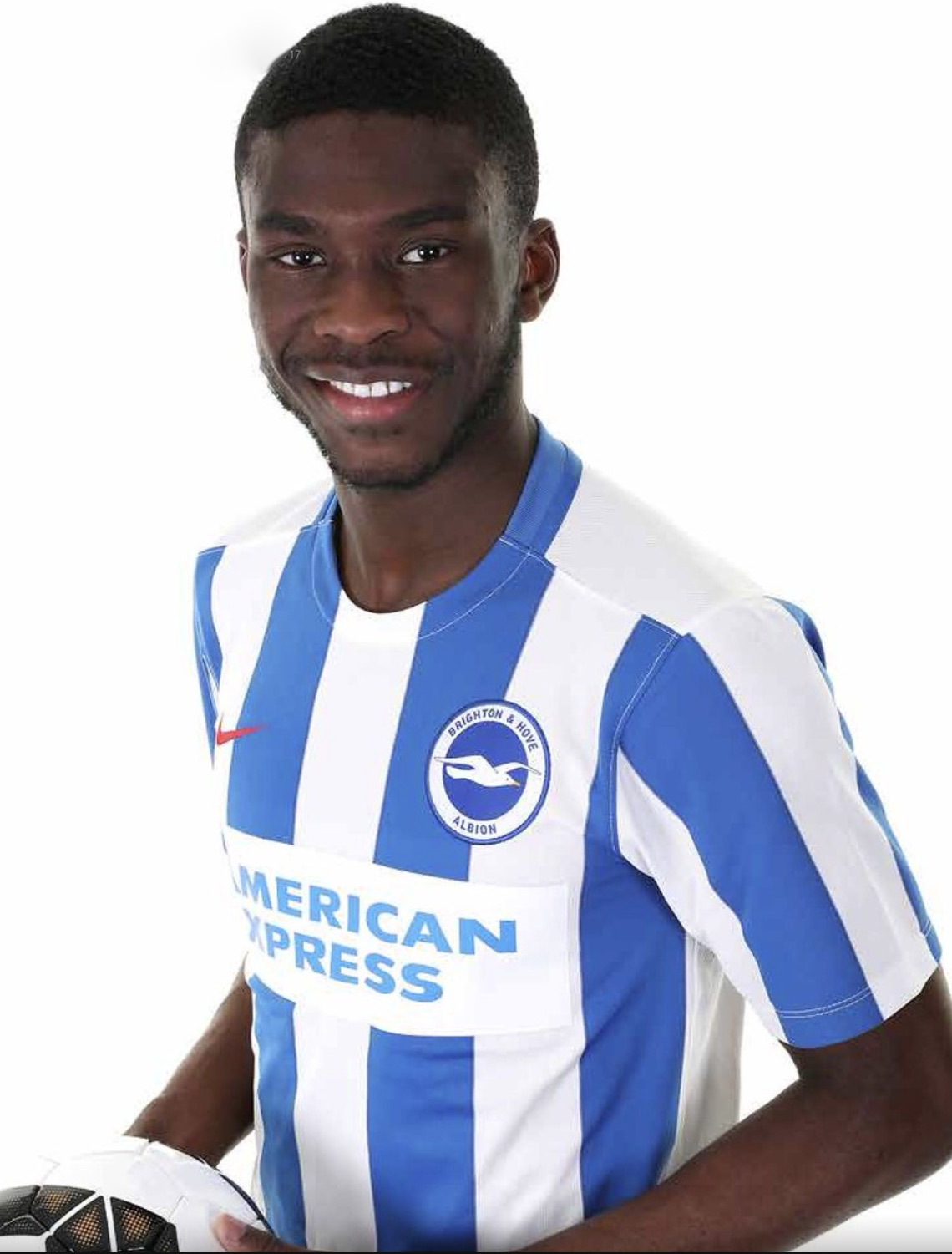
FIKAYO TOMORI couldn’t have had a worse debut for Brighton.

The teenage defender on loan from Chelsea was booked on 37 minutes and scored an own goal in the 62nd as Brighton were humiliated 3-1 in the FA Cup by non-league opponents, National League Lincoln City.

Tomori, playing at right back, sliced Nathan Arnold’s cross past a startled Casper Ankergren who’d only just come on as a sub for the injured Niki Mäenpää.

In fact, Tomori wasn’t on the winning side in any of the three matches he started for the Seagulls.

However, he saw plenty of action when making seven appearances off the bench. For example, he played an hour in Albion’s 3-1 home win over Birmingham City when sickness forced off Lewis Dunk on the half-hour mark and slotted in alongside Uwe Huenemeier, who himself was deputising for injured Shane Duffy.

“We knew Lewis wasn’t quite right before the game and everyone had told me to be ready,” he said later. The matchday programme observed: “Tomori looked as if he’d been playing all season alongside Uwe, such was their understanding.”

The two were also paired together in the second half of the 2-1 win away to QPR when Tomori replaced Dunk at half-time. And Tomori lined up alongside Dunk in the centre of defence for the last game of the season at Villa Park when Jack Grealish’s last-minute equaliser denied Albion the Championship title.

Nevertheless, the talented youngster, who went on to be capped by England, was recognised as having played his part in the Albion winning promotion that 2016-17 season.

“I would have liked to play more football but this team’s pushing for promotion and I knew before I came here that getting in the side was going to be difficult,” he said in a matchday programme interview.

“I’ve had to be make sure I’ve been ready when called upon and take any opportunities that have come my way. It’s a challenge I’ve embraced. The manager has been really good to me and I’ve taken a lot of confidence from the fact that when we have had injuries in defence, I’m pretty much the first player to come on.

“I’ve really enjoyed it here. Being involved with a club that’s going for promotion has been a different sort of challenge to what I’ve been used to.”

Reflecting on that period a few years later, Tomori said: “It was a big part of my development, playing every day with professionals who have been playing the game for 10, 15 years.

“That focus, will to win and need to be at the top of your game every game was something I had to learn, and it was really important for my development.”

He added: “They were trying to get their first promotion to the Premier League. The team was really together and focused, and when the games came, they were really on it.

“It was my first taste of senior football and being in a senior changing room and being part of a matchday and stuff like that. It was a great learning experience and obviously we got promoted which was great.”

Born in Calgary, Canada, on 19 December 1997 to wealthy Nigerian parents, Yinka and Mo, who originate from Osun in the south west region of Nigeria, Tomori was less than a year old when the family moved to England.

The family home was in Woolwich and he enjoyed a kickabout with his friends from the age of five or six before starting organised football with Riverview United. The youngster admitted he modelled his game on Thierry Henry.

“I wore my socks above my knees like him, I wore gloves like him even if it wasn’t cold, and I celebrated like him,” he said. “I loved everything about him. Back then it was all about having fun and never did I think that one day I would end up playing for Chelsea.”

Tomori was taken on by the Chelsea academy as a seven-year-old but it wasn’t all about football and, after passing his 11+ exams, he attained 10 GCSEs (six As, three Bs and a C) at Gravesend Grammar School, where he was a pupil between 2009 and 2014.

Assistant head James Fotheringham told The Sun Tomori was the first Gravesend pupil to “really make it” as a footballer, pointing out: “We’ve had a number of boys promised the world by different football clubs and then they get dropped and end up nowhere.

“I asked Chelsea, ‘What makes Fikayo different?’ The guy said, ‘Because he’s got all the attributes of a footballer’s skills but he’s incredibly bright and he just reads the game. He’s got a couple of yards on people because he’s so bright’.”

At Chelsea, Tomori bonded with Tammy Abraham from an early age. They became good friends and made their way through the ranks and were part of the team that recorded back-to-back wins in the UEFA Youth League and the FA Youth Cup in 2015 and 2016.

The 2015-16 season saw Tomori named the Chelsea Academy Player of the Year and he rounded it off by making his first team debut as a substitute against Leicester City on the final day. He described it as “the proudest moment of his career” and explained: “To be out there playing with the likes of Eden Hazard and Willian was a fantastic feeling for me and my family.”

As Albion adjusted to the demands of the Premier League, Tomori remained in the Championship having gone on loan to a Hull City side battling to avoid the drop – a very different experience to his time with the Seagulls.

“My first full season on loan was at Hull and it was my first time away from home too,” he said. “We were hovering over the relegation zone for the whole season, so that was a different kind of challenge mentally.

“You weren’t sure if you were going to be in the team the next week if we had lost the game, because the club needed the points to stay up.

“Those loans really gave me a good outlook on football. Coming from Chelsea, you’re winning a lot of games and trophies, and are protected in a way. Those loans were what moulded me as a person and as a man and made me grow up a lot quicker.”

Tomori’s rapid progress earned him England international recognition and, in 2017, he was in the England under 20 team who won the World Cup in South Korea and in 2018 was with the under 21s when they won the Toulon tournament.

As a forerunner to his breakthrough at Chelsea, Tomori spent the 2018-19 season on loan at Derby County, where Frank Lampard had taken over as manager.

Fikayo played a total of 55 league and cup matches as County made it all the way to the play-off final where their tilt for promotion to the Premier League was finally quashed when Aston Villa beat them 2-1 at Wembley.

Nevertheless, the young defender was named as Derby’s Player of the Year, and perhaps it was no surprise that when Lampard’s next move was to become manager of Chelsea, he was quick to put Tomori into the first team at Stamford Bridge.

The majority of his 27 matches for Chelsea came in that 2019-20 season, and, although defending might have been his priority, he popped up with a couple of goals. A long-range screamer he scored against Wolves was voted Chelsea Goal of the Year.

The same season, Tomori stepped up to the full England side and made his debut as an 84th-minute substitute for Trent Alexander-Arnold in the 4-0 away win against Kosovo in a Euro 2020 qualifier in November 2019. In doing so, he became the 50th Chelsea player to be capped by England.

However, it was another two years before Gareth Southgate selected him again, by which time he had moved to AC Milan.

After falling out of contention at Chelsea, he joined the Italian side on loan initially in January 2021 but then made the move permanent in June 2021, signing a four-year deal.

In a lengthy interview with Sky Sports, he spoke about how his career had turned round after the disappointment of losing his place at Chelsea.

“It was a difficult time – every footballer wants to play, and every footballer wants to show themselves on the pitch,” he said.

“When you are not able to do that, it is difficult – and being able to overcome and forget about that is part of the reason why it is now going so well.

“I didn’t really dwell on it and just moved on and put it as part of football, part of life.

“I had a really good support system with my family and my friends – and now I’ve overcome that I want to take it further and keep progressing.”

On 9 October 2021, Tomori was a 60th minute substitute for John Stones in England’s 5-0 thrashing of Andorra, when his good friend Abraham was among the scorers.

The pair were up against each other 22 days later when Tomori’s Milan beat Abraham’s AS Roma 2-1 in a Serie A clash. Zlatan Ibrahimovic scored his 400th league goal (and 150th in Italian football).

Liam Bridcutt was the Real deal for Poyet’s Brighton

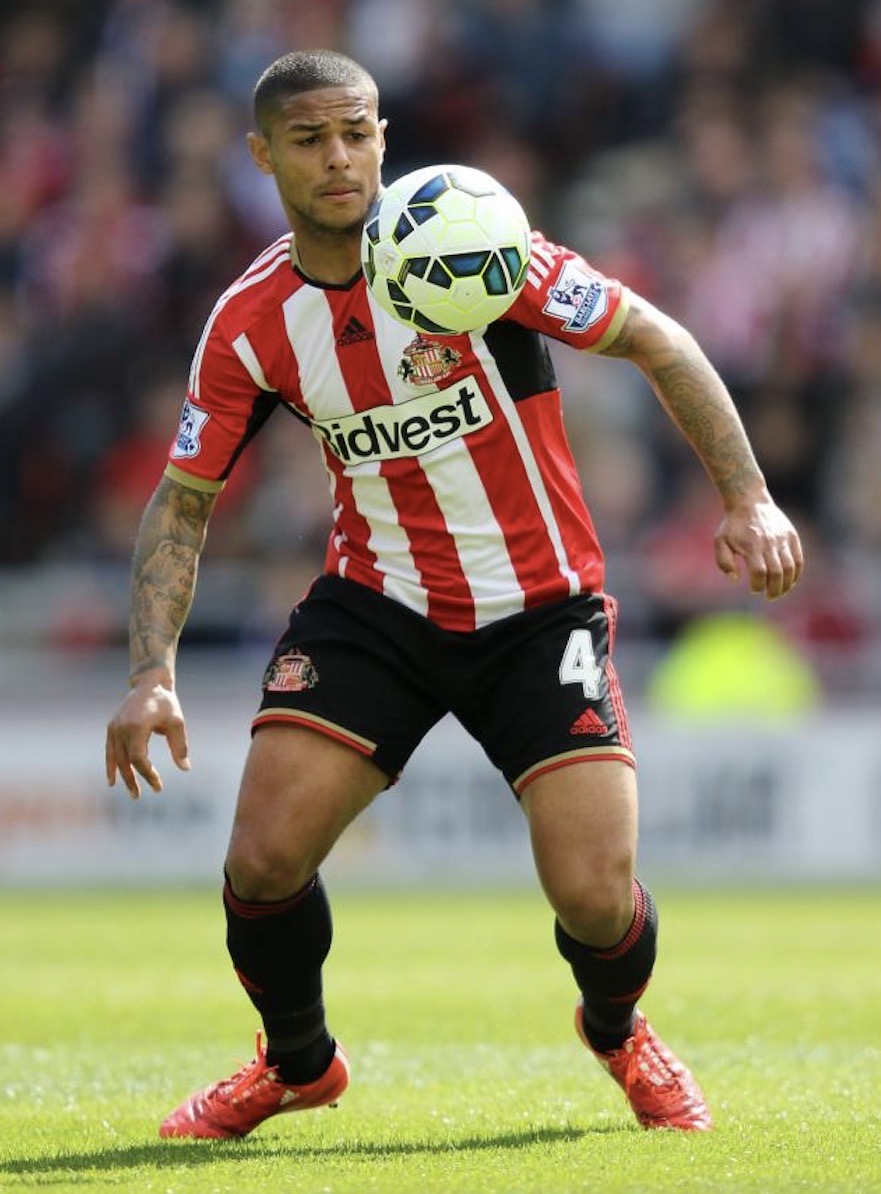
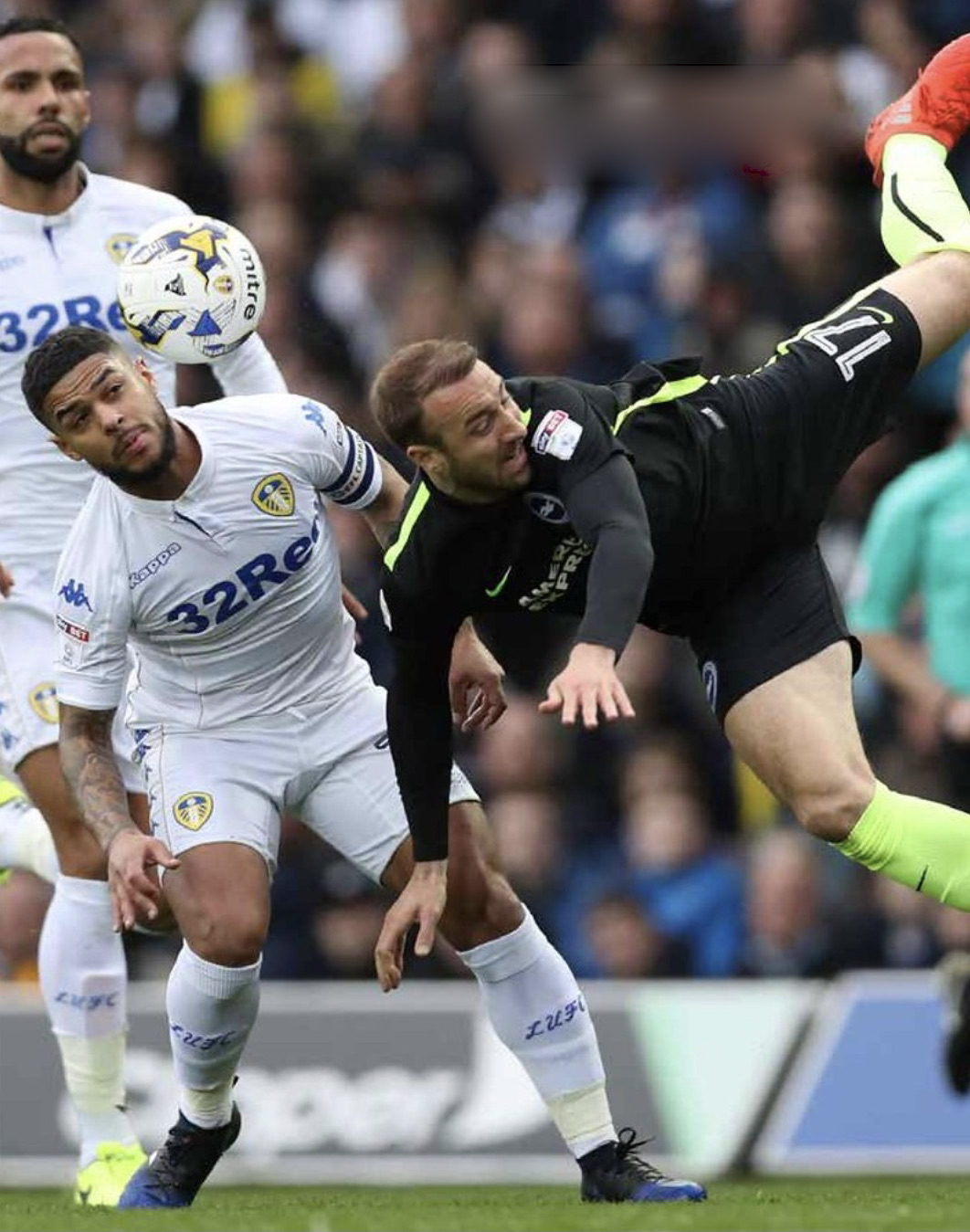
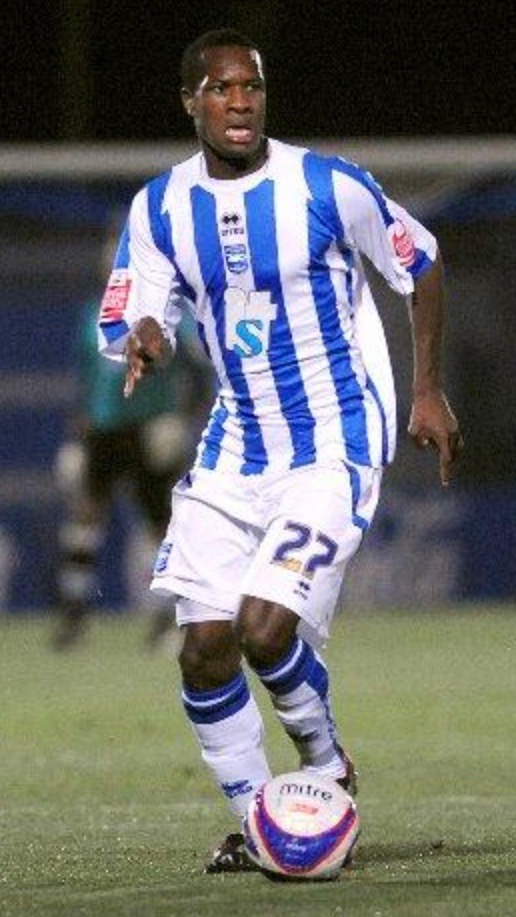
LIAM BRIDCUTT won back-to-back Player of the Season awards at Brighton and later went on to captain Leeds United.

The diminutive midfielder was a stand-out defensive midfielder who Seagulls supporters took to their hearts.

He was pivotal to the new style of play Gus Poyet introduced, sitting in front of the back four, and comfortably acting as the conduit for the side’s highly effective passing game.

Having been brought through as a youngster at Stamford Bridge, he had witnessed close up the role Claude Makelele executed so efficiently for Chelsea, and, when his former Stamford Bridge colleague Poyet gave him an initial five-month contract at Brighton, he seized the chance.

“Chelsea made me the player I am today and they gave me the best of everything in terms of facilities and training with some of the biggest names in football,” he said shortly after signing for the Albion.

“My favourite player was Dennis Wise. I always wanted to be like him in that central midfield role. Then, as I got older, the team changed and it was Makele who I watched. Chelsea wanted more of a Makele player out of me.”

With so many star names ahead of him, it was inevitable Bridcutt would have to look elsewhere to progress. Initially he went on loan to Watford, managed by Brendan Rodgers, who he’d played under for Chelsea’s youth side and reserves.

“I played in some really big games, jumping from reserve football – full of kids and not that physical – into games where players are literally fighting for their careers,” he said.

“My first game was against Doncaster, where I was named Man of the Match, and then it was Spurs in the quarter-finals of the Carling Cup. I was up against Jermaine Jenas and Jamie O’Hara. I loved the adrenalin and pushing myself against all these players.”

It meant he didn’t fancy returning to reserve football and went out on loan again, playing more than 20 games for Stockport County in League One – including being sent off playing against the Seagulls! “It was another good learning curve for me,” he said.

When released by Chelsea, he had trials at Crystal Palace, Wycombe Wanderers and Dagenham and Redbridge – without success – but Chelsea let him return to train with them for three weeks and, during that time, Ray Wilkins suggested him to Poyet, who gave him an initial five-month contract to show what he could do.

After his debut against Orient, he told the matchday programme: “The manager has been saying to me that he needs a player in there who can control the game, break things up and play. I aim to prove I am that player.”

Mission accomplished, Bridcutt earned a two-year deal and he told the Argus: “It was one of my goals when I first signed here, to get a longer deal, and I’ve done that.

“I have been rewarded for my hard work. All I’ve got to do now is settle down and think about my future and look forward to next season.

“There was no hesitation from me really. I want to be here as long as I can. I can see what Gus has done here is brilliant. It’s a big club on the way up, so I was more than happy to sign.”

Bridcutt helped Albion win League One and is particularly remembered for a stunning long-range volley at Withdean on 5 March 2011 that proved to be the winner in a 4-3 win over Carlisle United. He was also on the scoresheet when Albion twice came from behind against Dagenham and Redbridge and eventually won another 4-3 thriller to clinch promotion back to the second tier.

Comfortably taking the step up in class in his stride, Bridcutt was pivotal to Albion reaching the Championship play-offs, but, after Poyet’s departure, rumours began to swirl that the young midfielder would follow him to the north east.

It didn’t happen immediately but, after handing in a transfer request, he finally made the move in January 2014 after featuring in 151 games for the Seagulls.

Given the opportunity to reflect on that time, Bridcutt admitted to the excellent podcast Football, the Albion and Me that he should never have left but, at the time, he didn’t feel the Albion did enough to persuade him to stay when Premier League and Championship clubs were sniffing around.

“Because they had so many good offers, they didn’t try to keep me,” he said. “I didn’t want to leave the club. I was very much happy there. But at the time I had other offers. The club knew about this and were back and forth with other clubs and turned down lots of offers.

“All I wanted was to be rewarded for the time I had given to the club,” he said, maintaining that, regardless of Poyet going, he wanted to part of the club’s long term goal of getting to the Premier League.

Scotland cap

In March 2013, Bridcutt’s consistent Albion form earned him a call-up to the Scotland international squad. Newly appointed manager Gordon Strachan gave him his first cap against Serbia, although the 2-0 defeat ended the Scots’ hopes of qualifying for the 2014 World Cup, and Bridcutt collected a booking in the 77th minute.

It wasn’t until three years later, during his spell at Leeds, that Bridcutt earned his second and only other cap. It came when he was a second half substitute in a 1-0 win over Denmark and some observers considered Bridcutt lucky not to see red for a robust tackle in the game at Hampden Park.

Although born in Reading, on 8 May 1989, he qualified to play for Scotland through his Edinburgh-born grandfather.

In July 2021, Bridcutt gave an illuminating and excoriating insight into his move and time on Wearside to a Sunderland podcast.

He recalled how on the day he signed for the club Poyet called him at midnight informing him he’d be playing the next day in the Tyne-Wear derby game and, before putting the phone down, said: “You better not be shit because I’ve pushed hard to get you here!”

Thankfully, Bridcutt had an outstanding debut in place of the injured Lee Cattermole in a 3-0 win for the Black Cats over their arch rivals.

Poyet purred: “Liam Bridcutt knows the defensive midfielder role I want us to play perfectly. So I was not worried.

If there’s one person that knows the role better than anyone else in the world, it is Liam and the best thing for him is that we won, we kept a clean sheet and he got through 90 minutes having not played all month.”

Poyet was rarely shy in singing Bridcutt’s praises, once telling the Mail: “If I was coach of Real (Madrid) I would take him because he deserves to go to the highest level.

“As a holding midfielder, there is no better player in the division. The best thing about Liam is that he understands me to an incredible level. The way he understands what I want from him is spectacular.”

However, Bridcutt reckoned a lot of players Poyet inherited at Sunderland were scared to play the sort of football Albion’s players had readily embraced and he also questioned their professionalism, saying: “It was almost like he (Poyet) was fighting a losing battle because there was literally lads out every other night and you could see that in our performances. We were terrible.”

Supporters piled on the pressure too and, although Bridcutt reckoned he could cope with the barbs, someone like Marcos Alonso responded badly to the stick but proved he was a decent player after he moved to Chelsea.

After keeping Sunderland in the Premier League against the odds, Poyet signed a new two-year contract in May 2014 but was sacked the following March. His successor, Dick Advocaat, froze Bridcutt out and, eventually, in November 2015, Steve Evans took him on loan at Leeds United.

In the early part of 2016, ahead of playing against Brighton at the Amex, Bridcutt confessed he’d be open to a return to the south coast. He told the Argus: “It was probably my best period in football. That was my opportunity to properly showcase what I could do and I had brilliant times there.

“I know the place well and I’d call it home. My first child was born there and it’s where my family started. It’s where my career really started and it’s a club where, if there was the right opportunity to go back at some stage, I definitely would.

“Even when I first joined, the club always had direction. There was always a plan. Nothing happened by accident. They hit a bit of a rocky patch after losing Gus (Poyet) but, like most clubs, it happens. They seem to have got their stability back. I’m happy to see that.”

As it was, Bridcutt stayed at Elland Road until the end of the season and, after Garry Monk’s appointment as manager, he was signed on a permanent basis in August 2016. A month later he was appointed Leeds captain, taking over the role from Sol Bamba.

A delighted Bridcutt said: “It’s a real honour, the manager has shown great faith in me by giving me the captaincy.

“It puts a little bit more pressure on me but that’s something I like. I’ve always been a player that’s thrived under pressure, and I think that’s the way to get the best out of me.”

Unfortunately a broken foot saw Bridcutt miss a large part of the season and the managerial revolving door at Leeds saw Monk replaced in the summer of 2017 by Thomas Christiansen.

After 53 games for United, Bridcutt also found himself heading for the exit, joining Mark Warburton’s Nottingham Forest on a three-year deal for a fee thought to be around £1m.

Former Forest favourite Garry Birtles was suitably impressed by the new signing, telling the Nottingham Post: “He’s 28 so you’d think he will hit his peak for Forest, having signed a three-year deal.

“He was Leeds United’s captain last season as they finished in seventh place in the Championship. I saw him play for Leeds and, I have to say, he was very impressive. He’s got that creative ability, and his all-round game was good.”

While Bridcutt played plenty of games under Warburton, when another managerial change saw the arrival of Aitor Karanka, his game time dried up.

Bridcutt spent the first part of the 2019-20 season on loan at League One Bolton Wanderers, where he was made captain by boss Keith Hill, and was reunited with former Albion and Sunderland teammate Will Buckley.

But after his recall to Forest in January 2020 he was then dispatched on loan to Lincoln City for the remainder of the season.

It wasn’t long before Bridcutt was captaining the Imps and in August 2020 he joined them on a permanent basis after his Forest contract expired.

Injury sidelined Bridcutt from Colin Appleton’s side as Lincoln beat Sunderland over a two-legged League One play-off semi-final in May 2021 but Bridcutt skippered the Imps as they narrowly lost 2-1 to Blackpool in the final at Wembley.

Ahead of the Sunderland clash, Lincoln fan Gary Hutchinson, of The Stacey West Lincoln fan website, told SB Nation Roker Report: “I love Bridcutt. He is the pivot around which our entire side function. Playing in the four role he picks the ball deep, protects the back four and is always willing to add to an attack. There are options in the middle of the park – Jorge Grant usually deputises there and Max Sanders who recently signed from Brighton is the long-term heir-apparent for Bridcutt.”

Released by Lincoln at the end of the 2021-22 season, Bridcutt, aged 33, was eventually reunited with Appleton at Blackpool; his signing on a one-year contract for the Championship side announced on 30 September 2022.

“I’m excited to be here and working with the manager again,” Bridcutt told the Blackpool website. “He was brilliant for me over the last two years – he put a lot of trust and faith in me.

“We’ve got a good understanding in terms of what he wants from his teams and his players day-to-day. I get that and it’s how I work and how I’ve always worked. He knows what I’m like and what he can get out of me.”

Appleton added: “We know the quality and the experience he’s got – at Premier League and Championship level – and he’s a fantastic character who will also bring a lot of things off the pitch as well. His addition will be a real plus.”

Sprinter’s boys took different tracks after starting Gunners

A GUNNER from the age of nine gained valuable first team experience with the Seagulls but ultimately fell short of reaching the same heights as his brother.

Commonwealth Games gold-medal winning sprinter Wendy Hoyte saw sons Justin and Gavin climb through the academy and reserve ranks at Arsenal.

Justin played 68 first-team games for the Gunners and went on to make a name for himself in the North East, but younger brother Gavin only played four first-team games for Arsenal and had to set his sights lower to pursue a professional career.

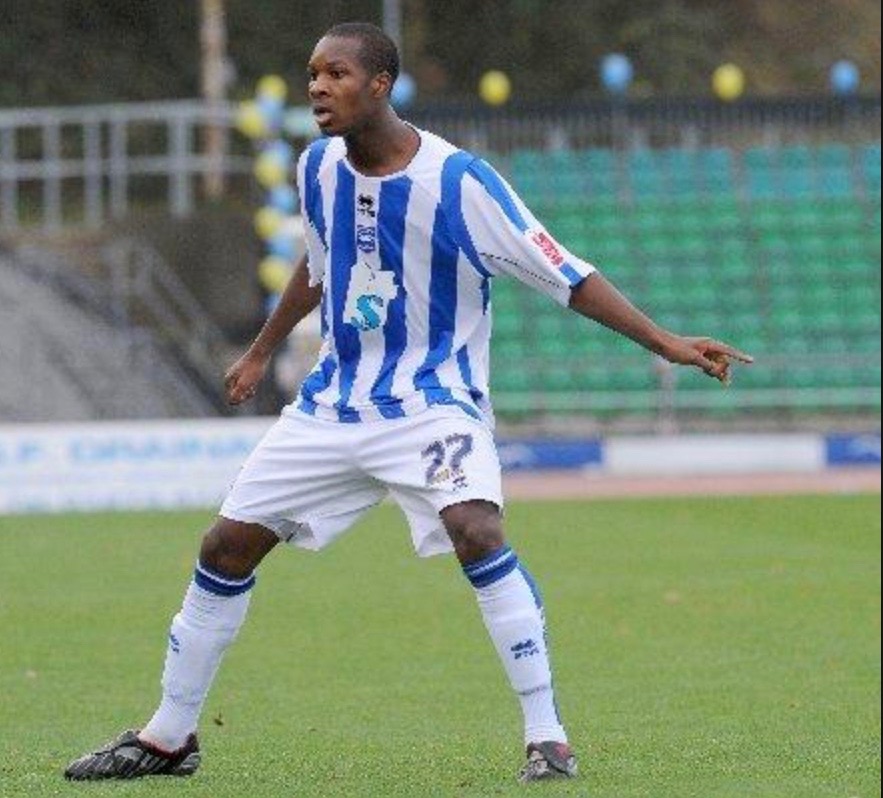
The younger Hoyte spent most of the 2009-10 season as a Brighton player and, although only 19 at the time, got a rough ride from Seagulls supporters who expected more from someone who’d played at the top level of the game.

Initially signed on loan in October 2009 by Russell Slade to cover for the injured regular right-back Andrew Whing, Hoyte was handed his debut against Slade’s former club Yeovil Town at Huish Park.

“I am delighted to know the club wants me,” the youngster told The Argus. “They have got a lot of games this month and I just want to get out there and play.”

As it turned out, Hoyte outlasted Slade at the Withdean, and his temporary transfer was extended when Gus Poyet took over as manager.

The young full-back in the no.27 shirt gained a good amount of game time until Poyet unearthed Inigo Calderon in January 2010.

Even then, Poyet was happy to retain the services of the Arsenal youngster, telling the Argus: “We explained to Gavin before asking Arsenal that there was probably a player coming.

“Arsenal knew that as well, so nothing has been hidden. Everyone knows where they stand.

“We are working on different aspects of the game with Gavin, because he has got something which is very difficult to find sometimes in football, the speed to recover.

“When you have that ability, you don’t need to go to ground, because you are quicker than most players.

“He is young and there is plenty to come. We want to help him become a Premier League player or top Championship player.”

G Hoyte stripes

Hoyte got another chance to prove himself when Calderon picked up a nasty hip injury in April, bringing his total number of Albion games over the season to 21.

When it looked like the popular Spaniard was going to move to Southampton instead of accepting a contract offer from the Seagulls, Argus reporter Andy Naylor ventured: “Gavin Hoyte’s encouraging conclusion to the campaign suggests he might even be capable of rising to the occasion if he returns on loan from Arsenal.”

It didn’t come to that, though, and, over the next two years, he dropped down another division with loan spells at Lincoln City and AFC Wimbledon.

When he realised there was little hope of him ever getting close to the Arsenal first team, he left for Dagenham and Redbridge, having spoken to Arsenal goalkeeping coach Tony Roberts, who’d played for the Daggers himself.

Born in Leytonstone on 6 June 1990, Hoyte followed in his brother’s footsteps to Arsenal and progressed to the point of being appointed the under 18 team captain in the 2006-07 season when he was still only 16.

“I am very vocal during games, although I wouldn’t quite say that I was a Tony Adams, but that’s the sort of captaining style I try to emulate,” Hoyte told the Arsenal matchday programme. “I have captained at schoolboy level and in particular in tournaments and so I do have some experience, but I did not expect to be captain of the under 18s so early.”

Hoyte captained Arsenal’s under 18s when he was only 16

Hoyte was also capped at England under 17, under 18, under 19 and under 20 levels. In the 2009 UEFA under 19 championships, he played in two qualifiers in the space of four days when England beat Slovakia 4-1 and Scotland 2-1; his teammates including current Albion no.3 Jason Steele in goal, and future full international Kieran Trippier.

He was part of the squad who took part in the finals in Ukraine, starting twice and coming on as a substitute three times as England finished runners up to the hosts. The side was managed by Brian Eastick, who’d been an Albion coach during the Mike Bailey era.

Hoyte’s one game for the under 20s came as a substitute in a 1-1 draw away to Uzbekistan on 2 October 2009, when a fellow substitute was Sam Baldock. Two non-playing subs in that game were Jonathan Obika and Gary Gardner, who both had spells on loan with the Seagulls.

Hoyte looked back on his Arsenal time in an interview with Will Unwin for planetfootball.com and said: “When you’re there you always think you’re going to make it – I was pretty confident.

“I had my older brother there as well, so that helped a lot, seeing how he progressed.

“That was a big thing for me, seeing him play every week, watching him, thinking, ‘I want to try and get to where he is’.”

Hoyte was an unused substitute for several first team games before making his debut in a 6-0 League Cup win over Sheffield United, and starting in the next two rounds, against Wigan and Burnley. His Arsenal career only seemed to be heading in one direction.

“Just to play at the Emirates was massive, coming out to a big crowd,” he told Unwin. “There were a lot of young boys in the team so that helped me with confidence and eased it.

“But there were a lot of players in front of me, so I didn’t think about playing in the Premier League. It was always in the back of my mind, but I wasn’t thinking I was going to play immediately.”

But 11 days after the second of those League Cup appearances, Hoyte was handed his Premier League debut, after William Gallas had been stripped of the club captaincy for criticising team-mates amid a poor run of only one win in four games.

G Hoyte v Man City

Up against Robinho of Manchester City, he was taken off after an hour of a 3-0 defeat, and it would prove to be both the start and end of his top-flight career.

Hoyte didn’t recall getting much feedback after the game, although it wasn’t long before he was awarded a new contract. He made his fourth appearance for the club in a League Cup quarter-final defeat to Burnley at the start of December – but he didn’t play for Arsenal again.

He was sent out on loan to Championship side Watford for the second half of the 2008-09 season, featuring in 10 matches, and he eventually left Arsenal in 2012 when his contract expired.

After two seasons in League Two with Dagenham, he spent the 2014-15 season with League One Gillingham, featuring in 35 matches. He dropped down to League Two with Barnet, ended up at National League Eastleigh until the end of the 2017-18 season before returning to Dagenham in 2018-19.

It proved to be a frustrating season for him under the managership of former Albion boss Peter Taylor, but, reunited with former manager John Still at Maidstone United, he has been a regular at right-back in 2019-20 and scored just the third goal of his career against Dulwich Hamlet in December.

Along with his brother, the younger Hoyte has enjoyed the opportunity to play international football with Trinidad and Tobago, as he told socawarriors.net, and spent 20 minutes on the same pitch as Lionel Messi in a friendly as Argentina warmed up for the 2014 World Cup.

Oatway took off with Bluebirds and soared with Seagulls

CHARLIE Oatway had not long earned his break in professional football with Cardiff City before he found himself behind bars in Pentonville Prison.

Up on a charge of GBH for his part in a fight, when an Afro-Caribbean friend was racially abused, Oatway didn’t expect to get incarcerated but ended up serving two months of a four-month sentence.

Before he headed off to court in London on a Monday morning, he had told Cardiff’s general manager, the former Leeds and Wales international Terry Yorath (broadcaster Gabby Logan’s dad), to expect him for training on the Tuesday morning!

The story is explained in detail in Tackling Life, the book Oatway published about how he turned his life round to become captain of Brighton and part of three promotion-winning sides.

The tale reveals how imprisonment was just one of the hurdles Oatway had to overcome in a life that’s taken many colourful twists and turns.

It was sadly ironic that his career as a player with Brighton was cut short in a Boxing Day clash against Queens Park Rangers, the team he followed home and away from an early age.

The family lived a stone’s throw from Loftus Road and Charlie – a nickname given to him by an aunt – was named by his Rs-daft dad after the whole of the promotion-winning 1973 QPR team: Anthony, Phillip, David, Terry, Frank, Donald, Stanley, Gerry, Gordon, Steven, James.

He was even starstruck at an Albion Legends event when he saw John Byrne who had been a hero of his during his days playing up front for the Rs alongside Gary Bannister.

Albion reaching the Division 2 play-off final in Cardiff in 2004 was the highlight of Oatway’s career – but a feature in the match programme was angled on the disappointment he had suffered the year before, when he had gone as a spectator with all his family to see QPR lose to Cardiff.

“Everything about the day was perfect apart from the result,” Oatway told reporter Alex Crook. “Being a QPR fan at heart, I felt the pain of the defeat just as much as the other 35,000 fans. But this time I am going up there as a player and not as a fan and I am determined our supporters will not go through what I did last season.”

The youngest of five kids, Oatway grew up in Shepherd’s Bush and even though he started to struggle in school from an early age, he displayed quite a talent for football.

“I knew by the time I was eight that I was as good as any of the eleven-year-olds I was playing with,” he recalls in Tackling Life. He had trials for the West London District schools team and played for Harrow Boys Club and Bedfont Eagles.

Oatway reveals how it was Wally Downes, the former Wimbledon player and later loyal assistant manager to Steve Coppell, who helped to get him noticed, along with his cousin, Terry Oatway.

The young Oatway joined up with Wimbledon in the year they won the FA Cup – 1988 – and played for the youth team, but he was let go at the end of the 1989-90 season because they thought he was too small. He went to Sheffield United on trial but was homesick so he returned to London and joined non-league Yeading on semi-professional terms. Off the field, life was by no means straightforward. “By the age of 19, I had two children with two different mothers,” he said.

After helping to get Yeading promoted in 1993-94, Oatway found a pathway back into the professional game when a community worker (Ritchie Jacobs) on the estate where he lived organised a trial at Cardiff City for him and two pals.

He was the only one of the three invited back and he said: “When Cardiff asked me back for another month, I knew it was the chance I’d been waiting for, and I was going to grab it with both hands.”

Not surprisingly, the two months he spent in Pentonville didn’t greatly help his cause but remarkably he was welcomed back to the club and accepted by the fans. However, in his absence there was a change in team management and ownership and, before long, new team manager Kenny Hibbitt was instructed to send Oatway out on loan to Coleraine in Northern Ireland.

On his return to Cardiff the following season, they had by then been relegated to the Fourth Division. Still he was unable to get back in the first team and he happened to play a reserve team game against Torquay United, who were managed by his old Cardiff boss, Eddie May. May asked if he fancied a move for first team football and, although he only joined just before Christmas in 1995, by the end of the season he had been voted Player of the Year.

When May moved on to become manager of Brentford, he put in a bid for the combative midfielder and took him back to west London to play in the Bees’ third tier side.

In 1998, Oatway had a brief loan spell with Lincoln City but on his return to Griffin Park he came under the managership of Micky Adams for the first time.

Adams had taken over the manager’s chair at Griffin Park but he was sacked when owner Ron Noades thought he could make a better job of running the team. Oatway was sent on a month’s loan to Lincoln, somewhat against his wishes, but on his return to the Bees he forced his way into the side and worked well with coach Ray Lewington.

Adams then took the reins at Brighton and, as the Albion began life back in Brighton & Hove after the two-year exile in Gillingham, Oatway and Bees teammate Paul Watson joined the Seagulls for a combined fee of £30,000.

Adams wanted the pair to join a nucleus of players who’d all played under him previously at Brentford and Fulham.

In an Albion matchday programme profile of Oatway to coincide with the visit of his former club, Torquay, on 2 September 2000, it noted: “Despite getting sent off rather stupidly in one of his earliest games for the Seagulls – he bit a Darlington player’s face – he soon became a great favourite with the Brighton crowd, who hadn’t seen a midfield scrapper like him since Jimmy Case retired.”

oatway prog cover

He went on to be a vital midfield cog in the back-to-back league title winning sides of 2001 and 2002. Although he was in the team that was relegated from the second tier in 2003, he was full of praise for the effort made to avoid the drop. “Steve Coppell was one of the best managers I’ve ever played under because of his attention to detail,” he said. “Steve’s team talks on the day before a game were brilliant.”

When the departed Coppell was replaced by Mark McGhee, Oatway remained a cornerstone of the Albion line-up and described that 2004 play-off final at the Millennium Stadium as “the best day of my career”.

But at one point it was touch and go whether he was going to be able to carry on. In October 2003, he underwent major back surgery to repair a slipped disc and trapped nerve.

He was out for nearly three months and he admitted in an Argus interview: “There was a good chance I wouldn’t play again.”

When the Albion cashed in on captain Danny Cullip in December 2004, selling him to Sheffield United, Oatway took over the skipper’s armband full-time, a role he had previously embraced as a stand-in.

The following season’s Boxing Day clash with QPR at Withdean was only two minutes old when Marcus Bean tackled Oatway from behind and escaped without even a booking.

Oatway was stretchered off and McGhee later told the mirror.co.uk: “Charlie has been a tremendous leader and captain and this is a huge blow. I’m very upset about it.”

Oatway had four different operations to try to fix the ankle injury, but he never recovered sufficiently to return to the required level to play league football.

“I tried to get back to playing again but by the pre-season of 2007 I had to call it a day,” he said.

However, even when he was out injured, Oatway was always a strong influence on the dressing room.

Stand-in skipper Dean Hammond said in an Argus interview in November 2006: “Charlie has been out injured but he has been fantastic for everyone. He comes in, he gets everyone up for it, he’s always laughing and joking. He’s got the enthusiasm and he is still determined, even though he is not playing.

“His personality is fantastic for everyone and I think he deserves a massive pat on the back.”

He also used the time productively, studying how the coaches worked with the youth team players and starting to take his coaching badges. When it was clear he wouldn’t be able to return to play full-time professional football again, he got involved with the Albion in the Community scheme as a community liaison manager.

Rather than give up the game completely, Oatway took the opportunity to become player-coach at Havant and Waterlooville and, in January 2008, he found himself in the national media spotlight when the Blue Square South minnows played away to Liverpool in the fifth round of the FA Cup.

Oatway wasn’t fit to start the game but he got on as a substitute in the 74th minute and later recounted how his former teammate Bobby Zamora fixed it for him to swap shirts with Liverpool’s Yossi Benayoun, who scored a hat-trick in the Reds’ 5-2 win that day.

Then, in 2009-10, Oatway began helping Brighton manager Russell Slade to coach the first team and, after Slade’s departure, continued in the role under Gus Poyet.

When Poyet left the Seagulls to join Sunderland, Oatway went with him and he was also in the dug-out alongside Poyet and his assistant Mauricio Taricco at Chinese Super League team Shanghai Greenland Shenhua, AEK Athens and Seville-based Real Betis.

Pictures: matchday programme; The Argus; Tackling Life (Quick Reads, 2011).

Goalscorer Gilliver was heading for trouble in the days of heavier footballs

MOST football fans of a certain age will be familiar with the story of former West Brom and England centre forward Jeff Astle’s death in 2002 from early on-set dementia caused by heading footballs during his career.

The same condition has befallen Allan Gilliver, who played up front for Brighton and Lincoln City.

In September 2015, the Bradford Telegraph and Argus carried a report in which they said: “In 2013 Allan discovered he had dementia and that the likely cause is heading the ball – something he did throughout his football career.”

‘I scored a lot of goals heading the ball, we had heading practice every day,’ Allan told the newspaper. ‘It hurt like hell; footballs were much heavier back then and retained moisture.’

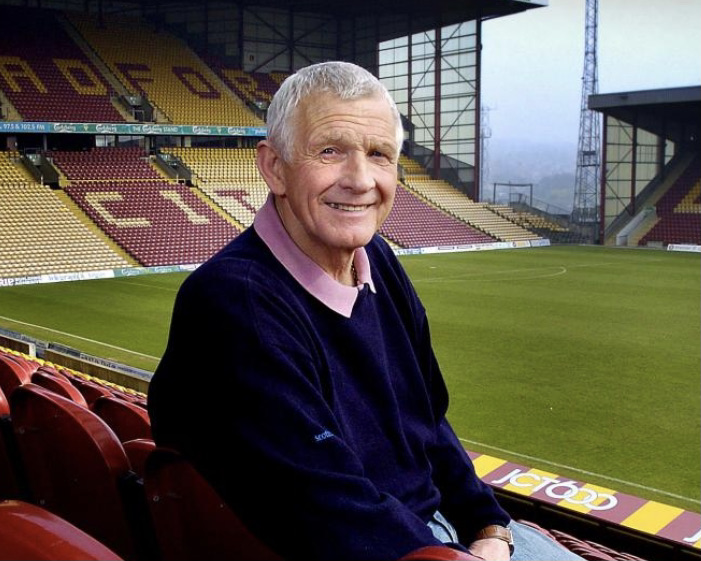
The story was being told in the run-up to a charity event to raise funds and awareness of dementia and Gilly was something of a legend in Bradford having worked behind the scenes at Bradford City for many years after his playing career had ended.

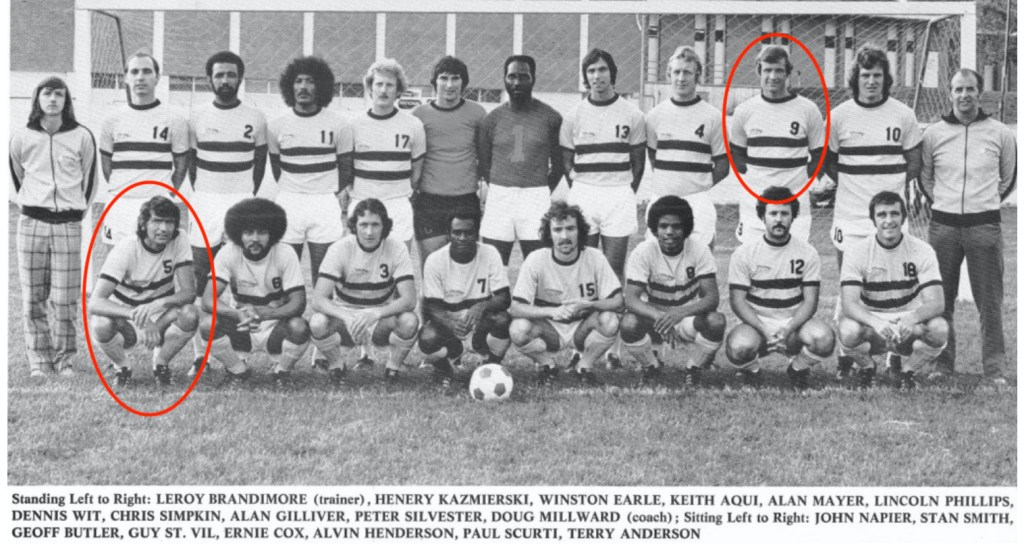
He had originally moved to City from Lincoln in 1972, where he teamed up with former Brighton captain and centre half John Napier (pictured below in a Bradford team photo).

Gilliver arrived at the Goldstone in the summer of 1969 on a free transfer from his hometown club, Rotherham United. He’d been born in the village of Swallownest (in the borough of Rotherham) on 3 August 1944. He was a keen all-round sportsman and when he was 14 was invited for net practice with the Yorkshire county side.

But he opted to pursue a career in football and joined Huddersfield Town in 1961. He scored on his debut in a 4-1 win at home to Swansea and he went on to score 22 goals in 45 appearances for Town. But in June 1966 a £12,000 fee saw him switch to Blackburn Rovers where he netted nine goals in 34 matches.Gilli Rovers

Two years later, Tommy Docherty signed him for Rotherham to partner Jim Storrie up front and he scored four goals in 29 matches for the Millers. His signing for Brighton proved to be a shrewd bit of business by manager Freddie Goodwin because Gilliver ended the 1969-70 season top scorer with 16 league and cup goals.

He made an encouraging start by netting on his debut in the pre-season 6-0 win over a Gibraltar XI. It wasn’t long before he was off the mark in the league too, scoring the only goal in a 1-0 win at Plymouth on 16 August.

Gilliver also scored in two of the Albion’s memorable League Cup ties in the autumn of 1969, netting in the 2-0 defeat of Birmingham, who were then in the division above Brighton, and also in the closely-fought epic against First Division Wolves when Albion narrowly lost 3-2.

Later that same season he scored a hat-trick in a 4-0 home win over Halifax. Even when Goodwin departed for Birmingham during the summer of 1970, Gilliver retained his place under new manager Pat Saward, and scored eight times.

But, presumably in the knowledge he’d got the loan signings of Bert Murray and Willie Irvine lined up, Saward surprisingly sold Gilliver and former captain Nobby Lawton to Lincoln in February 1971. The pair’s appearance in a 2-1 defeat away to Shrewsbury that month turned out to be their farewell.

As a youngster, I used to watch games from behind the manager’s dugout beneath the West Stand at the Goldstone.

I remember vividly how during one game, as the players trooped off down the tunnel for the half-time break, someone in the crowd behind me, clearly not impressed by the striker’s performance, shouted: “Gilly, why don’t you come off?” The forward looked into the crowd for the source of the comment and retorted: “And why don’t you p*ss off!”

The forward’s spell with Lincoln was ultimately a brief one but his switch to Valley Parade for a £4,000 fee began a lifetime association with the Bantams.

In researching this piece, I came across a picture of Gilliver in action for Bradford against Arsenal at Highbury in 1973.

He moved on to Stockport County in 1974 and had a brief spell with the Baltimore Comets in America, playing alongside the aforementioned Napier, before returning to England.

Back at Bradford in 1978-79, he played twice before his playing days came to an end but he stayed with the club and his subsequent roles included groundsman, safety officer, bar supervisor, stadium manager and commercial manager. He retired in 2007.

In May 2023, Gilliver’s wife Chris opened up to the Telegraph & Argus about the sad impact of the former footballer’s condition, which had necessitated putting him in a care home.  

“The grandchildren miss grandad as he was,” she said. “He doesn’t recognise them. He smiles but he would smile at anyone.

“He has got no incentive. He would just sit in one place all day unless someone does something with him.”

She told reporter Rowan Newman: “They are not suffering in many ways because they don’t know, but we are – the families who love and care for them.

“Every day you lose a little bit more. He could speak last week, he can’t speak now. He could use a knife and fork, he can’t cut his food up any more. He has lost so much.”

Gilliver appeaed  briefly in a news bulletin on BBC One News on 25 March 2025 about professional footballers and dementia. He died aged 81 on 23 December 2025.

napier-gilliver-73-74-bradfordag-v-arsenal

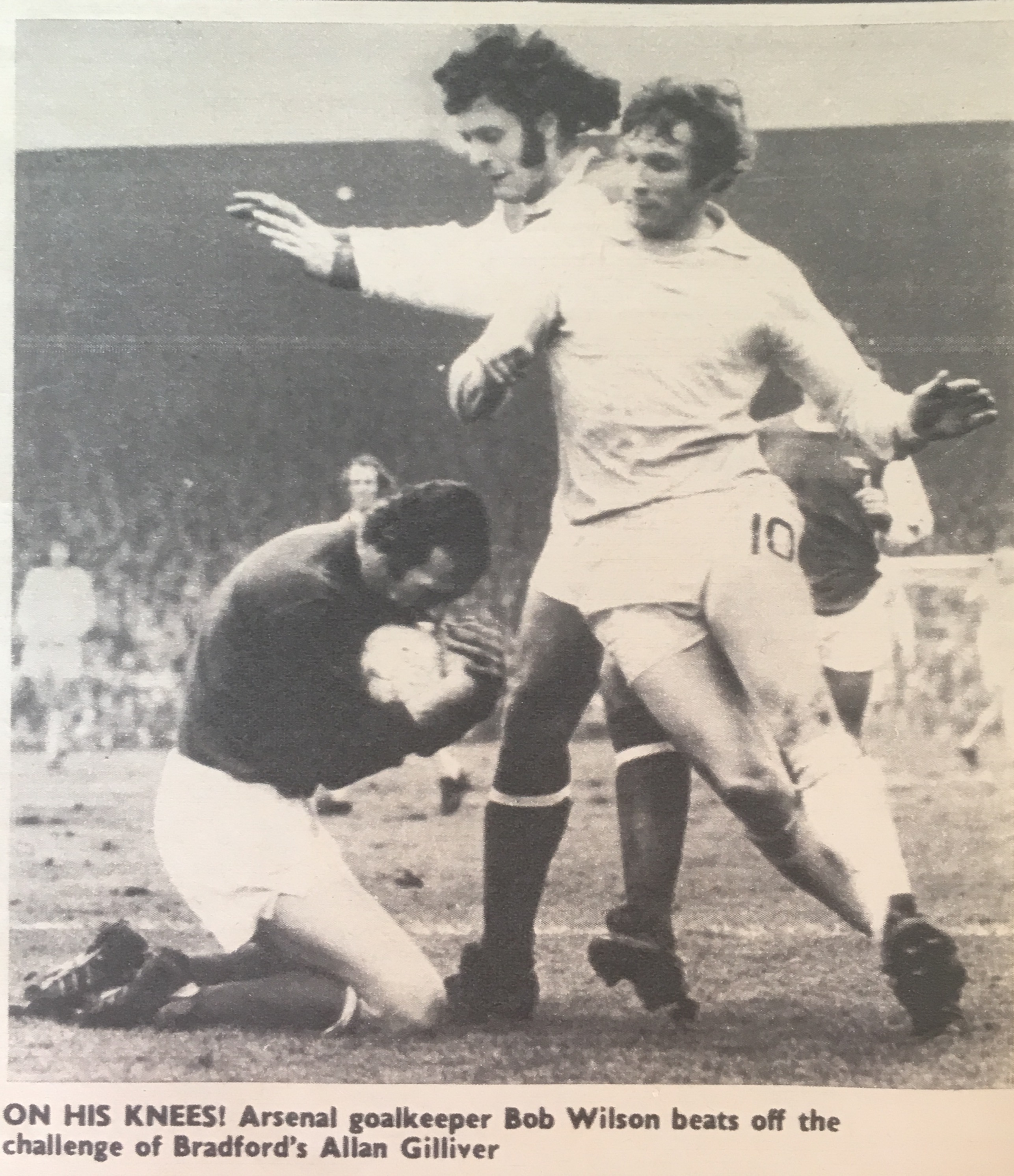
  • Pictures from my scrapbook show Gilliver in aerial action for the Albion; alongside John Napier in a Bradford team photo (and below with Baltimore Comets); in Goal magazine playing for Bradford City, challenging goalkeeper Bob Wilson in a 1973 FA Cup tie against Arsenal, a portrait in the stripes of City, and various shots that first appeared in Albion matchday programmes.
Allan Gilliver living with dementia in a care home, as featured on BBC One news in March 2025

Cross the colossus majestic in promotion-winning season

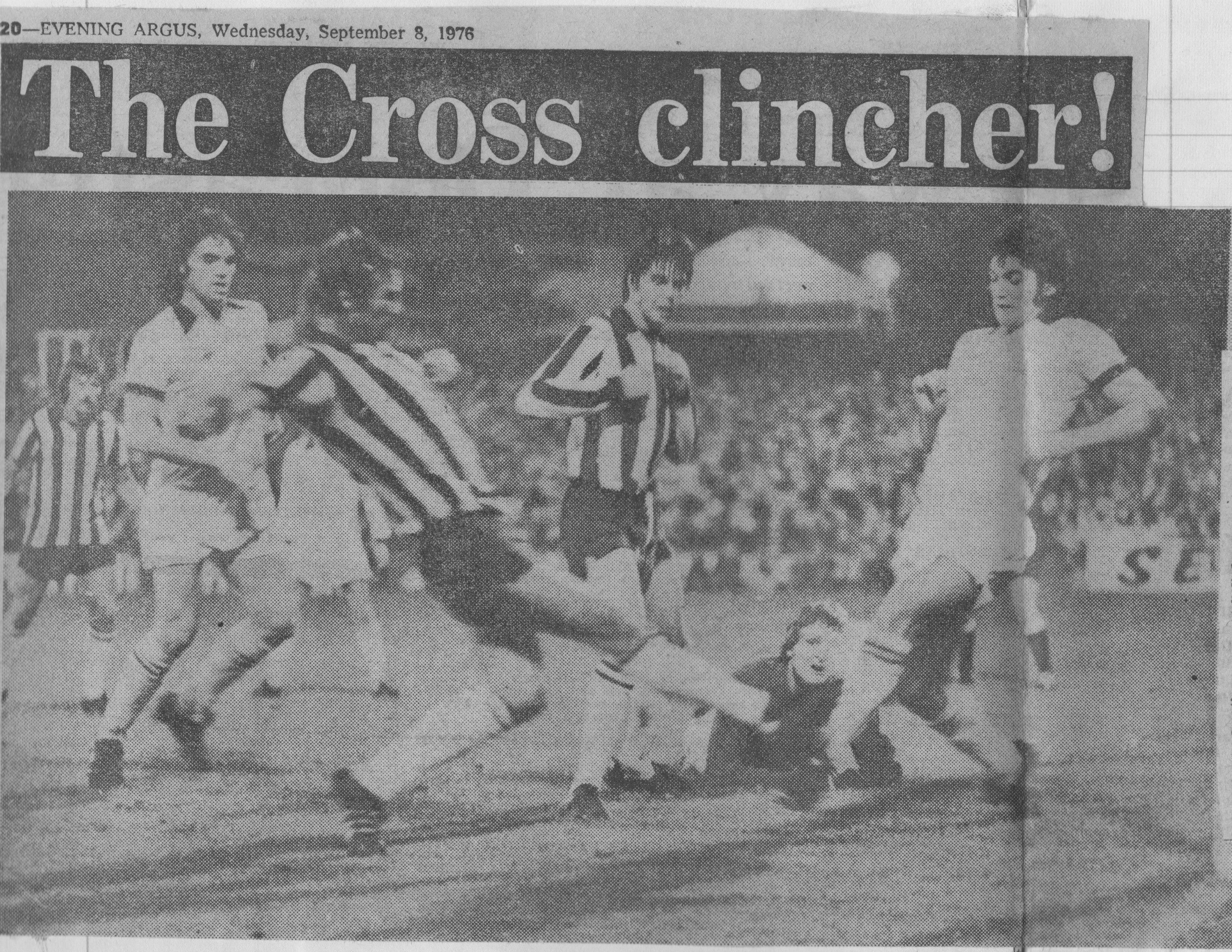
1-cross-clincherGRAHAM Cross won promotion from the third tier in successive seasons – one with Brighton & Hove Albion, the next with Preston North End.

They came after a record-breaking 15-year spell with his hometown club Leicester City.

Cross was a tower of strength and ever-present in Alan Mullery’s 1976-77 promotion-winning team. He was so consistent that his fellow professionals named him and fellow Seagulls Brian Horton and Peter Ward in the division’s PFA team of the year.

One standout performance I recall was in a cracking League Cup replay at the Goldstone against Division 1 side Ipswich Town on 7 September 1976 (see picture above).

Despite the Albion being down to 10 men, having had Phil Beal carried off injured after sub Ian Mellor had already come on, Cross scored the winning goal two minutes from time to give Albion their first competitive victory against a first division team for 43 years!

“Graham had an absolutely tremendous 1976-77 season for us and I can’t speak too highly of him,” Mullery told Shoot! “When I first started planning for the new term I reckoned on having him in the side for our step up into the Second Division.”

G Cross BW HSHowever, when he realised he could land the highly promising 20-year-old Mark Lawrenson from Preston for £112,000, those plans changed.

Lawrenson had played brilliantly against the Albion during the promotion season and was eager to take the step up so he headed south together with full back Gary Williams and Cross and left back Harry Wilson went in the opposite direction.

“I wish him well at Preston and can assure their supporters they are getting one of the most honest lads in the game in Graham,” said Mullery.

Cross certainly played his part as Preston earned promotion from the third tier – one of his teammates was centre forward Michael Robinson, who joined Albion in 1980 – but in the following season the magic touch eluded him when he played 19 times for Lincoln City but didn’t manage to stop them being relegated to the Fourth Division.

3-gc-leicesterCross had been part of the furniture at Leicester and the meashamfox blog recalls how he scored on his debut on 29 April 1961 against Birmingham City in a 3-2 win at Filbert Street.

He was a real ‘Mr Versatility’ who played in eight different positions, although mostly  in midfield – the history books describe him as an inside forward or wing half – and at centre back.

During all the hullabaloo surrounding Leicester’s remarkable Premiership title win in 2016, there were flashbacks to the last time a Leicester side went that close to clinching the league title – in 1962-63 – with Cross a member of that side.

In an interview with the Leicester Mercury, his former Scottish international teammate Frank McLintock spoke about a so-called signature move called ‘the switch’ Leicester employed whereby Cross dropped back and McLintock bombed past him.

“It was a load of rubbish, really,” McLintock told the paper. “It was just that I was really fit and Graham, who was a great player, would be a bit puffed out when he got back. We just swapped positions for a bit.

“The opposition would get confused with who was picking up who. Even Bill Shankly copied it later on at Liverpool.”

Unlike the 2016 vintage, the 1963 side blew their title chances by losing their last four league games. However, they did reach the FA Cup Final that year. Cross was in the side that lost 3-1 to Manchester United. He was also in the Leicester side that lost the 1969 final 1-0 to Manchester City.

His performances in 1963 were good enough to earn him a call up to the England under 23 team, making his debut in a 0-0 draw with Yugoslavia at Old Trafford. In the return fixture two months later, he scored a penalty to supplement an Alan Hinton hat-trick as England won 4-2.

He was a permanent fixture in the side for 10 matches (including a 4-1 win over West Germany, when future Albion colleague Peter Grummitt was in goal). But in November 1964, Leeds’ Norman Hunter took over the no.6 shirt.

Cross was recalled for one more game, in April 1966, when the under 23s beat Turkey 2-0 at Ewood Park. Two of the side that day – Martin Peters and Roger Hunt – would go on to be part of the England World Cup winning team three months later, but Cross never progressed to the senior England team.

Nevertheless he did pick up a  League Cup winner’s medal when Leicester beat Stoke City in 1964 but was a loser the following year when they were beaten narrowly by a Chelsea side containing Barry Bridges and Bert Murray.

Three years before joining Brighton, Cross received a long service clock to mark 500 first class appearances.

Throughout this period, he was also one of that rare breed who played county cricket too.

A right-arm medium-fast bowler, he played 83 first class matches for Leicestershire between 1962 and 1976 and took 92 wickets at an average of 29.95. His top batting performance was a knock of 78.

I am indebted once more to the meashamfox blog to learn that it was Cross’ dual sporting prowess that eventually brought his Leicester career to an end.

In the summer of 1975, he was part of the Leicestershire side captained by Ray Illingworth that won the county championship and the Benson and Hedges Cup, making him the only man to have played in cup finals at Wembley and Lord’s.

But the Leicester board took a dim view of him carrying on playing cricket instead of reporting back for pre-season training and he was suspended.

He was sent out on loan to Chesterfield and played 12 times for them in the 1975-76 season, before being released.

He arrived at the Goldstone on May 25 1976 at the same time as full back (and future manager) Chris Cattlin.

Manager Peter Taylor had impeccable contacts in the Midlands and in Cattlin, from Coventry, and Cross, from Leicester, he acquired two experienced campaigners who had played at the top level in the game for many years.

Taylor’s intention was that Cross would have the sort of impact at Brighton that the ageing Dave Mackay had on Derby when Taylor and Brian Clough signed him from Spurs.G Cross LEic

Taylor had tried to sign Cross before, in the pair’s early days at Derby. Leicester even accepted an £80,000 bid but Cross prevaricated over the move and they turned their attentions elsewhere. He admitted his regret at missing out on the £4,000 cut of the deal but told Goal magazine: “I’m happy in Leicester and I’m pleased that I decided to stay.”

That decision would ultimately lead him to become the all-time appearance record holder for Leicester, having played 599 games; a feat still not surpassed.

Clough and Taylor were renowned for building their sides on solid defences and, having already captured Grummitt, Graham Winstanley, Andy Rollings and Wilson, Taylor added Ken Tiler, Dennis Burnett, Cattlin and Cross.

Taylor, of course, didn’t hang around to see how Cattlin and Cross would contribute. With only four weeks to go to the start of the season, he decided to quit and renew his partnership with Clough, this time at Nottingham Forest.

One of the first images fans saw of his replacement, Alan Mullery, showed him embracing Cross and Cattlin at the pre-season press photocall.

Cross mostly played alongside Rollings, with Burnett and Winstanley filling in when Rollings was sidelined.

Interestingly, Cross never actually moved to Brighton during his spell with the Seagulls: the deal he agreed allowed him to continue to train with Leicester because he and his wife had business interests in the Leicester area.

The meashamfox blog declared “Graham Cross was Leicester City’s finest ever player” although the author was also sad to report how in February 1993 “he had been jailed for using post office funds to pay off his gambling debts”.

The blog concluded: “Despite this blip in his life, for me ‘The Tank’ Graham Cross is a true Leicester legend.”

Pictures from my scrapbook show:

  • A cracking Argus picture and headline record the winner Graham Cross scored against Ipswich in the League Cup.
  • A full page colour photo in Goal magazine when at Leicester.
  • Celebrating his inclusion in the PFA division 3 team of the year with Brian Horton and Peter Ward at the annual awards dinner.
  • Another Goal article, from 1973, marking a clock presentation to Cross in recognition of 500 senior appearances for Leicester.
  • Cross in the Preston team line-up alongside Michael Robinson, who would eventually join the Seagulls via Manchester City.
Cross aged 77 was interviewed and photographed by The Times ahead of Leicester’s 2021 FA Cup Final win over Chelsea

Willie Bell rang last orders on his playing career at Brighton

High-flying Willie Bell in night game action versus Rotherham at the Goldstone Ground

LEFT-BACK Willie Bell was a key part of the first successful Leeds United side built by Don Revie. A Scottish international, his illustrious playing career ended with the then Division Three Brighton.

Bell missed only two games during Albion’s 1969-70 season having been signed as a player-coach by his former Leeds United teammate, Freddie Goodwin, from the 1969 FA Cup Finalists Leicester City.

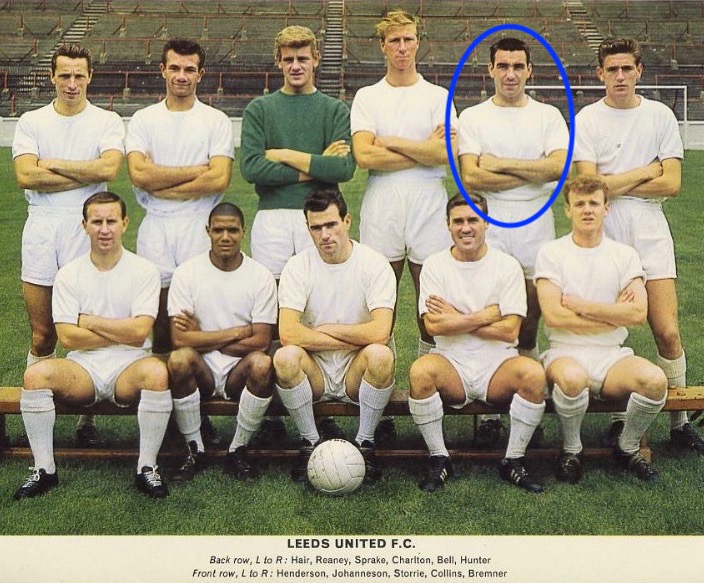
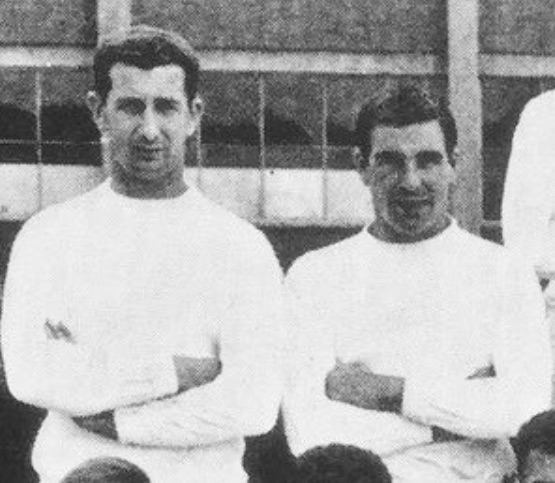
Screen Shot 2019-03-03 at 08.51.01Goodwin (pictured below alongside Bell in a Leeds line-up) obviously knew the pedigree of the player and mightyleeds.co.uk covers in depth how Bell was an unsung hero of that famous Don Revie side as it rose to prominence between 1962 and 1967.

Legendary Leeds hardman Norman Hunter is quoted as saying: “Willie Bell was one of the bravest men I have seen in my life. He never blinked, he never flinched, he just went for it.”

And Scottish international winger Eddie Gray remembered something similar. “Willie was a natural defender; a big, strong player who epitomised the old school of British full-backs in his discipline in sticking rigidly to the basic defensive requirements of his job.”

Good+Willie

However, he stands accused of contributing to what Welsh Evertonian Roy Vernon labelled one of the most “savage confrontations” on a football pitch: an Everton v Leeds match in November 1964.

Everton full-back Sandy Brown had been sent off in only the fourth minute when he decked Johnny Giles for a tackle that left stud marks in the defender’s chest.

“Things came to a head in the 35th minute when full-back Willie Bell launched a two-footed tackle at Derek Temple near the touchline,” it was said in Blue Dragon: The Roy Vernon Story. “It was around neck high and one of the worst seen outside a wrestling ring.” The Everton winger had to be stretchered off by St John Ambulance attendants.

Born in Johnstone, Renfrewshire, on 3 September 1937, Bell began his career as a wing-half and in 1957 transferred from Neilston Juniors to Scottish amateur side Queens Park. While he was there, he won two Scottish amateur caps which attracted the attention of Leeds manager Jack Taylor.

Bell, aged 22, joined Leeds in the summer of 1960 after they had been relegated to the old Second Division. The Scot struggled to adapt to the English game initially and only featured sporadically in the Leeds first team. It was Taylor’s successor Revie who switched him to left-back to replace the long estanlished Grenville Hair and he only became a regular in the 1963-64 season.

He developed a great understanding with left winger Albert Johanesson as Leeds won the Second Division title and, by the end of the following season, he was part of the Leeds side that reached the  1965 FA Cup Final, only to lose to Liverpool after extra time.

England international Terry Cooper eventually replaced him at Leeds, but his performances for the Elland Road outfit earned him two full caps for Scotland in 1966, against Portugal and Brazil.

Leeds transferred Bell to Leicester in 1967 for £40,000 and he was their captain for a while but the emerging, future England international David Nish became their first choice left back and, in the summer of 1969, Bell linked up with Goodwin at Brighton.

It was halfway through the season when Bell was put in charge of Albion’s reserve side and they couldn’t have made a better start for him because they hammered Southend United 6-1 with goals from Andy Marchant, Brian Tawse, Paul Flood, Ken Blackburn, Barrie Wright and Dave Armstrong.

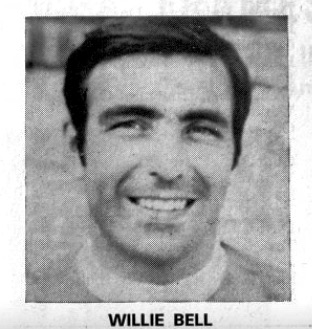
Bell headshotThe matchday programme noted: “Willie is continuing his career as a player, but devotes a good deal of his time to the reserve side. He’s thoroughly enjoying this new phase to a fine career in the game.”
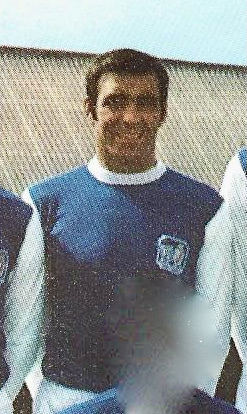
When Goodwin left Brighton for Birmingham, he took Bell and youth coach George Dalton with him, but Goodwin was so eager to hire his old pal that he made an illegal approach to him while he was still under contract at Brighton and Birmingham were later fined £5,000 for the offence.

Goodwin and Bell launched the career of Trevor Francis, the first £1m footballer, as a teenage starlet at Birmingham. In 1972, Francis, Bob Latchford and Bob Hatton spearheaded promotion for the Blues and a place in the FA Cup semi finals.

When Goodwin was sacked at the end of the 1974-75 season, Bell became caretaker manager and, after a successful spell in temporary charge, got the position on a permanent basis.

Screenshot
Birmingham City manager

Bell brought in Syd Owen, the former Leeds United trainer, as a coach, but the team struggled, finishing one place above the relegation zone at the end of their 1975-76 centenary season.

He led them to an improved 13th in the following season but after losing the opening five matches of the 1977-78 season, Bell’s managerial career at St Andrews came to an end. His successor was none other than former England boss Sir Alf Ramsey, who was by then a Birmingham director.

Bell meanwhile went on to manage Third Division Lincoln City, following the unsuccessful George Kerr in trying to emulate the heights enjoyed by the Imps under Graham Taylor, who had gone on to manage Watford. It wasn’t to be, though, and on leaving Lincoln in October 1978, Bell emigrated to the USA and coached at Liberty University in Virginia.

After suffering a heart attack in 1993, he turned to religion and became active in the church. In 2001 he and his wife Mary retired to Yorkshire and in 2014 published an autobiography called The Light At The End of the Tunnel.

Bell died aged 85 on 21 March 2023 after suffering a stroke.