THERE’S plenty of FA Cup history between Brighton and Manchester United and a goalkeeper who played for both has his own memories of the competition – not all of them good!
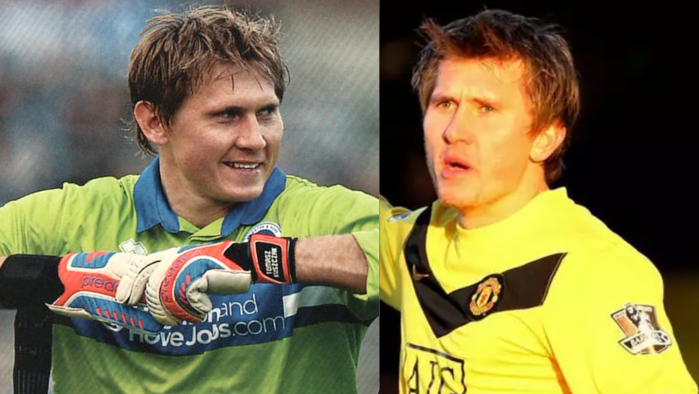
Although Tomasz Kuszczak played 32 league games for United, as a back-up at Old Trafford rather than first choice, he often found himself called upon in cup matches (eight FA Cup, 10 League Cup – including collecting a winners’ medal in 2010 – and 11 European games).
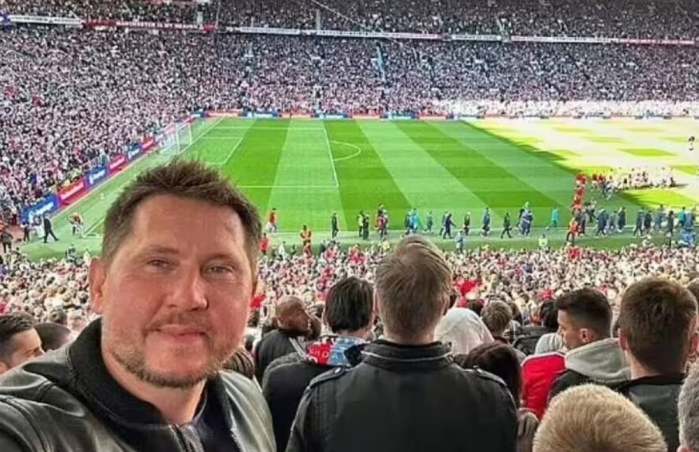
In April 2025, Kuszczak paid a return visit to Old Trafford to watch United’s 0-0 draw with Man City and snapped some selfies watching from the stands and (above) on the pitch with former teammate Darren Fletcher, now in temporary charge at United following the dismissal of Ruben Amorim.
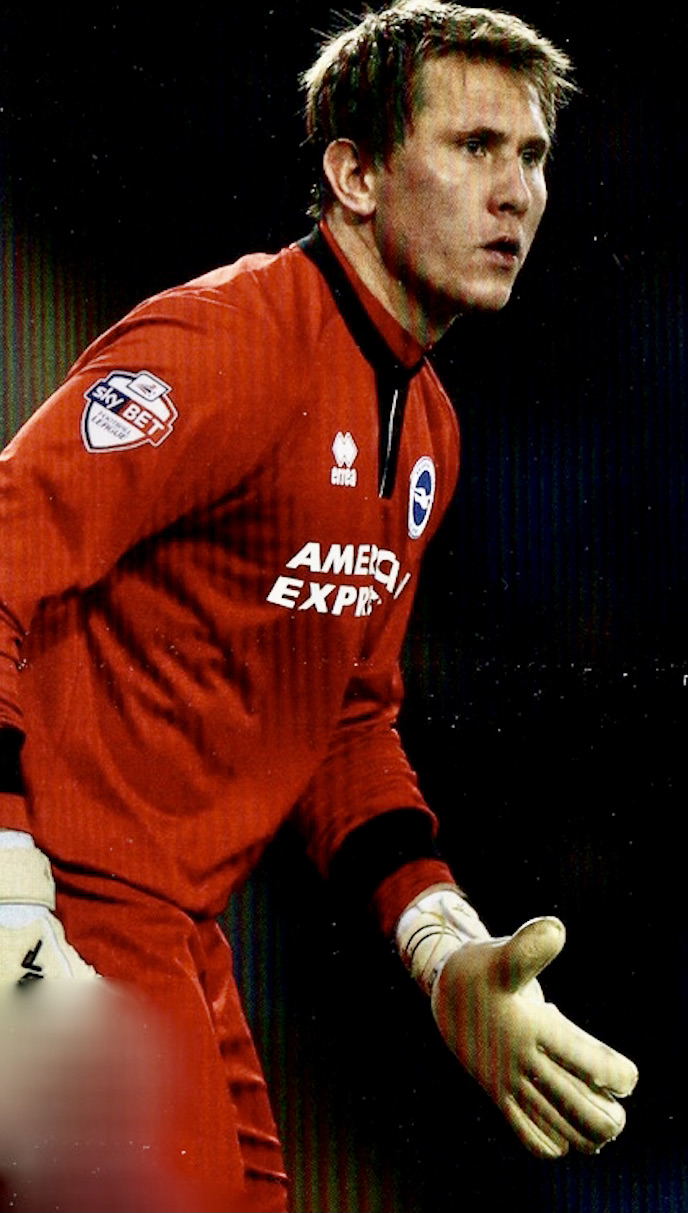
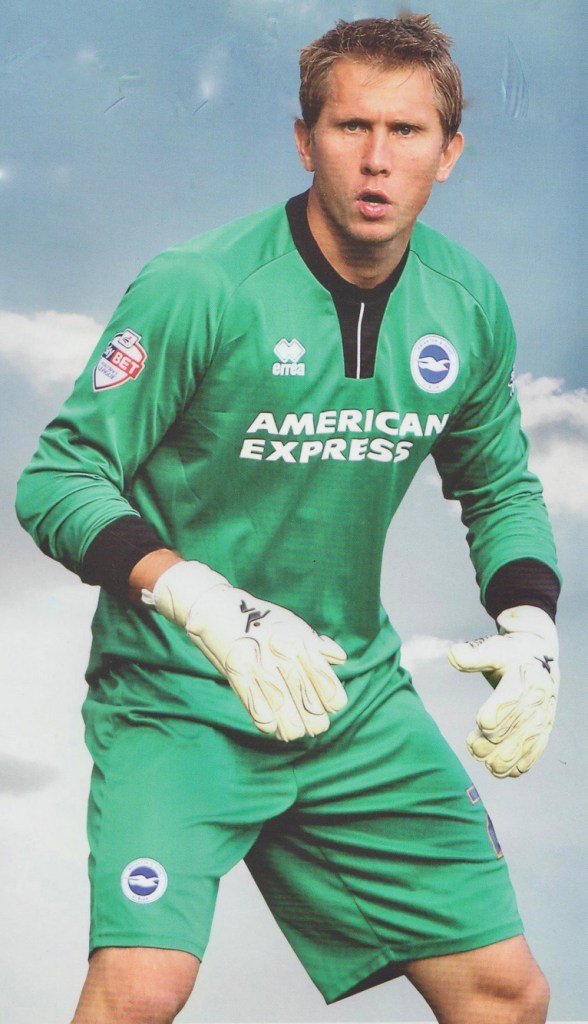
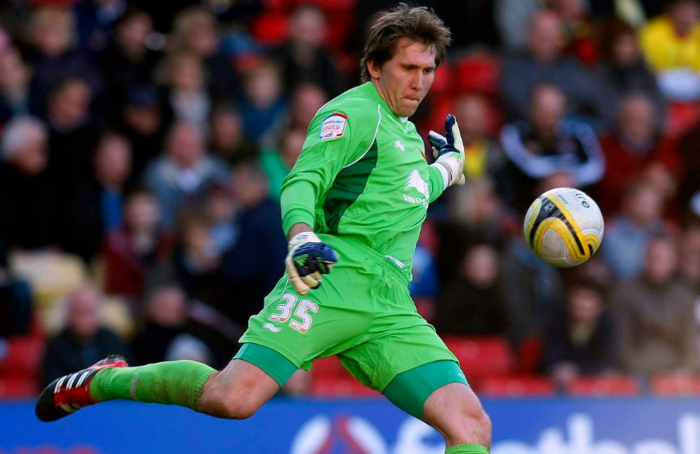
At Brighton, where Kuszczak was the first choice for two seasons, he found the goalkeeping duties reversed for FA Cup ties and he gave way to either Casper Ankergren or Peter Brezovan.
Signing the Polish international for Gus Poyet’s Championship Brighton side was something of a coup and the boss told the club website: “There were clubs in England and abroad interested in Tomasz, but it says a lot for the ambition of this club that he wanted to sign for Brighton.”
Poyet later told The Argus: “When we had the chance, we got him. You don’t have too many chances sometimes to sign this sort of player, so it was very important.”
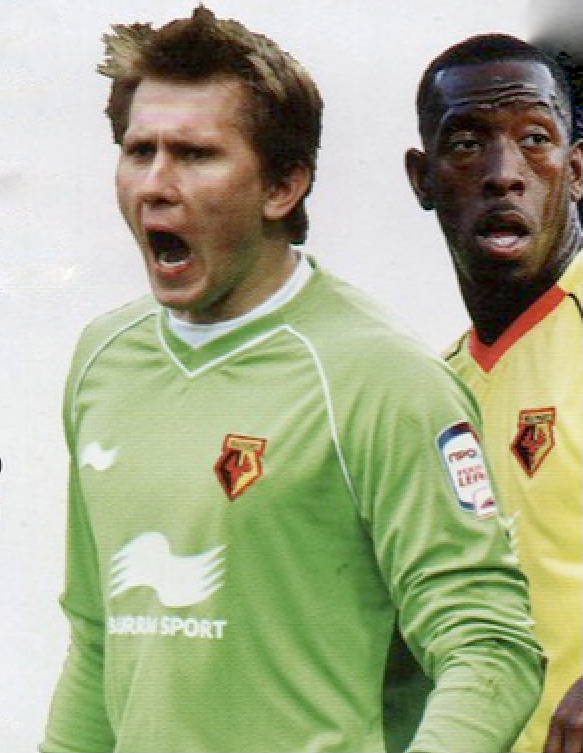
Kuszczak said one of the reasons he chose to join the Seagulls was because of what he’d seen when playing against them the previous season, while on loan at Watford.
“I was very impressed with the way the team played – it was totally different to the rest of the Championship and more like what I was used to at Manchester United.
“This team likes to pass the ball, they like to create, they are attractive to watch. The way Brighton play is the future of football.
“I had other clubs who wanted to sign me but my heart told me that this was the right choice.”
Kuszczak continued: “I have played Premier League football for eight years, with West Bromwich Albion and Manchester United, and I believe the structure is in place here to join them.
“The manager and coaching staff, the team, stadium, crowds, through to the plans for the new training ground, everything is geared up for playing at the highest level and I could sense that ambition to be a top club straight away.
“The Premier League is where I want to be again and I believe I can get there with Brighton. This club is heading in only one direction, and I want to play my part in helping us get there.”
During his time at Manchester United, five of Kuszczak’s eight FA Cup appearances were in the 2007 competition when United reached the final – although first choice Edwin van der Sar took over between the sticks for that game, when Chelsea won it 1-0.
The 2008 competition certainly wasn’t one Kuszczak remembered fondly. In a quarter-final against Portsmouth at Old Trafford on 8 March 2008, he went on as a sub for the injured van der Sar at half-time, but 30 minutes later was handed a straight red card for fouling Milan Baros.
Rio Ferdinand took over in goal but failed to save Sulley Muntari’s penalty, the only goal of the game.
In 2010, Kuszczak was in goal when League One Leeds United, with Ankergren in goal, pulled off a shock third round win at Old Trafford – United’s first exit at that stage of the competition since 1984 (the year they went into it as holders after beating Brighton in a replay in 1983).
Jermaine Beckford’s 19th minute goal clinched it for the Yorkshire side against a United who had Danny Welbeck playing up front alongside Dimitar Berbatov and Wayne Rooney.
There was some consolation the following month when United won the League Cup at Wembley, beating Aston Villa 2-1. James Milner opened the scoring from the penalty spot for Villa, sending Kuszczak the wrong way. But goals from Michael Owen and substitute Rooney clinched it for United.
The following year, Kuszczak was again in goal for United’s FA Cup third round tie at home to arch rivals Liverpool which United edged with an early goal by Ryan Giggs. Liverpool captain Steve Gerrard was sent off just past the half-hour mark for a two-footed tackle on Michael Carrick.
But Anders Lindegaard was chosen ahead of Kuszczak as United marched to the semi-finals, where they were beaten 1-0 by Manchester City. In the fifth round, United only narrowly overcame Crawley Town, who had former Albion ‘keeper Michel Kuipers in goal.
By the time the 2011-12 season came round, Kuszczak had slipped down the list of United custodians, with David de Gea first choice, and Lindegaard and Ben Amos also ahead of him.
In February 2012, Kuszczak was loaned to Championship side Watford, where he made 13 appearances, including that third-to-last game of the season at the Amex, which finished 2-2. Former Seagulls promotion-winner Chris Iwelumo was in Sean Dyche’s Hornets side that day when goals from Troy Deeney and Sean Murray (penalty) put the visitors ahead at half-time and second half replies from Inigo Calderon and Will Buckley, against his former club, ensured a share of the points.
It was on Kuszczak’s release from United in June 2012 that he moved to Brighton.
Born in Krosno Odrzańskie in western Poland on 20 March 1982, the son of a Polish army colonel, Kuszczak grew up in Wroclaw, the city on the River Odra whose Tarczyński Arena was a host stadium for the 2012 Euros.
When he was 11, Kuszczak fancied himself as a striker but soon realised he wasn’t quick enough.
“I was always taller than everyone else, a bit like my father and brother, and I loved climbing, jumping from trees, taking a risk, so the position of goalkeeper seemed idea to me,” he said in a matchday programme interview.
“My father and brother would take shots at me, hard shots as well, and I enjoyed trying to stop them.”
He began his career with one of his country’s top teams, Śląsk Wrocław, and a year after earning his first pay packet at the age of 16 crossed over the border to Germany to play for KFC Uerdingen 05 and Hertha Berlin.
Although he made 87 appearances for the Berlin side’s reserves, he was unable to dislodge ex-Palace ‘keeper Gabor Kiraly and Christian Fiedler to claim a first team spot.
He was capped at under 16, under 18 and under 21 level (14 caps) by Poland and, while never first choice ‘keeper for the senior international side, he made his debut in 2003, in a 4-0 win over Malta, and played 11 times for his country, the last time in 2012. He initially took over from Liverpool keeper Jerzy Dudek but, invariably, Artur Boruc and Wojciech Szczesny were picked ahead of him.
He moved to the UK in 2004 when Gary Megson signed him for West Brom. He was reserve ‘keeper behind Russell Hoult in his first season at The Hawthorns but managed 28 league appearances when competing for the gloves with the often-injured Chris Kirkland in his second season.
In one of those appearances, against Wigan Athletic in January 2005, he pulled off a spectacular save to deny Jason Roberts which was subsequently voted Save of the Season by Match of the Day viewers.
Four months later he went on for an injured Hoult at Old Trafford after only 19 minutes and he recalled: “I had a fantastic game, saving everything that came my way and we ended up drawing 1-1. It was a game which ultimately got me my move to United.”
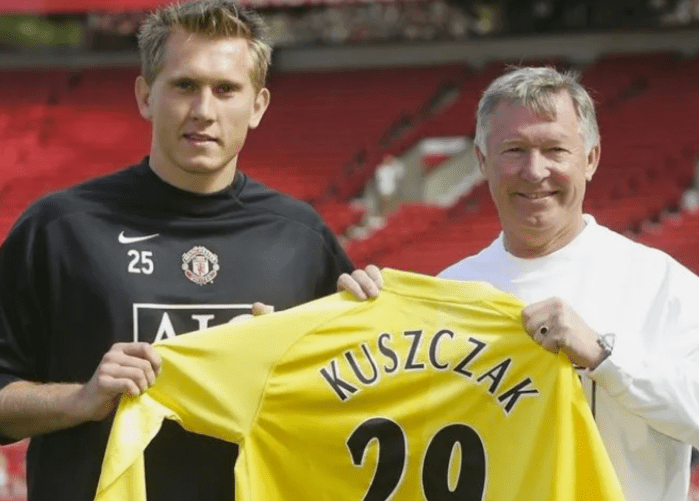
Sir Alex Ferguson captured Kuszczak from West Brom
In a somewhat complicated transfer deal, Man U signed Kuszczak in the summer of 2006 in exchange for United’s former Albion loanee, Paul McShane, and young goalkeeper Luke Steele, but the first year of the arrangement was on a loan basis. In five seasons at United, he played a total of 61 games.
After he retired from playing Kuszczak completed a degree in sports journalism and he had already shown his writing ability during his time with the Seagulls, compiling a piece for The Footballers’ Football Column in December 2013 which appeared in the Daily Mail.
Perhaps he also showed his true colours regarding dropping down into the Championship when he wrote: “I miss the Premier League a lot. The idea around moving to Brighton was to get more games and put myself on the market.”
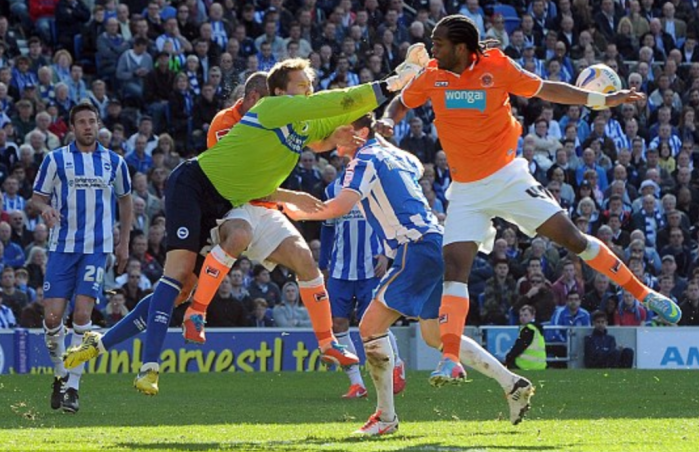
Kuszczak in the thick of it for Brighton against Blackpool
Although he added: “This move was all about giving me the opportunity of playing in the Premier League in the future. I would love to go with Brighton – that’s the aim. We’re ambitious and want promotion.
“It may sound arrogant but my place is in the Premier League. I came to England with West Bromwich Albion and enjoyed my time there, as I did at United. I want to be back in business in front of great crowds.
“I want my friends to be watching me on TV every week and have a chance of challenging the best in the world.”
Kuszczak certainly addressed the issue of more playing time during his two seasons with the Albion, completing 89 appearances across the two successive play-off promotion campaigns, initially under Poyet and then Oscar Garcia.
But within days of Garcia’s resignation after the play-off semi-final defeat to Derby, it was announced Kuszczak was being released.
There were a number of unsubstantiated and colourful reasons as to why he wasn’t retained by Brighton, but Andy Naylor in The Argus said neither Garcia nor his replacement, Sami Hyypia rated his ability with his feet or his distribution skills.
For around six months, Kuszczak was unable to find a new club but then Kenny Jackett took him to Wolverhampton Wanderers where he played 13 games deputising for the injured Carl Ikeme.
Midlands rivals Birmingham City swooped to sign him in the summer of 2015. Even though Harry Redknapp signed Brighton’s David Stockdale as first choice ‘keeper at St Andrew’s in 2017, Kuszczak found himself back in the first team after Steve Cotterill arrived as manager.
He spent four years at St Andrews, finally leaving in 2019 having made 89 appearances for the Blues.
After hanging up his gloves, he returned to Poland and started up his own construction company building houses and apartments.
He also completed his journalism studies and obtained his UEFA A coaching licence. He coached the Polish national team goalkeepers for six months between September 2023 and March 2024.
Kuszczak took a selfie as he watched from the Old Trafford stands in April 2025
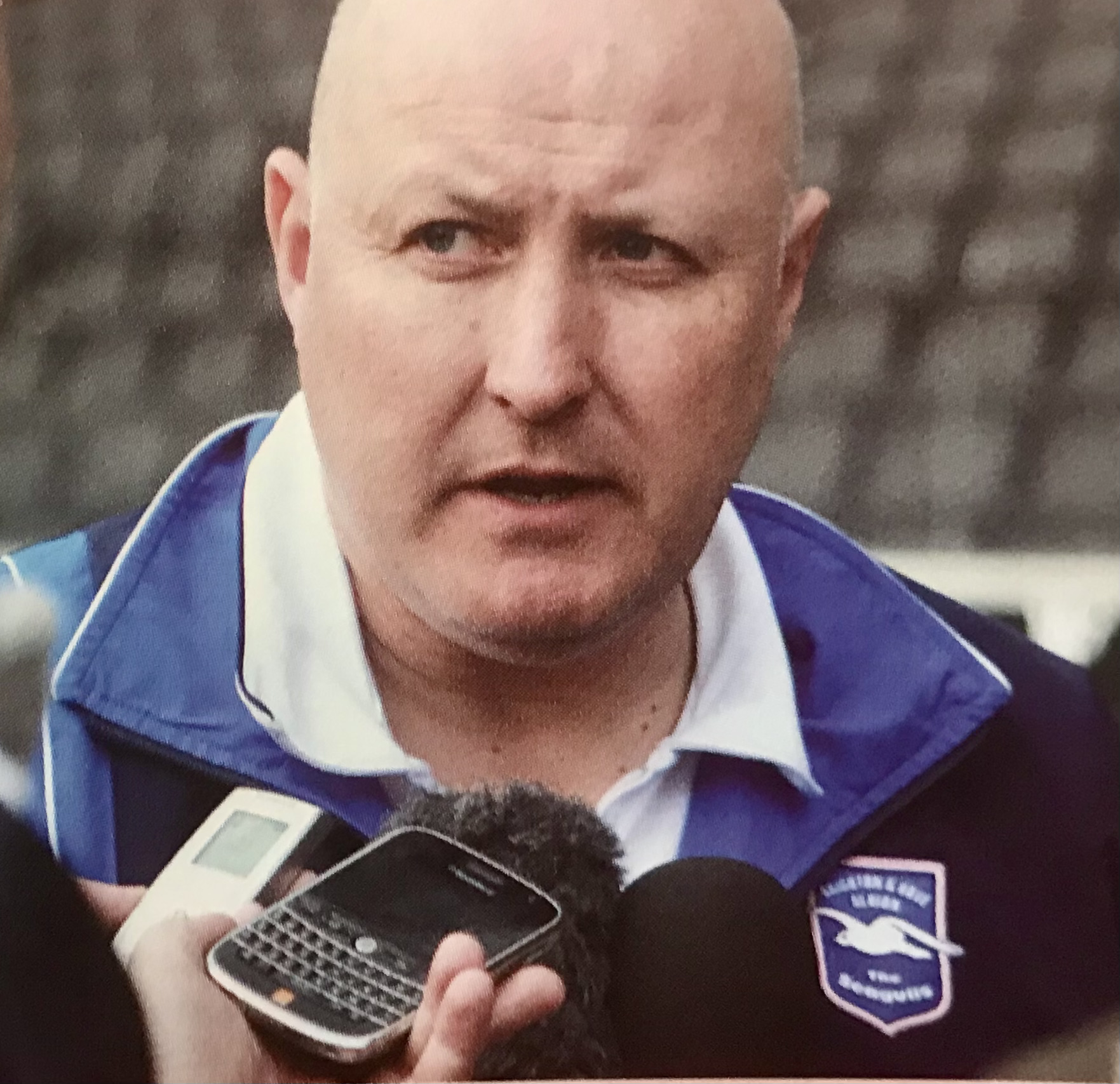
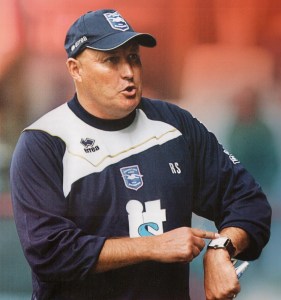
RUSSELL SLADE had an eye for picking up footballing gems for nothing and he worked an unlikely miracle to spare relegation-bound Albion from the drop.
The one-time PE teacher who never played professional football himself was only Brighton manager for eight months but keeping them in League One in an end-of-season nailbiter was a much-lauded achievement.
He did it with some astute forays into the loan market and snapping up free agent Lloyd Owusu who made a crucial contribution to Albion’s injury-hit misfiring forward line.
Some years earlier, when youth team manager at Sheffield United, Slade famously picked up three young players – Phil Jagielka, Nick Montgomery and Michael Tonge – discarded by other clubs who went on to become Blades stalwarts.
At Brighton, his summer re-shaping of the squad he inherited put down the foundations on which his successor Gus Poyet was able to build a successful side capable of promotion.
In particular, Slade took great pride in bringing Andrew Crofts to the Albion on a free transfer from Gillingham, the club later selling him on to Norwich City for what was believed to be £300,000.
Slade signing Elliott Bennett, bought from Wolverhampton Wanderers for £200,000, was later sold to the Canaries for a fee believed to be £1.5million.
“The majority of my player signings went on to play crucial roles in this promotion season,” Slade asserts on his LinkedIn profile. “During my closed season I began what proved to be an extremely successful transitional period.”
If Slade had failed to keep Albion up at the end of that 2008-09 season, it is doubtful Poyet would have been drawn to the task of lifting the side through the leagues and possibly there would have been a longer wait to see Championship football at the Amex.
Slade’s tenure at the Albion may well have been longer if Tony Bloom hadn’t taken over control of the club from Dick Knight, who was chairman at the time Slade was brought in to replace Micky Adams.
Adams reckoned he was a victim of the power struggle between the two and it seems clear that Bloom wanted to install his own man once he was fully in the driving seat of the club.
Although Slade’s achievement in keeping Albion up was rewarded with a permanent two-year deal in the summer of 2009, the new season got off to a terrible start with no wins in the first six games, one of which saw Albion on the wrong end of a 7-1 thumping at Huddersfield.
Time was up for Slade after rocky start to the season
With only three wins and three draws in the next 10 games, after a 3-3 home draw against Hartlepool at the end of October, Slade was sacked with the side only out of the relegation zone on goal difference.
Bloom said: “It is not a decision we have taken lightly and one taken with a heavy heart. Russell is a good man – which made it an even harder decision to take – but it is one which has been made in the club’s best interests.
“Like all Albion fans, I am extremely grateful for Russell’s achievements at the end of last season, as he kept us in League One against the odds.”
When he reflected on his tenure in the Albion book Match of My Life, Slade explained: “Despite the club’s perilous position, I felt it was a great opportunity. I signed on a short-term deal, with the incentive to keep the club in the division.
“I inherited a huge squad but it was decimated by injuries and many of the players were loan signings or youngsters, but, in spite of that, I still thought there was enough within the squad to keep Brighton up.”
With 14 games to save the club from the drop, the first two ended in defeats but when Slade’s previous employer Yeovil Town were thumped 5-0 at the Withdean, there was cause for optimism.
A 3-2 Withdean win for Swindon, for whom Gordon Greer and Billy Paynter scored, threatened Brighton’s survival but it turned out to be the only defeat in the last seven games.
Albion memorably lifted themselves out of the relegation zone three games from the end of the season when they won 2-1 at Bristol Rovers, long-serving Gary Hart teeing up goals for Owusu and Palace loanee Calvin Andrew. Both players were also on target to earn a point in a 2-2 draw at Huddersfield.
After safety was secured in the last game of the season courtesy of barely-fit substitute Nicky Forster’s goal against Stockport, fans invaded the pitch and Slade was carried shoulder high by the Albion faithful.
“My hat got nicked and my head scratched, but it didn’t really matter,” he said. “When I finally got back to the office, I sat there with Bob Booker and Dean White and was absolutely exhausted – both emotionally and physically.”
Born in Wokingham on 10 October 1960, Slade’s route into professional football didn’t follow the traditional path.
“At 18 I had a chance to go to Notts County but I got into university so I went away to get a degree in sport instead,” he said. After completing his degree over four years at Edge Hill University in Ormskirk, Lancashire, he became a PE teacher at Frank Wheldon Comprehensive School in Nottingham (it later became Carlton Academy).
“My experiences helped me be more prepared and organised,” he explained. “I took numerous coaching courses and it allows you to be really open minded and dealing with different situations.
“I had qualifications to be a coach in swimming, athletics, badminton, basketball, cricket and tennis. It not only broadens your horizons but allows you to look at things in different ways.”
While he was qualifying as a teacher, he joined Notts County as a non-contract amateur player, appearing in their reserves and manager Neil Warnock appointed him an assistant youth coach under youth team head coach Mick Walker.
When Warnock was sacked in January 1993, County were bottom of football’s second tier (having been relegated from the top flight in the final season before the Premier League started), and Walker and Slade took charge of the first team, keeping them up with three points to spare.
The pair almost took County to the play-offs the following season, only missing out by three points, and also reached the final of the Anglo-Italian Cup, where they lost 1-0 to Brescia at Wembley.
After only one win at the start of the 1994-95 season, Walker was sacked in September and Slade took over as caretaker manager.
After managing only six wins and five draws in 23 matches, Slade reverted to assistant when ex-Everton boss Howard Kendall was appointed manager.
Kendall only lasted three months at Meadow Lane and Slade left the club at the same time but he later acknowledged how much he had learned from Kendall, Warnock and Jimmy Sirrel (an ex-Albion player who was a Notts County legend as manager and general manager).
“I’ve had a good upbringing,” he said. “The one for player management and for talking to players was Howard Kendall, without a doubt.
“He was terrific – had something about him. He had that X factor and you would listen to Howard – and when he coached you took it on board as well.”
Slade told walesonline.co.uk: “Working with Howard was massive because of his man management and his ability to give a football club direction.
“Neil was the big motivator out of all the coaches and managers I have worked with over the years.
“He took County into the top flight and his best work came at 10 minutes to three. He was exceptional, able to get every last drop of effort and energy from his team.”
Slade dropped into non-league football as manager of Southern League Midland Division Armitage but when they finished bottom of the division and then went into liquidation, Slade followed the chairman Sid Osborn to his new club, Leicester United.
That side finished 16th in the Southern League Midland Division, but they too went out of business in August 1996.
Kendall, in charge of Sheffield United, recruited Slade as youth team coach at Bramall Lane and even tried to take him with him when he returned to Everton in June 1997, but Blades demanded a compensation payment the Toffees weren’t prepared to pay.
Kendall said some while later: “I wanted Russell, who I knew from Notts County, to come and coach my kids. He was at Sheffield United at the time, and they didn’t want to lose him. He’s a talented coach who would have been a popular figure at Goodison.”
Slade remained in Sheffield and, in an interview with The Guardian in October 2013, recalled: “My best three spots were when I was at Sheffield United [in 1998].
“At the time I was doing a lot of work on released players because we needed to strengthen our youth squad and in one evening I took Phil Jagielka, Nick Montgomery and Michael Tonge – all for nothing.”
Montgomery made just short of 400 appearances for United and Tonge and Jagielka both played more than 300 games for the club. Jagielka became one of the best defenders in the top flight (at Everton) and won 40 England international caps.
“That was my best night’s work ever,” said Slade. “You don’t half get a buzz when you see those. When we played Everton in the [Capital One] Cup last season Phil gave me a signed shirt with ‘Thanks very much, Russ’ written on it.”
It was in March 1998 that Slade found himself in caretaker charge of the United first team after the departure of Nigel Spackman, overseeing a draw and a defeat, and he also stepped in for two games in November 1999 when Adrian Heath left the club, again overseeing a draw and a defeat before Warnock arrived at Bramall Lane.
It was at Scarborough where Slade landed his first full-time job as a league manager in his own right. During a three-year spell, he helped rescue the club from relegation, resigned when they went into administration but withdrew it when a fans petition urged him to stay.
A highlight was guiding the side on an excellent FA Cup run, when they memorably played Premier League Chelsea in a televised home tie. The Seadogs were only defeated 1-0 by a Chelsea side that included a young Alexis Nicolas in their line-up.
Next up for Slade was the first of two spells as manager of Grimsby Town. Supporters were calling for his head when they only managed a mid-table finish in the 2004-05 season, but an upturn the following season saw them flirt with automatic promotion and have a good run in the League Cup, beating Derby County and Tottenham.
Slade’s Mariners beat a Spurs side that included Jermaine Jenas, Michael Carrick, Robbie Keane and Jermaine Defoe 1-0. In the next round they went down 1-0 at home to a Newcastle United side managed by Graeme Souness, a goal from Alan Shearer sealing it for the visitors.
Grimsby slipped into the play-offs on the last day of the season and beat local rivals Lincoln City in the semi-finals to reach the play-off final at the Millennium Stadium.
But they missed out on promotion when Cheltenham Town edged the tie 1-0, and Slade was on his way.
He might not have reached League One with Grimsby but he was taken on by Yeovil Town on a three-year contract, declaring when appointed: “It is a fantastic opportunity for me as I think Yeovil are a very progressive club. They are going through a period of transition and I am really looking forward to the challenges that are ahead.”
Slade once again found himself a play-off final loser when the Glovers, captained by Nathan Jones, lost 2-0 to Blackpool in the 2007 League One end-of-season decider at Wembley.
It was a heartbreaking finish especially after Yeovil pulled off one of the most remarkable comebacks in the history of play-off football by coming from 2-0 down to beat Nottingham Forest 5-4 on aggregate in the semi-finals.
“Russell Slade’s side gained many plaudits for an impressive campaign in which they almost went up despite being one of the pre-season favourites for relegation,” said somersetlive.co.uk.
Small consolation for Slade was to receive the League One Manager of the Year award, but disappointment followed in 2007-08 when they won only four games in the second half of the season to leave them only four points clear of relegation.
When things didn’t improve in 2008-09, a frustrated Slade reportedly fell out with Yeovil chairman John Fry over a lack of transfer funds and he left Huish Park by mutual consent in February 2009.
The vacancy at the Albion was almost tailor-made for Slade, and chairman Dick Knight admitted he had spoken with the aforementioned former Seagull, Nathan Jones, about the managerial candidate.
“I had a long chat with Nathan and he told me some good stuff,” Knight told the Argus. “It was a very honest appraisal and I took that into account.
“When I met with Russell initially he impressed me greatly. His CV speaks for itself and his confidence and tactical shrewdness were obvious when I interviewed him.
“He has delivered at this level. He has an extremely competent track record at clubs who have punched above their weight, like Grimsby and Yeovil.
“His players like him. He will convey confidence to our squad and give them a lift.”
Stockport chief Jim Gannon had turned down the job and former England international Paul Ince didn’t even want to hold talks.
“The quality of applications was tremendous, even up to the last minute, from the top of the top league in Romania to one from Portugal which was very interesting but not appropriate at this time,” said Knight.
“By handing the mantle to Russell at this stage, the club is in good hands to address the task right now of staying in League One. We have got a very good and capable man.”
The rest, as they say, is history and, to borrow another familiar phrase, it was a case of not keeping a good man down after his departure from the Seagulls.
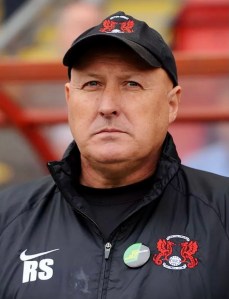
It wasn’t long before Barry Hearn, the sports promoter owner of Leyton Orient, was hiring Slade to try to improve the fortunes of the East London minnows.
It turned out to be a great move because Orient was where Slade had his longest ever spell as a manager, presiding over 241 matches with a 42 per cent win ratio.
Amongst the players he recruited were two who had played under him at Brighton: Andrew Whing and Dean Cox. Ex-Seagull from another era, Alex Revell, also joined and a certain Harry Kane took his first steps into competitive football on loan from Spurs on Slade’s watch.
The manager’s trademark baseball cap that he could be seen wearing at each of the clubs he served even had its own sponsor at Orient. City of London tax advisory firm Westleton Drake put their logo on the headwear.
Slade repeated the magic touch he’d shown at Brighton to keep Orient in League One and in his first full season in charge took them to seventh place, only missing out on the play-offs by one place.
Along the way was a memorable fifth round FA Cup tie with Arsenal, forcing a 1-1 draw at home before succumbing 5-0 at the Emirates.
There was certainly no questioning Slade’s commitment to the Os’ cause, as Simon Johnson, writing for the Evening Standard on 23 September 2010, observed: “His wife Lisa and four children are living more than 200 miles away in Scarborough, meaning he is all alone most evenings to worry about the side’s plight.”
Slade lived in one of the flats next to the stadium and told Johnson: “Most people get the chance to get away from the office if they have a bad day, but I wouldn’t want it any other way.
“I come back from training and work in the office for a few hours and then go to my flat. I love my job and enjoy the fact my finger is on the pulse and I’m right on top of things.”
When Sheffield United sacked manager David Weir (later to become Albion’s director of football) in October 2013, there was speculation Slade might be in the running for the job, but the out of work Nigel Clough was appointed.
The following Spring, Slade once again found himself in charge of a team in the final of the League One play-offs. Although Orient drew 2-2 with Rotherham United, they missed their last two penalties in the shoot-out to decide the winner and once again he left Wembley disappointed. His only consolation was once again being named League One Manager of the Year.
Even though the club narrowly missed out on the step up to the Championship, Slade himself made it shortly into the new season. After a change of ownership at Orient, Slade resigned and was appointed manager at Cardiff City in October 2014, succeeding Ole Gunnar Solskjaer.
History records Slade’s reign being heavily hampered by a lack of finance and being forced to cut the wage bill significantly and cancelling the contracts of several highly paid players. There was even an embargo on new signings during his second season.
The Bluebirds finished mid-table in his first season and then missed out on the play-offs the following season, losing 3-0 at Sheffield Wednesday in the penultimate game of the season to dash hopes of a top six finish.
Slade was removed from his post to be replaced by his head coach Paul Trollope (later Albion assistant manager to Chris Hughton) but was retained as Head of Football.
Slade decided it wasn’t for him and switched to a more familiar dugout job at Charlton Athletic.
Given a three-year contract by unpopular owner Roland Duchatelet, Slade lasted just 16 matches before he was sacked, although a club statement said: “The club would like to thank Russell for his tireless work during his time at The Valley, particularly the processes and disciplines he has instilled at the training ground.”
He wasn’t out of work for long, though, because Coventry City, sitting 21st in League One and enduring their worst run of results for 43 years, appointed him.
On the wrong end of a 4-1 defeat at Bristol Rovers in his opening match, on Boxing Day, he oversaw just three wins in 16 games and was sacked on 5 March.
In circumstances similar to the atmosphere at The Valley, Sky Blues fans were in dispute with the club’s owners, and the Ricoh Stadium was empty week after week.
Surprisingly, he guided the club to a Checkatrade Trophy final – Coventry later won the competition in front of more than 40,000 of their supporters at Wembley – but by then Slade had been sacked, having equalled the record for the most games (nine) without a win for a City manager before winning at the tenth attempt.
Andy Turner, writing for the Coventry Evening Telegraph, pulled no punches when he said: “Russell Slade will go down in Coventry City history as arguably the worst manager to have taken charge of the club.”
Slade’s take on it was: “It was not a good decision for me to go there, I didn’t do my homework enough before going there.”
Once again, though, Slade was back in work just over a month later when he returned to one of his former clubs, Grimsby Town.
Succeeding Marcus Bignot, Slade took charge with Grimsby 14th in League Two and they won two and drew another of their remaining five matches to stay in that position by the season’s end.
After making an encouraging enough start to the 2017-18 season, the side’s form dipped badly over the festive period, and with no wins on the board the club sank like a stone towards a relegation battle. Slade was sacked after a run of 12 games without a win, including eight defeats.
There was no swift return to management after his Grimsby departure, though, and it was another 18 months before he next took charge of a side, National League North side Hereford United, with former Albion full-back Andrew Whing as his assistant.
Not long afterwards, though, Slade started up his own business, Global Sports Data and Technology, and his tenure with the Bulls lasted only five months, club chairman Andrew Graham saying: “Unfortunately the existing business commitments of Russell Slade do not meet with the current demands of this football club.” Hereford had recorded only one win in 18 games at the time.
The ever-resilient Slade was back in the game the following month when his former player, Alex Revell, appointed manager at Stevenage, invited him to join his staff as a managerial consultant.
Revell, who played under Slade at Orient and Cardiff, said: “I have always respected Russ and it will be a great boost to be able to use his experience around the training ground and on matchdays.”
Plenty of disgruntled fans from clubs where Slade had been less than successful took to social media to mock the appointment.
Nevertheless, Revell was certainly right about experience because Slade could reflect on a managerial career that saw him serve 11 different clubs, taking charge of 865 matches, winning 314, drawing 240 and losing 311.
In his new venture, Slade champions the cause of the way performance data information is handled, as described in a BBC news item in October 2021.
It focuses on companies who take data and process it without consent. “It’s making football – and all sports – aware of the implications and what needs to change,” he said.
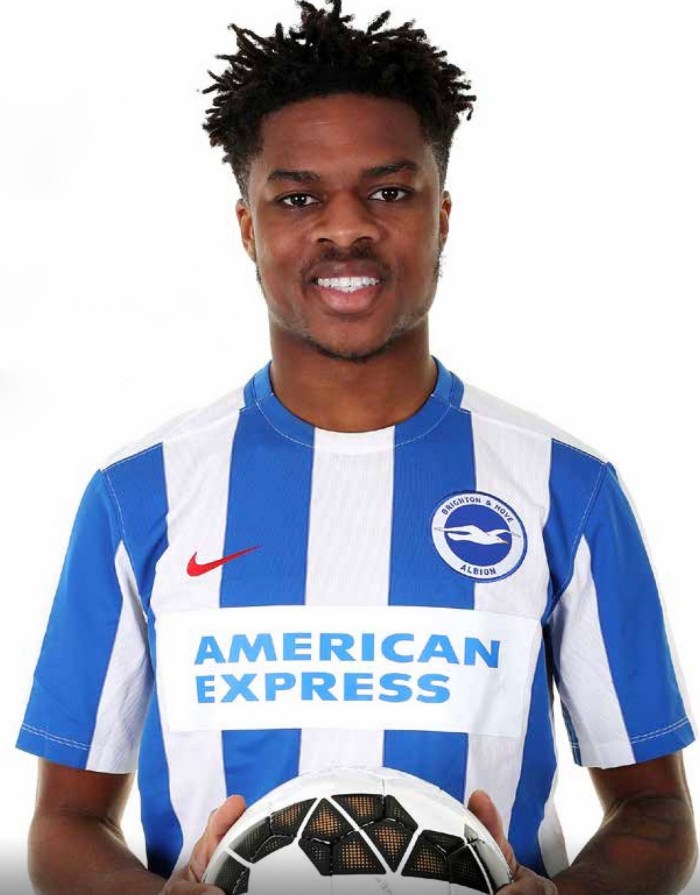
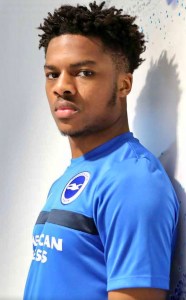
AFTER Chuba Akpom finally made his mark on England’s Championship, he earned a €14m move to Ajax where he initially struggled to make an impact.
But three goals in two wins after new manager John van’t Schip sent him on as a substitute made life look a lot better.
The forward got 28 goals inhelping Middlesbrough to the Championship play-offs in 2022-23 but the move to Ajax began badly and he had few chances as the side struggled under former coach Maurice Steijn.
“It was a terrible first two months here if I am being honest,” Akpom told AFC Ajax. “The new manager has made me feel more at home than I have ever felt since arriving. We are footballers, we are human beings first.
“He spoke to me as a human being, not as a footballer. Ever since the new manager arrived, I feel much lighter, back to myself.”
The early season form sounded a lot like the unhappy spell when he was on loan to Brighton from Arsenal in 2017.
Akpom spent 16 years at Arsenal and one of his major inspirations was Tottenham Hotspur’s Chris Hughton, who took him on loan at Brighton. Hughton had been to the same inner city school, St Bonaventure’s in Newham, as the young striker from Canning Town and in an Andy Naylor exclusive for the Argus, Akpom revealed: “When I was in school there used to be pictures of the gaffer there.
“The kids used him like an inspiration and motivation. I did as well. Seeing someone come from the same area and the same school as me to become such a big and successful person.”
But the alma mater link did little to help the Arsenal loanee – in spite of high hopes when he signed in early 2017, Hughton gave him only one start and the rest of his involvement was as a substitute.
“He is a young talent who gained valuable experience with Hull in the Championship last season, will give us really good pace in the forward areas and complement the other strikers at the club,” said Hughton.
“We fought off competition from other clubs to sign Chuba and we would like to thank Arsenal for the opportunity of working with him for the rest of the season.”
Akpom was in effect a replacement for Dutch flop Elvis Manu, who left the building on loan to Huddersfield after a disappointing five months on the south coast.
It was to his disadvantage, though, that he joined the club at a time when Glenn Murray, Tomer Hemed and Sam Baldock were the preferred forward options, and, from the outset,he was aware of the challenge they posed.
“All three are experienced players; they know the Championship and they’ve shown what they can do with the goals they’ve scored, so it’s going to be good to learn from them,” he told the matchday programme.
“I’m going to be an addition to what we’ve already got here. We’ve all got something different to offer and I like to play at a fast intensity, try to get at defenders and get some shots off – basically be as much of a threat as I can. I’m also a team player, which is important.”
As it turned out, the young loanee’s only start was against Blackburn Rovers, on April Fool’s Day, and he was hooked on 58 minutes, with Hemed going on his place. Murray won it for the Seagulls with the only goal of the game nine minutes later netting past Jason Steele in the Rovers goal.
Akpom made nine appearances off the bench but he didn’t manage to get on the scoresheet. He made his debut as a 63rd minute sub for Hemed in the 3-1 defeat at Huddersfield on 2 February and replaced Jamie Murphy in the next match, when fellow substitute Hemed netted a last-gasp equaliser in a 3-3 draw at Brentford.
“I know the Championship is a tough, tough league to play in,” he told the programme. “It’s really competitive and unpredictable, so you’ve got to get your head down and take each game as it comes.
“The team’s been flying high at the top of the league this season so you can see they’ve got the winning mentality in this league, and they’re playing the right kind of football, so I just want to be a positive addition to the team and help boost the bid for promotion.”
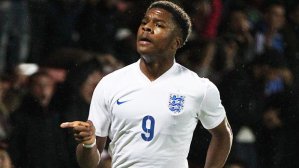
Akpom’s arrival at the Amex promised so much more, because he had already scored four goals at the stadium in previous matches: he scored a hat-trick for Arsenal’s under-21 side there and scored for England under 21 in a win over Switzerland in October 2015.
“I like playing here,” he told the programme. “The stadium’s nice, the pitch is great as well, so you can’t complain.
“It’s always good to score goals, no matter who it’s against, but hopefully I can now score a few goals here for Brighton.”
Even though his involvement in Albion’s promotion was peripheral, the club’s automatic elevation to the Premier League as runners up behind Newcastle meant he’d gone one better than the previous season when he’d been part of Hull City’s promotion via the play-offs.
That had been his fourth loan experience having previously gone on temporary moves to Brentford, Coventry City and Nottingham Forest.
Born in Canning Town on 9 October 1995, Akpom was playing football on local streets from the age of five but soon moved on to the Wanstead Flats, where he played for Rippleway United. An Arsenal scout spotted him at the tender age of six.
“I had a few training sessions for Arsenal and then signed for the club. I’ve been there ever since,” he told the programme. His best friend, who was developing alongside him, was Alex Iwobi, who also made it through to the Arsenal first team before moving on to Everton.
Akpom made his senior debut for the Gunners as a late substitute in a 3-1 win away to Sunderland in September 2013 (the match when Mezut Ozil made his debut).
The young striker went on to make a further nine first team appearances (mostly in the FA Cup and League Cup) but couldn’t claim a regular starting place under Arsene Wenger.
Akpom returned to Arsenal as Albion prepared for life in the Premier League and the following January made another loan move, linking up with Belgian First Division side Sint-Truiden on transfer deadline day in January 2018. He scored six goals in 16 games.
His association with Arsenal finally came to an end that summer when he signed a three-year contract with Greek Super League club PAOK Salonika.
Akpom told the BBC he consulted former Arsenal teammate Lucas Perez before moving to the club, based in Greece’s second largest city of Thessaloniki, and by the season’s end he had helped them win their first league title in 34 years.
“Perez said that I wouldn’t want to leave PAOK if I signed,” he said. “Thessaloniki is a beautiful city by the sea, the people are friendly, the climate is nice and, when I’m not training, I’m sometimes able to go to nearby beaches.
“I’m living in an apartment about 10 minutes from the ground and I drive along the coast to training.”
In May 2019, Akpom was the delighted but emotional scorer of the winning goal for PAOK in the Greek Cup as they beat AEK Athens.
After scoring 18 goals in two years for the Greek side, Akpom returned to the UK to sign for Neil Warnock at Middlesbrough, the effervescent Warnock declaring: “I’m delighted to finally have got him. He’s been my number one choice. I’ve wanted him for a long time.”
The deal gave Arsenal an unexpected £1m windfall because they had inserted a clause into the contract when the striker was sold to PAOK Salonika stipulating they would be entitled to 40 per cent of any fee if he was sold back to an English club.
Although Akpom scored on his Boro debut to secure a 1-1 draw at QPR and followed it up with a goal in his second game, a 2-1 home win over Barnsley, he went on to score just five in 40 appearances and in August 2021 returned to PAOK on loan.
The manager castigated the club’s recruitment team for having signed the player on the strength of watching videos, saying: “We really have to go into everything a bit more when we’re looking to sign players. I don’t think we’ll be signing another player on the recruitment (team’s) say after just watching a video, we need to watch players live.”
Warnock was typically forthright when asked why it didn’t work out for Akpom on Teesside, telling BBC Tees: “I think it’s a mixture of things. I think at the end of the day he didn’t show enough during the games to warrant him getting a place and you have to play games to get yourself fit.
“I never really thought he deserved a run of games because whenever I used him he didn’t perform and it’s one of those things.
“When I spoke to him we all agreed it’s best to go and I think he’s quite happy to go back there.”
Akpom had been expected to leave Boro in the summer of 2022 after returning from his loan in Greece, as Warnock’s successor Chris Wilder looked for other forward options.
But he impressed the boss in pre-season and started in their first game against West Brom, and again when coming off the bench in a defeat at QPR.
“It’s no secret that people would probably have thought I’d be gone by now, and maybe me too,” Akpom told BBC Tees. “It has been a rocky few months for me, which is no secret.
“I don’t know what the future holds. I just have the mentality of staying professional and enjoying it. Who knows what tomorrow brings?”
After Akpom scored both Boro goals in a 2-2 home draw with Sheffield United, Wilder said he was keen for Akpom to remain part of his squad.
“He’ll rightly get the plaudits. For him to come back into the group and show a great attitude… He’s just done an interview and said it’s one day at a time but for me it isn’t that unless he wants it to be, and I don’t think he does,” Wilder said.
“It’s his job to convince me that he wants to stay at this brilliant football club and he’s done enough. He has to keep going of course but we’ve all seen enough that he sees his medium to long-term future here. We’re delighted to have him here.”
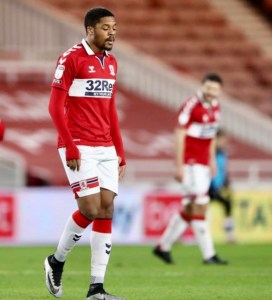
In a quite extraordinary turnround in fortune for the player, he scored 28 goals in 38 games for Boro in the 2022-23 season, ending a 33-year wait for a striker who could score more than 20 goals in a season.
gazettelive.co.uk said of him: “He has gone from also-ran to one of the most feared strikers in the league.”
Comparing his goalscoring prowess to the likes of former Boro heroes like Brian Clough, John Hickton and John O’Rourke, the newspaper said: “Akpom has shown what any decent player can achieve if they stay fully focused.
“He already looked a different player before the arrival of Michael Carrick but has since climbed another few rungs up the ladder.”
Reporter Eric Paylor wrote: “The marvellous thing about Akpom’s goal sprint is that we didn’t see it coming. Two years ago he looked a very ordinary striker indeed.
“He managed to sneak into the side this season only as an afterthought, because Chris Wilder was short of strikers. So it’s to his eternal credit that Akpom has grabbed the nettle and shown what a massive threat he is in the box.”
When Carrick succeeded Wilder, he selected Akpom in a no.10 role rather than as an out and out centre forward, and it paid off.
Carrick told gazettelive.co.uk: “You go on your eye, your instincts, how well he takes the ball, how fluid he is moving with the ball in a bit of space. Technically coming through the ranks at Arsenal he’s had that foundation. I just wanted to free him up a little bit and play to his strengths. Thankfully he’s been able to do that. I think it suits him.
“It’s difficult for me to speak about the turnaround because I don’t know how he was playing before that before I came through the door.
“Certainly, from my first training session and the games leading up to me taking over, I saw encouraging signs from him. I said it from the start, we have tried to play to the strengths of our players and put them in positions that benefit them and the team. Chuba is definitely one of them. He’s found his role and he’s suited it; he’s doing great.”
Akpom himself said: “I wish I’d been playing in a deeper role throughout the whole of my career! I’m enjoying it.
“Playing in a nine previously helps me with my movement up top and with my back to goal, but I feel like coming to feet is when you can see the real me – getting on the half turn, playing one-twos, connecting the play and dribbling – this is what my game is all about.”
Over in Holland, Akpom struggled to get a starting place as Ajax found themselves at the wrong end of the Eredivisie.
After the departure of Steijn as Ajax coach, Akpom made a brief appearance as a sub when the Amsterdam side lost 2-0 to Albion in the first leg of their Europa League tie in October 2023 under caretaker boss Hedwiges Maduro.
But in Schip’s first Eredivisie game against Volendam, Akpom was sent on and scored in a 2-0 win.
He went one better against Heerenveen, joining the action off the bench again and this time scoring twice in a 4-1 win for Ajax.
In January 2025, Akpom secured a loan move to French side Lille, who secured a place in the last 16 of the Champions League after thumping Feyenoord 6-1.
FORMER WEST BROM defender Liam Ridgewell played six games on loan for Brighton in the early part of 2016.
Ridgewell helped out when first choice left-back Gaetan Bong and deputy Liam Rosenior were both out injured.
He made six starts, starting in the FA Cup away to his old boss Steve Bruce’s Hull City, who won the tie with a single goal. His next game was also away, at Rotherham United, where Albion went down 2-0.
After that, he was on the winning side four times, as Albion beat Blackburn Rovers away and Huddersfield, Brentford and Bolton at home.
Albion’s matchday programme devoted a double-page spread to the loanee
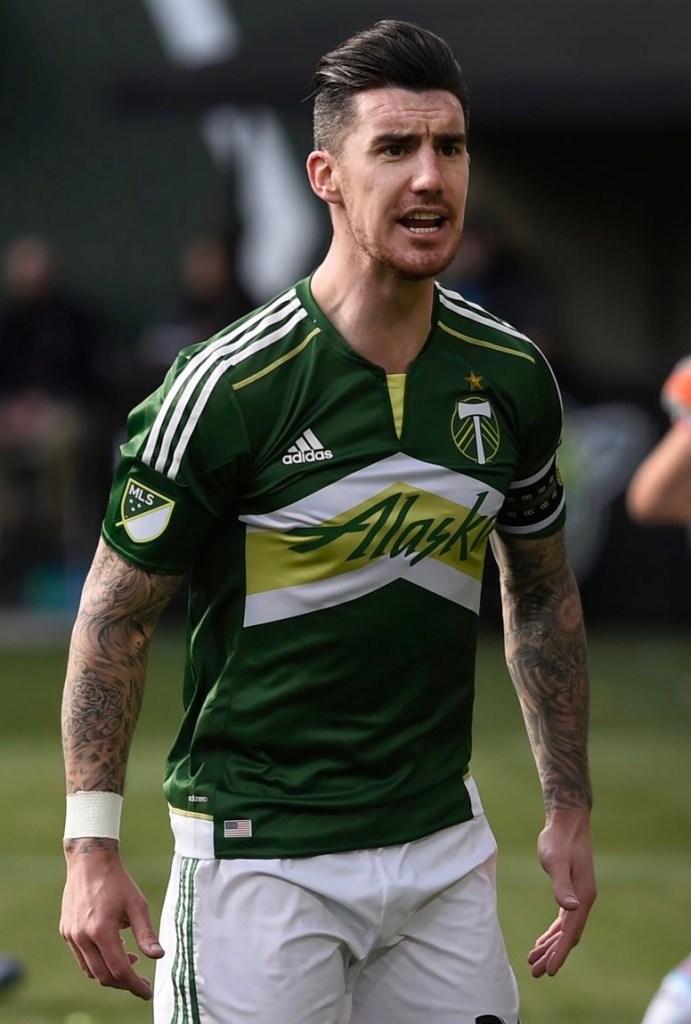
Brighton wanted to extend the experienced defender’s loan but his parent club – MLS (Major League Soccer) outfit Portland Timbers – wouldn’t allow it and he returned to the States.
Albion manager Chris Hughton told The Argus: “He has certainly brought us a wealth of experience. We have to abide by the situation. In any way we could extend it for whatever, a further week or so, we’d be delighted to be able to do that, but I certainly can’t speak out of turn when he’s not our player.
Ridgewell returned to Portland Timbers after his brief loan with the Seagulls
“We have to respect everything his parent club want. He has certainly fitted in very well.”
Ridgewell explained the background to joining the Seagulls in an Argus interview with Andy Naylor, and on clinching the deal, Hughton said: “I know Liam very well from my time as manager at Birmingham City, and he is an excellent and important addition for us.
“He will bring extra experience to our defence at a crucial time and will give me an option both in the centre of defence and at left-back.
“Liam has played the vast majority of his career in the Premier League with more than 350 senior appearances and he’s also got experience of the Europa League and Championship from his time at Birmingham.”
Born in Bexleyheath on 21 July 1984, Ridgewell went to Bexleyheath School and was on West Ham’s books for two years between 1999 and 2001.
After looking at the quality of players breaking through there, he took the bold decision to quit the Hammers and join Aston Villa’s youth set-up instead, which he spoke about in an interview with the Birmingham Mail.
“I had looked at what was already in the team – you had Michael Carrick coming through, Joe Cole, Rio Ferdinand, Richard Garcia – and I thought it might be time for a change.
“I was a south London boy, grew up around there and had all my friends there. But I thought if I got away it might focus me a bit more. It was a tough decision.
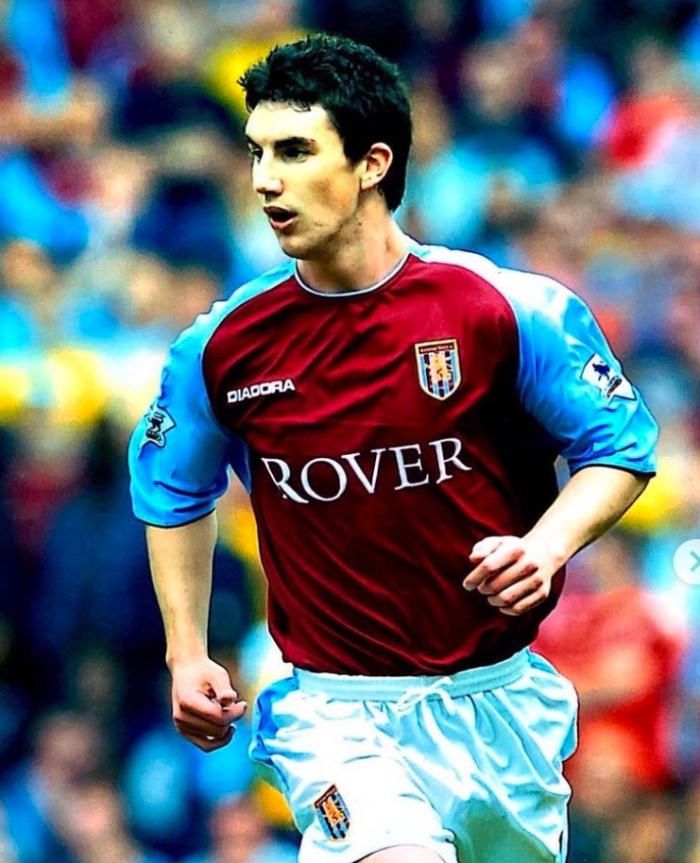
A youthful-looking Ridgewell made his breakthrough with Aston Villa
“I used to leave school early on a Friday afternoon to travel up to Villa for the weekends.
“I used to get the bus from my house to the train station, get a tube from Charing Cross to Euston and a train from London up to Birmingham all on my own.”
After joining Villa in February 2001, he was part of their 2002 FA Youth Cup winning side. They beat an Everton team featuring Wayne Rooney 4-2 over two legs. Villa’s goalkeeper was another Wayne – Henderson – who would later move to Brighton. The side also included Steven Davis, who went on to play for Southampton.
In the same year, Ridgewell was selected for the England under-19s and was sent out on loan to AFC Bournemouth, then in Division 3, where he made his league debut as part of a five-game loan spell.
Back at Villa Park, former England boss Graham Taylor gave him his first-team debut in a FA Cup tie against Blackburn in January 2003 when he came on as a substitute in a 4-1 defeat. He had to wait until December that year before getting his Premier League bow, again as a substitute, but this time in a 3-0 win over Fulham. He went on to make 11 appearances by the season’s end.
Under David O’Leary and, for a season, Martin O’Neill, Ridgewell made a total of 93 appearances for Villa before making what some fans would consider a controversial move.
In August 2007, Ridgewell became the first Villa player in 23 years to be transferred to bitter city rivals Birmingham. Des Bremner, brother of one-time Brighton striker Kevin, had been the last one, in 1984.
Steve Bruce’s £2m signing then found himself wearing the captain’s armband on his debut. “It’s one of the greatest achievements in my career,” Ridgewell told the Birmingham Mail. “It’s a real honour. I thank the gaffer for that. Hopefully I can continue as captain for a few more games before a few of the others come back in.
“It was fantastic to do it. I only found out before the game when we were on the pitch. The gaffer came up to me and asked would I have any problems doing it? I said none at all. It’s what I’m made for, it’s what I want to do. I want to captain sides and have a responsibility on me.”
Ridgewell subsequently played under Alex McLeish and Hughton for the Blues, winning promotion back to the Premier League in 2009 and the League Cup in 2011.
After a total of 175 appearances in four years, and on the back of a 6-0 win for Birmingham at Millwall, Ridgewell joined West Brom on deadline day in January 2012.
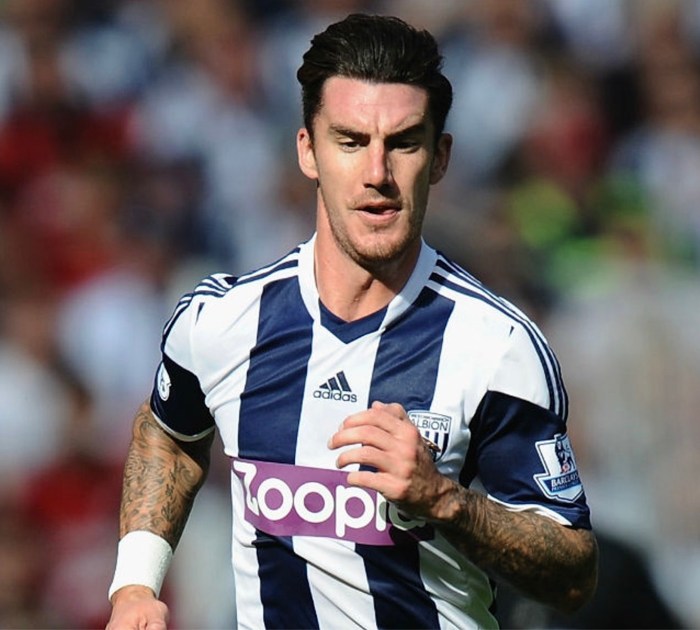
Ridgewell settled in quickly at West Brom
He couldn’t have wished for a better debut, as Albion recorded a memorable 5-1 win over Black Country rivals Wolverhampton Wanderers.
The Baggies were managed by Roy Hodgson at the time and, having initially been flirting with relegation from the Premier League, stayed up with results like a 4-0 victory over Sunderland and a 1-0 win over Chelsea that cost Andre Villas-Boas his job.
“Roy Hodgson was brilliant,” Ridgewell told The Athletic, in an interview in 2020. “Roy knew how to make players feel and perform better than they were,” he said. “Everything was positional based. He let you do your own thing but he gave you the tools and the words to make sure you did it to the best of your ability in your own position. It was a clear message for me of how a manager gets the best out of players.”
When Hodgson left to manage England, Ridgewell continued as a Baggies regular for the next two seasons under Steve Clarke. Baggies escaped the drop by just three points in 2014, after Pepe Mel had taken over the managerial hotseat in January.
That summer, Ridgewell wanted to try something different and headed for the States to join Major League Soccer’s Portland Timbers.
In his five years with the Timbers, one of his highlights was captaining the side to a 2-1 MLS Cup win over Columbus Crew, a few weeks before his loan spell with Brighton during the American season’s winter break.
The previous season he’d returned to the UK in a similar arrangement to play six games on loan for Wigan Athletic in the Championship.
Ridgewell spoke about his time in the States on his return to the UK in January 2019, when he joined Hull City until the end of the season.
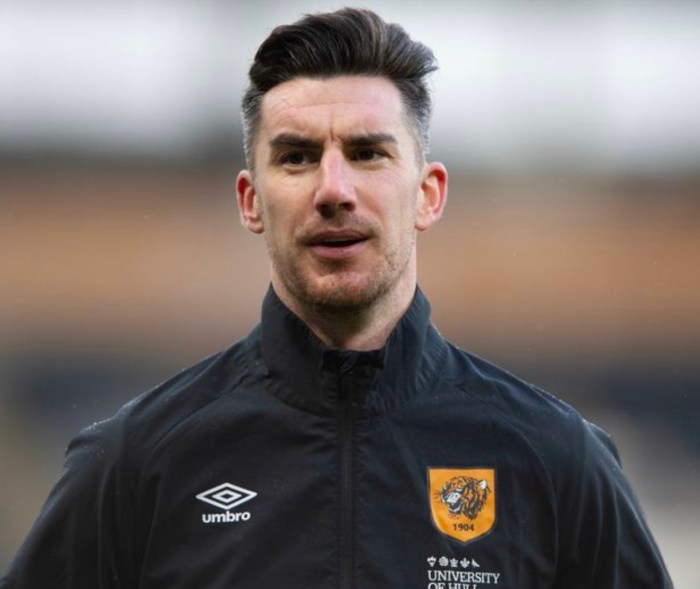
Back in the UK, Ridgewell spent half a season at Hull City
“I wanted to try something different and go out there with an open mind,” he told the Hull Daily Mail. “The league is completely different to what a lot of people expect. It’s grown bigger and stronger. I feel as fresh and as fit as when I first went there.”
To illustrate the point, he mentioned how he’d been up against the likes of Miguel Almiron, who subsequently joined Newcastle United for £20m.
“I loved it, it was great, really refreshing for me. It gave me another lease of life. It was something I needed to do, and I really loved it.”
In the summer of 2019, Ridgewell joined League One Southend United, but, having made only one appearance by December, quit playing to take up coaching.
He took to Instagram to reflect on his career, writing: “Football has given me the best life any little boy could wish for. There have been some massive highs and lows but now it’s time to hang up my boots and move on to the next chapter of my career.
“I’d like to say a massive thank you to all the coaches and managers who moulded me into the player I was. A special thank you to the late, great Graham Taylor for giving me my debut and the reason I was able to pursue my dream.”
In April 2020, Ridgewell spoke at length to Gregg Evans for an article on The Athletic, describing how lockdown had interrupted his plans to drop in on some of his old managers to gain knowledge and information in pursuit of his goal of becoming a manager.
“Moving into management has always been my aim,” he said. “I’ve always had a speaking role at every club I’ve been at. Whether it’s on the training pitch or during a game, I’ve always tried to help people out, too. With me being so vocal, I try to marshal teams in a certain way.”
He did some work with Aston Villa’s youngsters towards the end of 2020 but took on his first official coaching post in December 2020, as first team coach at Dover Athletic under former Gillingham boss Andy Hessenthaler.
It’s no surprise to discover Ridgewell (or Ridgy 6 as he’s known) has a veritable army of followers on Twitter – more than 42,000. Away from football, Ridgewell co-owns luxury swimwear business Thomas Royall, with fellow footballers John Terry and Sam Saunders.
Pictures from various online sources, and the Albion matchday programme.













 In parallel lines