IT WOULD BE an understatement to say striker Jamie Moralee had mixed fortunes during his time with Brighton.
A one-time £450,000 signing, the former Crystal Palace player joined the lowly Seagulls on a free transfer when they were playing home games in exile at Gillingham in 1998-99.
His lack of goals earned a certain amount of derision from the handful of Albion followers who supported the club in those dark days.
And on one infamous occasion, in March 1999, he managed to get himself sent off within a minute of going on as a late substitute, without touching the ball.
Moralee sees red at Scunthorpe
To make matters worse, the punch he threw didn’t even catch the opponent, John Eyre, who promptly added to Albion’s woes by completing his hat-trick in a 3-1 home win for Scunthorpe United.
The Argus put Moralee’s “moment of madness” down to frustration at so regularly being on the subs bench (16 times – and only sent on in eight of them).
“He did not actually connect, but the intent was obvious and the resulting red card inevitable,” the newspaper reported.
Signed at the start of the season on a month-to-month contract, Moralee had a run of 14 starts under Brian Horton but after scoring just the one goal (in a 3-1 defeat against Mansfield), he was dropped to the bench.
Just before Horton quit to move to Port Vale, he gave Moralee a contract until the end of the season and in January, after Jeff Wood briefly took charge, the player hoped his impact as a sub when laying on a winning goal for Paul Armstrong against Scarborough would help change supporters’ views of his contribution.
“It was nice to be a bit of a hero for a change,” he told The Argus. “I was a bit unlucky with a goal which was disallowed at Chester in the game before and I just want to get on with Brighton and do my best.
“I’ll take the credit because I’ve not had much this season. Hopefully the corner has turned for me.”
Moralee said he had been asked to play several different roles and reckoned much of the criticism aimed his way was unjustified.
Moralee gets stuck in
“I feel I have done all right,” he maintained. “I don’t think the supporters really appreciate me and they let me know that when I came on, but I will just keep doing my job.
“The players give me all the support I need and I am confident enough to go out and do the business. I certainly won’t hide.”
Having missed several matches after the red mist descended at Scunthorpe, a third manager arrived in the shape of Micky Adams, and Moralee started the last seven matches of the season under the new boss, scoring once.
Moralee slides in
But it wasn’t enough to earn a new deal and Moralee was one of eight players released at the end of the season. Having played under three managers in one season for the Albion, there was swift change in the dugout at his next port of call too.
He began the next season up a division with Colchester United, whose manager Mick Wadsworth said: “I remember him as a very outstanding young player with Millwall. We watched him several times during last season.
“He is very sharp in and around the penalty box and his hold-up play is exceptional – a quality we were sadly lacking in the season just gone.
“Jamie was an outstanding prospect as a young player with Millwall and was sold on to Watford for £450,000 around five years ago before his career became blighted by injuries.
“Last season was his first full season for some time as he battled to shrug off a string of injuries and has probably used Brighton to get back to full fitness and match sharpness.”
The season was only three games old when Wadsworth resigned and was replaced by Steve Whitton who saw his United side beat Reading 3-2 in his first match (Warren Aspinall scored twice and Nicky Forster scored one for the visitors). Moralee, making his league debut for Colchester, was subbed off on 76 minutes.
After that, Colchester went on an 11-game winless run and other than a positive spell in January, had a forgettable season and finished third from bottom. Moralee made 21 starts plus eight as a sub.
Born in Wandsworth, London, on 2 December 1971, Moralee joined Palace as a YTS trainee, working his way through the levels alongside Gareth Southgate. He was a regular in the Palace reserves playing up front with Stan Collymore.
But after just two first team starts and four sub appearances under Steve Coppell, he was traded as a makeweight in exchange for Millwall’s Chris Armstrong.
Happy days in the Lions’ Den
When unveiled to Lions fans in a matchday programme article, Moralee boldly declared: “Having broken though into first team football with Palace last season and learned from strikers like Mark Bright and Garry Thompson, I feel I’m ready to come to a club like Millwall and score twenty goals a season.”
Amongst the goals for Millwall
Of the player he swapped places with, he even went as far as to say: “Chris was quick and by all accounts did very well here in the opening games this season, but I’ll score more goals than him.”
Continuing in a similar vein, he added: “I’m most effective in the box, I like the ball into my feet and, at the risk of sounding over confident, if I get the chances I’ll score goals for you.”
True to his word, Moralee did get amongst the goals for Mick McCarthy’s side and 20 goals in 63 appearances (plus 13 as a sub) over two seasons earned him a £450,000 move to Watford.
Moralee made a big money move from Millwall to Watford
But the Glenn Roeder signing had a tough time with the Hornets, only seeing his fortunes change after Graham Taylor returned to the club as manager. He explained the circumstances in a full-page piece in the Wolves v Watford matchday programme of 30 March 1996.
“Glenn bought me to play up front with a big target man, which I was used to at Millwall. But the partners I had were all smaller than me and I was now the big target man, a role that did not suit me and one that I do not enjoy.
“I had always been used to scoring, something that wasn’t happening, and this resulted in a loss of confidence.
“The intentions were there, but I needed a big target man to feed me the ball. It just did not work out.”
When Taylor took over from Roeder, Moralee got back the starting place he’d lost and learned how to play as a lone striker. “It is a lot of work but I believe I have developed into a better all-round player,” he said. “It is nice to have a manager with a little faith in me.”
After Watford were relegated to Division Two, in the summer of 1996 he moved on a free transfer to Crewe Alexandra where he didn’t register any goals and made just 13 starts and six sub appearances.
He ended the 1997-98 season with Royal Antwerp in Belgium and spent pre-season with Fulham before Horton took him on at the Albion, initially on a monthly contract basis, at the start of the 1998-99 season.
After his season at Layer Road, he linked up with former Crystal Palace colleague Peter Nicholas at Welsh Premier League side Barry Town. He spent three seasons with Barry, winning the Welsh Premier-Welsh Cup double each season. He was also involved in three Champions League campaigns with the club and netted 59 goals in 96 appearances.
Financial problems at Barry led to Moralee moving on and he had spells with Forest Green Rovers, Newport County and Chelmsford City before ending his playing career in 2006.
After retiring from playing, Moralee set up his own football agency, New Era, in conjunction with former Albion teammate Peter Smith, with Rio Ferdinand as its highest profile client.
In an interview for a webinar, Moralee said the agency aims to teach up and coming talented footballers how to avoid the pitfalls that affected his own playing career.
Describing his own “very up and down career with a couple of highs and many, many lows”, he explained to The Player, The Coach, The Person webinar: “When I got a few quid, I was spending it on all the wrong things. Buying cars and watches and going out too much; drinking too much. I wasn’t investing it.”
Hard work, application and a ruthlessness to succeed in life are aspects he’s now passing on having realised they were attributes that would have made a difference to his own career as a player.
“I needed to stay in football in some capacity,” he said. “I didn’t want to be a coach or manager.I knew that young players, if they got to the edge of the pitfalls I fell down, I could help them.”
He is particularly pleased to have helped players who had rejection in their early days who went on to have successful careers, such as Welsh internationals Chris Gunter, Neil Taylor and Ashley Williams.
Moralee spoke openly about his 20-year friendship with Rio Ferdinand in a 2018 film for the ‘Best Man Project’ of The Campaign Against Living Miserably (Calm): an initiative to celebrate the power of friendships which supports men in looking out for their mates.
Opening up on the power of friendships in football
MENTION Mark McGhee to supporters of Wolverhampton Wanderers and most are less than complimentary about the Scot who won third tier promotion with Brighton in 2004.
Steering the Seagulls to that 1-0 play-off final win over Bristol City at the Millennium Stadium, Cardiff, (as I covered in my previous blog post about McGhee) emulated his feat of taking Millwall out of the same division three years previously, and certainly helped to repair a reputation sullied by his experience at Wolves.
A play-off winners’ medal at last for Mark McGhee
It also delivered much relief for a manager who’d previously only experienced play-off heartache, seeing Wolves’ hopes of returning to the Premier League dashed by a play-off semi-final defeat to Crystal Palace in 1997 and losing to Birmingham with the Lions at the same stage in 2002.
After cutting his managerial teeth at Reading and Leicester, McGhee succeeded former England boss Graham Taylor at Wolves, appointed by chairman Jonathan Hayward, the son of owner Sir Jack Hayward (the pair subsequently had a big falling out and McGhee was caught in the crossfire).
McGhee’s three years at Molineux weren’t all bad – many supporters said he certainly rated higher than the hated Glenn Hoddle – and he couldn’t be faulted for spotting genuine talent having given Irish striker Robbie Keane his Wolves debut as a 17-year-old away to Norwich. “I always believed he could be special,” he said. “Even at that age he was sensational.”
Young Mark McGhee on his arrival at Molineux
But fans of the boys in old gold disliked his managerial style of winding up forthcoming opponents with disparaging remarks. They also felt some of his signings weren’t up to it – a feeling echoed in the spat that emerged between Sir Jack and Jonathan.
“Nice man, Mark, and he had done well enough at Reading and Leicester. But he didn’t buy very well, did he? You have to ask questions about the quality of the players he brought to this club,” Sir Jack told reporter Paul Weaver in January 1999.
“We should never have let Graham Taylor go. Graham is an outstanding football manager. I’m afraid we bowed to pressure from the fans. We didn’t give him enough time. Then we gave McGhee plenty.”
For many, the final straw in the McGhee reign was when he left club legend Steve Bull on the subs bench in favour of much-derided Steve Claridge when Wolves lost the 1998 FA Cup semi-final to Arsenal.
“No turning back after that really, he’d lost it,” said ‘Bend It Like Dennison’ on molineuxmix.co.uk. “A very negative manager, prone to making stupid comments which wound opposition teams up and made us one of the most hated teams in the division,” opined ‘Nashie’ on the same platform.
“I had high hopes for McGhee and sometimes I quite liked the way he wound up the opposition with his arrogance, however, while he could talk the talk, he couldn’t quite walk the walk!” said ‘Bill McCai’.
The Scot was never afraid to speak his mind and even his former Newcastle boss, Bill McGarry (a figure well known to Wolves fans from his days as manager between 1968 and 1976) told him: ‘Mark, you talk too much. Tone it down a bit.’
“I tried to take his advice, give nothing away in media briefings. Then, somebody would say something interesting and I wasn’t able to stop myself,” McGhee admitted in an interview with theleaguepaper.com.
On molineuxmix.co.uk, ‘stuj4z’ reckoned: “McGhee started to believe his own hype and became a parody of himself. Stupid signings were his downfall because overall I thought his tactics were ok. McGhee wasn’t the devil incarnate and did do some good things for the club.”
‘Florida Wolfey’ maintained: “McGhee was a decent manager and he certainly cared about this football club. He was unfortunate not to get us up in his first season and we never really recovered from that failure. Like all managers he made some good decisions and some decisions he’d rather have made again.”
When the axe fell, McGhee admitted to Nick Townsend of The Independent: “For that first month after I was sacked by Wolves, until I got over the initial shock, I never really opened the door. I became a recluse. I was feeling angry and frustrated.”
Townsend observed that having previously walked out on Reading and Leicester to take the Wolves’ job, “many supporters among his former clubs relished the spectacle of the assured and articulate McGhee being thrown from the steed of his own galloping ambition, his features ground in the dirt”.
“I was 100 per cent justified in leaving Reading after John Madejski gave me permission to talk to Leicester” McGhee told Townsend. “Leaving Filbert Street, a year later, was different. I knew when I walked out of there that it was, in a sense, wrong.
“I knew I’d let their chairman, Martin George, down badly, and the players I’d brought in. People thought, when Wolves dangled the bait, that was me, off and out, no hesitation, no qualms, and that’s where I got my reputation. But it wasn’t like that. It was torture.
“Two minutes before I made the decision to go, I was staying. There was pressure from all kinds of people I respected to go. Against my own conscience, I took the job.”
He added: “I read the papers and I don’t recognise myself. But, obviously, people are thinking that a guy who can up and leave Leicester after a year like that must be one kind of arrogant, callous bastard. All I can do to fix that impression is to go on from here and prove to people that’s not the way I am.”
As it turned out, he feared the football community had turned its back on him when no further managerial opportunity surfaced for nearly two years. It was only a regular punditry slot on Sky Sports that reminded people he was still around.
When he eventually got back in the game as manager of Millwall in September 2000, McGhee garnered a sympathetic ear from The Guardian football writer Roy Collins.
“I don’t think I got a bad deal,” McGhee told Collins. “I think I got exactly what I deserved. The biggest mistake I made was in underestimating the reaction of people when I walked out on Leicester. That is not to say that I regret leaving Leicester but it tarnished my reputation in such a way that Wolves’ fans never really accepted me.
“I was only fulfilling my ambition but I’ve learned that sometimes you have to think twice and maybe it would have been right for me to have said, no matter how much I want to take what I see as a bigger job, I can’t have it.”
McGhee admitted to the reporter he’d had sleepless nights and restless days wondering whether any club would forgive him, so he was grateful for the chance Millwall gave him, admitting: “This is a second chance for me and if I mess it up, I won’t get a third.”
A relieved McGhee told the Evening Standard: “To say I am very pleased to get back into the game is an understatement. I am absolutely ecstatic, but I would not have come back for any job.
“I haven’t been applying for everything that has been going because I felt the opportunity had to be one I was motivated by.
“It did not have to be the biggest club, or in the top league, but I had to really want to do it. I got a gut feeling about some jobs and I had that for Millwall.
“You get a feel for the place and I had an idea what they were about because I am a good pal of their old manager Mick McCarthy.
“In my playing career I was at Newcastle and Celtic. They have demanding, but passionate fans and I know that is the same at Millwall. It is very exciting.”
Millwall chairman Theo Paphitis admitted: “Mark was not always the front runner for the job, but got himself into the position at the interview.
“He said the right things. I believe he was sincere and I am very pleased we have him on board. He is the right person for the job.”
When there was a mutual parting of the ways in October 2003, Paphitis said: “He took over in September 2000 with the brief to get the club into the First Division that season which he duly achieved.
“We then enjoyed a very successful first season at this level, reaching the play-offs the following year. Last season was a frustrating one for the club and whilst expectations were high at the start of the current campaign, we have struggled to live up to them.”
Interestingly, when he was shown the door at Brighton, likewise there was appreciation rather than dismay at what he had brought to the club.
Powering up
“No matter where you stand on the club’s decision to part company with the former Scottish international, you can’t say he didn’t leave us without one or two golden memories, especially during his first season in charge,” the matchday programme reminded readers.
“There are more than a few supporters out there who rate what happened inside the Millennium Stadium that May day in 2004 as their top Albion moment, above Wembley 1991 and – whisper it – even 1983. Why? Well, for once, we actually won on a big stage. But there was more to it than that: thirty thousand fans invading Wales and laying siege to what is generally regarded as one of the finest stadiums in the world.”
The piece reminded supporters that in the higher division, against clubs with hugely superior resources, Albion beat the likes of Leeds United and Sunderland at humble Withdean as well as nicking unlikely wins at Leicester City, West Ham and Sheffield United.
Even in the season (2005-06) when they weren’t able to retain that hard-earned status, they managed a first win in 22 years at Selhurst Park, toppling the old rivals on their own patch with the only goal of the game scored by loanee Paul McShane.
After a fascinating 3-3 draw at Elland Road, home boss Kevin Blackwell observed that McGhee had “the hardest job in football”.
The programme pondered: “One can’t help but wonder what McGhee’s record would have been had the club been playing inside a stadium worthy of the upper echelons of the English game, with some finance to burn and facilities good enough to tempt Championship and Premier League calibre players to Sussex.” Indeed.
ONE OF BRIGHTON’S more successful season-long loan signings spent six years at Wolverhampton Wanderers having arrived as a 15-year-old from Dublin.
Keith Andrews signed on at Molineux on the same day as another Irish youngster, Robbie Keane, although he didn’t hit quite the same heights as the prolific goalscorer.
Nonetheless, Andrews eventually represented his country on no fewer than 35 occasions – not a bad achievement considering he had to wait until he was 28 before winning his first cap.
The self-styled ‘Guvnor’ Paul Ince, who Andrews had first encountered at Wolves, ultimately took the Irishman’s career onto a different level, initially when manager at MK Dons and then with Blackburn Rovers in the Premier League.
“I picked up so much from him, although probably a whole lot more when he managed me later on and I wasn’t in direct competition for a place in the team,” he said.
“I needn’t have been concerned when he came to MK, because he made me feel like a million dollars from the first conversation we had on the phone.
“He pretty much based the team around me, let me lead the dressing room like he had at Wolves, and I think that working relationship was mutually beneficial for both of us.
“He coached me and nurtured me and gave me some of his pearls of wisdom, and ultimately gave me the confidence to go and show I could become the player he felt I could become.
“Offers started coming in for me, but Incey asked me to stay, and said that if he got a job in the Premier League, he would take me with him.
“That happened with Blackburn, and I know he had to fight to get me there as the club weren’t keen on bringing in a player from League One.
“But he wanted me there, he knew what I was like and how he could trust me, and I would like to think that even though unfortunately Incey wasn’t there anywhere near as long as he would have liked, I vindicated his decision and desire to get me there.”
However, it was from Bolton Wanderers that Andrews joined the Seagulls for the 2013-14 season and he played a pivotal role – literally – taking over from the initially-injured, then transfer-seeking Liam Bridcutt as Albion’s defensive midfielder.
I covered head coach Oscar Garcia’s view of his signing in a previous blog post about the player in January 2019. Andrews featured in 35 matches for the Seagulls and scored once as Garcia steered Albion to a second successive tilt at the Championship play-offs, only for the team to lose out to Derby County in the two-legged semi-final.
Burnden Aces, a Wanderers fans website, interviewed Albion fan Chris Field to ask his opinion of Andrews and his summary was “good” but inconsistent.
Field couldn’t understand why neither Bolton nor Blackburn fans had rated the Irishman, saying:
“He’s come into our midfield and held it together fantastically well. We needed a bit more Premier League/Championship experience in our midfield and he’s fitted that bill superbly.
“Possibly he wasn’t used in the right way with Dougie Freedman’s style of football. In our free-flowing passing game, he’s fantastic in the holding role. A change of scenery has done him good.”
When Garcia quit the club after the play-offs defeat, it also marked the end of Andrews’ time with the Seagulls, although he later expressed his gratitude for the time he spent at the club.
“Although I was only at the Amex for one season, I have a lot of affection for the club as I think they try to do things in the right manner for the club to evolve with real sustainability for years to come,” he wrote in a Sky Sports blog.
“There are good people involved behind the scenes there, none more so than in the academy. Last season I worked closely with the academy manager John Morling and the development coach Ian Buckman as I was in the middle of my UEFA ‘A’ Licence, and they couldn’t have done any more to help me.
“It was a great experience to work with them as they prepared weekly and monthly schedules with the rest of the coaches and sports scientists to ensure the young lads had the best chance of developing their games, both technically and physically.”
He added: “I was amazed at the schedule a 14-year-old at the club had and a little envious to be honest as it certainly wasn’t like that in my day!”
Born in Dublin on 13 September 1980, Andrews went to Ardscoil Ris secondary school in Dublin and his football reputation grew in the schoolboys sides of Stella Maris and Elm Mount.
“Most young players are playing at quite a high level in Ireland,” Andrews told the Wolves website. “I played in the DDSL – the Dublin District Schoolboy League – and trials at English clubs became quite frequent for a lot of us.
“I must have gone on trial to about 10 or 12 clubs and then you just have to start narrowing it down to who you like, who likes you. I then started to visit Wolves more frequently and just got a good feeling about it.
“I felt very at home in Wolverhampton, I was very well looked after from the moment that I went over as an under-14 at the time. I had a few contract offers from different clubs, but Wolves just felt right and I felt the club would offer me the best chance of playing first-team football at a high level.”
Andrews reflected that he probably started out too young although he said: “I relished playing football full-time and I enjoyed the environment that I went into. I enjoyed living in Wolverhampton, I enjoyed the family I was living with; they looked after me.
“There were some tough times, some teary phone calls home, and you go through some really difficult moments, but that was all part of the journey of building your character and trying to forge a career in the professional game, which isn’t easy.”
He went through the Wolves academy alongside the likes of Keane, Matt Murray, Joleon Lescott and Lee Naylor and said it was a “proper apprenticeship” adding: “The structure must have been in a good place. It was a well-run football club with the Hayward family in charge of it.”
Appreciating the values that were drilled into him from an early age, he said the academy was where he learned how to approach the game and how to do things the right way. He then progressed under youth team coach Terry Connor before turning professional in September 1997.
He made his first team debut under Colin Lee as a substitute on 18 March 2000 in a 2-1 win at Swindon. He also went on in a 2-0 home win over Crewe but, when further openings didn’t follow, he went on loan to Oxford and scored the winner on his full league debut away at Swansea.
Under Lee’s successor, Dave Jones, in the last game of the 2000-01 season, he was Wolves’ youngest ever captain aged 21 in a 1-1 draw at home to QPR.
“I looked around the dressing room and saw some really experienced players, players whose boots I had cleaned as an apprentice, and so to be chosen as captain was a huge day in my career,” says Andrews. “The game was fairly forgetful but certainly not for me!”
Managers came and went, some giving Andrews a chance, others sending him out on loan. In 2005, after just 24 starts for Wolves, plus no fewer than 47 appearances as a sub, he moved on to Hull City, where injury blighted his only season with them.
Promotion winner at MK Dons
He then had a two-year spell with Milton Keynes Dons, where he had a productive midfield partnership with Alan Navarro, and he assumed the captaincy of Ince’s side.
In his second season, the Dons won promotion to League One; Andrews scoring the goal which secured the success. He also scored in the club’s 2-0 win over Grimsby Town in the Football League Trophy at Wembley.
Andrews was chosen in the PFA Team of the Year, won the League Two player of the Year Award and was listed 38th of FourFourTwo magazine’s top 50 Football League players.
It was in September 2008 that he followed old boss Ince to Blackburn Rovers. He stayed for three years although during his time at Ewood Park he was subjected to barracking from a small section of supporters.
Some fans didn’t believe he merited a starting berth but injuries meant he got a chance and made 37 appearances in his first season at the club, scoring four goals in Rovers’ battle for survival.
Under Sam Allardyce, an approach from Fulham to sign him in 2009 was rebuffed and he was rewarded with a new four-year deal instead. In March 2011, an Andy Cryer exclusive in the Lancashire Telegraph said Allardyce’s successor Steve Kean backed the player and still saw him as a key member of his first team squad even though the player had been sidelined by a groin injury for five months.
The player’s agent, Will Salthouse, told Cryer: “Keith loves the club. He has a contract for two more years at the club and he wants to stay. Keith is not looking to go anywhere.
“There has been interest from other clubs but Keith has not even spoken to them. The club have said they want him to stay and I can dismiss the rumours that he will be leaving.”
Nonetheless, at the start of the following season, Andrews joined Championship side Ipswich Town on a half-season loan.
Instead of moving to Suffolk permanently, on deadline day in January 2012 he joined Wolves’ Black Country rivals West Brom, under Roy Hodgson, on a six-month deal.
Into the bargain, Andrews, making his debut for West Brom, scored the fourth goal in a 5-1 rout of their neighbours that sealed the fate of Mick McCarthy’s reign in charge at Molineux.
“I joined Wolves at the age of 15 and, having then lived in the Midlands for a few years, I knew all about this derby,” Andrews told the Express & Star.
“I was a fan who had been to games and to different derbies like Celtic against Rangers, and I was well aware of games which had more significance growing up even playing schoolboy football and Gaelic football as well.
“Once I had been in Wolverhampton for a while it was made pretty clear to me that Wolves against Albion was a big deal.
“Sometimes people try to throw derbies and rivalries at you at certain clubs when they don’t really exist but Wolves and Albion is proper, it’s fierce.
“At Wolves everyone would be telling you much they hated the Baggies and how important those two games of the season were – so yes, I was well aware of it!”
Although personally delighted to score, Andrews said: “I also had a lot of friends on the Wolves team that day – Ireland team-mates – and my overriding emotion as I walked off the pitch as I looked at Mick and Terry Connor was sadness.
“I knew where Wolves were in the league, the pressure they were under, and what might happen after such a result.
“I knew Terry from the help he had given me when I was at Wolves, and while I didn’t know Mick personally, he is someone I have always looked up to and have the utmost respect for with what he has achieved in the game.
“Wolves at the time were struggling, and that was something that carried on after the decision was made for Mick to leave.”
On the expiry of his Baggies contract, Andrews joined newly relegated Bolton on a free transfer, and, although he made 26 Championship appearances, he struggled with an achilles problem and then a thigh injury which eventually required surgery.
It was Bolton’s signing of Jay Spearing from Liverpool at the start of the 2013-14 season that made him surplus to requirements for the Trotters and opened the door to him joining the Seagulls.
A year later, Andrews joined Watford on loan while Brighton struggled under Sami Hyypia but after half a season returned to MK Dons where he eventually began coaching.
He later appeared frequently on Sky Sports as a pundit and became a coach to the Republic of Ireland side under Stephen Kenny. In December 2023, he was appointed a first team coach at Sheffield United following the return of Chris Wilder to Bramall Lane.
DAVID LIVERMORE was one of those signings Brighton fans had a good feeling about, only to be disappointed with the outcome.
Here was a player who had learned his craft over 10 years as a youngster at Arsenal and, at 28, had played most of his career at second tier level.
So, when Micky Adams got him on a free transfer from Hull City for League One Albion in the summer of 2008, the signs were encouraging.
“David is an experienced midfield player who has played most of his football in the Championship,” Adams said. “He’s a versatile player who can play in midfield, left wing and left back, and he’s another quality signing.”
Maybe it was that versatility that counted against him, but by the turn of the year he’d only made 13 starts and had picked up so many bookings that he had to serve a suspension.
Perhaps the writing was already on the wall. “Suspension and the midfielder more often than not went hand in hand – his passion, commitment and tough-tackling nature meant that the former Arsenal trainee picked up a huge 86 yellow cards and 3 reds in his Lions career,” Millwall fan Mark Litchfield wrote in a profile on newsatden.co.uk.
The player’s frustration was revealed in an Argus interview with Andy Naylor, who said: “Livermore is an ‘old school’ player, more comfortable with an era when crunching challenges were greeted matter-of-factly by opponents and with no more than a quiet word from officialdom, rather than the modern malaise of writhing opponents and card-happy refereeing.”
Livermore told the reporter: “It’s the way things are now, suspensions are part and parcel of the game. I am someone that likes a tackle and, unfortunately, I’ve got six bookings now.
“The game has changed a lot. The referee was threatening to send me off at the weekend and I only gave away two fouls in the whole game. I think the tackle is slowly being erased.”
After the suspension, Livermore struggled to regain a place in the squad and he wrecked the opportunity of a rare start in the Johnstone’s Paint Trophy when he was sent off for a bad foul in the semi-final at Luton Town. Albion clung on to a 1-1 draw but losing on penalties meant they were denied a trip to Wembley for the final against Scunthorpe.
That disappointment proved to be the final straw for the Adams reign, although being four places off the bottom of the table didn’t look pretty either.
Livermore went on as a sub in Adams’ successor Russell Slade’s first game in charge, a 2-1 defeat at Leyton Orient, and got a start in a home 5-0 win over the manager’s previous club, Yeovil.
He then started at left-back in a 3-0 defeat away to Walsall three days later, but was subbed off at half-time, and his replacement, loanee Gary Borrowdale, was Slade’s preference in that position for the rest of the season. Livermore was sent on loan, ironically to Luton.
But he had penned a two-year deal when signing the previous summer so he was back at Brighton for the 2009-10 season. He warmed the bench nine times in the first half of 2009-10 but only saw action once, going on as a sub for Andrew Whing in a 1-0 defeat at Orient in the JPT.
The arrival of Gus Poyet as manager didn’t help his cause either and eventually there was a mutual parting of the ways in February 2010. It felt very much like a case of what might have been, and the player himself gave a very honest assessment of his time with the Albion in an interview with the Argus.
“I am disappointed I have not fulfilled the expectations of supporters and probably myself,” he said. “I’ve played the majority of my career in the Championship. I started off at Arsenal and went to Millwall in League One, adapted to that and got promoted and had six or seven seasons in the Championship.
“I’m not saying I thought it would be easy coming to Brighton but I thought I would be able to do as well as at my other clubs.”
He said Albion was“a fantastic club” and he enjoyed the team spirit and friendliness of the squad, admitting: “It hasn’t worked out how I expected but I’ve enjoyed my time there.”
Livermore reckoned it was the money he was on at Brighton that put off other sides from taking him on loan. The ending of his contract gave him free agent status, which meant he was able to organise a short-term deal at Barnet.
It obviously hit the player hard to realise his playing days were coming to an end after Barnet released him at the end of the season.
He told the Cambridge Evening News: “I’d dropped through the leagues, from Championship to bottom of League Two in a couple of seasons.
“I knew I had to make a decision. I even qualified as a personal trainer – I don’t know what I was thinking.
“From a playing point of view, I fell out of love with the game. Part of me said just stop and get a job – deliver the post or something, just get a normal job, provide for your family and enjoy your life.”
He was rescued by the offer to manage non-league Histon, and he told the newspaper. “The Histon job came up and I took it and fell back in love with the game from a coaching point of view. I was very lucky that opportunity came up at the time.”
Born on 20 May 1980, in Edmonton, north London, Livermore grew up as a Spurs supporter and was taken on by them at the tender age of seven! But frustrated at just being asked to train, rather than play games, he switched to Arsenal and was on their books for a decade.
He was on a two-year YTS scheme before turning professional but had to move to Millwall, aged 19, to get a breakthrough in the game.
Livermore had been in the same Arsenal youth side as Ashley Cole, and played five games for the Gunners reserve team in the 1997-98 season, when Matthew Wicks and Matt Upson were regulars, scoring once in a 1-1 draw against Tottenham on 17 March 1998. In a pre-season friendly at Enfield on 18 July 1998, he went on an as substitute for 23 minutes but that was the extent of his first team involvement. He made 11 appearances plus two as a sub for the reserves in the 1998-99 season, before leaving the club.
He joined on loan initially making his Millwall debut on the opening day of the 1999-00 season at Cardiff City in a 1-1 draw that hit the headlines for fan clashes rather than the football. It took joint bosses Keith Stevens and Alan McLeary only four matches to convert the loan into a permanent transfer, and Livermore was signed for £30,000.
Football history books reveal Livermore as the scorer of the final football league goal of the 20th century: an injury-time winner against Brentford on December 28, 1999. It happened to be the first of his goals for Millwall and he made 34 appearances that season.
After the disappointment of losing a play-off semi-final to Wigan Athletic in 2000, Livermore was able to savour promotion from League Two as champions under Mark McGhee in 2001; he played 39 games and was part of an eye-catching partnership with Australian international Tim Cahill.
There was more play-off semi-final heartache the following season when Millwall were edged out of the League One end-of-season final two places by Birmingham City; another season in which Livermore only missed three games – through suspension.
2004 is to Millwall fans what 1983 is to Brighton supporters: it was the year that against all odds they made it to the FA Cup Final. Millwall’s achievement was arguably more remarkable in that they were in the division below opponents Man Utd. The Lions were beaten 3-0 at the Millennium Stadium in Cardiff and Livermore gave away a penalty (bringing down Ryan Giggs) which Ruud van Nistelrooy scored from.
“We didn’t play a Premier League side all the way through until the final so it just shows you what can happen,” Livermore recalled in an interview with the Argus. “I played every minute of every game. That was the highlight of my career.”
The one consolation from the Cup Final defeat was that Millwall got to play in Europe – the UEFA Cup – the following season because United were in the Champions League. It was Livermore’s penultimate season with the Lions and, with a year left on his contract, close season speculation had him linked with a £500,000 move to either Southampton or Sunderland.
Millwall director, Theo Paphitis, said: “Livers asked to go on the transfer list and that hasn’t changed. We’ve had enquiries from two clubs, but neither have matched our valuation. We would dearly love Dave to stay at Millwall, but his contract is up at the end of the season when he would be in a position to leave us for nothing.” It emerged Arsenal were entitled to 30 per cent of any profit the Lions made if the player was sold.
Millwall managed to persuade him to stay and to sign a new contract in January 2006, with director of football Colin Lee declaring: “I have said, from the moment I arrived, David is an absolutely vital player. I’m hopeful others we are in the process of trying to re-sign will see this as evidence we have now turned the corner and are moving forward again.”
While his loyalty was rewarded with the Player of the Year trophy come the end of the 2005-06 season, Millwall were relegated to League One and Livermore, wanting to stay in the Championship, was soon on his way.
In a most curious turn of events, Livermore joined Leeds United for a £400,000 fee, telling the Leeds website: “This is a huge club, this is where you want to be playing – at the right end of the division. I just want to be part of things here. Every player wants to play in the Premier League. That’s the aim.”
But before he could kick a ball in anger for United; in fact, just 10 days’ later, he was sold to Hull City. Leeds boss Kevin Blackwell explained that he had subsequently been able to sign Kevin Nicholls from Luton Town and (future Albion loan signing) Ian Westlake from Ipswich Town, and both would be ahead of Livermore in the pecking order.
Hull began the season under Phil Parkinson, who had signed former Reading teammate Nicky Forster for £250,000, but Phil Brown took over halfway through and they only just managed to avoid relegation. However, the midfielder must have had a wry smile on his face to discover the club propping up the division were none other than Leeds!
The following season saw a big turnround in Hull’s fortunes and they won promotion via the play-offs although Livermore was on the periphery and on transfer deadline day in January 2008 he moved to Boundary Park, Oldham, pairing up with Preston midfielder Jason Jarrett, another loanee who he would subsequently meet again at Brighton.
That introduction to management at Histon, when they were relegated from the Conference in his first season and were 16th in Conference North the following year, proved a steep learning curve for Livermore, as he told the Cambridge Evening News.
“In the first season I was player-manager I didn’t take a wage. My wife and family couldn’t quite understand why I was going through all of that for no money. Fortunately, I had some money set aside anyway, and going to Histon was the best decision I made.”
As well as having the lowest playing budget in the league, Livermore had to deal with off-field issues such as players not being paid and points deductions. “It was a baptism of fire,” he told the newspaper. “I learned a lot about dealing with contracts, managing individuals, trying to make things more professional, and getting players in to help the team.
“All you can do in any job is be honest. I didn’t have all the answers and I told the players that. I think honesty is key, and having that integrity.”
It was while he was at Histon that he began talking about his future coaching career with his friend and former Millwall teammate, Neil Harris, who was also coming to the end of his playing career (at Southend United). When Harris was injured, he went to watch a few Histon games and Livermore told cardiffcityfc.co.uk. “It was always good to have his eyes on the games and bounce ideas off each other.
“I’ve known Neil since I was 19. We played together at Millwall for about six seasons and always stayed in touch after that despite our careers going in different directions.”
In 2012, Livermore had the opportunity to return to Millwall, as youth team coach, and Harris followed him back to take charge of the under 21s. “I’d assist him on his games with the 21s during that time and then when the opportunity came for him to take over as first team manager (in 2015), he asked me to join him, which was an easy decision for me to make,” said Livermore.
The pair took Millwall to the League One play-off final at Wembley in 2016, when they were beaten 3-1 by Barnsley, and the following season they returned after finishing sixth in the table and won their place back in the Championship courtesy of a 1-0 win over Bradford City. They also twice took Millwall to the quarter finals of the FA Cup.
Although Millwall won two of their first three matches of the 2019-20 season, a subsequent seven-game winless run saw the pair leave Millwall in October 2019. Club chairman John Berylson said: “Both Neil and David leave with their heads held high, forever friends of the club, and I wish them both every success in their future careers. They will always be welcome at The Den.”
The following month the pair were installed as successors to the Neil Warnock regime at Championship Cardiff and the Welsh side finished fifth in the league by the end of the first season but lost out to Fulham in the play-off semi-finals.
Unfortunately, the churn of managers in the Welsh capital didn’t spare Harris and Livermore and, in January 2021, after 14 months, their services were dispensed with after a six-game losing streak. Mick McCarthy and Terry Connor took over: they were only there for nine months.
After a year out of the game, Harris and Livermore were back in the managerial saddle in January 2022 at League One Gillingham, but they couldn’t prevent the Gills being relegated at the end of the season.
KEITH LOWE is one of those curious cases of a player who joined the Albion on loan but didn’t kick a ball in anger!
He played one game for the reserves and sat on the first team bench for five matches without getting on.
Lowe was just 20 and well down the centre half pecking order at Wolves when Mick McCarthy had just taken charge.
At the beginning of the 2006-07 season, Albion’s first choice centre backs, Adam Hinshelwood and Guy Butters, were both out injured, and Joel Lynch was a doubt after picking up a niggle in a pre-season game. So, manager Mark McGhee took the opportunity to get Lowe on loan for a month.
Candid former Wolves manager McGhee told the Albion matchday programme how the club had done its homework on the youngster, who he described as a “no frills central defender who gets in where it hurts to head it and boot it. Obviously, that’s something we need – a big lad in our box to head it away. With the absence of Guy Butters, we’ve missed that sort of height in pre-season so I hope he will do well for us.
“Obviously I know people well at Wolves, so we don’t think for a minute that we are signing Rio Ferdinand, but we’ve signed a steady young player who’s determined to make a career for himself and wants to do well.”
For his part, Lowe told the Argus: “I’ve found out that there are a few injuries in the defence here so hopefully I’ll get into the team as soon as possible and play as much football as I can.”
Born in Wolverhampton on 13 September 1985, Lowe had progressed through the Wolves academy and was given a first team debut by Dave Jones in the League Cup at the beginning of the 2004-05 season, three weeks before his 19th birthday. Two months later Lowe was awarded a three-and-a-half-year contract and he said:“My family are all Wolves supporters so it’s a bit of a dream come true.”
Although he made 13 appearances at either right-back or centre-back that season, he only played three matches for them under Glenn Hoddle the following season although he gained experience out on loan, at Burnley (under Steve Cotterill), and QPR in the Championship, and Swansea in League One.
“A lot of people have left Wolves but the one thing they have got is a lot of defenders and they have scrapped their reserve team now so it was best to go and play somewhere else,” Lowe told Andy Naylor of the Argus. “I’m looking to play as many games as I can. I wasn’t getting the opportunity I would have liked at Wolves so I jumped at the chance to come and play some football.”
Lowe said that even though McCarthy had not long been in charge, he had already got his starting eleven in mind. “I hadn’t asked to go out on loan yet, but from what I can gather the manager here ‘phoned up our manager and it seemed like the ideal place to come,” he said. “I’ve not been down to Brighton before but my first impressions, even from the drive in, were it seems really nice and I’m really looking forward to it.”
He added: “My aim is to get noticed at Wolves but I’m open to anything that happens. If it’s not going to happen for me at Wolves then I’ll stay here as long as the management staff want me.”
Unfortunately for Lowe, Lynch recovered from a pre-season thigh injury in time to make the starting line-up for the season opener at Rotherham, and he never did manage to force his way into the side.
By mid-August, he confessed in another Argus interview: “I’m very disappointed. I came down here to play football but it hasn’t happened. You’ve got to be professional about it, keep working hard and hopefully it will come.
“We kept clean sheets in our first two games and, when things like that happen, you can’t really go knocking on the gaffer’s door and say: ‘Why am I not in the team?’ The lads have done really well but I’ll just keep working hard in training and hopefully he’ll take note.”
Lowe pressed his claims for a place by scoring on his debut for the Reserves, heading an equaliser from a Tommy Fraser corner on 54 minutes, in front of McGhee, in a 2-1 win away to QPR. He said: “It was nice to get 90 minutes under my belt and it was a good performance and result, so I was pretty pleased.
“Hopefully I’ve caught the gaffer’s attention. I thought I did well enough and I’m just trying to push to get into the team.”
It didn’t happen, though, and McGhee was at pains to point out the circumstances. “We brought him here to play but then Joel got fit and suddenly looked absolutely fine.
“By the time we got Keith down here we weren’t sure he had trained with us enough and done enough work with us. Joel was there and we decided not to gamble with Keith but to play Joel, who has then played so well, so things have conspired against him a wee bit.”
McGhee added: “He did fine at QPR. In the second half, particularly, when we pushed them up the park and asked them to defend in behind, he did it well.”
Lowe might have got a chance in the Carling Cup against Boston United but Wolves were only prepared to allow him to be cup-tied if Albion intended keeping him longer – and McGhee had decided to add to his defensive options by signing veteran Georges Santos.
Lowe headed back to the Black Country, but the following month he went on loan to Cheltenham Town, where he finally saw some league action, playing in 18 matches. It sowed the seed for a later period in his career: he played 133 games for League Two Cheltenham between 2010 and 2014 in a career that ultimately embraced 617 appearances for 13 different clubs.
Lowe spent the final season of his Wolves contract on loan at League One Port Vale. Signed by Martin Foyle, Lowe also featured under his successors Dean Glover and Lee Sinnott, playing in 31 matches. But Vale were relegated in 23rd spot and the defender finally bade farewell to his boyhood club in May 2008.
He dropped out of the league for the 2008-09 season, appearing in 52 games for Conference Premier League side Kidderminster Harriers.
Budget issues meant he was released at the end of the season and the following campaign he was back in the league with Hereford United, playing 26 games for the League Two Bulls under John Trewick and former Wolves boss Graham Turner. That spell at Cheltenham came next.
During two years at York City, Lowe collected no fewer than four Player of the Year awards in 2014-15 – three from supporters’ groups and one from local newspaper The Press.“Keith deserves the awards for his consistency,” City boss Russ Wilcox told the newspaper. “To play every league game is always an achievement. It shows you are doing things right on and off the pitch. It means you look after yourself, train properly and are a good professional.”
Released by new York boss Jackie McNamara, Lowe returned to Kidderminster, by then in the National League, where he spent another 18 months, much of it as club captain.
National League Macclesfield Town was his next port of call and he played in all of their matches as they won promotion back into the league in 2017. However, it ended on a sour note in 2019 when he was one of six players to issue the club with a winding up order for unpaid wages.
The 2019-20 season saw him turn out for three different clubs: Southern League Nuneaton Borough, National League North side Bradford Park Avenue and latterly (until the Covid pandemic called a halt to the league) Kidderminster for a third spell.
At the end of the 2021-22 season, he announced his intention to concentrate on developing a career as a teaching assistant. He told the Kidderminster club website: “I’m not ready to stop yet and am very much planning to play part-time next year, but it feels like now is the time to move away from the full-time game and think about the future and the career I’ve been building in schools.”
CONNOR GOLDSON’S dad Winston must have had mixed emotions when his son scored the only goal of the game at the Amex on New Year’s Day 2016.
The avid Wolverhampton Wanderers fan in him would have been delighted to see his side leave the south coast with three valuable Championship points.
Unfortunately, Wolverhampton-born Connor was playing for Brighton that day – just his second game in the blue and white stripes.
What made it worse was that the defender had been on Wanderers’ books for five years as a young boy but was released when he was only 13.
Goldson must have been mortified when, in the 32nd-minute of that first game of 2016, he inadvertently diverted Jordan Graham’s cross past David Stockdale in the home goal.
Sure, injury-hit Albion had chances to restore parity or even win, but 11th-placed Wolves hung on to the lead and Chris Hughton’s luckless Seagulls saw a winless run extend to six games.
Albion also lost the next two matches but got back on track with a 1-0 win at Blackburn on 16 January and then pushed hard for an automatic promotion slot.
For Goldson, that fixture marked the start of a run of games alongside Lewis Dunk, and his first goal for the club came in a 2-1 away win at Birmingham City on 5 April, when he glanced in a Jiri Skalak set-piece delivery.
Goldson celebrates his goal at Birmingham with Beram Kayal and Lewis Dunk
He found the net again a fortnight later with a towering header from a corner as the Seagulls crushed QPR 4-0 at the Amex to edge closer to the top two (Burnley and Middlesbrough) with three games to go.
The centre-back partnership was only broken up when Dunk was shown a red card in the penultimate game, a 1-1 draw at Derby, and suspended for the final game of the ordinary league season.
Goldson was alongside returning skipper Gordon Greer for the crucial away game at Middlesbrough on 7 May when the 1-1 draw meant Boro, equal on 89 points, pipped the Albion to automatic promotion by virtue of having scored two more goals.
With Albion forced to endure the play-offs, Goldson’s involvement in the Seagulls’ bid to overcome Sheffield Wednesday cruelly came to a premature end when the centre-back was forced off injured before half-time in the first leg at Hillsborough, and Albion eventually succumbed 2-0.
The injury prevented Goldson being involved in the second leg when Dunk scored but Wednesday somehow managed a 1-1 draw to thwart Albion’s progress.
If that was a blow, it was the least of the troubles the defender would have to overcome the following season.
Frustrating though it was that Brighton brought in Shane Duffy to partner Dunk in the centre of defence, Goldson’s brief spell back in the side in early 2017 came to a juddering halt when a routine scan discovered a heart defect that required surgery.
Then it wasn’t just his football career that was under threat, but his life was in danger if urgent action wasn’t taken to operate on the swollen aorta the tests uncovered.
It has since emerged that Winston suffered a heart attack aged only 35 and Goldson’s grandfather had died of a heart problem.
The required “preventative surgery” took place at the Royal Brompton Hospital, Chelsea, leaving him with a scar down the middle of his chest. His best friend in football and former Shrewsbury teammate, Jon Taylor, told The Athletic: “He thought the worst about not playing again. He was struggling. When I saw him in the hospital it was horrible.”
Taylor was among several former Shrews people Scottish football writer Jordan Campbell spoke to for an extended article about Goldson published by The Athletic in March 2021.
“I made a T-shirt for him before a game which said ‘Stay Strong Con’. That gave him a little bit of a boost but he’s got a great family around him,” said Taylor, who is now at Doncaster. “When he had the op, and he knew he could play again, his mentality was, ‘How quickly can I get back?’. Even as young lads at Wolves we knew his mindset was second to none.”
Campbell reported how once Goldson had come to terms with the situation, he was determined to get back playing regularly, and just 15 weeks after the operation he took part in a pre-season friendly match in Austria. In a changed second half team, he lined up alongside Uwe Hünemeier against Fortuna Dusseldorf.
Physio Chris Skitt, who’d nurtured Goldson through physical issues when he was developing at Shrewsbury, said: “If I talk to kids and they say, ‘What does it take to be a professional footballer?’, I use Connor as the example.”
With a surname that lent itself so readily to the Spandau Ballet classic Gold, the “indestructible” line in the lyrics was a natural for Albion’s singing fans to pick up on.
But at the end of August 2017, on transfer deadline day, it looked certain Goldson would continue his rehabilitation into league football with a season-long loan move to Ipswich Town.
He was manager Mick McCarthy’s main target, but Albion pulled the plug on the deal at the last minute because of the collapse of a separate deal for centre-back cover they’d hoped to complete.
Goldson played in League Cup matches against Barnet and AFC Bournemouth but it wasn’t until December that he finally got his chance to feature in Albion’s debut Premier League season – and he turned in a Man of the Match performance as the Seagulls beat Watford 1-0 at the Amex.
He played in three games in January: FA Cup matches against Crystal Palace and Middlesbrough (2-1 and 1-0 wins), and the 4-0 home defeat to a rampant Chelsea.
Goldson and Duffy in action v Chelsea
As Albion progressed to the fifth round of the FA Cup, Goldson once again got a start, alongside Hünemeier, as Albion beat Coventry City 3-1 at the Amex.
His last league game in an Albion shirt was as a 71st-minute substitute for Duffy in a 4-0 reverse away to Liverpool on the final day of the season.
During the close season, Goldson seized on the chance to play for his boyhood hero Steven Gerrard, who had just been appointed manager of Glasgow Rangers. Gerrard drove all the way to Brighton for face-to-face talks with Goldson and explained how he saw him as a cornerstone of the rebuilding job at Rangers.
The often magnanimous Hughton was not going to stand in his way and said on the club website: “Connor has done extremely well for the club in the three years he has been here, but he wants to play regular senior football, and at this stage we cannot give him that guarantee.
“He has been a great professional and a pleasure to work with – and he has shown a great mental strength to come through a very tough time after he underwent crucial heart surgery just over a year ago.”
Determined to seize the opportunity presented to him in Glasgow, Goldson remarkably played in 151 of 159 games Rangers took part in over the next three years; when he made his 150th appearance, it was the quickest any player had reached that landmark in the club’s history.
After Gerrard departed Rangers to take on the manager’s job at Aston Villa, Goldson indicated he wanted to make a move himself, although, at the time of writing, he remains in Glasgow.
Born on 18 December 1992, Goldson grew up on the same Wolverhampton estate as future Wanderers players Leon Clarke and Carl Ikeme.
As the son of a Wolves-mad dad, it was probably not surprising that his early footballing promise was nurtured with Wanderers. The family lived only a 10-minute car ride from Molineux.
“I was with Wolves from the age of eight until I was 13,” Goldson recalled in an Albion matchday programme article, explaining that he was in the same group as Jack Price and Ethan Ebanks-Landell, who both made it through to the first team.
“I was a striker until I was about 10 or 11, simply because I was the biggest and the quickest, but I was then converted into a centre-half,” he said. “When I got to under 14 level, the manager stopped playing me and so my dad and I made the decision to leave for Shrewsbury – and it was the best thing that could have happened to me.”
Shrewsbury fast-tracked Goldson through the groups and he was training with the first team by the time he was 16. He signed professional forms at 17 and made his first team debut the following year.
“I owe Shrewsbury a lot, both the first-team management and the coaches who brought me through,” he said.
In The Athletic feature, Skitt described in detail how Goldson went through a difficult physical development phase which in effect involved “putting him back together”.
The physio was responsible for resetting his body and created a specific programme comprised of core work, gym sessions and remedial work to counter the loss of power growth spurts were causing.
“We even tried to get him boxing to improve his footwork because of his canal boat shoes. He is a size 14 and they are absolutely honking,” said Skitt.
After successfully rebuilding his body, Goldson played 18 games at the start of the 2013-14 season under Graham Turner but only 11 were as a starter, so he went on a two-month loan to Cheltenham.
His loan was extended but he was recalled after first team coach and reserve team manager Mike Jackson (the chap who has taken over as caretaker Burnley manager following Sean Dyche’s sacking) was put in charge at Shrewsbury until the end of the season following Turner’s resignation. Goldson played every minute of the last 21 league games.
Shrews were relegated but the following season, under Micky Mellon, with Jackson as coach, Goldson was a key player as they bounced straight back: he won the club’s Player of the Year and Players’ Player of the Year awards and was named in the PFA Team of the Year.
Such recognition led to Brighton signing him, doubtless with half an eye on his replacing Greer, who was edging towards the end of his playing days with the Seagulls.
It was a while before Goldson got his chance and Greer admitted in The Athletic feature that the new boy’s frustration spilled over into a set-to with the skipper in training.
“Training finished and we went into the dressing room to find that the lads had laid out two sets of boxing gloves for a laugh with the Rocky music playing,” said Greer. “As soon it was over, though, it was done, as I liked Connor.”
And to show the hatchet had been well and truly buried, Goldson revealed that after he’d taken the captain’s place in the side, behind the scenes Greer had offered him encouragement and advice. “He’s been very helpful and supportive at the same time,” he said. “There are plenty of people who wouldn’t be like that, so I can’t speak highly enough of him.”
Goldson had to wait until 15 December 2015 to make his Albion debut, when he went on as a substitute for the injured Hünemeier against Middlesbrough. Unfortunately, the visitors emphatically ended Albion’s 21-game unbeaten run, winning 3-0.
That game was watched from the stands by Jose Mourinho, who’d just been deposed as Chelsea boss, catching up on the progress of his former Real Madrid colleague and Boro manager Aitor Karanka.
For the new young centre-back, the rise to playing in the Championship was all a learning experience, and he said: “I’ve been working with Colin Calderwood a lot, even after training, and as a former centre-back himself, he has put on a lot of good drills.”
Little did he know at the time there would be far greater challenges ahead.
A GOALKEEPER with film star looks signed for Brighton from Arsenal just after England lifted the World Cup.
Tony Burns had kept goal for the Gunners in 31 top-flight matches and Albion boss Archie Macaulay, who had played for Arsenal himself, went back to his old club to sign a no.1 to challenge the emerging local lad, Brian Powney.
It wasn’t difficult for Burns to settle at the Goldstone because the dressing room included Northern Irish full-back Jimmy Magill and winger Brian Tawse, familiar faces from his time in north London who’d also made the switch to Brighton.
It also wasn’t long before female fans who admired his smouldering good looks were sending in letters to the office inquiring about his eligibility!
Burns relived his career in detail in 2020 when interviewed by 17-year-old would-be journalist Jed Vine, who watches games at the Amex with his mother, and games at the Emirates with his dad.
Born in Edenbridge, Kent, on 27 March 1944, Burns first showed his goalkeeping prowess during his schooldays in the town before he joined Southern League club Tonbridge (now Tonbridge Angels) who he returned to twice more and later managed three times.
He made his Southern League debut against Yiewsley (later to become Hillingdon Borough) in February 1963 and only his third game for Tonbridge was as an 18-year-old against Arsenal at Highbury.
With long term custodian Jack Kelsey retiring, Arsenal were looking around for likely successors and, liking what they saw of Burns, offered him a contract.
“In his early days at Highbury, he showed immense potential and, after benefitting from Kelsey`s coaching, made encouraging strides,” a 2020 Pitching In piece for the Southern League recalled.
Manager Billy Wright gave him his senior Arsenal debut in a friendly against Enschede in Holland in August 1963, with Magill in defence, and he got his first taste of South Africa on a five-game tour the following May when he was in goal for Arsenal’s 5-1 win over a Western Province XI and their 6-0 win over an Eastern Province XI.
But his big breakthrough came when he made his league debut in a 3-2 home win over Burnley in October 1964 (three days earlier he’d played in goal in a 7-0 friendly win over non-league Corinthian Casuals).
“I felt on top of the world. I had always wanted to play for the Gunners and here I was keeping goal for them, and on the winning side at that,” he told the Albion matchday programme. “There’s only one first match and I’ll never forget this one.”
Once he got the shirt, he had a run of 26 games (32 including friendlies) from October 1964 through to the end of March 1965.
He generally played in front of a defence featuring the likes of Don Howe, Frank McLintock and Ian Ure with John Radford and Joe Baker up front.
During the first half of the 1965-66 season, Burns appeared in seven league games and three friendlies, but his final Gunners first team appearance came on 27 December 1965 in a 4-0 defeat away to Sheffield Wednesday.
Jim Furnell was Wright’s preferred first choice, and, as the season wore on, the emerging Bob Wilson was getting the nod ahead of him as stand-in (although it wasn’t until 1968 that Wilson finally ousted Furnell).
Disappointed to leave, Burns nonetheless went in search of regular football by joining Third Division Brighton for £2,000 in July 1966.
He made his first appearance for the Albion on 17 September 1966, when he took over from the injured Powney, but Brighton went down 2-0 to Grimsby Town.
Powney returned the following week and Burns had to wait until January for his next games – two FA Cup ties against Aldershot.
Burns in action versus Chelsea
He kept his place for the big fourth round FA Cup game against First Division Chelsea at the Goldstone which finished 1-1 when his former Arsenal teammate Tawse controversially had what he thought was a cracking late winner ruled out for a foul by Kit Napier.
Unfortunately, Burns conceded four in the replay at Stamford Bridge as the superior Chelsea side made the most of home advantage to ease their way through comfortably, 4-0. That was the season they went all the way to the final only to lose 2-1 to Tottenham Hotspur, whose ranks included Alan Mullery and Joe Kinnear.
By the end of the season, Burns had played 18 matches against Powney’s 37. But Burns had the upper hand in 1967-68 featuring in 29 games compared to Powney’s 21.
He also started the 1968-69 season as first choice but his 54th and final game for the Albion was in the 2-1 home defeat to Northampton in the second round of the FA Cup on 20 December 1968.
New manager Freddie Goodwin brought in former Wolves and Aston Villa ‘keeper Geoff Sidebottom to challenge Powney and let Burns leave on a free transfer in March 1969.
He joined Charlton Athletic, where he made 10 appearances in their unsuccessful tilt at promotion, but declined what he saw as a derisory contract offer. He returned to Tonbridge briefly and in January 1971 headed off to play in South Africa, initially for Durban United, and later, Maritzburg.
In his interview with Jed, he recalls playing in an English All Stars team managed by Malcolm Allison who invited him to return to England with Crystal Palace when his contract was up.
Burns made the move in October 1973 after previous Palace no.1 (and later Albion youth coach) John Jackson had moved to Orient.
He shared goalkeeping duties with Paul Hammond, playing a total of 90 matches between the sticks for Palace over the next four years under Allison and his successor Terry Venables.
In 1977, Burns played half a dozen games on loan for Brentford before heading off to the States like a lot of ageing players did at that time.
The ‘keeper played a dozen games for Memphis Rogues in the North American Football League. They were coached by former Chelsea defender and manager Eddie McCreadie although Burns had gone there to team up with former boss Allison who was sacked without a ball being kicked because he hadn’t signed enough players!
Burns played for Memphis Rogues in the USA
Among Burns’ teammates were a young Neil Smillie, who’d been struggling for games at Palace, Phil Beal, who had left Brighton the year before, John Faulkner, the one-time Leeds and Luton defender, and the flamboyant Alan Birchenall, beloved by Leicester City supporters of many generations.
Back in the UK in 1978, Burns joined Plymouth Argyle as cover for Martin Hodge, and ended his league playing days in this country appearing in 11 games in the first half of the 1978-79 season.
However, he left Home Park to rejoin Tonbridge Angels for a third time and he also played for Hastings United and Dartford.
After his playing days were over, Burns had three spells in charge of Tonbridge, from August 1980 to December 1982, August 1989 to May 1990, and in a caretaker role from November 2001 to May 2002 (by which time he was goalkeeping coach at Millwall, who he joined in 1992 under Mick McCarthy.
Burns served as goalkeeper coach under several Millwall managers. Picture: Brian Tonks.
He also spent seven years as manager of Gravesend and Northfleet (who became Ebbsfleet United) between 1982 and 1989.
But it was at Millwall where he finally found a permanent home, working under no fewer than 18 different managers, including Steve Gritt and Mark McGhee.
He was even at the helm himself for a while, working as co-caretaker manager with former Lions boss Alan McLeary after Dave Tuttle’s departure in April 2006, when Millwall’s relegation had already been confirmed.
The appointment of Nigel Spackman the following month led to Burns’ departure in July 2006, when he took up a similar role at his old club Palace, working under former Albion boss Peter Taylor coaching Julian Speroni and Scott Flinders.
Goalkeeping coach at Palace under Peter Taylor
He left Selhurst in November 2007 when Taylor lost his job, and Speroni told yourlocalguardian.co.uk: “It was sad to lose Tony Burns because we worked well with him. During last season when I wasn’t playing regular football, Tony was the one who kept me going which was very important.”
Burns moved with Taylor to Conference side Stevenage Borough but later returned to Millwall under Kenny Jackett before stepping down in 2012, when he was succeeded by Kevin Pressman.
Still, he wasn’t finished with the game, though, and at the age of 70, in the summer of 2014, he teamed up with Taylor yet again to become goalkeeping coach at Gillingham. He joined them on a part-time non-contract basis as a replacement for Carl Muggleton.
JUSTIN FASHANU, renowned for an iconic televised Goal of the Season for Norwich City against Liverpool in 1979, played 20 games for Brighton in the 1985-86 season.
Those bald facts tell only a fraction of the story of the short and complex life of a bustling centre forward who burst onto the football scene as a teenager, scoring 40 goals in 103 games for the Canaries.
Several books have been written about him, acres of newspaper column inches filled covering colourful tales of what happened to the first £1m black footballer, and there is no shortage of articles across the internet. There’s even been a theatre play about his life: Justin Fashanu in Extra Time.
Here I will focus mainly on the football, and, in particular, that time at Brighton, although some context is needed to explain how a player who only three years earlier had helped England win the UEFA Under 21 Championship ended up with the then second tier Seagulls.
Fashanu’s signing for Brighton in June 1985 seemed like a major coup for manager Chris Cattlin as the Seagulls sought to return to the elite level they’d been relegated from two years previously.
Why was he so convinced Fashanu would be a hit at Brighton? In an interview with Spencer Vignes for the matchday programme, he said: “We’d put a good side together with a tight defence, an exciting midfield and a forward line that included Dean Saunders and Terry Connor.
“I knew all about Justin and I went to see him play for Notts County against Manchester City and he was simply amazing. He battered the best defender in the league at that time – Mick McCarthy – and I mean he really battered him. I thought: ‘That’s our fella!’ With those three up front, we were going to have one hell of a chance of winning promotion.”
In his programme notes for the opening game of the season, Cattlin wrote: “With the right service I expect Justin to be the best centre-forward this club has had in a very long time.”
At the end of a season when Albion missed out on promotion by finishing sixth, Frank Worthington at 36 had demanded a signing-on fee to stay a second season with the Albion – money Cattlin said wasn’t available. There was no such demand from Fashanu, who at only 24 was trying to rebuild a career that had gone off the rails.
To make his own personal assessment of a player who had already attracted plenty of negative attention, Cattlin even had the player to stay at his house for four days before signing him.
Only the previous season, Fashanu’s aggression on the pitch for Notts County had put both Albion centre backs Eric Young and Jeff Clarke in hospital. He’d previously had an altercation with Albion’s former Canaries defender Andy Rollings while playing for Norwich at the Goldstone, resulting in Rollings’ dismissal for throwing a punch at the striker.
Nottingham Forest boss Brian Clough, who’d persuaded the board of the two-times European Cup winners to part with £1m to sign the 20-year-old from Norwich in 1981, had numerous clashes with the player when he was unable to replicate his previous goalscoring form (more of which later), and, after just 15 months, he cut the club’s losses and sold him to neighbours County for only £150,000.
More crucially, though, Fashanu had sustained an injury to his left knee on New Year’s Eve 1983 inflicted courtesy of the studs of Ipswich, and later Brighton, defender Russell Osman. The wound had become infected and the medics at the time were clearly concerned. It meant insurers inserted an exclusion clause into their cover. Any claim for subsequent injury would only be covered if he’d previously played 12 consecutive League games.
After his stay chez Cattlin, a fee of £115,000 was paid to Notts County, who’d just been relegated to the old Third Division, and the manager said: “Justin had a reputation of being a bit of a problem player with his other clubs but that is all in the past.
“In my dealings with him I’ve found him to be a smashing person and the sort of player our supporters will take to.”
He told the Evening Argus that Justin was “a dedicated player who has been asleep for a couple of years”, adding “I’m sure, with us, he will bring his talents to fruition”.
Meanwhile, Fashanu told The Times: “I only took this step after a good deal of thought and prayer. I am convinced Chris Cattlin can get the very best out of me.”
He got off to a great start when scoring twice as Albion thrashed Aldershot 5-0 in a pre-season friendly at the Recreation Ground on 29 July 1985.
Stiffer competition was promised in the shape of three Goldstone friendlies in a week against First Division sides Arsenal, Liverpool and Nottingham Forest. Arsenal won 2-1 on 2 August and Liverpool 4-1 on 5 August. Two days later, Fashanu netted one of Brighton’s successful spot kicks in a 5-4 penalty shoot-out against Oxford United at the Manor Ground which saw them win the Oxfordshire Benevolent Cup.
Fashanu (front row, third from left) all smiles after Albion won a trophy in Oxfordshire
The pre-season fixtures were rounded off on 9 August when second tier Albion walloped Forest 5-2, and the matchday programme captured the mood with some delight.
“The match was a real thriller for the fans, and no-one except perhaps for Brian Clough and his team, went home unhappy,” the programme crowed. “Justin Fashanu had an outstanding game against his former teammates.”
Fashanu was involved in setting up three of Albion’s goals and of the fifth the programme recorded: “The final goal came after just about the most powerful shot seen at the Goldstone for years. Fashanu connected from 15 yards out. Segers could only parry the ball, and (Gary) O’Reilly tapped it over the line.” Tellingly, Clough declined to be interviewed after the game.
Fashanu started in the no.9 shirt and was sent off in only his third game, a 2-1 home win over Bradford City. Cattlin was quick to leap to his defence, using his programme notes to tell supporters: “I understand that the referee sent him off for dissent after committing a cautionable offence. All Justin said was ‘Surely you’re not booking me for that ref’…and if that either brings the game into disrepute or deserves any punishment at all, surely there’s something wrong in the game.
“Justin has joined us this season and is a great professional. One hundred per cent effort is appreciated by the fans and our supporters know they are getting just that. There was nothing malicious in anything he did on Saturday.
“Justin is a ‘gentle giant’. He never swears and he tries all the time…that is just the sort of player we need in the game. I would like to go firmly on record as saying his sending off was a complete injustice.”
Disciplinary action took a little longer to come into effect back then and Fashanu didn’t have to serve his suspension until the sixth game of the season.
However, it turned out he would have missed the game anyway because he’d undergone surgery.
It emerged that during pre-season training, Fashanu had taken a whack on his knee and it was six weeks and several matches later before he underwent a procedure at the Royal Sussex County Hospital. Cattlin admitted: “Mr Fearn, the club surgeon, had to work on the bone.”
In hindsight, Cattlin’s programme notes about the injury could be viewed, at best, as insensitive. “I would like to explain the problem of Justin Fashanu,” he wrote. “He jarred his knee pre-season, there is apparently a floating body there somewhere….probably a piece of black pudding or something!”
Cattlin already had Gerry Ryan out long term injured and he also lost Fashanu’s strike partner Connor to injury in those opening weeks. That absence presented an opportunity for Mick Ferguson to stake a claim and he responded with three goals in three games – until he too got injured, as did Alan Biley. In the emergency, loanee Arsenal defender Martin Keown was put up front to play alongside Saunders.
Gerry Ryan, Chris Hutchings, Fashanu and Terry Connor were all out injured
In the programme for the 19 October home game against Charlton, Cattlin was pleased to report Fashanu had resumed training and was busy building up his thigh muscles after his period of inactivity.
He finally made his comeback in an away League Cup match at Liverpool and, as Albion were sent packing 4-0, Fashanu was booked after clashing with Craig Johnston.
However, at least he was back in the no.9 shirt and, after leading the line in a home 1-1 draw against his old club Norwich, he scored his first goal for the Seagulls the following week when Brighton lost 2-1 at Shrewsbury Town.
Defending Fashanu after yet another booking in a 2-1 defeat away to Sunderland, Cattlin said: “Justin is anything but a dirty player. He is certainly strong, but if he was dirty I can assure everyone he would not be wearing the blue shirt of Brighton. I can see all sorts of trouble in the game if referees cannot differentiate between dirty play and wholehearted endeavour.”
Later the same month, Fashanu scored his second and only other league goal for Brighton, at home to Hull City on 30 November, when the Albion won 3-1 (Danny Wilson and Connor also on the scoresheet).
That match came during an 11-game unbroken run at centre forward, including an influential display in a 2-1 Boxing Day win over Portsmouth (below) which gave Albion their first league victory at Fratton Park in 62 years.
Fashanu set up Saunders for Albion’s first and, 18 minutes from time, Fashanu’s close-range shot was parried by Alan Knight only to Connor, who buried the winner.
Although the shortage of goals was bad news for him personally, it was good news for Shoreham butcher Roy Parsons who promised the striker 2lb of steak for every goal he scored for the Albion!
After missing two matches at the start of February, Fashanu returned to the side for the memorable FA Cup fifth round tie against Peterborough on a snow-covered pitch at London Road. Substitute Steve Jacobs went on for him for the second half and scored Albion’s second equaliser to take the tie to a replay, Saunders having got Albion back in the game to cancel out the home side’s lead. But it proved to be Fashanu’s last game in an Albion shirt.
The striker had to undergo further surgery on his knee although, at the time, it wasn’t made to sound career-ending. The matchday programme for the game against his brother John’s Millwall side on 22 March 1986 said merely: “Our popular striker had a minor operation this week and we hope this will finally clear up his knee problem.”
Subsequent reports had it that Fashanu’s right knee had been nearly shattered and the prognosis from the medical people was that he would have to give up the game. The player got an insurance payout but he was reluctant to give up the game and spent money in the UK and America trying to get the knee fixed.
“I had been told by doctors and surgeons in England that I’d never walk again properly – let alone play,” Fashanu told the Los Angeles Times in July 1988. “They were proposing an operation to remove the lining from the inside of my knee.”
Fashanu was born in Hackney, London, on 19 February 1961, the son of a Nigerian barrister and a Guyanese nurse. The parents split up when Fashanu and brother John were five and four. Unable to support them, their mother, Pearl, sent them to a Barnardo’s children’s home.
The boys were eventually fostered and raised by Alf and Betty Jackson in the small rural Norfolk village of Shropham, near Attleborough.
Norwich City’s youth scout Ronnie Brooks identified 14-year-old Fashanu as a prospect while visiting Norfolk schools looking for talent. He was invited to train with the club during his holidays and then signed as an apprentice.
In a 2011 article, writer Juliet Jacques recounted: “Having persuaded Fashanu to play football rather than box (he was twice an ABA junior heavyweight finalist, aged 14 and 15), Brooks spent time with him in the gym at Norwich’s training ground at Trowse, wanting him to become less one-footed and learn how to strike the ball in the air.
“Endlessly, Brooks would throw a ball over Fashanu’s shoulder, demanding that he turn, volley it against the wall with one foot and then hit it back with the other.”
That practice would pay off big time, Jacques capturing in words the moment the 18-year-old Fashanu connected so sweetly from distance to draw Norwich level, 3-3, with Liverpool at Carrow Road on 9 February 1980, and, in the days of limited football coverage on TV, featured on BBC’s Match of the Day.
“With the impudence of youth, he flicked the ball up with his right foot, turned, and volleyed it into the tiny space between Ray Clemence’s head and the post. The strike was perfect – and so was the celebration. There was a split second while the crowd, and the commentator, processed its brilliance: as the fans roared, Fashanu stood alone, one finger raised to the skies as if to announce his genius,” she wrote.
“Norwich eventually lost 5-3, but the goal overshadowed the result: it made the perfect televisual image, coming as a generation of black footballers were breaking through at England’s top level, leaving Fashanu poised to become their leading light.”
One of his teammates back then, Greg Downs, recently told The Athletic: “We took the mickey out of Justin at the time because we maintained he miscontrolled it. We swore it bounced up and hit him on the ankle, which is why he then hit it.
“With all due respect to Justin, his greatest attribute wasn’t his feet. His strength was in the air. He was a magnificent header of the ball. I think that was why it surprised everybody.
“It was a magnificent strike. You couldn’t have hit a better shot. Ray Clemence had no chance. I don’t think any other keeper anywhere would have had any chance with it. Justin just caught it sweet.
“I got on great with Justin. I remember going to his 18th birthday in Attleborough with his family. He was a nice fella.
“He was so popular at Norwich. He was also probably the first local black footballer we had. He was famous, this lad from Norfolk, he had a personality, he was eloquent. I knew his parents and they raised him with very high morals, and he was a lovely lad.”
England under 21 cap
Two months after that Liverpool game, Fashanu scored England’s only goal in a 2-1 defeat to East Germany in a 1980 UEFA under 21 championship semi-final at Bramall Lane, playing alongside future full internationals Gary Bailey, Kenny Sansom, Bryan Robson, Russell Osman, Terry Butcher, Glenn Hoddle, Garry Birtles and Gordon Cowans.
In September the same year, he went on as a substitute for Paul Goddard as England beat Norway in a friendly at The Dell, Southampton. The following month he was a starter as England were thrashed 4-0 away to Romania in a 1982 UEFA under 21 championship preliminary match but on 18 November at Portman Road he was on the scoresheet as England swept aside Switzerland 5-0 in the same competition.
He featured as a sub in a 1-0 friendly win over the Republic of Ireland at Anfield in February 1981, then was on the scoresheet as England beat Hungary 2-1 in a friendly in Keszthely.
His seventh cap came as a starter in the 0-0 draw away to Norway in September and two months later he opened the scoring for England in another 1982 UEFA under 21 championship preliminary match when England beat Hungary 2-0.
The following March he started again as England won a quarter final away leg in Poland 2-1 and was in the semi-final second leg line-up that drew 1-1 with Scotland at Maine Road, Manchester.
In the first leg of the final of that competition, played at Bramall Lane, Sheffield, on 21 September,1982, Fashanu went on for David Hodgson and scored as England beat West Germany 3-1, although he didn’t feature in the second leg away when England lost 3-2 but ran out 5-4 aggregate winners.
At that time, Fashanu was on loan at Southampton having endured a nightmare time at the City Ground under Clough. The stories of what happened are legendary and varied.
Unfortunately for Fashanu, he joined Forest as the European Cup-winning side was being broken up and there were rumours of disagreements between Clough and his sidekick Peter Taylor, who eventually quit the City Ground. Clough had some health issues at the time too.
Peter Ward, who had moved to Forest from Brighton for £500,000, sometimes played alongside Fashanu and witnessed first hand the difficulties the manager had with him. He described various incidents in some detail in Matthew Horner’s He Shot, He Scored biography.
“It must have been very hard for Fashanu; he had signed for a lot of money and he really struggled to score goals,” said Ward. “In a way, it was similar to my situation but he had the added complication of his social life and constant rumours about his sexuality.
“Cloughie found it difficult to live with Fashanu’s lifestyle and he later admitted he wished that he had treated him differently.”
Forest were £1m in debt; three directors quit because they didn’t like the terms of a guarantee for the bank overdraft, and the Nottingham public weren’t turning up in sufficient numbers to help the club break even.
“At the heart of it was Fashanu, who was effectively the physical embodiment of that £1m overdraft,” wrote Jonathan Wilson in his Brian Clough biography, Nobody Ever Says Thank You.
“Goal statistics often don’t tell the full story, but in this case his record of three league goals in 31 appearances did. He was offering little to the team and, had he not been signed, Forest’s bank balance would have been a comforting nil. By the end of his unhappy 15 months at the club his confidence was so shot he almost scored an own goal from the halfway line in a reserve team game.”
Clough blamed Fashanu’s arrival for the breakdown in his relationship with Taylor. According to Wilson: “Clough said: ‘He used to burst into tears if I said hello to him’ and ‘He had so many personal problems a platoon of agony aunts couldn’t have sorted him out.’
Wilson details incidents such as Fashanu insisting on using his own towels rather than ones provided by the club amongst a number of issues that irritated the manager.
Clough maintained that the player’s homosexuality didn’t bother him (although the manager’s use of the word ‘poof’ might suggest otherwise), instead he said: “It was just that his shiftiness, combined with an articulate image that impressed the impressionable, made it difficult for me to accept Fashanu as genuine and one of us.”
Accusations of ill discipline prompted Clough to ban the player from training. When he turned up anyway there was more trouble and the manager called in the police to remove him from the training ground.
Those circumstances led to Fashanu being loaned to Southampton where he scored three goals in nine games under Lawrie McMenemy, but they couldn’t afford to make it a permanent deal.
Eventually in December 1982, Forest cut their losses and Fashanu was transferred across the Trent to Notts County for £150,000, being signed by former Brighton winger Howard Wilkinson, who had taken over as manager at Meadow Lane that August.
At least Fashanu got his goal touch back, netting 20 in 64 matches, but they weren’t enough to prevent back-to-back relegations. It probably didn’t help his reputation that he was sent off in a derby game against Forest for retaliating to a Paul Hart tackle just 11 minutes into the second half.
After heading to America in his battle to overcome his knee problem, Fashanu failed to recapture the spark that had made him such a huge talent in his teens and early 20s.
The record books show he played for 22 clubs in seven different countries. A brief attempt to recover past glory under Lou Macari at West Ham is remembered by Dan Coker on West Ham Till I Die.
He was playing at Leyton Orient when he went public about his sexuality and he later scored 15 goals in 41 games for Torquay United. He also played in Scotland for Airdrieonians and Hearts (below).
What led to him taking his own life in a deserted lock-up garage in Shoreditch in May 1998 is well documented, such as in this footballpink.net piece written by Paul Breen.
Fashanu’s memory certainly lives on in many ways. In February 2020, a tribute to his outstanding goal against Liverpool was unveiled in the form of a 20-metre long banner produced by supporters groups Along Come Norwich and Barclay End Norwich, led by Proud Canaries: the first club-affiliated LGBT+ fan group in the country.
“Two years ago I drew a massive artwork for Norwich Pride of LGBT+ icons nominated by the community,” said banner designer David Shenton. “The most voted-for person was Justin: a man so treasured in this city, especially by the football club for his artistry as a player, and by the LGBT+ community for his courage in not hiding who he was.”
• Pictures from Albion’s matchday programmes, the Argus, and various online sources.
MARK LEATHER spent six years as the first team physiotherapist at Anfield having previously been Brighton’s physio in the early days of Barry Lloyd’s reign as manager.
Leather tended the injured when Albion were promoted from the old Third Division in 1987-88 and half of the 1988-89 tier two campaign before moving back to his native north west.
Roy Evans added Leather’s specialist knowledge to the backroom team at Anfield in 1994 but the physio was controversially sacked by his successor Gerard Houllier following a row over the then teenage striker Michael Owen’s fitness.
A sign of the way Leather expected to work with managers came in an interview for Albion’s matchday programme. “Barry Lloyd will respect the decision if I say a player needs more time to get back to fitness,” he told interviewer Dave Beckett. “From that point of view, he is sadly in the minority.
“If it was different, I wouldn’t hang around, but it still amazes me that some clubs don’t realise that if we all stick to what we know things will run more smoothly.”
Leather, who’d spent three years studying for a diploma, and gained experience in the National Health Service, added: “We’re getting away from the old ‘bucket-and-sponge’ image.”
Ahead of his arrival at the Goldstone, Leather had combined his studies with helping out Exeter City, Leek Town, Port Vale and Sheffield Wednesday. And during the Commonwealth Games in Edinburgh in 1986, Leather provided specialist medical support for the weightlifters and wrestlers.
He revealed a funny story against himself in a matchday programme article. Asked to reveal his ‘most embarrassing moment’ he said: “During the Port Vale and Scunthorpe match in 1985, when Port Vale scored, I jumped up out of the bench hitting my head on the dugout roof and needed smelling salts and a cold sponge.”
Perhaps predictably nicknamed ‘The Fizz’, Leather sought to give an insight to his role in his matchday programme interview. “I try to be friends with all of the lads and the management too, but sometimes you really do have to sit on the fence,” he said.
“There’s pressure sometimes from both sides to say a player’s ready to return, but you have to stand back from the situation and give a professional opinion.”
The Albion gave him a regular slot in the matchday programme which he used to give readers updates on the progress of injured players, and in recent times he has become a regular source for the media seeking expert comments on football injuries.
Leather now has his own physiotherapy business and back in the day at Brighton he and his physiotherapist wife Lucy ran a sports injury clinic for the general public two evenings a week.
Born in Bolton on 24 June 1961, Leather left the Seagulls halfway through the 1988-89 season to return to more a familiar part of the country and took a job in the NHS in Chorley, Lancashire.
Leather had been an ardent Bolton Wanderers fan from an early age and his all-time favourite player was Frank Worthington, who had played for the Seagulls during the 1984-85 season.
When Evans stepped up to take charge of Liverpool, Leather was one of his first appointments (along with goalkeeping coach Joe Corrigan, whose playing career had ended with the Seagulls).
Leather and Corrigan together in Liverpool backroom team
An insight into Evans’ decision-making was given in the book Men In White Suits, by Simon Hughes. “With Mark Leather’s arrival, there was an end to the running repair jobs carried out by a succession of unqualified coaches mid game,” he wrote.
“Regularly injured players had long been treated with suspicion at Liverpool. (Bill) Shankly maintained his side were the fittest in the league, with pre-season geared towards building stamina and therefore preventing muscle tears.
“It was a difficult theory to argue against. Liverpool won the 1965-66 title using just 14 players all season. Anyone who suffered an injury was almost bullied into feeling better. ‘Otherwise you really were persona non grata,’ Alan Hansen said.
“Leather’s recruitment meant that (Ronnie) Moran could focus on drilling the first team in the Liverpool way rather than writing what Evans describes as ‘little scribbles’ on an old ledger, charting training patterns.”
Endorsements to Leather’s attributes appear on his website from the likes of Robbie Fowler and Jamie Redknapp, who is quoted as saying: “Mark Leather has been brilliant with me. He has kept me going and it’s because of him really that I’m back to full fitness as soon as I am.”
In 1999 media reports said Houllier was facing “a furious players’ backlash after his escalating row with Liverpool physio Mark Leather took a dramatic twist”.
Leather was left in the UK when Liverpool went to Oslo for pre-season games, a move which was said to be causing disquiet in the dressing room.
Leather clashed with Houllier over the condition of injured Michael Owen
“Leather is one of the game’s top physios and he was publicly praised by Robbie Fowler after helping the striker make a miraculous recovery from a cruciate knee ligament injury last season,” said one report in the Scottish Daily Record. “Other stars, including Michael Owen and skipper Jamie Redknapp, are known to have a close bond with the medic.”
Houllier was angry at the length of time it was taking for Owen to return to full training after a hamstring injury and sent him to a specialist in Germany for a course of treatment.
In 2013, when Owen’s many injuries finally forced him to his retire from the game, he recalled bad decisions in the past that ultimately affected his career.
“I was compromised because I played too much too soon as a youngster at Liverpool. In my opinion, had I been managed differently I would have been at my best for longer as opposed to being a better player,” he said in The Mirror.
“I basically run on two hamstrings on my right leg and three on the other. I lost a third of the power.
“If I hadn’t, 90 per cent of the other injuries wouldn’t have happened and I would have been the all-time leading scorer for England.”
The Mirror article continued: “If there was a defining moment in his career, then it was a snapped hamstring when his then-manager Houllier ignored the advice of his physio and insisted Owen be brought back from injury quickly because he needed his goal threat so desperately.
“The French coach fell out so badly with the physio, Mark Leather, he forced him out, but Houllier later admitted to the mistake, which Owen believes led to the moment that changed his career – on a cold March evening at Elland Road, Leeds, in 1999. ‘My hamstring snapped in two and it was at that point that my ability to perform unimpeded was finished,’ said Owen.
Leather wasn’t finished with football, however, and he moved to his beloved Bolton Wanderers as Sam Allardyce’s physio for a year, before joining former Trotter Peter Reid at the Stadium of Light.
“From a personal point of view, I’ve had the privilege of working with two guys I used to support from the terraces at Burnden,” Leather told the Bolton News ahead of a match between Bolton and the Black Cats in September 2001. “There’s only one team I’ve ever supported and leaving them last year was purely a professional decision,” he said. “Financially and from a facility point of view, it was the right move for me, but I’ll never stop supporting the Wanderers.”
Leather spent four years (2000-2004) as the head physio at Sunderland straddling the managerial reigns of Reid, Howard Wilkinson and Mick McCarthy.
It certainly wasn’t all plain sailing for Leather on Wearside, as the Republic of Ireland winger Kevin Kilbane, now a TV pundit on the BBC, mentioned in his autobiography (Killa: The Autobiography of Kevin Kilbane; Aurum Press Ltd, 2014).
The player was determined to play for his country but the physio obviously didn’t feel he should because he was still trying to recover from an ankle injury.
Leather had already put him through some tough routines to test the strength of his ankle and when they were then on opposing sides in a two-a-side hockey match, Leather caught Kilbane on the tender joint with his hockey stick.
“After a few times and much pain, I finally snapped, and I gave him a left hook and decked him, leaving him with a fat lip and a very surprised look on his face,” Kilbane admitted.
Although he told the assistant manager Bobby Saxton what had happened, nothing more was done about it. Kilbane said: “I later apologised to Mark Leather but was disappointed he didn’t reciprocate. Things were never right between us after that, although we didn’t let it interfere with our professional relationship.”
After Sunderland, Leather switched sports and took on a similar position with Wigan Warriors rugby league side before moving into the world of academia. He spent seven years at Edge Hill University as a senior lecturer in sports therapy and programme leader for the Football Rehabilitation MSc course.
In October 2006,Leather joined Chester City as club physio, with City chairman Stephen Vaughan declaring: “He is a fully qualified physio and has a wealth of experience at Premier League level, so it’s something of a coup to bring him to the Deva Stadium.”
In 2013, he returned to Bolton, spending three years as Head of Sports Performance.
He had also set up his own physiotherapy business in 2008 and, since 2016, has been a senior lecturer and course leader for the Football Science and Rehabilitation MSc course at the University of Central Lancashire.
• Pictures from the Albion matchday programme and various online sources.
JOE BENNETT played more league matches (41) than any other outfield Brighton player during the 2014-15 season.
Not bad for a loan signing who’d been edged out at Aston Villa after a season in their first team.
Bennett’s appearance record for the Seagulls was perhaps even more noteworthy in that it spanned the reigns of three managers.
Brought in by Sami Hyypia, the defender retained the left-back berth during Nathan Jones’ temporary spell in charge right through to the end of the season after Chris Hughton had taken over.
Bennett hasn’t been afraid to travel the length and breadth of the country plying his trade as a footballer.
It all began in his home town, Rochdale, where he was born on 28 March 1990. His early promise with a football saw him join up with the under-eights at their centre of excellence.
When he was 10, his parents separated and he moved to the north east to live with his mum and stepdad in Swainby, eight miles north east of Northallerton.
He quickly got fixed up with Sunday league side Northallerton Town. One of their coaches, Gary Ramsbotham, also scouted for Middlesbrough and through him Bennett went for a trial and got taken on.
His progress suffered a setback when he was 15. He was de-registered by Boro and had a year away from the club, during which time he worked hard on his fitness and strength before being taken back on.
“The year away really helped me focus on my football and I realised then how badly I wanted to make it,” he told Tony Higgins in an interview for gazettelive.co.uk.
As he progressed through the youth ranks, Bennett, who’d originally been a striker, was converted to a left-back by Boro coach Steve Agnew.
He also had a perfect work experience stint from school when he got to go training with Boro’s under 18 side, and he relished the opportunity of being a ballboy at Riverside home games.
Eventually, he made it to the first team, Gareth Southgate giving him his debut as a substitute in the final game of the 2008-09 Premier League season against West Ham, although Boro had already been relegated by then.
Bennett thought he’d get chances to play in the Championship, but new boss Gordon Strachan turned to more experienced players, and Bennett only made 13 appearances in 2009-10.
It was a different story following the arrival of Tony Mowbray and the young full-back was a regular over the following two seasons, eventually starting 84 matches for Boro and going on as a sub eight times.
He earned the club’s young player of the year title at the end of the 2010-11 season and the North East Football Writers’ Association’s young player of the year accolade in 2011-12.
2011 was a good year for him because he also caught the eye of the international selectors and won three caps for England under-21s.
His debut came in a 1-0 defeat away to Italy on 8 February 2011, he was a sub for Ryan Bertrand in England’s 2-1 home defeat to Iceland on 28 March, and he started the 5 September game against Israel at Barnsley’s Oakwell ground which England won 4-1, with Jonjo Shelvey and Ross Barkley pulling the strings in midfield.
In August 2012, Premier League Aston Villa paid £3m to take him to Villa Park. Boss Paul Lambert told avfc.co.uk: “Joe’s a really good player, young and hungry to succeed and he’s exactly the type of player we want here at the football club.
“There’s no doubt in my mind that he will thrive in this environment and he fits in exactly with what we are trying to build here.
“His energy level is really high and he can get up and down the pitch really well, which will be important for the team and important in terms of how we want to play as a team.
“He’s an exciting signing for the club and I’m really pleased we’ve been able to take him here.”
While Bennett made 30 appearances for Villa in his first season, increased competition and back and knee injuries restricted his involvement in 2013-14 to only seven matches.
At the start of the 2014-15 season, Albion had been expecting Irish international Stephen Ward to join permanently after his season on loan from Wolves. But his last-minute u-turn en route to putting pen to paper on the deal meant the Seagulls were in the market for a new left-back because new boss Hyypia wanted someone more experienced than Adam Chicksen.
With playing time at Villa again looking like only being sporadic, Bennett went along to Elland Road on 19 August 2014 and liked what he saw as Albion won 2-0 in what would turn out to be one of the few decent performances under Hyypia.
“I went to watch them against Leeds and I think that just made me realise what a good team they are,” said Bennett. “They just kept the ball really well, from the back to the front, defended well and they looked like they had a lot of energy.
“The full-backs like to go forward as well which is part of my game as I like to go forward and get involved a bit more up the pitch, so it was nice to see.
“I spoke to the manager and he told me a bit about how he likes the team to play and how I could fit in to that, and hopefully I can.”
After the Hyypia reign came to an early end, Bennett remained suitably diplomatic in interviews and in a matchday programme feature spoke about the positive influence on his game of former full-back Hughton.
“Obviously it’s good for me on a personal level having a former defender as manager,” he said. “He knows his stuff and is there to give me plenty of advice, especially in the left-back role. Since the gaffer came in he’s been working hard on defensive shape and being more compact as a team.”
He spoke about Hughton’s greater emphasis on defending compared to Hyypia’s desire for the full-backs to push up. “I’ve got a more defensive role now but I’m really enjoying my football under Chris. I feel I’m learning all the time,” he said.
At one point it looked like Bennett might join Albion on a permanent basis, but when Tim Sherwood took over from Lambert, he indicated the full-back may yet have a future at Villa Park.
The new Villa boss ran his eye over the defender and said: “Joe has done very, very well. I am now looking forward to seeing him in pre-season.”
He did enough to earn a one-year contract extension and scored his first goal for the club in a 5-3 League Cup win over Notts County. But, with Aly Cissokho still ahead of him in the pecking order, and with only an hour to go before the end of the August transfer window, Bennett was loaned to newly-promoted AFC Bournemouth.
Ostensibly he was signed as cover for Tyrone Mings and Charlie Daniels, but he hoped the move would give him the opportunity to play regularly in the Premier League.
“I’m really excited about the prospect of playing for Bournemouth and hopefully helping them perform well this season,” he told Villa’s website. “They’ve already made a positive start to the new season and, like everyone else, I’ve been really impressed with the fantastic job Eddie Howe has done. They have a really good side.”
Unfortunately, it didn’t unfold how Bennett had hoped. He didn’t make any appearances for Bournemouth and returned early to Villa Park after suffering an achilles tendon injury.
Recovered from the injury, Bennett joined Sheffield Wednesday on loan in mid-January 2016 until the end of the season. Again, a permanent move looked on the cards, especially when new Villa boss Roberto Di Matteo indicated he wouldn’t be part of his first-team plans.
Villa chairman Tony Xia blocked the move, not wishing to sell to a Championship rival, but, within a fortnight, Bennett moved on a free transfer to fellow Championship side Cardiff City. A calf injury meant he had to wait two months before making his debut, but he went on to spend an eventful five years in South Wales, riding a rollercoaster emotionally, on and off the field.
Nevertheless, his popularity with the Bluebirds was perhaps best encapsulated by chairman Mehmet Dalman who described him as “the best left back in the league”.
Bennett endured a somewhat turbulent relationship with boss Neil Warnock, although he admitted in an extended interview with Oscar Johnson: “He is a nice, genuine and down-to-earth guy. He was really good to me during his time here.
“At first, I don’t think he really fancied playing me to be honest, but I was the only left-back at the club, so he didn’t have a choice.
“Our relationship got better as it went along and he was really good for me both personally and as a player.”
That didn’t seem to be the case in January 2018 when Bennett was in the headlines for the wrong reason. He escaped what looked like a straight red card for a bad foul on Leroy Sane in a FA Cup tie against Manchester City but eventually saw red for a second booking, which incurred Warnock’s wrath.
“I was disappointed he got sent off at the end,” said Warnock. “Obviously he doesn’t want to go to Leeds next weekend, because it was an absolutely pathetic challenge when on a booking. To do something like that I think is disrespectful to teammates.”
Even so, Bennett was a regular fixture in defence during Cardiff’s brief spell in the Premier League, playing 30 of the 38 matches.
“Being relegated after one season was obviously gutting, but nobody had given us a chance of staying up before the season began, so to battle as long and hard as we did was definitely something to be proud of,” he said.
“We had a really good team and got some really good results over the course of the season. I think that, with a little bit of luck, we could maybe have stayed up. If VAR had been in use, we might have done it because we had some horrible decisions go against us.”
In March 2019, Bennett opened up to Dominic Booth about how it felt playing against the backdrop of losing the father who had first urged him to pursue his dream of becoming a professional footballer.
He remained with Cardiff and was enjoying a new lease of life after Mick McCarthy’s appointment as manager when he suffered an anterior cruciate knee ligament injury in March 2021 that put him out of the game for the rest of the season.
After surgery, he made a swift-than-expected recovery and, even though he’d been given a free transfer at the end of his contract, he continued his recovery by training with the Bluebirds.
“The club had a duty of care to aid the player’s rehabilitation and, as such, Bennett has been at the club’s Vale of Glamorgan HQ gradually working his way back to fitness,” reported walesonline.co.uk.
McCarthy explained that a new deal had been in the offing before the injury, but it never got signed. “I was quite sad about it because I spoke to Benno when I came in, I knew his contract was running out,” he said. “I discussed with him about staying, then injury comes and it changed it all.”
Bennett was not the only departure at the end of the season, and a statement on the club website read: “We would like to place on record our sincerest thanks and best wishes to Sol Bamba, Joe Bennett and Junior Hoilett who will be moving on this summer upon the expiration of their current deals.
“The three players joined us in 2016 and would go on to become key figures in our 2017-18 promotion squad. Between them they made a total of 478 appearances across a five-year period, representing a significant contribution to the club’s recent progress and history.”


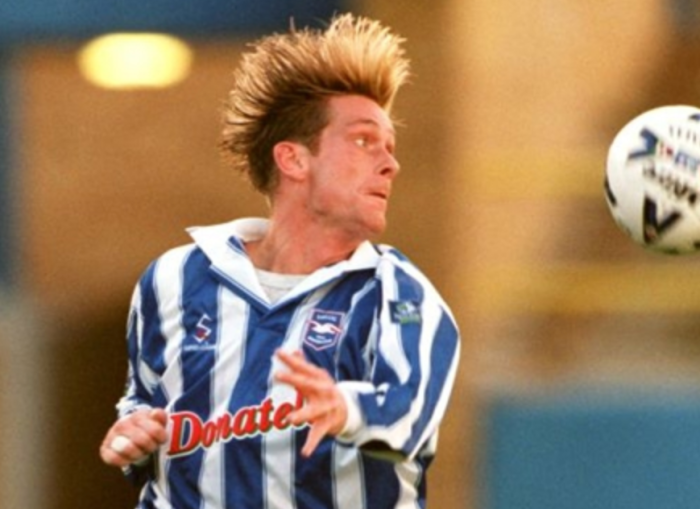


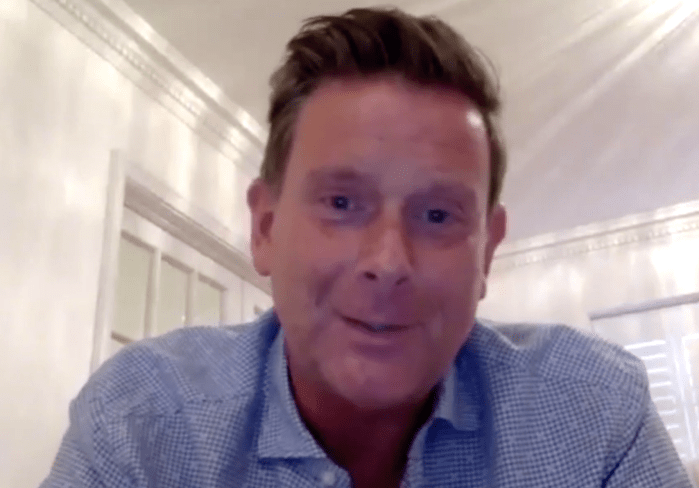



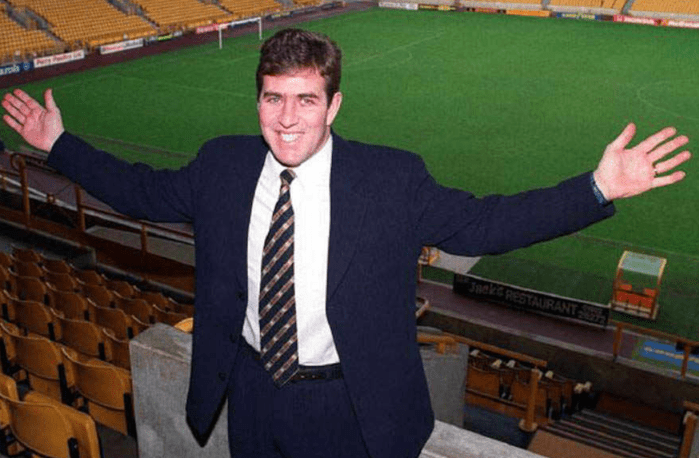


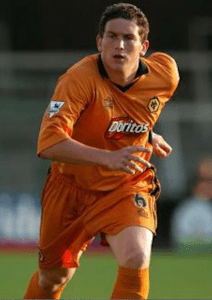
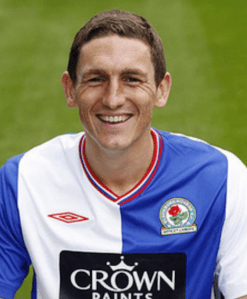

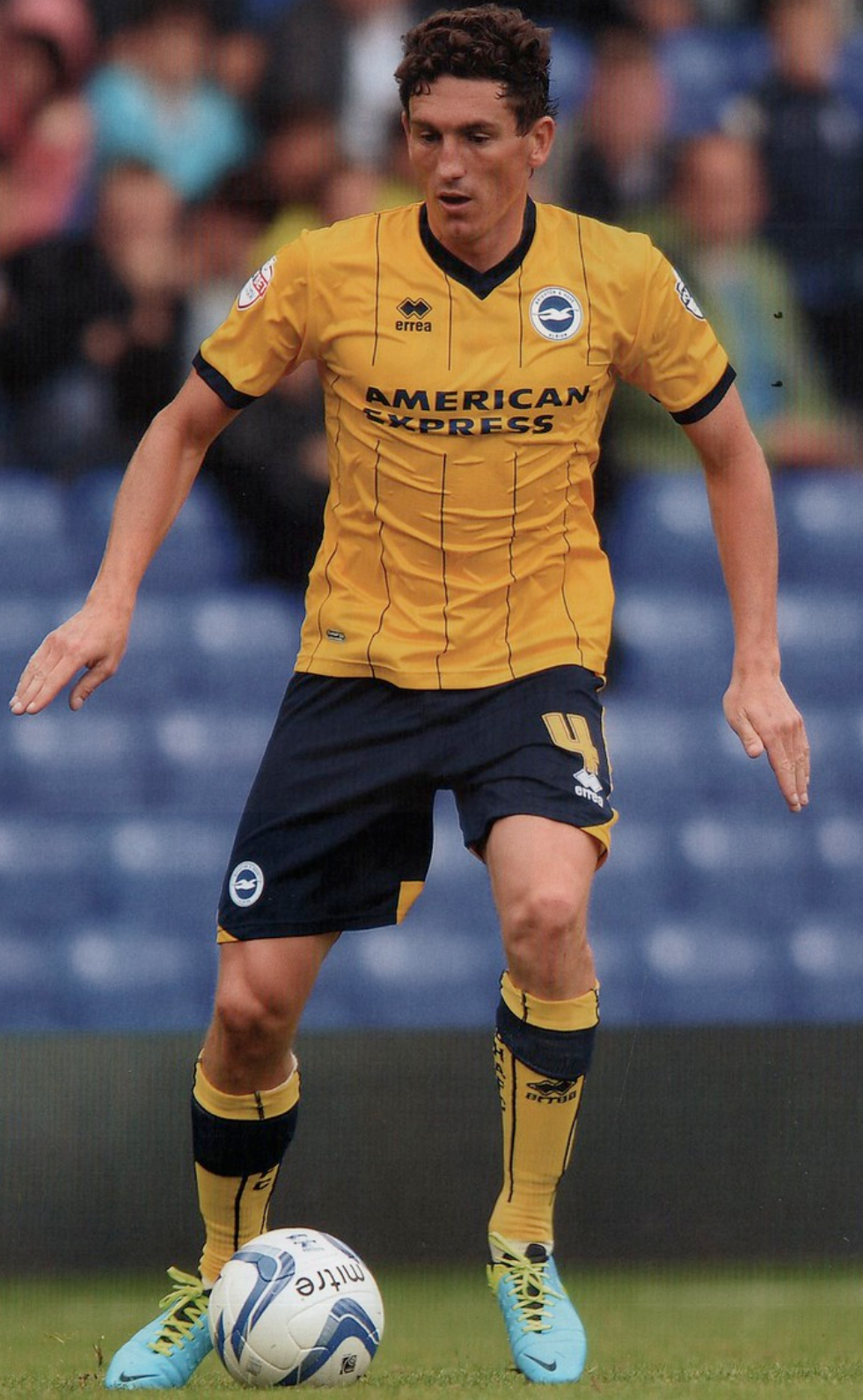
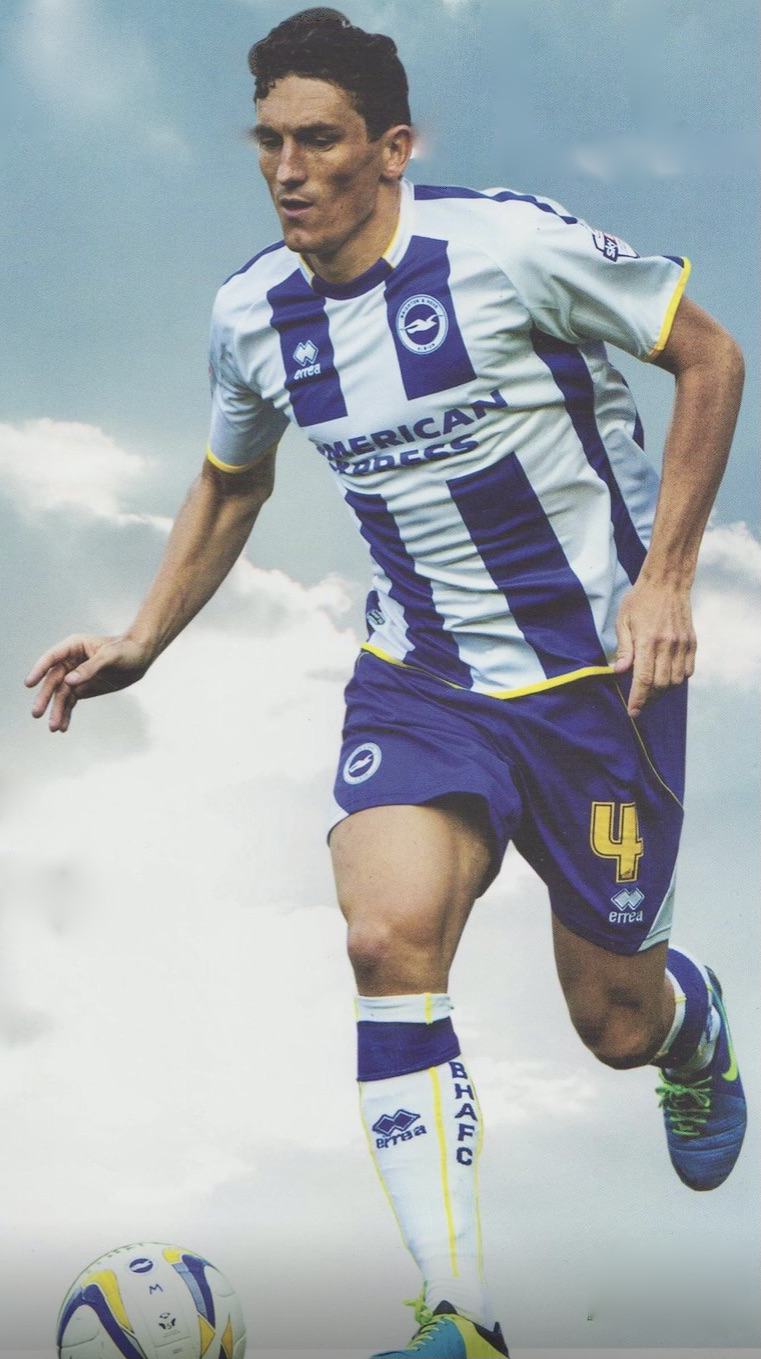

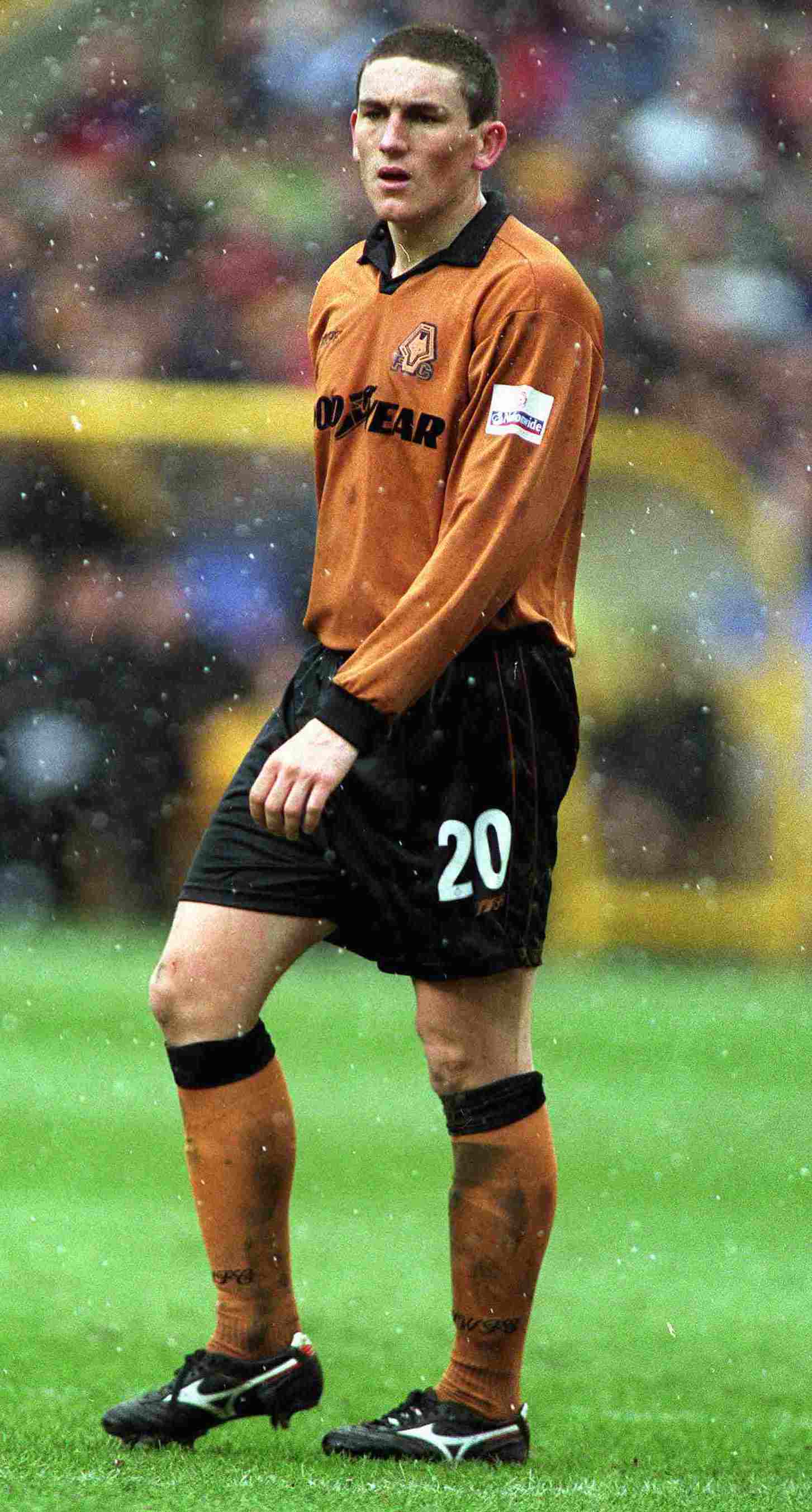
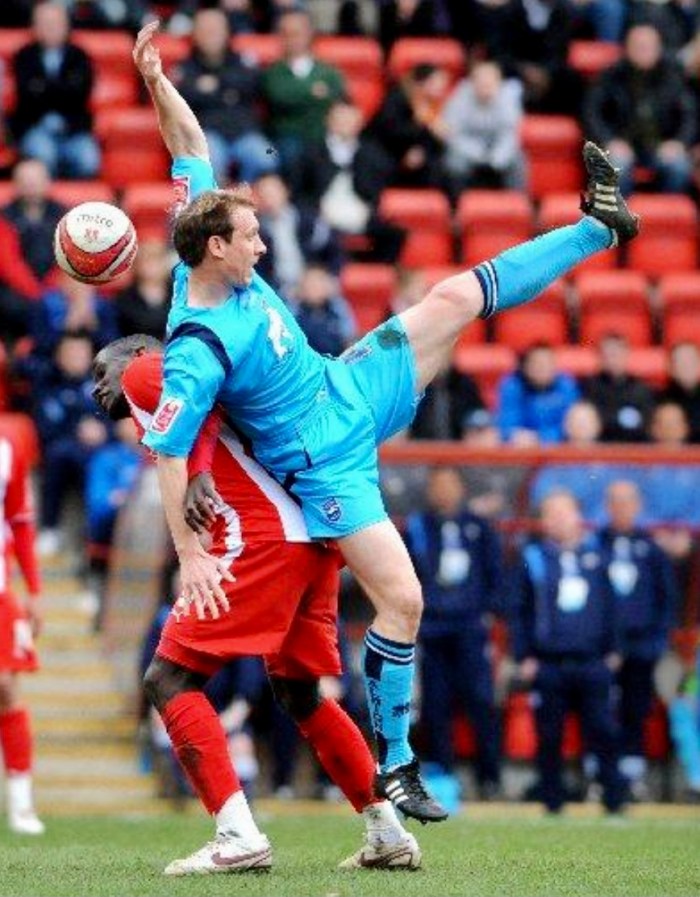
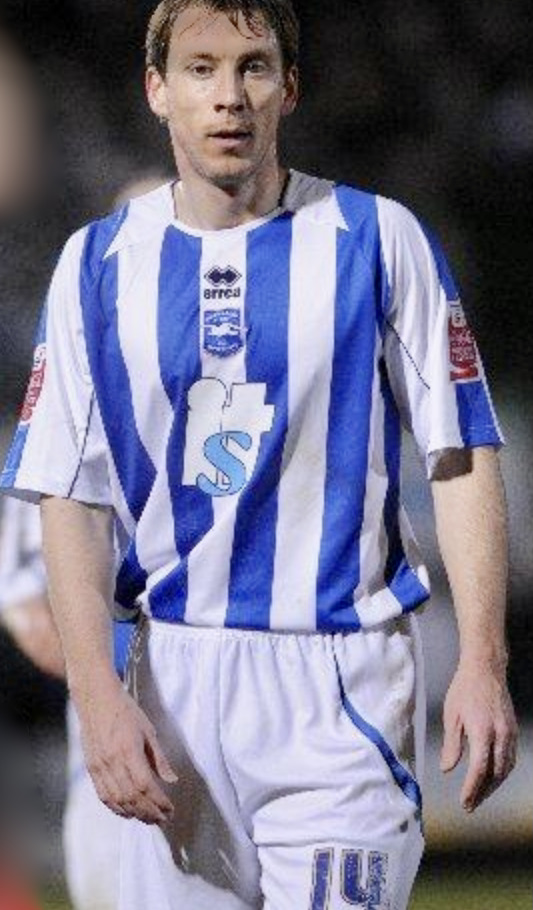

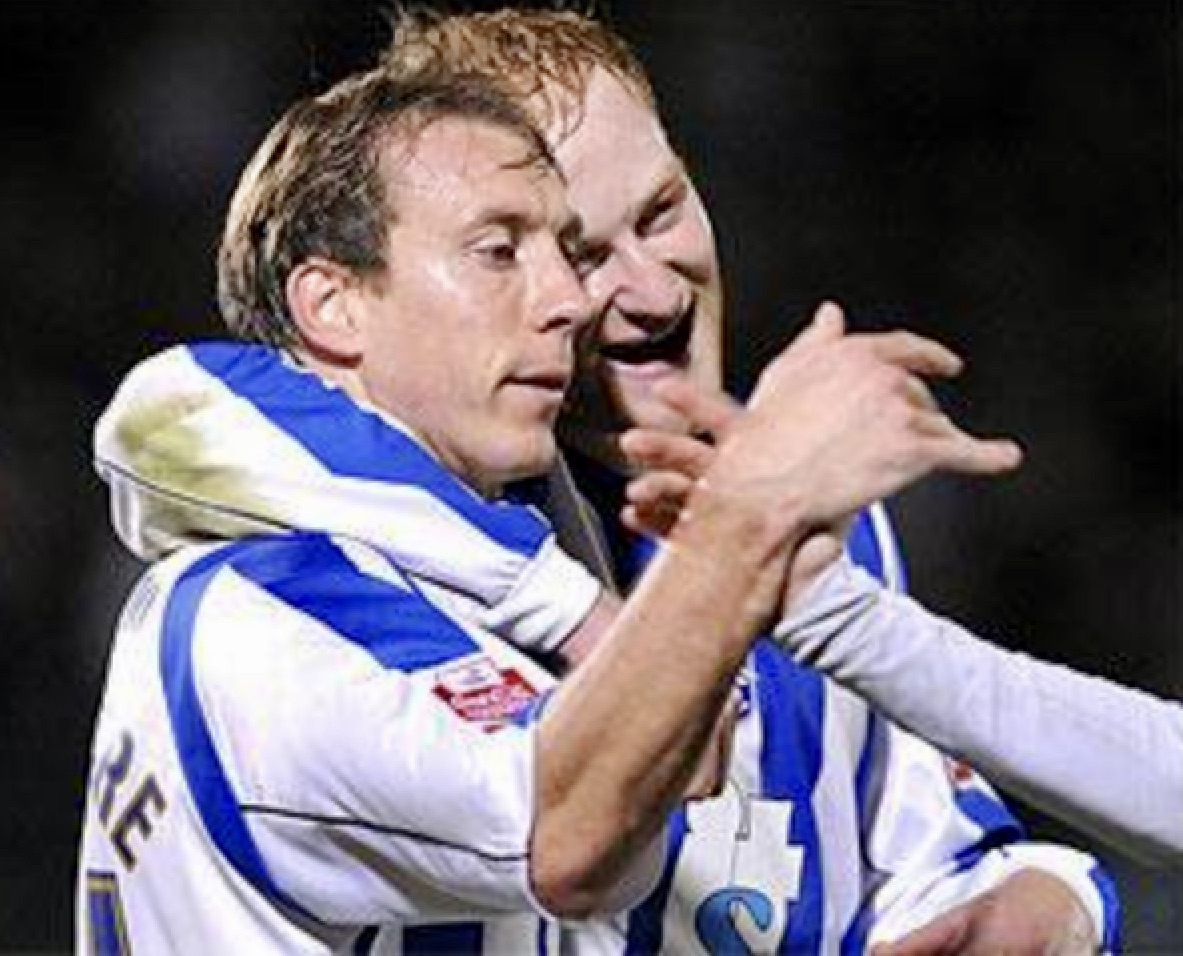
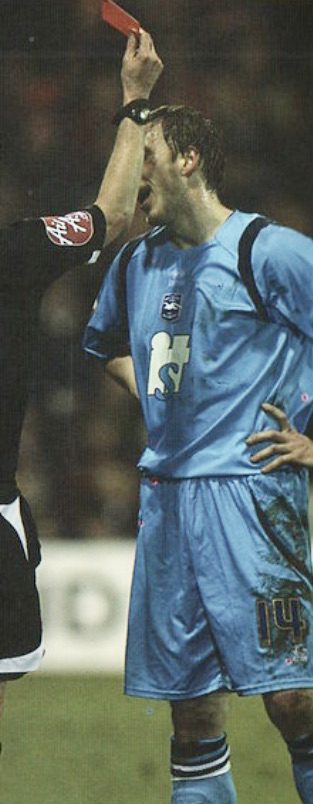


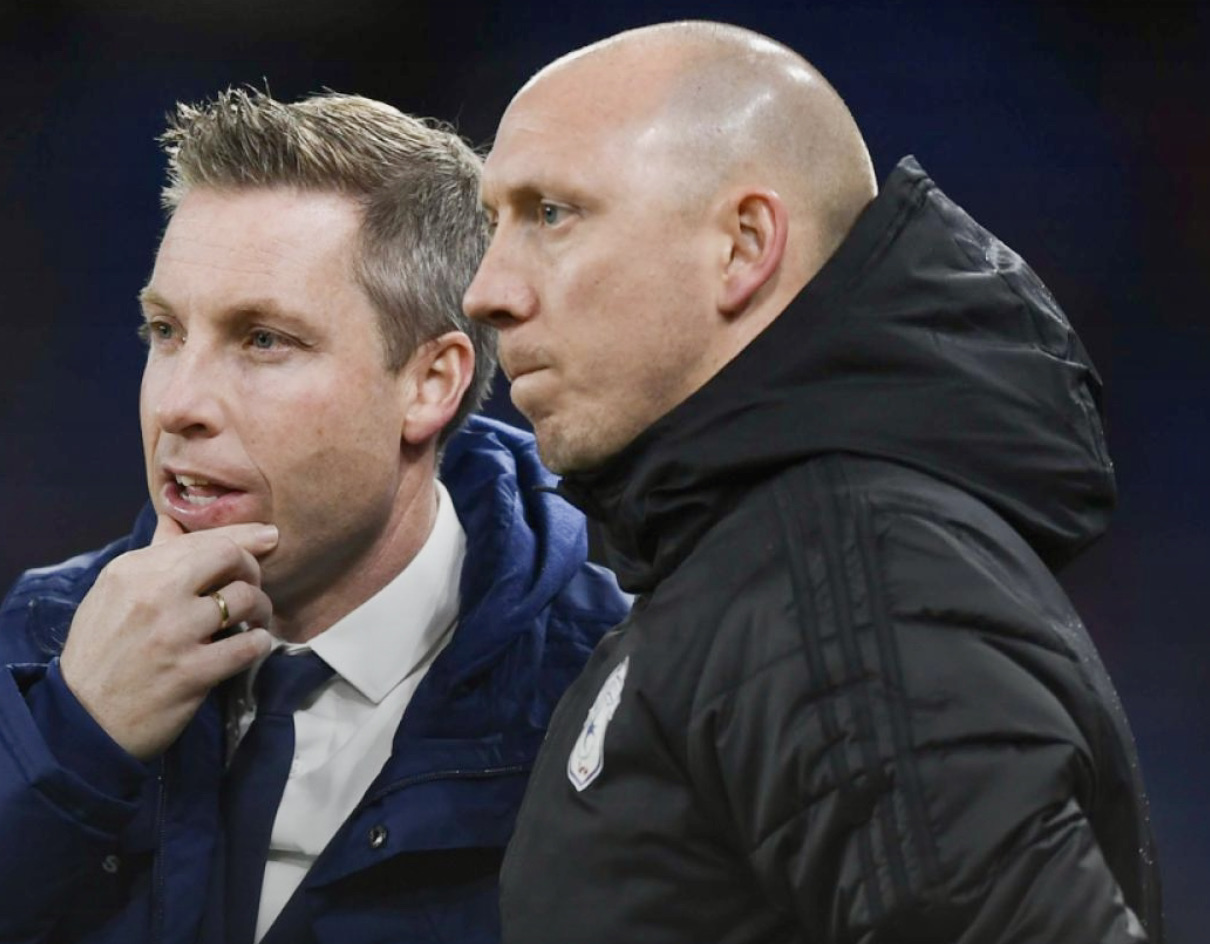


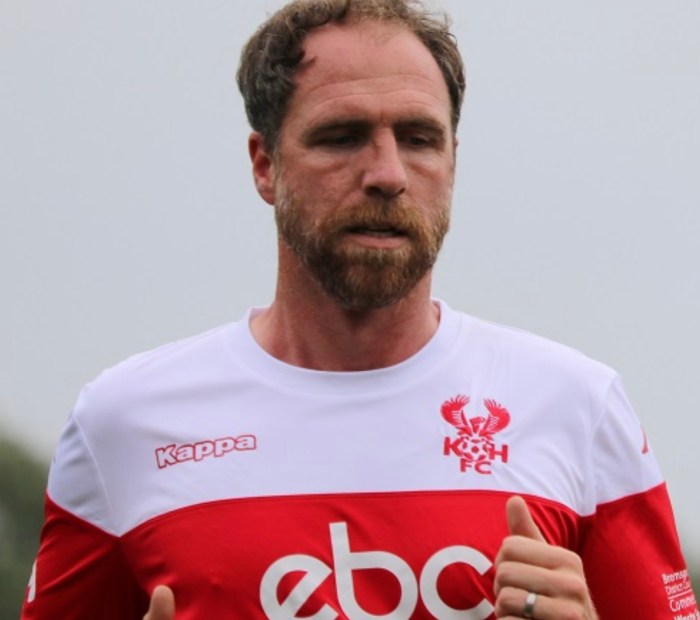

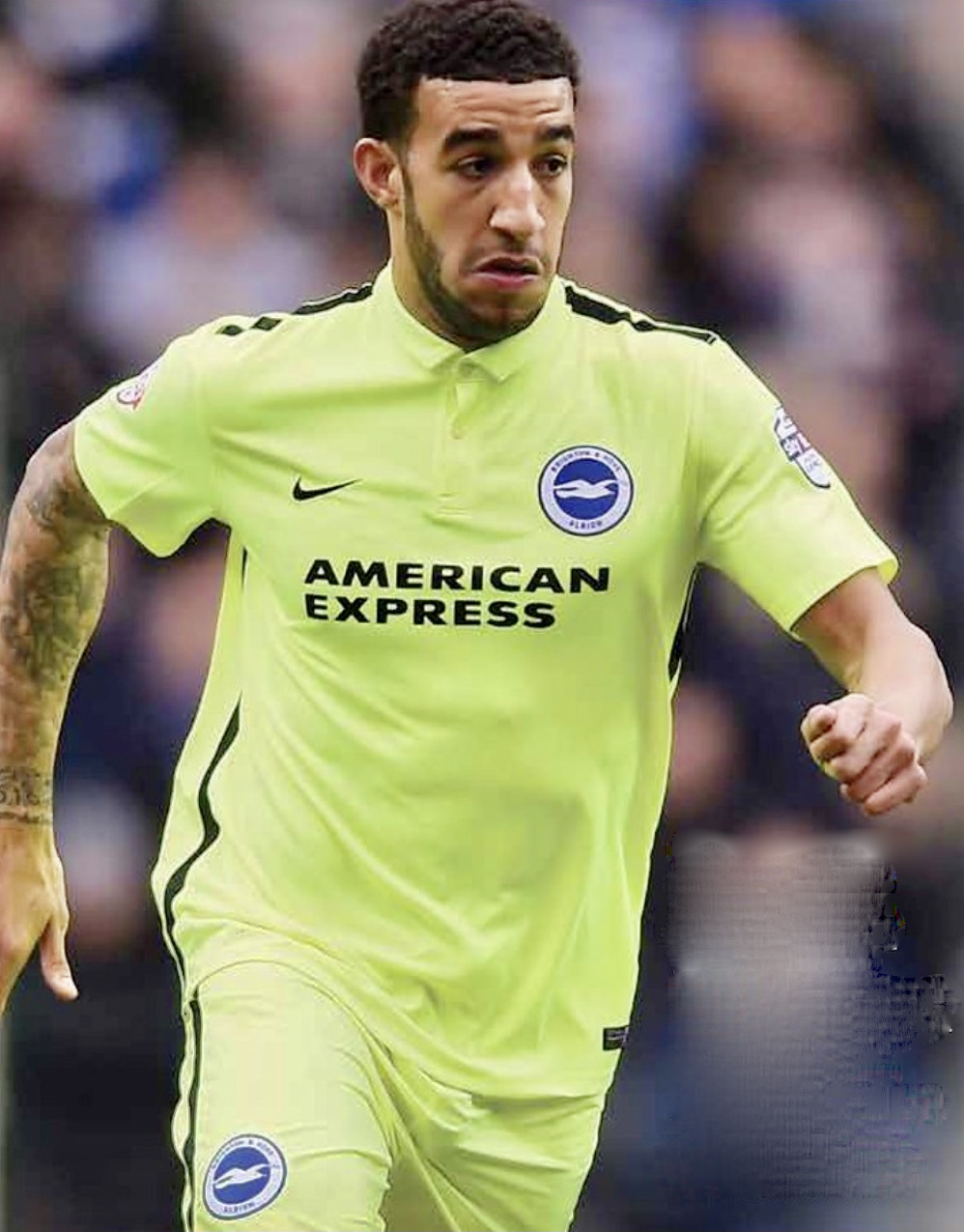
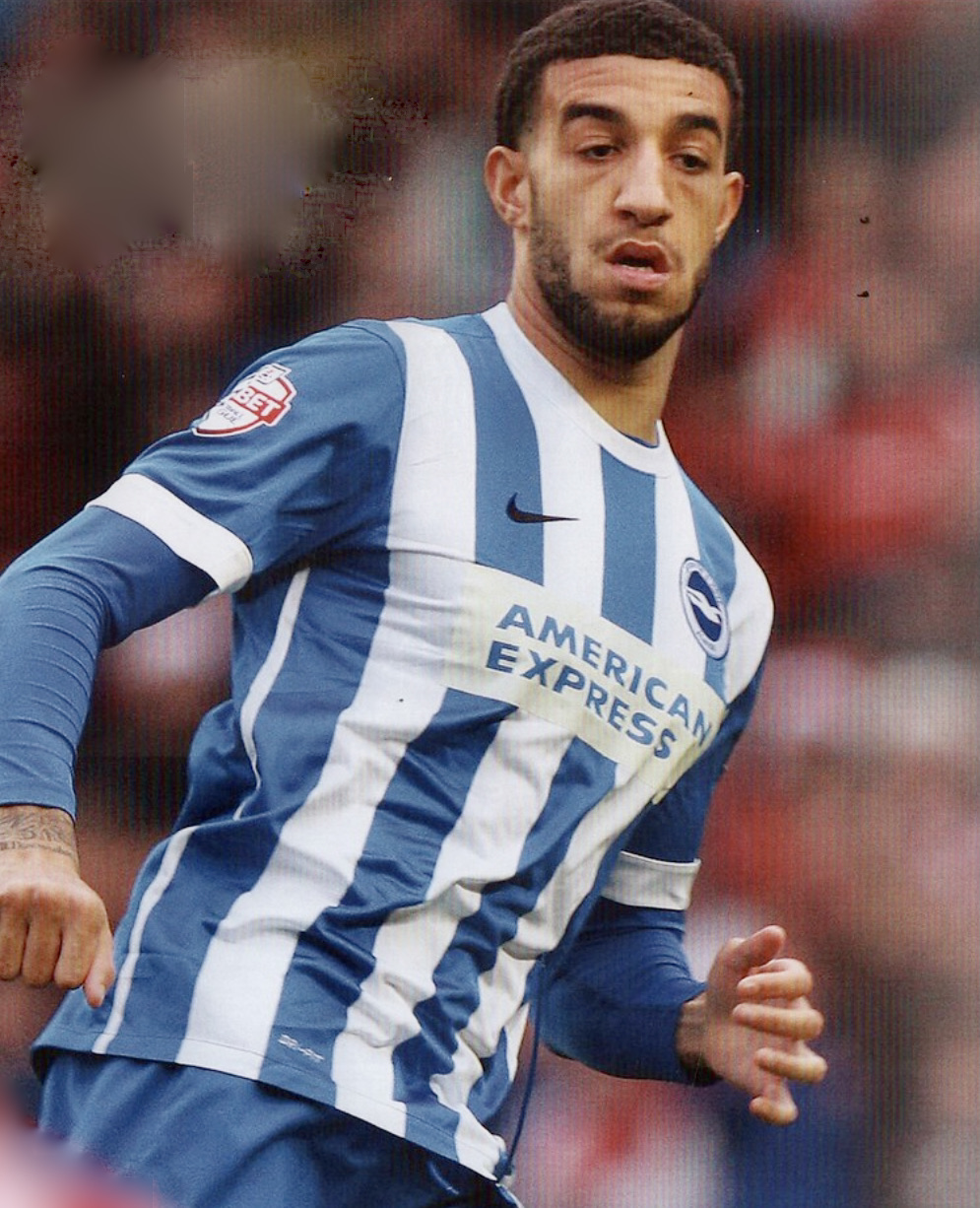


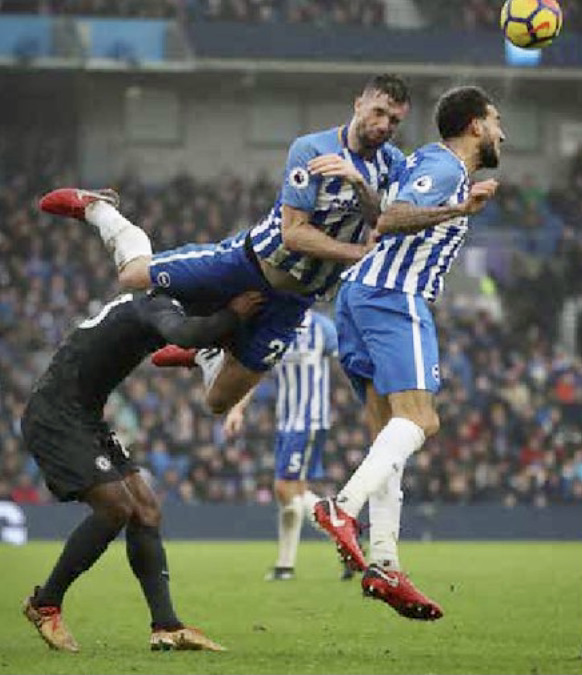


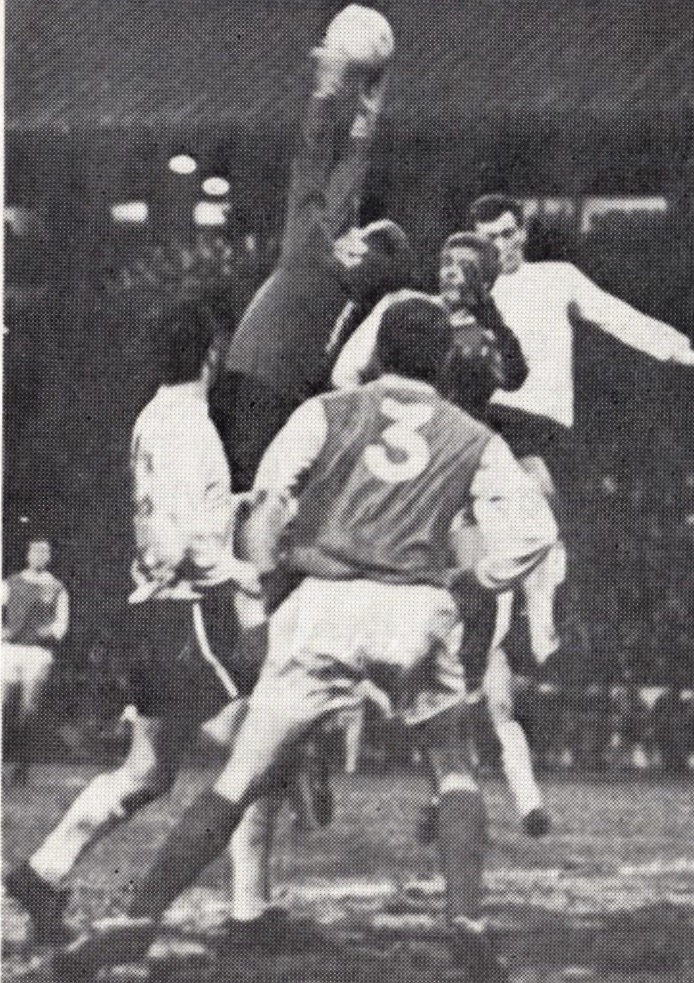

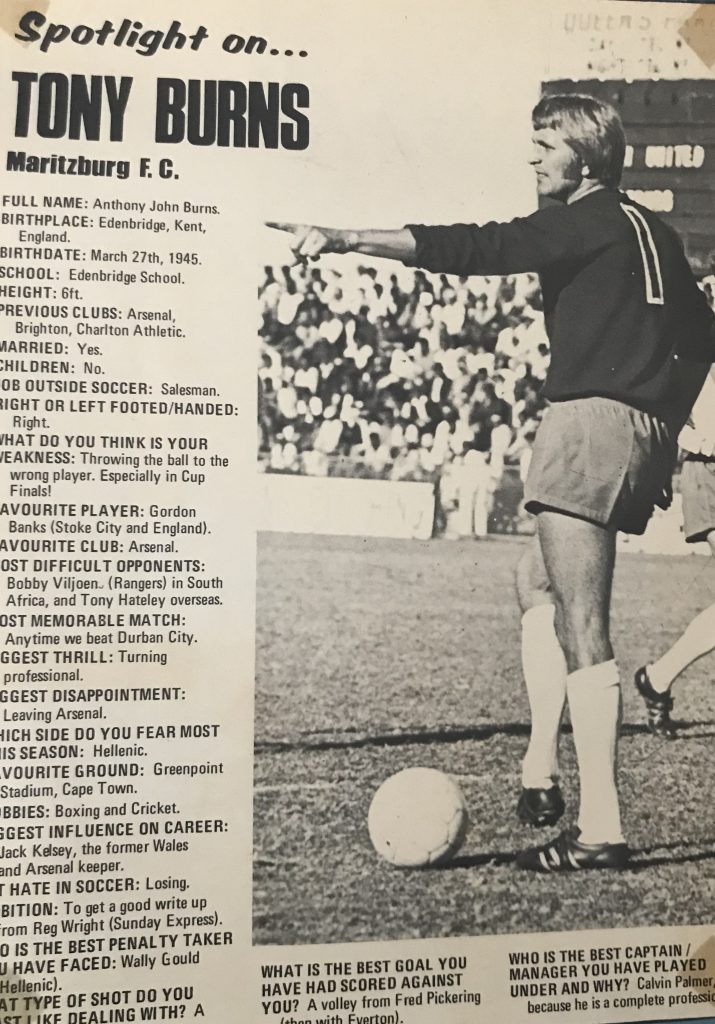
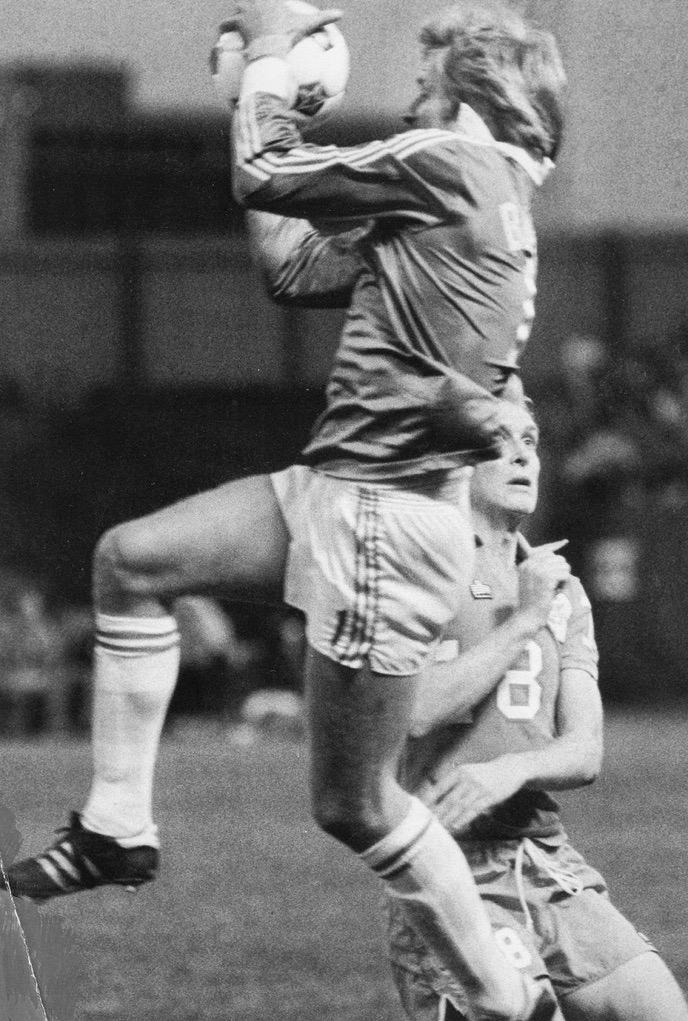

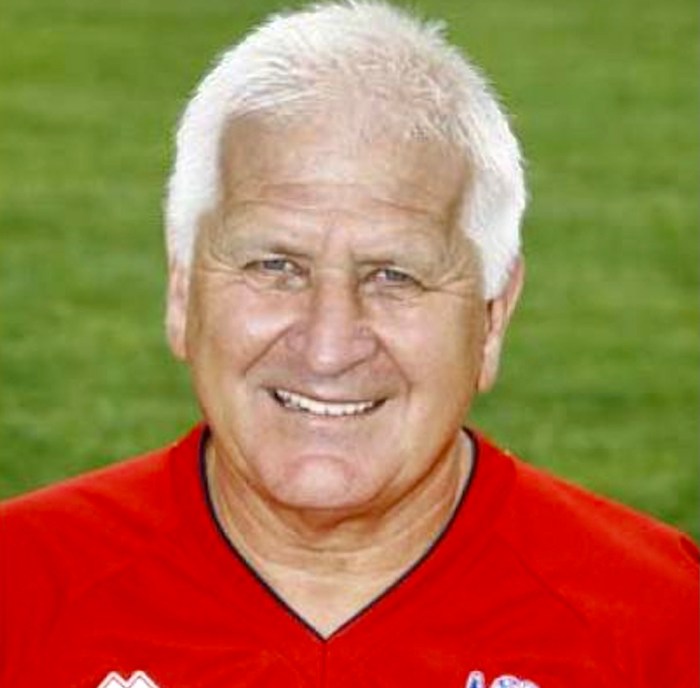
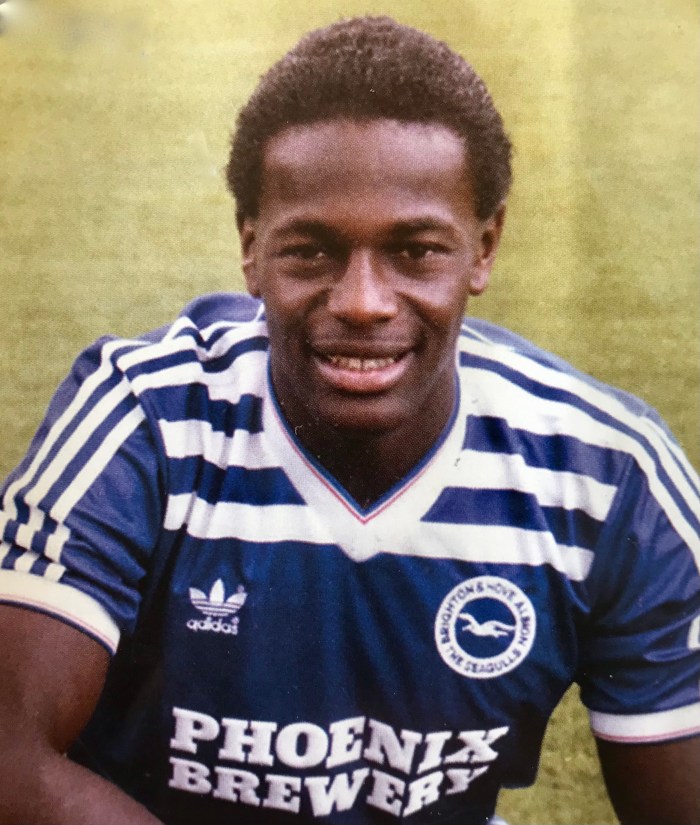


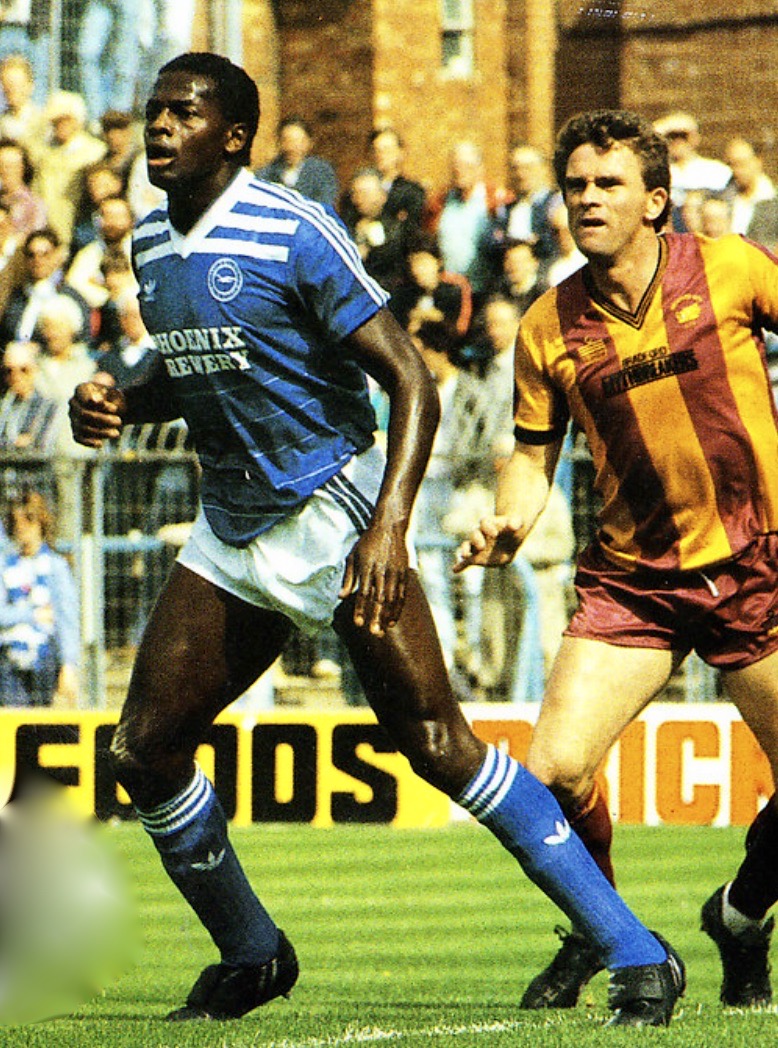

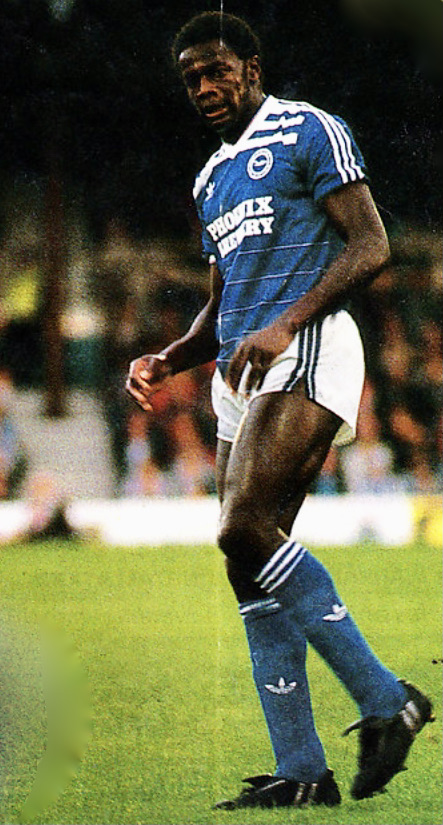

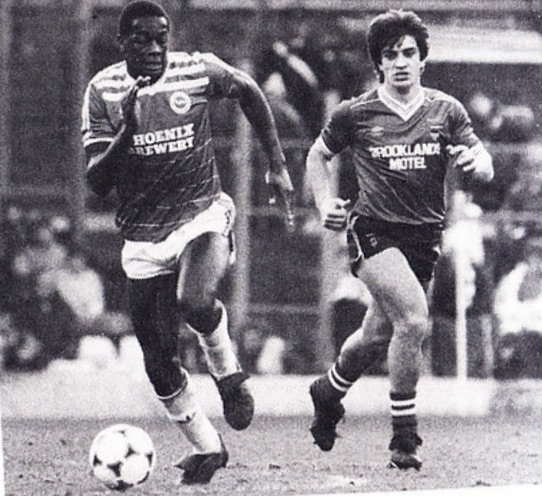
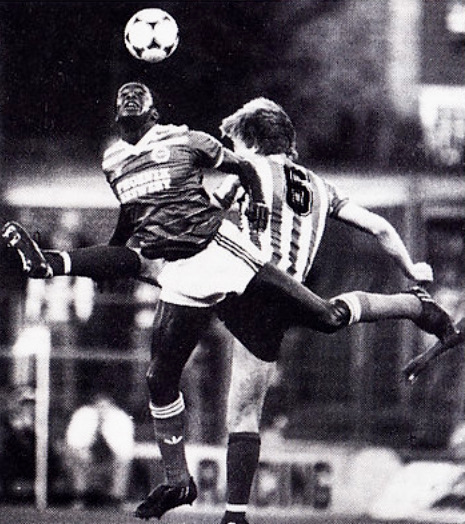


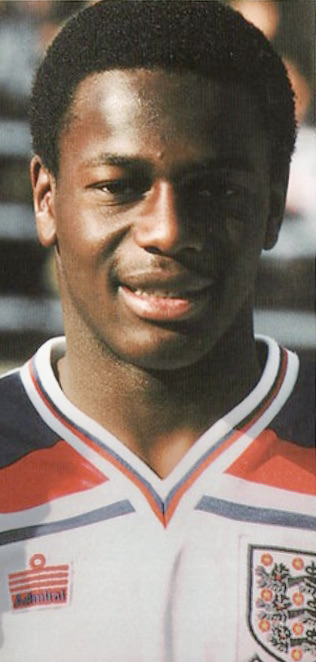






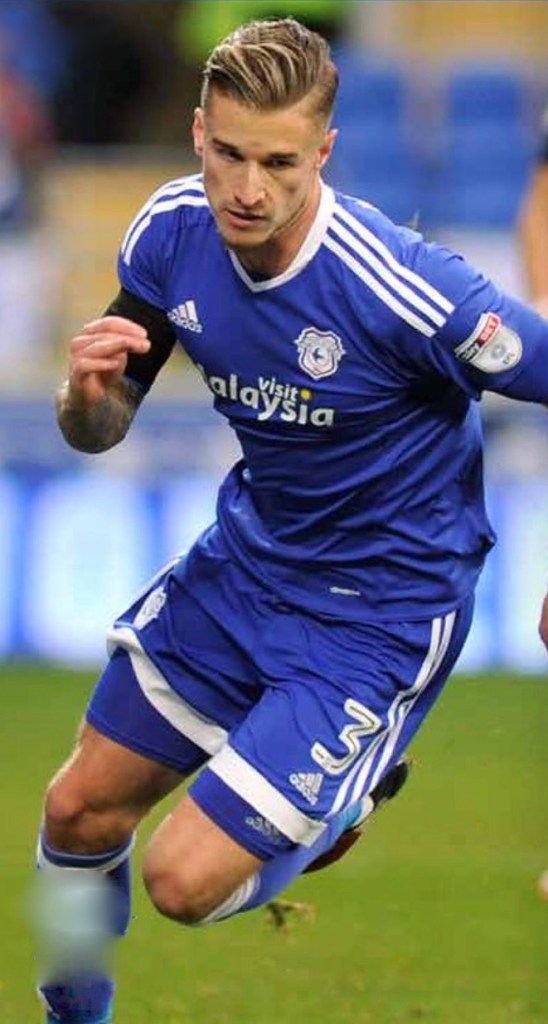
 In parallel lines