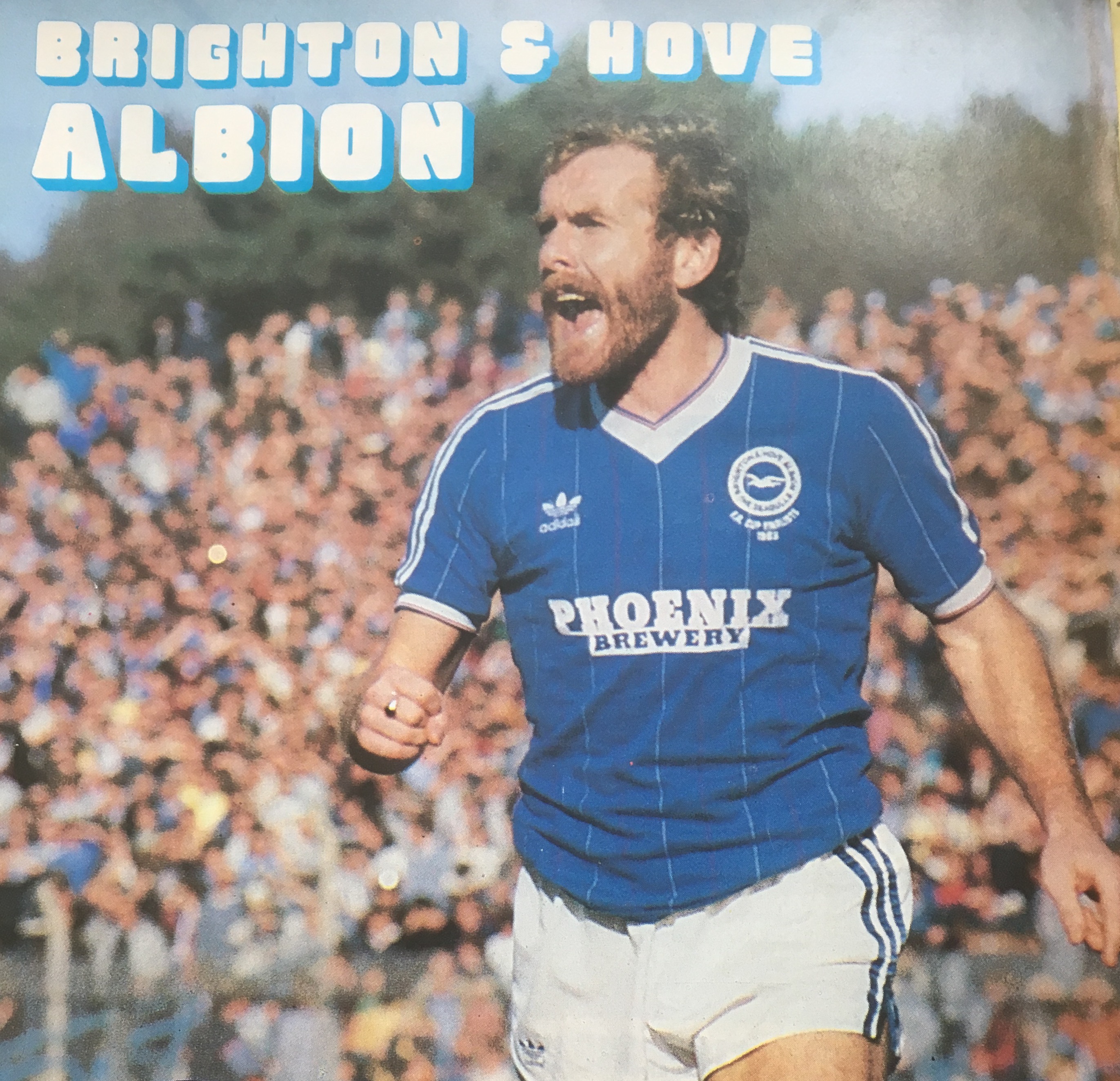
‘Film star’ defender Osman’s cameo role for the Seagulls

RUSSELL OSMAN achieved lifelong fame for his appearance in the much-shown 1981 prisoner of war football film Escape to Victory but 17 appearances for Brighton in the latter stages of his career have largely been forgotten.

A cultured central defender who played in the same side as Jimmy Case at Southampton won 11 England caps at the peak of his game when a key part of Bobby Robson’s Ipswich Town side of the early 1980s.

He was 36 by the time he arrived on a monthly contract at third-tier Albion in September 1995 and what was happening on the pitch at that time was largely overshadowed by events off it.

News was emerging that the Goldstone Ground had been sold, leading to manager Liam Brady quitting in disgust in November 1995, passing on the reins to Case, who very reluctantly took on the job.

With Steve Foster and Stuart Munday struggling with injury, Brady brought in the experienced Osman to play alongside Paul McCarthy. His debut came in a 4-1 Auto Windscreens Shields game away to Cambridge United, the first of 12 successive games before Munday returned towards the end of November when Osman picked up a hamstring injury.
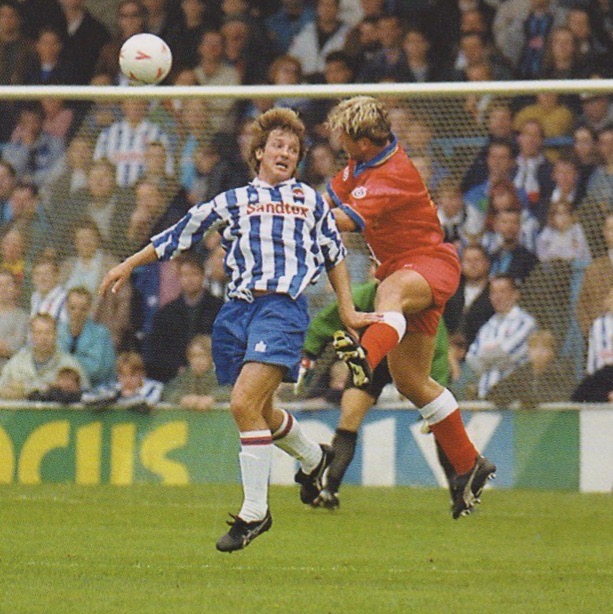
Meanwhile, Case pointed out in his first programme notes as manager, for the FA Cup game at home to Fulham on 14 December: “There is no secret he would still like to get back into management and we are happy to leave his position as it is on a month-to-month basis.”

Osman was back in the side for the 1-0 Boxing Day win away to Brentford and kept his place for the next two matches. But with Ross Johnson taking on the no.5 shirt, Osman got only one more start: in a 0-0 draw away to Hull City. He made one appearance as a sub in place of McCarthy and was twice a non-playing sub. As he turned 37, he took the opportunity to switch to Cardiff City, which, as the match day programme noted, was a lot closer to his Bristol home.

Born on 14 February 1959 in Repton, Derbyshire, Osman eventually followed in his dad Rex’s footsteps in becoming a professional footballer (Osman senior played for Derby County in the ‘50s), but it was rugby at which Russell excelled during schooldays at Burton on Trent Grammar. So much so that he played for England at under 15 level and captained his country as an under 16.

However, the sports-mad youngster also played football for his village team and when they reached the final of the Derby & District Cup, he was watched by Bobby Robson’s brother Tom, who lived in the area. “He came down and watched the game, we won the final and the next thing I knew I had a call from Ipswich to go on trial,” Osman said in an interview with the East Anglian Daily Times. “The rest is history. They were very good at getting kids to go on trial and they went that extra mile to make sure we were looked after and treated well.”

Osman recalls many aspects and anecdotes of his career on a blog, Golf, Football and Life, and he said he would be forever grateful for the dedication shown by Ipswich’s youth team coach, Charlie Woods, who became Robson’s right-hand man throughout his career.

“Charlie used to drive from Ipswich to my dad’s pub in Repton on a Friday to pick me up and take me back down to Ipswich, putting me up for the night in his and Pat’s house, just so that I could make the game on a Saturday morning,” he wrote. “I doubt that you would get many coaches who would make an eight-hour round trip just to get a schoolboy to a game.”

Osman became an apprentice at Portman Road in July 1975 and signed on as a professional in March 1976. Eventually, he and Terry Butcher took over the centre back roles previously filled by Northern Ireland international Allan Hunter and England international Kevin Beattie.

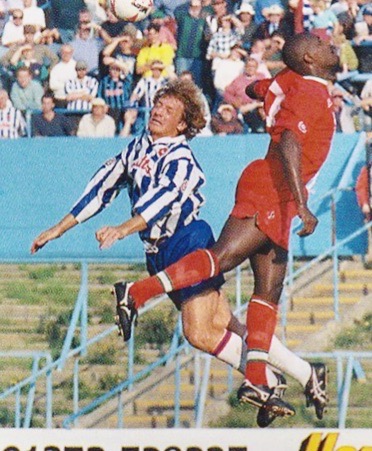
Osman in action for Ipswich against Arsenal’s Liam Brady, later to become his boss at Brighton

The 1980-1981 season was certainly momentous in Osman’s life. He played in 66 matches (including four for England) over the course of the season as Ipswich won the UEFA Cup, finished runners-up in the old First Division and reached the semi-finals of the FA Cup.

For a large part of the season, Town looked like they would win the First Division title for the first time since 1962 under Alf Ramsey but only three wins from the last 10 matches meant they had to settle for second place, four points behind Aston Villa.

At the end of the season, Robson asked the squad if any of them fancied spending the summer playing more football to help make a feature film. Osman and teammates John Wark, Kevin O’Callaghan, Robin Turner, Laurie Sivell, Paul Cooper and Beattie jumped at the chance and spent five weeks in Budapest making Escape to Victory, directed by the legendary John Huston.
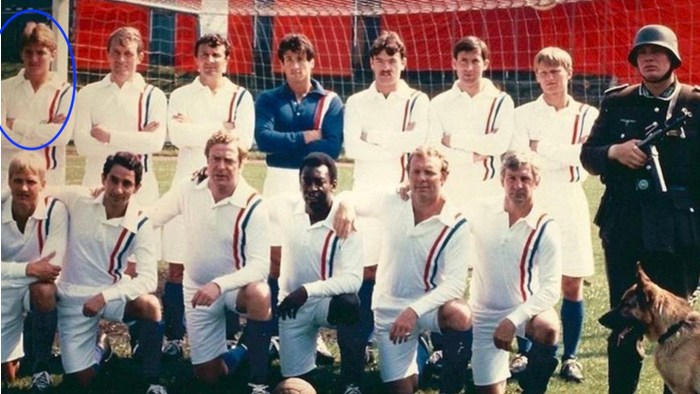
The Escape to Victory football team which featured Osman (back, left)

Osman played the part of prison camp inmate Doug Clure and he has since talked and written about the experience, in July 2021 remembering the experience in an interview with a BBC reporter. Osman recounts how the Ipswich lads and other professionals such as Bobby Moore, Pelé, Mike Summerbee and Ossie Ardiles played football scenes alongside established actors Michael Caine and Sylvester Stallone.

Beattie was Caine’s ‘double’ in the football scenes and Cooper helped Stallone with goalkeeping skills. Turner and Sivell played for the German team and Osman, Wark and O’Callaghan had speaking roles.

“Michael was brilliant, he made all the lads feel at home on set by telling a few funny stories and taking all the tension out of the situation,” said Osman. “I managed to deliver my lines and we were off and running, literally.”

Osman’s first international football recognition came for England under 21s in February 1979 as a substitute for Billy Gilbert in a 1-0 win over Wales at Swansea. In September the same year, he got his first start at that level alongside his Ipswich teammate Butcher (in a 1-0 win over Denmark at Vicarage Road).

The first of Osman’s 11 full England caps came on 31 May 1980, in a 2-1 win v Australia in Sydney which was the game in which Peter Ward made his one and only appearance for the full England side, appearing as an 82nd minute substitute for Alan Sunderland.

Osman was 21 at the time and he went on to play in five competitive matches and five more friendlies, rather curiously only playing for his country on home soil three times, and only being on the winning side twice, both times against Australia.

Osman did make a couple of appearances for the England B side: on 26 March 1980 he played in a 1-0 win over Spain at Roker Park, Sunderland (Joe Corrigan was in goal) and later the same year, on 14 October, he was in the B team that beat the USA 1-0 at Old Trafford.

He had been in Ron Greenwood’s provisional squad of 40 for the 1982 World Cup but was not included in the final 22, Albion’s Foster getting the nod instead as reserve centre back.

Osman’s last international was on 21 September 1983, when England lost 1-0 to Denmark in a Euro 1984 qualifier, by which time his former club manager Robson had taken over from Greenwood, who’d given Osman his first six caps.

Although Ipswich challenged at the top of the First Division in 1981-82, they once again finished four points behind the champions, this time Liverpool, and after Robson left to take on the England manager’s job, the side was gradually broken up. Osman and Eric Gates both left in 1985.

After making 385 appearances for Town, Osman signed for Leicester City for £240,000 where he played 120 games under three different managers: Gordon Milne, Bryan Hamilton and David Pleat.

When the Foxes dropped down to the second tier, it was Southampton, and manager Chris Nicholl, who gave Osman – at 29 – the chance to play at the top level again.

A tribunal-determined fee of £325,000 took him to The Dell where he made his debut in the opening match of 1988-89, a 4-0 win over West Ham. He initially partnered Kevin Moore at the heart of their defence, then later Neil Ruddock.

“At Southampton I played just behind the great Jimmy Case, and what an experience that was,” Osman recalled. “Every day there would be something that made you smile about playing with Jimmy; well, it did if he was on your side anyway. Hard as a rock, cute and clever as a footballer, better than people gave him credit for, a wonderful passer of the ball. Sometimes his playing ability was overshadowed by his extravagances off the pitch!”

The Southampton FC player archive enthusiastically records Osman’s time with the Saints, which was largely successful at first. With Alan Shearer, Rod Wallace and Matt Le Tissier scoring the goals, the side finished seventh in the table. But they couldn’t sustain that success the following season and Nicholl was sacked. Writer Duncan Holley on sporting-heroes.net recalled: “One of the manager’s last actions had been to sanction the signing of Jon Gittens from Swindon and Russell had been displaced for the final run in.”

Nicholl’s successor, Ian Branfoot, picked Osman at left-back for the opening four games of the 1991-92 season but, as Osman told Ian Carnaby in a 2007 interview: “The day Ian Branfoot walked through the door, my Southampton career was over. All those years I’d been a centre-half, but he thought I’d make a good left-back.”

Osman joined Bristol City on loan initially before making the move permanent for a £60,000 fee, and he put down roots in the city. After about a year as a player, manager Jimmy Lumsden was sacked and Osman, as a senior player, was asked to take temporary charge.

However, Denis Smith, sacked as Sunderland boss in December 1991, took over at City in March 1992, with Osman named player-assistant manager. In a 2020 Facebook interview, Osman somewhat sharply said: “Denis Smith didn’t last too long because he wasn’t a very good manager, so they offered me the job.”

That happened in January 1993 and he remained in the manager’s chair at Ashton Gate just short of two years. He steered City to mid-table finishes in 1993 and 1994.

A look through City fans’ forum One Team In Bristol (otib.co.uk) reveals mixed opinions about Osman’s time in charge although some believed he was dealt a raw hand by the Ashton Gate hierarchy. It was said he was dismissed after the directors called him in and said they wanted European football within 10 years. Under Osman’s successor, Joe Jordan (appointed in November 1994), the Robins were relegated.

One significant highlight from Osman’s City reign was leading them to a shock 1-0 win at Anfield in a FA Cup third round replay in January 1994, a result which brought an end to Graeme Souness’ time as Liverpool manager.

Hailed as “the class of ‘94 etching their names into the club’s roll of honour” the achievement was apparently masterminded in the club’s canteen a few days earlier when Osman and his assistant Tony Fawthrop decided to deploy Brian Tinnion just behind the strikers instead of out wide, and he ended up scoring the only goal of the game.

After Osman’s departure from Ashton Gate, his next stop was Plymouth Argyle, where his old Ipswich teammate Steve McCall was a key player in Peter Shilton’s side.

When Shilton left, McCall took charge of the Pilgrims for two months as temporary player-manager, then Osman took over the running of the side for the last few weeks of the season. However, because of an ongoing legal case with Bristol City, Osman couldn’t be given the title manager or receive payment. He was known as ‘adviser of team affairs’. The arrangement didn’t last, though, because Argyle appointed Neil Warnock as manager that summer.

It was three months later that Osman took up Brady’s offer of a return to playing with Brighton. After moving on from the Goldstone in February 1996, Osman signed for Cardiff City as a player.

Team manager Phil Neal left to become Steve Coppell’s assistant at Manchester City in October 1996, director of football Kenny Hibbitt took charge for a month, then Osman ran the side for a month. He took the managerial reins in time for a first-round FA Cup clash with non-league Hendon. The Bluebirds made hard work of a 2-0 win, but earned a second-round tie against Gillingham, which they lost 2-0.

Osman remained working under Hibbitt until January 1998 when, according to one observer, he “departed due to draw fatigue” (over the season, City drew an astonishing 23 matches out of 46, only winning nine times) and was replaced by the returning Frank Burrows.

Direct involvement in the game has since been sporadic. He and Kevan Broadhurst were appointed as caretaker managers of Bristol Rovers until the end of the season on 22 March 2004 but they were only in charge for just over a month as former Oxford United boss Ian Atkins was appointed manager on 26 April.

Three years later, former Southampton teammate Paul Tisdale recruited Osman as interim assistant manager and, between February 2011 and August 2013 he was assistant academy coach back at Ipswich when ex-Albion striker Sammy Morgan was the academy manager.

Osman had a hand in Ipswich taking on Tyrone Mings. Mings was playing for the same non-league Chippenham team as Osman’s son Toby and Osman senior recommended him to Town boss Mick McCarthy, as he explained to the East Anglian Daily Times.

After he left Ipswich, Osman embarked on a co-commentator / pundit career covering Indian football, initially working alongside the veteran commentator John Helm. It involved travelling extensively in India although he was latterly based in a Mumbai studio – until Covid-19 restrictions intervened.

One brief hiatus to that career came in the summer of 2015 when he was invited by his old Ipswich defensive partner, Butcher, to be his assistant at Newport County. Unfortunately, the partnership was short-lived. They were sacked just a few months into the new season after a string of poor results.

Pundit Osman meets up with ex-Albion boss Steve Coppell, boss of Kerala Blasters

Aside from sharing his views on Indian football, ever the all-round sportsman Osman is a keen golfer, cyclist and runner, and espouses the energy and recovery powers of a juicing diet, having fresh vegetable juice and fruit juice smoothies every day.

Osman uses his blog to cover a variety of topics, he has 5,100 followers on Twitter, and, during lockdown in 2020, took part in an interesting online interview with India-based The View and Reviews Show.
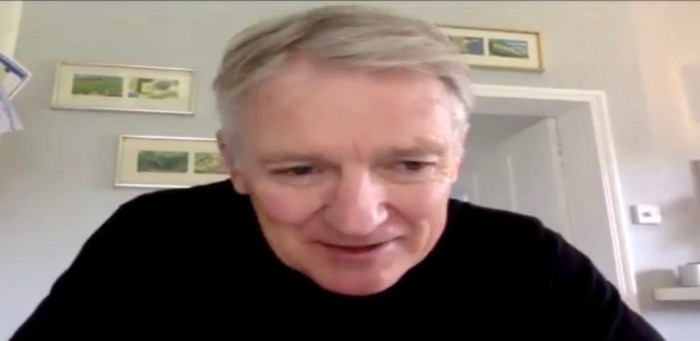
Osman shares thoughts about his career and the wider game in an online interview

“I have worked in the media for 20 years now,” Osman said in an interview for Kings of Anglia magazine. “I worked for Eurosport, starting prior to the Euro 2000 championships and I go a long way back with them and the BBC. I also started working in India through a contact I made at Eurosport about 15 years ago.”

Pictures from a variety of online sources, and matchday programmes.

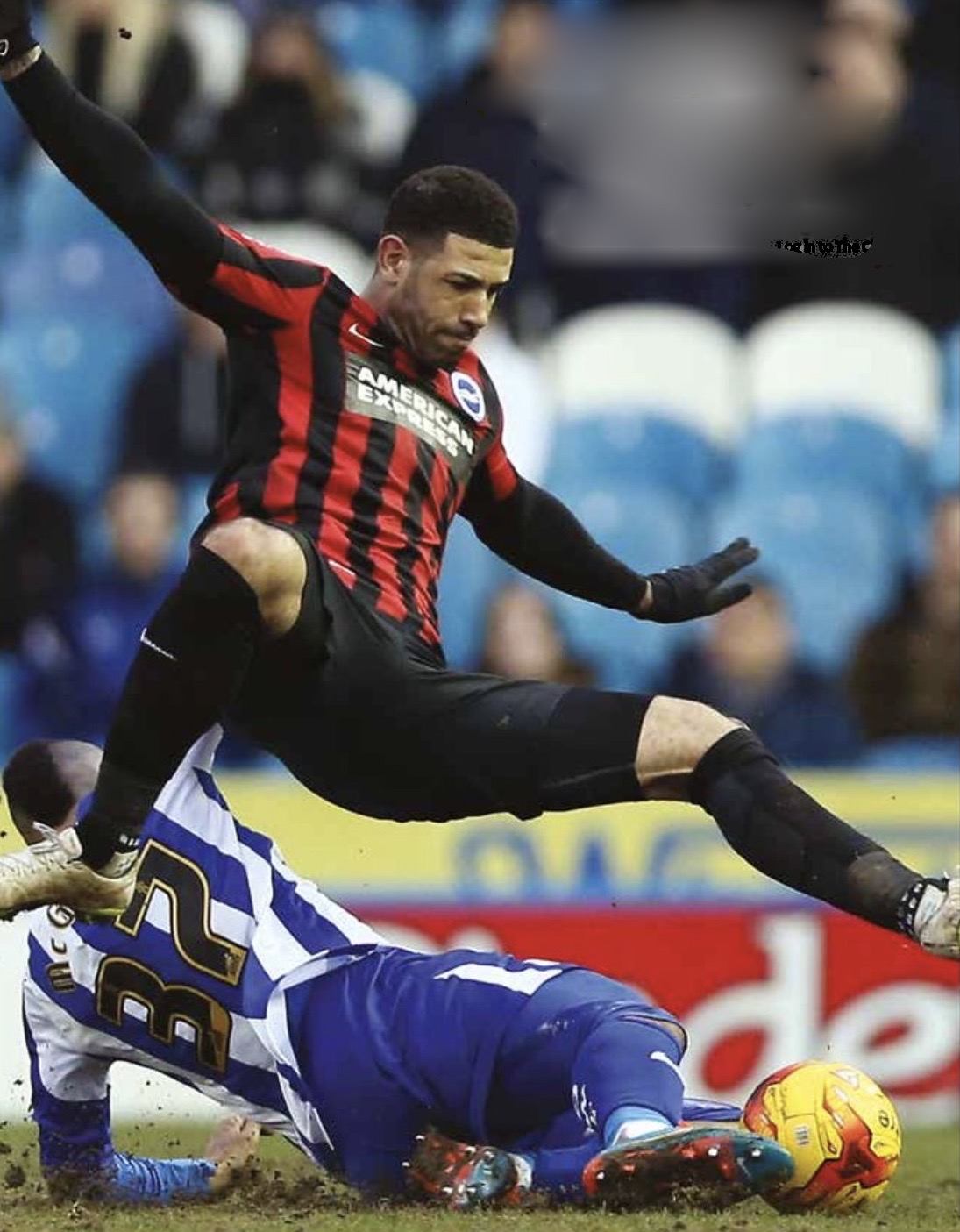
Irish defender Stephen Ward surprised Albion supporters

SWARDWHEN Wolverhampton Wanderers slipped into the third tier, they urgently needed to loan out some of their higher-paid players – hence, in August 2013, the arrival at Brighton of left-back Stephen Ward.

Most Seagulls supporters were not sure of his attributes having had the pleasure the previous season of watching the imperious Wayne Bridge shine in that position while on loan from Manchester City.

However, Albion fans were delighted to be proved wrong after Ward helped to shore up a defence that had leaked seven goals in the first eight days of the season. The Irish international defender went on to make a total of 47 appearances and was runner-up to Matt Upson as Albion’s 2013-14 player of the year.

Ward also chipped in with four goals, including the tide-turning equaliser at Nottingham Forest on the final day of the season.

Forest equaliser

Although injury-hit Albion failed to get past Derby County in the play-off semi-finals, it was thought Ward would sign permanently for the Seagulls that summer. But Burnley stepped in, offering Wolves and the defender more money, not to mention the more immediate chance of Premier League football.

Ward’s agent, Scott Fisher, later told the Argus that dithering or perhaps a bit of brinkmanship by then head of recruitment David Burke had scuppered the deal.

“We really tried our best to make Stephen Ward a permanent Brighton player. Had they done their business earlier this wouldn’t have happened,” he said.

Ward spoke more about the circumstances in an interview with the Argus in April 2016.

Previously, as the season drew to a close, Ward told the Argus: “If I’m going to move on, I don’t see why this wouldn’t be one of the better options for me. I’ve been here for a year; I’ve really enjoyed it.

SW Argus

“I couldn’t say one bad thing about the club. The crowd we get, the stadium we have is phenomenal, probably the best in the Championship, and with the new training ground the club is on a real up and a real high.

“If I was to move on from Wolves, Brighton would definitely be high on the list. It’s not in my hands, it’s going to be in other people’s hands to discuss the future, but it has been a great move for me. I’ve really enjoyed it. It’s a really good club and one people should be privileged to play for.”

Ward went on to spend five years at Turf Moor, making 110 appearances, but only featured 11 times in the 2018-19 season, and manager Sean Dyche told punditarena.com: “He (Ward) has been brilliant for us, absolutely brilliant, he’s done a fantastic job.”

SW BurnPerhaps it was no surprise that former Albion coach Nathan Jones stepped in to sign the experienced defender for Stoke City, where he’d taken on an often-perilous managerial hotseat.

Jones said: “He’s had a fantastic career, the only downside for him is his age, because he isn’t what we normally go for.

“But I feel we need to add certain things to the changing room and the environment and Stephen brings those.

“He’s a wonderful player, a great character, very experienced. He’s been promoted – won the Championship twice. He’s an Irish international, I worked with him, he’s technically very, very good so he ticks every box. It’s just the aging process is the only drawback.

“With Stephen, he’s a specialist in what we need and he will provide vital competition and good strength in that area.”

Unfortunately Ward couldn’t claim a regular starting place and in December 2019 picked up a calf injury which sidelined him for four months. Having made only 17 appearances for City, in August 2020 he switched to League One Ipswich Town on a free transfer.

After playing 29 games for them in the 2020-21 season, the club announced on 5 May 2021 he would be released at the end of the season (one more appearance would have triggered a 12-month extension to his contract).

Born in Dublin on 20 August 1985, Ward grew up in Portmarnock and, as a schoolboy, played football for Home Farm and Portmarnock before joining League of Ireland side Bohemians.

He attributed his eventual success in making it as a player to staying in Ireland when he was younger and continuing to live at home rather than going to play at a UK club’s academy.

In an excellent lengthy interview with the Irish Independent, he said: “I had a few trials – Leicester a couple of times, I went to Aston Villa a lot and Hibs for some reason – nothing worked out and I signed for Bohs. And the most important thing for me then was living at home and having my family around me.

“It does depend on the academy, but you are in a bubble from a young age. You train in a certain way, everything is done for you; I know you get your jobs, but not that many now, and sometimes there is a mentality that once you are in an academy, you’ve made it. I was 17 and played in a league where players were playing for their mortgages and to put food on the table.”

Originally a forward, he scored 26 goals in 93 appearances, and, having been looked at by Sunderland boss Mick McCarthy and deemed not quite ready, McCarthy kept tabs on him when he took over at Wolves.

“I signed for Wolves as a striker,” Ward told the Irish Independent. “I was not a typical number nine, scoring 20 or 30 a season, but an old-fashioned centre-forward running round, closing down.

“We signed a couple of strikers – Sylvan Ebanks-Blake and Chris Iwelumo – and I knew if I was going to play consistently it was probably not as a centre-forward. So, I went to left-wing for a bit.

“I played at left-back at Norwich for 30 minutes or so when we went down to nine men. We scraped a draw and afterwards Mick said, ‘You could make a career playing there.’ I thought, ‘Yeah, whatever’. Next season, three games in, and new left-back George Elokobi suffers an awful injury, the window was shut and Mick had no one else . . .”

On the international stage, Ward played through the age levels for the Republic of Ireland and had a dream full international debut in May 2011 as he scored in a 5-0 win over Northern Ireland.

He went on to play 50 times for his country before announcing his retirement from international football in March 2019.

Goal-shy journeyman striker Leon Best drew derision

FOR SOMEONE purporting to be a striker, Leon Best fired blanks at a good many of the clubs he played for.

Such was his time at Brighton where he failed to get on the scoresheet in 13 games (six as a starter, seven as a substitute).

When he featured for AFC Bournemouth in the third tier, he fared slightly better. He managed three goals in 14 starts plus three as a substitute when on loan from Premier League Southampton during the 2006-07 season.

The somewhat derogatory phrase ‘journeyman’ was tailor-made for the likes of Best, who appeared for 13 different league clubs, failing to score for five of them and only registering double figure tallies at three.

Brighton supporters, on the whole, are normally supportive of anyone who appears for their team, but feelings boiled over at Best’s apparent lack of desire when pulling on the Seagulls stripes.

He was part of the struggling 2014-15 side which narrowly avoided the drop from the Championship, and I recall him being booed when he came on as a substitute at the Amex. On reflection, of course, such derision was unlikely to improve his demeanour.

The keyboard warriors of North Stand Chat weren’t slow to vent their anger, with one correspondent suggesting: “We’ve not seen much in the way of desire, endeavour, hunger or appetite from someone you would hope feels he has something to prove.”

Chris Hughton had not long been in the manager’s chair when he was casting around for players to help Albion climb away from the foot of the table.

Perhaps not unreasonably, he turned to a player who’d scored goals for him in the Premier League during his time at Newcastle United.

Hughton told the Argus: “I know Leon very well, having signed him during my time at Newcastle and I am delighted to have him here.

Screen Shot 2021-06-10 at 14.55.50“He is a strong, physical presence, he knows the Championship and knows the position we are in. We wanted new faces, to freshen up the squad, and Leon will add competition alongside our existing strikers.

“I signed him previously at Newcastle. I know he can be a very good player and he did very well for me both in the Championship and Premier League. He also had a very good spell with Newcastle after I left the club.”

Best scored 10 in 46 games for the Magpies but, at his next club, Blackburn Rovers, he managed only two in 16, hence them sending him out on loan.

While Best had scored five in 16 playing on loan at Sheffield Wednesday in 2013-14, he scored a big fat zero in 20 games for Derby County earlier in the 2014-15 season so perhaps expectations should not have been high when he arrived at Brighton on 20 January 2015.

Nevertheless, Hughton told Brian Owen: “I am very pleased he is here. He gives us another attacking option and I hope he can produce the same form he did for me when we worked together at Newcastle.” In short, he didn’t.

Born in Nottingham on 19 September 1986, his first steps into the professional game came with his local side Notts County. When international recognition came calling, he chose to represent his mother’s birth country, the Republic of Ireland, and was capped at under 17, under 19 and under 21 levels before gaining seven full caps in 2009-10.

Southampton snapped up Best in 2004 and gave him his league debut aged 18, ironically against his future employer, Newcastle.

But opportunities were limited with the Saints and over the course of three years on their books they loaned him out to QPR, Sheffield Wednesday, Bournemouth and Yeovil Town.

In 2007, Best transferred to then Championship side Coventry City for £650,000 and arguably his most successful goalscoring spell came during his time there, as he netted 23 goals in 104 appearances over three seasons.

It prompted Hughton to spend £1.5m of Mike Ashley’s money to take Best to Tyneside on 1 February 2010.

Maybe the warning bells should have been sounding in those first few months on Tyneside when he didn’t register a goal in 13 Championship appearances and fell behind Andy Carroll and Peter Lovenkrands in the pecking order.

Although he managed a couple of goals in pre-season matches, the early part of the 2010-11 season was marred by a cruciate knee ligament injury. Nevertheless, when he returned to action in the January, he did it in some style, bagging a hat-trick in a 5-0 win over West Ham. He got a further three goals before injury ruled him out once again.

3490663In the following season, he went 12 games without scoring but in the summer of 2012, Blackburn Rovers paid £3m to take him to Ewood Park – only for him to pick up an anterior cruciate knee injury one month into the season, ruling him out of action for six months.
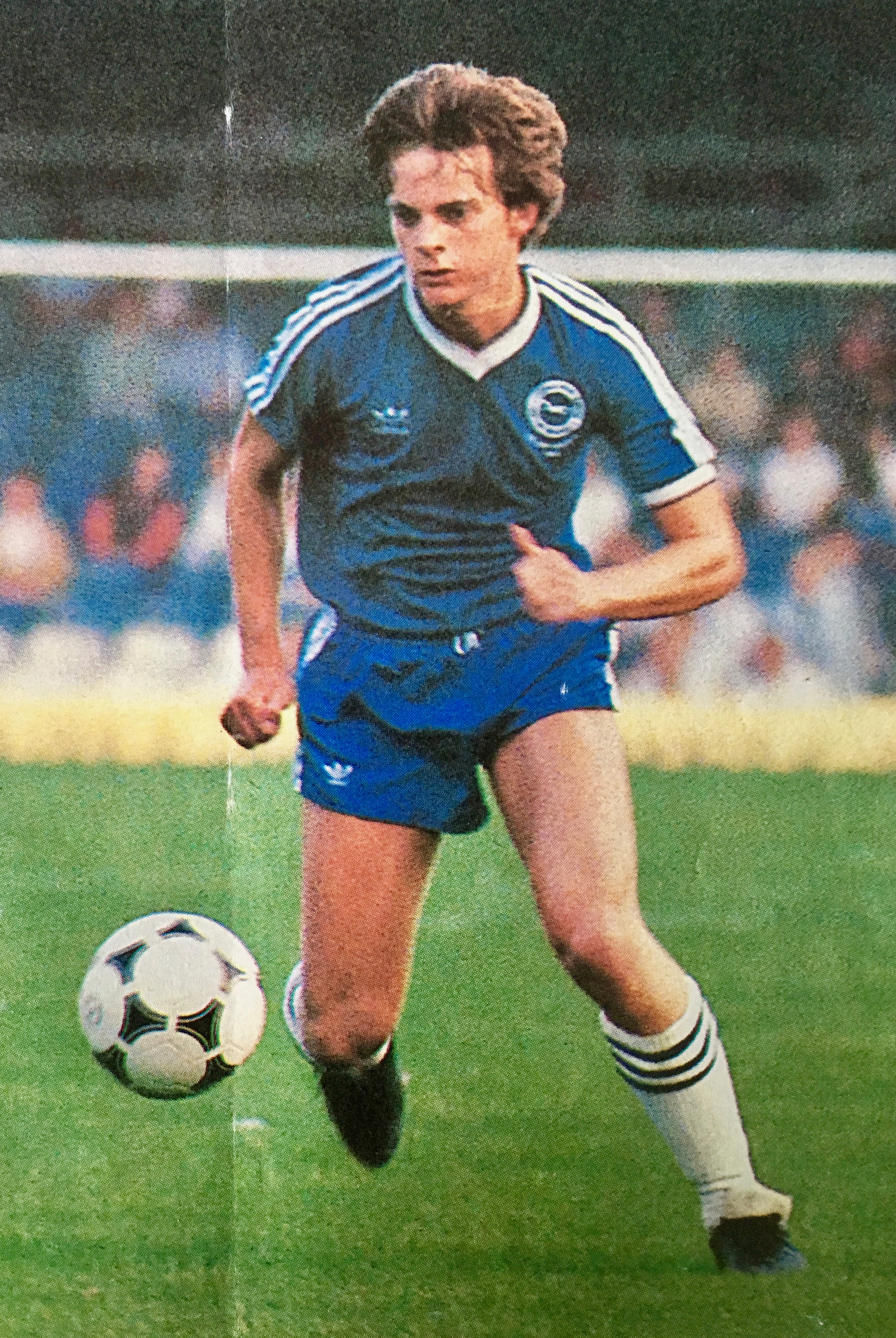
The temporary move to Brighton was one of three loans away from Blackburn before they finally released him by mutual consent in July 2015.

It wasn’t until November 2015 he managed to find another club, pitching up for six months at Championship side Rotherham United. When he couldn’t agree terms on a new deal with the Millers, he instead moved to Ipswich Town, ostensibly as a replacement for Daryl Murphy.

He made six starts and six appearances as a substitute without scoring and, by January 2017, manager Mick McCarthy had lost patience with him and declared he wouldn’t play another game for the club.

Released by Town in the summer of 2017, Best managed to secure a two-month deal with Charlton Athletic in November 2017 but he sustained a knee injury on New Year’s Day 2018 and hasn’t played since.

Cup Final was highlight for Irish rookie Gary Howlett

HowlettGARY HOWLETT is probably the least well remembered player of Brighton’s 1983 FA Cup Final side.
There were plenty of other characters, goalscorers and headline makers to detract from the contribution of a quiet lad from Dublin who almost sneaked into the side under the radar.

That Wembley appearance was only his 11th senior appearance in the Albion first team. Can you imagine?

And as the history books now tell us, he actually only made 26 more appearances for the Seagulls before being transferred to Bournemouth.

Born in Dublin on 2 April 1963, Howlett’s football career began at the famous Dublin-based Home Farm club, which produced dozens of footballers who went on to make names for themselves in England and Ireland; players like Paddy Mulligan, Mick Martin and Ronnie Whelan.

Howlett followed suit and had Manchester United and Coventry City keen to sign him. He chose Coventry because manager Gordon Milne made him feel more welcome. Unfortunately, just when he thought he had the chance of a first team breakthrough, Milne was sacked and his replacement Dave Sexton let him go as part of a cost-cutting measure that saw a dozen players leave the club.

In May 1982, he was back home in Dublin watching the FA Cup Final between Spurs and QPR on TV. Not in his wildest dreams did he imagine just a year later he would be playing in what was then a showpiece occasion watched by a worldwide audience.

Coventry’s youth team manager, John Sillett, had tipped off Mike Bailey about Howlett’s availability and the Albion took him on. Howlett was soon involved in first team training and believed he was on the verge of making the team away at Coventry, of all places, in early December 1982. But Bailey was sacked and it wasn’t until the beginning of March that Howlett finally made the step up.

He was a non-playing substitute for successive away games against Swansea City and West Ham and then, on 22 March 1983, newly-appointed manager Jimmy Melia gave him his first start, at home to Liverpool. And what a debut! The youngster scored as the Seagulls held the league leaders to a 2-2 draw.

With fellow Irishman Gerry Ryan sidelined by injury, Howlett kept his place in the team for a couple more games, sat out two, and then returned to the starting line-up.

Because Ryan was not 100 per cent fit, it was Howlett who got the nod for the FA Cup semi final match against Sheffield Wednesday. He then retained his place for the remaining six league games before being picked for the Cup Final itself.

That momentous match on 23 May 1983 was only 13 minutes old when the young Dubliner made a telling contribution to the game.

It was his chipped diagonal pass over Manchester United centre back Kevin Moran that found Gordon Smith, who arched a header past Gary Bailey to put the Seagulls in dreamland.

Howlett told the press after the match: “I saw Gordon at the back of the goal and just dipped it over Moran.

“I was dying to do something good out there and when the goal came I couldn’t believe it.”

Howlett told the Argus he wasn’t overawed by the occasion but had felt nervous when the national anthem was played.

“Until then all the lads were laughing and joking. It was a great atmosphere beforehand – very relaxed,” he said.

With Albion snatching a replay, Howlett, aged just 20, got to play on the hallowed turf a second time five days later, thus getting the sort of opportunity that eludes the vast majority of players throughout their entire careers.

He was subbed off on 74 minutes (Ryan replacing him) but the game was dead and buried by then anyway.

For Gary Stevens, that Cup Final was the stepping stone to a glittering career. Unfortunately for Howlett, it was the pinnacle and his career never subsequently reached such heights.

Interestingly, in a matchday programme interview with Spencer Vignes in 2004, Howlett reflected that he should have worked harder to ensure he built on that early success.

“Gary Stevens was only a year older than me. After the cup final, he knuckled down and said ‘I want more of this’. I just thought it was going to happen naturally. I didn’t realise I was going to have to work at it.

“That’s the difference between the likes of me and the real pros, people like Roy Keane. Nothing will get in their way.”

Only five years after those two appearances at Wembley, Howlett was turning out in front of 2,500 crowds at York City’s Bootham Crescent.

There had been one brief bright spot, though, and that came when he represented his country.

On 3 June 1984, he earned a full international cap as a 55th minute substitute in a 1-0 win against China.

That Republic of Ireland team also included Brighton teammates Tony Grealish and Ryan. Mick McCarthy was in central defence and the side was captained by Frank Stapleton.

In the season leading up to that, Howlett managed just 17 appearances, plus two as sub, and in the first part of the 1984-85 season he appeared just six times.

In December 1984, Melia’s replacement, Chris Cattlin, sold Howlett for £15,000 to the then Division 3 Bournemouth, where Harry Redknapp was the manager.

Among his teammates at Dean Court were future multi-club manager Tony Pulis and the much-travelled striker Steve Claridge.

Howlett spent four years with the Cherries, making 60 appearances, although he said he was never the same player after damaging his knee ligaments. In his final year, he was sent out on loan to Aldershot and Chester City. At Aldershot, former Seagull Michael Ring was among his temporary teammates.

Howlett at Aldershot

In January 1988, he made a permanent move to York City, and in three years playing in Division Four with the Minstermen, Howlett played a total of 119 games and contributed 13 goals.

He left them in 1991 and went back to Ireland to play for Shelbourne. He also played for Crusaders and was on the coaching staff of Bohemian FC.

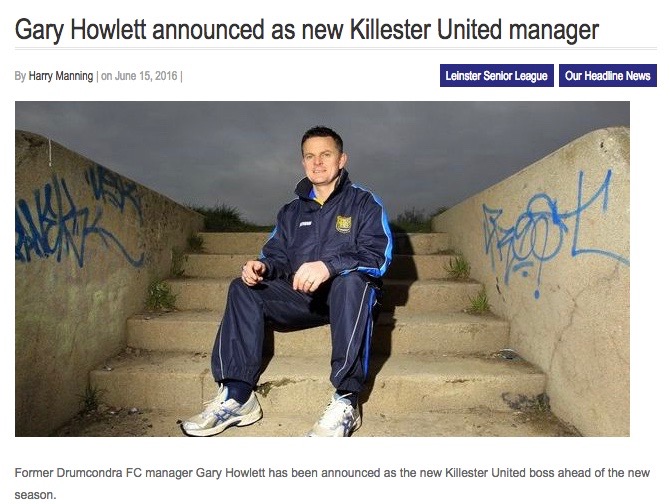
Howlett spent nine seasons as manager of Drumcondra in the Leinster Senior League, before switching to their rivals Killester United in 2016.

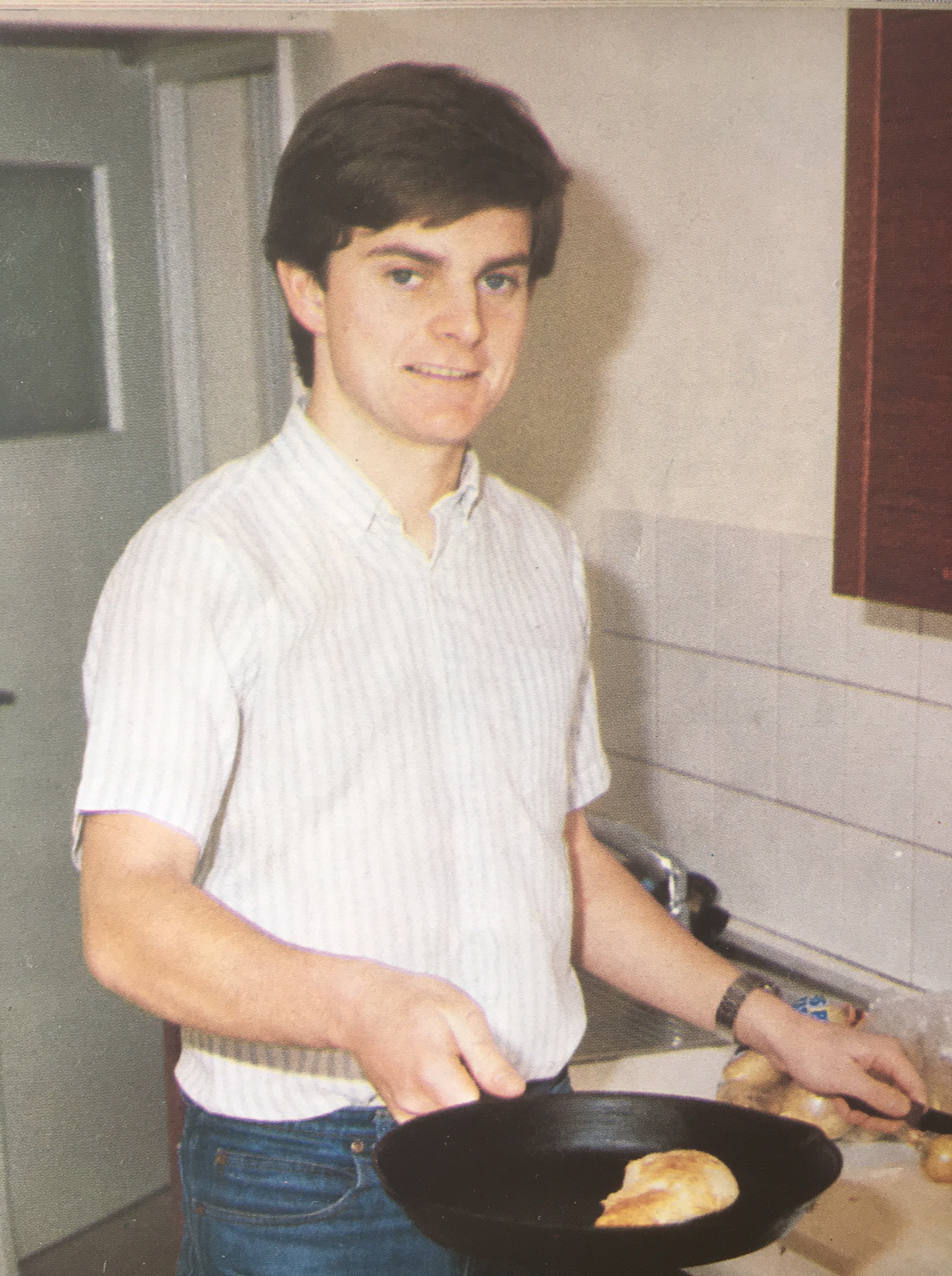
1 howlett2 howlett prog cover3 Howlett cooks by Tony Norman4 howlett now

  • Pictures show Gary Howlett’s entry in the Cup Final programme, on a matchday programme cover, Tony Norman’s shot of him cooking at home and a screen grab of him following a recent managerial appointment. Also, a montage of other headlines and action pictures.

Eire captain Tony Grealish swapped one Albion for another

1 main pic TG cover boyTHE PLAYER who led out Brighton at Wembley for the 1983 FA Cup Final against Manchester United was an experienced Republic of Ireland international who went on to play for West Bromwich Albion.
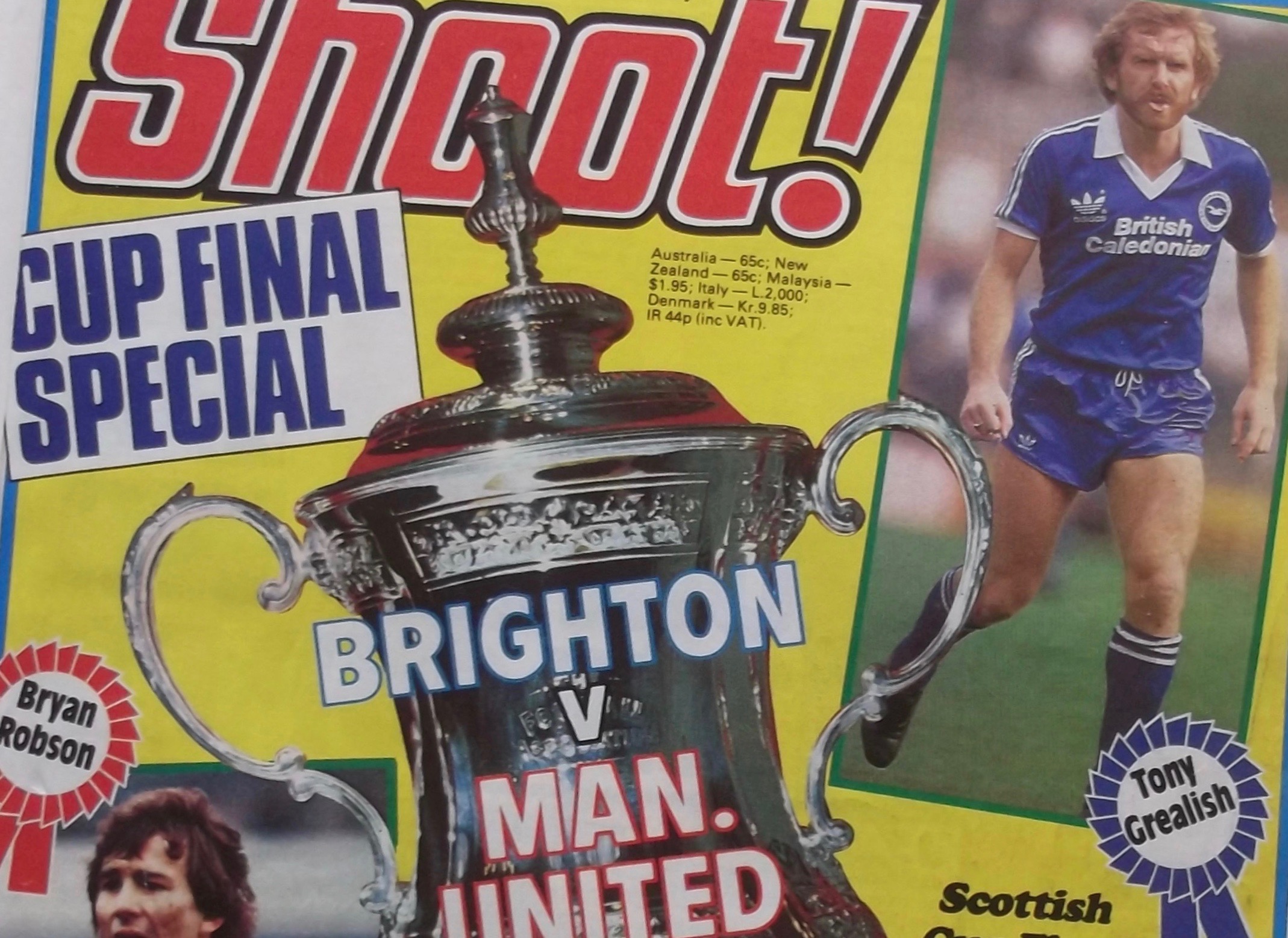
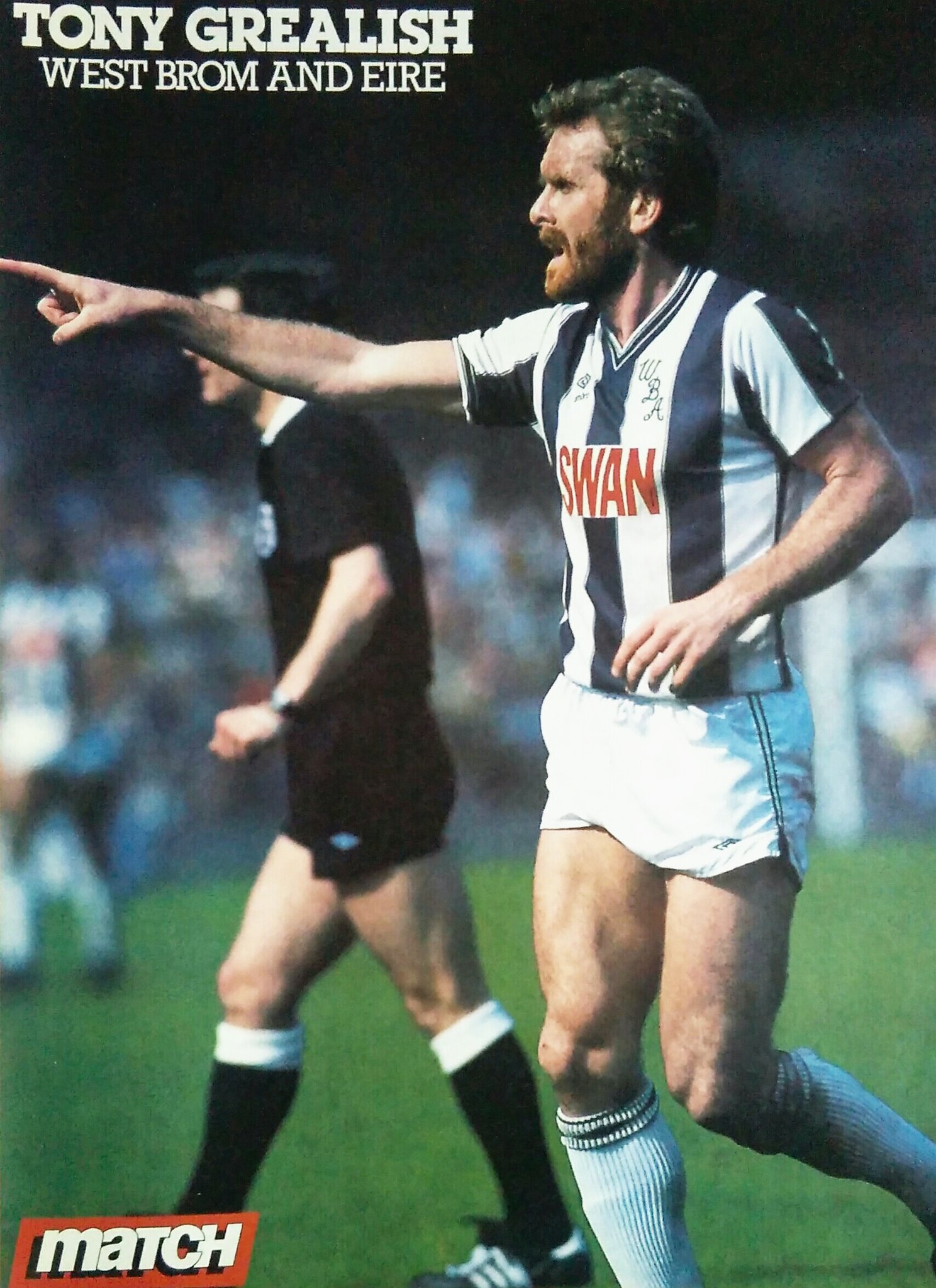
Tony ‘Paddy’ Grealish, sadly no longer with us having died of cancer aged only 56 in 2013, was given his international debut against Norway in 1976 by the legendary Johnny Giles, who knew a thing or two about midfield play.

In fact it was Giles, in his second spell as WBA manager, who took Grealish to The Hawthorns in 1984 as the break-up of the Brighton cup final squad continued.

After his untimely death, Giles told the Irish Times: “I obviously knew him at that stage from the Ireland set-up and knew what to expect.

“He wasn’t the classiest of players but he was one of the most hard working and you knew exactly what you were going to get.

“He was a great lad; a social animal who liked a drink after a game but gave you absolutely everything during it.”

Born in Paddington, London, on 21 September 1956, Grealish qualified to play for the Republic through his father, Packie, who was born in Athenry, Galway, and his mother Nora’s parents, both from Limerick.

He began his career across the other side of London, at Orient, and played 171 games for the Os, one of the last being the memorable 3-3 draw against Brighton in 1979 which featured on The Big Match. One of his teammates that day was Henry Hughton, brother of subsequent Brighton manager, Chris.

The previous year Grealish had been part of the Orient side that made it through to the FA Cup semi final against Arsenal, played at Stamford Bridge, but they were beaten 3-0 (the Gunners lost 1-0 to Ipswich in the final).

In 1979, David Pleat paid £150,000 to take him for Luton Town for whom he played 78 games in two seasons.

The managerial upheaval at the Goldstone Ground in the summer of 1981 saw the arrival of Mike Bailey in place of Alan Mullery, and one of his first moves was to bring in Grealish as part of a swap for Brian Horton, the ageing, inspirational captain who led Brighton from the old Third Division to the First.

Grealish was definitely what you’d call a players’ player, someone who did the hard work in the engine room of the team to enable players with more flair to shine.

He talked about just that scenario in an interview with the Daily Mail after Brighton had beaten Sheffield Wednesday at Highbury in that 1983 cup semi-final.

Referring to an incident when he’d charged down a free kick, he told Brian Scovell: “That’s my job. I’m the bloke with the ugly mug so they get me to do it.”

It was Grealish who rolled the ball to Jimmy Case to smash home that memorable opening goal and he relished his teammate’s strike, saying: “It wasn’t just the power, it was the way the ball swerved away from the ‘keeper that did it.”

After the disappointment of missing out in 1978, reaching the cup final was extra special for Grealish and he found himself thrust centre stage as a result of usual captain Steve Foster’s suspension from the first match.

Even all this time later, people remember how Grealish wore the trademark Foster headband as he led Brighton out. “It was a small protest over Steve’s exclusion from the final,” he told the media after the game.

In the News of the World, Fred Burcombe began his report: “Tony Grealish, Brighton’s stand-in skipper, yesterday entered the Wembley arena with a gesture of defiance and left for home in a blaze of confidence.”

In fact, Grealish was involved in both Brighton’s goals in the 2-2 draw. James Mossop reported in the Sunday Express: “Brighton stayed on the attack after a corner. Tony Grealish collected the ball and his teammates began to fan out, all eager for a pass. He chose Neil Smillie on the right. Smillie gave young Gary Howlett the chance to centre – and as the ball curved in Smith met it ideally, sending his header over the ‘keeper’s outstretched forearm and into the net.”

And with the clock ticking down, United by now 2-1 up, it was Grealish who drilled the ball hard into the penalty box where Gary Stevens controlled it and fired the ball past Gary Bailey to net the equaliser.

Grealish lived in Peacehaven during his time with the Seagulls and clearly enjoyed the social life with his teammates.

“The atmosphere at Brighton is particularly good,” he told Tony Norman in a club programme feature. “There’s always plenty going on. I enjoy our Wednesday golf games. There’s often as many as 10 of the players there. That’s always a laugh.”

Following relegation to the second tier, the Seagulls squad was broken up bit by bit; Gary Stevens and Michael Robinson going first. Grealish lasted a little longer and played two thirds of the 1983-84 season before being sold to West Brom in March.

It didn’t stop him being selected alongside teammate Case in the PFA representative side that season (the centre half selection was Mick McCarthy and the forwards included Kevin Keegan and Mark Hateley).

In total, Grealish played 116 games plus five as a sub for Brighton, and his last game for the Seagulls saw him score in a 1-1 home draw with Manchester City, who he would subsequently join in 1986-87. He played 65 games for West Brom, and 11 times for City, who also had former Seagull Neil McNab in their line-up.

In August 1987, Grealish moved to Rotherham United and played 110 games for the Millers before moving to Walsall (36 appearances).

During his time at Rotherham, in 1988-89, he once again found himself in the PFA representative selection, this time for Division Four. Grealish then did the rounds of various non-league clubs in the Midlands: Bromsgove Rovers, Moor Green, Halesowen Harriers, Sutton Coldfield and Evesham United.

He returned to Bromsgrove Rovers as player-manager before calling it a day, and then worked in the scrap metal business. His career record showed he played a total of 589 league games, plus 45 for the Republic of Ireland; 17 of them as captain.

Little surprise, then, that when he died in 2013, the Football Association of Ireland paid a warm tribute. FAI president Paddy McCaul said: “He will be remembered as a great servant of Irish football who was part of the international set-up under John Giles and Eoin Hand that came so close to qualifying for major tournaments and helped change Ireland’s fortunes at that level of the game.”

FAI chief executive John Delaney added: “Tony Grealish was one of my footballing heroes when I was a child and I always remembered him as a great competitor who always gave his all for Ireland.”

It was during Alan Kelly’s brief reign in charge, in 1980, that Grealish was first made Eire skipper – against Switzerland – and he was a central figure in successor Eoin Hand’s team.

“He was a great character,” said Hand. “I don’t think I ever selected a team during my time in charge that didn’t have him in it.

“I think it’s fair to say he raised his game when he was playing international football. I’d say he was a great club player but the commitment he gave for Ireland; he just couldn’t have given that on a twice weekly basis playing club football. He gave absolutely everything.

“He contributed so much (including eight international goals), had an infectious enthusiasm for it all. If ever there was someone who showed how proud he could be to represent his country then Tony was it. He was very much part of it all; a great ambassador; very generous.”

Hand added: “He was a great example to others in the way he dealt with people; other players, supporters, kids….a really wonderful guy. I was very lucky to have him around when I was manager.”

3.TG shoot cover2 Football Past on Twitter

  • Pictures from my scrapbook show Grealish on an Albion matchday programme cover, a Match magazine pic of him in WBA colours via Football Past on Twitter, on the front of the 1983 FA Cup Final preview edition of Shoot!, and, below, a montage of various headlines and images.

Terry Connor had an eye for goal for Leeds and Brighton

Connor action 1TERRY CONNOR is a familiar face to today’s football fans as a loyal assistant manager to Mick McCarthy.
But Leeds United and Brighton fans of a certain vintage remember him as a pacy striker with an eye for goal.

His time with the Albion saw him at his most prolific with a record of almost a goal every three games (51 in 156 appearances) – form which earned him a solitary England under 21 cap as an over-age player.

Relegation-bound Brighton took the Leeds-born forward south in exchange for Andy Ritchie shortly after they had made it through to the semi-final of the 1983 FA Cup, but the new signing could take no part because he’d already played in the competition for Leeds.

If Brian Clough had allowed Peter Ward to have remained on loan to the Seagulls that spring, who knows whether Connor would have joined, but, when the former golden boy sought an extension of his loan from Nottingham Forest, which would have enabled him to continue to be part of the progress to Wembley, according to Ward in He Shot, He Scored, the eccentric Forest boss told him: ‘Son, I’ve never been to a Cup Final and neither will you’.

So the Connor-Ritchie swap went ahead and, with the rest of the team’s focus on the glory of the cup, the new arrival scored just the once in five appearances, plus two as sub, as the Seagulls forfeited the elite status they’d held for four seasons.

lpool goalConnor would have his moment of cup glory (celebration above) in the following season, though, as the TV watching nation saw him and Gerry Ryan score in a 2-0 win over Liverpool at the Goldstone; the second successive season Albion had dumped the mighty Reds out of the FA Cup.

Connor was best man when teammate Hans Kraay got married. Frank Worthington (right) was there too.

Born in Leeds on 9 November 1962, Connor went to Foxwood School on the Seacroft estate in Leeds. He burst onto the football scene at just 17, scoring the only goal of the game after going on as a sub for Paul Madeley to make his hometown club debut in November 1979 against West Brom.

connor leeds

“I got such an early break at Leeds because the club were rebuilding their side after those days when they were riding high,” Connor told Shoot! magazine. “Eddie Gray was still in the team when I came in. He was the model professional. It was terrific to have someone with his experience alongside you.”

Connor went on to make a total of 108 appearances for Leeds over four seasons, scoring 22 goals, before the by-then manager Gray did the swap deal with Ritchie.

In February 2016, voice-online.co.uk carried an interview in which Connor recalled racial abuse he received as a player.

“It was difficult for black players to thrive. I can remember going to many away games and there were bananas thrown on the pitch and `monkey’ chants from the stands,” he said.

“I remember receiving mail from Leeds fans telling me not to wear the white shirt, even though I was born and bred in Leeds. I had bullets sent to me and the police were called on a couple of occasions.”

Even so, the move to Brighton still came as a bit of a shock to him.

“‘I’d never imagined myself playing for anyone else but Leeds,” he told Shoot! at the time. “I was born and bred in the city. My parents and friends live there, and really Elland Road was a second home to me.”

Unfortunately for Connor, manager Jimmy Melia gave him the impression he was going to be forming a double spearhead with Michael Robinson. But after relegation, Robinson and several others from the halcyon days were sold, in Robinson’s case to Liverpool.

TC phoenixThe man who bought him didn’t last long either; Melia making way for Chris Cattlin in the autumn of 1983. It didn’t stop Connor making his mark in the second tier and despite having several different striking partners of varying quality, his goalscoring record was good at a time when the side itself was struggling to return to the top with the Cup Final squad being dismantled and under investment in replacements.

In his first full season, he missed only two first team games all season and was top scorer with 17 goals as Albion finished ninth in the league. His main strike partner Alan Young scored 12.

Connor got only one fewer in the 1984-85 season when the side finished sixth; the veteran Frank Worthington chipping in with eight goals in his only season with the Seagulls.

TC v Sunderland

In 1985-86 Connor had two different strike partners in Justin Fashanu and the misfiring Mick Ferguson but still managed another 16 goals, including four braces.

The disastrous relegation season of 1986-87 contained a personal high for Connor when, in November 1986, he was selected as an over-age player (at 24) for England under 21s and scored in a 1-1 draw with Yugoslavia.

He had formed a useful partnership with Dean Saunders but, as money issues loomed, Saunders was sold to Oxford and soon, after being voted player of the season, Connor also left as the Albion were relegated; Barry Lloyd being unable to halt the slide back to the third tier.

Reflecting on his time at Brighton in a matchday programme interview, Connor said: “I really enjoyed my football, playing on the south coast. We also loved the lifestyle and my eldest daughter was born there, I loved playing in the atmosphere created at the Goldstone. There was a bond with the players and their partners, with Jimmy Melia and Mike Bamber, and it was like one big happy family.”

As Lloyd was forced to sell players, Connor returned to the top flight via a £200,000 move along the coast to newly-promoted Portsmouth. A terrible run of injuries plagued his Pompey career meaning he only managed 58 appearances and scored 14 goals over the course of three seasons.

A £150,000 transfer fee saw him join then Third Division Swansea City for the 1990-91 season and although he managed 39 appearances, he scored only six times.

Next stop was Bristol City in September 1991 for £190,000 but he scored only once in 16 games for the Robins. By the summer of 1993 he dropped out of the league to play for Conference side Yeovil Town and when he retired from playing he became a coach at Swindon Town.

John Ward took Connor as a coach to three clubs he managed, Bristol Rovers and City and then Wolverhampton Wanderers, where, across the reigns of several managers, he remained for the next 13 years. He worked at youth, reserve and first team level before becoming McCarthy’s assistant in 2008. He briefly took the reigns himself after McCarthy was sacked in early 2012 but, unable to halt the team’s relegation from the Premiership, reverted to assistant under the newly-appointed Ståle Solbakken for just four games of the new season before leaving Molineux.

Within three months, he resumed his role as McCarthy’s assistant when the pair were appointed at Portman Road. When McCarthy took over as the Republic of Ireland boss in November 2018, Connor once again was his assistant and in 2020 the pair found themselves at the top Cypriot side APOEL. In early 2021, McCarthy and Connor were back in tandem at Championship side Cardiff City.

In the 2018-19 season, Connor had the chance to work with the England under 21s when the FA decided to provide placements for BAME coaches