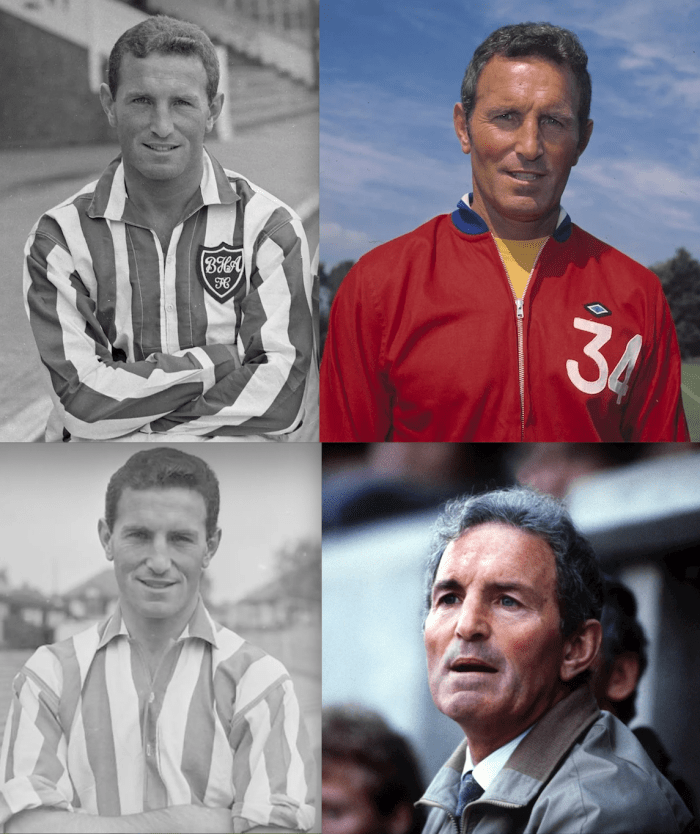
‘One of the most influential and progressive coaches of his generation’

ALTHOUGH I wasn’t even born when Dave Sexton was winning promotion with Brighton, I remember him well as a respected coach and manager.

The record books and plenty of articles have revealed Sexton scored 28 goals in 53 appearances for Brighton before injury curtailed his playing career.

As a manager, he took both Manchester United and Queens Park Rangers to runners-up spot in the equivalent of today’s Premier League and won the FA Cup and European Cup Winners’ Cup with Chelsea.

On top of those achievements, he was the manager of England’s under 21 international side when they won the European Championship in 1982 and 1984, and worked with the full international squad under Ron Greenwood, Bobby Robson, Terry Venables, Glenn Hoddle, Kevin Keegan and Sven-Göran Eriksson.

Sexton coached under several England managers

On his death aged 82 on 25 November 2012, Albion chief executive Paul Barber said: “I know Dave was an extremely popular player during his days at the Goldstone Ground and, as a friend and colleague during my time working at the FA, I can tell you that he was held in equally high esteem.

“He was a football man through and through. I enjoyed listening to many of Dave’s football stories and tales during our numerous hotel stays with the England teams and what always came through was his great love and passion for the game.

“Dave was a true gentleman and a thoroughly nice man.”

Former West Ham and England international, Sir Trevor Brooking, who worked as the FA’s director of football development, said: “Anyone who was ever coached by Dave would be able to tell you what a good man he was, but not only that, what a great coach in particular he was.

“In the last 30-40 years Dave’s name was up there with any of the top coaches we have produced in England – the likes of Terry Venables, Don Howe and Ron Greenwood. His coaching was revered.”

Keith Weller, a £100,000 signing by Sexton for Chelsea in 1970, said: “I had heard all about Dave’s coaching ability before I joined Chelsea and now I know that everything said about his knowledge of the game is true. He has certainly made a tremendous difference to me.”

And the late Peter Bonetti, a goalkeeper under Sexton at Chelsea, said: “He was fantastic, I’ve got nothing but praise for him.”

One-time England captain Gerry Francis, who played for Sexton at QPR and Coventry City, said: “Dave was quite a quiet man. You wouldn’t want to rub him up the wrong way given his boxing family ties, but you wanted to play for him.

“Dave was very much ahead of his time as a manager. He went to Europe on so many occasions to watch the Dutch and the Germans at the time, who were into rotation, and he brought that into our team at QPR, where a full-back would push on and someone would fill in.

“He was always very forward-thinking – a very adaptable manager.”

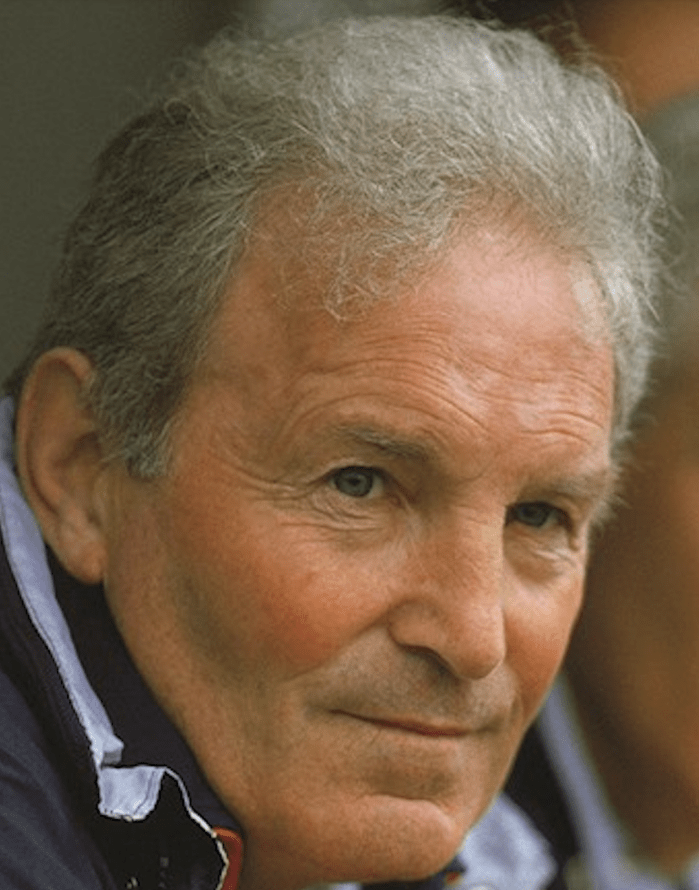
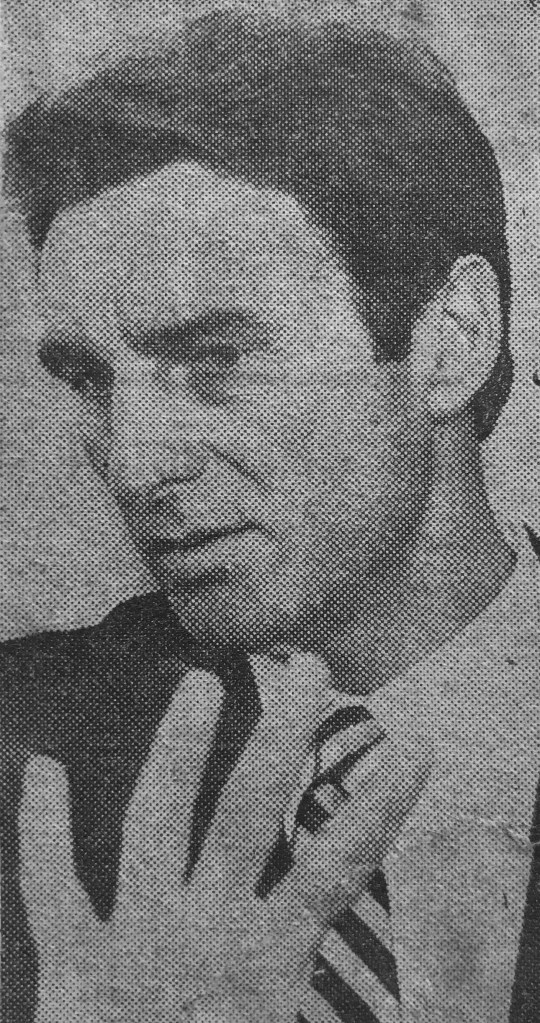
Guardian writer Gavin McOwan described Sexton as “the antithesis of the outspoken, larger-than-life football manager. A modest and cerebral man, he was one of the most influential and progressive coaches of his generation and brought tremendous success to the two London clubs he managed.”

Born in Islington on 6 April 1930, the son of middleweight boxing champion Archie Sexton, his secondary school days were spent at St Ignatius College in Enfield and he had a trial with West Ham at 15. But, like his dad, he was a boxer of some distinction himself, earning a regional champion title while on National Service.

Sexton played 77 games for West Ham

However, it was football to which he was drawn and, after starting out in non-league with Newmarket Town and Chelmsford City, he joined Luton Town in 1952 and a year later he returned to West Ham, where he stayed for three seasons.

In 77 league and FA Cup games for the Hammers, he scored 29 goals, including hat-tricks against Rotherham and Plymouth.

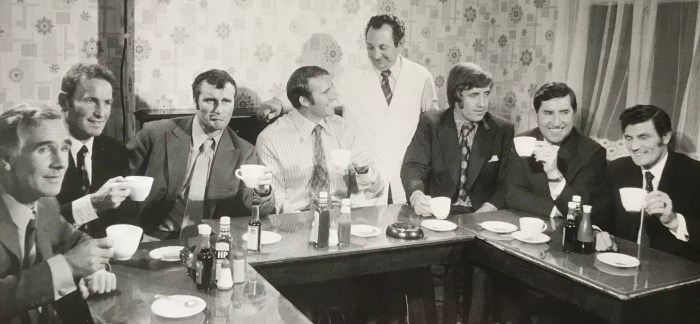
It was during his time at West Ham that he began his interest in coaching alongside a remarkable group of players who all went on to become successful coaches and managers.

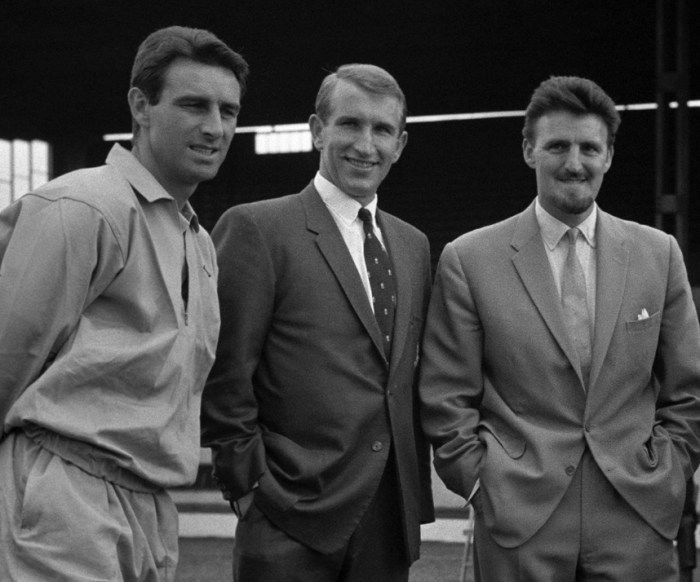
He, Malcolm Allison, Noel Cantwell, John Bond, Frank O’Farrell, Jimmy Andrews and Malcolm Musgrove used to spend hours discussing tactics in Cassettari’s Cafe near the Boleyn ground. A picture of a 1971 reunion of their get-togethers featured on the back page of the Winter 2024 edition of Back Pass, the superb retro football magazine.

One of the game’s most respected managers, Alec Stock, signed Sexton for Orient but he had only been there for 15 months (scoring four goals in 24 league appearances) before moving to Brighton (after Stock had left the Os to take over at Roma).

Albion manager Billy Lane bought him for £2,000 in October 1957, taking over Denis Foreman’s inside-left position. Sexton repaid Lane’s faith by scoring 20 goals in 26 league and cup appearances in 1957-58 as Brighton won the old Third Division (South) title. But a knee injury sustained at Port Vale four games from the end of the season meant he missed the promotion run-in. Adrian Thorne took over and famously scored five in the Goldstone game against Watford that clinched promotion.

Nevertheless, as he told Andy Heryet in a matchday programme article: “The Championship medal was the only one that I won in my playing career, so it was definitely the high point.

Sexton in Albion’s stripes

“All the players got on well, but a lot of what we achieved stemmed from the manager’s approach. It was a real eye-opener for me. We were a free-scoring, very attacking side and I just seemed to fit in right away and got quite a few goals. It was a joy to play with the guys that were there and I thoroughly enjoyed those two years.”

Because of the ongoing problems with his knee, he left Brighton and dropped two divisions to play for Crystal Palace, but he was only able to play a dozen games before his knee finally gave out.

“I suffered with my knee throughout my playing career,” said Sexton. “In only my second league game for Luton I went into a tackle and tore the ligaments in my right knee.

Knee trouble curtailed his Palace playing days

“I also had to have a cartilage removed. The same knee went again when I was at Palace. We were playing away at Northampton, and I went up with the goalkeeper for a cross and landed awkwardly, my leg buckling underneath me, and that sort of finished it off.”

In anticipation of having to retire from playing, he had begun taking coaching courses at Lilleshall during the summer months. Fellow students there included Tommy Docherty and Bertie Mee, both of whom gave him coaching roles after he’d been forced to quit playing.

Docherty stepped forward first having just taken over as Chelsea manager in 1961, appointing Sexton an assistant coach in February 1962. “I didn’t have anything else in mind – I couldn’t play football any more – so I jumped at the chance,” said Sexton. “It was a wonderful bit of luck for me as it meant that my first job was coaching some brilliant players like Terry Venables.”

The Blues won promotion back to the top flight in Sexton’s first full season and he stayed at Stamford Bridge until January 1965, when he was presented with his first chance to be a manager in his own right by his former club Orient.

Frustrated by being unable to shift them from bottom spot of the old Second Division, Sexton quit after 11 months at Brisbane Road and moved on to Fulham to coach under Vic Buckingham, who later gave Johan Cruyff his debut at Ajax and also managed Barcelona.

Perhaps surprisingly, Sexton declared in 1993 that the thing he was most proud of in his career was the six months he spent at Fulham in 1965. “Fulham were bottom of the First Division. Vic Buckingham was the manager. He had George Cohen, Johnny Haynes . . . Bobby Robson was the captain. Allan Clarke came. Good players, but they were bottom of the table, with 13 games to go.

“I did exactly the same things I’d been doing at Orient. And we won nine of those games, drew two and lost two – and stayed up. It proved to me that you can recover any situation, if the spirit is there.”

When Arsenal physiotherapist Mee succeeded Billy Wright as Gunners manager in 1966, he turned to Sexton to join him as first-team coach. In his one full season there, Arsenal finished seventh in the league and top scorer was George Graham, a player the Gunners had brought in from Chelsea as part of a swap deal with Tommy Baldwin.

When the ebullient Docherty parted company with Chelsea in October 1967, Sexton returned to Stamford Bridge in the manager’s chair and enjoyed a seven-year stay which included those two cup wins.

In a detailed appreciation of him on chelseafc.com, they remembered: “Uniquely, for the time, Sexton brought science and philosophy to football: he read French poetry, watched foreign football endlessly and introduced film footage to coaching sessions.”

In those days Chelsea’s side had a blend of maverick talent in the likes of centre forward Peter Osgood and, later, skilful midfielder Alan Hudson. No-nonsense, tough tackling Ron “Chopper” Harris and Scottish full-back Eddie McCreadie were in defence.

As Guardian writer McOwan said: “Sexton was embraced by players and supporters for advocating a mixture of neat passing and attacking flair backed up with steely ball-winners.”

I was taken as a young lad to watch the 1970 FA Cup Final at Wembley when Sexton’s Chelsea drew 2-2 with Leeds United on a dreadful pitch where the Horse of the Year Show had taken place only a few days earlier.

Chelsea had finished third in the league – two points behind Leeds – and while I was disappointed not to see the trophy raised at Wembley (no penalty deciders in those days), the Londoners went on to lift it after an ill-tempered replay at Old Trafford watched by 28 million people on television.

Sexton added to the Stamford Bridge trophy cabinet the following season when Chelsea won the European Cup Winners’ Cup final against Real Madrid, again after a replay.

But when they reached the League Cup final the following season, they lost to Stoke City and it was said Sexton began to lose patience with the playboy lifestyle of people like Osgood and Hudson, who he eventually sold.

The financial drain of stadium redevelopment, and the fact that the replacements for the stars he sold failed to shine, eventually brought about his departure from the club in October 1974 after a bad start to the 1974-75 season.

Sexton wasn’t out of work for long after parting company with Chelsea

He was not out of work for long, though, because 13 days after he left Chelsea he succeeded Gordon Jago at Loftus Road and took charge of a QPR side that had some exciting talent of its own in the shape of Gerry Francis and Stan Bowles.

Although the aforementioned Venables had just left QPR to work under Sexton’s old Hammers teammate Allison at Crystal Palace, Sexton brought in 29-year-old Don Masson from Notts County and he quickly impressed with his range of passing, and would go on to be selected for Scotland. Arsenal’s former Double-winning captain Frank McLintock was already in defence and Sexton added two of his former Chelsea players in John Hollins and David Webb.

Sexton said of them: “The easiest team I ever had to manage because they were already mature . . . very responsible, very receptive, full of good characters and good skills. They were coming to the end of their careers, but they were still keen.”

Sexton was a student of Rinus Michels and so-called Dutch ‘total football’ – a fluid, technical system in which all outfield players could switch positions quickly to maximise space on the field.

Loft For Words columnist ‘Roller’ said: “Dave Sexton was decades ahead of his time as a coach. At every possible opportunity he would go and watch matches in Europe returning with new ideas to put into practice with his ever willing players at QPR giving rise to a team that would have graced the Dutch league that he so admired.

“He managed to infuse the skill and technique that is a hallmark of the Dutch game into the work ethic and determination that typified the best English teams of those times.

“QPR’s passing and movement was unparalleled in the English league and wouldn’t been seen again until foreign coaches started to permeate into English football.”

His second season at QPR (1975-76) was the most successful in that club’s history and they were only pipped to the league title by Liverpool (by one point) on the last day of the season (Man Utd were third).

Agonisingly Rangers were a point ahead of the Merseysiders after the Hoops completed their 42-game programme but had to wait 10 days for Liverpool to play their remaining fixture against Wolves who were in the lead with 15 minutes left but then conceded three, enabling Liverpool to clinch the title.

Married to Thea, the couple had four children – Ann, David, Michael and Chris ­– and throughout his time working in London the family home remained in Hove, to where he’d moved in 1958. They only upped sticks and moved to the north when Sexton landed the Man Utd job in October 1977.

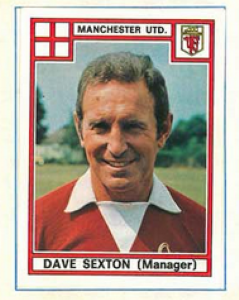
He once again found himself replacing Docherty, who had been sacked after his affair with the wife of the club’s physiotherapist had been made public.

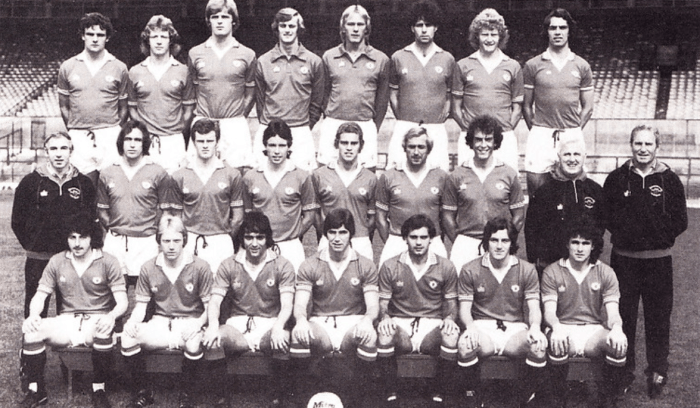
Sexton (far right) and the Manchester United squad

It was said by comparison to the outspoken Docherty, Sexton’s measured, quiet approach didn’t fit well with such a high profile club which then, as now, was constantly under the media spotlight.

The press dubbed him ‘Whispering Dave’ and although some signings, like Ray Wilkins, Gordon McQueen and Joe Jordan, were successful, he was ridiculed for buying striker Garry Birtles for £1.25m from Nottingham Forest: it took Birtles 11 months to score his first league goal for United.

Sexton took charge of 201 games across four years (with a 40 per cent win ratio) and he steered United to runners-up spot in the equivalent of the Premier League, two points behind champions Liverpool, in the 1979-80 season. United were also runners-up in the 1979 FA Cup final, losing 3-2 to a Liam Brady-inspired Arsenal.

As he said in a subsequent interview: “I really enjoyed my time at United. You are treated like a god up there and the support is fantastic. I had mixed success but it’s something that I wouldn’t have missed for the world.

“It’s tough at the top however and while other clubs would have been quite happy in finishing runners-up, it wasn’t enough for Man Utd. That’s the name of the game and I bear no grudges over it at all.”

As it happens, Sexton’s successor Ron Atkinson only managed to take United to third in the league (although they won the FA Cup twice) and it was another seven seasons before they were runners-up again under Alex Ferguson’s stewardship.

But back in 1981, United’s loss was Coventry’s gain and their delight at his appointment was conveyed in an excellent detailed profile by Rob Mason in 2019.

The new Coventry boss saw City beat United 2-1 in his first game in charge

“By the time the name of Dave Sexton was being put on the door of the manager’s office at Highfield Road the gaffer was in his fifties and a highly regarded figure within the game,” wrote Mason. “That sprang from the style of pass and move football he liked to play. His was a cultured approach to the game and Coventry supporters could look forward to seeing some attractive football.”

One of the happy quirks of football saw his old employer take on his new one on the opening day of the 1981-82 season – and the Sky Blues won 2-1! They won by a single goal at Old Trafford that season too, but overall away form was disappointing and in spite of a strong finish (seven wins, four draws and one defeat) they finished 14th – a modest two-place improvement on the previous season.

On a limited budget, Sexton struggled to get a largely young squad to make too much progress but he did recruit former England captain Gerry Francis, who’d been his captain during heady days at QPR, and he was a good influence on the youngsters.

Sexton’s second season in charge began well but ended nearly disastrously with a run of defeats leaving them flirting with relegation, together with Brighton. One of his last league games as City manager was in the visitors’ dugout at the Goldstone. Albion beat the Sky Blues 1-0 courtesy of a Terry Connor goal on St George’s Day 1983 – but it was Sexton’s side who escaped the drop by a point. Albion didn’t.

Coventry’s narrow escape from relegation cost Sexton his job (although he remained living in Kenilworth, Warwickshire) and it proved to be his last as a club manager, although he was involved as a coach when Ron Atkinson’s Aston Villa finished runners up in the first season (1992-93) of the Premier League – behind Ferguson’s United, who won their first title since 1967.

Villa beat United at home and nicked a point at Old Trafford and ahead of the drawn game Richard Williams of The Independent dropped in on a Villa training session to interview Sexton.

Sexton was happy to be working with the youth team, the young pros and the first team. “Mostly I’ve been concerned with movement, up front and in midfield. Instead of the traditional long ball up to the front men, approaching the goal in not such straight lines,” he explained.

The quiet Sexton had a valid retort to the reporter’s surprise that he should be working in the same set-up as the flamboyant Atkinson. “It’s like most stereotypes,” he said. “They’re never quite as they seem to be. Ron’s got a flamboyant image, but actually he’s an idealist, from a football point of view.

“He’s got a vision, which might not come across from the stereotype he’s got. I suppose it’s the same with me. I’m meant to be serious, which I am, but I like a bit of fun, too. And, obviously, the thing we’ve got in common is a love of football.”

Relieved to be more in the background than having to be the front man, Sexton told Williams: “The reason I’m in the game in the first place is that I love football and working with footballers, trying to improve them individually and as a team.

“So, to shed the responsibility of speaking to the press and the directors and talking about contracts, it’s a weight off your shoulders. Now I’m having all the fun without any of the hassle.”

Atkinson had invited his United predecessor to join him at Villa after he had retired from his job as the FA’s technical director of the School of Excellence at Lilleshall, and coach of the England under 21 team.

It had been 10 years since Bobby Robson had appointed him as assistant manager to the England team (Sexton had coached Robson at Fulham). He had previously been involved coaching England under 21s alongside his club commitments since 1977 leading the side to back-to-back European titles in 1982 and 1984. The 1982 side, who beat West Germany 5-4 on aggregate over two legs, included Justin Fashanu and Sammy Lee, and in a quarter final v Poland he had selected Albion’s Andy Ritchie, somewhat ironically considering he had sold him to the Seagulls when manager at United.

In April 1983, Albion’s Gary Stevens played for Sexton’s under 21s in a European Championship qualifier at Newcastle’s St James’ Park, which was won 1-0. The following year, Stevens, by then with Spurs, was in the side that met Spain in the final, featuring in the first of the two legs, a 1-0 away win in Seville. Somewhat confusingly, his Everton namesake featured in the second leg, a 2-0 win at Bramall Lane. England won 3-0 on aggregate. Winger Mark Chamberlain, later an Albion player, also played in the first leg.

After the Robson era, Sexton worked with successive England managers: Venables, Hoddle and Keegan. When Eriksson became England manager in 2001, he invited Sexton to run a team of scouts who would compile a database and video library of opposition players – a strategy Sexton had pioneered three decades previously.

Viewed as one of English football’s great thinkers, Sexton had a book, Tackle Soccer, published in 1977 but away from football he had a love of art and poetry and completed an Open University degree in philosophy, literature, art and architecture. He was awarded an OBE for services to football in 2005.

Sexton was always a welcome guest at Brighton and here receives a reminder of past glories from Dick Knight

‘Genuine football man who turned people’s lives around’

George Petchey twice stepped up from backroom man to Albion caretaker manager

THE FORMER Orient and Millwall manager who introduced Laurie Cunningham to the football world was twice caretaker boss of Brighton ten years apart.

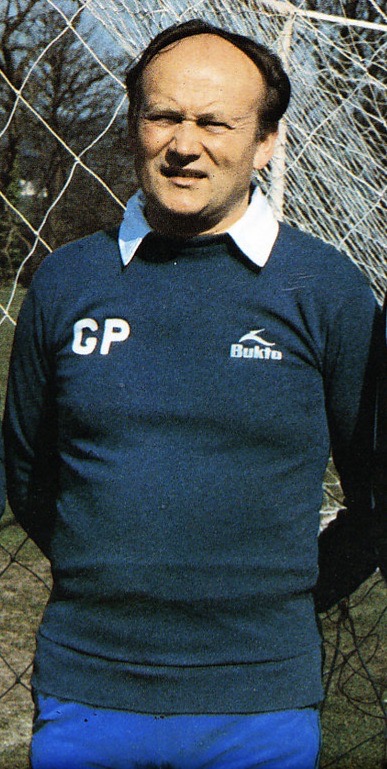
George Petchey, once a player then coach at Crystal Palace, was assistant manager to Chris Cattlin in the mid ‘80s and returned to Brighton in the ‘90s as youth development manager under Liam Brady, before becoming no.2 to Jimmy Case.

Working for the Albion was certainly geographically convenient for Petchey because, even when he played, coached or managed in London, he lived in Southwick.

Petchey first arrived at the Albion in 1983 to take charge of youth development and, as described by wearebrighton.com, was the man responsible for introducing Ian Wright on trial, having been impressed when the future Arsenal and England star had tried to begin his career at Millwall, where Petchey was manager between January 1978 and November 1980.

It’s now part of football folklore that Albion rejected Wright and Cattlin opted to take on another triallist, Steve Penney, instead. Meanwhile, in November 1984, Petchey was promoted to assist the relatively inexperienced Cattlin with the first team.

Although he was seen as a figure in the background, a profile article in the matchday programme gave a little insight into his approach.

“I can’t understand people who earn a living from football and still criticise the game,” he told interviewer Tony Norman. “I’ve been involved with it since the age of 14 and I wouldn’t change a thing.

“Molly (his wife) and I have met a lot of good people. We’ve loved the game and it has been good to us. No complaints.”

When Cattlin was sacked in April 1986, Petchey stepped up to manage the side for the final game of the season (a 2-0 defeat away to Hull City) before Alan Mullery returned as boss.

Petchey’s second stint at the Albion began in January 1994, shortly after Brady had been appointed as manager. With finances perilous during that time, bringing through youngsters was seen as an important route and Petchey was appointed to oversee that side of things.

In explaining the appointment, Brady wrote in his programme notes: “I don’t think there are many better in their field than George Petchey.

“He has had a lot of experience at management level and he has always been able to develop young players and this is something we are determined to do here.”

Brady had been to watch the youth team progress in the FA Youth Cup and he added: “There are several outstanding prospects in the side and I am sure George will guide them in the right direction.”

Within a couple of months, Brady had given a first team debut to one of them in Mark Fox.

The Argus later noted how Gareth Barry was among the young players who came through Albion’s centre of excellence under Petchey, Vic Bragg and Steve Avory.

Petchey became no.2 to Jimmy Case, pictured with George Parris in an Albion line-up

When Brady couldn’t stomach the shenanigans of the Bill Archer-David Bellotti regime any longer, Case took charge and promoted Petchey to be his deputy, but with the background interference affecting performances on the field, Case was relieved of his duties in early December 1996.

Petchey stepped forward once again to take temporary charge, although he made it clear he didn’t want the job on a permanent basis. Indeed, he recommended two of his former Orient players be considered for the post.

“I was asked for my suggestions and I recommended Dennis Rofe and Glenn Roeder,” said Petchey, who was 65 at the time. “Hopefully, it will be one of them.”

It was perhaps par for the course that the hierarchy decided to choose someone else, and, within a week, Steve Gritt was appointed.

When Petchey – the first English coach to complete his UEFA coaching qualifications – died aged 88 on 23 December 2019, the tributes paid to him reflected the impact this highly respected football man had on a good many people.

The football writer Neil Harman said: “We often overlook the genuine, honest people, who made football what it is, who went the extra mile, who turned people’s lives around. RIP the great Leyton Orient manager George Petchey who set Laurie Cunningham and many others on the road to stardom.”

David Gipp, a Brighton player in the late ‘80s, tweeted: “took me from London at 14; taught me so much” and John Sitton, who played under Petchey at Millwall, described him as “one of the best managers in the game”.

Born on 24 June 1931 in Whitechapel, London, Petchey’s early footballing experience was in Essex with the Romford and Hornchurch Schools teams. The excellent theyflysohigh.co.uk website details his career, revealing how, on leaving school he played for Upminster Minors and Juniors from 1945 to 1947 before joining West Ham United as an amateur in August 1947.

He signed professional on August 31, 1948, and two days later made his first appearance as a professional against Chelsea ‘A’ at Upton Park in the Eastern Counties League.  

The website explains how National Service interrupted Petchey’s career, although he was still able to play fairly regularly for the Hammers’ ‘A’ team and Football Combination side. It wasn’t until 1 September 1952 that he made his senior debut at the age of 21, playing alongside Ernie Gregory, Malcolm Allison and Frank O’Farrell in a goalless Second Division draw with Hull City at the Boleyn Ground.

Wearing the no.10 shirt, Petchey kept his place for the next game, a 2-1 home defeat by Birmingham City, but he only made one other first-team appearance, on 13 November that year, starting alongside Allison, Noel Cantwell and debuting forward Tommy Dixon in a 3-2 Essex Professional Cup win at Colchester United.

A wing-half, he was described by whufc.com as “a tough-tackling, hard-working defensive midfielder who could also pass the ball with vision and accuracy”.

In July 1953, Petchey moved on to Queens Park Rangers, scoring on his league debut in a 2-1 win at Bristol City on 22 August. Even then, he was commuting to London from Portslade.

QPR supporter Steve Russell spoke fondly of Petchey in an article for indyrs.co.uk, remembering a “tough-tackling, fearless, dynamic” player who took no prisoners.

Petchey scored 24 goals in 278 league and cup appearances for QPR, in the days when they were a Third Division side.

He dropped down to the old Fourth Division to sign for Palace in June 1960 but helped them to promotion in his first season at Selhurst Park.

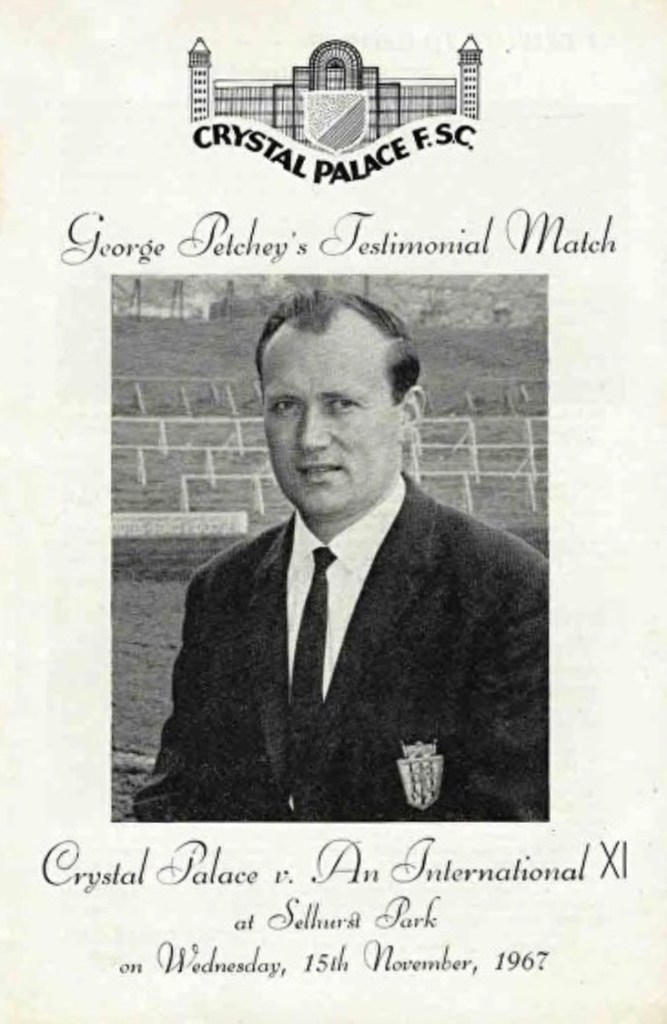
Petchey’s playing days at Palace came to an early conclusion due to a serious eye injury but the esteem in which he was held was reflected in the quality of players on show at his testimonial match at Selhurst Park on 15 November 1967.

Palace took on an international XI which featured West Ham’s World Cup winning trio of Bobby Moore, Geoff Hurst and Martin Peters, together with the likes of Chelsea’s Peter Osgood and Manchester City’s Colin Bell in front of a crowd of 10,243.

Petchey turned to coaching at Palace, initially under Arthur Rowe and then Bert Head, under whom Palace won promotion to the old First Division in 1969. That side’s goalkeeper, John Jackson – who subsequently followed Petchey to Orient, Millwall, and the Albion as a coach – attributed his achievements to Petchey, telling cpfc.co.uk: “He used to work me hard but the harder you worked at your game the more you learned and the better you would become.

Petchey the Crystal Palace coach

“He made me a more confident player which led to me being more vocal behind the back four, and I always remember Thursday being called shooting practice day so it would become a session where I would put in a massive shift!”

When Jimmy Bloomfield was lured from Brisbane Road to manage Leicester City in 1971, the Os turned to Petchey to continue to build the side the former Arsenal player had developed.

He did just that over six Second Division seasons between 1971 and 1977, Petchey recruiting a number of players who’d previously played under him at Palace; the likes of goalkeeper Jackson, John Sewell, David Payne, Bill Roffey, Alan Whittle and Gerry Queen.

They came agonisingly close to winning promotion to the elite, missing out by a single point in 1973-74, and they took some notable scalps as cup giant-killers.

It was during his reign at Brisbane Road that Petchey discovered Tony Grealish playing on Hackney Marshes and unearthed the raw talent of the mercurial Cunningham, who he would later reluctantly sell for big money to West Bromwich Albion.

Petchey and his assistant Peter Angell carefully nurtured the young Cunningham, hoping his obvious talent would outweigh some of the demons in his life.

“We had one or two problems with him in the early days,” admitted Petchey, as told here. “There was a time when Peter Angell and I wondered if we could win Laurie over. He had to struggle in life and was the sort of youngster who was used to living on his wits.

“He was suspicious of people outside his own circle. He took a long time to trust other people. He often turned up late for training, the eyes flashed when we fined him, but for all that I loved the spark that made him tick.”

Cunningham later admitted: “It was George Petchey and Peter Angell who showed me that the only person who could make my dreams come true was, in fact, myself.”

Petchey gave 18-year-old Cunningham his first-team debut in the short-lived Texaco Cup tournament against West Ham at Upton Park on 3 August 1974. Although Orient lost 1–0, Petchey said afterwards: “It took him a little time to get adjusted to the pace of the game but I was delighted with the way he played from then on. He has a natural talent. He has the speed and agility to take on men. He never gives up. There’s a big future ahead for him.”

Cunningham’s rise to playing for England and Real Madrid was told in the 2013 documentary film First Among Equals and Petchey was a prominent interviewee featured.

Petchey talks about Laurie Cunningham for First Among Equals

When eventually Orient couldn’t resist big money offers for him any longer, the winger went to West Brom for £110,000 plus two players (Joe Mayo and Allan Glover) on 6 March 1977.

“I did not want to sell him, but we were over our limit at the bank and West Brom were ready with a cheque,” said Petchey at the time. “Obviously I’m very disappointed at losing a player who I have seen progress from the age of 15 and I think he was as reluctant to leave as we were to see him go. But it was an offer of First Division football which he could not refuse.”

Petchey enjoyed less success at Millwall. Although he managed to stave off relegation after succeeding Gordon Jago in early 1978, the Lions were relegated from the second tier the following season.

It was during that term he bought Brighton winger Tony Towner for £65,000 after the Sussex lad had lost his place to new signing Gerry Ryan. It wasn’t all doom and gloom though because Millwall’s youngsters won the FA Youth Cup in 1979, beating Manchester City 2-0 (over two legs).

After he’d left the Albion for a second time, Petchey continued to work in football, appointed chief scout at Newcastle United by Sir Bobby Robson, and he later took on a coaching role.

Villa cup winner and captain Pat Saward led Albion to promotion

A FORMER Aston Villa captain and 1957 FA Cup winner steered Brighton to the first promotion I witnessed on my Albion journey.

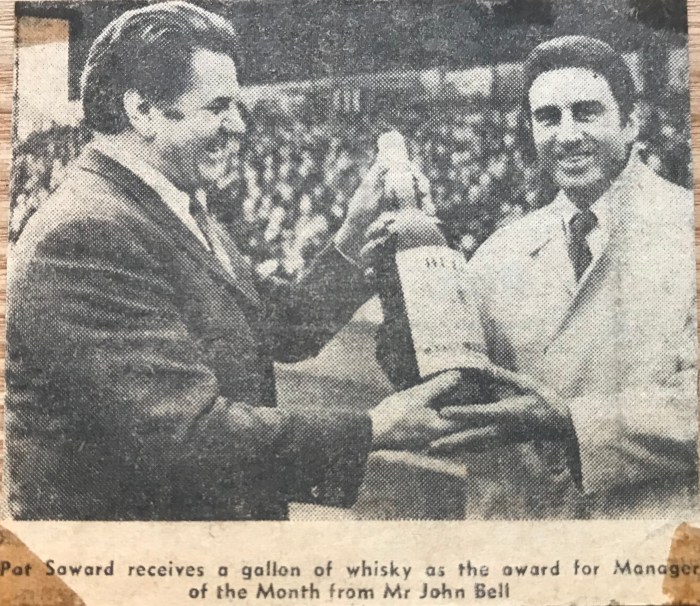
Genial Irishman Pat Saward, who lived in my hometown of Shoreham during his time as Albion boss, galvanised a squad not expected to be promoted from the third tier and took them up as runners up behind his former club in 1972.

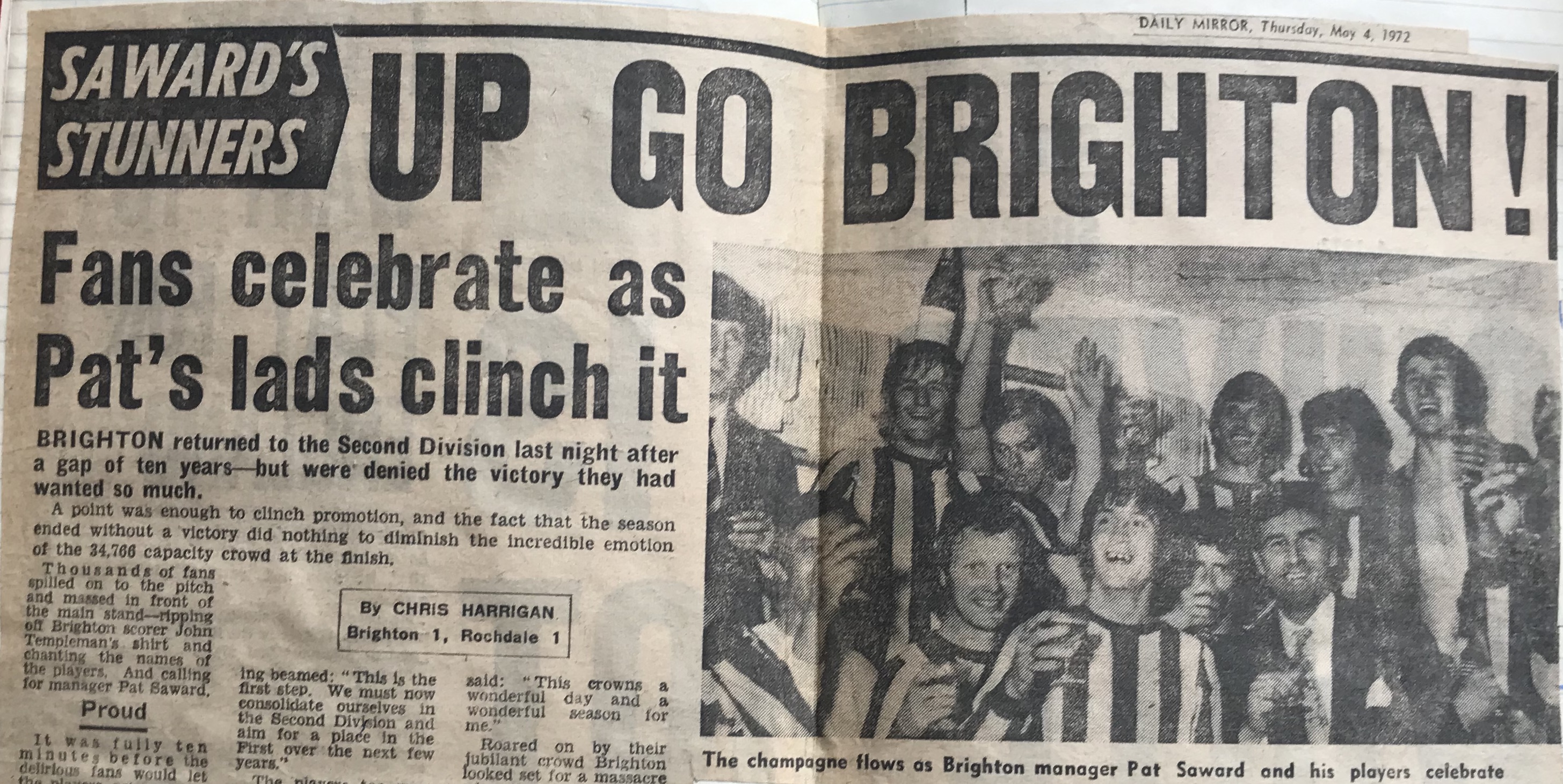
As the champagne flowed in the Goldstone Ground home dressing room, Saward took centre stage surrounded by his blue and white stripe-shirted heroes.

When the promotion tilt had looked like faltering, he’d been bold enough to make drastic changes to the side before a top of the table clash with Villa in front of the Match of the Day cameras. After a memorable 2-1 win in which Willie Irvine scored a goal later judged as the third best in the programme’s Goal of the Season competition, Saward added to his squad on transfer deadline day, bringing in Northern Ireland international Bertie Lutton from Wolves and Ken Beamish from Tranmere Rovers, described in the Official Football League Book as “stocky and packed full of explosive sprinting power, a terrific shot and great appetite for the game”.

Saward told the publication: “They were both last ditch signings and Ken made an astonishing difference. I spent only £41,000 in getting my promotion side together so we were very much Villa’s poor relations in that sense.”

The manager put the success down to: “Dogged determination to succeed from all the players. We stamped out inconsistency. I got rid of ten of the players I inherited and got together a team built on character. That’s the key quality, apart from skill of course.”

However, hindsight reveals the club wasn’t really ready for the higher division and some have suggested Saward broke up the promotion-winning squad rather too hastily. Players he brought in who were used to the level now known as the Championship struggled to gel, and the manager turned to rather too many loan signings.

A mid-season run of 13 consecutive defeats was Albion’s undoing and a glamour FA Cup tie at home to First Division Chelsea in early January 1973 gave a welcome respite from the gloom.

Ahead of the match, Saward opened his heart to Daily Mirror reporter Nigel Clarke, revealing that he couldn’t understand why the side had struggled so much.

“I wish I knew. But I’ve learned more about football these last few weeks than at any other time in my career.

“We are five points behind the next club but I must be the luckiest man in the league. There are no pressures on me,” he said, explaining that supporters were still writing to him, backing him and the team.

“When we came up from the Third Division, I was so big-headed, so confident. I thought with the right results we could go straight through to the First Division. I really did.

“There was spirit and ambition here – and there still is….that’s how this club gets you. My heart is in the place.”

Saward revealed that he had turned down two better paid jobs in the First Division to stay at Brighton after the promotion win, telling Clarke: “What I want is importance, appreciation, understanding and love…not being kicked up the backside and put under the lash.

“Adulation is false. I’ve found my oasis at Brighton and I’m wealthy the way I want to be – in feeling.”

Although the Chelsea game ended in another defeat, fortunes eventually changed the following month – but the damage had been done and Brighton went straight back down.

A defiant Saward promised to blood more youngsters like Steve Piper and Tony Towner, who’d done well when drafted in and Piper, in a matchday programme article, said of him: “Saward was more of a coach than a man-manager, very suave and sophisticated. He knew his football from his days at Coventry.”

However, when results didn’t improve on the return to third tier level, and with a new, ambitious chairman – Mike Bamber – at the helm, Saward was sacked and replaced with the legendary Brian Clough.

Albion’s hierarchy had turned to the untried Saward in the World Cup summer of 1970 after Birmingham City poached Freddie Goodwin from Brighton to replace Stan Cullis as their manager. It was second time lucky for Saward, who’d applied to succeed Archie Macaulay two years previously when Goodwin pipped him to the post.

“Give me ten years and I’ll have Brighton in the First Division,” Saward declared when appointed. Prescient words considering they made it within nine – although it came six years after he’d parted ways with the club.

There’s little doubt Saward was an innovative football man and a popular figure during the first two years of his reign.

Apart from success on the pitch in the 1971-72 season, the way he involved fans in helping him to improve the side also proved a winner.

His buy-a-player appeal was a direct attempt to involve the supporters in the affairs of their club and Saward led a sponsored walk on Brighton seafront as one of the initial events geared towards generating funds to help him compete in the transfer market.

“Too many people spend too much time shouting about how hard up their club is, and too little time fighting to improve the situation,” Saward said in an article for the April 1971 edition of Football League Review. “You never get success if you sit around. You must have courage, even audacity, and work hard for survival.”

The first funds generated provided Saward with the money to bring in experienced Bert Murray from Birmingham City, initially on loan, and then permanently. Murray would go on to be voted Player of the Year in 1971-72.

Another player who signed on loan at the same time as Murray was Preston’s Irvine, who recalled in his autobiography, Together Again, how Saward wooed him.

“Pat sold me the place with his charm and persuasive ways,” he said, describing the former male model as “extrovert, infectious and bubbly”.

He added: “Pat Saward was a gem of a manager and a pleasure to play for. He said what he thought, but never offensively; in a matter-of-fact, plain-speaking kind of way, rather than aggressively.”

Irvine continued: “Saward had the knack of making people feel important. He instilled pride and a sense of identity…..Pat loved attacking, entertaining football and worked tirelessly for the club. I would have run through that proverbial brick wall for him.”

As Brighton neared promotion, Irvine said: “Saward, with a joke or a smile, an arm around the shoulder or a bit of geeing up, knew just how to keep a dressing room happy or dispel any tension or nerves.”

Sadly, Irvine’s opinion of Saward shifted dramatically when, during the summer, the manager told him he intended to bring in a replacement – although it was three months before he eventually signed Barry Bridges from Millwall.

Saward and new signings Barry Bridges (left) and Graham Howell

Irvine was in the starting line-up at the beginning of the season and scored six times in 13 league and cup games, but, once Bridges arrived in October, his days were numbered, and, before the year was out, he was sold to Halifax Town in part exchange for Lammie Robertson.

Saward had already dispensed with the services of Albion’s other main promotion season scorer, Kit Napier, along with his former captain, John Napier.

Irvine said that once Albion were promoted, Saward changed. “He seemed to become unapproachable, or at least he did to me, and where once I could see him whenever I wanted, now I seemed to have to book an appointment two or three days in advance. We all had to.”

Teammate Peter O’Sullivan, who had repaired his relationship with Saward after some difficult early exchanges which saw the Welshman transfer-listed, also witnessed a change in the manager.

“We had one or two players who were over the hill and Pat just lost the plot. It was grim,” he told Spencer Vignes in A Few Good Men.

Albion’s tier two fortunes were picked over in some detail in a feature reporter Nick Harling compiled for Goal magazine.

“I didn’t foresee the snags and the type of league the Second Division was,” Saward told him. “It’s the hardest division of the four. Everyone is fighting either to stay in or get out.

“It’s a hell of a hard division. It’s a mixture of the First and Third. It’s good and very hard football. They don’t give you an awful lot of time to play.

“It’s a division governed by fear because to drop out of it is not good, while to get out at the top is fantastic. I didn’t believe the gap would be so different.

“Teams are so well organised and supplement their lack of ability with tremendous defensive play. It’s very hard to get results.”

While open and honest, they didn’t sound like the words of a manager very confident of finding a solution, and Saward sought to explain part of the problem when he said: “To me the most important thing is the attitude of mind. Players should have an arrogant attitude, an attitude that they’re going to do well even when the chips are down. But some types are destroyed. These are the ones who succumb and want to rely on other people.

“Here we’ve got some great boys, but I wish to God some of them had more determination.”

Bamber was resigned to relegation but nonetheless confident of where the club was heading. “There’s no doubting it – First Division here we come,” he told the magazine.

Saward added: “I haven’t lost any enthusiasm. I’ve had my hopes dampened slightly, but one overcomes that.

“This club has got to be built for the future. I want to put Brighton on the map.”

Sadly, when Albion’s poor form at the start of the 1973-74 season continued, Saward publicly admitted: “I haven’t any more answers. I am in a fog.”

Unsurprisingly, the Albion’s directors interpreted it as a loss of confidence and sacked him.

It’s front page news on the Evening Argus as Saward is sacked

Saward never managed in the English game again, although he coached in Saudi Arabia for a while.

Born in Cobh, County Cork, on 17 August 1928, Saward lived in Singapore and Malta during his childhood, before the family moved to south London.

His first club was Beckenham FC before he turned professional with Millwall in 1951. He made 118 appearances for the Lions in the next four years.

Saward was 26 when Eric Houghton signed him for Villa for £7,000 in August 1955. The legendary Joe Mercer took over as Villa manager in 1958.

Pat enjoyed a goalscoring debut with his new club, hitting the final equalising goal in a 4-4 draw with Manchester United at Villa Park on 15 October 1955. But he struggled to oust left half Vic Crowe and made only six appearances that season.

In Crowe’s absence through injury the following season, Saward became a regular, making 50 appearances.

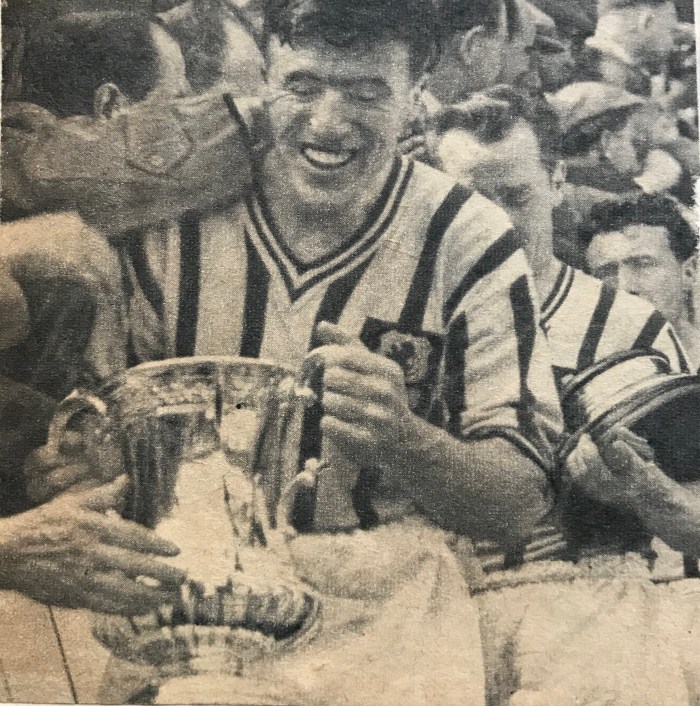
Saward (right) descends the steps at Wembley as a FA Cup winner with Aston Villa

In total, Saward played 170 games for Villa between 1955 and 1960, most notably featuring in their FA Cup winning team in 1957. Villa beat Manchester United 2-1 in the final at Wembley Stadium in front of a crowd of 99,225, Peter McParland scoring twice to win Villa the Cup for a seventh time.

Saward made only 14 appearances as Villa were relegated from the top-flight in 1959 but he was back in harness as captain when they made a swift return as Second Division champions in the 1959-60 season.

In his final season, he made just 12 appearances, his last coming on 22 October 1960 in a second city derby, Villa beating Birmingham 6-2. The following March, he was given a free transfer and moved on to Huddersfield Town.

Saward in the stripes of Huddersfield Town

He had first been selected for the Republic of Ireland on 7 March 1954 in a World Cup qualifier in which Luxembourg were beaten 1-0, and he went on to make 18 appearances for his country, the last, on 2 September 1962, coming when he was 34: a 1-1 draw away to Iceland in Reykjavík.

He played twice against England in World Cup qualifiers in 1957, a 1-1 draw and a 5-1 defeat, when he was up against the likes of Duncan Edwards, Johnny Haynes and Stanley Matthews, and in the same competition against Scotland, in 1961, when the Irish lost 4-1, and his teammates included Johnny Giles.

After 59 appearances for the Terriers, he dropped out of the league but acquainted himself with Sussex when moving to Crawley Town.

Jimmy Hill signed him for Coventry as a player-coach in October 1963 and although he made numerous reserve team appearances, he really made his mark as a coach and was responsible for the rapid development of City’s youth team in the 1960s.

Saward (left) with assistant manager Alan Dicks and Jimmy Hill at Coventry City

Willie Carr and Dennis Mortimer were just two of several first teamers who made it under his guidance. He stepped up to first team assistant manager when his former Eire teammate, Noel Cantwell, was appointed boss in 1967.

Not long after his switch to the Goldstone, Saward picked up one of his former Sky Blues proteges, Ian Goodwin, initially on loan, and then permanently, and eventually made him Albion captain. The rugged defender’s arrival was remembered in an Argus article.

When Saward died on 20 September 2002 following a period when he’d suffered with Alzheimer’s, an excellent Villa website pieced together a detailed obituary. His career is also recorded on the avfchistory.co.uk site.

Saward was laid to rest in the same Cambridge cemetery as his brother Len, a forward who played a total of 170 games for Cambridge United between 1952 and 1958, scoring 43 times. He went on to serve the club behind the scenes in their commercial department.

Pictures from my schoolboy Albion scrapbook and various online sources.

Coventry’s legendary skipper Ernie Machin also led Brighton

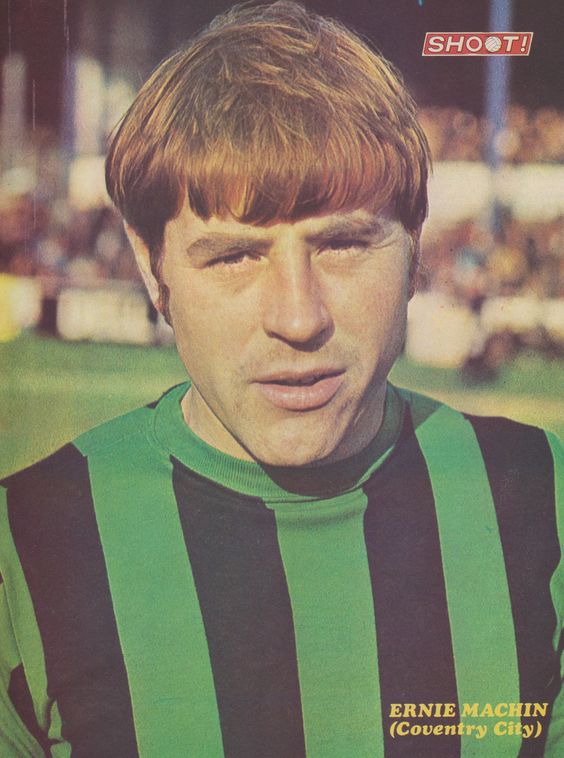
3 Machin Shoot!A MIDFIELD dynamo who captained Coventry City during their glory years at the top of English football’s pyramid was instantly installed as captain when he signed for third tier Brighton.

Ernie Machin was the first signing Peter Taylor made on taking sole charge of the Albion following Brian Clough’s decision to quit and join Leeds United.

Taylor, a former Coventry goalkeeper, had a well-earned reputation for his detailed knowledge of Midlands footballers.

Although Machin had moved to Plymouth Argyle in 1972, after 10 years at Highfield Road, he fitted the bill perfectly to add a bit of bite, experience and leadership to Taylor’s side.

A £30,000 fee took him to the Goldstone in the summer of 1974 but he was still nursing an injury sustained in training at Plymouth and when rushed into action too soon he broke down and missed quite a chunk of matches in the first part of the season.

Eventually he took up a regular spot in the centre of midfield and Argus reporter John Vinicombe observed in his end of season summary: “It wasn’t until the latter part of the season that Machin started to display known form.”

Machin actionThe midfielder eventually completed 31 games (plus three as sub) but manager Taylor took the captaincy from him and appointed his new centre back signing, Graham Winstanley.
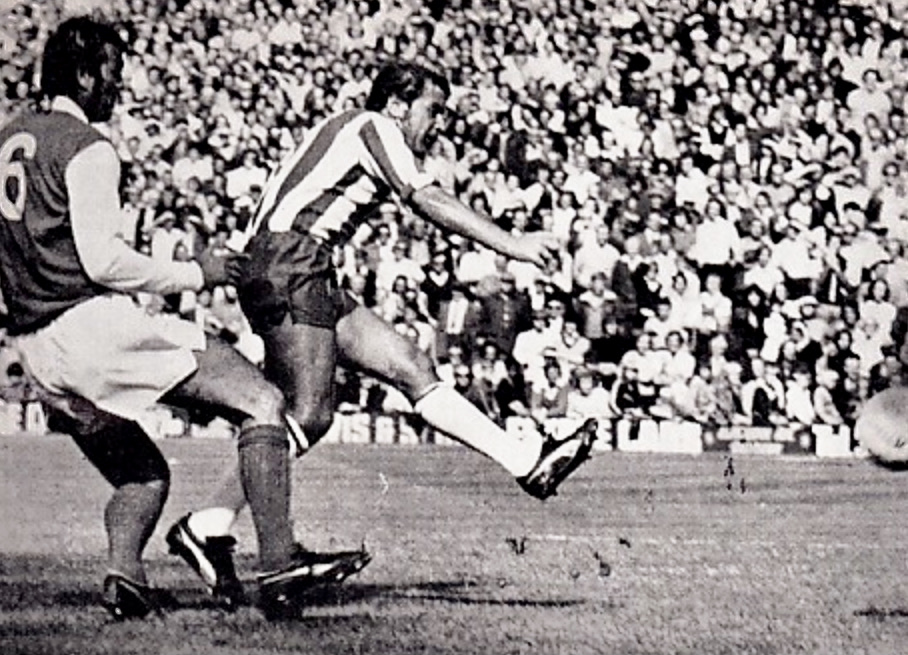
Nevertheless, Machin began the following season and got what would be his one and only Albion goal in the opening fixture, a 3-0 home win over Rotherham United.

He remained ever-present until the arrival in March 1976 of the on-pitch leader who would guide Albion to the promised land – Brian Horton.

Machin shootsMachin played 41 games that season and only shared the midfield with Horton once – in what turned out to be his final game in the stripes, a 4-2 home win over Grimsby Town.
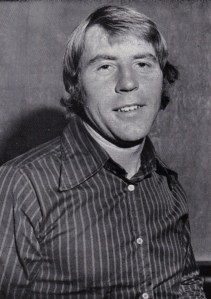
I hadn’t been aware until reading the excellent thegoldstonewrap.com that Machin didn’t move to Sussex during his time with the Albion. “He never settled on the south coast, and still lived in Coventry and trained in the Midlands,” they reported.

So perhaps it was no surprise that when Jimmy Hill, the manager who signed him for City and went on to be Coventry chairman, offered Machin a job back at his old club, he was only too happy to accept.

He took on the role of youth team coach, but it didn’t work out and he left football and went to work for Car Bodies and Massey Ferguson.

Machin was a member of the Coventry City Former Players Association after his career ended and they paid due respect to his part in the club’s history when he died aged 68 on 22 July 2012.

In an extended obituary on their website, they related how he had been born in Walkden, Manchester, on 26 April 1944, and had trials alongside future World Cup winner Alan Ball at Bolton Wanderers, but was not considered good enough.

Instead Machin joined non-league Nelson FC and, in 1962, was spotted by Coventry’s North West scout Alf Walton, who suggested Hill sign him up.

Hill wasn’t entirely convinced but admired the fact he rarely wasted a pass when in possession, and paid the princely sum of £50 to take him to Highfield Road, adding a further £200 when he made it into the first team.

That breakthrough came in April 1963, aged 18, in a 2-0 win over Millwall, and by the start of the following season he was first choice in the number 10 shirt as the Sky Blues headed for promotion.

However, they did it without Machin who sustained a bad knee injury in a home game with Watford in November, and missed the rest of the season, and beyond. Indeed, it was 18 months before he played again, having endured several operations.

Eventually he returned to play a pivotal role in the club’s Second Division title win in 1967, scoring 11 goals along the way.

When regular captain George Curtis broke his leg in the club’s second game in Division One, Machin took over as skipper and missed only three games in the club’s first two years amongst the elite.

ccfpa.co.uk recalled: “Older fans will remember his stunning goal in the 2-0 victory over European champions elect Manchester United in March 1968.

“His never-say-die attitude won him the respect of all his playing colleagues and the fans. He continued to be a regular, when fit, right up to the time of his departure in 1972 but a bad car accident put him out for three months in 1970 and his ‘dodgy’ knee continued to trouble him.”

The history books record that in 1972 he was the first English footballer to go through the courts to challenge a FA fine and suspension using TV evidence. He was sent off in a game at Newcastle for allegedly kicking an opponent, but the footage proved his innocence.

Even so, the FA spotted something else he’d done and upheld the disciplinary action on the basis of that without allowing him to present a defence. The courts ruled against the FA, and the PFA subsequently established the rights of players to legal representation in disciplinary cases.

By the time Coventry’s new managers Joe Mercer and Gordon Milne sold him to Plymouth for £35,000, he had played 289 games and scored 39 goals.

The website greensonscreen.co.uk says: “When Machin moved to Home Park in December 1972 he soon showed his class and intelligence, controlling games from midfield. He was named the Player of the Year in his only full season with the club but, much to the dismay of the fans, requested a transfer and moved to Brighton and Hove Albion.”

Despite his relatively short stay at Home Park, he made such an impression that in 2004 he was named in Plymouth’s Team of the Century.

Although suffering from poor health, Machin attended a reunion of Coventry’s 1967 promotion-winning team in 2007 and in 2008 he was one of 30 former players inducted into the club’s Legends Group for services to the football club.

1 main ernie + cant2 machin signs

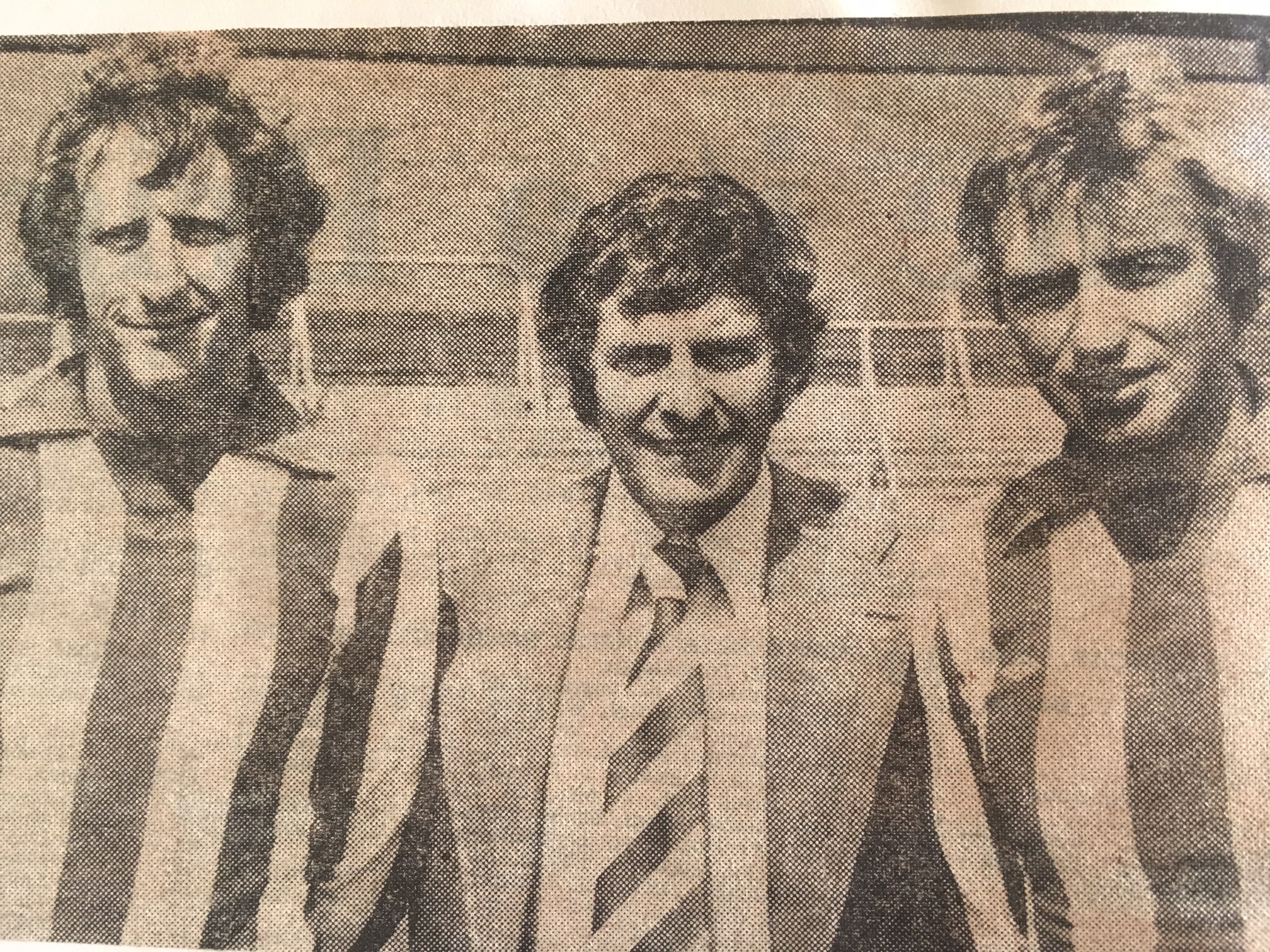
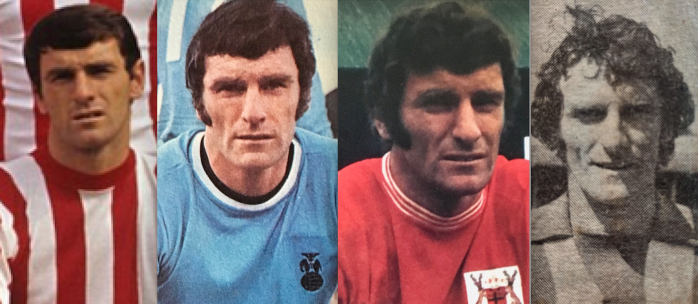
Pictures include one from my scrapbook of Machin in a Coventry team line-up alongside manager Noel Cantwell who kindly gave me his autograph when the Sky Blues played Brighton in a friendly. Also pictured, the Evening Argus coverage of his signing. And a Shoot! magazine portrait. Plus a montage of other images.

Villa’s European Cup winning captain at the Albion

2-mortimer-in-flightA CULTURED midfielder regarded in many circles as the best ever captain of Aston Villa was almost ever-present in one season with Brighton.
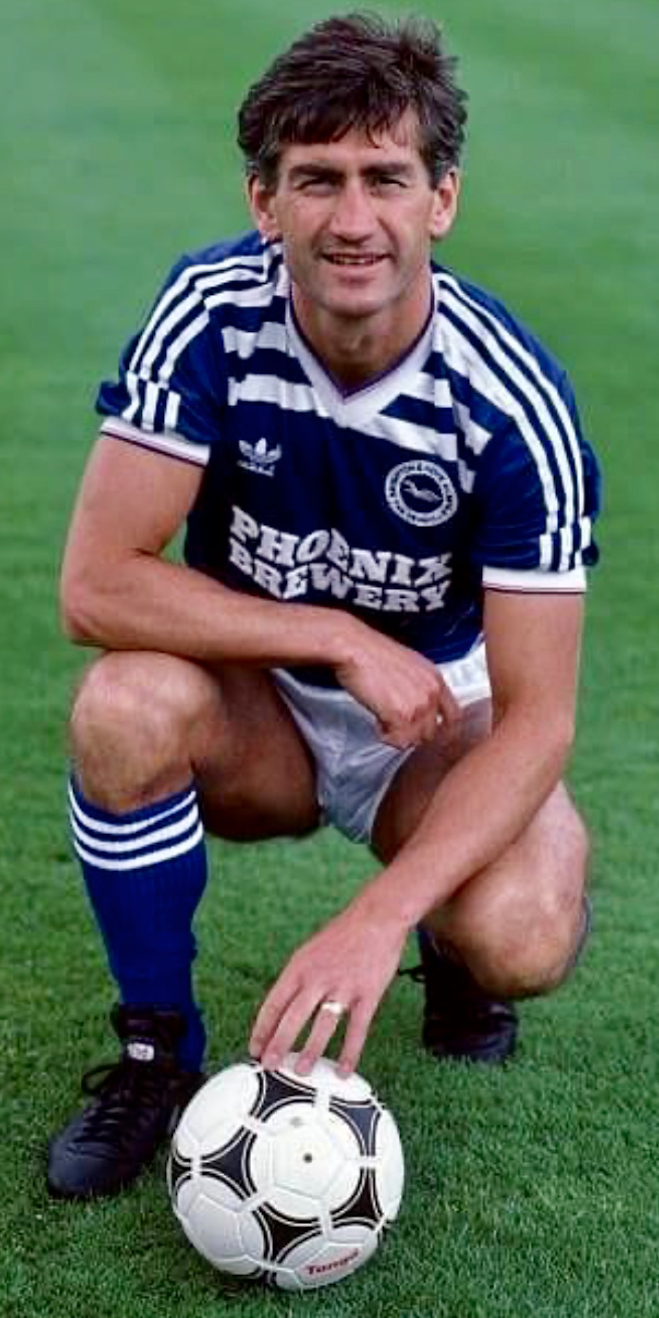
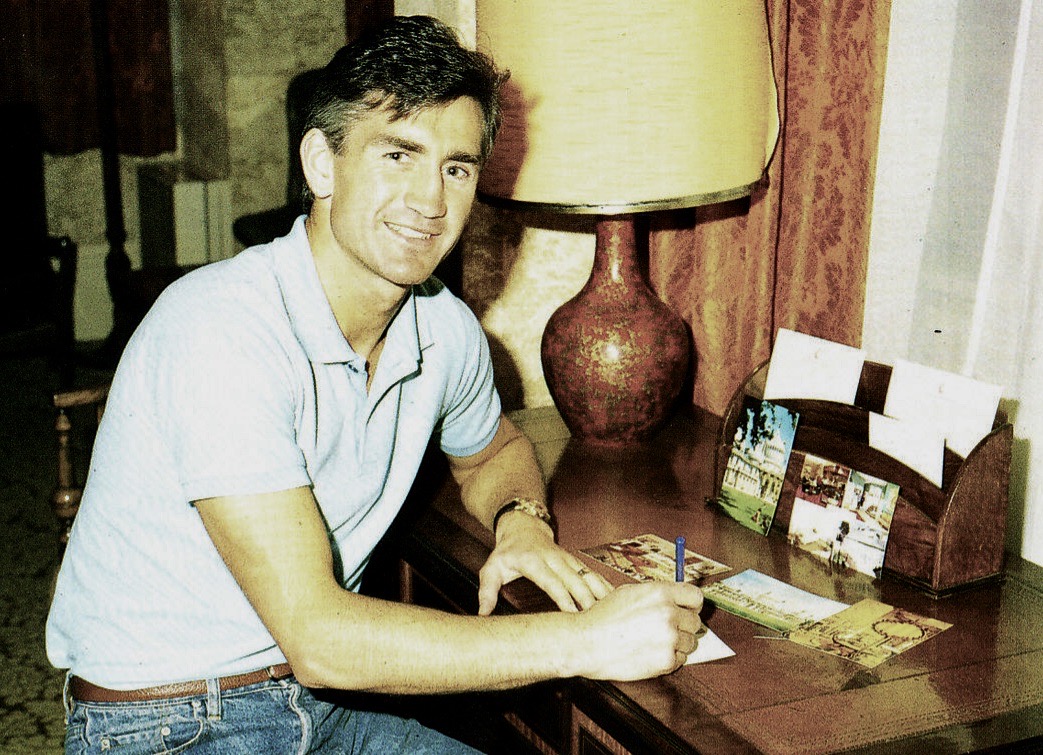
Dennis Mortimer captained Villa when they won the European Cup in 1982 under manager Tony Barton.

Mortimer joined the Seagulls three years later and shone in what was a rather disappointing Division 2 season which saw the Albion finish 11th.

Brighton’s near-promotion form in the season before had prompted Mortimer to try to help the Seagulls to restore their elite status after he’d been released by Villa.

In a programme feature by Tony Norman in November 1985, he said: “I knew this was a good side to come into; a team that wanted to play good football and win promotion.

“They missed it so narrowly last year and I felt I would like to be part of that challenge this year. I knew there would be excitement in the season ahead, and to me that is one of the most important things in football.

“Obviously I’m coming to the end of a long career in the game. I’ve been a professional for 17 years now and I wanted one final challenge. That’s why I came to Brighton.”

In his programme notes for the opening game of the season (against Grimsby Town), manager Chris Cattlin said of his former Coventry teammate: “He is a truly outstanding professional who will give the team steadiness and experience.”

Fans had a taste of what he would bring to the team when he scored a cracker in a pre-season game against Arsenal.

Unfortunately, while Mortimer was a consistent performer in midfield and the team enjoyed a decent run in the FA Cup – losing in the quarter finals to Southampton – Cattlin’s side were beset by injuries to key players and ultimately fell short of the top spots.

Morty BHAmorty writesKnowing his time on the south coast was going to be limited, Mortimer didn’t uproot his family from their Lichfield home and instead lived in the Courtlands Hotel in Hove (above) for a while and also bought a flat where his wife and children could visit during school holidays.

Despite being born in Liverpool, the bulk of Mortimer’s career was connected with West Midlands teams, beginning with Coventry City under the tutelage of Pat Saward, who later managed the Albion, and ending with West Brom where he had a spell as assistant manager after his playing days were over.

He had not been a schoolboy star but was picked up and developed through Coventry’s youth development system. As well as coach Saward, Coventry’s youngsters also benefitted from the experience of Bob Dennison, the man who, at Middlesbrough, brought together as players one of the most famous footballing partnerships in Brian Clough and Peter Taylor.

“As a lad I thought I would be an engineer and, although the whole family were Liverpool mad, and we never missed a home game, it did not enter my head that I might be a professional until I was 14,” Mortimer said in a Goal interview in 1973. Coventry offered him a trial just as he was leaving school and his career built from there.

His initial Coventry boss Noel Cantwell, the former Man Utd and West Ham full back, was sure Dennis was destined for greater things after his first England under-23 call-up. “Dennis will become a big name in football, “ he said. “When he gets in Sir Alf’s side I don’t think he will lose his place easily.”

Although he never won a full cap, in 1971 he went on an end-of-season tour to Australia in an English FA squad that also included Peter Grummitt (then of Sheffield Wednesday) and Barry Bridges (of Millwall at the time). The group played the Republic of Ireland in Dublin, drawing 1-1, before heading Down Under where they won all nine of the matches they played in various locations across a month.

Coventry general manager, Joe Mercer, who was a legendary figure in the game and had a spell as caretaker manager of England, said of Dennis: “He has this great change of pace…he can go into another gear and accelerate out of trouble like all the good ones.”

However, it was after his move to Villa in 1975 that he rose to prominence, culminating in that famous 1-0 win over Bayern Munich in Rotterdam, courtesy of a Peter Withe goal.

As part of a 30th anniversary celebration of the achievement, Mortimer told the Birmingham Mail in 2012: “It was such a momentous occasion for Aston Villa Football Club and for all of us as young men that you never forget it – and I doubt the fans who witnessed it would ever forget it either.

“You only have to see how big the competition is now and how much hype it gets to realise what an amazing achievement it was for us.

“Every year when the final of the European Cup, or Champions League as it is called now, comes around, I get a glimpse of that fantastic trophy and it all comes flooding back.

“I’ll never get bored of talking about it, but I don’t get reminded about it that much any more. It’s usually me telling the younger kids that Aston Villa won the European Cup.

“Some of them don’t believe me, because it was so long ago, and before a lot of them were born, but they go away and Google it and think ‘Wow, yes, they did win it!’”

DM Villa

In 10 years at Villa, Mortimer made 403 appearances and scored 36 goals. A 1977 League Cup winner, he led Villa to the English Division One title on May 2, 1981, and then lifted the European Cup on May 26, 1982.

The Birmingham Post said in 2010: “The Liverpudlian was at the forefront of the club’s finest era of modern times; a driving force from midfield that helped bring a level of success to Villa Park that his successors can only dream of.”

Although capped by England under-23 and England B, a full cap eluded him. That seems extraordinary now, especially after scoring twice in a 3-1 win for the under-23s against the Netherlands at Highbury, when Goal magazine reported he was being “hailed as the new Bobby Charlton”.

Mortimer was subsequently picked for the senior squad but didn’t get a game. “I got as far as the bench in the home internationals when Villa won the league, but never got on,” he said in a 2010 interview. “I always felt I should have done but there were so many good midfield players around at that time.

“I just needed to get on that pitch for five minutes in that home international, but Ron Greenwood wouldn’t put me on.”

After Cattlin allowed Jimmy Case to leave Brighton (telling the board his legs had gone, even though he then had six seasons at Southampton!), the team was crying out for a seasoned cool head in midfield who could put their foot on the ball and spread the ball about.

Cattlin eventually turned to his former Coventry teammate to bring that quality to a squad that was not quite reaching the heights required to restore the elite status lost in 1983.

Sadly, Mortimer spent just the one season at The Goldstone, but his 49 league and cup appearances were the highest number in that season’s squad.

Cattlin had offered him a two-year contract with the chance to start coaching but, following the manager’s sacking close to the end of the season, and his replacement Alan Mullery not fancying the experienced midfielder, he left the club.

“Player-coach would have been great as I had plenty left in the tank,” Mortimer told journalist Spencer Vignes: “He swapped a player with plenty of experience for one with no experience (Dale Jasper) and I was let go. Four months later (it was actually eight), Alan was let go as well.”

Mortimer returned to the Midlands – making the somewhat controversial decision to join Villa’s arch rivals Birmingham.

Funnily enough at the very same time he was heading back to the Midlands, the captain who lifted the European Cup that month also went on to play for the Albion. Romanian international Stefan Iovan was the Steaua Bucharest captain when they beat Barcelona on penalties in Seville; five years later, he was stepping out at Wembley as part of the Seagulls’ line-up in the Division 2 play-off final with Notts County.

But finally back to Mortimer. Now a sports speaker, pundit and coach, he’s not afraid to speak his mind and has been known to upset a few people with his outspoken comments about Villa’s plight in recent years.

  • Pictures from my scrapbook show Dennis Mortimer in action for Coventry against Liverpool, from Goal magazine, and an Albion matchday programme shot of him in full flight for the Seagulls. Also pictured is Mortimer when reserve team coach at West Brom during Ossie Ardiles’ reign as manager. When Ardiles moved to Spurs, Mortimer became new boss Keith Burkinshaw’s assistant. Full grey head of hair picture from 2010.

When Chris Cattlin rocked up to play for and manage Brighton

1-cat-in-goalIT MUST BE difficult for today’s reader to imagine a player with the opportunity to sign for either Coventry City or Chelsea choosing the Sky Blues over the London giants.

But in 1968, when the choice faced Huddersfield Town’s Cattlin, he moved to Highfield Road because the following day they were playing a star-studded Manchester United side and, as the full-back who’d be marking the legendary George Best, he couldn’t resist pitting his ability against the Irish wizard.

It was one of several career insights Cattlin revealed in an excellent interview by Doug Thomson in the Huddersfield Examiner in June 2013.

Huddersfield were happy to collect a £70,000 transfer fee when Coventry bid for Cattlin, but he told the Examiner: “Chelsea also came in for me and I was due to speak to them in the afternoon after talking to Coventry in the morning.

“City were playing Manchester United the next day and the manager, Noel Cantwell, told me I would definitely be in the team.

“I knew that if I could say I’d played against George Best, Denis Law and Bobby Charlton, I could die a happy man, so I never got as far as Stamford Bridge!

“I signed for £65 a week when the man in the street was probably getting £20, so to be paid like that for playing football made me more than happy!”

As it turned out, Cattlin marked Best out of the game and his new team won 2-0 with goals from Ernie Machin (who later left the Albion at the same time Cattlin arrived at the Goldstone) and Maurice Setters, against his old team.

Cattlin went on to play more than 250 league and cup games for Coventry, (then in the equivalent of today’s Premier League), before moving to Brighton in 1976, where his playing career finished, but he returned as manager between 1983 and 1986.

Going back to the beginning, though, Cattlin was born in Milnrow, Lancashire, on 25 June 1946, the son of a rugby league player, Bob, and his early school days were spent at Milnrow Parish School. He moved on to Ashton-under-Lyne Technical College (Geoff Hurst was three years his senior there) and then took a job in textile engineering.

In the meantime, he trained and played for Burnley’s youth team but he struggled with the 40-mile round trip travelling from his home. A Huddersfield Town scout, Harry Hooper, had spotted his potential and he was offered a professional contract with the Terriers in the summer of 1964 which allowed him to carry on working two days a week at the textiles factory.

“I went across to Leeds Road, and just fell in love with the place. It was far from luxurious, but there was just a feel about the ground and the people there,” he recalled.

Maybe it was also a feeling that Huddersfield knew a thing or two about decent left backs. Cattlin took over from Bob McNab, who later made a name for himself at Arsenal, and played four games for England, and McNab had replaced England World Cup winner Ray Wilson, who Town transferred to Everton.

Cattlin was signed by Eddie Boot only for the manager to resign the day after, following a 2-1 home defeat by Plymouth. Boot’s successor was Tom Johnston and he insisted on Cattlin becoming a full-time pro, which caused a degree of angst with Cattlin’s concerned parents, but he went for it and didn’t look back.

It was emerging coach Ian Greaves, a former Manchester United player (who later took Town to the top flight as manager), who was to have a lasting effect on Cattlin. “Ian lived in Shaw, the next village to Milnrow, and he’d give me a lift to Leeds Road each day, in the days before the M62, on that winding old road over the moors,” he explained.

“He was a great coach and later manager, and a superb motivator, just a football man through and through.”

Cattlin made his debut in a 3-1 home win over Derby on the final day of the 1964-65 Division 2 (now Championship) campaign but didn’t fully establish himself in the side until the 1966-67 campaign.

In total, he played 70 times for Huddersfield and, for a while, he was playing for the town’s football team while dad Bob was playing for its rugby league side. “My dad played for Huddersfield at rugby league, I played for Huddersfield Town at football. I think we’re the only father and son to have done that,” he said.

After that 1968 transfer to Coventry, Cattlin became a firm favourite at Highfield Road and although he didn’t quite emulate Wilson and McNab, he did play twice for England Under 23s. He made his debut on 2 October 1968 in a 3-1 win over Wales at Wrexham in a side that also included Peter Shilton in goal, West Ham’s Billy Bonds and John Sissons and Everton’s Howard Kendall and John Hurst.

Six weeks later he won his other cap in a 2-2 draw with the Netherlands at Birmingham’s St Andrews ground, when Arsenal’s John Radford and Hurst were the scorers. Cattlin also represented the Football League v the Scottish Football League.

Cattlin was part of the only Coventry side ever to qualify for Europe (in 1970-71) and remembered relative success, only eventually getting knocked out by a Bayern Munich side that included the likes of Franz Beckenbauer and Gerd Muller.

On another occasion, in a tour match, he played in a 2-2 daw against Santos of Brazil, with Pele in their team, in front of an 80,000 crowd. “Pitting your wits against those kinds of players was a fantastic education,” he said.

When manager Gordon Milne decided to give Cattlin a free transfer after nine years and 239 matches for Coventry, fans organised a petition to keep him at Highfield Road.

But there was no turning back and Peter Taylor signed him for Brighton – along with another experienced defender, Graham Cross (from Leicester City) – a short time before quitting the club to rejoin Brian Clough at Nottingham Forest.

CC76

It was Alan Mullery’s good fortune to inherit a squad that would take Division 3 by storm to earn promotion and Cattlin was able to contribute in both full back positions although mainly at left back, having the edge on Harry Wilson.

With the arrival of Gary Williams from Preston, Cattlin switched to the right and vied with Ken Tiler for the shirt, regaining the upper hand for the final two thirds of the season which ended with promotion from the old Division 2 in 1978.

“That Brighton promotion team – what a fantastic set of lads, with no little ability,” he said. “They could all play and were great characters. I was a very lucky lad to come along at the end of my career and join a dressing room like that.”

Although he made just one appearance (in the disastrous 4-0 League Cup defeat at Arsenal) during the 1979-80 season, he notched up a total of 114 games for Brighton.

And he obviously liked the place so much that once his playing days were over he opened a rock shop on Brighton seafront, as well as investing in property. However, three years after quitting as a player, he returned to the Goldstone as a coach, appointed in the summer of 1983 by chairman Mike Bamber to assist manager Jimmy Melia – without Melia’s knowledge!

It all got rather messy with Melia and Cattlin clearly not getting on and talk of a takeover rumbling on in the background.

By the middle of October, Melia quit and Cattlin took over as manager, with another well known former left back, Sammy Nelson, elevated from reserve team manager to assistant manager.

Cattlin then began to shape his own squad and among notable signings who served Albion well were Steve Penney, Danny Wilson and Dean Saunders while there were some memorable cup games, including beating Liverpool in what I believe was the first FA Cup tie – other than finals – to be shown live on TV.

One of TV’s pundits of today, Martin Keown, was another Cattlin signing, joining on loan from Arsenal and beginning with Brighton what was a memorable career with the Gunners, Aston Villa, Everton and England.

Cattlin admitted in 2010: “I had to sell a lot of the popular, best players for financial reasons and bring other ones in to keep the show on the road and make it interesting for the crowd. That was my job.” The likes of Steve Foster (to Aston Villa), Jimmy Case (to Southampton), Tony Grealish (to West Brom) and Gordon Smith (to Manchester City) were all sold by Cattlin.

In 1984, Cattlin certainly found an entertainer when he brought to the Albion a former teammate from his days at Leeds Road, the mercurial Frank Worthington, who moved along the south coast from Southampton.

By that time, Worthington wasn’t too mobile but he’d lost none of his skill and flamboyance and Cattlin told his 2013 interviewer: “He did a good job for me.

“Frank wasn’t only a great player, but a great bloke as well, a dedicated trainer and a great bloke to have around a club.”

Catt dog
Barking up the wrong tree? Cattlin couldn’t quite restore Albion to the elite when he returned as manager

Cattlin stayed in the manager’s chair until April 1986, overseeing finishes of ninth, sixth and 11th in the second tier, although he clearly felt the writing was on the wall as far as his job was concerned when the Albion board wouldn’t give him £6,500 to sign the experienced defender Jeff Clarke from Newcastle, as Cattlin explained at the Albion Roar live show in December 2018 (skip to 28 minutes in).

Distractions and changes in the boardroom were an uncomfortable backdrop to much of his time in charge and it was evident that the fans didn’t perceive Cattlin to be to blame for the failure to finish higher.

When he was sacked, there were protests from supporters, a 2,000-signature petition calling for his reinstatement and Cattlin himself addressed a 200-strong rally in Hove.

But it was all to no avail. His former boss, Mullery, returned and Cattlin went back to his non-football business interests.

In a 2010 interview in the matchday programme, Cattlin said: “I think I deserved another season at least to get them back into what is now the Premiership.

“If it had gone wonky then they wouldn’t have had to fire me – I’d have gone myself. Nevertheless, to play, coach and manage Brighton and Hove Albion made me a very proud man. But I wish I could have put them back where I felt they belonged.”

  • Pictures show (top) Chris Cattlin pictured in Goal magazine in Coventry’s sky blue; in an Evening Argus shot alongside new manager Alan Mullery and fellow close season signing Graham Cross; how the Albion programme headed his managerial notes.

Cattlin pictured in 2010