Villa’s Tommy Hughes helped stop rock-bottom Brighton rot

BRIGHTON were in a sorry state floundering at the bottom of the old Second Division when manager Pat Saward turned to a former Aston Villa teammate to borrow his back-up goalkeeper.

Albion had gone on a horrendous run of 14 consecutive defeats between November and February in the 1972-73 season and Saward decided to take regular custodian Brian Powney out of the firing line.

Inexperienced reserve goalkeeper Alan Dovey had twice conceded four goals (in defeats at Preston and Sunderland) during that awful run and between him and Powney they’d conceded 37 goals.

After seeing Albion succumb 3-1 at home to Villa and 5-1 at Fulham, Saward had a word with Vic Crowe, a former Villa teammate who by then was in the manager’s chair at Villa Park, and got him to agree a loan move for Tommy Hughes.

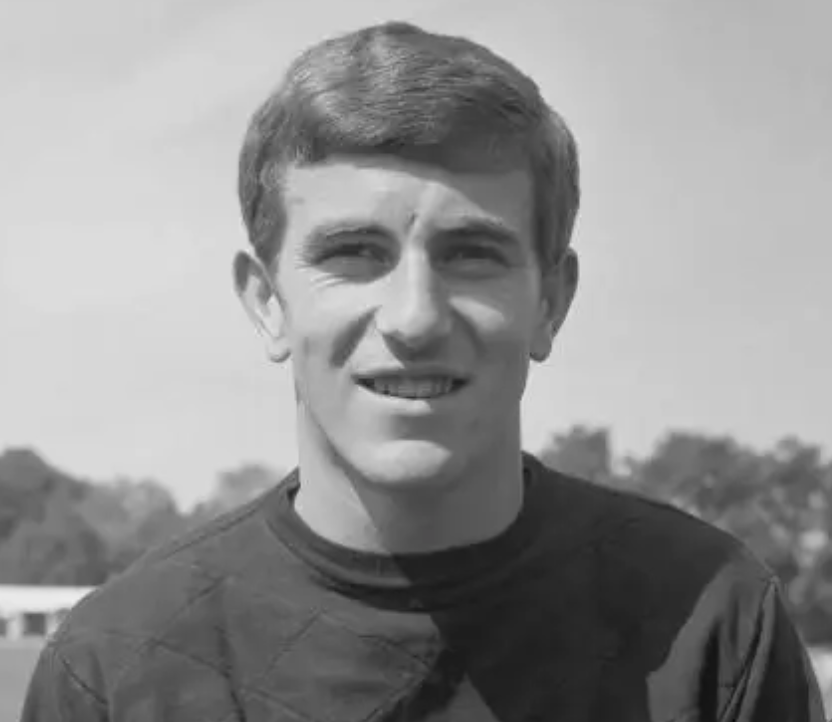
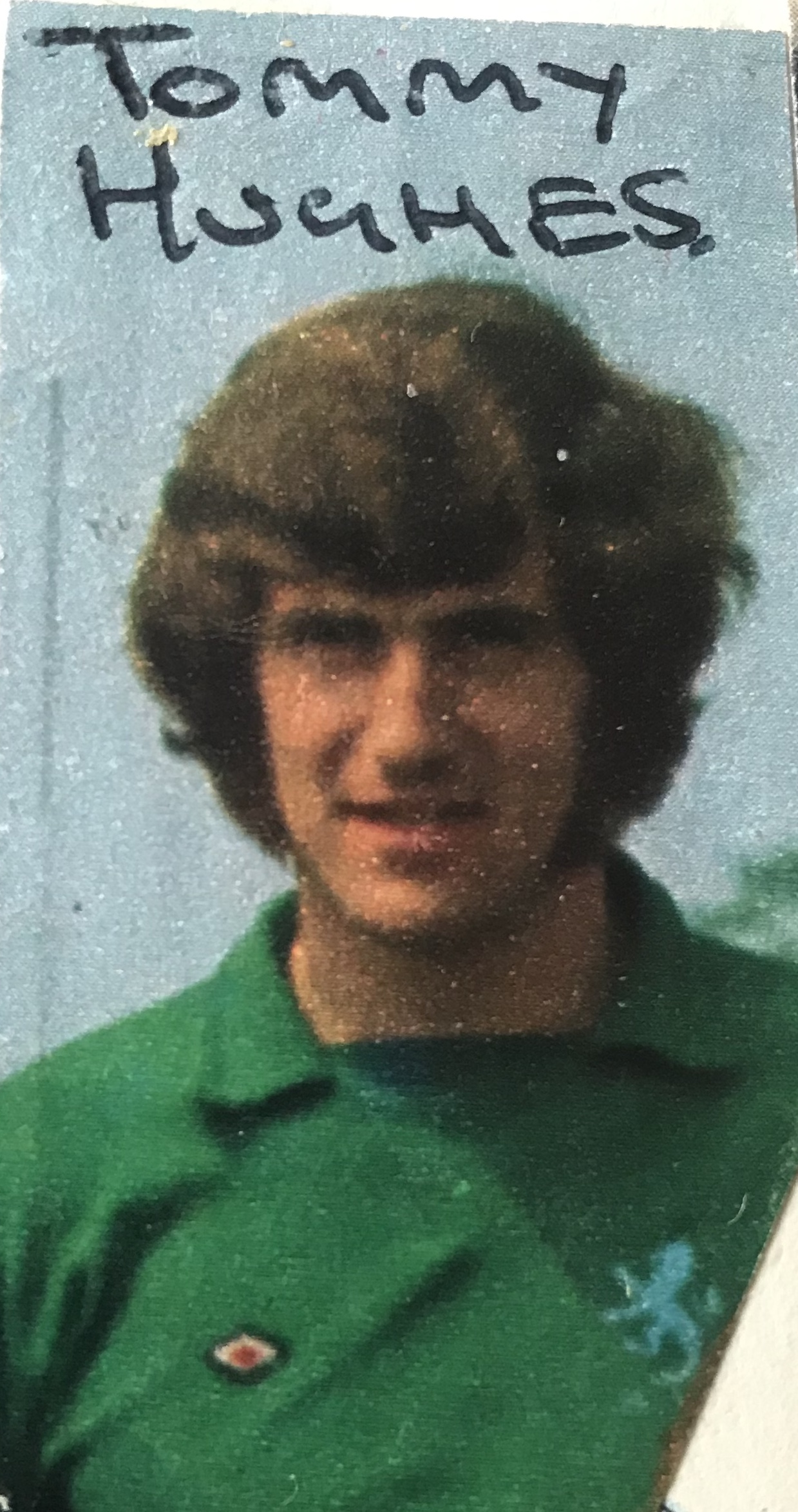
Hughes, who had spent years in Peter Bonetti’s shadow at Chelsea, arrived on the south coast to try to stem the tide and help Brighton get back on the winning trail.

His first run-out for the Albion came in a home friendly against then First Division Stoke City – both sides had been knocked out of the previous round of the FA Cup. Saward also gave a debut to 17-year-old Tony Towner although, unfortunately, Albion were once again on the losing side, 2-0. Nevertheless, the Albion matchday programme said Hughes “had a storming game”.

The losing streak finally came to an end the following Saturday when Hughes made his league debut at home to Luton Town. As well as the change in goal, Saward stuck with Towner on the wing and put another teenager, Pat Hilton, up front alongside Ken Beamish who scored both Albion goals in a 2-0 win.

Unsurprisingly, Hughes kept the shirt for two more league matches, a 3-1 defeat at Bristol City and a 2-0 reverse at Hull City.

Sandwiched between those games, he appeared in a Friday night friendly against visiting Moscow Spartak on 23 February which Albion won 1-0; captain Ian Goodwin scoring the only goal of the game.

Saward wanted to sign Hughes permanently but the powers-that-be couldn’t come up with the required fee and Powney resumed his place. Although Albion put up a bit of a fight, only losing two of the remaining 11 games, winning five and drawing four, the damage had already been done over the winter and they were relegated along with Huddersfield Town.

Hughes at Hereford

Hughes, meanwhile, returned to Villa Park but was soon on the move to a permanent home, where he stayed for many years.

Transferred to Hereford United in August 1973 for £15,000, he became something of a club legend and stayed in the area apart from one brief return to Scotland.

As the official club website noted: “He was an immediate success at Hereford and won the Player of the Year award in his first season and repeated the feat five seasons later.”

Manager Colin Addison brought him in when David Icke, the conspiracy theorist and former BBC sports broadcaster, was forced to retire through injury and regular no.1 Fred Potter was also sidelined.

Hughes made 240 appearances over nine seasons with The Bulls, and was in their Third Division championship-winning side of 1975-76. He later became Hereford’s caretaker manager during the 1982-83 season.

In 2006, he demonstrated his prowess at golf when he became the Herefordshire County Senior Champion. Posting a gross score of 72 at the Sapey course, the local newspaper said he had “produced a championship winning round in tricky conditions”. It added: “The course was beautifully manicured but many competitiors struggled to cope with the extra run and bounce off fairways baked hard after weeks of relentless sunshine.”

Born in Dalmuir, West Dunbartonshire, on 11 July 1947, Hughes started out with Scottish Second Division side Clydebank before Tommy Docherty signed him for Chelsea in 1966.

Only ever an understudy to Bonetti, he played two league games in each of 1966-67 and 1967-68, once in 1968-69 and six times in 1969-70.

His competitive debut came on 19 November 1966, when he was only 19, in a 1-1 Stamford Bridge draw against Sheffield United.

The following month he shipped six as Chelsea were thumped 6-1 at Sheffield Wednesday on New Year’s Eve.

In 1968, he was in the Chelsea side that won 5-3 at Southampton and 2-1 at Sheffield United.

In the six games he played between January and April 1970, he conceded 15 goals which included five goals in front of 57,221 at home to Leeds and five to Everton (who went on to win the First Division title) when 57,828 packed in to Goodison Park. Everton were 2-0 up (through Howard Kendall and Alan Ball) within five minutes of the start!

During his time at Chelsea, he was twice selected to play for the Scotland under 23 side. He made his debut on 3 December 1969 in a 4-0 win over France.

The following March he was between the sticks when the England under 23s beat the Scots 3-1 at Roker Park (his Chelsea teammate Peter Osgood scored twice, Brian Kidd the other) but the game was abandoned on 62 minutes when a snowstorm made it impossible to play the full 90 minutes.

His last game for Chelsea came the following month, on 15 April 1970, when Burnley beat the London side 3–1 at Turf Moor.

After Hughes broke his leg in a pre-season friendly in Holland, manager Dave Sexton brought in John Phillips from Villa to understudy Bonetti and, the following May, the displaced Hughes moved in the opposite direction, for £12,500. Phillips would later spend the 1980-81 season as Albion’s back-up goalkeeper under Alan Mullery.

Hughes might have thought he had finally claimed a no.1 spot of his own in a Villa side that had just been relegated to the third tier. He made his Third Division debut at home to Plymouth Argyle on 14 August.

But he only played 16 games under Vic Crowe before losing his place to Jim Cumbes, who had signed from West Brom. Cumbes was one of those rare breeds of sportsmen who also played county cricket for Lancashire, Surrey, Worcestershire and Warwickshire.

Hughes’ 23rd and last game for Villa saw him make a horrible blunder in a first round FA Cup match at Fourth Division Southend United in November 1971. He dropped a free kick at the feet of Bill Garner (who later moved to Chelsea) who set up Billy Best to score the only goal of the game for the Shrimpers.

The ‘keeper’s long run as Hereford’s first choice came to an end in the 1977-78 season, when new signing Peter Mellor, once of Burnley and Fulham, took over the gloves.

Hughes decided to return to Scotland and signed a one-month contract with Dundee United. He contemplated moving his family back up north permanently, but they wanted to return to Hereford, which they did.

“The club and the fans welcomed him back with open arms and Tommy remained at Edgar Street until he finally hung up his boots in 1982,” said the club website. “Tommy never lost his love for Hereford and jumped at the chance of having spells as commercial manager and even as caretaker manager when the financial situation at Edgar Street was fraught.”

As it turned out, he was to make one final appearance at Edgar Street in the 1983-84 Radio Wyvern Cup Final. He had attended as a spectator but turned out for Worcester City after their ‘keeper Paul Hayward dislocated a finger in the pre-match warm up.

Hughes had a spell as manager of Trowbridge Town but his home remained in Hereford where he ran his own successful carpet-cleaning business for many years.

Flying winger Tony ‘Tiger’ Towner immortalised in children’s TV programme

2-towner-takes-on-argusIF ART is the sincerest form of flattery, Tony Towner can count himself amongst the privileged few to be forever remembered on film.

That it was done by two of Rotherham United’s most ardent celebrity fans is neither here nor there – it’s not everyone who can say their prowess has been portrayed in an episode of Chucklevision.

Towner and fellow Millers hero Ronnie Moore were at the centre of a classic knockabout episode of the children’s TV series in which Rotherham supporters Paul and Barry Chuckle constantly get involved in slapstick scrapes.

In Football Heroes, made in 1996, the Chuckle Brothers meet Towner and Moore (actors playing them rather than the footballers themselves!) on their way to a game and accidentally end up with their invitation cards to play in a veterans match, leading to them ending up on the pitch.

Towner earned plaudits for his Rotherham performances in this Shoot magazine feature – pipping one Danny Wilson!

It was Towner and Moore’s starring performances in the Rotherham side that won promotion from the old Division 3 as champions in 1980-81 that earned them cult status.

Over three seasons, Towner appeared over 100 times for the Millers and even all these years later is still remembered with affection.

Take, for example, comments made on the Millers Mad website a couple of years ago. Ivor Hardy said: “Tony (Tiger) Towner was one of the best and most talented footballers ever to play for us.

“He was instrumental in us winning the league in 80/81, along with doing the double over our near neighbours Sheffield United in the same season.

“We were lucky to get the services of Towner and Seasman from Millwall, and only did so because the Lions were in financial turmoil that season and had to get some money in fast. He will always be a legend with the older fans, along with team mates Seasman, Moore, Fern, Breckin, Mountford etc.

“Tiger gave us some great memories.”

Meanwhile, kevthemaltbymiller said: “Great player for us, very tricky winger with lightning pace. Happy memories.” And sawmiller added: “Tiger was a super player – good winger who created a real buzz in the crowd when he got the ball and ran at players.”

Towner himself considered his time at Rotherham to have been his best playing days. In an Albion matchday programme article, he told Roy Chuter: “They were probably my best years, my most consistent, anyway. I was 26, 27 years old – at my peak. I had three tremendous years.”

Initially playing under Sunderland’s 1973 FA Cup Final hero Ian Porterfield, he also enjoyed working with the former Liverpool legend Emlyn Hughes, when he took over as manager.

Brighton fans also have good memories of the local boy made good. Sussex youngsters making the grade with the Albion have been pretty few and far between over the years, but Towner and defender/midfielder Steve Piper were two who did it in the 1970s.

In Albion’s 1972-73 season in the second tier, Piper had already been blooded in the first team in the November. Towner signed professional on 29 December 1972 and, with Albion having been knocked out of the FA Cup by Chelsea in the third round, manager Pat Saward arranged a friendly against Stoke City on fourth round day, 3 February 1973 (Stoke had been beaten 3-2 by Man City) and gave Towner his first team debut in a 2-0 defeat at the Goldstone.

The following Saturday he made his league debut aged just 17 at home to Luton Town. Albion went into the game having suffered 14 defeats on the trot (12 in the league plus the games against Chelsea and Stoke) and, rooted to the bottom of the table, relegation was inevitable.

Saward gave the side a shake-up, dropping three established players – goalkeeper Brian Powney in favour of loan signing Tommy Hughes from Aston Villa, right back Graham Howell (to the bench), and experienced striker Barry Bridges.

Piper made only his sixth first team appearance and he was joined by winger Towner and forward Pat Hilton. It was Towner’s brilliant display on the wing that really caught the eye as Albion finally mustered a win, beating the Hatters 2-0.

Towner kept the shirt until the end of the season and it was the launchpad for a 15-year professional career in which he made over 400 appearances. After that Luton debut, he scored his first goal in a 2-1 home win against Huddersfield on 10 March.

“I was an Albion fan as a kid, in Bevendean, and I joined them straight from school at 15, as an apprentice,” he said. “I already had the ‘Tiger’ nickname when I got into the team in 1973 – I think it was one of Alan Duffy‘s. I must have tackled him a bit too hard in training, or something. Tiger was a great nickname, and I loved it.”

One of the few survivors of the great Brian Clough cull of the playing staff in 1974, Towner was a speedy, skilful winger who could put in terrific crosses for his teammates. The fact he was a local lad endeared him greatly to the crowd.

In five years, he had plenty of challengers for his place. In the early days, Gerry Fell competed for the wide berth and later Eric Potts, but Towner still managed 171 games (+ 12 as sub) for the Albion and scored 25 goals.

“Gerry was the opposite of me, though still a winger – he had loads of pace, though not too much skill,” Towner recalled. “He’d knock the ball ahead of him and run past the defender to get it, a bit like Stuart Storer. I’d try to trick my way past.”

In John Vinicombe’s end of season assessment of Peter Taylor’s first season in sole charge (1974-75), he said: “It is with no disrespect to Taylor that I suggest that the three most consistent players were those he inherited – O’Sullivan, Towner and Piper.

“Towards the end, Towner tailed off a little but he struck up an intuitive partnership with Fred Binney.”

In fact Towner was third highest in the squad for appearances that season, playing 47 games in total plus four as sub and with 10 goals was second highest goalscorer behind Binney.

It was the arrival of Gerry Ryan from Derby in September 1978, which finally prompted his departure. George Petchey, who later joined Chris Cattlin’s backroom team at the Goldstone, took him to Millwall for £65,000.

Unfortunately, while Brighton won promotion to Division 1 in 1979, Millwall went the opposite way out of Division 2, and Towner found himself back in the third tier.

After 68 appearances for the Lions, in 1980 he was sold to Rotherham along with teammate John Seasman for a combined fee of £165,000.

Towner scored once for Rotherham’s near neighbours Sheffield United in a 10-game loan spell in 1983 and although he had missed out on Brighton’s eventual elevation to the top tier, he managed it with Wolves in 1983-84 having been signed by the Black Country side for £80,000.

He then joined Charlton Athletic but in the 1985-86 season was loaned to Rochdale where he once again linked up with his former Rotherham teammates, Moore and Seasman. He made five appearances for Rochdale and MikeMCSG on clarkechroniclersfootballers.blogspot.co.uk recalls: “He came on as sub in a home game and made an instantly good impression by beating the full back with his first touch.

“He went on to play a blinder in the draw at Halifax on Boxing Day. Unfortunately Tony didn’t want to uproot to the North and couldn’t be persuaded to make his stay permanent. When Cambridge came in with an offer he signed for them instead although he only made eight appearances for them in total.”

Towner’s final Albion appearance had been in a 4-1 defeat away to Leicester in September 1978 but his final appearance at the Goldstone came in a memorable FA Cup 3rd round tie on 4 January 1992.

Albion beat then Southern League Crawley 5-0 and Towner earned a rousing reception from the 18,031 packed into the Goldstone when, at the age of 36, he came on as a substitute for the visitors.

Crawley were one of several non-league clubs he played for: he also turned out for Gravesend, Fisher Athletic, Lewes, Newhaven and Saltdean.

Interestingly, Towner reflected: “I could definitely have played for a few more years at league level, and perhaps I should’ve done. I’d got a bit disillusioned with it though.”

After his playing days ended, Towner ran his own Brighton-based removals business and watched the Albion as a fan. In October 2015, Brian Owen interviewed him for an Argus piece ahead of a game against Cardiff when former Albion winger Craig Noone was in opposition.

Towner reckoned Albion made a mistake letting him go but added: “It’s good to see Brighton making good use of wingers.

“That’s the way I was brought up, using the wide men.

“It’s all right having midfield men or attack-minded full-backs. But what gets the crowd on its feet is a winger going past the full-back and crossing.

“You can have all the formations you like but, if you see a winger getting past his full-back, it excites people.”

Tony Towner certainly came into that category.

1-sawar-towner
3-towner-crosses-argus-prog
4-argus-shot-towner-on-wing

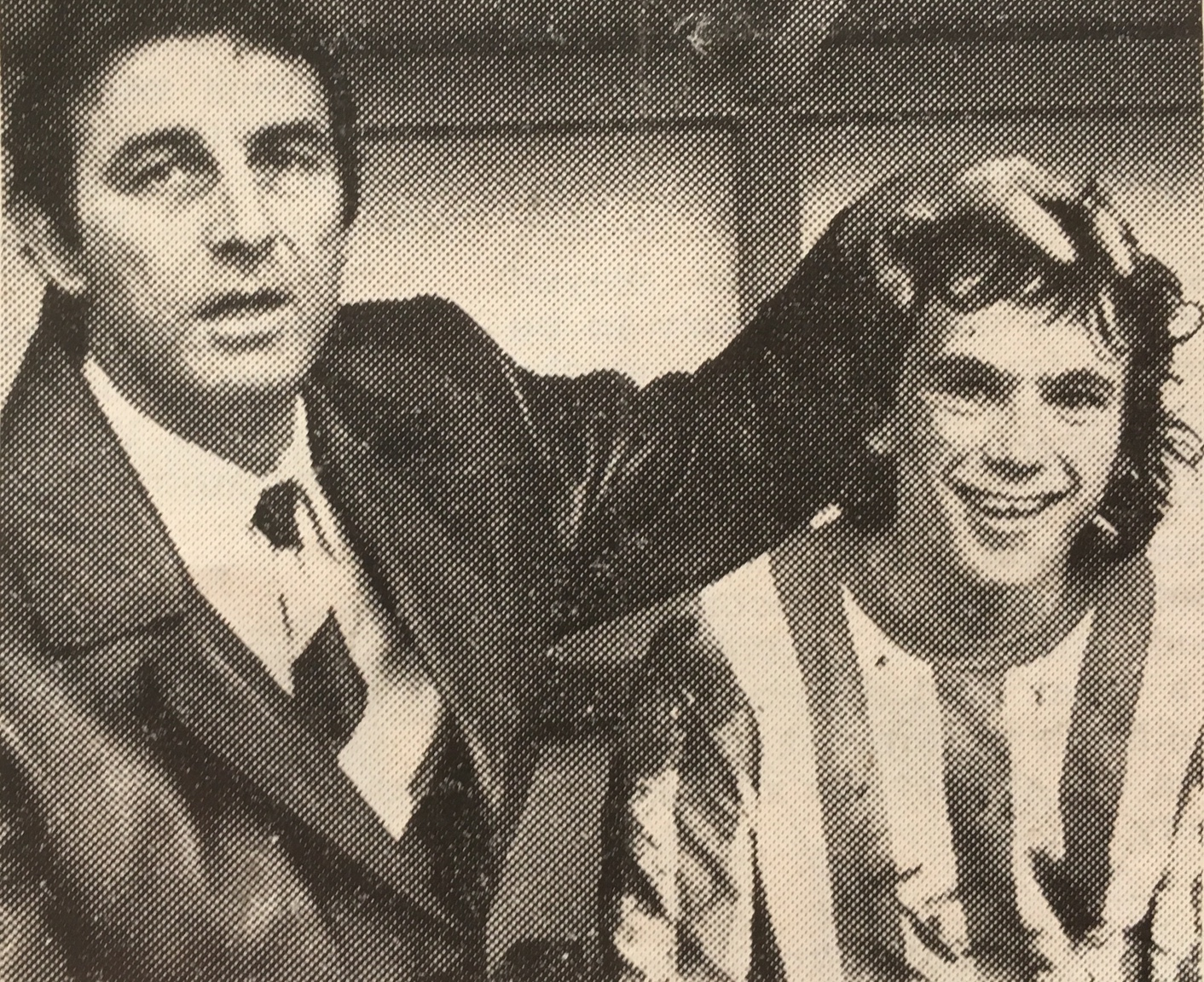
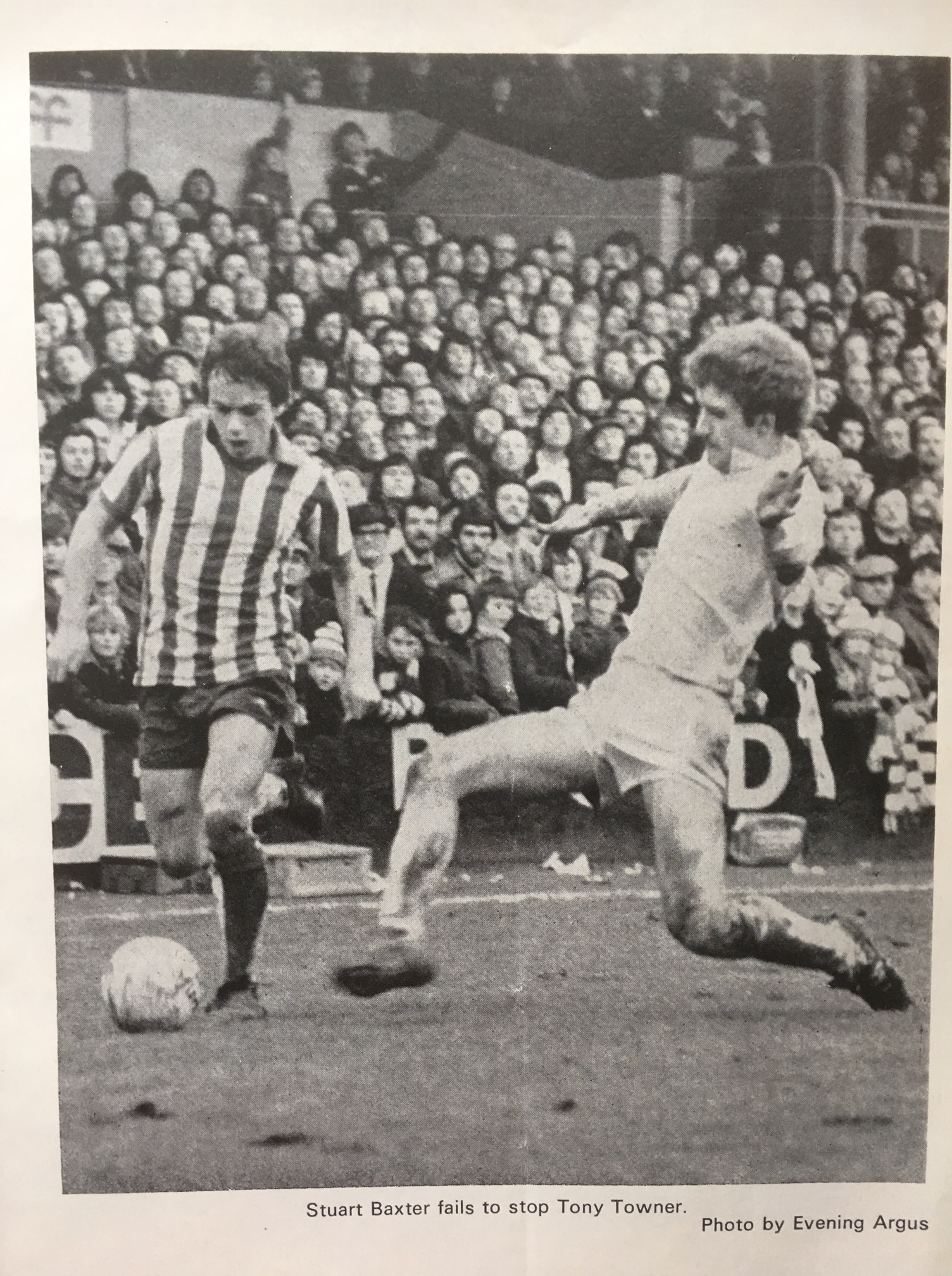
Pictures mainly shot by Evening Argus photographers and then reproduced in the Albion matchday programmes show a happy Towner congratulated by manager Pat Saward after his league debut, in familiar pose taking on a full back, getting in a trademark cross, in full flight on the wing, and finally on a Wolves album sticker.

Chelsea starlet Barry Bridges a Brighton record signing

5-bridges-in-stripesENGLAND international Barry Bridges was once Brighton & Hove Albion’s record signing for the princely sum of £28,000.
Much of his career ran in parallel with Bert Murray. Both young stars at Chelsea in the early to mid-60s, they were transferred to Birmingham City in 1966 and joined the Albion in the early 1970s.

Norfolk-born Bridges had come to the attention of Chelsea while playing for local side Norwich & Norfolk Boys and had a dream debut in 1959 at just 17, scoring in a local derby against West Ham. It was in the 1961-62 season that he established himself in the Chelsea first team, Jimmy Greaves having been transferred to AC Milan.

In what turned out to be  superb 1964-65 season for him and the club, he scored 27 goals in 42 appearances for Chelsea and collected a League Cup winners’ medal when they beat Leicester City 3-2 over two legs.

It was in May 1966 when Tommy Docherty started breaking up his squad and Bridges left Chelsea for Birmingham having scored 93 goals in 205 league appearances for the London club.

Bridges went one better than Murray and earned full England international honours. Four caps in fact. He was just a few days short of his 24th birthday when he made his debut in a 2-2 draw with Scotland at Wembley in April 1965.

bb-england-w-sir-a

Bridges pictured with Sir Alf Ramsey, Jack Charlton and Nobby Stiles while on England international duty.

He kept the no.9 shirt in the next two games, played in May, a 1-0 win over Hungary at Wembley and was the scorer of England’s goal in a 1-1 draw away to Yugoslavia. His fourth and final game was in a 3-2 friendly defeat against Austria in October 1965. Injury prevented him staking a claim for a place in the 1966 World Cup squad.

In 1971, Bridges went on an end-of-season tour to Australia with an English FA squad that also included Peter Grummitt (then of Sheffield Wednesday) and Dennis Mortimer (of Coventry at the time). The squad went to Dublin first to celebrate the 50th anniversary of the FA of Ireland, drawing 1-1 with the Republic, before heading Down Under where they won all nine of the matches they played in various locations across a month.

BridgesChels

Birmingham paid a then club record fee of £55,000 to acquire Bridges and in two seasons in the West Midlands he scored 46 goals in 104 outings.

Interviewed by bcfc.com in 2014, Bridges said: “What persuaded me to join Birmingham more than anything was the chairman, Clifford Coombs. He was a great guy and wanted to put the club back on its feet. He told me that I was going to be his first signing and he really wanted me to join.”

In his first season he helped Blues to a League Cup semi-final – ironically against Queens Park Rangers – the club he would move to next.

In August 1968, a £50,000 deal saw him move to Loftus Road, where he was part of a strong forward line playing alongside Frank Clarke and the flamboyant Rodney Marsh with his old Chelsea teammate Terry Venables pulling the strings in midfield.

Unfortunately the campaign ended in relegation from the old First Division but in 1969-70 he linked up well alongside Marsh and Clarke and scored 24 goals in all competitions.

Bridges QPR

QPR decided to cash in on him and sold him to Millwall in 1970 and in 1972 he was part of a Millwall side who only narrowly missed promotion to the top division. The Lions were already celebrating promotion on the pitch at The Den when news came through that in fact promotion rivals Birmingham had beaten Sheffield Wednesday to go up, contrary to a rumour that had been circulating in the ground that they’d been losing.

“The four supporters who had been chairing me on their shoulders dropped me. Everyone was stunned, and we had to troop off the pitch all bitterly disappointed and choked,” said Bridges. “I desperately wanted to play First Division football again and so did the rest of the lads. We were all sick.”

When Pat Saward signed him for Brighton in September 1972, it was evident from the start that this was a player who had played at the highest level.

Unfortunately, although Bridges could easily cope at that level, others either didn’t step up or the new players didn’t gel – arguably Saward made too many changes – but, whatever the reason, Brighton couldn’t stop losing and were left floundering at the foot of the table.

Bridges made his debut in a 1-1 draw away to Aston Villa but it was another four matches before he got his first goal, ironically against his old club Millwall, in a 3-1 defeat at home.

Bridges seldom had the same partner up front, early on playing with Willie Irvine, on other occasions with Ken Beamish and later with Lammie Robertson after Saward brought him in from Halifax in exchange for Irvine.

My abiding impression of him was that he appeared to be too good for the rest of the team. His speed of thought was often way ahead of the rest so he would put passes into areas where he would expect a teammate to be, only to be disappointed that they hadn’t read it, so he was made to look wasteful.

One of the few moments of pleasure for Bridges in what was otherwise a season of doom and gloom was the prospect of a FA Cup third round tie against Chelsea at the Goldstone in January 1973. Bridges was in great demand for pre-match interviews in view of his past association with the London club.

“It’s a tremendous draw for the club and a dream draw for Bert Murray and myself who both started our careers at Chelsea,” Bridges told Goal magazine. “Personally it will be nice to see most of the Chelsea lads again. I grew up with Peter Bonetti, Ron Harris and Ossie (Peter Osgood).”

Bridges hoped a good performance in the Cup would help to reinvigorate the lacklustre league form and said: “It’s a crying shame that we’re struggling because the facilities here are second to none. Obviously we need to start getting results now before it’s too late. A win against Chelsea could be just the boost we need to get out of trouble in the league.”

As it turned out, not only did the game end in defeat (2-0) for the Albion but it drew national headlines for all the wrong reasons – ‘day of shame’ for example – as Harris and Brighton left back George Ley were sent off, five were booked and the mood on the pitch led to fighting on the terraces with 25 people arrested.

However, Albion’s fortunes did eventually improve – although it was without Bridges, who in the final few games of the season was restricted to appearances off the bench.

Back in the third division, Bridges was restored to the starting line-up and scored in the opening game in a 1-1 draw at Rochdale.

He was part of the team Brian Clough and Peter Taylor inherited in October and, after they secured their first win courtesy of Pat Hilton’s goal in a 1-0 win away to Walsall, Bridges told the press: “I did more running about in this game than I had in the previous 10 matches.

“I’m 32 now, but with this chap geeing me up I reckon I can go on playing for several more years. We were a bit on edge before the game and the first thing he told us was to relax. Afterwards he told us he was pleased with the effort we showed and we can work from here and go places.

“Though I was sorry to see Pat Saward go – he was a great coach – I think Brian’s got what it takes to make us a good side. He’s just what the club have been waiting for.”

But three games later, as one of the team humiliated in a 4-0 home FA Cup defeat to Walton & Hersham at the end of November, Bridges was unceremoniously dropped and didn’t play again for the first team until February.

Although he then had a run in the team, scoring six times in a 17-game spell, he was among twelve players Clough and Taylor offloaded at the end of the season.

That brought down the curtain on his league career but he continued playing – initially in South Africa with Johannesburg side Highlands Park and then in Ireland – where when player-manager of St Patrick’s Athletic he also gave game time to another former Brighton striker, Neil Martin. He also managed Sligo Rovers before returning to his native Norfolk to manage non league sides Kings Lynn and Dereham Town.

In 2013, the QPR programme caught up with him to discover he was living in Norwich close to where he was brought up, and still getting along to watch matches.

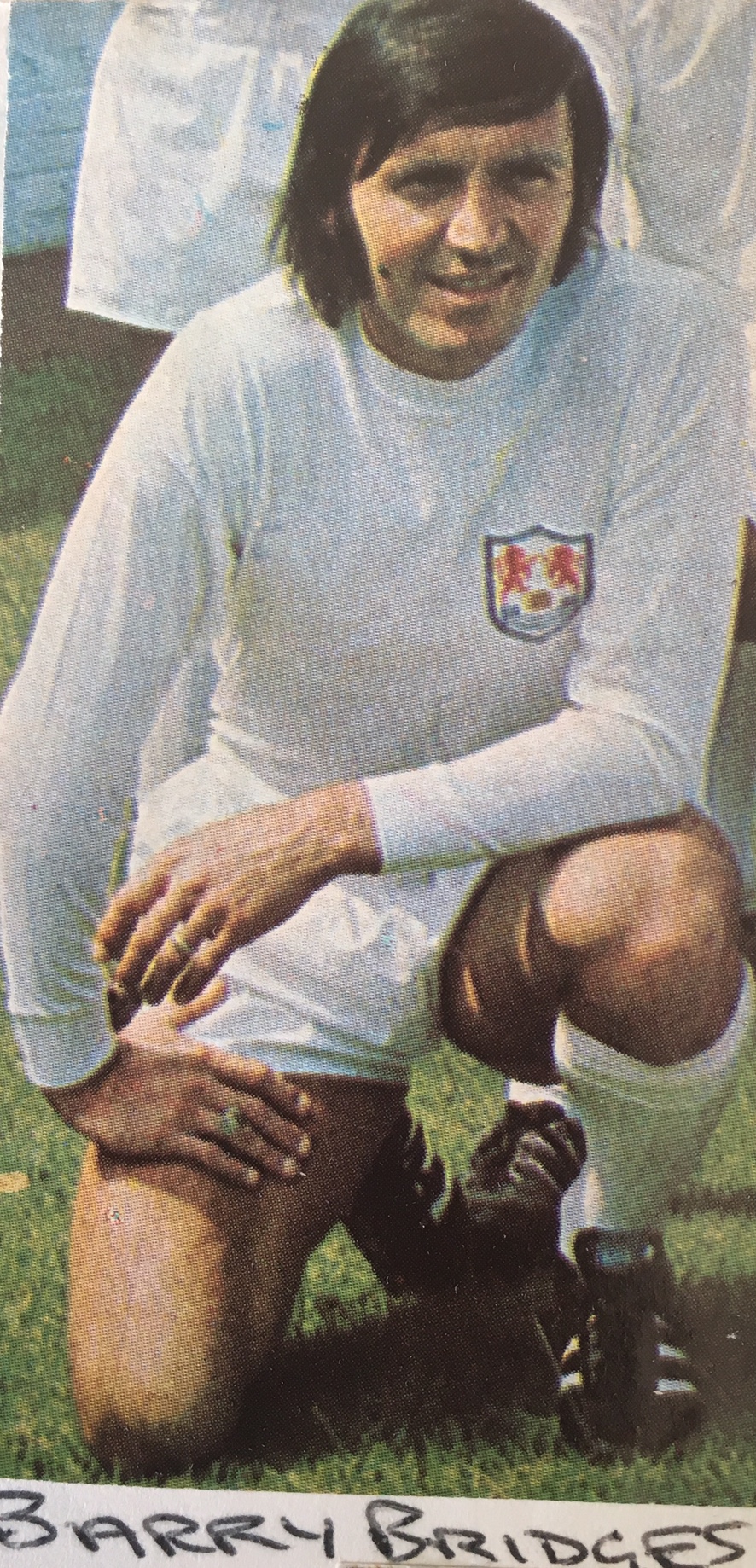
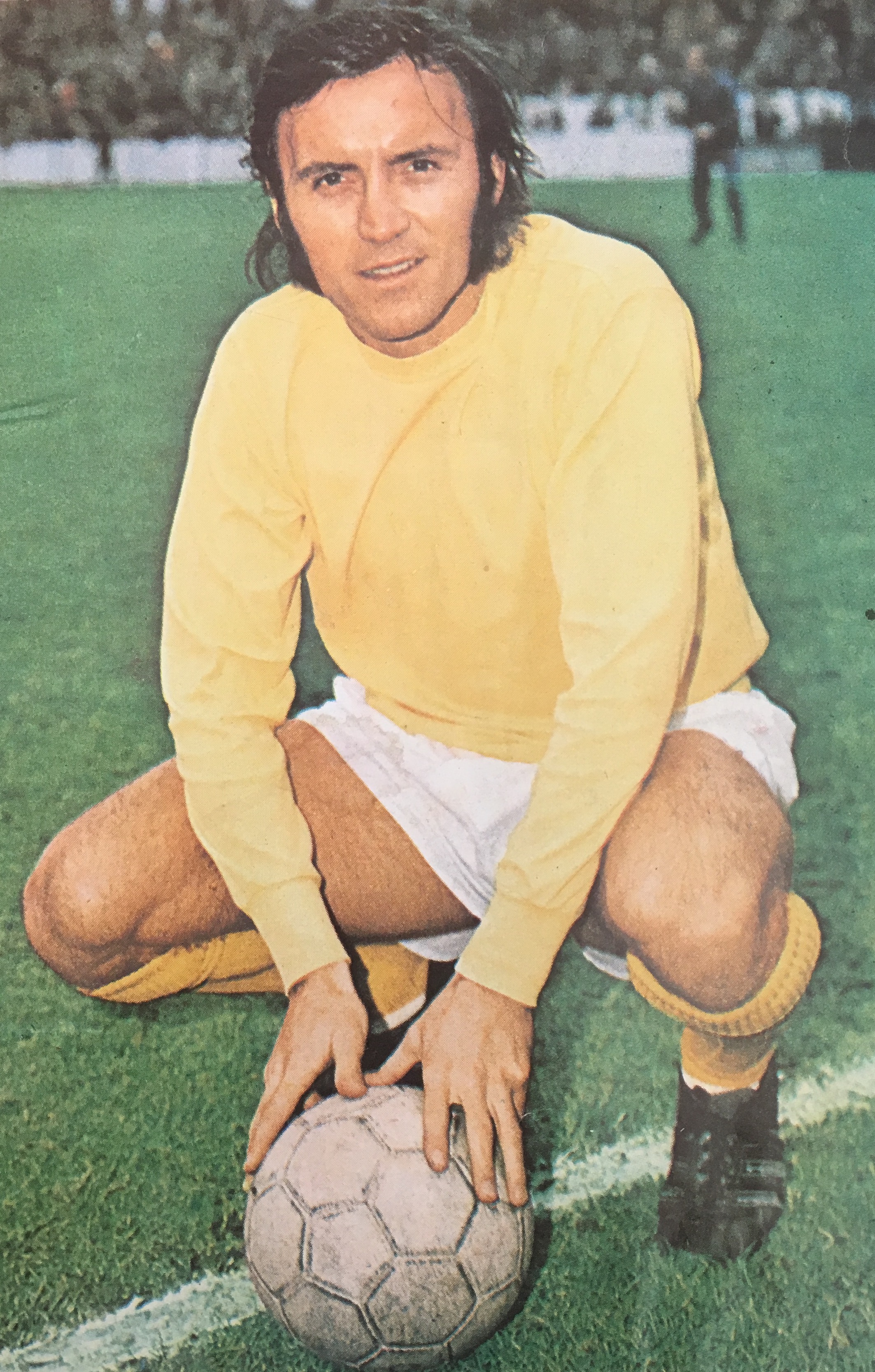
1-england-bridges2-chelsea-bridges4-bridges-in-hoopsB Bridges Btn GOALBarry Bridges (Lions)Barry Bridges (Millwall yellow)

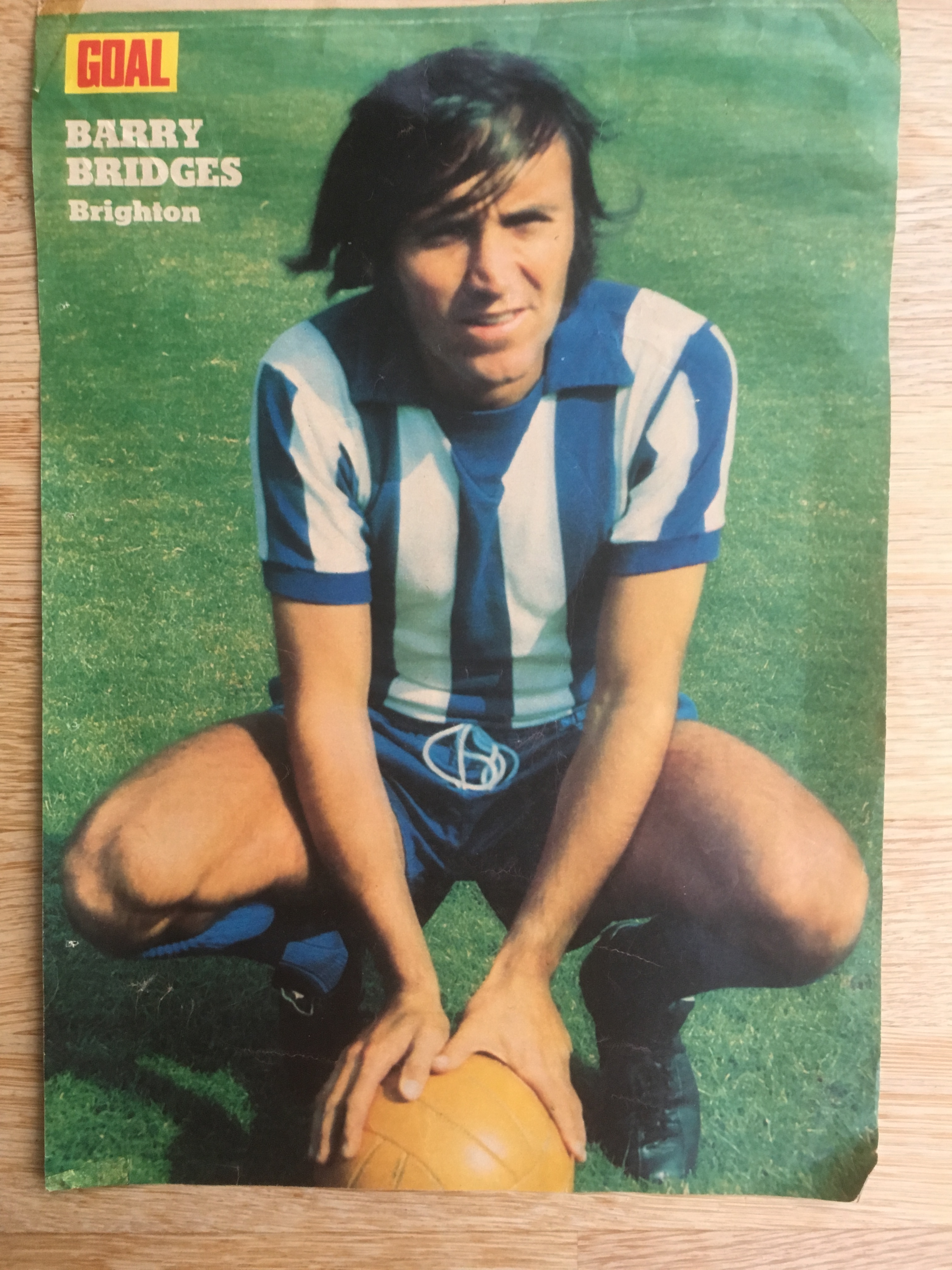
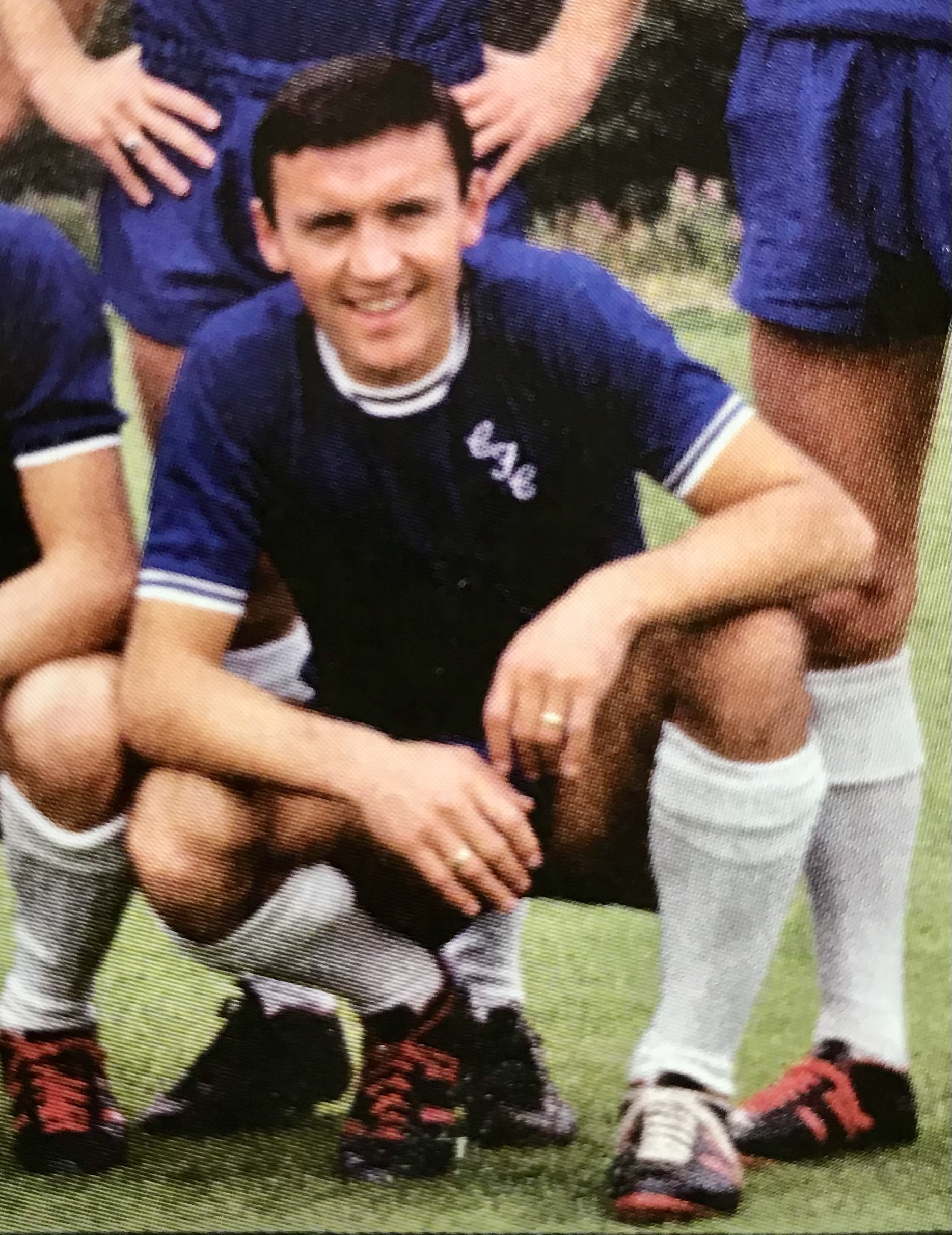
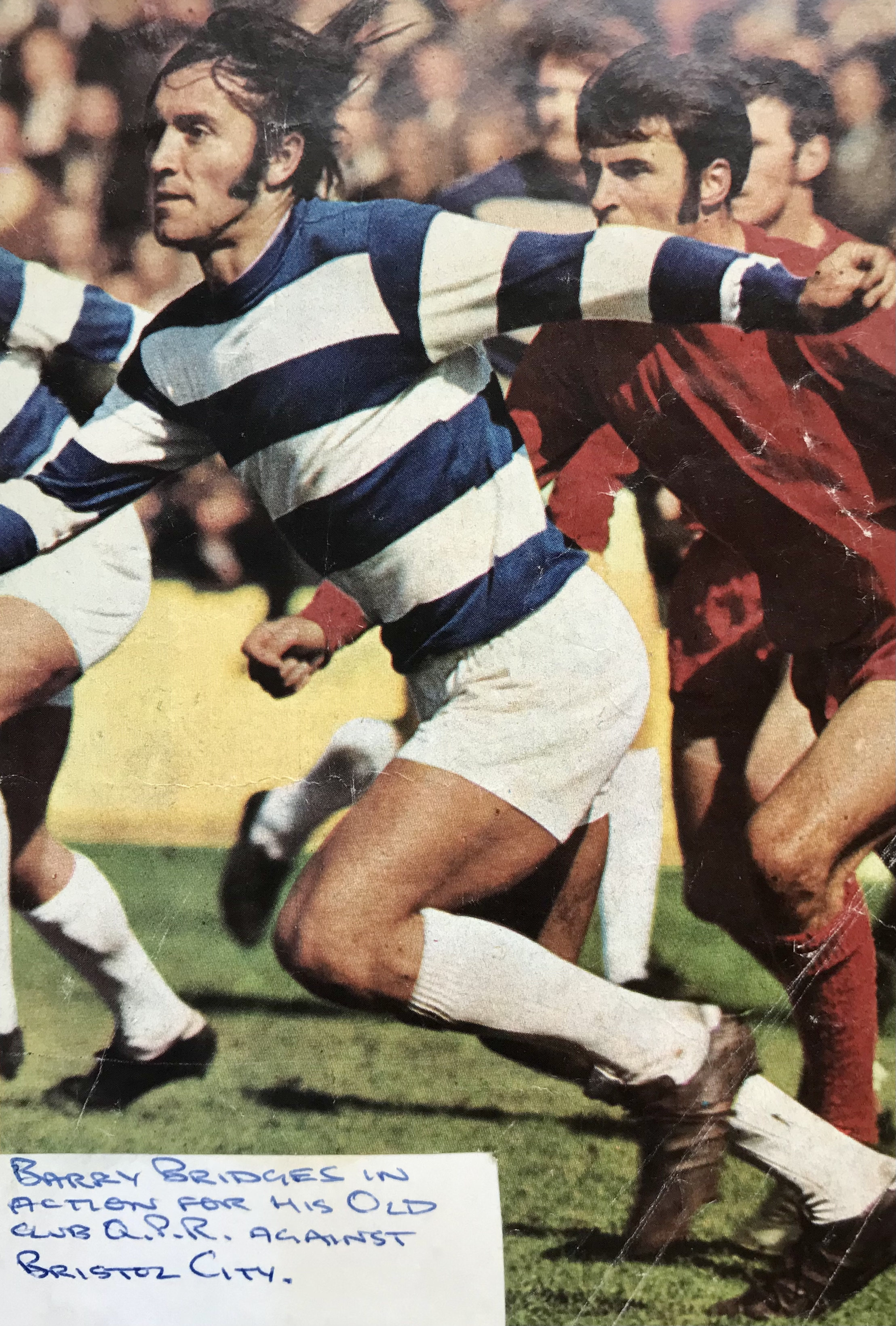
  • Pictures from my scrapbook show Barry in his England and Chelsea days, in Millwall’s white and change yellow shirts, in QPR’s familiar hoops, and in the Albion stripes.