

ONE-TIME Norwich City hero Ian Culverhouse flew high in the Premier League and Europe with the Canaries and ended his playing days at basement Brighton where he began a lengthy coaching and managing career.
It was only at the end of November 2024 that Culverhouse began a new managerial post, taking charge of sixth tier (National League South) side St Albans City.
A few weeks previously he had parted company from Boston United because they were struggling to come to terms with life in the tier above.
Culverhouse was brought to Brighton by Brian Horton in 1998, shortly after he’d been picked up by non-league Kingstonian having been given a free transfer earlier in the year by Swindon Town. He’d spent three and a half years at the County Ground, including being a key player in their Second Division Championship-winning squad of 1995-96, but left the Robins after falling-out with manager Steve McMahon.
He’d only played twice for Kingstonian before he joined Brighton, who were playing in exile at Gillingham at the time.
Signed on a monthly contract initially, his presence as a sweeper helped plug holes at the back and saw Torquay United, Scarborough and Swansea City all beaten. But after two months, Horton decided to dispense with a sweeper and play a flat back four, so Culverhouse was let go.
But when Albion promptly lost 3-1 to Mansfield Town without him, Horton had a change of heart. He re-signed Culverhouse before a week was up, gave him a contract until the end of the season and even made him captain (in the absence of injured Gary Hobson). Quite some turnaround.
“He was one of the best readers of the game the Albion have had,” reckoned wearebrighton.com. “Culverhouse would always be in the right place at the right time, on the scene to stop danger before anybody realised that there was danger coming.”
The musically-minded wags amongst the Albion die-hards also found the perfect terrace song for him – sung to the tune of Our House by Madness, ‘Culverhouse, in the middle of defence’ became a popular ditty.
He completed 38 appearances for the Seagulls that season and took his first steps towards a coaching and managing career under Horton’s successor, Jeff Wood, when he began coaching the reserve side. Wood said: “Ian has shown on the field that he is a player of immense ability. In his new coaching role, he will now have the opportunity to pass his knowledge on to the younger players at the club.”
A grateful Culverhouse added: “This is a good opportunity for me and I am looking forward to it.
“It’s the first chance I’ve had to coach and it’s something I wanted to do anyway when my career finished. It has just come at a nice time.”
Albion’s then chairman, Dick Knight, told the Argus: “Ian has impressed me greatly with not only his experience but his attitude.
“He has been a real leader in the dressing room as well as on the field and we are giving him a chance to bring that know-how to bear on the coaching side.”
Culverhouse was retained as reserve team coach after Micky Adams took over from Wood towards the end of the season, and the new boss told the Argus: “Ian reminds me a bit of myself. You have got to get on the ladder somewhere. He is enthusiastic, has had a good career and sets himself high standards.
“He has a lot to learn in terms of coaching, but I hope he will become fully qualified along with the rest of my staff.
“He will still be registered as a player as well in case we need him in emergencies, but I don’t envisage him playing too many games.”
In fact, there was just the one final first team appearance for him, when Adams tried to bring a halt to a six-game winless run at the start of 2000. But it didn’t go well and he was subbed off in a 2-0 defeat at Hull.
“It is fair to say we have possibly seen the last of Culvs in a first team shirt,” Adams admitted later. “He is still registered as a player, but his career is probably over. It was me that persuaded him to play at Hull. He wasn’t sure he would be up to it in terms of fitness.”
Born in Bishops Stortford, Hertfordshire, on 22 September 1964, Culverhouse was in the England Youth squad for an international junior tournament in Norway in the summer of 1982, starting in a 4-1 defeat to the home nation and gaining a second cap as a sub in a 3-2 win over Poland.
In the same year, he began as an apprentice at Tottenham. He impressed in Spurs’ youth and reserve sides and spent three years at the Lane. “I was playing alongside players like Ricky Villa, Ossie Ardiles and Glenn Hoddle, which was tremendous experience,” he said.
He even collected a UEFA Cup winners’ medal in 1984 as an unused substitute in the first leg of Spurs’ win (on penalties) over Anderlecht; future Albion boss Chris Hughton was left-back and recent signing from Albion, Gary Stevens, was in midfield, and scored one of the decisive penalties.
But Culverhouse only made one full appearance for the first team, plus one as a substitute, and in October 1985 moved to Norwich under Ken Brown for a £50,000 fee. He was part of the Norfolk club’s Second Division title-winning side of 1985-86 in his first season and became an established defender, usually as a right-back but also as a sweeper.

He was part of the successful Canaries side that finished third in the inaugural Premier League season of 1992-93 after enjoying three top five finishes in the old First Division, reaching two FA Cup semi-finals (1989 and 1992) and playing in Europe (1993-94). He won the club’s player-of the-year award in 1990-91.
The excellent Norwich fans website Flown From The Nest blamed the Robert Chase regime for Culverhouse’s eventual departure from Carrow Road after nine years.
“From being an integral part of the City team that finished third in the Premiership and enjoyed UEFA Cup success, Ian Culverhouse found himself at the start of the 1994-95 season out of contract and out of favour with Robert Chase and manager John Deehan,” it said. “Similar problems had occurred the previous season with Dave Phillips.”

Together with the contract issues, Culverhouse went public to criticise Deehan’s decision to drop him, which ended any chance he had of regaining his place. Eventually, he was transferred to Swindon for the bargain sum of £150,000 in December 1994, the fee being fixed by a tribunal.
After he left Brighton in 2000, Culverhouse became youth coach at Barnet and two years later joined Leyton Orient in a similar role before being elevated to assistant manager. He left the Os in August 2005 – replaced by future Villa boss Dean Smith – but was then appointed coach at Wycombe Wanderers by former Swindon boss John Gorman.
When Paul Lambert succeeded Gorman, he and Culverhouse developed a strong bond. He followed Lambert to Colchester United to become assistant manager, then returned to Norwich in the same role, where he didn’t forget Wood’s role in setting him on the coaching ladder, being instrumental in the former Albion manager’s appointment as Norwich’s goalkeeping coach.
At the end of their first season, Lambert and Culverhouse steered Norwich to the League One title. The following season, they won promotion to the Premier League and finished 12th in their inaugural season back at the elite level. When Lambert quit Norwich to take charge at Aston Villa in July 2012, Culverhouse and fellow ‘lieutenant’ Gary Karsa followed him.
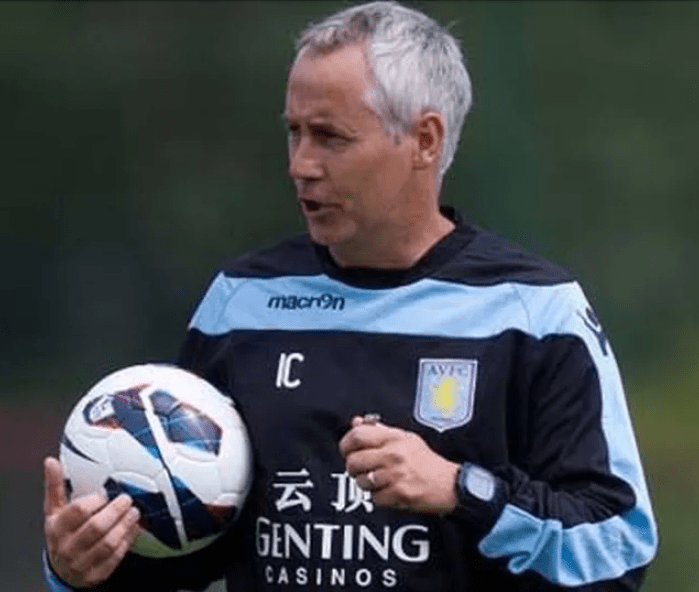
In June 2013, Lambert told the Birmingham Mail how much trust he placed in his right-hand man. “My assistant boss Ian Culverhouse has a real eye for a player,” he said. “If he reckons we should go for someone I will back his judgement 100 per cent.”
But in April 2014 Culverhouse and Karsa were suspended by the club after being accused of bullying and aggressiveness by players and other staff members, and they were sacked the following month.
Between January 2016 and February 2017, Culverhouse was assistant manager to veteran boss John Still at Dagenham & Redbridge. He left the Daggers to become manager of Southern League Premier Division side King’s Lynn Town. In May 2018, he moved on to Grantham Town but left after only five months and returned to King’s Lynn.

He led them to a second place finish in the Southern League, and. in the subsequent play-offs against Northern Premier League Warrington, saw the Linnets win 3-2 in extra time to earn a place in the National League (North) for 2019-20.
This was the Covid-affected season in which the fixtures weren’t completed. Lynn finished the games played two points behind York City with two games in hand. The National League board ultimately decided, using an “unweighted points per game” formula that Lynn would have won the title and they therefore gained promotion to the National League.
However, on 29 November 2021 he was sacked by Lynn on the back of a run of eight league defeats in a row which left the club second from bottom of the National League and struggling for survival.
Two months later, he was back in management at National League North Kettering Town, together with assistant Paul Bastock, although that tenure only lasted four months.
Next stop was Boston United in September of the same year, a club all too familiar to Bastock, who played 679 games for the Pilgrims (and broke Peter Shilton’s record in competitive club football when he made his 1,250th appearance in the game in 2017).
The pair helped to preserve Boston’s league status in their first season and then guided them to promotion via the play-offs in May 2024. United’s struggle in higher company – only two wins in 16 matches – led to Culverhouse and Bastock leaving the Jakemans Community Stadium in October 2024.


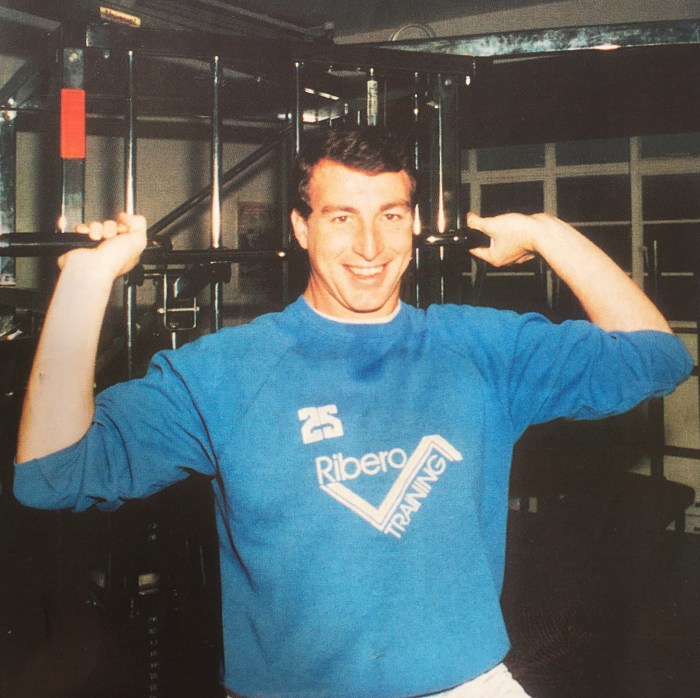

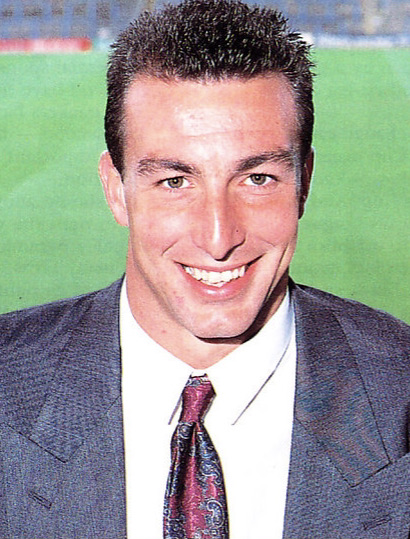


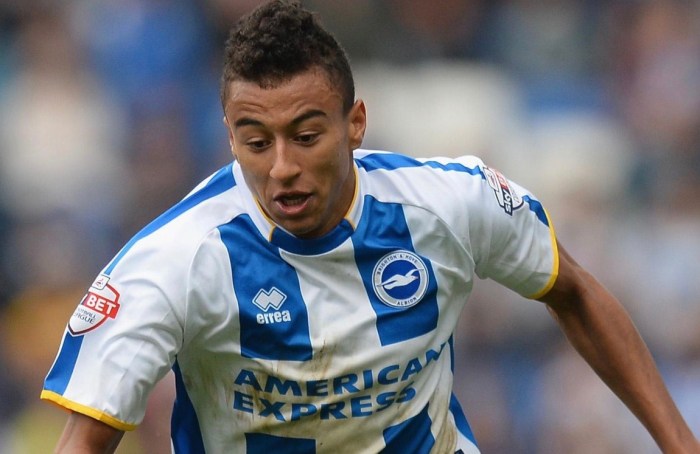



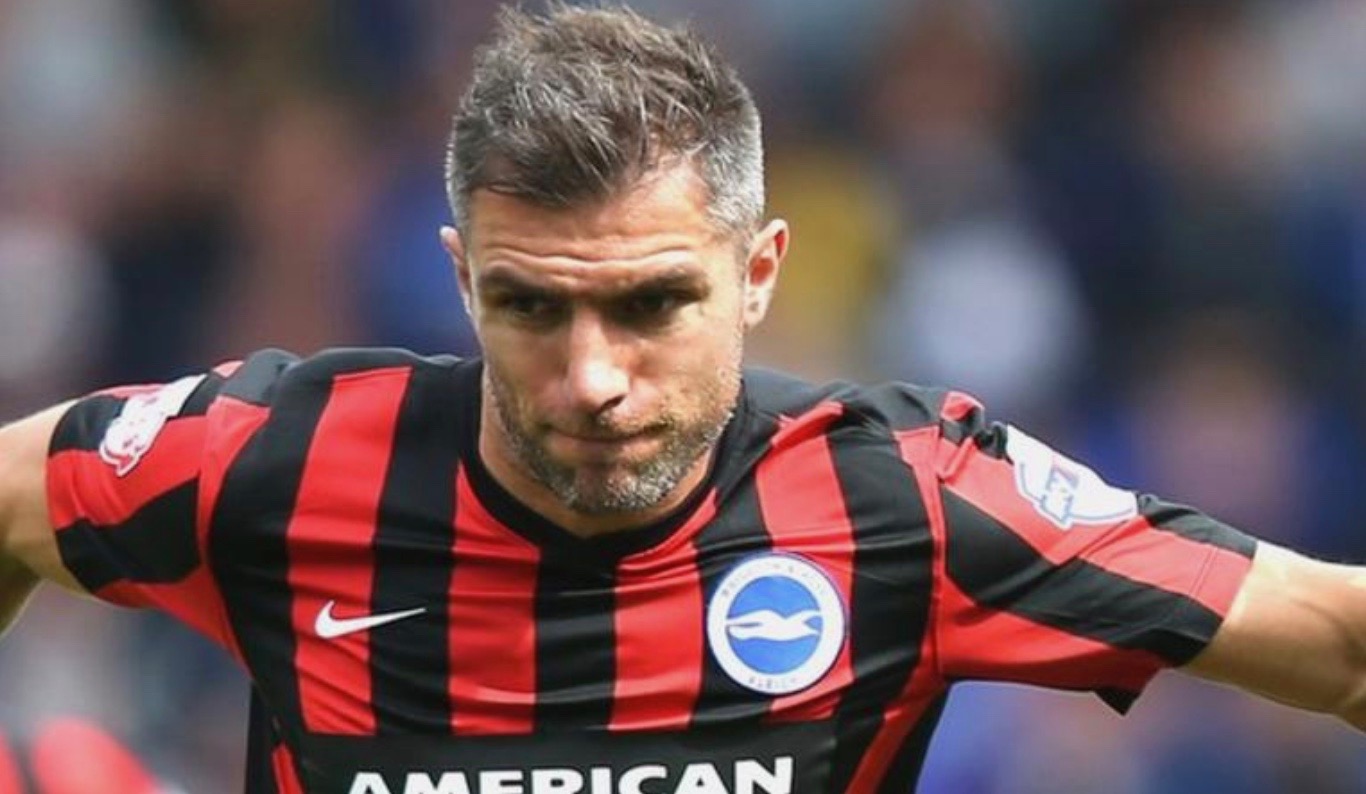 VETERAN Northern Irishman Aaron Hughes only brought down the curtain on his lengthy playing career in June 2019 at the age of 39.

 Eyebrows were raised when former Northern Ireland manager Bryan Hamilton took Hughes to Portugal for a World Cup qualifier in October 1997, when he was still only 17, but Hamilton told the Belfast Telegraph: “There was something special in him, even at a young age, and I wanted him in the squad. I felt he could be an outstanding player for Northern Ireland and I knew that coming in early wouldn’t affect or faze him.”
 At Fulham, he formed a formidable defensive partnership with Brede Hangeland and fulhamfc.com said: “The pair worked brilliantly together, with the fans soon referring to them as our very own Thames Barrier. Their styles complemented each other perfectly, and while Hughes wasn’t the tallest of centre-backs, his leap and reading of the game more than made up for it.”
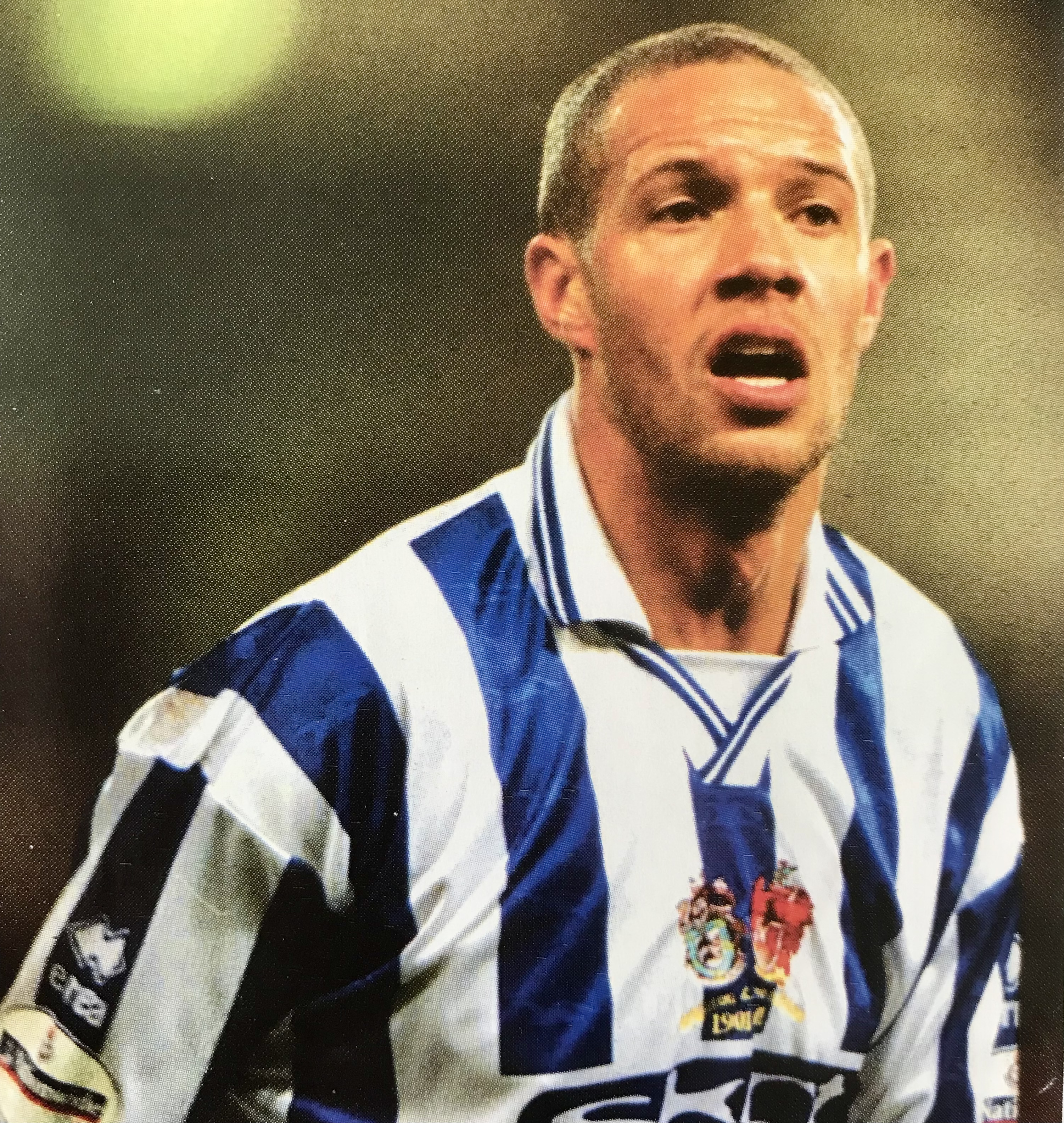 JUNIOR LEWIS was a loyal disciple of Peter Taylor, linking up with him as a player or a coach at EIGHT different clubs.
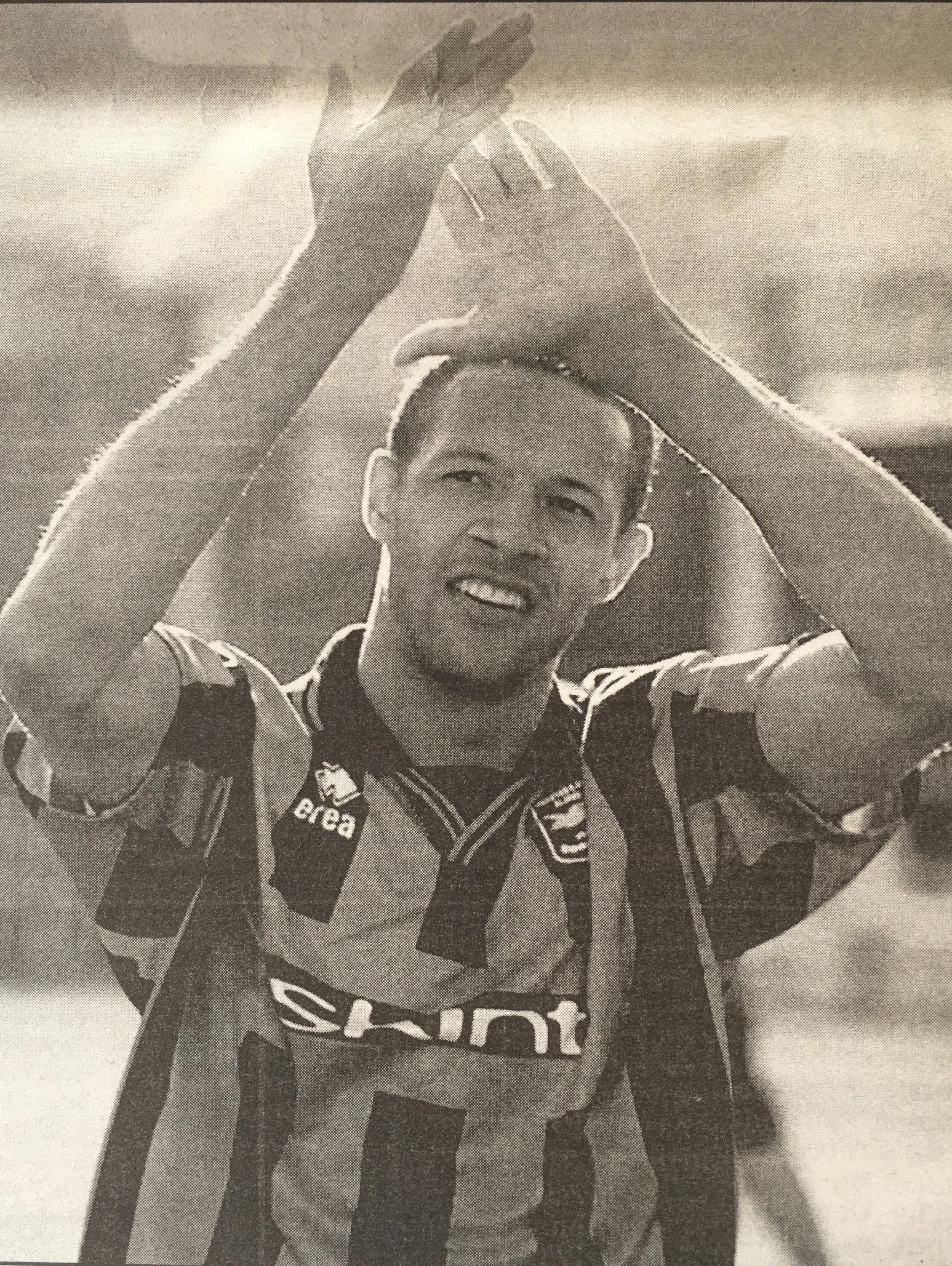 Born in Wembley on 9 October 1973, Lewis was on Fulham’s books as a youngster and made it through to the first team, his debut coming as a substitute in a league game against Burnley in October 1992.

 In parallel lines