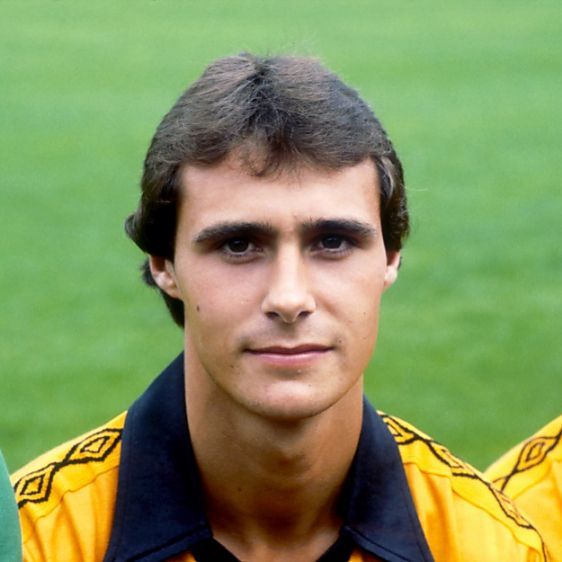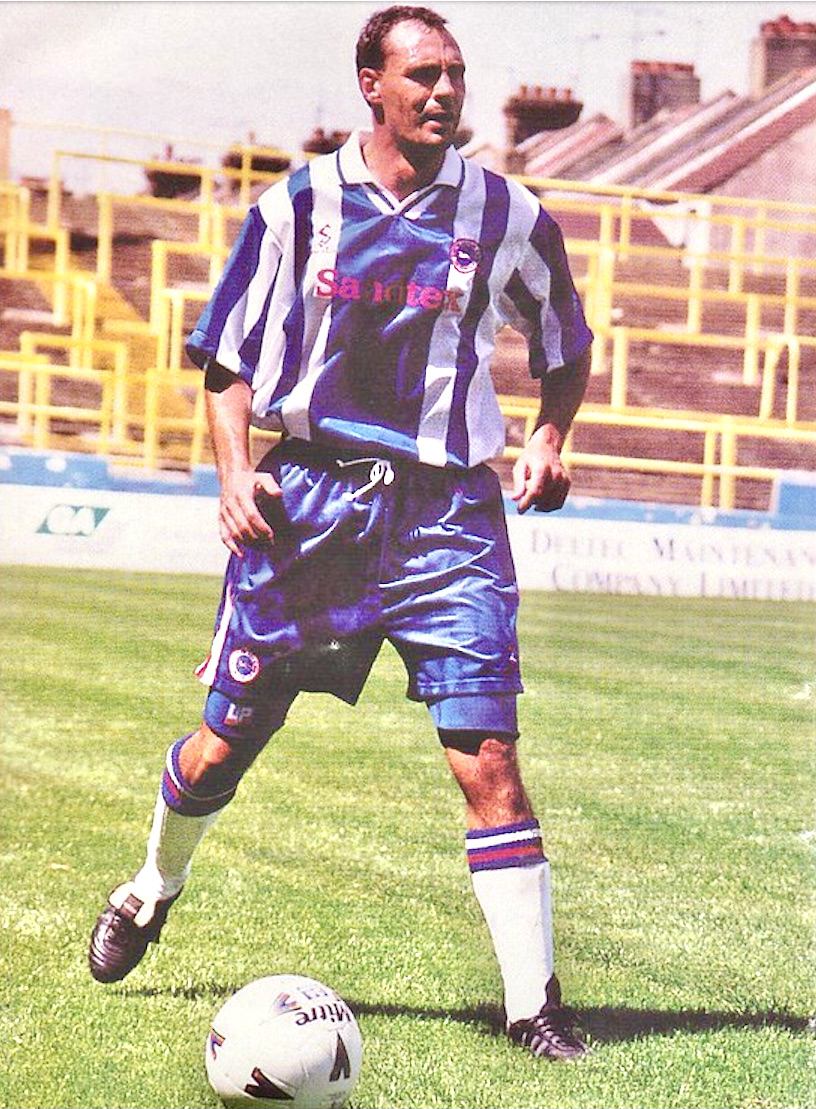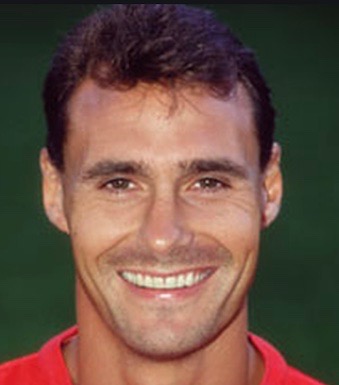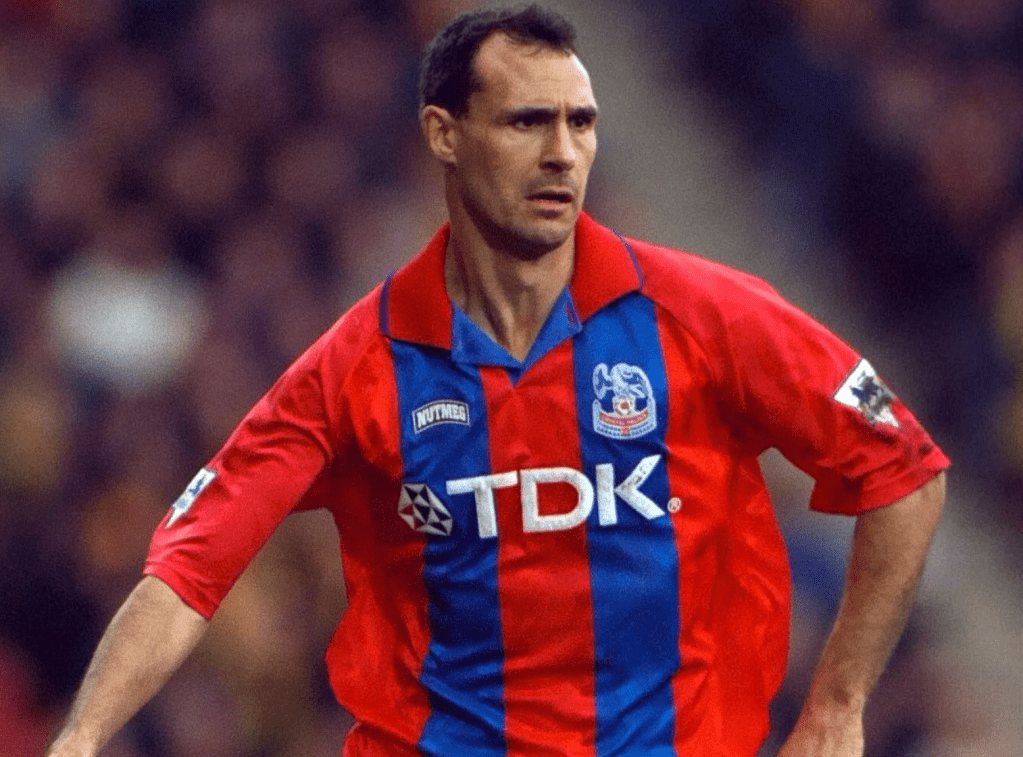
Andy Arnott’s United dream dashed by injury

A PLAYER who was on the brink of signing for Man Utd for £100,000 ended up playing for the Albion in exile.

But for an untimely hernia injury, Andy Arnott would have been an Alex Ferguson signing at Old Trafford.

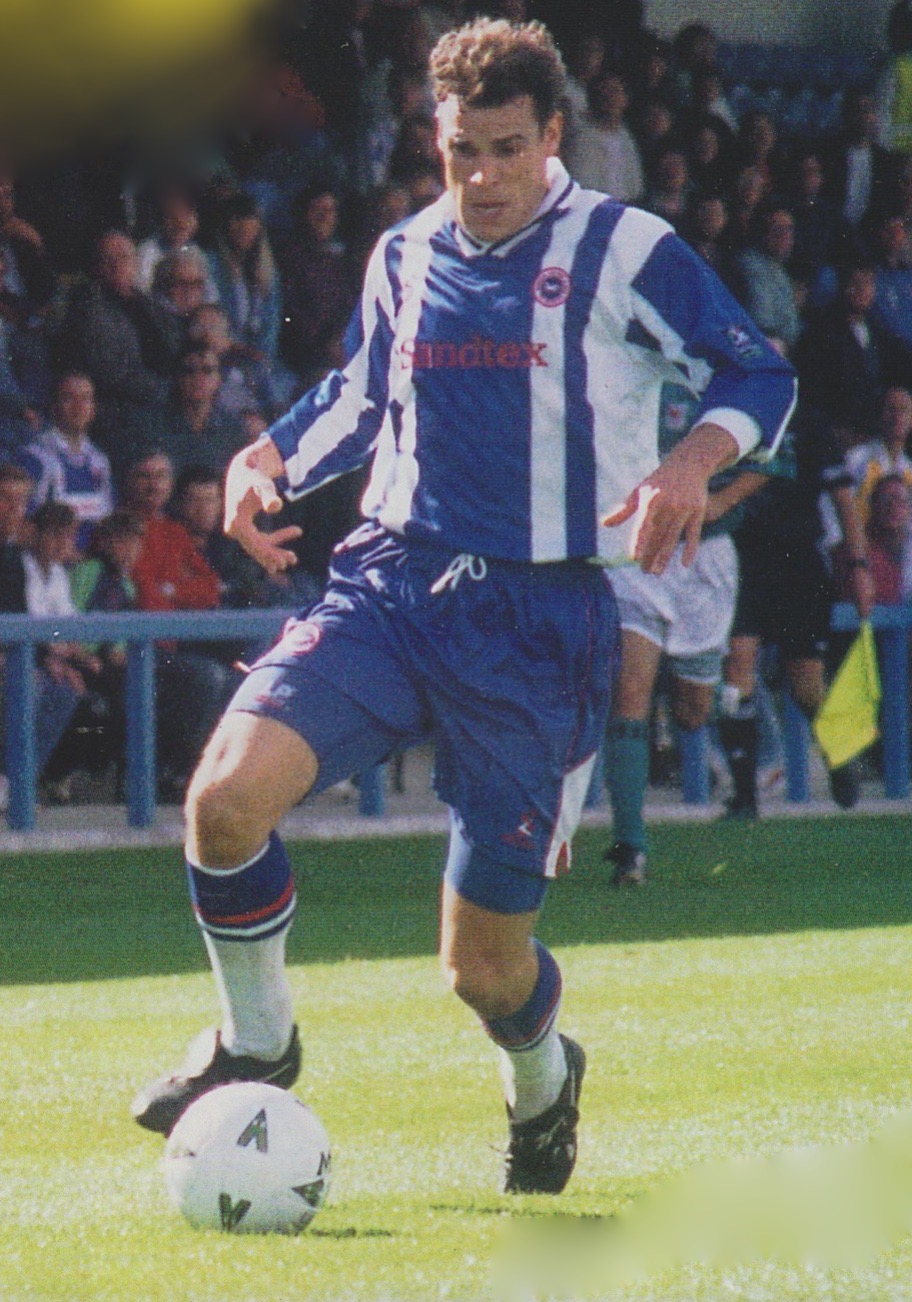
As it turned out, the moment passed and the opportunity didn’t arise again. He later made 28 appearances for the Seagulls during the 1998-99 season when home games were played at Gillingham’s Priestfield Stadium.

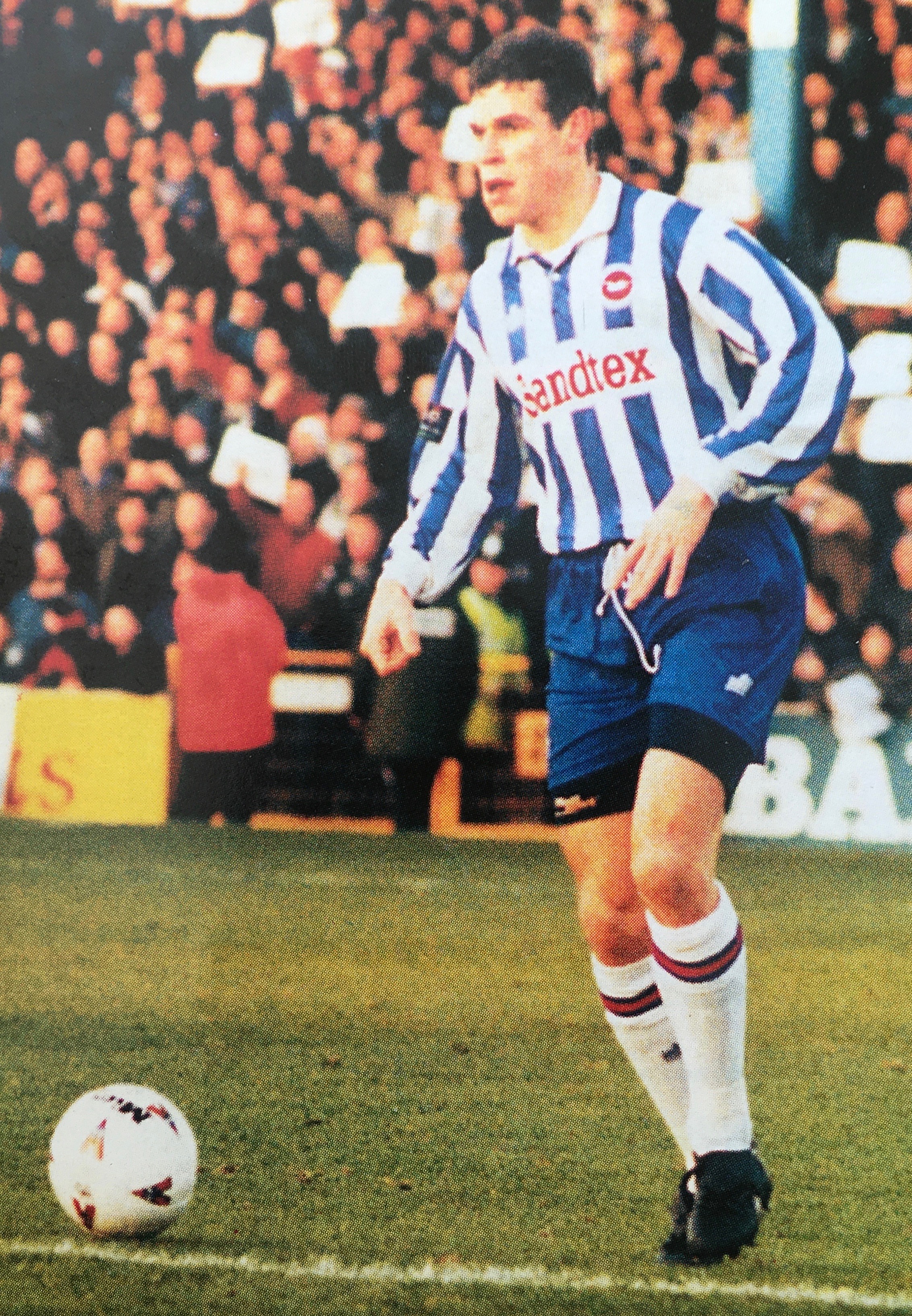
It was a ground Arnott was familiar with. Born in nearby Chatham on 18 October 1973, he joined Gillingham as a trainee and had only served one year of his apprenticeship when he was taken on as a professional.

Manager Damien Richardson gave him his debut for the Fourth Division club only four games into the 1991-92 season when he was just 17.

It couldn’t have gone better because he scored the Gills’ opening goal in a 2-0 home win over Scarborough.

This was a Gillingham side that included summer signing Paul Clark, who had been part of Alan Mullery’s successful Brighton side in the late 1970s, and Mike Trusson, who’d won promotion from the Third Division with the Seagulls under Barry Lloyd. A young Richard Carpenter was also breaking through.

Arnott scored three goals in 23 appearances by the season’s end although one goal and two appearances against Aldershot were later expunged from the records because the Shots were expelled from the league.

Nonetheless, the youngster’s emergence hadn’t gone unnoticed higher up the football pyramid and the offer of the chance to join United came along, ostensibly so that he could feature in their youth team’s involvement in the end-of-season Blue Star youth tournament in Zurich.

This was the era of the famous ‘Class of 92’ and Arnott found himself playing alongside David Beckham, Paul Scholes and Nicky Butt.

“After impressing during his spell with United, Ferguson made a £100,000 offer to Gillingham which was turned down by the then manager Damien Richardson,” Albion’s matchday programme noted.

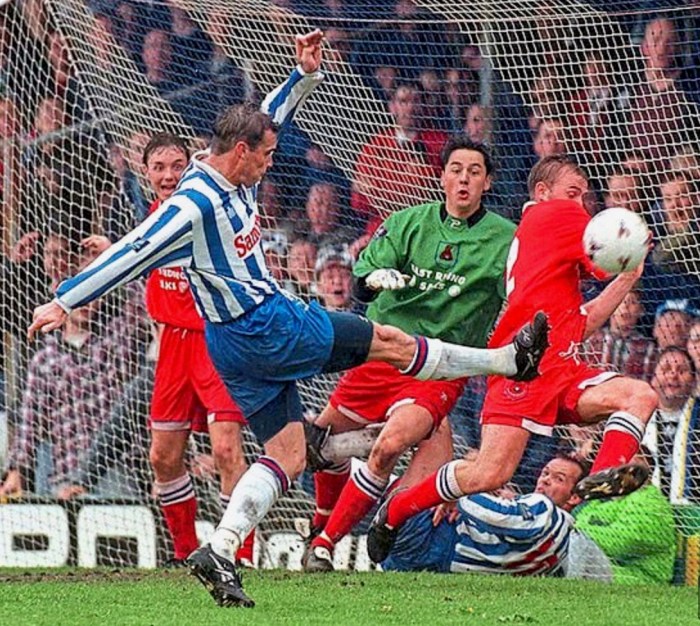
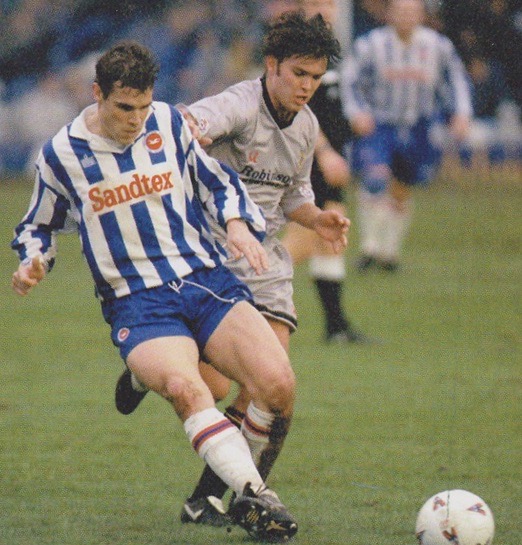
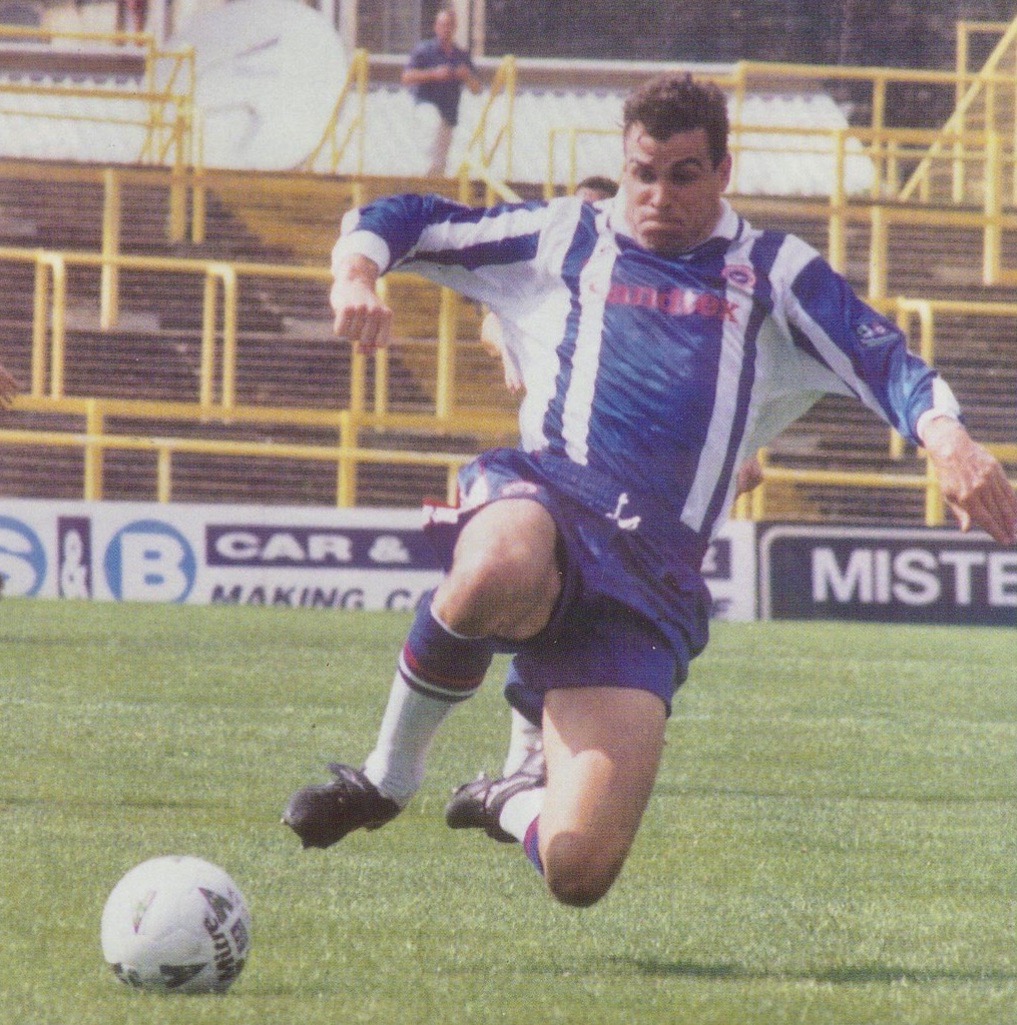
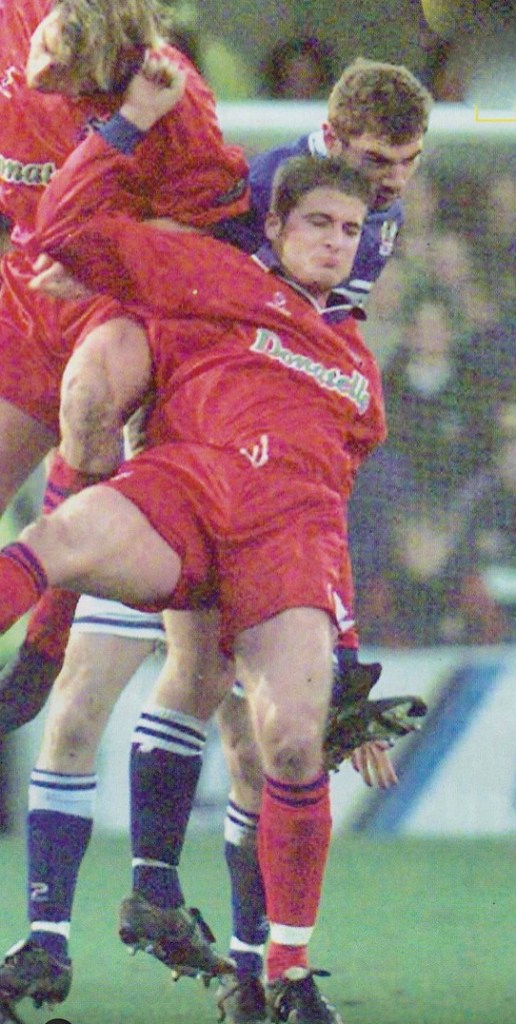
In action for Gillingham against Albion’s Nicky Bissett

The player then suffered a hernia injury that put him out of the game for a year, putting paid to any further interest from United.

“I was gutted at the time, but it was a case of just getting on with returning to fitness and playing football,” Arnott said.

Back at Gillingham, he played 50 matches and scored 12 goals but then, in January 1996, got a £15,000 move to Leyton Orient. He spent a season and a half with the Os under manager Pat Holland and played in every position to help out the team, including goalkeeper in one emergency.

Arnott played under Micky Adams at Fulham

In the summer of 1997, after Fulham’s promotion from Division Three under Micky Adams, Arnott moved to Craven Cottage for an undisclosed fee (thought to be £25,000).

Within a few months, Mohammed Al Fayed took over the club and sacked Adams.

“All of a sudden Fulham went from being an ordinary Second Division outfit to a multi-million pound club,” he said. “I felt sorry for Micky as he had done a fantastic job, but he did foresee what was coming and sorted out long term contracts for most of the players.”

The new management duo of Ray Wilkins and Kevin Keegan brought in their own players and Arnott found himself confined to the reserves with the likes of Mark Walton, winger Paul Brooker, and forward Darren Freeman.

He scored twice for Fulham Reserves in a 3-0 win over Albion’s reserve side on 21 October 1998, and that persuaded Brian Horton to take him on.

“A few clubs had shown an interest around that time, but Brighton were the first that I spoke to and I liked what I was hearing so I signed straight away,” he said.

Horton signed him by the end of the same month for £10,000, plus another appearance-related £10,000, and said in the matchday programme he was “absolutely tremendous” on his debut. It came in a 1-0 win in pouring rain at Barnet when Charlton loanee defender Emeka Ifejagwa scored the only goal of the game on his debut. “He (Arnott) and Jeff Minton forged a good partnership and I am looking for that to flourish,” said Horton.
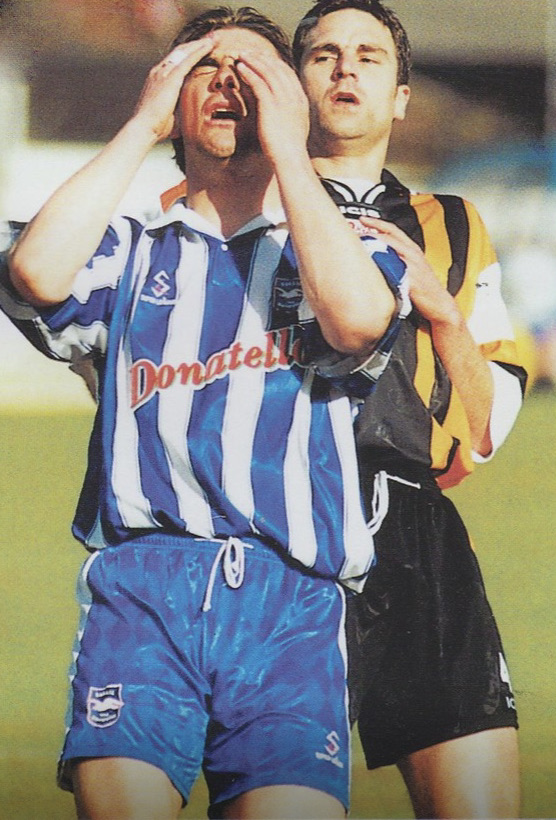
In his player-by-player commentary of performances, programme columnist Paul Camillin said: “Brilliant debut. He showed a good array of passing skills and he might have the bite we’ve been lacking.”

It was the wrong kind of bite he displayed in only his fourth game, though, when he was shown a red card in the 55th minute of Albion’s 2-0 win at Horton’s old club Hull City.

Defender Ross Johnson also went for an early bath for a second bookable offence but Albion’s nine men hung on for 35 minutes to complete their fourth successive away League win: the best such run for 62 years!

There’s little doubt Arnott’s arrival coincided with an upturn in the side’s form and in the matchday programme he took time to praise Albion’s loyal followers. “It is a fantastic advantage to have the number of away supporters we do,” he said. “It makes you want to play that little bit more to give them something back. They are absolutely magnificent.”

Arnott and Jamie Moralee

In the absence of Gary Hobson and Ian Culverhouse, Arnott was given the captain’s armband although that discipline was a bit questionable at times. He saw red for a second time, after Jeff Wood had taken over from Horton, for a second bookable offence at home to his old club Orient – Os captain Dean Smith (manager of relegation-threatened Leicester) also went for a second yellow – although Wood and Orient boss Tommy Taylor both slammed referee Rob Styles for his officiating.
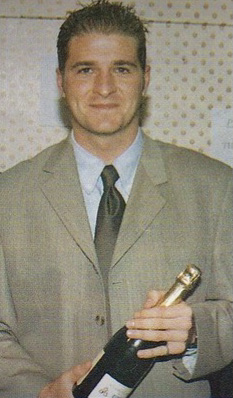
Man of the Match

Wood declared: “Too many officials want to stamp their authority on the game early and flash cards like they are going out of fashion.”

Although Arnott saw out the season in the starting line-up, when his old boss Adams took over from Wood, by the time the new season got under way back in Brighton, Adams had signed Paul Rogers and Charlie Oatway as his preferred midfield pair.

By the end of September, Arnott had been snapped up by Second Division Colchester United; initially on loan and then permanently when their new boss Steve Whitton completed a direct swap that saw Warren Aspinall join the Seagulls.

However, Arnott made only four starts plus eight appearances off the bench in that first season and his time with United was blighted by a long-standing groin injury.

“The whole thing has been an absolute nightmare. I have been struggling with the injury for 14 months and despite loads of rest, two operations and four cortisone injections, the problem is as bad as ever,” he told Colchester’s Daily Gazette in January 2001.

“I was really struggling just before Christmas and I visited the specialist who told me I’m pretty near to exhausting my options.

“When it’s at its worst the injury is unbearable, especially when I turn or attempt to hit a long ball.

“I’m still only 27 with what should be many years left in the game.”

Unfortunately, though, he was forced to call time on his professional playing career and dropped into non-league initially with then-Conference side Stevenage, then Dover Athletic, where he was captain, Welling United and Ashford Town.

After his playing days were over, he settled in Rochester and became a project manager for Dryspace Structures while retaining his football links as a coach for Ebbsfleet United’s under 16 team.

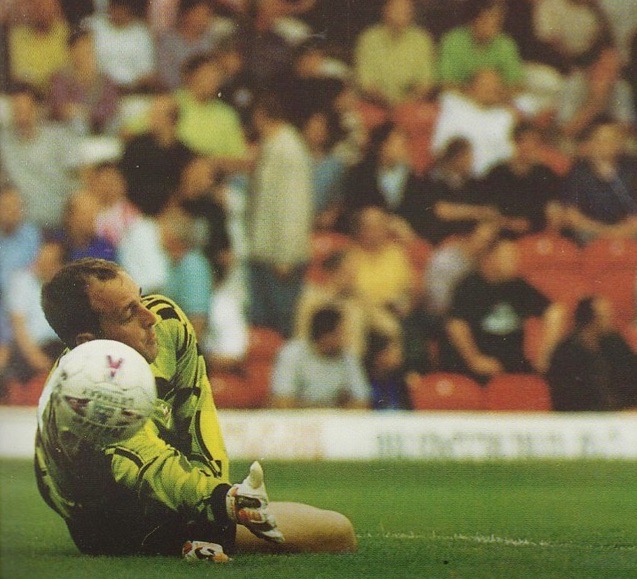
Chirpy as a Canary but Mark Walton squawked as a Seagull

A CAREER highlight saw Welshman Mark Walton keep goal for Norwich City in a FA Cup semi-final in front of 40,000 at Hillsborough but his time with the Seagulls was marred by Brighton’s boo boys.

Walton’s first action in an Albion shirt was in front of only a few Albion followers because Brian Horton signed him in the summer of 1998 when the side was playing in exile at Gillingham’s Priestfield Stadium.

Walton, who’d been part of Micky Adams’ fourth tier Fulham promotion side in 1996-97, found himself out of favour at Craven Cottage once Kevin Keegan had been installed as manager following the club’s takeover by Mohamed Al-Fayed.

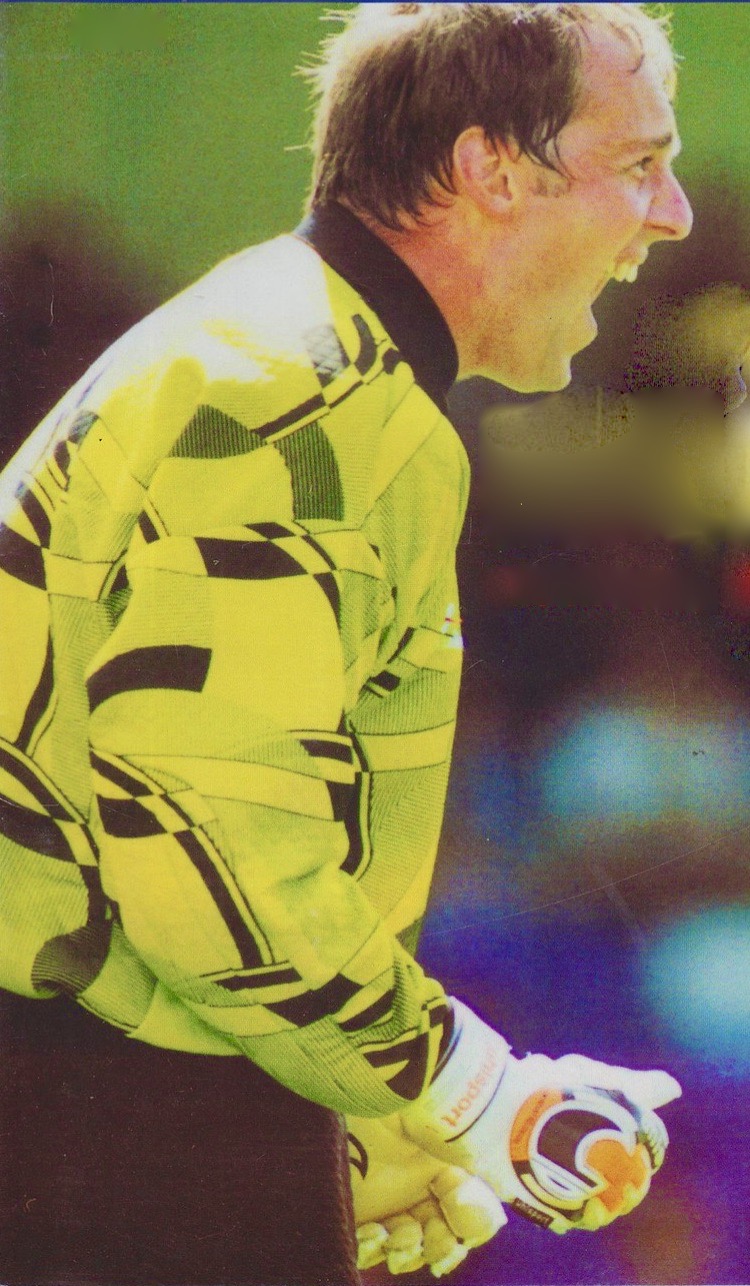
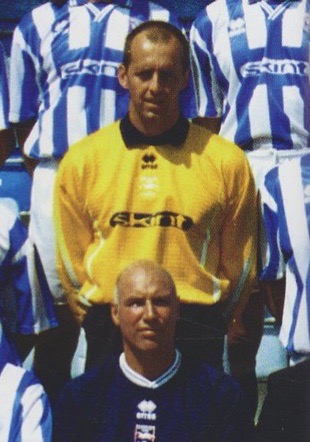
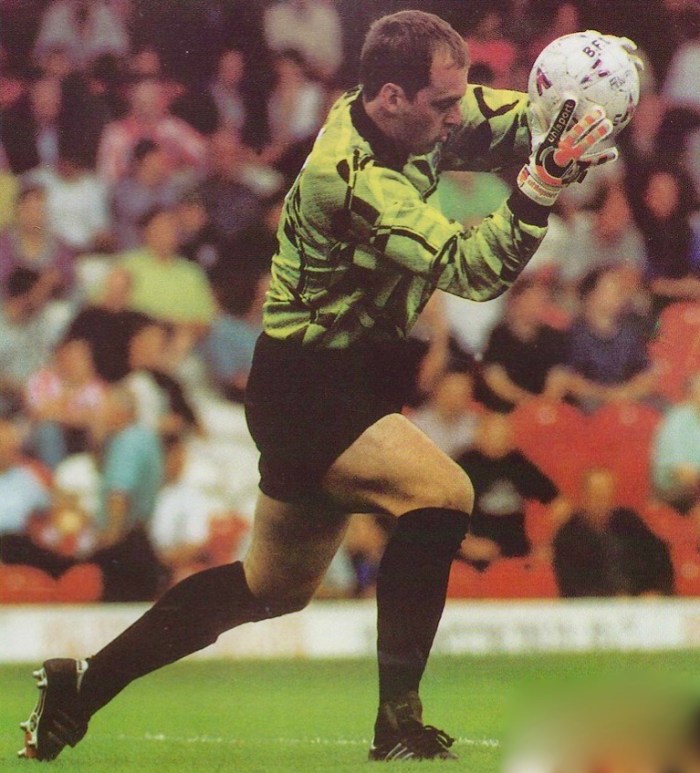
Not wishing to play second fiddle to Northern Ireland international Maik Taylor, Walton moved for £20,000 to Brighton, who were a ‘keeper light after Nicky Rust’s departure to Barnet. Walton was Horton’s first choice between the sticks in the opening 16 games of the season.

“When Maik arrived, it was a matter of when I went rather than anything else,” he told fulhamfocus.com.  “I was at a stage in my career that I just wanted to play, so moving was a necessity. In retrospect, I probably should have thought harder about my decision to join Brighton.”

After he’d shipped six goals in two successive 3-1 defeats in October, young Mark Ormerod took over and kept the ‘keeper’s jersey until Horton quit to take over at Port Vale shortly into the new year.

Caretaker boss, Jeff Wood, who’d been a goalkeeper himself, reinstated Walton to the starting line-up for five matches, but he damaged a hamstring in a 3-0 defeat at Southend on 20 February and didn’t play again that season.

Walton must have been encouraged when his old boss Adams took over from Wood, and he shed a stone and a half during the summer to get back into shape. Although Ormerod started the first five games of the new season back in Brighton, Walton was then reinstated as first choice ‘keeper.

But a gaffe — wearebrighton.com recounted how Walton’s attempted clearance from a back pass cannoned into the back of Paul Watson and into the net for an own goal — as Albion succumbed 3-2 to previously winless Chester City on 18 September (despite a goalscoring debut for Danny Cullip) saw feelings running high.

Adams had the players in for an extra training session the following day and Walton was dropped for the next match. Before the month was over, he submitted a transfer request citing the stick he was receiving as his reason for wanting to go.

“It’s one of those things you cannot really do too much about,” he told The Argus. “I am not the first and I won’t be the last. Everybody hears it. It’s just general abuse from boo boys and it’s the same home and away.

“It is obviously not the best feeling in the world, but you are paid to do a job and you go out and give your best.”

The manager was clearly upset that Walton felt he had to leave because of criticism from supporters.

“I’m immensely disappointed that a boy has come in to see me and wants to leave the club because he feels he is not being given a fair crack of the whip by the fans,” Adams told The Argus. “I am disappointed it has come to this and that he feels he has got to bow to fan pressure.

“Mark is a great lad. Whichever eleven lads I put out on the pitch in the blue and white stripes, they are representing Albion and the fans have got to get behind them. They are going out to give their best for the supporters and the club.”

Support came too from part-time goalkeeping coach John Keeley, who said: “Mark looks ever so fit now and the way he has trained and looked after himself in the summer shows he wants to prove to people he is a good goalie.

“As a goalkeeper you want the crowd on your side because it gives you a certain amount of confidence, especially when you are playing at home.”

Adams showed his faith in Walton by restoring him to the starting line-up and he was rewarded for his loyalty by two shut-outs on the road as Albion drew 0-0 at Peterborough and beat Carlisle United 1-0.

The matchday programme noted of the big ‘keeper’s performance at London Road: “Walton didn’t put a foot, or should that be hand, wrong during the 90 minutes, prompting praise from supporters, who chanted his name at the final whistle.”

Adams added: “Mark was terrific. I cannot speak highly enough of him. He is a good, honest pro and he answered his critics.”

Walton collected a player of the month award for conceding only one goal in five matches during October. He kept the shirt for the rest of the season, only missing two games towards the end, and playing a total of 45 games.

But the last-day 1-0 home win over Carlisle United turned out to be his last for the Seagulls. It was reported he’d verbally agreed a new contract but just before the start of the new season he chose to move on to Cardiff, along the road from where he was born in Merthyr Tydfil on 1 June 1969.

As it turned out, the move worked out well all round because Walton helped the Bluebirds win promotion from Division Three as runners up behind the Seagulls in top spot, Adams having unearthed a more than capable replacement in Michel Kuipers.

In an interview with Dan Smith in 2018 for fulhamfocus.com, Walton explained how his footballing life began at South Wales valleys village side Georgetown Boys Club and, because he suffered from severe asthma when he was 12, he decided it would be better to play in goal than in an outfield position. He was inspired by Phil Parkes of West Ham, Jimmy Rimmer of Aston Villa and Everton’s Neville Southall.

Walton played youth team football for Swansea City but his first senior professional club was Luton Town, where he spent six months. With the experienced Les Sealey and Andy Dibble ahead of him, he wasn’t able to break through to the first team. He moved initially on loan to Colchester United, managed by Mike Walker, who’d previously kept goal for the Us after a distinguished career at Watford.

Walker gave him his debut at Layer Road as an 18-year-old in August 1987 and he went on to make a total of 56 appearances for United, having moved permanently for £17,500 in December 1987, by which time Roger Brown was in charge.

Walker, meanwhile, had moved on to take charge of Norwich’s reserve side and, on his recommendation, City signed the Welsh goalkeeper for £75,000 in 1989.

“I owe Mike Walker a debt of gratitude to this day, as he basically taught me from scratch and helped develop me into a solid keeper with a sound technique,” Walton told Ed Couzens-Lake in a 2013 article for myfootballwriter.com.

Walton spent most of his three years at Carrow Road as understudy to first choice Bryan Gunn. It was because of a serious back injury to Gunn that Walton found himself facing Sunderland in the 1992 FA Cup semi-final, when a single goal from John Byrne settled the tie.

Looking back on his time with the Canaries, Walton told Couzens-Lake: “I loved my football and I loved Norwich, and, for me, it is still ‘my club’. The camaraderie of the dressing room was fantastic – indeed, whilst I don’t miss playing one bit, I do miss the changing room banter, all the characters, bad and good, and those shared triumphs, disasters and the shared sense of humour.”

The admirable Flown From The Nest website notes Walton made 28 appearances for the first team and 114 for their reserves. He had loan spells with Wrexham and Dundee United, trials with St Johnstone and West Ham, but it was Bolton Wanderers during Bruce Rioch’s reign that he next saw first team action, playing three games for the Trotters.

After his release from Norwich, a bizarre series of circumstances which he explained to fulhamfocus.com saw him spend two years out of the game before a Fulham fan, who was a member of the Norfolk cricket club he’d been playing for, wrote to Adams and suggested he give Walton another crack at league football.

“Micky telephoned and invited me for a trial. After three weeks, I was offered a year’s contract,” he said.

When ousted by the upheaval at the Cottage, Walton went on loan to Gillingham in March 1998 but couldn’t agree terms for a permanent move and on transfer deadline day ended up back at Norwich on loan as cover for Andy Marshall.

After his stint with the Albion and initial success at Cardiff, Walton slipped down the pecking order and briefly tried his luck with a semi-professional side in Melbourne, Australia.

He returned to South Wales after retiring from playing and went on to gain a first-class sports psychology degree at Cardiff Metropolitan University, a Masters degreeand a Postgraduate Certificate in Education (PGCE) which led him to become a teacher for 10 years.

He also worked for Cricket Wales as a researcher and community coach and in January 2021 joined the cricket staff of Glamorgan.

“Cricket has always been a passion of mine,” he told his new employers’ website. “I’ve always played but that became more sporadic when I focused on football, but I always tried to sneak in the odd game here and there which was often in midweek.

“I played some league cricket in Norfolk, Essex and Wales and was able to represent Wales Minor Counties. Then about 20 years ago I fell into coaching and it’s prospered from there and I’ve coached every age group within Cricket Wales.”

• Pictures from the Albion matchday programme and online sources.

Transfer makeweight Storer became all-time Seagulls hero

STUART Storer cemented his place in Brighton’s history when he scrambled home a last-gasp winner in the final ever home game at the Goldstone Ground.

When a seemingly goal-bound header from Mark Morris bounced off the south stand end’s crossbar, fortunately it fell into the path of the onrushing Storer who managed to scramble it over the line among a sea of flailing Doncaster Rovers legs.

That moment on 26 April 1997 is often brought up with Storer via media interviews or simply when bumping into Brighton fans while on his travels. The goal is featured in the pre-match video montage shown on the TV screens at the Amex, so it has been seen by various generations of fans.

“I’m proud that people hold me in so much esteem and I’m very fortunate to be part of the club’s history,” Storer told Brighton & Hove Independent in an April 2017 interview. “Younger people that I teach watch the video and take the Mickey but they’ll never kill my pride. I’m very proud of that moment.”

The goal ensured a vital three points were secured in the fight to avoid relegation from the lowest tier in the Football League. In the one remaining game the following week, Albion managed to get the point needed to stay up while simultaneously relegating Hereford United.

Those crucial matches were just two of more than 150 games Storer played for the Albion under six different managers during an extraordinarily turbulent time for the club.

It was, though, a rather curious playing career all round that saw some of the game’s biggest names – Liam Brady, Alan Ball, Howard Kendall and Ron Saunders – sign him for their clubs. And he carried on playing until he was 42.

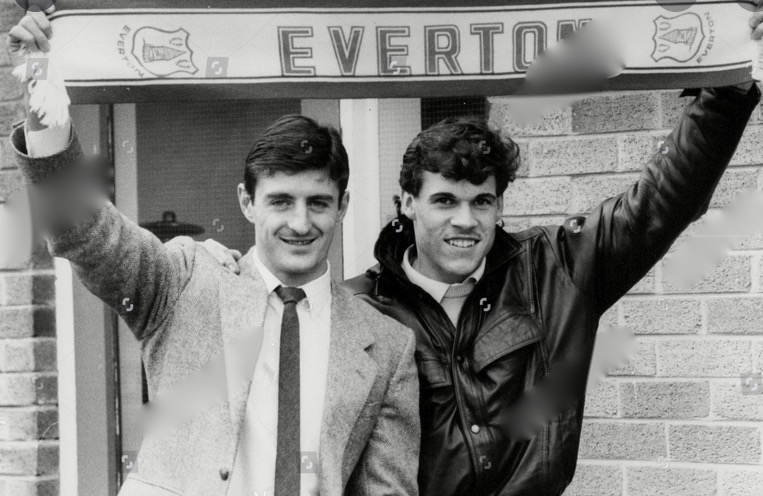
In 2006 and 2007, he was part of Everton’s Masters’ six-a-side team in the televised tournament featuring veteran players. Storer’s teammates included the likes of Neville Southall, Adrian Heath and Alan Harper.

Storer had been at Goodison Park the last time the Toffees were the English league champions. However, he didn’t make a first team appearance, invariably being the 13th man in the days when there was only one substitute.

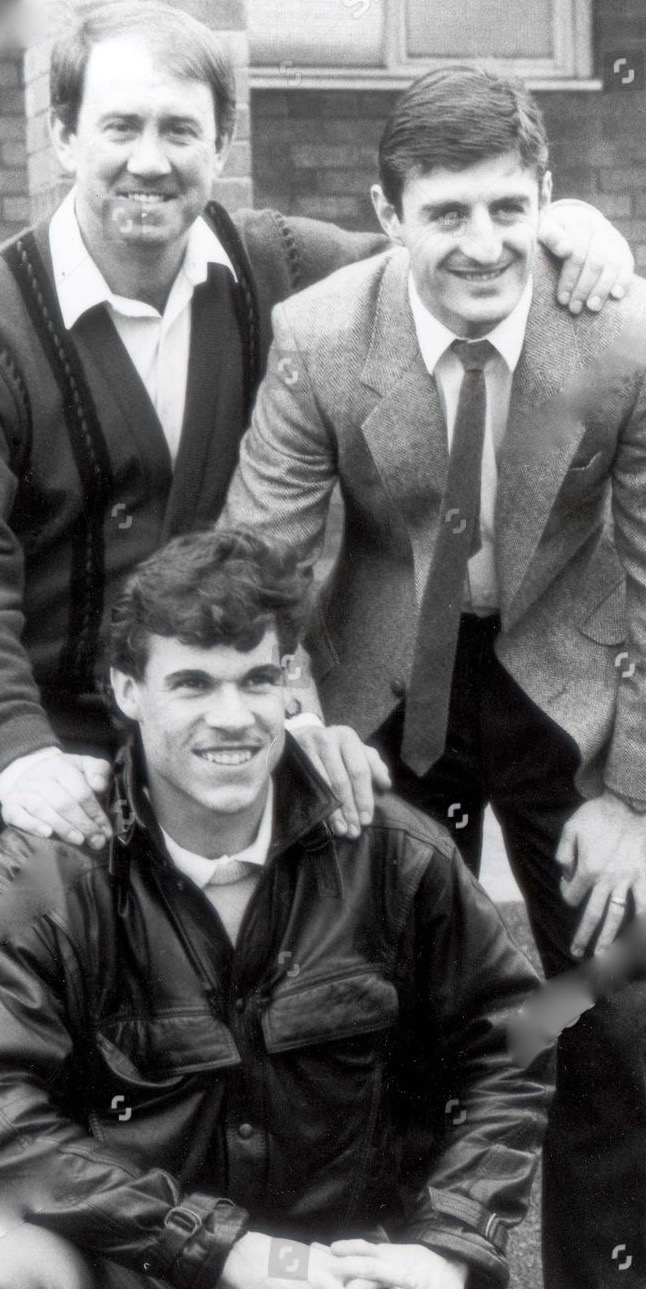
He’d arrived on Merseyside as a transfer makeweight in a £300,000 deal Kendall struck with Birmingham City to sign Wolverhampton-born striker Wayne Clarke – the youngest of five brothers who played league football.

Clarke’s former club, Wolves, were convinced Storer had been included in the deal simply to lower the sell-on amount they were due as part of a previous agreement.

Clarke scored five goals in 10 games – including a hat-trick in a 3-0 win over Newcastle United on Easter Monday – to help Everton win the League Championship. Storer had made only 12 appearances for City in three years so his chances of making an impact with the title-chasers were slim.

Although Storer was on Everton’s books for nine months, he never crossed the white line for the first team and went on loan to Wigan Athletic, making his debut on the opening day of the 1987-88 season in a 4-4 draw away to Notts County (Garry Birtles scored two of County’s goals).

Storer was no stranger to a 4-4 draw. He played in two for Albion in 1997 – on 8 March at home to Orient and on Boxing Day later the same year when they drew at Priestfield against Colchester United (Paul Emblen got a hat-trick for the Seagulls).

Storer started nine games for the Latics and came on as a sub three times under Ray Matthias but they didn’t have the funds for a permanent transfer. Instead, the loan was cut short and, on Christmas Eve 1987, Everton sold him to then Fourth Division Bolton Wanderers for £25,000. He scored his first goal for the Trotters four days later in a 2-1 home win over Stockport County.

He enjoyed seven seasons at Burnden Park as they progressed from the basement division to the third tier under former Liverpool and England full-back Phil Neal.

His time with the Trotters included two trips to Wembley. He was a late substitute in the Wanderers side captained by Phil Brown who beat Torquay United 4-1 in to win the Sherpa van Trophy in 1989. And he was a starter in the Wanderers side who lost the 1991 Third Division play-off final to Tranmere Rovers.

Having broken an ankle and seen Neal switch to become Steve Coppell’s assistant manager at Manchester City, Storer was sold to Exeter City in March 1993 by Neal’s successor Bruce Rioch. Storer made 177 appearances for Bolton, but Rioch’s signing of David Lee had signalled the beginning of the end of his time there.

It was former World Cup winner Ball, then boss of Exeter City, who paid £25,000 for Storer’s services. He made 75 appearances (plus two as a sub) for the Grecians, initially under Ball and then his successor, former Leeds and England left-back Terry Cooper in the 1994-95 season.

Financial problems at the Devon club led to his departure. Early negotiations with a view to a transfer to Brighton initially broke down but Brady finally managed to secure his services for £15,000 in March 1995.

Ironically, he then suffered an injury during his first day’s training with the Seagulls, delaying his first appearance until 29 April. But it was memorable as he scored in a 3-3 draw away to his former club, Birmingham.

He recalled in a March 2019 interview with Michael Walker for the Daily Mail: “I was in an untenable situation at Exeter because they were going into administration. I had to get out. It was from the frying pan into the fire.”

However, Storer said, at the time he signed, he was unaware of the tensions going on around the Albion, although he knew he was the first player signed after a transfer embargo had been lifted. Not for the first time in the club’s history, fans dipped into their pockets to help buy the player.

“I think the fans just wanted to buy a player, any player, and they chipped in,” said Storer.

Born in the village of Harborough Magna, just north of Rugby, on 16 January 1967, he was raised in the village of Dunchurch, just south of Rugby, attending its local junior school before moving on to Bilton High School, where his footballing ability was recognised with selection in the Rugby Boys and Warwickshire Boys representative sides.

Wolverhampton Wanderers scout John Jarman spotted him and he went along to Molineux during the Ian Greaves managerial reign. When a takeover at Wolves saw Jarman and Greaves depart for Mansfield Town, they took the young Storer on as a trainee at Field Mill.

He began playing for their youth side but he was given his Mansfield first team debut aged only 16 in a 4-0 win over Hartlepool.

Storer and Julian Dicks at Birmingham City

Released after only a year with the Stags, he was offered another chance to build a league career by Birmingham who he joined in July 1984, initially signing as a trainee and then becoming a professional. But after limited first team opportunities at St Andrews, Saunders’ successor, John Bond, sold him to Everton as part of the Clarke transfer.

After Storer’s crucial part in keeping Albion in the League, he remained at the club until 1999, playing a total of 152 games and being part of the side who had to spend two years playing home games at Gillingham.

He moved back to Warwickshire on the day the Seagulls played their first friendly at Withdean on 24 July 1999,signing for Southern League Premier Division side Atherstone United, but he was only there for two months before moving to Kettering Town, who were playing in the Football Conference, the tier just below the Football League.

In May 2000, Storer signed for Isthmian League Premier Division side Chesham United and spent a season with them, before moving nearer to his Midlands base and signing for Hinckley United in March 2001.

Storer was made club captain, and as he approached his late 30s, he got more involved with coaching. At the age of 40, Storer was a member of the Hinckley team that achieved their highest ever league position of fourth in the Conference North, losing in the play-off final to deny them promotion.

After eight seasons, he had made more than 300 appearances for the part-timers of Hinckley while working as a PE teacher at various colleges in Coventry.

Storer continued to play until he was 42 and since 2013 has managed Bedworth United, where he is still in charge and also runs academies for boys and girls and A Level courses. He said: “I played until I was 42 at Hinckley in the Conference and then my legs gave way and I had to do something else in football.”

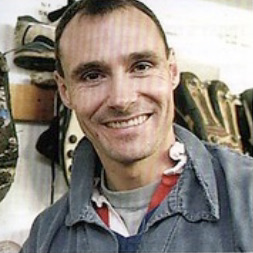
There’s a Michael Portillo style to Storer’s attire here and he admitted in a matchday programme article to having a penchant for “having a bizarre choice in clothing” as well as being an avid collector of hats.

John Humphrey – unsung hero of 1997 great escape

John Humphrey in Wolves colours

ONE OF the unsung heroes of Albion’s last-gasp survival feat in 1997 knew a thing or two about playing for clubs in precarious circumstances.

John Humphrey’s first club was Wolverhampton Wanderers during a bleak period in their history: they dropped into the basement division under the controversial ownership of the Bhatti brothers.

The right-back later played ‘home’ games for Charlton Athletic at Selhurst Park and Upton Park when the football authorities deemed The Valley unfit to stage matches.

And he ended his professional playing days turning out for Brighton in ‘home’ games at Gillingham’s Priestfield Stadium (as pictured above).

Humphrey came to Brighton’s rescue in the autumn of his career.

With Albion’s very existence under threat as 1996 turned to 1997, Albion handed the managerial reins to Steve Gritt, and former Charlton teammate Humphrey was his first signing: a free transfer from Gillingham, who were playing in the division above.

Humphrey was 36 at the time with nearly 650 professional matches behind him, including a good many in the top-flight with Wolves, Charlton and Crystal Palace. Indeed, he was Charlton’s player of the year in 1988, 1989 and 1990.

After four matches on the bench, Humphrey replaced Peter Smith at right back and played in Albion’s last 11 games of that 1996-97 season, only ending up on the losing side three times. wearebrighton.com said his impact made him “a seriously underrated piece of the Great Escape jigsaw”.

“Steve wanted me because I was experienced, could get the players organised and was able to talk them through matches,” Humphrey told the Argus. “He knew I was steady, reliable and dependable, that nine games out of ten I’d play pretty well and that I would give 100 per cent.

“It was a lot of pressure but I’d been through a few promotions (three) and relegations (six) with Wolves, Charlton and Crystal Palace.” He continued: “The stressful situations I had gone through with those other clubs had given me experience of how to try and keep a season alive.

“I could do a job for Brighton and I felt I did that and the team turned out to be good enough to hang on. It was one of the biggest achievements of my career.”

Humphrey remembered the pressure going into the Hereford match was “horrible” because of the media focus but he added: “It might have been going out of the frying pan of Gillingham into the fire at Albion but I’m glad I made the jump.”

Unfortunately, then chief executive David Bellotti tried to renege on a deal Gritt had agreed verbally with Humphrey that he’d get a new one-year contract if Albion stayed up.

“When I was told I was being released, I thought it was a pretty poor show. But Steve, to his credit, then fought my corner and I stayed on.”

With the Goldstone sold, and Albion forced to play ‘home’ games at Gillingham,  Humphrey retained his place in the side and played in 13 matches but, along with other senior players, such as Craig Maskell, Paul McDonald, Denny Mundee and Ian Baird, he was let go to save money on wages.

Humphrey accepted the package he was offered, called time on his long professional career, and dropped into the non-league scene, playing initially for Chesham, then Carshalton, Dulwich Hamlet and Walton and Hersham.

He got a break into a new career as a teacher at Whitgift School in Croydon courtesy of former Albion defender, Colin Pates, who’d played with Humphrey at Charlton.

“I knew Colin from Charlton when we roomed together,” Humphrey told the Argus. “I was aware he was at the school and he said he needed help for after-school sessions and asked me to come along. So I did and the football took off at the school and I got involved in other sports like rugby and basketball and got a full-time job there.”

After leaving Whitgift School, Humphrey became head of football at Highgate School in north London.

Born in Paddington, west London on 31 January 1961, Humphrey was picked up by Wolves after he played against their junior team for a North London club called Bourne Hall.

He recounted how events unfolded in an interview with wolvesheroes.com: initially signing schoolboy forms, then progressing to coaching in school holidays, before earning an apprenticeship.

He signed as a professional in 1979 and made his first-team debut in the old top- flight in a 3-0 Easter Monday win at Southampton in 1980. His second game ended in a 3-0 defeat to Brighton.

They came under John Barnwell and, by the time Humphrey left the club in 1985, he’d served under three other managers; the last being former Manchester United boss Tommy Docherty.

Although the side was relegated in 1981-82, Humphrey embarked on what was a 78-game unbroken spell in the side. He was ever-present when they were promoted in 1982-83.

“I loved my time at Wolves,” he told wolvesheroes.com. “I only left because we went down again in 1984-85 and I didn’t fancy playing in the Third Division. Charlton came in for me and they took John Pender from Wolves a few weeks later as well.”

Wolves under the Bhatti brothers were in freefall and a lack of investment in the side saw them suffer three consecutive relegations – in 1984, 1985 and 1986 – ending up in the old Fourth Division for the first time in the club’s history.

Humphrey joined an Addicks side newly-promoted to the elite and, although Lennie Lawrence’s side often struggled to retain their status, they remained in the top-flight until 1990, and many supporters thought the right-back was good enough for international selection.

On charltonlife.com in September 2012, Queensland Addick recalled his impressive level of fitness, and said: “The number of times he ran the right wing at great pace during a game was quite incredible.”

By the time he left Charlton in August 1990, he’d played 231 games and it was said his £400,000 transfer to top-flight Crystal Palace was linked to the fact that at the time Charlton were playing home matches at Selhurst Park.

In a five-year stay at Selhurst, Humphrey played 192 games (plus 10 as sub). Known principally for his defending, Humphrey was delighted to mark his 150th appearance for Palace with a 35-yard equaliser for the Eagles against his old club, Wolves, in a 1993 1-1 home draw.

Between December 1993 and May 1994, while Palace were winning promotion from the second tier under Alan Smith, Humphrey was out on a six-month loan at Reading, playing nine games for Mark McGhee’s Second Division side.

He then returned to second-tier Charlton on a free transfer for the 1995-96 season, playing in 36 matches, after Alan Curbishley had taken sole charge.

Next stop was Gillingham, for the first part of the 1996-97 season, but he confessed he didn’t see eye to eye with manager Tony Pulis, so he was happy to answer the call from Gritt to aid basement Brighton’s cause.