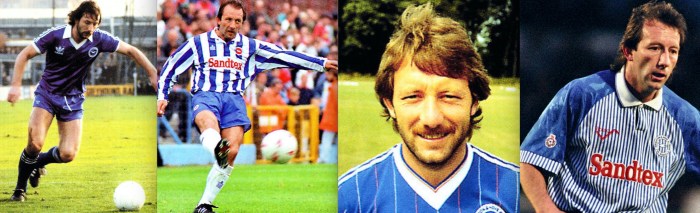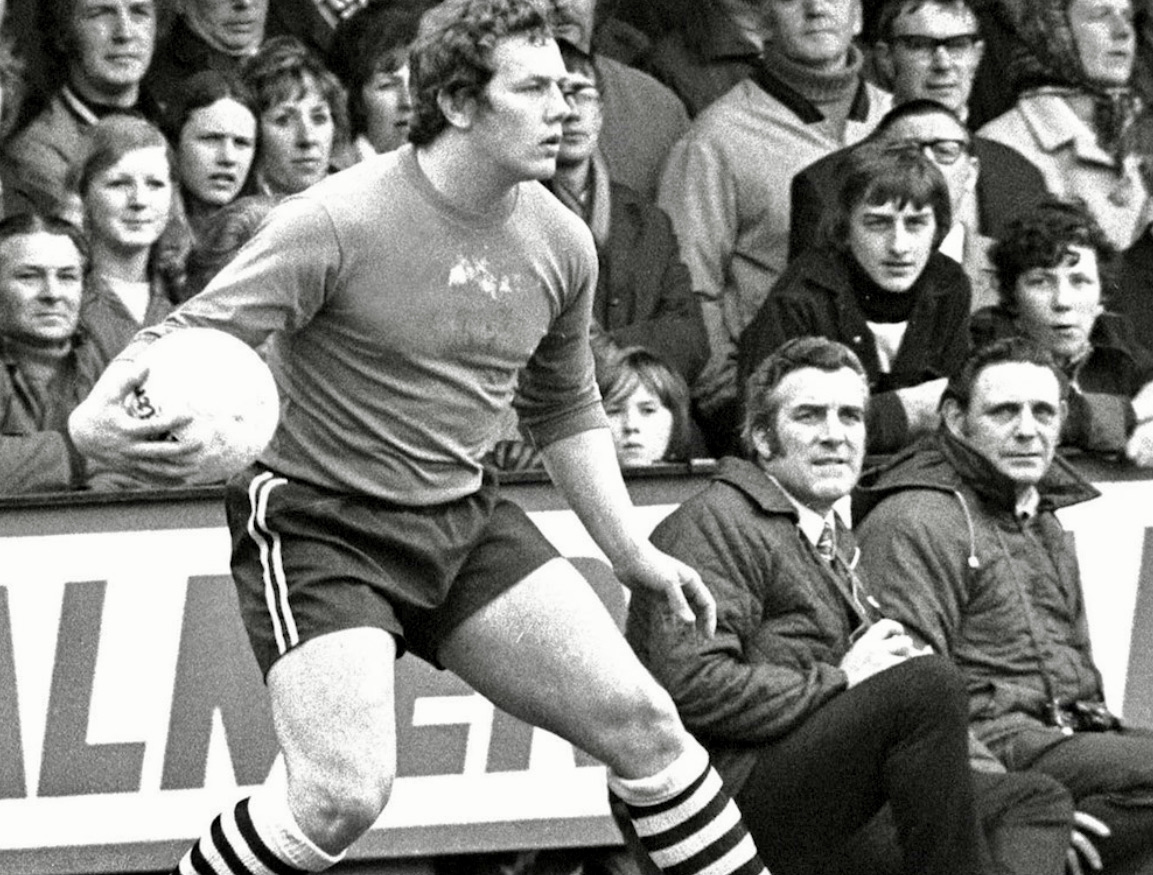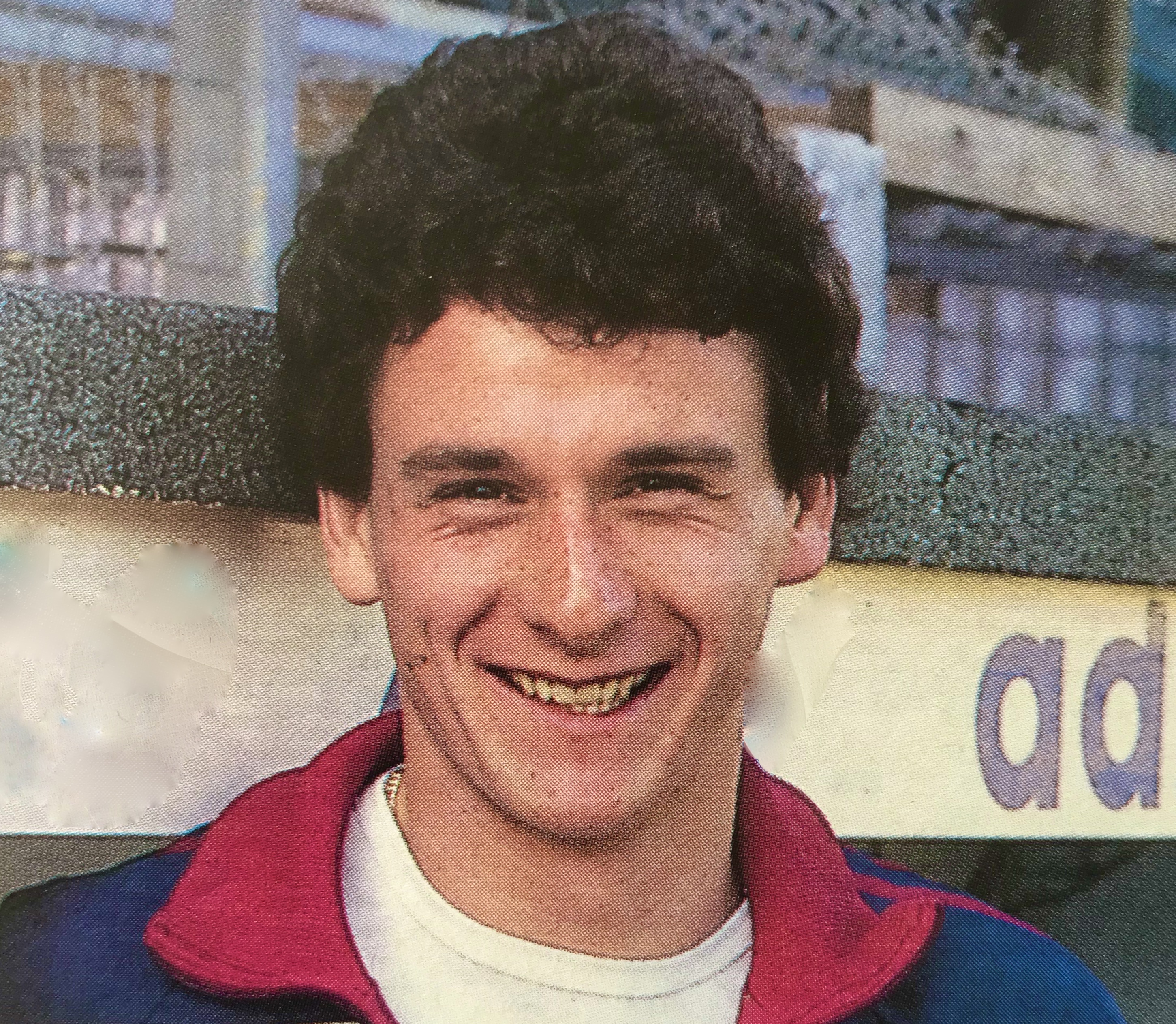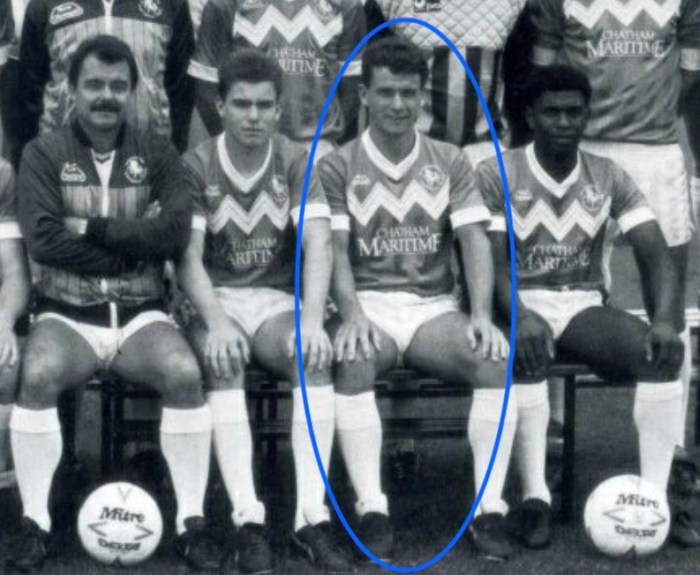
Should Mike Bailey have had longer to realise his ambition?

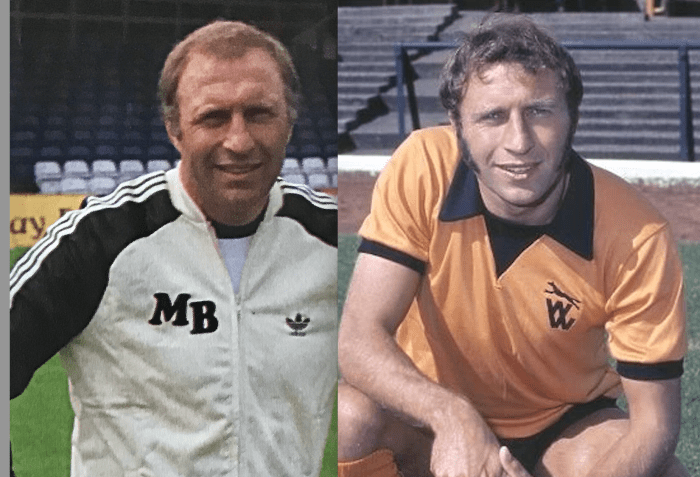
FOR 40 YEARS, Mike Bailey was the manager who had led Brighton & Hove Albion to their highest-ever finish in football.

A promotion winner and League Cup-winning captain of Wolverhampton Wanderers, he took the Seagulls to even greater heights than his predecessor, Alan Mullery.

But the fickle nature of football following has remembered Bailey a lot less romantically than the former Spurs, Fulham and England midfielder.

The pragmatic way Brighton played under Bailey turned fans off in their thousands and, because gates dipped significantly, he paid the price.

Finishing 13th in the top tier in 1982 playing a safety-first style of football counted for nothing, even though it represented a marked improvement on relegation near-misses in the previous two seasons under Mullery, delivering along the way away wins against Tottenham Hotspur, Liverpool and then-high-flying Southampton as well as a first-ever victory over Arsenal.

Bailey’s achievement with the Albion was only overtaken in 2022 with a ninth place finish under Graham Potter; since surpassed again with a heady sixth and European qualification under Roberto De Zerbi.

Fascinatingly, though, Bailey had his eyes on Europe as far back as the autumn of 1981 and laid his cards on the table in a forthright article in Shoot! magazine.

Bailey’s ambition laid bare

“I am an ambitious man,” he said. “I am not content with ensuring that Brighton survive another season at this level. I want people to be surprised when we lose and to omit us from their predictions of which clubs will have a bad season.

“I am an enthusiast about this game. I loved playing, loved the atmosphere of a dressing room, the team spirit, the sense of achievement.

“As a manager I have come to realise there are so many other factors involved. Once they’re on that pitch the players are out of my reach; I am left to gain satisfaction from seeing the things we have worked on together during the week become a reality during a match.

“I like everything to be neat – passing, ball-control, appearance, style. Only when we have become consistent in these areas will Brighton lose, once and for all, the tag of the gutsy little Third Division outfit from the South Coast that did so well to reach the First Division.”

Clearly revelling in finding a manager happy to speak his mind, the magazine declared: “As a player with Charlton, Wolves and England, Bailey gave his all, never hid when things went wrong, accepted responsibility and somehow managed to squeeze that little bit extra from the players around him when his own game was out of tune.

“As a manager he is adopting the same principles of honesty, hard work and high standards of professionalism.

“So, when Bailey sets his jaw and says he wants people to expect Brighton to win trophies, he means that everyone connected with Albion must forget all about feeling delighted with simply being in the First Division.”

Warming to his theme, Bailey told Shoot!: “This club has come a long way in a short time. But now is the time to make another big step…or risk sliding backwards. Too many clubs have done just that – wasted time basking in recent achievements and crashed back to harsh reality.

“I do not intend for us to spend this season simply consolidating. That has been done in the last few seasons.”

Mike Bailey had high hopes for the Albion

If that sounds a bit like Roberto De Zerbi, unfortunately many long-time watchers of the Albion like me would more likely compare the style under Bailey to the pragmatism of the Chris Hughton era: almost a complete opposite to De Zerbi’s free-flowing attacking play.

It was ultimately his downfall because the court of public opinion – namely paying spectators who had rejoiced in a goals galore diet during Albion’s rise from Third to First under Mullery – found the new man’s approach too boring to watch and stopped filing through the turnstiles.

Back in 2013, the superb The Goldstone Wrap blog noted: “Only Liverpool attracted over 20,000 to the Goldstone before Christmas. The return fixture against the Reds in March 1982 was the high noon of Bailey’s spell as Brighton manager.

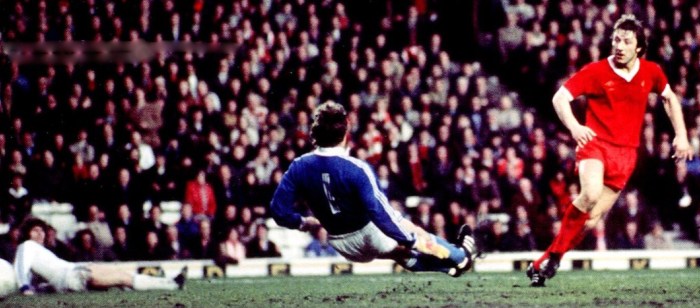
“A backs-to-the-wall display led to a famous 1-0 win at Anfield against the European Cup holders, with Andy Ritchie getting the decisive goal and Ian Rush’s goalbound shot getting stuck in the mud!”

At that stage, Albion were eighth but a fans forum at the Brighton Centre – and quite possibly a directive from the boardroom – seemed to get to him.

Supporters wanted the team to play a more open, attacking game. The result? Albion recorded ten defeats in the last 14 matches.

At odds with what he had heard, he very pointedly said in his programme notes: “It is my job to select the team and to try to win matches.

“People are quite entitled to their opinion, but I am paid to get results for Brighton and that is my first priority.

“Building a successful team is a long-term business and I have recently spoken to many top people in the professional game who admire what we are doing here at Brighton and just how far we have come in a short space of time.

“We know we still have a long way to go, but we are all working towards a successful future.”

Dropping down to finish 13th of 22 clubs, Albion never regained a spot in the top half of the division and The Goldstone Wrap observed: “If Bailey had stuck to his guns, and not listened to the fans, would the club have enjoyed a UEFA Cup place at the end of 1981-82?”

Bailey certainly wasn’t afraid to share his opinions and, as well as in the Shoot! article, he often vented his feelings quite overtly in his matchday programme notes; hitting out at referees, the football authorities and the media, as well as trying to explain his decisions to supporters, urging them to get behind the team rather than criticise.

It certainly didn’t help that the mercurial Mark Lawrenson was sold at the start of his regime as well as former captain Brian Horton and right-back-cum-midfielder John Gregory, but Bailey addressed the doubters head on.

“I believe it was necessary because while I agree that a player of Lawrenson’s ability, for example, is an exceptional talent, it is not enough to have a handful of assets.

“We must have a strong First Division squad, one where very good players can come in when injuries deplete the side.

Forthright views were a feature of Bailey’s programme notes

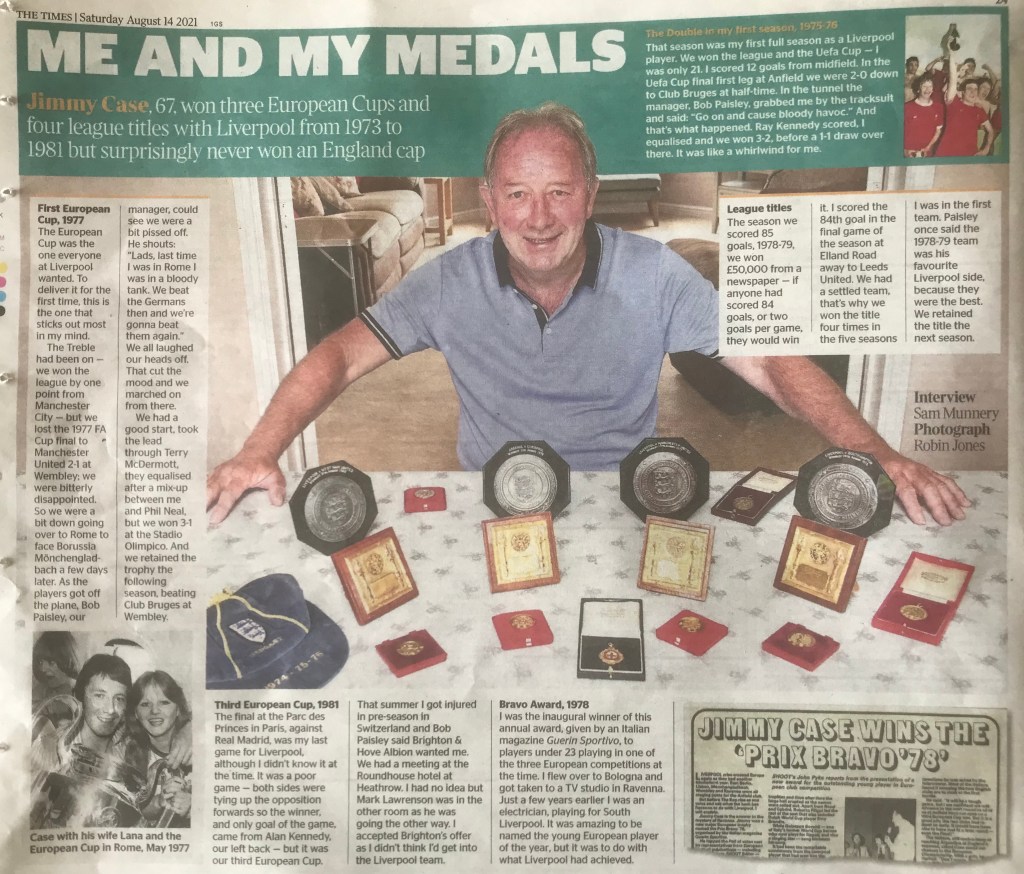
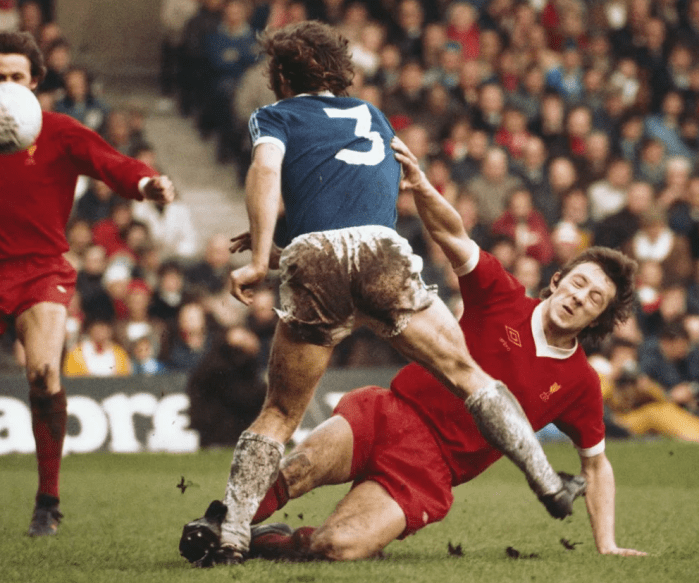
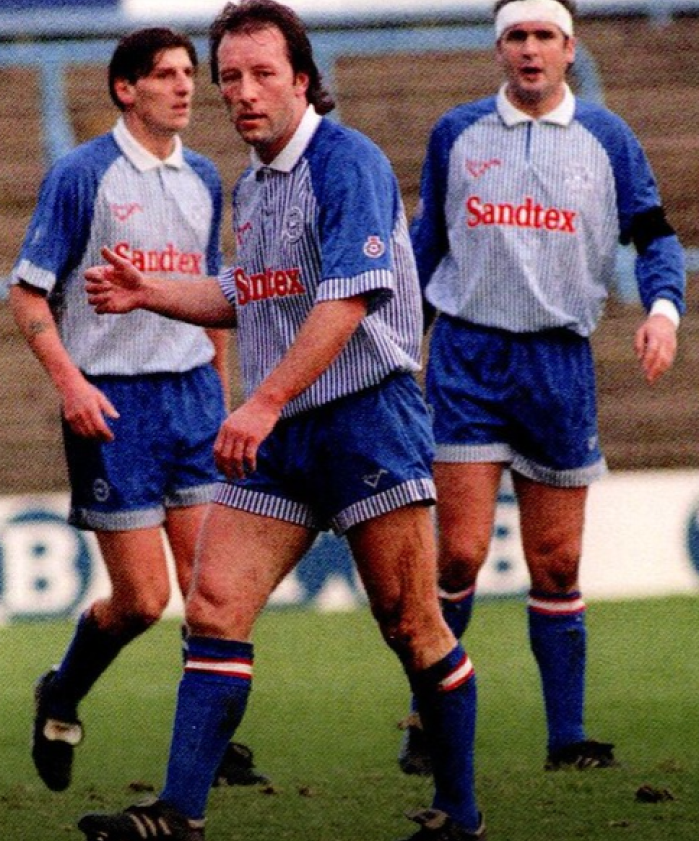
“We brought in Tony Grealish from Luton, Don Shanks from QPR, Jimmy Case from Liverpool and Steve Gatting and Sammy Nelson from Arsenal. Now the squad is better balanced. It allows for a permutation of positions and gives adequate cover in most areas.”

One signing Bailey had tried to make that he had to wait a few months to make was one he would come to regret big time. Long-serving Peter O’Sullivan had left the club at the same time as Lawrenson, Horton and Gregory so there was a vacancy to fill on the left side of midfield.

Bailey had his eyes on Manchester United’s Mickey Thomas but the Welsh wideman joined Everton instead. When, after only three months, the player fell out with Goodison boss Howard Kendall, Bailey was finally able to land his man for £350,000 on a four-year contract.

Talented though Thomas undoubtedly was, what the manager didn’t bargain for was the player’s unhappy 20-year-old wife, Debbie.

She was unable to settle in Sussex – the word was that she gave it only five days, living in a property at Telscombe Cliffs – and went back to Colwyn Bay with their baby son.

Thomas meanwhile stayed at the Courtlands Hotel in Hove and the club bent over backwards to give him extra time off so he could travel to and from north Wales. But he began to return late or go missing from training.

After the third occasion he went missing, Bailey was incandescent with rage and declared: ”Thomas has s*** on us….the sooner the boy leaves, the better.”

At one point in March, it was hoped a swap deal could be worked out that would have brought England winger Peter Barnes to the Goldstone from Leeds, but they weren’t interested and so the saga dragged out to the end of the season.

After yet another absence and fine of a fortnight’s wages, Bailey once again went on the front foot and told Argus Albion reporter John Vinicombe: “He came in and trained which allowed him to play for Wales.

“He is just using us, and yet I might have played him against Wolves (third to last game of the season). Thomas is his own worst enemy and I stand by what I’ve said before – the sooner he goes the better.”

Thomas was ‘shop windowed’ in the final two games and during the close season was sold to Stoke City for £200,000.

In his own assessment of his first season, Bailey said: “Many good things have come out of our season. Our early results were encouraging and we quickly became an organised and efficient side. The lads got into their rhythm quickly and it was a nice ‘plus’ to get into a high league position so early on.”

He had special words of praise for Gary Stevens and said: “Although the youngest member of our first team squad, Gary is a perfect example to his fellow professionals. Whatever we ask of him he will always do his best, he is completely dedicated and sets a fine example to his fellow players.”

The biggest bugbear for the people running the club was that the average home gate for 1981-82 was 18,241, fully 6,500 fewer than had supported the side during their first season at the top level.

“The Goldstone regulars grew restless at a series of frustrating home draws, and finally turned on their own players,” wrote Vinicombe in his end of season summary for the Argus.

He also said: “It is Bailey’s chief regret that he changed his playing policy in response to public, and possibly private, pressure with the result that Albion finished the latter part of the season in most disappointing fashion.

“Accusations that Albion were the principal bores of the First Division at home were heaped on Bailey’s head, and, while he is a man not given to altering his mind for no good reason, certain instructions were issued to placate the rising tide of criticisms.”

If Bailey wasn’t exactly Mr Popular with the fans, at the beginning of the following season, off-field matters brought disruption to the playing side.

Steve Foster thought he deserved more money having been to the World Cup with England and he, Michael Robinson and Neil McNab questioned the club’s ambition after chairman Bamber refused to sanction the acquisition of Charlie George, the former Arsenal, Derby and Southampton maverick, who had been on trial pre-season.

Robinson went so far as to accuse the club of “settling for mediocrity” and couldn’t believe Bailey was working without a contract.

Bamber voiced his disgust at Robinson, claiming it was really all about money, and tried to sell him to Sunderland, with Stan Cummins coming in the opposite direction, but it fell through. Efforts were also made to send McNab out on loan which didn’t happen immediately although it did eventually.

All three were left out of the side temporarily although Albion managed to beat Arsenal and Sunderland at home without them. In what was an erratic start to the season, Albion couldn’t buy a win away from home and suffered two 5-0 defeats (against Luton and West Brom) and a 4-0 spanking at Nottingham Forest – all in September.

Other than 20,000 gates for a West Ham league game and a Spurs Milk Cup match, the crowd numbers had slumped to around 10,000. Former favourite Peter Ward was brought back to the club on loan from Nottingham Forest and scored the only goal of the game as Manchester United were beaten at the Goldstone.

But four straight defeats followed and led to the axe for Bailey, with Bamber declaring: “He’s a smashing bloke, I’m sorry to see him go, but it had to be done.”

Perhaps the writing was on the wall when, in his final programme contribution, he blamed the run of poor results simply on bad luck and admitted: “I feel we are somehow in a rut.”

It didn’t help the narrative of his reign that his successor, Jimmy Melia, surfed on a wave of euphoria when taking Albion to their one and only FA Cup Final – even though he also oversaw the side’s fall from the elite.

“It seems that my team has been relegated from the First Division while Melia’s team has reached the Cup Final,” an irked Bailey said in an interview he gave to the News of the World’s Reg Drury in the run-up to the final.

Hurt by some of the media coverage he’d seen since his departure, Bailey resented accusations that his style had been dull and boring football, pointing out: “Nobody said that midway through last season when we were sixth and there was talk of Europe.

“We were organised and disciplined and getting results. John Collins, a great coach, was on the same wavelength as me. We wanted to lay the foundations of lasting success, just like Bill Shankly and Bob Paisley did at Liverpool.

“The only problem was that winning 1-0 and 2-0 didn’t satisfy everybody. I tried to change things too soon – that was a mistake.

“When I left (in December 1982), we were 18th with more than a point a game. I’ve never known a team go down when fifth from bottom.”

Bailey later expanded on the circumstances, lifting the lid on his less than cordial relationship with Bamber, when speaking on a Wolves’ fans forum in 2010. “We had a good side at Brighton and did really well,” he said. “The difficulty I had was with the chairman. He was not satisfied with anything.

“I made Brighton a difficult team to beat. I knew the standard of the players we had and knew how to win matches. We used to work on clean sheets.

“With the previous manager, they hadn’t won away from home very often but we went to Anfield and won. But the chairman kept saying: ‘Why can’t we score a few more goals?’ He didn’t understand it.”

Foster, the player Bailey made Albion captain, was also critical of the ‘boring’ jibe and in Spencer Vignes’ A Few Good Men said: “We sacked Mike Bailey because we weren’t playing attractive football, allegedly. Things were changing. Brighton had never been so high.

“We were doing well, but we weren’t seen as a flamboyant side. I was never happy with the press because they were creating this boring talk. Some of the stuff they used to write really annoyed me.”

Striker Andy Ritchie was also supportive of the management. He told journalist Nick Szczepanik: “Mike got everyone playing together. Everybody liked Mike and John Collins, who was brilliant. When a group of players like the management, it takes you a long way. When you are having things explained to you and training is good and it’s a bit of fun, you get a lot more out of it.”

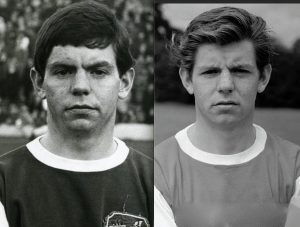
Born on 27 February 1942 in Wisbech, Cambridgeshire, he went to the same school in Gorleston, Norfolk, as the former Arsenal centre back Peter Simpson. His career began with non-league Gorleston before Charlton Athletic snapped him up in 1958 and he spent eight years at The Valley.

During his time there, he was capped twice by England as manager Alf Ramsey explored options for his 1966 World Cup squad. Just a week after making his fifth appearance for England under 23s, Bailey, aged 22, was called up to make his full debut in a friendly against the USA on 27 May 1964.

He had broken into the under 23s only three months earlier, making his debut in a 3-2 win over Scotland at St James’ Park, Newcastle, on 5 February 1964.He retained his place against France, Hungary, Israel and Turkey, games in which his teammates included Graham Cross, Mullery and Martin Chivers.

England ran out 10-0 winners in New York with Roger Hunt scoring four, Fred Pickering three, Terry Paine two, and Bobby Charlton the other.

Eight of that England side made it to the 1966 World Cup squad two years later but a broken leg put paid to Bailey’s chances of joining them.

“I was worried that may have been it,” Bailey recalled in his autobiography, The Valley Wanderer: The Mike Bailey Story (published in November 2015). “In the end, I was out for six months. My leg got stronger and I never had problems with it again, so it was a blessing in disguise in that respect.

“Charlton had these (steep) terraces. I’d go up to them every day, I was getting fitter and fitter.”

In fact, Ramsey did give him one more chance to impress. Six months after the win in New York, he was in the England team who beat Wales 2-1 at Wembley in the Home Championship. Frank Wignall, who would later spend a season with Bailey at Wolves, scored both England’s goals.

“But it was too late to get in the 1966 World Cup side,” said Bailey. “Alf Ramsey had got his team in place.”

During his time with the England under 23s, Bailey had become friends with Wolves’ Ernie Hunt (the striker who later played for Coventry City) and Hunt persuaded him to move to the Black Country club for a £40,000 fee.

Thus began an association which saw him play a total of 436 games for Wolves over 11 seasons.

In his first season, 1966-67, he captained the side to promotion from the second tier and he was also named as Midlands Footballer of the Year.

Wolves finished fourth in the top division in 1970-71 and European adventures followed, including winning the Texaco Cup of 1971 – the club’s first silverware in 11 years – and reaching the UEFA Cup final against Tottenham a year later, although injury meant Bailey was only involved from the 55th minute of the second leg and Spurs won 3-2 on aggregate.

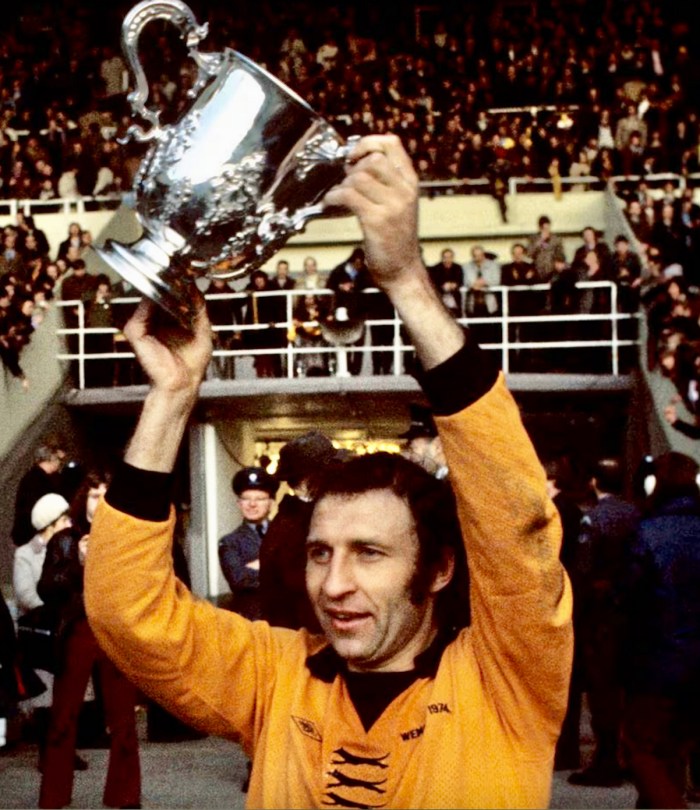
Two years later, Bailey, by then 32, lifted the League Cup after Bill McGarry’s side beat Ron Saunders’ Manchester City 2-1 at Wembley with goals by Kenny Hibbitt and John Richards. It was Bailey’s pass to Alan Sunderland that began the winning move, Richards sweeping in Sunderland’s deflected cross.

Bailey lifts the League Cup after Wolves beat Manchester City at Wembley

This was a side with solid defenders like John McAlle, Frank Munro and Derek Parkin, combined with exciting players such as Irish maverick centre forward Derek Dougan and winger Dave Wagstaffe.

Richards had become Dougan’s regular partner up front after Peter Knowles quit football to turn to religion. Discussing Bailey with wolvesheroes.com, Richards said: “He really was a leader you responded to and wanted to play for. If you let your standards slip, he wasn’t slow to let you know. I have very fond memories of playing alongside him.”

In a lengthy tribute to Bailey in the Wolverhampton Express & Star to mark his 80th birthday, journalist Paul Berry interviewed several of his former teammates.

“He gave me – just as he did with all the young players coming into the team – so much help and guidance in training and matches on and off the pitch,” said Richards.

“There were so many little tips and pieces of advice and I remember how he first taught me how to come off defenders. He would say ‘when I get the ball John, just push the defender away, come towards me, lay the ball off and then go again’.

“There was so much advice that he would give to us all, and it had a massive influence.”

Midfielder Hibbitt, another Wolves legend who made 544 appearances for the club, said: “He was the greatest captain I ever played with.”

Steve Daley added: “Mike is my idol, he was an absolute inspiration to me when I was playing.”

Winger Terry Wharton added: “He was a great player…a bit of a Jekyll and Hyde character as well. On the pitch he was a great captain, a winner, he was tenacious and he was loud.

“He got people moving and he got people going and you just knew he was a captain. And then off the pitch? He could have been a vicar.”

When coach Sammy Chung stepped up to take over as manager, Bailey found himself on the outside looking in and chose to end his playing days in America, with the Minnesota Kicks, who were managed by the former Brighton boss Freddie Goodwin.

He returned to England and spent the 1978-79 season as player-manager of Fourth Division Hereford United and in March 1980 replaced Andy Nelson as boss at Charlton Athletic. He had just got the Addicks promoted from the Third Division when he replaced Mullery at Brighton.

In a curious symmetry, Bailey’s management career in England (courtesy of managerstats.co.uk) saw him manage each of those three clubs for just 65 games. At Hereford, his record was W 32, D 11, L 22; at Charlton W 21, D 17, L 27; at Brighton, W 20 D 17, L 28.

In 1984, he moved to Greece to manage OFI Crete, he briefly took charge of non-league Leatherhead and he later worked as reserve team coach at Portsmouth. Later still, he did some scouting work for Wolves (during the Dave Jones era) and he was inducted into the Wolves Hall of Fame in 2010.

In November 2020, Bailey’s family made public the news that he had been diagnosed with dementia hoping that it would help to highlight the ongoing issues around the number of ex-footballers suffering from it.

Perhaps the last words should go to Bailey himself, harking back to that 1981 article when his words were so prescient bearing in mind what would follow his time in charge.

“We don’t have a training ground. We train in a local park. The club have tried to remedy this and I’m sure they will. But such things hold you back in terms of generating the feeling of the big time,” he said.

“I must compliment the people who are responsible for getting the club where it is. They built a team, won promotion twice and the fans flocked in. Now is the time to concentrate on developing the Goldstone Ground. When we build our ground, we will have the supporters eager to fill it.”

Pictures from various sources: Goal and Shoot! magazines; the Evening Argus, the News of the World, and the Albion matchday programme.

Teenage debutant ‘keeper Forster forever just a back-up

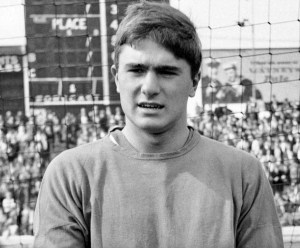
A GOALKEEPER who held a ‘youngest ever’ record for 58 years played second fiddle between the sticks for Charlton Athletic and Brighton.

Derek Forster had started out at Sunderland and was only FIFTEEN when he played in goal in front of a 45,000 Roker Park crowd in the opening game of the 1964-65 season.

The youngster let in three – but so did his opposite number, Gordon Banks, the England international who was in goal for opponents Leicester City.

“Derek’s a wonderful prospect. From what I could see, he didn’t make a single mistake,” said Banks after the game.

Forster had played in front of an even bigger crowd a few months’ earlier when 95,000 at Wembley saw him keep goal for England Schools against West Germany.

But those early tests of nerves were of little consequence because Forster’s career didn’t pan out quite as he might have wanted.

Sunderland’s first choice ‘keeper, Jim Montgomery, was one of the country’s top goalkeepers, best known for a match-winning double-save for the Wearsiders in the 1973 FA Cup Final at Wembley when second tier Sunderland beat high-flying Leeds United 1-0.

Montgomery remained largely injury-free – and made a record 627 appearances for Sunderland – meaning over the course of eight years the 5’9” Forster only got to play 30 league and cup games for the Mackems.

It was only after that amazing FA Cup win in 1973 that Forster finally left his home in the north-east and tried his luck in London. He joined third tier Charlton who were managed by Theo Foley, a former Eire international teammate of his old Sunderland playing colleague, Charlie Hurley.

Forster was soon in action for the Addicks, ironically playing against Brighton twice within 18 days at the Goldstone (they won 2-1 in the League Cup and in the League). Below left in a collision with Lammie Robertson.

But he was not able to dislodge the experienced John Dunn permanently from the no.1 spot and was limited to nine appearances. He moved during the close season to the Albion, where Brian Clough and Peter Taylor had dispensed with the services of long-serving Brian Powney as part of a 13-player clear-out.

Forster actually joined Albion on the very day that it was announced Taylor was staying at Brighton to take sole charge after his managerial mate Clough quit to join Leeds United.

At the Goldstone, though, Forster found the holder of the no.1 jersey, Peter Grummitt, was another in the same ilk as Montgomery. Grummitt, who’d been one of the pair’s first signings not long after they’d arrived at the Goldstone in the autumn of 1973, had played more than 350 games at the highest level for Nottingham Forest and won three caps for England’s under 23 side, where he vied for the goalkeeper position with Chelsea’s Peter Bonetti.

Arguably one of the best Albion goalkeepers ever, it was perhaps no surprise Grummitt’s form restricted Forster to only three appearances. Ironically, when Forster did get his first team break, he conceded six in his first match.

In spite of pre-season optimism from Taylor, Albion had only three wins on the board from their first 13 games, and when the side went to Fellows Park, Walsall, on 1 October, Forster was like a sitting duck as the Saddlers thumped Albion 6-0. Grummitt was back between the sticks for the following five matches.

No stranger to strong disciplinary measures when he deemed it right, in October Taylor made six first teamers who’d lost 3-2 at Grimsby the previous evening play for the reserves at home to Millwall the following day.

Forster was the last line  of defence in that experienced line-up, and made some important stops on three occasions, but still conceded three. However, the involvement of the first team contingent saw Albion win 5-3: Ian Mellor scoring all five Brighton goals.

Three weeks later, after player-manager Bobby Charlton’s visiting Preston North End side won 4-0 at the Goldstone, Forster stepped in for Grummitt for the second time – and once again was on the losing side: 2-1 at Gillingham.

His one and only winning experience in an Albion shirt came the following week at Prenton Park when Albion beat Tranmere Rovers 2-1. In front of just 2,134 supporters, that win proved to be Forster’s third and last first team appearance.

Taylor obviously wasn’t wholly convinced by his back-up ‘keeper that autumn because he took a look in the reserves at triallist Jim Inger, from assistant manager Brian Daykin’s old club, Long Eaton.

Nevertheless, Forster remained the back-up ‘keeper, a role he continued throughout the 1975-76 season without being called on for the first team because Grummitt was ever-present. The disillusioned Forster departed, admitting he was “cheesed off at Brighton”.

In fact, he quit the professional game, returned to the north-east and played local league football while taking on a job at Washington Leisure Centre (run by Sunderland city council’s leisure department), where he worked for 30 years.

He was in the news in 2010 when it was revealed that three years earlier he had lost the sight in his left eye through cancer.

“It changes your whole life,” he told the Northern Echo. “You either jump off the bridge or you tell yourself to get on with it.

“It makes you realise that it doesn’t matter how hard you train, or how careful you are about what you eat, it’s someone else who’s calling the shots.”

Forster, who retired from the city council, added: “We presumed that we’d do all sorts when we retired and then I realised that I mightn’t even have got that far.

“Now we don’t presume anything. I’ve changed a lot; if that tumour had spread I was a goner. Now every day is a Sunday.” Forster fought on for a few more years before he died aged 75 on 2 May 2024.

Born in the Walker suburb of Newcastle on 19 February 1949, Forster went to Manor Park School in the east end of the city: actor Jimmy Nail and Sunderland and England footballer Dennis Tueart were other alumni.

As a promising centre forward, Forster had trials with the city’s under-11s. “One of the goalies didn’t turn up, so they asked me to play there,” Forster recalled.

“I’d honestly never kept goal in my life, not even in the back street, but I had a blinder. Caught every ball. After that, I never played anywhere else.”

The young Forster’s prowess earned him selection for the England Schools side on nine occasions, in a squad that included future stars Trevor Brooking, Colin Todd,  Colin Suggett and Joe Royle.

Sixty years on, it seems extraordinary to discover crowds of 95,000 would fill Wembley to watch the cream of England’s schoolboys, but vintage black and white film footage available on YouTube confirms it.

The all-things-Sunderland website rokerreport.sbnation.comisa detailed source of how Forster made history, and it is certainly a rather curious tale.

Initially signed as an amateur by Sunderland, he was then taken on as an apprentice but for two weeks of the 1964-65 pre-season month he’d been on a family holiday in Blackpool.

He’d trained for just a week and had never seen his new teammates play competitively. Then regular goalkeeper Montgomery sustained a hairline fracture of his left arm in training.

The opening game of the season – Sunderland’s first game back in the top flight after winning promotion – was only a matter of days away and they were without a manager because Alan Brown had left in acrimonious circumstances to take charge of Sheffield Wednesday.

Brown was temporarily replaced by a ‘selection committee’ of club officials and team captain Charlie Hurley.

The assumption was that the 20-year-old reserve goalkeeper, Derek Kirby, would deputise for Montgomery but, instead, they turned to Forster, who’d had that experience of playing in front of a huge crowd at Wembley.

After being called into club secretary George Crow’s office on the Thursday morning to be told he’d be starting, he said: “This is the greatest moment of my life. I had no idea that I would get my chance so soon, even after Monty’s unfortunate injury.

“I only hope I will justify the confidence shown in me and don’t let anyone down.

“I expect I shall be a little bit nervous, but it will be wonderful – and inspiring – playing behind Charlie Hurley and company.”

Even though he let in three, not only did he have the praise of Banks ringing in his ears, but his captain Hurley said: “A great game. If he goes on like this, he’ll have an exceptional future.”

The following Monday’s Echo said the young ‘keeper had “the agility of a panther” and was “bursting at the seams with talent”.

While The Journal’s Alf Greenley reported: “The crowd were with him to a man, even, I suspect, the not inconsiderable contingent of Leicester followers who had made the trip and the reception accorded to him when he turned out was only exceeded by that at the end.

“It was a truly remarkable performance for one so young.

“He handled the ball in the swirling wind with the confidence of a veteran, positioned well and stood up to the onslaught of the Leicester forwards like one far in advance of his years.”

Forster was just 15 years and 185 days old on the day of the match and he remained the youngest-ever top-flight footballer until 18 September 2022 when Arsenal’s Ethan Nwaneri rewrote the record books coming off the bench in the 89th minute of the Gunners’ 3-0 win at Brentford yesterday. He was aged just 15 years and 181 days.

It remains to be seen what sort of future Nwaneri might have in the game. For Forster, although he played the next few games, Montgomery returned and the teenager was left to hold a watching brief although he was still young enough to play a key role in Sunderland’s successful youth team of the mid-1960s.

In 1965, Sunderland lost the two-legged FA Youth Cup semi-final 5-0 to Everton for whom two goals in the Goodison first leg 4-0 win were scored by Jimmy Husband, who’d been a schoolmate of Forster’s in Newcastle.

Sunderland lost the 1966 final 5-3 on aggregate to Arsenal (who included Pat Rice and Sammy Nelson), when Forster’s teammates included the future Cup Final side captain Bobby Kerr, Billy Hughes, Suggett and Todd, who went on to win the league with Derby County and play for England.

Forster was still the last line of defence when the Wearsiders (above) finally won the trophy in 1967, a 2-0 aggregate scoreline seeing off a Birmingham City side that had future England international Bob Latchford at centre forward.

Less than 48 hours after the game, Forster, Hughes and Suggett travelled to North America as part of a squad selected by manager Ian McColl to represent the club in the United Soccer Association, where they played seven matches under the guise of the Vancouver Royal Canadians.

Retrospectively, Forster regretted not moving on sooner from Sunderland. But he told the Northern Echo: “Sunderland were one of the top youth clubs and they were very good to me. I should have left much earlier, seen the signs, but in those days players were genuinely loyal.

“You didn’t just ask to leave as soon as you were dropped. I decided to stay. It was my mistake. Monty never got injured again for five years, though I tried hard to kick him in training. He was an exceptional goalkeeper.”

Forster likened his situation to Newcastle’s Shay Given and Steve Harper. “Both very good goalkeepers, but maybe one a bit better than the other.”

Duffy had Burleigh pal for company on his Albion arrival

HISTORY has seen a whole string of goalkeepers play for both Newcastle United and Brighton. Dutchman Tim Krul was the most recent and others stretching back over the years – Eric Steele, Dave Beasant, and Steve Harper – have featured in this blog at various times.

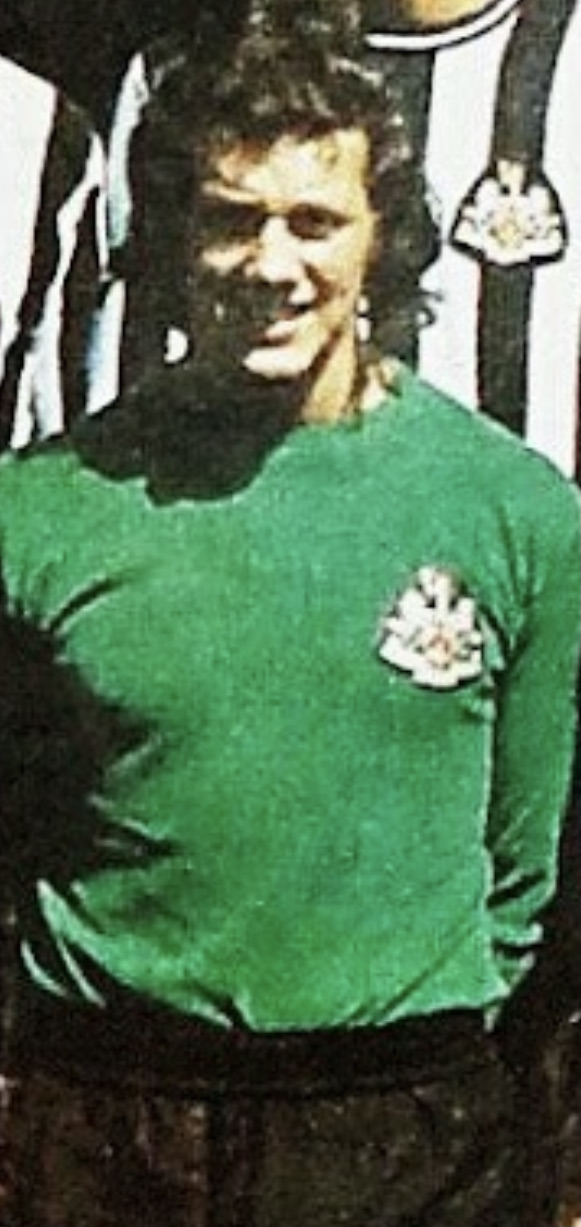
My post this time, though, centres on Martin Burleigh, for many years an understudy to Northern Irish international Iam McFaul.

When stocky striker Alan Duffy travelled 350 miles from home to join Brighton in early 1970, it was with some relief that he found the familiar face of Burleigh amongst his new teammates.

How Albion’s matchday programme reported Duffy’s delight in meeting up with a familiar face

The goalkeeper, who was only 18, was on loan at the Albion at the time. The previous year he and Duffy had been in the same Newcastle United youth team.

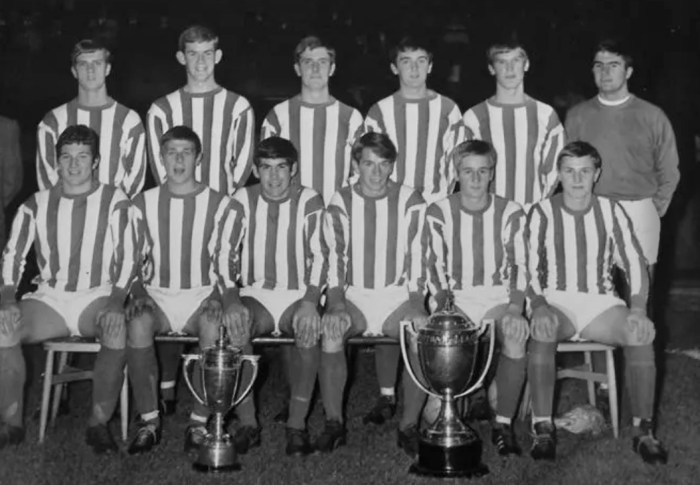
Not only did that side do the Northern Intermediate League and cup double, 10 days before the first team won the Inter-Cities Fairs Cup, the youth team brought even more silverware to Tyneside – winning a prestigious international youth tournament at Feyenoord’s ground in Rotterdam.

Toon’s trophy-winning youth team of 1969

Unlike Albion’s new £10,000 permanent signing, though, Burleigh was to have only a short-lived stay in Sussex. Manager Freddie Goodwin had brought in the Toon no.3 ‘keeper (Iam McFaul was first choice and John Hope his deputy) as cover while Albion were reduced to only one fit goalkeeper (Brian Powney) following a serious head injury to Geoff Sidebottom in the first match of a marathon second round FA Cup tie against Walsall (it took four games to decide it; those were the days before penalty shoot-outs).

Thankfully Powney avoided injury so young Burleigh was not called into match action, and he returned to the north east still waiting to make his league debut. Indeed, he had to wait until Boxing Day 1970 for that chance. Although Toon went down 3-0 at Leeds United, opposition manager Don Revie praised the youngster, saying: “I thought he had a fine game. He had no chance with the goals. Some of the saves he made showed he has a fine future ahead of him.”

It would seem Toon boss Joe Harvey wasn’t so sure and it was more than a year before Burleigh got his next chance to shine, making his home debut in a 4-2 win over Coventry City on 8 January 1972.

Once again it was to be his only first team appearance of the season, but in the 1972-73 season he finally got a run of games when McFaul was injured. He played in 11 matches but then had the misfortune to fracture a finger in a collision with Mick Channon during a 1-1 draw at Southampton, and McFaul returned.

The Toon 1892.com website recalls Burleigh then having a struggle with weight issues and he had a public dispute with manager Harvey which saw him walk out of the club saying he was going to join the RAF. But Newcastle retained his registration and when the dust settled on the dispute he was sent on loan to Darlington before making the move permanent in October 1974 for a fee of £8,000.

He was only at Darlington for a season before switching across country to Carlisle United, where he spent two seasons.

When Burleigh died at the age of 70 on 27 September 2021, Carlisle chairman Andrew Jenkins said: “Martin was a big character who was a pleasure to have around. He was tall and strong in stature and very stylish in the way he kept goal.

“We used to talk about how he very much had the manner of how the goalkeepers in Europe used to do things, with flair and a bit of theatre.

“I remember that Alan Ashman was really keen to get him signed and over here to join us. When he was speaking to the board about him, he said that the fans would be queuing along Warwick Road to watch him – he felt he was that good.”

His death was mourned by former Newcastle teammates too and several ‘Toon Legends’ remembered him at a gathering at the Tyneside Irish Centre.

Tribute on Twitter following Burleigh’s death

“Martin was a great friend and a lot of players who played alongside him at Newcastle from junior to first team level want to pay their respects to a real character,” Toon Legends official Chris Emmerson told Chronicle Live.

After his spell at Carlisle, where he also had to bide his time behind first choice Allan Ross, Burleigh returned to Fourth Division Darlington for two more seasons, during which time (in October 1978) he kept goal when the north east minnows only narrowly lost (1-0) to First Division Everton in a third round League Cup tie.

Burleigh went on to spend three seasons in goal for Hartlepool, ending his league career with a total of 222 appearances.

He then became a painter and decorator but continued playing for non-league sides in the area, appearing for Bishop Auckland, Spennymoor and Langley Park until packing up playing in 1984.

Born in Willington, County Durham, on 2 February 1951, Burleigh was playing for his hometown team at 17 when Newcastle signed him in 1968, initially as an amateur.

Kenneth Scott, in The Toon1892 Chronicles, wrote: “He displayed within the junior and reserve teams that he was more than capable between the posts and it was not long before he turned professional.”

That happened in December 1968 and before the end of the season he was in goal for the Newcastle youth team under coach Keith Burkinshaw (who later managed Spurs) when they won the international tournament in Holland, beating an Arsenal side containing the likes of Ray Kennedy, Sammy Nelson, Charlie George, Eddie Kelly, and Pat Rice.

The achievement was somewhat overshadowed by the first team’s triumph in the old Inter-Cities Fairs Cup when Toon beat Hungarian side Ujpest in the two-legged final, skipper Bobby Moncur lifting the trophy in Budapest.

Although Burleigh managed to edge out McFaul’s deputy Hope to become the no.2 at St James’s Park (Hope joined Sheffield United along with David Ford in exchange for John Tudor in 1971), the form and fitness of the Northern Irish international (who later spent three years as manager of Newcastle) always kept him on the sidelines.

• Incidentally, in line with the tradition of Albion ‘sharing’ goalkeepers over several decades, when McFaul was in the manager’s chair in January 1988 he took Albion’s long-serving Perry Digweed on a month’s loan with the Magpies. He played in their reserves but didn’t appear in the first team. The following month he went on loan to relegation-threatened Chelsea where he featured in three matches: a 3-3 draw away to Coventry City, a 0-0 home draw v Everton and a 4-4 draw at Oxford United.

Putney printer Pearce went to Wembley with the Albion

HE took a circuitous route back to his hometown club but full-back Graham Pearce eventually made it to Brentford’s first team after Brighton had resurrected his career and given him a chance to play at the top level of the English game.

Pearce was first on Brentford’s books as a teenager between 1971 and 1976, but he didn’t make it as a pro with the Bees and, after also being turned down by QPR, he went non-league, initially with Hillingdon Borough for three years and then Barnet.

When Pearce lined up for Barnet in a FA Cup third round tie on 2 January 1982, it must have been beyond his wildest dreams to imagine just over a year later he’d be playing in that competition’s final at Wembley.

But the steady, assured performances 21-year-old Pearce put in as Alliance Premier League Barnet held Brighton 0-0 before losing 3-1 in a replay at the Goldstone impressed the watching Albion boss Mike Bailey sufficiently to sign him up for the Seagulls.

Although he was itching to join, he had to serve a week’s notice with the Putney printer where he had a full-time job because they weren’t in a position to release him sooner.

Just over a year later, when injuries depleted Jimmy Melia’s cup hopefuls the closer they got to a dream Wembley date, Pearce seized his chance to put his own name in print. Circumstances fell just right for him, but it might not have happened if the experienced left-back Sammy Nelson hadn’t been sidelined.

A packed East Terrace at the Goldstone the backdrop as Pearce faces Newcastle in the FA Cup

Pearce played in the third round 1-1 Goldstone draw with Newcastle – one of six games he played in January 1983 – but he missed the 4-0 demolition of Manchester City in the fourth round and didn’t feature again until 22 March when he was sub for the 2-2 home draw with Liverpool.

Because versatile Gary Stevens was more than capable of playing alongside Steve Foster, normal centre back partner Steve Gatting was preferred at left-back for 14 matches from the end of January.

But when right-back Chris Ramsey was suspended for the semi-final against Sheffield Wednesday, Stevens took his spot, Gatting returned to the middle and Pearce slotted in at left-back.

Because Foster was suspended for the final against Man Utd, Stevens paired up with Gatting in the middle and Pearce retained his place.

Even when Foster returned for the replay, Pearce kept his place because Ramsey had been crocked in the first match and wasn’t fit to play (Melia making the mistake of putting left-footed Gatting at right-back instead of Stevens).

In a pre-match interview with the Daily Mail, Pearce said: “There’s money to be made from appearing at Wembley but the thrill for me is just being there – a player from non-League who thought his chance of playing league football had gone.”

Pearce retained the no.3 shirt at the start of the 1983-84 season back in the second tier but, when Chris Cattlin took over from Melia, he made it clear he wanted someone with more experience in that position.

In his matchday programme notes he wrote: “With Kieran (O’Regan), Eric Young and Graham Pearce all playing together, we have three players who haven’t been long out of non-League football.

“Normally these players would have been blooded slowly into the side, instead of being plunged in the deep end. They have done well and shown the right attitude, but when we play against aggressive sides away from home, some of their inexperience has been exposed.”

Until a suitable replacement could be found, Pearce remained in the side and even poked home his first Albion goal in a 4-3 win away to Cambridge United on 29 October 1983.

But four weeks later, after a 2-2 draw at home to Shrewsbury Town, Cattlin was typically forthright in his next programme notes, declaring: “I was unhappy with our defence and our failings in this department cost us the game.”

Pearce and fellow full-back Ramsey were promptly dropped; the left-back berth going to new signing Chris Hutchings from Chelsea.

Cattlin had high praise for his new recruit as he said: “Chris Hutchings is an enthusiastic, strong and determined defender and has a lot to offer, he’s also a fine footballer.”

After 18 consecutive games, Pearce found himself out of the side for the rest of the season.

It’s interesting to note that the reserve side for the 1 May 1984 fixture at home to Southampton featured five players (Pearce, Ramsey, Gary Howlett, Gerry Ryan and Neil Smillie) who’d been in the FA Cup Final squad a year earlier.

The new season was almost three months’ old before Pearce was seen in the first team again, and, ironically, the opponent was once again Shrewsbury.

The game at the Goldstone finished a goalless draw and, with Hutchings having been switched to right-back, Pearce got a run in the side extending to 19 matches.

Unluckily for him, he was then left out of the side in favour of Martin Keown, who Cattlin managed to bring in on loan from Arsenal, and the future England international quickly proved his calibre.

Pearce made one further appearance, in a 2-1 defeat at Middlesbrough, before the end of the season but in the 1985-86 season he finally cemented his place in the side and played a total of 41 matches.

Three days after Christmas 1985, he scored a rare goal as the Seagulls beat Leeds 3-2 at Elland Road. Ian Baird – later to play for the Albion in the old Fourth Division – missed a penalty but scored one of Leeds’ goals and Pearce clinched the winner on a pitch rutted by a rugby league game played on it only two days earlier.

The matchday programme described the goal thus: “Pearce played a one-two with (Steve) Jacobs and found himself with only Mervyn Day to beat and Leeds screaming for offside. The trusty left foot of the Londoner lobbed goalwards, Day was stranded, and Pearce had scored his first goal in 26 months to give Albion another three valuable points.”

Not such a memorable game came in a 3-0 defeat away to Norwich City on 5 April 1986. The full-back went into the referee’s notebook for a foul on future Albion winger Mark Barham, who was substituted shortly afterwards. Albion had a great chance to pull a goal back when Pearce was through one-on-one with Chris Woods, but the England ‘keeper saved his effort comfortably. Then, eight minutes from time, Pearce fouled Wayne Biggins in the penalty area and Welsh international David Williams buried City’s third from the penalty spot.

Pearce played in Albion’s final game of the season, a 2-0 defeat at Hull City under George Petchey, following Cattlin’s sacking, and it turned out to be his last match in a Brighton shirt.

The returning Alan Mullery explained in his programme notes for the opening game of the new season that he released Jacobs and Pearce because “I felt we had too many defenders”.

Pearce switched to Third Division Gillingham under Keith Peacock and played a total of 48 matches as the Gills narrowly missed out on promotion when losing a play-off final replay against Lou Macari’s Swindon Town in 1987.

Following a disappointing second season with the Gills, when they finished mid-table, Pearce returned to hometown club Brentford where he played 14 times (+ 8 as sub) in Steve Perryman’s 1988-89 side. One of his teammates was fellow former Albion cup star Smillie.

Pearce joined up with Peacock again for Maidstone United’s debut season (1989-90) in the Fourth Division, which culminated in a play-off semi-final defeat at the hands of a Cambridge United side featuring Dion Dublin up front.

The following season, under Phil Holder, Pearce was back at Brentford as first team and reserve coach. He subsequently had spells as player-manager with Isthmian League clubs Enfield and Molesey. He later became a PE teacher at Homefield Preparatory School in Sutton.

Born in Hammersmith on 8 July 1959, Pearce was one of seven children (five boys, two girls) and attended Grove Park Primary School, where he was captain of their under-9 football side. He went on to play for the Middlesex County side and Middlesex Wanderers before his stop-start professional career began.

• Pictures from my scrapbook and matchday programmes.

Two goals that etched Sammy Morgan’s place in Albion history

HAVING A cheekbone broken in four places during a pre-season friendly summed up the bad luck of never-say-die Northern Irish international striker Sammy Morgan.

His cause wasn’t helped when the manager who signed him six months earlier quit. And, to top it off, while he was recovering from that horrific injury, an Albion footballing legend in the shape of Peter Ward burst onto the scene.

When a £30,000 fee brought him to Brighton from Aston Villa just before Christmas 1975, it looked like the side had found the perfect strike partner for Fred Binney as they pushed for promotion from the third tier.

Unfortunately, the man with the swashbuckling, fearless approach went eight games without registering a goal. However, in his ninth game he made amends in memorable fashion.

Morgan scored both goals in a 2-0 win over Crystal Palace in front of an all-ticket Goldstone Ground crowd of 33,300 – with another 4,000 locked out.

It was 24 February 1976 and the Daily Mail’s Brian Scovell reported the goals thus: “In the 12th minute, Ernie Machin struck an early ball into the middle from the right and Ian Mellor headed on intelligently behind the defence for Morgan to steer the ball into the corner of the net.

“The second goal, in the 55th minute, came when Tony Towner took the ball off Jeffries and set off on a 40-yard run which ended with his shot rebounding off goalkeeper Paul Hammond. Morgan tapped in the rebound.”

Gritty, angular and awkward, Morgan scored five more before the end of the season, including another brace at home to Swindon.

However, Albion narrowly missed out on promotion and Peter Taylor, the manager who bought Morgan, quit the club in the close season. The new season under Alan Mullery hadn’t even begun when, in a pre-season friendly against Luton Town, Morgan fractured his cheekbone in four places.

“I know I’m probably more prone to injuries than other players because of my style of play, but there’s no way I can change it, even if I wanted to,” Morgan told Shoot! magazine. “I made up my mind as soon as I got back in the team that I’d have a real go and that’s what I’ve done. People say I’m a brave player but I don’t really know if that’s true. I just like to give 100 per cent and that way no-one can ever come back at you.”

In the season before he joined Brighton, a groin injury had restricted him to just three top-flight appearances for Villa and, when he was fit to return, Villa had signed Andy Gray, whose form kept him out of the side.

Initially reluctant to move on, he admitted in that Shoot! interview: “I was sad at the time because I had a lot of happy times at Villa but now I think they may have done me a favour. Brighton are a very good ambitious club and I’ve just bought a house in Peacehaven. Really, I couldn’t be happier.”

Born in Belfast on 3 December 1946, Morgan’s family moved to England to settle in Great Yarmouth and, with an eye to a teaching career, he combined studies with playing part-time football for non-league Gorleston Town.

“Deep down I knew I could make the grade, but the opportunity just wasn’t there,” he told Goal magazine in a 1974 interview. “The local league club was Norwich City and in those days they didn’t seem that keen on local talent.”

Morgan enrolled at teacher training college in Nottingham and just when he thought a professional football career might elude him, Port Vale made an approach.

“I jumped at the chance,” he said. “They let me stay at Nottingham to complete my studies and I would travel up to train and play with them. Deep down I thought that the Third Division was as high as I could get, unless, of course, Vale were promoted.”

In his three years with Vale, where his teammates included Albion legend Brian Horton, he scored 24 goals in 113 appearances, and he caught the eye of the Northern Ireland international selectors. He scored on his debut in a European Championship qualifier with Spain on 16 February 1972 when he took over at centre-forward from the legendary Derek Dougan.

Amongst his illustrious teammates that day were Pat Jennings in goal and the mercurial George Best. Future Brighton left-back, Sammy Nelson (then with Arsenal) was also in the side. The game was played at Boothferry Park, Hull, because of the ‘troubles’ in Northern Ireland at that time and it finished 1-1.

Morgan won 18 caps in total over the next six years, scoring twice more, in 3-0 home wins over Cyprus on 8 May 1973 and Norway on 29 October 1975.

The Goal article noted Morgan “earned a reputation of being a hard, no-nonsense striker who could unsettle defences and goalkeepers with his aggression”.

Aston Villa boss Vic Crowe liked what he saw and reckoned he’d be an ideal replacement for that tough Scottish centre-forward Andy Lochhead, who was coming to the end of his career.

Morgan was by now 27 but, in the summer of 1973, Villa paid a £20,000 fee for his services.

“The offer came right out of the blue and I had no second thoughts about the move at all,” he said. “Being part of such a famous club naturally brings pressures, but I wouldn’t have it any other way.

There was a famous incident in a televised game between Arsenal and Aston Villa when the normally calm, cool and collected Arsenal goalkeeper Bob Wilson went ballistic because of the way Morgan tried to stop him clearing his lines.

Swindon goal celeb“The bigger the atmosphere, the more I like it. For instance, my best two games this season were against Arsenal, and in the replay there was a crowd of 47,000.”

At Brighton, new manager Mullery quickly decided he preferred Ward to Binney and, with Morgan sidelined by that pre-season injury, opted to put former midfielder Ian Mellor up front to partner him.

Wardy MorgBetween them, they literally couldn’t stop scoring goals, and the success of their striking partnership restricted Morgan to only two starts in 1976-77. He was on the sub’s bench throughout that first promotion season under Alan Mullery, and he scored just once in 16 appearances as the no.12.

He subsequently moved on to Cambridge United before a spell in Holland, where he played for Sparta Rotterdam and FC Groningen.

When his playing days were over, he became a teacher back in Gorleston. He also became involved in the Norwich youth team in 1990, signing full time as the youth development officer in 1998 and becoming the club’s first football academy director (he holds a UEFA Class A coaching licence). He resigned in 2004 and moved to Ipswich as education officer.

In 2014, Morgan was diagnosed with stomach cancer and underwent chemo to tackle it. Through that association, in September 2017 he gave his backing to Norfolk and Suffolk Youth Football League’s choice of the oesophago-gastric cancer department at the Norfolk and Norwich University Hospital (NNUH) as its charity of the year.

Even when he could have had his feet up, he was helping to coach youngsters at independent Langley School in Norwich.

  • Pictures from various sources: Goal, Shoot! and the Evening Argus.

To what extent might the summer of 2019 mirror the summer of 1981?


BECAUSE this blog is all about Albion parallels, it has set me wondering how closely the summer of 2019 might mirror the events of the summer of 1981?

Brighton’s 2019 survival at the end of their second season amongst the elite came about somewhat less convincingly than in 1981 when four wins in the last four games had kept the Albion in the top flight.

As in 2019, relegation had loomed large 38 years ago but the status was retained with that late upturn in performances. Nevertheless, behind the scenes, big changes were about to happen with the departure of a former Spurs stalwart who’d done an excellent job as manager.

That boss (Alan Mullery), who’d led the side so successfully for the previous five years, left under a cloud, albeit of his own volition after a disagreement with the chairman (Mike Bamber) over the sale of star player Mark Lawrenson and a request to cut costs by dispensing with some of his backroom staff.

In a mirror moment to Bruno’s farewell versus Manchester City, Mullery’s captain, Brian Horton, played his last game for the club in the final match at home to Leeds – the difference being Horton had no inkling it would be his last game for the Seagulls.

That fixture also saw the last appearances of Lawrenson, long-serving Peter O’Sullivan and, in John Gregory, a player who would subsequently go on to play for England.

As we await developments regarding the appointment of Chris Hughton’s successor as manager, may we once again see potentially seismic changes on the playing side?

Bruno’s retirement certainly means there is a need to sign a replacement right-back, even though Martin Montoya might consider he can fill the gap.

It’s largely considered Albion’s star players are international defenders Lewis Dunk and Shane Duffy: will one or other of them be sold for big money to enable investment elsewhere in the team?

Lawrenson’s departure in 1981 was mourned by many but it paved the way for the arrival of European Cup winner Jimmy Case, and generated funds new boss Mike Bailey was able to invest in bringing in new players.

While Bailey had a similar top-level background to Mullery as a player, captaining Wolverhampton Wanderers to some of their best achievements, his managerial CV was less impressive, although he had just got Charlton Athletic promoted from the old Third Division.

However, with Case bringing a new top level dimension to the re-shaped side, and Horton’s younger replacement, Eire international Tony Grealish adding bite to the midfield, Bailey, and his relatively unknown coach John Collins, guided the Albion to the club’s highest ever finish of 13th place in his first season in charge.

O’Sullivan had been a fixture under several managers for a decade (apart from a brief stint in the USA) and one wonders whether the not-quite-so-long-serving Dale Stephens might have played his last game for the Albion.

In 1981, Bailey had a busy summer in the transfer market (courtesy of the cash from the sale of Lawrenson to Liverpool) and, in Steve Gatting from Arsenal, signed a quality player who went on to serve the club for a decade. The experienced Northern Ireland international left-back, Sammy Nelson, also arrived from the Gunners.

Might we see again the signing of a squad player (or two) from a top six side who will add much-needed quality to the Albion?

Don’t bet against it!


Gary Williams knew where the goal was – even from left back

A CARTILAGE operation when he was just 17 changed Gary Williams’ career, but, after success at Brighton, it eventually brought his playing days to a premature end at Crystal Palace.

Originally a winger, the operation, when he was an emerging player at Preston North End, took the edge of his pace and led to him converting into an overlapping left back.

Thankfully, as Brighton fans would witness, his ability to score important goals never left him.

Born in Litherland, Liverpool, on 8 March 1954, Gary Peter Williams had unsuccesful trials with Liverpool and Coventry City before starting his career with non-league Marine. He caught the eye of a scout who’d gone to watch a different player and ended up signing for Preston in April 1972.

Williams made his Preston debut in the final game of the 1971-72 season as Preston drew 2-2 at home to Swindon.

He then played in the opening match of the following season, against Aston Villa, but had to wait until the end of March at Brighton for his next appearance.

After his cartilage op, and just when he thought he was set to be released aged 18, Preston’s reserve team left-back got injured, Williams filled in, did a good job, and it was the platform he needed to launch his career.

“Because I used to be a winger, I knew which way to shepherd them to make it difficult to cut inside,” he told the journalist and author Spencer Vignes in his 2005 book, A Few Good Men.

It was the legendary Bobby Charlton, briefly trying out management at North End, who gave Williams his big break into first team football, selecting him at left back for the final eight games of the 1974-75 season.

Young Gary Williams with former England World Cup winner, Nobby Stiles, at Preston, and scoring the winner at Sunderland.

Former Everton boss Harry Catterick took over from Charlton and made Williams the first choice left back in 1975-76. The following season his outstanding performances earned him the Player of the Season award and on 22 March 1977, he made his 100th league appearance in a 1-0 defeat at Selhurst Park.

By then, Williams was catching the eye of clubs higher up the league and his final game for Preston was the season-ending fixture at Shrewsbury on 14 May, which North End won 2-1.

In July 1977, Preston accepted a £45,000 fee from Brighton to sign Williams shortly after his teammate Mark Lawrenson joined for £100,000. Albion’s Graham Cross and Harry Wilson moved in the opposite direction to fill the positions they’d vacated.

Williams told Vignes how he’d always enjoyed playing against Brighton because of the size of the crowds they got.

“To run out in Division 3 at the Goldstone in front of a full house was amazing. You knew you were in for a hard time but the atmosphere was just infectious,” he said.

Manager Alan Mullery had called him and asked him to get himself down to Brighton and the club booked a room in the Metropole Hotel, the sea view helping to make up his mind about the move.

“I wanted to better myself and get into the First Division but football is such an up and down game that it’s not too wise to look too far ahead,” Williams told Football Weekly News magazine in 1980.

The start to his Albion career was somewhat inauspicious. Although he came on as a substitute in the opening game, a league cup tie away to Cambridge United which finished 0-0, injury then prevented him making his league debut for two months.

It finally came in a 2-0 win away to Sunderland on 1 October 1977 and he then missed only one game through to the end of the season, appearing a total of 34 times as the Seagulls finished fourth, missing promotion on goal difference to Tottenham.

The following season saw Williams play every game, scoring twice, as Brighton were runners-up to Palace gaining promotion to Division One for the first time.

In Albion’s first season amongst the elite, Williams was again ever present – indeed, he remarkably played 146 consecutive games during his time at the club.

The Everton-supporting full-back got the chance to play against his boyhood side in December 1979 and three months later he scored the first of two cracking, memorable Brighton goals in the top division as the Seagulls finished in 16th position.

On 29 March 1980, at the Goldstone, he lashed a shot from 30 yards that flew past England goalkeeper Peter Shilton to earn Albion the double over European Cup holders Nottingham Forest.

Williams beats Nottingham Forest full back Viv Anderson at the Goldstone and, together with Gary Stevens, tries to thwart Liverpool’s Kenny Dalglish.

Williams admits he was about to pass it until skipper Brian Horton urged him to ‘hit the ****ing thing!’

“When you hit the ball that sweetly, you don’t even really feel a thing,” he recounted to Vignes, in that 2005 interview. “By the time I looked up, it was heading for the top corner.”

Although Forest boss Brian Clough declared it a fluke in a post-match interview, because the game took place in front of the TV cameras, it was selected as one of the goals of the season.

Thirteen months after that goal, Williams struck another beauty, this time to silence the Sunderland faithful at Roker Park.

It clinched Albion a 2-1 win and was part of a late flurry of good results which saw the Seagulls escape the clutches of relegation.

Describing it to Vignes, he said: “It was our last attack of the game. Gordon Smith knocks a good ball into the penalty area and I’ve just taken a gamble and gone up from the halfway line. I say so myself but it was a really good volley.

“It fell to me around 10 yards out and you hear the net ripple because the crowd went silent.”

While it contributed to Albion staying up, that summer saw the departure of Mullery, Lawrenson and Horton and the arrival of Mike Bailey into the manager’s chair. It was to signal the end of Williams’ Brighton career.

Bailey favoured a far more defensive approach to his predecessor and brought in the experienced Northern Ireland international Sammy Nelson, who had been displaced at Arsenal by the arrival of Kenny Sansom.

Williams only learned about the signing through The Argus and, when he confronted the manager about it, was told Nelson was only going to be a squad player.

“I’m thinking ‘bollocks’ but he didn’t play him straightaway,” Williams recounted. “He couldn’t drop me because I wasn’t doing anything wrong.”

Ironically, however, he lost his place after bombing forward and scoring in a 4-1 win over Manchester City. Astonishingly, Bailey was annoyed that he had been too adventurous!

With Nelson keen to carry on playing and earn a place in Northern Ireland’s 1982 World Cup squad, it meant Williams was left to languish in the reserves.

By the end of the season, though, Mullery, by now manager of Crystal Palace, came to Willams’ rescue and gave him a chance to resume first team football.

In a swap deal that saw winger Neil Smillie arrive at the Goldstone, Williams moved to Selhurst.

But after only 10 games he was forced to have an operation on his troublesome knee. Expert advice steered him towards a painful decision but he took it and retired from the game aged just 29.

Williams told the Argus: “The trouble with my knee is really wear and tear. I had a cartilage out at 17, and I was told after the operation last October a lot of harm might be caused if I went on playing.”

In A Few Good Men, Vignes gained a great insight into a northern lad who fell in love with the Albion and remains a fan to this day.

“I was very lucky in that I played right at the beginning of the era of overlapping full-backs,” Williams told him. “It was beginning to creep in when I first came onto the scene, and I had an advantage as I’d started my career as a left-winger. I knew all about coming forward.”

gwms quit cutting

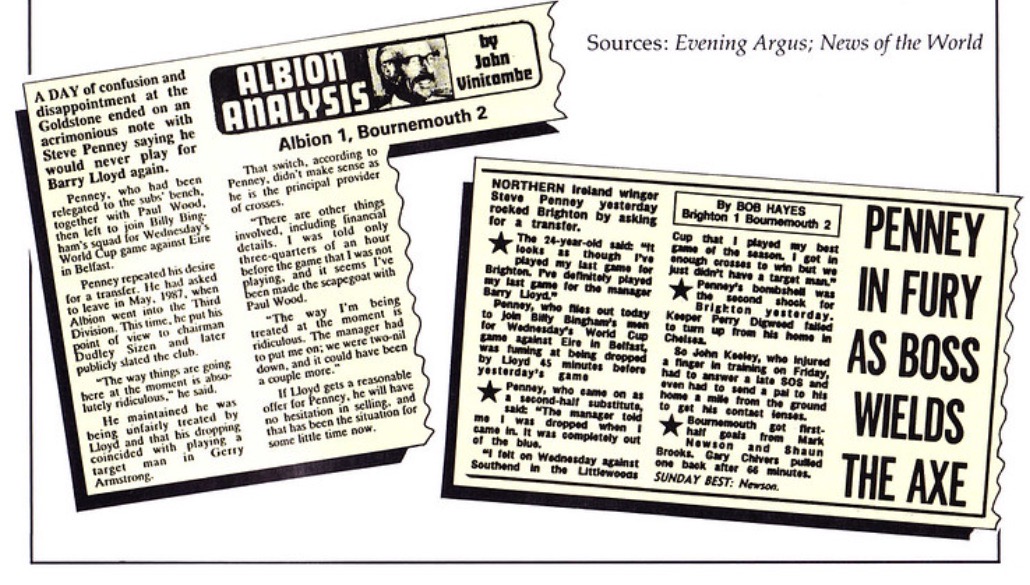
Irish international pals brought wing wonder Steve Penney to Brighton

BRIGHTON & Hove Albion can thank former Middlesbrough goalkeeper Jim Platt for landing one of the most exciting players ever to play for the Seagulls.

Platt was the Teesside club’s man between the sticks for 12 years. During his call-ups on international duty with Northern Ireland, he struck up a friendship with Arsenal defender Sammy Nelson, who joined Brighton towards the end of his career.

When Platt took over as manager of Ballymena United, he quickly recognised that a talented teenage winger at his disposal –  Steve Penney – could make a career for himself in England.

Platt tipped the wink to his old pal Nelson, newly-appointed as Albon’s assistant manager to Chris Cattlin at the time, and the youngster was invited for a trial.

Penney was put up in a house near the Goldstone recently vacated by the sacked Jimmy Melia. His housemate was another young triallist: Ian Wright! Penney was taken on while Wright was released. Whatever happened to him?!

Penney’s Albion story is told in fine detail by journalist Spencer Vignes who devotes 12 pages of his excellent book A Few Good Men (Breedon Books) to a player who, for the record, played 148 games (plus 14 as sub) in eight years with Brighton.

Unfortunately, that rather low figure tells its own story, a succession of injuries robbing him of probably twice as many games as you might have expected him to have played over that length of time.

“He was, in short, a breath of fresh air, a flying winger whose close control and devastating pace left opponents and spectators alike lost for words,” said Vignes.

Among former teammates who voiced their appreciation of Penney, full back Graham Pearce told Vignes: “I always thought of Steve as a bright young winger, very naturally talented, who had all the attributes you need in that position, especially pace.”

Born in Ballymena on 6 January 1964, the son of a teacher and a nurse, although he played football at primary school, he went to what he described himself as “a fairly posh grammar school” where rugby was the preferred sport for boys, and he was a scrum half.

He got the chance to play football in the Boys Brigade, where Nigel Worthington, who later managed Northern Ireland, also played.

“I had to choose between rugby and football and when I decided to join Ballymena United, the school were so furious they suspended me,” he told interviewer Dave Beckett in a matchday programme feature.

“Playing for my home town was excellent, although I had the chance to join Linfield who were one of the best teams in the country.

“I guested for them in Holland a couple of times so I knew they were interested and that’s where I expect I’d have ended up if I hadn’t moved abroad.”

Instead, Platt alerted Nelson and, bearing in mind Albion’s high profile having only recently played against Manchester United in the Cup Final, Penney didn’t take much persuading.

Beckett recounted: “Penney, at 19 years old, made his debut in a 3-1 defeat by Barnsley but was soon a hot favourite on the terraces. Even in his opening match he set up the goal goal for Alan Young, and John Vinicombe wrote in the Evening Argus: ‘The eye for an opening that Penney unquestionably has will serve Albion well. The Goldstone are going to like him’.”

It wasn’t long before he was playing to a much bigger gallery when he was part of the Albion side who toppled Liverpool in the FA Cup (for the second season running), winning 2-0 in front of a live television audience.

Penney tormented the experienced Liverpool left-back Alan Kennedy and his perfectly-flighted pass over the top of the Liverpool defence played in Terry Connor to score the decisive second goal.

His first goal came in a 3-0 win at Derby County in March 1984 and such was his impact in that first season that he was voted runner-up to Jimmy Case as player of the season.

Away from football, Penney was a decent golfer, his regular companions on the golf course being Dean Saunders, Chris Hutchings, Steve Gatting and former Albion favourite Peter O’Sullivan.

During the winter, he loved nothing more than playing snooker at a club in Hove, especially taking on Saunders and competing for a trophy awarded each week to the winner.

So, life was sweet for the young Irishman and it got even better when his form with Brighton led to full international honours.

SP w Irish shirt

At the time of writing, he remains the highest-capped Albion player, all of his 17 caps for Northern Ireland being won while with the Seagulls.

After making his debut on 16 October 1984 in a 3-0 friendly win over Israel in Belfast, he was a regular for four years, playing his last game on 21 December 1988 in a 4-0 defeat to Spain in a World Cup qualifying match. He scored twice for his country, in a 1-1 draw with Israel on 18 February 1987 and in a 3-0 win over Malta on 21 May 1988.

The highlight of his international career was playing for Northern Ireland at the 1986 Mexico World Cup.

“The whole experience of going to the World Cup was something I’ll never forget,” he said three months later, in a matchday programme interview.

“Six weeks away from home is a long time, but the spirit in the squad was very good and I wouldn’t have missed it for the world.”

Steve had been in the side that qualified for that World Cup by drawing 0-0 against England at Wembley. “We only needed a draw to get to Mexico and we got it,” he said.

“(Manager) Billy Bingham had been a right winger and obviously appreciated what I could do, which was a source of great strength to me. He’d been part of the team that had played in the World Cup in Sweden in 1958, a lovely man who was very good at getting the best out of his players and encouraged me no end, something I’ll always be grateful to him for.”

Unfortunately, Steve’s World Cup came to a juddering halt after Spain’s hard man Emilio Butragueno went over the top in a tackle and did his ankle in only the second group game.

On his return to Brighton, Penney found himself sufficiently impressed by Cattlin’s successor, Alan Mullery, that he was persuaded to sign a new, three-year contract.

However, it wasn’t long afterwards that Penney started having problems with his left knee and, although he played through the pain barrier, in a game against Derby County in March 1987 a bad tackle damaged his ankle ligaments, sidelining him for the rest of the season.

Barry Lloyd had succeeded Mullery and Penney was in the team at the start of the next season but, after only two games, found himself back on the treatment table after a chip of bone was found floating in a knee.

That kept him out for an agonising seven months before he was able to return to the side in March 1988 to play a crucial part in the final 11 games, scoring three times as the Seagulls earned promotion in second place behind Sunderland.

Penney told Vignes: “At that time, playing for Barry was great. The two of us were getting on even though I always thought there was something not quite right between us. To be honest, he had to play me because I strengthened the team and made a difference.”

Halfway through the 1988-89 season, Crystal Palace tried to sign Penney but weren’t prepared to meet Albion’s £175,000 asking price. And then his left knee went again.

Vignes tells the whole gory story in detail, which I won’t repeat here, but, suffice to say, the wrong treatment by one doctor had to be put right by a Harley Street expert.

Penney rowManager Lloyd and Penney also fell out, principally over Penney putting country before club. “He’d play for them, then come back injured. That didn’t please me,” said Lloyd. “It was a crying shame. He just wanted to play but was so plagued with injuries it was beyond belief.”

The split came in 1991 when Lloyd clearly thought the player’s level of fitness didn’t merit a new contract. Interest was shown in him by Heart of Midlothian, managed by Joe Jordan, and Charlton Athletic, where the joint manager was his ex-Albion teammate Alan Curbishley.

Having played a couple of trial games for Hearts, he plumped for them but suffered a groin strain early on and only played 14 games all season.

A 15th game would have triggered the award of another one-year deal – and it quickly became apparent that it wasn’t going to happen. Freed at the end of the season, he signed for Burnley, newly-promoted from the old Fourth Division, in August 1992. Continue reading “Irish international pals brought wing wonder Steve Penney to Brighton”

Winger Neil Smillie was a Wembley winner eventually

NS v MU Wemb

AN UNSUNG hero of Brighton’s 1983 FA Cup Final side, winger Neil Smillie, had the distinction of being the first ever apprentice the legendary Malcolm Allison signed for Crystal Palace.

Big Mal had enjoyed league and FA Cup success at Manchester City as Joe Mercer’s sidekick but he swept into Palace in the early 70s as a boss in his own right, courting publicity with his flamboyant fedora hat and giant cigar.

Smillie admitted: “I was going to West Ham but Allison persuaded me to take a look at Palace.

“The place was so alive and vibrant under him that I went there instead.”

Born in Barnsley on 19 July 1958, Neil followed in the footsteps of his dad, Ron, a former professional who played for Barnsley and Lincoln.

After joining Palace in 1974, Smillie turned professional a year later and was on Palace’s books for seven years, although he had three loan spells away from Selhurst.

In 1977, he went briefly to Brentford, who he ultimately would have a long association with later in his career.

Smillie MemphisThe following two years, he went to play in America for Memphis Rogues (pictured left) where his teammates were players from the English game winding down their careers: the likes of former Albion players Tony Burns and Phil Beal, ex-Chelsea, Leicester and Palace striker Alan Birchenall and former Chelsea winger Charlie Cooke; the side being managed by former Chelsea defender Eddie McCreadie.

At the end of the 1981-82 season, Smillie was denied a pay rise by Palace so he decided to quit and wrote letters to clubs in the top two divisions in England asking for a job!

Brighton had managed to offload the troublesome Mickey Thomas to Stoke City so had a need for a left winger. They were the first to come up with an offer, and with full back Gary Williams surplus to requirements since the arrival of experienced defender Sammy Nelson, Brighton offered him in exchange for Smillie.

The bubble-haired winger gratefully accepted the switch to the Seagulls. While he made the starting line-up for the opening game of the new season, a heavy (5-0) defeat away at West Brom in the next game then saw him dropped and sidelined for months.

It was only once ultra-cautious manager Mike Bailey had left that Smillie got back in contention, and only then – in January 1983 – through someone else’s misfortune.

He said: “I was out in the cold and only got my break when Giles Stille was injured during the Cup game against Newcastle United.”

Smillie seized his opportunity and remained in the side for the rest of the season, culminating in the two Wembley FA Cup Final matches against Manchester United.

Back in the second tier following Brighton’s relegation, Smillie played 28 games plus once as a sub but following new manager Chris Cattlin’s signing of Northern Irish winger Steve Penney, there was competition in the wide areas.

Throughout the 1984-85 campaign, Smillie was more often than not a substitute rather than a starter. He did manage a seven-game run of appearances in the late autumn and began the final three games of the season, but the last game, a 1-0 home win over Sheffield United, proved to be his farewell.

Smillie revealed in a 2003 interview with Spencer Vignes that he’d discovered Manchester City had been keen to take him on loan but Cattlin hadn’t sanctioned it, even though he wasn’t selecting him.

“Chris had turned them down, saying I was a good player and he needed me. Yet he wasn’t even playing me! I just couldn’t believe he’d done it,” he said. Although he and his family were settled in Sussex, he realised he had to move.

Several eyebrows were raised when Cattlin managed to secure a £100,000 fee from Watford for Smillie’s services in the summer of 1985. The winger joined Graham Taylor’s beaten FA Cup finalists but he failed to establish himself in the side and made just 16 first team appearances in a season with the Hornets.

In the summer of 1986, he moved on to Reading for two years and, in 1988, after his disappointment with Brighton, Smillie was finally a winner at Wembley, scoring and setting up two goals as Reading beat Luton 4-1 in the Simod Cup Final.

The Hatters were led by former Albion captain Steve Foster and another of Smillie’s former teammates, Danny Wilson, was in their midfield. Mick Harford scored the opening goal for Luton, but Smillie’s pass allowed Michael Gilkes to bundle home an equaliser.

Smillie then won a spot kick converted by Stuart Beavon, and, in the second half, Mick Tait swept home another Smillie assist. Smillie then rounded off a great afternoon by scoring himself. It was hailed as one of the best days in Reading’s history, witnessed by over 45,000 loyal Royals fans.

Nevertheless, Smillie didn’t hang around and instead joined Brentford, where his former Palace teammate Phil Holder was assisting the manager at the time, Steve Perryman.NS Bees

Nick Bruzon interviewed Smillie in depth for a Where are they now? feature on the Brentford FC website in July 2010.

“Representing Brentford over three different decades, initially on loan in 1977 and then for five years from 1988 to 1993, Neil Smillie combined raw pace with ceaseless energy to make him one of the most popular players to patrol the New Road touchline,” said Bruzon. “Whilst with Brentford he experienced promotion, relegation and play off heartbreak, scoring 18 goals in 185 games.”

Smillie said: “I’ve got to say, the five years I spent at Brentford (and I was 30 when I signed) I thoroughly enjoyed.

“I’d reached a point in my career where I felt comfortable in terms of what I could give on the pitch. I’d always been a hard worker and I got the feeling that the supporters appreciated someone who worked hard.”

In the 1992-93 season, he played alongside Chris Hughton, who, like Smillie, was winding down his playing career.

“I loved taking people on and I loved getting crosses in for people to score so that just seemed to fit in nicely at the time with the team that we had,” he said. “I played my part as well as others who played theirs in getting the ball to me. We all did our bit and for me it was a great part of my career.”

On leaving Brentford, Smillie became a player-coach at Gillingham when his old Palace teammate Mike Flanagan was the manager. When Flanagan was sacked, Smillie took over the managerial reigns on a caretaker basis while the club tried to stabilise during financial troubles.

Smillie told Bruzon: “We were in a fairly precarious position and ended up in a decent position. So there was some enjoyment to it but the situation at a club without any money and struggling was difficult.”

Some names familiar to Brighton fans were at Gillingham at the time. Smillie played up front with Nicky Forster. Paul Watson was in defence and Richard Carpenter in midfield.

His three-month reign came to an end when Gillingham appointed Tony Pulis as the new manager and former Palace manager Alan Smith took Smillie to Wycombe Wanderers to look after their youth team.

When Smith left, Smillie was caretaker manager until former Albion full back John Gregory got the managerial post. Smillie then became Gregory’s successor in the hot seat for a year.

When the inevitable sack came, Smillie stepped outside of day to day running of football to become sports marketing manager for Nike in the UK. His role was to identify emerging talent for Nike to associate themselves with, and, as a result he stayed in touch with the game.

Among the players he signed to Nike were Theo Walcott, Darren Bent, Gabby Agbonlahor, James Milner, Tom Huddlestone, Danny Welbeck and Johnny Evans.

Pictures show (top) Smillie in action on the cover of the Albion programme; walking his dog; in Match magazine, on the cover of Shoot! being tackled by Liverpool’s Sammy Lee; a Simod Cup winner with Reading.

When Chris Cattlin rocked up to play for and manage Brighton

1-cat-in-goalIT MUST BE difficult for today’s reader to imagine a player with the opportunity to sign for either Coventry City or Chelsea choosing the Sky Blues over the London giants.

But in 1968, when the choice faced Huddersfield Town’s Cattlin, he moved to Highfield Road because the following day they were playing a star-studded Manchester United side and, as the full-back who’d be marking the legendary George Best, he couldn’t resist pitting his ability against the Irish wizard.

It was one of several career insights Cattlin revealed in an excellent interview by Doug Thomson in the Huddersfield Examiner in June 2013.

Huddersfield were happy to collect a £70,000 transfer fee when Coventry bid for Cattlin, but he told the Examiner: “Chelsea also came in for me and I was due to speak to them in the afternoon after talking to Coventry in the morning.

“City were playing Manchester United the next day and the manager, Noel Cantwell, told me I would definitely be in the team.

“I knew that if I could say I’d played against George Best, Denis Law and Bobby Charlton, I could die a happy man, so I never got as far as Stamford Bridge!

“I signed for £65 a week when the man in the street was probably getting £20, so to be paid like that for playing football made me more than happy!”

As it turned out, Cattlin marked Best out of the game and his new team won 2-0 with goals from Ernie Machin (who later left the Albion at the same time Cattlin arrived at the Goldstone) and Maurice Setters, against his old team.

Cattlin went on to play more than 250 league and cup games for Coventry, (then in the equivalent of today’s Premier League), before moving to Brighton in 1976, where his playing career finished, but he returned as manager between 1983 and 1986.

Going back to the beginning, though, Cattlin was born in Milnrow, Lancashire, on 25 June 1946, the son of a rugby league player, Bob, and his early school days were spent at Milnrow Parish School. He moved on to Ashton-under-Lyne Technical College (Geoff Hurst was three years his senior there) and then took a job in textile engineering.

In the meantime, he trained and played for Burnley’s youth team but he struggled with the 40-mile round trip travelling from his home. A Huddersfield Town scout, Harry Hooper, had spotted his potential and he was offered a professional contract with the Terriers in the summer of 1964 which allowed him to carry on working two days a week at the textiles factory.

“I went across to Leeds Road, and just fell in love with the place. It was far from luxurious, but there was just a feel about the ground and the people there,” he recalled.

Maybe it was also a feeling that Huddersfield knew a thing or two about decent left backs. Cattlin took over from Bob McNab, who later made a name for himself at Arsenal, and played four games for England, and McNab had replaced England World Cup winner Ray Wilson, who Town transferred to Everton.

Cattlin was signed by Eddie Boot only for the manager to resign the day after, following a 2-1 home defeat by Plymouth. Boot’s successor was Tom Johnston and he insisted on Cattlin becoming a full-time pro, which caused a degree of angst with Cattlin’s concerned parents, but he went for it and didn’t look back.

It was emerging coach Ian Greaves, a former Manchester United player (who later took Town to the top flight as manager), who was to have a lasting effect on Cattlin. “Ian lived in Shaw, the next village to Milnrow, and he’d give me a lift to Leeds Road each day, in the days before the M62, on that winding old road over the moors,” he explained.

“He was a great coach and later manager, and a superb motivator, just a football man through and through.”

Cattlin made his debut in a 3-1 home win over Derby on the final day of the 1964-65 Division 2 (now Championship) campaign but didn’t fully establish himself in the side until the 1966-67 campaign.

In total, he played 70 times for Huddersfield and, for a while, he was playing for the town’s football team while dad Bob was playing for its rugby league side. “My dad played for Huddersfield at rugby league, I played for Huddersfield Town at football. I think we’re the only father and son to have done that,” he said.

After that 1968 transfer to Coventry, Cattlin became a firm favourite at Highfield Road and although he didn’t quite emulate Wilson and McNab, he did play twice for England Under 23s. He made his debut on 2 October 1968 in a 3-1 win over Wales at Wrexham in a side that also included Peter Shilton in goal, West Ham’s Billy Bonds and John Sissons and Everton’s Howard Kendall and John Hurst.

Six weeks later he won his other cap in a 2-2 draw with the Netherlands at Birmingham’s St Andrews ground, when Arsenal’s John Radford and Hurst were the scorers. Cattlin also represented the Football League v the Scottish Football League.

Cattlin was part of the only Coventry side ever to qualify for Europe (in 1970-71) and remembered relative success, only eventually getting knocked out by a Bayern Munich side that included the likes of Franz Beckenbauer and Gerd Muller.

On another occasion, in a tour match, he played in a 2-2 daw against Santos of Brazil, with Pele in their team, in front of an 80,000 crowd. “Pitting your wits against those kinds of players was a fantastic education,” he said.

When manager Gordon Milne decided to give Cattlin a free transfer after nine years and 239 matches for Coventry, fans organised a petition to keep him at Highfield Road.

But there was no turning back and Peter Taylor signed him for Brighton – along with another experienced defender, Graham Cross (from Leicester City) – a short time before quitting the club to rejoin Brian Clough at Nottingham Forest.

CC76

It was Alan Mullery’s good fortune to inherit a squad that would take Division 3 by storm to earn promotion and Cattlin was able to contribute in both full back positions although mainly at left back, having the edge on Harry Wilson.

With the arrival of Gary Williams from Preston, Cattlin switched to the right and vied with Ken Tiler for the shirt, regaining the upper hand for the final two thirds of the season which ended with promotion from the old Division 2 in 1978.

“That Brighton promotion team – what a fantastic set of lads, with no little ability,” he said. “They could all play and were great characters. I was a very lucky lad to come along at the end of my career and join a dressing room like that.”

Although he made just one appearance (in the disastrous 4-0 League Cup defeat at Arsenal) during the 1979-80 season, he notched up a total of 114 games for Brighton.

And he obviously liked the place so much that once his playing days were over he opened a rock shop on Brighton seafront, as well as investing in property. However, three years after quitting as a player, he returned to the Goldstone as a coach, appointed in the summer of 1983 by chairman Mike Bamber to assist manager Jimmy Melia – without Melia’s knowledge!

It all got rather messy with Melia and Cattlin clearly not getting on and talk of a takeover rumbling on in the background.

By the middle of October, Melia quit and Cattlin took over as manager, with another well known former left back, Sammy Nelson, elevated from reserve team manager to assistant manager.

Cattlin then began to shape his own squad and among notable signings who served Albion well were Steve Penney, Danny Wilson and Dean Saunders while there were some memorable cup games, including beating Liverpool in what I believe was the first FA Cup tie – other than finals – to be shown live on TV.

One of TV’s pundits of today, Martin Keown, was another Cattlin signing, joining on loan from Arsenal and beginning with Brighton what was a memorable career with the Gunners, Aston Villa, Everton and England.

Cattlin admitted in 2010: “I had to sell a lot of the popular, best players for financial reasons and bring other ones in to keep the show on the road and make it interesting for the crowd. That was my job.” The likes of Steve Foster (to Aston Villa), Jimmy Case (to Southampton), Tony Grealish (to West Brom) and Gordon Smith (to Manchester City) were all sold by Cattlin.

In 1984, Cattlin certainly found an entertainer when he brought to the Albion a former teammate from his days at Leeds Road, the mercurial Frank Worthington, who moved along the south coast from Southampton.

By that time, Worthington wasn’t too mobile but he’d lost none of his skill and flamboyance and Cattlin told his 2013 interviewer: “He did a good job for me.

“Frank wasn’t only a great player, but a great bloke as well, a dedicated trainer and a great bloke to have around a club.”

Catt dog
Barking up the wrong tree? Cattlin couldn’t quite restore Albion to the elite when he returned as manager

Cattlin stayed in the manager’s chair until April 1986, overseeing finishes of ninth, sixth and 11th in the second tier, although he clearly felt the writing was on the wall as far as his job was concerned when the Albion board wouldn’t give him £6,500 to sign the experienced defender Jeff Clarke from Newcastle, as Cattlin explained at the Albion Roar live show in December 2018 (skip to 28 minutes in).

Distractions and changes in the boardroom were an uncomfortable backdrop to much of his time in charge and it was evident that the fans didn’t perceive Cattlin to be to blame for the failure to finish higher.

When he was sacked, there were protests from supporters, a 2,000-signature petition calling for his reinstatement and Cattlin himself addressed a 200-strong rally in Hove.

But it was all to no avail. His former boss, Mullery, returned and Cattlin went back to his non-football business interests.

In a 2010 interview in the matchday programme, Cattlin said: “I think I deserved another season at least to get them back into what is now the Premiership.
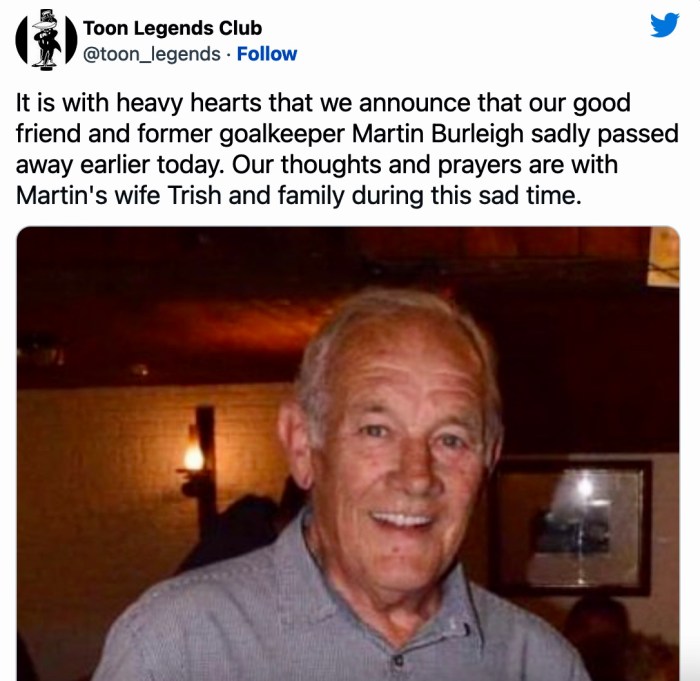
“If it had gone wonky then they wouldn’t have had to fire me – I’d have gone myself. Nevertheless, to play, coach and manage Brighton and Hove Albion made me a very proud man. But I wish I could have put them back where I felt they belonged.”
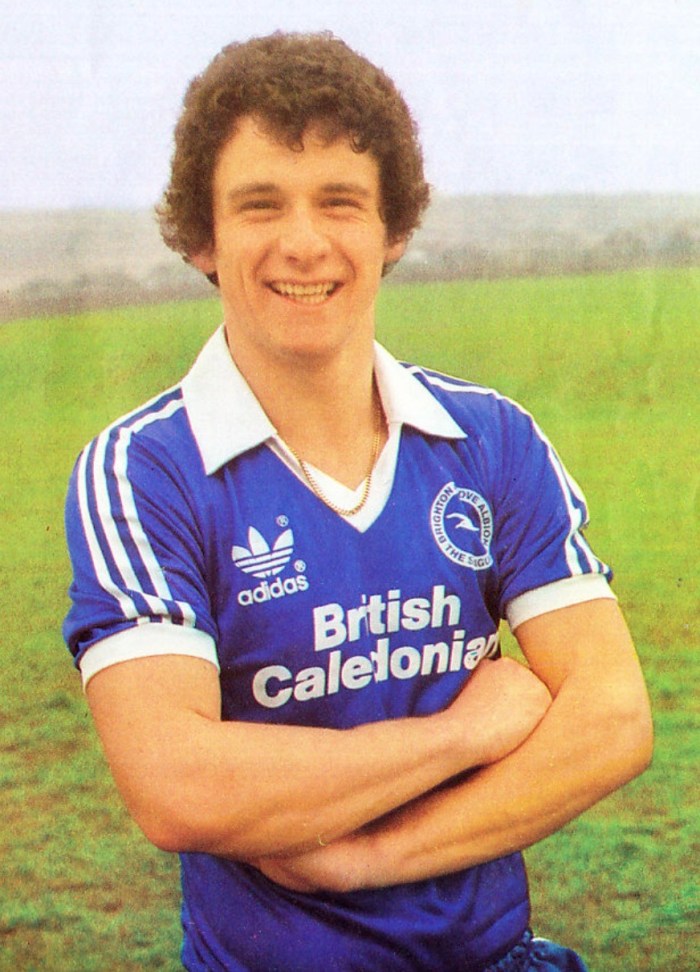
  • Pictures show (top) Chris Cattlin pictured in Goal magazine in Coventry’s sky blue; in an Evening Argus shot alongside new manager Alan Mullery and fellow close season signing Graham Cross; how the Albion programme headed his managerial notes.

Cattlin pictured in 2010