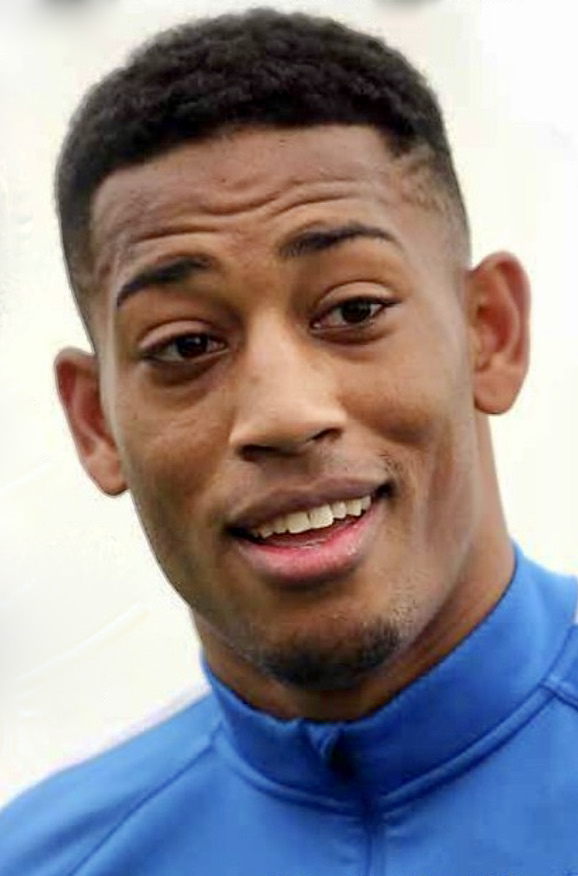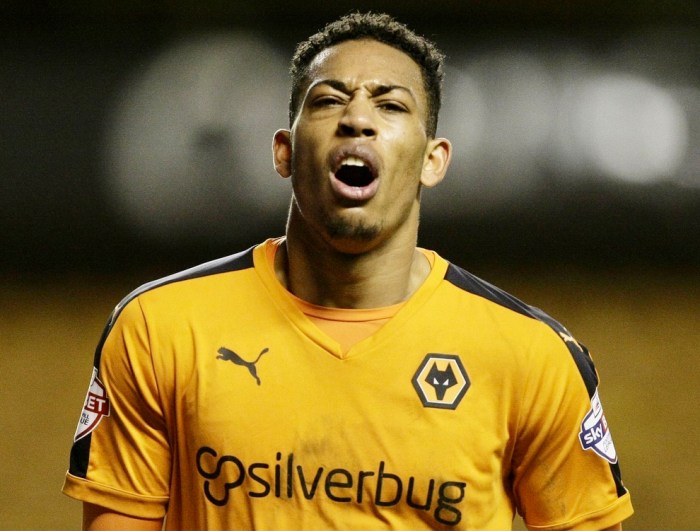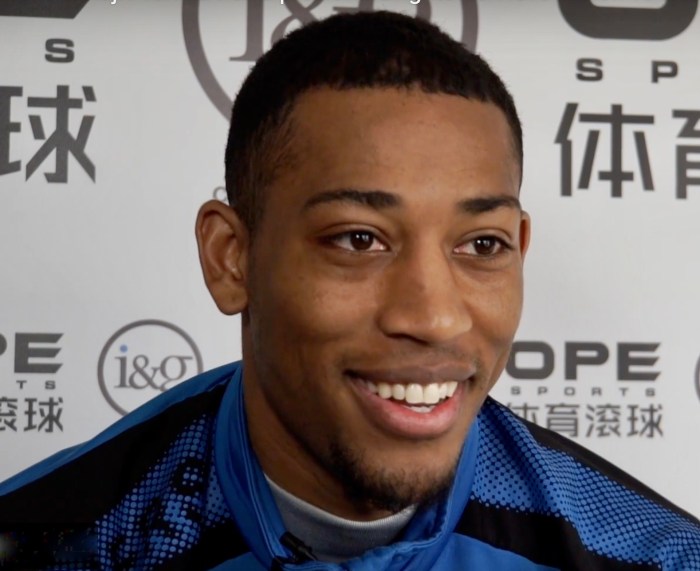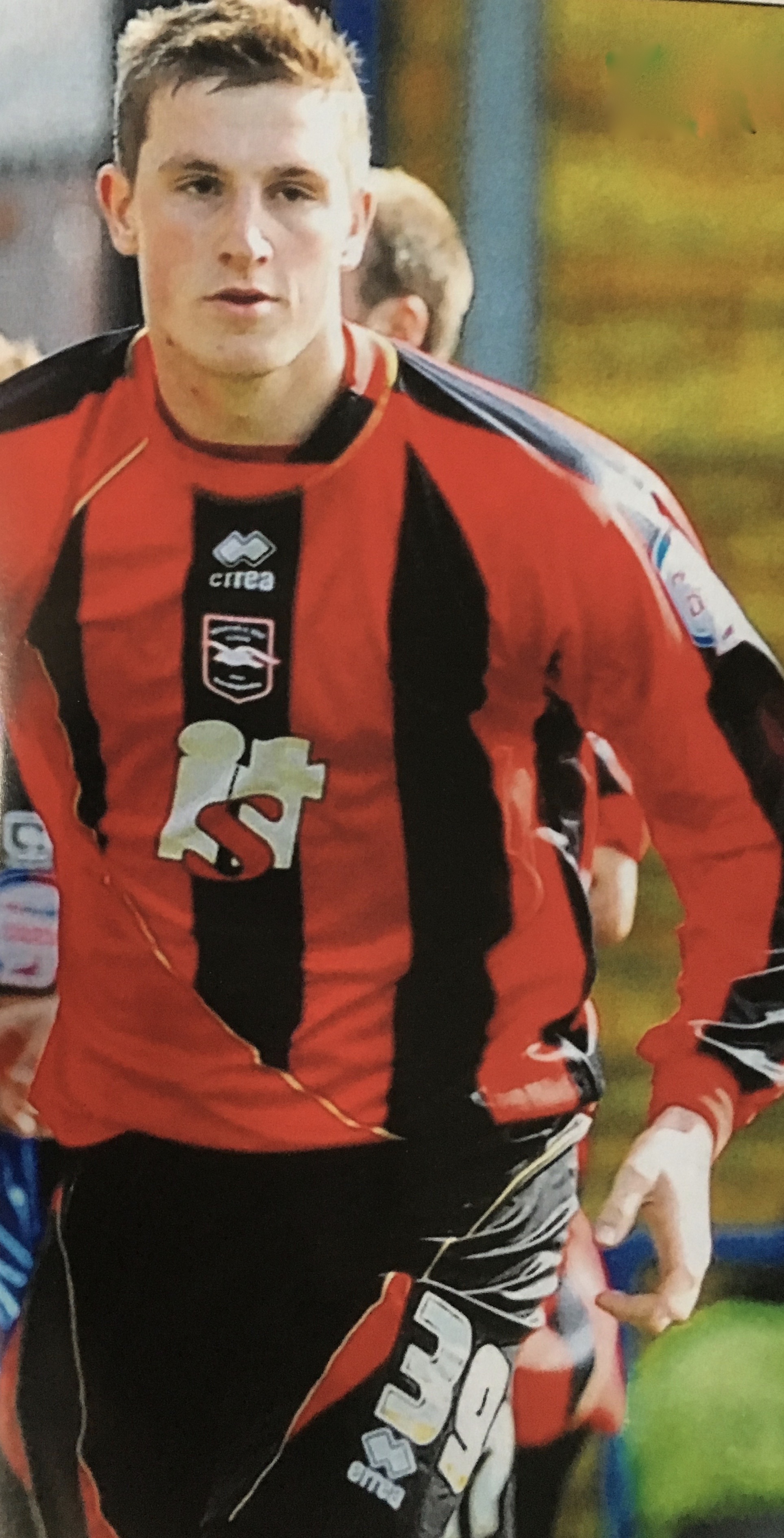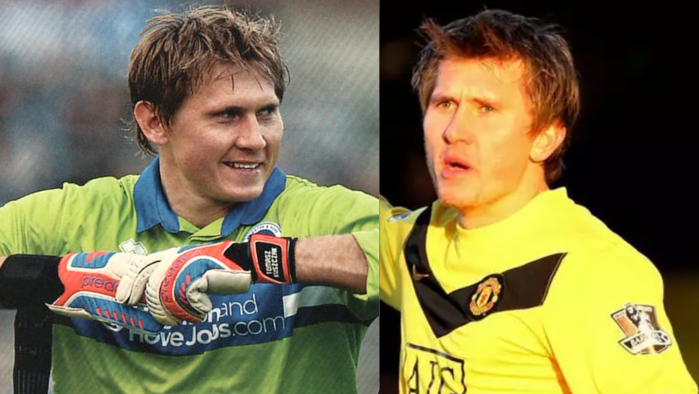
STEPHEN WARD’S view from the bench as Brighton sealed Wolves’ relegation fate at the Amex on 4 May 2013 was enough to convince him it was a place he’d like to get to know better.
Rather than drop down to the third tier with Kenny Jackett’s side, Ward switched from Molineux to the Albion to join Oscar Garcia’s promotion hopefuls.
Having won the Championship with Wolves in 2009, Republic of Ireland international left-back Ward brought ideal experience to a Brighton set-up looking to mount another tilt at promotion after missing out at the play-off semi-finals stage the season before.
The defender made 47 appearances, chipped in with four goals, and was runner-up in the player of the season awards as Albion once again fell at the play-off semi-finals hurdle.
Nonetheless, it looked like Ward would make his stay permanent – until newly-promoted Burnley stepped in and offered him a more immediate return to Premier League football.
Convinced that Brighton had clinched the deal for Ward, boss Jackett told the local press: “The clubs have agreed and now it’s down to Brighton and the player. It is a good move for him, he did well last year, they got into the top six and he was part of it. They have wanted him all along.
“All of us thank him for what he’s done and wish him all the best. He got a club reasonably quickly last season which shows the standard of the player.
“He didn’t let them down. He’s got a good reputation in the Championship and has been professional here. He had been good enough to get a good move last year and he has got a good one now.”
According to the player’s agent, if Albion’s head of football David Burke hadn’t dithered over a deal, Ward would have signed on the dotted line for the Seagulls.
But his prevarication opened the door to Sean Dyche’s Clarets and Ward headed to Turf Moor instead, returning to play at the elite level at which he’d previously made 94 appearances for Wolves between 2009 and 2012.
Ward had also played 128 times at Championship level for Wanderers having joined them aged 21 in 2007, moving over from his native Ireland, where he had spent four years with League of Ireland side Bohemians.
After making his Albion debut in a 1-0 win at Birmingham, Ward told BBC Radio Sussex: “From watching them last year and playing against them, it is a team I admire for how they play the game.
“Every footballer wants to play in a team that likes to pass the ball and keeps the ball. On the last day of the season, they played us (Wolves) off the park. It was one of the reasons I was really excited about the move.”
Although he had enjoyed success at Wolves, he had also been part of back-to-back relegations and he said: “I felt I needed a fresh start and I am thankful Brighton gave me that. I hope I can repay their faith. Hopefully I can help the team go one better than last year.”
Reflecting on his time with the Albion in a matchday programme article, Ward was complimentary about Garcia, saying: “I loved the mentality of the manager, the environment, and I learnt a lot as a result.
“He wanted to play out from the back, he wanted us to be really expansive, and that allowed me to get forward, which I really enjoyed doing.
“I learnt a lot from the manager and would speak to him about his time at Barcelona.
“I was lucky that I also had experienced players around me in defence like Matty Upson, who was great for me, and Bruno. He’s one of the best guys I’ve met in football – he was so welcoming to me and my family.”
Although principally in the side to defend, Ward also scored four times for the Seagulls, one coming in the impressive 4-1 win at Leicester and another in the crucial 2-1 win at Nottingham Forest that helped to clinch a spot in the play-offs.
“Going to Brighton was great for me; I had a fantastic year, a really enjoyable time, and I don’t have a single bad word to say about the club or the city,” he said. “I enjoyed every minute.”
After five years at Turf Moor, Ward went on to play for Stoke City (when Nathan Jones was boss), Ipswich Town and Walsall, hanging up his boots in 2022. He also made 50 appearances for Republic of Ireland, playing for the national side at the Euro 2012 and 2016 finals.
At the end of a 19-year playing career, Ward had clocked up 570 senior appearances.
Disappointed to see the player retire, Walsall manager Michael Flynn told BBC Radio WM: “He’s somebody I’d love to have worked with for a longer period. He’s a breath of fresh air. But, unfortunately, he’s at the age where he thinks his body’s had enough.
“I’ve got nothing but praise for Stephen Ward. He’s had a fantastic career and is still working hard day in, day out and he’s a model professional.
“The way he’s handled himself has been exemplary and I don’t expect anything else from someone who’s had the career he’s had because it’s been an unbelievable career.”
During the 2022-23 season, Ward was part-time assistant manager to former Wolves teammate Roger Johnson at National League North side Brackley Town.
His next steps were in football administration and he achieved a Masters degree in sports directorship through the University of East London while serving as director of football at National League side Solihull Moors. Head coach from June 2023 to January 2025 was Andrew Whing, who played more than 100 games for the Albion between 2006 and 2011.
Stepping down from the role in August 2025 to spend more time with his family, Ward said: “We shared some great moments together most notably watching our club appear at Wembley Stadium in the play-off final.”
Moors missed out on the chance to gain a first ever promotion to the Football League in May 2024, beaten in a penalty shootout by Bromley after twice coming from behind to take the game to extra time and then penalties.
Agonisingly, a week later, Moors lost on penalties again, this time in the FA Trophy final at Wembley, Gateshead edging it 5-4 after the sides were level on 2-2.
“It’s a brilliant club and a very special place to work but it’s time to step away and recharge the batteries,” said Ward. “Football is a fast-moving industry and it can be tough to find the right balance.”
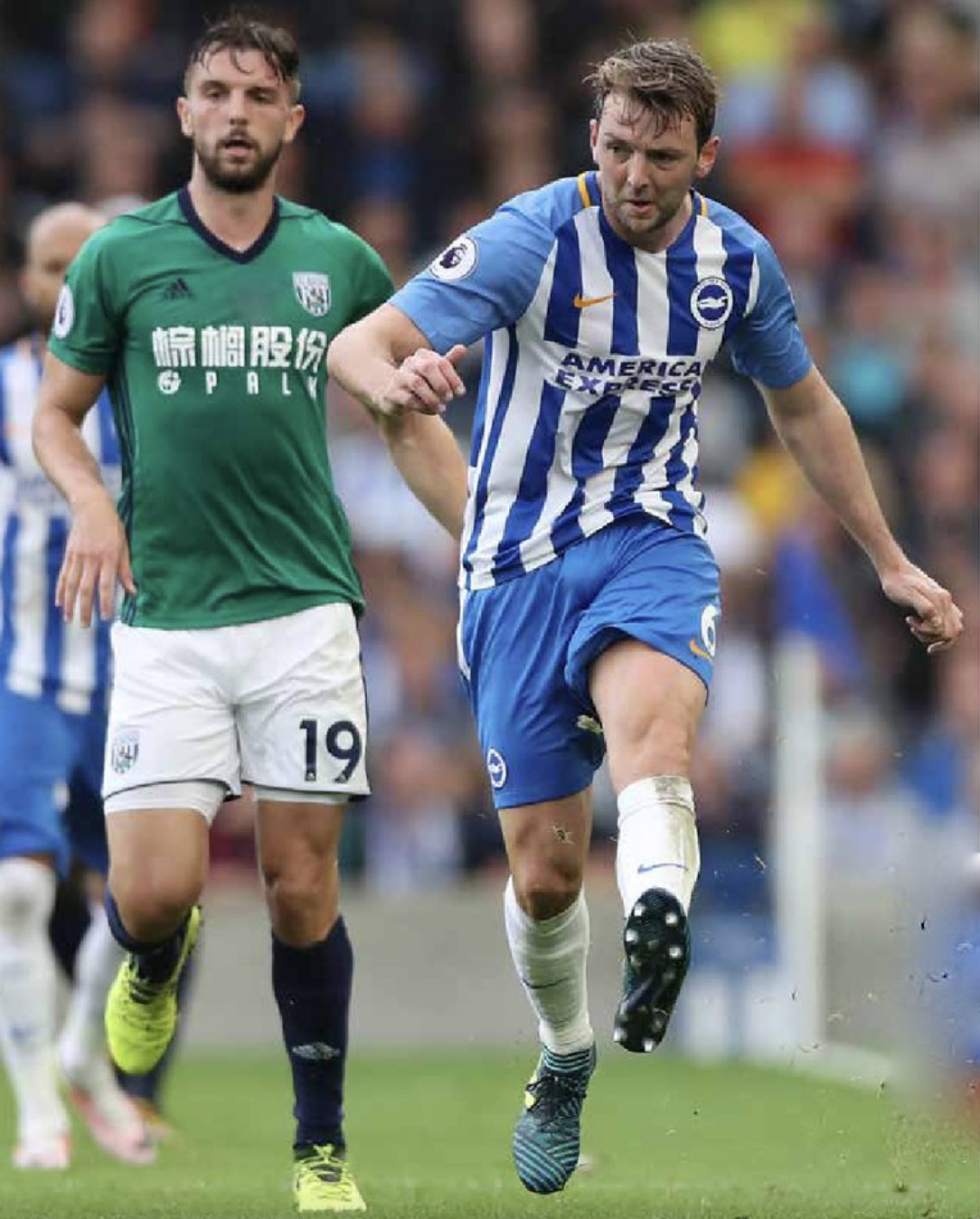
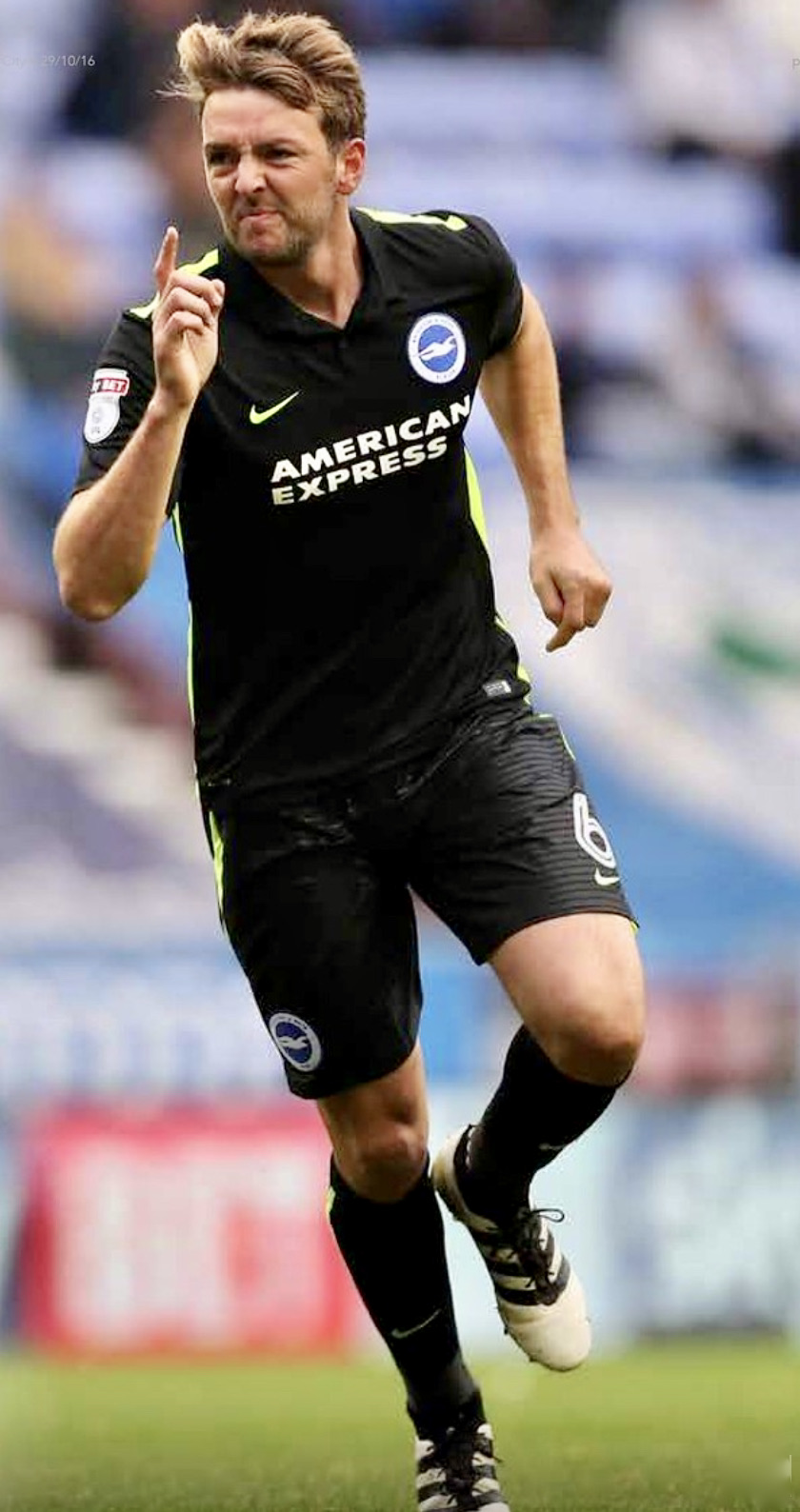
DALE STEPHENS spent nearly seven years at the Albion and was a pivotal cog in the club’s rise from the Championship to the Premier League.
He got his first taste of life at a big club playing alongside Adam Lallana and Dean Hammond….for Southampton!
That was back in 2011 when Saints won promotion from League One as runners up behind the Albion although he was an unused sub when Saints left Withdean on St George’s Day with all three points from a last gasp 2-1 win.
Stephens had gone on loan at St Mary’s from Oldham Athletic to cover an injury to Morgan Sneiderlin. “It was a strange one actually, there were only six or seven weeks left of the season,” he told the Albion matchday programme.
“Oldham weren’t really in any fear of going down or making the play-offs, so when Southampton came in for me, I was allowed to leave.”
The loanee played in six of the final 10 games of the season, making his debut against future employer Charlton Athletic alongside Lallana and Hammond.
“I looked at it almost as a trial period for being at a big club,” he said. “It was a chance for me to showcase myself. Playing for a club like Southampton at that level, with the players they had, was good for my experience and I really enjoyed being in a big-club environment.
“It was a good experience but just a shame that it was cut short by the season coming to an end.”
Explaining that everything was a level above what he’d previously been used to, Stephens added: “I didn’t feel out of place, though. I felt comfortable in that environment and it gave me the belief and the confidence that I could reach the next level.”
That didn’t turn out to be with Southampton, because his next club turned out to be the Addicks, where Chris Powell was building a side to try to get back into the Championship. Stephens found them to be similar to Saints, and like in his stint in Hampshire, he once again became a League One promotion-winner.
“I had a great first season there, helping the club win the League One title,” he recalled.
He then established himself as a Championship player before switching to the Albion in January 2014 when Andrew Crofts was ruled out by injury.
It was Nathan Jones, the former Albion player who had returned to assist Oscar Garcia, who recommended the move for Stephens, having seen him close-up when working as a coach at Charlton.
“Dale was one I recommended very strongly to the club and staked my reputation on, really,” he told the Argus. “When I was at Charlton, I saw Dale in probably three or four training sessions and a friendly at Welling and I knew then he could play at the highest level.”
Garcia needed little convincing and told the newspaper: “He’s a midfielder who can do everything and he does it all well. He’s got great physical capacity, a very good strike, he gets into the opposition box, and he is aggressive without the ball.”
It would be fair to say he was something of a Marmite player for many fans, often accused of being too slow and favouring a sideways pass. I’d say I wasn’t a fan at first but grew to appreciate his importance to the way the side played.
By his own admission, Stephens said: “With the sort of player I am, I’m not going to get fans on the edge of their seat. I’m not going to be a crowd pleaser, but I know my job and the levels I need to hit.”
Credit to him that his time at the club actually spanned the reigns of four different managers: Garcia; Sami Hyypia – although injuries prevented him appearing under him; Chris Hughton, who successfully paired him with Beram Kayal, and the early part of the Graham Potter era which saw him partner Dutchman Davy Pröpper.
Stephens’ arrival pretty much put the tin hat on the progress Rohan Ince had been making as a defensive midfielder with the Albion and, together with Kayal, he formed the key midfield duo as Albion sought to climb from the Championship under Chris Hughton.
A rare goal from Dale Stephens, this one away to West Ham
Once the promised land had been reached, Pröpper took over from Kayal but Stephens retained his place, proving a few doubters wrong about his ability to play at the higher level.
It was only with the emergence of Yves Bissouma as the consummate holding midfielder that Stephens found himself gradually edged out.
Born in Bolton on 12 June 1989, Stephens was football daft from an early age and although he had a try-out at Manchester City when he was 12, nothing further came of it.
After his final year at Ladybridge High School, he went onto a building site to do plastering and joinery.
But the coach of North Walkden, the local side for whom he was playing weekend football, wrote to Bury asking if they would take him on trial. After impressing in a work-out involving 28 triallists in front of youth team coach Chris Casper, he was invited back on a six-week trial basis.
Young Dale at Bury
“After two weeks, I played for the reserves and was offered a two-year scholarship,” Stephens explained. “I then became a first-year pro, making my debut as a sub against Peterborough, and never looked back. I was actually a striker when I joined but was quickly converted to a midfielder and I went on to play 12 first team games.”
Out of contract in 2008, he had the opportunity to step up a league and join Oldham Athletic. When game time was limited in his first season with them, he had loan spells with Droylsden, Hyde United and Rochdale, where he played alongside Will Buckley.
Back at Boundary Park, he became a regular for 18 months, in a side managed by former Brighton loanee striker Paul Dickov, and when Oldham visited Withdean in the 2010-11 season, a matchday programme article drew attention to him. “He is a big player for us in midfield,” wrote contributor Gavin Browne, sports editor of the Oldham Advertiser. “He has a great range of passing and has the ability to play at a higher level.”
A serious ankle ligament injury sustained when Albion beat bottom-of-the-table Yeovil 2-0 on 25 April 2014 sidelined him for 10 months but he returned to play a part in helping Hughton’s relegation-threatened side maintain their Championship status in 2015.
The promotion-deciding match at Middlesbrough in May 2016 will live long in the memory of those who saw it and witnessed referee Mike Dean’s controversial dismissal of Stephens four minutes after he’d brought the Albion back level with a narrow-angled header.
Once Brighton finally got to show what they could do amongst the elite, Stephens declared: “I was always confident of competing at this level but the more you play the more confident you become and the more belief you get.”
He ended up playing 99 Premier League games for the Seagulls out of a total of 223 appearances and perhaps as a mark of respect when he finally left the club for Burnley in September 2020, chairman Tony Bloom said: “He was key in both our promotion from the Championship and in establishing the club in the Premier League.
“Albion fans will have great memories of Dale as a regular in the midfield in that promotion-winning campaign, and also for the way he comfortably adapted to life in the Premier League – where he has been a model of consistency.”
His last game for Brighton saw him wear the captain’s armband in a 4-0 Carabao Cup win over Portsmouth.
Things didn’t pan out as expected when he moved to Burnley. Due to injury, he was limited to 14 appearances in two seasons, and he told talkSPORT’s Sunday Session programme: “It was disappointing on both sides. When I initially went there I was excited for the challenge, but for whatever reason it didn’t work for me or the football club.
“It probably sums my time up there, but I found out on Twitter, of all places, that I wouldn’t be getting a new contract.”
Stephens expected to find a new club, probably at Championship level, who would be interested in using his experience, and although he came close to joining Middlesbrough, and there was some interest from Watford and West Brom, nothing materialised.
“I’d played in the Premier League for the last five years, but I understood I hadn’t played much for two,” he told Andy Naylor of The Athletic. “I thought people would see the reasons behind it and that I’d get the opportunity to play at a club that wants to try to get promoted.”
Apart from being allowed to join in pre-season training at Brighton and spending six weeks with his former Bury captain Dave Challinor at Bury, he trained alone to keep up his fitness level, but, when he was unable to get fixed up with a club, in March 2023 he announced his retirement from playing.
Ongoing problems with the ankle injury suffered during his time at Brighton also contributed to his decision to retire.
In his interview with Naylor, he said he aimed to take the UEFA B licence course to try to become a coach, having spent time out following ankle surgery watching Sean Dyche’s managerial methods, as well as opposing bosses.
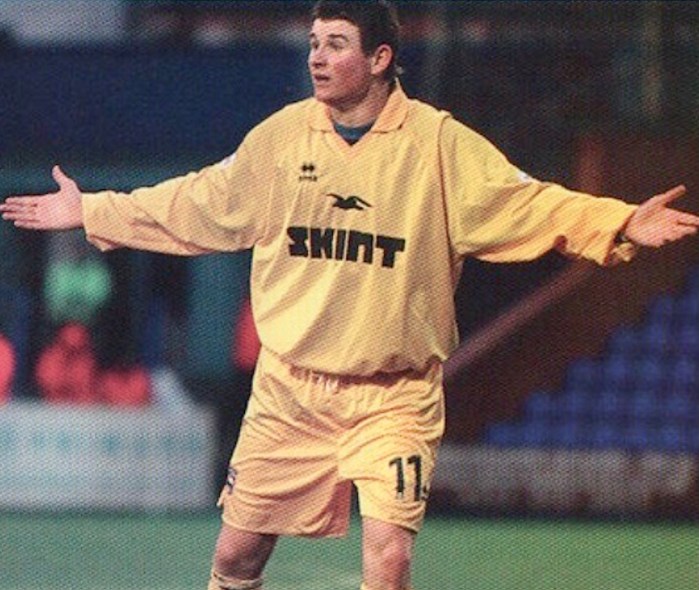
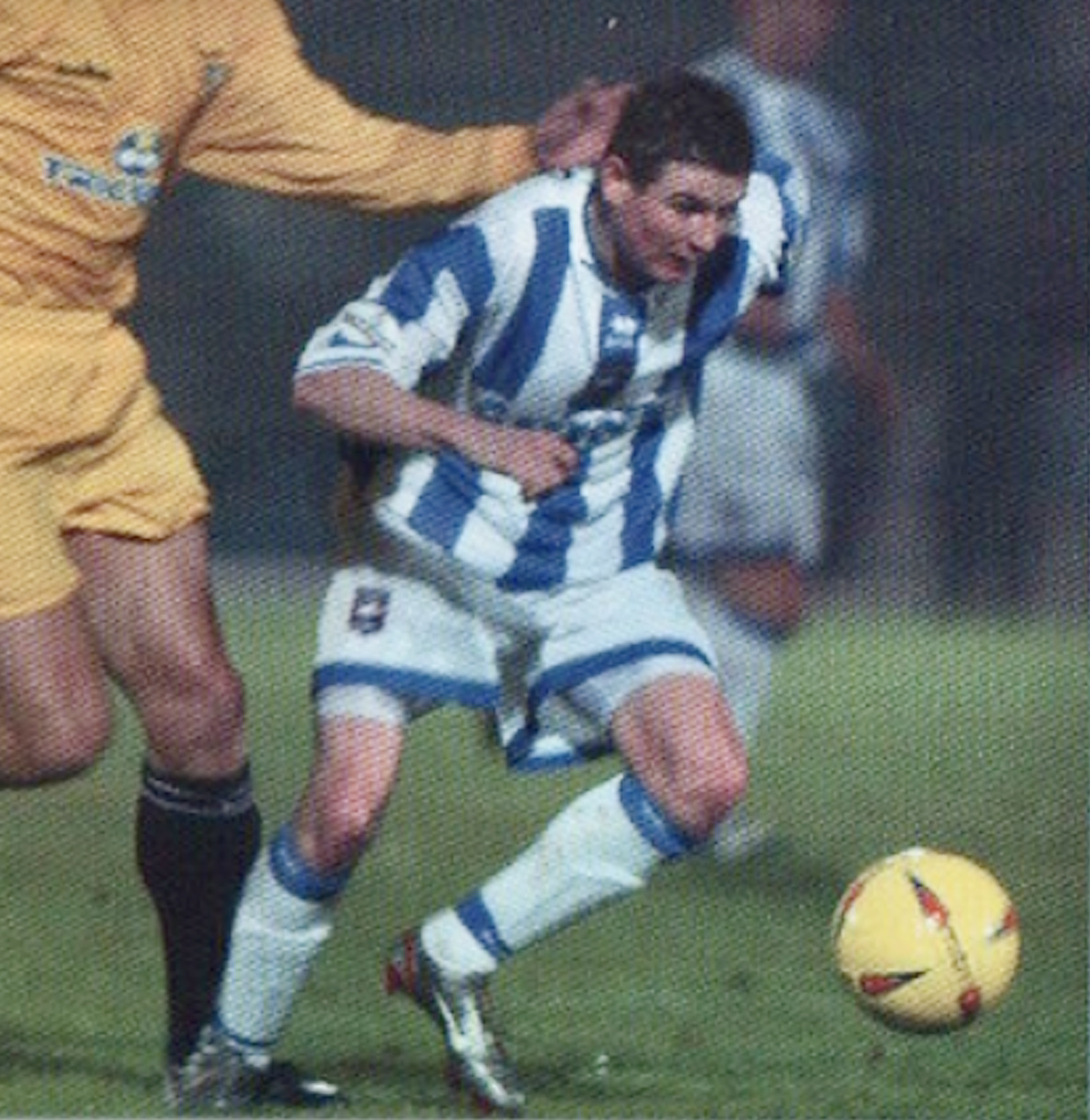
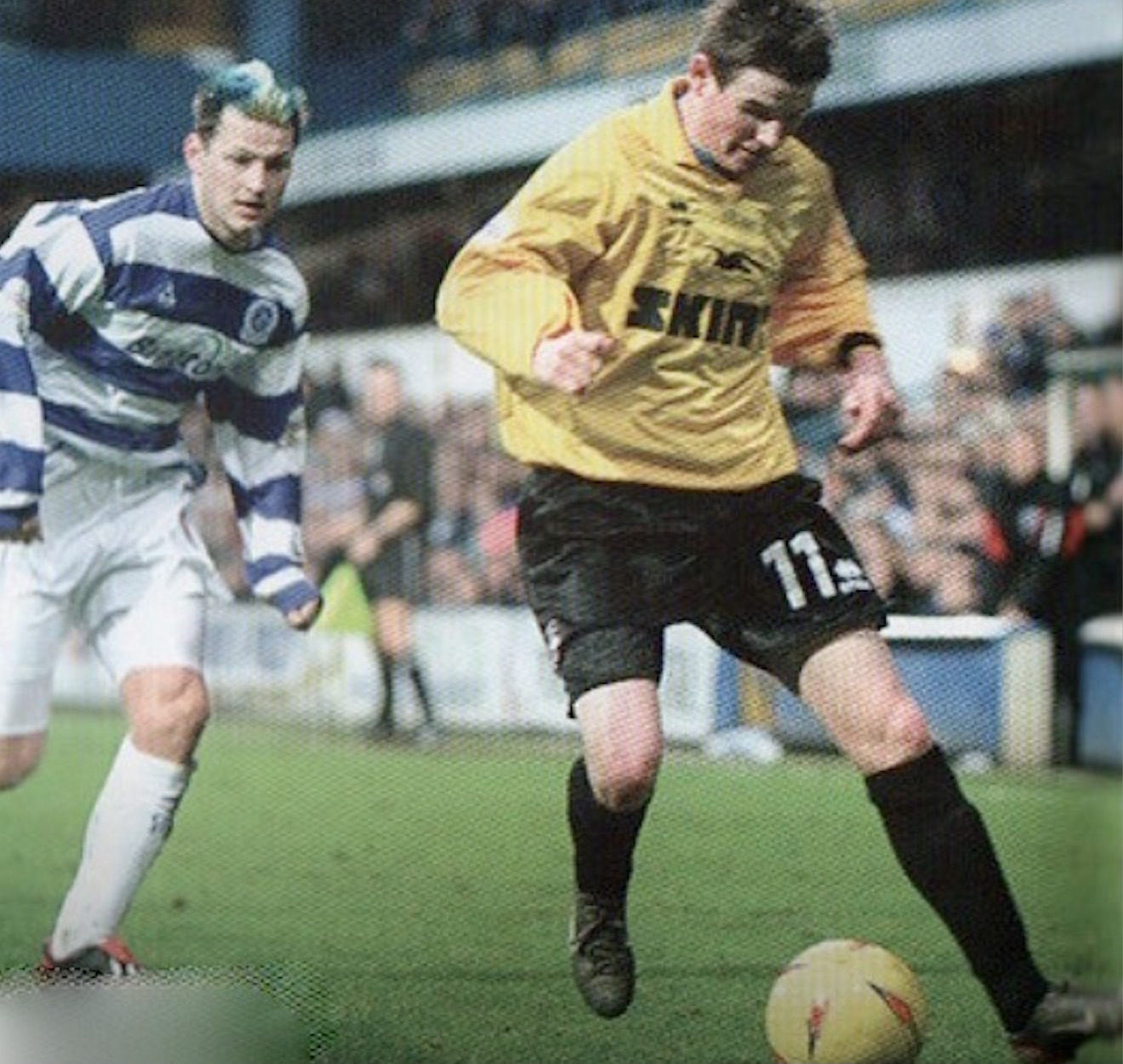
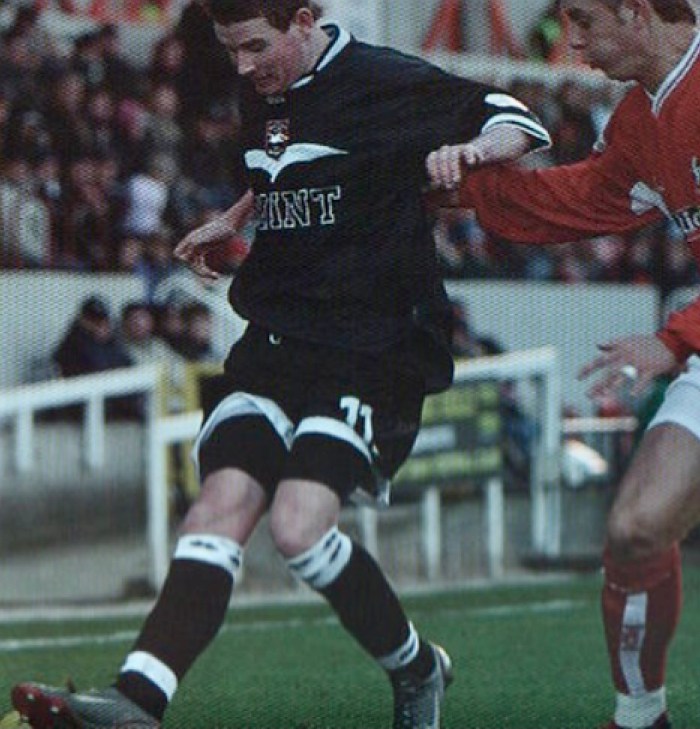
TRICKY playmaker Mark Yeates spent five years as a Tottenham Hotspur player but it was with Brighton that he played his first competitive football.
Yeates looked like a useful loan signing when he joined new manager Mark McGhee’s Albion squad in November 2003. He drew plenty of admirers and featured in 10 games over two months.
It wasn’t long before McGhee was talking about the possibility of signing him on a permanent basis, but Spurs had other ideas. He eventually had to leave north London to pursue his career but he ultimately made nearly 500 professional appearances.
Eighteen-year-old Yeates arrived on the south coast shortly after Zesh Rehman had also signed on loan (from Fulham), Albion having lost midfield duo Charlie Oatway and Simon Rodger to injuries.
The diminutive Irishman made his debut in McGhee’s first match in charge: a 4-1 defeat to Sheffield United at Withdean.
The matchday programme’s assessment was thus: “The second half was better. Mark Yeates moved into the centre of midfield and so had an opportunity to show what he can do. He could beat players, look up, and try a perceptive through ball. Wide on the left in the first half, he’d been exposed and given the ball away too often.”
On the day England won the Rugby World Cup, Yeates was one of six Albion players booked as the Seagulls beat Notts County 2-1 at Meadow Lane; an eventful game which saw Adam El-Abd make his league debut, Leon Knight score twice and John Piercy sent off for two bookable offences.
After only his third game, Yeates was off on international duty, playing for the Republic of Ireland under 19s away to France.
It was in early December that McGhee spoke about wanting to take Yeates on a permanent basis, telling the club’s website: “I’ve said already that I knew before he came here what a good player he is and I imagined he would do well in this team, and he has done that.”
McGhee told the Argus: “He has a kind of Gaelic confidence. Robbie Keane had it and Mark is similar in that respect.
“His character is perfect really for the way he plays. It goes with the ability and flair.”
Yeates hailed from the same Tallaght district of Dublin as Keane – a player McGhee knew well having given him his English football debut at 17 when manager of Wolves.
After extending his stay at the Albion to a second month, Yeates told the Argus: “Before I came here I had never really played in the centre of midfield. I usually play up front off a big man.
Yeates takes control watched by Adam Hinshelwood
“The gaffer tried me up front in the first half at QPR (in the LDV Vans Trophy) but we didn’t get the ball into mine and Leon’s feet, and with two little men you are not going to get much joy.
“At Tottenham we play with wingbacks and two holding midfielders and I am allowed a free role.
“I have to be a bit more disciplined here. Sometimes I can go running about a bit, it’s just up to the lads to call me back in to help out.”
Yeates appreciated the opportunity Albion had given him to taste senior football, telling the newspaper: “It’s great for me just to be getting first team football, plus the reason I am staying here is because they are a good bunch down here.”
He observed: “It’s a lot more fast and furious because everyone is playing for their living. You have to give a bit more and get more out of yourself which you probably wouldn’t get in a reserve game.
“In reserve football, players are going through the motions. It’s just a matter of playing a game.”
After he’d played his final game on loan, a 0-0 home draw with Oldham Athletic, the matchday programme observed: “Yeates showed some neat touches and was Albion’s most creative outlet once again.”
When Albion struggled to beat Barnsley 1-0 in the FA Cup, the matchday programme noted: “The passing abilities of Mark Yeates, and his desire to get into the penalty area, were sorely missed.”
Back at Spurs, Yeates had to wait until the very last game of the season to make his Premier League debut. He’d previously been an unused substitute when Glenn Hoddle’s Tottenham were thrashed 5-1 by Middlesbrough at the end of the 2002-03 season.
But in May 2004, David Pleat selected him to start in a side also featuring Ledley King, Jamie Redknapp, Christian Ziege, Jermain Defoe and Robbie Keane.
The fixture at Molineux ended in a 2-0 win for the visitors and Yeates helped Spurs take the lead against the run of play, laying on a cross for Keane to score against his former club. Defoe netted a second to seal the win.
Born in Tallaght on 11 January 1985, Yeates was the eldest son of former Shelbourne, Shamrock Rovers, Athlone Town and Kilkenny City striker Stephen Yeates, who died aged just 38 following a tragic accident, just as Mark was making his way through the youth ranks at Spurs.
The young Yeates first played competitive football with Greenhills Boys, a club who his grandfather and father had been involved with, and then moved on to Cherry Orchard, a Dublin side renowned for producing a number of players who went on to have successful professional careers.
In an extended interview with Lennon Branagan for superhotspur.com, Yeates recalled how Tottenham scout Terry Arber did a two-day coaching course at Cherry Orchard, after which he, Willo Flood (later to play for Manchester City and Dundee United) and Stephen Quinn (who went on to play for Sheffield United) were invited to London for a trial with Spurs.
Yeates was only 15 but he was taken on and had to up sticks from home and move into digs in London.
“As a skilful dribbler who was regularly a source of assists and goals in the youth set-up, Yeates quickly demonstrated to the coaching staff at Tottenham that he possessed the raw materials required to graduate to the next level,” wrote Paul Dollery in an October 2021 article for the42.ie.
Sadly, his progress through the youth ranks was interrupted by the shock news of his father’s death in an accident. Yeates told Dollery how it could have all gone the wrong way, but he thankfully remained focused.
“It was really tough, but you’d ask yourself what else you could do if you didn’t keep going – go home to your estate in Tallaght, drink cans every weekend and get roped into whatever else?
“I could have done that, or I could look at the three-year contract that was on the table at Tottenham and get my head down to go after that.
“It was hard, but a bit of willpower and the desire to be a footballer – which I had since I started kicking a ball – got me through it.”
In his interview with Branagan, Yeates said: “I started to train with the first team at a decent age and really being involved quite a bit as well as being a regular with the reserves group with Colin Calderwood and Chris Hughton at the time.
“I’ve just got so many unbelievable things to say when I look back now and I can only say so many good things about Spurs because it sort of built me and gave me so much.”
It was in January 2005 when Yeates next appeared for the Spurs first team, Martin Jol sending him on as a sub in the third round FA Cup tie against Brighton at White Hart Lane when Tottenham edged it 2-1.
The following week he once again replaced Pedro Mendes as a sub when a star-studded Chelsea side won 2-0 on their way to winning their first Premier League title under Jose Mourinho. He also got on in the next game, as Spurs crashed 3-0 at Crystal Palace,
While he could have continued to bide his time at Spurs, he preferred to go out on loan again to get some games under his belt. He played four times for League One Swindon Town and then had a season-long loan at Colchester United, helping them to promotion from League One in 2005-06 in a squad which included Greg Halford and Chris Iwelumo.
Further loan spells followed at Hull City and Leicester City but, in the summer of 2007, he joined Colchester on a permanent deal.
Yeates scored 21 goals in 81 games for United drawing him to the attention of future England manager Gareth Southgate who took him to Middlesbrough (who had just been relegated from the Premier League) for a £500,000 fee.
On signing a three-year deal, Yeates said: “This is massive for me. There was interest from other clubs but there was only one thing on my mind once my agent told me Middlesbrough had been in touch.
“This club belongs in the Premier League, the fans deserve to be there and I can’t wait to play in front of them. It’s a Premiership club in my mind – all you have to do is look around the facilities, the training ground, the stadium, everything is spot on.”
Yeates reckoned his versatility would suit Boro. “I can play on the right or the left,” he said. “I played a full season’s Championship football on the right for Colchester, while I played most of last season on the left. But then, in probably eight of the last 10 games, I played behind the front two.
“For a winger, I think my goals record is quite good,” he added. “I got 14 last season and nine by Christmas the season before I got injured.
“I like to get on the ball and take on defenders. The number one job of being a wide man is creating chances and I certainly like to do that, but scoring goals isn’t a bad habit to have either. I promise the fans I’ll give 110 per cent. I’m hungry to prove that I deserve to be here.”
Fine words but it didn’t pan out well for him because Southgate was sacked in October 2009 and his successor Gordon Strachan shunned the Irishman. By January 2010, Yeates was on the move again, this time to Sheffield United.
Blades boss Kevin Blackwell told the club’s website: “He’s a player we have looked at before, I’ve had my eye on him for a year or two but we couldn’t agree terms with Colchester. I’m delighted to finally get my man, although I was surprised that Boro would let him go.”
Yeates was reunited with Stephen Quinn and another former Albion loanee, Darius Henderson, was up front for the Blades. Yeates reckoned he had his best ever spell playing under Blackwell’s successor, Gary Speed.
“He was just an unbelievable man and, going back to when I was at Tottenham as a young lad, he was the prime example of the player you should aspire to be like,” he said. “He had faith in me.”
Unfortunately, when Speed left to manage Wales, former Albion boss Micky Adams took charge and the pair didn’t see eye to eye, as he explained to watfordlegends.com.
“I was at Sheffield United and it was the season when we went from the Championship to League One. Micky Adams was the manager and we weren’t getting on. In the summer Micky was sacked and Danny Wilson came in as manager.
“I trained for the full pre-season with the club, but I was aware that there were a couple of clubs keeping an eye on my situation throughout the summer. It was Blackpool and Watford who put in offers for me, and I spoke with both clubs, but when I met Dychey (Sean Dyche) I decided to sign for Watford.
“I still had a house in Loughton so overall it was a good opportunity to get back down south, and everything that Sean said to me on the phone really appealed to me.”
Yeates was at Watford for two seasons, initially under Dyche and then Gianfranco Zola, but his contract wasn’t renewed in the summer of 2013 and he decided to link up once again with his former Colchester and Hull boss, Phil Parkinson, at League One Bradford City.
He was one of the goalscorers for Bradford when they completed a massive upset by beating Premier League table toppers Chelsea 4-2 at Stamford Bridge in the fourth round of the 2015 FA Cup.
However, released that summer, he switched across the Pennines to join Oldham Athletic and six months later was on the move again, this time to Blackpool.
“Since leaving Hull it’s been a bit up and down,” he told Branagan. “I was on a short term deal at Oldham which went alright before then deciding to go to Blackpool because of a longer contract which was put in front of me which I don’t regret, as I’ve been living around the St Annes area now for five years and my children have grown up here and are at school and it’s a great area to raise a family in.”
His final league club as a player was Notts County, who he joined on a short-term deal in January 2017, and he appeared in 11 games plus three as a substitute as new manager Kevin Nolan’s side turned what at one point looked like relegation from the league into a 16th place finish (although two years later County lost the league status they’d held for 157 years).
After playing non-league for Eastleigh, in 2019 Yeates moved closer to home and signed for AFC Fylde. In September 2021, he became an academy coach at Fleetwood Town, although he continued to keep his hand in as a player at Bamber Bridge.
Reflecting on the player’s career, Dollery wrote: “With a ball at his feet, Yeates was one of the most technically accomplished Irish players of his generation, cut from the same cloth as the likes of (Wes) Hoolahan and Andy Reid.
“That such a claim isn’t backed up by international achievements can perhaps be partly explained by his own admission that he didn’t marry his talent with a devotion to other aspects of the game that were beginning to play a more prominent role in the life of a professional footballer.
“If fitness coaches scheduled a gym session, Yeates felt his time would be better spent by staying on the training pitch to perfect his free kicks. A predilection for crisps, fizzy drinks and nights out didn’t aid his cause either.”
Yeates recognised he could have done things differently and said: “The reality was that I didn’t live like a saint.
“Everyone who knows me would know that that’s just not my personality. I’ve always been a fella who likes a bit of craic; just a normal Irish lad from an estate who happened to love playing football.”
• Pictures from the Albion matchday programme and various online sources.
ON-LOAN Dutchman Rajiv van La Parra scored twice in six games for Brighton, spurring parent club Wolverhampton Wanderers to recall him.
Georginio Wijnaldum’s half-brother was only on the winning side once during his time with the Seagulls, but Wolves boss Kenny Jackett was happy to give him another chance at Molyneux after he’d mysteriously been frozen out.
But the thaw didn’t last long. While Albion had moved on by signing Anthony Knockaert on a three-year deal from Standard Liege, van La Parra was soon on the move again, this time to Huddersfield.
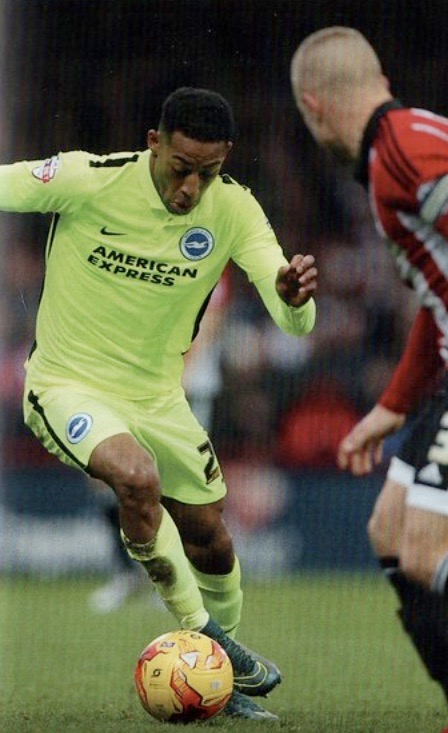
It was in November 2015 that Chris Hughton seized on an opportunity to shake up Albion’s attacking options in the last few hours of the loan transfer window by offering the unsettled van La Parra a chance to replicate the form he’d shown the previous season for Wolves.
“Rajiv will give us pace and creativity in the forward areas, and supplements our existing wide options,” Hughton said. “He is something different to the players we already have here, and I am delighted to have him on board.
“With Sam Baldock currently injured and Kazenga LuaLua having missed the amount of games he has, we have been very keen to bring in offensive options.
“In Rajiv we have a player who regularly featured in Wolves’ promotion chase last season.”
Albion were top of the table at the time and, having watched from the bench as Albion saw off Birmingham 2-1 at the Amex, van La Parra went on in the 27th minute of the away game at Derby County after Solly March was clattered by a challenge that ultimately ruled him out for the rest of the season.
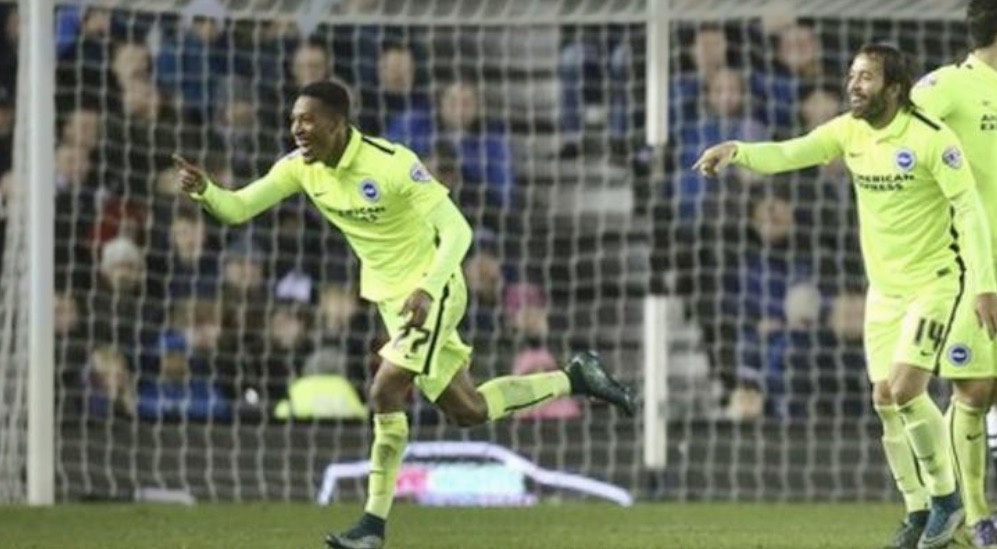
The substitute certainly made a positive impact, edging Albion 2-1 ahead with a goal in the 75th minute before Chris Martin equalised for County with a last-ditch penalty after Gordon Greer was harshly adjudged to have fouled Johnny Russell.
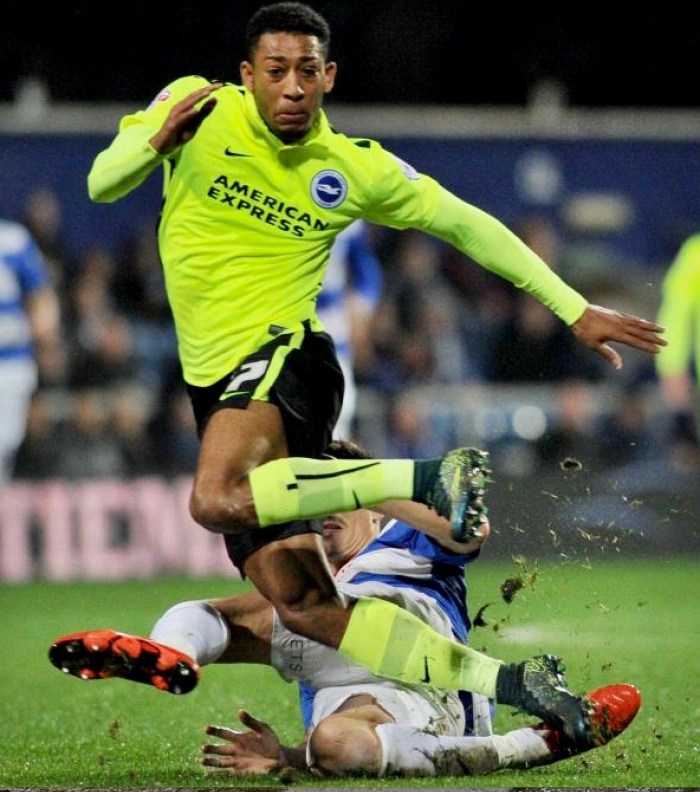
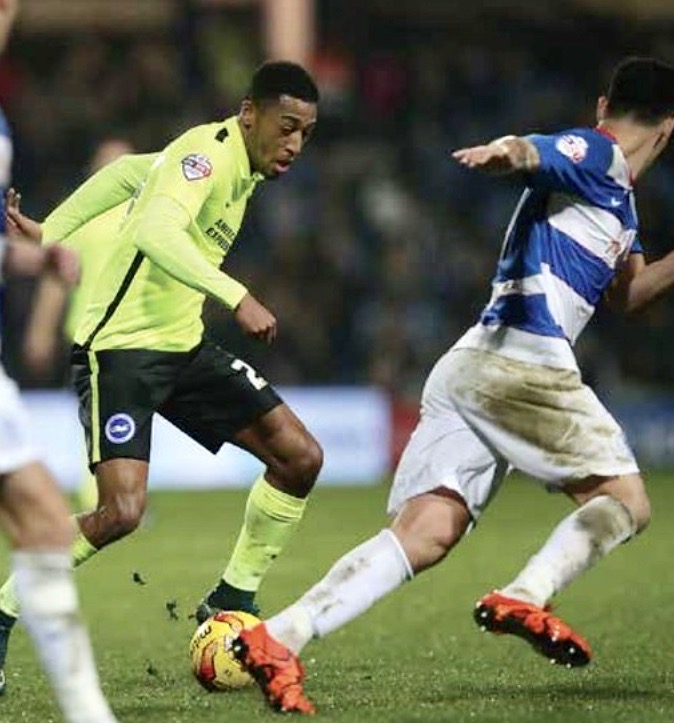
Van La Parra was also on target at Loftus Road on 15 December when he beat former England goalkeeper Rob Green with a 30-yard shot in the 55th minute to put Albion 2-0 up. QPR hit back with two Charlie Austin goals to share the points.
It emerged when he signed that van La Parra had been a Brighton target for some while, with the Wolverhampton Express and Star reporting he’d spoken to the club about a possible permanent move before that August’s transfer deadline day.
Leeds United were also keen, and he might later have ended up at rock bottom Bolton Wanderers, but he stayed on at Molyneux, where he found James Henry and Nathan Byrne ahead of him in the pecking order.
Ironically, his one and only league goal for Wolves was scored against the Seagulls at the Amex in a 1-1 draw the previous season.
The winger admitted in an interview with Andy Naylor for The Argus that he was baffled why he’d fallen out of favour at the Black Country club.
“It’s a mystery,” he said. “I didn’t understand what happened but sometimes these things happen in football.
“The manager maybe wanted to try some different players but I cannot explain what happened. It’s unreal. I played last season and I then went onto the bench not playing as many games.
“I’m the type of person who goes to the manager and asked for an explanation why I wasn’t playing. He (Jackett) couldn’t really give a reason but he motivated me by saying that I was close to the team and training well.
“That was keeping me positive about the manager and his opinion of me. At the end of the day, they were just words and not actions and I can just focus on playing now.”
His arrival at the Amex was somewhat overshadowed by the signing at the same time of striker James Wilson on loan from Manchester United but he discovered a couple of familiar faces in the Albion dressing room: Elvis Manu – a fellow product of Feyenoord – and Danny Holla.
“It’s nice to have them,” he said. “They can help me. I know Manu very well because we played at Feyenoord. He was in a younger team than me. I’ve played against Danny a few times and we’ve had a number of conversations.”
Although van La Parra made a mark with the Seagulls, it was apparent in December that a permanent move to the south coast looked unlikely. Wolves boss Jackett had noted his form and said: “He’s been keen to get the opportunity and so far at Brighton he’s taken it. He’s still a Wolves player and we’ll assess the situation. He’s got a couple of goals and assists which is very good.”
Van La Parra hoped an impressive performance in his last game on loan might persuade Hughton to view him as a long term prospect but Albion went down 1-0 at home to Ipswich Town, their fifth winless game on the trot, and he returned to Molineux.
Born in Rotterdam on 4 June 1991, of parents from Suriname, he was named by his mum after Rajiv Gandhi, the son of Indira Gandhi, the former Indian prime minister who was assassinated in 1984.
Van La Parra went through the youth ranks at Dutch giants Feyenoord between 1999 and 2008 and earned selection for the national side’s under 17s and under 19s.
It was only while playing in Dutch youth football that former Liverpool midfielder Georginio Wijnaldum, then playing for Sparta Rotterdam, met his half-brother van la Parra.
“I knew I had another brother, but I never saw him until that moment,” Gini explained. “I never saw pictures because at that time you didn’t have the internet or social media. There was no Instagram or Facebook or anything.
“I went to play a game, but I found my brother.”
Wijnaldum eventually moved to Feyenoord, and van La Parra said: “When he came to play for Feyenoord, we saw each other more often and we were closer.”
In 2008, van La Parra had moved to French Ligue 1 club Caen where he thought he stood a better chance of first team football. He was there for three years and, although he managed 16 outings in their first team, he mainly played for the B side.
At the end of his contract, he returned to the Netherlands and joined Eredivisie outfit SC Heerenveen where in three years he scored 16 goals in 94 appearances and got to play Europa League football. In the 2012-13 season, he also played six times for the Dutch under 21s, when he got the chance to play alongside Wijnaldum.
“I played on the wing and Gini in midfield. He didn’t give me the ball. He always passed to the other side,” joked van La Parra.
In the summer of 2014, the winger moved to then Championship side Wolves and quickly established himself as a regular.
La Parra’s form for Brighton only revived his Wolves career temporarily, Jackett recalling him to their side in an FA Cup tie against West Ham and a 3-2 win over Fulham, in which he provided an assist and combined well with Michal Zyro.
Jackett said: “I felt that we’ve lost some pace along our front line and Rajiv has that and it’s a reason for bringing him back in to the group.
“He did well at Brighton, and I knew that against Fulham, tactically, I could play either system – 4-4-2 or 4-3-3 – with Rajiv on the pitch and be able to switch from one to the other. That was the advantage.
“He showed how much he wanted to play for Wolves. And the crowd responded to him, and if he keeps showing that work rate and desire, everyone will follow up on him.”
However, two months later he joined fellow Championship side Huddersfield on loan until the end of the season, and the move was made permanent that summer. He was a regular in the Town side that won promotion to the Premier League in 2017.
He made 38 appearances during the 2017-18 season amongst the elite, but incurred Sean Dyche’s wrath when he went to ground rather too easily in the penalty area during a Premier League game against Burnley. The referee didn’t buy it and the player was booked and subsequently fined by his own manager, David Wagner. “It’s unacceptable in my book. I can’t abide it,” said Dyche.
The following season, van La Parra struggled for game time and went on loan to Middlesbrough.
He eventually left the Terriers in 2020 having made a total of 102 appearances and signed for Serbian club Red Star Belgrade. He only played 11 games for them and then moved to Spanish second division club Logroñés for the 2020-21 season but, after only four appearances for them, he was released from his contract in January.
He then switched to Germany and signed for Bundesliga second division club Würzburger Kickers but, after they were relegated, he was on the move again.
Next stop was in Greece, for Apollon Smyrnis, but footballleagueworld.co.ukreported in November 2021: “It’s been a tough start for the player, who is featuring regularly, as he has failed to score or register an assist as his new side are third from bottom.”
TWO former Chelsea teammates were instrumental in enabling fledgling Kiwi international striker Chris Wood to develop his goalscoring craft with the Seagulls.
Roberto di Matteo allowed Wood to leave West Brom on loan in the 2010-11 season to add attacking options to Gus Poyet’s promotion-seeking Seagulls.
It was a temporary move that not only bolstered Division 1 Brighton’s goalscoring threat that season but also sowed the seeds of a partnership with Ashley Barnes that Burnley have profited from in the Premier League.
The pair dovetailed well with Glenn Murray (during his first spell at the Albion) and it is testimony to just how good the third-tier trio were that they all went on to score goals at the highest level.
Wood, who only scored three times in 27 games for the Baggies, scored nine in 24 matches (plus seven as sub) for the Albion, who he joined after an expected 93-day loan stint with Barnsley had been cut short.
Described by The Argus as “a fresh-faced teenager in a man’s body”, towards the end of the season, Wood told Andy Naylor: “It has been a big experience. I have been playing week in and week out. That is something I needed to do at my age.
“You don’t know if you really want to drop down that many levels, but I thought I could start scoring some goals, kick on my season and hopefully push my career up. It’s worked out very well.”
He somewhat presciently added: “I want to play in the Premier League one day, hopefully consistently.”
While that time would still be a little way off, Wood’s role in Brighton’s promotion squad earned him a League One winners’ medal and Poyet reckoned he left the south coast a much better player than the one who arrived six months previously.
“We helped him a lot,” Poyet told TheArgus. “When he was here, he was one type of player and, when he went back, he was in shape, he was quicker, more mature, he scored ten (sic) goals, he did well.”
Wood went on to become something of a nemesis for Brighton, often scoring against the club for various other sides he played for on loan or on a permanent basis.
After he scored twice against the Seagulls in December 2012 while on loan at Millwall, Poyet sang his praises to the media, declaring: “He is the kind of player we would like to bring in. He’s only 21 and I feel he will be a top, top player.
“When he was with us on loan, he was a baby but now he is maturing. He’s a man now.
“He’s clinical and brave and we have played a part in helping him on his way.”
Di Matteo’s successor at West Brom, Roy Hodgson, had also sent the young striker out on loan, the shorter distance to Midlands neighbours Birmingham City, during Chris Hughton’s tenure as manager. He scored 11 in 15 games (+ 14 as a sub) for the Blues before spending the second half of the 2011-12 season at Bristol City.
Next up was Millwall for the first half of the 2012-13 season but WBA curtailed that stay because they wanted to sell him, and he joined Leicester in a permanent deal.
At Leicester, Wood was mainly involved off the substitutes’ bench as Nigel Pearson’s Foxes won the Championship in 2014, but one of his most memorable goals was a stunning long-range volley against his future employers, Burnley, in a 2-0 win at Turf Moor. “That was a nice one,” he said. “It kind of clinched Leicester’s championship. It was a ‘make or break’ game for who was going to win the league that year.”
Wood found his chances of Premier League football stymied by the arrival of Leonardo Ulloa from Brighton and after only seven substitute appearances ended the season on loan at Ipswich Town. Before Leicester’s famous title-winning season was under way, Wood had moved on to Leeds for £3m.
Wood felt he wasn’t given a fair crack of the whip at the King Power Stadium, telling the Leicester Mercury: “I was disappointed that I didn’t get more of a chance.
“I did well and felt I deserved at least an opportunity with the way I had played. That’s football at the end of the day, managers make the decisions, you have to live by them and move on.
“I think that experience has made me into a better player. It helped me to adapt and do things in a different way. It helps you prepare mentally, to understand and control.
“Not everything is going to be rosy along the way in your career. You’ll always have your ups and downs and it’s about how you deal with the downs which helps you become so much better.
“I don’t like sitting in the stands. I just wanted to get out, play football and progress my career.”
Wood scored 27 goals in Leeds’ 2016-17 Championship season under Garry Monk but, after beating Brighton 2-0 on 18 March, they fluffed their lines in the run-in, winning only one of the remaining eight matches and missing out on the top six as Brighton went up with Newcastle. To rub salt in the Yorkshire wounds, Huddersfield were promoted via the play-offs.
Wood, though, had the chance finally to make it to the elite when Burnley dangled a £15m fee to take him to Turf Moor, where he was to be reunited with Barnes.
Explaining his decision to make the move, Wood told The Times: “It had been my dream since I was a kid to play in the Premier League.
“I had spent seven years in the Championship waiting to get that break and I couldn’t guarantee that I would get another chance.”
The success of the Wood-Barnes partnership was analysed in a 2019 article by Benedict O’Neill for planetfootball.com in which Murray harked back to the 2010-11 season.
“I was the older head when they came in as two young lads,” he said. “We forged quite a formidable trio. It was good because they were just young and learning their trade – they got valuable game time and scored plenty of goals in that season.
“They’ve both gone on to have fantastic careers.”
Wood ended the 2020-21 season as Burnley’s top goalscorer with 12 goals (his fourth consecutive season in double figures) and he also collected their Player of the Season and Players’ Player of the Season accolades.
After netting a hat-trick against Wolves in April 2021, Andy Jones, for The Athletic, purred: “Unstoppable, unplayable. This was Wood at his best.
“Burnley’s big No 9 epitomised all the key components of the display, setting the tempo, pressing with energy, intensity and importantly, intent. No ball was a lost cause, no pass was going to be easy for Wolves.”
Burnley boss Sean Dyche told the Burnley Express: “His hold up play is improving all the time, his physicality is improving – he can be a real handful as well as being a talented player.
“I’ve been very impressed with him over the season for sure.”
In January 2022, Wood made a £25m move to Newcastle United but after finding his first team starts limited moved on to Nottingham Forest a year later, initially on loan until the end of the season. The move was made permanent in the summer of 2023.
He was Forest’s top scorer with 15 goals in 35 appearances in the 2023-24 season and when he scored the winner in Forest’s 3-2 win over Manchester United at Old Trafford in December 2024, his header meant he became Forest’s record Premier League scorer, overtaking Bryan Roy, by moving to 25 in the competition.
Born in Auckland, New Zealand, on 7 December 1991, Wood swiftly showed great promise in his homeland before his coach over there, Roger Wilkinson, switched to West Brom and recommended the youngster be taken on at Albion’s academy.
Wood’s English mother, Julie, had been instrumental in him taking up football rather than the oval-shaped ball game Kiwis are more accustomed to.
“I came over and they liked what they saw and offered me a scholarship,” he told the Birmingham Mail.
After he proved successful at youth team and reserve level, Wood made his West Brom first-team debut in 2009 away to Portsmouth.
In the same year, he made his international debut and, aged just 18, was in the New Zealand squad at the 2010 World Cup in South Africa. He has gone on to play nearly 60 times for his country. He also became the youngest captain of New Zealand when he led the side for the first time in November 2014.
A goal by over-age Wood against South Korea helped New Zealand secure their first ever men’s football win at an Olympic Games in Tokyo but the host nation beat them in a penalty shoot-out to deny the striker the chance of a medal.
WHEN Wolverhampton Wanderers slipped into the third tier, they urgently needed to loan out some of their higher-paid players – hence, in August 2013, the arrival at Brighton of left-back Stephen Ward.
Most Seagulls supporters were not sure of his attributes having had the pleasure the previous season of watching the imperious Wayne Bridge shine in that position while on loan from Manchester City.
However, Albion fans were delighted to be proved wrong after Ward helped to shore up a defence that had leaked seven goals in the first eight days of the season. The Irish international defender went on to make a total of 47 appearances and was runner-up to Matt Upson as Albion’s 2013-14 player of the year.
Ward also chipped in with four goals, including the tide-turning equaliser at Nottingham Forest on the final day of the season.
Although injury-hit Albion failed to get past Derby County in the play-off semi-finals, it was thought Ward would sign permanently for the Seagulls that summer. But Burnley stepped in, offering Wolves and the defender more money, not to mention the more immediate chance of Premier League football.
Ward’s agent, Scott Fisher, later told the Argus that dithering or perhaps a bit of brinkmanship by then head of recruitment David Burke had scuppered the deal.
“We really tried our best to make Stephen Ward a permanent Brighton player. Had they done their business earlier this wouldn’t have happened,” he said.
Previously, as the season drew to a close, Ward told the Argus: “If I’m going to move on, I don’t see why this wouldn’t be one of the better options for me. I’ve been here for a year; I’ve really enjoyed it.
“I couldn’t say one bad thing about the club. The crowd we get, the stadium we have is phenomenal, probably the best in the Championship, and with the new training ground the club is on a real up and a real high.
“If I was to move on from Wolves, Brighton would definitely be high on the list. It’s not in my hands, it’s going to be in other people’s hands to discuss the future, but it has been a great move for me. I’ve really enjoyed it. It’s a really good club and one people should be privileged to play for.”
Ward went on to spend five years at Turf Moor, making 110 appearances, but only featured 11 times in the 2018-19 season, and manager Sean Dyche told punditarena.com: “He (Ward) has been brilliant for us, absolutely brilliant, he’s done a fantastic job.”
Perhaps it was no surprise that former Albion coach Nathan Jones stepped in to sign the experienced defender for Stoke City, where he’d taken on an often-perilous managerial hotseat.
Jones said: “He’s had a fantastic career, the only downside for him is his age, because he isn’t what we normally go for.
“But I feel we need to add certain things to the changing room and the environment and Stephen brings those.
“He’s a wonderful player, a great character, very experienced. He’s been promoted – won the Championship twice. He’s an Irish international, I worked with him, he’s technically very, very good so he ticks every box. It’s just the aging process is the only drawback.
“With Stephen, he’s a specialist in what we need and he will provide vital competition and good strength in that area.”
Unfortunately Ward couldn’t claim a regular starting place and in December 2019 picked up a calf injury which sidelined him for four months. Having made only 17 appearances for City, in August 2020 he switched to League One Ipswich Town on a free transfer.
After playing 29 games for them in the 2020-21 season, the club announced on 5 May 2021 he would be released at the end of the season (one more appearance would have triggered a 12-month extension to his contract).
Born in Dublin on 20 August 1985, Ward grew up in Portmarnock and, as a schoolboy, played football for Home Farm and Portmarnock before joining League of Ireland side Bohemians.
He attributed his eventual success in making it as a player to staying in Ireland when he was younger and continuing to live at home rather than going to play at a UK club’s academy.
In an excellent lengthy interview with the Irish Independent, he said: “I had a few trials – Leicester a couple of times, I went to Aston Villa a lot and Hibs for some reason – nothing worked out and I signed for Bohs. And the most important thing for me then was living at home and having my family around me.
“It does depend on the academy, but you are in a bubble from a young age. You train in a certain way, everything is done for you; I know you get your jobs, but not that many now, and sometimes there is a mentality that once you are in an academy, you’ve made it. I was 17 and played in a league where players were playing for their mortgages and to put food on the table.”
Originally a forward, he scored 26 goals in 93 appearances, and, having been looked at by Sunderland boss Mick McCarthy and deemed not quite ready, McCarthy kept tabs on him when he took over at Wolves.
“I signed for Wolves as a striker,” Ward told the Irish Independent. “I was not a typical number nine, scoring 20 or 30 a season, but an old-fashioned centre-forward running round, closing down.
“We signed a couple of strikers – Sylvan Ebanks-Blake and Chris Iwelumo – and I knew if I was going to play consistently it was probably not as a centre-forward. So, I went to left-wing for a bit.
“I played at left-back at Norwich for 30 minutes or so when we went down to nine men. We scraped a draw and afterwards Mick said, ‘You could make a career playing there.’ I thought, ‘Yeah, whatever’. Next season, three games in, and new left-back George Elokobi suffers an awful injury, the window was shut and Mick had no one else . . .”
On the international stage, Ward played through the age levels for the Republic of Ireland and had a dream full international debut in May 2011 as he scored in a 5-0 win over Northern Ireland.
He went on to play 50 times for his country before announcing his retirement from international football in March 2019.
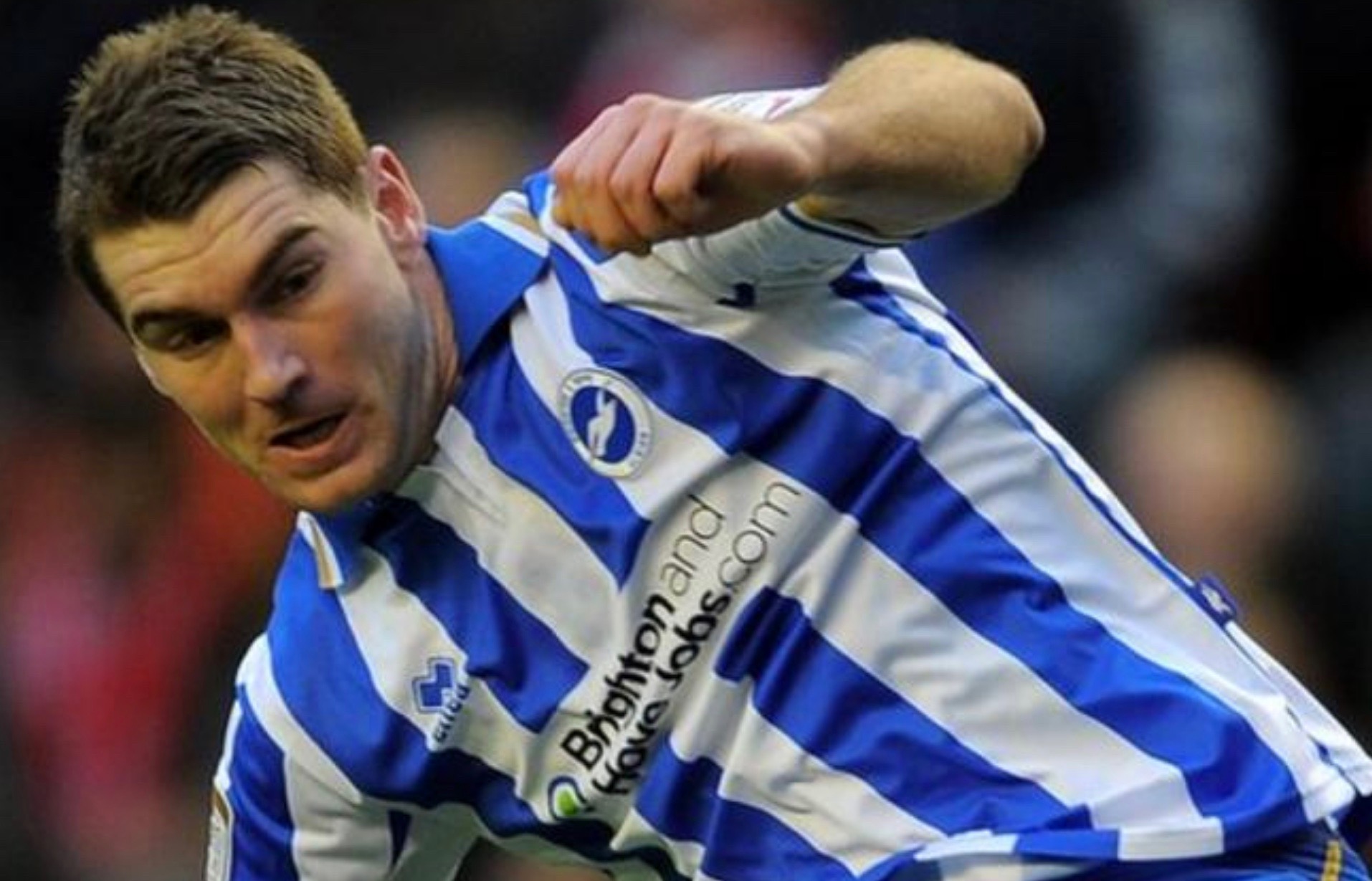
‘LOANSOME’ Sam Vokes joined Brighton temporarily on the eve of transfer deadline day in January 2012.
He was 22 at the time and had already had five loan spells away from Molineux since joining Wolverhampton Wanderers in the summer of 2008. Vokes told BBC Sussex: “I need to settle down in my career and it’s a fantastic chance for me to come here and play some football.
“It’s a matter of playing games and, as a striker, scoring goals.”
Vokes had been troubled by injury and had found it difficult to establish himself in the Wolves side. The season before, he had been out on loan at Bristol City, Sheffield United and Norwich, and earlier in the 2011-12 season had scored two goals in nine appearances on loan at Burnley.
Eddie Howe, who’d managed Vokes during his first spell at Bournemouth, had taken him to Turf Moor to partner Jay Rodriguez. But when his deal with Burnley expired in mid-January, Albion boss Gus Poyet stepped in and persuaded him to join the Seagulls.
Vokes was invited to the Amex to watch the side’s FA Cup fourth round tie against Newcastle and, two days after the 1-0 win, put pen to the loan deal.
“I don’t want to sit around – I love playing,” said Vokes. “Brighton have a great way of playing football that is different to a lot of teams in the Championship.”
The young striker told the Albion matchday programme: “I’m a southern boy. I know the area well, and I know what football means to people down here.
“It’s been difficult for me to settle anywhere, moving from place to place on loan, but now I just want to play football. I love the game. I need to play, it’s all I want to do.
“I would like to stay and if all goes well we will see what happens in the summer, but my main aim at the moment is to start playing football again and scoring goals.”
Poyet told the media: “Sam was one of the players we’ve been following for a long time but it’s been difficult to get him.
“The idea was to bring someone who will give us that presence and strength in the air that we don’t have.
“We’ve got the time to explain how we play, and what he needs to do for us. The quicker he adapts, the easier for us. I’m delighted to have him and I hope it works for him.
“He’s been trying to find that place that he can stay for a few years.”
As it turned out, Vokes struggled to dislodge incumbent strikers Ashley Barnes and Craig Mackail-Smith, and he made just seven starts plus five substitute appearances.
Although he scored on his full home debut in a 2-2 draw v Millwall, he only got two more goals, a last-minute equaliser in another 2-2 draw, at home to Cardiff City, and Albion’s lone strike in a 1-1 draw away to Nottingham Forest.
In July 2012, it was reported Wolves were demanding £500,000 for the player’s signature on a permanent basis, and that Brighton and Burnley were both keen to sign him.
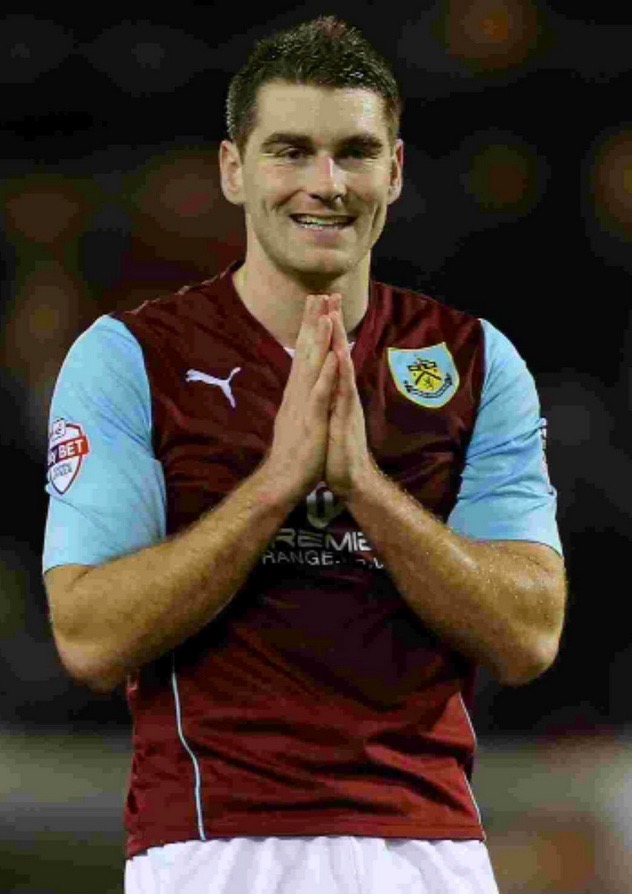
Howe had always been keen to get the player back to Burnley and, although officially undisclosed, it’s believed a £350,000 fee took him to Turf Moor where he finally settled down and, over the next seven years, scored 62 goals in 258 appearances.
Born in Southampton on 21 October 1989, Vokes was brought up in Lymington and was a Southampton fan at an early age. He even had a trial with them when he was just 10 but wasn’t taken on.
It was when he was playing football for local sides in the New Forest that he was spotted by Bournemouth and joined them in 2005. He was only 17 when he made his first team debut in December 2006 (in a 2-0 win over Nottingham Forest) and although he scored 12 goals in the 2007-08 season, the Cherries were relegated from League One.
Wolves stepped in to sign him that May and he came off the bench in the opening game of the following season to score an equaliser in a 2-2 draw at Plymouth Argyle. However, Chris Iwelumo and Sylvan Ebanks-Blake were the main men scoring goals as Wolves won the Championship that year, and Vokes’ involvement was mainly off the bench.
With his parent club in the Premier League, Vokes was loaned out to League One Leeds United on a three-month deal, although he only scored once in eight games. One of those matches was against the Albion at Withdean and Vokes recalled picking up his first footballing scar when an Adam El-Abd elbow caught him in the face.
Once Vokes finally settled down at Burnley after his various loan moves, it can’t have helped his cause when the man who signed him quit Turf Moor to return to Bournemouth.
Indeed, when Sean Dyche replaced Howe, his go-to centre forward at first was Charlie Austin, but when Austin was sold Vokes got more of a chance to show his worth alongside Danny Ings.
The partnership that began to evolve surprised Burnley fans who’d wondered whether Vokes was only ever destined to be a bit-part player.
“Everyone was concerned to be honest,” said Tony Scholes on uptheclarets.com. “We’d seen some potential in Ings but there wasn’t much confidence that Vokes could become a regular, goalscoring striker at Championship level.
He went on: “Our shortage of strikers was highlighted by the fact that he played the full 90 minutes in all of the first 26 league games that season, but he wasn’t just filling in. He was turning in some outstanding performances, linking up really well with Ings and both were scoring goals aplenty.”
Unfortunately, a cruciate knee injury sidelined him for a lengthy spell and Burnley bought Ashley Barnes from Brighton as they sought to bolster their forward options.
A fit Vokes eventually reclaimed his place and formed a useful partnership with big money signing Andre Gray when Barnes himself was also hit by a cruciate injury.
In the early part of last season, Vokes often found himself on the bench, with Barnes and Chris Wood starting ahead of him, and, in January, he decided to drop back down to the Championship, joining Nathan Jones’ new regime at Stoke City, with former England international Peter Crouch going in the opposite direction.
As is often the way these days, the fee was ‘undisclosed’ but was rumoured to be in the order of £7m, and Stoke offered Vokes a three-and-a-half-year contract.
His popularity at Burnley was reflected in a thoughtful parting message thanking the club and the Clarets fans, in which he said: “You made the club a ‘home’ for myself and all my family and for that I’m eternally grateful.”
He added: “It’s been an incredible journey that we’ve been on over the past seven years, with promotions, relegation, survival and even European football through the Europa League.
“There have been so many highlights and every step along the way has been a joy, but now I am looking forward to a new challenge.”
Dyche, meanwhile, told the Stoke Sentinel: “Sam has been an absolutely fantastic servant, not just as a player but as a person.
“There was a bit of frustration that he hasn’t played as much as he’d like and this presents a fresh challenge, so, with all that factored in, it became a win-win deal.
“We feel we’ve got a good deal financially for the business and Sam has got a fresh chance somewhere different.”
Since July 2021, Vokes has been leading the line for League One Wycombe Wanderers.
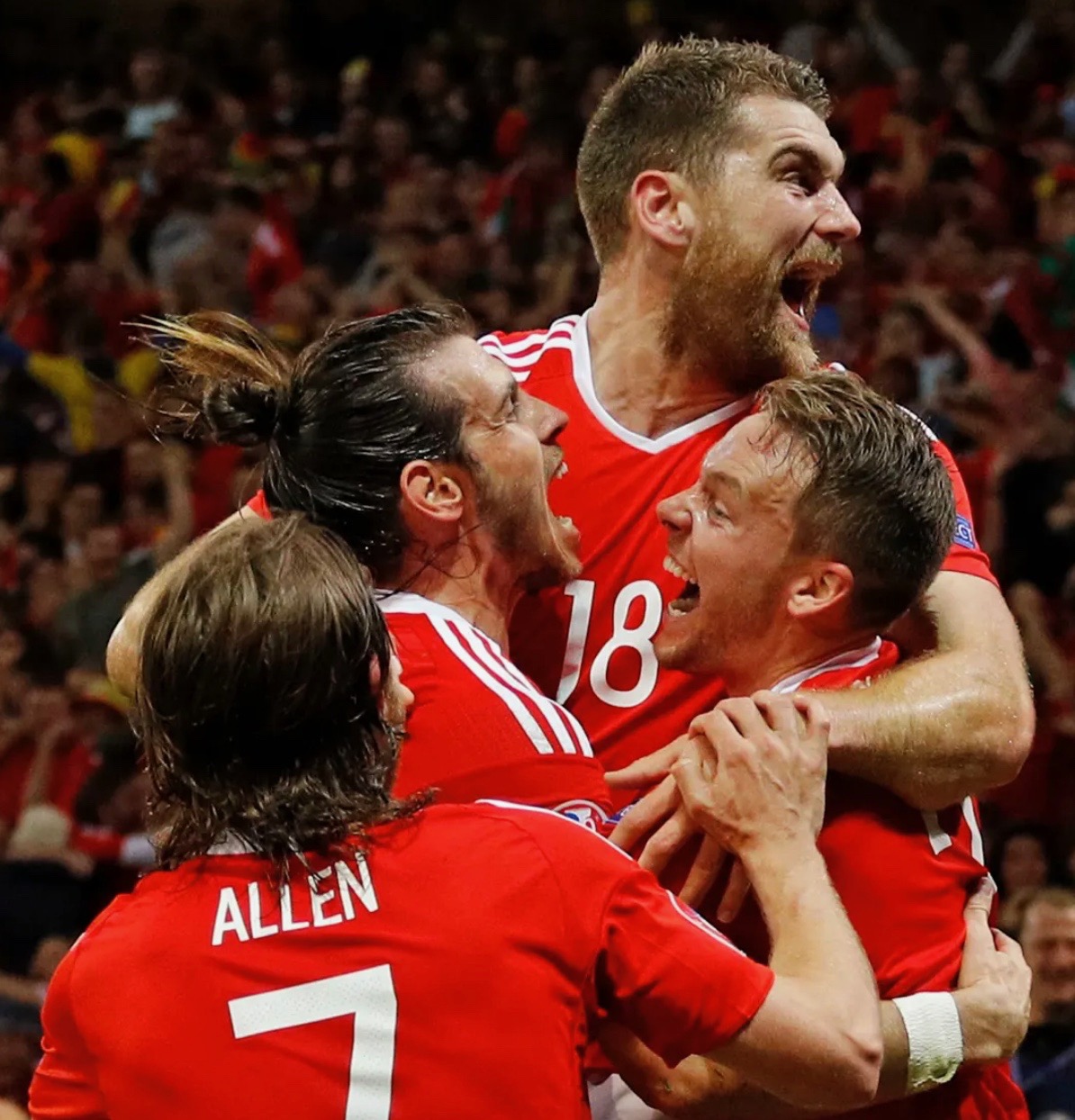
Vokes may have been born and brought up in England but, thanks to having a grandfather born in Colwyn Bay, he became eligible to play for Wales and has earned more than 60 caps since making his debut in 2008, including their most recent game against Belarus.
A stand-out moment for his adopted country came during the Euro 2016 tournament when he came on as a substitute and (pictured above) sealed Wales’ 3-1 win over Belgium with an 85th-minute goal to reach the semi-finals.