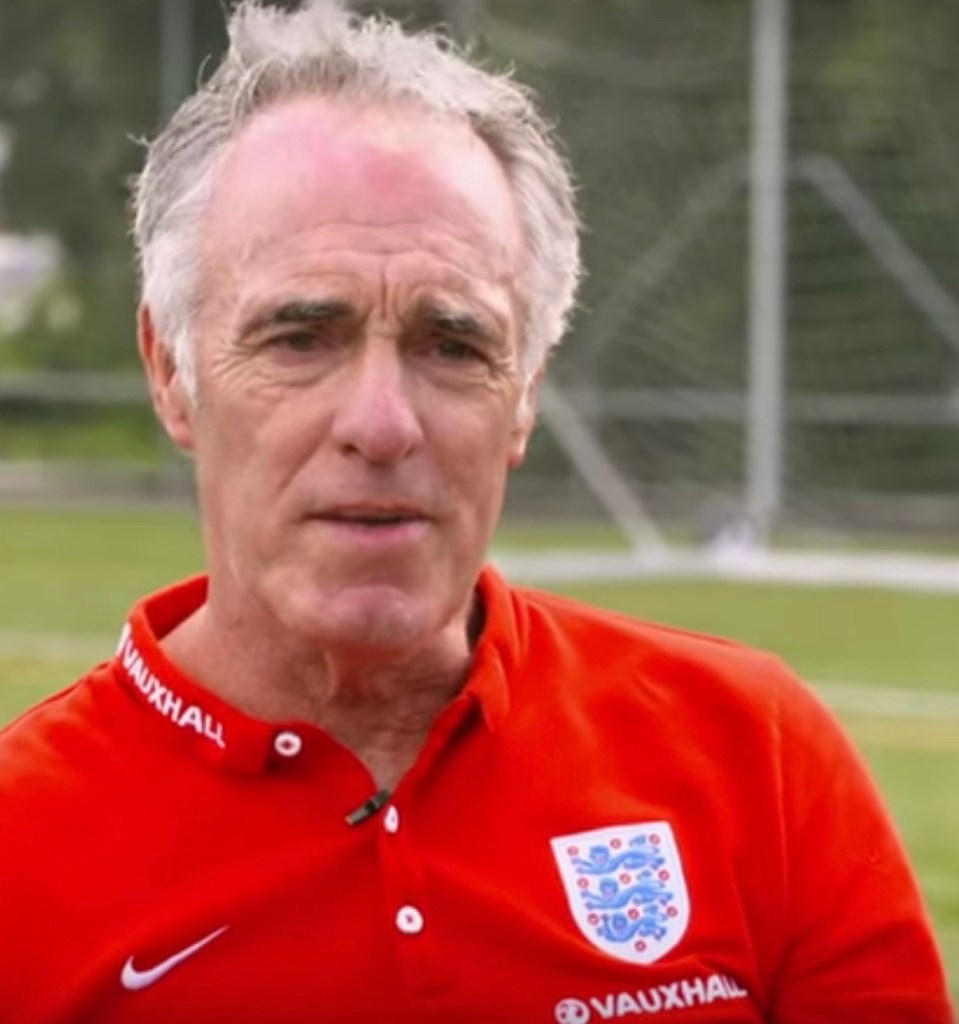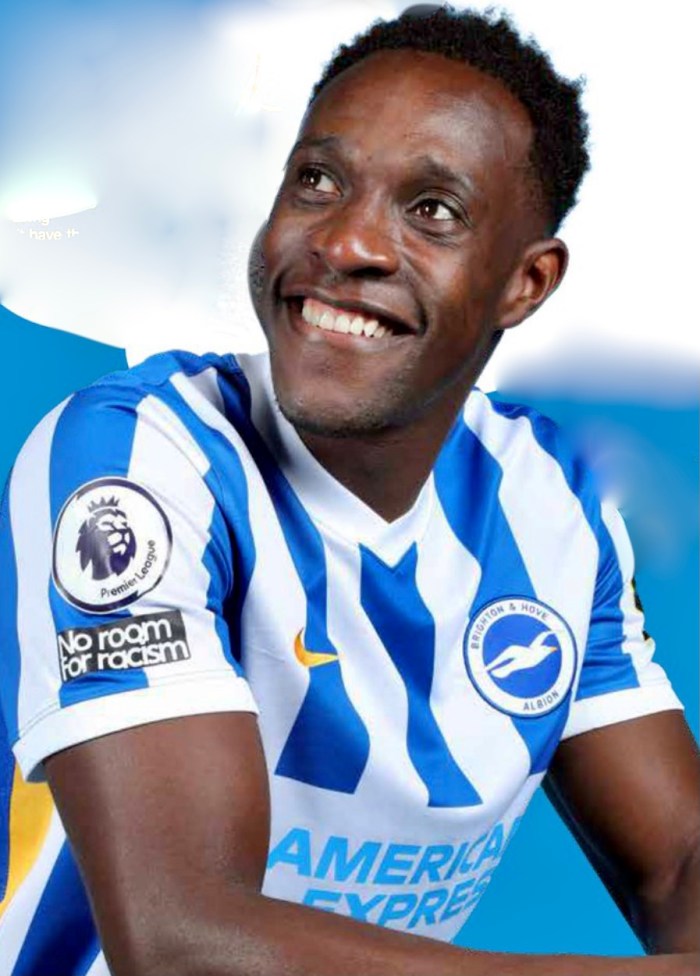
Dat guy Danny Welbeck “a top player and a top person”

INJURY has undoubtedly caused Danny Welbeck to miss more games of football than he would have wished but the game is full of admirers for the longevity of his career.

As Gabby Logan said on Match of the Day, like a good wine, Welbeck seems to be getting better with age. He has scored more Premier League goals per game in his thirties than he did in his twenties or teens.

His 10 Premier League goals for Brighton last season was his best goalscoring campaign in the top flight and in the autumn of 2025 he has already scored two goals apiece against Newcastle and Chelsea, opponents competing in the Champions League.

“I have the passion and love for football,” he told Match of the Day after scoring the pair against Newcastle. “It’s what I want to do. I feel good. I feel strong and fit so I won’t be stopping soon.”

And as BBC Sport reporter Ciaran Kelly pointed out, Welbeck has the knack of scoring crucial goals for the Seagulls: 11 of his last 12 Premier League goals for Brighton have either put the side ahead (eight) or drawn the game level (three).

Welbeck has now played more matches for Brighton than Manchester United, the club he joined aged eight and where he spent 15 years, rising from the club’s academy, making his way through the junior sides and going on to play 142 first team games (90 starts + 52 as sub) between 2008 and 2014.

The 29 goals he scored along the way played a big part in him earning selection for the England national team for whom he collected 42 caps between 2011 and 2018 having also won 42 caps across the various junior England levels. Welbeck netted 16 times for the full England side.

That there have been calls in certain spheres for United to try to take him back to Old Trafford as he approaches his 35th birthday are a mark of the man and the quality he still exudes.

Striker-turned-pundit Tony Cascarino even urged Thomas Tuchel to recall him for England as back-up for Harry Kane. He told talkSPORT: “Welbeck contributes in various ways beyond scoring. His goal tally isn’t huge, but it’s a decent level and, above all, he is an excellent team player.

“I’ve never seen anyone speak ill of his attitude or professionalism. He is truly an exemplary veteran,”

Cascarino added: “Poland still uses superstars like Robert Lewandowski. If a team needs a veteran, I think there’s absolutely no problem calling Welbeck back,”

Graham Potter was in charge when Welbeck arrived at the Albion in October 2020 on a free transfer, signing a one-year contract.

Welbeck scores for Albion at Old Trafford

Potter moved on but in October 2024 he couldn’t speak highly enough of what the player had brought to the Seagulls, in particular as an influence on others.

“Somebody like Danny is a role model. He can teach you how to act, how to be, how to condition yourself and how to interact with your team-mates at the highest level,” said Potter, speaking on BBC Sounds’ Planet Premier League podcast.

“He is a top player and a top person. Credit to the club – they didn’t just recognise that it is about signing young players, it is also about understanding what older players can do for the environment and for the collective.

“To have someone [in your squad] that has been there and done it, and can just handle it well, I think is priceless as a coach.

“If you see what Danny has had to go through, I think he is also a resilient character. He is a good human being, so he doesn’t get carried away too much with the nonsense of football.”

Potter’s successor Roberto De Zerbi was equally effusive. “Great player, great guy,” said the Italian. Speaking in April 2024, when his own Albion future was in doubt, he said of Welbeck: “We have to keep him for a lot of years. He is playing very well and he is important for the young players, for the dressing room.”

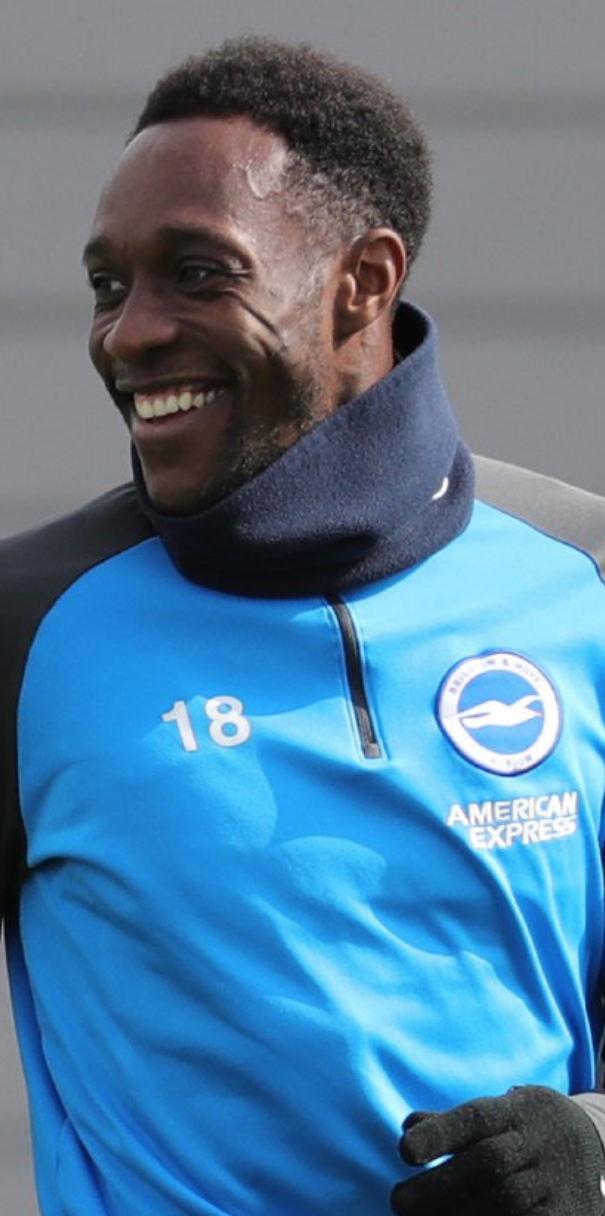
A couple of months earlier in the season, De Zerbi’s assistant, Andrea Maldera, told Andy Naylor of The Athletic: “Danny is one of the best teachers on the pitch.

“He is always positive and he is not only a teacher on the pitch. He can speak with a young player when he is eating with them or when he is on the bus.

“He always gives a lot of advice to everybody. He is a big teacher, he has the soul of a teacher. I don’t know what he wants to do in the future in his life, but he is always very clear-minded. On the pitch, it is the same. He doesn’t speak a lot, but he’ll go close to the players, sometimes work a little with them on the training ground.”

Welbeck himself appreciated the influences of more experienced players in his own early days and told BBC Sport’s Simon Stone: “At Manchester United there were lots of players to guide me and give me advice. It meant a lot back then hearing that sort of stuff, listening to people who had been through certain situations and different experiences, who have a lot of knowledge in the game.

“I am always happy to help with the other players. It is pretty easy for them to come and talk to me. It’s nice to pass on a bit of knowledge and experience.”

Born in the Longsight suburb of Manchester on 26 November 1990, Welbeck’s first games of football were played with his older brothers Wayne and Chris when he was just four or five.

Wes Brown, who was already on United’s books, and his brothers lived nearby and the young Welbeck was inspired to follow in Brown’s footsteps.

He actually had a trial for City when he was eight but they didn’t have an age group side for him. It was while he was playing for local side Fletcher Moss Rangers that United seized the opportunity to offer him a two-week trial, and he didn’t look back.

After progressing though the academy schoolboy squads, he made his debut for the youth team in December 2006, debuted for the reserves the following October and was United Young Player of the Year for the 2007-08 season, going on to sign as a professional in July 2008.

On the ball for United

Three months later, Sir Alex Ferguson gave him his first team debut, starting up front alongside Cristiano Ronaldo at home to Middlesbrough in the third round of the League Cup, when United won 3-1.

In November, he went on as a substitute to make his Premier League debut and scored United’s fourth goal in a 5-0 thumping of Stoke City, unleashing a swerving shot from 30 yards.

Welbeck was winning his first significant medal before that season was over after he had started for United in the League Cup final, when they beat Tottenham on penalties at Wembley (although Welbeck had been subbed off 10 minutes into the second half, the BBC match report noting “youngster Welbeck was having a tough time making an impact in the face of the physical presence of Dawson and King”).

He scored twice in eight matches on loan to Preston North End in 2010 and then spent the 2010-11 season on loan to Sunderland, scoring six in 28 matches (23 starts plus five as sub) for ex-United skipper Steve Bruce’s Premier League side.

“He has always had ability but made slow progress because he had a bit of a knee growth problem, so we knew we had to wait for him,” said Ferguson in August 2011. “We put him on loan to Sunderland last season and that is when he became a man. He has grown up.”

Dat Guy (Mancunian slang for The Man), the nickname given to him by former United teammate Ravel Morrison, was part of the 2012-13 Premier League title-winning squad (23 starts plus 17 as sub) which turned out to be Ferguson’s last in the hotseat.

He scored 10 in 24 starts plus 12 as sub under David Moyes, but Dutchman Louis van Gaal preferred to bring in Colombian striker Radamel Falcao and, after only three games at the start of the 2014-15 season, Welbeck was sold to Arsenal for £16m (Ferguson putting in a good word with Gunners boss Arsene Wenger).

Plenty of iconic United names, such as Rio Ferdinand, Paul Scholes and Bryan Robson, voiced their disapproval of the decision and former coach Rene Meulensteen was adamant Ferguson wouldn’t have sold him if he’d still been in charge.

Meulensteen told talkSPORT: “We were always keen on bringing young players through and giving them a chance. I had him from when he was 8, 9 years of age and I think the best of Danny is yet to come.

“He is a very versatile player and I’m 100 per cent sure he will do very, very well for Arsenal. Danny is a perfect match for Arsenal. He is such a versatile player.

“He is very good in short, creative, combination play, showing for the ball, passing and moving, picking up different positions. At the same time, he has the pace and power to break away if they break from their own half.”
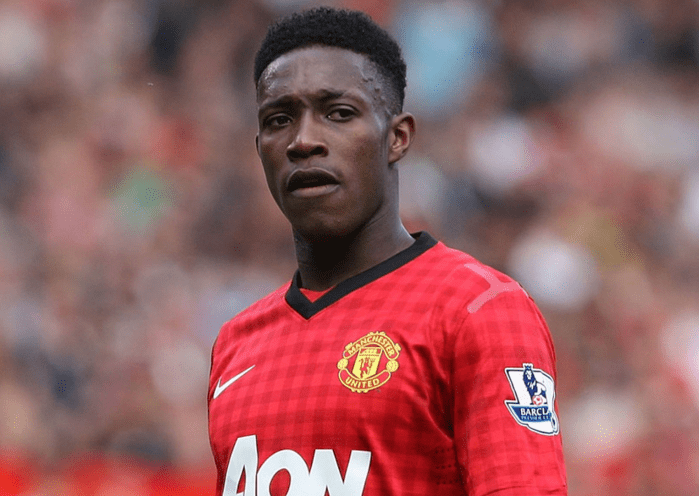
Robson said: “He came through the ranks, he has a great attitude, he’s a great lad.” And Wayne Rooney told The Mirror: “Danny’s great to play alongside. If I’m completely honest, I’d probably like to still see him here, playing for Manchester United.”

Saying United let him go too quickly, Gary Neville added: “He’s actually perfect for how Manchester United should play. Threatening space in behind, playing off front players. This idea that he’s not good enough for Manchester United is absolutely rubbish.”

In a January 2025 interview with the Manchester Evening News, Welbeck remembered: “At the time I was playing on the left-wing a lot and in a 4-4-2, which is very difficult for me because I can’t make an impact on the game.

“I can play it to the best of my ability but that’s not best for the team, and I could make a bigger impact playing in my preferred position.

Welbeck and Ashley Young at United

“You start to have thoughts but at that time you’re still going to training and I was still giving 100 per cent and giving my all in every single game – that’s just me, I’m not going to change that. But you do start to think about what’s best for you.”

Apart from anything else, Welbeck was an established member of the England set-up by then.

He had been on loan at Sunderland when he was first called up to the England senior squad (following the withdrawal of Aaron Lennon) only days after scoring for England Under-21s in a win over Denmark.

Ironically, the opponents at Wembley on 29 March 2011 were Ghana – the country his parents came from – and Fabio Capello sent him on in the 81st minute as a sub for Ashley Young. The game ended 1-1.

He ultimately featured under four different England managers (albeit Stuart Pearce only managed one game) with the majority (29) under Roy Hodgson. His final England game was as a sub for Trent Alexander-Arnold at the 2018 World Cup in a 1-0 defeat to Belgium.

When Welbeck suffered a badly broken night ankle in a Europa League match for Arsenal in November 2018, and was forced to withdraw from the England squad, Gareth Southgate revealed how the squad showed their strong bond with him by placing his photo on a TV they were watching ahead of a Nations League match.

And after he’d left Arsenal in the summer of 2019, but was still recovering from the ankle injury, the FA helped his comeback by allowing him to use all of the facilities he needed at the St George’s Park national centre.

Welbeck nets in the FA Cup against Newcastle

Another illustration of the enduring relationships Welbeck has built during his career came after he’d scored an extra-time winner for Brighton at St James’ Park in March 2025 to book an FA Cup quarter-final against Nottingham Forest.

Ferguson phoned the player after the game, and Welbeck told BBC Football Focus: “He talked about the goal and the performance. He was buzzing and to have that sort of connection, he is a manager who is always looking out for his players, always wants the best for them, and still to this day is in contact.”

At Arsenal, Welbeck played under another great manager and he told the programme: “Sir Alex Ferguson got success in his own way, Arsene Wenger had success in his way. There’s different ways to reach success. Those two managers played a huge part in my life, not just my career.”

• More about Welbeck’s time at Arsenal in my next blog post.
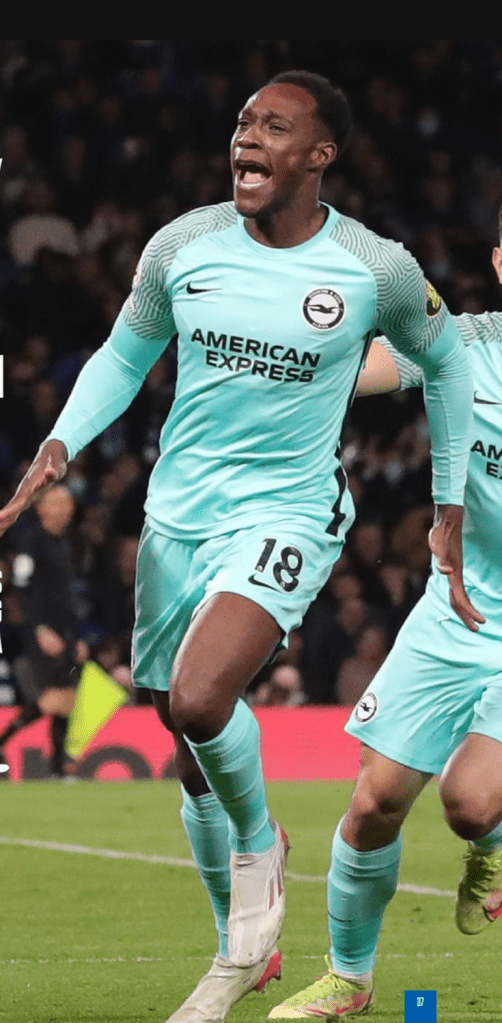
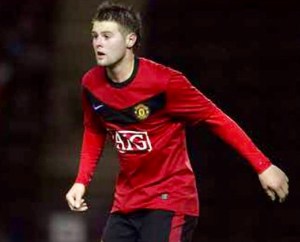
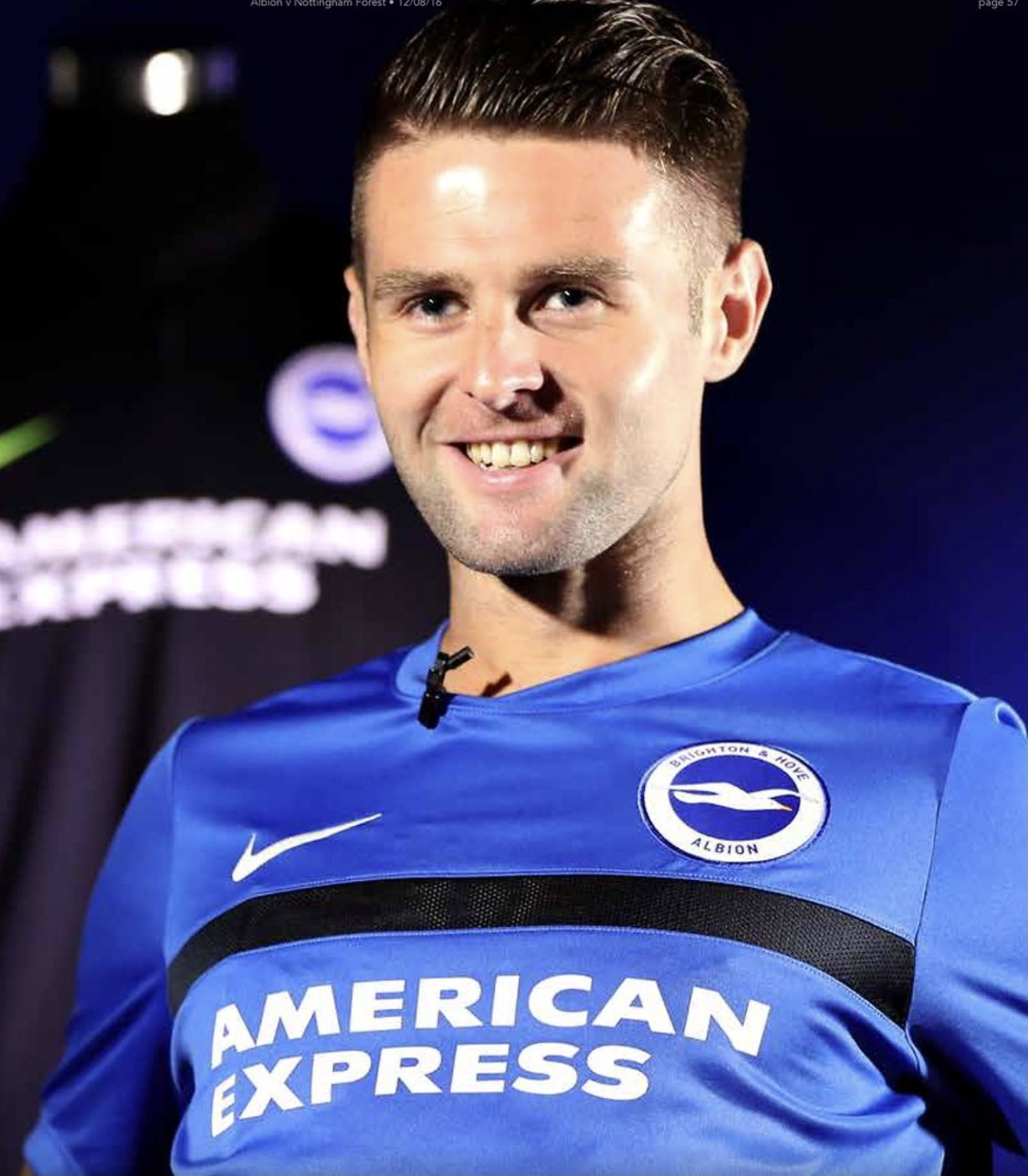
United ‘product’ Oliver Norwood eventually fulfilled expectations

IT LOOKED LIKE the so-near-and-yet-so-far story of Oliver Norwood’s flirtation with the Premier League would end in disappointment.

Twice the former Manchester United reserve helped teams to win promotion from the second tier, only then to remain in that division when the sides he played for didn’t see him as a Premiership player.

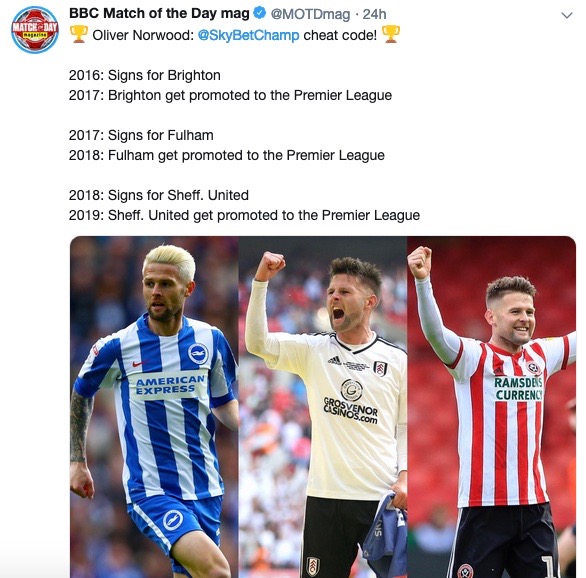
It happened first of all with Brighton in their 2016-17 promotion under Chris Hughton.

The following campaign Norwood went on a season-long loan to Fulham and was at the heart of their midfield as they won promotion.

Fulham didn’t look to retain him, though, and for 2018-19 he was once again loaned out by Brighton; this time to Sheffield United.

Halfway through the season, they turned the loan into a permanent transfer and, after helping the Blades to win promotion, Norwood finally got his chance to show his skills in what amounted to an impressive return to the top-flight of English football.

How BBC’s Match of the Day Tweeted Norwood’s record

Born in Burnley on 12 April 1991, Norwood was only six when he first came to the attention of Manchester United, spotted playing for Fulledge Colts in his home town.

“My earliest football memory is being on trial at the Manchester United academy aged six and being totally overawed by it,” he told the Albion matchday programme. “I remember standing there at The Cliff, biting my fingernails, and the coach, Paul McGuinness, saying ‘Are you going to join in?’ After that, I was fine and it was really exciting to be part of the club’s academy.” He joined the Red Devils on schoolboy terms at seven and spent 15 years on their books, playing in the same youth teams as Paul Pogba and Jesse Lingard.

During the 2005-06 and 2006-07 seasons, Norwood made appearances for United’s under-18 team and, ultimately, he signed on as a trainee in July 2007.

He became an under-18 regular in 2007-08 and also made his debut for the United reserve side. After netting nine goals in 28 appearances for the under-18s in 2008-09, Norwood was signed as a professional.

He was a reserve team regular in 2009-10 and said he owed a lot to Ole Gunnar Solskjaer, who was in charge of United reserves at that time.

“I owe a lot to Manchester United for the experiences and education I had there,” Norwood told the matchday programme, United Review. “The club taught me not just about football but life. I was taught how to be a good person.

“Ole played a huge role in terms of my development as a footballer and a person. The lessons he taught me in the reserves have stayed with me throughout my career.

“I’ll always be grateful to Manchester United, to Ole, to (former reserves manager) Warren Joyce, for the upbringing they gave me in the game.”

Norwood got a sniff of the first team when Sir Alex Ferguson called him up to the first team squad for a Champions League match away to Wolfsburg. He travelled with the squad to Germany but didn’t get selected in the final matchday 18.

In search of a first team breakthrough, Norwood decided to gain experience on loan with lower league clubs and his first port of call was Carlisle United in September 2010. Ironically, his first match was against Brighton – a 0-0 draw at Brunton Park. Unfortunately, after just five starts and two sub appearances, he tore a thigh muscle and had to cut short his loan and return to Old Trafford for treatment.

The following season, he went out on loan again, this time to League One Scunthorpe United where Alan Knill, Chris Wilder’s no.2 at Sheffield United, was the manager.

In an interview with the aforementioned Joyce, the former reserves manager explained how it was only a change in Norwood’s diet that started to bring about the required improvements to his game.

“I got him to write down everything he ate. And I meant everything. I said, ‘We have to look at your diet and get you absolutely super fit’. I told him we couldn’t allow the ability he had to be wasted.”

Joyce told The Athletic’s Richard Sutcliffe in a 23 June 2020 article: “Once we’d sat him down (after returning from Scunthorpe) and analysed everything, he got himself really ripped. He started eating the right things and worked so hard to get into shape. He is getting the rewards from that now.”

Norwood spent the second half of the 2011-12 season in Coventry City’s unsuccessful effort to beat the drop from the Championship but, having acquired a taste for football at that level, declined the offer of a contract extension on his return to Old Trafford.

He told Talksport at the time: “I want to play every week like I was this season in the Championship. It’s been the hardest decision in my life for me to make but there comes a time when you have to be realistic.”

He opted to join newly promoted Huddersfield Town in the Championship on a three-year contract, and Sutcliffe’s article reveals Norwood was so determined to make the move that he drove down to Heathrow Airport to apprehend holiday-bound Town manager Simon Grayson to persuade him to sign him.

Nevertheless, United boss Sir Alex Ferguson had some encouraging parting words that the midfielder never forgot. “You’re not going to make it at Manchester United, but I believe one day you will play in the Premier League.”

Norwood was a permanent fixture in the Terriers’ midfield for two seasons before switching to fellow Championship outfit Reading at the beginning of the 2014-15 season.

Signed by Nigel Adkins on 21 August, 11 days later he was joined at the Madejski by Glenn Murray, on loan from Crystal Palace.

When the Royals were hammered 6-1 by Birmingham City in mid-December, Adkins was sacked and replaced by Steve Clarke. His second game in charge, on Boxing Day, saw Reading visit the Amex, with Brighton under caretaker manager Nathan Jones. Murray scored twice for the visitors, but Albion rescued a point with a 90th minute equaliser from Inigo Calderon.

Norwood completed the season having made 35 appearances plus seven as a sub and although he made the second highest number of appearances – 50 – the following season, when the Royals visited the Amex on 15 March 2016, under Brian McDermott, their third manager of that campaign, Norwood was a non-playing sub as the Royals lost 1-0 to a James Wilson goal.

The next time the two sides met (a 2-2 draw at the Madejski on 20 August), Norwood was part of Chris Hughton’s squad, having signed for the Seagulls at the start of the 2016-17 season, along with Murray and Steve Sidwell. Norwood was a 68th-minute sub for Sam Baldock.

Manager Hughton said of Norwood: “Oliver is another excellent addition to our squad.

“He has a good grounding coming from Manchester United, and has a wealth of experience playing in the Championship and at international level.

“He’s a box-to-box midfielder and an excellent passer of the ball, so he gives us extra options in midfield and adds further depth to our squad.”

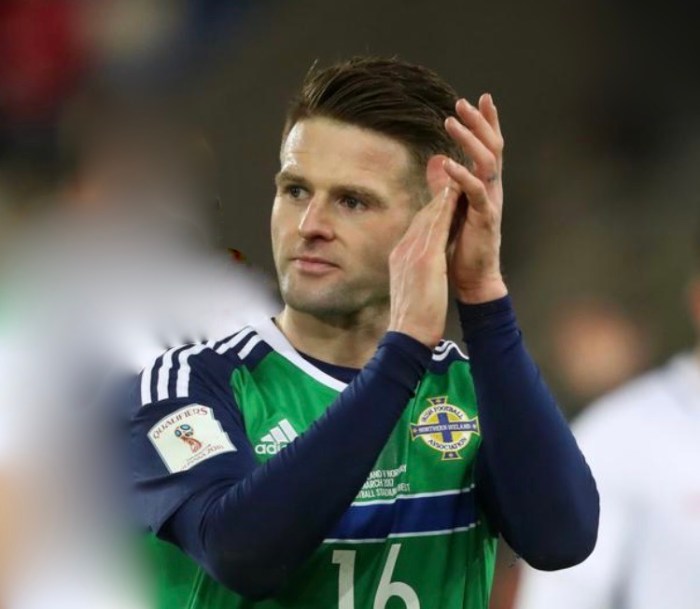
Although he played for England at youth level, he also qualified for Northern Ireland, and chose that country to enable him to experience more opportunities at international level.

Norwood made his full international debut during Nigel Worthington’s time as manager, coming on as a substitute in a 2-0 friendly defeat by Montenegro in Podgorica in August 2010.

He was a regular in Worthington’s successor Michael O’Neill’s midfield when the side qualified for Euro 2016 and played in all four of the team’s matches in the finals in France.

However, having made 57 appearances for his country, he decided in August 2019 to retire from international football when only 28.

Although Norwood made 20 starts for the Albion, he was almost as often used as a substitute, making 17 appearances off the bench, as the Seagulls soared to promotion.

Norwood had a starting berth when Beram Kayal was injured and he told the matchday programme: “This has been a big opportunity for me. The gaffer brought me to the football club and obviously I’ve been desperate to get into the team and play games.

Norwood had plenty to say

“Obviously I understand how football works. When the team’s winning and doing really well you have to bide your time, but an opportunity has come my way and it’s been important for me to grab it with both hands and do all I can to stay in the team.”

It has since transpired that the midfielder was most likely distracted by off-field issues during his season with the Seagulls, as thestar.co.uk reported.

“I went to Brighton after the 2016 Euros, and it was a difficult period in my life,” said Norwood. “My wife, Abigail, was pregnant and really ill, so we were living apart. My head wasn’t fully there.”

He told The Star he only fell in love with football again when he went on loan to Fulham, and subsequently was at loggerheads with Brighton when they didn’t accede to his request for a permanent move. “They said I could leave, but then turned down bids when they came in and started asking for silly things. I don’t think clubs realise sometimes that they’re messing with people’s lives. I had plenty of arguments, saying: ‘You don’t want me here, so let me go’.”

With Dale Stephens and Kayal the preferred central midfield pairing, plus the arrival of Davy Propper for Albion’s first season back amongst the elite, Hughton had been happy to let Norwood join Fulham on a season-long loan.

Norwood made 47 appearances for Fulham in 2017-18, particularly when filling in for the injured Tom Cairney until the Scot’s return from injury towards the end of the season.

His passing accuracy and all-round contribution were favourable, as this footballwhispers.com article assessed, and he proved a vital cog in their promotion via the play-offs when they beat Aston Villa 1-0 in the play-off final.

The website football.london was surprised Fulham didn’t opt to sign him permanently. “Norwood was a key figure under Slavisa Jokanovic, seamlessly plugging the gap left by Tom Cairney as a result of his injury and can be credited with a huge role in getting the club promoted in the first place, with his tackle on Conor Hourihane in the play-off final one that will forever be remembered by Fulham fans,” wrote Phil Spencer. “His vision and incisive passing was key to Fulham’s free-flowing style of play – meaning it was a little surprising that his loan switch to west London was never made permanent.”

Fans have contrasting views about his contribution, as this collection of quotes demonstrates. Some appreciated his ‘Hollywood’ long passes, others are perhaps summed up by this Fulham fan who said: “100% effort every time he played. Honest player. Not stellar but above average.”

Fulham’s loss was Sheffield United’s gain and in wishing Norwood well in his pursuit of more playing time with the Blades, Hughton told Albion’s website: “Ollie was one of our promotion-winning team in 2016-17 and will rightly be remembered as part of that historic team which took the club to the Premier League.”

Critics of Fulham’s strategy of splashing the cash on so-called name players for what proved to be an unsuccessful bid to retain their newly-won status in the Premier League couldn’t help pointing out the irony of Norwood’s situation.

“Fulham could only wave to Norwood on their way back down after ditching him for Jean Michel Seri,” said footyanalyst.com.

The Blades were promoted as runners up behind Norwich City in a season in which Norwood played 43 league games. He told The Observer’s Paul Doyle: “Last season was a big season for me. It was the most I’ve played. I’m definitely a better player now. At everything really. My understanding of the game. Tactically, technically, what needs to be done.”

He told Doyle: “It’s taken a bit longer than I would have liked but it was a dream come true to finally make the level that everybody across the world wants to play at.”

Norwood certainly seized the opportunity to shine at the top level, playing 40 games plus one as sub in all competitions as the Blades confounded the critics by finishing in ninth place, and taking on the captain’s armband in Billy Sharp’s absence.

Pictures from various online sources and the Albion matchday programme.

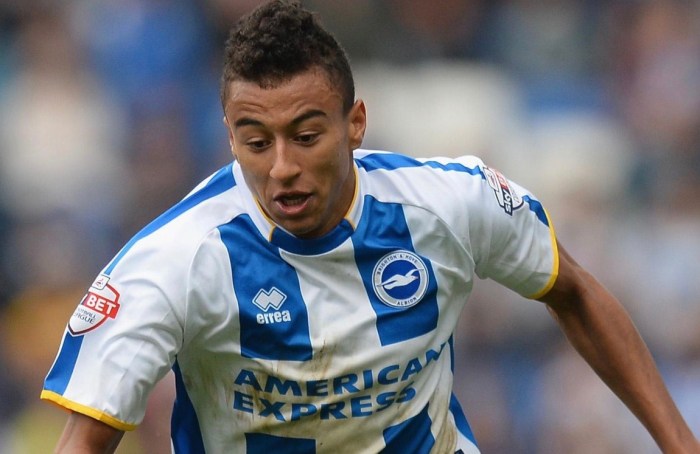
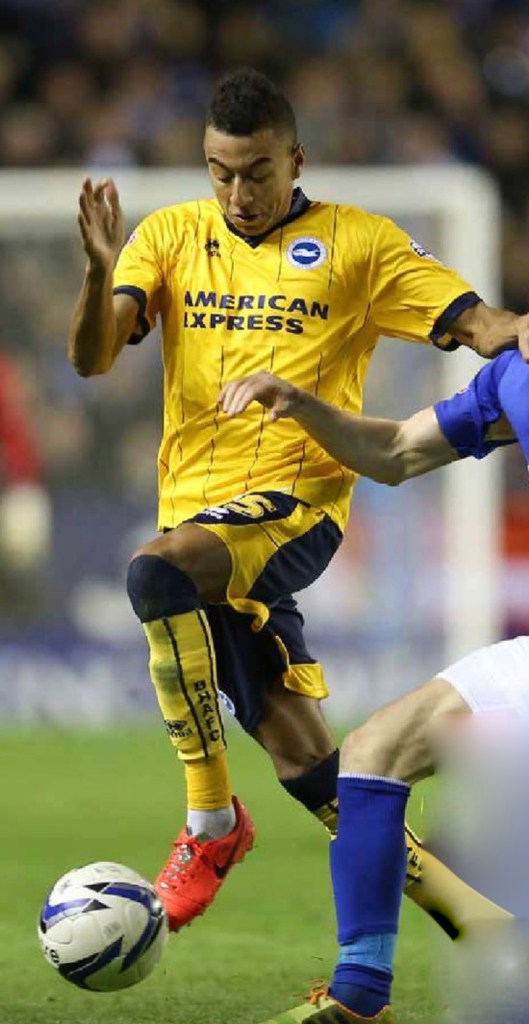
Jesse Lingard took steps to stardom at Brighton

MANCHESTER United youngster Jesse Lingard scored four goals in 17 appearances for Brighton in their 2013-14 Championship season.

As well as helping the Seagulls to reach the play-offs, the move proved a useful development step for Lingard, who later become a regular at United and played for England at the 2018 World Cup.

Former United boss Jose Mourinho spoke about the value of the experience in an interview with manutd.com ahead of a Brighton v Man Utd Premier League game in May 2018.

Although Sir Alex Ferguson involved him in the first team squad a couple of times in the 2011-12 season, his real senior football education began during a three-month loan to Leicester City (he was sent with Michael Keane) in November 2012.

And, although Lingard went on United’s pre-season tour Down Under in the summer of 2013, he joined Birmingham City on loan in September 2013.

He scored a total of six goals in 13 games for the Blues, including a debut four goals at home to Sheffield Wednesday.

Birmingham hoped to keep Lingard

They’d been hoping to re-sign him for the rest of the season but Albion nipped in at the end of February 2014 and he headed south to join Oscar Garcia’s promotion-chasing side until the end of the season.

Garcia told the club website: “We are delighted we have finally secured Jesse until the end of the season. He is one of the most exciting young English players and has already created a lot of interest following his successful loan spell at Birmingham.

“We worked hard to secure a talent who has already shown that he can play at Championship level, and I am very pleased to have added Jesse to our striking options.

“He has an excellent pedigree, having come through the academy at Old Trafford, and there is no doubt that he has a lot of talent and ability. I am really looking forward to working with him.”

Lingard got on the scoresheet in the 4-1 away win at already-crowned champions Leicester City, and four days later also found the net in a 3-0 win over Charlton.

In the third minute of added on time at home to Yeovil Town, Lingard added to Kazenga LuaLua’s opener to secure a 2-0 win in the last home league fixture.

He then scored Albion’s goal in the play-off first leg at home to Derby, but, with Albion losing the game 2-1, they were always on the back foot going into the second leg when County ran riot against the injury-ravaged Seagulls to win 4-1.

Lingard went back to United and got his first competitive first team start under Louis van Gaal in the season-opener against Swansea at Old Trafford, but the occasion was marred by him having to go off with a knee injury after only 24 minutes – and United lost 2-1.

The injury set his career back six months and, on his recovery, Lingard was sent out on loan again in February 2015 when former United assistant manager Steve McLaren took him to Derby County.

Back at Old Trafford the following season, he got his first United goal in November 2015 when United beat West Brom 2-0, and he began to establish himself, making a total of 40 appearances by the season’s end.

In fact, that season ended on a particularly high note for Lingard when he came off the bench to score the winning goal for United in the 2016 FA Cup Final against Crystal Palace.

The 2017-18 season saw him involved even more, when he made 48 appearances, and, even through managerial upheaval, he continued to be a regular member of the United first-team squad.

Born in Warrington on 15 December 1992, Lingard went to the town’s William Beaumont Community High School and was on United’s books from the age of seven.

He progressed through the different age groups but, as a slow developer physically, was still playing at under 16s level when he was 18.

Nevertheless, as a youth player at Manchester United, he helped them to win the FA Youth Cup in 2010-11.

An extended feature on Lingard’s development appeared in the matchday programme for Albion’s game at Old Trafford in November 2017.

One of the coaches involved in his development, academy advisor Tony Whelan, said: “Jesse has had to be patient throughout his career. As a younger player, he was physically under-developed so he had to play a younger age group. That wasn’t easy, but he had the patience, intelligence and trust in the coaching staff to know that those decisions were made in his best interests, that we knew at some point he was going to grow. At some point, all that ability would be able to come out.

“He’s got a wonderful mindset, so his ability to come on and make an impact on the game is down to the fact he’s resilient, he has a wonderful mentality, and he is a great observer of the game. That comes out all the time in the way he deals with things. And on top of that, he has his excellent technical ability.”

Whelan added: “He’s only of slight build, so he’s developed great technical ability, good passing, dribbling, he’s a really good mover – very fluid, a wonderful mover – and he’s athletic without looking that athletic.”

The coach said: “You don’t get in our first-team squad without being a very accomplished player. He’s also playing for the national team fairly regularly. That’s testimony to Jesse’s abilities as an all-round footballer now.”

Lingard was 23 when he made his full England debut, at Wembley against Malta, on 8 October 2016, and he went on to become part of the England squad that reached the World Cup semi-finals in 2018.

He scored his first England goal in a 1-0 win away to the Netherlands in March 2018, and has since scored three more times in 24 matches; against Panama at the World Cup, against the USA at Wembley in November 2018 and three days later also at home against Croatia.

He’d already appeared on the international stage earlier in his career, playing three times for England under 17s in 2008 and scoring twice in 11 games for the under 21s between 2013 and 2015.

Coach Whelan summed up Lingard thus: “From the day he first walked into this football club at seven years of age, he always had a smile on his face. He’s always loved playing, always loved the game, always had wonderful enthusiasm, and in some ways he’s inspired the coaches with his love of the game and love of the ball.

“You never had to ask him to work hard, he was always running around, always energetic, always mischievous, and those are the qualities he brought.”

In an interview with the Albion matchday programme for Brighton’s home game with United in 2017-18, Lingard reflected on his loan spell with the Seagulls and said: “I wanted to go to the club because I knew they were a good club with a great stadium and great fans – it was the perfect club to go on loan to.”

He added: “The stadium, the staff, the fans, you could see the ambition of the club. I always knew that the club would make it into the Premier League. It was heading in that direction for a couple of seasons.”

The 2019-20 season saw a marked decline in Lingard’s fortunes with his starts for United under double figures, and most of his involvement coming off the bench. He also lost his place in the England squad.

It was revealed a business venture had performed badly and, sadly, trying to cope with personal issues involving his family impacted Lingard’s form and demeanour.

After United boss Ole Gunnar Solskjaer challenged him publicly over his declining performances, he decided to talk about the problems publicly.

After the curtain came down on the season, Lingard told his 6.6 million Instagram followers: “This season has been difficult for so many reasons. I lost who I was as a player and person, but I never wanted to give up.

“I knew who I really was on and off the pitch and knew that having been there before I could get there again.”

“This meant working harder than I’d ever done before and trusting in those around me that they knew how to best help me achieve that.

“I know the fans have been frustrated but in all this time my love for this club and everyone connected to it has never left me.”

“This team, this club is my family and I will continue to keep working harder than ever to help this team achieve its goals.”

However, with several new faces arriving at Old Trafford prior to the start of the 2020-21 season, football’s rumour mill was busy suggesting Solskaer was looking to offload Lingard.

In January 2021, Lingard joined West Ham on a half-season loan and the change of scene seemed to give his career a boost. He scored twice on his debut in a 3-1 win over Aston Villa and finished the season with nine goals in 16 appearances for the Hammers.

He returned to Man Utd for the 2021-22 season, playing in 22 league and cup games but only scoring twice.

When his contract wasn’t renewed at Old Trafford, in the summer of 2022, Lingard signed a one-year deal with newly promoted Nottingham Forest on a reported £200,000 a week.

Paul McShane wrote his name in Albion’s history in one season

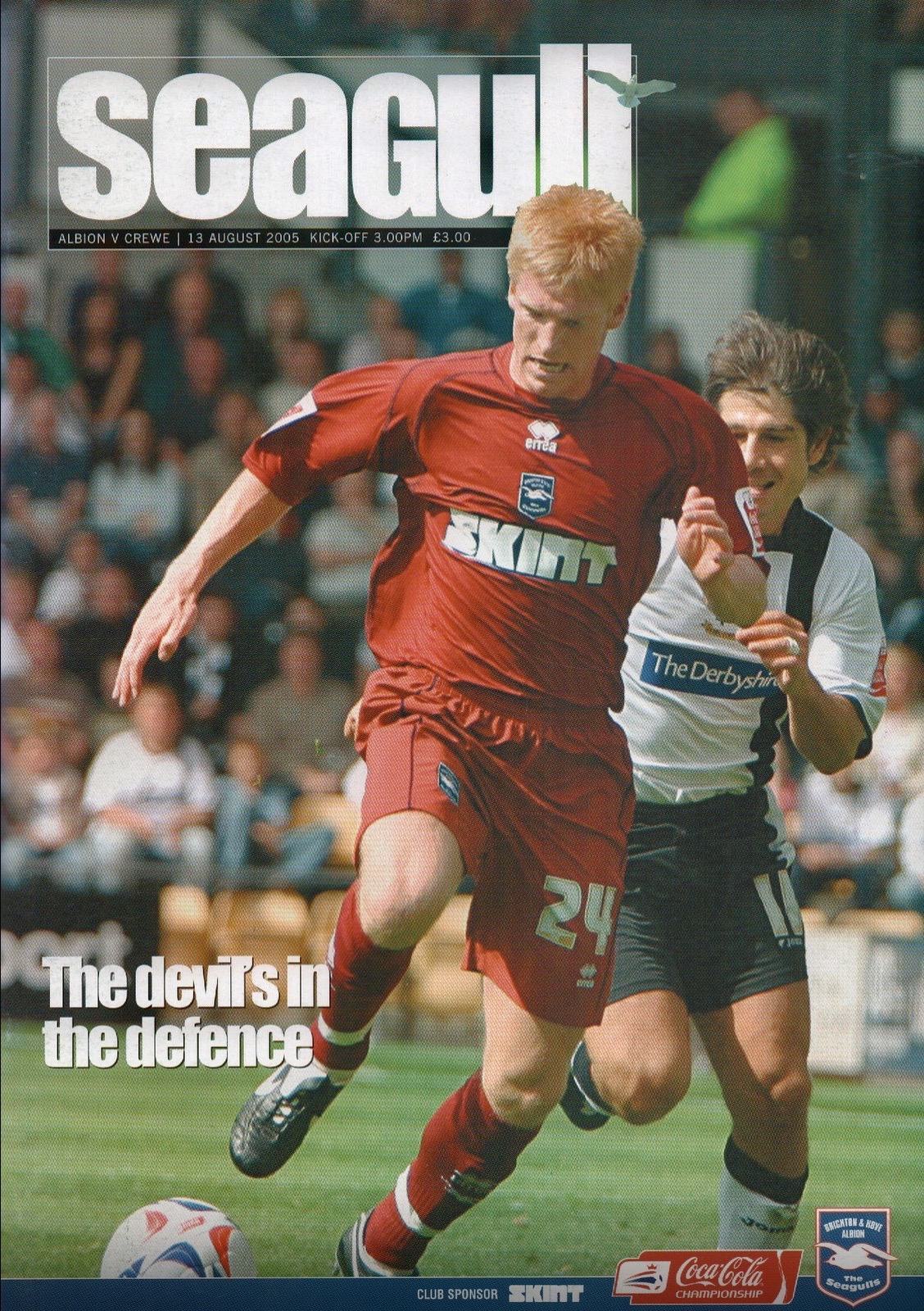
McShane

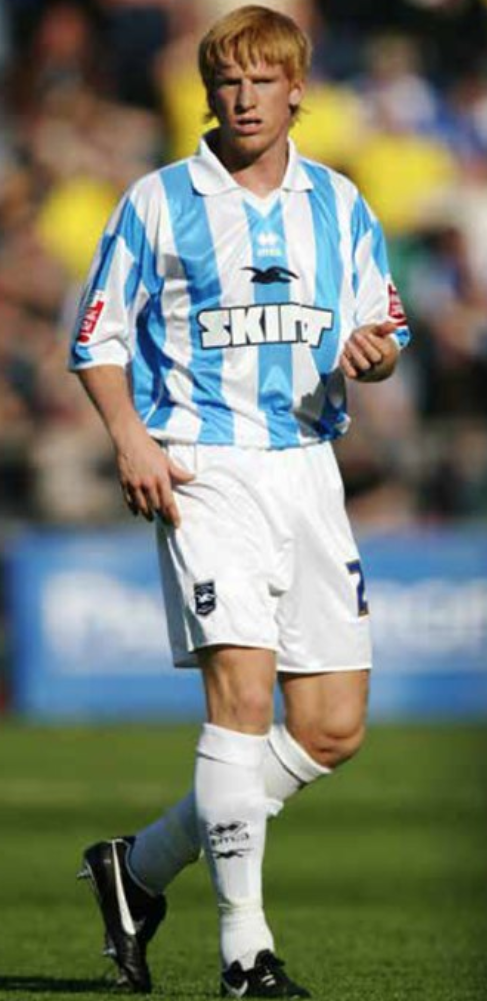
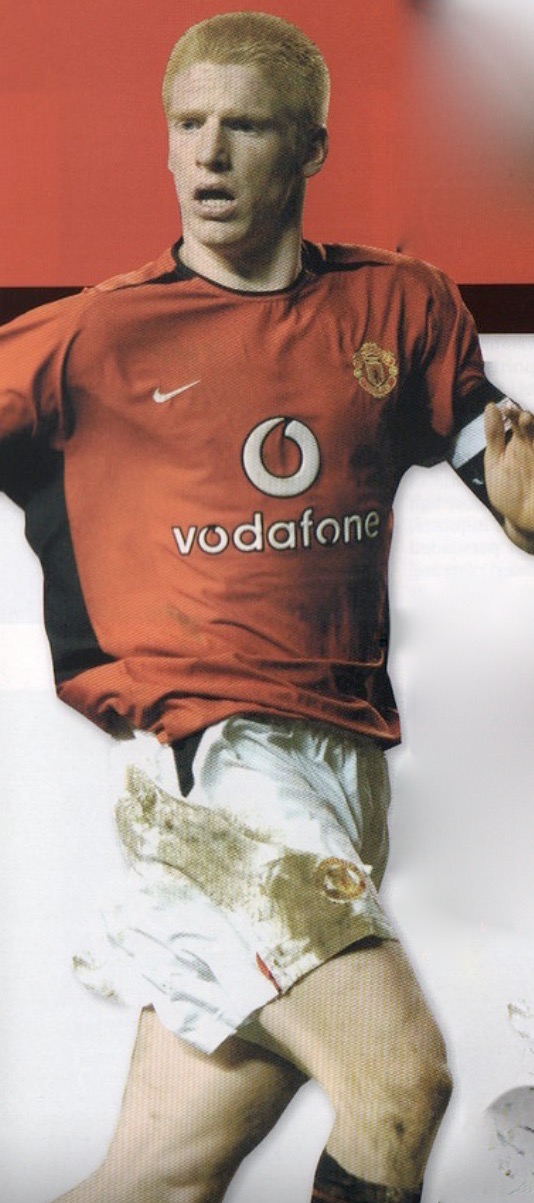
FLAME-HAIRED Irish centre back Paul McShane was a complete revelation during a season on loan to Brighton from Manchester United.

The 2005-06 season ended ingloriously for the Seagulls but McShane was imperious, given a platform to launch a career which saw him play most of it in the second tier of English football, and almost 100 times at the top level, together with earning him 33 full caps for his country.

Although he was given a squad number by United, and had been selected by Sir Alex Ferguson for pre-season matches, McShane didn’t get the chance to play any proper competitive football for United’s first team.

United reserve team manager, Brian McClair, a former Celtic teammate of Albion manager, Mark McGhee, could see the benefit of giving McShane first team football at a decent level and an initial half-season loan was agreed, then, in January, it was extended to the season’s end.

Brighton were missing the long-term injured Adam Hinshelwood and although veteran Jason Dodd had been signed to add experience to the defence, his season was to be plagued by injury, so McShane was a near permanent fixture alongside Guy Butters in the centre of the back four.

The young defender shared a flat in Hove with fellow Republic of Ireland international Wayne Henderson and in an early season profile article, Butters was quick to acknowledge the quality of the youngster. “He is an excellent player. He’s only 19 but you see he’s got that Premiership quality about him,” said Butters. “He’s very confident; he likes to bring the ball down and play.”

The former Spurs and Portsmouth defender said he reminded him of Richard Gough, a former teammate at Tottenham. “He’s strong; not the tallest, but makes up for that with his great leap. Very good on the ball, quick and great in deep positions.”

McShane coverHis passion and aggression sometimes got the better of him and the only reason he wasn’t ever present was a penchant for bookings – 12 over the course of the season – which earned suspensions, and a couple of injury-induced absences. And he was missed when he wasn’t available.

After he’d picked up an ankle injury that required him to return to Old Trafford for treatment, the matchday programme put together an article extolling the merits of the young defender in which it said: “Paul’s cool reading of the game and his ability to overcome some of the most effective attacking players in the division marked him out as a fine prospect, and he proved competitive in the air and on the ground, his pace and positional sense being a real asset.”

In their end-of-season player ratings, the Argus summed up his contribution thus: “Talent and determination in abundance. Rash in the tackle at times but that is a product of his insatiable hunger. Will be sorely missed next season.”

Such was the impact of McShane’s outstanding performances over the course of the season that he was selected as the Player of the Season, the first time a loan player had ever been given the honour.

Butters was convinced it was the right choice and told the Argus: “He’s done really well for us. He’s scored some vital goals. Obviously the one away to Palace springs to mind.

“He has been solid all-round. He is very aggressive, ultra-competitive and hates losing, even in training.”

It’s perhaps inevitable that any player who scores a winning goal against arch rivals Crystal Palace earns a place in Albion folklore. McShane’s scruffy effort, which appeared to go in off his shoulder, at Selhurst Park on 18 October 2005 proved to be the only goal of an intense scrap but how it went in became irrelevant as time passed.

“Crystal Palace was a special night, because of the rivalry,” said McShane. “It was a great atmosphere and scoring that goal was brilliant.”

He scored three other goals over the season, including a crucial opener in a 2-0 win away to Millwall as the Seagulls put up a valiant, but hopeless, fight to avoid the drop, but it will always be the goal at Selhurst that fans remember most.

McShane confessed in an interview with Andy Naylor in the Argus that relegation had hurt, but the season for him had been “brilliant” and “a great experience”.

He said: “It has given me a chance to get out there and make my name in the Championship and I think I have done that well enough.

“It has given me a great opportunity to get the experience I need to take back to Manchester and hopefully give it a good crack there, because I’ve learnt so much this season.

“Brighton have been brilliant to me. They’ve treated me really well. They’ve made me feel very welcome, the fans and the people around. That has helped a lot. It has been great.”

In conclusion, he told Naylor: “The club is part of me now. You never know what will happen in the future but Brighton will always have a place in my heart.”

Perhaps rather presciently, Naylor commented: “McShane’s fierce commitment is unlikely to be seen in an Albion shirt again. If he does not make it at Manchester United, there are sure to be Championship clubs interested in signing him.”

With Rio Ferdinand and Nemanja Vidić United’s regular centre back pairing, and Wes Brown as back-up, it was always going to be a difficult ask to dislodge them, and in August 2006 McShane left Old Trafford together with goalkeeper Luke Steele as makeweights in the deal that took goalkeeper Tomasz Kuszczak to United.

mufcmcshaneMcShane and Steele had both been members of United’s winning FA Youth Cup team of 2003, a side which also included Kieran Richardson and Chris Eagles, who went on to make names for themselves in the game.
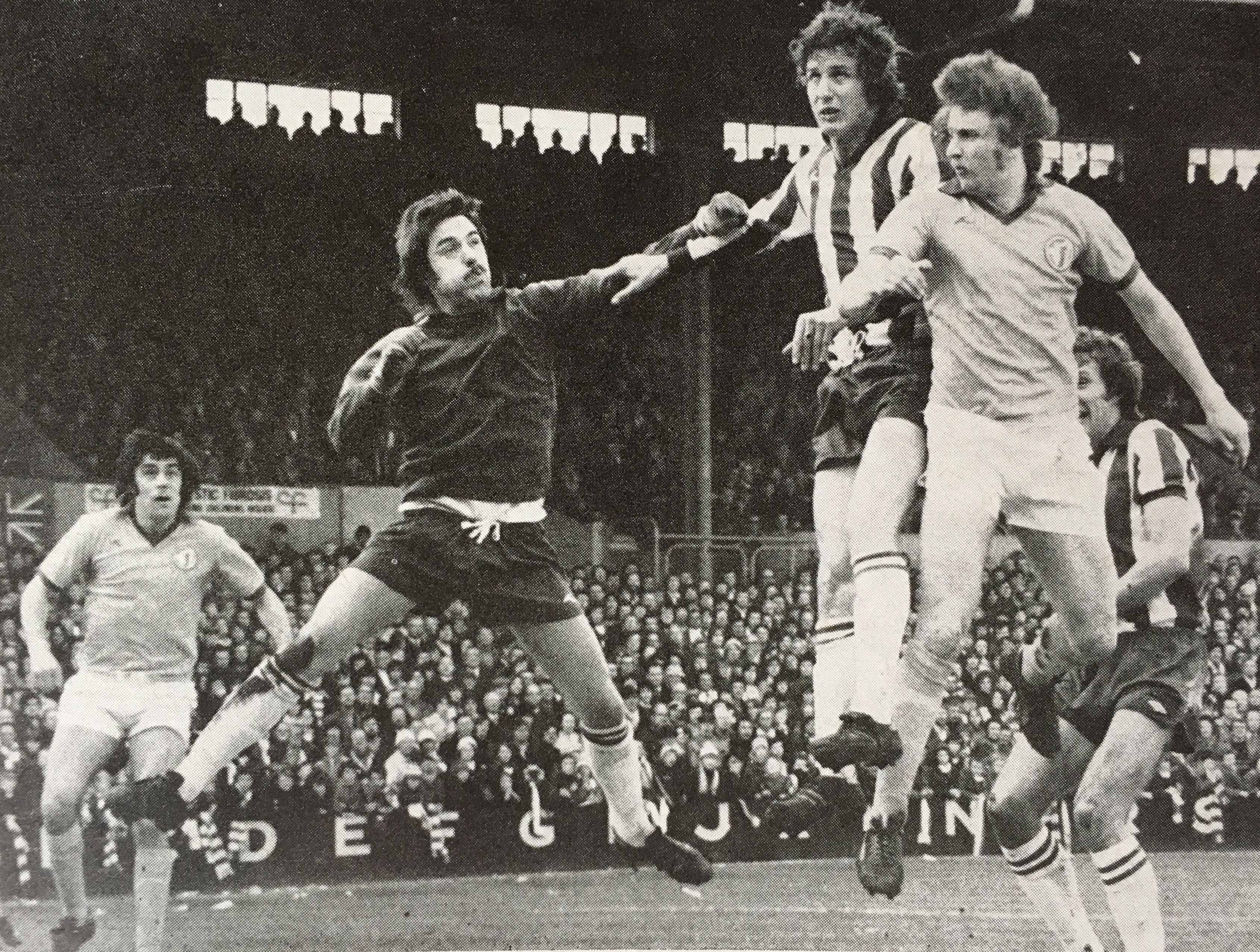
McShane, born in Wicklow on 6 January 1986, played hurling, Gaelic football, rugby and badminton (his dad, Sean, and uncle played Gaelic football for Dublin) in his early years in Ireland but eventually began to demonstrate his soccer prowess with junior clubs and was playing for St Joseph’s Boys AFC in Dublin when United snapped him up in 2002.

“I was 16 when I signed; I wasn’t going to until I went to Old Trafford with my mum and dad,” McShane said. “It was so down to earth for such a big club. I would be getting the best coaching and training, also playing with some of the best players in the world.”

He added: “Alex Ferguson has been brilliant to me and my family; a very nice man. He just cracks jokes all the time.”

After his success with United’s Youth Cup team, McShane’s first senior football came in 2004 during a brief loan spell with Walsall, where he played four games and scored once.

At Championship West Brom, McShane played 42 games in the 2006-07 season as the Baggies finished fourth and agonisingly lost to Derby County in the play-off final.

Before the new season got underway, McShane was one of 12 new signings manager Roy Keane made for Sunderland, newly-promoted to the Premier League.

He scored an own goal in only his second league game but Sunderland salvaged a 2-2 draw at Birmingham and he went on to make 21 appearances (plus one as sub) as the Black Cats finished just three points clear of the drop zone.

In the following season, McShane went on loan to Premier League new boys, Hull City, and having played 19 games for the Tigers made the move permanent the following season. The KFC Stadium would be his home for the next six years, although he was sent out on loan twice, to Barnsley in 2011 and Crystal Palace in 2012.

In the final game of the 2012-13 season, McShane scored a vital goal for Hull which guaranteed them promotion back to the Premier League, and he earned a new two-year contract from manager Steve Bruce.

However, with Curtis Davies, Alex Bruce and James Chester ahead of him, his appearances were limited, although he did get on as a substitute in Hull’s 3-2 FA Cup Final defeat to Arsenal.

McShane featured 23 times as Hull relinquished their Premier League status in 2015, and he was among six players released by the club, including Liam Rosenior, who moved to Brighton, of course, and goalkeeper Steve Harper, who’d had a short loan spell at Brighton from Newcastle.

McShane wasn’t without a club for long, and joined Reading in July 2015, with manager Steve Clarke telling the club website: “I knew that Paul’s contract with Hull City was due to expire and was always monitoring the situation. When we met up earlier in the summer for a chat I knew that Paul would be a good signing for Reading FC and I’m pleased that we managed to get the deal completed.

“As well as his obvious talents as an experienced defender who is aggressive both in the air and on the ground, I felt that he was a good character to bring into our squad.
“Paul has gained good experience at many clubs and, like Stephen Quinn, was an important part of a promotion-winning team. He has a winning mentality and it will be good for our two young central defenders, Michael Hector and Jake Cooper, to train and play alongside Paul.”

After four years at Reading, over which he played 103 games, in 2019 McShane switched to League One Rochdale.

In July 2021, McShane returned to Man Utd as player-coach for the under 23 side and made two appearances for the under 21s in the EFL Trophy as an over-age player. When he retired from playing at the end of the 2021-22 season he took up the role of professional development phase coach (covering under 18s through to under 23s).

“I’m calling it a day playing now,” he told manutd.com .”I’ve had 20 years playing and I’ve come back into the club as a player-coach in the under 23s. It’s been a great year and great experience but now it’s time to fully focus on the next stage of my career, which will be in coaching.

“It’s amazing how things work out. It’s a great way to end my career, to come back here and help the future generation with their careers. It was perfect, to be honest with you, when this role came about, and I’m grateful to the people who made it happen. I think it’s a great way to end my playing days.”

Goalkeeping guru Eric Steele: a promotion talisman at Brighton

1 ES action v Mansfield

GOALKEEPER Eric Steele was involved in an incredible six promotions as a player before becoming one of the country’s top goalkeeping coaches.

Two of those promotions came in his three years with Brighton & Hove Albion and another during a five-year spell at Watford.

His penchant for coaching began during his time at Brighton who he joined in February 1977 for £20,000 from Peterborough United.

As a replacement for the injured Peter Grummitt, Steele made his debut in a 3-1 defeat away to Crystal Palace but the season was to end in triumph. With Peter Ward making the headlines at one end, Steele kept the ‘keeper’s jersey to the end of the season as Albion won promotion to the old Second Division in runners up spot behind Mansfield Town.

As Albion chased a second successive promotion in 1977-78, Steele’s terrific form meant new signing Graham Moseley had to wait five months to make his debut. Steele played 38 matches but Moseley took over for the final four games of the season, as Albion just missed out.

The following season, manager Alan Mullery opted for Moseley as his first choice but the accident-prone former Derby ‘keeper twice caused himself damage – once with a hedge trimmer and then by falling through a plate glass window – which opened the door for Steele, who, by the season’s end, played 27 times compared to Moseley’s 20.

Steele 4 AlbionSteele was between the posts as the Seagulls won 3-1 at St James’ Park to win promotion to the elite for the first time in their history, a particularly sweet moment considering Newcastle had discarded him early on in his career.
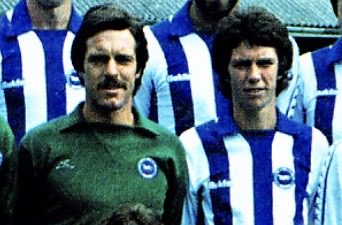
“It was important to go back as part of something, to show that I should have been given a chance,” he said in a 2019 Albion matchday programme article. And rather than join the infamous promotion party train ride back to Brighton, after the match Steele stayed over in Newcastle.

“I wanted to be with my family,” he said. “They’d supported me all the way from when I was a kid. To actually do it at my hometown club as well was a bit special. It was a great day for me, a really great day.”

In Spencer Vignes’ excellent book A Few Good Men, it’s interesting to hear Moseley’s view about his rival for the shirt. “He was very dedicated, much more so than I ever was. He would train every day after everybody else had finished.”

Nevertheless, at the higher level, it was not long before Mullery decided to dispense with Steele’s services, and it came within a matter of days of an amazing incident at Old Trafford when Steele exchanged punches with his own defender, Gary Williams, in a 2-0 defeat.

Steele and Williams together in the 1979-80 Albion squad photo

Argus reporter John Vinicombe produced a book (Super Seagulls) to document the history of Albion’s memorable first season in the first tier and covered in detail Steele’s somewhat acrimonious departure.

“Mullery knew from the beginning that one day he would have to choose between the lightning-on-the-line reflexes of Steele and the aerial domination of his great rival, Moseley,” said Vinicombe.

Mullery told the reporter: “Eric is an exceptionally good goalkeeper on the line, there’s no doubting that. But I feel he is not as commanding in the air as Graham, especially on crosses.”

Steele’s departure was felt quite keenly by the fans who, as much as his contribution on the pitch, had applauded his coaching in local schools and support for Sussex charities, in particular Chailey Heritage.

Regardless of that, in October 1979, Mullery turned a sizeable profit on his original investment and sold Steele to Second Division Watford for £100,000.

The articulate Steele shared his thoughts with the readers of Shoot! magazine.

“I didn’t want to leave Brighton,” he said. “That’s the first and most important point. It wasn’t my decision, it was Alan Mullery’s. I think he was wrong and I’ll be proved right in time. Once he’d made up his mind, I had to resolve myself to leaving.

“But it hurt. It took me a long time to get to the First Division and I think that in the ten games I played, I proved I was good enough to keep my place at that level. But once I knew I was on the move, I wanted to get away as quickly as I could.

“I went on the list on a Thursday and Watford came straight in for me the next day. I’d signed for them within a week. I was very happy to join such a progressive club. I would never have come here if I didn’t believe we would be a First Division side in a couple of years.”

Steele maintained he was taking one step back to take two forward and must have remembered those thoughts when Watford won promotion to the top division for the first time in their history in 1981-82.

However, vying for the no.1 jersey with Steve Sherwood, he made just 65 appearances in five years and said it was when watching from the stands as Watford played in the 1984 FA Cup Final that he realised he needed to move on.

Born on 15 May 1954, Steele’s path to professional football was the one taken by many talented Geordies – via Wallsend Boys Club to Newcastle United.

He never made it to the first team at St James’ Park but put that right when he joined Peterborough, setting a record of 124 consecutive appearances, including being part of the side that won the Fourth Division championship in 1974.

After those spells with Brighton and Watford, he linked up with former Newcastle United boss Arthur Cox at Derby County, and was part of their promotions from the third tier through to the first.

When he retired in 1988, it was to run a pub, but he also set up Eric Steele Coaching Services and began an illustrious career in which he has been instrumental in the development of some of the country’s top goalkeepers, working with ‘keepers at Manchester City, Aston Villa, Leeds United, Derby County, and Barnsley, as well as overseas in Australia, Switzerland, Norway, Germany and the United States.

When another former Watford ‘keeper, Tony Coton, was forced to retire as Manchester United’s goalkeeping coach because of injury, he recommended Steele as his successor.

Coton told the Republik of Mancunia website: “Eric Steele was my goalkeeping coach when I was a player at Manchester City, and it soon became evident after just a couple of training sessions that Eric was a unique and talented coach.

“Eric was different due to his innovative teaching style. Every session was challenging and interesting, and his breadth and depth of knowledge was second to none. Because of this I decided to call Eric ‘The Guru’, a name that he is now known by throughout the Premier League.”

As well as former Brighton ‘keeper Wayne Henderson at Villa, Steele also coached Kaspar Schmeichel at Manchester City. And at Man Utd, he famously played a part in Ben Foster successfully saving a penalty in the 2009 League Cup Final penalty shoot-out after the game ended 0-0.

Foster explained: “We went into the shootout as well prepared as possible. We have had things to look at over the last couple of days and before the shootout you can see me looking at an iPad with Eric Steele.

“It had actual video on it and showed where players put things. It is a new innovation for us. Eric brought it when he came to the club. I have never seen anything like it. It is a fantastic tool for us.”

Steele was part of Sir Alex Ferguson’s team at United between 2008 and 2013 and helped to recruit long-standing no. 1 David de Gea.

When Ferguson stood down at Old Trafford, Steele returned to Derby – where he’d previously worked as a coach for four years – under Steve McLaren and then went on to coach young goalkeepers for the English FA. He’s also an ambassador for Evolution Goalkeeper Coaching.

2 Steele claims v Palace
3 Steele Pat Partridge Pipes
4 steele farewell
5 Steele + De Gea
Steele has coached young England goalkeepers

Scrapbook photos from the Albion matchday programme, the Argus, and the republikofmancunia.com.

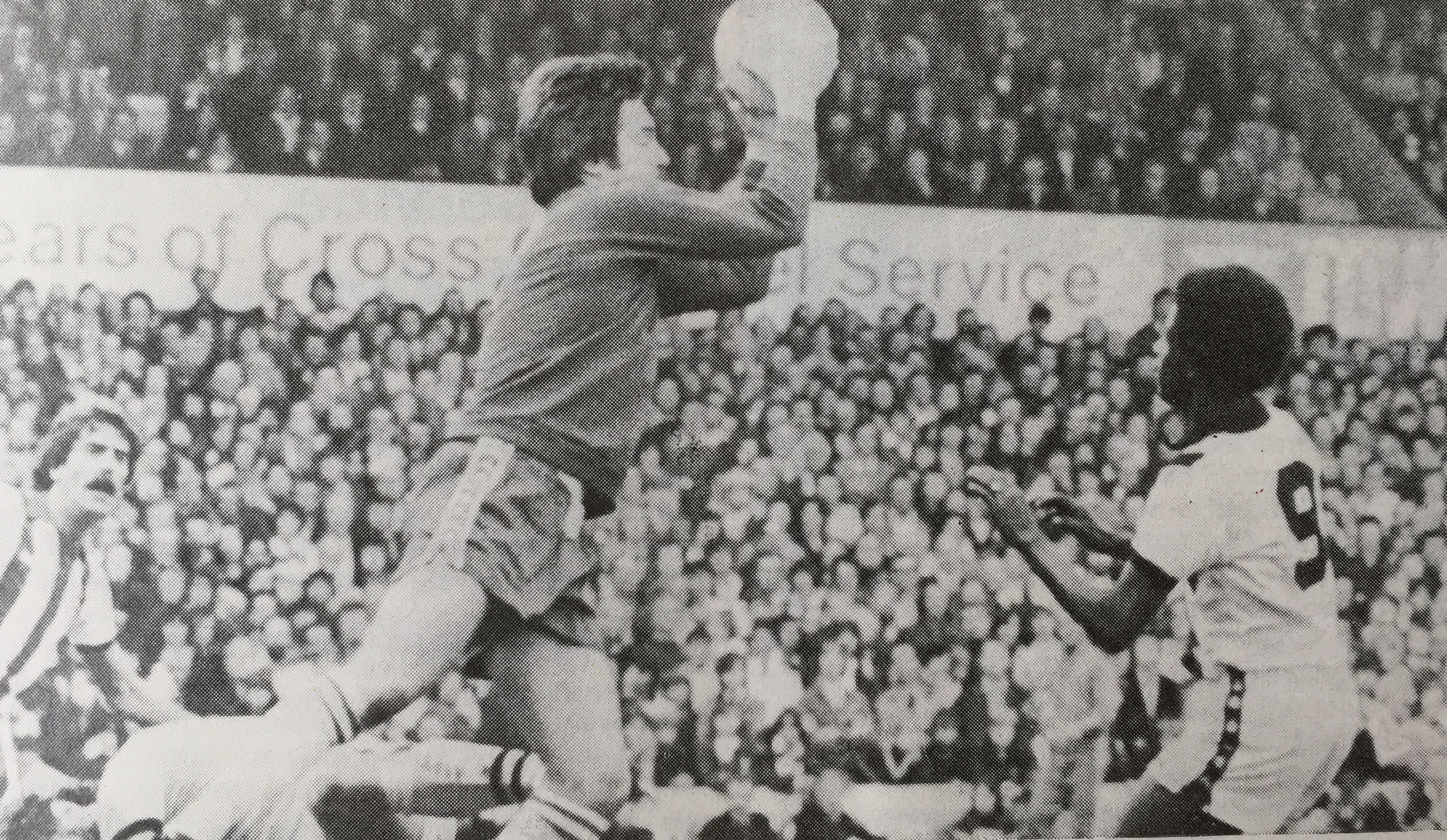
  • Top one shows Steele in action in one of his early Albion matches, a top-of-the-table clash against Mansfield Town in front of a packed Goldstone. I am one of those supporters crammed into that south west corner terrace!
  • Peter O’Sullivan (left) looks on as Steele claims a cross in a home game against Crystal Palace.
  • Steele and ref Pat Partridge see the funny side of it as spongeman Glen Wilson fixes a facial injury to Steve Piper.
  • A thumbs up to the crowd as Steele says his farewell at the Goldstone.
  • Steele working at Man Utd with David de Gea.