Top Hatter Moore a temporary plug in Albion’s leaky defence

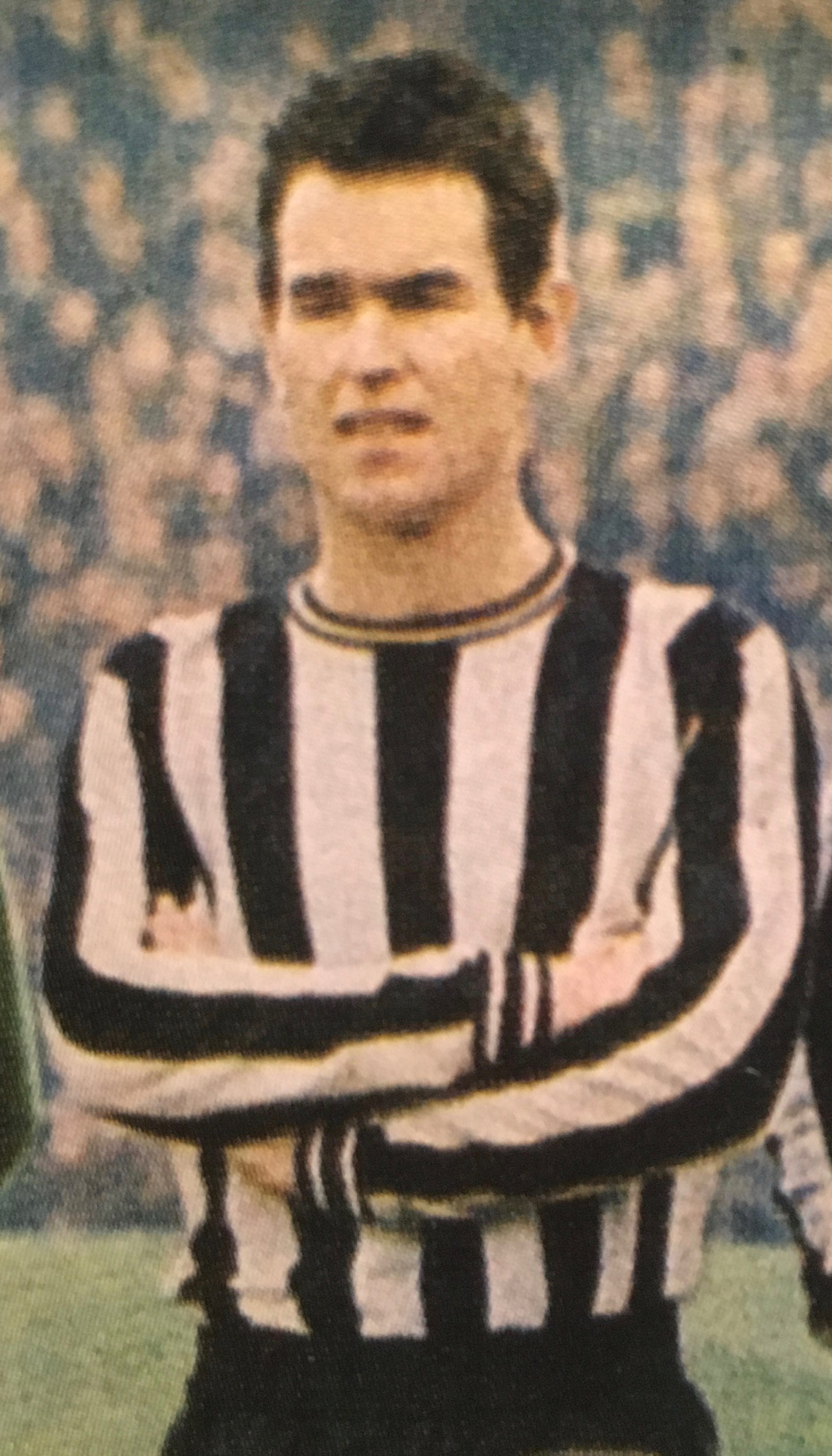
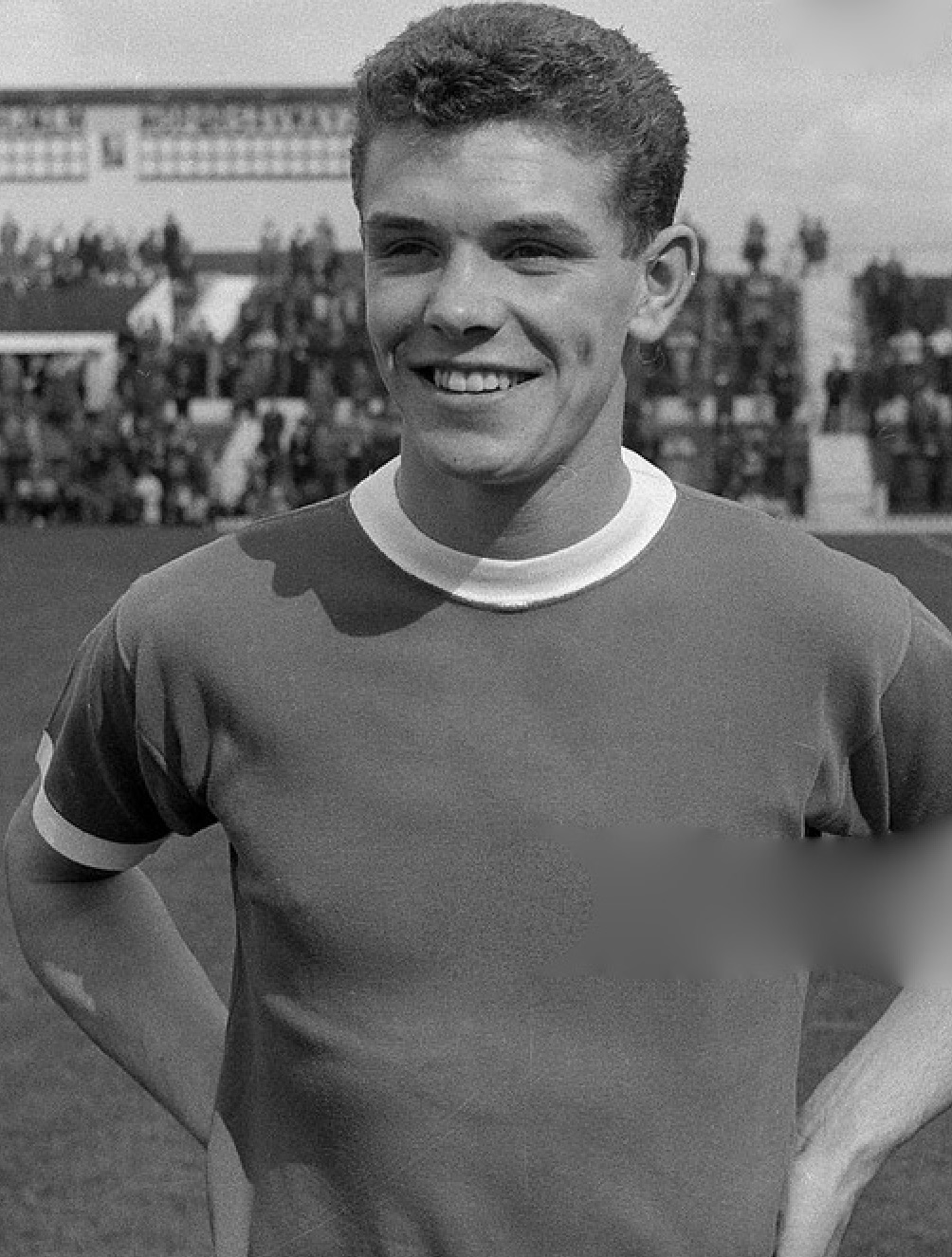
LUTON TOWN legend John Moore had a 32-year association with the Hatters as a player, coach and manager. He had a less remarkable one month’s loan in the stripes of Brighton.

As manager Pat Saward rather too rapidly dismantled Albion’s 1972 promotion-winning side, the experienced Moore was one of several old hands brought in to try to help Albion adapt to the old Second Division.

Saward was light on numbers in a defence which had conceded 23 goals in 12 games, and he had just parted company with former skipper John Napier, while injury-prone Ian Goodwin was in hospital having a knee cartilage operation. The side had only won once in the league in 12 starts.

But the arrival of Moore, together with Lewes-based Stan Brown from Fulham, gave the side an unexpected fillip and the Albion earned a surprise 2-0 victory away to Huddersfield Town (Eddie Spearritt and Barry Bridges the scorers) on 14 October 1972.

Saward was certainly impressed by the impact of his two new acquisitions. “The new men played a major part in our success,” he said. “It was quite remarkable really the way they slotted into the side as if they had been playing for Albion all season. John did exceptionally well in his role as sweeper.

“They are, of course, experienced professionals who have been around the game a long time. But even the best professionals sometimes take time to settle into new environments and this is why the performances of these two was so outstanding.”

Unfortunately, it was the only win of Moore’s brief stay. Albion drew the next three games and his final outing came in a 3-0 defeat at Millwall. That loss at The Den was the first of 12 consecutive league defeats.

Ironically, Albion only returned to winning ways when Moore was in opposition, lining up in the Luton side that lost 2-1 at the Goldstone on 10 February 1973. Ken Beamish scored both Albion goals, while future Albion signings Don Shanks and Barry Butlin were playing for the opponents that day.

Moore subsequently moved on to Northampton Town, where future Albion player John Gregory was beginning to make his way in the game, but the Scot ended his playing days after only 14 appearances.
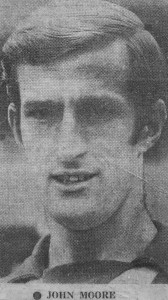
Born on 21 December 1943 in the village of Harthill (halfway between Glasgow and Edinburgh), Moore played initially for local side North Motherwell Athletic. In 1962, he joined Scottish League side Motherwell on a part-time basis, while also working in a factory.

He was a centre-forward when he initially went to Fir Park but in the only three games he played he started twice in midfield and once in defence. Given a free transfer in May 1965, a Luton scout in Scotland pointed him in the direction of then manager George Martin.

In a 2011 interview with Matthew Parsfield, for the Talk of the Town blog, he recalled: “George Martin flew up to Scotland to sign me. I remember sitting down with him in my living room with my family, and, it sounds far-fetched nowadays, but there were no contract negotiations and no haggling at all.

“He said ‘What do you want?’ He was actually talking about a signing-on fee, but I just said ‘I want an opportunity.’ He certainly gave me that.”

One particular long-standing fan, Mick Ogden, remembered Moore’s arrival with affection. Writing on the Hatters Heritage website, he recalled him turning up at a supporters’ club gathering in the company of manager Martin in May 1965.
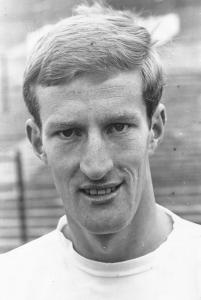
“Despite the fact that he had travelled down from Glasgow that day, John spent the whole evening with us, firstly playing billiards against our members and then later we sat around listening to John talking about his life and obvious love of football,” wrote Mick.

“He told us he had signed from Motherwell and how he sat for many hours during the week talking football with his father, who was a Rangers fan. Apparently, these chats would often carry on until the early hours of the next day. John clearly had a great love and affection for his father.”

Another fan who remembered the player from his early Luton-watching days, ‘Mad Hatter’, said: “Moore wasn’t like other defenders; slender in physique compared to those he played alongside, he was more than a match for most of the opponents he came up against.

“Whilst on the books of the Hatters, Moore made 274 league appearances and more than played his part in helping Luton Town climb from Division 4 to Division 2.”

John Moore in action for Luton against West Ham’s Geoff Hurst

Indeed as well as under Martin, Moore also featured under Alan Brown, Alec Stock and Harry Haslam.

After his playing days were over, he spent time as manager of non-league Dunstable Town but when David Pleat took over as Luton manager, he took Moore back to the club as a coach.

After Pleat had moved on to take the hot seat at Spurs, Moore stepped up to become manager.

It was the 1986-87 season in the top-flight and Moore led the Hatters to a club-best seventh-place finish. But it appears he didn’t enjoy the limelight of such a position and he stepped down, handing over the reins to Ray Harford, assisted by Steve Foster. Luton went on to win the League Cup (then known as the Littlewoods Cup) beating Arsenal 3-2, with another ex-Albion skipper, Danny Wilson, one of the goalscorers.

When former player Jim Ryan took over as manager, Moore returned to the club as a coach for a third stint and stayed in that role under Pleat again, Terry Westley, Lennie Lawrence, Ricky Hill, Mick Harford, Joe Kinnear and Mike Newell until he reached the age of 60 in 2003 and chose to retire.

In the interview with Parsfield, he gave an insight into his approach. “When I became youth coach I always treated the boys like adults.

“I wasn’t interested in making them successful youth players, the only way to make a living is to become a first team player.

“I told them they had to work harder than the first team, because those older guys down the corridor aren’t going to just give you their first team place and their luxury lifestyle, you’ve got to work for it.”

He added: “Nobody’s career flows in a straight line, careers bob and weave, and players need the attitude of ‘When it gets hard, I don’t give in’. It’s when someone has the talent but not the attitude, that’s what frustrates you the most.”

On leaving Luton, Moore got involved in schools coaching in Bedford. But at Kenilworth Road, there is a permanent reminder of the player courtesy of The John Moore Lounge.

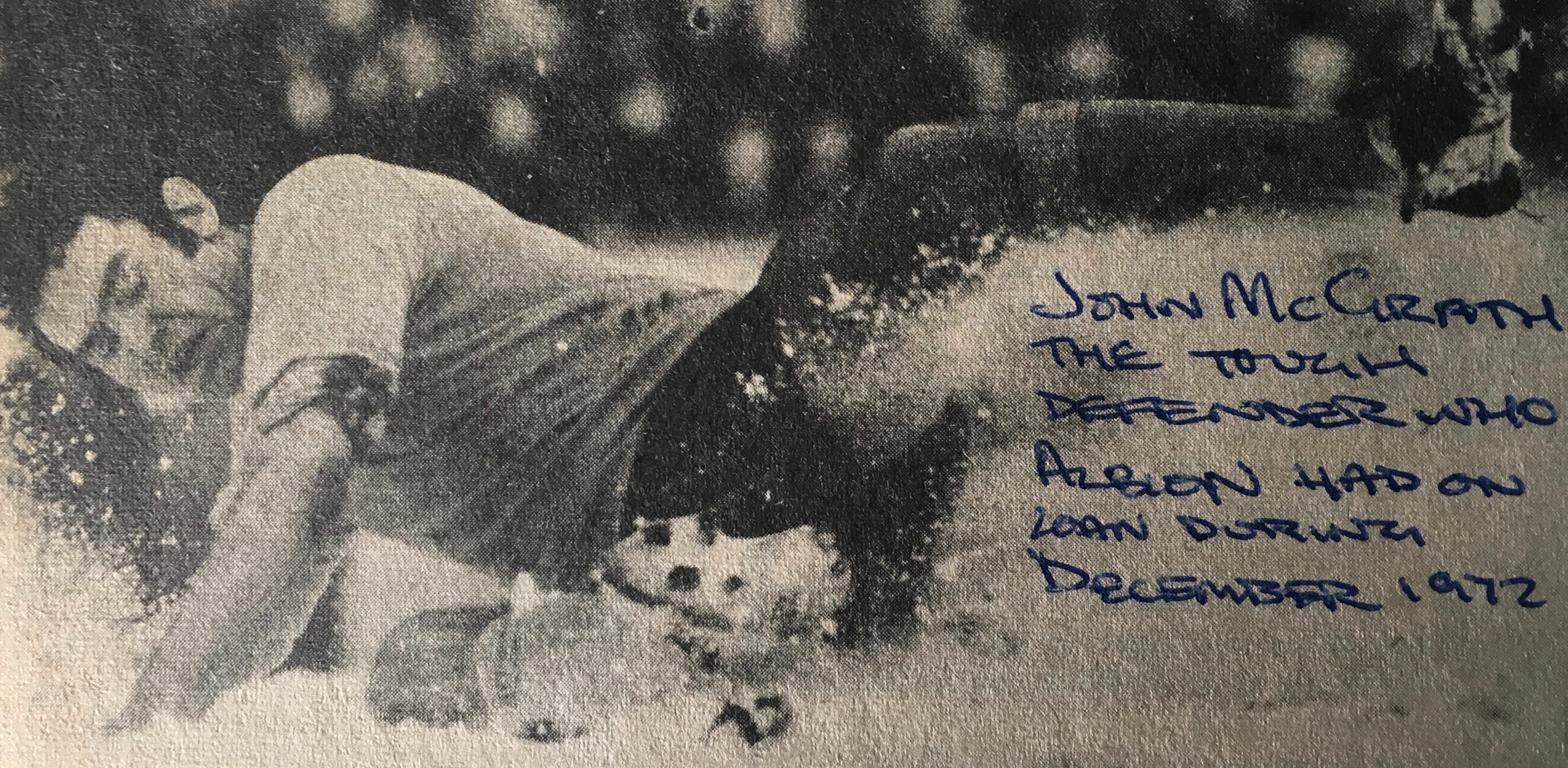
Even fearsome John McGrath couldn’t stop the rot

IN ALBION’S bleak midwinter of 1972-73, manager Pat Saward was desperate to try to reverse a worrying run of defeats.

The handful of additions he’d made to the squad promoted from the old Third Division in May 1972 had not made the sort of improvements in quality he had hoped for.

An injury to Norman Gall’s central defensive partner Ian Goodwin didn’t help matters and Saward chopped and changed the line-up from week to week to try to find the right formula.

Previously frozen out former captain John Napier was restored for a handful of games (before being sold to Bradford City for £10,000). The loan ranger’ (as Saward was dubbed for the number of temporary signings he brought in) then tried Luton Town’s John Moore in Goodwin’s absence.

Youngster Steve Piper was given his debut at home to high-flying Burnley, but Albion lost that 1-0. Then Saward tried left-back George Ley in the middle away to Preston, but that didn’t work either. North End ran out comfortable 4-0 winners with Albion’s rookie ‘keeper Alan Dovey between the sticks after regular no.1 Brian Powney went down with ‘flu.

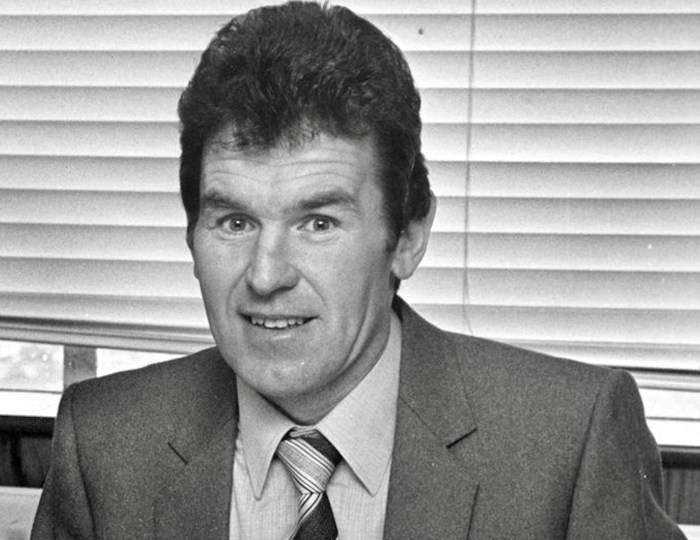
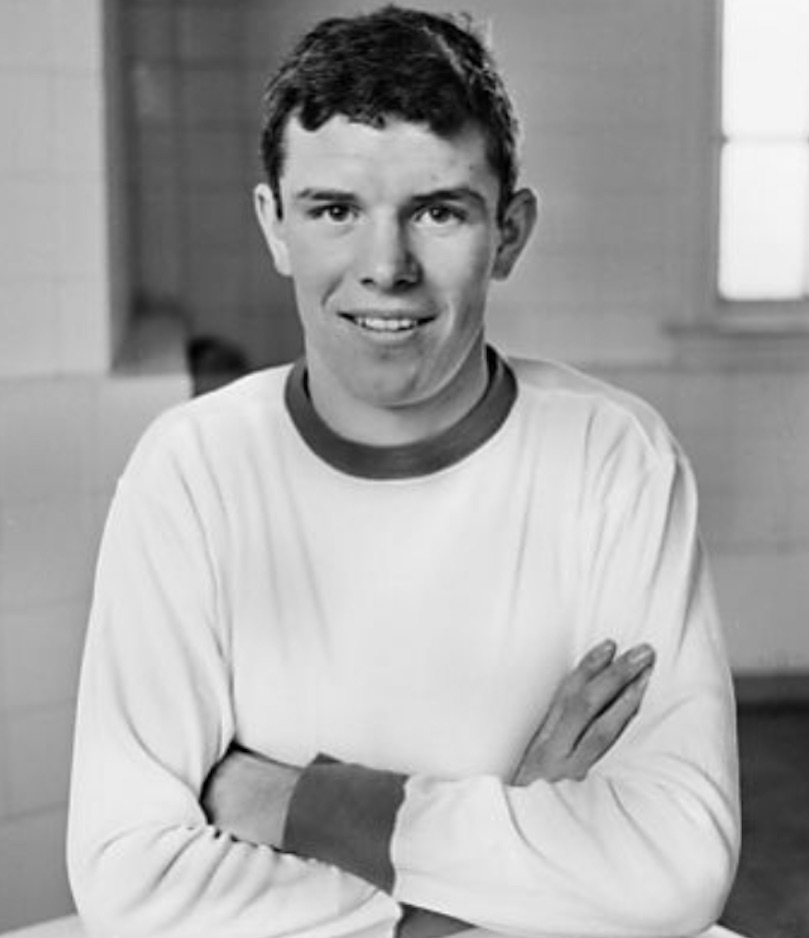
As December loomed, and with Goodwin still a couple of weeks away from full fitness after a cartilage operation, Saward turned to John McGrath, a no-nonsense, rugged centre-half who had played close on 200 games for Southampton over five years.

“With his rolled-up sleeves, shorts hitched high to emphasise implausibly bulging thigh-muscles, an old-fashioned haircut and a body dripping with baby oil, ‘Big Jake’ cut an imposing figure,” to quote the immensely readable saintsplayers.co.uk.

In Ivan Ponting’s obituary in the Independent following McGrath’s death at 60 on Christmas Day 1998, he reckoned his “lurid public persona was something between Desperate Dan and Attila the Hun”.

Although McGrath had begun the 1972-73 season in the Saints side, the emerging Paul Bennett had taken his place, so a temporary switch to the Albion offered a return to first team football.

Albion had conceded eight goals in three straight defeats and hadn’t registered a goal of their own, so, even though the imposing centre-half was approaching the end of a playing career that had begun with Bury in 1955, it was hoped his know-how defending against some of the best strikers in the country might add steel in the heart of the defence, and stem the flow of goals.

In short, it didn’t work. McGrath played in three matches and all three ended in defeats, with another eight goals conceded.

In his first match (above left), Middlesbrough won 2-0 at the Goldstone. At least the deficit was slimmer in his second game: a 1-0 loss away to George Petchey’s Orient in which Lewes-born midfielder Stan Brown played the last of nine games on loan from Fulham.

McGrath’s third match saw Albion succumb to a thrashing at Carlisle United. By then, Brighton had lost five in a row and still hadn’t managed to score a single goal. Stalwart Norman Gall was dropped to substitute to allow the returning Goodwin to line up alongside McGrath, and Bert Murray led the side out resplendent in the second strip of red and black striped shirts and black shorts.

Carlisle hadn’t read the script, though, and promptly went 5-0 up. To compound Albion’s agony, with 20 minutes still to play, goalkeeper Powney was carried off concussed and with a broken nose.

In those days before substitute goalkeepers, Murray (who’d swapped to right-back that day with Graham Howell moving into his midfield berth) took over the gloves. Miraculously, Albion won a penalty and because usual spot kick taker Murray was between the sticks, utility man Eddie Spearritt took responsibility having relinquished the job after a crucial miss in a game in 1970.

Thankfully, he buried it, finally to make a much-awaited addition to that season’s ‘goals for’ column.

No more was seen of McGrath, however. Gall was restored to the no.5 shirt and was variously partnered by Goodwin, Piper and, towards the end of the season, Spearritt.

After another heavy defeat, 4-0 at Sunderland, which had seen another rare appearance by Dovey in goal, he was transfer-listed along with Gall and Bertie Lutton, as Saward pointed the finger. Lutton got a surprise move to West Ham but Gall stayed put and Dovey was released at the end of the season without playing another game.

The run of defeats eventually extended to a total of 13 and was only alleviated after a big shake-up for the home game versus Luton Town on 10 February.

Powney, who’d conceded five at Fulham in the previous game, was replaced by Aston Villa goalkeeper Tommy Hughes on loan; out went experienced striker Barry Bridges in favour of rookie Pat Hilton and exciting teenage winger Tony Towner made his debut. Albion won 2-0 with both goals from Ken Beamish, and the monkey was finally off their backs.

Although the following two games (away to Bristol City and Hull) were lost, results did pick up, but it was all too little too late and Albion exited the division only 12 months after their promotion.

Born in Manchester on 23 August 1938, McGrath sought unsuccessfully to get into the game as an amateur with Bolton Wanderers but at 17 he joined Bury who were in the old Division Two at the time.

Although they were subsequently relegated, McGrath was part of the 1961 side that went on to win the Third Division Championship. By the time they lifted the trophy, though, he had moved on to Newcastle United for a fee of £24,000, with Bob Stokoe (later renowned for steering Second Division Sunderland to a famous FA Cup win over Leeds United in 1973) a makeweight in the transfer.

It was a busy time for the young defender. On 15 March 1961, he made his one and only England Under-23 appearance against West Germany at White Hart Lane, Tottenham, playing alongside future World Cup winners George Cohen at right-back and the imperious Bobby Moore.

Also in the young England side for that 4-1 win was Terry Paine, who would later become a teammate at Southampton.

Newcastle had hoped the defender would prevent their relegation from the top flight, but it didn’t happen as they went down having conceded 109 goals; their worst ever goals against tally.

Joe Harvey eventually succeeded Charlie Mitten as manager as Newcastle adapted to life back in the Second Division, and McGrath (below left and, in team picture, back row, far left) played 16 matches in a side in which full-back George Dalton (below, back row, far right) had started to emerge.

Future Brighton captain Dave Turner was one of the successful FA Youth Cup-winning side Harvey inherited, but his first team outings were rare and he was sold to the Albion in December 1963.

Meanwhile, McGrath really established himself, featuring in 41 games in 1963-64 (Dalton played in 40) as Newcastle finished in a respectable eighth place.

The 1964-65 season saw McGrath ever-present as Toon were promoted back to the First Division, pipping Northampton Town to the Second Division championship title by one point. McGrath – “a monster of a centre-half, who was as tough as he was effective” was “the cornerstone” of the promotion side, according to newcastleunited-mad.co.uk.

McGrath retained his place in Toon’s first season back amongst the elite but the arrival of John McNamee and the emergence of Bobby Moncur started to restrict his involvement.

That pairing became Harvey’s first choice, and young Graham Winstanley was in reserve too, so, after playing only 11 games in the first half of the 1967-68 season, McGrath, by then 29, was sold to Southampton for £30,000. He’d played 181 games for United.

In Ted Bates’ Saints side, McGrath was a rock at the back alongside Jimmy Gabriel, although, as saintsplayers.co.uk records, he wasn’t too popular with opposing managers: Liverpool’s Bill Shankly accusing Southampton of playing “alehouse football”.

He went on to make 194 appearances (plus one as a sub) for Saints, before becoming youth coach at the club, part of the first team coaching staff when Southampton won the FA Cup in 1976, and then reserve team manager.

Not content with a backroom role, McGrath took the plunge into management and made his mark with two clubs in particular: managing Port Vale on 203 occasions and Preston North End in 205 matches.

According to Rob Fielding he became a cult hero at Vale Park with his unorthodox ways, once putting FIFTEEN players on the transfer list…which resulted in a six-match unbeaten run!

Winger Mark Chamberlain, who went on to play for Stoke and England, and later Brighton, was one of the young players McGrath introduced.

Long-serving Vale defender Phil Sproson, who was originally signed by former Albion midfielder Bobby Smith, rose to prominence under McGrath and said: “I’ll always be grateful because he taught me how to play centre-half.”

Fielding reckoned McGrath’s finest hour was steering Vale to promotion from the old Fourth Division in 1982-1983, even though by then he had sold Chamberlain to Stoke.

Against a backdrop of player unrest and what were perceived to be ill-judged moves in the transfer market, McGrath was sacked in December 1983 and replaced by his assistant, John Rudge.

He wasn’t out of work for long, though, and took the reins at basement side Chester City where he was in charge for just under a year. Most notably in that time, he gave future Arsenal and England defender Lee Dixon his first taste of regular football.

While success eluded him at Chester, his arrival at Preston in 1986 proved fruitful, North End striker Gary Brazil recalling: “It needed a catalyst and it needed a change and very fortunately for the club and for the players, John McGrath came walking through the door who was like a Tasmanian devil. He came in and the world changed really, really quickly for the better.”

McGrath led Preston to promotion from the bottom tier in 1987 with a squad built around Sam Allardyce and veteran Frank Worthington.

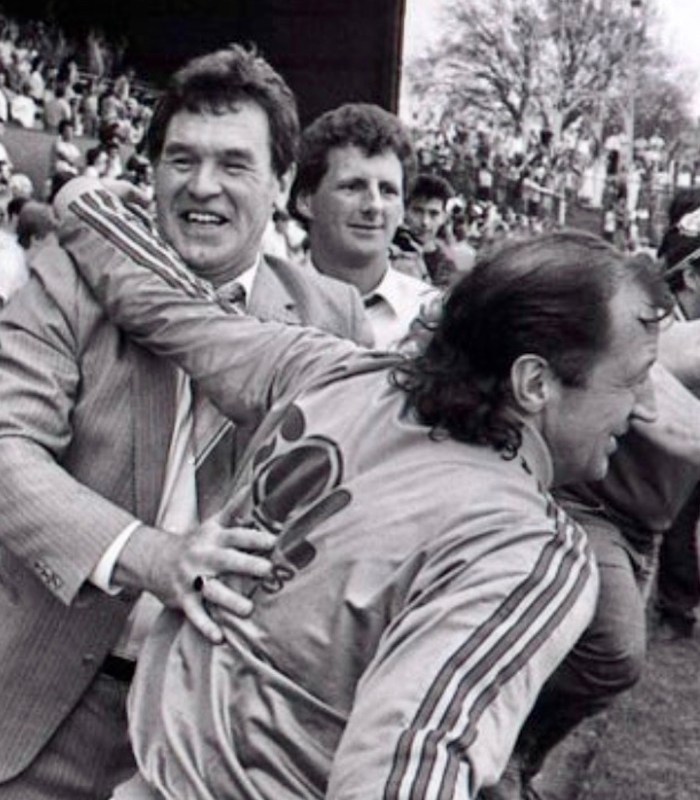
Manager McGrath and Frank Worthington celebrate promotion

“Frank Worthington was a delight to have around and set a real high standard for a lot of us in terms of how we train,” said Brazil. “He just stunned me how he was always first out training.”

The turnround McGrath oversaw, with Deepdale crowds rising from below 3,000 to more than 16,000, rejuvenated the club and the city.

Brazil reminisced: “It was the best year of my football life that year that we got promoted. It wasn’t just an experience playing but an experience of a group of players and how well they could bond and John was integral to that. He was a very, very clever man.”

Indeed McGrath was viewed as having saved North End from the ignominy of losing their league status, the club having had to apply for re-election the season before he arrived at Deepdale.

Edward Skingsley’s book, Back From The Brink, features a black and white photograph of McGrath on its cover and tells the story of North End’s transformation under his direction.

Describing his appointment as “a masterstroke” he reckoned the club owed him a massive debt for masterminding their resurgence and subsequent stability.

“Without him, it is debatable whether Preston North End would even exist today, never mind play in the latest fantastic incarnation of Deepdale,” said Skingsley. “Thank goodness he caught Preston North End before it died.”

McGrath left Preston in February 1990 and had one last stab at management, this time with Halifax Town. He succeeded Saints’ FA Cup winner Jim McCalliog and was in charge at The Shay for 14 months but left in December 1992. Five months later they lost their league status, finishing bottom of pile.

The silver-tongued McGrath was subsequently a popular choice on the after-dinner speaking circuit and a pundit on local radio in Lancashire but died suddenly on Christmas Day 1998.

‘Rattling good’ Tranter’s 50-plus Albion games

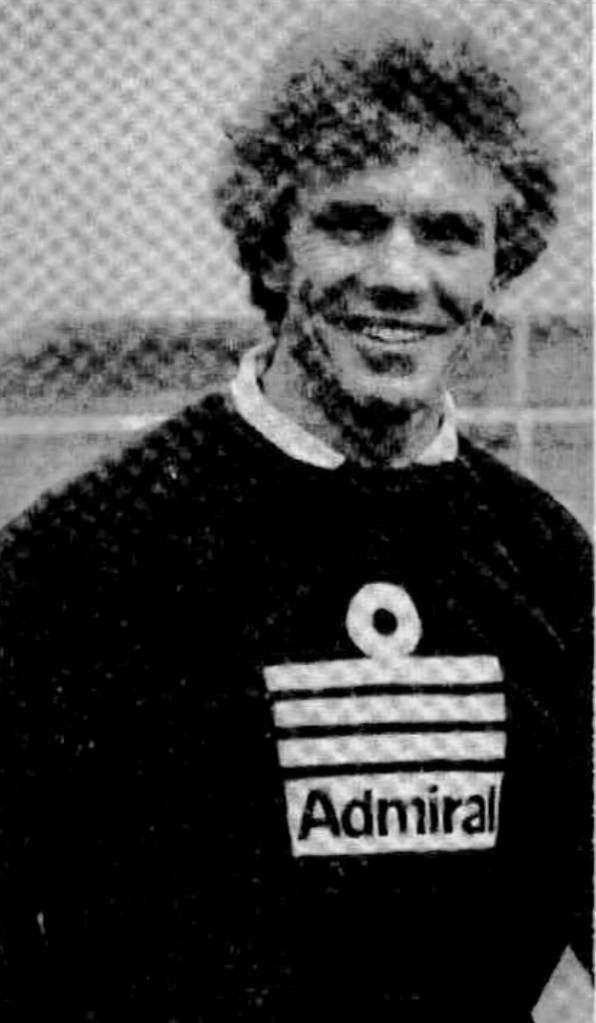
WILF TRANTER, who died in July 2021, was one of a number of former Manchester United players to pitch up at Brighton in the 1960s.

He arrived at the Goldstone Ground on 5 May 1966, signed by Archie Macaulay, and made his debut the following day, taking over Derek Leck’s no.4 shirt in a 3-1 defeat at Shrewsbury Town.

A back injury kept him out of action at the start of the 1966-67 season and he had to wait until the end of October to return to the first team, in a home 1-1 League Cup draw against Northampton Town. He must have been thankful to have been a non-playing sub for the replay at Northampton as the Cobblers smashed Albion 8-0 to progress to the fifth round.

Restored to the side for the 5 November 2-0 home win over Oldham Athletic, Tranter settled into a regular slot and, according to the matchday programme, had a run of “rattling good games”.

“Strongly-built Tranter has played his part in our recent recovery and climb up the league table,” it declared. He only missed three games over the following four months, through to the beginning of March.

He then dropped right out of the picture, with Albion flirting dangerously close to the drop, before returning in a much-changed line-up for the last game of the season (a 1-1 draw away to Doncaster) after safety had been secured two games previously, courtesy of a 1-1 home draw against Middlesbrough.

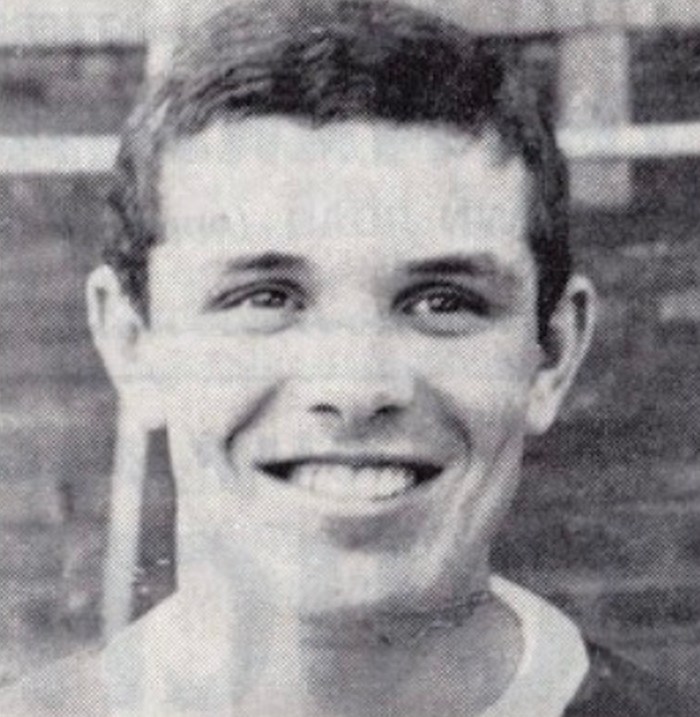
Tranter and fellow defender Norman Gall

With big money signing John Napier preferred alongside Norman Gall in the centre, and young Stewart Henderson looking to take over the right-back shirt from the ageing Jimmy Magill, there was stiff competition for places in defence.

However, at the start of the 1967-68 season, Tranter made the right-back spot his own and even managed to get on the scoresheet with a goal in Albion’s 3-1 win at Mansfield on 21 October 1967.

The Albion programme said Tranter raced through and caught Town by surprise before hammering home and Evening Argus Albion reporter John Vinicombe described the goal as “a truly splendid effort”. It was Tranter’s only goal for the club. One of the other scorers that day, John Templeman, notched his first for the Albion. Charlie Livesey had opened the scoring.

A familiar face arrived at the Goldstone that autumn when former United midfielder Nobby Lawton joined for a £10,000 fee from Preston North End. Tranter missed only a handful of matches as Albion hovered in mid-table but his time at the club drew to a close with 55 league and cup appearances to his name, plus two as a sub.

His final start for Brighton came in an ignominious 4-0 defeat at Watford on 23 March 1968. He did appear as a substitute for Dave Turner in a 1-1 home draw with Barrow on 27 April but, at the season’s end, he was one of seven players transfer listed.

Maybe if he’d stuck around, his Albion career would have been longer because by the end of that year another of his former United colleagues, Freddie Goodwin, took over as manager, and among his first signings was former Busby Babe Alex Dawson.

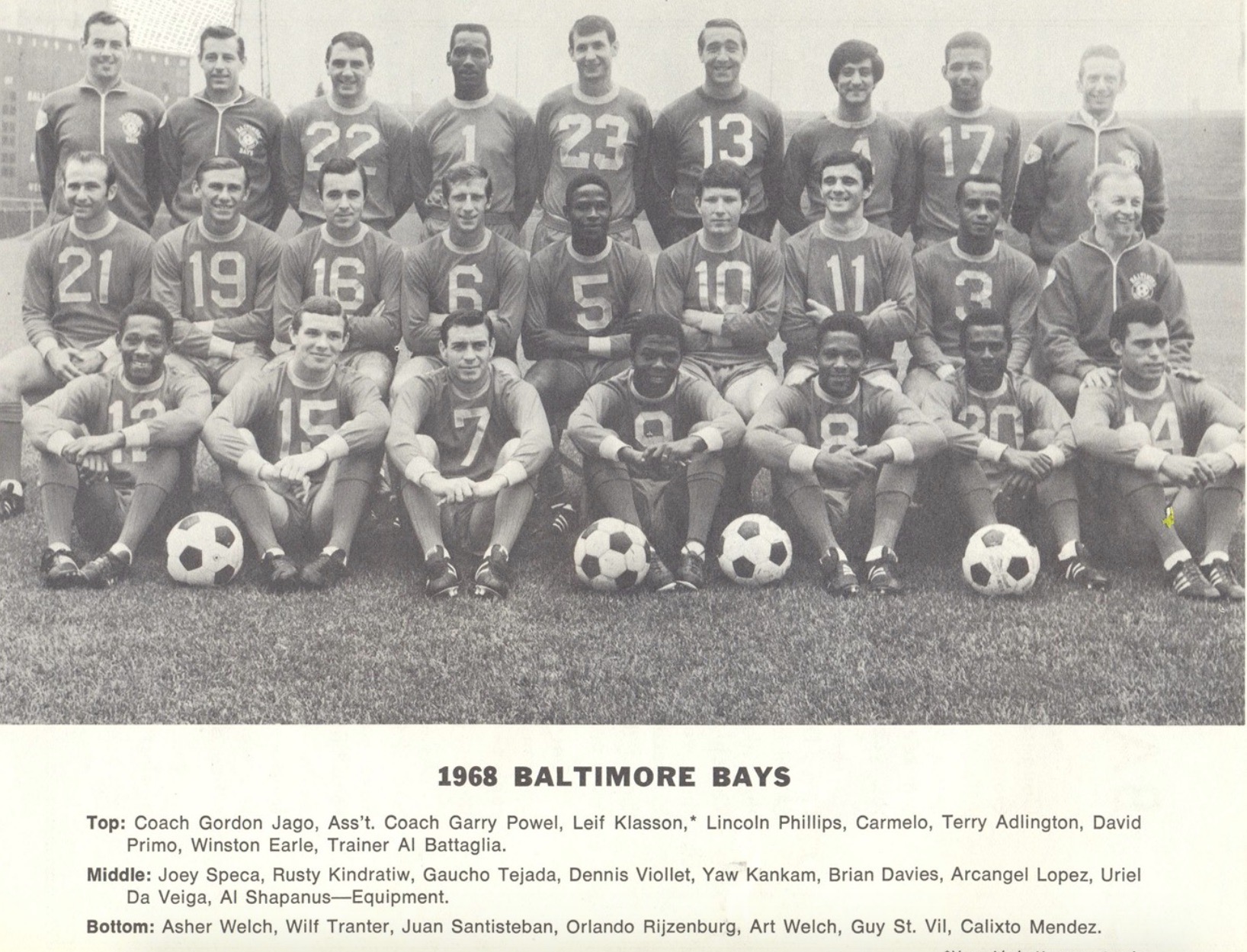
But, by then, Tranter was playing for Baltimore Bays in the North American Soccer League (NASL), featuring in 12 matches during a six-month spell alongside former Manchester United inside forward Dennis Viollet. The side was coached by Gordon Jago, later QPR and Millwall manager.

Tranter in action for Baltimore Bays

On his return to the UK in January 1969, Tranter signed for Fulham where he played 23 matches in three years. Among his teammates at Craven Cottage were Barry Lloyd, who later managed Brighton, together with goalkeeper Ian Seymour and midfielder Stan Brown, who both had loan spells with the Albion.

Tranter returned to the UK at Fulham

Tranter was born in Pendlebury on 5 March 1945 and went to St Gregory’s Grammar School, Ardwick Green, Manchester, from 1956 until 1961.

He progressed from his school team to become captain of Manchester Boys and also played for Lancashire Boys before signing apprentice forms with United in September 1961.

Although he was taken on as a professional in April 1962, he had to be content with reserve team football for the majority of his time at Old Trafford. In United’s reserve side, Tranter played alongside Bobby Smith (who also later played for Brighton) and Nobby Stiles in midfield, when George Best was on the left wing.

On 7 March 1964, Tranter got to make his one and only first team appearance for United in a 2-0 win away to West Ham.

A crowd of 27,027 at the Boleyn Ground saw him take Bill Foulkes’ place in the side. While United’s goals were scored by David Herd and David Sadler, by all accounts Tranter did well to quell the threat of Hammers’ striker Johnny Byrne.

Manager Matt Busby rested Denis Law, Best and Bobby Charlton for the game – because United were facing the Hammers in the FA Cup semi-final the following Saturday. The weakened Reds might have won the league game but the back-to-full-strength side lost the Cup semi-final 3-1 in front of 65,000 at Hillsborough.

In the final at Wembley, the Hammers won the cup 3-2, beating Preston North End, captained by the aforementioned midfielder, Lawton. Hammers conceded two goals, one scored by the also-referrred-to Dawson.

After his previous post-Albion stint in the States, Tranter returned four years later and played 14 NASL matches for St Louis Stars. Amongst his teammates in Missouri was John Sewell, the former Charlton, Crystal Palace and Orient defender, who later managed the Stars.

Back in the UK, Tranter dropped into non-league football with Dover Town but in the late ‘70s linked up with fellow former United reserve Smith as assistant manager at Swindon Town.

His time in the County Ground dugout proved eventful in more ways than one.

Towards the end of the 1978-79 season, when Town and Gillingham were both chasing promotion, a fiery encounter at Priestfield in March (when a fan got on the pitch and knocked out the referee!) was followed by an even more explosive encounter between the two clubs in May.

The whole story is told from different angles but Town midfielder Ray McHale, who would later join Brighton, was at the centre of some ugly tackling by the Gills. In the tunnel after the game Tranter was alleged to have made some “unsavoury” remarks which led to someone punching him in the face. He had to go to hospital for treatment.

Two Gillingham players – future Albion coach Dean White and Ken Price – were accused of inflicting Tranter’s injuries but they were subsequently found not guilty at Swindon Crown Court.

The following season, Swindon memorably beat Arsenal in the League Cup after forcing a draw at Highbury, although Tranter was lucky to be at the game. On the eve of the match, he escaped serious injury when his car spun out of control in heavy rain and skidded through a gap in a roadside hedge before landing safely in a field.

After leaving Swindon, Tranter had spells managing non-league sides, notably following in the footsteps of his old United teammate Foulkes by taking the reins at Southern Midland Division side Witney Town.

He then had a season in charge at Banbury United and took over at Hungerford Town between 1992 and 1993. At Hungerford, he is fondly remembered for overseeing the refurbishment of the old changing rooms, leaving a 20-year legacy at the club.

According to the Pitching In title, Tranter eventually left the game to focus on business interests in property and care homes.

His wife Carol died aged 70 in 2016 and Tranter died in his sleep aged 76 on 2 July 2021.

• Pictures from matchday programmes and online sources.