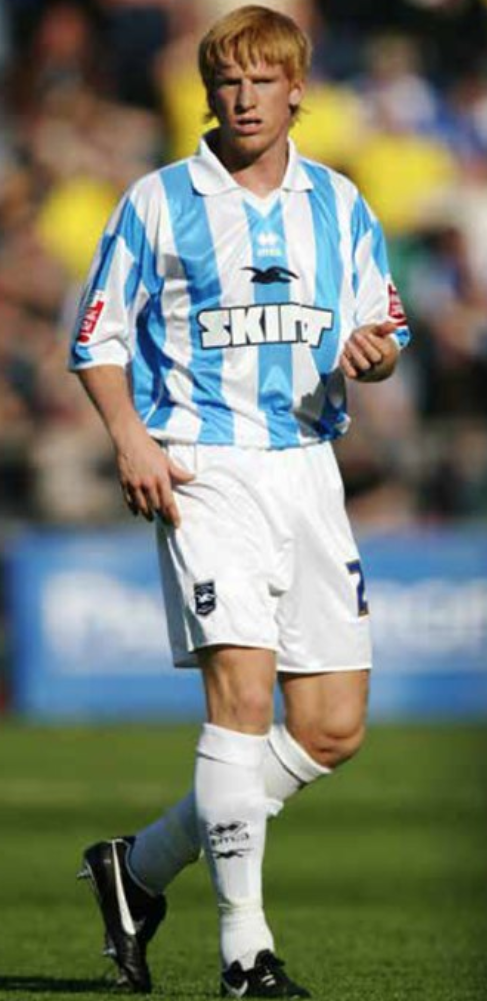
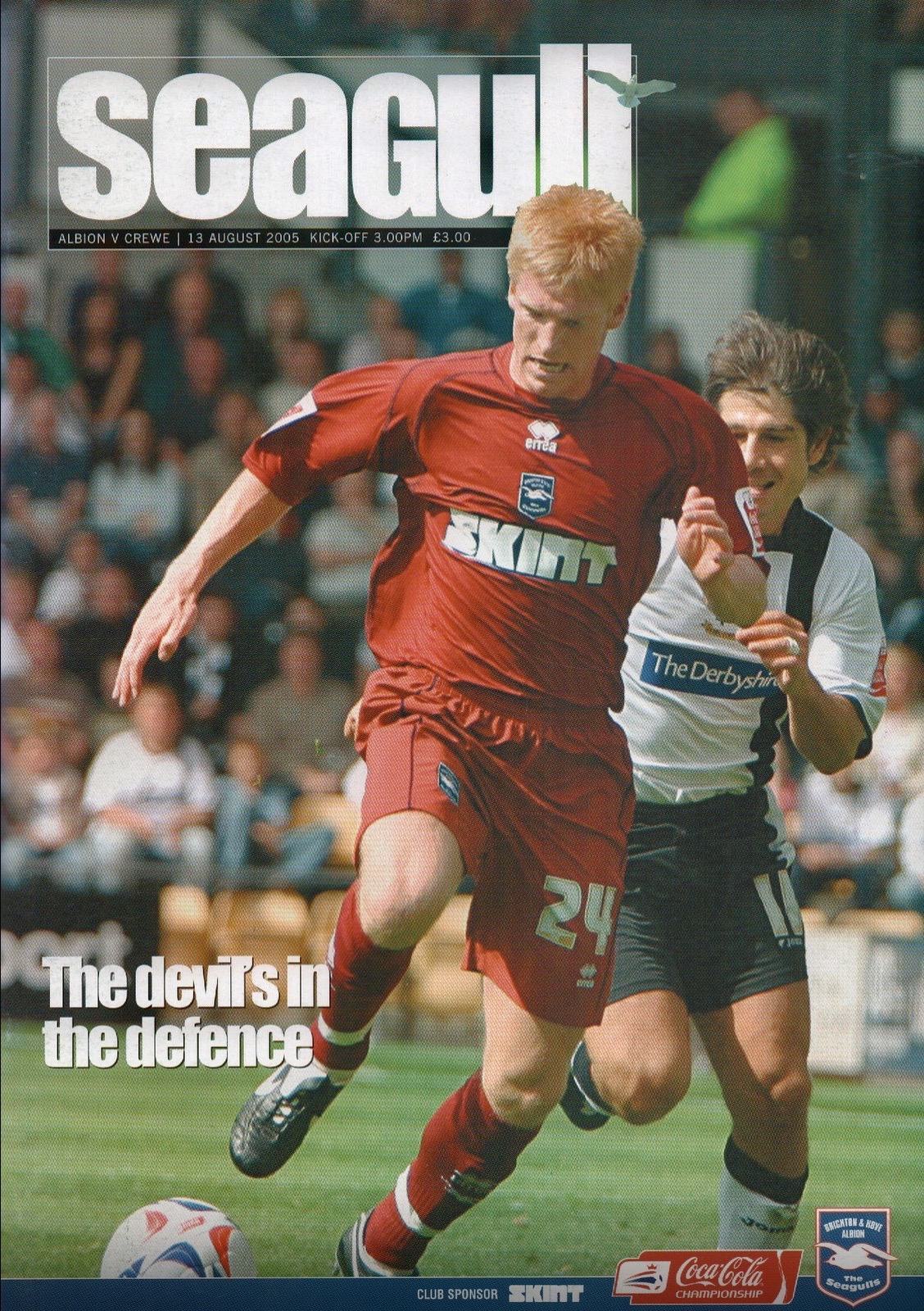
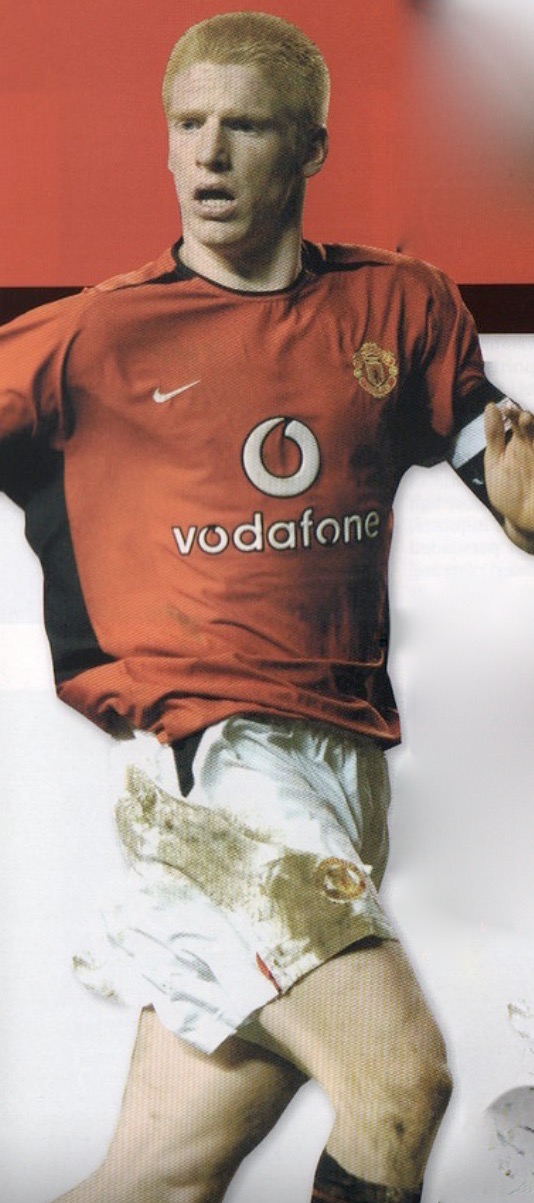
Tommy Elphick’s cherry picking ride to coaching

MEADOW LANE, Nottingham, is probably not one of Tommy Elphick’s favourite grounds. When he left the pitch on a stretcher in the 53rd minute on 7 May 2011, it was a great opportunity for the youngster who replaced him – Lewis Dunk – but for Elphick it was a turning point in a fledgling, promising career with his hometown club.

League One champions Brighton drew 1-1 with Notts County that day but, as they looked forward to playing Championship football in the shiny new American Express Community Stadium at Falmer, Elphick was sidelined for the whole of the following season with a ruptured Achilles tendon injury.

Unsurprisingly, others made the most of his absence. Although he briefly returned to first team action in a pre-season friendly v Lewes in August 2012, the level of competition by then made him realise he would need to move elsewhere to get back in the groove.

That’s when he began an association with AFC Bournemouth that continues now as first team coach, retained by the club in spite of the man who appointed him (Gary O’Neil) being replaced as manager.

As a player, Elphick took a step back to make a stride forward, dropping down a division to join the Cherries and ended up reaching the ‘promised land’ of the Premier League before the Albion.

“To say it worked out well for me was an understatement,” Elphick told Nick Szczepanik in an Albion website interview in 2020. Little wonder he is hailed as “the most successful captain in the history of AFC Bournemouth” having led them to promotions from League One in 2013 and the Championship in 2015, when he was ever-present and named Cherries supporters’ player of the season.

En route to that achievement, he finally got to play at the Amex – on 1 January 2014 – but it was in the red and black stripes of the Cherries in a 1-1 Championship draw.
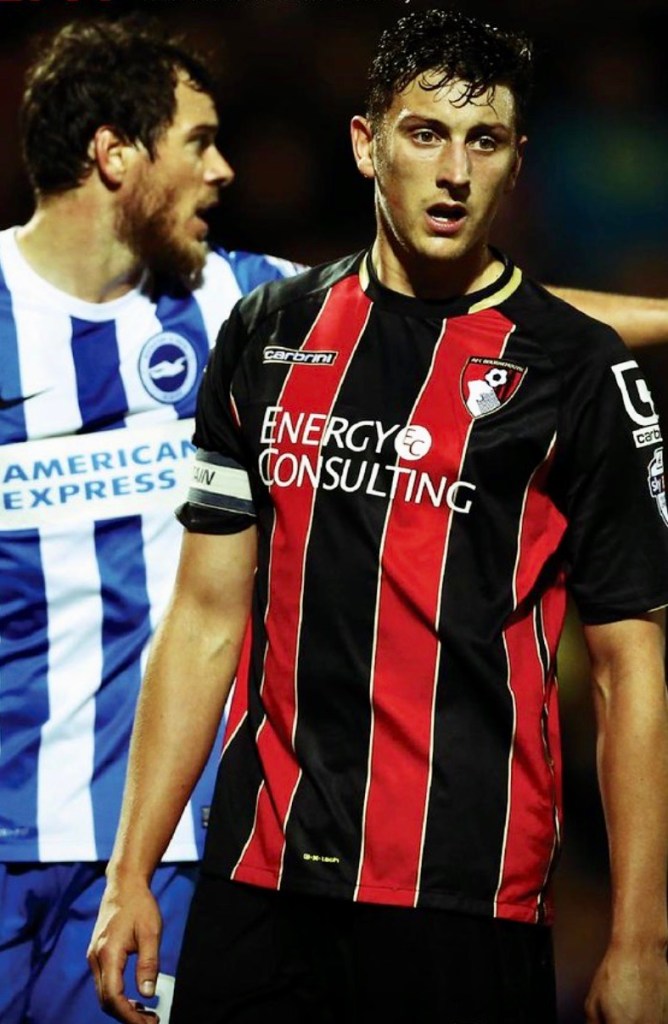
At the Amex in Bournemouth’s red and black stripes

Interviewed in that game’s matchday programme, he admitted: “I’m buzzing for it. I was the first Brighton player contracted to play at the Amex but obviously my Achilles injury conspired against me and I never got the opportunity.

“Having been with the club since a kid, as we went through all the struggles the dream was always to run out at the new stadium at Falmer. It was disappointing that it never happened for me.”

Born in Brighton on 7 September 1987, Elphick played locally for Woodingdean FC before linking up with the Albion academy at the age of 11 after impressing head of youth Martin Hinshelwood.

In his early days with Brighton, he came under the influence of Vic Bragg who he described as “a very astute tactician” whose “coaching drills were excellent and kept us on our toes”.

In a matchday programme article, he said of Bragg: “While he has a heart of gold and is genuinely a nice guy, you didn’t want to cross him on a bad day – but if he did have a word in your ear, it was always constructive.”
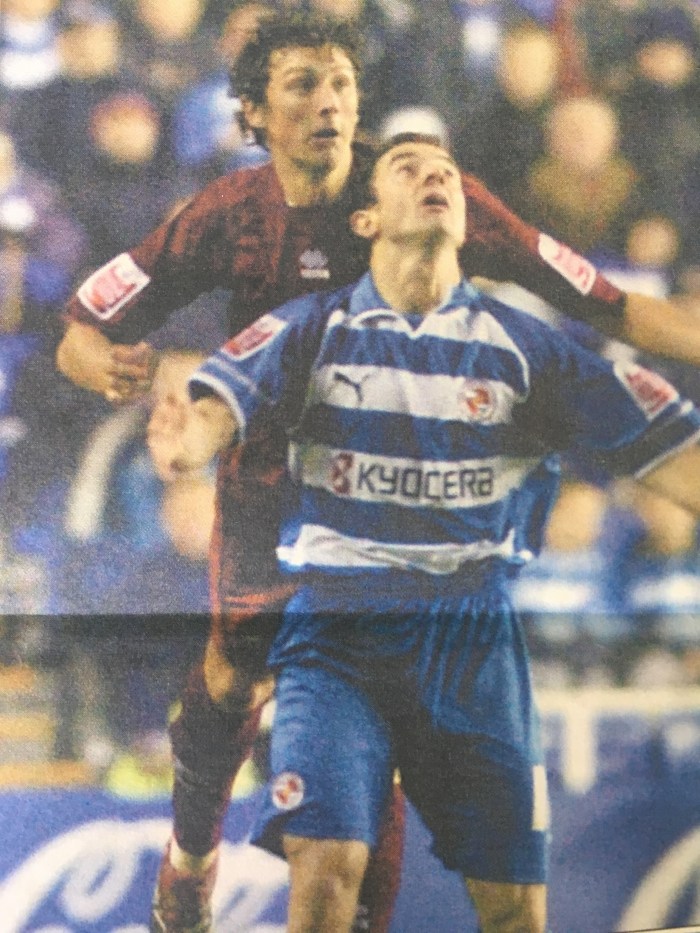
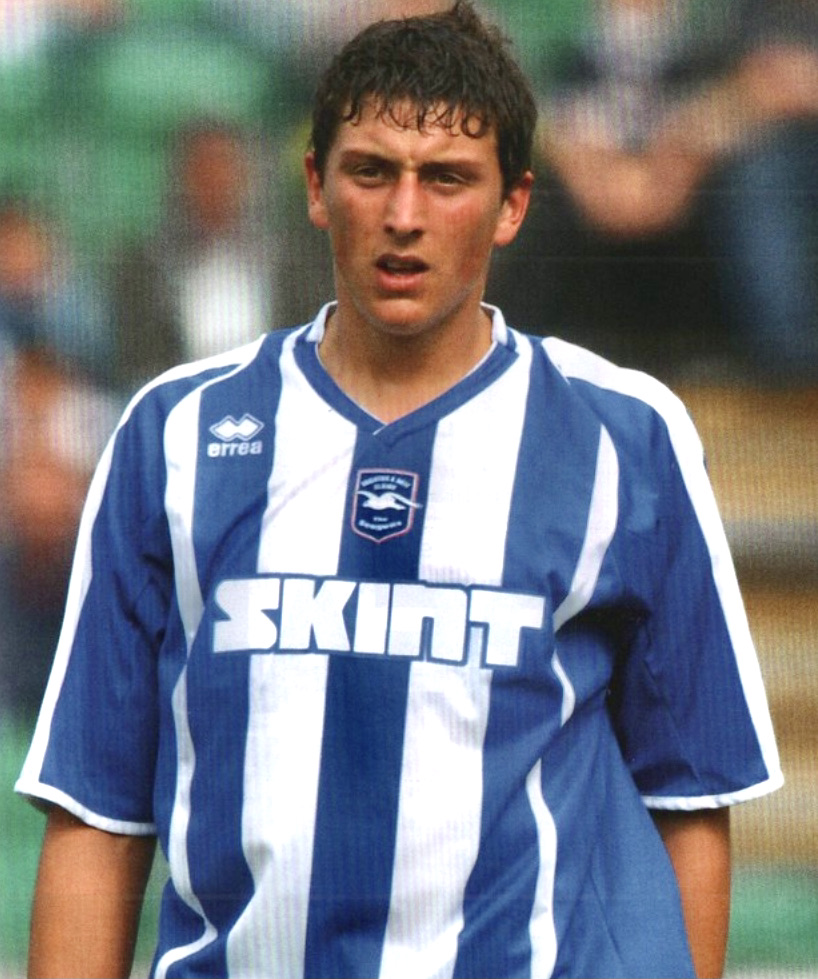
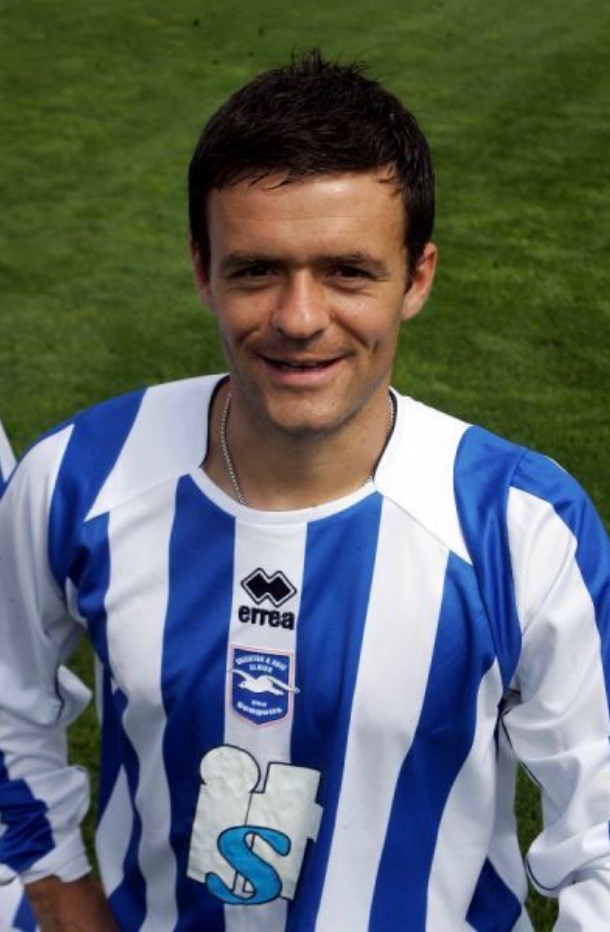
It was under Mark McGhee that Elphick made his first team debut (above) in December 2005, going on as a 73rd minute sub away to Reading in a 5-1 mauling after his older brother Gary had earlier been sent off on his full debut.

“I’m Brighton born and bred, I was a fan at Withdean before I played, and even remember doing a bucket collection on the touchline at Priestfield (when Albion were in exiled at Gillingham) in a bid to raise money for some new jumpers for us youth-team players.

“To then go on and make my debut, having come through the system under Dean Wilkins, well it doesn’t get any better than that.

“That was the highlight for me; being one of seven players from the youth-team set-up to make it to the first team.”

Gary didn’t play for the Seagulls again and Tommy had to wait until April 2007 to make his first start, by which time his old youth team coach Wilkins was in charge of the first team. That game also ended in a defeat, 2-0 to Doncaster, and it was only the following season that he established himself as a starter, initially playing alongside Guy Butters and Joel Lynch and later Adam El Abd and Gordon Greer.

A personal highlight was winning the Player of the Season accolade at the end of his first full season (2007-08), and he went on to captain the side on many occasions, as well as being part of the team that won the League One title.

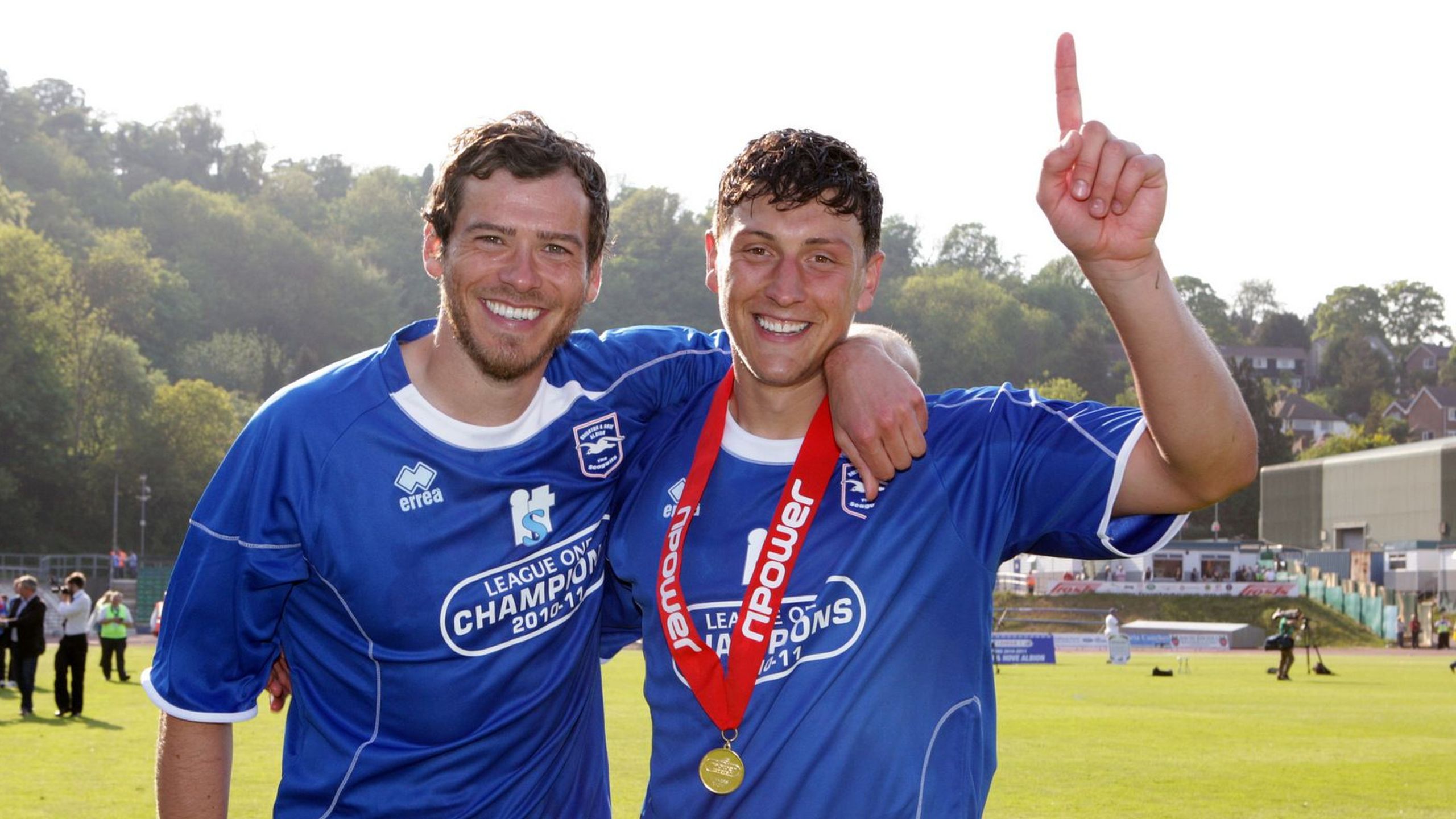
“Brighton are the club who gave me my chance in the game, who shaped me as a footballer and a person,” he said.

As well as McGhee and Wilkins, Elphick’s 182 Seagulls appearances also spread across the reigns of Micky Adams, Russell Slade and Gus Poyet.

The changes introduced by Poyet really struck home with Elphick, who told Spencer Vignes: “From day one there was absolute clarity in terms of what he expected from us, with a few simple rules to start with, which he built on week by week.

“We were in the lower reaches of the table and flirting with relegation, so for him to come in and demand that we play the way he saw the game was unbelievable really.

“A lot of managers would’ve tried to tighten the ship and play a more basic brand of football, but his football was based around possession.

“The style he produced, the football we played and what we went on to do for the next two or three years was phenomenal.”

But Elphick appreciated others too, saying: “I had such a good grounding as a kid and I’m so lucky to have played under some great managers and coaches.”

As a pointer to how things have panned out, he said: “I definitely want to stay in the game, coach, and hopefully manage one day.”

Reflecting on the League One title-winning campaign, Elphick told Szczepanik: “I relished the way we played in that season. I was brought up to play that way in the youth teams under Vic Bragg, Martin Hinshelwood and Dean Wilkins, who all wanted the game played in the right way.

“We lost our way a little after Dean left and we didn’t really have any style until Gus Poyet came to the club and revolutionised it. It was something I was enjoying until I got that injury. But if I hadn’t been injured, would I have ended up at Bournemouth?”

Elphick had signed a new contract with Albion when the move to Bournemouth in League One came up. “In theory it was a step down, but for me it was important to get back playing again,” he said.

The 2011-12 season had been a wipe-out as far as he was concerned because an infection and a repeat of the initial injury ruled out any chance of a swift comeback. He was operated on in Finland by the same surgeon (Professor Sakari Orava) who had performed similar surgery on David Beckham.

It was fully 16 months between the initial injury and playing 45 minutes of a pre-season friendly at Lewes in July 2012. “The idea had been to go out on loan and there were four or five different options, but Bournemouth were looking to have a right go at getting promoted and when I went down to meet the manager, Paul Groves, and the chairman, I was taken by the plans they had for the club,” said Elphick.

“Paul’s assistant, Shaun Brooks, was quite close to Dean Wilkins, and used to come and watch the Brighton youth team, so there was a connection there. Unfortunately, it didn’t quite work out for Paul and Shaun but that led to Eddie Howe coming back to the club.”

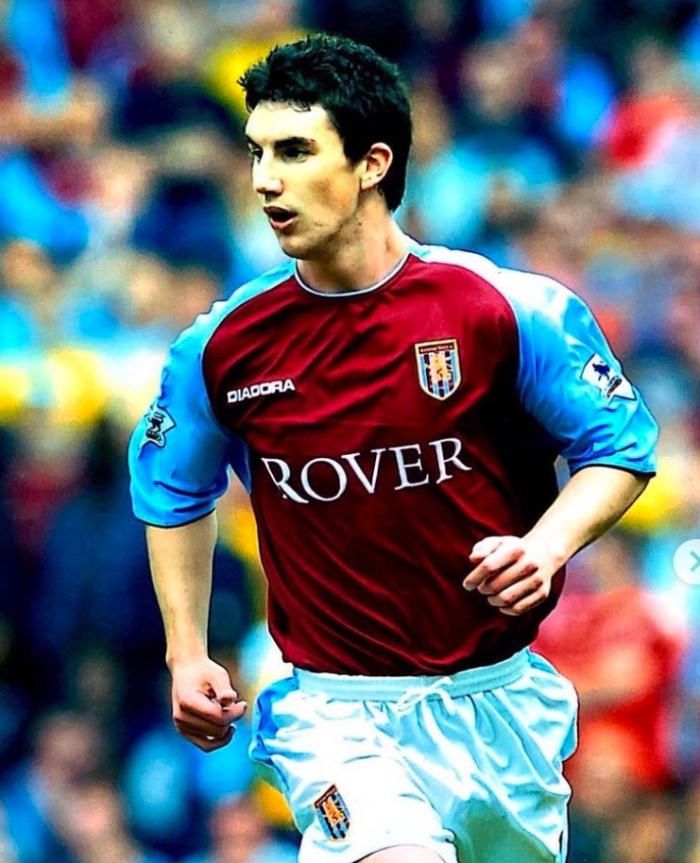
After making 145 appearances for Bournemouth, in 2016 Elphick moved on to Aston Villa, who he had scored against for Brighton at Villa Park in a 3-2 FA Cup defeat three years earlier (below left).

In the summer of 2016, Villa, under Roberto di Matteo, had just been relegated to the Championship and wanted Elphick as their captain as they aimed to bounce straight back to the Premier League.

He was di Matteo’s first signing as Villa manager – and he can thank a very understanding wife that the move went through smoothly.

Elphick cut short his honeymoon to get cracking with his new club, telling the Birmingham Mail: “As soon as I heard about Villa’s interest it’s something that turned my head straight away.

“To be able to come here and represent such a great club with such great history is going to be a real honour for me.”

However, it wasn’t long before Steve Bruce took over from di Matteo and he preferred a different centre-back pairing, meaning Elphick spent most of the second half of the season on the subs bench. I recollect him going on for Villa in the last game of the season when Albion hoped to clinch the Championship title only to concede a late equaliser when a shot from Jack Grealish squirmed through David Stockdale’s grasp.

On loan at Hull City

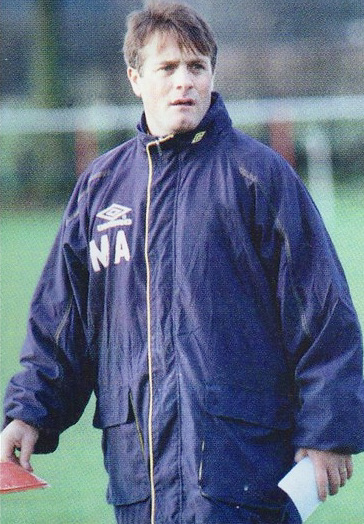
In January of the following year, Elphick went out on loan to Reading for half a season (but only played four games) and he began the first half of the 2018-19 season on loan at Hull City, playing 18 games under Nigel Adkins.

Because of injuries to others, he was recalled to Villa at the start of 2019 by Bruce’s replacement Dean Smith. He played 14 matches but was not involved in the end-of-season play-off final when they finally earned promotion back to the Premier League (beating Derby County 2-1).

Interviewed by the Birmingham Mail about his three years at Villa, Elphick replied: “Tough, unbelievable, disappointing, anger – I had every emotion but I wouldn’t change it for the world because it’s created who I am now.

“What I saw and experienced at Villa was mental, good and bad. A big club brings different pressures and different pitfalls and you have to experience that to know what you could be dealt with further down the line.

“It was really troubled and there was poison in the brickworks to start with. Steve Bruce did the most unbelievable job at weeding that out and bringing it all together.

A challenging time at Villa

“He wasn’t a manager I particularly took a shine to in the way he coached or managed but he taught me a lot about how to bring people together and how to create a group.

“I experienced working under Roberto di Matteo, a Champions League-winning manager, and Steve Bruce, one of the most successful managers in the Championship. Dean Smith was a bit of a trailblazer and did some powerful stuff.”

After two injury-ravaged seasons at Huddersfield Town, when he managed just 14 games for the Terriers, Elphick quit playing to embark on a coaching career that always seemed to be his destination.

He reckoned it was that long spell out injured while at Brighton that helped his move into coaching because he had time to watch and understand football in a way that wouldn’t have happened if he’d been playing every weekend.

He returned to Bournemouth as coach of their development squad, explaining to premierleague.com: “I was delighted to work alongside Shaun Cooper with the 21s. I was very, very lucky to work with such an outstanding coach, and I learned so much. That period also opened my eyes to the time and effort required to do this job properly.  

“In truth, academy football probably had a lifespan for me, but it was an invaluable year.” 

When Parker lost his job in the wake of a 9-0 humbling by Liverpool, Cooper and Elphick were promoted to work alongside new boss Gary O’Neil.

“There are benefits and negatives to being thrust into that situation,” admitted Elphick. “I would love to have spent more time coaching, experimenting, and finding out who I really am on the grass before going into such a high-pressure situation, but it was an opportunity which had to be grabbed with both hands.”

Elphick told Adrian Clarke: “At the outset, none of us had coached at Premier League level before, but we went in, took the handbrake off and went for it. Thankfully, the three us had a nice blend.”  

Elphick absorbed plenty from O’Neil’s way of working and observed: “Premier League football is such a high-level now that as a coach, if you’re put on the spot you need to be able to answer questions or offer advice on all aspects of the game. My intention is to become as well-rounded as possible.” 
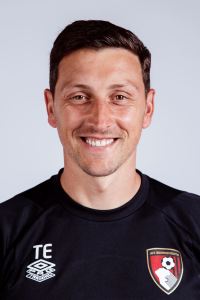
After helping Andoni Iraola settle in as new head coach, Elphick has relished his supporting role although he confessed: “I’ve always wanted to manage, and down the line I’d like to put my principles and ideas into practice. It’s an itch I will need to scratch, but there is no rush.  

“Right now, I just feel so lucky to have experienced contrasting styles in O’Neil and Iraola, and I have learned an incredible amount from both men. I really resonate with Andoni, and the way he wants his team to play with emotion, and he places a lot of emphasis on spirit. 

“What I have learned so far is that to be a successful coach you firstly need strong beliefs. Then, you must deliver your messages with consistency and confidence, and of course be authentic, true to yourself.”
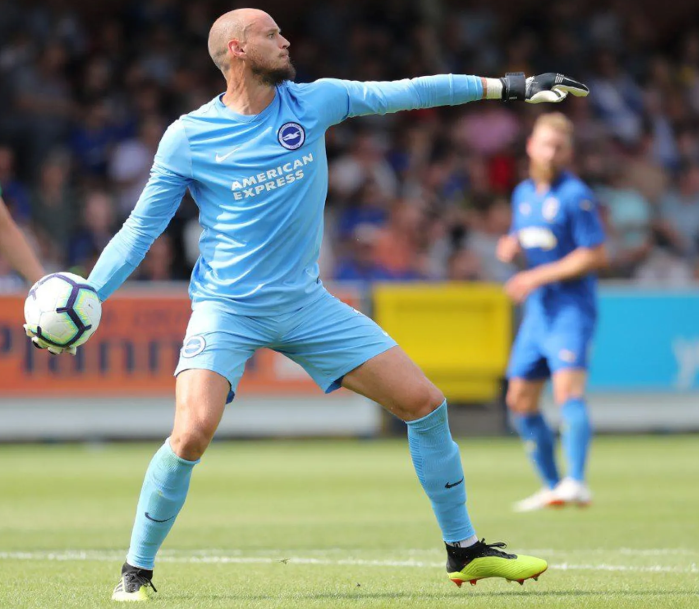
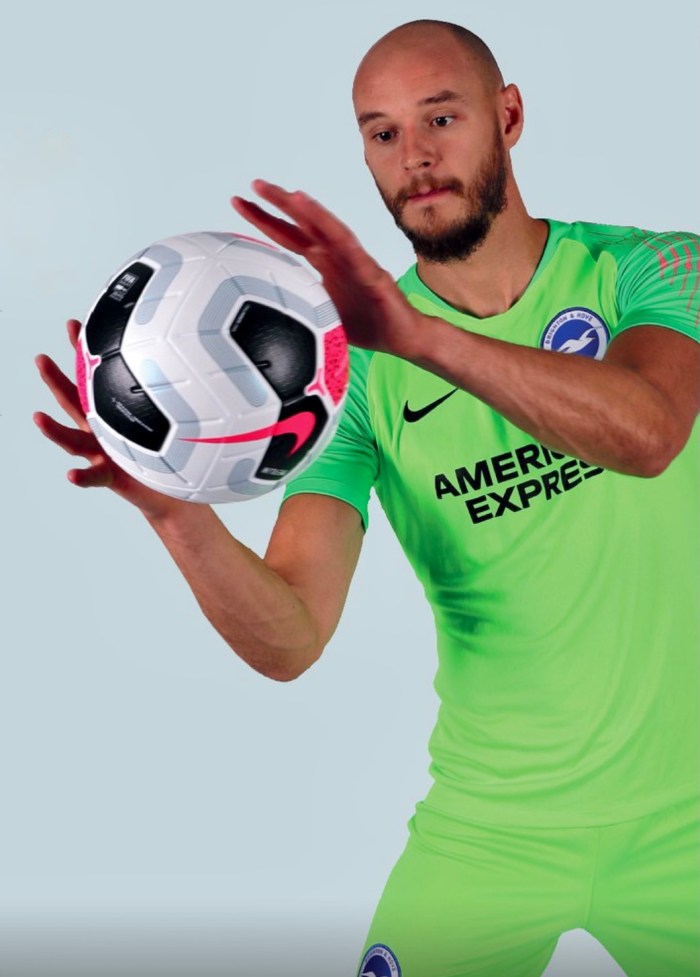
Button rarely pressed into action with the Albion

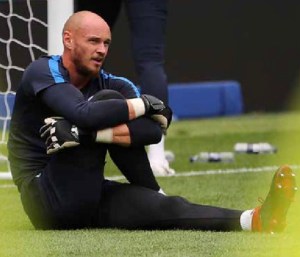
JOURNEYMAN goalkeeper David Button has travelled the length and breadth of the country in pursuit of playing time, his three years at Brentford being a rare settled spell in which he played 141 games.

Normally only a loanee or a back-up ‘keeper at a multitude of clubs, he had a season and a half as Fulham’s first choice but at Brighton between 2018 and 2020 he only made 10 first team starts.

Button was 29 when he signed for the Albion and he stepped into the boots vacated by Tim Krul, the previous back-up ‘keeper, who had moved on to Norwich City. With both upcoming goalkeepers Christian Walton and Robert Sanchez out on loan, boss Chris Hughton wanted a third senior ‘keeper.

Largely a watching brief

“He has a wealth of experience, having made over 300 appearances during his career so far, and I’m sure he will work well with Maty Ryan and Jason Steele,” said Hughton.

Button made his debut in a pre-season 2-1 friendly defeat against AFC Wimbledon, and realised from the outset that Ryan was going to be ahead of him.

“I’m not coming in blind to the situation, but I want to impress and be ready for the chance in the side – there has to be healthy competition wherever you are as a player and hopefully I can provide that for him,” he said. 

“There could be a chance for me and Jason in January if Maty goes away to the Asia Cup with Australia, so we’ll both be working hard to ensure we’re ready for that if the opportunity arises. 

“I know he’s very well thought of but at the same time you have to back yourself and work hard every day and do as well as you can.”

Indicating what might be expected of him, he said: “I’m confident with the ball at my feet – it’s a slightly different style to Fulham and we are allowed to go a bit more direct here and it’s something I feel I’m good at. 

“I think it’s a bit less risky – we play when we can and keep it when we can – the risk factor involved in playing it out of defence is less for me here though.”

Button certainly found a familiar face at training: goalkeeper coach Ben Roberts had previously worked with him at Charlton Athletic, and he said of him: “He has got a great reputation within the game and everyone he’s worked with speaks highly of him. I genuinely believe he’s one of the best at what he does.”

Button’s first competitive action for the Seagulls came in the fourth game of the season, a 1-0 home League Cup defeat to Southampton. He had to wait until December, when Ryan was away playing for Australia, to play in the Premier League.

In Premier League action v Everton

He kept a clean sheet in the first of them, a 1-0 home win over Everton, when he made a handful of saves, including turning a Richarlison effort onto a post.

“Although he’s a very experienced goalkeeper, it’s never easy when you’re coming in at this stage of the season and following Maty Ryan, who’s done so well for us,” Hughton said. “It wasn’t an easy decision because I’ve got two goalkeepers who are really pushing. But probably his experience managed to get him the nod (over Steele).

“It’s great for him to come into this first game and, not only be on a winning team, but also a clean sheet and that will do him the world of good.”

But that was as good as it got; Albion drew 2-2 at West Ham on New Year’s Day and lost to Liverpool (1-0) at the Amex and Man Utd (2-1) at Old Trafford. A 3-1 third round FA Cup win at Bournemouth saw then no.3 Jason Steele given a chance between the sticks.

On Ryan’s return, Button was back to the bench although he kept goal twice in Albion’s run to the semi-finals of the FA Cup: Button in the fourth round win over West Brom and in the fifth round win over Derby County. Hughton went with Ryan for the quarter final at Millwall and the semi v Man City.

When Graham Potter succeeded Hughton, Button spoke about the changes the goalkeepers then had to embrace. “We are now doing more work with our feet,” he told the matchday programme. “There is more onus on us to be better with the ball and to be comfortable with it.”

The opportunity to put it into practice was even less than previously for Button, though: he played just two League Cup matches in 2019-20 (Bristol Rovers and Aston Villa and one FA Cup tie (v Sheffield Wednesday).

At the start of the 2020-21 season, the ‘keeper swapped one Albion for another and signed for newly-promoted West Brom.

“I have ambitions of playing and helping the team as much as possible but I obviously understand that Sam (Johnstone) has got them promoted last season so he will start the season,” said Button.

“It’s up to me to push him and show the manager what I can do and take my chances when I get them. Hopefully there’ll be things I can bring to the squad certainly. I’m quite calm and comfortable with my feet too and commanding in my box so I’d say they’re my main strengths.”

However, Button played just one Premier League game in that first season plus three cup matches.

There was slightly more involvement in 2021-22 when the experienced stopper made 11 appearances in all competitions, including playing the final five Championship games and keeping consecutive clean sheets in the last three matches, against Coventry City, Reading and Barnsley.

When Button swapped West Brom for League One Reading in August 2023, one Baggies supporter wasn’t sorry to see the back of him. “’It is definitely the right move to offload David Button, he has been the worst goalkeeper I have ever seen at Albion,” said fan Matt Smith on footballleagueworld.co.uk.

“We’ve had some pretty decent goalies since I’ve been going, however Button was absolutely atrocious over a significant period of time too. How on earth did we spend £1m on him?

“How Steve Bruce gave him a two-year contract at the end of the 2021-22 season is beyond me. He’s so bad honestly. He can’t catch a bloody cold. He’s awful.”

Born in Stevenage on 27 February 1989, Button was with local club Stevenage Borough in their centre of excellence and acknowledged the input of the Coaching FX goalkeeping school in his early development.

“Keith Fenwick was my first coach: his first-class and very enjoyable sessions definitely helped to develop my love of being a keeper,” he said.

Button moved from youth academy to professional at Spurs

An England schoolboy and youth international, Button moved on to Tottenham’s youth academy in 2003, signed a scholarship deal two years later and then earned a four-year professional contract in December 2007. However, he only had eight minutes of first team action for Spurs – as a substitute for Carlo Cudicini in a League Cup match – and was loaned out 13 times.

Over his four years as a Spurs pro, he had two spells each at Crewe Alexandra and non-League Grays Athletic, plus stints at Rochdale, Bournemouth, Luton, Dagenham & Redbridge, Shrewsbury Town, Plymouth Argyle, Leyton Orient, Doncaster and Barnsley.

In the 2009-10 season, he notched up a total of 36 League Two appearances (10 for Crewe and 26 for Shrewsbury) and 30 in League One the following season, when with Peter Reid’s Plymouth, where he kept Romain Larrieu out of the team for much of the campaign.

When he eventually left Spurs permanently, he didn’t travel too far, joining Chris Powell’s Charlton in the Championship for £500,000. Powell preferred Ben Hamer in goal, though, and Button was restricted to a handful of appearances before moving on to Brentford.

In an interview with getwestlondon, Button said: “It was a little bit of a frustrating time for me at Charlton. I would like to think I would have been given a chance a bit sooner there. It was a difficult year but it helped build my character.”

When Brentford sold Simon Moore to Cardiff, manager Uwe Rösler took Button to Griffin Park declaring: “We decided David was the perfect choice for us. He is at the right age and he is very hungry to make the number one spot his own.

“As soon as Simon left, David was our first choice. David will face strong competition for the goalkeeper spot from Jack Bonham and Richard Lee, when Richard is fit again.

“We have been strong there (in the goalkeeping positions) over the past two seasons and are even stronger this year.

“Goalkeeper is a crucial position and David is a very good player.”

For once, fortune fell favourably for Button and he ended up first choice as the Bees won promotion from League One at the end of his first season and reached the play-off semi-finals at the end of his second season.

The Brentford fans website bcfctalk was full of praise for the stopper, saying: “He was very much our first point of attack as well as our last line of defence and his quick and accurate distribution played a massive part on our overall style of play and freedom of expression.”

The website added: “He sometimes failed to deal effectively with crosses and he could also use his physique better as he is an enormous man, but he was utterly reliable and often quite brilliant and he won us numerous points with some incredible saves.”

Ahead of the 2015-16 season, at a pre-season training camp in Portugal, Button spoke about all of the club’s ‘keepers being put through their paces by goalkeeping coach Simon Royce, a one-time Albion loanee ‘keeper, and how he wanted to maintain his run of form.

“I need to find that level of consistency now for me,” he said. “I feel like I had quite a few good games last season but there were a few where I wanted to do better. I am aiming to keep my standards high in every minute of every game this season.”

He remained first choice in 2015-16, making 47 appearances, but talks on a new contract broke down. He came in for a bit of a backlash on social media when he decided to move on to west London rivals Fulham instead but he told getwestlondon: “It’s football. Probably in their eyes it’d have been nicer for me to move on to a different club. It is what it is.

“Hopefully they remember the good times and what I did for the club. I’ve got a great respect for the fans and for the way they treated me while I was there.

Fulham custodian

“I had a great three years at Brentford but felt it was time for a change and the opportunity to come here arose and it was something that interested me.”

Button had the support of manager Slavisa Jokanovic at Fulham but gradually lost the backing of the supporters to the extent he was jeered at Craven Cottage.

Supporter Dan Smith did a detailed analysis of where he thought things went wrong on fulhamfocus.com. “Having narrowly missed out on promotion in the playoffs, Button signed off his Brentford career as a good keeper at this level and someone highly regarded by the Bees faithful,” wrote Smith. “His shot stopping one of the best in the league with a very strong ‘long’ kick.”

Button kept a clean sheet on the opening day of the 2016-17 season and Smith said: “He looked decisive, confident and capable. But something happened gradually as the season developed.”

He maintained the ‘keeper’s form slowly deteriorated and blamed the way he was being managed rather than the player himself. “He looks very uncomfortable with the ball at his feet and isn’t helped by the lack of movement from the deeper players making it very difficult for him to pick someone out,” wrote Smith. “Mistake after mistake giving the ball away clearly damaged his confidence because mistakes in possession led to poor keeping errors, letting in shots he should be saving and would have saved at Brentford.”

Interestingly, with echoes of what Roberto De Zerbi has said of Steele and Bart Verbruggen, Jokanovic did blame himself rather than Button, saying he trusted the ‘keeper and had full confidence in him.

“It’s my responsibility sometimes. I put my keepers in some sort of trouble. We play a bit different and I want to start playing from the keeper.

“It’s more simple to kick the ball to the strikers as it’d give him more opportunity to be comfortable in the goal.

“He has all my confidence. Sometimes, when he makes a mistake it’s partly my responsibility as well.”

Nevertheless, eventually Button lost his starting spot to Marcus Bettinelli.

Calderwood’s switch to promotion rivals backfired

Hughton’s not so loyal assistant

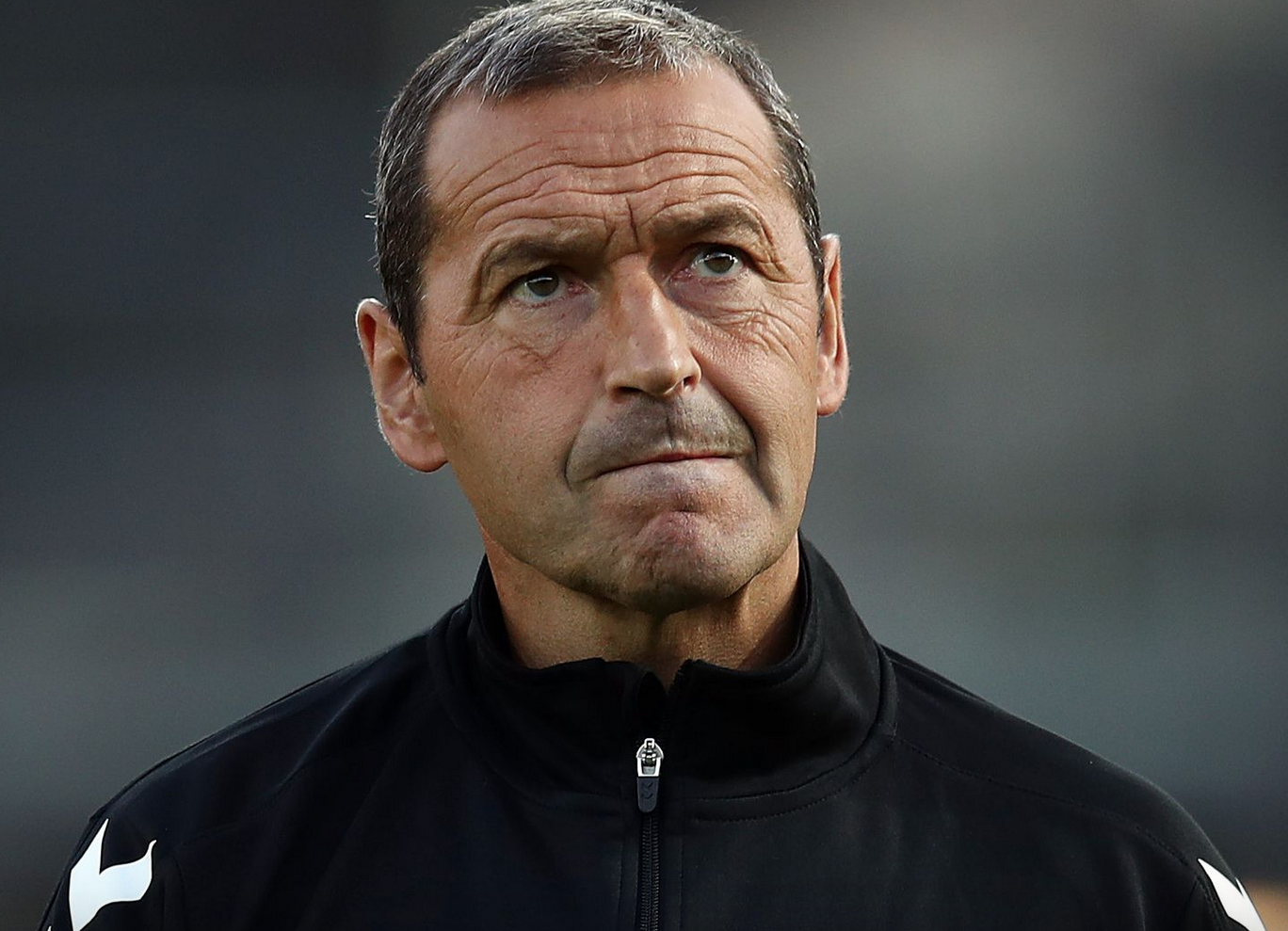
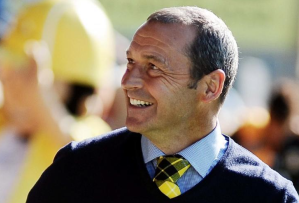
SCOTTISH international Colin Calderwood played for and managed Nottingham Forest in a lengthy playing and managerial career that has spanned a host of clubs across the country.

His 21 months as assistant manager to Chris Hughton at Brighton came to an abrupt end that drew harsh criticism at the time but thankfully didn’t hinder Albion’s upward trajectory.

Calderwood worked under Hughton at three other clubs: Newcastle United, Birmingham City and Norwich City.

The pair first met on the same A licence coaching badge course and Hughton was later a coach at Tottenham when Calderwood was a player. He then played a part in Calderwood becoming reserve team coach at White Hart Lane after his playing days were over.

Calderwood went on to become a manager in his own right at League Two Northampton Town, where he got them promotion at the end of his second season (in 2006).

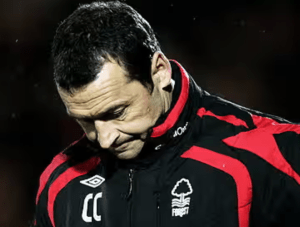
Two and a half years as boss at Forest followed, during which he got them promoted from League One to the Championship. In 2007-08, his Foest side took four points off the Albion, winning 2-0 at Withdean but being held to a goalless draw at home.

Forest were promoted in second place behind champions Swansea City (Albion finished seventh) but Calderwood was sacked just before Christmas in 2008 with the side struggling in the Championship relegation zone.

When Hughton succeeded Sami Hyypiä at the start of 2015, it wasn’t long before he turned to trusted ‘lieutenant’ Calderwood to help Albion’s cause.

The no.2 had first worked with him at Newcastle in 2009 when, after relegation from the Premier League, the pair led the Magpies back to the elite as Championship champions in 2010.

Hibernian in Edinburgh lured him to try a third spell as a no.1 but, after just 13 months in charge, and only securing 12 wins from 49 matches, he was sacked. He was not out of work for long, moving later the same month to Birmingham to become Hughton’s assistant at the Championship side, where another of Hughton’s backroom team, Paul Trollope, was first team coach.

When Hughton left for Premier League Norwich in June 2012, Calderwood, Trollope and chief scout Ewan Chester (who also later joined him at Brighton) all decamped to Carrow Road. City dispensed with their services in April 2014.

Having helped steer Albion to the Championship promotion near-miss of 2015-16 (when they suffered the agonising play-off semi-finals defeat to Sheffield Wednesday), the Seagulls were well geared up to go one better the following season.

So it came as something of a shock when Calderwood quit in November 2016 to become assistant manager to Steve Bruce at promotion rivals Aston Villa.

Hughton was said to be “very disappointed” and “very surprised” by his assistant’s departure, “particularly at this stage of the season”. Albion watcher Andy Naylor reckoned that amounted to a “withering condemnation” from the normally placid manager.

In an excoriating article for the Argus, Naylor wrote: “He clearly feels let down – and he is entitled to feel that way. Is there any justification for treating Hughton the way he has?”

It emerged that the move gave Calderwood a much shorter daily commuting distance from his home in Northampton, but, even so, Naylor reckoned Hughton deserved better.

Thankfully, there was a ready-made replacement in the wings because Trollope had just lost his job at Cardiff City.

Naylor wrote: “Trollope is in the right place at the right moment to bring his promotion-winning mentality as both a player and manager into the camp. Let’s hope he demonstrates more loyalty than Calderwood.”

Perhaps it was the supreme irony that as Albion marched to promotion from the Championship the following spring, the side Calderwood had moved to only finished in 13th place – although the last-game draw at Villa stymied Albion’s chances of going up as champions.

Nevertheless, there were no bitter recriminations on Calderwood’s part. “Chris did a terrific job turning around the shape and the balance of the team,” he recalled in an interview with the Argus in January 2021.

Ahead of his subsequent club Blackpool’s visit to the Amex for a fourth round FA Cup tie (Albion won 2-1), the former assistant boss said: “We found, as I’ve found at most clubs I’ve been at, there’s a core group of players that have an appetite and an ability level that can give you a chance of success.

“When it falls into place, it is really nice to watch and it is very heart-warming and you feel justified in what you preach and practice.

“A lot of the time you are determined by the quality of the person and the player within the club. We found some really good people down there.”

Born on 20 January 1965 in Stranraer, Calderwood didn’t play professionally in Scotland, instead joining Mansfield Town as a 17-year-old in 1982.

He realised in hindsight that he learned a lot from Town’s manager at the time, the experienced Ian Greaves, and he went on to play over 100 matches for the Stags before Swindon Town boss Lou Macari signed him for £27,500 in 1985.

“Ian and Lou were the ones that built the foundations of my career,” he told the Albion matchday programme.

The centre back spent eight seasons at the County Ground and is recognised as a Swindon legend having featured in 412 matches (plus two as a sub).

At only 21, he was made club captain and, despite a difficult start, led Town to back-to-back promotions as they won the Division Four title in 1986 and overcame Gillingham in a Division Three play-off final replay in 1987.

Promotion winner with Swindon Town

Calderwood was said to be “a rock at the heart of the defence” and eventually led Town to their first promotion to the top-flight, after beating Sunderland in the play-off final at Wembley in 1990. But Swindon were demoted due an irregular payments scandal in which Calderwood was implicated: he was arrested just four weeks before the Wembley match but released the same day without charge.
Calderwood missed five months of the 1990-91 season following a horror tackle by Wolves legend Steve Bull but he returned stronger than ever and was ever present when, under Glenn Hoddle, Swindon were promoted at the end of the 1992-1993 season, beating Leicester 4-3 in the play-off final.

But instead of featuring for Swindon in the Premiership, Town’s former manager Ossie Ardiles took him to Tottenham for a fee of £1.25 million.

Playing in the top division for Spurs earned him international recognition. He made his Scotland debut aged 30 in a Euro 1996 qualifier against Russia and was a regular under Craig Brown, winning 36 caps in four years, including playing at the 1998 World Cup.

According to Spurs fan website mehstg.com (My Eyes Have Seen The Glory), Calderwood was “a solid defender, who could tackle and was good in the air, but lacked the pace and distribution skills to be a top class centre half.

“Calderwood gave Spurs a tough presence in the middle of the back four they had been missing for some time and showed that Ardiles’ judgement had been sound.”

After 198 appearances for Spurs (more than 150 in the Premier League), he left White Hart Lane in March 1999 when a £230,000 move saw him join Aston Villa under John Gregory. A year later, he switched to David Platt’s second tier Forest for £70,000.

He had only been at Forest a month when, ironically at Birmingham’s St Andrews ground, Calderwood, by then 35, suffered an injury that would ultimately force him to retire.

Forest goalkeeper Dave Beasant had already been injured in a clash with City’s Jon McCarthy earlier in the game but recovered. Calderwood wasn’t so fortunate. He ended up being stretchered off after a collision with the same player. He had fractured his leg and dislocated his ankle, causing ligament damage.

The injury overshadowed Forest’s 1-0 win and it meant he played only a handful of games at the City Ground. He later had a brief spell on loan at neighbours Notts County before calling it a day.

Calderwood initially returned to Spurs as reserve team manager before leaving for Northampton in October 2003. Spurs director of football and caretaker manager, David Pleat, said: “Colin leaves us with our very best wishes. He’s had two-and-a-half years here as a coach which I’m sure has been valuable experience.

“Colin is young, he has energy, ideas and, most importantly, ambition. This could be a terrific apprenticeship for him and everyone at the club wishes him well in his new role.”

Fast forward 15 years, and after he left Villa along with Steve Bruce in October 2018, two months later he was back in the game at League Two strugglers Cambridge United. He was given an initial 18-month contract and a year later he was given a two-year extension on his deal.

However, after a 4-0 home defeat to Salford City in January 2020 which meant Cambridge had taken only one point from their previous six games, he was sacked.

In October that year he was taken on at Blackpool as part of Neil Critchley’s managerial team and was part of the set-up that saw the Tangerines win a place in the Championship in 2021.

In June 2021 Calderwood returned to his old club Northampton as assistant manager to Jon Brady, and he told the League Two club’s website: “I have learned a lot in the years since I was last at the club and hopefully I can put all of that experience to good use.

“The situation here is similar to the situation I arrived in at Blackpool in working with a talented young manager.
“I have spoken with Jon Brady a number of times, that relationship will build quickly and I am really looking forward to working with him and the rest of the coaching staff.”
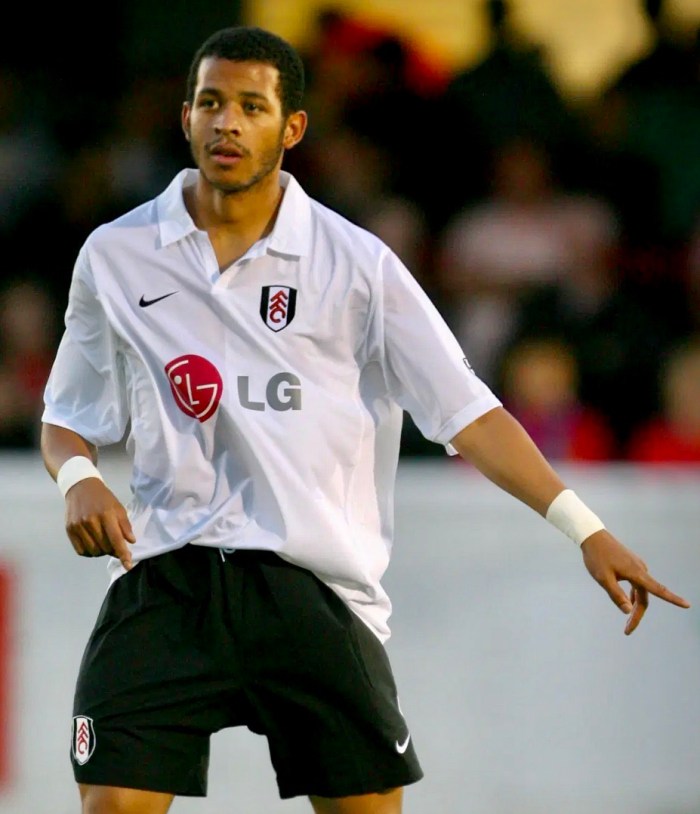
The Cobblers finished fourth in League Two and made it through to the division’s play-off semi-finals where they lost 3-1 on aggregate to Calderwood’s first club, Mansfield.

They made up for it in 2022-23 when they earned automatic promotion in third place behind Leyton Orient and Stevenage.

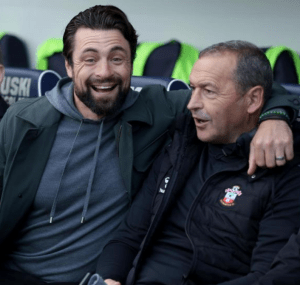
Nevertheless, in October 2023, Calderwood returned to Championship level as part of Russell Martin’s backroom team at Southampton.

Teaming up with Russell Martin

“First and foremost, he’s a brilliant human being. I really trust him and know him very well,” Martin told the Daily Echo

“We worked together at Norwich many moons ago when he was the assistant manager. I used to moan all the time to him and he had a brilliant way of being able to deal with that.

“He just has a great relationship with the players, and he’s a coach throughout my career who I’ve stayed in real constant contact with and discussed football.

“We’ve spoken a lot even when he’s not worked with me. I tried to get him at my two previous clubs and it couldn’t quite happen for various reasons.

“He’s been a manager, an assistant manager, he’s helped some young managers recently get promoted in Neil Critchley and Jon Brady, and added huge experience and value to them.”

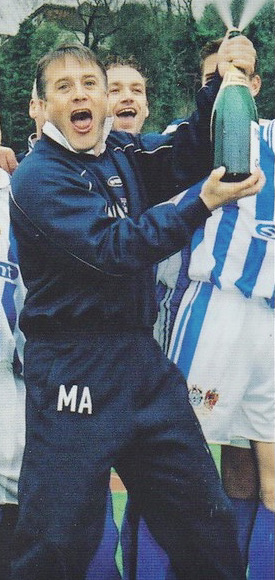
Confrontation was seldom far away in Micky Adams’ career

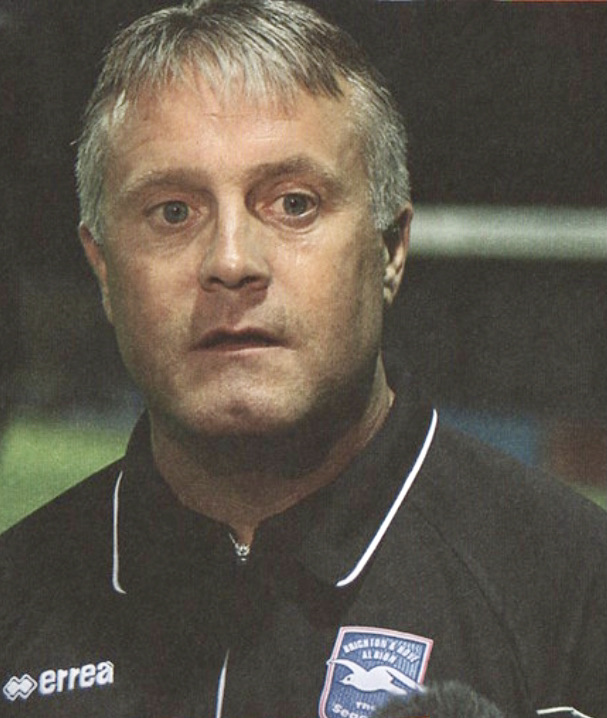
THE FIRST player ever to be sent off in a Premier League game managed Brighton twice.

Fiery Micky Adams saw red playing for Southampton when he decked England international midfielder Ray Wilkins.

“People asked me why I did it. I said I didn’t like him, but I didn’t really know him,” Adams recalls in his autobiography, My Life in Football (Biteback Publishing, 2017).
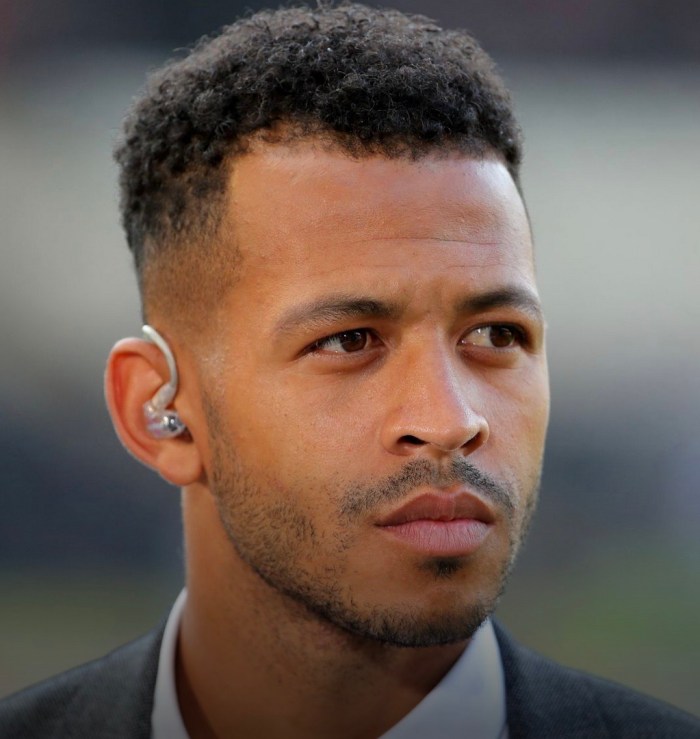
It was only the second game of the 1992-93 season and Adams was dismissed as Saints lost 3-1 at Queens Park Rangers.

Adams blamed the fact boss Ian Branfoot had played him in midfield that day, where he was never comfortable.

“He (Wilkins) was probably running rings around me. I turned around and thumped him. I was fined two weeks’ wages and hit with a three-match ban.”

It wasn’t the only time he would have cause not to like Wilkins either. The former Chelsea, Manchester United and England midfielder replaced Adams as boss of Fulham when Mohammed Al-Fayed took over.

His previously harmonious relationship with Ray’s younger brother, Dean, turned frosty too. When Adams first took charge at the Albion, he considered youth team boss Dean “one of my best mates”. But the two fell out when Seagulls chairman Dick Knight decided to bring Adams back to the club in 2008 to replace Wilkins, who’d taken over from Mark McGhee as manager.

“He thought I had stitched him up,” said Adams. “I told him that I wanted him to stay. We talked it through and, at the end of the meeting, we seemed to have agreed on the way forward.

“I thought I’d reassured him enough for him to believe he should stay on. But he declined the invitation. He obviously wasn’t happy and attacked me verbally. I did have to remind him about the hypocrisy of a member of the Wilkins family having a dig at me, particularly when his older brother had taken my first job at Fulham.

“We don’t speak now which is a regret because he was a good mate and one of the few people I felt I could talk to and confide in.”

With the benefit of hindsight, Adams also regretted returning to manage the Seagulls a second time considering his stock among Brighton supporters had been high having led them to promotion from the fourth tier in 2001. The side that won promotion to the second tier in 2002 was also regarded as Adams’ team, even though he had left for Leicester City by the time the Albion went up under Peter Taylor.

Adams first took charge of the Seagulls when home games were still being played at Gillingham’s Priestfield Stadium.  Jeff Wood’s short reign was brought to an end after he’d failed to galvanise the side following Brian Horton’s decision to quit to return to the north. Horton took over at Port Vale, where Adams himself would subsequently become manager for two separate stints.

Back in 1999, though, Adams had been at Nottingham Forest before accepting Knight’s offer to take charge of the Albion. He’d originally gone to Nottingham to work as no.2 to Dave Bassett but Ron Atkinson had been brought in to replace Bassett and Adams was switched to reserve team manager.

The Albion job gave him the opportunity to return to front line management, a role he had enjoyed at Fulham and Brentford before regime changes had brought about his departure from both clubs.

On taking the Albion reins, Adams said: “For too long now this club has, for one reason and another, had major problems. The one thing that has remained positive is the faith the supporters have shown in their club.

“The club has to turn around eventually and I want to be the man that helps to turn it around.”

The man who appointed him, Knight, said: “Micky is a formidable character with a proven track record. He knows what it takes to get a club promoted from this division. But, more than that, Micky shares our vision of the future and wants to be part of it. That is why I have offered him a four-year contract and he has agreed to that commitment.”

Not long after taking over the Albion hotseat, he was happy to say goodbye to the stadium he’d previously known as home when a Gillingham player in the ‘80s and it was a revamped squad he assembled for the Albion’s return to Brighton, albeit within the confines of the restricted capacity Withdean Stadium.

Darren Freeman and Aidan Newhouse, two players who’d played for Adams at Fulham, scored five of the six goals that buried Mansfield Town in the new season opener at the ‘Theatre of Trees’.

Considering he was only too happy to be photographed supporting the campaign to build the new stadium at Falmer, it’s disappointing to read in his autobiography what he really thought about it.

“My mates and I nicknamed it ‘Falmer – my arse’ although I never said this to Dick’s face,” he said. “There was always so much talk and we never felt like it was going to get done.”

The turning point in his first full season in charge was the arrival of Bobby Zamora on loan from Bristol Rovers. “The first time I saw him he came onto the training ground; he looked like a kid. But he was tall and gangly with a useful left foot; there was potential there.”

Interestingly, considering Adams makes a point of saying he usually ignored directors who tried to get involved on the playing side, he took up Knight’s suggestion that the side should switch to a 4-4-2 formation – and the Albion promptly won 7-1 at Chester with Zamora scoring a hat-trick!

After a so-so first season back in Brighton, not long into the next season Adams was forced to replace his no.2, Alan Cork, with Bob Booker because Cork was offered the manager’s job at Cardiff City, at the time owned by his former Wimbledon chairman, Sam Hammam. Adams reckoned Booker’s appointment was one of the best decisions he ever made.

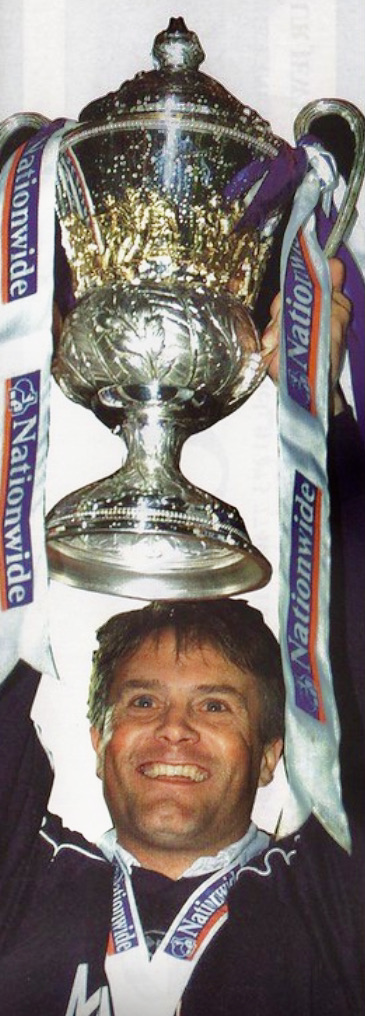
Surrounded by players who had served him well at Fulham and Brentford, together with the additions of Zamora, Michel Kuipers and Paul Rogers, Adams and Booker steered Albion to promotion as champions. Zamora was player of the season and he and Danny Cullip were named in the PFA divisional XI.

Not long into the new season, the lure of taking over as manager at a Premier League club saw Adams quit Brighton, initially to become Bassett’s no.2 at Leicester City, but with the promise of succeeding him.

“While I thought I had a shot at another promotion, it wasn’t a certainty,” Adams explained. “I knew I had put together a team of winners, and I knew I had a goalscorer in Bobby Zamora, but football’s fickle finger of fate could have disrupted that at any time.”

He admitted in the autobiography: “Had I been in charge at the age of 55, rather than 40, then I perhaps would have taken a different decision.”

While Albion enjoyed promotion under Taylor, what followed at Leicester for Adams was a lot more than he’d bargained for and, to his dismay, he is still associated with the ugly shenanigans surrounding the club’s mid-season trip to La Manga, to which he devotes a whole chapter of his book, aiming to set the record straight.

On the pitch, he experienced relegation and promotion with the Foxes and he doesn’t hold back from lashing out about ‘moaner’ Martin Keown, “one of the worst signings of my career”. Eventually, he’d had enough, and walked away from the club with 18 months left on his contract.

After a break in the Dordogne area of France, staying with at his sister-in-law and her husband’s vineyard, he looked for a way back into the game. He was interviewed for the job of managing MK Dons but was put off by a Brighton-style new-ground-in-the-future scenario. Then Peter Reid, a former Southampton teammate, was sacked by Coventry City. He put his name forward and took charge of a Championship side full of experienced players like Steve Staunton and Tim Sherwood.

The side’s fortunes were further boosted by the arrival of Dennis Wise, but, in an all-too-familiar scenario Adams had encountered elsewhere, the chairman who appointed him (Mike McGinnity) was replaced by Geoffrey Robinson. It wasn’t long before it was obvious the relationship was only going to end one way. As Adams tells it, Robinson was influenced by lifelong Sky Blues fan Richard Keys, the TV presenter, and it was pretty much on his say-so that Adams became an ex-City manager after two years in the job.

With an ex-wife and three children to support as well as his partner Claire, Adams couldn’t afford to be out of work for long and fortunately his next opportunity came courtesy of Geraint Williams, boss of newly promoted Colchester United, who took him on as his no.2.

However, it only got to the turn of the year before he was out of work once again, although, from what he describes, he wasn’t enjoying his time with the U’s anyway because Williams kept him at arm’s length when it came to tactics and team selection.

He was amongst the ranks of the unemployed once again when Albion chairman Knight gave him a call, but, with the benefit of hindsight, he said: “Going back turned out to be one of the biggest mistakes of my life.”

Adams blamed the backdrop of “the power struggle” between Knight and Tony Bloom on the lack of success during his second stint in the hotseat, and he reckons it was Bloom who “demanded my head on a platter”. The fateful meeting with Knight, when a parting of the ways was agreed, famously took place in the Little Chef on the A23 near Hickstead.

Looking back, Adams conceded he bowed to pressure from Knight to make certain signings – namely Jim McNulty, Jason Jarrett and Craig Davies in January 2009 – who didn’t work out. He reflected: “I shouldn’t have taken the job in the first place. I’d let my heart rule my head but, in fairness, I didn’t have any other offers coming through and it seemed like a good idea at the time.

“I wouldn’t ever say he (Knight) let me down, but he had his idea about players. I did listen to him, and maybe that’s where I went wrong.”

He added: “Going back to a club where success had been achieved before felt good, yet, the second time around, the same spark wasn’t there no matter how hard I tried.”

Born in Sheffield on 8 November 1961, Micky was the second son of four children. It might be argued his penchant for lashing out could have stemmed from seeing his father hitting his mother, which he chose to spoke about at his father’s funeral. Adams is obviously not sure if he did the right thing but he felt the record should be straight.

The Adams family were always Blades rather than Wednesdayites and, at 15, young Micky was in the youth set-up at Bramall Lane having made progress with Sunday league side Hackenthorpe Throstles.

While he thought he had done well under youth coach John Short during (former Brighton player) Jimmy Sirrel’s reign as first team manager, Sirrel’s successor, Harry Haslam, replaced Short and, not long afterwards, Adams was released.

However, Short moved to Gillingham and invited the young left winger to join the Gills. Adams linked up with a group of promising youngsters that included Steve Bruce.

In September 1979, he had a call-up to John Cartwright’s England Youth side, going on as a sub in a 1-1 draw with West Germany, and starting on the left wing away to Poland (0-1), Hungary (0-2) and Czechoslovakia (1-2) alongside the likes of Colin Pates, Paul Allen, Gary Mabbutt, Paul Walsh and Terry Gibson.

Adams honed his craft under the tutelage of a tough Northern Irishman Bill ‘Buster’ Collins and began to catch the attention of first team manager Gerry Summers and his assistant Alan Hodgkinson, who had played 675 games in goal for Sheffield United.

He made his debut aged just 17 against Rotherham United but didn’t properly break through until Summers and Hodgkinson were replaced by Keith Peacock (remember him, he was the first ever substitute in English football, in 1965, when he went on for Charlton Athletic against John Napier’s Bolton Wanderers) and Paul Taylor.

“Keith saw me as a full-back and that was probably the turning point of my career,” Adams recalled.

Once Adams and Bruce became regulars for the Gills, scouts from bigger clubs began to circle and at one point it looked like Spurs were about to sign Adams. That was until he came up against the aforementioned Peter Taylor, who was playing on the wing for Orient at the time (having previously played for Crystal Palace, Spurs and England).

“He nutmegged me three times in front of the main stand and, to cut a long story short, that was the end of that. Gillingham never heard from Spurs again,” Adams remembered.

Even so, Adams did get a move to play in the top division when Bobby Gould signed him for Coventry City. Managerial upheaval didn’t help his cause at Highfield Road and when John Sillett preferred Greg Downs at left-back, Adams dropped down a division to sign for Billy Bremner’s Leeds United (pictured below right with the legendary Scot).

“He had such a big influence on my career and life that I wouldn’t have swapped it for the world,” said Adams. But life at Elland Road changed with the arrival of Howard Wilkinson, and Adams found himself carpeted by the new boss after admitting punching physio Alan Sutton for making what an injured Adams considered an unreasonable demand to perform an exercise routine even though he was in plaster at the time.

Nevertheless, Adams admits he learned a great deal in terms of coaching from Wilkinson, especially when an improvement in results came about through repetitive fine-tuning on the training pitch.

“It is the one aspect of coaching that is extremely effective, if delivered properly,” said Adams. “I learnt this from Howard and took this lesson with me throughout my coaching and managerial career.”

However, Adams didn’t fit into Wilkinson’s plans for Leeds and he was transferred to Southampton, managed by former Aston Villa, Saints and Northern Ireland international Chris Nicholl. Adams joined Saints in the same week as Neil ‘Razor’ Ruddock and the pair were quickly summoned by Nicholl to explain the large size of the hotel bills they racked up.

Adams moved his family from Wakefield to Warsash and he went on to enjoy what he reflected on as “the best few years of my playing career”. He was at the club when a young Alan Shearer marked his debut by scoring a hat-trick and the “biggest fish in the pond at the Dell” was Jimmy Case.

Adams described the appointment of Branfoot in place of the sacked Nicholl as a watershed moment in his own career. “Overall he was decent to me and I found his methods good,” he said. And he pointed out: “I was getting older, I’d started my coaching badges and I already had one eye on my future.”

Adams recalled an incident during a two-week residential course at Lilleshall, after he had just completed his coaching badge, when he dislocated his shoulder trying to kick Neil Smillie.

“I was left-back and he was right-wing, and he took the piss out of me for 15 minutes. The fuse came out and I decided to boot him up in the air,” Adams recounted. “The only problem was that I missed. I fell over and managed to dislocate my shoulder hitting the ground. It was the worst pain I’ve ever had.”

If life was sweet at Southampton under Branfoot, that all changed when he was replaced by Alan Ball and the returning Lawrie McMenemy. Adams and other older players were left out of the side. Simon Charlton and Francis Benali were preferred at left-back. Eventually Adams went on a month’s loan to Stoke City, at the time managed by former Saints striker Joe Jordan, assisted by Asa Hartford.

On his return to Southampton, and by then 33, Adams was given a free transfer.

Former boss Branfoot came to his rescue, inviting him to move to League Two Fulham as a player-coach in charge of the reserve team. Branfoot also signed Alan Cork and he and Adams began a longstanding friendship that manifested itself in becoming a management pair at various clubs.

On the pitch, Branfoot struggled to galvanise Fulham and, with the team second from bottom of the league, he was sacked – and Adams replaced him. He kept Fulham up by improving fitness levels and introducing more of a passing game.

But he knew big changes were needed if they were going to improve and he gave free transfers to 17 players, despite clashing with Jimmy Hill, who had different ideas.

An admirer of what Tony Pulis was doing at Gillingham, Adams signed three of their players: Paul Watson, Richard Carpenter and Darren Freeman. He also got in goalkeeper Mark Walton and centre back Danny Cullip. Simon Morgan was one of the few who wasn’t let go, and Paul Brooker emerged as a skilful winger. All would later play under him at Brighton.

Promotion was secured and Adams was named divisional Manager of the Year but after all the celebrations had died down Mohamed Al-Fayed bought the club and things changed dramatically.

“The club was in a state of flux as it tried desperately to come to terms with its new status as a billionaire’s plaything,” Adams acerbically observed. “From having nothing, we had everything.”

Before too long, in spite of being given a new five-year contract, Adams was out of the Craven Cottage door, replaced by Wilkins and Kevin Keegan.

But he wasn’t out of work for long because Branfoot’s former deputy, Len Walker, introduced him to the chairman of Swansea City, who were on the brink of relieving Jan Molby of his duties as manager.

Various promises were made regarding funds that would be made available to him but when they were not forthcoming he realised something was not right and he quit, leaving Cork, the deputy he’d taken with him, to take over.

By his own admission, if he hadn’t been sitting on the £140,000 pay-off he’d received from Fulham, he probably would have stayed. As it was, he was out of work once again…..until he had a ‘phone call from David Webb, the former Chelsea and Southampton defender who was the owner of Brentford, but in the process of trying to sell the club.

His brief was to keep the side in the league and to make it attractive to potential purchasers. It was at Griffin Park that he first met up with the aforementioned Bob Booker, who was managing the under 18s at the time. “He is one of the most loyal and trustworthy friends I have ever known,” said Adams. “He would do anything for you.”

However, although he signed the likes of Cullip and Watson from Fulham, he wasn’t able to stop the Bees from being relegated. During the close season, former Palace chairman Ron Noades bought the club and announced he was also taking over as manager.

Once again, Adams was out of a job but his next step saw him appointed as no.2 to Dave Bassett at Nottingham Forest.

Which brings us almost full circle in the Adams career story, but not quite.

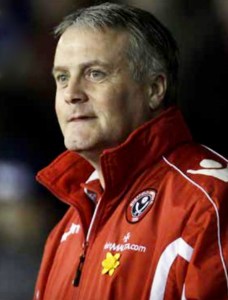
After the debacle of his second stint in charge of Brighton, he was twice manager at Port Vale, each spell straddling what turned out to be a disastrous period in charge of his family’s favourite club, Sheffield United.

It was Adams who gave a league debut to Harry Maguire during his time at Bramall Lane, but the side were relegated from the Championship on his watch, and he was sacked.

Adams took charge of 249 games as Vale boss but quit after a run of six defeats saying he’d fallen out of love with the game.

It didn’t prevent him having another go at it, though. He went to bottom of the league Tranmere Rovers and admitted in his book: “It was arrogance to think I could turn round a club that had been relegated twice in two seasons.”

In short, he couldn’t and he ended up leaving two games before the end of what was their third successive relegation.

“It was a really poor end to a career that had started so promisingly at Fulham,” he said.

Ridgy rides in to shore up injury-ravaged defence

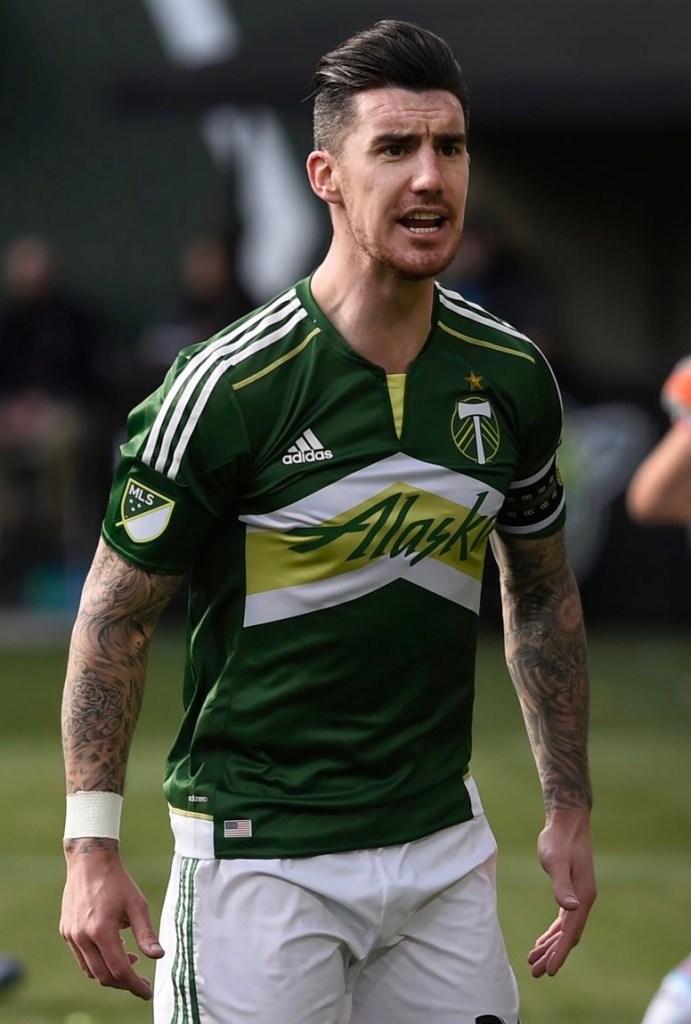
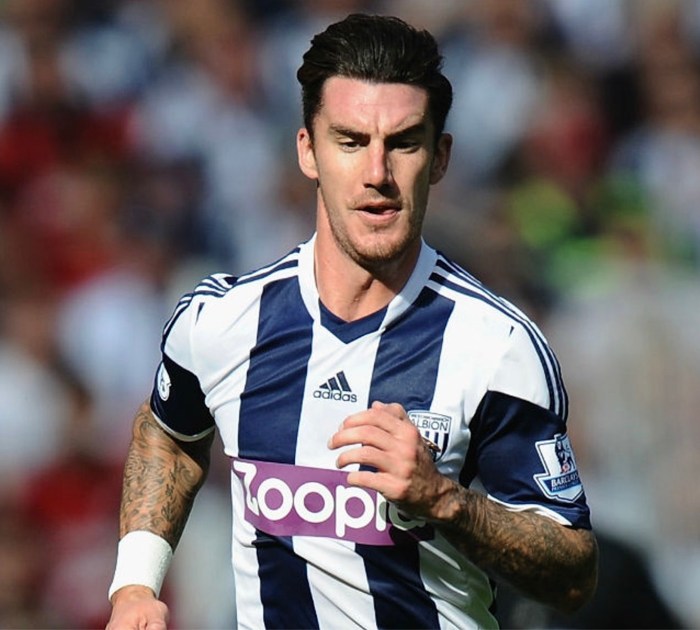
FORMER WEST BROM defender Liam Ridgewell played six games on loan for Brighton in the early part of 2016.

Ridgewell helped out when first choice left-back Gaetan Bong and deputy Liam Rosenior were both out injured.

He made six starts, starting in the FA Cup away to his old boss Steve Bruce’s Hull City, who won the tie with a single goal. His next game was also away, at Rotherham United, where Albion went down 2-0.

After that, he was on the winning side four times, as Albion beat Blackburn Rovers away and Huddersfield, Brentford and Bolton at home.

Albion’s matchday programme devoted a double-page spread to the loanee

Brighton wanted to extend the experienced defender’s loan but his parent club – MLS (Major League Soccer) outfit Portland Timbers – wouldn’t allow it and he returned to the States.

Albion manager Chris Hughton told The Argus: “He has certainly brought us a wealth of experience. We have to abide by the situation. In any way we could extend it for whatever, a further week or so, we’d be delighted to be able to do that, but I certainly can’t speak out of turn when he’s not our player.

Ridgewell returned to Portland Timbers after his brief loan with the Seagulls

“We have to respect everything his parent club want. He has certainly fitted in very well.”

Ridgewell explained the background to joining the Seagulls in an Argus interview with Andy Naylor, and on clinching the deal, Hughton said: “I know Liam very well from my time as manager at Birmingham City, and he is an excellent and important addition for us.

“He will bring extra experience to our defence at a crucial time and will give me an option both in the centre of defence and at left-back.

“Liam has played the vast majority of his career in the Premier League with more than 350 senior appearances and he’s also got experience of the Europa League and Championship from his time at Birmingham.”

Born in Bexleyheath on 21 July 1984, Ridgewell went to Bexleyheath School and was on West Ham’s books for two years between 1999 and 2001.

After looking at the quality of players breaking through there, he took the bold decision to quit the Hammers and join Aston Villa’s youth set-up instead, which he spoke about in an interview with the Birmingham Mail.

“I had looked at what was already in the team – you had Michael Carrick coming through, Joe Cole, Rio Ferdinand, Richard Garcia – and I thought it might be time for a change.

“I was a south London boy, grew up around there and had all my friends there. But I thought if I got away it might focus me a bit more. It was a tough decision.

A youthful-looking Ridgewell made his breakthrough with Aston Villa

“I used to leave school early on a Friday afternoon to travel up to Villa for the weekends.

“I used to get the bus from my house to the train station, get a tube from Charing Cross to Euston and a train from London up to Birmingham all on my own.”

After joining Villa in February 2001, he was part of their 2002 FA Youth Cup winning side. They beat an Everton team featuring Wayne Rooney 4-2 over two legs. Villa’s goalkeeper was another Wayne – Henderson – who would later move to Brighton. The side also included Steven Davis, who went on to play for Southampton.

In the same year, Ridgewell was selected for the England under-19s and was sent out on loan to AFC Bournemouth, then in Division 3, where he made his league debut as part of a five-game loan spell.

Back at Villa Park, former England boss Graham Taylor gave him his first-team debut in a FA Cup tie against Blackburn in January 2003 when he came on as a substitute in a 4-1 defeat. He had to wait until December that year before getting his Premier League bow, again as a substitute, but this time in a 3-0 win over Fulham. He went on to make 11 appearances by the season’s end.

Under David O’Leary and, for a season, Martin O’Neill, Ridgewell made a total of 93 appearances for Villa before making what some fans would consider a controversial move.

In August 2007, Ridgewell became the first Villa player in 23 years to be transferred to bitter city rivals Birmingham. Des Bremner, brother of one-time Brighton striker Kevin, had been the last one, in 1984.

Steve Bruce’s £2m signing then found himself wearing the captain’s armband on his debut. “It’s one of the greatest achievements in my career,” Ridgewell told the Birmingham Mail. “It’s a real honour. I thank the gaffer for that. Hopefully I can continue as captain for a few more games before a few of the others come back in.

“It was fantastic to do it. I only found out before the game when we were on the pitch. The gaffer came up to me and asked would I have any problems doing it? I said none at all. It’s what I’m made for, it’s what I want to do. I want to captain sides and have a responsibility on me.”

Ridgewell subsequently played under Alex McLeish and Hughton for the Blues, winning promotion back to the Premier League in 2009 and the League Cup in 2011.

After a total of 175 appearances in four years, and on the back of a 6-0 win for Birmingham at Millwall, Ridgewell joined West Brom on deadline day in January 2012.

Ridgewell settled in quickly at West Brom

He couldn’t have wished for a better debut, as Albion recorded a memorable 5-1 win over Black Country rivals Wolverhampton Wanderers.

The Baggies were managed by Roy Hodgson at the time and, having initially been flirting with relegation from the Premier League, stayed up with results like a 4-0 victory over Sunderland and a 1-0 win over Chelsea that cost Andre Villas-Boas his job.

“Roy Hodgson was brilliant,” Ridgewell told The Athletic, in an interview in 2020.  “Roy knew how to make players feel and perform better than they were,” he said. “Everything was positional based. He let you do your own thing but he gave you the tools and the words to make sure you did it to the best of your ability in your own position. It was a clear message for me of how a manager gets the best out of players.”

When Hodgson left to manage England, Ridgewell continued as a Baggies regular for the next two seasons under Steve Clarke. Baggies escaped the drop by just three points in 2014, after Pepe Mel had taken over the managerial hotseat in January.

That summer, Ridgewell wanted to try something different and headed for the States to join Major League Soccer’s Portland Timbers.

In his five years with the Timbers, one of his highlights was captaining the side to a 2-1 MLS Cup win over Columbus Crew, a few weeks before his loan spell with Brighton during the American season’s winter break.

The previous season he’d returned to the UK in a similar arrangement to play six games on loan for Wigan Athletic in the Championship.

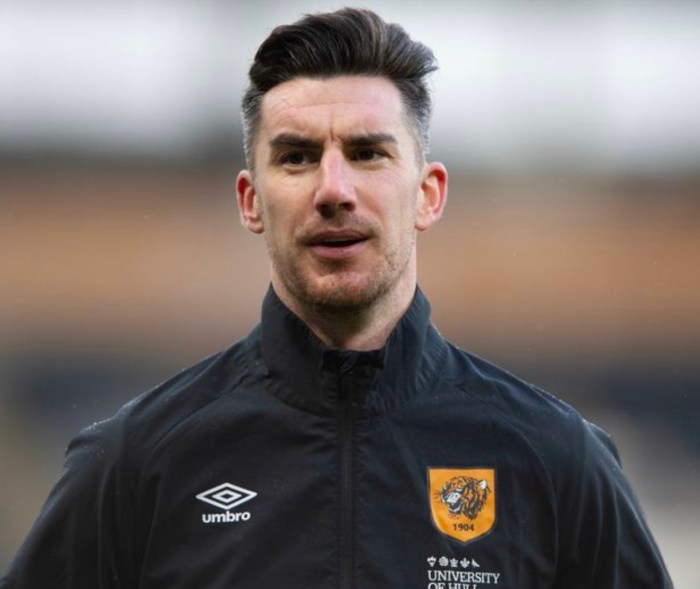
Ridgewell spoke about his time in the States on his return to the UK in January 2019, when he joined Hull City until the end of the season.

Back in the UK, Ridgewell spent half a season at Hull City

“I wanted to try something different and go out there with an open mind,” he told the Hull Daily Mail. “The league is completely different to what a lot of people expect. It’s grown bigger and stronger. I feel as fresh and as fit as when I first went there.”

To illustrate the point, he mentioned how he’d been up against the likes of Miguel Almiron, who subsequently joined Newcastle United for £20m.

“I loved it, it was great, really refreshing for me. It gave me another lease of life. It was something I needed to do, and I really loved it.”

In the summer of 2019, Ridgewell joined League One Southend United, but, having made only one appearance by December, quit playing to take up coaching.

He took to Instagram to reflect on his career, writing: “Football has given me the best life any little boy could wish for. There have been some massive highs and lows but now it’s time to hang up my boots and move on to the next chapter of my career.

“I’d like to say a massive thank you to all the coaches and managers who moulded me into the player I was. A special thank you to the late, great Graham Taylor for giving me my debut and the reason I was able to pursue my dream.”

In April 2020, Ridgewell spoke at length to Gregg Evans for an article on The Athletic, describing how lockdown had interrupted his plans to drop in on some of his old managers to gain knowledge and information in pursuit of his goal of becoming a manager.

“Moving into management has always been my aim,” he said. “I’ve always had a speaking role at every club I’ve been at. Whether it’s on the training pitch or during a game, I’ve always tried to help people out, too. With me being so vocal, I try to marshal teams in a certain way.”

He did some work with Aston Villa’s youngsters towards the end of 2020 but took on his first official coaching post in December 2020, as first team coach at Dover Athletic under former Gillingham boss Andy Hessenthaler.

It’s no surprise to discover Ridgewell (or Ridgy 6 as he’s known) has a veritable army of followers on Twitter – more than 42,000. Away from football, Ridgewell co-owns luxury swimwear business Thomas Royall, with fellow footballers John Terry and Sam Saunders.

Pictures from various online sources, and the Albion matchday programme.

Respected Rosenior a dedicated student of the game

LIAM ROSENIOR is one of the most articulate footballers to pull on Brighton’s stripes.

He wasn’t a bad player, either, making nearly 450 appearances for seven clubs in a 17-year career, usually as a full-back.

The son of former Fulham, QPR and West Ham striker Leroy, Liam joined Albion in the summer of 2015, brought in as one of Chris Hughton’s first signings of that transfer window, and went on to make 51 appearances for the Seagulls.

Arguably his best days were behind him when Hughton signed him on a free transfer from Hull City, but he quickly endeared himself to the Albion faithful, bringing his top-level experience to a squad looking to rise to the Premier League and appreciated for his passion, best demonstrated by his chin-up gesture as the Seagulls came close but narrowly missed out on promotion.

A year later, Rosenior was part of the Albion squad which celebrated the club’s promotion to the Premier League.

Rosenior could talk a good game as well as play it so it was no surprise he was in demand as a football pundit on TV and radio, and in the final year of his playing career he wrote a weekly column for The Guardian. His views on the politics of the game and wider issues – such as racial abuse – have been sought by many news outlets.

As a student of the game, he didn’t waste time in getting his coaching badges and, when his playing career at Brighton came to a close in 2018, he was appointed to assist under 23s coach Simon Rusk, although he’d already been involved on an informal basis.

Hughton told the Argus: “Liam has played a huge part in our achievements over these few seasons. Unfortunately, over that time, he’s had a couple of injuries that kept him out for periods but at this moment he is in good shape.

“His value has not only been on the pitch but also off the pitch. He has also made a small contribution to the success of the under-23s. Because he wants eventually to be a coach and a manager, he’s had an involvement with them. That has been great for them and for us as a club.”

It seemed only a matter of time before he would step up to first team management but, in 2019, just such an opportunity was presented first by Derby County, and he left to become part of the small group supporting Phillip Cocu.

Rosenior’s contribution to the Seagulls was recognised in glowing terms by chairman Tony Bloom, who thanked him for “his superb service and consummate professionalism as both player and coach” and remarked: “Liam has become a firm favourite here at the club since he joined us from Hull City.

“He played a crucial role in our promotion to the Premier League and was an important part of the squad during our first-ever season at that level.”

Bloom continued: “Liam has made no secret of his desire to coach at first-team level, and so, while we are very sorry to see Liam leave the club, we fully understand the opportunity which is available to him and the reasoning behind why he has chosen to join Derby County.”

Rosenior told the Derby Telegraph: “I have always wanted to coach, and coach at the highest level.

“I gained my pro-licence when I had just turned 32. It is something I have always been interested in and something I have always done,” he said.

“My dad was a manager and a coach. I used to go with him to games, and to training sessions, and I think that is why at a relatively young age in terms of coaching I have got quite a lot of experience.

“I was working with soccer schools when I was 11 years old, taking sessions.”

After becoming caretaker co-manager of Derby with Wayne Rooney last November, Rosenior explained in an extended interview with The Athletic’s Dominic Fifield how he always saw becoming a manager as his destiny.

 “I’d be with my dad while he prepared his team-talk, in the dressing-room as he delivered it, and in the dug-out during the game. You see old pictures of Brian Clough on the bench with his son, Nigel. Well, it was the same with me. I’d be shouting at the players from the sidelines when I was 10. It’s always been in my blood.”

As a child, he even drew a picture of himself on the touchline as a manager. “That’s why, to me, it feels like my calling, my goal in life. And not just to be a manager, but a successful manager.

“I’ve studied for 26 years to ensure I’m the best coach I can be, to understand people as well as I possibly can. If I was injured or out of the team at Hull or Brighton, I’d annoy the stewards by watching the game from the mouth of the tunnel so I could practise making snapshot decisions from the touchline.”

Rosenior declared: “I want to show that a young black coach — and I want to do it young — can be successful in a position of authority at the very highest level.”

On 15 January 2021, Rosenior was appointed as assistant manager when Rooney was confirmed as the new Derby boss.

Born in Wandsworth on 9 July 1984, Rosenior started out in the youth team at Bristol City (another of his dad’s former clubs) and became a professional in April 2002. In 19 months at City, he made only four starts but was a sub on 24 occasions.

The most memorable of those was when he entered the action at the 2003 Football League Trophy Final in the 62nd minute, with Danny Wilson’s City a goal to the good against Carlisle in front of a 50,000 crowd at the Millennium Stadium, Cardiff. Rosenior scored a decisive second goal for the Robins in the 89th minute.

Premier League Fulham paid £55,000 to sign him in November 2003 but it was 10 months before he made his first team debut. Still only 19, he went on loan between March and May 2004 to Third Division Torquay United, a side his dad was managing, making nine starts plus one as a sub.

Rosenior’s first full season at Fulham was quite an eye-opener: an ignominious start under Chris Coleman saw him sent off on his debut (in a Carling Cup game against Boston United in September 2004), then awarded Sky Man of the Match when he made his league debut aged 20 in a 1-1 draw with Manchester United three months later. He also saw red in the last game of that season.

Rosenior made 86 appearances (plus five as a sub) for Fulham during his time there and despite signing a new four-year deal in 2006, moved on to Reading for £1.5m on August deadline day in 2007.

Rosenior signed a three-year contract with Steve Coppell’s Royals but in his final year he joined Ipswich Town on a season-long loan, making 28 starts plus three substitute appearances in what was Roy Keane’s first season in charge at Portman Road.

Released by Reading in the summer of 2010, Rosenior eventually linked up with Hull City where he spent five years, making the largest number of appearances (128 + 33 as sub) across his various different clubs.

They included starting in the 2014 FA Cup Final alongside former Albion loanee Paul McShane when Hull lost narrowly (3-2) to Arsenal at Wembley.

At the end of the following season, after City had been relegated from the Premier League, Rosenior was one of six players let go by Steve Bruce (McShane and goalkeeper Steve Harper were also released).

His experience in winning promotion from the Championship with Hull in 2013 was seen as a key ingredient in Hughton’s decision to sign him.

In May 2020, Rosenior took on another responsibility when he was appointed tothe FA’s Inclusion Advisory Board (IAB), set up in 2013 to increase diversity within the game.

After parting company from Derby in September 2022, Rosenior was not out of work long because two months later he returned to Hull City as head coach.

He was in charge for 18 months and only narrrowly missed out on the Championship play-off places in 2024, but falling short cost him his job.

Once again, though, he was not unemployed for long. In July 2024, he was appointed head coach of French Ligue 1 side Strasbourg, replacing the departing Patrick Vieira. At the end of his first season with Strasbourg, he steered them to UEFA Conference League qualification.

Among the young players in his side was Albion loanee Valentin Barco, who subsequently made the move permanent.

Pass ‘master’ Steven Thomson’s unhappy year with Brighton

STEVEN THOMSON didn’t enjoy his year playing for Brighton in League One and the former Crystal Palace midfielder seized an escape route to return to Scotland to see out the remainder of his long professional career.

It had been considered quite a coup when Dean Wilkins secured the signing of the Falkirk captain in January 2008. In effect a replacement for the departing Dean Hammond, Thomson was soon a victim of Wilkins’ tinkering with the formation, and over his 41 matches for the Seagulls had a conveyor belt of midfield partners, not to mention a change in manager, as Wilkins’ replacement, Micky Adams, introduced a different style – in vain – to try to galvanise the side during his second spell as boss.

Although Thomson had signed a two-and-a-half-year contract with the Seagulls, in January 2009 the disillusioned Scot headed back north of the border.

“I didn’t enjoy it there at all and was keen to try and get myself back up the road,” he admitted in an interview with the Daily Record in 2018.

Having wound down his full-time career at St Mirren, after 18 seasons as a professional, and having moved to London to begin a business career, Thomson linked up with his former Albion teammate Nicky Forster to spend a season as a part-time player with Dover Athletic, where the former Seagulls striker was manager at the time.

In an in-depth interview for the Dover Athletic website, Thomson gave a great insight into his career, revealing the lengths he went to to get a break into the professional game.

Born in Glasgow on 23 January 1978, he explained: “After playing for a local boys club I was invited to go and train with a few clubs, so, at the age of 10, I found myself training with Rangers on a Monday, Celtic on a Tuesday, Hearts on a Wednesday and Hibs on a Thursday.”

When he reached 14, he was advised to choose one club over the others and opted for Rangers. Daunted by the high numbers of youngsters all trying for the same opportunity, aged just 16 he took the bold move to head to Croydon and signed on as an apprentice with Palace.

He progressed from the youth team to be offered a pro contract at 17, worked his way through the reserves and then got some calls up to the first team subs bench when they were still in the Premier League. He also played for Scotland’s under-18 side between 1995 and 1997.

During his brief return as manager, Terry Venables gave Thomson his debut aged 19 in the 1998-99 season. Thomson wasn’t renowned for goalscoring, but Palace fans do remember a particularly sweet strike he succeeded with in a 3-0 Worthington Cup win at Leicester City in November 2000.

Leicester’s back-up goalkeeper Simon Royce, who would later join Albion on loan, was beaten from 35 yards by Thomson’s spectacular shot.

The midfielder’s 121 games spanned the spells of five managers – Venables, Steve Bruce, Trevor Francis, Steve Coppell and Dave Bassett – before he left the club at the end of the 2002-03 season. It would be fair to say he divided opinion among Eagles supporters.

On fans forum cpfc.org, ‘Hairybear’ said: “Thomson was a warrior. Very little ability but did a good job when called upon under Bruce and co. He would never let you down.”

But ‘Baron Greenback’ said: “As well as THAT goal against Leicester, he also scored great goals at home to Sunderland in the FA Cup and Wolves.”

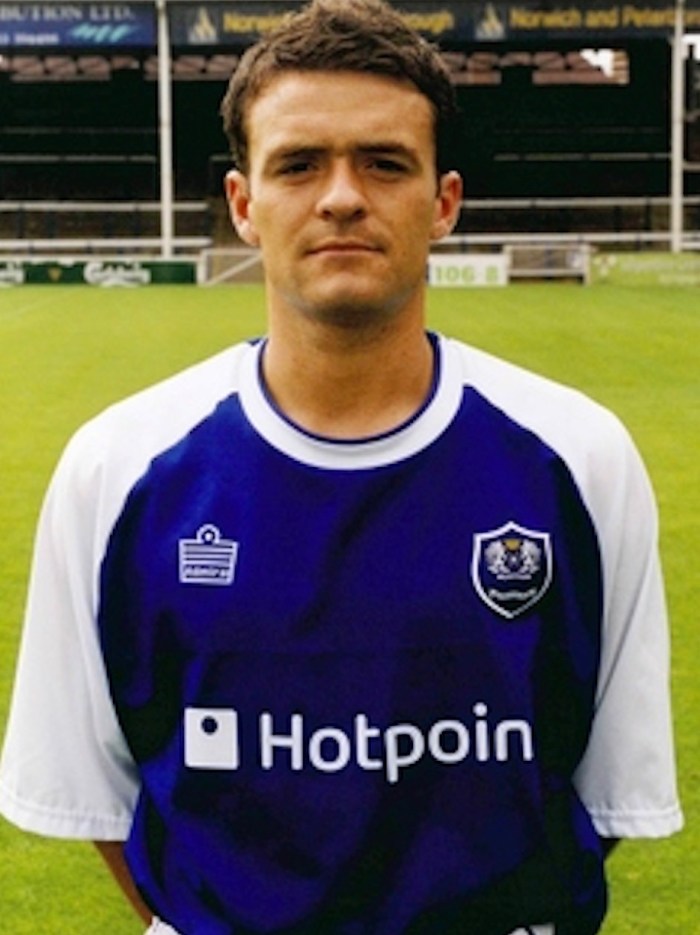
It was the ebullient Barry Fry who took Thomson to Peterborough United, (above) where he played 75 games in two seasons before moving back to Scotland to play for Falkirk in the Scottish Premier League.

When Brighton signed him, his former Falkirk teammate and one-time Albion loanee, Graham Barrett, told the Argus what Seagulls supporters could expect.

“They are getting a fantastic professional and a really good player,” said Barrett. “We have been going really well and he has been a massive part of that.

“He is a box-to-box player, he is comfortable on the ball and he has got a bit of everything.

“He is not particularly big (5ft 8in) but he is also very good in the air for his height.”

Barrett reckoned he would be “a massive influence” if he could continue the form he’d shown in Scotland. “He is great in the dressing room as well, a real leader,” said Barrett.

Thomson made his Albion debut in a 1-1 draw at home to Huddersfield on 19 January, starting at the base of a midfield diamond with Paul Reid and David Martot out wide and Dean Cox at the top of it.

Brian Owen, of the Argus, described him as “a neat and tidy passer who only gave the ball away when trying something ambitious”.

Within a couple of months, the Argus was reporting: “It has not been easy for Thomson since his January move back to England from Falkirk.

“He has had to adjust to playing with a number of different partners and now Adam El-Abd is a long-term casualty with the medial knee ligament injury he suffered at Huddersfield.”

Although mostly recognised as a centre back, El-Abd had been one of the options tried in midfield. Thomson admitted to the newspaper: “I know I can perform better. There is more to come. I am adjusting to playing so many games. In Scotland you just play Saturday to Saturday.

“It has been a big move for my family as well. My wife (originally from London) is a lot closer to her parents now and she has got a lot of family around, which helps with our young son.”

In rather a similar vein to the Palace faithful, Brighton fans were also divided as to Thomson’s merits. ‘The Complete Badger’ declared on North Stand Chat: “The only midfielder of any class we’ve got. A real touch of quality about everything he does in my opinion. Much better than Hammond, and much better than anyone else we’ve got.”

But ‘Napper’ reckoned: “Thomson just seems to have nothing about him, not quick, no killer passes. Just seems to either waste possession or go backwards. I’ve really given him more than enough time, but facts are he just isn’t very good. I’ve been watching him closely for many games now.”

In his end-of-season summary, Andy Naylor, Albion reporter for the Argus in 2008, reckoned Hammond had been a hard act to follow, and commented: “Thomson looks a tidy player who will benefit from playing as a central midfielder in a 4-4-2, not the dreaded diamond.”

After Wilkins was shown the door, new boss Adams recognised Thomson’s leadership qualities, making him vice-captain to skipper Nicky Forster, as well as saying he was going to play him in a role further forward than he had been previously.

“I enjoyed the responsibility at Falkirk and I will be willing to help Nicky as much as I can,” Thomson told the Argus. “The manager has stressed that he wants me to try and push forward a lot more, rather than just sitting in front of the back four, and I am quite happy with that.

“I look after myself off the park, so I’m quite fit. Maybe he thinks I have got the engine to get up and down!”

However, problems mounted for Adams when Forster was ruled out by injury and, as in the previous season, Thomson found himself alongside different midfield partners, including, at one time, the flamboyant Robbie Savage, trying to recover some fitness on loan from Derby.

As the year drew to a close, it became public knowledge that Thomson was unsettled and itching to go back to Scotland, so a deal was lined up for him to join St Mirren as soon as the January transfer window opened.

He joined them on the day they played their final game at Love Street ahead of their move to Greenhill Road, and he went on to make more than 100 appearances for the Buddies.

Their fans’ abiding memory of his time there centre on a surprise 4-0 win over Celtic on 24 March 2010, when Thomson scored twice. The result so shocked the Parkhead bosses that they sacked Hoops boss Tony Mowbray.

On joining Dover in May 2012, Thomson told the club’s website: “I made the decision last year that this would be my final season as a full-time player. I have been studying for four or five years and I’m now fully qualified and have secured a job in London.

“My wife Bryony is from London anyway and she wanted to move closer to her family. I’ve been a footballer for 18 years and now it’s time to enter the real world.”

Thomson now works as a financial advisor, with a stylish looking profile on LinkedIn.

Steve Harper’s part in the Seagulls-Magpies goalkeeping ‘trade’

BRIGHTON and Newcastle United clearly have a similar eye for goalkeepers with a string of custodians having played for both clubs.

A few years before I started watching, Dave Hollins, older brother of ex-Chelsea midfielder John, moved to Tyneside in 1960 after three years with the Albion, and played twice as many games for Newcastle in the early part of that decade than he had for Brighton.

Back in the first Alan Mullery era, Eric Steele, who went through the Newcastle ranks without making the first team, arrived at Brighton to replace the injured Peter Grummitt in 1977 and was in the side that won promotion to the elite via a 3-1 win at St James’ Park in 1979.

Dave Beasant, who Newcastle bought from Wimbledon for £850,000 in 1988 – although he only played 20 games for the Magpies – was between the sticks for the Albion for 16 games in 2003.

More recently, Dutchman Tim Krul – who’d been at Newcastle a decade – spent a couple of seasons as back-up to Mat Ryan and would probably be disappointed he didn’t get more game time.

My post on this occasion, though, is about Steve Harper, United’s longest-ever serving player having been there 20 years. He later went back as one of the coaches working with Steve Bruce, as well as being goalkeeping coach to the Northern Ireland international side.

Harper is a qualified UEFA A coach and UEFA A goalkeeping coach, and holds a Masters degree in Sport Directorship.

Back in 2011, Harper was happy to lend his experience to the second tier Seagulls during Gus Poyet’s tenure as manager, a decision applauded by Alan Pardew, Toon boss at the time.

“He just wanted to play,” Pardew told the Chronicle. “Not all the top players in the country would have gone on loan – you’re vulnerable.

“You’re going down a division, but he was prepared to do that, and fair play to him.”

For his part, Harper told BBC Sport: “Everybody knows I haven’t played enough football until the last two-and-a-half years.

“I hadn’t played a competitive game for about six months so it was nice to blow the cobwebs out.”

In his first Seagulls match, unfortunately Albion lost against West Ham to a single goal from Harper’s former teammate Kevin Nolan, and he said: “It was disappointing to lose against West Ham with the possession we had.

“Now I’m here, it’s time to get stuck in. We want Brighton to consolidate and finish as high as we can. People tell me it’s a lovely city. I’m looking forward to seeing more of it.”

Harper recalled the time fondly in an interview for the Albion website in 2019.

He featured in five games for the Seagulls, keeping two clean sheets. While he conceded five goals, three came away to Southampton when the Seagulls were unjustly punished by referee Peter Walton.

Harper told journalist Nick Szczepanik: “I would have stayed longer given the opportunity. They made me feel very welcome.”

He even managed to give two of his new teammates a surprise when he started speaking to them in Spanish. Playing behind Spanish speakers Inigo Calderon and Gonzalo Jara Reyes, he explained to Andy Naylor, then of The Argus: “After five years of Bobby Robson and his multi-lingual team talks my Spanish is okay.

“Calde got quite a shock with how much Spanish I know, but I had Colocinni and Enrique in the team with me at Newcastle.”

After his brief spell with the Albion, Harper returned to Newcastle and played nine more games for them the following season before moving on to Hull City (at the time managed by current Toon boss Bruce), where he played alongside Liam Rosenior.

Born in Seaham on 14 March 1975, Harper grew up in the County Durham mining village of Easington and went to its local comprehensive school. Originally a striker at local Sunday league level, he only started playing in goal from the age of 17 and he turned out for Newcastle’s youth team while he was still at college doing A levels.

In fact he was offered a place at John Moores University in Liverpool to study for a Sports Science degree but he deferred it when Newcastle offered him a one-year contract. He signed in 1993 as a back-up for first choice Pavel Srnicek, later Shaka Hislop and subsequently Shay Given.

Much of his time at Newcastle was as a more than capable deputy to whoever was first choice although in United’s 2009-10 season in the Championship, under Chris Hughton, he was the main man and played 45 matches.

Harper had nothing but praise for Hughton, telling chroniclelive.co.uk: “He came in at an incredibly difficult, turbulent time after relegation.

“Chris was the man at the centre of a perfect storm who steered us through some very choppy waters.

“He did a wonderful job and I don’t think he got enough credit. It was no surprise to me to see him go on to do an excellent job at Birmingham City and then at Brighton.”

In total, Harper played 199 games for Newcastle, featuring under nine different managers – Kevin Keegan and Bobby Robson being his favourites.

Periodically over the years, he went out on loan to gain first-team action, appearing between the sticks for Bradford City, Gateshead, Stockport County, Hartlepool and Huddersfield. The Brighton move was his sixth spell out on loan.

Harper’s long service for Newcastle was rewarded with a testimonial against AC Milan in 2013 before he left the club to join Hull, where he spent two seasons.

Six months after his departure from Hull, he was taken on by then Premier League Sunderland as cover for Jordan Pickford and Vito Mannone, but he didn’t make a first-team appearance and was released at the end of the season.

Matthew Upson was a class act in Albion’s defence

ARTICULATE pundit Matthew Upson was deservedly player of the season after starring in Brighton & Hove Albion’s back line during the 2013-14 season.

Earlier, in a career spanning eleven clubs, he played more times (144 plus once as sub) for West Ham United than any of his other clubs. He also won 21 England caps.

Upson initially joined the Seagulls during the second half of the 2012-13 season, signing on loan from Premier League Stoke City, where, in two years, he’d only managed 21 games (plus four as sub) following four years with the Hammers.

On signing him for Brighton at the age of 33, manager Gus Poyet told seagulls.co.uk, “When we had the chance to bring a player with the quality of Matt until the end of the season we went for him.

“He’s experienced, he’s been a regular Premier League player and there were no doubts about it. He has presence, he’s a leader as well and it’s a good opportunity for us to use him the right way and for him to play football.”

Upson joined a side already blessed with the on-loan presence of another former England international in the shape of left-back Wayne Bridge, but unfortunately the side couldn’t get past arch rivals Crystal Palace in the play-offs to gain promotion from the Championship.

Although Poyet departed, Upson decided to make his move to Brighton permanent and played 41 games, mainly alongside skipper Gordon Greer. Unfortunately, Oscar Garcia’s squad also stumbled in the play-offs.

Hampered by an ankle injury towards the end of the season, although Upson played in the first leg 2-1 home defeat to Derby County – when he conceded a penalty with a clumsy foul – he was one of several players to miss out through injury in the away leg, when the Rams prevailed 4-1.

At the season’s end, Upson declined a new contract offer with the Albion and decided to seize the opportunity to return to Premier League football with newly-promoted Leicester City.

As it turned out, injury delayed his debut by seven months and he made just six appearances for the Foxes before ending his playing days with MK Dons, where he was limited to four full appearances plus three as a sub.

Upson is now a regular pundit on our TV screens, displaying verbally the sort of calm assuredness he demonstrated out on the pitch.

So where did it all begin? Born on 18 April 1979 in Eye, a small Suffolk market town, Upson went to Diss High School, over the border in Norfolk, and his football ability first shone at Diss Town FC. He went on to the Ipswich Town Centre of Excellence but it was Luton Town who took him on as a trainee after his Ipswich coach, Terry Westley, had switched to the Hatters.

It was to be a lucrative decision by Luton because, after signing him as a professional in April 1996, a year later they sold him to Arsenal for £2million. He only ever made one first team appearance for Luton and that was as an 88th minute substitute against Rotherham United in August 1996.

Unfortunately, his time with the Gunners was dogged by injury and lack of opportunity because of the solid form of the likes of Tony Adams, Steve Bould and Martin Keown.

Just as he was beginning to make a breakthrough in the 2001-02 season, taking the ageing Keown’s place, he broke his leg and missed out on the Gunners’ end-of-season League and FA Cup double, although he earned a league winners’ medal. At the season’s end, he’d made 16 appearances plus six as a sub.

While waiting for his chance at Arsenal, he had gone out on loan, to Nottingham Forest and Crystal Palace, then Reading after his return from the leg break. But after a total of 39 appearances, plus eight as a sub, for Arsenal spanning five and a half years, he made a £1m move to Birmingham City in January 2003.

City were halfway through their first season in the Premier League, under Steve Bruce, and Upson made 14 appearances as the side finished in 13th place.

Upson told the dailystar.co.uk: “I had a good four and a half years under him at Birmingham. We had quite a successful period there.”

It was during his time with the Blues, during which he made 127 appearances plus one as sub, that his form was recognised with a call up to the England squad.

He had played at youth level and 12 times for the under 21 side but his first call-up for the senior squad came in February 2003, when he was an unused sub for England’s 3-1 win over Australia.

Three months later, coach Sven-Göran Eriksson gave him his debut when he came on for the second half In England’s 2-1 win over South Africa in Durban on 22 May 2003.

His final international appearance also came in South Africa – when he scored in England’s 4-1 defeat to Germany which brought about their exit from the 2010 World Cup. His involvement in the tournament was keenly followed by relatives and the whole community back in Diss.

He was involved in the squad for two subsequent games in September that year, but didn’t get to play. In total, he won seven caps while with Birmingham and 14 under Fabio Capello, after he had moved to West Ham. Of his 21 England appearances, 16 were as a starter, five as a sub.

Birmingham boss Bruce was reluctant to lose him but, on the final day of the transfer window in January 2007, the recently appointed Hammers boss, Alan Curbishley, paid £6million to take him to Upton Park, where enjoyed the longest spell of his playing career.

As he’d experienced at previous clubs, injury hampered him early on but eventually he got a regular spot in the side and subsequently took on the captaincy after the departure of Lucas Neill in August 2009.

It was after relegation from the Premiership during Sam Allardyce’s tenure as manager that Upson finally left the Hammers at the end of the 2010-11 season.

studio upson

Paul McShane wrote his name in Albion’s history in one season

McShane

FLAME-HAIRED Irish centre back Paul McShane was a complete revelation during a season on loan to Brighton from Manchester United.

The 2005-06 season ended ingloriously for the Seagulls but McShane was imperious, given a platform to launch a career which saw him play most of it in the second tier of English football, and almost 100 times at the top level, together with earning him 33 full caps for his country.

Although he was given a squad number by United, and had been selected by Sir Alex Ferguson for pre-season matches, McShane didn’t get the chance to play any proper competitive football for United’s first team.

United reserve team manager, Brian McClair, a former Celtic teammate of Albion manager, Mark McGhee, could see the benefit of giving McShane first team football at a decent level and an initial half-season loan was agreed, then, in January, it was extended to the season’s end.

Brighton were missing the long-term injured Adam Hinshelwood and although veteran Jason Dodd had been signed to add experience to the defence, his season was to be plagued by injury, so McShane was a near permanent fixture alongside Guy Butters in the centre of the back four.

The young defender shared a flat in Hove with fellow Republic of Ireland international Wayne Henderson and in an early season profile article, Butters was quick to acknowledge the quality of the youngster. “He is an excellent player. He’s only 19 but you see he’s got that Premiership quality about him,” said Butters. “He’s very confident; he likes to bring the ball down and play.”

The former Spurs and Portsmouth defender said he reminded him of Richard Gough, a former teammate at Tottenham. “He’s strong; not the tallest, but makes up for that with his great leap. Very good on the ball, quick and great in deep positions.”

McShane coverHis passion and aggression sometimes got the better of him and the only reason he wasn’t ever present was a penchant for bookings – 12 over the course of the season – which earned suspensions, and a couple of injury-induced absences. And he was missed when he wasn’t available.

After he’d picked up an ankle injury that required him to return to Old Trafford for treatment, the matchday programme put together an article extolling the merits of the young defender in which it said: “Paul’s cool reading of the game and his ability to overcome some of the most effective attacking players in the division marked him out as a fine prospect, and he proved competitive in the air and on the ground, his pace and positional sense being a real asset.”

In their end-of-season player ratings, the Argus summed up his contribution thus: “Talent and determination in abundance. Rash in the tackle at times but that is a product of his insatiable hunger. Will be sorely missed next season.”

Such was the impact of McShane’s outstanding performances over the course of the season that he was selected as the Player of the Season, the first time a loan player had ever been given the honour.

Butters was convinced it was the right choice and told the Argus: “He’s done really well for us. He’s scored some vital goals. Obviously the one away to Palace springs to mind.

“He has been solid all-round. He is very aggressive, ultra-competitive and hates losing, even in training.”

It’s perhaps inevitable that any player who scores a winning goal against arch rivals Crystal Palace earns a place in Albion folklore. McShane’s scruffy effort, which appeared to go in off his shoulder, at Selhurst Park on 18 October 2005 proved to be the only goal of an intense scrap but how it went in became irrelevant as time passed.

“Crystal Palace was a special night, because of the rivalry,” said McShane. “It was a great atmosphere and scoring that goal was brilliant.”

He scored three other goals over the season, including a crucial opener in a 2-0 win away to Millwall as the Seagulls put up a valiant, but hopeless, fight to avoid the drop, but it will always be the goal at Selhurst that fans remember most.

McShane confessed in an interview with Andy Naylor in the Argus that relegation had hurt, but the season for him had been “brilliant” and “a great experience”.

He said: “It has given me a chance to get out there and make my name in the Championship and I think I have done that well enough.

“It has given me a great opportunity to get the experience I need to take back to Manchester and hopefully give it a good crack there, because I’ve learnt so much this season.

“Brighton have been brilliant to me. They’ve treated me really well. They’ve made me feel very welcome, the fans and the people around. That has helped a lot. It has been great.”

In conclusion, he told Naylor: “The club is part of me now. You never know what will happen in the future but Brighton will always have a place in my heart.”

Perhaps rather presciently, Naylor commented: “McShane’s fierce commitment is unlikely to be seen in an Albion shirt again. If he does not make it at Manchester United, there are sure to be Championship clubs interested in signing him.”

With Rio Ferdinand and Nemanja Vidić United’s regular centre back pairing, and Wes Brown as back-up, it was always going to be a difficult ask to dislodge them, and in August 2006 McShane left Old Trafford together with goalkeeper Luke Steele as makeweights in the deal that took goalkeeper Tomasz Kuszczak to United.

mufcmcshaneMcShane and Steele had both been members of United’s winning FA Youth Cup team of 2003, a side which also included Kieran Richardson and Chris Eagles, who went on to make names for themselves in the game.

McShane, born in Wicklow on 6 January 1986, played hurling, Gaelic football, rugby and badminton (his dad, Sean, and uncle played Gaelic football for Dublin) in his early years in Ireland but eventually began to demonstrate his soccer prowess with junior clubs and was playing for St Joseph’s Boys AFC in Dublin when United snapped him up in 2002.

“I was 16 when I signed; I wasn’t going to until I went to Old Trafford with my mum and dad,” McShane said. “It was so down to earth for such a big club. I would be getting the best coaching and training, also playing with some of the best players in the world.”

He added: “Alex Ferguson has been brilliant to me and my family; a very nice man. He just cracks jokes all the time.”

After his success with United’s Youth Cup team, McShane’s first senior football came in 2004 during a brief loan spell with Walsall, where he played four games and scored once.

At Championship West Brom, McShane played 42 games in the 2006-07 season as the Baggies finished fourth and agonisingly lost to Derby County in the play-off final.

Before the new season got underway, McShane was one of 12 new signings manager Roy Keane made for Sunderland, newly-promoted to the Premier League.

He scored an own goal in only his second league game but Sunderland salvaged a 2-2 draw at Birmingham and he went on to make 21 appearances (plus one as sub) as the Black Cats finished just three points clear of the drop zone.

In the following season, McShane went on loan to Premier League new boys, Hull City, and having played 19 games for the Tigers made the move permanent the following season. The KFC Stadium would be his home for the next six years, although he was sent out on loan twice, to Barnsley in 2011 and Crystal Palace in 2012.

In the final game of the 2012-13 season, McShane scored a vital goal for Hull which guaranteed them promotion back to the Premier League, and he earned a new two-year contract from manager Steve Bruce.

However, with Curtis Davies, Alex Bruce and James Chester ahead of him, his appearances were limited, although he did get on as a substitute in Hull’s 3-2 FA Cup Final defeat to Arsenal.

McShane featured 23 times as Hull relinquished their Premier League status in 2015, and he was among six players released by the club, including Liam Rosenior, who moved to Brighton, of course, and goalkeeper Steve Harper, who’d had a short loan spell at Brighton from Newcastle.

McShane wasn’t without a club for long, and joined Reading in July 2015, with manager Steve Clarke telling the club website: “I knew that Paul’s contract with Hull City was due to expire and was always monitoring the situation. When we met up earlier in the summer for a chat I knew that Paul would be a good signing for Reading FC and I’m pleased that we managed to get the deal completed.

“As well as his obvious talents as an experienced defender who is aggressive both in the air and on the ground, I felt that he was a good character to bring into our squad.
“Paul has gained good experience at many clubs and, like Stephen Quinn, was an important part of a promotion-winning team. He has a winning mentality and it will be good for our two young central defenders, Michael Hector and Jake Cooper, to train and play alongside Paul.”

After four years at Reading, over which he played 103 games, in 2019 McShane switched to League One Rochdale.

In July 2021, McShane returned to Man Utd as player-coach for the under 23 side and made two appearances for the under 21s in the EFL Trophy as an over-age player. When he retired from playing at the end of the 2021-22 season he took up the role of professional development phase coach (covering under 18s through to under 23s).

“I’m calling it a day playing now,” he told manutd.com .”I’ve had 20 years playing and I’ve come back into the club as a player-coach in the under 23s. It’s been a great year and great experience but now it’s time to fully focus on the next stage of my career, which will be in coaching.

“It’s amazing how things work out. It’s a great way to end my career, to come back here and help the future generation with their careers. It was perfect, to be honest with you, when this role came about, and I’m grateful to the people who made it happen. I think it’s a great way to end my playing days.”