Respected Rosenior a dedicated student of the game

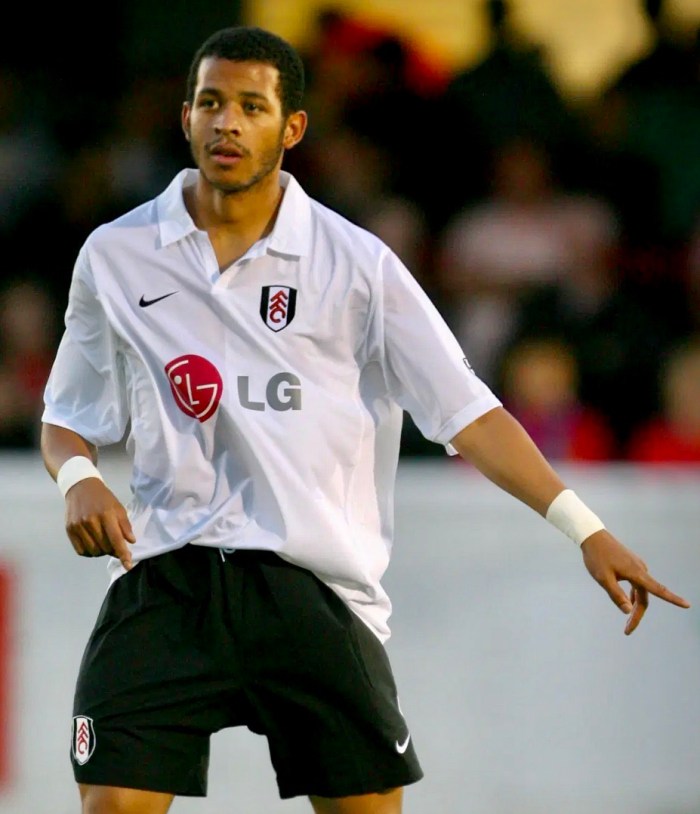
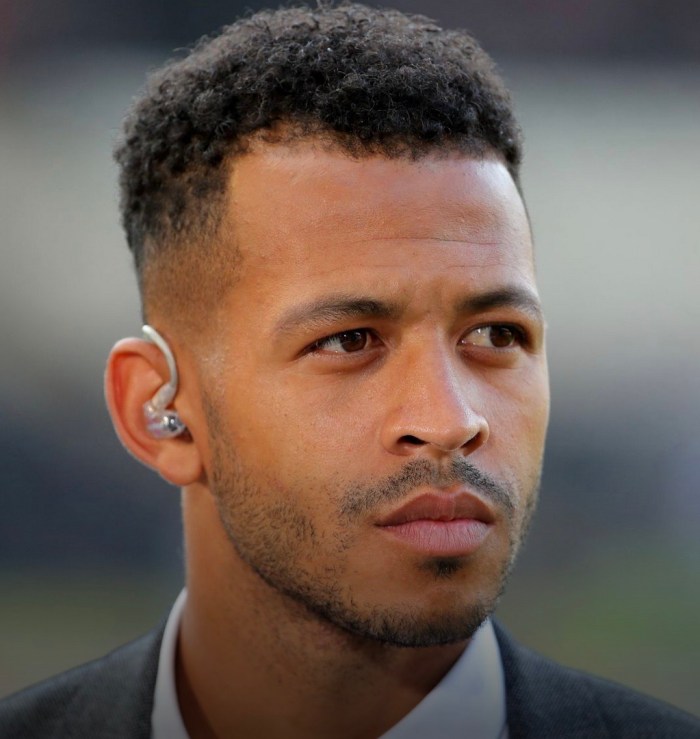
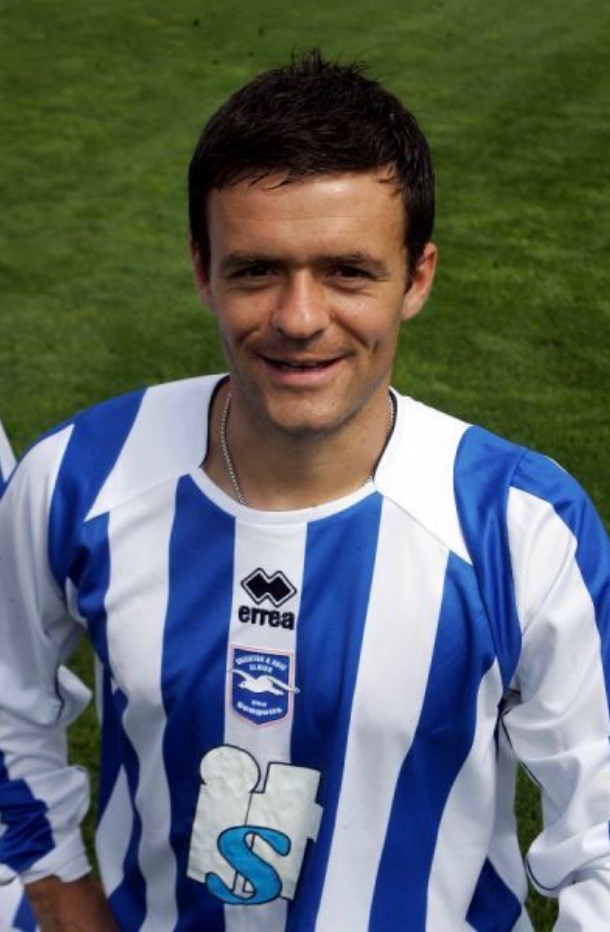
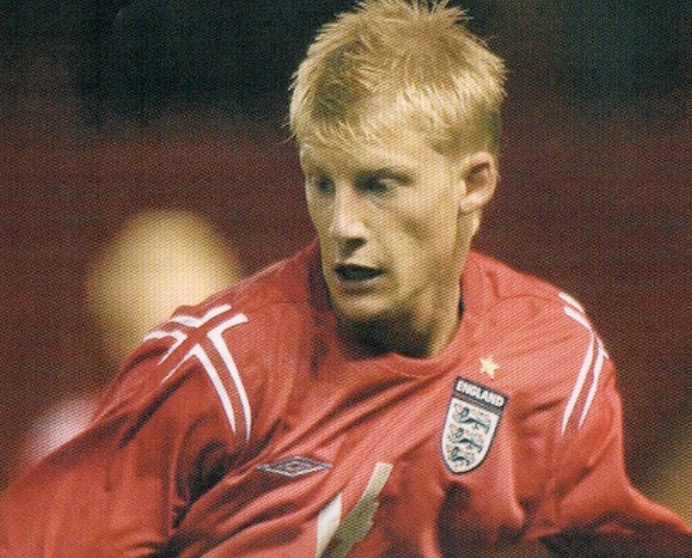
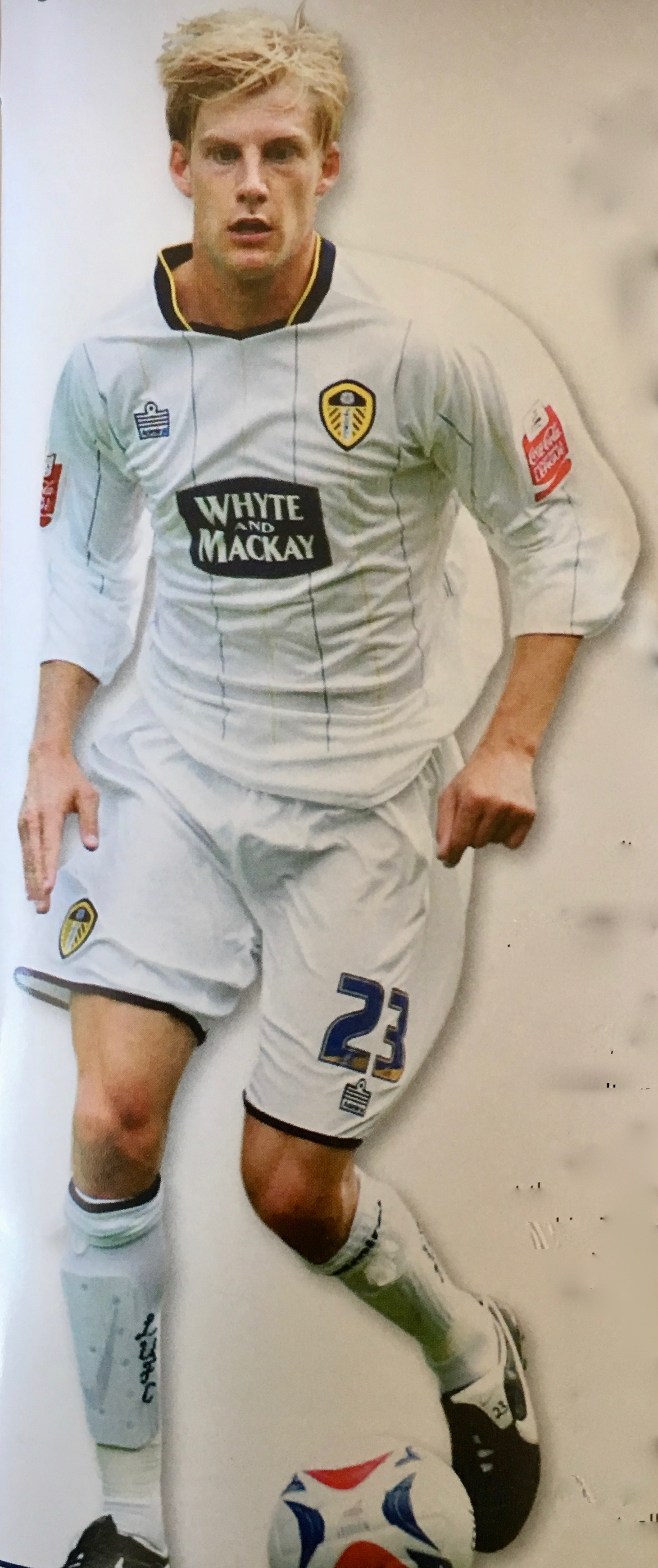
LIAM ROSENIOR is one of the most articulate footballers to pull on Brighton’s stripes.

He wasn’t a bad player, either, making nearly 450 appearances for seven clubs in a 17-year career, usually as a full-back.

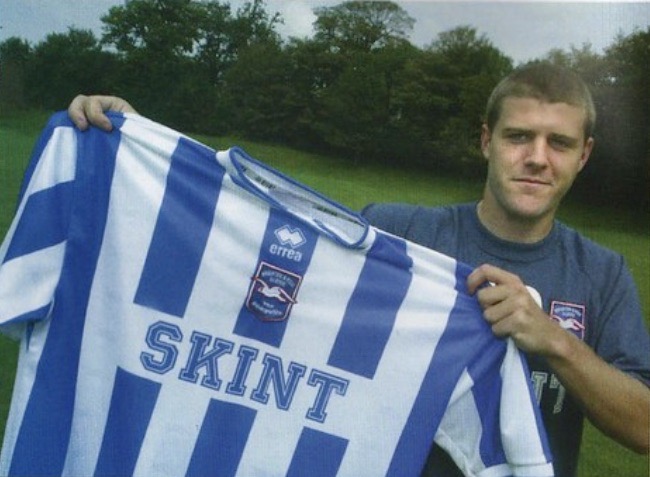
The son of former Fulham, QPR and West Ham striker Leroy, Liam joined Albion in the summer of 2015, brought in as one of Chris Hughton’s first signings of that transfer window, and went on to make 51 appearances for the Seagulls.

Arguably his best days were behind him when Hughton signed him on a free transfer from Hull City, but he quickly endeared himself to the Albion faithful, bringing his top-level experience to a squad looking to rise to the Premier League and appreciated for his passion, best demonstrated by his chin-up gesture as the Seagulls came close but narrowly missed out on promotion.

A year later, Rosenior was part of the Albion squad which celebrated the club’s promotion to the Premier League.

Rosenior could talk a good game as well as play it so it was no surprise he was in demand as a football pundit on TV and radio, and in the final year of his playing career he wrote a weekly column for The Guardian. His views on the politics of the game and wider issues – such as racial abuse – have been sought by many news outlets.

As a student of the game, he didn’t waste time in getting his coaching badges and, when his playing career at Brighton came to a close in 2018, he was appointed to assist under 23s coach Simon Rusk, although he’d already been involved on an informal basis.

Hughton told the Argus: “Liam has played a huge part in our achievements over these few seasons. Unfortunately, over that time, he’s had a couple of injuries that kept him out for periods but at this moment he is in good shape.

“His value has not only been on the pitch but also off the pitch. He has also made a small contribution to the success of the under-23s. Because he wants eventually to be a coach and a manager, he’s had an involvement with them. That has been great for them and for us as a club.”

It seemed only a matter of time before he would step up to first team management but, in 2019, just such an opportunity was presented first by Derby County, and he left to become part of the small group supporting Phillip Cocu.

Rosenior’s contribution to the Seagulls was recognised in glowing terms by chairman Tony Bloom, who thanked him for “his superb service and consummate professionalism as both player and coach” and remarked: “Liam has become a firm favourite here at the club since he joined us from Hull City.

“He played a crucial role in our promotion to the Premier League and was an important part of the squad during our first-ever season at that level.”

Bloom continued: “Liam has made no secret of his desire to coach at first-team level, and so, while we are very sorry to see Liam leave the club, we fully understand the opportunity which is available to him and the reasoning behind why he has chosen to join Derby County.”

Rosenior told the Derby Telegraph: “I have always wanted to coach, and coach at the highest level.

“I gained my pro-licence when I had just turned 32. It is something I have always been interested in and something I have always done,” he said.

“My dad was a manager and a coach. I used to go with him to games, and to training sessions, and I think that is why at a relatively young age in terms of coaching I have got quite a lot of experience.

“I was working with soccer schools when I was 11 years old, taking sessions.”

After becoming caretaker co-manager of Derby with Wayne Rooney last November, Rosenior explained in an extended interview with The Athletic’s Dominic Fifield how he always saw becoming a manager as his destiny.

 “I’d be with my dad while he prepared his team-talk, in the dressing-room as he delivered it, and in the dug-out during the game. You see old pictures of Brian Clough on the bench with his son, Nigel. Well, it was the same with me. I’d be shouting at the players from the sidelines when I was 10. It’s always been in my blood.”

As a child, he even drew a picture of himself on the touchline as a manager. “That’s why, to me, it feels like my calling, my goal in life. And not just to be a manager, but a successful manager.

“I’ve studied for 26 years to ensure I’m the best coach I can be, to understand people as well as I possibly can. If I was injured or out of the team at Hull or Brighton, I’d annoy the stewards by watching the game from the mouth of the tunnel so I could practise making snapshot decisions from the touchline.”

Rosenior declared: “I want to show that a young black coach — and I want to do it young — can be successful in a position of authority at the very highest level.”

On 15 January 2021, Rosenior was appointed as assistant manager when Rooney was confirmed as the new Derby boss.

Born in Wandsworth on 9 July 1984, Rosenior started out in the youth team at Bristol City (another of his dad’s former clubs) and became a professional in April 2002. In 19 months at City, he made only four starts but was a sub on 24 occasions.

The most memorable of those was when he entered the action at the 2003 Football League Trophy Final in the 62nd minute, with Danny Wilson’s City a goal to the good against Carlisle in front of a 50,000 crowd at the Millennium Stadium, Cardiff. Rosenior scored a decisive second goal for the Robins in the 89th minute.

Premier League Fulham paid £55,000 to sign him in November 2003 but it was 10 months before he made his first team debut. Still only 19, he went on loan between March and May 2004 to Third Division Torquay United, a side his dad was managing, making nine starts plus one as a sub.

Rosenior’s first full season at Fulham was quite an eye-opener: an ignominious start under Chris Coleman saw him sent off on his debut (in a Carling Cup game against Boston United in September 2004), then awarded Sky Man of the Match when he made his league debut aged 20 in a 1-1 draw with Manchester United three months later. He also saw red in the last game of that season.

Rosenior made 86 appearances (plus five as a sub) for Fulham during his time there and despite signing a new four-year deal in 2006, moved on to Reading for £1.5m on August deadline day in 2007.

Rosenior signed a three-year contract with Steve Coppell’s Royals but in his final year he joined Ipswich Town on a season-long loan, making 28 starts plus three substitute appearances in what was Roy Keane’s first season in charge at Portman Road.

Released by Reading in the summer of 2010, Rosenior eventually linked up with Hull City where he spent five years, making the largest number of appearances (128 + 33 as sub) across his various different clubs.

They included starting in the 2014 FA Cup Final alongside former Albion loanee Paul McShane when Hull lost narrowly (3-2) to Arsenal at Wembley.

At the end of the following season, after City had been relegated from the Premier League, Rosenior was one of six players let go by Steve Bruce (McShane and goalkeeper Steve Harper were also released).

His experience in winning promotion from the Championship with Hull in 2013 was seen as a key ingredient in Hughton’s decision to sign him.

In May 2020, Rosenior took on another responsibility when he was appointed tothe FA’s Inclusion Advisory Board (IAB), set up in 2013 to increase diversity within the game.

After parting company from Derby in September 2022, Rosenior was not out of work long because two months later he returned to Hull City as head coach.

He was in charge for 18 months and only narrrowly missed out on the Championship play-off places in 2024, but falling short cost him his job.

Once again, though, he was not unemployed for long. In July 2024, he was appointed head coach of French Ligue 1 side Strasbourg, replacing the departing Patrick Vieira. At the end of his first season with Strasbourg, he steered them to UEFA Conference League qualification.

Among the young players in his side was Albion loanee Valentin Barco, who subsequently made the move permanent.

Seagulls kick-started lengthy career for trailblazer Zesh

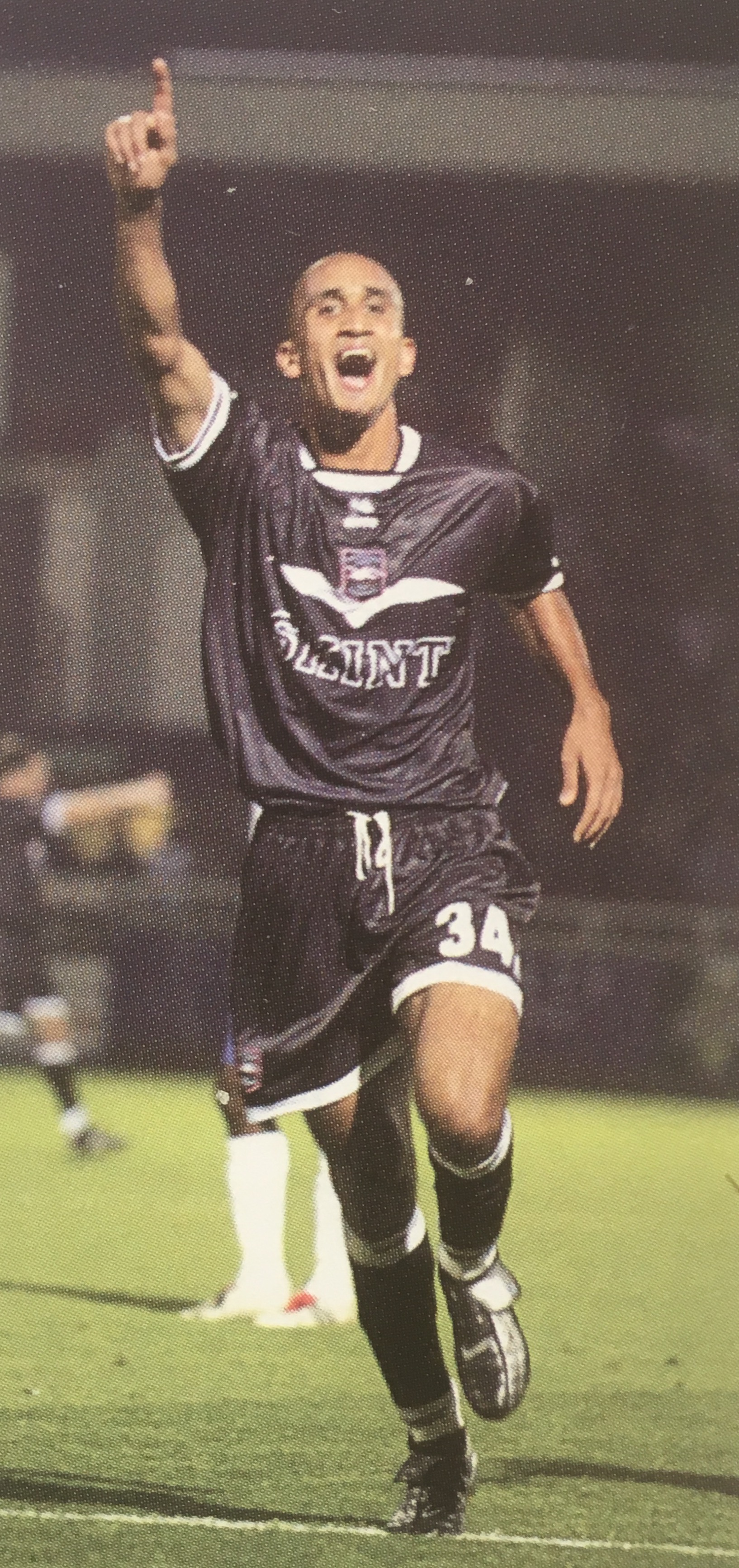
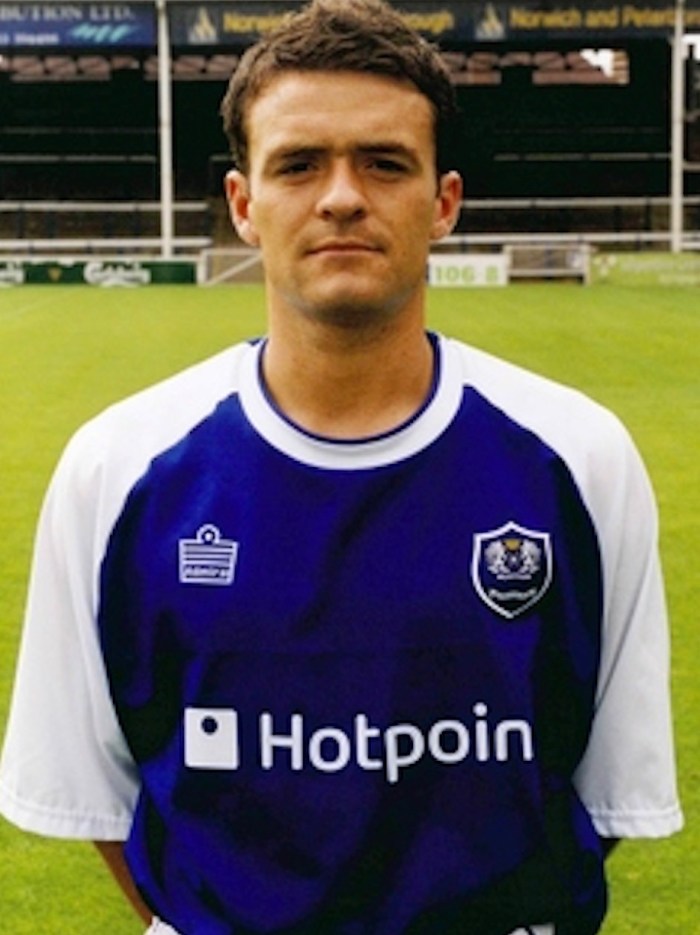
ZESH REHMAN became the first British Asian of Pakistani origin to play for Brighton.

He played in two separate spells three years apart and his 20 Albion appearances spanned four different managers: Steve Coppell, Bob Booker, Mark McGhee and Dean Wilkins.

His first action in Seagulls colours came in September 2003 and the experience he gained during a three-month loan provided him with the experience to return to parent club Fulham and make his Premier League debut.

Before his temporary move to Brighton he had played one first team game in the League Cup for FuIham, and, only a matter of days later, Coppell signed him for the Seagulls.

“It’s an opportunity to get some first team football,” said Rehman. “This season I’ve been in central midfield, but it doesn’t matter what position I play, I just hope I can do a job for Brighton.

“(Fulham boss) Chris Coleman told me it would be good to come and learn here,” he added.

I can remember being at the Nene Park home of Rushden & Diamonds (above left) to see 19-year-old Rehman mark his debut in the centre of midfield with a goal to seal a 3-1 win for the Seagulls. He scored with an exquisite lob over ‘keeper Billy Turley to add to goals from Guy Butters and Leon Knight. Incidentally, Paul Kitson, released by Brighton that summer after an injury-wrecked 2002-03 season, came on as a sub for Rushden.

Rehman had only played twice before Coppell vacated the manager’s chair at Withdean to take over at Reading, but in Booker’s first game in charge, Rehman was once again on the scoresheet as the Seagulls beat Grimsby Town 3-0.

The utility player stayed with the Seagulls after McGhee’s appointment as manager but after 13 matches he returned to Craven Cottage in January 2004.

Born in Birmingham on 14 October 1983, Rehman was brought up a stone’s throw from Villa Park in the Aston area of the city. The promise he showed in schools, district and county football was soon spotted and at the tender age of 12 he signed up to Fulham’s academy, with the family moving to London.

He progressed through the junior, youth and reserve sides, mainly as a centre back but also able to play full-back or as a holding midfielder.

The spell at Brighton gave him his first extended run in a first team environment and, three months after his return to Fulham, he made his Premier League debut as a late substitute at Anfield. He went on to make a total of 30 appearances for Fulham (26 starts, plus four as a sub), but with first team opportunities limited he had another loan spell away, joining Norwich City in January 2006.

He was at Carrow Road until the end of the season, making just five appearances as defensive cover, and on his return to London opted to leave Fulham in search of regular football.

Gary Waddock gave him a three-year contract at Queens Park Rangers and he made 27 appearances for the Rs but one of the club’s many managerial changes saw the arrival of former Albion defender John Gregory, and he was happy to send Rehman out on loan.

Lo and behold, Albion, by then with Wilkins at the helm, seized on the opportunity because Adam El-Abd was on the brink of a suspension, and Dean Hammond and loan full-back Joe O’Ceaurill were struggling with injuries.

“Zesh gives us a degree of versatility, as well as the experience he has picked up playing at Premiership level for Fulham, so he is a good addition for us,” Wilkins told the Argus.

For his part, Rehman said: “As soon as I found out Brighton wanted me, I thought I owe the club because they were the first to give me regular first team football.

“I’ve got great memories of my time here before. The club and the fans have had a special place in my heart ever since, so I couldn’t really turn it down.”

His second Albion debut saw him playing right-back in a disappointing 0-0 draw at home to Huddersfield Town, but Rehman was just grateful to be playing competitively again.

He told Andy Naylor: “Being out there on a Saturday is a buzz, whether it is at Brighton, Fulham or QPR. I had that at QPR for the first six months of the season but then a new manager came in and I didn’t play for a little while so, rather than just getting stale, I’ve come to Brighton and hopefully I can kick on again when I get back there.”

Rehman played eight games during his second spell at the club, his last marked by picking out striker Nathan Elder who slotted Albion’s goal in a 1-1 draw at Cheltenham on 5 May 2007.

The following season, a six-month loan at Blackpool didn’t work out as he’d hoped for, featuring in only three games under Simon Grayson, and he went back to QPR. However, by the end of January he was on the move again, this time to link up with bottom-tier side Bradford City, initially on loan, and then making the move permanent.

Rehman details his various career moves on his own website, and at Bradford his involvement took on a lot more importance than just playing games. He said:

“Hopefully I can inspire some local Asian people to start coming to games and really feel a part of the club. I want Asian kids to feel they have someone to look up to. Bradford is a big city with a big Asian population and if I can inspire one or two local kids to go on and make it as professionals, I’ll know I’ve made a positive difference to someone’s life and that’s good enough for me.”

Born in the UK, Rehman represented England at under 18, 19 and 20 levels, but opted to play for his parents’ home country of Pakistan, and he captained them at the 2013 Peace Cup in the Philippines.

Between 2011 and the start of 2017, Rehman spent six years playing in Asia, initially for Muangthong United in Thailand, then Kitchee SC in Hong Kong and lastly Pahang in Malaysia.

But the lure of the English game saw him spend four months at Gillingham between February and May 2017, helping the relegation-threatened Gills to retain their League One status.

The following month he headed back out to Hong Kong to play for Southern District FC where, in May 2020, he became player-manager.

In March 2023, Rehman was promoted to first team development coach by Portsmouth having moved to Fratton Park in the summer of 2022 as the academy’s lead professional development phase coach.

He stepped up to help the first team temporarily when Danny and Nicky Cowley left the club in January 2023 and remained in post when John Mousinho took over as head coach.

Rehman set up training on Mousinho’s first day and the head coach said: “Since that day he’s been absolutely brilliant. He’s incredibly diligent and the lads and staff at the club all really like him.

“He adds something different to me and Jon (Harley), providing a different angle, and is an influential presence on the bench.

“Development is a key part of what we’re trying to do here and when we talk about the complementary skillsets of the coaching staff, that’s something he can bring to the fore.”

Rehman said: “I believe continual development is needed by players of all ages and at all stages of their careers. Every player is a work in progress and never the finished article.

“There is no better feeling than assisting an individual, partnership or a unit to improve and then see that work transferred to a matchday, helping the team win.”

Pass ‘master’ Steven Thomson’s unhappy year with Brighton

STEVEN THOMSON didn’t enjoy his year playing for Brighton in League One and the former Crystal Palace midfielder seized an escape route to return to Scotland to see out the remainder of his long professional career.

It had been considered quite a coup when Dean Wilkins secured the signing of the Falkirk captain in January 2008. In effect a replacement for the departing Dean Hammond, Thomson was soon a victim of Wilkins’ tinkering with the formation, and over his 41 matches for the Seagulls had a conveyor belt of midfield partners, not to mention a change in manager, as Wilkins’ replacement, Micky Adams, introduced a different style – in vain – to try to galvanise the side during his second spell as boss.

Although Thomson had signed a two-and-a-half-year contract with the Seagulls, in January 2009 the disillusioned Scot headed back north of the border.

“I didn’t enjoy it there at all and was keen to try and get myself back up the road,” he admitted in an interview with the Daily Record in 2018.

Having wound down his full-time career at St Mirren, after 18 seasons as a professional, and having moved to London to begin a business career, Thomson linked up with his former Albion teammate Nicky Forster to spend a season as a part-time player with Dover Athletic, where the former Seagulls striker was manager at the time.

In an in-depth interview for the Dover Athletic website, Thomson gave a great insight into his career, revealing the lengths he went to to get a break into the professional game.

Born in Glasgow on 23 January 1978, he explained: “After playing for a local boys club I was invited to go and train with a few clubs, so, at the age of 10, I found myself training with Rangers on a Monday, Celtic on a Tuesday, Hearts on a Wednesday and Hibs on a Thursday.”

When he reached 14, he was advised to choose one club over the others and opted for Rangers. Daunted by the high numbers of youngsters all trying for the same opportunity, aged just 16 he took the bold move to head to Croydon and signed on as an apprentice with Palace.

He progressed from the youth team to be offered a pro contract at 17, worked his way through the reserves and then got some calls up to the first team subs bench when they were still in the Premier League. He also played for Scotland’s under-18 side between 1995 and 1997.

During his brief return as manager, Terry Venables gave Thomson his debut aged 19 in the 1998-99 season. Thomson wasn’t renowned for goalscoring, but Palace fans do remember a particularly sweet strike he succeeded with in a 3-0 Worthington Cup win at Leicester City in November 2000.

Leicester’s back-up goalkeeper Simon Royce, who would later join Albion on loan, was beaten from 35 yards by Thomson’s spectacular shot.

The midfielder’s 121 games spanned the spells of five managers – Venables, Steve Bruce, Trevor Francis, Steve Coppell and Dave Bassett – before he left the club at the end of the 2002-03 season. It would be fair to say he divided opinion among Eagles supporters.

On fans forum cpfc.org, ‘Hairybear’ said: “Thomson was a warrior. Very little ability but did a good job when called upon under Bruce and co. He would never let you down.”

But ‘Baron Greenback’ said: “As well as THAT goal against Leicester, he also scored great goals at home to Sunderland in the FA Cup and Wolves.”

It was the ebullient Barry Fry who took Thomson to Peterborough United, (above) where he played 75 games in two seasons before moving back to Scotland to play for Falkirk in the Scottish Premier League.

When Brighton signed him, his former Falkirk teammate and one-time Albion loanee, Graham Barrett, told the Argus what Seagulls supporters could expect.

“They are getting a fantastic professional and a really good player,” said Barrett. “We have been going really well and he has been a massive part of that.

“He is a box-to-box player, he is comfortable on the ball and he has got a bit of everything.

“He is not particularly big (5ft 8in) but he is also very good in the air for his height.”

Barrett reckoned he would be “a massive influence” if he could continue the form he’d shown in Scotland. “He is great in the dressing room as well, a real leader,” said Barrett.

Thomson made his Albion debut in a 1-1 draw at home to Huddersfield on 19 January, starting at the base of a midfield diamond with Paul Reid and David Martot out wide and Dean Cox at the top of it.

Brian Owen, of the Argus, described him as “a neat and tidy passer who only gave the ball away when trying something ambitious”.

Within a couple of months, the Argus was reporting: “It has not been easy for Thomson since his January move back to England from Falkirk.

“He has had to adjust to playing with a number of different partners and now Adam El-Abd is a long-term casualty with the medial knee ligament injury he suffered at Huddersfield.”

Although mostly recognised as a centre back, El-Abd had been one of the options tried in midfield. Thomson admitted to the newspaper: “I know I can perform better. There is more to come. I am adjusting to playing so many games. In Scotland you just play Saturday to Saturday.

“It has been a big move for my family as well. My wife (originally from London) is a lot closer to her parents now and she has got a lot of family around, which helps with our young son.”

In rather a similar vein to the Palace faithful, Brighton fans were also divided as to Thomson’s merits. ‘The Complete Badger’ declared on North Stand Chat: “The only midfielder of any class we’ve got. A real touch of quality about everything he does in my opinion. Much better than Hammond, and much better than anyone else we’ve got.”

But ‘Napper’ reckoned: “Thomson just seems to have nothing about him, not quick, no killer passes. Just seems to either waste possession or go backwards. I’ve really given him more than enough time, but facts are he just isn’t very good. I’ve been watching him closely for many games now.”

In his end-of-season summary, Andy Naylor, Albion reporter for the Argus in 2008, reckoned Hammond had been a hard act to follow, and commented: “Thomson looks a tidy player who will benefit from playing as a central midfielder in a 4-4-2, not the dreaded diamond.”

After Wilkins was shown the door, new boss Adams recognised Thomson’s leadership qualities, making him vice-captain to skipper Nicky Forster, as well as saying he was going to play him in a role further forward than he had been previously.

“I enjoyed the responsibility at Falkirk and I will be willing to help Nicky as much as I can,” Thomson told the Argus. “The manager has stressed that he wants me to try and push forward a lot more, rather than just sitting in front of the back four, and I am quite happy with that.

“I look after myself off the park, so I’m quite fit. Maybe he thinks I have got the engine to get up and down!”

However, problems mounted for Adams when Forster was ruled out by injury and, as in the previous season, Thomson found himself alongside different midfield partners, including, at one time, the flamboyant Robbie Savage, trying to recover some fitness on loan from Derby.

As the year drew to a close, it became public knowledge that Thomson was unsettled and itching to go back to Scotland, so a deal was lined up for him to join St Mirren as soon as the January transfer window opened.

He joined them on the day they played their final game at Love Street ahead of their move to Greenhill Road, and he went on to make more than 100 appearances for the Buddies.

Their fans’ abiding memory of his time there centre on a surprise 4-0 win over Celtic on 24 March 2010, when Thomson scored twice. The result so shocked the Parkhead bosses that they sacked Hoops boss Tony Mowbray.

On joining Dover in May 2012, Thomson told the club’s website: “I made the decision last year that this would be my final season as a full-time player. I have been studying for four or five years and I’m now fully qualified and have secured a job in London.

“My wife Bryony is from London anyway and she wanted to move closer to her family. I’ve been a footballer for 18 years and now it’s time to enter the real world.”

Thomson now works as a financial advisor, with a stylish looking profile on LinkedIn.

Ups and downs of medal-laden Mark McGhee’s career

MARK McGHEE saw highs and lows as Brighton & Hove Albion manager after a medal-laden playing career that took him from his native Scotland to England and also to Germany.

McGhee was in charge when the Seagulls memorably won the 2004 play-off final to gain promotion from the third tier, beating Bristol City at the Millennium Stadium, Cardiff.

Play off final boss

Keeping the Seagulls up the following season was arguably an even greater achievement considering at the time playing home games at the crowd-restricted Withdean Stadium meant the club was at a huge disadvantage compared to most clubs in the division.

With the Amex still a distant dream, relegation came at the end of the 2005-06 season, and it wasn’t long into the following season that Dick Knight wielded the axe on the Glaswegian’s time in charge.

“It was hard to sack Mark, but we had to have a change,” Knight wrote in his autobiography, Mad Man: From the Gutter to the Stars. “Everyone recognised what he had done in taking up and keeping up a team that was not that great, to be honest. Hats off to him, he had done a terrific job. And he is a very intelligent, personable guy.”

Knight took decisive action when part of the crowd became vociferous in wanting McGhee out, and the chairman also felt some of the young players drafted into the team weren’t responding to him.

He was finally toppled over lunch at Topolino’s, and Knight admitted: “It was a difficult decision. There was strong vocal opposition to McGhee, but also a large, less noisy element who were behind him.”

McGhee liked Brighton so much he made it his home despite subsequently taking on a series of other roles the length and breadth of the country.

It’s probably fair to say the Scot has never been afraid to speak his mind, which his former Newcastle boss Bill McGarry mentioned to him. McGhee recounted in an interview with theleaguepaper.com: “I was managing Wolves at the time. He said ‘Mark, you talk too much. Tone it down a bit’. I tried to take his advice, give nothing away in media briefings. Then, somebody would say something interesting and I wasn’t able to stop myself.”

It’s probably what helped him gain a place on the Sky Sports Soccer Saturday panel when he was in between management jobs.

McGhee would most likely look back on some jobs he’d perhaps have been wiser to stay away from, for example taking temporary charge of Eastbourne Borough in 2018, although his enthusiasm was undimmed as he revealed in an interview with thenonleaguefootballpaper.com.

Born in Glasgow on 20 May 1957, his father was an electrical engineer and his mother a fertility consultant at Glasgow Royal Infirmary. McGhee was on the books of Bristol City at the start of his long career but he returned to Scotland and became a part-timer with Greenock Morton while also training to be an architect.

Aforementioned manager McGarry signed him for Newcastle for a £150,000 fee on 30 December 1977 and he made his debut on 2 January 1978.

His face didn’t fit after Arthur Cox took over as boss, but Alex Ferguson took a punt on him in March 1979 and signed him for Aberdeen, and it proved to be one of many shrewd decisions the esteemed Scot would make in his career.

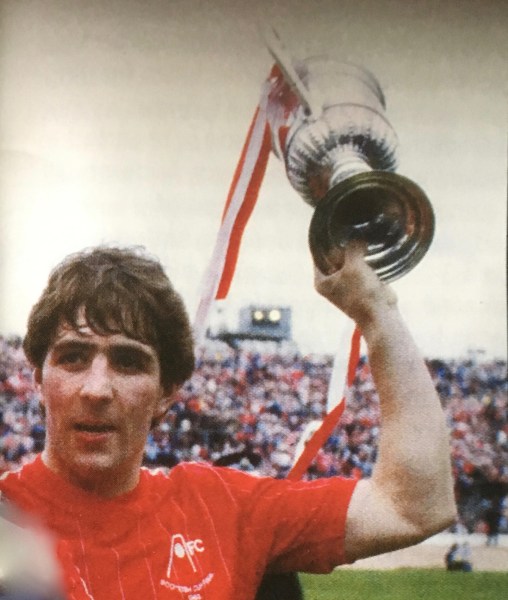
McGhee was named Scottish PFA Players’ Player of the Year in 1982, and the following year was part of the Aberdeen side who beat Real Madrid 2–1 to lift the 1983 European Cup Winners’ Cup in Gothenburg.

mcg cup

He also scored the second goal as Aberdeen defeated Hamburg 2-0 to win the UEFA Super Cup in the same year.

Asked about the best goal he scored, he said: “Probably the winning goal in my last game for Aberdeen.”

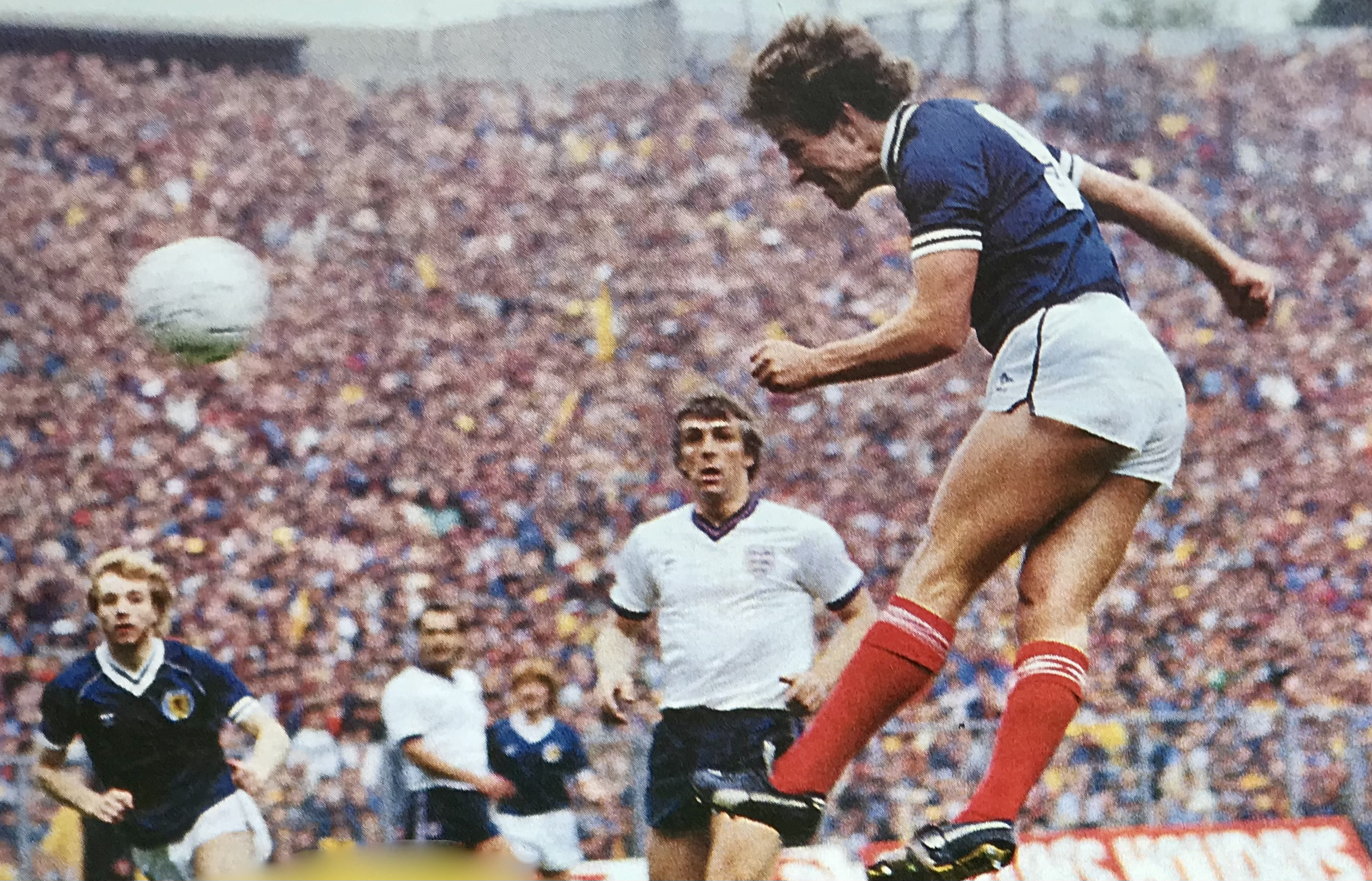
McGhee reckoned his best moment in football came on 26 May 1984 when he scored against England at Hampden Park. He headed in a cross (as pictured) from his great pal Gordon Strachan past Peter Shilton.

McG v Eng

“It put us 1-0 up but Tony Woodcock equalised to make the final score 1-1.”

It was one of four caps he won for his country. Nearly two decades later, in January 2013, Strachan appointed him as his no.2 with the Scottish national side.

M McGhee Old Football PhotosBut back to those playing days, and with two Scottish league titles and three Cup wins behind him, McGhee tried his hand at European football and spent 16 months at Hamburg. The spell was probably more of an education than a success, with injuries limiting his game time.

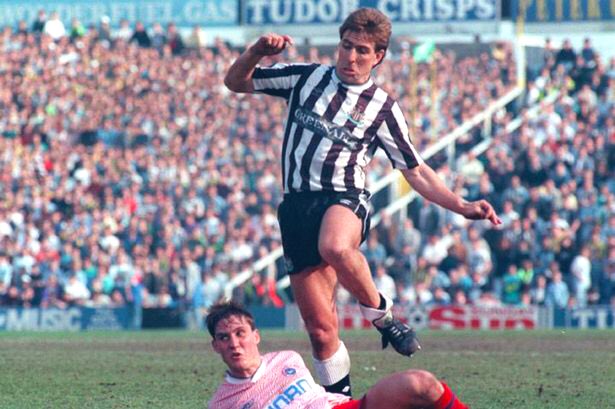
A £170,000 fee took him back to Scotland, to Celtic, where he had mixed fortunes during four years with the Glasgow giants. He was, though, part of the squad that won a League and Cup double in their centenary season.

After winning another Scottish Cup winners’ medal in 1989, he was on the move again, back to Newcastle.

Now with Jim Smith in charge, Newcastle paid £200,000 to take McGhee back to St James’ Park, where he formed an impressive strike partnership with the legendary Micky Quinn as Toon finished third in the old Division Two.

“We were good friends, but we didn’t blend on the pitch like Toshack and Keegan, Quinn told theleaguepaper.com. “Mark was a free spirit. He’d get the ball and drift left or right and drop deep.

“He’d turn defenders and drag them out of position. He would hold the ball up well for me to get into the box and score goals. He went where he wanted, but it worked.”

football back then McGhee

This Football Back Then picture shows McGhee in action for Newcastle against Albion’s Nicky Bissett.

His farewell performance came on 6 April 1991, not long after Ossie Ardiles had taken over as manager, and McGhee departed having scored a total of 36 goals in 115 appearances for the Magpies.

Next stop was Sweden, where he played briefly for IK Brage, but he seized the opportunity to try his hand at management by taking up the role of player-manager at Reading in the summer of 1991.

He’d been recommended for the role by his old boss Ferguson, and, after quitting playing through injury in 1993, he led the Royals to promotion from the third tier the following year.

A struggling Leicester City gave him a chance to manage in the Premier League but he was unable to keep them up and, less than a year after joining, decided to switch to Wolverhampton Wanderers, to succeed Graham Taylor.

Wolves just failed to gain promotion in 1996-97 (they lost in the play-off semi-finals) and were ninth the following campaign. Four months into the 1998-99 season, following a string of poor results, McGhee was fired.

It would be 20 months before he gained his next opportunity, this time at Millwall where he enjoyed initial success, leading them to promotion from the third tier, and then narrowly missing out on another promotion when they lost in the play-off semi-finals to Birmingham City.

McGhee apptWhen he parted company from Millwall in October 2003, he wasn’t out of work long because Brighton needed a replacement for Steve Coppell, who’d been wooed to take over at Reading (pictured above, with chairman Dick Knight, at his unveiling as Albion manager).

Those Albion fans who stuck by the team in the humble surroundings of the Withdean Stadium enjoyed some good moments during McGhee’s time as manager, in particular promotion via the play-off final in 2004.

He certainly found a formula to get the best out of certain players, as Adam Virgo, converted from defender to goalscorer, observed in that theleaguepaper.com article. “Mark is a very good communicator and very experienced,” he said. “He can make you feel ten feet tall. He’s very good at being honest, at analysing your game and telling you what you’re good at.”

After his departure from the Albion, McGhee was out of the game for nine months but got back in at Motherwell, turning them from near relegation candidates to qualifiers for European competition.

The lure of his old club, Aberdeen, proved too strong in the summer of 2009, but his tenure proved to be disastrous – and brief.

He spent the majority of 2012 as manager of Bristol Rovers, where one of the squad he inherited was former Brighton defender-turned-striker, Virgo. The following year, his old pal, Strachan, appointed him as assistant coach to the Scottish national side.

He later combined the role part-time when he returned to Motherwell but there were mixed fortunes second time round, and he left them again in early 2017. Towards the end of that year, he popped up at League Two Barnet, but the arrangement lasted only two months before he was moved to a ‘head of technical’ role, and then dismissed in March 2018.

McGhee was ‘slaughtered’ on Twitter when he took over as interim manager of National South side Eastbourne Borough in the spring of 2019, after being beaten 3-0 by Wealdstone in his first match in charge, his new side reduced to nine men after two players were sent off. Borough won just once in 11 matches.

When Albion under 23s coach Simon Rusk was appointed manager of Vanarama National League side Stockport County in January 2021, McGhee was appointed as one of his assistants.

His final managerial post was at Dundee in February 2022 when he took temporary charge of the Scottish Premiership side until the end of the season (with Rusk as his assistant), but they couldn’t avoid them being relegated, overseeing just one win in 13 matches.

McGhee finally announced his retirement from the game in September 2022 at the age of 65, telling the Sunday Post: “I won’t be pursuing any other managerial vacancies, and nor would I want to be a director of football or a head of recruitment. That’s not what I am – I’m a manager.

“I feel that players now deserve a young manager who can give them the energy I was able to when I started out. They don’t need a 65-year-old with a dodgy ankle.”

Why Saint Dan riled the Albion

DAN HARDING was promoted twice with Southampton and once with the Seagulls and later cut short his career because of family tragedy.

Personally, I’m not sure he really need to be cast as ‘public enemy no.1’ because of the way he left Brighton.

With the benefit of hindsight, it was really no surprise that he chose to turn his back on playing at Withdean in favour of Elland Road, Leeds.

OK, the stringing-out of the contract negotiations, and public slanging match that accompanied them, didn’t help matters.

But football careers are short and the Amex was a long way off becoming a reality when Harding decided to opt for pastures new.

“I really enjoyed my time at Brighton but you can’t compare the size of the two clubs or the facilities,” he told the Leeds matchday programme at the time. “It has been like going from one world to another.”

Ironically, it seems his success on the pitch with Brighton, which led to him gaining international recognition, might well have been the unsettling influence.

Former Albion boss Peter Taylor selected him for England under-21s as the 2004-05 season got underway. He made his England debut as a substitute for Micah Richards in a 3-1 win over Ukraine at the Riverside Stadium, Middlesbrough, on 17 August 2004. Future full internationals James Milner and Darren Bent were in the same squad.

He started the 8 October 2004 match against Wales at Ewood Park, Blackburn: a 2-0 win courtesy of goals from Milner and Bent. He also started the game four days later when the under 21s drew 0-0 away to Azerbaijan in Baku. His last cap came the following month in a 1-0 defeat away to Spain when he was replaced by Ben Watson. Future Albion loanee Liam Ridgewell was also a substitute in that game.

It was this platform that sowed the seeds of discord, according to former chairman Dick Knight’s take on the circumstances surrounding Harding’s acrimonious departure from the Albion.

In his autobiography Mad Man: From the Gutter to the Stars, Knight reckoned it was while on international duty that Harding was “egged on by his agent about his value after talking to players with bigger clubs, on bigger wages”.

Knight went on: “Early on, I offered him a sizeable contract renewal but he sat on it. He kept saying he wanted to stay, but I don’t think he had any intention of doing so.

“Because he was under 24, we were entitled to compensation. Shaun Harvey, the Leeds chief executive – who became CEO of the Football League in July 2013 – tested me with a couple of paltry sums before finally offering £250,000, which I rejected.”

DH Leeds action 2Via the Football League tribunal system, Knight managed to get the figure up to £850,000, part achievement-based, and with a 20 per cent sell-on clause.

All in all, not a bad return for a player who came through the Albion’s youth and reserve ranks after being spotted at 15 playing for Hove Park Colts.

Born in Gloucester on 23 December 1983, the young Harding loved kicking a football from the moment he could walk and enjoyed watching his dad, Kevan, turn out for the Army team.

The family was posted to Brighton, and Harding was taken to the Goldstone Ground by his mum, Linda. One of his earliest memories was on 23 September 1992 seeing a 17-year-old David Beckham make his Manchester United debut as a substitute for Andrei Kanchelskis in a League Cup tie that finished 1-1.

Harding joined the Albion initially on schoolboy terms for a year and was then taken on as a YTS trainee, progressing through the juniors and reserves before eventually making his first team debut on 17 August 2002, during Martin Hinshelwood’s brief reign, as a substitute for Shaun Wilkinson in a 2-0 home defeat to Norwich City.

After Hinshelwood was replaced by Steve Coppell, and Harding sustained a back injury, the youngster played no further part in the first team picture that season, but he was awarded a new contract in April 2003.

In the first part of the 2003-04 season, Harding was a regular on the bench, but, on 21 February 2004, Coppell’s successor, Mark McGhee, gave him his full debut in place of the suspended Kerry Mayo in a 3-0 win over Bournemouth.

Dan Harding

Harding kept his place through to the end of the season, making a total of 23 appearances, including being part of the side that lifted the divisional play-off trophy at the Millennium Stadium, Cardiff, as the Seagulls beat Bristol City 1-0.

“In hindsight, it was a very lucky time for me. I broke into a team that was winning games and was promoted,” he told the Daily Echo. “Looking back now, I don’t think I appreciated at the time what a big achievement it was.”

Sent off in only the second game of the following season for two bookable offences, it wasn’t long before his contract discussions were aired publicly, with McGhee telling the Argus in October: “It’s starting to really frustrate me.

“Dan keeps telling us and saying publicly he wants to sign but we cannot tie his agent down to have a meeting with us. He has to be honest with us.”

Harding in turn denied he was being difficult, telling the Argus that talks were ongoing.

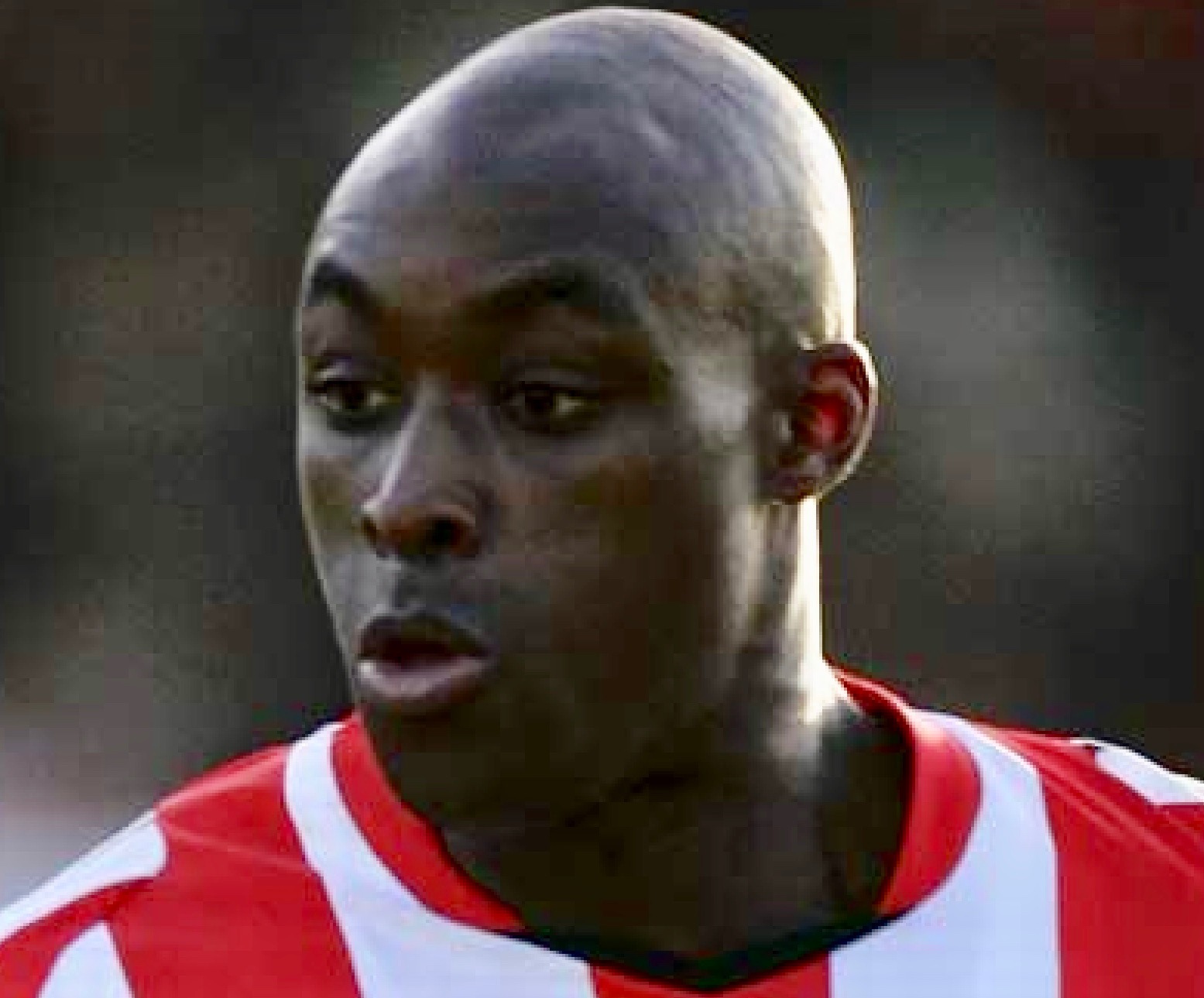
The off-field issues certainly seemed to be troubling Harding and McGhee publicly blamed the defender for a 2-0 defeat at Millwall in December. He was also outmuscled by Stoke City’s Ade Akinbiyi in a game at Withdean, leading to a late winner for the visitors. Across the season, McGhee dropped him on four occasions because of such inconsistency.

When he won his place back in February, he told the Argus: “I had to prove not only to the gaffer but to the other players and the fans that I want that position back.

“That’s where I prefer to play. I like to call that my position. I don’t mind playing on the left hand side of midfield or centre midfield, but I do love playing at left-back.

“Hopefully I can reproduce the same sort of form and keep my confidence up. Everyone wants to be playing, so when you are left out it’s a bit of a kick in the teeth. It’s not nice, but you have to pick yourself up and try to get back into the team.”

DH leeds action 1However, the Brighton contract offer was declined and on 7 June that summer, Harding put pen to paper on a deal with Leeds, whose fans were no doubt delighted to read that he used to follow their fortunes when he was a youngster.
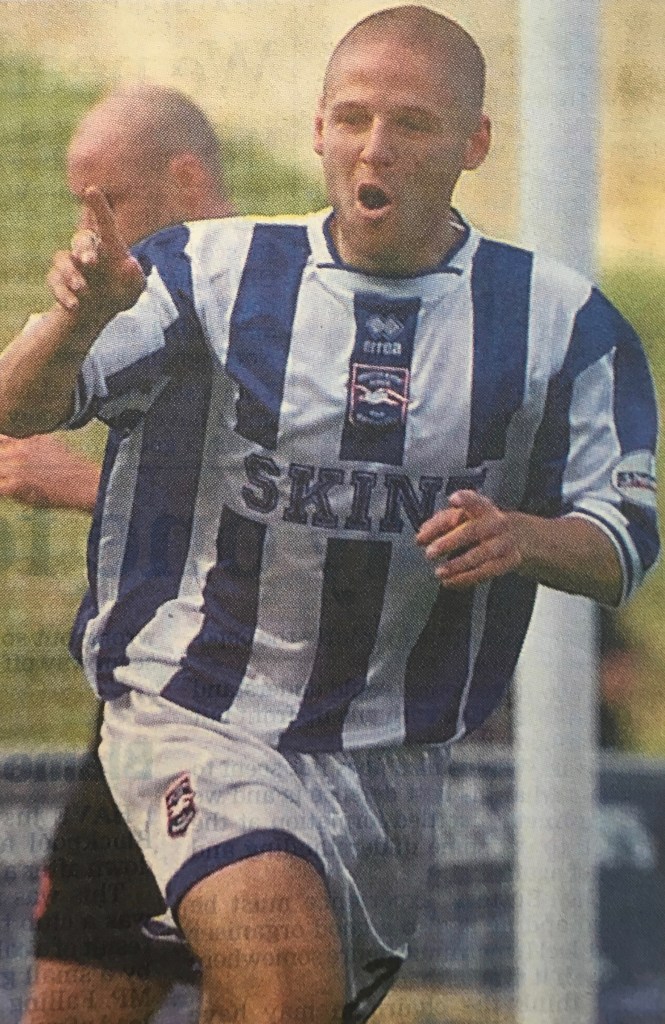
“When I lived in Germany, they showed quite a lot of Leeds games on telly and, in a strange way, I kind of ended up supporting them because it was the only football I really got to see out there,” he said.

His dad later took him to a Leeds FA Cup match v Wolves, and he added: “I have to admit I have been a closet Leeds fan. Obviously, I didn’t shout about it when I was playing for Brighton and it’s kind of strange now that this move has happened.”

If Harding doubted the size of the task at Elland Road, he’d only have had to read the comments of manager Kevin Blackwell, often Neil Warnock’s no.2, who was the Leeds manager at the time.

In an article about Harding in the club programme, Blackwell said: “It has been a big transition for him. No disrespect to Brighton, but coming from the scaffolding at Withdean to Elland Road was a big step-up for Dan. He was nervous in the first couple of games, but he has started to settle down.”

He talked about how he needed to cement his place at United, and added: “If he does succeed here, all the doors will be open to him. I have no doubt that once he develops certain aspects of his game and his self-confidence, he will go a long way because he is a real athlete with a great left foot.”

Brighton fans vented their displeasure at how things had turned out every time Harding touched the ball when Leeds entertained the Seagulls on 12 September 2005; a game which finished 3-3. The fact two of Albion’s goals came from crosses on Harding’s flank prompted Blackwell to drop him for the following match.

After only seven games, Harding picked up an injury and, over the course of the season, played just 21 matches for United. In August 2006, the Yorkshire club used the full-back as a makeweight in a deal which took future Albion loanee Ian Westlake from Ipswich to Leeds.

He was a regular at Portman Road for a couple of seasons but, in his third season, manager Jim Magilton deemed him surplus to requirements and sent him out on loan to Southend United. I recall going to a match at Roots Hall and seeing him have an outstanding game against Brighton.

Later the same season, with Ipswich bobbing along in mid-table, Harding seized the chance to join Steve Coppell’s promotion-chasing Reading, and he played in their play-offs defeat to Burnley.

When Roy Keane took over at Ipswich in 2009, Harding was sold to Southampton; manager Alan Pardew’s first signing for the Saints. Harding’s former Albion youth coach, Dean Wilkins, was part of Pardew’s coaching team.

Harding reflected in an interview with the Southern Daily Echo that what followed were the happiest three years of his career, in which he played 121 games and chipped in with five goals.

In 2010-11, he was named in the PFA League One team of the year along with teammates Kelvin Davies, Jose Fonte, Adam Lallana and Alex Oxlade-Chamberlain.

In the harsh and fickle world of football, Brighton fans relished Brighton’s 3-0 win over Southampton at the Amex on 2 January 2012 when Albion winger Will Buckley gave Harding such a torrid time that, to compound his humiliation, the former Brighton player was subbed off by boss Nigel Adkins with five minutes of the first half still to play.

Although part of the Saints side that won promotion back to the Premier League that May, Harding didn’t get the chance to play at the top level because Adkins moved him on to Nottingham Forest.

Harding talked in detail to the Echo’s Paul McNamara about life at Forest, which he found an unstable place, especially when Sean O’Driscoll, the manager who signed him, was sacked.

Although he played some games under that legendary left-back Stuart Pearce, when he took over, Harding eventually went on loan to Millwall, but wasn’t able to help them stave off relegation from the Championship.

He reveals in his interview with McNamara how disillusioned he became with the amount of dishonesty in football and, coupled with his pregnant wife losing two of the triplets she was expecting, he put family before football and, at the age of only 31, dropped down four divisions to play non-league with Eastleigh.

He talked about the tough decisions he’d had to make in an interview before a FA Cup tie Eastleigh played against Bolton Wanderers.

In 2016, Harding joined Whitehawk as a player, then became part of the coaching set-up, and was briefly caretaker manager before the appointment of Steve King.

The luck of the Irish eluded striker Graham Barrett

GRAHAM Barrett did his level best to impress when new boss Steve Coppell took charge for the first time at Withdean.

The on-loan Arsenal forward put in an inviting cross from the right wing for Gary Hart to score midway through the first half of the 19 October 2002 game against Sheffield United.

Barrett himself then got on the end of a precision pass from Bobby Zamora out wide on the left to put Albion 2-0 up in the 34th minute.

Unfortunately, the young forward’s contribution was overshadowed by events at the other end of the pitch in the second half. Firstly, the Blades hit back through Michael Brown and then substitute Carl Asaba equalised.

Referee Phil Prosser became the villain of the peace by awarding United two penalties in the final four minutes of the game, both converted by Asaba.

The first was given when Prosser reckoned goalkeeper Michel Kuipers had brought down Asaba in the box; the second when Adam Virgo pushed over Wayne Allison in the penalty area.

“Albion fans were so incensed by Prosser’s first penalty decision that several hundred left their seats in the south stand to protest from the running track,” The Argus reported. “Police and stewards gathered in front of them to prevent the threat of a pitch invasion.”

Even Albion-supporting MP Ivor Caplin got in on the act, subsequently calling for an FA inquiry into Prosser’s “totally inept” display. Needless to say, that went nowhere.

Barrett, meanwhile, was far less impressive the following Saturday when he and his temporary teammates were thrashed 5-0 by Crystal Palace at Selhurst Park.

He started 20 games for the Albion in that season, as well as making 10 substitute appearances – but that single strike against Sheffield United was his only goal.

g barrett stripesBorn in Dublin on 6 October 1981, Barrett was one of several Irish youngsters who began their football careers with Arsenal having been spotted by ex-Albion boss, and fellow Irishman, Liam Brady, playing in an Ireland U15s game against England at Blackburn.
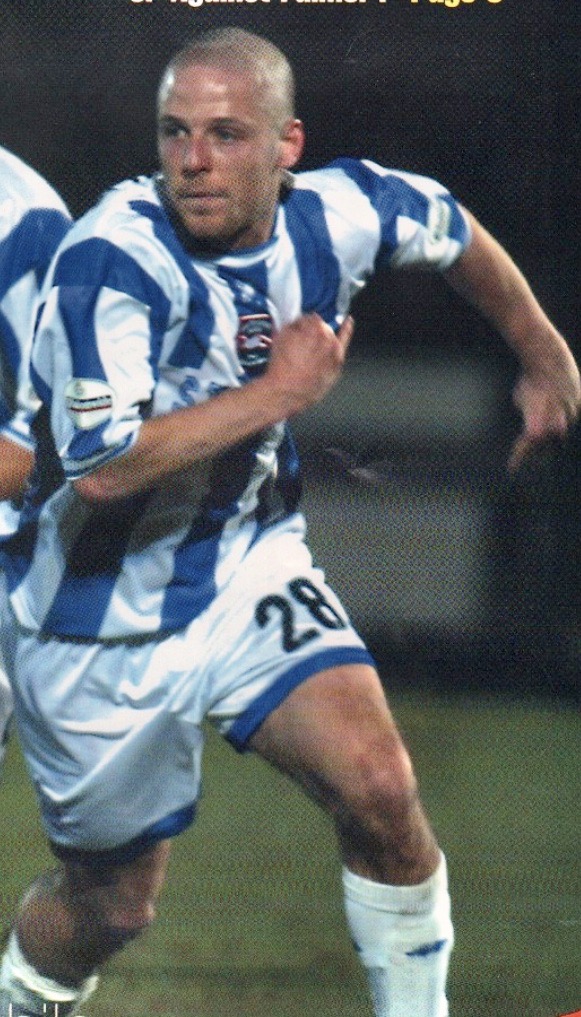
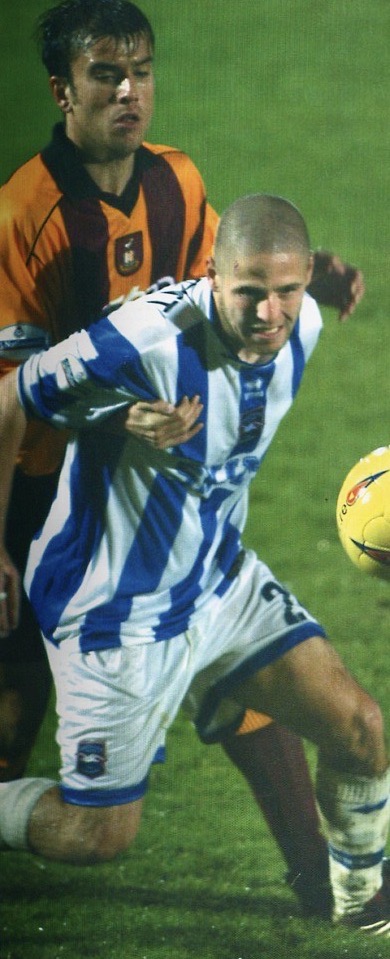
Brady had become Arsenal’s head of youth development and academy director after his spell at Brighton. Barrett agreed professional terms with Arsenal in 1998 and went on to captain their FA Youth Cup winning team of 2000.

He earned a call-up to the Republic of Ireland’s under 21 team and went on to play 24 times at that level, scoring five goals. Between 2002 and 2004, he stepped up to the full Eire side and scored twice in six matches.

Barrett managed to break through to the first team squad at Arsenal in December 1999 and made his debut as a substitute for Thierry Henry in a 3-0 win over Leicester City. The following month, again as a substitute, he appeared in a 4-1 win over Sunderland, and he also played in a league cup match.

“I was around the first team for a good four or five months, travelled a lot with them and got to train every day with them, played a little bit,” Barrett told the42.ie, in an April 2018 interview.

Facing stiff competition for a first team place, Barrett was sent out on loan to gain playing time at a lower level. He went to Bristol Rovers but only managed one game before being struck down with glandular fever, causing him to be out of the game for six months.

When he’d recovered, he went on loan to Crewe Alexandra and Colchester United who had wanted him back for the 2002-03 season, but he opted to join Brighton instead.

With little chance of dislodging the likes of Bergkamp, Henry, Wiltord and Suker at Arsenal, Barrett was given a free transfer by Arsenal in May 2003 and opted to join Coventry City on a three-year contract.

graham barrettAlthough he made 32 league starts plus 23 as a sub, ex-Albion boss Micky Adams made it plain he didn’t fit into his plans. He went to spend the last year of his contract on loan at Livingston in Scotland but after only six games suffered a season-ending knee injury.

He subsequently stayed in Scotland and played for Falkirk and St Johnstone before returning to Ireland to play for Shamrock Rovers, who his dad, Gary, had played for in the Eighties under Johnny Giles.

Barrett is now a director of football agency Platinum One, representing the interests of young players.

Owusu raised the roof as Albion escaped the drop

Owusu stripes

FEW Brighton players have made such an impact in such a short time as Lloyd Owusu, a Ghana international who in 2009 struck seven goals in 14 appearances to help Russell Slade’s Albion retain their League One status.

The popular Slough-born goalscorer also earned legendary status amongst Sheffield Wednesday fans even though his playing time for the Owls was similarly fairly limited. His most prolific time as a striker came in two spells at Brentford, but he was happy to travel and ended up playing in Australia.

Born in Slough on 12 December 1976, Owusu started his career with local GM Vauxhall Conference club Slough Town, managed at the time by future Reading boss Brian McDermott.

Owusu rose through the ranks at youth and reserve team level before breaking into the first team in September 1996. Owusu marked his full league debut for Slough with four goals in a 6-0 win over Telford United.

In 1998, after netting 18 goals in 59 appearances for Slough, Brentford, then managed by former Palace chairman Ron Noades, took him to Griffin Park for a fee of £25,000, but it was under future Albion boss Steve Coppell that saw the majority of his best playing days.

Owusu BrentOwusu scored 76 goals in two spells with the Bees, and, in the 1998-99 season, his 24 goals in 53 games in all competitions saw him lead the scoring charts in Nationwide Division Three (now Football League Two) with Brentford crowned champions.

While two below par seasons followed, in 2001-02 he was back on top form, scoring 22 goals to help Brentford reach the Division Two play-off final at the Millennium Stadium. However, the Bees lost 2-0 to Stoke City and Owusu’s contract was not renewed.

Sheffield Wednesday, then in the Championship, signed him on a free transfer and he became an instant Wednesday legend. Coming on as a substitute in a typical fierce Steel City derby match against Sheffield United, he headed a goal with his first touch.

“Scoring with my first touch for Wednesday was a dream come true. I actually dreamt that I was going to score on my debut with my first touch,” Owusu told beatsandrhymesfc.com. “All I remember was the ball coming off the cross bar from a (Shefki) Kuqi header and me being there to put it in the net past Paddy Kenny.”

Although the Owls went on to win the match 2-0, Owusu subsequently had limited game time, starting only 13 games out of a possible 34 in all competitions in that 2002-03 season.

“I missed pre-season due to a knee operation so I was always on the backburner and could never reproduce my best performances,” Owusu explained.

When a similar story followed in 2003-04, he went on loan to Reading, and then moved permanently to the Royals in the summer of 2004. In the 2004-05 season, Owusu scored six goals in 14 league starts.

The striker rejoined Brentford on a free transfer in the summer of 2005, the same year he won his first cap for Ghana. Unfortunately, he tore a groin muscle in a friendly match playing for Ghana in April 2006 and was sidelined for nearly a year.

He finally made his comeback in March 2007, but he was released by Brentford two months later and signed on a free transfer for Russell Slade’s Yeovil Town in July 2007.

In September that year, he was a scorer at the Withdean Stadium as the Glovers left with all three points courtesy of a 2-1 win. But on transfer deadline day, 1 September 2008, Owusu joined Coca-Cola League 1 side Cheltenham Town on a one-year deal.

It was in March 2009, with Cheltenham looking to cut costs, that Owusu linked up with the Seagulls on loan until the end of the season. “Going to Brighton was one of my best memories of my career,” Owusu told gloucestershirelive.co.uk.

Owusu grabbed the headlines as he scored seven goals in 14 League appearances for Brighton, helping Russell Slade’s side to avoid relegation from League One. He was even named Powerade League One player of the month for April 2009.

On the strength of his performances, Owusu was offered an extended contract by the Seagulls but he chose to try his luck in Australia, where he has since returned to work.

He initially joined A-League side Adelaide United on a two-year deal but was struck by swine flu and pneumonia, and struggled to make an impact on the pitch. He had a short spell at Chinese Super League club Guangzhou Evergrande, but his contract was terminated by mutual consent at the end of December 2010.

Back in the UK, he linked up with Luton Town, at the time trying to get back into the Football League. He scored seven in 13 games but the team missed out on promotion after losing on penalties to AFC Wimbledon in the play-off final at the City of Manchester Stadium (as it was then).

After spending pre-season with Cypriot side AEP Paphos in the summer of 2011, Owusu returned to the UK to make a handful of appearances for Barnet and Hayes & Yeading United (on loan), but picked up an injury and left Barnet after his contract expired.

In February 2012, he re-signed for Slough to help manager, and former teammate, Steve Bateman achieve promotion, before returning to Adelaide with White City. He has since developed a coaching and acting career Down Under.

Owusu took his coaching badges in Australia and, as well as coaching at some of the top private schools in Sydney, has launched his own coaching company, XL Soccer.

“There has also been a bit of modelling, TV commercials and the odd appearances in a documentaries and movies,” he told gloucestershirelive.co.uk. “I was in Gods of Egypt with Gerard Butler and also appeared in the TV shows Danger5 and Deadly Women along with ads for OPSM (opticians) and HomeAway (holiday rentals).”

His LinkedIn profile says his current role is general duties master at Cranbrook School in Sydney.

Illness put paid to John Piercy’s promising career

A FIVE-YEAR professional football career bookended by 3-1 results against Crewe Alexandra almost certainly wouldn’t have been the path John Piercy would have chosen for himself.

One saw him make a promising debut for Tottenham Hotspur on 13 October 1999, subbed off to a terrific ovation from a 25,000 crowd at White Hart Lane on 74 minutes as they progressed in a League Cup game against the lower league opposition.

The other was a League One defeat for Brighton & Hove Albion at humble Withdean Stadium on 6 November 2004, subbed off ignominiously only 12 minutes into the second half with many in the crowd of 6,163 unaware that the hereditary bowel disease afflicting him was putting paid to his hopes of a football career.

Born in Forest Gate, east London, on 18 September 1979, Spurs first spotted Piercy as a stand-out 12-year-old, talented enough to represent England Schoolboys.

He became a trainee with Spurs at the age of 16 and signed as a professional in July 1998.

It was George Graham who gave him his first team debut for Spurs in that game against Crewe, starting him up front alongside Chris Armstrong in a side that featured future Brighton player and assistant manager Mauricio Taricco in defence.

The Spurs goals were scored by Oyvind Leonhardsen, David Ginola and Tim Sherwood, but spursodyssey.com was full of praise for the young Piercy.

“One young man who will remember this night more than most is 20-year-old debutant John Piercy, who won the home fans’ hearts with two terrific efforts on goal, and an eye-catching performance all round,” it said. They even went as far as to suggest he might be ‘the new Ginola’.

The performance was good enough to earn him a place on the bench for the following Saturday’s Premier League game away to Derby County and he was called into action in the second half to replace Armstrong as Spurs won 1-0.

He made two more league appearances that season and an excellent Spurs archive website said of him: “The solidly built East Londoner had the ability to lead the line and to make chances for his team-mates, by going wide and taking people on.

“Some work was needed on his first touch and his pace, but he was strong, direct and knew where the goal was.  Preferred to play wide on the left of midfield, but was deployed at full back in the reserves to good effect.”

Chris Hughton was the Spurs reserve team manager at the time and said of Piercy: “John is able to adapt well to different roles which is why we’ve played him at full-back in pre-season when we’ve been stretched in those areas.  But I’d say his best position is definitely right or left of midfield.”

On 4 April 1999, he started for England under 20s against the USA in the World Youth Championships in Nigeria, but was subbed off in a game England lost 1-0. His teammates that day included future full international Ashley Cole, and the side was managed by former Albion full-back Chris Ramsey.

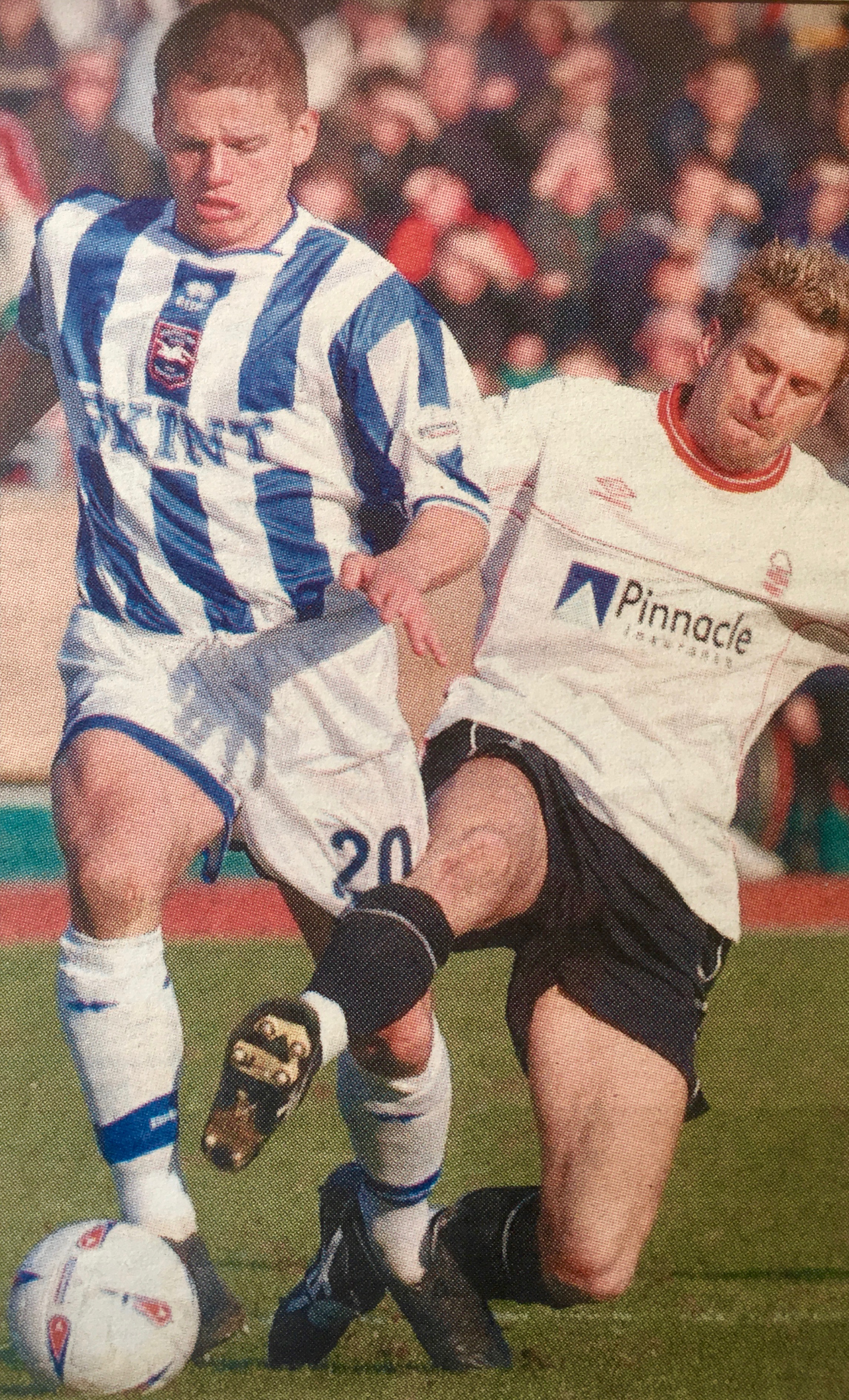
john piercyFrustrated by the lack of first team opportunities at Spurs, Piercy, by then based in Eastbourne, opted to join Brighton in September 2002 during Martin Hinshelwood’s brief reign as manager.

Hinshelwood told the BBC: “He’s a player who can play in a variety of positions. That will give us plenty of options.”

A first team breakthrough at Brighton was slow to happen, however, with Hinshelwood’s successor, Steve Coppell, opting for experience in the ultimately unsuccessful battle to avoid relegation from the second tier. Piercy top-scored for the reserves that season, netting 13 goals from midfield.

However, shortly after Mark McGhee’s appointment, he did get some game time and in December 2003 also registered his first league goal in a 1-0 win at home to Wrexham.

Later the same month, he went one better playing up front in place of the suspended Leon Knight and scored twice in a resounding 4-0 home win over Wycombe Wanderers.

More often than not, though, he was brought on as a substitute rather than starting games. He made just eight league starts and in six of them was subbed off.

His other appearances (16) were all from the bench and that was the role he found himself in at the 2004 play-off final at the Millennium Stadium in Cardiff, although his contribution was certainly effective.

Piercy replaced Nathan Jones in the 77th minute. “He (McGhee) made a change with just over 10 minutes left and we went on to win the game, so no one is going to complain, are they?” Jones told walesonline.co.uk.

Reports also recorded how Brighton threatened Steve Phillips’ goal moments after Piercy replaced Jones, Iwelumo glancing the substitute’s cross wide of the far post.

Sadly for Piercy, while he showed promise on the football pitch, he began to suffer the horribly debilitating effects of colitis, as he described in an interview with the Argus.

He praised the support he got from McGhee and reserve team boss Dean White but it reached a point where it was evident the illness was simply sapping too much energy from him to continue a full-time professional football career.

That defeat at home to Crewe proved to be his last game for the Albion and he announced his retirement aged 25 shortly afterwards.

“He knows his capabilties and I know his capabilities,” said McGhee in a matchday programme article. “He’s a player that could easily cope with the standard of the Championship but this illness has just affected him in a way that he just can’t get fit enough to do himself justice.”

Chairman Dick Knight added: “It is a great shame that such a skilful player, with such tremendous natural ability, has seen his career curtailed in such a cruel way. All at the club are devastated for him to be hanging up his boots at the relatively young age of 25.”

Piercy subsequently regained sufficient fitness to play a season with non-league Eastbourne Borough and then took up a coaching role with the club.

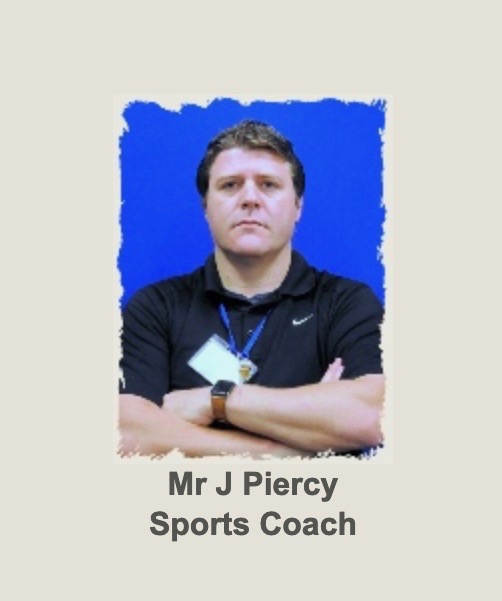
Nowadays he is a sports coach at Ocklynge Junior School in Eastbourne where he teaches youngsters football and PE, and is also a coach at CACL Sports in the town.

Piercy Ocklynge Sch

Ice man Ivar slotted in well to Coppell’s relegation battlers

VERSATILE ICELAND international Ivar Ingimarsson was one of the first players Steve Coppell turned to when manager at three different clubs.

The combative defender or midfield player originally played for Coppell at Brentford and, after the former Palace boss took charge of the Seagulls, Ingimarsson was brought in on loan from Wolverhampton Wanderers.

Later, when he managed Reading, Ingimarsson joined Coppell’s new regime at the Madejeski Stadium, and went on to become a legendary part of their rise to the elite.

Ingimarsson arrived at the Withdean Stadium in February 2003 making his Albion debut in a 1-0 away win at Bradford City on 15 February. He took over from Robbie Pethick and kept the no.20 shirt through to the end of the season.

Ivar action

In an interview with Brian Owen of The Argus in 2016, he said it was one of his best times in English football, and described how Coppell set up teams in a way players could understand.

“That is what Steve Coppell did there – and with Reading,” he said. “Brighton was up there as one of the best times. I loved the city and the atmosphere and the buildings and culture.

“I think if we had played like that for the whole season, we would have been well up the table. That had a lot to do with Steve Coppell.”

Born in the Icelandic capital Reykjavik on 20 August 1977, Ingimarsson was raised in the tiny village of Stöðvarfjörður in the east of the country and after taking up football locally he went on to play for Valur between 1995 and 1997, then moved on to IBV, a side which won the double of Icelandic Premier League and Icelandic Cup in 1998.

He played for Iceland’s under 17 international side 16 times in the 1993-94 season, represented the under 19s 11 times in 1995-96, move up to the under 21s and played 14 times between 1996 and 1999 and then over nine years played for the full international side 30 times.

Eyeing a move to England in 1999, Ingimarsson initially went on loan to Torquay United in October that year but after only four appearances his parent club did a permanent deal with Brentford which saw him sign for £150,000.

Ingimarsson spent nearly three years with the Bees, making 113 appearances, and was player of the year in the 2001-02 season which culminated in the side losing the Second Division play-off final to Stoke City.

It seems financial pressure forced Brentford to release the player on a free transfer and Wolves boss Dave Jones snapped him up and took him to Molineux.

S Rodger v Ivor Ingimarsson“I’m really looking forward to playing for Wolves,” Ingimarsson (pictured above being tackled by Albion’s Simon Rodger) told the club’s official website. “I was impressed with what Dave Jones had to say to me and although I knew other clubs were interested in me I knew this was the place to be.
“It’s a big club with big ambitions and I want to be a part of it. People say that Wolves should be in the Premier League and everyone seems determined to put that right this year.”

However, his opportunities at Wolves were limited and he made just 13 appearances for them, one of which included a 1-1 draw at home to Brighton which was Coppell’s fourth game in charge. Three months later, Coppell took the opportunity to take Ingimarsson to Brighton to try to bolster the club’s efforts to stay in the second tier after a disastrous start under Martin Hinshelwood.

Ingimarsson initially joined for a month but ended up staying to the end of the season, making 15 appearances as Coppell’s side fought a valiant but ultimately unsuccessful fight to stay in the division.

ivar ingimarssonOn signing him, Coppell told bbc.co.uk: “He’s a terrific athlete. He will fit in with the players we have and that’s an important ingredient in anyone coming to this club.

“It’s an extra body. We’ve got seven games coming in March and I wouldn’t be doing my job properly if we lost matches because of lack of numbers and personnel.”

Once Coppell had been poached by Reading to succeed Alan Pardew as manager of Reading, Ingimarsson was one of the first signings he made, for a £175,000 fee. There he linked up once again with Steve Sidwell, who Coppell had also managed at Brentford and Brighton.

It was at the Madejeski that Ingimarsson enjoyed the most successful period of his career, forming a defensive partnership with Ibrahima Sonko, which he talked about in an interview with Stuart Fagg.

Over eight years at the club, the popular Icelander amassed a total of 282 appearances for the Royals. He was part of the side that won promotion to the Premier League in 2006, he was voted player of the year in 2006-07 and, in 2009, took over as club captain.

After his time at Reading came to an end in 2011, he was offered a one-year deal by Paul Jewell at Ipswich Town but, with his appearances restricted to six starts and two off the bench, he mutually agreed to leave Portman Road in January 2012.

On retirement from the game aged 34, he returned to his home in the east of Iceland where he runs two guest houses and a farm, which he spoke about in that extended interview with Brian Owen of The Argus.

Eagles’ Cup Final scorer Gary O’Reilly had two Seagulls spells

GARY O’REILLY was one of those rare players who had two different spells with Brighton – and played for rivals Crystal Palace in between.

Indeed, his career highlight came when he played – and scored – in the 1990 FA Cup Final for Crystal Palace against Manchester United.

It was from Phil Barber’s free-kick on the right that O’Reilly put Palace ahead after 18 minutes, his header looping over goalkeeper Jim Leighton.

United recovered to lead 2-1 before Ian Wright, only six weeks after breaking his leg, came on to score twice, in the 72nd minute and again at the start of extra-time. But Mark Hughes got an equaliser for United seven minutes from the end of extra-time, and, just as they had against Brighton in 1983, United went on to win the replay.

Born in Isleworth on 21 March 1961, O’Reilly started to make a name for himself with the Essex Boys team and, as a schoolboy, played for both England and the Republic of Ireland because his father was from Dublin and his mother English.

Arsenal wanted him on associate schoolboy forms, but it was Spurs who snapped him up at the age of 13. His youth team-mates at White Hart Lane included Kerry Dixon and Mick Hazard.

O’Reilly also had the offer of a sports scholarship at Columbia University before signing for Spurs as a professional. Among a total of 45 first-team appearances in five seasons at Tottenham were games in the Charity Shield at Wembley against Liverpool and a quarter-final victory in the UEFA Cup over German giants Bayern Munich.

Ironically it was the arrival of Gary Stevens from Albion shortly after the 1983 FA Cup Final that began to signal the end of his time at White Hart Lane, together with the emergence of Danny Thomas.

Even though he still had two years of his contract remaining, O’Reilly requested a transfer and, in August 1984, he became part of Chris Cattlin’s Albion squad after signing for a fee of £45,000.

Cattlin recalled: “I watched him eight times before signing him, and six times with Tottenham Reserves he had stinkers. But I thought then he had great potential.”

O’Reilly made his debut at right-back in a notorious home game against Notts County which saw centre-backs Jeff Clarke and Eric Young both hospitalised after clashes with County’s Justin Fashanu, meaning the new arrival hastily shifting into his more familiar position in the centre.

In what was an eventful first few weeks, he also joined that illustrious list of players to score a winning goal AGAINST Palace. That came on 15 September 1984 when 15,044 at the Goldstone Ground saw O’Reilly score the only goal of the game.

His centre-back partner that day – and for most of his time at the Goldstone – was Young, who also later joined the Eagles, having left Brighton for Wimbledon.

O’Reilly made 79 appearances in three seasons with Albion, scoring three goals, and was virtually an ever-present for the first two seasons.

GO'R by the pierOff the field, he became a popular figure with a social conscience, leading a campaign to help youngsters fight drug addiction and becoming president of the Junior Seagulls.

Unfortunately, injuries, including a worrying hamstring condition, restricted him to just eight games in the ill-fated 1986-87 season.

Then, on 3 January 1987, manager Alan Mullery reluctantly sold him to Palace for £40,000. Mullery later recounted: “I remember Gary O”Reilly coming in the day before we were going up to Grimsby. I asked him: ‘Do you want your wages next month?’ He thought it was some kind of quiz question, but I said ‘If you do, you are going to have to leave the club’. That’s how bad it was. We couldn’t afford the wages.” Albion won 2-1 at Grimsby but two days later, Mullery was gone himself – his second spell as manager ending in a sacking.

O’Reilly played 70 times in his first four seasons at Selhurst Park but he did not figure in Steve Coppell’s plans in the 1990-91 season and had just one game on loan with Birmingham City.

At the age of 30, the versatile defender returned to the Seagulls and was given a two-year contract by Barry Lloyd.

“There’s no substitute for first-team football,” he said. “There is nothing like playing regularly to give a player the right degree of confidence.”

Although he made 31 appearances in the 1991-92 season, he was unable to prevent Albion’s relegation back to the third tier and, after a series of unsuccessful knee operations, he was forced to retire from the game in April 1993.

After hanging up his boots, he embarked on a successful broadcasting career for Sky Sports, BBC, ART Prime in Dubai and Trans World International’s Premier League international feed.

On Twitter, with the handle @mythreeleftfeet, he describes himself as “global TV presenter, co commentator, ex professional football player all round sports broadcaster, writer, amateur photographer & someone you might just like…”

worldsoccertalk.com caught up with him in May 2017 to discuss a new venture in which O’Reilly is joint host (alongside stand-up comedian Chuck Nice) of a weekly podcast in America Playing With Science, which explores fascinating topics linking sport and science.

Phoenix O'R w Pompey's Biley

Pictures mainly from the matchday programme.

Above, defending against Portsmouth’s Alan Biley, who later played alongside him.