Brighton trial turned sour for Gerrard’s pal Tom Culshaw

A LOYAL MEMBER of Steven Gerrard’s backroom staff once tried to revive his playing career with Brighton after he’d been let go by Liverpool.

Tom Culshaw goes way back to schoolboy days with Gerrard and was a former youth team player alongside him at Liverpool.

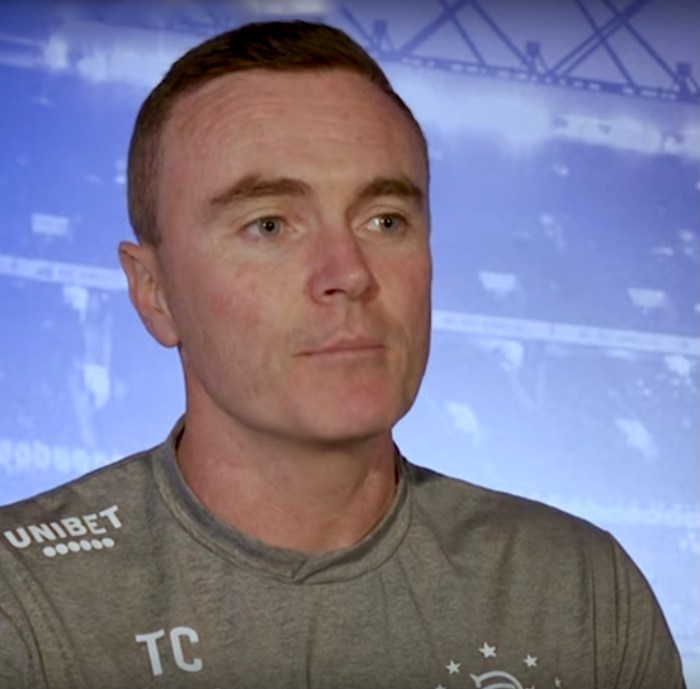
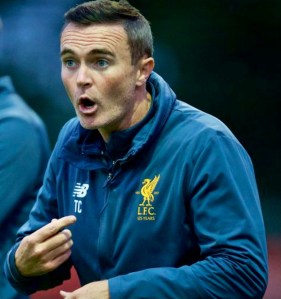
He is now technical coach at Aston Villa, a role he held previously at Rangers after the pair also worked together with the Reds under 18s.

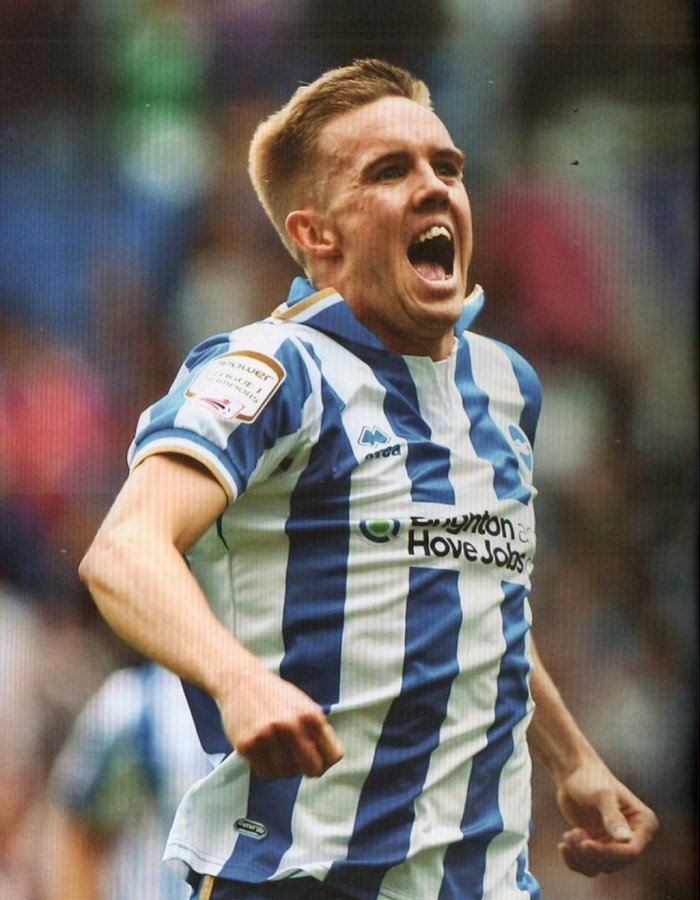
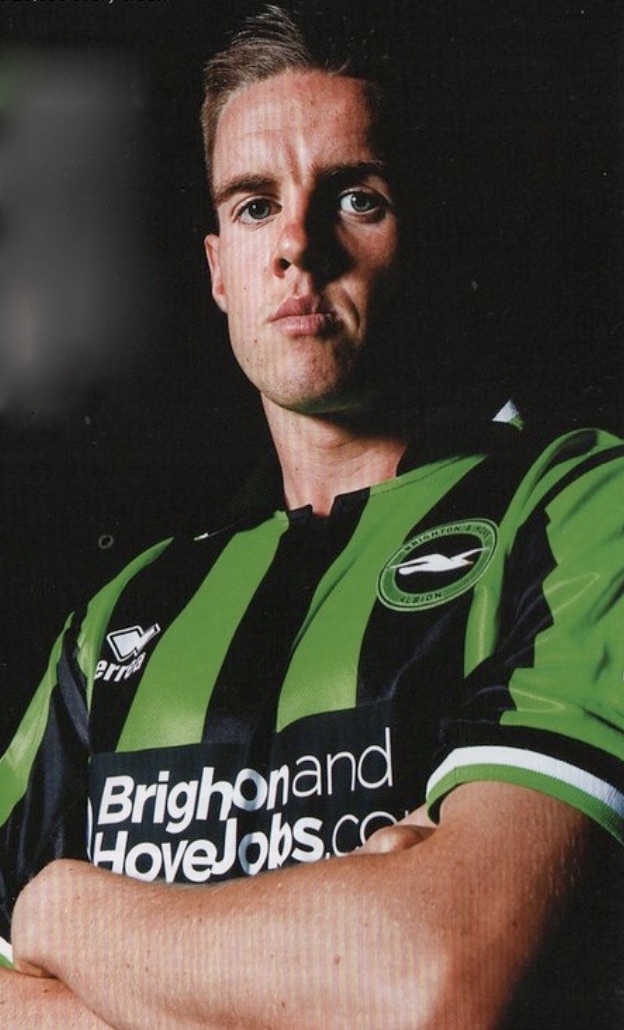
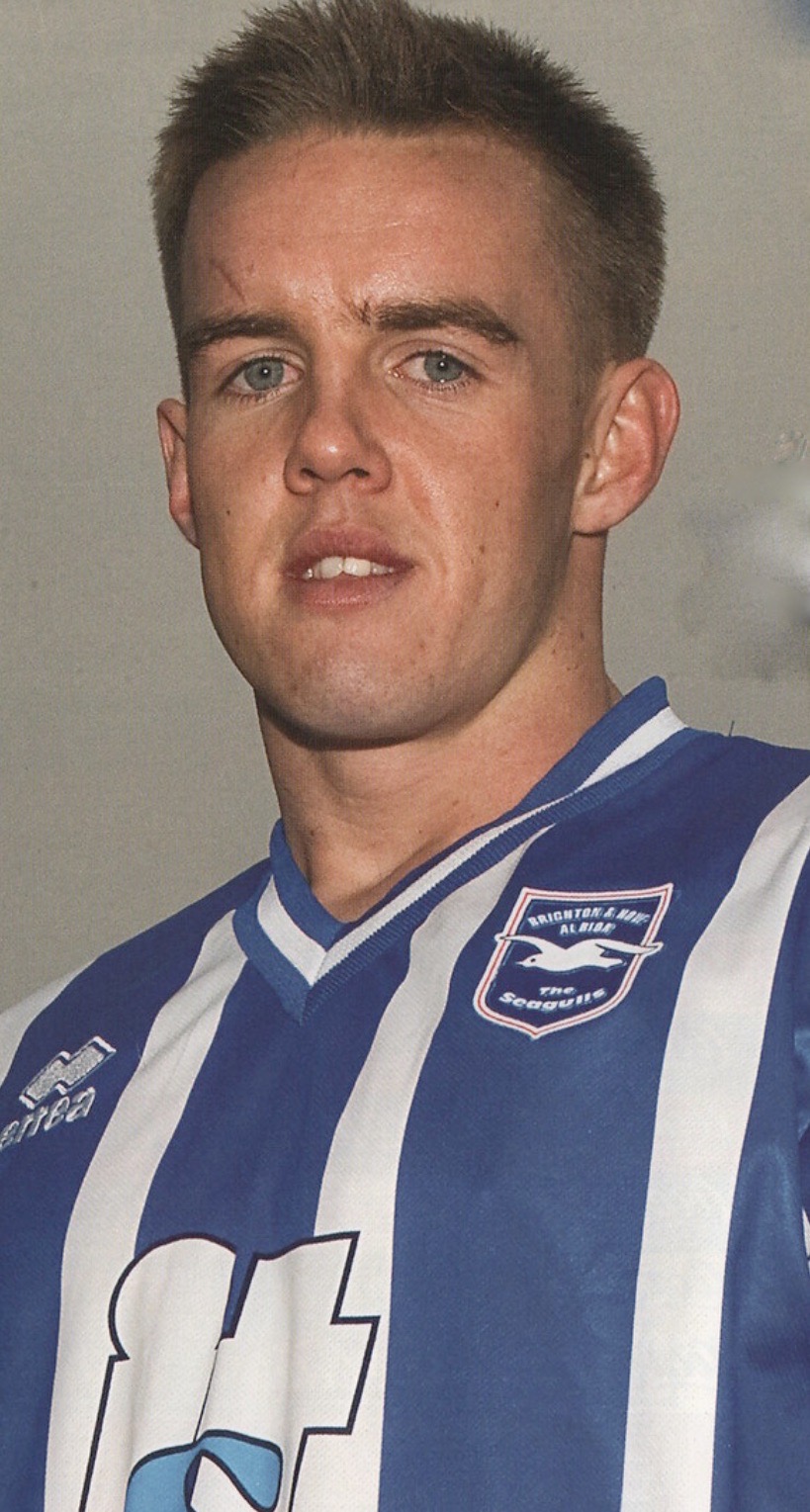
Back in September 1999, the central defender linked up with the fourth-tier Seagulls a few months into Micky Adams’ first reign as manager. Culshaw played for Ian Culverhouse’s reserve side on a trial basis on a drizzly night at Woodside Road, Worthing, and didn’t make the most of the opportunity.

Albion went down 3-2 to visitors Cambridge and a subsequent matchday programme didn’t hold back in apportioning blame.

With the score level at 1-1 it reported: “Albion fell further behind two minutes before the break when Culshaw made a mess of an attempted header back to (Mark) Ormerod, and (Nathan) Lamey picked up the loose ball and took his opportunity well, lobbing the Albion ‘keeper.”

Although Albion restored parity through Scott Ramsay, Daniel Chillingworth added a third for the visitors. Culshaw was subbed off in favour of Chris Beech, and wasn’t seen in an Albion shirt again.

The Brighton trial came as Culshaw desperately tried to get a foothold in the game after the disappointment of being let go after four years as a professional with Liverpool.

A few months earlier, he played for Norwich’s under 21 side against Bristol City in a friendly; he later linked up with Conference side Nuneaton Borough and went on to Northern League teams Leigh RMI and Witton Albion.

“When I left, I found it tough going on trials for lower league clubs,” Culshaw told liverpoolfc.com. “I got offered a couple of contracts at League Two clubs and I decided to knock them back thinking I could do a bit better.

“But when I started to go for trials it was taking longer and longer, and then eventually I just fell out of love with the game.”

He walked away from football for a while, joining up with a friend who had a tarmacking firm. He admitted: “It was hard, it was a tough few years for me. Especially when I saw my mates, the likes of Steven, Carra (Jamie Carragher), Michael Owen – lads who I’d come through the youth team with – progressing.

“I probably had my first bump in the road at 21 and I just really didn’t know how to handle it.”

Until that point, it had all been going so well. Born in Liverpool on 10 October 1978, Culshaw played street football with Gerrard in Ironside Road, on Huyton’s Bluebell Estate, where Culshaw’s grandparents lived. A friendship that included a mutual love of football began when they were pupils at Cardinal Heenan High School.

Culshaw became technical coach under Steve Gerrard at Rangers

“Steven is a year younger than Tom but they both played for me in the under 14 Liverpool Schoolboys FA team in 1992-93,” their former coach Dave Singleton told the Daily Record.

“Stevie was very small and didn’t start growing until he was 16 so I used to put him on the wing because schoolboys football was based on size and a lot of teams just picked the biggest lads who could plough their way through anything.

“So I put Stevie on the wing where he wouldn’t get hurt and could use his skill. Tom was a centre half and the captain of the team.

“He was a commanding centre half but exceptionally skilful too. He could play the ball out from the back.

“We had one game where he picked the ball up on the edge of our penalty area, dribbled the full length of the pitch and scored from the opposite penalty area.”

Singleton added: “He had a physical presence and was good in the air so he was great for set-pieces and comfortable with either foot but stronger on his right.

“They were exceptionally nice lads, a credit to their school, parents and city. It’s so great to see people like that go on and do well.”

An England Schoolboys international, Culshaw spent two years at the FA School of Excellence at Lilleshall at the same time as Owen and Carragher. Culshaw joined Everton at the time Gerrard signed for Liverpool but he was let go and moved to Tranmere Rovers, where his talents flourished.

He was named as captain of the Liverpool City Schoolboys team and Liverpool snapped him up. He joined Gerrard at the club’s Vernon Sangster Centre of Excellence, near Anfield, and he progressed through the under 18s under the guidance of Steve Heighway, Dave Shannon and Hughie McAuley, signing professional aged 17.

On stepping up to the reserves, who were managed by Sammy Lee, he was handed the captain’s armband. “I was around Ronnie Moran, Roy Evans, and all the old-school Boot Room staff,” he said. “I’d progressed and everything went well for me. The national school, playing for England, joining Liverpool, signing professional at 17, progressing to the reserves, captaining the reserves.

“I was a pro for four years. It was a great time at Melwood because everyone was on the same site. I was training with Jamie Redknapp, Robbie Fowler, and Steve McManaman and learned an awful lot from them.”

However, after those four years, and having seen his contemporaries make the step up to the first team that eluded him, Culshaw was forced to look elsewhere after manager Gerard Houillier overlooked him.

Disillusioned by his prospects in the UK, Culshaw moved abroad and started coaching youngsters in Spain. Having decided to pursue that career path, he returned to the UK in 2011 in a part-time role at Liverpool’s academy while studying for his badges.

In 2017, it was his boyhood pal Gerrard who turned his job into a full-time position by promoting him to become his under 18s assistant.

Gerrard said at the time: “When I started out full-time as an apprentice, Tommy was a year above me so I know everything about him and he knows everything about me. I thought he was the perfect partner to go into it.”

Receiving a coaching certificate from former England manager Steve McLaren

Culshaw has remained a key part of the close-knit group around Gerrard ever since, following him to Glasgow Rangers and then to Aston Villa. His particular focus is on set pieces as former Albion centre back Connor Goldson once explained in an interview for Rangers TV.

“Tom Culshaw the coach works on us before every game, different set pieces, defending and attacking, and how we’re going to set up,” he said. “We always know what we’re doing. We always know the routines or what’s happening.”

Captain James Tavernier added: “We work extremely hard on set-pieces in training. TC has us working hard with them all week and it shows in the games as they can effectively give you three points.”

In that interview with the Record, Singleton added: “Whenever I watch games on TV now and see them in the dugout together I feel immense pride.

“Steven’s career achievements speak for themselves and it’s great when the person who isn’t the figurehead gets some credit and there is nobody more deserving than Tom.

“When they were younger you’d have thought both of them would have gone on to make it but there’s a lot of luck in football, being in the right place at the right time.”

Craig Noone bounced back after Heighway heave-ho

PACY SCOUSE winger Craig Noone was a born entertainer who bounced back from early rejection by Liverpool to make it all the way to the Premier League.

Brighton in the Championship under Gus Poyet provided the former roofer with a platform to showcase his ability before Cardiff City gave him the opportunity to perform at the top level.

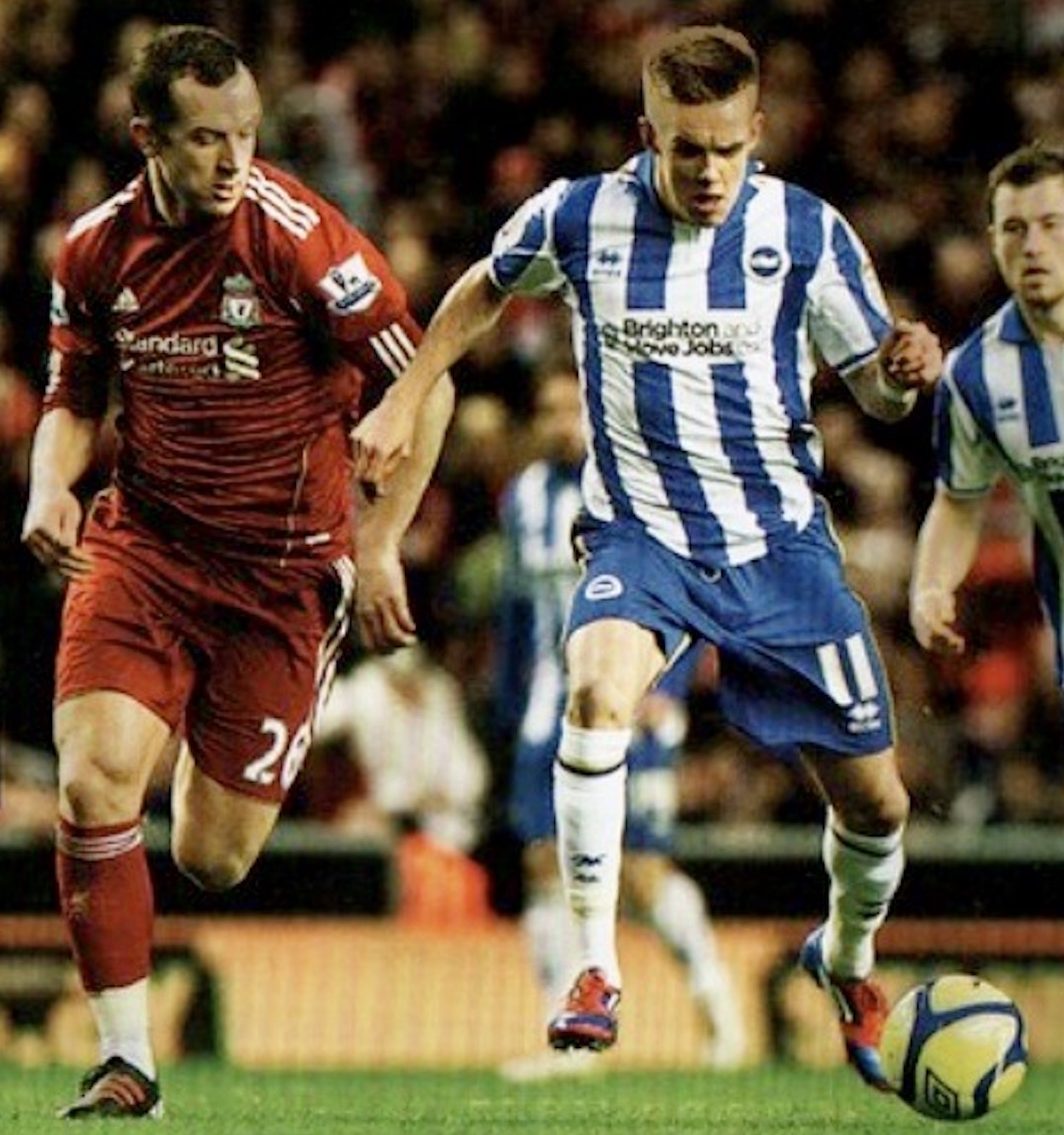
After he’d scored (below) and impressed in an away game at Manchester City, then newly-appointed Cardiff boss Ole Gunnar Solskjaer said: “Noone is a terrific little player.

“He causes defenders problems with his pace and his technique; he can go inside and outside. He’s got a good left foot, but he can cross it with his right.”

Born in Kirkby, Liverpool, on 17 November 1987, Noone was on Liverpool’s books between the ages of eight and 11.

“I was spotted playing for my Sunday team St Peter and Paul and I used to train at Melwood a couple of times a week – it was unbelievable,” he recalled. “We wore the cream and black training kit and I loved every minute. I was a big Steve McManaman fan, the way he ran at players, and would try to do the same.

“Unfortunately, when I got to 11, Steve Heighway called one night to say that I wasn’t good enough to stay on – I’ll never forget it.”

Noone would eventually get to play on the hallowed turf of Anfield, but not on behalf of the home side.

It was New Year’s Eve 2010 that he joined Brighton, making his debut four days later in a 2-1 win away to Exeter City, where he’d spent six weeks on loan the previous year.

Poyet had admired the winger’s attributes up against Inigo Calderon in one half and Marcos Painter in the second during the Seagulls’ 2-0 win at Plymouth three months earlier, Noone discovered from another Argyle player, Ashley Barnes, who’d scored against his old club that day.

“Barnesey later told me that the management thought I was a good player and had mentioned me a lot in the half-time team talk,” he said. “When Brighton made their interest official, I didn’t have to think twice. The manager, the team, the stadium…it ticked all the right boxes for me.”

The slightly built Noone swiftly endeared himself to the crowd with jinking runs at pace and it was perhaps inevitable that the fans would adapt for him the chant more widely associated with England and Manchester United star Wayne Rooney.

More a provider of chances for others than a goalscorer, ‘Nooney’ made 10 starts and 13 appearances off the bench as Poyet’s Seagulls romped to the League One championship title, getting his first goal in a home 2-0 win over Colchester United at the end of January, followed by one of Albion’s four in a convincing win over Hartlepool United on 12 February.

The highlight of the following season for Noone was Albion drawing Liverpool in cup games; not once, but twice. In the League Cup at the Amex, Noone put in a man-of-the-match performance as Albion narrowly lost 2-1 to the Reds.

Four years previously, Noone had been working on the roof of an extension at Steven Gerrard’s house, but in the post-match TV interview for Sky Sports he was stood alongside the Liverpool captain.

“It was his comeback match after injury and he gave me his shirt,” Noone told the Liverpool Echo. “To do the Sky interview alongside him afterwards was unbelievable for me. He said I deserved to be man of the match because I’d caused Liverpool a lot of problems.

“For him to say that made me really proud, especially when I think about where I’ve come from. It wasn’t long ago I was playing non-league football part-time and working as a roofer. That puts into perspective how far I’ve come and sometimes I have to pinch myself.”

Indeed, Noone’s resilience and ability to bounce back from adversity did have something of a Roy of the Rovers feel to it. After the disappointment of not progressing at Liverpool, Noone nonetheless did get to play representative games at Anfield: for Merseyside Schoolboys in the final of the National Cup against Bedfordshire.

“I scored to make it 1-0 in front of The Kop and it was an unbelievable feeling,” he said. “That was the only part of the ground open to spectators and I had all my friends and family watching. We went on to win the game 3-1.” He also played for Myerscough College in the National Colleges Cup final, again scoring in front of the Kop.

Non-league Skelmersdale United guided Noone from their youth team through to the first team. In early 2007, he had a trial at Royal Antwerp, a feeder club for Manchester United, but it wasn’t until November that year that he started to climb the football pyramid.

He was 20 when he stepped up two divisions to Blue Square North neighbours Burscough in exchange for experienced non-league striker Kevin Leadbetter. A regular for Burscough under Liam Watson, Noone followed the manager to Southport in June 2008.

He made his debut for Southport on the opening day of the 2008-09 season against Gainsborough, watched by the Plymouth chief scout Andy King, the former Everton striker. After the game, King approached him and told him to expect a call. Sure enough, the following Tuesday, the Devon club made contact and he was soon on his way for a £110,000 fee.

“Craig comes to us with a glowing reputation,” said Argyle boss Paul Sturrock. “It is now up to him to prove that it is merited. If he shows me he can make the step up to the Championship, the door is open for him.”

With Plymouth battling to stay in the division, Noone struggled to get games under his belt initially and was sent on loan to Exeter to gain some league-playing experience. But an intended three-month arrangement was cut to only six weeks by Sturrock, and he returned to Home Park and became a regular until his transfer to Brighton.

The least said the better about the FA Cup fifth round clash when the Seagulls were thumped 6-1 at Anfield. Noone only got on as a substitute, but the pre-match hype gave him the chance to tell his story to the Echo and he said: “I’m loving it at Brighton. I’m learning all the time and Gus is unbelievable to play for. His coaching is spot on and he’s made me a much better player.”

Indeed, Championship football didn’t faze Noone and, with the close season departure of Elliott Bennett to Norwich City, it presented him with the opportunity to start 21 games (coming off the bench in a further 16 matches) despite the addition of another wideman in Will Buckley.

He was also a popular character in the dressing room, having inherited a sense of humour from his dad, Steve, a part-time stand-up comedian. Skipper Gordon Greer said of the winger: “He’s a real top guy. He’s a great laugh and a really good personality to have about the place. He does some hilarious things and that really adds to the good atmosphere we have about the place.”

However, Noone’s performances didn’t go unnoticed by others and promotion-chasing Cardiff tested Albion’s resolve to keep the winger by offering £500,000 for him in January 2012. Albion rebuffed the approach and, in March, extended Noone’s contract until June 2015 with manager Poyet declaring: “He was a key player for us in the second half of last season and has already established himself as a top Championship player.”

A satisfied Noone told the club website: “I set my sights on a long-term contract so I’m very happy to get it sorted, because this club is going from strength to strength.

“We have a few wingers here but we all have our individual qualities and the way this team plays lets me express myself on the pitch. This contract shows that the club has confidence in me and I’m very happy here at Brighton.”

However, just a matter of days after playing for Brighton against Cardiff in a 0-0 draw at the Amex at the start of the new season, Noone was on his way to Wales when the Bluebirds doubled their previous offer to £1m, and Malky Mackay got his man.

“They matched my ambitions to get to the Premier League as quickly as possible,” said Noone, who appreciated their persistence in trying to sign him. “It’s a shame the move didn’t happen in January because I would have liked to be here and settled, but I enjoyed my time at Brighton and wouldn’t change that.

“But Cardiff are better equipped than Brighton to go up after going so close and not quite making it. Hopefully this time we will do it. I’m a Cardiff player and want to do the best I can.”

Noone played 25 times (plus six as a sub) and scored seven goals as Cardiff went up as Champions, while Albion slipped up in the play-offs, so making the switch certainly worked in his favour.

City went straight back down after one season in the Premier League, but Noone managed 15 starts plus eight appearances as a sub. He spoke to the matchday programme about how tough it had been to force his way into the side and said: “When you’re not playing it can be frustrating, but you have to take a step back and take a look at your situation. If I’d have been moaning and groaning, I don’t think I would have lasted long here.”

He was in Cardiff’s midfield when they lost 3-1 at Liverpool on 21 December 2013. The BBC report of the game noted: “Cardiff started the game promisingly and went close early on when a swift counter attack resulted in Mutch playing a ball though to Craig Noone, whose 22-yard shot was palmed over by goalkeeper Simon Mignolet.”

He was not involved in the return match in March when Liverpool thumped City 6-3, by which time Solskjaer had taken over the reins.

Apart from the individual goal against Manchester City that had Solskjaer purring, Noone also enjoyed a FA Cup third round match away to Newcastle United on 4 January 2014 when he scored from distance a minute after coming on as a late substitute, when City were 1-0 down.

Fellow substitute Fraizer Campbell scored a winner, turning the lead in City’s favour only seven minutes later. The victory proved historic, because it was the first time the Bluebirds had won at St James’ Park since 1963.

Noone’s humble journey back into the game meant he was always happy to contribute to community activities too and he was named Community Champion by Cardiff City FC Foundation for his inspiring involvement in its futsal programme.

His voluntary efforts, also recognised by the PFA, included taking part in classroom sessions before leading pupils in practical lessons.

He somewhat modestly said: “I’ve been in the classrooms with the young lads and girls as well. I’ve just been helping them out and giving them ideas of what it feels like to come into football late, the way I did.”

Cardiff’s website said of him: “Having risen from non-league football to the Premier League, Craig Noone has shown what a player can do for a club both on and off the pitch, and is remembered fondly by the Bluebirds faithful for his part in helping the club soar to historic new heights.”

In March 2015, Noone leapt at the chance to play at Anfield again, all in a good cause, when he was part of Jamie Carragher’s team against a Steven Gerrard side in an All Star Charity match.

Noone spent five years at Cardiff, scoring 19 goals in 170 appearances, but in the summer of 2017 manager Neil Warnock went public in suggesting the winger should look for another club. That move came in September 2017 when he joined fellow Championship side Bolton Wanderers on a two-year deal. He went on to score twice in 65 games for Bolton, where he once again found himself lining up alongside Buckley.

In 2019, Noone went Down Under to continue his career, linking up with A-League side Melbourne City FC, one of the sister clubs to Manchester City – the team Aaron Mooy was playing for before he returned to England.

“It’s a big life-change, but it’s something that I’m looking forward to,” he told a-league.com/au. “I like a challenge. The previous clubs I’ve been at it’s always been a challenge, whether it’s going for promotion or staying in the league.”

City football boss Michael Petrillo said of the new signing: “Craig is a creative, pacey wide player who, after playing at the highest level in the UK, will bring a lot in experience and threat to the team.

“Craig is a proven goalscorer and provider who is just as comfortable cutting inside and shooting from range as he is at linking up with his fullback and delivering dangerous crosses.”

After two years with Melbourne, Noone switched to Macarthur FC in South West Sydney for the 2021-22 season.

• Pictures from Albion’s matchday programme and online sources.

Outcast Peter Suddaby was Albion top-flight saviour

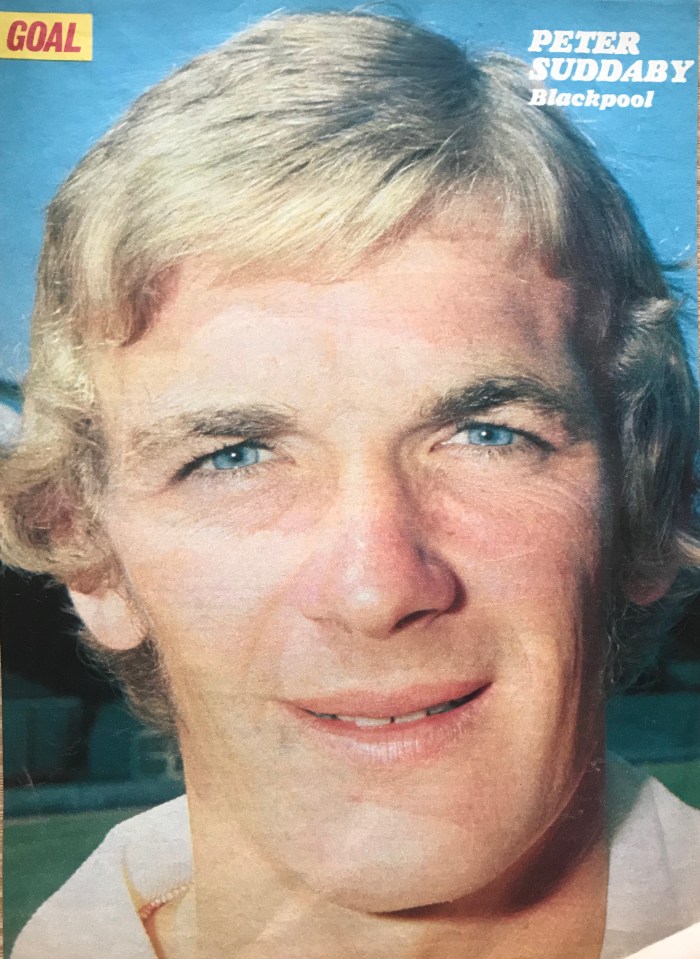
PETER SUDDABY spent nearly 10 years at Blackpool before playing a key role in Brighton’s inaugural top-flight season. The university graduate later spent a season with the Seagulls as a coach.

Albion had been struggling to adjust to the old First Division after promotion from the second tier in 1979 and it hadn’t helped that star defender Mark Lawrenson missed 12 matches following a bad ankle ligament injury at Spurs.

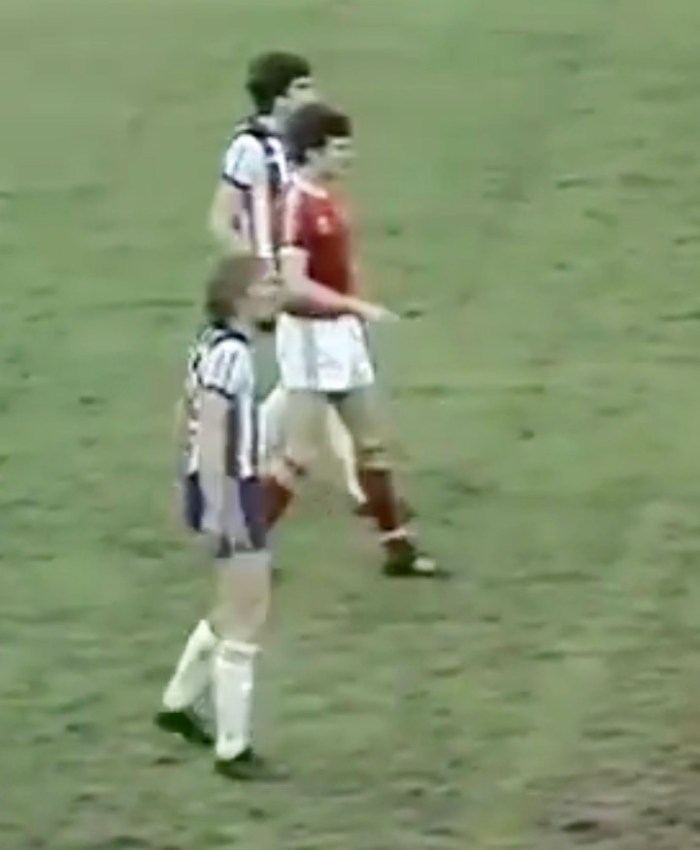
When Lawrenson was ready to return for a crunch match away to Nottingham Forest on 17 November 1979, instead of putting Lawrenson in the back line, manager Alan Mullery put him in midfield and thrust new free transfer signing Suddaby into the defence alongside Steve Foster.

Suddaby was 31 and had been playing for Third Division Blackpool’s reserve side at the time, so it was certainly a bold step but Mullery said: “I signed Peter because of his attitude to football. Whenever I played against him he struck me as being one of the worst losers in the game.

“If Blackpool were losing by five goals, he’d still be trying as hard as ever, and that is the sort of character we needed in the team.”

Mullery’s gamble paid off because at the City Ground Gerry Ryan’s 11th minute goal (not to mention Graham Moseley saving a John Robertson penalty on the stroke of half-time) gave Albion an unexpected victory against a Forest side who hadn’t lost at home for two years.

The game earned top billing on Match of the Day and Mullery hailed Suddaby after the game, telling commentator Barry Davies: “He’s got something to live up to, the boy, because he had a tremendous game today up against Garry Birtles.” (see still from footage, above)

Suddaby later told Shoot! magazine: “Forest are a very good side, but we defended well against them and had that little bit of luck we needed. Everyone in the Brighton side buckled down and gave everything.

“Alan Mullery has given me a chance to prove myself in the best league in the world, and I certainly do not wish to let him down now.”

Plaudits from journalists continued as Albion built on the victory at the City Ground with successive victories over Christmas against Wolves and Crystal Palace taking the club out of the bottom three for the first time that season.

Suddaby in an aerial battle with Coventry’s Garry Thompson at the fenced-in Goldstone

Jack Steggles in the Daily Mirror wrote: “Alan Mullery, ready to spend a million to buy his way out of trouble, could find salvation in a man who cost him nothing. For Brighton’s chances of survival have looked a lot brighter since he signed university graduate Peter Suddaby on a free transfer from Blackpool. Suddaby’s arrival has stiffened the defence and Brighton have bagged five points from three games.” (there were only two points for a win in those days).

thegoldstonewrap.com recalled: “Suddaby definitely didn’t let Brighton down. His strong, determined tackling and ability in the air at the heart of defence was an important factor in moving Albion up the table.”

Mullery told Shoot! that he’d tried to sign Suddaby the previous season but Bob Stokoe, Blackpool’s manager at the time, refused to let him go. “He’s a tremendous winner and is just the sort of player we needed,” said Mullery.

When Suddaby lost his place in the Tangerines side under Stokoe’s successor, Stan Ternent, Mullery was quick to seize the moment.

“My career wasn’t going anywhere, and a move to the First Division was the perfect remedy,” said Suddaby, who admitted he’d been hoping for a return to the top flight since Blackpool dropped out of it. “Obviously it wasn’t easy to adjust after playing two games in the reserves and I was sad about leaving Blackpool,” he said. “But it was made clear to me that I was fourth in line for the centre-half position, so I made up my mind to move if the opportunity arose.”

Suddaby continued: “I wanted a challenge and still felt I had something to offer which is why it didn’t worry me to join a struggling club.”

Even back then, Blackpool, who’d dropped down to the Third Division, were beset with boardroom issues which the defender said had “rubbed off on the players and gave the club an unsettled atmosphere”.

Albion only lost five of the 21 games Suddaby played in and succeeded in avoiding relegation. In another Shoot! article, Mullery said of Suddaby: “He may not be a big name, but Peter does it for me week in, week out. I know I can rely on him to turn in a good performance.”

Suddaby looked forward and said: “We have enough good players to build on what we did last season.

“The club think big and I’m delighted to be part of their success. I didn’t think I’d ever play in the First Division again, but now I’ve been given this chance I mean to make the most of it.”

Unfortunately, in May 1980, Suddaby’s back gave way while out walking – a reaction to an operation five years previously when two discs were removed – and, instead of being part of Albion’s second season at the top, he spent nine months trying to recuperate.

Mullery told Phil Jones of BBC Radio Brighton: “The football club needs players of his calibre. He’s good for everybody – a tremendous professional who immediately stamped his authority on the place. I cannot speak too highly of his service to the Albion.”

Sadly, while Suddaby did recover to play for Albion’s reserves, he was not fit enough to return to first team duties.

He tried to extend his playing days with a move to Wimbledon, where he made half a dozen appearances, and then returned to his former club Wycombe Wanderers. He played 10 games in 1982, and then moved on to Isthmian League Hayes in December 1982, eventually becoming player-coach in September 1984. At the same time, he reverted to his original plan and taught maths at the American School in Uxbridge.

Born in Stockport on 23 December 1947, Suddaby was the only son of a garage proprietor, and when he was still young the family moved to north Wales where his father took over a caravan park.

Suddaby started school at Gronant Primary School near Prestatyn, where no football was played, but the local village under 16s played him on the wing when he was aged just 10, and he developed a liking for the game.

When he moved on to St Asaph Grammar School, he became a regular in the school teams. In those days he was a centre-forward and it was in that position he earned his first representative honour when he was selected for Flintshire County Schools.

Suddaby earned A-level passes in Maths, Physics and Chemistry with an eye to moving on to university although, while in the sixth form, he turned out for various Welsh League clubs and for Rhyl in the Cheshire League.

He gained a place at Swansea University and, while doing a three-year BSc course in Maths, played football for the university and Welsh Universities and British Universities, by now as a defender.

After going to Lilleshall on a university coaching course, he was chosen by former Hove Grammar School teacher Mike Smith, later the manager of Wales, for a universities team to play against several non-league sides, one of which was Skelmersdale United.

They were among the top amateur sides at the time and Suddaby agreed to join them, travelling each weekend from Swansea back to the family home in north Wales, from where he was just over an hour’s drive to Skelmersdale.

Amongst his teammates were Steve Heighway, later to gain fame at Liverpool, and Micky Burns, who became a playing colleague at Blackpool.

After gaining his degree at Swansea, Suddaby took a post-graduate course at Oxford University to gain the necessary qualification to become a teacher.

While there, he started playing for Wycombe (then non-league) and gained a Blue playing for Oxford University in the Varsity match at Wembley in December 1970.

Three days later he earned the first of three amateur international caps when he was chosen to play for England against Wales at Cardiff.

With his teacher qualification under his belt, he signed for Blackpool as an amateur in the summer of 1970 and played a few games towards the end of 1970-71 season, when they were relegated from Division One, and then turned professional.

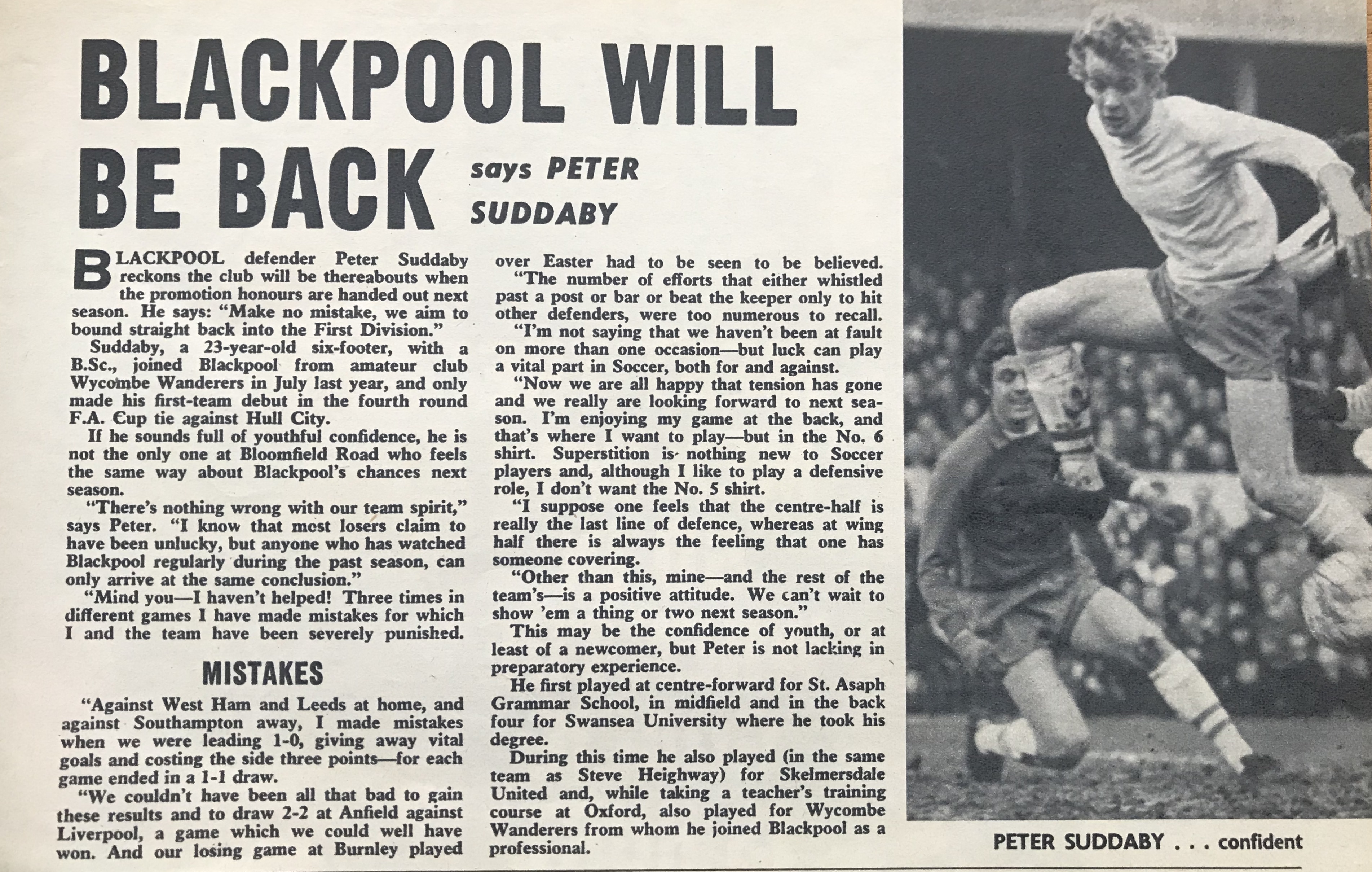
“1 hadn’t really thought too much about becoming a professional,” he told Shoot! “I’d virtually decided that my future was as a teacher.

“Looking back, I have no regrets apart, possibly, that I didn’t join a league club a couple of years earlier. On the other hand, I am happy that I finished my education. University life taught me a lot and developed my character.”

Suddaby ended up spending nine and a half years at Blackpool, making 331 appearances, most of which came in the second tier where the Tangerines were a top 10 side for six consecutive seasons, narrowly missing out on promotion back to the elite in 1974 and 1977, but then being relegated to the old Third Division in 1978.

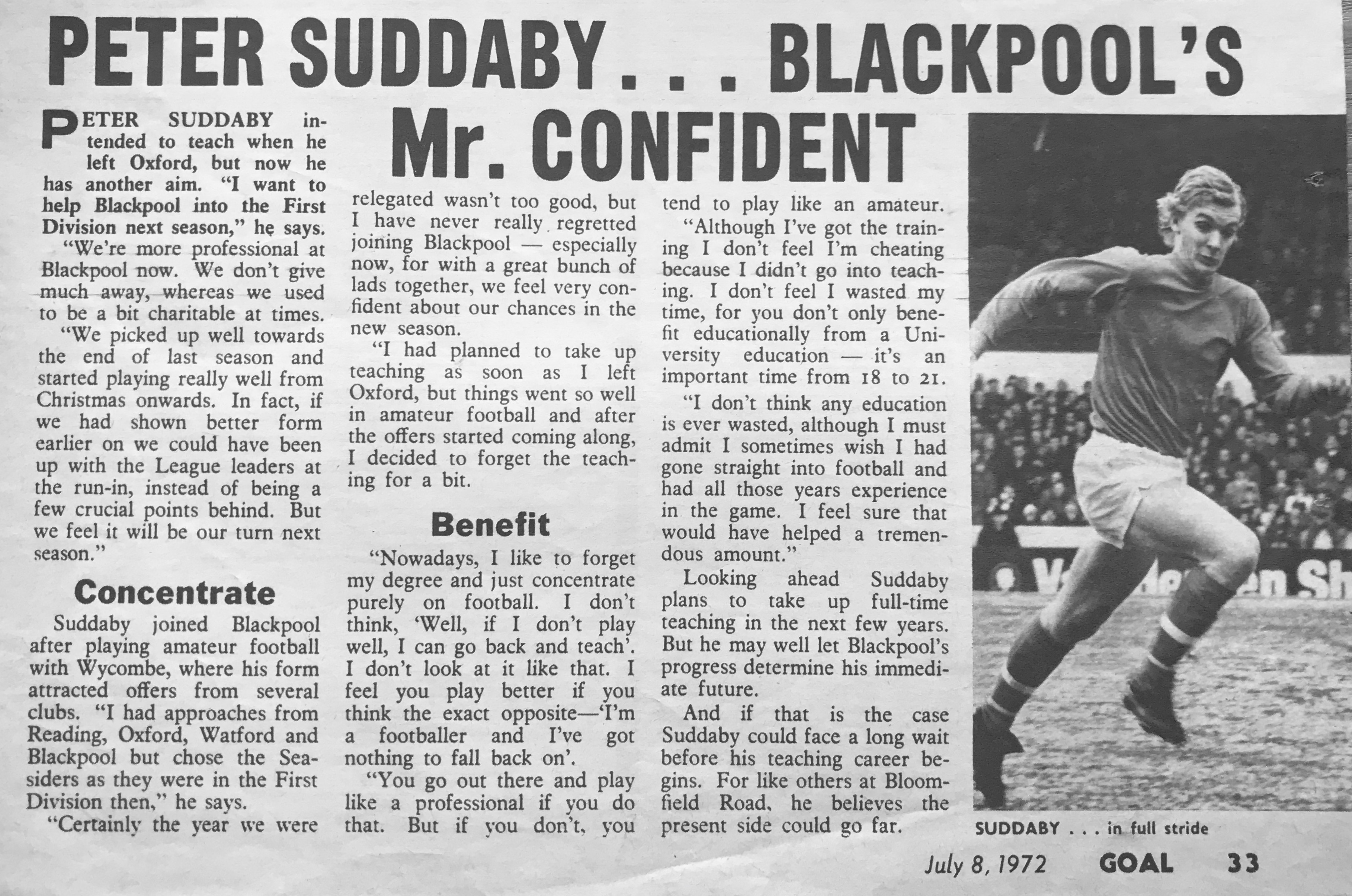
“I had approaches from Reading, Oxford, Watford and Blackpool but chose the Seasiders as they were in the First Division then,” he told Goal magazine in a July 1972 article. “The year we were relegated wasn’t too good, but I have never really regretted joining Blackpool.

“I had planned to take up teaching as soon as I left Oxford, but things went so well in amateur football and, after the offers started coming along, I decided to forget the teaching for a bit.”

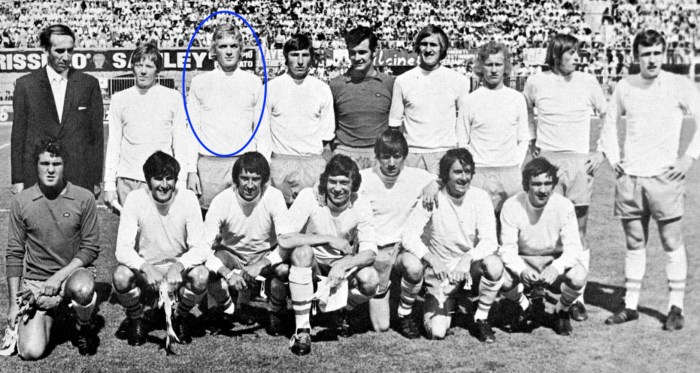
He was part of Blackpool’s 1971 Anglo-Italian Cup winning team (below), managed by Stokoe, alongside the likes of Tony Green, Paul Hart, Alan Ainscow and Tony Evans.

Unlike many players, Suddaby always knew he had teaching to fall back on as a career, but he also got coaching qualifications to enable him to stay in the game as a coach or manager.

When Mullery returned to manage Brighton in the summer of 1985, he appointed Suddaby as his first team coach while Barry Lloyd was put in charge of the reserves.

Brighton coach Suddaby

Mullery’s second term ended acrimoniously in early January 1986. Suddaby stayed on at the Albion under Lloyd but left at the end of the season. He went back to Wycombe as manager in August 1987 but was only in charge for five months.

Suddaby subsequently joined the coaching staff at Tottenham Hotspur, serving as the club’s academy director between July 1995 and April 2004.

During that period, he helped nurture the talent of the future, seeing the likes of Peter Crouch and Ledley King break through into first team football.

They didn’t all turn to gold though. Leigh Mills was at Spurs for five years, captained the England under-16s and was capped for his country at under-17 level.

“By his regular selection for the England under-17 team, Leigh has been recognised as a leading player at his age in the country,” Suddaby told theguardian.com in November 2004. “He has an excellent attitude to maintaining his football progress, and we have great hopes that he will play at a very high level.”

However, Mills ended up on loan at Brentford and Gillingham briefly before playing non-league.

When youngster Phil Ifil broke into the Spurs first team, in 2004, Suddaby said in an interview with the Standard: “Neither I nor my coaches will ever say we made Phil Ifil or any other player. We provide them with an opportunity, and they make themselves.

“The satisfaction we get from seeing them make it is massive, though. We try to get kids from local areas and we use that as a lever because they can see if they come here, they will get a chance.

“It is difficult for kids in football these days, particularly at big clubs. But at Spurs we try and give them knowledge about all sorts of things including the media and even driving lessons. We try to make them confident young men and give them a chance.

“As an academy, we sometimes don’t push ourselves into the limelight but we have produced players like Stephen Clemence and Luke Young, both playing in the Premiership, as well as those now getting their chance in the first team at Spurs.

“But without doubt Ledley is our jewel in the crown. We can only show them the door to success – it’s up to the kids to kick it down.”

After leaving Spurs, Suddaby reverted to maths teaching, working at independent girls school Maltmans Green, in Chalfont St Peter, for nearly 13 years before retiring in August 2018.

The following year, it was reported Suddaby suffered a stroke and, in February 2020, he and former Wycombe teammate Keith Samuels visited Buckinghamshire Neurorehabilitation Unit (BNRU) at Amersham Hospital to make a donation towards the sort of equipment that helped Suddaby recover from his illness.

Pictures from Goal magazine, the Argus, the matchday programme and online sources.

Liverpudlian Melia etched a never-to-be-forgotten place in Brighton’s history

IT WAS the stuff of dreams when Liverpool born and bred Jimmy Melia saw his underdog Seagulls side beat the mighty Merseyside giants en route to Brighton’s one and only FA Cup Final appearance.

In fact, it wasn’t the first time Melia had taken a side to Anfield to play in the competition. On 2 January 1971, as player-manager of lowly Aldershot, he returned to the ground where he’d been an inside forward under Bill Shankly and gave them a scare in the third round, the Fourth Division side only losing 1-0.

Even Liverpool’s wideman, Steve Heighway, admitted: “I suppose we were lucky to win. It was a frosty day and the ball was playing quite a few tricks. I don’t think we were in any danger of losing. But Aldershot were playing well that day. They could have sneaked a draw.”

How satisfying, then, to return in 1983 and pilot Albion’s unlikely 2-1 win, with a winning goal courtesy of that other former Anfield favourite, Jimmy Case.

In the run-up to the game, Melia, raised in Liverpool’s Scotland Road, told the Daily Mail: “I’ve got 11 brothers and sisters in the Liverpool area and they’ll all want to be there.”

He clearly didn’t fear the game, pointing out that Brighton had been the last team to win at Anfield, and telling the Argus: “It is a great tie for us. When I was manager at Aldershot we lost 1-0 to them and I think we will do better this time. Remember, the Cup is full of all sorts of upsets. It wouldn’t be the Cup otherwise.”

After the famous victory, Melia told Alex Montgomery of The Sun: “I’ve been involved in some great Liverpool victories but this is without doubt the greatest win.

“The great thing about it is that we didn’t just nick a win. We deserved what we got. A lot of people said that if we attacked them we would just set ourselves up for a hiding. That is not the way it worked out.”

It emerged after the game that John Manning, an old footballing friend of Melia’s, had been key to plotting the victory. Former Crewe, Bolton and Tranmere striker Manning, Albion’s scout in the north at the time, gave the players a pre-match rundown on what to expect.

“Best team talk we’ve ever had,” defender Gary Stevens told the Daily Mail. “Liverpool played exactly the way he said they would and he was even right about which side (Phil) Neal would send his penalty (which went wide of goalkeeper Perry Digweed’s post).”

Born in Liverpool on 1 November 1937, Melia attended the city’s St Anthony’s School and didn’t play his first organised football match until the age of 11. He quickly demonstrated a talent for the game and after shining for the school side was picked to play for Liverpool Boys.

At 14, he was selected for England Schoolboys but a broken collarbone meant he was unable to play. A year later, though, after captaining Liverpool Boys, he got another chance with the national schoolboy side, making his debut against Eire in a team that included Bobby Charlton and Wilf McGuinness.

Liverpool offered him a place on the groundstaff as soon as he left school and, at the age of 17, he was taken on as a professional by former Brighton manager Don Welsh, who took over as Liverpool boss in 1951. Ahead of a Brighton v Portsmouth game in 1983, Melia mentioned his closeness to their manager at the time, Bobby Campbell.

“We virtually grew up together in the same street in Liverpool and we both signed for Liverpool as youngsters on the same day,” he wrote in his matchday programme notes. “We literally have a lifelong friendship.”

Melia scored on his Liverpool debut against Nottingham Forest in a 5-2 win when the famous Billy Liddell scored a hat-trick, and he was making a name for himself at a national level too. Melia scored twice for the England Youth side as they romped home 9-2 winners over Denmark at Home Park, Plymouth, on 1 October 1955. The following month he was on target again as England beat the Netherlands 3-1 at Carrow Road, Norwich.

Between the 1955-56 and 1963-64 seasons, Melia played 287 games for Liverpool, scoring 78 goals. It might have been more but for the fact he had to do National Service although the consolation was that he got to play in the British Army side with the likes of Duncan Edwards, Bobby Charlton, Dave Mackay, Peter Swan, Cliff Jones and Alan Hodgkinson.

One of his Liverpool goals came in a home game against Brighton on 10 October 1959. Phil Taylor’s Liverpool were 2-1 down to the Albion that Saturday afternoon and, in the 85th minute, Melia stepped up to take a penalty…and missed. Nevertheless, he atoned for the mistake by slotting home a last-gasp equaliser. A month later, Shankly took over as manager.

In a series of profiles of the leading Liverpool players of the era, journalist Ivan Ponting said: “Jimmy Melia was the principal midfield ideas man as Liverpool rose from the second tier in 1961-62 and he was capped twice in 1963 ahead of sparkling creatively in the opening half of the Reds’ first title campaign under Bill Shankly.”

In only the second game of Alf Ramsey’s reign as England manager, he selected Melia to play for the national side in a 2-1 defeat to Scotland at Wembley on 6 April 1963.

Then on 5 June 1963, in Basle, he was one of the goalscorers in the side that hammered Switzerland 8-1; Bobby Charlton scored a hat-trick but remarkably Jimmy Greaves didn’t get on the scoresheet.

Although he didn’t win another full cap, he was in a FA squad Ramsey took to Gibraltar in May 1965 when the Rock’s representative XI were soundly beaten 7-1 on 22 May and 6-0 the following day.

In the 1963-64 season, when Melia was sidelined by a minor ankle injury, Shankly reshuffled his line-up, moved centre-forward Ian St John into a more deep lying role and put Alf Arrowsmith up top. The change worked so well that Melia never did regain his regular place in the team.

“It was a stunning blow and a surprise to the balding Merseysider whose flair, industry and intelligence had been so productive, with his through-passing an exquisite speciality, even if some fans disliked what they saw as over-elaboration on the ball,” Ponting wrote for Back Pass magazine.

Melia was sold to Wolves for a then record fee of £48,000 in March 1964, but because he had played a certain number of games for Liverpool earlier in the season, was awarded a medal when the Reds were crowned champions.

It was the legendary Stan Cullis who had taken him to Molineux and, Melia told Charlie Bamforth for wolvesheroes.com, it was with the intention of him subsequently moving into a coaching role. But, when Cullis was sacked before the end of the year, his replacement, Andy Beattie, swiftly dispensed with Melia’s services, offloading him to Southampton in December 1964 for £30,000.

At The Dell, Melia (pictured below in Saints’ famous stripes) joined forces with the likes of Terry Paine and Martin Chivers and, in 1965, helped Ted Bates’ side to promotion to the top division.

Melia Saints

He was an ever present in the side during their first top division campaign, notable as a provider of crosses for Ron Davies and Chivers.

Eventually, the emerging Mike Channon took his place and, in 1968, after making 152 Saints appearances, on the strength of a recommendation from his old boss Cullis (by then manager of Birmingham), Aldershot paid £9,000 for him to become player-coach. The following April he became player-manager.

When he was sacked in January 1972, having made 134 league appearances for the Shots, he moved back to the north west as player-manager of lowly Crewe Alexandra but finally hung up his boots in May that year to concentrate on the manager’s job.

As a lowly league manager, Melia seldom came to the wider public’s attention, but when the opportunity arose, he was quick to seize it. Before another FA Cup third round match, this time against Huddersfield, he told Goal magazine any success he’d had as a manager could be put down to the influence of Shankly and his managers at Wolves and Southampton, Cullis and Bates.

“I was lucky,” said Jimmy. “You can’t help but learn from men such as these and I consider myself very fortunate to have served under them.”

In his first season as manager of Crewe Alexandra, his inexperienced team finished bottom and had to seek re-election to the league (in those days relegation was not automatic).

“I believe some of the youngsters we have here are destined for great futures. But perhaps you need a little more than just skill and enthusiasm to be successful,” he told Goal in July 1973.

Melia was clearly scarred by his treatment at Crewe. He told Ian Jarrett of The Sun: “We finished in the bottom four and were in danger of getting kicked out of the league so I spent days ringing around all my mates to get the votes to save us at the annual (league) meeting.

“I succeeded and went away feeling pretty happy until a phone call from the chairman warned me that I had only narrowly survived a vote of confidence.

“The following September I was made manager of the month but the club called an extraordinary meeting, got rid of the chairman, and soon after that I was out on my ear.

“The experience taught me a lesson.”

In 1975, Melia had three months as manager of Southport, before ending the same year coaching in the Middle East.

He then moved to the USA and linked up with a former Wolves teammate Laurie Calloway to become his assistant coach at NSL side Southern California Lazers. In 1979, Melia moved to Ohio to become coach of Cleveland Cobras.

A window back into the English game opened in April 1980 when Brighton boss Alan Mullery appointed him as the club’s chief scout.

Looking back now, it seems a tad ironic that Albion chairman Mike Bamber was all for sacking him and other members of Mullery’s backroom staff in the summer of 1981 to save money. Mullery refused – and subsequently left the club himself.

Melia retained his position under Mullery’s successor, Mike Bailey, who, despite taking the Albion to their highest ever finishing position (13th) in 1982, failed to win over fans with a style of football that saw them stay away in their thousands.

A concerned Bamber finally brought down the curtain on the Bailey era in December 1982, handing the first team managerial reins on a caretaker basis jointly to Melia and loyal backroom ‘boy’ George Aitken (himself a former manager who, like Melia, had been a player under Shankly during his time at Workington).

From the outset, it was Melia who put himself forward to handle interviews with the press, TV and radio, and, as the club progressed in the FA Cup, so the spotlight began to shine brighter on the Liverpudlian, especially with that tie at Anfield.

Inevitably, the question kept arising as to whether Melia would land the manager’s job on a permanent basis and, in one of many interviews, he somewhat tellingly said: “I’d love the job and, if we stay up, that will improve my chances. But I’m not going to attempt to survive by playing boring, safety-first football.”

In a comment that was something of an oxymoron, Melia told Paul Weaver of the News of the World: “I don’t want to say anything against my predecessor, Mike Bailey, but I wouldn’t have paid money to watch Brighton in the first half of the season.”
mullers + meia

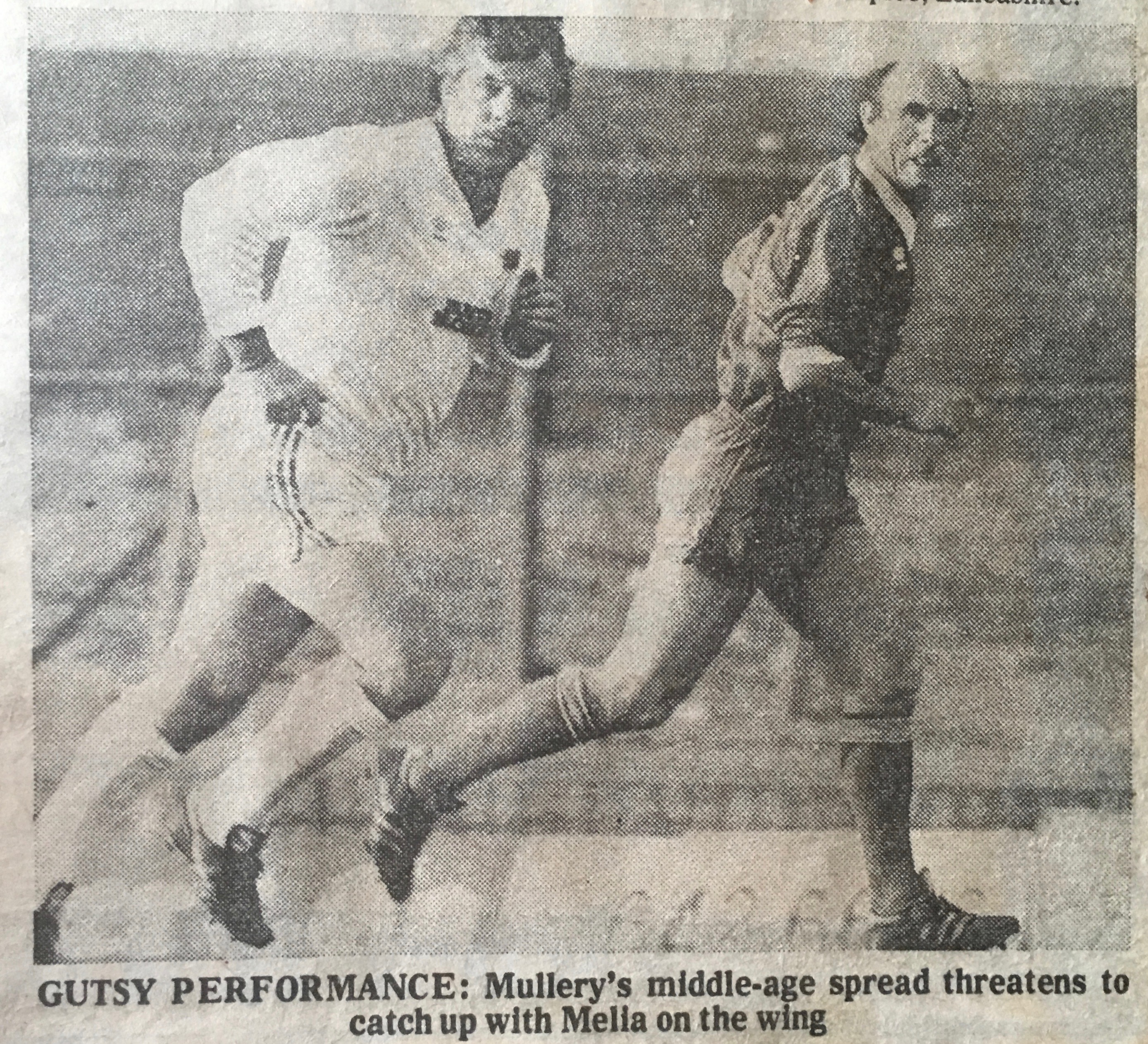
Perhaps not surprising, then, that in a veterans’ charity match played at Selhurst Park just before the semi-final, Bailey refused a request to be photographed with Melia, albeit he was happy to pose alongside Mullery.

By then, Melia had indeed finally been given the manager’s role on a permanent basis (once Norwich had been defeated in the quarter final). On 16 March 1983, Bamber took him out to lunch at a Hove hotel to break the news.

In a front-page splash on the Argus, Melia said: “This is the happiest day of my life. It is a dream to be manager of a First Division club with also the possibility of taking them to Wembley.

“I am just pleased the chairman has given me the opportunity, and I hope to stay at the club for the next 20 years.” It would, of course, turn out to be closer to 20 weeks!

As excitement built in the run-up to the Cup Final, Bamber told Argus reporter Phil Mills: “Jimmy knows the game from A to Z but what I particularly like is that he’s always bubbling. He’s lively and looks on the positive side of things – even when we lose.

“The Jimmy Melia story is a fairy tale – three months ago he was our chief scout. Now he’s leading the Albion to Wembley for the FA Cup Final.

“You couldn’t get a better fairy tale than that.”

There’s no doubting Melia milked the moment, but who could blame him?

He told Ian Jarrett in The Sun: “I must make this situation count because I might never be involved in anything like it again.

“I have felt like the President of the United States in the past couple of weeks. Everyone has wanted to shake my hand and cars have beeped me in the street. It’s heaven to be in this position and I think everyone in the club should make the most of it.”

The Daily Mail even went as far as describing the opposing managers for the 1983 final as “Liberace meets Max Wall”, rather playing on the fact United’s Ron Atkinson had a penchant for bling and the follicly-challenged Melia bore something of a resemblance to the comedian and actor renowned for a silly walk. John  Roberts wrote: “Little Jim has given his usual 110 per cent in the discos, a chest-revealing Tom Jones shirt, black leather trousers, white dancing shoes and glamourous girlfriend offsetting a glistening dome that is just made for the Seagulls.”

The writer continued: “Brighton’s progress to Wembley for the first time in their history has made a relegation season tolerable and enabled the 46-year-old Melia to recapture a measure of the prestige he enjoyed as a player.

“As a nimble, intelligent inside forward he won Second and First Division championship medals with Liverpool and played for England. Some of his friends consider that he suffered to a degree for being a home-produced player rather than a fashionable big-money signing.”

Roberts even quoted comedian Jimmy Tarbuck, a boyhood friend of Melia’s, who said: “To use an old showbusiness saying, Jimmy’s been there and back.”

Who knows what might have happened had Albion actually won that Cup Final?

Melia will forever be associated with taking the club to what was then a globally-watched event and raising their profile to heights never previously achieved.

The cold, hard reality, though, was that Brighton’s brief stay among the elite of English football was over. Melia’s open, expansive style of play had been punished in the league, resulting in relegation and a loss of status that took 33 years to restore.

Melia had designs on boosting his coaching staff in the summer of 1983 with the introduction of the aforementioned Calloway, but Bamber had other ideas and, without consulting his manager, instead installed former Albion defender Chris Cattlin as first team coach.

From the outset, it was evident the two were not going to see eye to eye and it wasn’t long into the new season before it emerged publicly that Cattlin was actually picking the team.

Eventually Melia couldn’t continue with what was clearly an untenable position and resigned, but, in a rather tawdry denouement, appeared being carried shoulder-high on the north stand terrace at the next home game amid cries of ‘Bamber out, Melia in’.

At the time, there were rumblings of an Albion takeover from businessman Jeffrey Kruger and Bamber described Melia as “a disgrace” and claimed he had been operating as a mole for Kruger.

Nothing came of the takeover and the dust had not long settled on the end of Melia’s Albion association when he moved to Portugal and spent three years as boss of Belenenses, taking them to a top five finish.

Former Argus Albion reporter John Vinicombe reflected on Melia’s career in a wistful piece for the newspaper in 2001, and recalled: “Back in England Jimmy had a brief spell in charge at Stockport, then it was time to move on to Kuwait and Dubai, San Francisco, San Jose and Dallas.”

He subsequently settled in Dallas and became technical director for Liverpool’s academy in Texas.

Pictures from various sources including the Argus, The Sun, The News of the World, Shoot! and Goal magazines and the matchday programme.