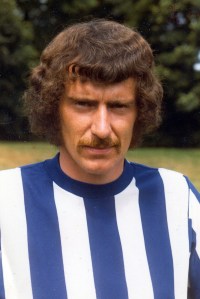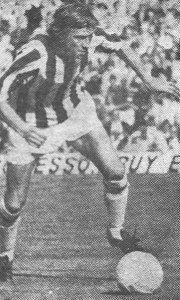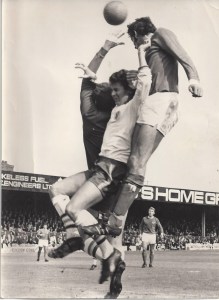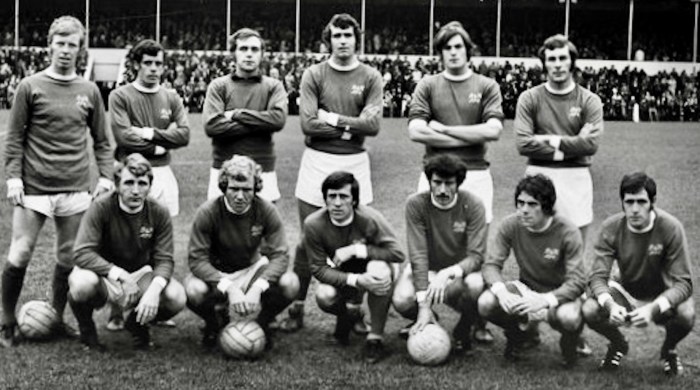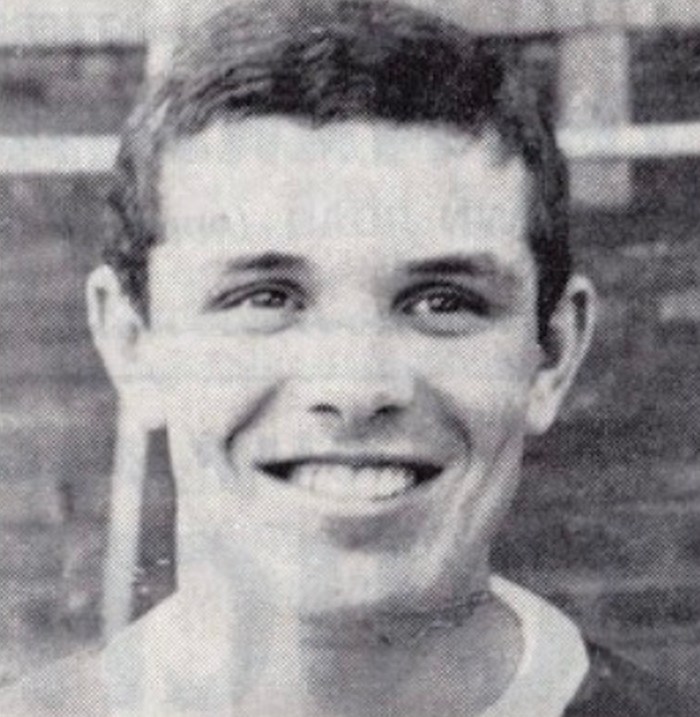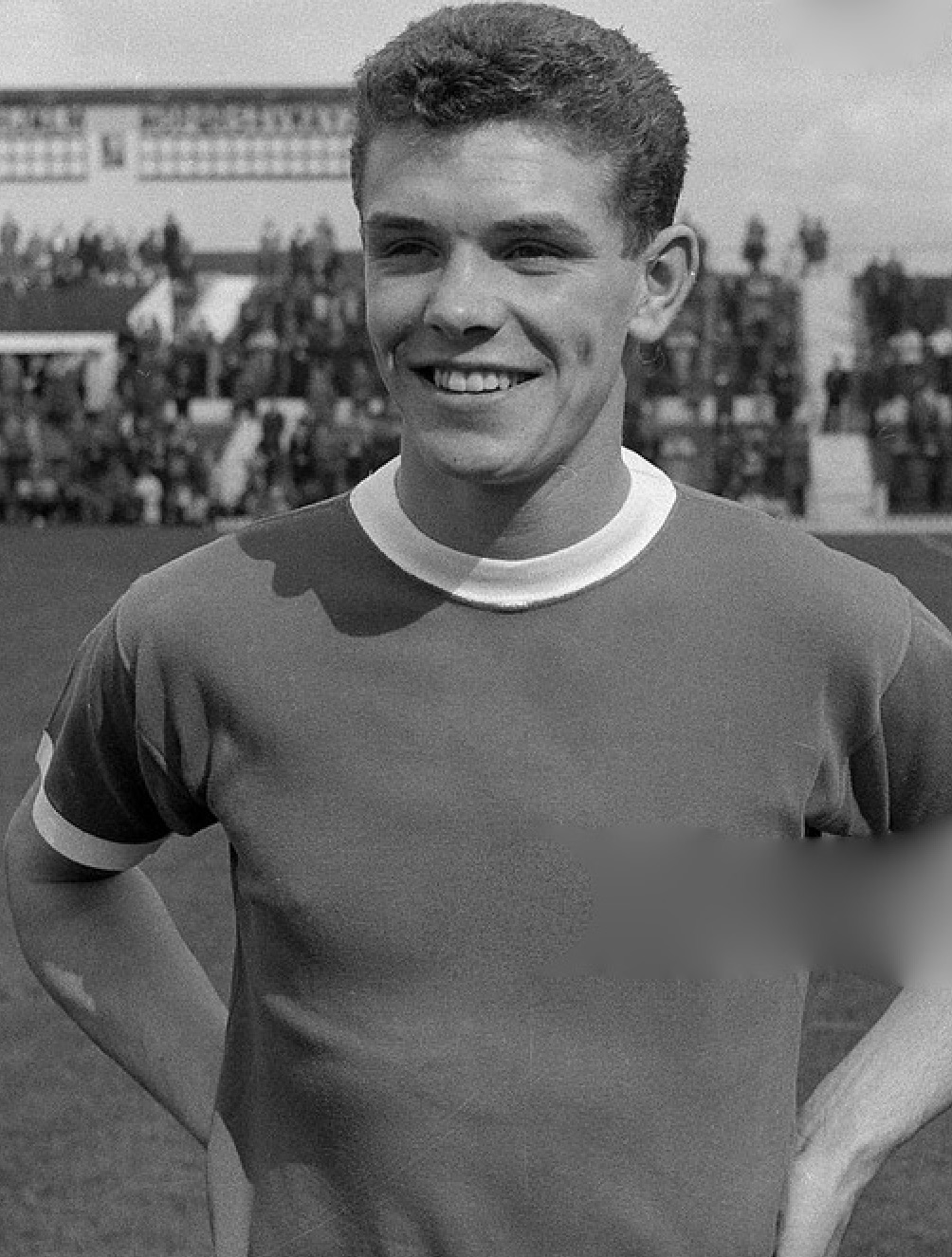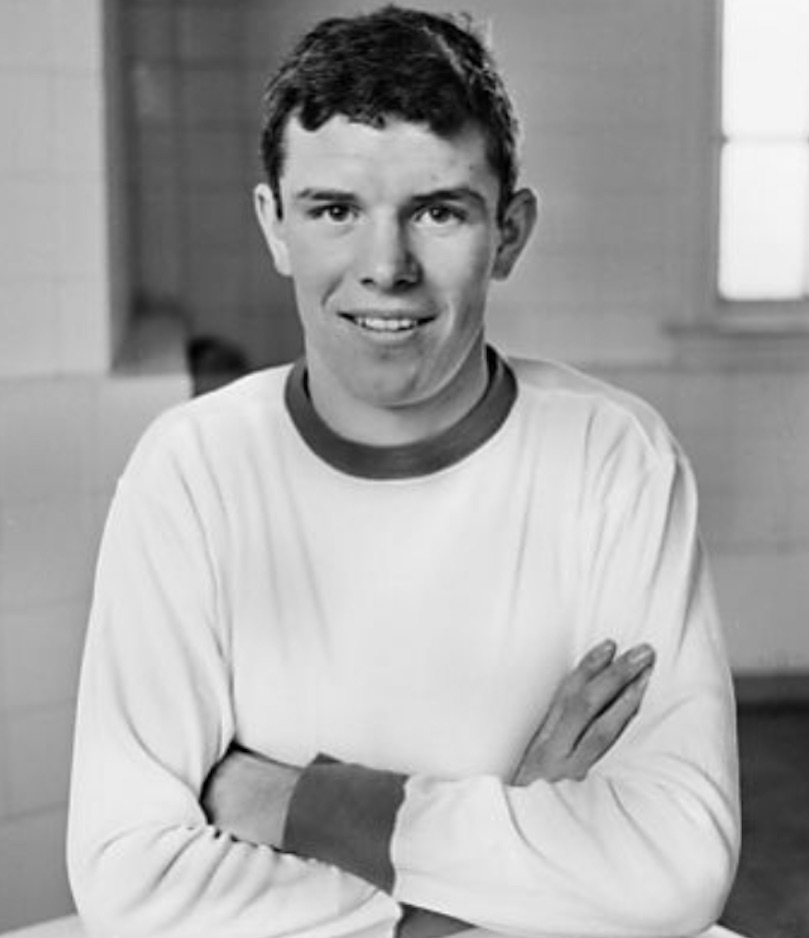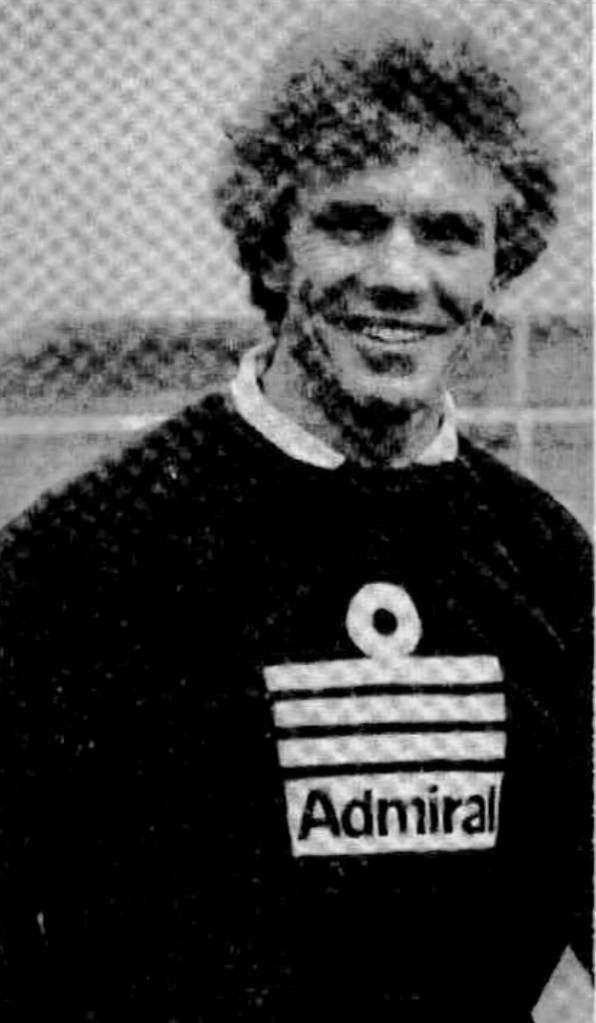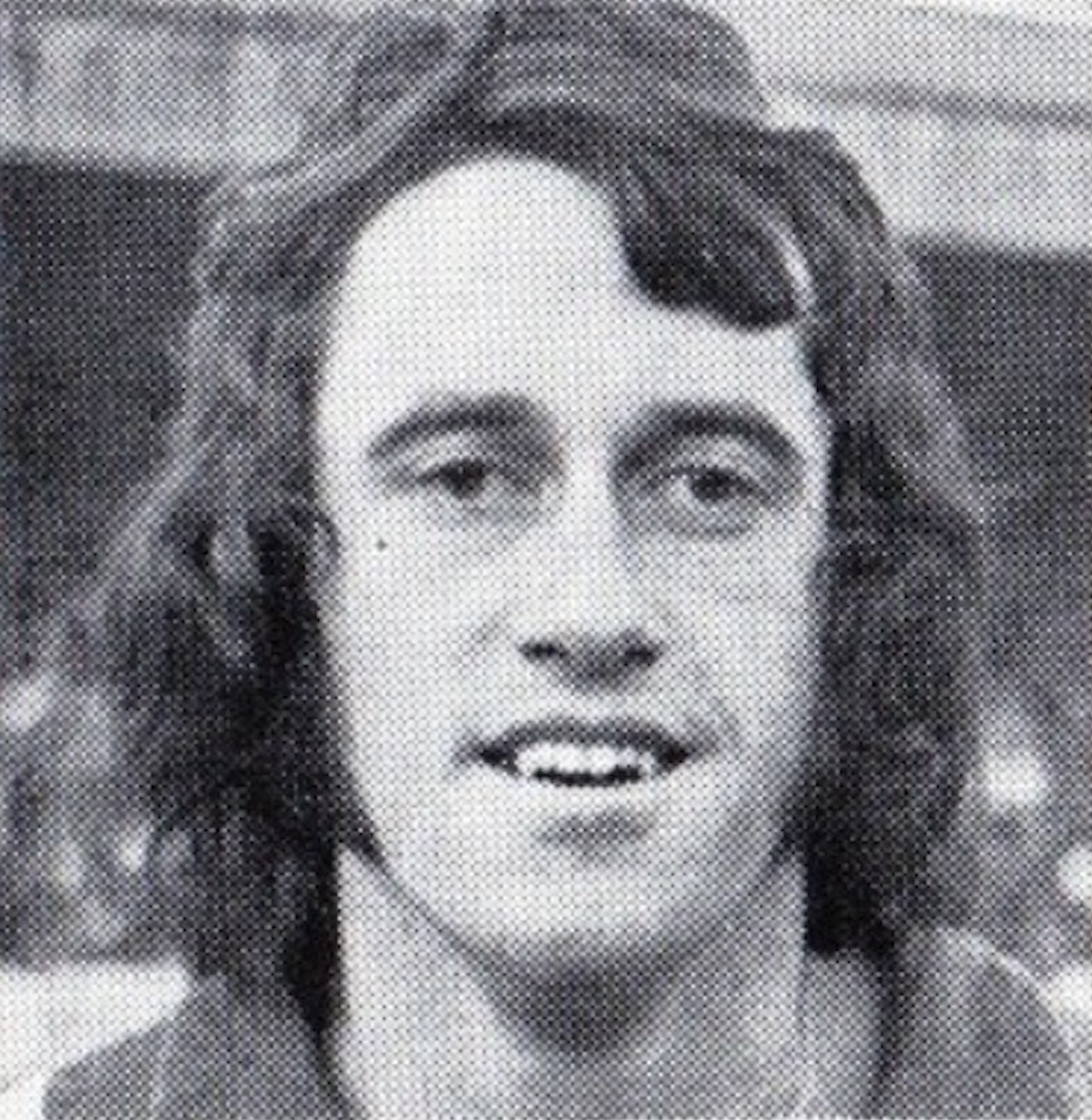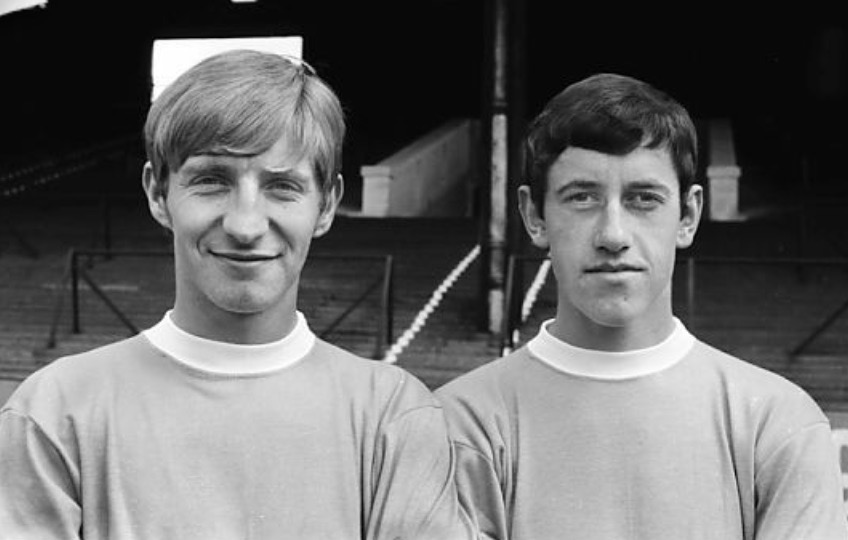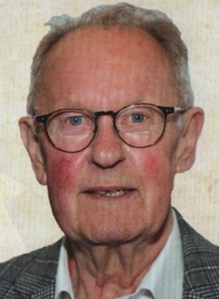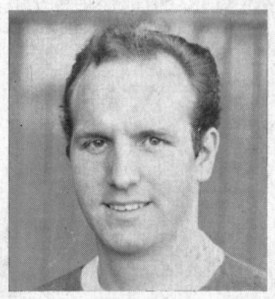
‘Great talent’ England Schools’ captain Barrie Wright quit at 25

BARRIE WRIGHT (not to be confused with the deep-voiced crooner with a similar-sounding name) was a former Leeds United playing colleague of Freddie Goodwin who followed him to Brighton via America.

Despite showing plenty of early promise, including captaining the England Schools side, Bradford-born Wright played more games for Goodwin’s New York Generals than he did in English league football.

Goodwin signed Wright and goalkeeper Geoff Sidebottom together for the Albion on 31 December 1968, a matter of weeks after he’d succeeded Archie Macaulay as Brighton manager.

The Albion programme in those days eschewed full-scale profiles and simply noted of the new arrival that he “can play on either flank in defence”.

His first Brighton appearance was as a substitute for Charlie Livesey in a 1-1 draw away to Plymouth Argyle on 4 January. He took over Mike Everitt’s left-back slot for the following two games, also both 1-1 draws, at home to Stockport County and away to Bristol Rovers.

But he tweaked his groin in the game against Rovers and missed six matches.

He was restored to left-back for a home goalless draw with Plymouth Argyle on 5 March, and played in the following two games.

One was the 4-0 hammering of Southport at the Goldstone, which was only my second Albion game (having watched them beat Walsall 3-0 three weeks earlier).

The plentiful goalscoring – notably two in each match by Alex Dawson – had me hooked!).

Wright kept the shirt for a 2-1 away win at Shrewsbury, but was then dropped to the bench for the next game, a 2-0 defeat at Oldham, when John Templeman took over at left-back and Stewart Henderson won back the no.2 shirt.
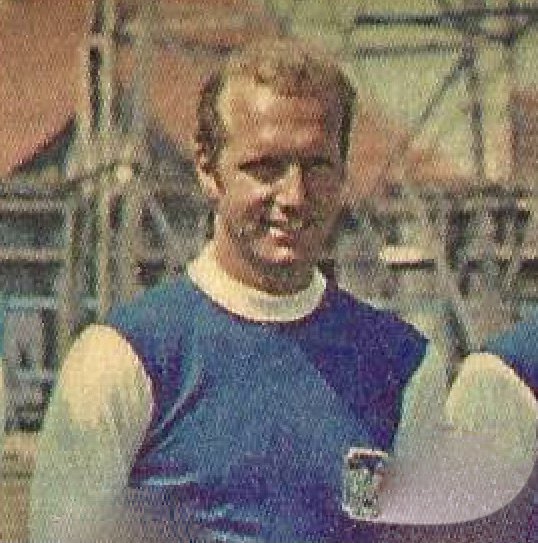
The Yorkshireman didn’t play another game that season although the matchday programme finally got round to telling us more about the player in a short profile item for the home game against Barrow, when I saw Albion score another four goals to secure a comfortable 4-1 win (Dawson again scored twice, the others from Kit Napier and Dave Armstrong).

“Barrie rates Albion as the happiest club he has known, and has quickly settled down in Sussex,” the programme told us.

We also learned he had been a keen angler and was a member of the Bradford Anglers Association, “finding this the perfect relaxation from soccer”.

A useful batsman and medium-fast bowler too, he had added golf to his sporting repertoire when in America and was regularly to be found on a course with Sidebottom.

But back to the football, and Goodwin, having steadied the ship with a number of his own signings, saw Albion finish the 1968-69 season in a comfortable mid-table position.
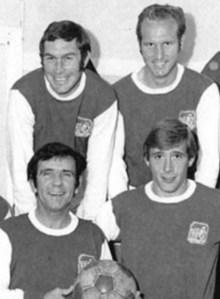
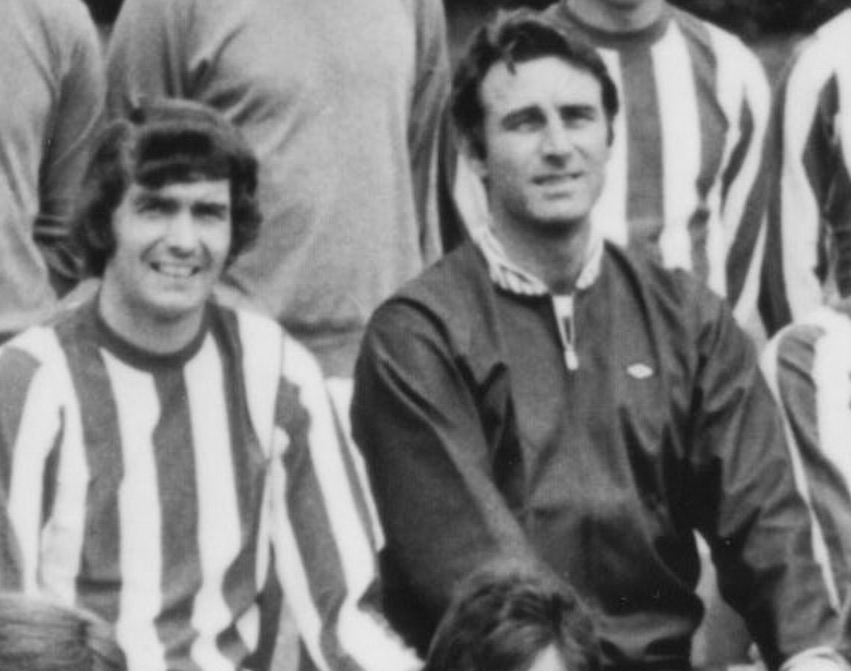
Norman Gall, Wright (top right) and Dave Armstrong enjoy a dressing room laugh with Norman Wisdom.

An alarm Bell would have rung for Wright that summer though – in the shape of experienced Scottish international left-back Willie Bell. Goodwin signed their former Leeds teammate from Leicester City as a player-coach; Wright had understudied Bell at Elland Road.

However, it was Everitt who stepped in for the only two games Bell missed all season, and Wright’s involvement was confined to one substitute appearance in a 2-0 defeat away to Doncaster Rovers, and three games in November and December deputising for Dave Turner in midfield.

The 0-0 draw at home to Orient on 13 December proved to be his last outing for the Albion.

In September 1970, Wright went on loan to Hartlepool United but when he wasn’t able to earn a regular place, decided to quit league football at the age of 25 to become a warehouseman.
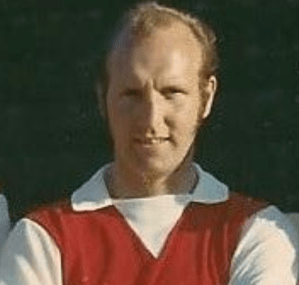
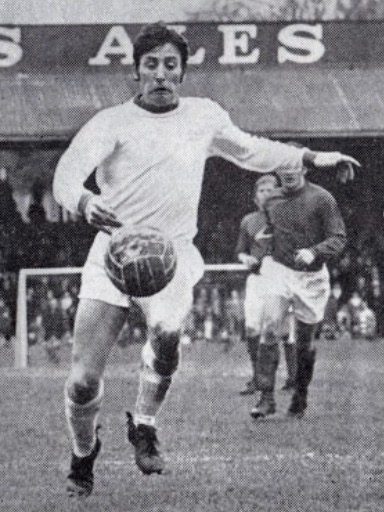
He carried on playing in non-league, though, and appeared in the Northern Premier League with Bradford Park Avenue (right) and Gainsborough Trinity and spent some time with Thackley of the Yorkshire League.

Born in Bradford on 6 November 1945, Wright was one of eleven children – nine of them boys (one brother, Ken, played for Bradford City). Barrie earned selection for Yorkshire Boys and went on to captain the England Schools side on seven occasions in 1960-61.

England Schools captain

He was taken on by Leeds as a teenager, turning professional in 1962 at the age of 17.

mightyleeds.co.uk described Wright as “a defender of rich potential” who first caught the eye in a pre-season friendly against Leicester City, alongside the legendary John Charles.

The Yorkshire Post’s Richard Ulyatt spoke of Wright’s “excellent form” and said he “looked to have the necessary technique”, while accepting that conclusions from “half-speed friendlies … must be taken with reservations”.

Wright spent four seasons at Leeds and was captain of United’s Central League side. He did make a total of eight first team appearances, though. mightyleeds.co.uk discovered this wonderful description of Wright’s league debut for Leeds at home to Preston on 13 April 1963, when he deputised for veteran Grenville Hair at left-back.

Leeds won 4-1, and the aforementioned Ulyatt reported: “For a time Preston tried to probe for a weakness on the Leeds left, where Barrie Wright, 17, was playing his first game as a senior.

“A better forward line might have found him a bit uncertain and occasionally inclined to commit himself too soon to a sliding tackle, but any judge of a footballer would recognise that here was a great talent.
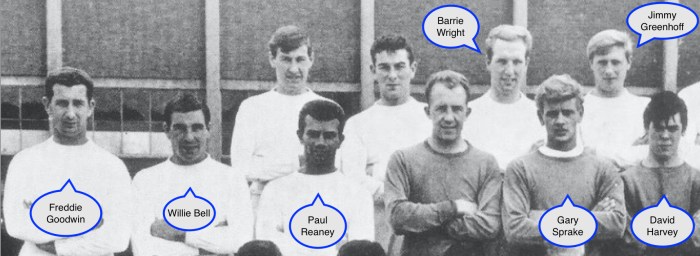
Wright was part of a star-studded squad at Leeds United

“His first contact with the game came after about ten minutes when he delicately headed a pass to Albert Johanneson with the artistry of a basketball player. Soon afterwards he tried to pass the ball 20 yards along the touchline edge from a foot inside the field and failed by inches: that was football. In recent years I have seen only (Jimmy) Armfield, (Alf) Ramsey, (Tony) Allen and (Johnny) Carey do it better.”

He kept his place for two more games: two days later in a 2-1 away win over Charlton Athletic on 15 April (Easter Monday) and a 4-1 home win against the same side the following day!

In the 1963-64 season, when Leeds went on to become Division Two champions, he replaced Paul Reaney in a 2-0 win away to Leyton Orient on 23 November 1963.

Phil Brown in the Evening Post reported: “It was most encouraging to see another youngster, Wright, in the side for the first time this season, respond so well to the occasion.

“He was sharper and sounder than on any of his previous three outings, and that against the fleet and strong Musgrove, and hard trying inside-left Elwood.”

However, it was another two months before he got another chance. On 1 February 1964, he took over at left-back in a 1-1 home draw against Cardiff City. On that occasion the Post’s Brown was less complimentary.

“I was most disappointed with young Wright at left-back,” he wrote. “He grew progressively worse, probably through increasing nervousness.”

Nevertheless, Wright was selected in the England Youth team squad for the 17th UEFA Youth Tournament in the Netherlands in March and April 1964.

England won it and Wright appeared in two of their five matches, both won 4-0: against Portugal in Den Haag on 3 April and against Spain two days later in Amsterdam.

His teammates in those matches included Everton’s Howard Kendall as captain, John Hollins (Chelsea), Harry Redknapp and John Sissons (West Ham), Peter Knowles (Wolves), David Sadler (Man Utd) and Don Rogers (Swindon).

Rather like in the modern era, fringe players tended to get a run-out in the League Cup and Wright made two appearances in the competition in 1964-65, taking over from Reaney in the second round 3-2 win over Huddersfield Town on 23 September, and the third round tie on 14 October when United lost 3-2 at home to eventual semi-finalists Aston Villa.

Wright’s final Leeds first team appearance came once again in the League Cup, when he took Norman Hunter’s no.6 shirt in a much-changed side who lost 4-2 at home to eventual winners West Brom in the third round on 13 October 1965. (West Brom won the two-legged final 5-3 on aggregate against a West Ham side that included Dennis Burnett).
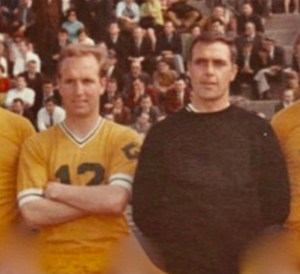
Wright and Sidebottom line up for New York Generals

With first team opportunities so rare, Wright eventually left Elland Road in 1966 to try his luck with Goodwin’s New York Generals, joining fellow Brits Sidebottom and Barry Mahy, who had followed Goodwin to the States from Scunthorpe.

The Generals’ most famous player was Cesar Luis Menotti, who later coached Argentina to a World Cup triumph in 1978.

nasljerseys.com records that Wright wore the no.12 shirt and played 26 matches in 1967 and 32 games in 1968.

Wright died aged 78 in November 2023.

Brothers in arms but not actually related: Kit was just a pal

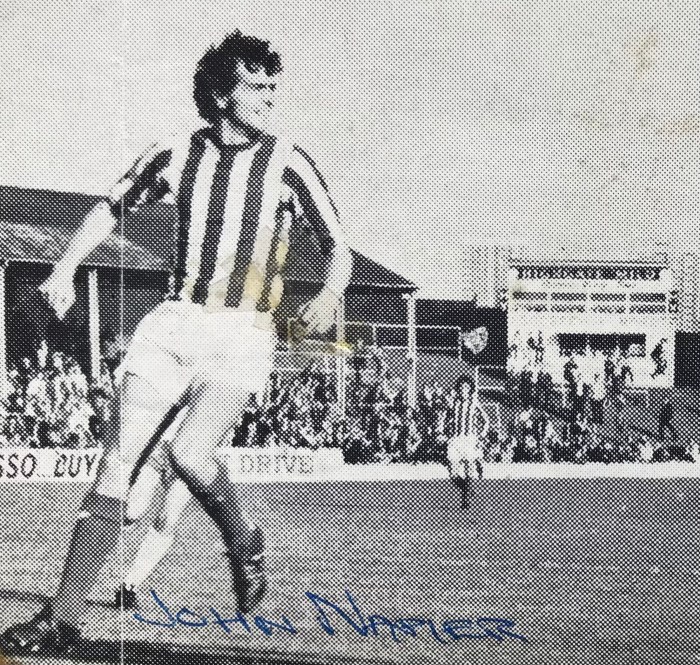
John Napier competes with Aston Villa’s Andy Lochhead

JOHN NAPIER is still coaching youngsters in America as he approaches his 76th birthday. NICK TURRELL’s In Parallel Lines blog caught up with him for a trip down memory lane.  Here, in the fourth of five articles, he recalls his Albion teammates and some memorable opponents.

AS A YOUNG lad starting out watching Brighton in the late ‘60s, I assumed two players sharing the same not-particularly-common surname must have been brothers.

But defender John Napier and striker Kit Napier spoke with different accents.

“I think back then most people thought we were brothers, but we had to explain he was from Scotland and I was from Northern Ireland,” he said.

“But I was a great friend of Kit’s. Our families spent a lot of time together. I even went up one summer with Kit to Dunblane in Scotland where he was from, and we had a great time.

No relation – Kit Napier

“Kit was a really good player. He knew how to finish in the box, a real goal shark. He was quick over short distances and scored some great goals over his time at Brighton.

“You would not see him for a while and then, like all good goalscorers, he would jump in with a half chance, and you would think ‘Where did he come from’?”

Napier was sorry to hear of Kit’s death in 2019. “His son did keep in touch with me from South Africa and kept me up to date with what was happening,” he said.

“I know he will always be remembered fondly in Brighton.”

The towering centre-half spoke warmly about the team spirit he experienced during his time with the Albion.

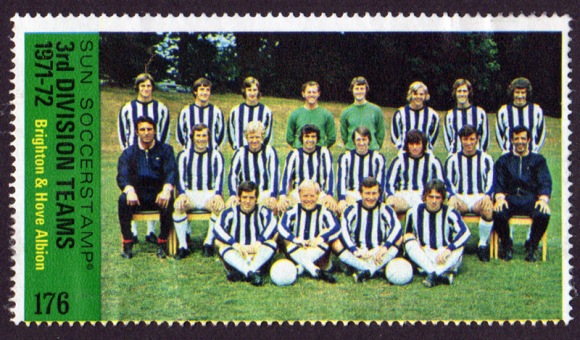
In that 1971-72 promotion squad, Napier was one of three Northern Irish internationals, and I wondered whether their nationality gave them a special bond.

“We were all good friends and spent family times together,” he said. “The great thing about Brighton back then was how all the players jelled together.

“There were no cliques in the group. We all liked being together, it did not matter which part of the country we were from. When we went out, it was always as a group with families.

Willie Irvine was another known for his goalscoring ability, much like Kit Napier; sharp around the box and tried to get on the end of every cross in the box.

Napier with fellow Irishman Willie Irvine

“I remember Willie scoring a great goal for us against Aston Villa in our promotion year.”

Bertie Lutton

And Bertie Lutton? “Bertie was also a good player. He had some flair about his movement with the ball. I remember his long flowing head locks back then also.

“Both were well received by the Goldstone crowds. We had several Irish players through the years.”

Sadly, having been based in America for a good many years, Napier has not managed to stay in touch with his former teammates, although, via this article, he issued an open invitation to any of them to get in touch with him.

George Ley

“I did talk to George Ley, who lived in Dallas, a couple of times, and Kit Napier’s family in South Africa,” he said.

“I did see Peter O’Sullivan when Brighton were over in America on a tour in the 80s, but nothing else. I wish I had.

“I knew that Dave Turner was coaching in Canada, Stewart Henderson was at Southampton coaching for a long-time.

“But I was also at Bradford many years before I came to America in 1979, so I completely lost touch.

“The years have gone by so fast.”

In my previous article, I referred to Pat Saward’s praise for Napier’s handling of marksman Ted MacDougall, so I wondered who were the toughest opponents he faced.

“That’s a good question: back then the old Third Division was a tough league, it didn’t matter who you played against,” he said. “You were in for a physical battle in every game. It was never easy.”

The big man continued: “I did not really pay attention to who I was marking. I always went out with the mindset to get my job done for the club.

Penalty box ‘wrestling’ isn’t anything new; at least the ref saw the funny side!

“We would talk about individuals sometimes, and what their strengths were, but very rarely worried too much about players.

“MacDougall was at Bournemouth at the time: he was a handful. Andy Lochhead at Aston Villa was another. I am sure there were many more, but I did not lose sleep thinking about how I was going to stop players.

“There were good days and bad days, which we all had. But if we were on the winning side, it was always a good day!”

Napier added: “I met up with Ted MacDougall a few years ago when we were both in a US coaching class in Los Angeles.

“He was based in Atlanta at the time. We talked about old times and battles we had through the years. It is amazing how many former UK players are living over here in the States, working in various coaching positions.”

A little-seen away strip for the Albion in the 1970-71 season

• In the final part of this series of articles, the blog looks at how Napier got into coaching, the influences he sought, and what he’s doing now.

‘Kingpin’ and skipper dropped for top-of-the-table clash

JOHN NAPIER is still coaching youngsters in America as he approaches his 76th birthday. NICK TURRELL’S In Parallel Lines blog caught up with him for a trip down memory lane.  In the second of five articles, John recalls Pat Saward signalling the end of his time with the Albion.

SUCH WAS JOHN Napier’s prominence at Brighton, he made an extraordinary 106 consecutive appearances for Albion. Until March 1972.

“I was lucky with injuries, which normally keeps players out,” he recalled. “Mine were mostly cuts around the head area or a broken nose – but nothing serious to keep me out.

“And with Norman Gall beside me, we had a great understanding together. I always took pride in my role in the team. Nothing is for ever, for sure, but you always wanted to be on the field.”

Captain Napier in the number 5 shirt was the status quo as winter turned to spring in 1972 and Albion’s chances of promotion from the Third Division looked ever more promising as they vied for one of the top two spots with Aston Villa and Bournemouth.

On the back of two defeats, Albion prepared to face Villa at the Goldstone on 25 March.

Manager Pat Saward – a former FA Cup winner with Villa – mysteriously and controversially dropped his ‘kingpin’ for what was undoubtedly one of the biggest games of the season. Even BBC’s Match of the Day had taken a rare foray into the lower leagues to feature the match.

Napier found himself replaced by Ian Goodwin, a rugged but injury-prone defender who had played under the manager during his coaching days at Coventry City. Regular right-back Stewart Henderson was also left out.

Not only had Napier been ever present and the captain up to that point, only two months earlier, Saward had been publicly singing his praises to the extent that he was suggesting the defender deserved a recall to the Northern Ireland side.

“The way he is playing, he ought to walk into the side,” Saward told Goal magazine. “He has been consistent all season. Recently Ted MacDougall hardly got a kick against him (that was in a 2-0 Boxing Day win for the Albion against Bournemouth). Ted is dangerous when he is inside the box but John hardly let him get near the ball.”

The article referred to Napier as “the kingpin of the Brighton defence” and went on to say Napier, 25, formed “one of the best pairings in the Third Division with 28-year-old Norman Gall”.

Speculation around Napier’s possible call-up came because Liam O’Kane, who normally partnered Allan Hunter in the Ireland side, was sidelined with a broken leg at the time.

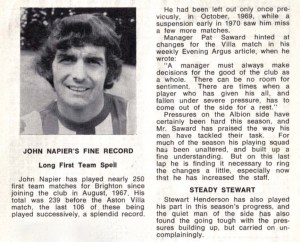
How the programme covered Napier’s omission

The matchday programme following Napier’s shock dropping highlighted that he had previously played 239 matches for the Albion “the last 106 of these being played successively, a splendid record”.

Saward didn’t refer specifically to the player but in his column for the Evening Argus ahead of the Villa game had written: “A manager must always make decisions for the good of the club as a whole. There can be no room for sentiment. There are times when a player who has given his all, and fallen under severe pressure, has to come out of the side for a rest.”

In his programme notes for the following match, he simply said: “We had lost the previous two matches (1-0 at home to Oldham and 2-1 at Bradford City) and I made several team changes which I thought were necessary, and our players responded magnificently.”

Indeed, Albion won the match 2-1 and Willie Irvine scored a terrific goal, still available to watch on YouTube, that was judged by legendary Celtic manager Jock Stein to be Match of the Day’s third best goal of the whole season.

So, all these years later, can Napier shed any more light on exactly what happened? In short, no. “I still am not sure why that happened,” he said. “I know it is all part of the game. There were no signs that I was playing any different.

A signed photo from my scrapbook

“I was the club captain when Pat arrived and he did not change that. I played many games with him as the manager. He had me in the office the week before the Villa game and we talked about a lot of things, as we were right in the promotion mix with a good chance of going into the Second Division.

“I should have probably realised when he wanted to talk in the office. That was not too common with Pat, it was usually a full team meeting.

“He did say he was leaving me out and I would be sub (ed. he wasn’t). Obviously, I was not happy and told him so. I really did not get an explanation as to why, and that is the part that was difficult.”

Perhaps not surprisingly, Napier added: “That is about the time my relationship with Pat started to go downhill fast. Even though we won promotion, I felt that there were going to be changes going into the Second Division.

“I had been in that promotion side for mostly all the season and felt I did not get the recognition for being part of our success. We were barely on speaking terms at the end of the season.

“Players react in different ways with different managers. I also was a little stubborn back then and was not afraid to speak my mind. I have nothing bad to say about Pat: he had success at the club which was needed at that time. We moved on. It happens all the time in soccer.”

I imagined it must have been hard to watch from the sidelines as the team went on to win promotion, and Napier admitted: “Every player wants to play, of course, and being a sub or even not in the game day squad, I had never experienced that part before, so it was tough.”

But he added: “Even though I was disappointed in not playing the last few games, I was really happy for the club and the players.

“Those guys at that time were my brothers; we went through a lot the previous few years trying to battle out of the Third Division, and the Goldstone crowd deserved it.

“We had an unbelievable year; the stadium was full each home game towards the end, everywhere we went the town was buzzing with excitement, nothing brings the fans and players closer than a promotion race.”

I wondered too whether it was a small consolation that it was Napier’s former Bolton teammate Brian Bromley who took over as captain.

“Brian was a great friend. We were both young 15-year-olds on the Bolton Wanderers ground staff, so we were together every day for many years, and both got in the Bolton first team about the same time and played many games together.

“He was very much a technical player. I thought he would go on to play for England, I really did. When he came to Brighton from Portsmouth, I was happy we got him, and knew he would do well at this club. Brian was always a leader; he led by example on the field with his play, never really a ‘get in your face’ person, but respected as a player. There are always different types of leadership qualities that help with teams.”

The defender was not involved in any of the 12 games that rounded off the season with promotion from the old Third Division in runners up spot, although he did return to the side for an end-of-season joint testimonial game for Brian Powney and Gall which First Division Chelsea won 3-2.

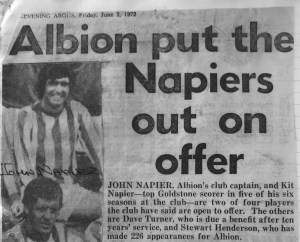
Nevertheless, Saward let it be known he would entertain offers for both him and his namesake Kit.

How the Argus reported the transfer listing of John and Kit Napier

Napier takes up the story. “I asked Pat for a transfer at that time. I thought about it deeply as I loved the area and my home on Shoreham Beach. My daughter was born in Hove (she is 52 now), but I did not see me getting back in the team whilst the management remained, so I felt it was best for me to try to move my family back to the north of England.

“I worked hard every day in training hoping maybe there would be reconciliation, but it was not to be, and I was still on the outside looking in. I wanted to play and realised that was not going to happen.

“Pat did say he would help but would want a decent size fee for me to move on. We were both hotheads and I wasn’t a very patient person and wanted it to happen as quickly as possible.”

Both Napiers were still at the club as the new season got under way although Kit was transferred to Blackburn Rovers in September and John eventually got his move north the following month. Before that, though, he was recalled for a 2-1 home win over Exeter City in the League Cup.

A rare Division Two outing for Napier shortly before he left the club.

He went on as a substitute for Ken Beamish in a 1-1 draw at Aston Villa, and then, with Goodwin hospitalised for knee cartilage surgery, Napier was restored alongside Gall for a five-game run in September 1972. But his last appearance for the Albion came at home to Hull City on 7 October, when a 14,330 crowd saw Albion recover from a half-time deficit to draw 1-1 with a goal from Bert Murray.

“Back then, as there were no agents, you had to try to help yourself as a player and it was not uncommon for players to call other clubs and managers or coaches they knew,” Napier explained. “But it is not so easy when there is a transfer fee involved.

“I did get a call from Bryan Edwards who had taken over as the manager of Bradford City in the Third Division. Incidentally, I had taken over the centre-half position at Bolton when Bryan retired as a player.”

Edwards had a long career at Bolton and was in their 1958 FA Cup winning side when two Nat Lofthouse goals settled the game against a Manchester United side depleted by the Munich air disaster three months earlier. Freddie Goodwin and Alex Dawson were in the United line-up that day.

Napier eventually signed for Bradford City after a wrangle over the fee

But back to October 1972. Edwards was told Albion wanted £15,000 for Napier, who said: “I did go in to see Pat after Bradford talked to them, but he told me the club wanted the full asking price. I was mad at the time and some heated words were said. Finally, after a few weeks of happenings, they both decided to make the fee £10,000, and I moved north to Bradford.”

Napier enjoying life playing in the States

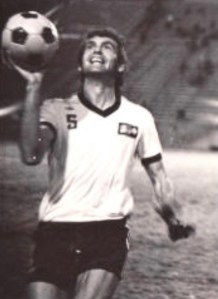
He played 107 games for Bradford City across six seasons at Valley Parade, interspersed with loan spells in the USA at Baltimore Comets, playing alongside former Albion and Bradford teammate Allan Gilliver, and its franchise follow-up, San Diego Jaws (which later became San Diego Sockers).

Following his release by Bradford, and temporary return from the States, Napier joined non-league Mossley in September 1975.

His central defensive partner there was his former Bradford City teammate, and former Leeds United and Huddersfield Town defender, Roy Ellam.

Napier made his Mossley debut in a 4-0 win over Macclesfield Town on 23 August 1975, and he went on to play in all but one of the Lilywhites’ next 24 games. He even got on the scoresheet in a 2-1 win over Gateshead in November 1975.

But, by the end of the month, he had returned to Bradford City as an assistant coach, which was an area of the game he had always looked to move into.

In the next instalment of this series of articles, we look at the early days of Napier’s career.

‘Rattling good’ Tranter’s 50-plus Albion games

WILF TRANTER, who died in July 2021, was one of a number of former Manchester United players to pitch up at Brighton in the 1960s.

He arrived at the Goldstone Ground on 5 May 1966, signed by Archie Macaulay, and made his debut the following day, taking over Derek Leck’s no.4 shirt in a 3-1 defeat at Shrewsbury Town.

A back injury kept him out of action at the start of the 1966-67 season and he had to wait until the end of October to return to the first team, in a home 1-1 League Cup draw against Northampton Town. He must have been thankful to have been a non-playing sub for the replay at Northampton as the Cobblers smashed Albion 8-0 to progress to the fifth round.

Restored to the side for the 5 November 2-0 home win over Oldham Athletic, Tranter settled into a regular slot and, according to the matchday programme, had a run of “rattling good games”.

“Strongly-built Tranter has played his part in our recent recovery and climb up the league table,” it declared. He only missed three games over the following four months, through to the beginning of March.

He then dropped right out of the picture, with Albion flirting dangerously close to the drop, before returning in a much-changed line-up for the last game of the season (a 1-1 draw away to Doncaster) after safety had been secured two games previously, courtesy of a 1-1 home draw against Middlesbrough.

Tranter and fellow defender Norman Gall

With big money signing John Napier preferred alongside Norman Gall in the centre, and young Stewart Henderson looking to take over the right-back shirt from the ageing Jimmy Magill, there was stiff competition for places in defence.

However, at the start of the 1967-68 season, Tranter made the right-back spot his own and even managed to get on the scoresheet with a goal in Albion’s 3-1 win at Mansfield on 21 October 1967.

The Albion programme said Tranter raced through and caught Town by surprise before hammering home and Evening Argus Albion reporter John Vinicombe described the goal as “a truly splendid effort”. It was Tranter’s only goal for the club. One of the other scorers that day, John Templeman, notched his first for the Albion. Charlie Livesey had opened the scoring.

A familiar face arrived at the Goldstone that autumn when former United midfielder Nobby Lawton joined for a £10,000 fee from Preston North End. Tranter missed only a handful of matches as Albion hovered in mid-table but his time at the club drew to a close with 55 league and cup appearances to his name, plus two as a sub.

His final start for Brighton came in an ignominious 4-0 defeat at Watford on 23 March 1968. He did appear as a substitute for Dave Turner in a 1-1 home draw with Barrow on 27 April but, at the season’s end, he was one of seven players transfer listed.

Maybe if he’d stuck around, his Albion career would have been longer because by the end of that year another of his former United colleagues, Freddie Goodwin, took over as manager, and among his first signings was former Busby Babe Alex Dawson.

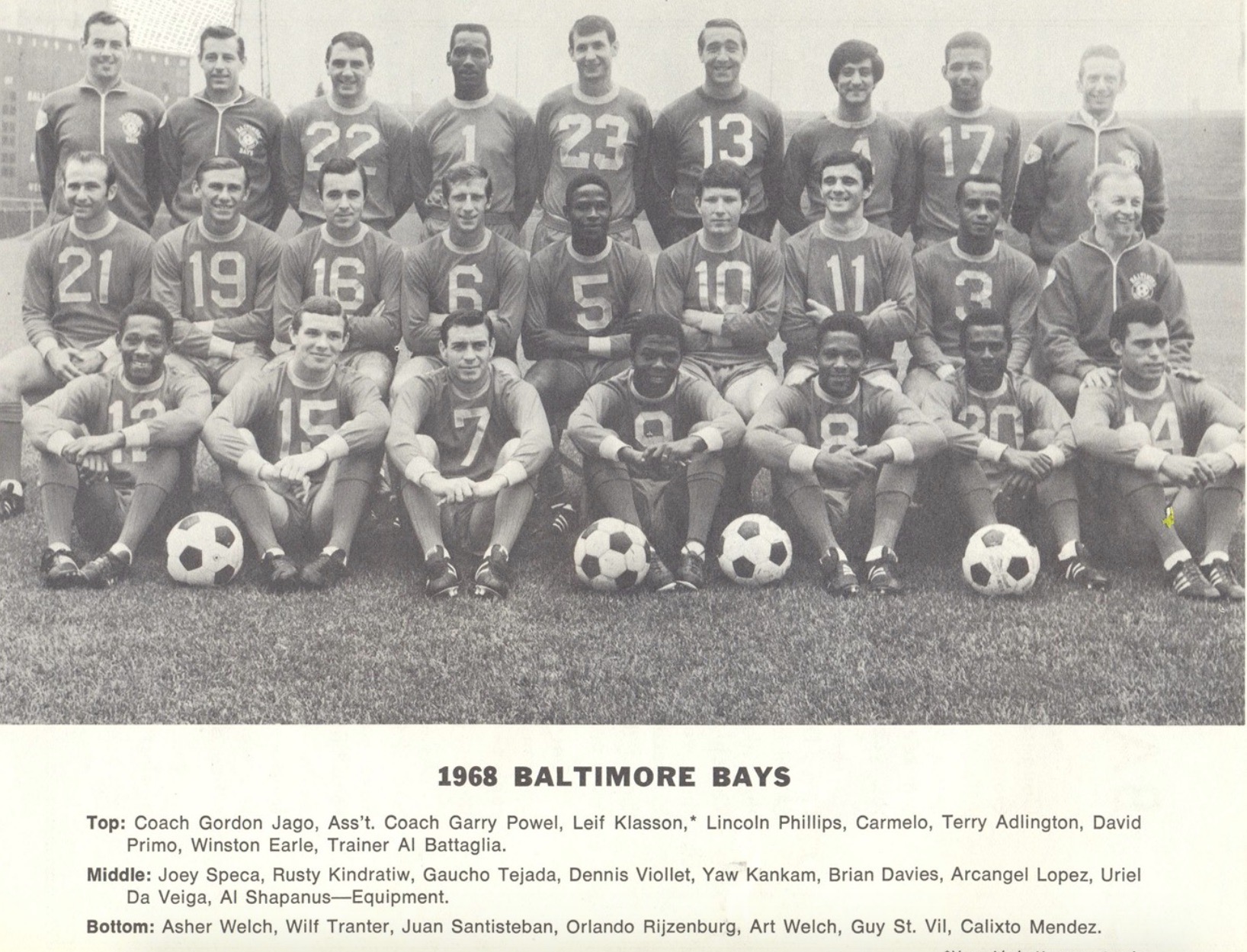
But, by then, Tranter was playing for Baltimore Bays in the North American Soccer League (NASL), featuring in 12 matches during a six-month spell alongside former Manchester United inside forward Dennis Viollet. The side was coached by Gordon Jago, later QPR and Millwall manager.

Tranter in action for Baltimore Bays

On his return to the UK in January 1969, Tranter signed for Fulham where he played 23 matches in three years. Among his teammates at Craven Cottage were Barry Lloyd, who later managed Brighton, together with goalkeeper Ian Seymour and midfielder Stan Brown, who both had loan spells with the Albion.

Tranter returned to the UK at Fulham

Tranter was born in Pendlebury on 5 March 1945 and went to St Gregory’s Grammar School, Ardwick Green, Manchester, from 1956 until 1961.

He progressed from his school team to become captain of Manchester Boys and also played for Lancashire Boys before signing apprentice forms with United in September 1961.

Although he was taken on as a professional in April 1962, he had to be content with reserve team football for the majority of his time at Old Trafford. In United’s reserve side, Tranter played alongside Bobby Smith (who also later played for Brighton) and Nobby Stiles in midfield, when George Best was on the left wing.

On 7 March 1964, Tranter got to make his one and only first team appearance for United in a 2-0 win away to West Ham.

A crowd of 27,027 at the Boleyn Ground saw him take Bill Foulkes’ place in the side. While United’s goals were scored by David Herd and David Sadler, by all accounts Tranter did well to quell the threat of Hammers’ striker Johnny Byrne.

Manager Matt Busby rested Denis Law, Best and Bobby Charlton for the game – because United were facing the Hammers in the FA Cup semi-final the following Saturday. The weakened Reds might have won the league game but the back-to-full-strength side lost the Cup semi-final 3-1 in front of 65,000 at Hillsborough.

In the final at Wembley, the Hammers won the cup 3-2, beating Preston North End, captained by the aforementioned midfielder, Lawton. Hammers conceded two goals, one scored by the also-referrred-to Dawson.

After his previous post-Albion stint in the States, Tranter returned four years later and played 14 NASL matches for St Louis Stars. Amongst his teammates in Missouri was John Sewell, the former Charlton, Crystal Palace and Orient defender, who later managed the Stars.

Back in the UK, Tranter dropped into non-league football with Dover Town but in the late ‘70s linked up with fellow former United reserve Smith as assistant manager at Swindon Town.

His time in the County Ground dugout proved eventful in more ways than one.

Towards the end of the 1978-79 season, when Town and Gillingham were both chasing promotion, a fiery encounter at Priestfield in March (when a fan got on the pitch and knocked out the referee!) was followed by an even more explosive encounter between the two clubs in May.

The whole story is told from different angles but Town midfielder Ray McHale, who would later join Brighton, was at the centre of some ugly tackling by the Gills. In the tunnel after the game Tranter was alleged to have made some “unsavoury” remarks which led to someone punching him in the face. He had to go to hospital for treatment.

Two Gillingham players – future Albion coach Dean White and Ken Price – were accused of inflicting Tranter’s injuries but they were subsequently found not guilty at Swindon Crown Court.

The following season, Swindon memorably beat Arsenal in the League Cup after forcing a draw at Highbury, although Tranter was lucky to be at the game. On the eve of the match, he escaped serious injury when his car spun out of control in heavy rain and skidded through a gap in a roadside hedge before landing safely in a field.

After leaving Swindon, Tranter had spells managing non-league sides, notably following in the footsteps of his old United teammate Foulkes by taking the reins at Southern Midland Division side Witney Town.

He then had a season in charge at Banbury United and took over at Hungerford Town between 1992 and 1993. At Hungerford, he is fondly remembered for overseeing the refurbishment of the old changing rooms, leaving a 20-year legacy at the club.

According to the Pitching In title, Tranter eventually left the game to focus on business interests in property and care homes.

His wife Carol died aged 70 in 2016 and Tranter died in his sleep aged 76 on 2 July 2021.

• Pictures from matchday programmes and online sources.

City reject Graham Howell a victim of the ‘Clough clear-out’

FULL-BACK Graham Howell spent two and a half years as a professional at Manchester City but was released without making the first team.

Eighteen months after leaving Maine Road, he was one of several new signings made by manager Pat Saward in an effort to strengthen his newly-promoted Brighton side.

Recent players-of-the-season Stewart Henderson (1969-70) and Bert Murray (1971-72) had previously occupied the right-back berth but Saward believed a change was needed at the higher level.

At only 21, Howell was certainly a younger model who’d been trying to make his way at City when they won the league in 1968 and the FA Cup in 1969. After his release, he had played 43 games for Bradford City in the Third Division, which Albion had triumphantly left in runners-up spot in the spring of 1972.

Howell unveiled to the press by Pat Saward

A fee of £18,000 – the equivalent of just over £200,000 in today’s money – prised him from Valley Parade.

“Only 18 months ago, I was released by Manchester City. I thought the bottom had fallen out of my world,” Howell told the matchday programme shortly after signing that August. “I had no hesitation in deciding to join Brighton. It meant Second Division football and was just the chance I wanted.”

He said he’d thought Brighton were “a very useful outfit” in the two games he’d played against them for Bradford (he made his debut for the Bantams in the opening day fixture at the Goldstone when Albion won 3-1 and played in the Valley Parade match on 18 March 1972 when Bradford won 2-1) and said he was determined to prove City had been wrong to let him go.

“I am looking forward to helping Brighton move forward to the First Division. It has always been my ambition to play First Division football.

“I had hoped to achieve this with Manchester City, but it was not to be.”

He pointed out: “I could see that my way forward was limited because of Tony Book, Arthur Mann and several other youngsters like Willie Donachie.

“It was a tremendous blow when I had to leave Manchester City. But I can look back on that all now believing that it was all a blessing in disguise.

“I know that it made me try much harder at Bradford City. And I intend to go on playing it hard for Brighton.

“I am very ambitious, and I want to do really well in football.”

Unfortunately for Howell, Saward struggled to find the right formula for success in the higher division, chopping and changing the line-up and bringing in too many players on short-term loans.

Howell made his debut in a 2-2 home draw against Sunderland on 26 August but, after 15 games at right-back, Saward moved him into midfield and, according to my scrapbook of the time, he became “a destroyer in the Peter Storey mould”.

John Templeman, who’d started the season in the no.2 shirt, reverted to that position as Saward shuffled his pack trying to end a losing streak that eventually extended to 13 matches.

Howell was dropped to the subs bench for the home game against Luton Town on 10 February – and Albion promptly won 2-0, their first win since 14 October the previous year!

He continued as no.12 in the following two matches (both defeats) and was restored to the side at home to Huddersfield, a game which ended in a 2-1 win for the Albion.

In the final game of the season, by which time relegation was confirmed, Howell was once again selected at right-back as Brighton drew 2-2 with Nottingham Forest.

Stern-faced Howell in the pre-season line-up photo

He retained the shirt at the start of the following season back in the third tier but as Saward’s tenure of the hotseat moved into its final days, so did Howell’s game time.

He was out of the side when Brian Clough and Peter Taylor arrived at the Goldstone at the start of November although he has a somewhat unwitting claim to fame by appearing in an oft-used photo of Clough sitting on a park bench at the Stompond Lane ground of non-league Walton & Hersham.

Howell looks rather awkward next to the centre of attention!

Albion had been drawn away to them in the FA Cup first round and the park bench was the somewhat primitive and squashed pitchside seating arrangement for the visiting manager, trainer and substitute – who that day was Howell.

In the picture, he looks rather awkward to be sharing the perch next to the man who only a few months earlier had led Derby County to the top division title. The park bench image was ideal ‘fodder’ for the newspapers, depicting as it did how far from previous glory Clough had descended.

Howell didn’t get on in that game (Albion drew it 0-0 and ignominiously lost the replay at the Goldstone 4-0) and his first action under the dynamic duo came in the infamous 8-2 defeat to Bristol Rovers.

He was sent on as a substitute for left-back George Ley and got his first start under the pair when he took over from John Templeman at right-back in the following game, a 4-1 defeat at Tranmere Rovers.

That match proved to be Ley’s last game in an Albion shirt – and when Howell replaced the former Portsmouth player away to Watford (a 1-0 defeat), it would be his own last outing for Brighton.

By Boxing Day, Clough and Taylor had brought in young midfielder Ronnie Welch and left-back Harry Wilson from Burnley, and they both made their debuts against Aldershot. Howell was an unused sub that day and he didn’t feature for the first team again.

More new faces arrived at the Goldstone as Clough and Taylor brandished chairman Mike Bamber’s chequebook with abandon: the likes of Paul Fuschillo and Billy McEwan increasing the competition for places.

Come the end of the season, Clough made no apologies for clearing out a number of players signed by his predecessor along with long-servers like Brian Powney and Norman Gall. Howell was one of twelve players released.

Howell had made 40 appearances (plus four as sub) for Brighton and he moved on to Cambridge United where he played 71 matches between 1974 and 1976.

Born in Salford on 18 February 1951, Howell grew up a fan of Manchester United and hoped to play for them. “But when City showed interest in me while I was playing for Altrincham and Sale Boys I was happy enough to go on the Maine Road apprentice staff,” he said.

After signing as a professional, Howell spent two and a half seasons playing in City’s Central League side

There were certainly plenty of positive signs for Howell to think he might make it at City.

In January 1969, their matchday programme reported how he’d been for trials for the England Youth side with Tony Towers and Ian Bowyer but was unluckily left out when the squad was selected.

Elsewhere in the programme, a mid-season report on the progress of Dave Ewing’s reserve side declared: “Players like Graham Howell, Tony Towers and Derek Jeffries made great strides.”

It explained that because of injuries to more experienced reserves, several youth team players had been promoted to turn out for the Central League side.

Although they lost eight of their opening 11 matches, they’d turned things round and the report said: “By the end of September, the policy of putting faith and responsibility on the younger players began to pay off.”

While they were bolstered by the return of experienced goalkeeper Ken Mulhearn and George Heslop, youngsters like Bowyer and Stan Bowles were contributing to a turnround in fortunes.

There’s a photo to be found on the internet (above, left) of a young Howell with Paul Hince who played a handful of games for City in 1967-68 and later reported on the side for the Manchester Evening News.

After leaving Cambridge, Howell quit the UK and continued his career in Sweden. He spent six seasons with Swedish club Västerås SK and also played for Irsta IF. He remained in Sweden after his playing career finished.

Pictures from my scrapbook and online sources.

Cup winner Bert Murray: Brighton’s People’s Player

5-bert-v-villaON HOLIDAY in Jersey in 2016 my eyes were drawn to a picture on a display in St Helier’s Fort Regent entertainment complex.
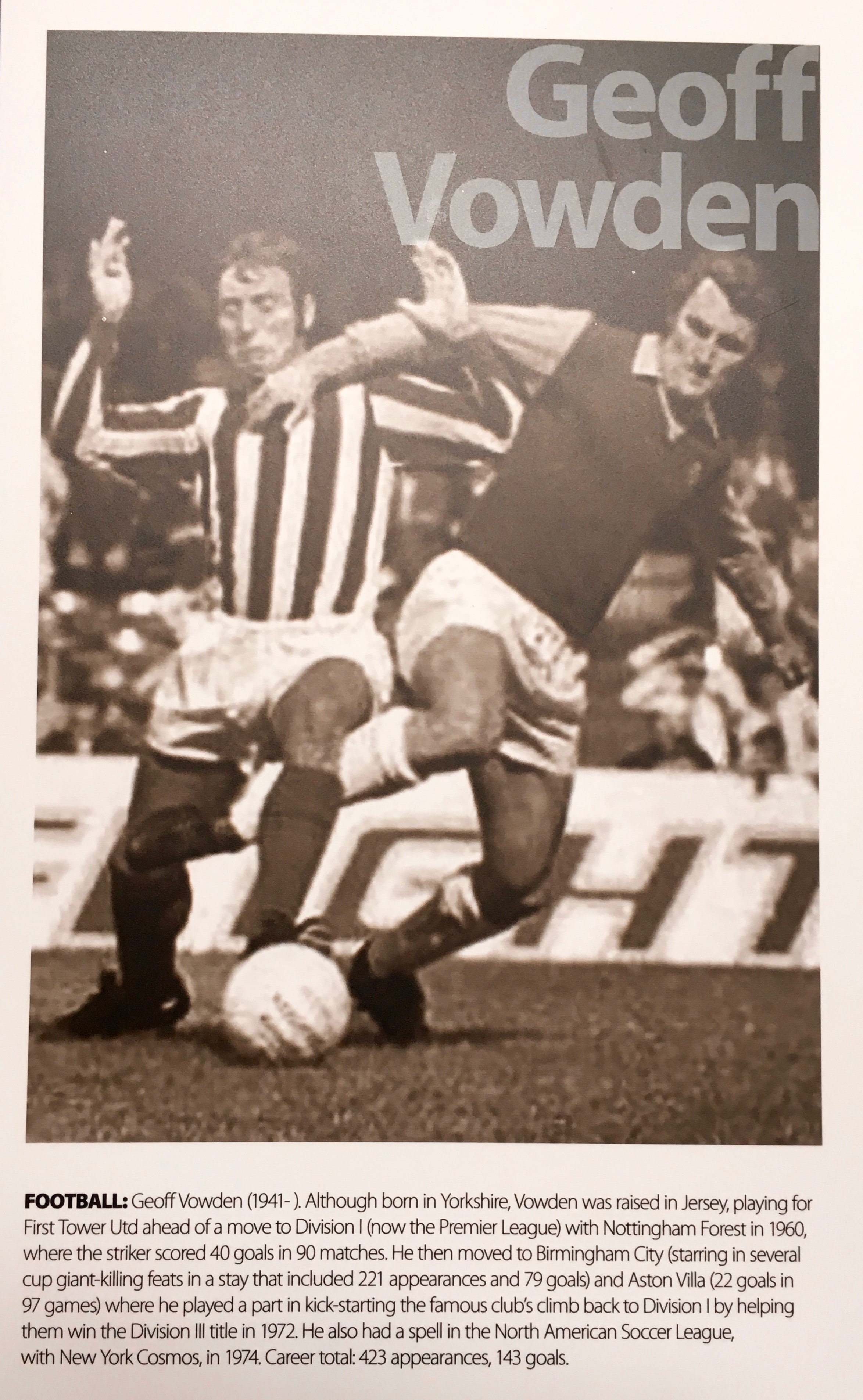
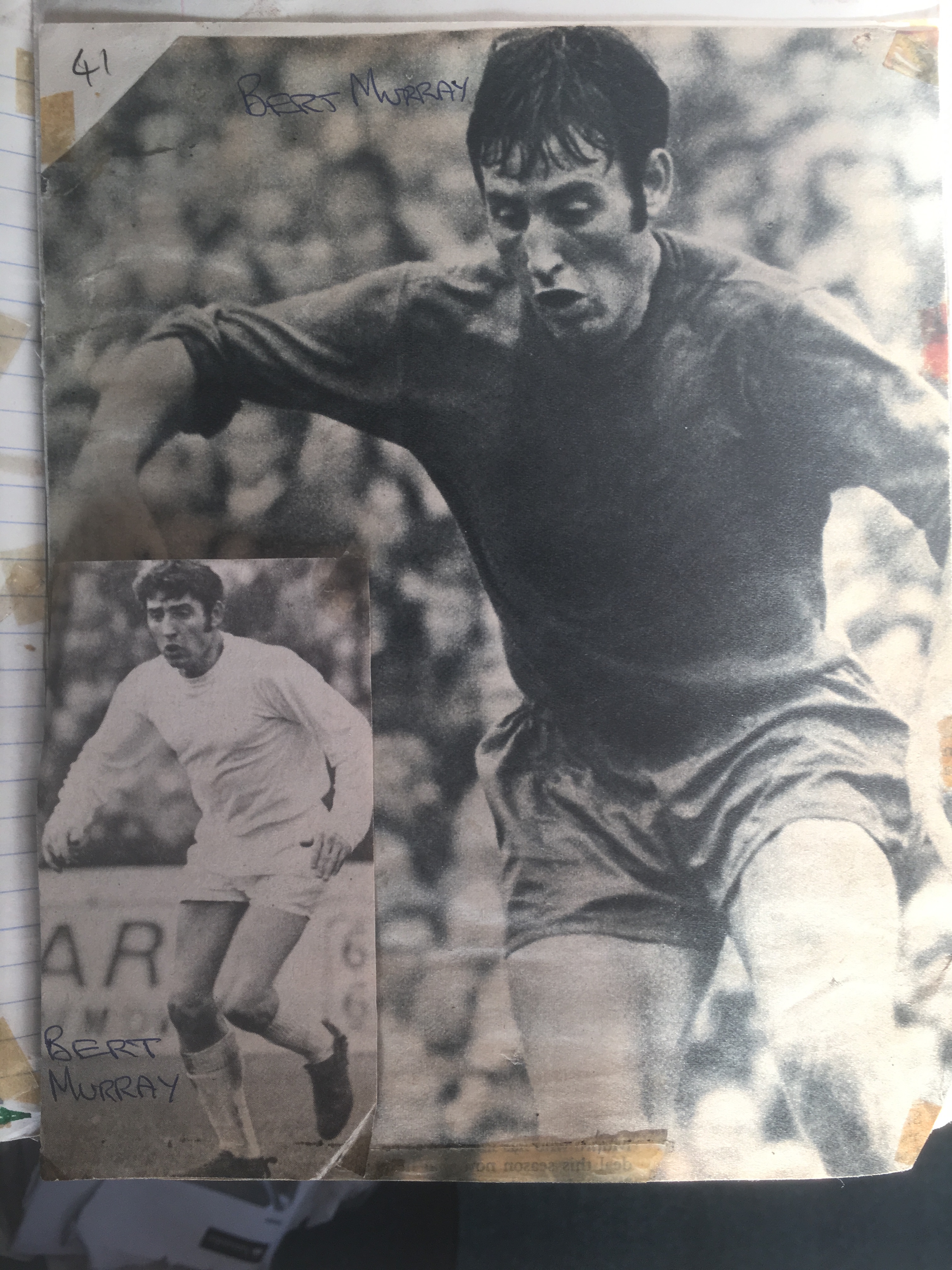
“That’s Bert Murray,” I declared to my bemused wife, and, let’s face it, who would have thought Brighton & Hove Albion’s combative former Chelsea and Birmingham City winger would still be on a public display 45 years after the picture was taken?

The display featured sports stars from Jersey who had gone on to make a name for themselves – and, ironically, the picture in which Bert appeared (below) was about Geoff Vowden (born in Barnsley but raised in Jersey), then with Aston Villa, but a player who had been a teammate during Murray’s five years at St Andrew’s.

1-jersey-posterVersatile Murray – mainly a winger but equally adept at right back – wrote himself into the Albion’s history books when he was bought from Birmingham with funds raised by fans.

But let’s go back to the beginning. Born in Hoxton, London, on 22 September 1942 Murray started his football career with Chelsea in 1958 and scored in the first leg of their 1960 FA Youth Cup Final win against Preston as part of a team which spawned many future star players, such as Peter Bonetti, Terry Venables and Bobby Tambling.

Bert made his Chelsea first team debut in 1961 and in 1963 was part of the squad that won promotion from Division 2. His form for Chelsea attracted the England selectors and in the 1964-65 season he played in six of England under 23s’ seven games, scoring on his debut.

That was on 25 November 1964 in a 5-0 romp over Romania at Coventry’s old Highfield Road ground when Alan Ball, Mick Jones, Alan Hinton and Martin Chivers also scored.

Sadly for Bert, that was the only win he experienced as an England player: in the remaining games there were four 0-0 draws and a 1-0 defeat to West Germany. Other big name players who were part of the same team included Nobby Stiles, Norman Hunter and George Armstrong

Murray’s final international was in front of 70,000 fans in Austria on 2 June 1965 when his Chelsea colleague Bonetti had taken over in goal from Gordon West and Ball, who, like Stiles would become part of the following year’s England World Cup winning team, was sent off.

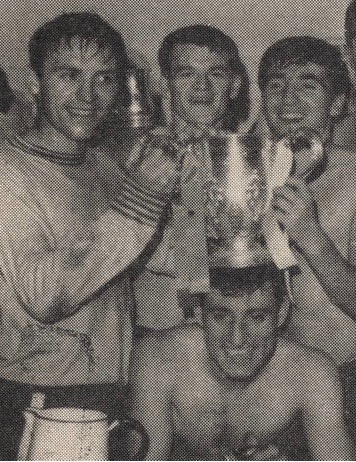
2-1965-lge-cup-winnersAt least at club level in 1965 Murray won some silverware (above image discovered on The Shed End Chelsea fans website), playing alongside Bonetti, Venables, Eddie McCreadie, Barry Bridges and John Boyle as Tommy Docherty’s Chelsea won the League Cup in April via a narrow 3-2 aggregate win over Leicester.
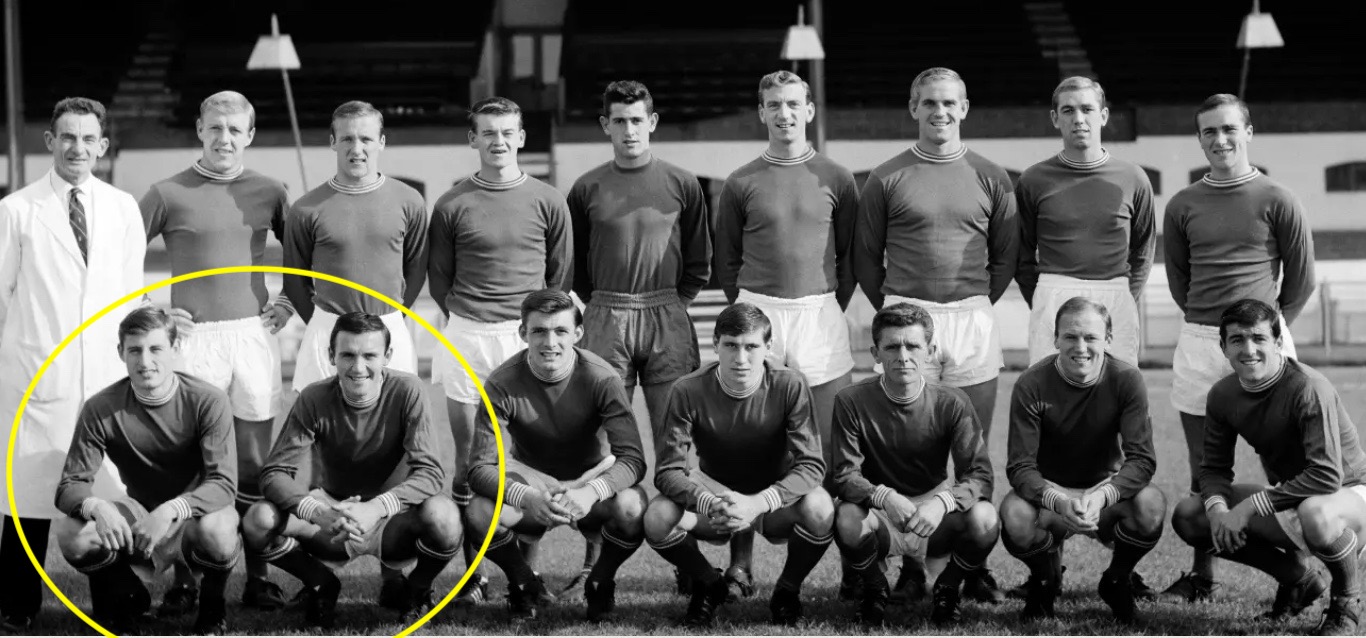
Murray + Bridges ChelseaMurray and Bridges alongside each other in a 1963-64 Chelsea team picture.
In the same season, Chelsea were top of Division One for nearly the whole season, and were looking good for the domestic treble but lost 2-0 to Liverpool in the FA Cup semi-final.

The young team started to show signs of strain and slipped to third in the league. Murray and Bridges were amongst a group of eight players who defied a curfew when the team were staying in Blackpool prior to a game against Burnley and the manager sent them home. The team Docherty put out capitulated 6-2.

According to ‘Bluebeard’ on theshedend.com the following nearly-but-not-quite season – fifth in the league, beaten FA Cup semi-finalists again and Fairs Cup semi-finalists – led to Docherty breaking up the team and selling Murray, Venables, Bridges and George Graham.

So, in 1966, having scored 44 goals in 183 games, Murray was transferred to Birmingham for £25,000 and Bridges went too, as Birmingham’s new wealthy owner, Clifford Coombs, splashed the cash for manager Stan Cullis.

3-brumbertThe pair were part of the side which in successive seasons got to the semi-final of the League Cup (in 1967) and FA Cup (in 1968) only to lose on both occasions. Because these things are important in the Midlands, joysandsorrows.co.uk remembers Murray as part of the 1968 Blues side who beat rivals Villa home and away. In five years, he played 132 games scoring 22 goals.

murray brum

It was the Blues former Brighton manager Freddie Goodwin who loaned him to his old club in early 1971. The loan became a permanent move thanks to £10,000 raised through innovative manager Pat Saward’s famous Buy-a-Player scheme which saw fans respond to the club’s lack of cash to bring in new players by coming up with sponsored walks and suchlike to raise the necessary money to enable Saward to bring in new faces. Thus Murray was swiftly dubbed the People’s Player.

4-bertwillie1971Saward brought in Willie Irvine on loan from Preston at the same time and the pair combined well on 10 March 1971 (pictured above by the Evening Argus before the game) as high-flying Fulham were beaten 3-2. In Irvine’s 2005 book with Dave Thomas, Together Again, he recalls how the pair hit it off and began a friendship that endures.

Murray was an influential right winger who made and scored goals and he became a reliable penalty taker too, notably keeping a cool head from 12 yards in the 12-game unbeaten run in 1972 which culminated in promotion as runners up behind Aston Villa.

In the famous game televised by BBC’s Match of the Day at home to Villa in April 1972, Saward moved Murray to right back to replace previously ever-present Stewart Henderson. It wasn’t completely alien to him, though, because he’d slotted into that role on occasion at Birmingham.

The photographers were busy during that tightly-fought 2-1 win against Villa and several different shots of Bert’s tussle with Villa’s talented winger Willie Anderson appeared in the newspapers and magazines following the game (see pic at top of article).

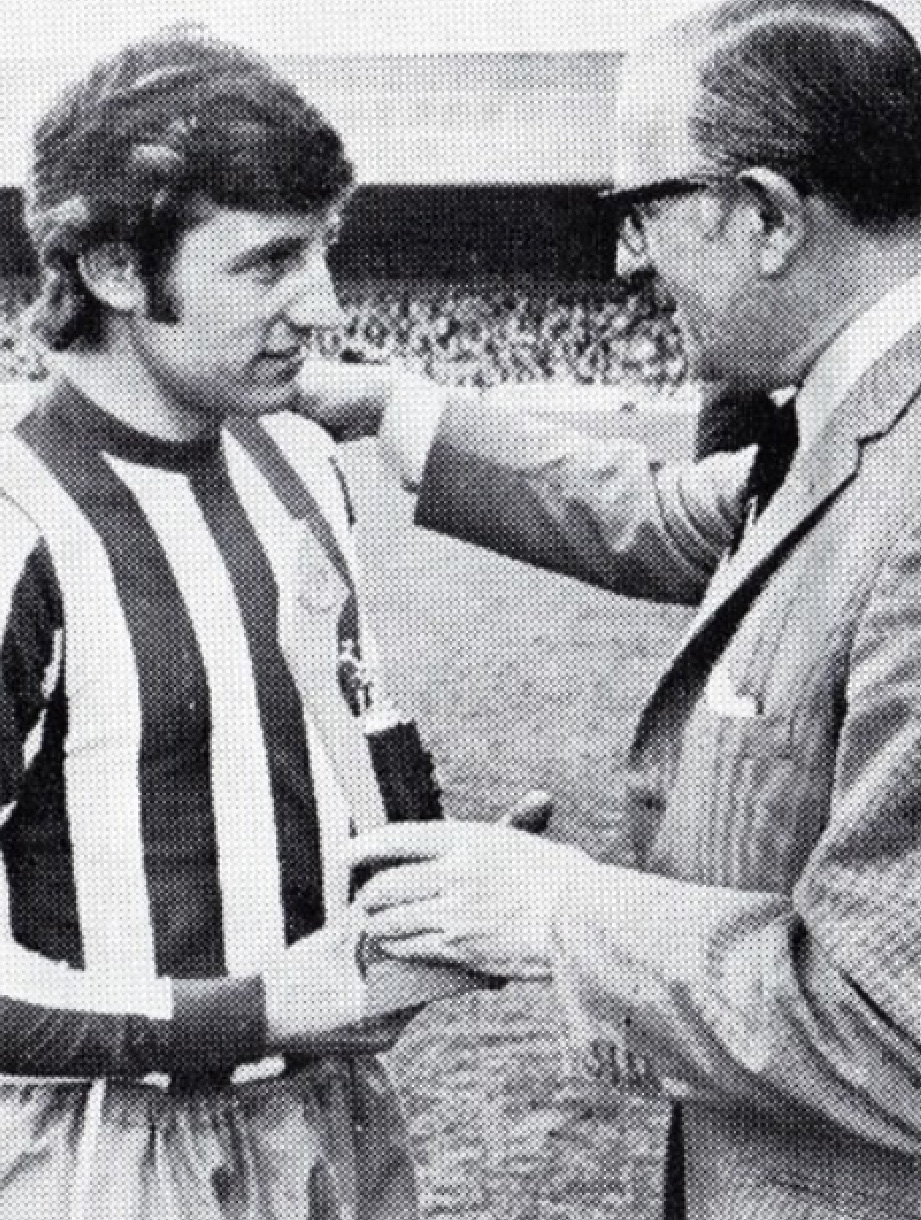
While others might have been grabbing the bulk of the goals and the headlines, Murray’s consistent performances earned him the player of the season award (below, receiving the award from chairman Tom Whiting).

murray poy

The newly-promoted side struggled badly and Saward chopped and changed the line-up, bringing in a host of new faces – including Bert’s old Chelsea colleague Bridges – as he tried in vain to find the right formula to keep the Albion up. But Murray was one of the few who kept his place at the higher level, mainly back in midfield. He took over the captaincy from Ian Goodwin and contributed nine goals in 39 appearances.

Although eventually the side clicked in the final third of the season, the damage had been done early on and the recovery wasn’t enough to avoid an immediate return to Division 3.

Murray wrote in the matchday programme: “The last two months have been amazing and although I say it myself I beleive that we have played some really good football recently. I also believe we deserve a better fate.”

He added: “We must hope we have learned our lessons well for next season.” Murray appeared in the front row of the 1973-74 team line-up but his time on the south coast was drawing to a close – along with manager Saward. Murray was involved in only two games as a substitute in October and after a total of 102 games and 25 goals he moved on to Peterborough United, initially on loan and then signing permanently.

It was Noel Cantwell, the man Saward had served as assistant manager at Coventry City, who signed Murray for Posh. “He needed a right midfielder,” Murray said in a 2012 interview with the Argus. “I went up there and had four wonderful years. I still see some of the lads now.”

Saward, with his own days at the Goldstone numbered and, without naming any names, wrote some cryptic programme notes for the 13 October home game against Halifax. “In deciding that a player can leave a club, the manager must consider the player’s contribution to the club and decide whether he fits into his plans for the future,” he wrote.

“When a manager decides it is time for the player and club to part he is not necessarily governed solely by the ability of the player but he has to look at his squad as a whole and assess whether there are younger players with longer futures waiting their chance to come through.

“A governing factor must be that the strongest possible team should be fielded at all times and the manager must decide when other players should take over from established favourites.”

In the programme for the 24 October game with Southport – by which time Saward himself had been sacked – there was a brief paragraph under the headline ‘Bert Murray Leaves’.

At 31, Bert still had plenty of football left in him and he went on to make 123 appearances for Posh, scoring another 10 goals, before retiring and going into the pub trade, in Market Deeping, nine miles north of Peterborough.

Many have been the occasions Albion fans following the team at London Road have taken a detour to pop in to see Bert and chat over old times over a pint.

In 2013, when he had his 70th birthday, The Society of Independent Brewers did an article about his 20 years running Everards pub The Bull in Market Deeping with his wife Eileen. They had also spent 17 years at two other pubs in the town, The Winning Post and The White Horse.

“Everards have been good and seem happy with what we are doing here. So if they are happy, Eileen and I plan to keep on going for a few more years yet as we really enjoy running the pub,” he said.

In September 2013, Bert returned to Stamford Bridge for a 50th anniversary reunion with the Chelsea ‘class of ‘63’ – chatting over old times over dinner with Terry Venables, John Hollins, Peter Bonetti, Barry Bridges, Ken Shellito and Bobby Tambling.

Pictures from my scrapbook , the internet and the Albion matchday programme.

Below, the Goal magazine feature ‘The Girl Behind The Man’

Barry Lloyd’s turbulent time as Brighton boss

Screen Shot 2021-05-05 at 09.51.14

HISTORY may have judged Barry Lloyd’s reign as Brighton manager unfairly: while bleak times cloud the memory, the former Fulham captain did chalk up some successes.

For instance, it’s worth remembering he put together two of the most entertaining strike partnerships in Albion’s history.

However, when managers start getting involved in the boardroom, it’s probably not going to end well and that certainly proved to be the case after Lloyd was handed the role of managing director.

Frankly, there is probably not enough space in one blog post to cover the various off-the-field shenanigans that were an ugly backdrop to the Lloyd era.

From an outsider’s perspective, it appeared he was the unfortunate public figure put up to deal with a huge amount of flak generated by others wielding power in the background.

Inheriting the hotseat at a time of financial turmoil, from a distance it could be said he did well to win promotion as well as coming mighty close to restoring the elite status lost in 1983.

But fans who had seen huge success under high profile bosses were not best pleased to see their club’s fortunes put in the hands of someone who had previously only managed outside of the league.

Let’s look first at Lloyd’s playing career because, from early on, he was obviously a shrewd observer who made contacts he would be able to call on in later years.

Born in Hillingdon on 19 February 1949, Barry’s early footballing ability was rewarded with selection for the Middlesex and South of England schoolboy sides. He was signed up by Chelsea and was in their 1964-65 youth team alongside former Albion right-back Stewart Henderson in defence and future England international and Chelsea legend Peter Osgood up front.

In an extended interview with Fulham’s club historian, Dennis Turner, Lloyd recalled: “I chose Chelsea because under Tommy Docherty’s management they were an exciting team, with the likes of Osgood, Charlie Cooke and Bobby Tambling.”

Former Albion player Dave Sexton was the reserve-team manager – “a really nice man and terrific coach” – and Lloyd says in his four years at Stamford Bridge he learned a lot.

He made his debut in the top flight in April 1967 aged just 18, but competition for places was tough and, after only 10 first team appearances, in January 1969 he moved to neighbours Fulham with their centre half John Dempsey moving in the opposite direction.

lloyd-fulham-goal

Fulham were struggling for survival in the old Second Division having been relegated from the top flight and the man who signed him, Bill Dodgin, was their fourth manager in a year.

They dropped down into the old Third Division but as part of his rebuilding, Dodgin made Lloyd captain in succession to the legendary Johnny Haynes, who was coming to the end of his career.

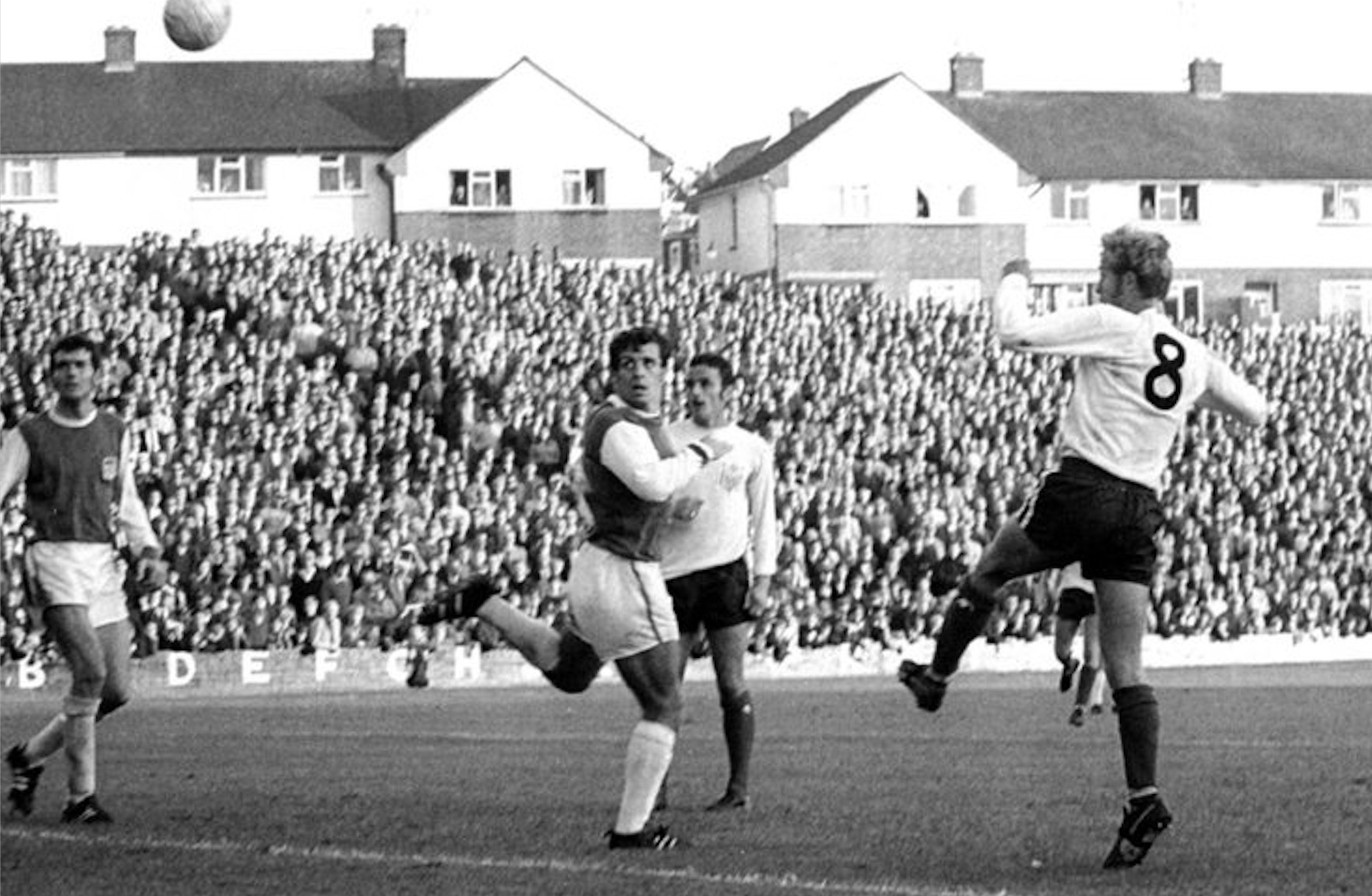
Lloyd is pictured below getting in a header against the Albion at the Goldstone, watched by John Napier (left) and Stewart Henderson. The packed East Terrace never looked like that by the time Lloyd was sitting in the Albion manager’s chair.

Lloyd at Goldstone

Fulham regained their tier two status in 1971 when they went up from Division III as champions. Manager Dodgin was sent packing in the summer of 1972, though, and Alec Stock took over, famously bringing in a number of top name players nearing the end of their careers – notably one Alan Mullery, along with Bobby Moore.

Lloyd remained part of the set-up but when Fulham surprised everyone by reaching the FA Cup Final against West Ham in 1975, he had to be content with what in those days was the single substitute’s berth on the bench, and didn’t get on.

Nonetheless, he chalked up 290 games for Fulham, before having brief spells at Hereford and Brentford (where Dodgin was the manager) and ending his playing days with Houston Hurricanes in the United States.

“I lived in Texas for a year. The league was never going to last but I learnt a lot about how the game can be promoted. They were very good at that over there,” he said in a matchday programme article. “Everyone was made to feel part of the club. It was an interesting experience; I’ve never regretted going.”

During his brief time at Hereford, Lloyd had an eye to the future and took his full coaching badge at Lilleshall, which wasn’t far away.

After his time in America came to an end, he got his first managerial experience with Yeovil Town (then a non-league club) and then headed to Sussex where he took Worthing from the Second Division of the old Isthmian League to runners-up in the Premier Division.

It was in 1986 when he got the call from Mullery to become reserve and youth team manager at the Albion. Dodgin was also on the staff.

lloyd desk

In January 1987, Mullery was unceremoniously dumped and Lloyd came out of the shadows to take charge. Perhaps what fans didn’t know at the time was that the day after Mullery left, Lloyd was summoned to a meeting with chairman Bryan Bedson and told to “get rid of everyone” because the club was going bust.

Against that backdrop, it was 15 games before the side managed to register a win under Lloyd and, unsurprisingly,  Albion were relegated. Some of the mainstays of the side, like Danny Wilson, Eric Young and Terry Connor were sold. Fortunately, Lloyd was able to re-invest part of the proceeds from those sales in some buys who gelled together to form a promotion-winning team.

Screen Shot 2021-05-03 at 20.37.12He returned to former club Chelsea to secure the signing of centre back Doug Rougvie who was made captain and he paired left winger Garry Nelson, a £72,500 signing from Plymouth, with tenacious Scot Kevin Bremner, from Reading, to lead the line. Nelson in particular was a revelation, scoring 32 goals and voted player of the season.

Lloyd reckoned the backbone of the side were two other shrewd signings: Alan Curbishley and Gary Chivers. “Alan was a very level-headed guy, an excellent passer and really disciplined,” he told Spencer Vignes in a matchday programme article. “Chivers was exactly the same, and a real joker at the same time. But there were a lot of great individuals in that side.”

The following two seasons saw Albion maintain their status with lower half finishes but, with the Goldstone Ground crumbling and debts mounting, there was little investment in the team and Lloyd had to use all his contacts to try to find some gems.

One was former England international winger Mark Barham, another was a former Soviet international, Sergei Gotsmanov, a real crowd-pleaser obviously capable of playing at a higher level (as was proved when he opted to join Southampton the following season).

Then, in 1990-91, he rescued two forwards languishing with also-ran clubs in Europe and together John Byrne and Mike Small were superb in attack as Brighton made it to the play-off final at Wembley only to lose 3-1 to Neil Warnock’s Notts County.

No-one had been expecting Brighton to get a tilt at promotion, particularly as the season had once again begun with big money departures of players like Keith Dublin and John Keeley.

But with Byrne and Small on fire and former Fulham and Chelsea winger Clive Walker added to the squad they clawed their way into contention and famously clinched the play-off spot on the last game of the season, courtesy of Dean Wilkins’ curling free kick past Ipswich Town’s Phil Parkes.

Another crucial signing that season was thanks to one of Lloyd’s old Chelsea teammates, George Graham. The Arsenal boss loaned cultured central defender Colin Pates to the Seagulls and he proved a mainstay in the final third of the season. Pates would later sign permanently.

Even though they were clearly beaten by the better side on the day, looking back now, I don’t think anyone could have realised what bad news it was for Albion not to win the final against County.

Starved of the funds promotion would have delivered, Lloyd was forced to sell star performers Small and Byrne and, 11 months after appearing at Wembley, Albion were relegated back to the third tier.

Lloyd had tried to repeat his previous successful European scouting mission with two former league players, but the hapless Mark Farrington turned out to be one of the worst buys ever, managing to score one solitary goal while former Arsenal youngster Raphael Meade fared slightly better but only just got into double figures.

Mark Gall, a £45,000 signing from Maidstone, arrived towards the end of October and ended up top goalscorer and was player of the season, but his 14 goals were still not enough to spare the team from the drop.

In the following season, the very survival of the club was under serious threat with the taxman chasing an unpaid bill. Lloyd rescued the club at the 11th hour by managing to secure a £350,000 fee for goalkeeper Mark Beeney (bought two years earlier from Maidstone for £25,000), former Albion winger Howard Wilkinson buying him for League Champions Leeds United.

With the financial issues continuing in the background, a run of only two wins in 18 league games in the first half of the 1993-94 season eventually brought the Lloyd era to an end – the axe wielded by chief executive David Bellotti, who had arrived only a month earlier.

Fans who were euphoric to see Lloyd go might well have felt differently if they’d known what would eventually transpire, but that’s a story for another day.

The record books show Lloyd made a total profit of £1.2m in his seven years at the helm and he certainly knew his way around the transfer market, particularly in Europe, when it was a lot less fashionable than it is today.

Another of his discoveries was Dean Wilkins, playing for FC Zwolle in Holland, and in 2007 – 14 years after he had left the Albion – Lloyd returned as chief scout during Wilkins’ reign as first team manager.

Also part of the set-up then was director of football Martin Hinshelwood, who had been Lloyd’s assistant during his time in the dugout. Lloyd later returned to the club to assist in the recruitment department but retired in 2021.

He died aged 75 on 28 September 2024 and players in the Chelsea v Brighton game that afternoon wore black armbands in tribute to him.

Lloyd in 2022