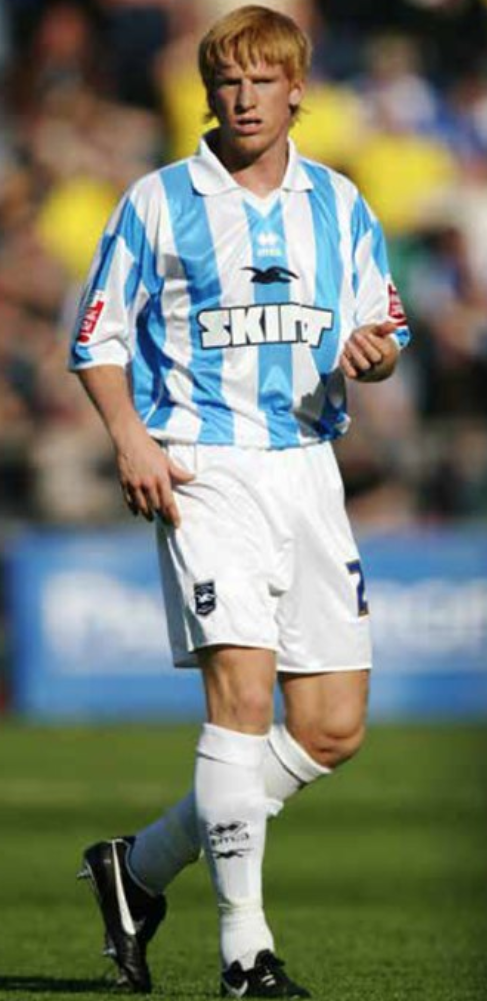
Liam Bridcutt was the Real deal for Poyet’s Brighton

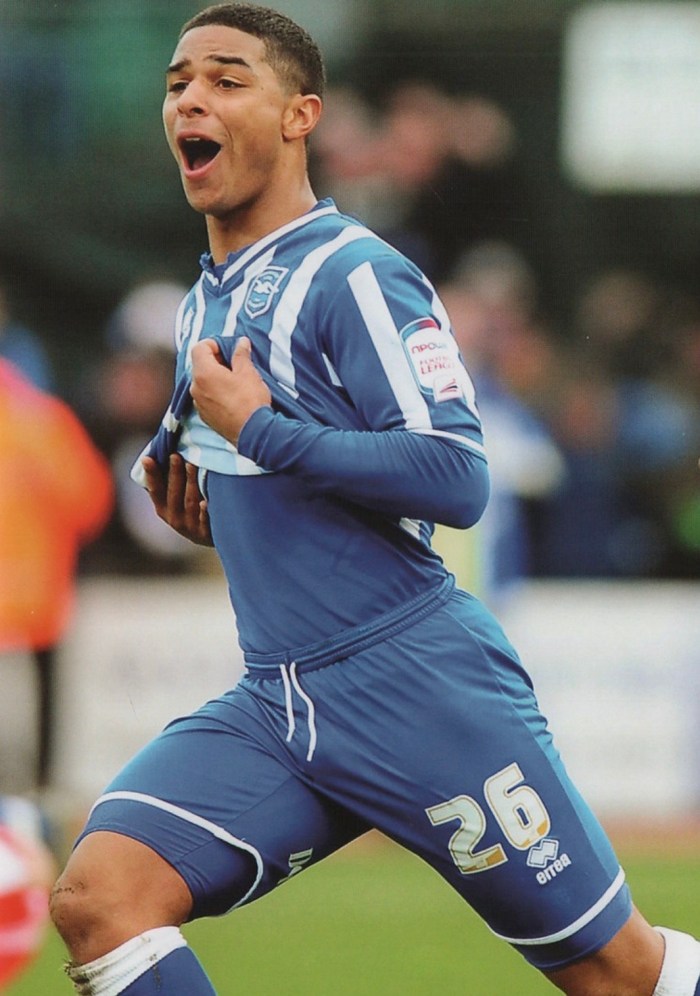
LIAM BRIDCUTT won back-to-back Player of the Season awards at Brighton and later went on to captain Leeds United.

The diminutive midfielder was a stand-out defensive midfielder who Seagulls supporters took to their hearts.

He was pivotal to the new style of play Gus Poyet introduced, sitting in front of the back four, and comfortably acting as the conduit for the side’s highly effective passing game.

Having been brought through as a youngster at Stamford Bridge, he had witnessed close up the role Claude Makelele executed so efficiently for Chelsea, and, when his former Stamford Bridge colleague Poyet gave him an initial five-month contract at Brighton, he seized the chance.

“Chelsea made me the player I am today and they gave me the best of everything in terms of facilities and training with some of the biggest names in football,” he said shortly after signing for the Albion.

“My favourite player was Dennis Wise. I always wanted to be like him in that central midfield role. Then, as I got older, the team changed and it was Makele who I watched. Chelsea wanted more of a Makele player out of me.”

With so many star names ahead of him, it was inevitable Bridcutt would have to look elsewhere to progress. Initially he went on loan to Watford, managed by Brendan Rodgers, who he’d played under for Chelsea’s youth side and reserves.

“I played in some really big games, jumping from reserve football – full of kids and not that physical – into games where players are literally fighting for their careers,” he said.

“My first game was against Doncaster, where I was named Man of the Match, and then it was Spurs in the quarter-finals of the Carling Cup. I was up against Jermaine Jenas and Jamie O’Hara. I loved the adrenalin and pushing myself against all these players.”

It meant he didn’t fancy returning to reserve football and went out on loan again, playing more than 20 games for Stockport County in League One – including being sent off playing against the Seagulls! “It was another good learning curve for me,” he said.

When released by Chelsea, he had trials at Crystal Palace, Wycombe Wanderers and Dagenham and Redbridge – without success – but Chelsea let him return to train with them for three weeks and, during that time, Ray Wilkins suggested him to Poyet, who gave him an initial five-month contract to show what he could do.

After his debut against Orient, he told the matchday programme: “The manager has been saying to me that he needs a player in there who can control the game, break things up and play. I aim to prove I am that player.”

Mission accomplished, Bridcutt earned a two-year deal and he told the Argus: “It was one of my goals when I first signed here, to get a longer deal, and I’ve done that.

“I have been rewarded for my hard work. All I’ve got to do now is settle down and think about my future and look forward to next season.

“There was no hesitation from me really. I want to be here as long as I can. I can see what Gus has done here is brilliant. It’s a big club on the way up, so I was more than happy to sign.”

Bridcutt helped Albion win League One and is particularly remembered for a stunning long-range volley at Withdean on 5 March 2011 that proved to be the winner in a 4-3 win over Carlisle United. He was also on the scoresheet when Albion twice came from behind against Dagenham and Redbridge and eventually won another 4-3 thriller to clinch promotion back to the second tier.

Comfortably taking the step up in class in his stride, Bridcutt was pivotal to Albion reaching the Championship play-offs, but, after Poyet’s departure, rumours began to swirl that the young midfielder would follow him to the north east.

It didn’t happen immediately but, after handing in a transfer request, he finally made the move in January 2014 after featuring in 151 games for the Seagulls.

Given the opportunity to reflect on that time, Bridcutt admitted to the excellent podcast Football, the Albion and Me that he should never have left but, at the time, he didn’t feel the Albion did enough to persuade him to stay when Premier League and Championship clubs were sniffing around.

“Because they had so many good offers, they didn’t try to keep me,” he said. “I didn’t want to leave the club. I was very much happy there. But at the time I had other offers. The club knew about this and were back and forth with other clubs and turned down lots of offers.

“All I wanted was to be rewarded for the time I had given to the club,” he said, maintaining that, regardless of Poyet going, he wanted to part of the club’s long term goal of getting to the Premier League.

Scotland cap

In March 2013, Bridcutt’s consistent Albion form earned him a call-up to the Scotland international squad. Newly appointed manager Gordon Strachan gave him his first cap against Serbia, although the 2-0 defeat ended the Scots’ hopes of qualifying for the 2014 World Cup, and Bridcutt collected a booking in the 77th minute.

It wasn’t until three years later, during his spell at Leeds, that Bridcutt earned his second and only other cap. It came when he was a second half substitute in a 1-0 win over Denmark and some observers considered Bridcutt lucky not to see red for a robust tackle in the game at Hampden Park.

Although born in Reading, on 8 May 1989, he qualified to play for Scotland through his Edinburgh-born grandfather.

In July 2021, Bridcutt gave an illuminating and excoriating insight into his move and time on Wearside to a Sunderland podcast.

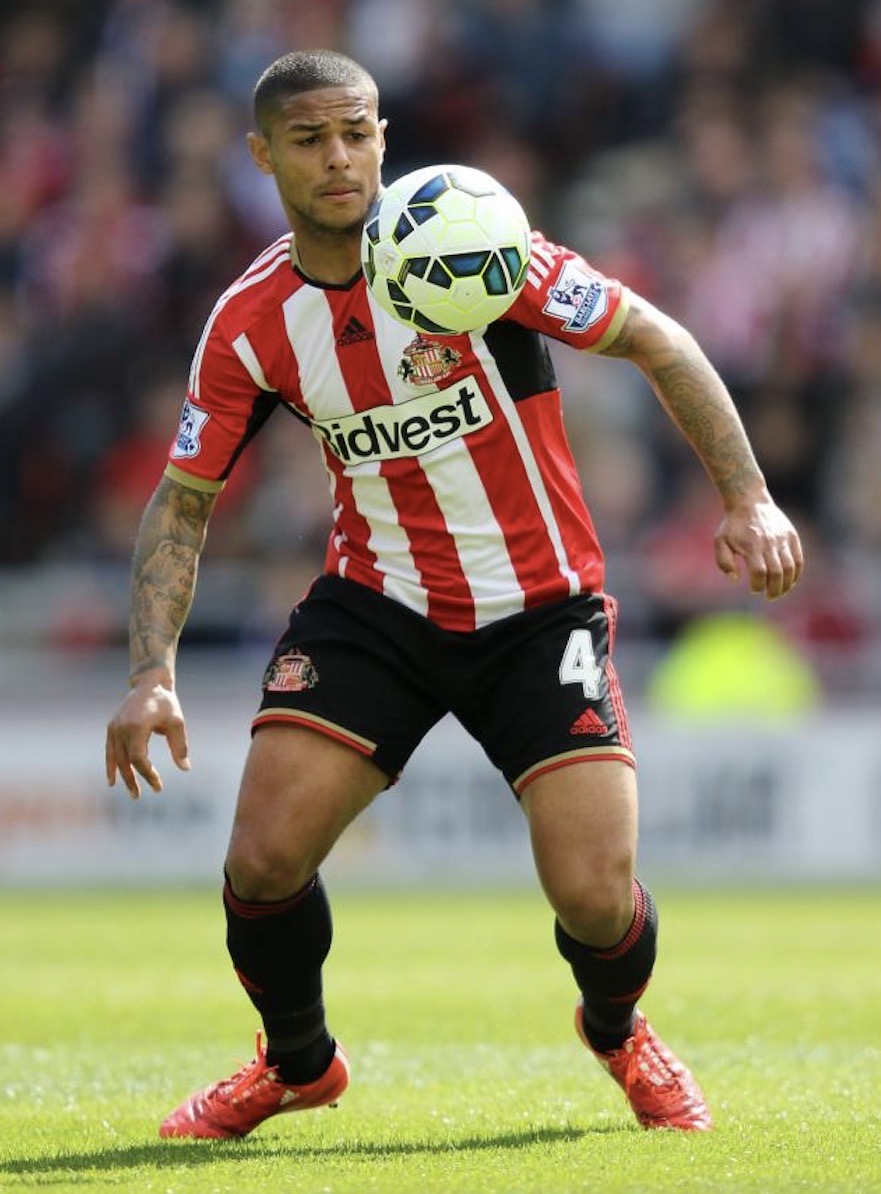
He recalled how on the day he signed for the club Poyet called him at midnight informing him he’d be playing the next day in the Tyne-Wear derby game and, before putting the phone down, said: “You better not be shit because I’ve pushed hard to get you here!”

Thankfully, Bridcutt had an outstanding debut in place of the injured Lee Cattermole in a 3-0 win for the Black Cats over their arch rivals.

Poyet purred: “Liam Bridcutt knows the defensive midfielder role I want us to play perfectly. So I was not worried.

If there’s one person that knows the role better than anyone else in the world, it is Liam and the best thing for him is that we won, we kept a clean sheet and he got through 90 minutes having not played all month.”

Poyet was rarely shy in singing Bridcutt’s praises, once telling the Mail: “If I was coach of Real (Madrid) I would take him because he deserves to go to the highest level.

“As a holding midfielder, there is no better player in the division. The best thing about Liam is that he understands me to an incredible level. The way he understands what I want from him is spectacular.”

However, Bridcutt reckoned a lot of players Poyet inherited at Sunderland were scared to play the sort of football Albion’s players had readily embraced and he also questioned their professionalism, saying: “It was almost like he (Poyet) was fighting a losing battle because there was literally lads out every other night and you could see that in our performances. We were terrible.”

Supporters piled on the pressure too and, although Bridcutt reckoned he could cope with the barbs, someone like Marcos Alonso responded badly to the stick but proved he was a decent player after he moved to Chelsea.

After keeping Sunderland in the Premier League against the odds, Poyet signed a new two-year contract in May 2014 but was sacked the following March. His successor, Dick Advocaat, froze Bridcutt out and, eventually, in November 2015, Steve Evans took him on loan at Leeds United.

In the early part of 2016, ahead of playing against Brighton at the Amex, Bridcutt confessed he’d be open to a return to the south coast. He told the Argus: “It was probably my best period in football. That was my opportunity to properly showcase what I could do and I had brilliant times there.

“I know the place well and I’d call it home. My first child was born there and it’s where my family started. It’s where my career really started and it’s a club where, if there was the right opportunity to go back at some stage, I definitely would.

“Even when I first joined, the club always had direction. There was always a plan. Nothing happened by accident. They hit a bit of a rocky patch after losing Gus (Poyet) but, like most clubs, it happens. They seem to have got their stability back. I’m happy to see that.”
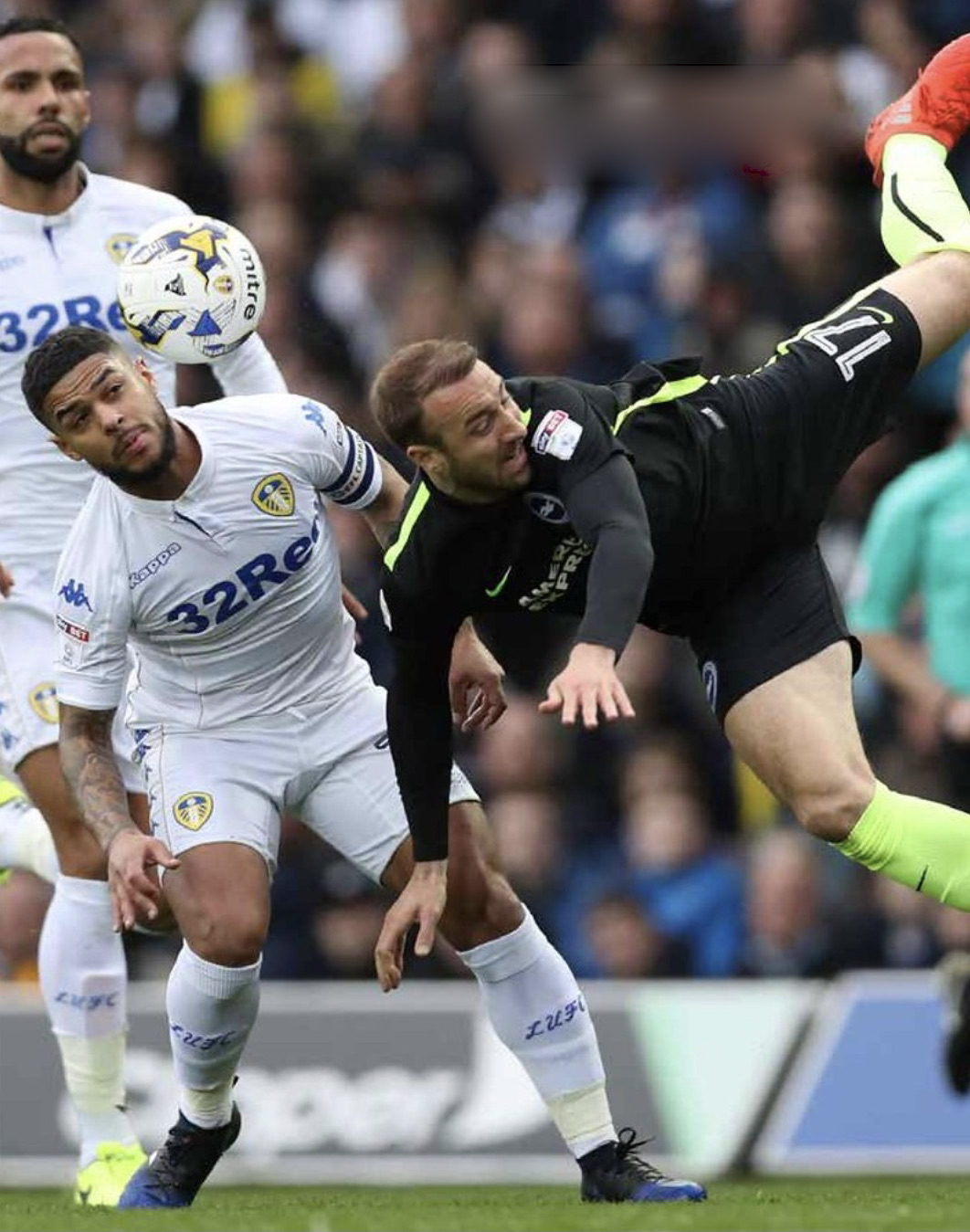
As it was, Bridcutt stayed at Elland Road until the end of the season and, after Garry Monk’s appointment as manager, he was signed on a permanent basis in August 2016. A month later he was appointed Leeds captain, taking over the role from Sol Bamba.

A delighted Bridcutt said: “It’s a real honour, the manager has shown great faith in me by giving me the captaincy.

“It puts a little bit more pressure on me but that’s something I like. I’ve always been a player that’s thrived under pressure, and I think that’s the way to get the best out of me.”

Unfortunately a broken foot saw Bridcutt miss a large part of the season and the managerial revolving door at Leeds saw Monk replaced in the summer of 2017 by Thomas Christiansen.

After 53 games for United, Bridcutt also found himself heading for the exit, joining Mark Warburton’s Nottingham Forest on a three-year deal for a fee thought to be around £1m.
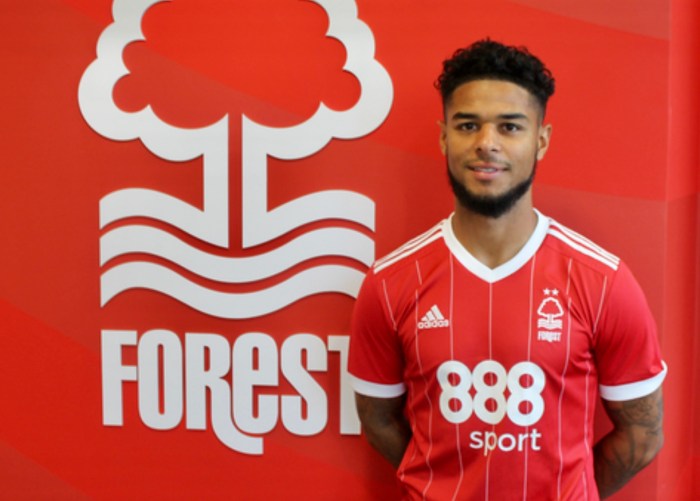
Former Forest favourite Garry Birtles was suitably impressed by the new signing, telling the Nottingham Post: “He’s 28 so you’d think he will hit his peak for Forest, having signed a three-year deal.

“He was Leeds United’s captain last season as they finished in seventh place in the Championship. I saw him play for Leeds and, I have to say, he was very impressive. He’s got that creative ability, and his all-round game was good.”

While Bridcutt played plenty of games under Warburton, when another managerial change saw the arrival of Aitor Karanka, his game time dried up.

Bridcutt spent the first part of the 2019-20 season on loan at League One Bolton Wanderers, where he was made captain by boss Keith Hill, and was reunited with former Albion and Sunderland teammate Will Buckley.

But after his recall to Forest in January 2020 he was then dispatched on loan to Lincoln City for the remainder of the season.

It wasn’t long before Bridcutt was captaining the Imps and in August 2020 he joined them on a permanent basis after his Forest contract expired.
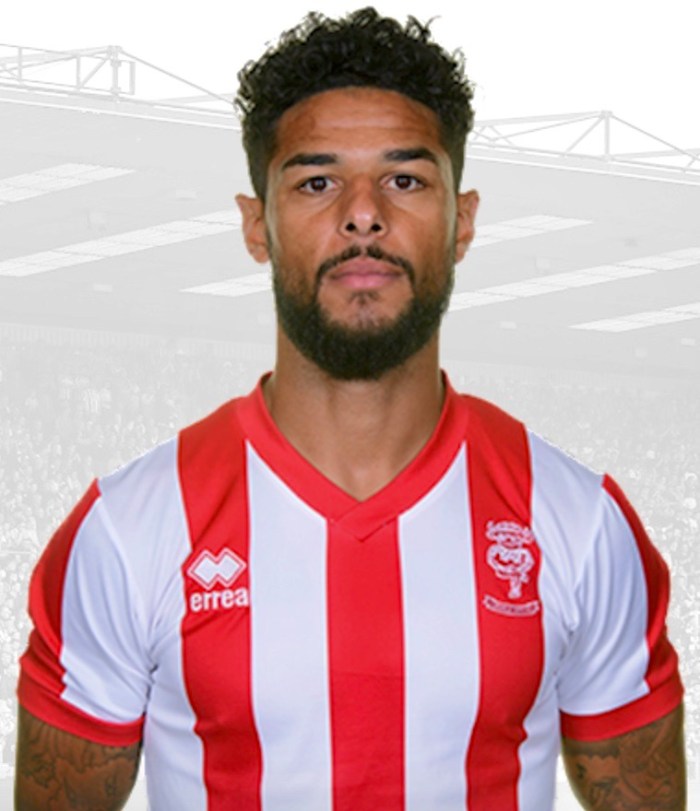
Injury sidelined Bridcutt from Colin Appleton’s side as Lincoln beat Sunderland over a two-legged League One play-off semi-final in May 2021 but Bridcutt skippered the Imps as they narrowly lost 2-1 to Blackpool in the final at Wembley.

Ahead of the Sunderland clash, Lincoln fan Gary Hutchinson, of The Stacey West Lincoln fan website, told SB Nation Roker Report: “I love Bridcutt. He is the pivot around which our entire side function. Playing in the four role he picks the ball deep, protects the back four and is always willing to add to an attack. There are options in the middle of the park – Jorge Grant usually deputises there and Max Sanders who recently signed from Brighton is the long-term heir-apparent for Bridcutt.”

Released by Lincoln at the end of the 2021-22 season, Bridcutt, aged 33, was eventually reunited with Appleton at Blackpool; his signing on a one-year contract for the Championship side announced on 30 September 2022.

“I’m excited to be here and working with the manager again,” Bridcutt told the Blackpool website. “He was brilliant for me over the last two years – he put a lot of trust and faith in me.

“We’ve got a good understanding in terms of what he wants from his teams and his players day-to-day. I get that and it’s how I work and how I’ve always worked. He knows what I’m like and what he can get out of me.”

Appleton added: “We know the quality and the experience he’s got – at Premier League and Championship level – and he’s a fantastic character who will also bring a lot of things off the pitch as well. His addition will be a real plus.”

Chirpy as a Canary but Mark Walton squawked as a Seagull

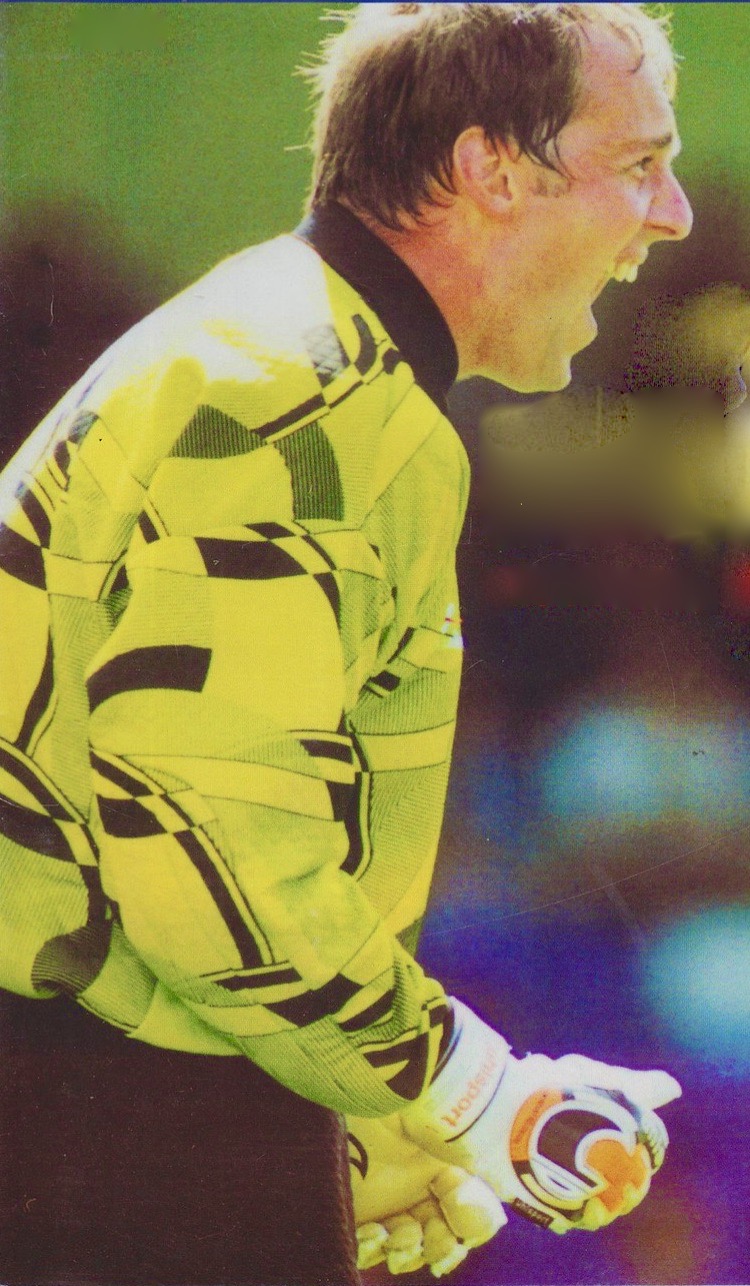
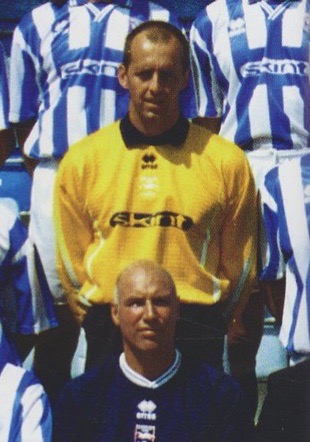
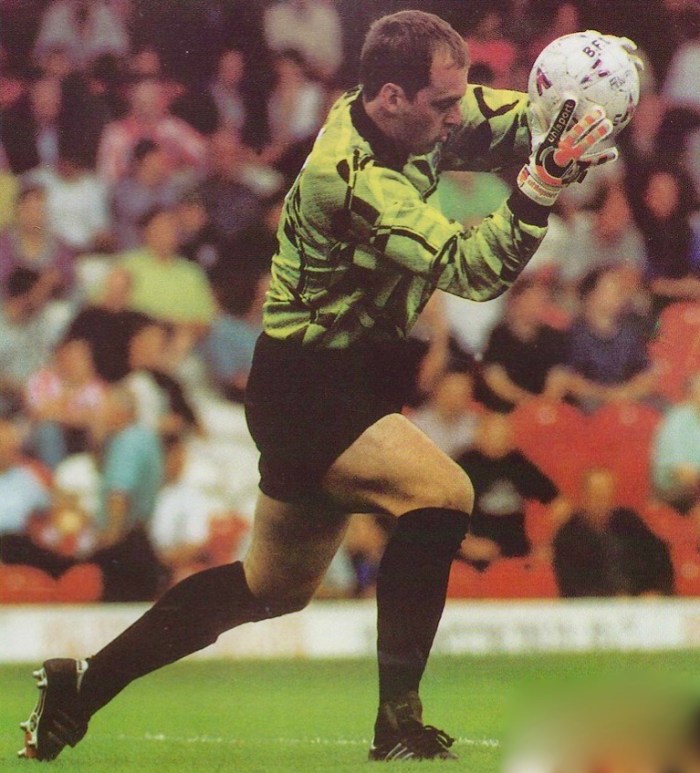
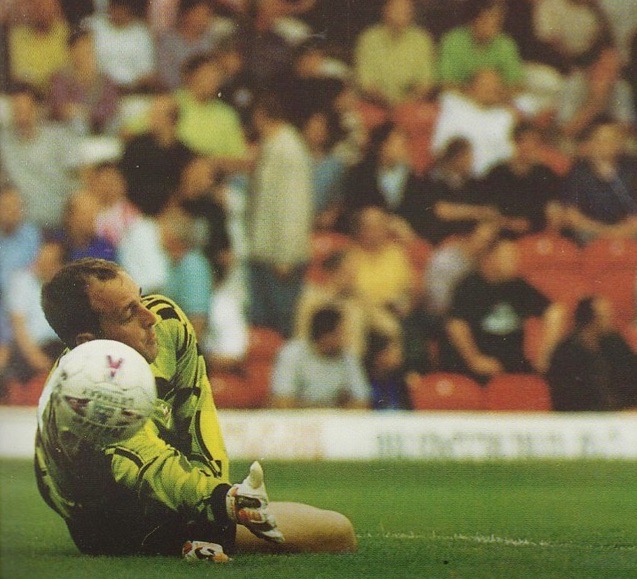
A CAREER highlight saw Welshman Mark Walton keep goal for Norwich City in a FA Cup semi-final in front of 40,000 at Hillsborough but his time with the Seagulls was marred by Brighton’s boo boys.

Walton’s first action in an Albion shirt was in front of only a few Albion followers because Brian Horton signed him in the summer of 1998 when the side was playing in exile at Gillingham’s Priestfield Stadium.

Walton, who’d been part of Micky Adams’ fourth tier Fulham promotion side in 1996-97, found himself out of favour at Craven Cottage once Kevin Keegan had been installed as manager following the club’s takeover by Mohamed Al-Fayed.

Not wishing to play second fiddle to Northern Ireland international Maik Taylor, Walton moved for £20,000 to Brighton, who were a ‘keeper light after Nicky Rust’s departure to Barnet. Walton was Horton’s first choice between the sticks in the opening 16 games of the season.

“When Maik arrived, it was a matter of when I went rather than anything else,” he told fulhamfocus.com.  “I was at a stage in my career that I just wanted to play, so moving was a necessity. In retrospect, I probably should have thought harder about my decision to join Brighton.”

After he’d shipped six goals in two successive 3-1 defeats in October, young Mark Ormerod took over and kept the ‘keeper’s jersey until Horton quit to take over at Port Vale shortly into the new year.

Caretaker boss, Jeff Wood, who’d been a goalkeeper himself, reinstated Walton to the starting line-up for five matches, but he damaged a hamstring in a 3-0 defeat at Southend on 20 February and didn’t play again that season.

Walton must have been encouraged when his old boss Adams took over from Wood, and he shed a stone and a half during the summer to get back into shape. Although Ormerod started the first five games of the new season back in Brighton, Walton was then reinstated as first choice ‘keeper.

But a gaffe — wearebrighton.com recounted how Walton’s attempted clearance from a back pass cannoned into the back of Paul Watson and into the net for an own goal — as Albion succumbed 3-2 to previously winless Chester City on 18 September (despite a goalscoring debut for Danny Cullip) saw feelings running high.

Adams had the players in for an extra training session the following day and Walton was dropped for the next match. Before the month was over, he submitted a transfer request citing the stick he was receiving as his reason for wanting to go.

“It’s one of those things you cannot really do too much about,” he told The Argus. “I am not the first and I won’t be the last. Everybody hears it. It’s just general abuse from boo boys and it’s the same home and away.

“It is obviously not the best feeling in the world, but you are paid to do a job and you go out and give your best.”

The manager was clearly upset that Walton felt he had to leave because of criticism from supporters.

“I’m immensely disappointed that a boy has come in to see me and wants to leave the club because he feels he is not being given a fair crack of the whip by the fans,” Adams told The Argus. “I am disappointed it has come to this and that he feels he has got to bow to fan pressure.

“Mark is a great lad. Whichever eleven lads I put out on the pitch in the blue and white stripes, they are representing Albion and the fans have got to get behind them. They are going out to give their best for the supporters and the club.”

Support came too from part-time goalkeeping coach John Keeley, who said: “Mark looks ever so fit now and the way he has trained and looked after himself in the summer shows he wants to prove to people he is a good goalie.

“As a goalkeeper you want the crowd on your side because it gives you a certain amount of confidence, especially when you are playing at home.”

Adams showed his faith in Walton by restoring him to the starting line-up and he was rewarded for his loyalty by two shut-outs on the road as Albion drew 0-0 at Peterborough and beat Carlisle United 1-0.

The matchday programme noted of the big ‘keeper’s performance at London Road: “Walton didn’t put a foot, or should that be hand, wrong during the 90 minutes, prompting praise from supporters, who chanted his name at the final whistle.”

Adams added: “Mark was terrific. I cannot speak highly enough of him. He is a good, honest pro and he answered his critics.”

Walton collected a player of the month award for conceding only one goal in five matches during October. He kept the shirt for the rest of the season, only missing two games towards the end, and playing a total of 45 games.

But the last-day 1-0 home win over Carlisle United turned out to be his last for the Seagulls. It was reported he’d verbally agreed a new contract but just before the start of the new season he chose to move on to Cardiff, along the road from where he was born in Merthyr Tydfil on 1 June 1969.

As it turned out, the move worked out well all round because Walton helped the Bluebirds win promotion from Division Three as runners up behind the Seagulls in top spot, Adams having unearthed a more than capable replacement in Michel Kuipers.

In an interview with Dan Smith in 2018 for fulhamfocus.com, Walton explained how his footballing life began at South Wales valleys village side Georgetown Boys Club and, because he suffered from severe asthma when he was 12, he decided it would be better to play in goal than in an outfield position. He was inspired by Phil Parkes of West Ham, Jimmy Rimmer of Aston Villa and Everton’s Neville Southall.

Walton played youth team football for Swansea City but his first senior professional club was Luton Town, where he spent six months. With the experienced Les Sealey and Andy Dibble ahead of him, he wasn’t able to break through to the first team. He moved initially on loan to Colchester United, managed by Mike Walker, who’d previously kept goal for the Us after a distinguished career at Watford.

Walker gave him his debut at Layer Road as an 18-year-old in August 1987 and he went on to make a total of 56 appearances for United, having moved permanently for £17,500 in December 1987, by which time Roger Brown was in charge.

Walker, meanwhile, had moved on to take charge of Norwich’s reserve side and, on his recommendation, City signed the Welsh goalkeeper for £75,000 in 1989.

“I owe Mike Walker a debt of gratitude to this day, as he basically taught me from scratch and helped develop me into a solid keeper with a sound technique,” Walton told Ed Couzens-Lake in a 2013 article for myfootballwriter.com.

Walton spent most of his three years at Carrow Road as understudy to first choice Bryan Gunn. It was because of a serious back injury to Gunn that Walton found himself facing Sunderland in the 1992 FA Cup semi-final, when a single goal from John Byrne settled the tie.

Looking back on his time with the Canaries, Walton told Couzens-Lake: “I loved my football and I loved Norwich, and, for me, it is still ‘my club’. The camaraderie of the dressing room was fantastic – indeed, whilst I don’t miss playing one bit, I do miss the changing room banter, all the characters, bad and good, and those shared triumphs, disasters and the shared sense of humour.”

The admirable Flown From The Nest website notes Walton made 28 appearances for the first team and 114 for their reserves. He had loan spells with Wrexham and Dundee United, trials with St Johnstone and West Ham, but it was Bolton Wanderers during Bruce Rioch’s reign that he next saw first team action, playing three games for the Trotters.

After his release from Norwich, a bizarre series of circumstances which he explained to fulhamfocus.com saw him spend two years out of the game before a Fulham fan, who was a member of the Norfolk cricket club he’d been playing for, wrote to Adams and suggested he give Walton another crack at league football.

“Micky telephoned and invited me for a trial. After three weeks, I was offered a year’s contract,” he said.

When ousted by the upheaval at the Cottage, Walton went on loan to Gillingham in March 1998 but couldn’t agree terms for a permanent move and on transfer deadline day ended up back at Norwich on loan as cover for Andy Marshall.

After his stint with the Albion and initial success at Cardiff, Walton slipped down the pecking order and briefly tried his luck with a semi-professional side in Melbourne, Australia.

He returned to South Wales after retiring from playing and went on to gain a first-class sports psychology degree at Cardiff Metropolitan University, a Masters degreeand a Postgraduate Certificate in Education (PGCE) which led him to become a teacher for 10 years.

He also worked for Cricket Wales as a researcher and community coach and in January 2021 joined the cricket staff of Glamorgan.

“Cricket has always been a passion of mine,” he told his new employers’ website. “I’ve always played but that became more sporadic when I focused on football, but I always tried to sneak in the odd game here and there which was often in midweek.

“I played some league cricket in Norfolk, Essex and Wales and was able to represent Wales Minor Counties. Then about 20 years ago I fell into coaching and it’s prospered from there and I’ve coached every age group within Cricket Wales.”

• Pictures from the Albion matchday programme and online sources.

Ridgy rides in to shore up injury-ravaged defence

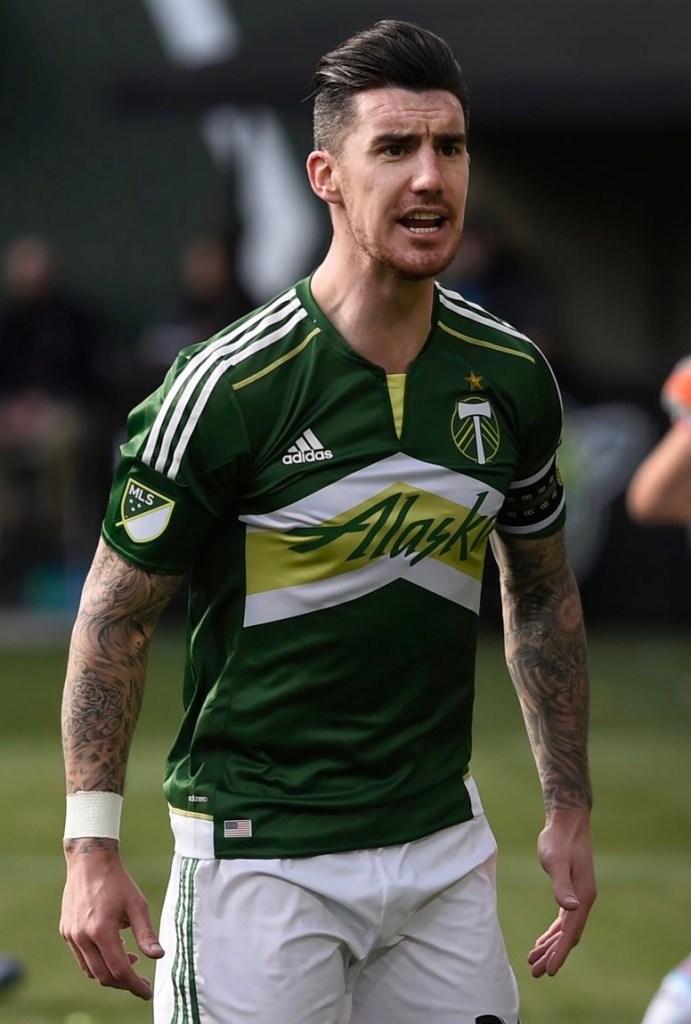
FORMER WEST BROM defender Liam Ridgewell played six games on loan for Brighton in the early part of 2016.

Ridgewell helped out when first choice left-back Gaetan Bong and deputy Liam Rosenior were both out injured.

He made six starts, starting in the FA Cup away to his old boss Steve Bruce’s Hull City, who won the tie with a single goal. His next game was also away, at Rotherham United, where Albion went down 2-0.

After that, he was on the winning side four times, as Albion beat Blackburn Rovers away and Huddersfield, Brentford and Bolton at home.

Albion’s matchday programme devoted a double-page spread to the loanee

Brighton wanted to extend the experienced defender’s loan but his parent club – MLS (Major League Soccer) outfit Portland Timbers – wouldn’t allow it and he returned to the States.

Albion manager Chris Hughton told The Argus: “He has certainly brought us a wealth of experience. We have to abide by the situation. In any way we could extend it for whatever, a further week or so, we’d be delighted to be able to do that, but I certainly can’t speak out of turn when he’s not our player.

Ridgewell returned to Portland Timbers after his brief loan with the Seagulls

“We have to respect everything his parent club want. He has certainly fitted in very well.”

Ridgewell explained the background to joining the Seagulls in an Argus interview with Andy Naylor, and on clinching the deal, Hughton said: “I know Liam very well from my time as manager at Birmingham City, and he is an excellent and important addition for us.

“He will bring extra experience to our defence at a crucial time and will give me an option both in the centre of defence and at left-back.

“Liam has played the vast majority of his career in the Premier League with more than 350 senior appearances and he’s also got experience of the Europa League and Championship from his time at Birmingham.”

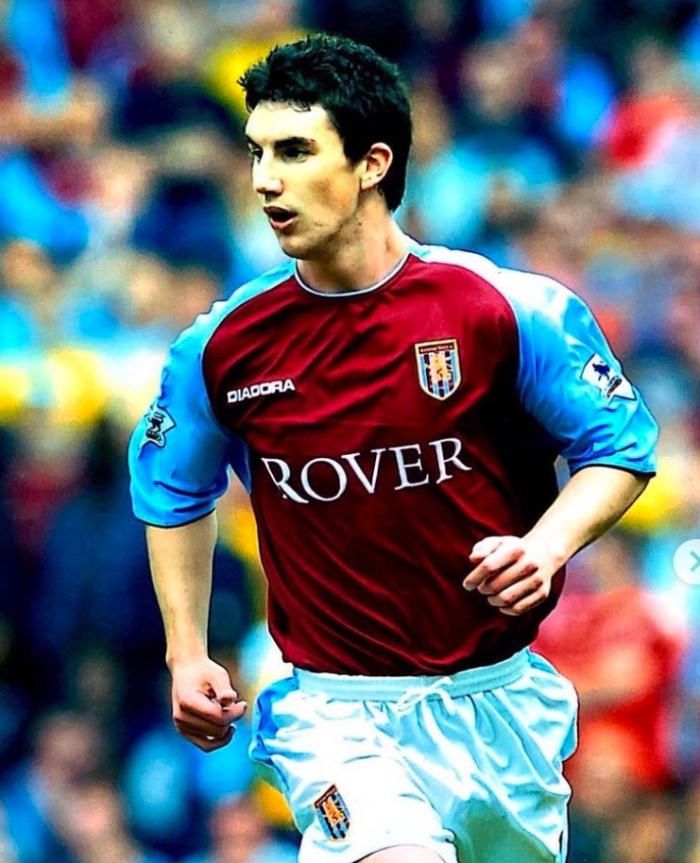
Born in Bexleyheath on 21 July 1984, Ridgewell went to Bexleyheath School and was on West Ham’s books for two years between 1999 and 2001.

After looking at the quality of players breaking through there, he took the bold decision to quit the Hammers and join Aston Villa’s youth set-up instead, which he spoke about in an interview with the Birmingham Mail.

“I had looked at what was already in the team – you had Michael Carrick coming through, Joe Cole, Rio Ferdinand, Richard Garcia – and I thought it might be time for a change.

“I was a south London boy, grew up around there and had all my friends there. But I thought if I got away it might focus me a bit more. It was a tough decision.

A youthful-looking Ridgewell made his breakthrough with Aston Villa

“I used to leave school early on a Friday afternoon to travel up to Villa for the weekends.

“I used to get the bus from my house to the train station, get a tube from Charing Cross to Euston and a train from London up to Birmingham all on my own.”

After joining Villa in February 2001, he was part of their 2002 FA Youth Cup winning side. They beat an Everton team featuring Wayne Rooney 4-2 over two legs. Villa’s goalkeeper was another Wayne – Henderson – who would later move to Brighton. The side also included Steven Davis, who went on to play for Southampton.

In the same year, Ridgewell was selected for the England under-19s and was sent out on loan to AFC Bournemouth, then in Division 3, where he made his league debut as part of a five-game loan spell.

Back at Villa Park, former England boss Graham Taylor gave him his first-team debut in a FA Cup tie against Blackburn in January 2003 when he came on as a substitute in a 4-1 defeat. He had to wait until December that year before getting his Premier League bow, again as a substitute, but this time in a 3-0 win over Fulham. He went on to make 11 appearances by the season’s end.

Under David O’Leary and, for a season, Martin O’Neill, Ridgewell made a total of 93 appearances for Villa before making what some fans would consider a controversial move.

In August 2007, Ridgewell became the first Villa player in 23 years to be transferred to bitter city rivals Birmingham. Des Bremner, brother of one-time Brighton striker Kevin, had been the last one, in 1984.

Steve Bruce’s £2m signing then found himself wearing the captain’s armband on his debut. “It’s one of the greatest achievements in my career,” Ridgewell told the Birmingham Mail. “It’s a real honour. I thank the gaffer for that. Hopefully I can continue as captain for a few more games before a few of the others come back in.

“It was fantastic to do it. I only found out before the game when we were on the pitch. The gaffer came up to me and asked would I have any problems doing it? I said none at all. It’s what I’m made for, it’s what I want to do. I want to captain sides and have a responsibility on me.”

Ridgewell subsequently played under Alex McLeish and Hughton for the Blues, winning promotion back to the Premier League in 2009 and the League Cup in 2011.

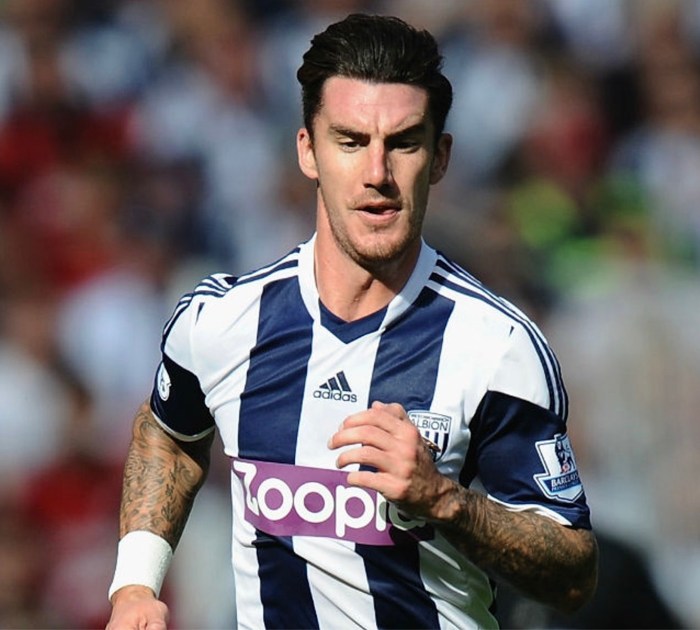
After a total of 175 appearances in four years, and on the back of a 6-0 win for Birmingham at Millwall, Ridgewell joined West Brom on deadline day in January 2012.

Ridgewell settled in quickly at West Brom

He couldn’t have wished for a better debut, as Albion recorded a memorable 5-1 win over Black Country rivals Wolverhampton Wanderers.

The Baggies were managed by Roy Hodgson at the time and, having initially been flirting with relegation from the Premier League, stayed up with results like a 4-0 victory over Sunderland and a 1-0 win over Chelsea that cost Andre Villas-Boas his job.

“Roy Hodgson was brilliant,” Ridgewell told The Athletic, in an interview in 2020.  “Roy knew how to make players feel and perform better than they were,” he said. “Everything was positional based. He let you do your own thing but he gave you the tools and the words to make sure you did it to the best of your ability in your own position. It was a clear message for me of how a manager gets the best out of players.”

When Hodgson left to manage England, Ridgewell continued as a Baggies regular for the next two seasons under Steve Clarke. Baggies escaped the drop by just three points in 2014, after Pepe Mel had taken over the managerial hotseat in January.

That summer, Ridgewell wanted to try something different and headed for the States to join Major League Soccer’s Portland Timbers.

In his five years with the Timbers, one of his highlights was captaining the side to a 2-1 MLS Cup win over Columbus Crew, a few weeks before his loan spell with Brighton during the American season’s winter break.

The previous season he’d returned to the UK in a similar arrangement to play six games on loan for Wigan Athletic in the Championship.

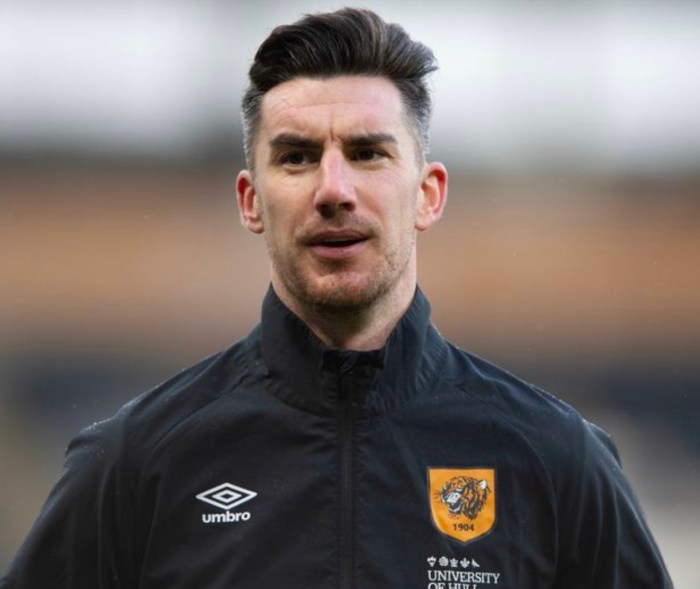
Ridgewell spoke about his time in the States on his return to the UK in January 2019, when he joined Hull City until the end of the season.

Back in the UK, Ridgewell spent half a season at Hull City

“I wanted to try something different and go out there with an open mind,” he told the Hull Daily Mail. “The league is completely different to what a lot of people expect. It’s grown bigger and stronger. I feel as fresh and as fit as when I first went there.”

To illustrate the point, he mentioned how he’d been up against the likes of Miguel Almiron, who subsequently joined Newcastle United for £20m.

“I loved it, it was great, really refreshing for me. It gave me another lease of life. It was something I needed to do, and I really loved it.”

In the summer of 2019, Ridgewell joined League One Southend United, but, having made only one appearance by December, quit playing to take up coaching.

He took to Instagram to reflect on his career, writing: “Football has given me the best life any little boy could wish for. There have been some massive highs and lows but now it’s time to hang up my boots and move on to the next chapter of my career.

“I’d like to say a massive thank you to all the coaches and managers who moulded me into the player I was. A special thank you to the late, great Graham Taylor for giving me my debut and the reason I was able to pursue my dream.”

In April 2020, Ridgewell spoke at length to Gregg Evans for an article on The Athletic, describing how lockdown had interrupted his plans to drop in on some of his old managers to gain knowledge and information in pursuit of his goal of becoming a manager.

“Moving into management has always been my aim,” he said. “I’ve always had a speaking role at every club I’ve been at. Whether it’s on the training pitch or during a game, I’ve always tried to help people out, too. With me being so vocal, I try to marshal teams in a certain way.”

He did some work with Aston Villa’s youngsters towards the end of 2020 but took on his first official coaching post in December 2020, as first team coach at Dover Athletic under former Gillingham boss Andy Hessenthaler.

It’s no surprise to discover Ridgewell (or Ridgy 6 as he’s known) has a veritable army of followers on Twitter – more than 42,000. Away from football, Ridgewell co-owns luxury swimwear business Thomas Royall, with fellow footballers John Terry and Sam Saunders.

Pictures from various online sources, and the Albion matchday programme.

Irish defender Stephen Ward surprised Albion supporters

SWARDWHEN Wolverhampton Wanderers slipped into the third tier, they urgently needed to loan out some of their higher-paid players – hence, in August 2013, the arrival at Brighton of left-back Stephen Ward.

Most Seagulls supporters were not sure of his attributes having had the pleasure the previous season of watching the imperious Wayne Bridge shine in that position while on loan from Manchester City.

However, Albion fans were delighted to be proved wrong after Ward helped to shore up a defence that had leaked seven goals in the first eight days of the season. The Irish international defender went on to make a total of 47 appearances and was runner-up to Matt Upson as Albion’s 2013-14 player of the year.

Ward also chipped in with four goals, including the tide-turning equaliser at Nottingham Forest on the final day of the season.

Forest equaliser

Although injury-hit Albion failed to get past Derby County in the play-off semi-finals, it was thought Ward would sign permanently for the Seagulls that summer. But Burnley stepped in, offering Wolves and the defender more money, not to mention the more immediate chance of Premier League football.

Ward’s agent, Scott Fisher, later told the Argus that dithering or perhaps a bit of brinkmanship by then head of recruitment David Burke had scuppered the deal.

“We really tried our best to make Stephen Ward a permanent Brighton player. Had they done their business earlier this wouldn’t have happened,” he said.

Ward spoke more about the circumstances in an interview with the Argus in April 2016.

Previously, as the season drew to a close, Ward told the Argus: “If I’m going to move on, I don’t see why this wouldn’t be one of the better options for me. I’ve been here for a year; I’ve really enjoyed it.

SW Argus

“I couldn’t say one bad thing about the club. The crowd we get, the stadium we have is phenomenal, probably the best in the Championship, and with the new training ground the club is on a real up and a real high.

“If I was to move on from Wolves, Brighton would definitely be high on the list. It’s not in my hands, it’s going to be in other people’s hands to discuss the future, but it has been a great move for me. I’ve really enjoyed it. It’s a really good club and one people should be privileged to play for.”

Ward went on to spend five years at Turf Moor, making 110 appearances, but only featured 11 times in the 2018-19 season, and manager Sean Dyche told punditarena.com: “He (Ward) has been brilliant for us, absolutely brilliant, he’s done a fantastic job.”

SW BurnPerhaps it was no surprise that former Albion coach Nathan Jones stepped in to sign the experienced defender for Stoke City, where he’d taken on an often-perilous managerial hotseat.

Jones said: “He’s had a fantastic career, the only downside for him is his age, because he isn’t what we normally go for.

“But I feel we need to add certain things to the changing room and the environment and Stephen brings those.

“He’s a wonderful player, a great character, very experienced. He’s been promoted – won the Championship twice. He’s an Irish international, I worked with him, he’s technically very, very good so he ticks every box. It’s just the aging process is the only drawback.

“With Stephen, he’s a specialist in what we need and he will provide vital competition and good strength in that area.”

Unfortunately Ward couldn’t claim a regular starting place and in December 2019 picked up a calf injury which sidelined him for four months. Having made only 17 appearances for City, in August 2020 he switched to League One Ipswich Town on a free transfer.

After playing 29 games for them in the 2020-21 season, the club announced on 5 May 2021 he would be released at the end of the season (one more appearance would have triggered a 12-month extension to his contract).

Born in Dublin on 20 August 1985, Ward grew up in Portmarnock and, as a schoolboy, played football for Home Farm and Portmarnock before joining League of Ireland side Bohemians.

He attributed his eventual success in making it as a player to staying in Ireland when he was younger and continuing to live at home rather than going to play at a UK club’s academy.

In an excellent lengthy interview with the Irish Independent, he said: “I had a few trials – Leicester a couple of times, I went to Aston Villa a lot and Hibs for some reason – nothing worked out and I signed for Bohs. And the most important thing for me then was living at home and having my family around me.

“It does depend on the academy, but you are in a bubble from a young age. You train in a certain way, everything is done for you; I know you get your jobs, but not that many now, and sometimes there is a mentality that once you are in an academy, you’ve made it. I was 17 and played in a league where players were playing for their mortgages and to put food on the table.”

Originally a forward, he scored 26 goals in 93 appearances, and, having been looked at by Sunderland boss Mick McCarthy and deemed not quite ready, McCarthy kept tabs on him when he took over at Wolves.

“I signed for Wolves as a striker,” Ward told the Irish Independent. “I was not a typical number nine, scoring 20 or 30 a season, but an old-fashioned centre-forward running round, closing down.

“We signed a couple of strikers – Sylvan Ebanks-Blake and Chris Iwelumo – and I knew if I was going to play consistently it was probably not as a centre-forward. So, I went to left-wing for a bit.

“I played at left-back at Norwich for 30 minutes or so when we went down to nine men. We scraped a draw and afterwards Mick said, ‘You could make a career playing there.’ I thought, ‘Yeah, whatever’. Next season, three games in, and new left-back George Elokobi suffers an awful injury, the window was shut and Mick had no one else . . .”

On the international stage, Ward played through the age levels for the Republic of Ireland and had a dream full international debut in May 2011 as he scored in a 5-0 win over Northern Ireland.

He went on to play 50 times for his country before announcing his retirement from international football in March 2019.

Ice man Ivar slotted in well to Coppell’s relegation battlers

VERSATILE ICELAND international Ivar Ingimarsson was one of the first players Steve Coppell turned to when manager at three different clubs.

The combative defender or midfield player originally played for Coppell at Brentford and, after the former Palace boss took charge of the Seagulls, Ingimarsson was brought in on loan from Wolverhampton Wanderers.

Later, when he managed Reading, Ingimarsson joined Coppell’s new regime at the Madejeski Stadium, and went on to become a legendary part of their rise to the elite.

Ingimarsson arrived at the Withdean Stadium in February 2003 making his Albion debut in a 1-0 away win at Bradford City on 15 February. He took over from Robbie Pethick and kept the no.20 shirt through to the end of the season.

Ivar action

In an interview with Brian Owen of The Argus in 2016, he said it was one of his best times in English football, and described how Coppell set up teams in a way players could understand.

“That is what Steve Coppell did there – and with Reading,” he said. “Brighton was up there as one of the best times. I loved the city and the atmosphere and the buildings and culture.

“I think if we had played like that for the whole season, we would have been well up the table. That had a lot to do with Steve Coppell.”

Born in the Icelandic capital Reykjavik on 20 August 1977, Ingimarsson was raised in the tiny village of Stöðvarfjörður in the east of the country and after taking up football locally he went on to play for Valur between 1995 and 1997, then moved on to IBV, a side which won the double of Icelandic Premier League and Icelandic Cup in 1998.

He played for Iceland’s under 17 international side 16 times in the 1993-94 season, represented the under 19s 11 times in 1995-96, move up to the under 21s and played 14 times between 1996 and 1999 and then over nine years played for the full international side 30 times.

Eyeing a move to England in 1999, Ingimarsson initially went on loan to Torquay United in October that year but after only four appearances his parent club did a permanent deal with Brentford which saw him sign for £150,000.

Ingimarsson spent nearly three years with the Bees, making 113 appearances, and was player of the year in the 2001-02 season which culminated in the side losing the Second Division play-off final to Stoke City.

It seems financial pressure forced Brentford to release the player on a free transfer and Wolves boss Dave Jones snapped him up and took him to Molineux.

S Rodger v Ivor Ingimarsson“I’m really looking forward to playing for Wolves,” Ingimarsson (pictured above being tackled by Albion’s Simon Rodger) told the club’s official website. “I was impressed with what Dave Jones had to say to me and although I knew other clubs were interested in me I knew this was the place to be.
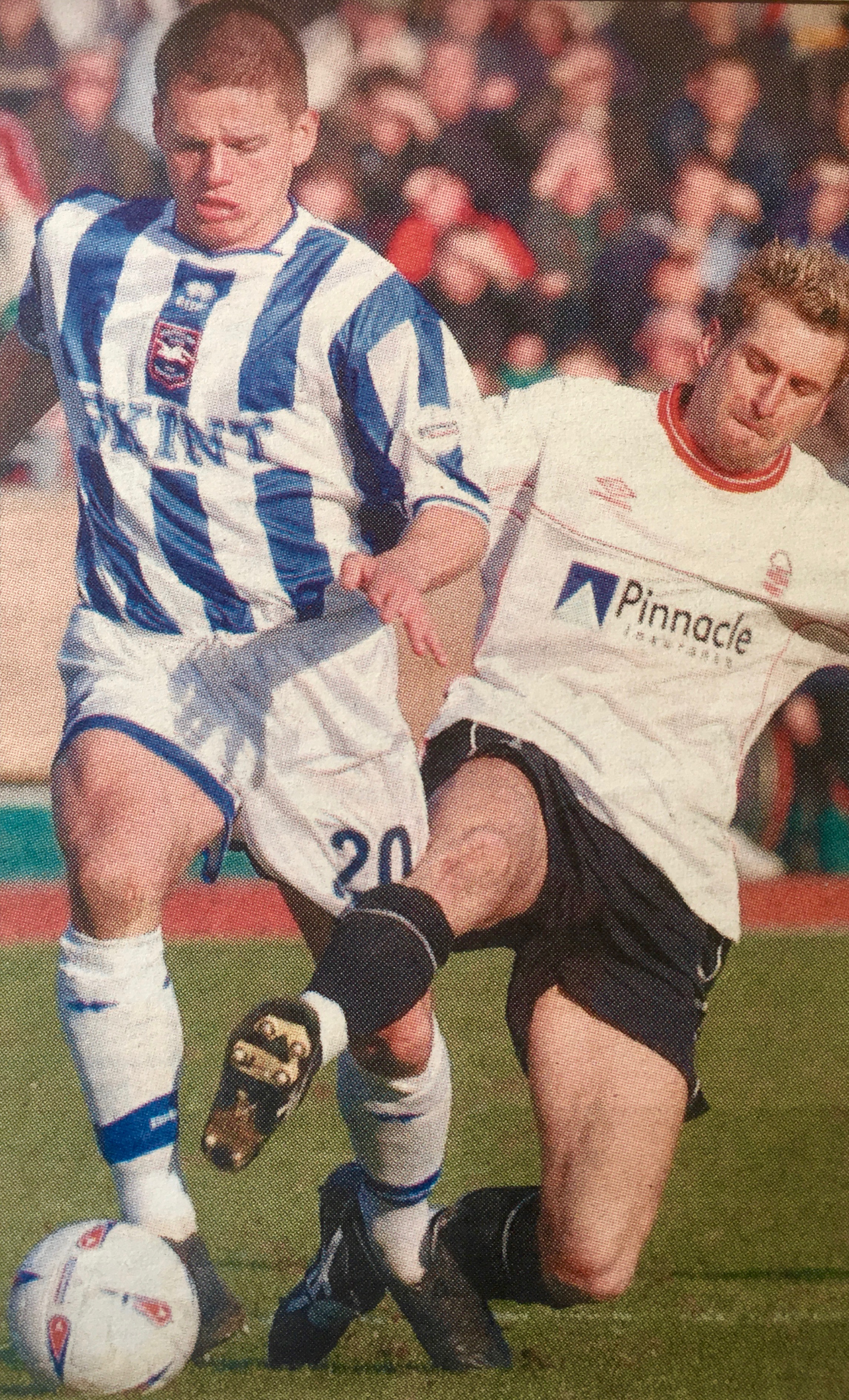
“It’s a big club with big ambitions and I want to be a part of it. People say that Wolves should be in the Premier League and everyone seems determined to put that right this year.”

However, his opportunities at Wolves were limited and he made just 13 appearances for them, one of which included a 1-1 draw at home to Brighton which was Coppell’s fourth game in charge. Three months later, Coppell took the opportunity to take Ingimarsson to Brighton to try to bolster the club’s efforts to stay in the second tier after a disastrous start under Martin Hinshelwood.

Ingimarsson initially joined for a month but ended up staying to the end of the season, making 15 appearances as Coppell’s side fought a valiant but ultimately unsuccessful fight to stay in the division.

ivar ingimarssonOn signing him, Coppell told bbc.co.uk: “He’s a terrific athlete. He will fit in with the players we have and that’s an important ingredient in anyone coming to this club.

“It’s an extra body. We’ve got seven games coming in March and I wouldn’t be doing my job properly if we lost matches because of lack of numbers and personnel.”

Once Coppell had been poached by Reading to succeed Alan Pardew as manager of Reading, Ingimarsson was one of the first signings he made, for a £175,000 fee. There he linked up once again with Steve Sidwell, who Coppell had also managed at Brentford and Brighton.

It was at the Madejeski that Ingimarsson enjoyed the most successful period of his career, forming a defensive partnership with Ibrahima Sonko, which he talked about in an interview with Stuart Fagg.

Over eight years at the club, the popular Icelander amassed a total of 282 appearances for the Royals. He was part of the side that won promotion to the Premier League in 2006, he was voted player of the year in 2006-07 and, in 2009, took over as club captain.

After his time at Reading came to an end in 2011, he was offered a one-year deal by Paul Jewell at Ipswich Town but, with his appearances restricted to six starts and two off the bench, he mutually agreed to leave Portman Road in January 2012.

On retirement from the game aged 34, he returned to his home in the east of Iceland where he runs two guest houses and a farm, which he spoke about in that extended interview with Brian Owen of The Argus.

Cherries legend Mark Morris and the memorable Storer moment

mark morris bw bourne

STUART Storer is rightly remembered as the scorer of the vital winner against Doncaster Rovers in the last ever match at the Goldstone Ground.

Few remember exactly how the ball fell kindly to him that rain-lashed afternoon on 26 April 1997, but close scrutiny of the much-played clip before games at the Amex (also available on YouTube) shows it was from a rebound off the bar following a header by centre back Mark Morris.

Although defending was his priority, Morris had chipped in with a fair few goals over the years – including getting the winner for the Albion on his debut in a 3-2 win at Hartlepool on 2 November 1996.

Morris was a seasoned pro who had captained Bournemouth and Wimbledon and been part of a promotion-winning side at Sheffield United.

He had answered the call to join Brighton when his old Bournemouth teammate Jimmy Case was manager, as he told The Argus in a 2001 interview. The Seagulls were struggling at the foot of the bottom division with the trapdoor to oblivion gradually creaking open.

Maybe if the Morris header had gone in rather than rattling the bar, a different name would have been etched into the annals of Albion history.

Of the vital last-ditch game at Hereford, Morris told The Argus: “As a player, we were playing for the future of a club steeped in tradition. It was one of the biggest games in my career and the result was paramount.

“I was about 35 then. It was getting to be close to the end of my career and I wanted to end on a decent result. Hopefully I played some part in keeping the club up.” Continue reading “Cherries legend Mark Morris and the memorable Storer moment”

Paul McShane wrote his name in Albion’s history in one season

McShane

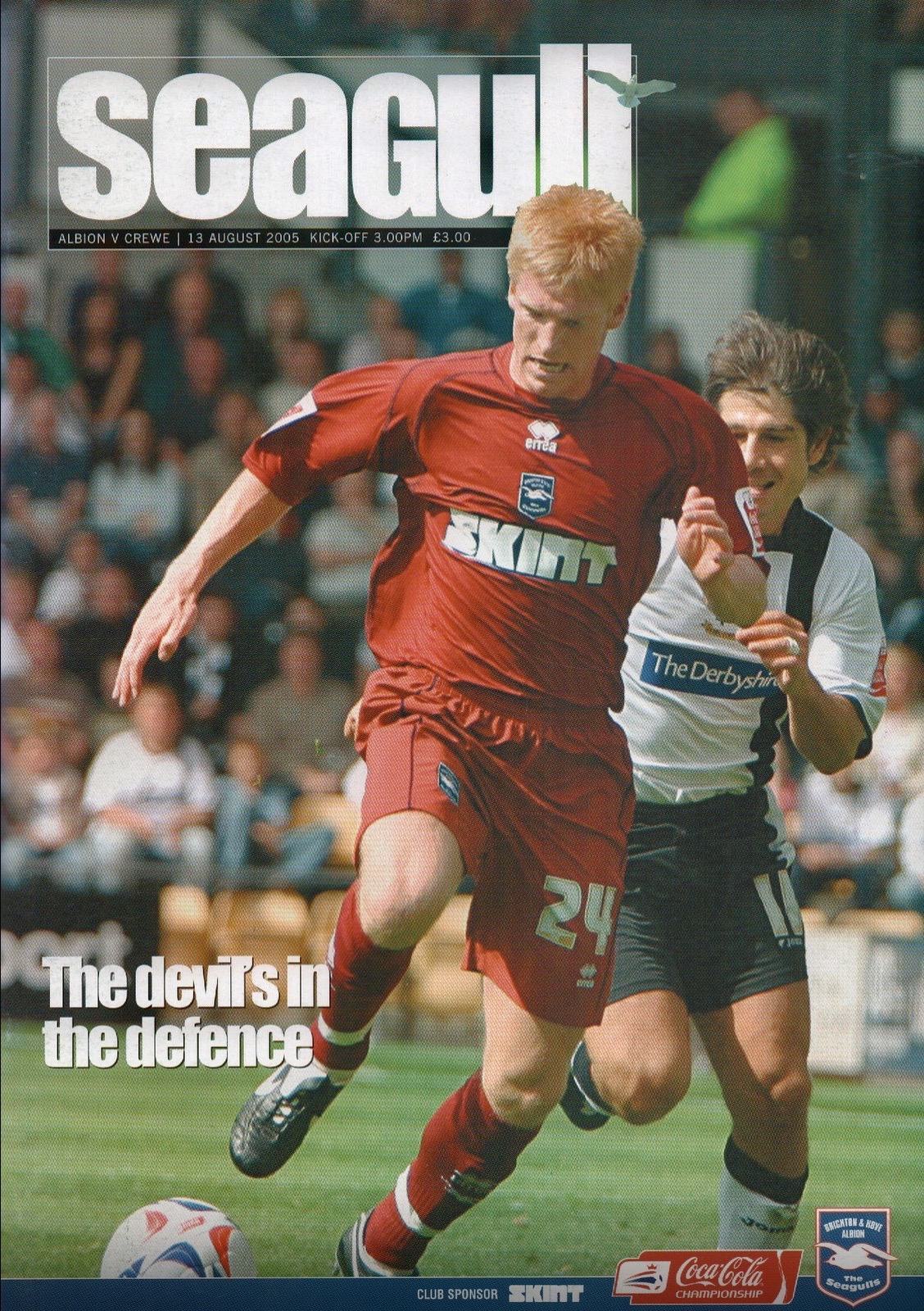
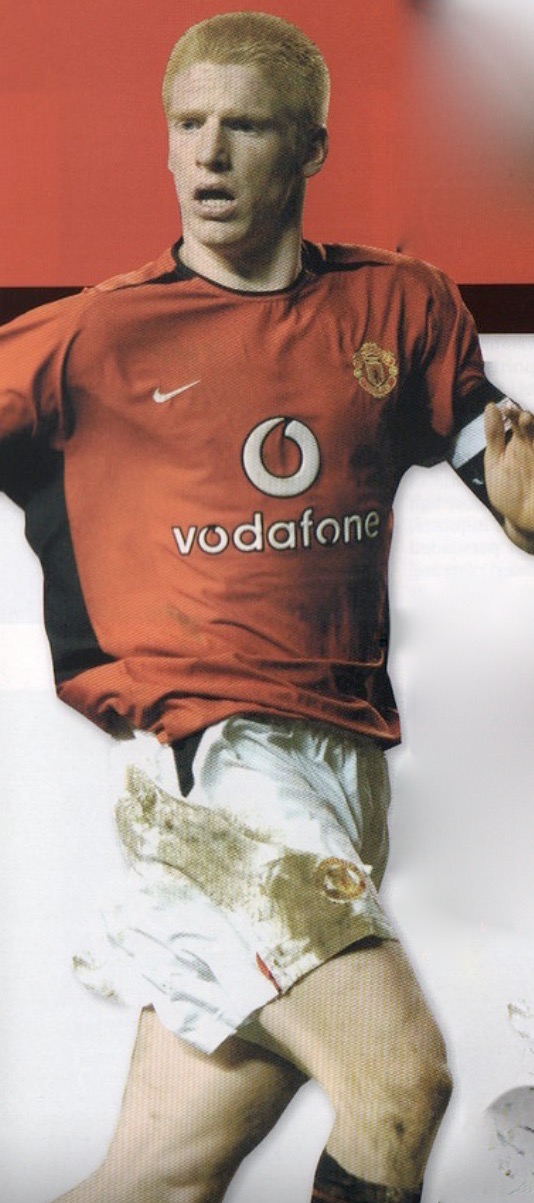
FLAME-HAIRED Irish centre back Paul McShane was a complete revelation during a season on loan to Brighton from Manchester United.

The 2005-06 season ended ingloriously for the Seagulls but McShane was imperious, given a platform to launch a career which saw him play most of it in the second tier of English football, and almost 100 times at the top level, together with earning him 33 full caps for his country.

Although he was given a squad number by United, and had been selected by Sir Alex Ferguson for pre-season matches, McShane didn’t get the chance to play any proper competitive football for United’s first team.

United reserve team manager, Brian McClair, a former Celtic teammate of Albion manager, Mark McGhee, could see the benefit of giving McShane first team football at a decent level and an initial half-season loan was agreed, then, in January, it was extended to the season’s end.

Brighton were missing the long-term injured Adam Hinshelwood and although veteran Jason Dodd had been signed to add experience to the defence, his season was to be plagued by injury, so McShane was a near permanent fixture alongside Guy Butters in the centre of the back four.

The young defender shared a flat in Hove with fellow Republic of Ireland international Wayne Henderson and in an early season profile article, Butters was quick to acknowledge the quality of the youngster. “He is an excellent player. He’s only 19 but you see he’s got that Premiership quality about him,” said Butters. “He’s very confident; he likes to bring the ball down and play.”

The former Spurs and Portsmouth defender said he reminded him of Richard Gough, a former teammate at Tottenham. “He’s strong; not the tallest, but makes up for that with his great leap. Very good on the ball, quick and great in deep positions.”

McShane coverHis passion and aggression sometimes got the better of him and the only reason he wasn’t ever present was a penchant for bookings – 12 over the course of the season – which earned suspensions, and a couple of injury-induced absences. And he was missed when he wasn’t available.

After he’d picked up an ankle injury that required him to return to Old Trafford for treatment, the matchday programme put together an article extolling the merits of the young defender in which it said: “Paul’s cool reading of the game and his ability to overcome some of the most effective attacking players in the division marked him out as a fine prospect, and he proved competitive in the air and on the ground, his pace and positional sense being a real asset.”

In their end-of-season player ratings, the Argus summed up his contribution thus: “Talent and determination in abundance. Rash in the tackle at times but that is a product of his insatiable hunger. Will be sorely missed next season.”

Such was the impact of McShane’s outstanding performances over the course of the season that he was selected as the Player of the Season, the first time a loan player had ever been given the honour.

Butters was convinced it was the right choice and told the Argus: “He’s done really well for us. He’s scored some vital goals. Obviously the one away to Palace springs to mind.

“He has been solid all-round. He is very aggressive, ultra-competitive and hates losing, even in training.”

It’s perhaps inevitable that any player who scores a winning goal against arch rivals Crystal Palace earns a place in Albion folklore. McShane’s scruffy effort, which appeared to go in off his shoulder, at Selhurst Park on 18 October 2005 proved to be the only goal of an intense scrap but how it went in became irrelevant as time passed.

“Crystal Palace was a special night, because of the rivalry,” said McShane. “It was a great atmosphere and scoring that goal was brilliant.”

He scored three other goals over the season, including a crucial opener in a 2-0 win away to Millwall as the Seagulls put up a valiant, but hopeless, fight to avoid the drop, but it will always be the goal at Selhurst that fans remember most.

McShane confessed in an interview with Andy Naylor in the Argus that relegation had hurt, but the season for him had been “brilliant” and “a great experience”.

He said: “It has given me a chance to get out there and make my name in the Championship and I think I have done that well enough.

“It has given me a great opportunity to get the experience I need to take back to Manchester and hopefully give it a good crack there, because I’ve learnt so much this season.

“Brighton have been brilliant to me. They’ve treated me really well. They’ve made me feel very welcome, the fans and the people around. That has helped a lot. It has been great.”

In conclusion, he told Naylor: “The club is part of me now. You never know what will happen in the future but Brighton will always have a place in my heart.”

Perhaps rather presciently, Naylor commented: “McShane’s fierce commitment is unlikely to be seen in an Albion shirt again. If he does not make it at Manchester United, there are sure to be Championship clubs interested in signing him.”

With Rio Ferdinand and Nemanja Vidić United’s regular centre back pairing, and Wes Brown as back-up, it was always going to be a difficult ask to dislodge them, and in August 2006 McShane left Old Trafford together with goalkeeper Luke Steele as makeweights in the deal that took goalkeeper Tomasz Kuszczak to United.

mufcmcshaneMcShane and Steele had both been members of United’s winning FA Youth Cup team of 2003, a side which also included Kieran Richardson and Chris Eagles, who went on to make names for themselves in the game.

McShane, born in Wicklow on 6 January 1986, played hurling, Gaelic football, rugby and badminton (his dad, Sean, and uncle played Gaelic football for Dublin) in his early years in Ireland but eventually began to demonstrate his soccer prowess with junior clubs and was playing for St Joseph’s Boys AFC in Dublin when United snapped him up in 2002.

“I was 16 when I signed; I wasn’t going to until I went to Old Trafford with my mum and dad,” McShane said. “It was so down to earth for such a big club. I would be getting the best coaching and training, also playing with some of the best players in the world.”

He added: “Alex Ferguson has been brilliant to me and my family; a very nice man. He just cracks jokes all the time.”

After his success with United’s Youth Cup team, McShane’s first senior football came in 2004 during a brief loan spell with Walsall, where he played four games and scored once.

At Championship West Brom, McShane played 42 games in the 2006-07 season as the Baggies finished fourth and agonisingly lost to Derby County in the play-off final.

Before the new season got underway, McShane was one of 12 new signings manager Roy Keane made for Sunderland, newly-promoted to the Premier League.

He scored an own goal in only his second league game but Sunderland salvaged a 2-2 draw at Birmingham and he went on to make 21 appearances (plus one as sub) as the Black Cats finished just three points clear of the drop zone.

In the following season, McShane went on loan to Premier League new boys, Hull City, and having played 19 games for the Tigers made the move permanent the following season. The KFC Stadium would be his home for the next six years, although he was sent out on loan twice, to Barnsley in 2011 and Crystal Palace in 2012.

In the final game of the 2012-13 season, McShane scored a vital goal for Hull which guaranteed them promotion back to the Premier League, and he earned a new two-year contract from manager Steve Bruce.

However, with Curtis Davies, Alex Bruce and James Chester ahead of him, his appearances were limited, although he did get on as a substitute in Hull’s 3-2 FA Cup Final defeat to Arsenal.

McShane featured 23 times as Hull relinquished their Premier League status in 2015, and he was among six players released by the club, including Liam Rosenior, who moved to Brighton, of course, and goalkeeper Steve Harper, who’d had a short loan spell at Brighton from Newcastle.

McShane wasn’t without a club for long, and joined Reading in July 2015, with manager Steve Clarke telling the club website: “I knew that Paul’s contract with Hull City was due to expire and was always monitoring the situation. When we met up earlier in the summer for a chat I knew that Paul would be a good signing for Reading FC and I’m pleased that we managed to get the deal completed.

“As well as his obvious talents as an experienced defender who is aggressive both in the air and on the ground, I felt that he was a good character to bring into our squad.
“Paul has gained good experience at many clubs and, like Stephen Quinn, was an important part of a promotion-winning team. He has a winning mentality and it will be good for our two young central defenders, Michael Hector and Jake Cooper, to train and play alongside Paul.”

After four years at Reading, over which he played 103 games, in 2019 McShane switched to League One Rochdale.

In July 2021, McShane returned to Man Utd as player-coach for the under 23 side and made two appearances for the under 21s in the EFL Trophy as an over-age player. When he retired from playing at the end of the 2021-22 season he took up the role of professional development phase coach (covering under 18s through to under 23s).

“I’m calling it a day playing now,” he told manutd.com .”I’ve had 20 years playing and I’ve come back into the club as a player-coach in the under 23s. It’s been a great year and great experience but now it’s time to fully focus on the next stage of my career, which will be in coaching.

“It’s amazing how things work out. It’s a great way to end my career, to come back here and help the future generation with their careers. It was perfect, to be honest with you, when this role came about, and I’m grateful to the people who made it happen. I think it’s a great way to end my playing days.”