
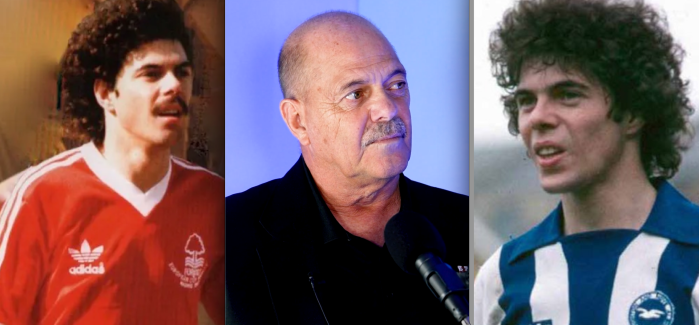
NOT FOR THE first time, Peter Ward was in the headlines for scoring at Brighton’s Goldstone Ground – but this time it was in the colours of Nottingham Forest.
It was 20 February 1982 and the quicksilver striker whose goals had endeared himself to the Goldstone Ground faithful as the Albion rose from the third tier to the elite netted against his old pals.
He didn’t score many headers but he did on his return to Hove with Forest and his goal on the stroke of half-time was the only goal of the game.
It was also something of a rarity because, although he’d been a prolific scorer for Brighton, it was one of only seven he scored in 33 appearances for Forest.
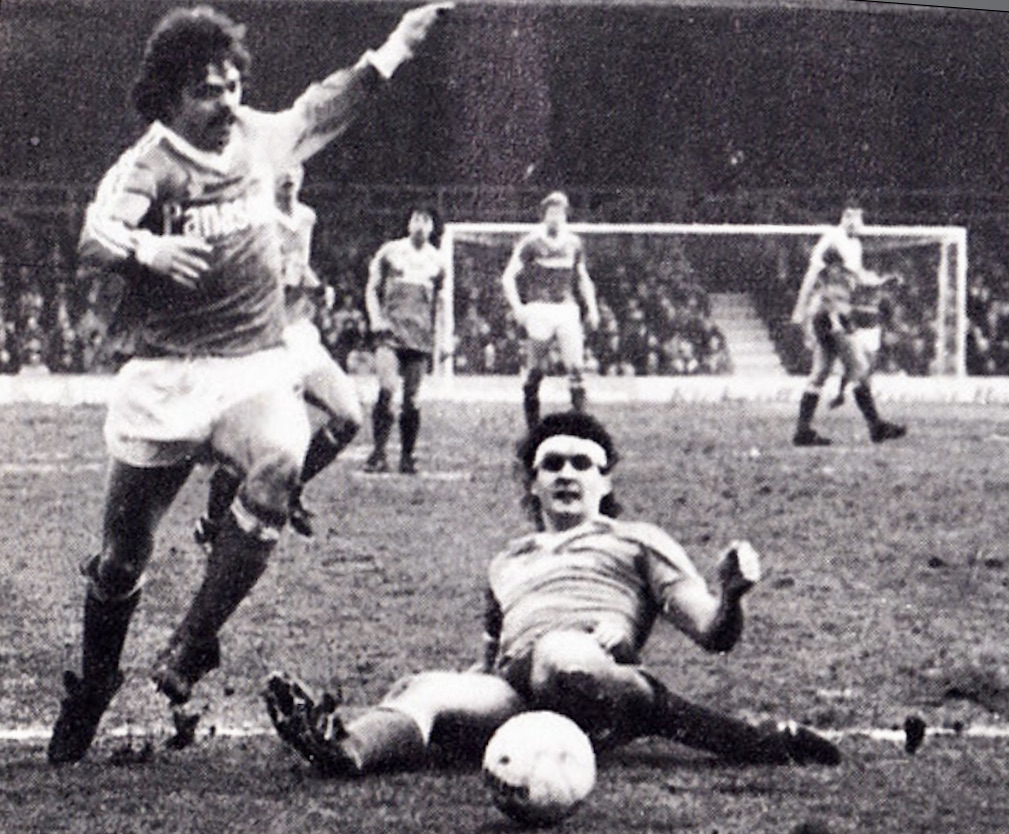
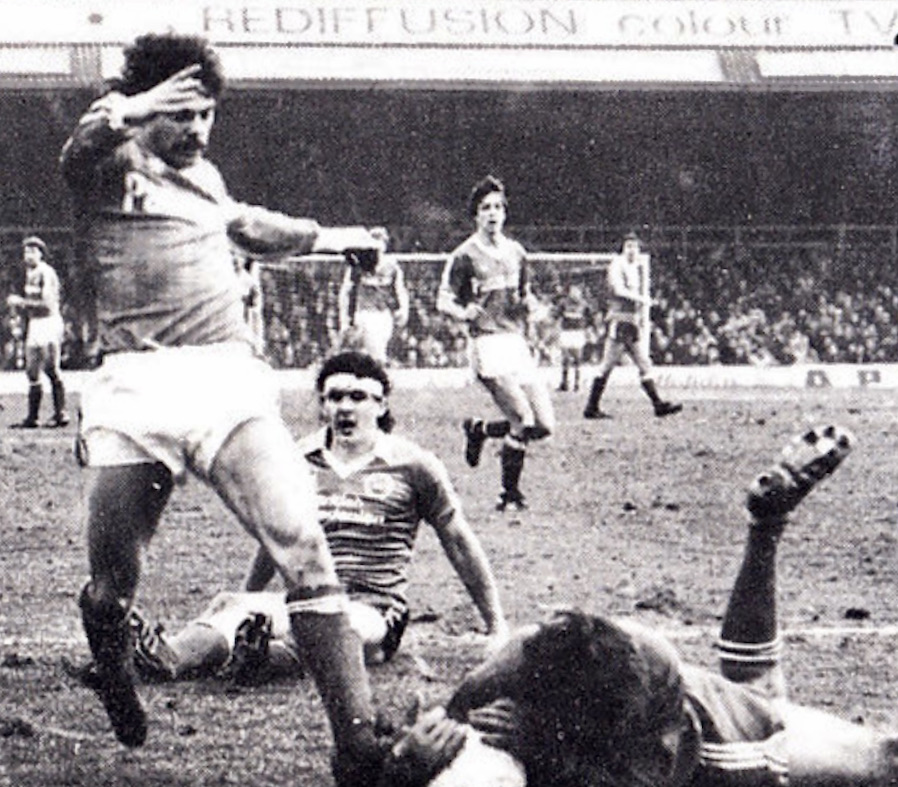
“Brighton’s one-time hero Peter Ward turned villain by firing Forest’s winner,” wrote Arthur Hopkins in the Sunday Mirror. “His artistry and aggression also appeared to damage Steve Foster’s chances of gaining his first cap for England. (It didn’t: Foster made his England debut three days later in a 4-0 win at Wembley over Northern Ireland and so became the first Albion player for 57 years to play in a home international for England).
“Brighton manager Mike Bailey agreed that Foster was one of three defenders who should have shut out Ward in the 45th minute,” wrote Hopkins. “The pint sized striker headed in magnificently from a Bryn Gunn cross….watched by England manager Ron Greenwood. Ward took on Foster and Co almost on his own, twisting and turning confidently.”
In similar vein, Paul Parish in the Sunday Express, wrote: “Peter Ward went back to Brighton to revive memories of his glittering goalscoring days at the Goldstone Ground….and ended Nottingham Forest’s barren run of six weeks without a win.”
The veteran Argus Albion scribe John Vinicombe said Ward was “often quite scintillating” leading his old club a merry dance and “impudently settled the issue with a header, which has never been his strong department”.
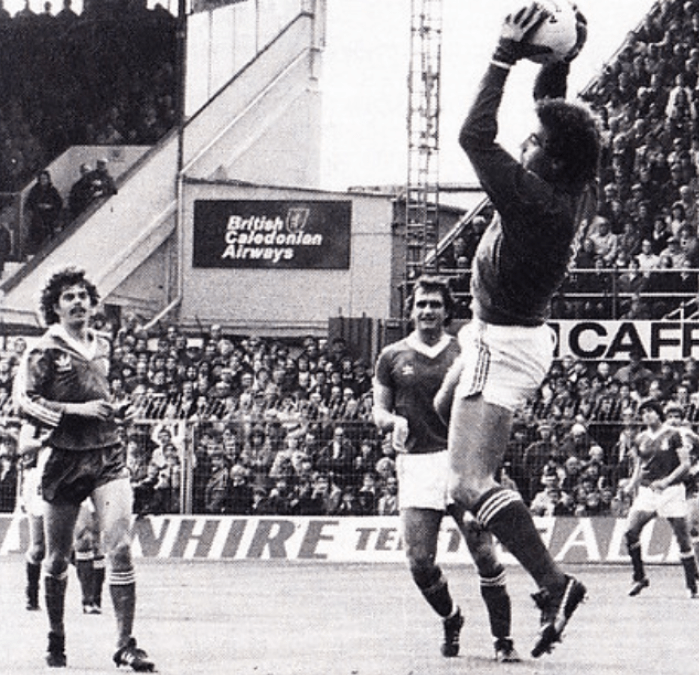
The corresponding fixture in the previous season (on 11 October 1980) had been Ward’s last game for the Albion before moving to the opposition (the visitors won 1-0 that day too, Ian Wallace scoring on the stroke of half-time and Peter Shilton having a blinder in goal).
Ward had come close to joining Forest a year earlier, when the man who’d bought him for the Albion, Brian Clough’s assistant Peter Taylor, had reached an agreement with Brighton chairman Mike Bamber. But Clough pulled out of the deal at the last minute, a decision that irked his long-time managerial partner, who revealed in his autobiography With Clough by Taylor: “I wish Peter Ward had signed for us earlier. I saw Ward slotting straight into (Tony) Woodcock’s position, with Trevor Francis striking from midfield; everything about the deal looked right, yet everything went wrong.”
Born in Lichfield on 27 July 1955, Ward was only 4’8” when he left school and, because he was told he was too small to make a career playing football, he got a job as an apprentice engine fitter at Rolls Royce and played local football in the Derby area in his spare time. The detail of those early years can be discovered in Matthew Horner’s excellent biography of Ward (He Shot, He Scored, Sea View Media), and in my previous blog post on Ward.
Scout Jim Phelps recommended Ward to the then non-league Burton Albion manager Ken Gutteridge having worked with the freescoring player at a Sunday afternoon side, Borrowash United.
Taylor recalled that back in 1975 his assistant at Brighton, Brian Daykin, had not been convinced on first scouting Ward. But Gutteridge, who’d managed the player at Burton and then moved to the Albion as a coach, insisted they both take another look, after which they reckoned Ward had shown enough class touches on a bad pitch to warrant a £4,000 gamble.
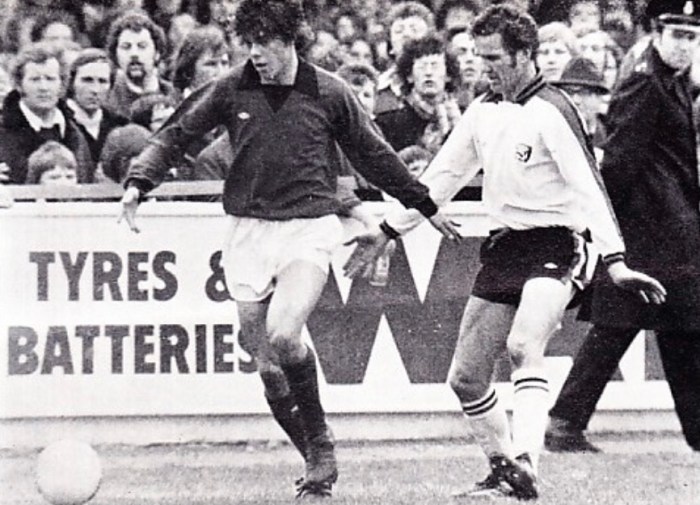
The gamble paid off big-time for the Seagulls. Ward scored after just 50 seconds of a 1-1 draw at Hereford United on 27 March 1976 in front of the Match of the Day cameras, the first of 95 goals in 227 appearances for the Albion.
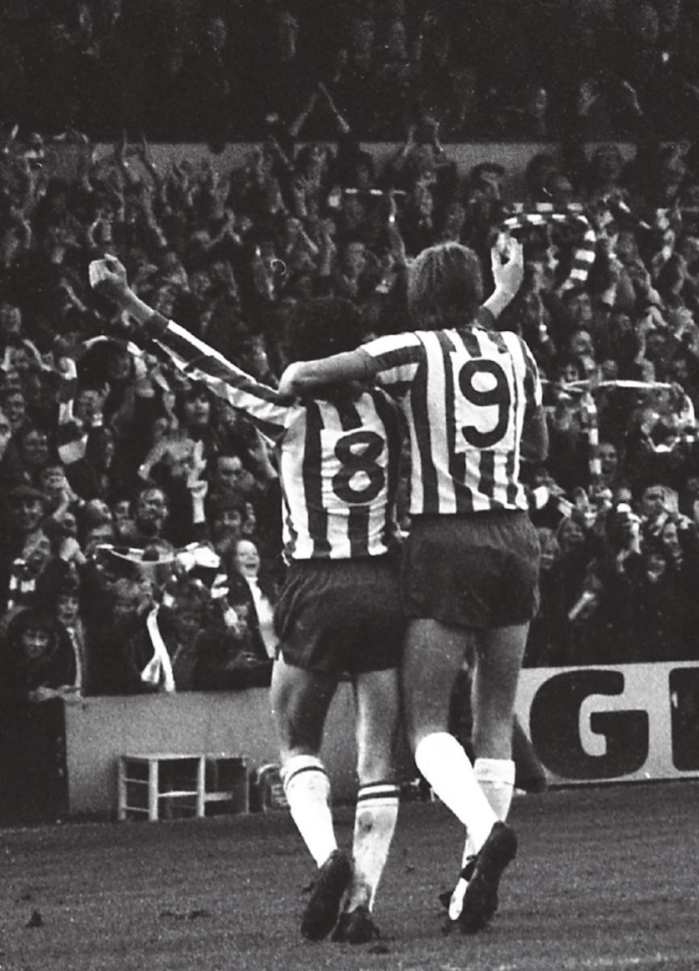
After Alan Mullery succeeded Taylor, Ward just got better and better playing alongside Ian Mellor and set a club record of 36 league and cup goals, topping the national scoring charts, in the 1976-77 season as Albion won promotion from the third tier. Although he never hit such heights again for the Albion, he was top scorer for the next three seasons: bagging 17 and 13 in what is now known as the Championship and 18 goals in the top division.
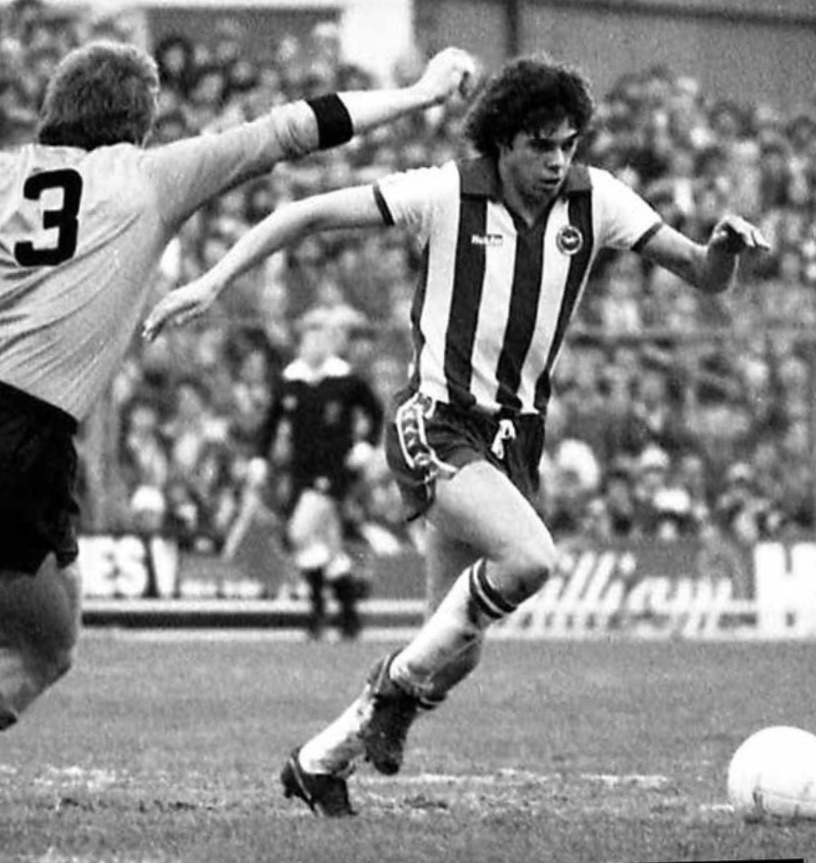
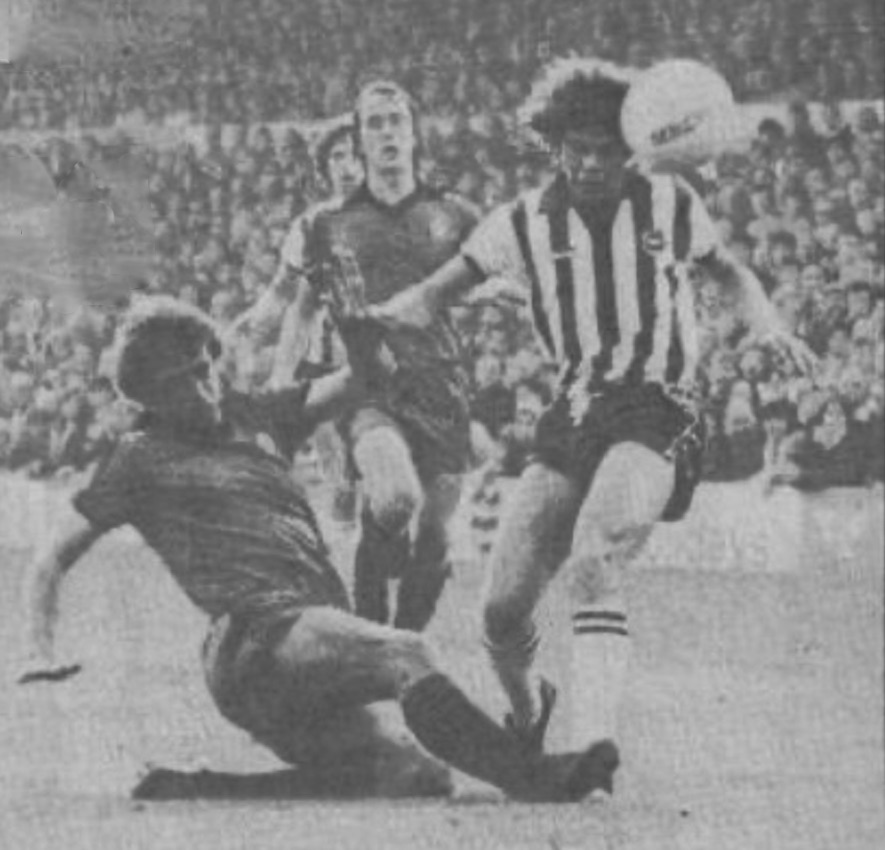
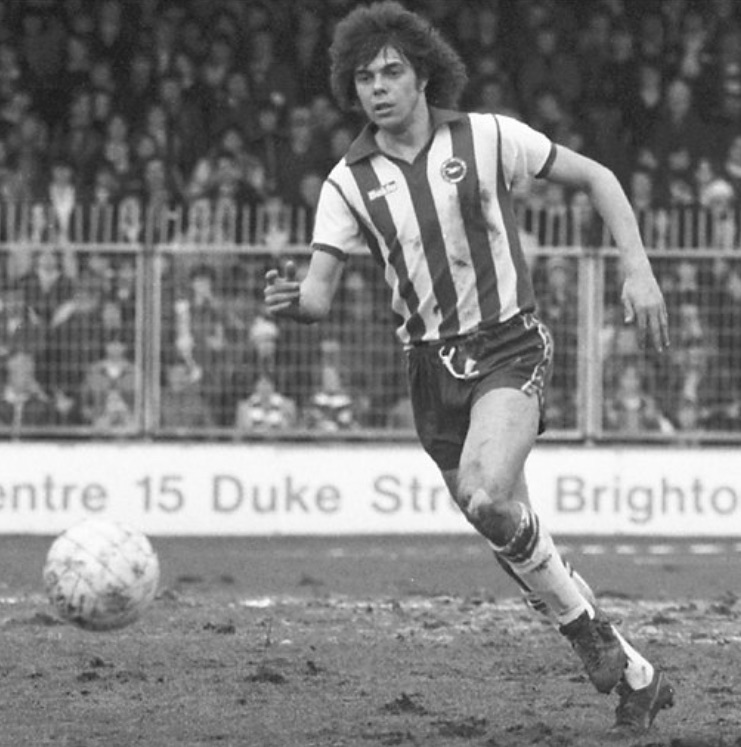
Unsurprisingly, there was international recognition of his feats, first for Dave Sexton’s England under-21s in September 1977 for a game against Norway at the Goldstone Ground when he scored a hat-trick in a 6-0 win. The following month Hove-based Greenwood called him up to the full England squad for a game against Luxembourg, although he wasn’t involved in the match.
When Albion struggled to come to terms with life amongst the elite, and Ward managed only two goals in the first three months of the 1979-80 season, Mullery was prepared to swap him with Derby County’s Gerry Daly – but Daly rejected the idea.
Then, with Taylor pulling the strings, Forest had a bid for Ward accepted by Albion, but Clough changed his mind and withdrew the offer. Clough doubted his mate’s judgement and asked: ‘Are you right about Ward?’
“I felt floored and insulted,” said Taylor. “‘Right?’ I shouted. I’ve got every detail about him except his fingerprints. I’ve bought him once; I’ve played him. He’s tried and tested. I know him as well as I know you’ – and with that, I left the ground.”
Taylor pointed out: “Ward has scored a hat-trick for England Under-21s and had a place in the full England squad but I don’t think he’ll realise his full potential because of inconsistency. Yet I like him. He is very good with his back to goal because he can turn and lick defenders and finish. That’s a rare quality – sticking it in the net.”
All this happened shortly before bottom-of-the-table Brighton – winless for 11 matches – prepared to visit third-placed Forest, the European champions, league runners up and League Cup holders who’d not lost a game at home for 49 matches.
So, the stage was set and if Ward felt he had a point to prove, he certainly delivered. “Apparently unwanted, Ward positively sparkled and caused havoc in the Forest defence,” Tim Carder and Roger Harris’ history of the Albion noted.
Gerry Ryan’s goal in the 12th minute stunned the City Ground and a rearguard action led by debut-making experienced defender Peter Suddaby alongside the outstanding Foster, plus a Graham Moseley penalty save, enabled Albion to pull off the unexpected and record their first away victory in the top-flight. It was Forest’s first home defeat in the league for more than two years.
Ward, with a new strike partner in Ray Clarke, returned to his old goalscoring ways across the remainder of the season and Albion retained their top tier status. At the end of that season, Ward won his one and only full England cap, going on as a late substitute for Alan Sunderland when England beat Australia 2-1 at the Sydney Cricket Ground on 31 May 1980 (Glenn Hoddle and Paul Mariner scored for England). Joe Corrigan was in goal for England and Russell Osman played alongside Terry Butcher in the heart of the defence.
As for Ward, Forest didn’t give up on him and almost a year after their previous stalled attempt to prise him away from Brighton, they finally did the deal.
He’d been ever present for Albion since the start of that campaign but had only scored twice.
Although Ward hadn’t always seen eye to eye with Mullery, the news he was moving on took him by surprise. He only found out when he was at a friend’s house and it came on the news!
In a curious transfer triangle, Forest wanted Ward to replace Garry Birtles, who they’d sold to Manchester United and United’s Andy Ritchie in turn moved to Brighton to fill the vacancy made by Ward’s departure to the East Midlands.
Hindsight is a wonderful thing, of course, but in 2020, speaking to Richard Newman on the Football, Albion and Me podcast, Ward said: “Looking back now, maybe I should have stayed at Brighton a bit longer.”
One thing was for sure, the man who’d first brought Ward to Brighton, Taylor, rated him highly and went on record to explain why he was worth the £400,000 Forest paid for him.
Ward had made his debut in Forest’s 2-1 win over Leeds on 22 October 1980 and scored his first goal for them in his third game, a 2-1 home win over Southampton. Taylor told Shoot! magazine: “Ward tore Leeds apart. His speed, skill and eye for openings proved too much for them.”
In the days when most clubs chose one tall striker and a nippy shorter one alongside, some observers questioned Forest pairing the diminutive Ward and Ian Wallace (a £1.25million signing from Coventry). Taylor rebuffed it, saying: “There is a lot of nonsense talked about how tall strikers should be. The important question for any managerial team is… can this lad play? In the case of Peter Ward, the answer is definitely ‘yes’.”
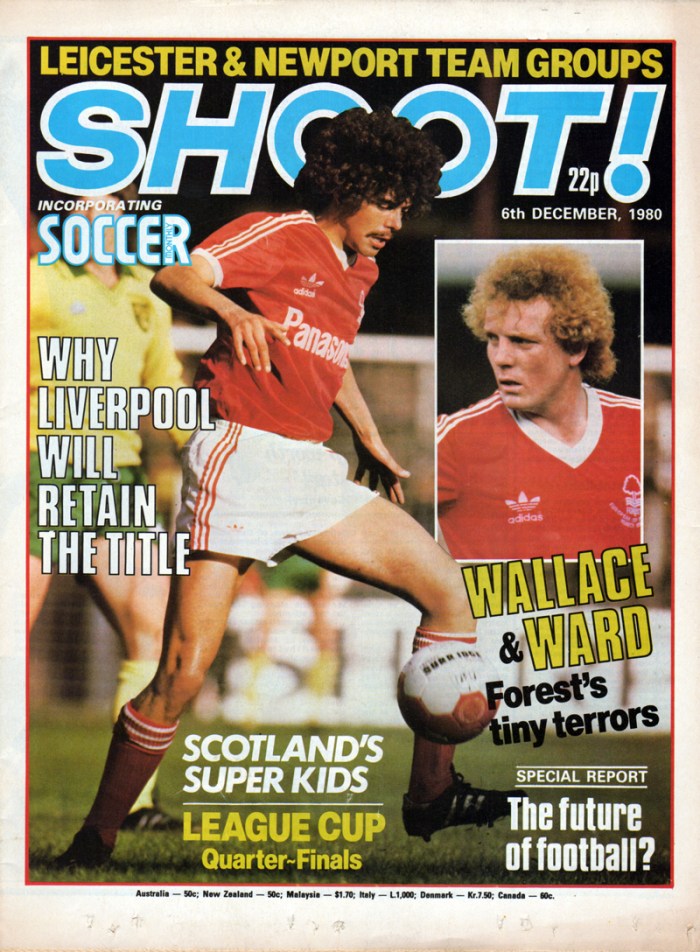
He added: “In fact, I am convinced that when he moves from Brighton back to his native Midlands and settles down, he will make a lot of people sit up and marvel at his ability.
“We are more interested in the basic ability of our two strikers. And there can be no question that they pose nightmares for big defenders. Players with the qualities of Wallace and Ward will always get goals and always worry defences.
“I don’t think people know just how good a player Ward is. It is just a matter of time before he settles into the Forest way of things, and then we will see him at his best.
“The fact that neither of these players happens to be a giant is neither here nor there. Ability is the key, not stature. And these players have the ability.”
In the same Shoot! article in which Taylor sung Ward and Wallace’s praises, strapping centre-back Willie Young (who briefly played on loan for Brighton in 1984) said: “The modern striker has to be sharp, mobile and capable of pulling a defence out of position.
“The days of the big man standing in the box waiting for a high ball to knock down are fast fading.
“Ward and Wallace will make it difficult for big defenders because they are quick and skilful and can turn you if you lose concentration. Give them room and they will create problems.”
Arguably the history books would suggest Clough was ultimately right to be sceptical about Ward, although the player himself has never reflected badly on his time at Forest.
“I had a great time at Forest. I got on well with the lads and had a laugh,” he told Spencer Vignes in the book A Few Good Men (Breedon Books, 2007).
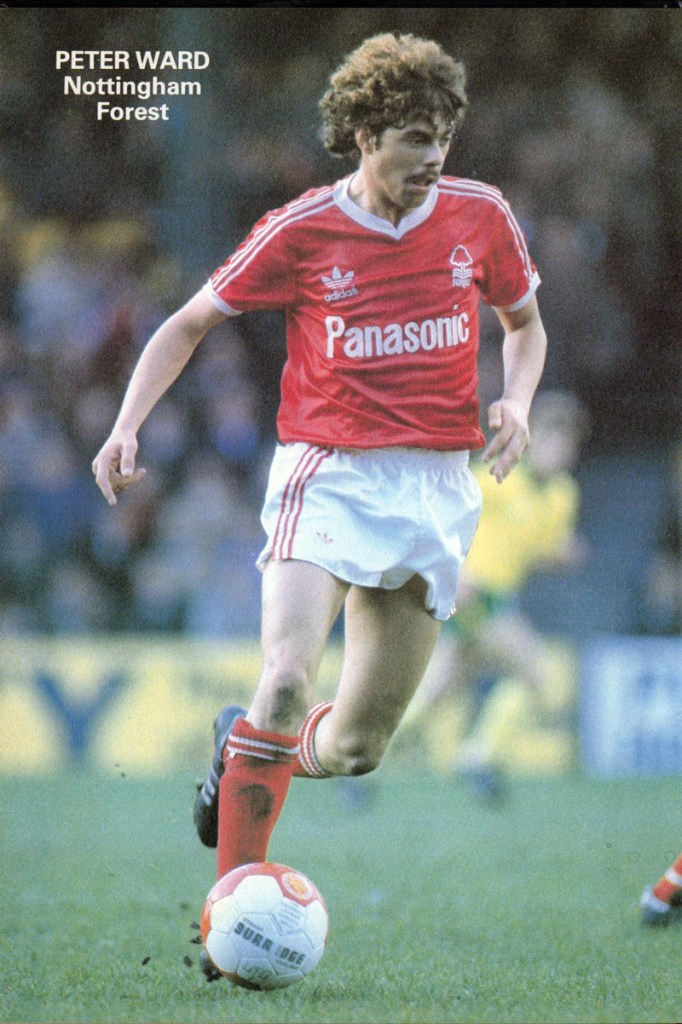
While he also always got on well with Taylor, his relationship with the erratic Clough was a lot stormier which meant he was in and out of the side. Ward was never afraid to speak his mind and, as Vignes covered in his book, that didn’t go down well with idiosyncratic Clough’s schoolmasterly style of managing.
Ward told the journalist: “There were good days and there were bad days. Sometimes he would say ‘That’s fantastic, you had a good game’. Once, against Valencia, he chose me as Man of the Match. But at other times, well you just struggled to work out what was going on. I remember playing Paris St Germain and I had a horrible game. Afterward he goes ‘That’s the last time you’re playing for me’. Next game I was playing again. You never really knew what to expect.”
Ward said that Clough was troubled by a heart murmur at the time and would fly off to Spain to recuperate. “Peter Taylor was picking the team. It got to the point where I’d start a game one week, then be on the bench the next when Clough came back.”
Clough and Taylor’s former winger Alan Hinton offered Ward a way out. He had moved to America to coach Seattle Sounders but was back in the UK watching Forest Reserves against Man City Reserves. Ward scored five and afterwards Hinton made an approach to take him on loan.
In He Shot, He Scored, Hinton explained: “I was looking for a striker and at the time it seemed to me that big target men were going out of fashion. Peter was small and quick and I thought that his style would really work for us.
“The English game wasn’t in a good financial state and clubs were keen to loan players out, so it wasn’t hard to convince Forest to let us have Peter. I liked him a lot — he was bubbly, liked a challenge, and was a Derby boy too!”
Ward was in good English company because the Sounders team also featured Steve Daley, Kenny Hibbitt, Gary Mills, Roger Davies and goalkeeper Paul Hammond.
It turned out to be a good move for Ward because Seattle finished as runners up in what was known as the Soccer Bowl and he was named North American Soccer League’s Player of the Year.
However, terms couldn’t be reached on a permanent move and he flew back from America, went into training on Thursday and was on the bench for Forest at Spurs on the Saturday.
In Ward’s own version of events: “I went on after 25 minutes because someone went off injured and I played well (although Forest lost 4-1).”
He played in the following two games but there were still issues between him and Clough.
That was when he made a triumphant return to his spiritual home – Brighton. Clough agreed to a loan deal and on 23 October 1982, backed by a crowd nearly 9,500 higher than for the previous home game, Ward once again ran out for the Albion. Although he didn’t score, the Seagulls beat table-topping West Ham 3-1 with goals from Steve Gatting, Michael Robinson and Gordon Smith.
Although he also failed to score against Spurs and Liverpool, he was bang on target against Manchester United, the club he’d supported as a boy, and he later reckoned it was his all-time favourite goal.
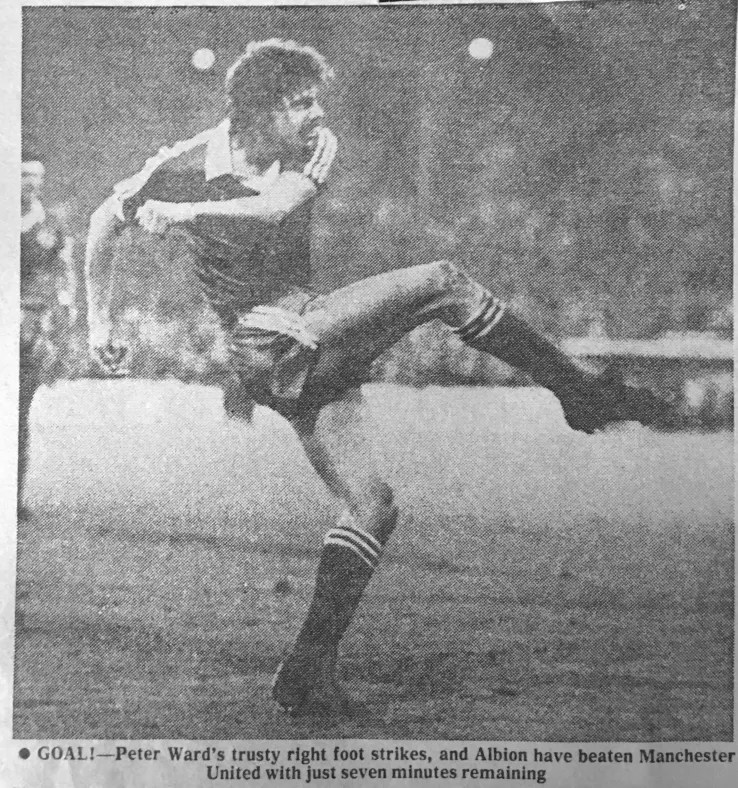
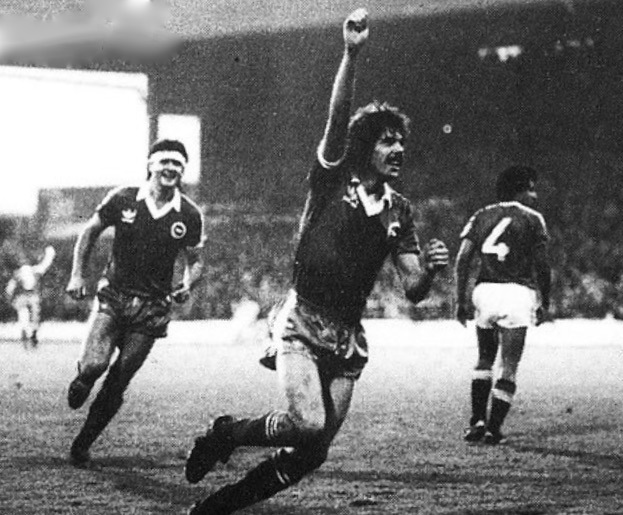
On the right side of the goal about 15 yards out he controlled the ball with his chest and, as it dropped, he volleyed a cracking shot past Gary Bailey. It was the only goal of the game.
But when four defeats on the trot followed, the club dispensed with the services of manager Bailey, and put chief scout Jimmy Melia and coach George Aitken in joint charge.
Albion were struggling at the foot of the table and although Ward scored again in a New Year’s Day home game with Watford, it finished 1-1. Remarkably, just two days later, Ward was allowed to play against his parent club, Forest, when Robinson scored in another 1-1 draw (Young scored for Forest), maybe not surprisingly 5,000 fewer people watching the second home game within three days.
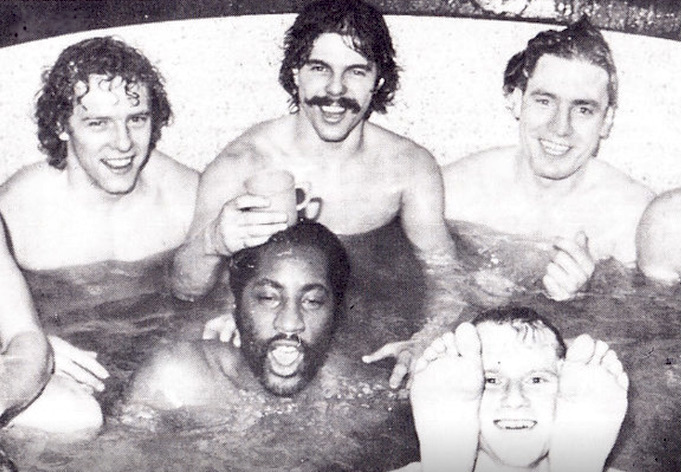
It was only the FA Cup that would provide some respite from the league gloom. Ward, back on the St James’s Park pitch where he, Gerry Ryan and Brian Horton had scored in the 3-1 win that sealed Brighton’s promotion to the top level for the first time, bagged the winner in a 1-0 third round win when Newcastle felt they’d been robbed. Injury kept him out for a few weeks but he was back in the side when Albion upset the form book to win the fifth round tie at Liverpool.
Not surprisingly, Albion wanted to keep him and he wanted to stay. But Clough wasn’t having any of it.
At that time, Clough’s Forest hadn’t been to a FA Cup Final and he told Ward: “Son, I’ve never been to a Cup Final. Neither are you.”
Ward recounted: “Those were his exact words. That’s when I said ‘**** off then. I’m leaving’. It’s like he was doing it purely out of spite, the pillock.”
Ward never re-appeared for Forest and it can only be the stuff of dreams to have imagined how Albion might have fared with regards their league status and the end-point of the FA Cup Final.
If it had been him instead of Gordon Smith presented with the chance to win the trophy in the dying minutes, he told Vignes unequivocally: “I’d have scored. I’d have put it right in the corner with my left foot to Bailey’s right.”
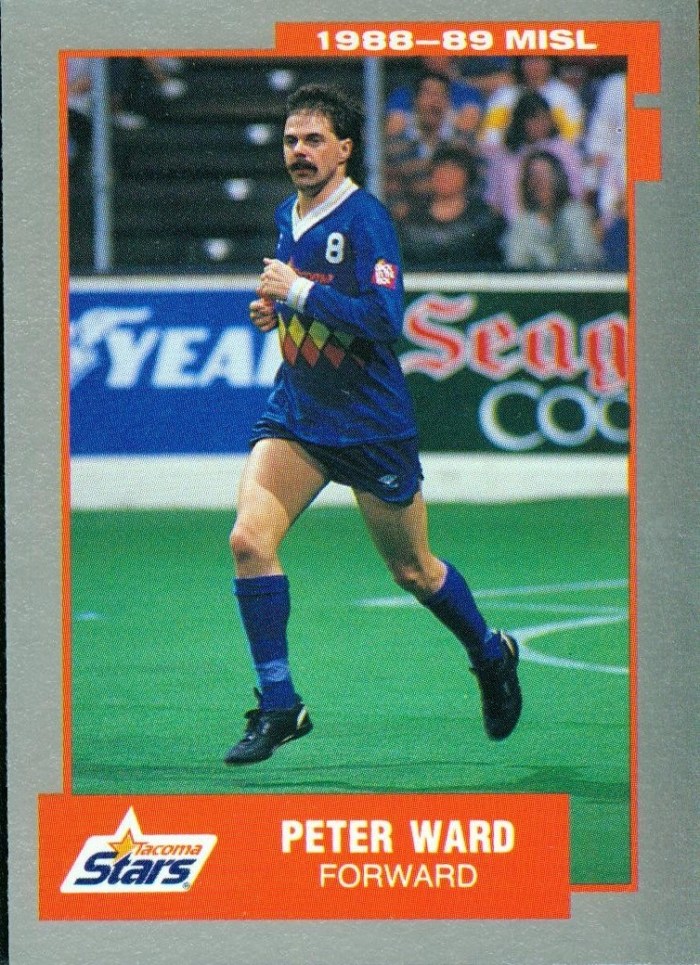
But back in the real world, by the end of 1983 Forest cut their losses and sold Ward to Vancouver Whitecaps for £20,000; the beginning of what became a 13-year career playing mainly indoor football in America, although he did return to the outdoor game with Tampa Bay Rowdies in the summer of 1989 when former Albion teammate Mark Lawrenson was a player-coach. Ward eventually settled in Florida.



 Mike Bailey holds aloft the League Cup after Wolves beat Manchester City 2-1 at Wembley.


 During his time there, he was capped twice by England as manager Alf Ramsey explored options for his 1966 World Cup squad. Just a week after making his fifth appearance for England under 23s, Bailey, aged 22, was called up to make his full debut in a friendly against the USA on 27 May 1964.


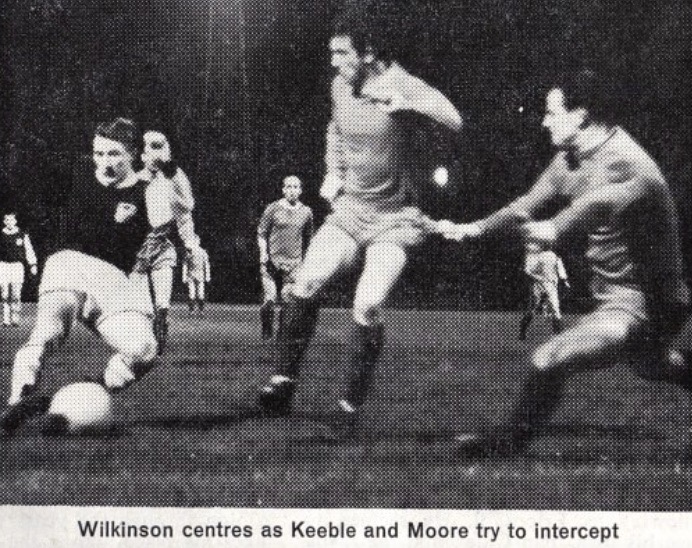
 YORKSHIREMAN Howard Wilkinson was a key part of the first Albion side I watched. The former Sheffield Wednesday player was a speedy winger in



 In parallel lines