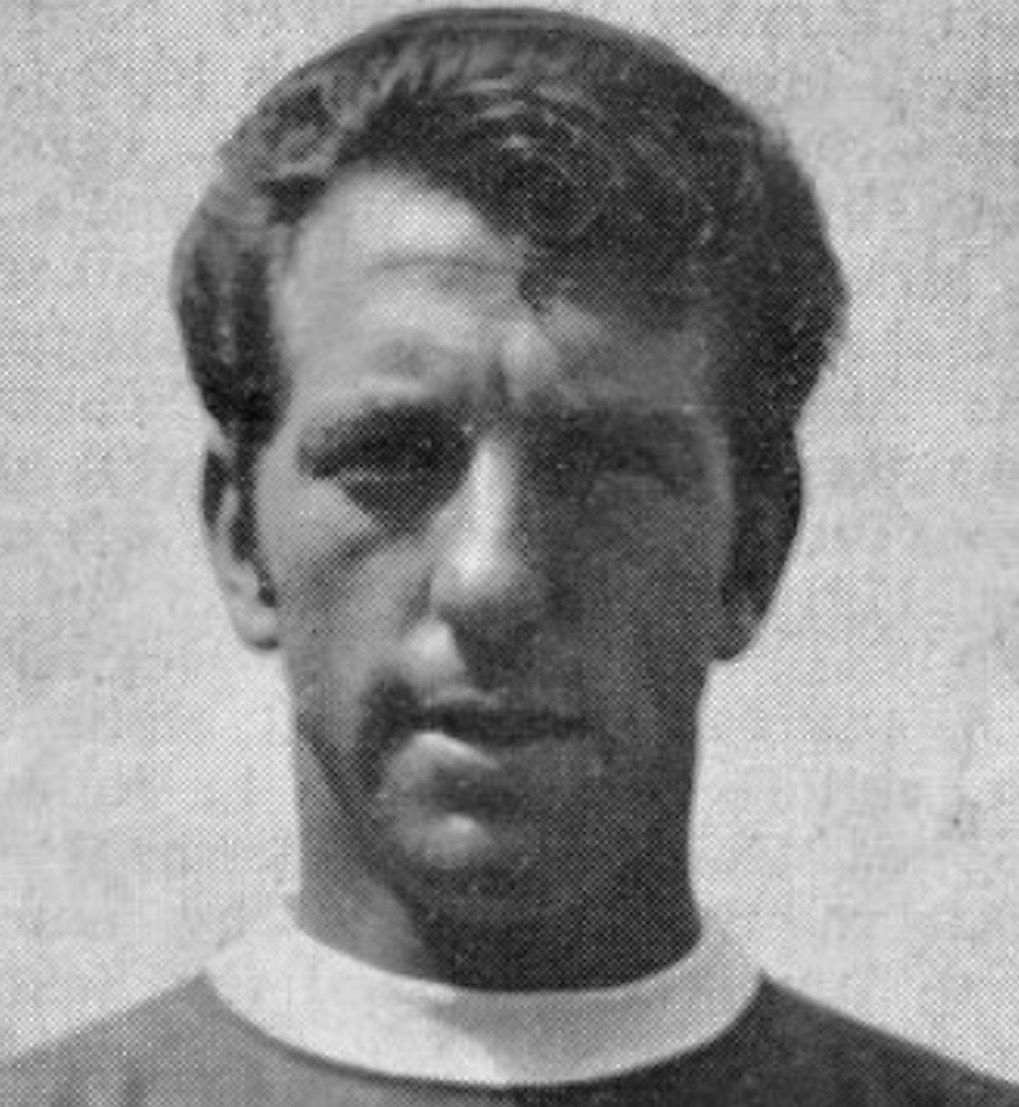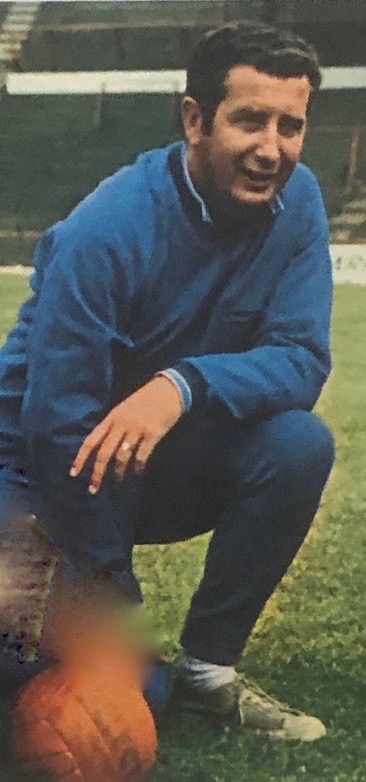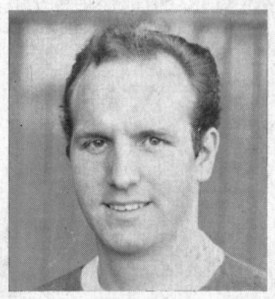
‘Great talent’ England Schools’ captain Barrie Wright quit at 25

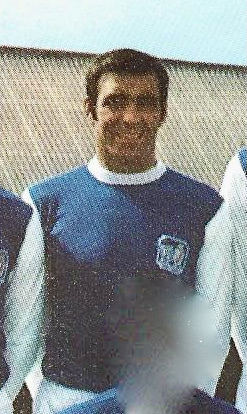
BARRIE WRIGHT (not to be confused with the deep-voiced crooner with a similar-sounding name) was a former Leeds United playing colleague of Freddie Goodwin who followed him to Brighton via America.

Despite showing plenty of early promise, including captaining the England Schools side, Bradford-born Wright played more games for Goodwin’s New York Generals than he did in English league football.

Goodwin signed Wright and goalkeeper Geoff Sidebottom together for the Albion on 31 December 1968, a matter of weeks after he’d succeeded Archie Macaulay as Brighton manager.

The Albion programme in those days eschewed full-scale profiles and simply noted of the new arrival that he “can play on either flank in defence”.

His first Brighton appearance was as a substitute for Charlie Livesey in a 1-1 draw away to Plymouth Argyle on 4 January. He took over Mike Everitt’s left-back slot for the following two games, also both 1-1 draws, at home to Stockport County and away to Bristol Rovers.

But he tweaked his groin in the game against Rovers and missed six matches.

He was restored to left-back for a home goalless draw with Plymouth Argyle on 5 March, and played in the following two games.

One was the 4-0 hammering of Southport at the Goldstone, which was only my second Albion game (having watched them beat Walsall 3-0 three weeks earlier).

The plentiful goalscoring – notably two in each match by Alex Dawson – had me hooked!).

Wright kept the shirt for a 2-1 away win at Shrewsbury, but was then dropped to the bench for the next game, a 2-0 defeat at Oldham, when John Templeman took over at left-back and Stewart Henderson won back the no.2 shirt.
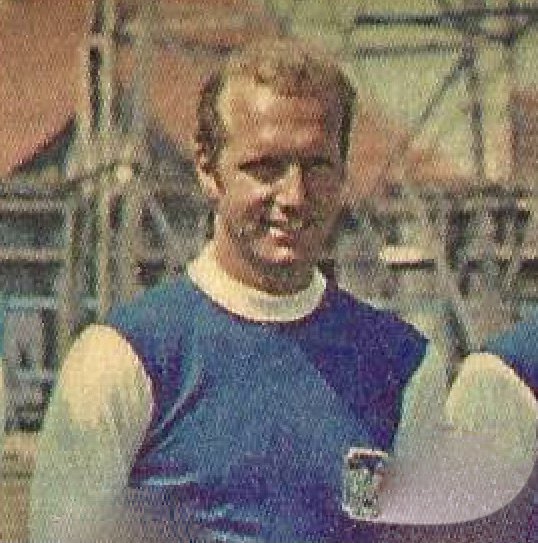
The Yorkshireman didn’t play another game that season although the matchday programme finally got round to telling us more about the player in a short profile item for the home game against Barrow, when I saw Albion score another four goals to secure a comfortable 4-1 win (Dawson again scored twice, the others from Kit Napier and Dave Armstrong).

“Barrie rates Albion as the happiest club he has known, and has quickly settled down in Sussex,” the programme told us.

We also learned he had been a keen angler and was a member of the Bradford Anglers Association, “finding this the perfect relaxation from soccer”.

A useful batsman and medium-fast bowler too, he had added golf to his sporting repertoire when in America and was regularly to be found on a course with Sidebottom.

But back to the football, and Goodwin, having steadied the ship with a number of his own signings, saw Albion finish the 1968-69 season in a comfortable mid-table position.
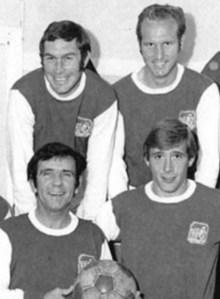
Norman Gall, Wright (top right) and Dave Armstrong enjoy a dressing room laugh with Norman Wisdom.

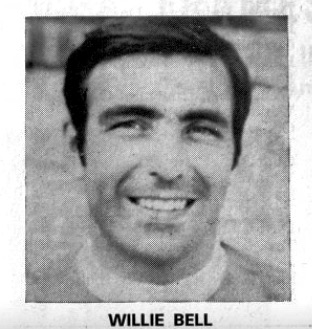
An alarm Bell would have rung for Wright that summer though – in the shape of experienced Scottish international left-back Willie Bell. Goodwin signed their former Leeds teammate from Leicester City as a player-coach; Wright had understudied Bell at Elland Road.

However, it was Everitt who stepped in for the only two games Bell missed all season, and Wright’s involvement was confined to one substitute appearance in a 2-0 defeat away to Doncaster Rovers, and three games in November and December deputising for Dave Turner in midfield.

The 0-0 draw at home to Orient on 13 December proved to be his last outing for the Albion.

In September 1970, Wright went on loan to Hartlepool United but when he wasn’t able to earn a regular place, decided to quit league football at the age of 25 to become a warehouseman.
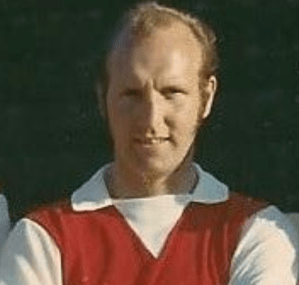
He carried on playing in non-league, though, and appeared in the Northern Premier League with Bradford Park Avenue (right) and Gainsborough Trinity and spent some time with Thackley of the Yorkshire League.

Born in Bradford on 6 November 1945, Wright was one of eleven children – nine of them boys (one brother, Ken, played for Bradford City). Barrie earned selection for Yorkshire Boys and went on to captain the England Schools side on seven occasions in 1960-61.

England Schools captain

He was taken on by Leeds as a teenager, turning professional in 1962 at the age of 17.

mightyleeds.co.uk described Wright as “a defender of rich potential” who first caught the eye in a pre-season friendly against Leicester City, alongside the legendary John Charles.

The Yorkshire Post’s Richard Ulyatt spoke of Wright’s “excellent form” and said he “looked to have the necessary technique”, while accepting that conclusions from “half-speed friendlies … must be taken with reservations”.

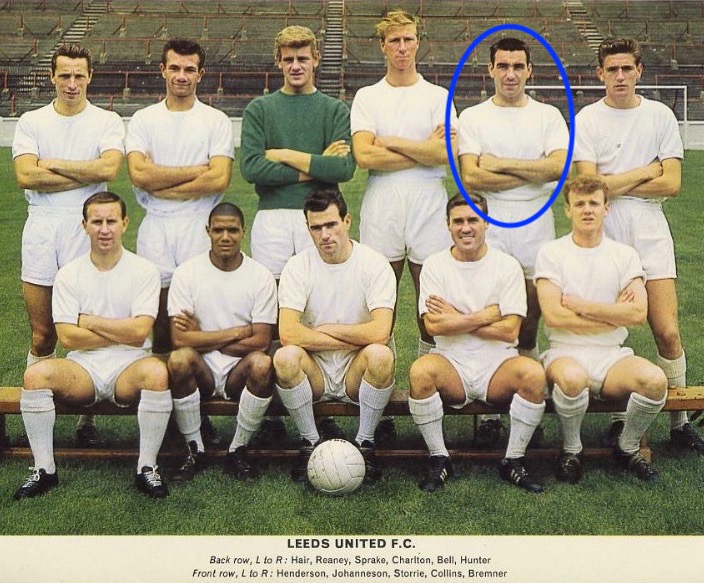
Wright spent four seasons at Leeds and was captain of United’s Central League side. He did make a total of eight first team appearances, though. mightyleeds.co.uk discovered this wonderful description of Wright’s league debut for Leeds at home to Preston on 13 April 1963, when he deputised for veteran Grenville Hair at left-back.

Leeds won 4-1, and the aforementioned Ulyatt reported: “For a time Preston tried to probe for a weakness on the Leeds left, where Barrie Wright, 17, was playing his first game as a senior.

“A better forward line might have found him a bit uncertain and occasionally inclined to commit himself too soon to a sliding tackle, but any judge of a footballer would recognise that here was a great talent.
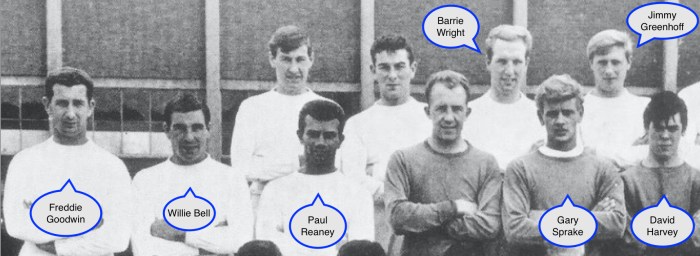
Wright was part of a star-studded squad at Leeds United

“His first contact with the game came after about ten minutes when he delicately headed a pass to Albert Johanneson with the artistry of a basketball player. Soon afterwards he tried to pass the ball 20 yards along the touchline edge from a foot inside the field and failed by inches: that was football. In recent years I have seen only (Jimmy) Armfield, (Alf) Ramsey, (Tony) Allen and (Johnny) Carey do it better.”

He kept his place for two more games: two days later in a 2-1 away win over Charlton Athletic on 15 April (Easter Monday) and a 4-1 home win against the same side the following day!

In the 1963-64 season, when Leeds went on to become Division Two champions, he replaced Paul Reaney in a 2-0 win away to Leyton Orient on 23 November 1963.

Phil Brown in the Evening Post reported: “It was most encouraging to see another youngster, Wright, in the side for the first time this season, respond so well to the occasion.

“He was sharper and sounder than on any of his previous three outings, and that against the fleet and strong Musgrove, and hard trying inside-left Elwood.”

However, it was another two months before he got another chance. On 1 February 1964, he took over at left-back in a 1-1 home draw against Cardiff City. On that occasion the Post’s Brown was less complimentary.

“I was most disappointed with young Wright at left-back,” he wrote. “He grew progressively worse, probably through increasing nervousness.”

Nevertheless, Wright was selected in the England Youth team squad for the 17th UEFA Youth Tournament in the Netherlands in March and April 1964.

England won it and Wright appeared in two of their five matches, both won 4-0: against Portugal in Den Haag on 3 April and against Spain two days later in Amsterdam.

His teammates in those matches included Everton’s Howard Kendall as captain, John Hollins (Chelsea), Harry Redknapp and John Sissons (West Ham), Peter Knowles (Wolves), David Sadler (Man Utd) and Don Rogers (Swindon).

Rather like in the modern era, fringe players tended to get a run-out in the League Cup and Wright made two appearances in the competition in 1964-65, taking over from Reaney in the second round 3-2 win over Huddersfield Town on 23 September, and the third round tie on 14 October when United lost 3-2 at home to eventual semi-finalists Aston Villa.

Wright’s final Leeds first team appearance came once again in the League Cup, when he took Norman Hunter’s no.6 shirt in a much-changed side who lost 4-2 at home to eventual winners West Brom in the third round on 13 October 1965. (West Brom won the two-legged final 5-3 on aggregate against a West Ham side that included Dennis Burnett).
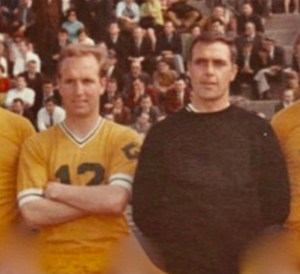
Wright and Sidebottom line up for New York Generals

With first team opportunities so rare, Wright eventually left Elland Road in 1966 to try his luck with Goodwin’s New York Generals, joining fellow Brits Sidebottom and Barry Mahy, who had followed Goodwin to the States from Scunthorpe.

The Generals’ most famous player was Cesar Luis Menotti, who later coached Argentina to a World Cup triumph in 1978.

nasljerseys.com records that Wright wore the no.12 shirt and played 26 matches in 1967 and 32 games in 1968.

Wright died aged 78 in November 2023.

Career-ending leg break spawned physio role for George Dalton

A CAREER-ENDING leg break led one-time international hopeful George Dalton into a new career as a football physio.

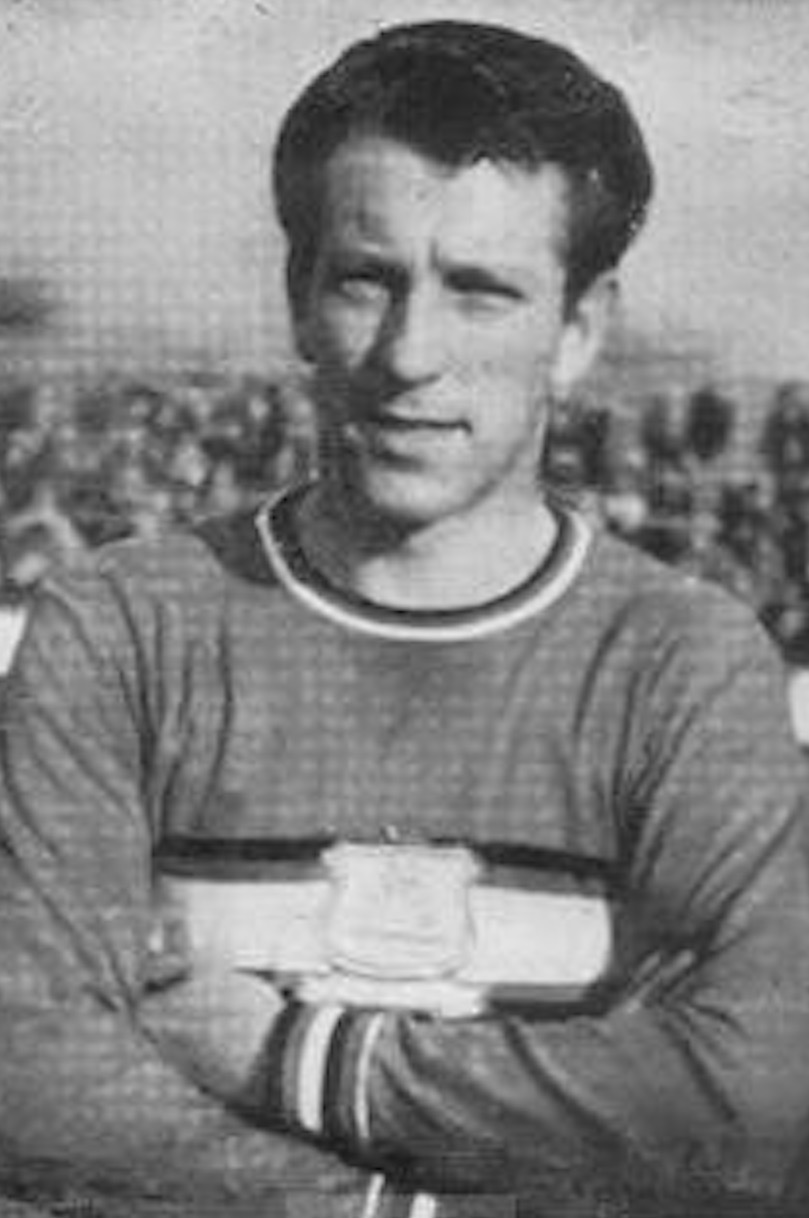
Geordie-born Dalton was an emerging left-back at Newcastle United being watched as a possible candidate for a call-up to the England Under-23 side.

But he was never the same player after breaking a leg in a tackle with Leeds United’s Johnny Giles.

Then, only seven months after trying to resurrect his career with third tier Brighton, unlucky Dalton sustained a double fracture of the same leg in a freak collision and never played professionally again.

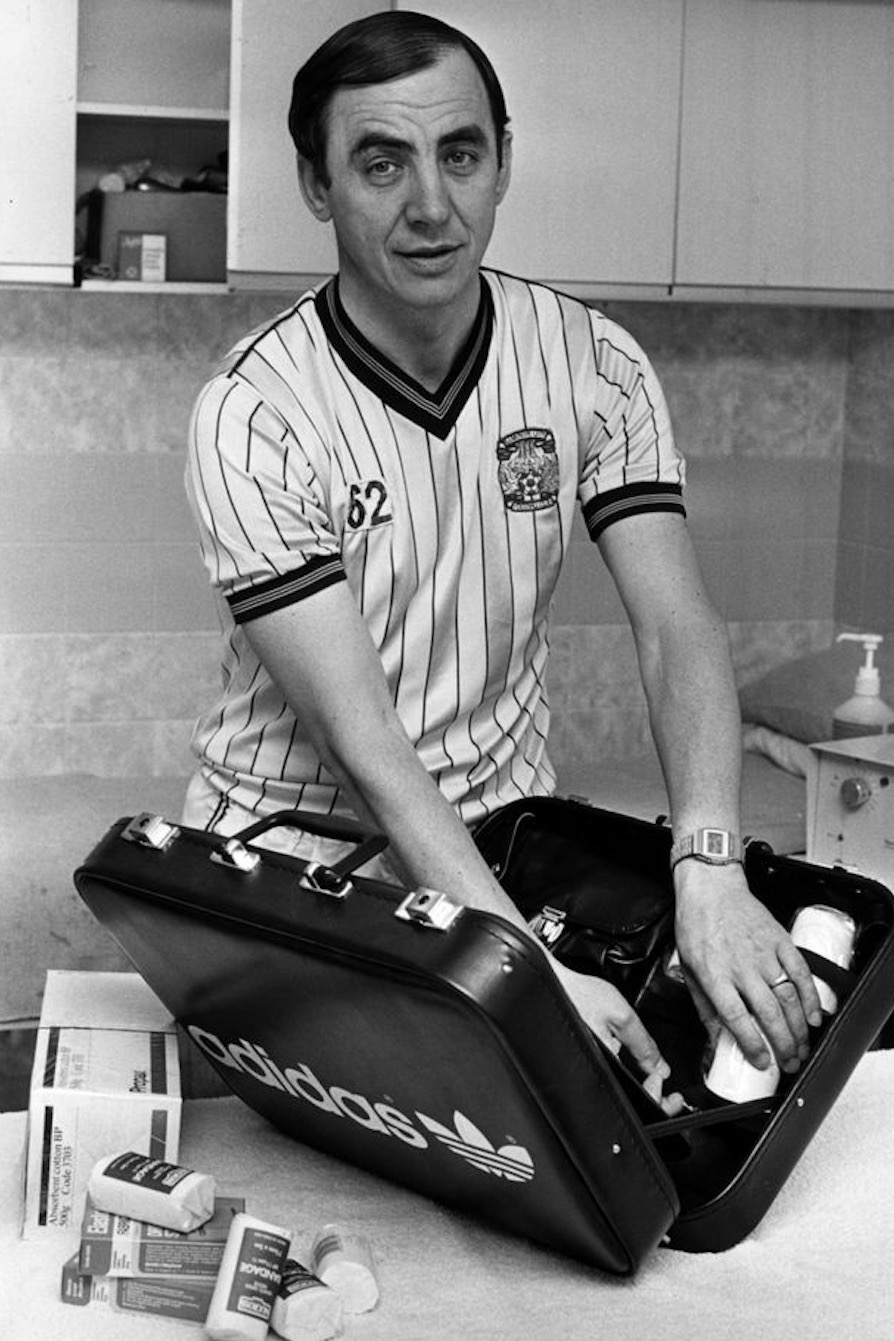
However, he turned his familiarity with the treatment table to good use and he later became Coventry City’s physio for the best part of 20 years.

Born in Dilston, Northumberland, on 4 September 1941, Dalton went through the junior ranks at Newcastle and turned professional at St James’s Park in 1958.

He made his Toon debut on 10 October 1960 in a 4-1 League Cup defeat away to Colchester United, and made his First Division debut the following February, ending up on the losing side in a 5-3 defeat away to Leicester City.

After Newcastle’s relegation to the old Division Two, Dalton made a lot more appearances (including being in the Toon side who thumped Brighton 5-0 at St James’ on 21 October 1961).

He was in and out of the side over the next two years but became a regular from March 1963 and, in January 1964, eagle-eyed Ken McKenzie, reporter for Newcastle’s The Journal, spotted England Under-23 selector Mr E.Smith in the stands at St James’s.

“This visit can only mean imminence of England Under-23s selection to meet Scotland at St James’s Park on Wednesday evening, February 5, and check up, particularly on George Dalton and Alan Suddick, of United,” he wrote. “On this basis, I feel that Mr Smith’s trip to Tyneside holds out very bright prospect of Forest Hall, Newcastle, product, Dalton, gaining his first representative honour on February 5.

“I know that Dalton has been recommended to the England selectors for some time by United directors and manager, and his consistency and clean, strong play has been commented on by influential observers at several away games.”

Unfortunately, the call-up didn’t happen, and revered reporter Ken Jones wrote in the Daily Mirror: “Despite local claims for left back George Dalton and inside forward idol Alan Suddick; neither has been chosen by the England team manager, and clearly they have no place in his ideas at present.”

Interestingly, the left-back berth went to Keith Newton, who later went with England to the 1970 World Cup in Mexico. Mike Bailey and Graham Cross both played in the Under-23s’ 3-2 win over Scotland, while the reserves that day were Peter Grummitt, Alan Mullery and Martin Chivers.

Within a matter of weeks, Dalton’s football fortunes were turned upside down when, in his 40th game of the season, on 30 March 1964, three days after Newcastle had surrendered an eight-game unbeaten run losing 1-0 at home to promotion-chasing Leeds on Good Friday, the full-back suffered a leg break that virtually finished his Newcastle career.

The Journal saw it thus: “This is the tale of a noble resistance by a Newcastle side who had Alan Suddick crippled in the 17th minute and lost George Dalton with a broken right leg (just above the ankle) with 14 minutes to go.”

mightyleeds.co.uk recorded it like this: “Newcastle finished with one man in hospital and another limping, but Leeds just about deserved to win their third hard match in four days. For once, however, there was no malice attached to the game and left-back Dalton confirmed he had broken his right tibia after himself kicking the sole of Giles’ boot.”

Dalton didn’t play his next Newcastle first team game for nearly two and a half years, and then it was just the one game. After that solitary appearance – his 94th for Toon – on 27 August 1966, when they lost a Division One match 2-1 at home to Spurs, he was cast into the shadows and eventually given a free transfer in May 1967.

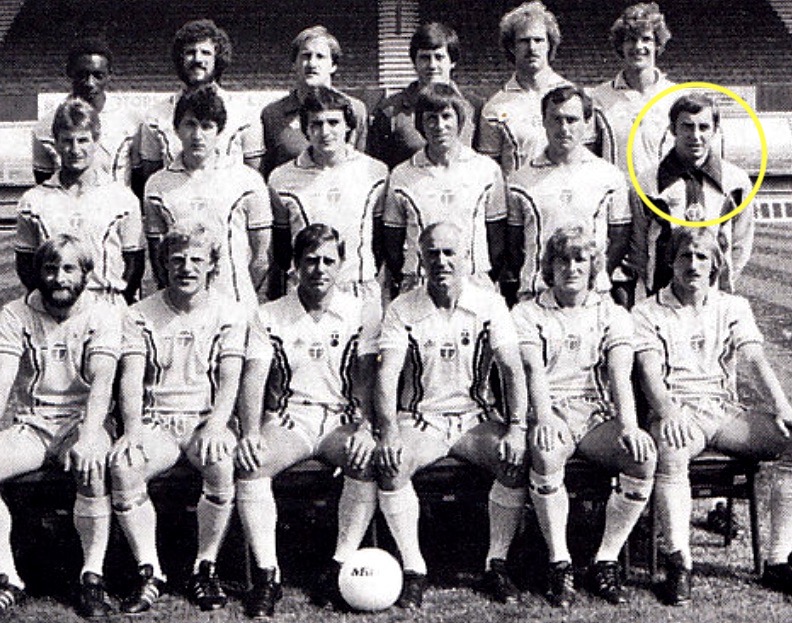
Albion’s 1967-68 squad with Dalton circled in the back row

Third Division Brighton gave the player the chance to salvage his career and he arrived on the south coast in June 1967 together with a young centre forward, Bob Fuller, who went on to score regularly for Albion’s reserves but subsequently moved to South Africa and in later life became a senior executive at mobile phone companies Orange and 3.

There were a couple of familiar faces amongst Dalton’s new teammates: Dave Turner, had been a fringe player at Newcastle before joining Brighton in December 1963, while forward Kit Napier had moved to the south coast the previous summer.

Stewart Ogden also joined straight from school in the north east in the summer of 1967 and the matchday programme declared: “Instead of Sussex by the Sea, Albion’s rousing signature tune, they may be playing The Blaydon Races this season, with so many Geordies on the staff.”

Dalton took over the no.3 shirt from Bobby Baxter, who had moved on to Torquay United, and went straight into Albion’s starting XI alongside new £25,000 record signing John Napier from Bolton Wanderers.

The matchday programme acknowledged Dalton’s past injury misfortune and said: “We all hope the change of club will see this fine defender recapturing his old form. He is married and recently moved into a pleasant club house at Portslade.”

Dalton made 28 appearances in the first half of that 1967-68 season under Archie Macaulay before tragically suffering a double fracture of his right leg in a 0-0 draw at home to Oxford United.

It was on 27 January 1968 that Dalton was involved in a heavy collision with United’s Graham Atkinson (big Ron’s brother) and Albion goalkeeper Brian Powney.

The cruel blow came almost four years after the injury he’d sustained at Newcastle and the Albion matchday programme commented how he had “completely shaken off the effects and was playing with great confidence” adding: “Albion’s popular left-back has played some fine games this season and his stylish work has been admired by supporters of other clubs, as well as the Albion fans.”

In its Albion Postbag column, a correspondent from Newhaven, calling himself ‘Veteran Player’, wrote: “George Dalton has had two unlucky accidents and we all hope he comes back fit and well and able to continue to delight us with his polished full-back play.

“Brighton have nearly always been lucky with their left-backs, and we have had a string of really fine players in that position. George Dalton can be included in that impressive list.”

Macaulay was optimistic the player would recover and in October 1968 the programme told supporters: “George is doing light training, jogging round the pitch, up the terracing also carrying out weight training exercises.”

In the meantime, Mike Everitt had been brought in to fill the gap and, by the time Macaulay was succeeded as manager by Freddie Goodwin, as 1968 drew to a close, Dalton still wasn’t in contention.

It looked even less likely he’d get back in when Goodwin signed his former Leeds teammate Willie Bell from Leicester City, but his next career step was closely linked to both of them.

In the summer of 1970, Dalton, who’d combined studying physiotherapy with coaching the Albion junior team in the latter part of his contract, joined Goodwin and Bell as part of the new management team at Birmingham City.

Albion took serious umbrage at the exodus and the matter ended up with City having to pay £4,500 compensation for Goodwin (who still had 18 months of his contract remaining) and a £5,000 fine for illegally approaching Bell.

Dalton’s situation was viewed differently because he’d technically been a player out of contract thus free to make a move.

When Goodwin left City in 1976 and returned to manage in America, Dalton moved on to Midlands neighbours Coventry City, taking over as physio from Norman Pilgrim, and he retained the position for two decades.

Several former players had nothing but good things to say about him when interviewed in Steve Phelps’ book 29 Minutes From Wembley. Striker Garry Thompson spoke highly of the care with which Dalton treated him when he suffered a broken leg that put him out of the game for 11 months.

“George Dalton, our physiotherapist, was magnificent with me,” he said. “He kept saying my leg was going to be like a twig and I’d have to rebuild the muscles and learn to walk again.

“My Mum and Dad thought it was career over, but, the way I think about it now, I was so lucky because there weren’t that many options for me and I had to play football.

“George’s own career was ended by injury. He was a very good footballer when he trained with us so, when I broke my leg, he really took care of me and was superb.

“I couldn’t thank him enough and all George had was the sponge and two machines in the treatment room, the electric currents and the ultrasound, that was it.

“He worked miracles down the years with players and, if it wasn’t for him, I would not have played until I was 37. I owe him a lot.”

Garry’s praise for Dalton was echoed by Paul Dyson, who spent prolonged periods in the treatment room with ankle and back injuries during his teenage years. “George was a real character. We all had a lot of time for him and he tended a lot of us through our respective injuries.

“He used to drive us to the hospital in his Morris 1100 and had a great left foot. He’d played left-back for Newcastle United before his own career was ended by injury. There were the two machines in his room and he used to have ice cubes on sticks in his freezer.”

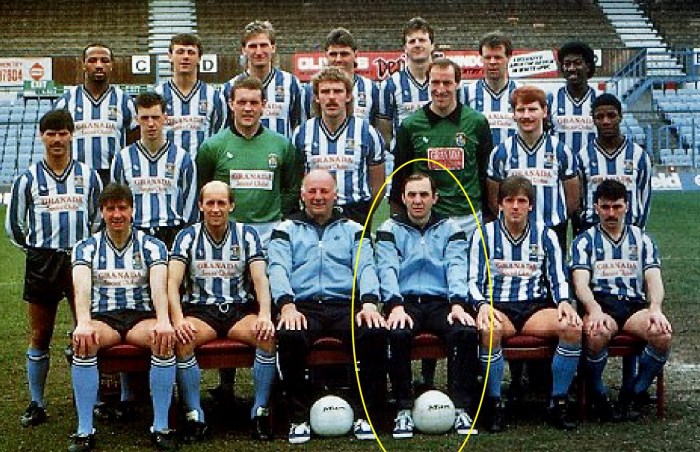
Dalton alongside boss John Sillett in the front row of this Coventry squad picture

Scottish international winger Tommy Hutchison was another admirer. “He was a smashing lad, George, very old-school. He suffered no fools and could always tell if a player was injured or not.

“In our days broken legs did finish careers, along with knee ligament injuries, and George rehabilitated so many players at Coventry. There was no squad rotation as you wanted to stay in the team and play every week because if you didn’t someone else would step in to take your place and you wouldn’t be able to get back in.”

Midfielder Andy Blair added: “George was a great physiotherapist, a terrific calming influence and a great man to have around.”

Experienced full-back Mick Coop was another who appreciated the physio. “George really was a lovely man who worked injured players very hard in the gym to get them back on to the pitch,” he said. “He was very quiet but did his job well and garnered a lot of respect off the playing squad. I can’t speak highly enough of him.”

Dalton keeps in touch with many of his former colleagues through the Coventry City Former Players’ Association, which has reported how he returned to live in Newcastle in retirement.

* Pictures from matchday programmes and various online sources.

Cobblers hero Mike Everitt started out with the Gunners

CONTACTS made as a youngster at Arsenal stood versatile Mike Everitt in good stead for the rest of his career.

He went on to play under his former Gunners teammate Dave Bowen at Northampton Town as part of one of football’s most remarkable stories and earned a place in the Cobblers’ ‘team of the century’.

Later, he joined a small enclave of former Arsenal players at Brighton. Everitt swapped Devon for Sussex in March 1968 when he moved from Plymouth Argyle for a £2,500 fee.

The man who signed him, Archie Macaulay, was a former Arsenal man himself who’d already brought three other ex-Gunners to Hove in goalkeeper Tony Burns, Irish international full-back Jimmy Magill and winger Brian Tawse.

Everitt started the new season as first choice left-back in Macaulay’s side and an uninterrupted 14-game run in the team as autumn turned to winter straddled Macaulay’s departure and the arrival of new boss Freddie Goodwin.

Everitt slotted home a penalty as Albion drew 1-1 away to Bristol Rovers on 18 January 1969 but the 3-1 home win over Crewe Alexandra the following Saturday was his last outing of the season.

Everitt, Howard Wilkinson and Dave Turner from this Albion line-up all went on to become coaches

He picked up an injury and, with Goodwin having signed his former Leeds teammate Barrie Wright from New York Generals, local lad John Templeman able to fill either full-back slot, not to mention the addition of Eddie Spearritt from Ipswich Town, Everitt couldn’t win back his place in the starting line-up.

Competition for a starting place only intensified in the summer of 1969 when Goodwin’s former Leeds teammate, Willie Bell, arrived from Leicester and was installed as the regular choice at left-back, while Stewart Henderson cemented the right-back slot to the extent he was named Player of the Season.

While Everitt deputised for Bell on a couple of occasions and filled Bobby Smith’s midfield spot for four matches, his only other involvement was as sub on a handful of occasions. He was a non-playing sub in the final game of the season (a 2-1 home defeat to Mansfield Town) and then left the club during the close season.

Born in Clacton on 16 January 1941, Everitt represented Essex Schoolboys and London Schoolboys before being taken on as an apprentice by Arsenal in 1956. He turned professional in February 1958 and, thanks to the excellent records of thearsenalhistory.com, we know that he first played in the first team in the Harry Bamford Memorial match at Eastville against a Bristol XI on 8 May 1959.

He then went on Arsenal’s end-of-season tour to Italy and Switzerland. He was an unused sub for friendlies against Juventus and Fiorentina but came on as a substitute in a 4-1 win over Lugano of Switzerland on 24 May 1959.

Everitt (circled back row) lines up for Arsenal – with (left to right trio in centre of front row), David Herd, Tommy Docherty and Jimmy Bloomfield

It wasn’t until Easter 1960 that he made his competitive first team breakthrough, but when he did it was a baptism of fire in George Swindin’s side.

He made his first team debut in front of 37,873 fans packed into Highbury on Good Friday (15 April 1960) as the Gunners beat a Johnny Haynes-led Fulham side 2-0.

Modern day players might not be able to comprehend it but Everitt also played the following day when Arsenal travelled to Birmingham City, and lost 3-0. Two days later, away to Fulham this time, Everitt was again in the starting line-up as Arsenal lost 3-0.

He kept his place for the following Saturday’s match – at home to Manchester United – and in front of 41,057 he was part of the side that beat United 5-2. Future Albion teammate Alex Dawson led the line for a United team that included Bobby Charlton and Johnny Giles.

That was the penultimate game of the season and Everitt retained his place for the final game, which ended in a 1-0 defeat to West Brom at The Hawthorns.

The 1960-61 season got off to a good start for him too as he played in the opening four matches and, into the bargain, scored Arsenal’s only goal as they beat Preston North End at home on 23 August. Unfortunately for him, a tigerish Scot called Tommy Docherty edged him out of the first team picture and in February 1961 he moved to Fourth Division Northampton Town (for a fee of £4,000) who were managed by the aforementioned Bowen.

His stay with the Cobblers spanned one of the most remarkable stories in football history as they were promoted season on season from the Fourth to the First….and then relegated all the way back down again (although Everitt had left for pastures new before they reached the basement again).

What he was part of, though, was achieving three promotions in five years. Glenn Billingham recalled that heady era in a 2017 article for thesefootballtimes.co.

In 1961-62, Everitt was a regular at wing-half and scored five goals in 41 appearances. He switched to left-back the following season and played 30 matches as Town went up as champions.

A season of consolidation in 1963-64 saw Town finish 11th in Division Two, when Everitt played 45 matches. He played in 43 games in the 1964-65 season which culminated in the historic promotion to the top-flight courtesy of finishing in runners up spot, a point behind champions Newcastle United.

Necessary investment in improving the squad was slow to materialise and Bowen initially had to rely on the same squad of players who’d got them up. Everitt was one of only five Town players who had previously played at that level.

A 5-2 defeat away to Everton in the opening fixture was perhaps a portent of what was to follow for the rest of the season. They didn’t record a win until their 14th game, at home to West Ham (when they won 2-1), but the underdogs performed heroics in their first two home matches. It must have been quite an occasion when in only the second game of the season Everitt lined up in the Northampton side to face Arsenal.

The game finished 1-1, although Everitt had to be replaced at half-time. However, he also played in the return fixture at Highbury which also finished in a 1-1 draw.

Town also drew 1-1 at home to Manchester United, stifling the attacking threat of Best, Law and Charlton, although United exacted revenge at Old Trafford where they dished out a 6-2 thrashing. Charlton got a hat-trick, Law scored a couple and John Connelly was also on the scoresheet.

Everitt made 34 appearances (plus one as sub) that season and scored two goals, one in a rare win, in the penultimate game, when the Cobblers beat Sunderland 2-1 (the Wearsiders scorer was Neil Martin, who later played for the Albion). Graham Carr (father of comedian Alan Carr) played 30 times for the Cobblers that season.

Back in the second tier, Everitt featured in 17 games but as Town plummeted straight through the division, he moved on to Plymouth Argyle in March 1967, where his former Arsenal teammate Jimmy Bloomfield had moved to from West Ham. Everitt was still only 26 when he made his debut in a 1-0 home defeat to Wolverhampton Wanderers. After 31 games for Argyle, he made the move to Brighton.

Everitt had already gained his preliminary coaching badge when still a player and after leaving Brighton in 1970 he initially moved to Plymouth City as player-manager. Within months, he seized the opportunity to move up a level when he landed the player-manager role at then Southern League Wimbledon.

In a January 2010 interview in The Guardian, it was revealed the two candidates he beat to land the position were David Pleat, who went on to manage Luton, Leicester and Spurs, and his former Albion teammate Howard Wilkinson, who won the league title with Leeds United.

Pleat recalled: “The director, Stanley Reed, went for Mike and Howard ended up at Boston United while I was eventually appointed by Nuneaton Borough in the Southern League.”

A few eyebrows were raised in 1973 when Everitt was appointed manager of newly-relegated Brentford just seven days before the start of the 1973-74 season, taking over from Frank Blunstone, who’d left to become youth team manager at Manchester United.

Greville Waterman, on a Bees fan blog, said Everitt polarised opinion, declaring: “He was undoubtedly a cheap option and received little support from the directors (now where have we heard that before) and did his best with a wafer thin squad.”

A classic example saw defender Stewart Houston sold to Manchester United for a club record £55,000 in December 1973, but the money wasn’t immediately reinvested in the squad.

Nevertheless, Waterman pointed out: “His approach did not go down well with some of his players and he brought in a number of tough bruisers. Under his management, Brentford declined rapidly, fell to the bottom of the Football League and barely escaped the need to apply for re-election.”

Legendary Brentford defender Alan Nelmes was particularly disparaging about Everitt. He didn’t have the technical expertise that Frank had and you felt as if the club wasn’t going anywhere with him. Frank was very advanced in his thinking, ahead of his time, really, and it was a step backwards to have Mike.”

Everitt finally got some backing from the boardroom on transfer deadline day. Experienced forward Dave Simmons was brought in from Cambridge United and former Everton and Southampton defender Jimmy Gabriel from Bournemouth and a 10-match unbeaten run from mid-February to early April did enough to assure the Bees avoided bottom spot even though their finishing position of 19th was their lowest position for nearly 50 years. Crowds were hovering around only 5,000 too.

It didn’t get much better the following season and in spite of getting a vote of confidence in November 1974 from new chairman Dan Tana, Everitt only lasted a few more weeks in the hotseat.

Ironically, after a poor start to the campaign, he’d begun to turn results round and lifted the side to a mid-table position on the back of four wins and a draw in a seven-game spell between late November to mid-January, but he was sacked on 16 January and replaced with John Docherty, who’d only packed up playing for the Bees the previous summer.

Everitt’s next role came as a coach (pictured above) under his old Arsenal pal Bloomfield at Leicester City, and former winger Len Glover came up with an amusing reminiscence on lcfc.com.

Glover recalled when he was 17 playing against Everitt for Charlton Athletic against Northampton.

“He had massive thighs, and had his sleeves rolled up. In the first five minutes he had kicked me when the ball was nowhere near, and now he was our coach!

“He was just the same when he was our coach. When he started, he gathered us round at the training ground. His opening gambit was, ‘You don’t know me, and I don’t know you, but we will soon change that!’

“Then he noticed Frank Worthington who was not with the group but was with the apprentices who were crossing the ball for him to volley like they did every morning. He went, ‘Oi, get over here!’ Frank went, ‘Yeah, in a minute’. Instead of saying, ‘Over here, now!’ Everitt just went, ‘Well, hurry up then’.

“Before Everitt left we went to Leeds and we got stuffed 3-0. After the game Birch (Alan Birchenall) was doing his hair with his hair dryer. Win or lose he would always do his hair. Mike Everitt came in and said, ‘It’s a pity you’re not as good with the ball as you are with that hair dryer!’ Birch replied, ‘If I was as good with the ball as I am with the hair dryer, I wouldn’t be playing for Leicester!’”

After leaving Leicester, Everitt managed Kuwaiti side Al-Shabab when another former Arsenal teammate, George Armstrong, was manager of the Kuwaiti national side (Armstrong’s daughter, Jill, posted a picture of them in Kuwait on Twitter in 2019).

Jill Armstrong posted this picture on Twitter of her with dad George and Everitt in Kuwait

After Kuwait, Everitt managed Cairo-based Egyptian teams Al Mokawloon and Al Ahly, the club Percy Tau joined in the summer of 2021.

According to Wikipedia, Everitt had particular success at Al Mokawloon, winning the 1982-83 Egyptian Premier League title and two African Cup Winners Cups.

• Pictures from matchday programmes and online sources.

Freddie Goodwin left Albion in lurch after missing promotion

Screen Shot 2021-05-01 at 19.13.47

FOLLOWING Archie Macaulay’s decision to stand down as Albion manager two months into the 1968-69 season, former Busby Babe Freddie Goodwin, still only 35, was brought in as his successor.

Goodwin had already managed Scunthorpe United and had recently been in the United States at the helm of New York Generals. The then Third Division Brighton side responded positively to his arrival, going 15 games unbeaten at home.

Utility player John Templeman, who was at the Albion throughout Goodwin’s reign, told the Argus: “When I heard he was taking over I thought the news was brilliant. His youth was a really big plus for the players.

“For many of us, we were working with someone from the same age group. We talked about the same things after training or on away trips.”

Goodwin was Albion’ manager when I first started watching them and it hadn’t been long into his reign when he populated his side with players whose attributes he had witnessed first hand in other settings.

Two former Manchester United teammates were already at the Albion before he arrived: Nobby Lawton, who was captain, and former United reserve Bobby Smith who’d played for him at Scunthorpe United.

Centre forward Alex Dawson, a teammate in United’s losing 1958 FA Cup final side, was one of his first signings at the Goldstone, and Brighton were the third club for who he signed former Wolves and Villa goalkeeper Geoff Sidebottom.

At the start of the 1969-70 season, he brought in his former Leeds teammate Willie Bell as player-coach from 1969 FA Cup finalists, Leicester City.

freddie goodwinIf Goodwin appeared to be relying on experienced pros on the way down the football pyramid, he wasn’t afraid to blend them with talented younger players, signing utility player Eddie Spearritt from Ipswich Town and bustling striker Alan Duffy from Newcastle United, both of whom went straight into the side and kept their places.
Before he arrived at the Goldstone, Goodwin had already given a league debut to goalkeeper Ray Clemence, who went on to play for Liverpool and Tottenham Hotspur and won 61 caps for England. And, after he left Brighton, Goodwin gave a Birmingham City debut to 16-year-old Trevor Francis who was England’s first £1 million player when transferred to Nottingham Forest in 1979, and he played 52 times for England.

As young lads, we always got to the Goldstone as the gates opened at 1.30pm and as we claimed our places at the front of the perimeter wall near the players’ tunnel, Goodwin would have a few words with us as he came out to inspect the pitch, one time in particular I recall him commenting how heavy going it would be after an almighty downpour.

In his only full season in charge, 1969-70, Brighton were looking good bets for promotion to Division Two. They were top after a cracking 2-1 Good Friday win over Reading but lost 1-0 the following day at Halifax and 4-1 at Fulham on Easter Monday.

With three games to go, they lost two of them, away to Rochdale and home to Mansfield (only managing to beat Rotherham 2-1 at the Goldstone) and ended up fifth, seven points behind champions Orient.

Goodwin’s last signing for the Albion saw him return to his old club, Manchester United, to bring exciting young Welshman Peter O’Sullivan to Hove. Although he didn’t stay to see the youngster flourish, O’Sullivan ended up staying for 10 years.

In the summer after narrowly missing out on promotion, Goodwin still had 18 months left on his contract but Birmingham came in an offered him a three-year deal to succeed Stan Cullis.

“Albion’s board were stunned,” wrote Evening Argus Albion reporter John Vinicombe. “They felt Goodwin was the man to take them up, and initially tried to prevent his release.

“The atmosphere was strained for a day or two. When the Albion board realised it was unrealistic in attempting to hold Goodwin, they came to a financial arrangement with City.”

When Birmingham played Albion in a First Division match at The Goldstone on 7 November 1981, Vinicombe wrote about his memories of Goodwin’s time at the helm.

“I recall him telling me that during his time at New York Generals he occupied his spare time by studying Spanish, book-keeping and accountancy,” wrote Vinicombe. And when he arrived at the Albion he told the players: “Results are nothing to do with you. They are my problem. Forget them and just give me 90 minutes effort, whatever the score.”

Templeman told the Argus: “He was a success for Brighton because he represented a fresh start. Who knows what would have happened if he had stayed at the club? He won promotion with Birmingham and I think he would probably have done the same at Brighton.”

Albion’s stuation with Birmingham was further soured because Goodwin decided he wanted to take Bell and youth coach George Dalton with him. So eager was he to hire them that he made an illegal approach while they were still under contract at Brighton and Birmingham were later fined £5,000 for a breach of regulations.

Born in Heywood, Lancashire, on 28 June 1933, Goodwin came to the attention of Manchester United when playing for Chorlton County Secondary School and became a professional under Matt Busby in October 1953. He made his senior debut for the club on 20 November 1954 against Arsenal in a 2-1 home win.

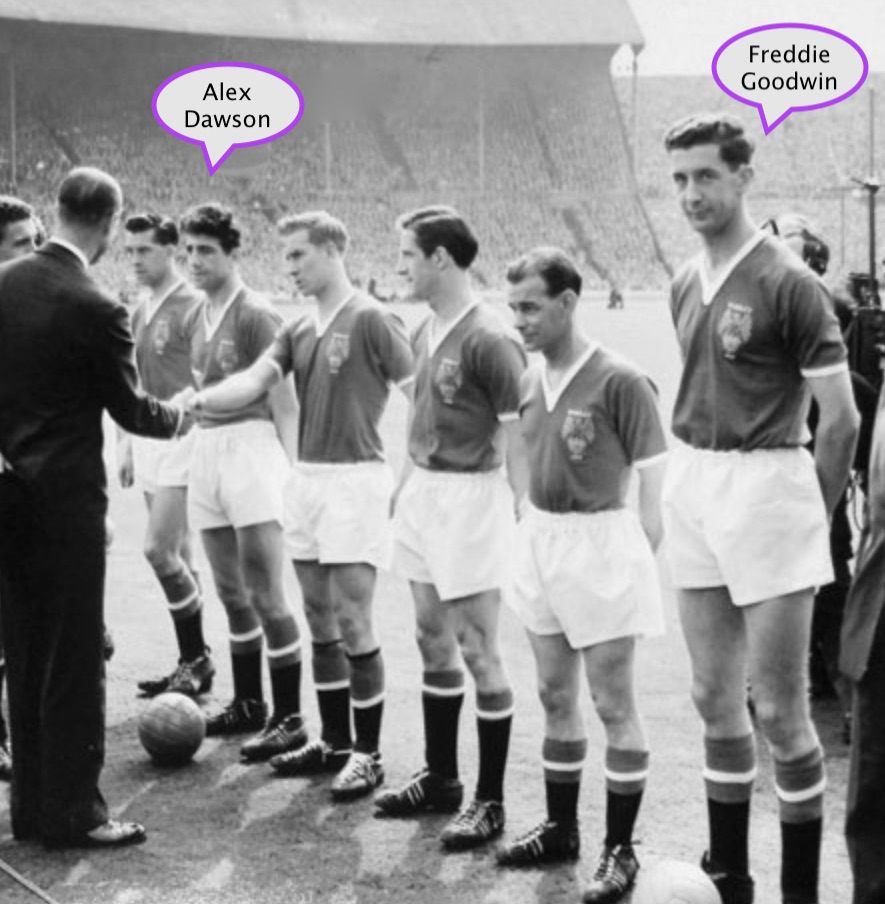
However, he wasn’t able to hold down a regular spot until the Munich air disaster in February 1958 decimated the United first team. Alongside Dawson, Goodwin was given a chance to establish himself and he played in the side which lost 2-0 in that year’s FA Cup Final to Bolton Wanderers (pre-match line-up at Wembley, below).Wembley line-up

By the time United decided to sell him for £10,000 to Leeds United in March 1960, he’d played 107 games over five seasons.

From being a teammate of Bobby Charlton, Goodwin partnered Bobby’s brother Jack in the Leeds defence and captained the side until the arrival of Bobby Collins in 1962.

After 120 games for Leeds, his playing career was virtually ended when a tackle, ironically by former Leeds legend John Charles, playing for Cardiff, on 4 January 1964, fractured a leg in three places.

Goodwin went on to become player-manager at Division Three Scunthorpe (his injury restricted him to just six appearances) where he first signed Sidebottom whose place was eventually taken by the emerging Clemence.

When Goodwin tried his luck in America in 1967-68, Sidebottom was one of his first signings at New York Generals, and the ‘keeper played 44 games over there.

Birmingham fans will always remember how Goodwin launched the career of teenager Francis. In 1972, Francis, Bob Latchford and Bob Hatton spearheaded promotion for the Blues and a place in the FA Cup semi finals.

The 1973-74 season saw Birmingham escape relegation from the elite by a single point. They were marginally safer the following season, and reached the semi-final of the FA Cup again (losing in a replay to Fulham).

With Blues struggling at the foot of the table at the start of the 1975-76 season, Goodwin was sacked in September and Bell took over.

In 1976 Goodwin returned to America to become the first coach and president of the Minnesota Kicks where he remained until the early 1980s before retiring.

He settled in the US and lived there until his death from cancer aged 82 in Gig Harbour, Washington, on 19 February 2016.

In paying tribute to the man who gave him his big break, Francis told the Birmingham Mail: “I will forever be indebted to him for having the courage to put me into the team at such a young age – that tends to be overlooked.

“I had only had a season of youth football and not even a handful of reserve team games but he still gave me my opportunity.

“I held him in very high regard and had enormous respect for him. I was most saddened the day he was sacked.

“He looked after me and took care of me. He was like a father figure to me. He knew when to play me and when to take me out and give me a little bit of a rest – not that I understood that at 16 years old.

“Just before I went to Detroit, Freddie was already in the States coaching the Minnesota Kicks and he put a very lucrative offer in front of me to go out there and play.

“That alerted a lot of other NASL clubs and in the end I went to Detroit, who were managed by Jimmy Hill. I owe much of that to Freddie’s foresight.”

Read more here:

http://www.ozwhitelufc.net.au/players_profiles/G/GoodwinF.php

Pictures from the Albion matchday programme and online sources; Goodwin in a Leeds team line-up from 1962-63 alongside Billy Bremner and Jack Charlton.

Willie Bell rang last orders on his playing career at Brighton

High-flying Willie Bell in night game action versus Rotherham at the Goldstone Ground

LEFT-BACK Willie Bell was a key part of the first successful Leeds United side built by Don Revie. A Scottish international, his illustrious playing career ended with the then Division Three Brighton.

Bell missed only two games during Albion’s 1969-70 season having been signed as a player-coach by his former Leeds United teammate, Freddie Goodwin, from the 1969 FA Cup Finalists Leicester City.

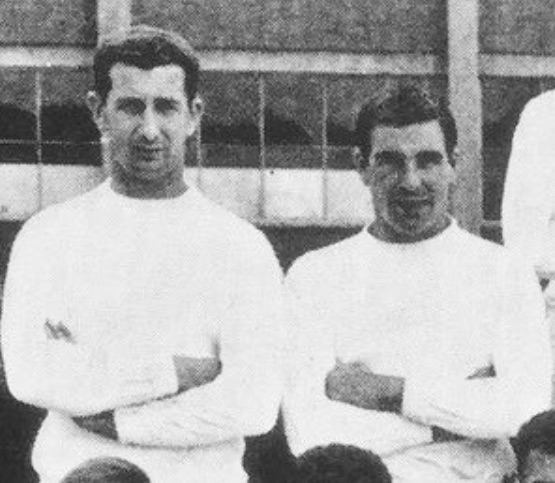
Screen Shot 2019-03-03 at 08.51.01Goodwin (pictured below alongside Bell in a Leeds line-up) obviously knew the pedigree of the player and mightyleeds.co.uk covers in depth how Bell was an unsung hero of that famous Don Revie side as it rose to prominence between 1962 and 1967.
Legendary Leeds hardman Norman Hunter is quoted as saying: “Willie Bell was one of the bravest men I have seen in my life. He never blinked, he never flinched, he just went for it.”

And Scottish international winger Eddie Gray remembered something similar. “Willie was a natural defender; a big, strong player who epitomised the old school of British full-backs in his discipline in sticking rigidly to the basic defensive requirements of his job.”

Good+Willie

However, he stands accused of contributing to what Welsh Evertonian Roy Vernon labelled one of the most “savage confrontations” on a football pitch: an Everton v Leeds match in November 1964.

Everton full-back Sandy Brown had been sent off in only the fourth minute when he decked Johnny Giles for a tackle that left stud marks in the defender’s chest.

“Things came to a head in the 35th minute when full-back Willie Bell launched a two-footed tackle at Derek Temple near the touchline,” it was said in Blue Dragon: The Roy Vernon Story. “It was around neck high and one of the worst seen outside a wrestling ring.” The Everton winger had to be stretchered off by St John Ambulance attendants.

Born in Johnstone, Renfrewshire, on 3 September 1937, Bell began his career as a wing-half and in 1957 transferred from Neilston Juniors to Scottish amateur side Queens Park. While he was there, he won two Scottish amateur caps which attracted the attention of Leeds manager Jack Taylor.

Bell, aged 22, joined Leeds in the summer of 1960 after they had been relegated to the old Second Division. The Scot struggled to adapt to the English game initially and only featured sporadically in the Leeds first team. It was Taylor’s successor Revie who switched him to left-back to replace the long estanlished Grenville Hair and he only became a regular in the 1963-64 season.

He developed a great understanding with left winger Albert Johanesson as Leeds won the Second Division title and, by the end of the following season, he was part of the Leeds side that reached the  1965 FA Cup Final, only to lose to Liverpool after extra time.

England international Terry Cooper eventually replaced him at Leeds, but his performances for the Elland Road outfit earned him two full caps for Scotland in 1966, against Portugal and Brazil.

Leeds transferred Bell to Leicester in 1967 for £40,000 and he was their captain for a while but the emerging, future England international David Nish became their first choice left back and, in the summer of 1969, Bell linked up with Goodwin at Brighton.

It was halfway through the season when Bell was put in charge of Albion’s reserve side and they couldn’t have made a better start for him because they hammered Southend United 6-1 with goals from Andy Marchant, Brian Tawse, Paul Flood, Ken Blackburn, Barrie Wright and Dave Armstrong.

Bell headshotThe matchday programme noted: “Willie is continuing his career as a player, but devotes a good deal of his time to the reserve side. He’s thoroughly enjoying this new phase to a fine career in the game.”
When Goodwin left Brighton for Birmingham, he took Bell and youth coach George Dalton with him, but Goodwin was so eager to hire his old pal that he made an illegal approach to him while he was still under contract at Brighton and Birmingham were later fined £5,000 for the offence.

Goodwin and Bell launched the career of Trevor Francis, the first £1m footballer, as a teenage starlet at Birmingham. In 1972, Francis, Bob Latchford and Bob Hatton spearheaded promotion for the Blues and a place in the FA Cup semi finals.

When Goodwin was sacked at the end of the 1974-75 season, Bell became caretaker manager and, after a successful spell in temporary charge, got the position on a permanent basis.

Screenshot
Birmingham City manager

Bell brought in Syd Owen, the former Leeds United trainer, as a coach, but the team struggled, finishing one place above the relegation zone at the end of their 1975-76 centenary season.

He led them to an improved 13th in the following season but after losing the opening five matches of the 1977-78 season, Bell’s managerial career at St Andrews came to an end. His successor was none other than former England boss Sir Alf Ramsey, who was by then a Birmingham director.

Bell meanwhile went on to manage Third Division Lincoln City, following the unsuccessful George Kerr in trying to emulate the heights enjoyed by the Imps under Graham Taylor, who had gone on to manage Watford. It wasn’t to be, though, and on leaving Lincoln in October 1978, Bell emigrated to the USA and coached at Liberty University in Virginia.

After suffering a heart attack in 1993, he turned to religion and became active in the church. In 2001 he and his wife Mary retired to Yorkshire and in 2014 published an autobiography called The Light At The End of the Tunnel.

Bell died aged 85 on 21 March 2023 after suffering a stroke.